Research Articles

Functional Data Geometric Morphometrics: A Revolutionary Framework for Precision Shape Classification in Biomedical Research
This article explores Functional Data Geometric Morphometrics (FDGM), an advanced statistical framework that transforms discrete landmark data into continuous curves for superior shape analysis.
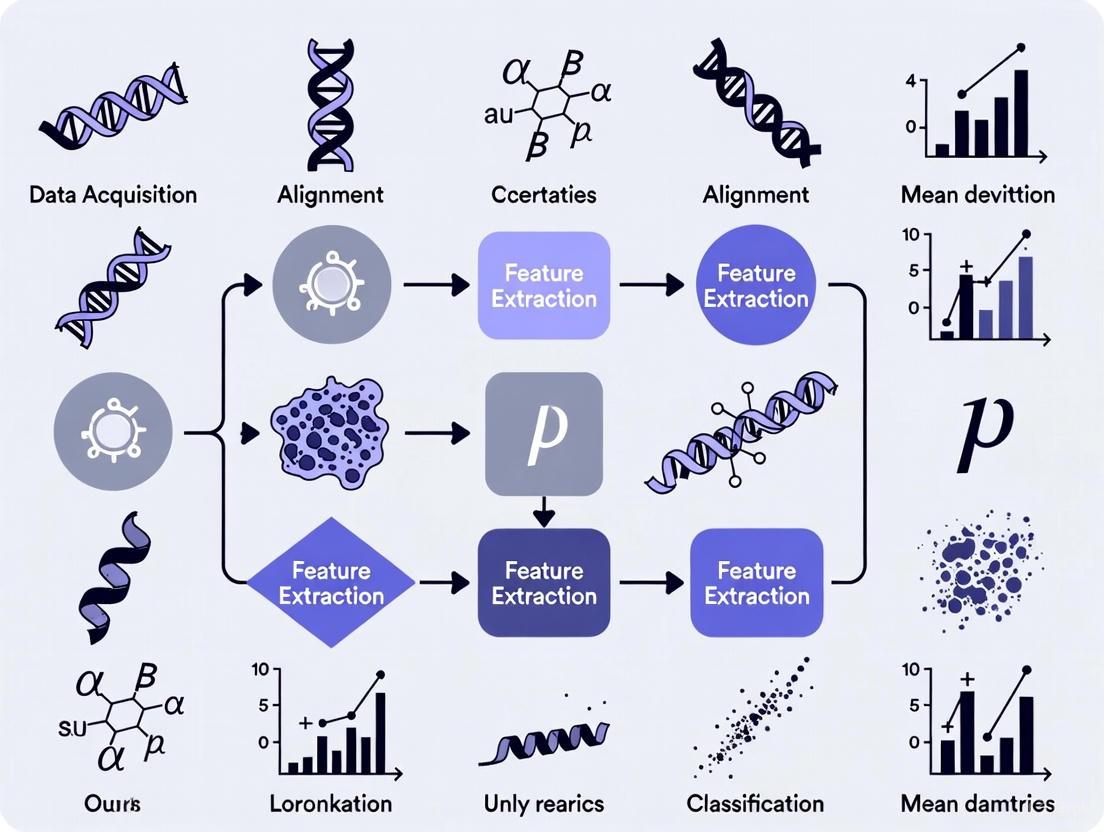
Landmark-Free Morphometrics: A New Frontier for High-Throughput Phenotypic Identification Across Disparate Taxa
Landmark-free morphometrics is emerging as a transformative methodology that overcomes the critical limitations of traditional landmark-based approaches, particularly for large-scale comparative studies across phylogenetically distinct species.
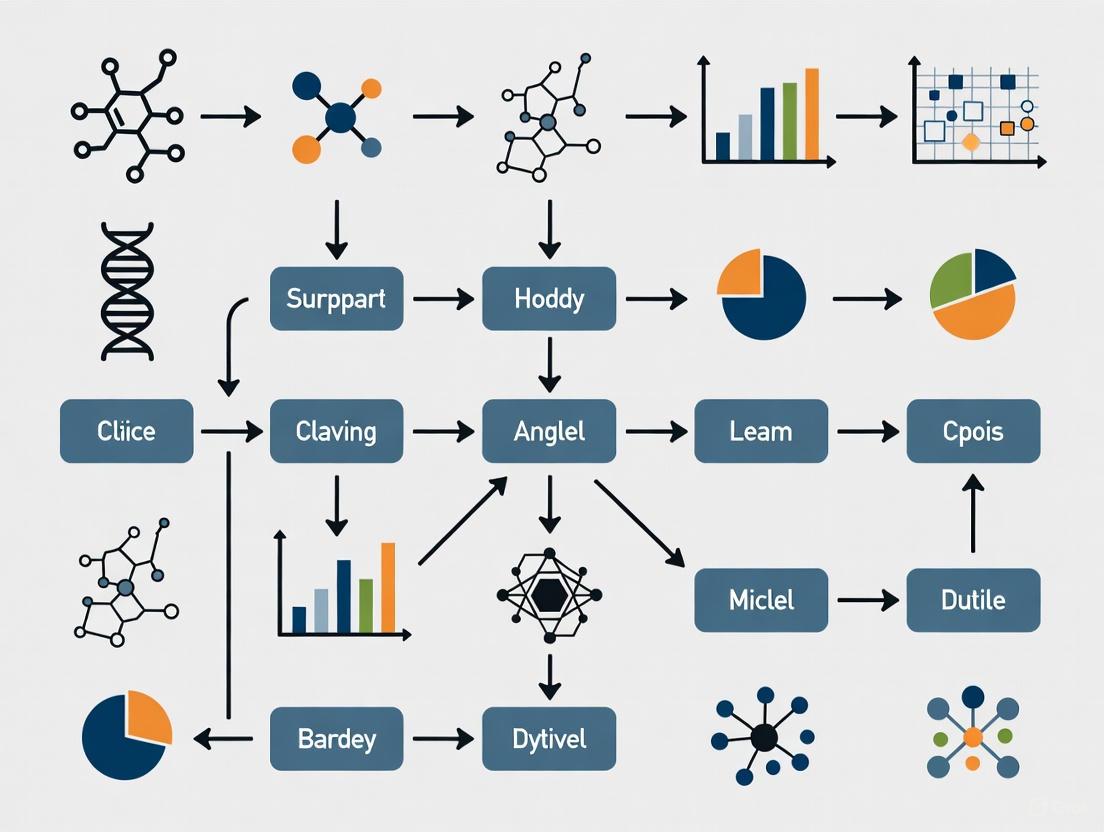
Machine Learning for Geometric Morphometric Classification: Advanced Methods and Biomedical Applications
This article explores the integration of machine learning (ML) with geometric morphometrics (GM) for precise shape-based classification, a methodology gaining significant traction in biological and biomedical research.

Best Practices in Geometric Morphometrics for Taxonomy: A Guide for Precision Biology and Drug Discovery
This article provides a comprehensive guide to the application of geometric morphometrics (GM) in modern taxonomy, with a special focus on implications for biomedical and drug discovery research.
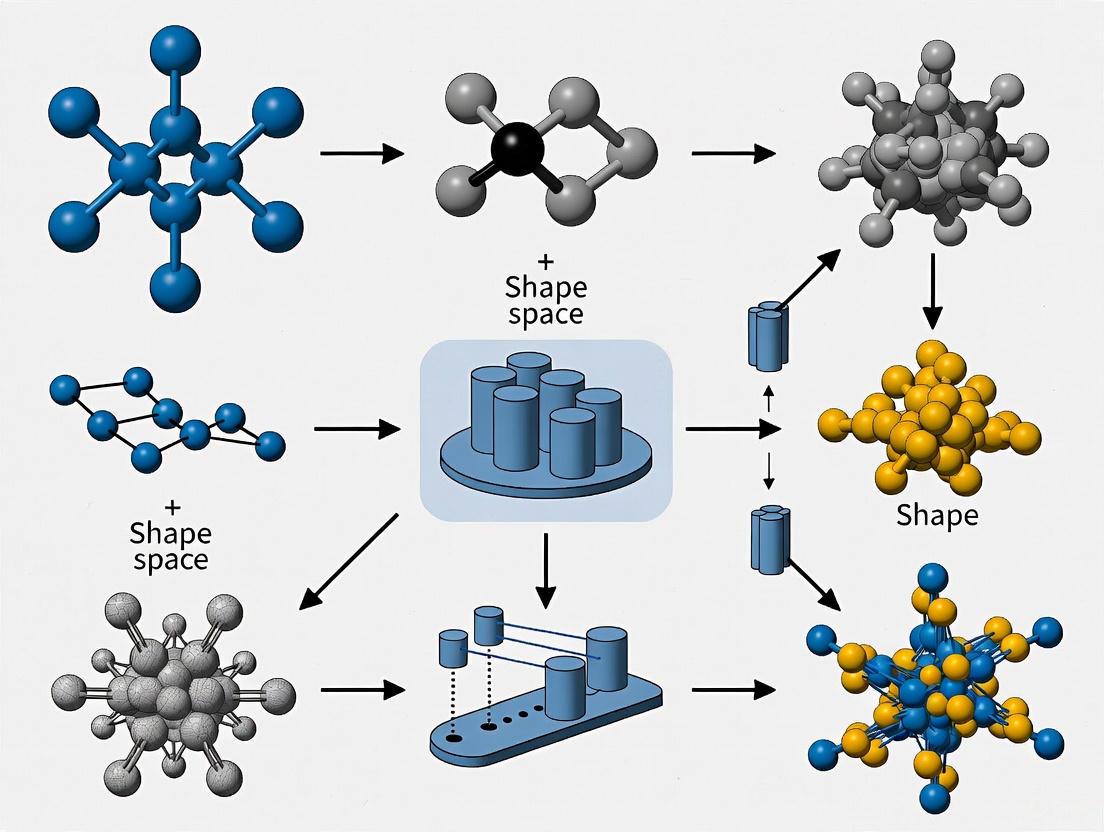
Shape Space and Classification in Morphometrics: From Mathematical Foundations to Biomedical Applications
This article provides a comprehensive exploration of shape space theory and classification methodologies within geometric morphometrics, tailored for researchers and drug development professionals.
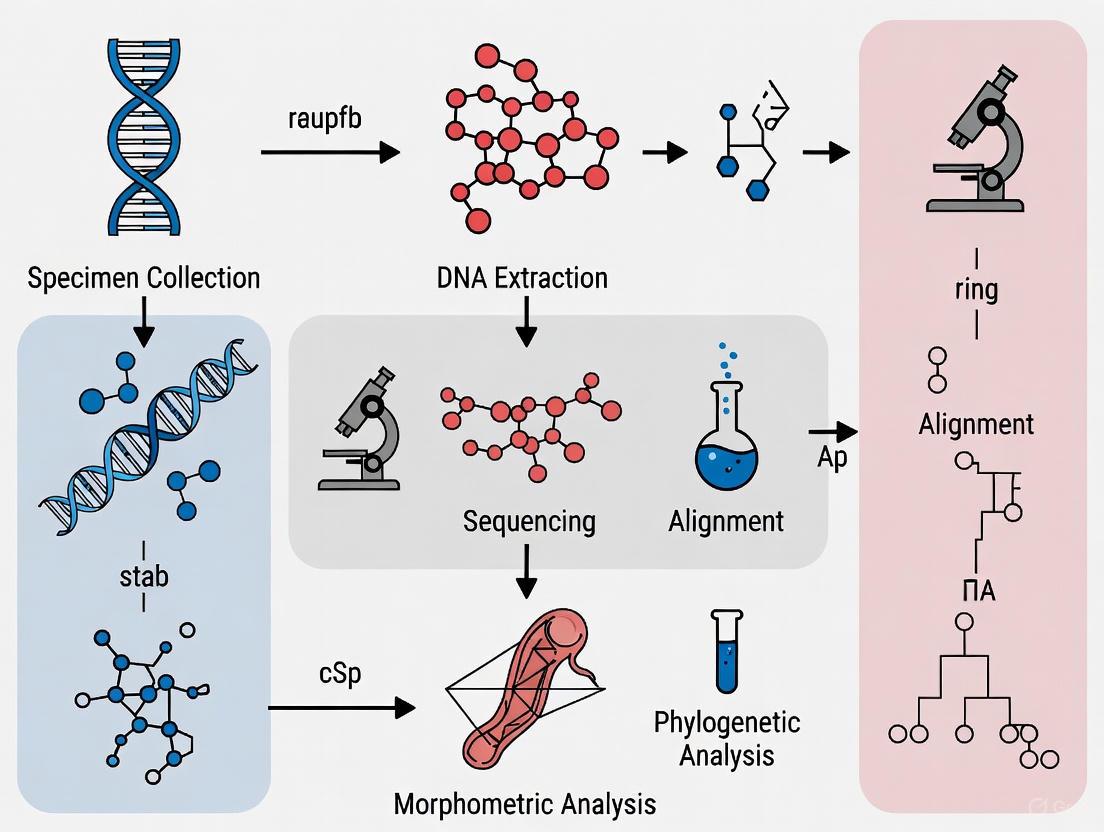
Geometric Morphometric Protocols for Cryptic Species Discrimination: A Comprehensive Guide for Biomedical Research
This article provides a detailed exploration of geometric morphometric (GM) protocols for discriminating cryptic species, a critical challenge in taxonomy, vector control, and biomedical research.
Beyond Traditional Taxonomy: Leveraging Landmark-Based Geometric Morphometrics for Precise Species Delimitation in Biomedical Research
This article explores the transformative potential of landmark-based geometric morphometrics (GM) as a powerful, quantitative tool for species delimitation, a critical task in biomedical and pharmacological research.
Beyond Linear Measurement: A Practical Guide to Geometric Morphometrics for Precise Identification in Biomedical Research
This article provides a comprehensive overview of geometric morphometrics (GM), a powerful set of methods for quantifying and analyzing shape.
Assessing Geometric Morphometric Method Accuracy: A Comprehensive Guide for Biomedical Research
This article provides a comprehensive framework for researchers, scientists, and drug development professionals to assess the accuracy of geometric morphometric (GM) methods.
Evaluating Geometric Morphometrics: A Powerful Tool for Species Identification and Biomedical Research
Geometric morphometrics (GM) has emerged as a powerful quantitative method for species identification, proving particularly valuable for distinguishing morphologically similar taxa in agricultural and quarantine settings.