Evaluating Digital Specimen Databases for Morphology Training: A 2025 Guide for Biomedical Researchers
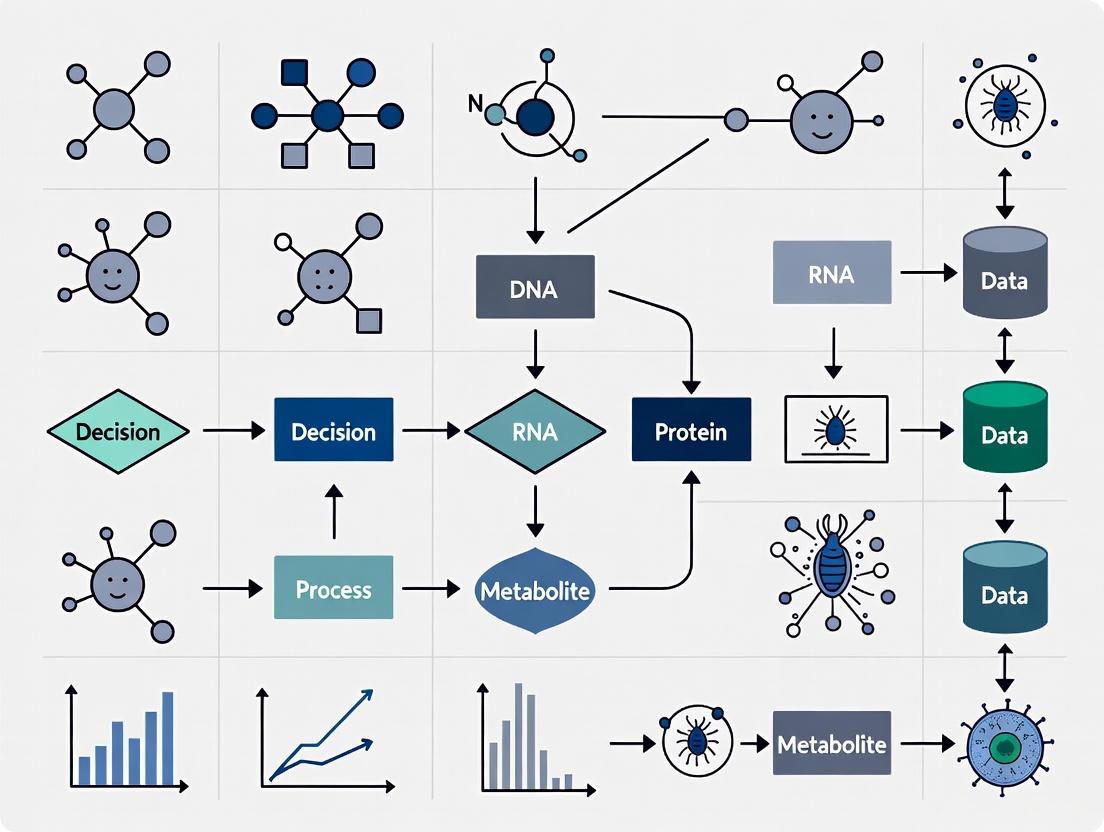
This article provides a comprehensive framework for researchers, scientists, and drug development professionals to critically evaluate and select digital specimen databases for morphology training.
Evaluating Digital Specimen Databases for Morphology Training: A 2025 Guide for Biomedical Researchers
Abstract
This article provides a comprehensive framework for researchers, scientists, and drug development professionals to critically evaluate and select digital specimen databases for morphology training. It covers foundational principles of specimen digitization and data standards, practical methodologies for database integration into training workflows, strategies to overcome common data quality and technical challenges, and rigorous techniques for validating database utility and comparing platform performance. By synthesizing current standards and emerging trends, this guide empowers professionals to leverage high-quality digital data to enhance training efficacy and accelerate biomedical research.
Understanding Digital Specimen Databases: Core Concepts and Data Standards
The field of morphological research is undergoing a profound transformation, moving from the traditional examination of physical specimens under a microscope to the analysis of high-resolution digital representations. This digitization process enables unprecedented opportunities for data preservation, sharing, and large-scale computational analysis. For researchers in systematics, drug development, and comparative morphology, digital specimen databases have become indispensable tools that facilitate collaboration and enhance analytical capabilities. These databases vary significantly in their architecture, functionality, and suitability for different research scenarios. This guide provides an objective comparison of digital platforms for morphological data, with a specific focus on their application in training and research, supported by experimental data and clear performance metrics.
Digital Specimen Databases: A Comparative Landscape
Digital specimen databases serve as specialized repositories for storing, managing, and analyzing morphological data. They can be broadly categorized into vector databases designed for machine learning embeddings, media-rich platforms for images and associated metadata, and specialized morphological workbenches that combine both functions. The core function of these systems is to make morphological data findable, accessible, interoperable, and reusable (FAIR), while providing tools for quantitative analysis.
Table 1: Core Platform Types and Their Research Applications
| Platform Type | Primary Function | Typical Data Forms | Research Use Cases |
|---|---|---|---|
| Vector Databases [1] | Similarity search on ML embeddings | Numerical vectors (e.g., from images) | Semantic search, phenotype clustering, anomaly detection |
| Media Archives [2] | Storage and annotation of media files | Images, 3D models, video | Phylogenetic matrices, comparative anatomy, educational datasets |
| Integrated Workbenches [3] | Combined analysis and storage | Images, numerical features, classifications | High-content screening, clinical pathology, automated cell classification |
Platform Performance Comparison: Quantitative Analysis
Vector Database Performance Metrics
Vector databases specialize in high-dimensional search and are optimized for storing and querying vector embeddings used in large language model and neural network applications [1]. Unlike traditional databases, they excel at similarity searches across complex, unstructured data such as images and natural language.
Table 2: Vector Database Performance Comparison [1]
| Database | Open Source | Key Strengths | Throughput | Latency | Primary Use Cases |
|---|---|---|---|---|---|
| Pinecone | No | Managed cloud service, no infrastructure requirements | High | Low | E-commerce suggestions, semantic search |
| Milvus | Yes | Highly scalable, handles trillion-scale vectors | Very High | Very Low | Image search, chatbots, chemical structure search |
| Weaviate | Yes | Cloud-native, hybrid search capabilities | High | Low | Question-answer extraction, summarization, classification |
| Chroma | Yes | AI-native, "batteries included" approach | Medium | Medium | LLM applications, document retrieval |
| Qdrant | Yes | Extensive filtering support, production-ready API | High | Low | Neural network matching, faceted search |
Digital Morphology Analyzer Performance
Digital morphology (DM) analyzers have advanced clinical hematology laboratories by enhancing the efficiency and precision of peripheral blood smear analysis [3]. These systems automate blood cell classification and assessment, reducing manual effort while providing consistent results.
Table 3: Digital Morphology Analyzer Capabilities [3]
| Platform | FDA Approved | Throughput (slides/h) | Cell Types Analyzed | Stain Compatibility |
|---|---|---|---|---|
| CellaVision DM1200 | Yes | 20 | WBC differential, RBC morphology, PLT estimation | Romanowsky, RAL, MCDh |
| CellaVision DM9600 | Yes | 30 | WBC differential, RBC overview, PLT estimation | Romanowsky, RAL, MCDh |
| Sysmex DI-60 | Yes | 30 | WBC differential, RBC overview, PLT estimation | Romanowsky, RAL, MCDh |
| Mindray MC-80 | No | 60 | WBC pre-classification, RBC pre-characterization | Romanowsky |
| Scopio X100 | Yes | 15 (40 with 200 WBC diff) | WBC differential, RBC morphology | Romanowsky |
Experimental Protocols and Validation Methodologies
Benchmarking Database Performance
Robust benchmarking is essential for evaluating database performance in research contexts. The Yahoo! Cloud Serving Benchmark (YCSB) provides a standardized methodology for assessing throughput and latency across different workload patterns [4]. A typical benchmarking protocol includes:
- Infrastructure Setup: Deployment in target region (e.g., Tokyo) with consistent hardware specifications
- Data Scaling: Initial dataset of 200M rows with 10M operations per execution
- Warm-up Phase: 1-hour warm-up time to stabilize performance measurements
- Execution Phase: 30-minute measurement window post warm-up
- Workload Variation: Testing across different read/write ratios (50/50 to 99/1)
- Metrics Collection: P50/P99 latency measurements and throughput in operations per second (OPS)
This methodology revealed that AlloyDB consistently delivered the lowest P50 and P99 latencies across all workloads, while CockroachDB showed higher P99 variance, indicating occasional latency spikes under heavy load [4].
Validation of Digital Morphology Analyzers
According to International Council for Standardization in Hematology (ICSH) guidelines, DM analyzer validation should include [3]:
- Precision and Accuracy Assessment: Comparison against manual differential counts by experienced technologists
- Reproducibility Testing: Evaluation across multiple operators and instruments
- Linearity Verification: Testing across analytical measurement range
- Carryover Contamination Checks: Ensuring sample-to-sample integrity
- Reference Interval Verification: Confirming established clinical ranges
- Method Comparison: Correlation with existing validated methods
These protocols help address limitations in recognizing rare and dysplastic cells, where algorithmic performance varies significantly and affects diagnostic reliability [3].
Architectural Workflows and System Diagrams
Digital Morphology Analysis Pipeline
The workflow for digital morphology analysis involves sequential steps from sample preparation to clinical reporting, with critical quality control checkpoints to ensure analytical validity.
Digital Morphology Analysis Workflow: This pipeline shows the integrated human-machine process for analyzing blood specimens, with critical quality control points at slide preparation, staining, and AI classification stages [3].
Vector Search Architecture for Morphological Data
Vector databases enable content-based image retrieval for morphological specimens by transforming images into mathematical representations and performing similarity searches in high-dimensional space.
Vector Search Architecture: This diagram illustrates the computational pipeline for content-based image retrieval in morphological databases, showing how raw images are transformed into searchable vector representations [1].
Successful implementation of digital morphology databases requires specific computational tools and resources. The following table details essential components for establishing a robust digital morphology research pipeline.
Table 4: Research Reagent Solutions for Digital Morphology
| Tool Category | Specific Tools | Function | Implementation Considerations |
|---|---|---|---|
| Vector Databases [1] | Milvus, Pinecone, Weaviate, Qdrant | High-dimensional similarity search | Choose based on scalability needs, metadata filtering, and hybrid search capabilities |
| Digital Morphology Analyzers [3] | CellaVision, Sysmex DI-60, Mindray MC-80 | Automated cell classification and analysis | Consider throughput, stain compatibility, and rare cell detection performance |
| AI/ML Frameworks [5] | CellCognition, Deep Learning Modules | Feature extraction and phenotype annotation | Evaluate based on novelty detection capabilities and training data requirements |
| Data Management Platforms [2] | MorphoBank, specialized repositories | Phylogenetic matrix management and media archiving | Assess collaboration features and data publishing workflows |
| Benchmarking Tools [4] | YCSB, custom validation protocols | Performance validation and comparison | Implement standardized testing across multiple workload patterns |
The digitization of morphological specimens has created powerful new paradigms for research and training. Vector databases like Milvus and Weaviate excel in similarity search and machine learning applications, while specialized platforms like MorphoBank provide domain-specific functionality for phylogenetic research [1] [2]. Digital morphology analyzers such as CellaVision and Sysmex systems offer automated cellular analysis but still require expert verification for complex cases [3]. Selection criteria should prioritize analytical needs, with vector databases chosen for embedding-based retrieval and specialized platforms selected for domain-specific workflows. As these technologies evolve, increased integration between vector search capabilities and domain-specific platforms will likely enhance both research efficiency and diagnostic precision in morphological studies.
This guide objectively compares three key data standards—Darwin Core, ABCD, and Audubon Core—evaluating their performance and applicability for managing digital specimen data in morphology training research.
For researchers in drug development and morphology, selecting the right data standard is crucial for integrating disparate biological specimen data. The table below provides a high-level comparison of the three standards to guide your choice.
| Feature | Darwin Core (DwC) | Access to Biological Collection Data (ABCD) | Audubon Core (AC) |
|---|---|---|---|
| Primary Focus | Sharing species occurrence data (specimens, observations) [6] | Detailed representation of biological collection specimens [7] [8] | Describing biodiversity multimedia and associated metadata [9] |
| Structural Complexity | Relatively simple; offers both flat ("Simple") and relational models [6] | High; a comprehensive, complex schema designed for detailed data [8] | Moderate; acts as an extension to DwC, reusing terms from other standards [9] |
| Adoption & Use Cases | Very widespread; used by GBIF, iDigBio, and Atlas of Living Australia for data aggregation [7] [10] [11] | Used by institutions requiring detailed specimen descriptions; can be mapped to DwC for publishing [8] | Used to describe multimedia; applicable to 2D images and 3D models (e.g., from CT scans) [9] |
| Best Suited For | Rapid data publishing, aggregation, and integration for large-scale ecological and biogeographic studies [6] [10] | Capturing and preserving the full complexity and provenance of specimens within institutional collections [7] [8] | Managing digital media assets (images, 3D models) derived from specimens, ensuring rich metadata is retained [9] |
Darwin Core
Darwin Core is a standard maintained by Biodiversity Information Standards (TDWG). Its mission is to "provide simple standards to facilitate the finding, sharing and management of biodiversity information" [6]. It consists of a glossary of terms (e.g., dwc:genus, dwc:eventDate) intended to provide a common language for sharing biodiversity data, primarily focusing on taxa and their occurrences in nature as documented by specimens, observations, and samples [6] [12]. Its simplicity and flexibility have led to its widespread adoption by global infrastructures like the Global Biodiversity Information Facility (GBIF), which indexes hundreds of millions of Darwin Core records [6] [10].
Access to Biological Collection Data (ABCD)
ABCD is a more comprehensive TDWG standard designed for detailed data about biological collections. It is a complex schema that can capture the full depth of information associated with preserved specimens [7] [8]. While ABCD is a powerful standard for data storage and exchange between specialized collections, its complexity can be a barrier for some applications. Consequently, data are often mapped to the simpler Darwin Core standard for broader publishing and aggregation through portals like GBIF [8].
Audubon Core
Audubon Core is a standard and Darwin Core extension for describing biodiversity multimedia, such as images, videos, and audio recordings [9]. It is not an entirely new vocabulary but borrows and specializes terms from established standards like Dublin Core and Darwin Core. Its relevance has grown with new digitization techniques, as it can be used to describe the metadata of 3D data files generated from methods like surface scanning (laser scanners), volumetric scanning (microCT, MRI), and photogrammetry [9]. This makes it directly applicable to morphology research that relies on digital assets.
Experimental Protocols and Data Integration
Research in digital morphology often depends on integrating data from multiple sources and standards. The following workflow, titled "3D Morphology Data Integration," diagrams a typical pipeline from physical specimen to generated data.
Protocol: Generating and Publishing 3D Morphology Data
The methodology below, critical for creating FAIR (Findable, Accessible, Interoperable, Reusable) data for morphology training, draws from community best practices for 3D digital data publication [13].
Step 1: Specimen Imaging and Raw Data Capture
- Action: Generate 3D digital data using modalities like micro-CT scanning (for internal morphology) or laser scanning/photogrammetry (for surface topology) [13].
- Data Output: The essential data produced is the full-resolution image stack (e.g., TIFF files for tomography) or the original capture data (e.g., point clouds for laser scanning, photographs for photogrammetry) [13].
- Standards Context: At this stage, data are not yet standardized, but the imaging device's metadata is recorded.
Step 2: Data Processing and Model Generation
- Action: Process the raw data to create usable 3D models. This involves segmenting image stacks to differentiate structures and generating surface or volume mesh models [13].
- Data Output: The key outputs are the final 3D models used in analysis (e.g., in STL or PLY format) and, as best practice, the prepared dataset (e.g., segmented image stacks) [13].
Step 3: Metadata Assignment and Standardization
- Action: Describe the digital specimen and its creation process using standard vocabularies.
- Data Output: A text file with critical metadata, including:
- Specimen Information: Link to the physical specimen via repository and accession number [13].
- Acquisition Parameters: Scanner settings, resolution, voxel size, and techniques used to produce the 3D models [13].
- Standards Application: Audubon Core is used to describe the digital media file (e.g., its format, creation method). Darwin Core is used to describe the biological occurrence (e.g., taxonomic identification, collection location). For highly detailed specimen data, ABCD may be used at the source.
Step 4: Data Integration and Publishing
- Action: Package and deposit the data into a repository. The 3D model files and their associated metadata are published together under a persistent identifier (e.g., a DOI) [13].
- Standards Application: A Darwin Core Archive can bundle the core specimen data with an extension using Audubon Core terms to describe the 3D media file. This allows the integrated dataset to be discovered through aggregators like GBIF [9] [10].
The Scientist's Toolkit: Essential Research Reagents and Materials
For researchers conducting or utilizing experiments in digital morphology, the following tools and data components are essential.
| Item/Reagent | Critical Function & Rationale |
|---|---|
| Physical Voucher Specimen | Provides the ground-truth biological material. Essential for validating digital models and for future morphological or genetic study. Must be housed in a recognized collection with a stable accession number [7] [13]. |
| High-Resolution 3D Scanner (micro-CT, MRI) | Generates the primary 3D data. micro-CT is ideal for hard tissues (bone, teeth), while MRI is used for soft tissues. The choice directly impacts the resolution and type of morphological data acquired [13]. |
| Segmentation & Modeling Software | Enables the transformation of raw image stacks into 3D mesh models. Software like Avizo or SPIERS is used to isolate specific anatomical structures from the surrounding data, creating the models used in analysis [13]. |
| Standardized Metadata File | A text file documenting the entire data generation process. This is critical for reproducibility and data reuse. It allows other scientists to understand the limitations of the data and replicate the methodology [13]. |
| Data Repository (e.g., MorphoSource) | A dedicated platform for long-term storage and access to 3D data. Repositories ensure data preservation, assign DOIs for citation, and facilitate sharing under clear usage licenses, making data FAIR [13]. |
Performance Analysis and Discussion
Quantitative Data on Standard Implementation
The performance of a data standard can be inferred from its adoption rates and the volume of data it supports. The table below summarizes key metrics.
| Performance Metric | Darwin Core | ABCD | Audubon Core |
|---|---|---|---|
| Estimated Specimen Records | ~1.3 Billion+ (e.g., in GBIF) [8] | Data often mapped to DwC for publishing; precise count not specified in results. | Not typically measured in specimen counts, but in associated media files. |
| U.S. Digitization Progress | ~121 Million records in iDigBio (30% of estimated U.S. holdings) [10] | Information not available in search results. | Information not available in search results. |
| Implementation Flexibility | High: Can be implemented as simple spreadsheets (CSV), XML, or RDF [6] [12]. | Lower: Defined as a comprehensive XML schema, making it more complex [8]. | Moderate: Functions as an extension, inheriting DwC's flexibility [9]. |
Critical Interpretation of Performance Data
Interoperability vs. Complexity: The data shows a clear trade-off. Darwin Core's simplicity is a key driver behind its massive adoption, enabling the aggregation of over a billion records [8]. However, this simplicity can force a loss of detail, as complex data must be simplified for publication. ABCD excels at preserving data richness and provenance but at the cost of ease of use and direct interoperability at a global scale [7] [8].
The Role of Extensions: Audubon Core demonstrates how the limitations of one standard can be addressed by another. DwC alone is insufficient for describing complex multimedia. Using AC as an extension creates a powerful combination where DwC handles the "what, where, when" of the specimen, and AC handles the "how" of the digital representation [9]. This modular approach is likely the future of biodiversity data standards.
Fitness for Morphology Training: For machine learning and morphology training pipelines, data consistency and rich metadata are paramount. While DwC provides the easiest route to amassing large datasets, the critical metadata about 3D model creation (e.g., scanner settings, resolution) is best handled by Audubon Core. Therefore, the most robust data pipeline for advanced research would capture data using ABCD or similar detailed internal standards, then publish a streamlined version enriched with Audubon Core metadata via Darwin Core for global integration [10] [14].
In the evolving landscape of morphology training and research, the digital specimen has become a fundamental resource. A high-quality digital specimen is not merely a scanned image; it is a complex data object integrating high-resolution image data, rich structured metadata, and detailed provenance information. This integrated approach transforms static images into dynamic, computable resources that can power advanced research in drug development and morphological sciences. The transition to digital workflows in pathology and morphology has catalyzed the development of novel machine-learning models for tissue interrogation, enabling the discovery of disease mechanisms and comprehensive patient-specific phenotypes [15]. The quality of these digital specimens directly determines their fitness for purpose in research and clinical applications, making the understanding of their core components essential for researchers and scientists.
Core Components of Digital Specimens
Image Data: Resolution, Format, and Quality
The image data itself forms the visual foundation of any digital specimen. Quality is determined by multiple technical factors including resolution, color depth, and file format. Whole Slide Images (WSI), which can now be scanned in less than a minute, serve as effective surrogates for traditional microscopy [15]. These images represent the internal structure or function of an anatomic region in the form of an array of picture elements called pixels or voxels [16].
Pixel depth, the number of bits used to encode information for each pixel, determines the detail with which morphology can be depicted [16]. With clinical radiological images like CT and MR typically having a gray scale photometric interpretation, and nuclear medicine images like PET and SPECT often displayed with color maps, the technical specifications directly impact research utility [16].
The file format determines how image data is organized and interpreted. In medical imaging, several formats prevail, each with distinct strengths. The Digital Imaging and Communications in Medicine (DICOM) standard provides a comprehensive framework including a metadata model, file format, and transmission protocol, widely used in healthcare environments [17]. Other research-focused formats like Nifti and Minc offer specialized capabilities for analytical workflows [16].
Metadata: Context and Machine-Readability
Metadata—text-based elements that describe the medical photograph or associated clinical information—provides essential context to ensure proper interpretation [17]. Without robust metadata, even the highest resolution image has limited research value.
Metadata in medical imaging encompasses technical parameters (how the image was acquired), clinical context (anatomy, patient information), and administrative data [17]. For pathology specimens, this might include information about staining protocols, magnification, and specimen preparation techniques. The DICOM standard represents a sophisticated metadata framework that has been successfully adopted across healthcare, with recent drives toward enterprise imaging strategies expanding its use beyond radiology and cardiology to all specialties acquiring digital images [17].
The emergence of standards like Minimum Information about a Digital Specimen (MIDS) reflects broader efforts to harmonize metadata practices across domains [18]. Such frameworks help clarify what constitutes sufficient documentation for digital specimens, ensuring they remain useful for the widest range of research purposes.
Provenance: Traceability and Authenticity
Provenance documentation provides the historical trail of a digital specimen, tracking its origin and any transformations throughout its lifecycle. This includes details about the specimen collection, preparation protocols, digitization processes, and any subsequent analytical procedures applied. In research contexts, particularly for regulatory purposes in drug development, robust provenance is essential for establishing data integrity and reproducibility.
Provenance information enables researchers to assess fitness-for-purpose of specific specimens for their research questions and provides critical context for interpreting analytical results. The development of structured frameworks for representing provenance alongside image data and metadata represents an advancing area in digital pathology and computational image analysis [15].
Comparative Analysis of Digital Specimen Databases and Standards
Database and Standards Comparison
The landscape of digital specimen management encompasses several specialized databases and standards, each designed with particular use cases and capabilities.
Table 1: Comparison of Digital Specimen Databases and Standards
| Database/Standard | Primary Focus | Metadata Model | Query Capabilities | Representative Use Cases |
|---|---|---|---|---|
| PAIS (Pathology Analytic Imaging Standards) [19] | Pathology image analysis | Relational data model | Metadata and spatial queries | Breast cancer studies (4,740 cases), algorithm validation (66 GB), brain tumor studies (365 GB) |
| DICOM (Digital Imaging and Communications in Medicine) [17] [16] | Medical image management and communication | Comprehensive metadata model | Workflow services, transmission protocol | Enterprise imaging, radiology, cardiology, expanding to all medical specialties |
| MIDS (Minimum Information about a Digital Specimen) [18] | Natural science specimens | Minimum information standard | Fitness-for-purpose assessment | Biodiversity collections, digitization reporting, specimen prioritization |
| TCGA (The Cancer Genome Atlas) [20] | Cancer research | Multi-modal data integration | Cross-domain queries | PANDA challenge (prostate cancer), cancer biomarker discovery |
| CAMELYON Datasets [20] | Metastasis detection | Structured annotations | Lesion-level and patient-level queries | Breast cancer lymph node sections, metastasis detection algorithms |
Image File Format Comparison
The choice of file format significantly impacts what can be done with a digital specimen in research contexts. Different formats offer varying balances of image fidelity, metadata capacity, and analytical suitability.
Table 2: Medical and Research Image File Formats Comparison
| Format | Header Structure | Data Types Supported | Strengths | Limitations |
|---|---|---|---|---|
| DICOM [16] | Variable length binary | Signed/unsigned integer (8-, 16-bit; 32-bit for radiotherapy) | Comprehensive metadata, workflow services, widely adopted in healthcare | Float not supported, complex implementation |
| Nifti [16] | Fixed-length (352 byte) | Signed/unsigned integer (8-64 bit), float (32-128 bit), complex (64-256 bit) | Extended header mechanism, comprehensive data type support | Primarily neuroimaging focus |
| TIFF [21] | Flexible | Varies by implementation | Lossless compression, suitable for high-quality prints and scans | Large file sizes, limited metadata structure |
| PNG [21] | Fixed | Varies by implementation | Lossless compression, transparency support, web-friendly | Not ideal for high-resolution photos or print projects |
| JPEG [21] | Fixed | Varies by implementation | Small file size, widely compatible, good for photos | Lossy compression, quality degradation with editing |
Experimental Protocols for Digital Specimen Analysis
Whole Slide Image Analysis Workflow
The analytical workflow for digital specimens in morphology research follows a structured pathway from specimen preparation through computational analysis. The following diagram illustrates this research pipeline:
Title: Digital Specimen Research Pipeline
Methodological Details: The process begins with specimen collection and tissue preparation, where biological samples are obtained and prepared using standardized protocols [15]. This is followed by slide digitization using whole-slide scanners capable of producing high-magnification, high-resolution images within minutes [19] [15]. Quality control addresses potential artifacts including out-of-focal plane issues and ensures diagnostic quality [15]. The metadata annotation phase incorporates both technical metadata (scanning parameters, resolution) and clinical context (anatomy, staining protocols) [17]. Data management leverages specialized databases like PAIS that can handle the vast amounts of data generated—reaching hundreds of gigabytes in research studies [19]. Computational analysis employs machine learning and deep learning techniques to extract features, patterns, and information from histopathological subject matter that cannot be analysed by human-based image interrogation alone [15].
Database Performance Benchmarking
Experimental evaluation of digital specimen databases involves multiple performance dimensions. The PAIS database implementation demonstrated capability to manage substantial data volumes, with benchmarks showing:
- TMA database: 4,740 breast cancer cases occupying 641 MB storage
- Algorithm validation database: 18 selected slides with markups and annotations using 66 GB storage
- Brain tumor study database: 307 TCGA slides utilizing 365 GB storage [19]
These databases supported a wide range of metadata and spatial queries on images, annotations, markups, and features, providing powerful query capabilities that would be difficult or cumbersome to support through other approaches [19].
The Scientist's Toolkit: Essential Research Reagent Solutions
The effective utilization of digital specimens in morphology research requires a suite of specialized tools and platforms. The following table details key resources and their research applications.
Table 3: Essential Digital Pathology Research Tools and Resources
| Tool/Resource | Type | Primary Function | Research Application |
|---|---|---|---|
| Whole Slide Scanners [15] | Hardware | Converts glass slides to high-resolution digital images | Creation of digital specimens for analysis and archiving |
| PAIS Database [19] | Data Management System | Manages pathology image analysis results and annotations | Supporting spatial and metadata queries on large-scale pathology datasets |
| DICOM Standard [17] [16] | Interoperability Framework | Ensures consistent image formatting and metadata structure | Enabling enterprise-wide image management and exchange |
| Computational Image Analysis [15] | Analytical Methodology | Extracts quantitative data from digital images | Feature detection, segmentation, and classification of morphological structures |
| Digital Pathology Datasets [20] | Reference Data | Provides annotated images for algorithm training and validation | Benchmarking machine learning models (e.g., PANDA, CAMELYON) |
| Deep Learning Models [15] | Analytical Tool | Performs complex pattern recognition on image data | Automated detection, classification, and prognostication from histology |
The comparative analysis of digital specimen components reveals a complex ecosystem where image data quality, metadata richness, and provenance tracking collectively determine research utility. For researchers and drug development professionals, selection of appropriate standards and databases must align with specific research objectives. DICOM provides robust clinical integration for healthcare environments, while specialized research databases like PAIS offer advanced query capabilities for analytical workflows. The emergence of whole slide imaging and computational image analysis has positioned pathology at the forefront of efforts to redefine disease categories through integrated analysis of morphological patterns. As these technologies continue to evolve, the comprehensive anatomical understanding embodied in high-quality digital specimens will play an increasingly central role in personalized medicine and targeted therapeutic development.
In the evolving landscape of biodiversity informatics, digital specimen databases have become indispensable tools for morphological research and training. These aggregated portals provide researchers, scientists, and drug development professionals with unprecedented access to standardized specimen data, enabling large-scale comparative analyses that were previously impossible. Within this ecosystem, three platforms stand out for their distinctive roles and capabilities: the Global Biodiversity Information Facility (GBIF), which operates as an international network; the Integrated Digitized Biocollections (iDigBio), serving as the U.S. national coordinating center; and the Atlas of Living Australia (ALA), representing a mature national biodiversity data infrastructure. This guide objectively compares the scope, data architecture, and research applications of these critical platforms within the context of digital morphology training and specimen-based research, providing experimental data and methodological frameworks for their effective utilization.
Institutional Profiles and Primary Missions
GBIF (Global Biodiversity Information Facility): An international network and data infrastructure funded by world governments to provide open access data about all life on Earth. Its primary mission is to make biodiversity data openly accessible to anyone, anywhere, supporting scientific research, conservation, and sustainable development [22].
iDigBio (Integrated Digitized Biocollections): Created as the U.S. national coordinating center in 2011 through the National Science Foundation's Advancing Digitization of Biodiversity Collections (ADBC) grant. iDigBio's mission focuses on promoting and catalyzing the digitization, mobilization, and use of biodiversity specimen data through training, open data, and innovative applications. Based at the University of Florida with Florida State University and the University of Kansas as subawardees, it specifically serves as a GBIF Other Associate Participant Node [23].
ALA (Atlas of Living Australia): A national biodiversity data portal that aggregates and provides open access to Australia's biodiversity data. While the search results do not contain extensive details about ALA, it is referenced as a significant data source in global biodiversity research workflows, particularly in the BeeBDC dataset compilation study [24].
Quantitative Data Comparison
Table 1: Comparative quantitative data for biodiversity aggregators
| Platform | Spatial Scope | Specimen Records | Media Files | Data Sources |
|---|---|---|---|---|
| GBIF | Global | Not specified in results | Not specified | International network of governments and institutions [22] |
| iDigBio | U.S. National Hub | >143 million records | >57 million media files | >1,800 recordsets from U.S. collections [23] |
| ALA | Australia | Part of >18.3 million bee records aggregated in study [24] | Not specified | Australian biodiversity institutions and collections [24] |
Table 2: Functional characteristics and research applications
| Platform | Primary Focus | Key Strengths | Research Applications |
|---|---|---|---|
| GBIF | Global data infrastructure | Cross-disciplinary research support, international governance | Climate change impacts, invasive species, human health research [22] |
| iDigBio | U.S. specimen digitization | Digitization training, specimen imaging, georeferencing | Morphological studies, collections-based research, digitization protocols [23] [25] |
| ALA | Australian biodiversity | National data aggregation, regional completeness | Regional conservation assessments, taxonomic studies [24] |
Experimental Data and Research Applications
Case Study: Large-Scale Bee Occurrence Data Integration
A 2023 study published in Scientific Data provides empirical evidence of how these platforms function within an integrated research workflow. The research aimed to create a globally synthesized and cleaned bee occurrence dataset, combining >18.3 million bee occurrence records from multiple public repositories including GBIF, iDigBio, and ALA, alongside smaller datasets [24].
Experimental Protocol:
- Data Sourcing: Records were downloaded from GBIF (August 14, 2023), iDigBio (September 1, 2023), and ALA (September 1, 2023) on a per-family basis
- Data Processing: Implementation of the BeeBDC R package workflow for standardization, flagging, deduplication, and cleaning
- Taxonomic Harmonization: Species names were standardized following established global taxonomy using Discover Life website data
- Quality Control: Record-level flags were added for potential quality issues, creating both "cleaned" and "flagged-but-uncleaned" dataset versions [24]
Results and Performance Metrics: The integration process yielded a final cleaned dataset of 6.9 million occurrences from the initial 18.3 million records, demonstrating the substantial data curation required when working with aggregated biodiversity data. The study highlighted that each platform contributed significant volumes of data but required substantial cleaning and standardization for research readiness [24].
Digital Morphology and Imaging Workflows
The adoption of whole-slide imaging (WSI) scanners and digital microscopy has transformed morphological research, creating new opportunities for integrating specimen data with high-resolution imagery. Technical considerations for digital morphology include:
- Scanning Specifications: Modern scanners capture images at 20× and 40× magnification, with 40× scans producing files approximately 4 times larger than 20× scans. Higher resolutions (60×/63× or 100×) are recommended for specialized applications like blood smears [26]
- File Management: The JPEG2000 compression scheme represents the current standard for WSI, based on discrete wavelet transforms that provide optimal compression-to-quality ratios [26]
- Data Integration: Platforms like iDigBio specifically accommodate associated images, audio, and video files, with over 57 million media files currently available through their portal [23]
Diagram 1: Data flow and relationships between aggregators in morphological research
Methodological Framework for Researchers
Data Quality Assessment Protocol
When utilizing these platforms for morphological research, implementing a systematic data quality assessment is essential:
- Provenance Tracking: Document the original source of each record, as aggregators like GBIF and iDigBio often contain overlapping but not identical datasets [27]
- Taxonomic Harmonization: Standardize species names using authoritative taxonomic backbones, as demonstrated in the bee dataset study where names were harmonized following Discover Life taxonomy [24]
- Spatial Validation: Implement coordinate checks for accuracy and precision, including tests for coordinate outliers and country code consistency
- Temporal Validation: Verify collection dates for chronological plausibility and internal consistency
- Duplicate Detection: Identify and merge duplicate records across platforms using specimen codes, coordinates, and taxonomic information [24]
Digitization Workflow Standards
The digitization process follows established workflows that ensure data quality and interoperability:
- Pre-digitization Curation: Includes specimen preparation and assignment of unique identifiers that persist through the digitization pipeline [28]
- Image Capture: Requires careful planning of work sequences, hardware selection, and storage solutions [28]
- Data Capture: The core process of transcribing specimen information into digital formats, increasingly utilizing advanced data entry technologies beyond manual keyboard entry [28]
- Georeferencing: Extracting accurate geographical information from collection records, which is particularly important for ecological and morphological studies [28]
Research Reagent Solutions
Table 3: Essential tools and platforms for biodiversity data management
| Tool Category | Specific Solution | Function in Research | Implementation Example |
|---|---|---|---|
| Data Aggregation | GBIF API | Programmatic access to global occurrence data | Downloading bee records by taxonomic family [24] |
| Data Cleaning | BeeBDC R Package | Reproducible workflow for data standardization, flagging, and deduplication | Processing >18.3 million bee records from multiple aggregators [24] |
| Digital Imaging | Whole Slide Imaging (WSI) Scanners | Digitization of histology slides for quantitative analysis | Creating virtual slides viewable at multiple magnifications [26] |
| Taxonomic Harmonization | Discover Life Taxonomy | Authoritative taxonomic backbone for name standardization | Harmonizing species names across aggregated bee records [24] |
| Data Publishing | Hosted Portals (GBIF) | Customizable websites for specialized data communities | Thematic portals for national or institutional data [22] |
| Digitization Training | iDigBio Digitization Academy | Professional development for biodiversity digitization | Course on databasing, imaging, and georeferencing protocols [25] |
The complementary roles of iDigBio, GBIF, and ALA create a robust infrastructure for digital morphology research, each contributing distinctive strengths to the scientific community. iDigBio excels as a national center for specimen digitization standards and training with deep specimen imaging expertise. GBIF provides unparalleled global scale and cross-disciplinary data integration capabilities. ALA represents a model for comprehensive national biodiversity data aggregation. For researchers focused on morphological training and analysis, success depends on understanding the specific strengths, data quality considerations, and interoperability frameworks of each platform, while implementing rigorous data validation protocols that acknowledge the specialized nature of morphological data. The continuing development of tools like the BeeBDC package and standardized digitization workflows promises to further enhance the research utility of these critical biodiversity data aggregators.
The Extended Specimen Concept (ESC) represents a transformative framework in biodiversity science, shifting the perspective of a museum specimen from a singular physical object to a dynamic hub interconnected with a vast array of digital data and physical derivatives [29]. This approach reframes specimens as foundational elements for integrative biological research, linking morphological data with genomic, ecological, and environmental information to address complex questions about life on Earth [29]. The ESC facilitates the exploration of life across evolutionary, temporal, and spatial scales by creating a network of associations—the Extended Specimen Network (ESN)—that connects primary specimens to related resources such as tissue samples, gene sequences, isotope analyses, field photographs, and behavioral observations [29]. This paradigm supports critical research areas including responses to environmental change, zoonotic disease transmission, sustainable resource use, and crop resilience [29]. For morphology training and research, particularly in fields like parasitology where access to physical specimens is diminishing due to improved sanitation, digital extensions such as virtual slides provide indispensable resources for education and ongoing discovery [30].
Comparative Analysis of Digital Specimen Database Architectures
Digital specimen databases form the technological backbone of the Extended Specimen Concept. These systems vary in architecture, data integration capabilities, and user interfaces, directly influencing their utility for morphological research and training. The following comparison examines three distinct models.
Table 1: Comparison of Digital Specimen Database Architectures
| Database Feature | Extended Specimen Network (ESN) | Preliminary Digital Parasite Specimen Database | MCZbase (Museum of Comparative Zoology) | High Throughput Experimental Materials (HTEM) Database |
|---|---|---|---|---|
| Primary Focus | Integrating biodiversity data across collections [29] | Parasitology education and morphology training [30] | Centralizing specimen records for a natural history museum [31] | Inorganic materials science and data mining [32] |
| Core Data Types | Physical specimens, genetic sequences, trait data, images, biotic interactions [29] | Virtual slides of parasite eggs, adults, arthropods; explanatory notes [30] | Georeferenced specimen records, digital media, GenBank links [31] | Synthesis conditions, chemical composition, crystal structure, optoelectronic properties [32] |
| Data Integration Mechanism | Dynamic linking via system of identifiers and tracking protocols [29] | Folder organization by taxon; server-based sharing [30] | Centralized database conforming to natural history standards [31] | Laboratory Information Management System (LIMS) with API [32] |
| User Interface & Accessibility | Planned interfaces for diverse users, including dynamic queries [29] | Web-based; accessible to ~100 users simultaneously [30] | Searchable for researchers and public; supports global collaborations [31] | Web interface with periodic table search; API for data mining [32] |
| Impact on Morphology Training | Potential for object-based learning combined with digital data literacy [29] | Direct resource for practical training in parasite identification [30] | Enhances documentation through researcher collaboration [31] | Not directly applicable to biological morphology |
The ESN architecture is designed for maximum interoperability, aiming to create a decentralized network where data from many institutions can be dynamically linked [29]. In contrast, the Parasite Database and MCZbase represent more centralized models, with the former being highly specialized for a single educational purpose and the latter serving the needs of a single institution while contributing data to larger networks like the Global Biodiversity Information Facility (GBIF) [30] [31]. The HTEM database, while from a different field (materials science), illustrates the power of a high-throughput approach and dedicated data infrastructure for generating large, machine-learning-ready datasets, a model that could inform future developments in biodiversity informatics [32].
Experimental Protocols for Extended Specimen Data Generation
The implementation of the Extended Specimen Concept relies on rigorous methodologies for generating, managing, and linking diverse data types. The following protocols are critical for building a robust Extended Specimen Network.
Digitization and Virtual Slide Creation
This protocol is essential for creating high-fidelity digital surrogates of physical specimens, particularly for morphology training.
- Specimen Curation and Selection: Acquire and curate physical specimens (e.g., microscope slides of parasite eggs, adults, and arthropods) from established collections. Ensure specimens represent key taxonomic groups and morphological features [30].
- High-Resolution Slide Scanning: Employ whole-slide scanning technology to capture digital images of specimens. The process must successfully scan diverse elements, from large structures (e.g., ticks observed under low magnification) to minute details (e.g., malarial parasites under high magnification) [30].
- Data Annotation and Curation: Attach multilingual explanatory notes (e.g., in English and Japanese) to each digital specimen. Organize the resulting virtual slides into a logical structure, such as folders arranged by taxon, to facilitate navigation and learning [30].
- Database Integration and Deployment: Compile the annotated virtual slides into a digital database. Host the database on a shared server capable of supporting simultaneous access by numerous users (e.g., ~100 individuals), enabling its use in practical training and research across institutions [30].
Data Integration via a Centralized Museum Database
This protocol outlines the process for moving from legacy systems to an integrated, standards-compliant database for museum collections.
- Legacy Data Migration: Consolidate specimen records from multiple independent, legacy sources (e.g., separate databases for different collections) into a single, centralized database [31].
- Standards Conformance and Enhancement: Ensure the new database conforms to recognized standards for natural history collections (e.g., those facilitating collaboration with GBIF and the Encyclopedia of Life). Implement capabilities for tracking collection management duties and making holdings publicly accessible [31].
- Linking Derived Data: Establish pathways to link various forms of digital media, GenBank data, and other research information directly to the relevant specimen record. This creates the foundational links of an extended specimen [31].
- Researcher Collaboration Framework: Develop guidelines and operational pathways for outside researchers to efficiently contribute specimen information, digital media, and other research data back into the museum database, thereby enhancing specimen documentation [31].
High-Throughput Data Generation and Management
Adapted from materials science [32], this protocol provides a template for the large-scale data generation needed to populate an ESN.
- Combinatorial Sample Generation: Utilize high-throughput methods (e.g., combinatorial physical vapor deposition for materials) to generate large sample libraries. In a biological context, this could translate to systematic imaging or genetic sequencing campaigns.
- Spatially-Resolved Characterization: Apply multiple characterization techniques (e.g., structural, chemical, optoelectronic) to each sample in the library to generate diverse data types for the same source material [32].
- Automated Data Harvesting: Automatically harvest raw data and metadata from synthesis and characterization instruments into a central data warehouse or archive [32].
- Extract-Transform-Load (ETL) Processing: Implement an ETL process to align, clean, and structure the disparate data and metadata into a consistent, object-relational database architecture [32].
- Multi-Channel Data Access: Deploy an Application Programming Interface (API) and a web-based user interface to allow both human-driven data exploration and programmatic access for large-scale data mining and machine learning [32].
Visualization of the Extended Specimen Workflow
The following diagram illustrates the integrated workflow for generating and utilizing data within the Extended Specimen Network, from physical object to research and educational application.
The Scientist's Toolkit: Essential Research Reagent Solutions
Implementing the Extended Specimen Concept requires a suite of technological and informatics "reagents." The following table details key components essential for constructing and utilizing a functional Extended Specimen Network.
Table 2: Essential Research Reagent Solutions for Extended Specimen Research
| Tool or Resource | Primary Function | Role in Extended Specimen Workflow |
|---|---|---|
| Whole-Slide Scanner | Creates high-resolution digital images of physical specimens (e.g., microscope slides) [30]. | Generates the core digital morphological data for education and remote verification of species identification [29] [30]. |
| Laboratory Information Management System (LIMS) | Manages laboratory data, samples, and associated metadata throughout the research lifecycle [32]. | Provides the backbone for data tracking, from specimen collection through data generation, ensuring data integrity and provenance [32]. |
| Centralized Specimen Database (e.g., MCZbase) | A unified repository for specimen records, digital media, and genomic links conforming to collection standards [31]. | Serves as the primary hub for storing and managing core specimen data and its initial digital extensions [31]. |
| Persistent Identifier System | Provides unique, resolvable identifiers for specimens, samples, and data sets (e.g., DOIs) [29]. | Enables dynamic, reliable linking of all extended specimen components across physical and digital spaces, crucial for interoperability and attribution [29]. |
| Application Programming Interface (API) | Allows for programmable, automated communication between software applications and databases [32]. | Facilitates data mining, large-scale analysis, and machine learning by providing standardized access to the database contents [32]. |
| Global Biodiversity Data Portals (e.g., GBIF, iDigBio) | Aggregate and provide access to biodiversity data from thousands of institutions worldwide [29] [31]. | Enables large-scale, cross-collection research and provides the infrastructure for building a distributed network like the ESN [29]. |
The Extended Specimen Concept represents a fundamental evolution in how biodiversity specimens are conceptualized and utilized. By integrating traditional morphology with genomics, ecology, and other data domains through digital networks, the ESC creates a powerful, multifaceted resource for scientific inquiry. The comparative analysis of database architectures reveals that while specialized resources are vital for focused training, the future lies in interoperable networks that leverage common standards and persistent identifiers. The experimental protocols and tools detailed herein provide a roadmap for researchers and institutions to contribute to and benefit from this expanding framework. As these networks grow, they will continue to transform our ability to document, understand, and preserve biological diversity in an increasingly data-driven world.
Integrating Digital Databases into Morphology Training Workflows
The emergence of sophisticated digital specimen databases is fundamentally transforming morphology training and research. These resources provide unprecedented access to detailed three-dimensional morphological data, enabling a shift from traditional, hands-on specimen examination to interactive, data-driven exploration. For researchers, scientists, and drug development professionals, mastering these tools is no longer optional but essential for maintaining competitive advantage. The digital era in morphology, fueled by advances in non-invasive imaging techniques like micro-computed tomography (μCT) and magnetic resonance imaging (MRI), allows for high-throughput analyses of whole specimens, including valuable museum material [33]. This transition presents a critical challenge for curriculum design: effectively integrating these powerful digital resources to maximize research outcomes and foster robust morphological understanding. This guide provides a structured comparison of database performance and experimental protocols to inform the development of state-of-the-art digital morphology modules.
Comparative Analysis of Digital Morphology Database Platforms
A diverse ecosystem of digital databases supports morphological research. They can be broadly categorized into specialized repositories for specific data types and general-purpose databases with advanced features suitable for morphological data management. The following comparison outlines key platforms relevant to a morphology curriculum.
Table 1: Comparison of Specialized Morphological & Scientific Databases
| Database Name | Primary Focus | Key Morphological Features | Data Types & Accessibility |
|---|---|---|---|
| NeuroMorpho.Org [34] [35] | Neuronal Morphology | Repository of 3D digital reconstructions of neuronal axons and dendrites; over 44,000 reconstructions identified in literature. | Digital reconstruction files (e.g., .swc); enables morphometric analysis and computational modeling. |
| L-Measure (LM) [35] | Neuronal Morphometry | Free software for quantitative analysis of neuronal morphology; computes >40 core metrics from 3D reconstructions. | Works with digital reconstruction files; online or local execution; outputs statistics and distributions. |
| Surrey Morphology Group Databases [36] | Linguistic Morphology | Covers diverse phenomena (e.g., inflectional classes, suppletion, syncretism) across many languages. | Typological databases; interactive paradigm visualizations; lexical data. |
| MCZbase [31] | Natural History Specimens | Centralized database for over 21-million biological specimens from the Museum of Comparative Zoology. | Specimen records with georeferencing; links to digital media and GenBank data; accessible via GBIF/EOL. |
Table 2: Comparison of General-Purpose Databases with Relevance to Morphology Research
| Database Name | Type | Relevant Features for Morphology Research | AI/Vector Support |
|---|---|---|---|
| PostgreSQL [37] | Relational (Open-Source) | Enhanced JSON support; PostgreSQL 17 offers advanced vector search for high-dimensional data (e.g., from imaging). | Yes |
| MongoDB [37] | NoSQL Document Store | Flexible BSON document storage; advanced vector indexing (DiskANN) for AI workloads. | Yes |
| Apache Cassandra [37] | Distributed NoSQL | Vector data types and similarity functions for scalable AI applications. | Yes |
Experimental Protocols for Validating Digital Morphology Tools
A critical component of integrating digital tools is understanding the experimental evidence that validates their utility and reliability. The following protocols from key studies provide a framework for assessing digital morphology resources.
Protocol: Validation of a Neuronal Morphometry Tool (L-Measure)
Objective: To quantitatively characterize neuronal morphology from 3D digital reconstructions, enabling the correlation of structure with function [35].
Workflow:
- Data Acquisition: Obtain 3D digital reconstructions of neurons. These are typically generated from histological preparations using specialized tracing software (e.g., Neurolucida) and represent neuronal arbors as sequences of interconnected cylinders.
- Tool Operation: Load reconstruction files into L-Measure. The tool can be accessed via a web-based Java interface or downloaded for local execution.
- Specificity Setting: Define the morphological region of interest for analysis (e.g., entire arbor, specific branch order, dendrites only).
- Function Selection: Choose from over 40 morphometric parameters to compute. Core metrics include:
- Branch Geometry: Length, Diameter, Taper, Contraction.
- Topology: Branch Order, Number of Bifurcations, Terminal Degree.
- Spatial Structure: Path Distance from Soma, Euclidian Distance from Soma, Sholl Analysis, Fractal Dimension.
- Branching Patterns: Partition Asymmetry, Rall Ratio.
- Execution and Output: Execute the analysis. L-Measure returns:
- Simple statistics (mean, standard deviation, min, max, total sum).
- Frequency distribution histograms.
- Interrelations between two measures (e.g., Sholl analysis).
- Application: Use the extracted parameters for comparative analysis, computational modeling, or classification of cellular phenotypes.
The diagram below illustrates the structured workflow for using L-Measure in neuronal morphometry analysis.
Protocol: Performance Comparison of AI-Based Analysis Systems
Objective: To compare the diagnostic performance of different versions of an artificial intelligence system for medical image analysis, providing a model for benchmarking digital analysis tools [38].
Workflow:
- Study Design: A retrospective multicenter study was conducted using 187 chest radiographs from six centers.
- Ground Truth Establishment:
- For 49 cases, the ground truth was established by a chest CT performed within a week of the radiograph.
- For the remaining 138 cases, ground truth was determined by consensus from three board-certified general radiologists.
- The final standard reference included 57 positive cases and 130 normal studies.
- Intervention: Each radiograph was analyzed by two versions of the AI system (Gleamer ChestView v1.5.0 and v1.5.4).
- Performance Metrics Calculation: Key metrics including accuracy, precision (positive predictive value), sensitivity (recall), specificity, and F1 score were calculated for each software version.
- Statistical Analysis: Performance metrics between versions were compared to determine statistically significant improvements, such as the increase in overall accuracy from 87.7% to 92.5% and precision from 75.0% to 85.2%.
Protocol: Validation of Digital vs. Optical Morphology
Objective: To evaluate the reliability of digital image analysis compared to classic microscopic morphological evaluation, specifically for bone marrow aspirates [39].
Workflow:
- Sample Preparation: 180 consecutive bone marrow needle aspirate smears were prepared.
- Digitization: All smears were scanned using a "Metafer4 VSlide" whole slide imaging (WSI) digital scanning system.
- Blinded Evaluation: The same morphologists evaluated the slides via both traditional optical microscopy and digital images on a screen.
- Data Collection: For both methods, reviewers assessed:
- Overall cellularity.
- Percentage values of different cell populations (e.g., neutrophilic granulocytes, erythroid series, lymphocytes, blasts).
- Identification of dysplastic features.
- Statistical Comparability: The means and medians of percentage values from both methods were compared. The study found average differences of 0% for key lineages, demonstrating high comparability.
The Researcher's Toolkit for Digital Morphology
Building and utilizing digital morphology modules requires a suite of specific tools and reagents. The table below details essential components for a functional research and training environment.
Table 3: Essential Research Reagent Solutions for Digital Morphology
| Tool/Reagent | Function / Purpose | Example in Use |
|---|---|---|
| Digital Reconstruction Files | Standardized format for representing neuronal morphology as interconnected tubules for quantitative analysis. | The .swc file format used by NeuroMorpho.Org and L-Measure [35]. |
| L-Measure Software | Free tool for extracting morphometric parameters from digital reconstructions; enables statistical comparison. | Used to compute branch length, path distance, and fractal dimension from a 3D neuron reconstruction [35]. |
| Contrast Agents (e.g., Iodine, Gadolinium) | Enhance soft tissue visualization for non-invasive imaging techniques like μCT and MRI. | Application to century-old museum specimens to enable digital analysis without physical destruction [33]. |
| Whole Slide Imaging (WSI) System | Digitizes entire microscope slides for preservation, sharing, and remote digital analysis. | The "Metafer4 VSlide" system used to validate digital bone marrow aspirate analysis [39]. |
| Remote Visualization Setup | A data center with large storage and powerful graphics to enable real-time manipulation of large 3D datasets remotely. | Proposed setup for handling GB-sized μCT datasets, allowing analysis on any internet-connected computer [33]. |
Strategic Implementation in Research and Training Curricula
The comparative data and experimental protocols outlined above provide a foundation for integrating digital morphology databases into research and training. The validation of digital analysis tools against traditional methods and ground truth standards builds the confidence necessary for their adoption in critical research and potential diagnostic applications [38] [39]. Furthermore, the ability to re-use shared digital morphologies in secondary applications, such as computational simulations and large-scale comparative studies, dramatically extends the impact and value of original research data [34] [35].
Curriculum modules should, therefore, be designed to achieve the following: First, train researchers to select the appropriate database or tool based on their specific data type and analytical goal, leveraging the comparisons in Tables 1 and 2. Second, provide hands-on experience with the experimental protocols for tool validation, ensuring researchers can critically assess the performance and limitations of digital resources. Finally, foster an understanding of the end-to-end digital workflow—from specimen preparation and digital archiving to quantitative analysis and data sharing—to prepare a new generation of scientists for the future of fully digital morphology.
The integration of artificial intelligence (AI) into clinical and research laboratories is fundamentally transforming cellular morphology analysis. Digital morphology analyzers, which automate the enumeration and classification of leukocytes in peripheral blood and body fluids, have emerged as pivotal tools for enhancing diagnostic precision, standardizing morphological assessment, and building rich digital specimen databases for research and training [40] [41]. These databases are invaluable resources for educating new laboratory scientists and for the development and refinement of AI algorithms themselves. This guide provides an objective comparison of two prominent platforms in this field—the CellaVision DI-60 (often integrated within Sysmex automation lines) and the Sysmex DI-60 system—focusing on their operational principles, analytical performance, and specific utility in a research context centered on morphology database development.
Both the CellaVision DI-60 and the Sysmex DI-60 are automated digital cell morphology systems designed to locate, identify, and pre-classify white blood cells (WBCs) from stained blood smears or body fluid slides. They consist of an automated microscope, a high-quality digital camera, and a computer system with software that acquires and pre-classifies cell images for subsequent technologist verification [42] [43]. This process enhances traceability, allowing researchers to link patient results directly to individual cell images, a critical feature for database curation.
Table 1: Core Technical Specifications at a Glance
| Feature | CellaVision/Sysmex DI-60 |
|---|---|
| Key Technology | Artificial Neural Network (ANN) [44] |
| Throughput (Peripheral Blood) | Up to 30 slides/hour [42] |
| WBC Pre-classification Categories | Up to 18 classes (e.g., segmented neutrophils, lymphocytes, monocytes, blasts, atypical lymphocytes) [45] [43] |
| RBC Morphology Characterization | Yes (e.g., anisocytosis, poikilocytosis, hypochromasia) [46] [43] |
| Body Fluid Analysis Mode | Yes (pre-classifies 8 cell classes) [47] |
| Integration | Can connect with Sysmex XN-series hematology systems for full automation [42] |
Comparative Performance Data from Key Studies
Independent performance evaluations provide critical insights into the operational reliability of these platforms. The data below, derived from recent scientific studies, highlight the systems' strengths and limitations in different clinical and pre-analytical scenarios.
Performance in Peripheral Blood with Abnormal Samples
A 2024 study evaluating the Sysmex DI-60 on 166 peripheral blood samples, including both normal and a range of abnormal cases (e.g., acute leukemia, leukopenia), found a strong correlation with manual microscopy for most major cell types after expert verification [45]. The analysis revealed high sensitivity and specificity for all cells except basophils. The correlation was particularly high for segmented neutrophils, band neutrophils, lymphocytes, and blast cells [45]. A key finding was that the DI-60 demonstrated consistent and reliable analysis of WBC differentials within a wide WBC count range of 1.5–30.0 × 10⁹/L. However, manual review remained indispensable for samples outside this range (severe leucocytosis >30.0 × 10⁹/L or severe leukopenia <1.5 × 10⁹/L) and for enumerating certain cells like monocytes and plasma cells, which showed poor agreement [45].
Performance in Body Fluid Analysis
A March 2024 study specifically assessed the DI-60 for WBC differentials in body fluids (BF) [47]. The study, using five BF samples, each dominated by a single cell type, reported excellent precision for both pre-classification and verification. After verification, the system showed high sensitivity, specificity, and efficiency in neutrophil- and lymphocyte-dominant samples, with high correlations to manual counting (r = 0.72 to 0.94) for major cell types [47]. However, the turnaround time (TAT) was significantly longer for the DI-60 (median 6 minutes 28 seconds per slide) compared to manual counting (1 minute 53 seconds), with the difference being most pronounced in samples containing abnormal or malignant cells [47].
Critical Comparison with an AI-Based Whole-Slide Scanner
A 2025 preprint study provided a direct performance comparison relevant for database comprehensiveness, particularly in challenging leukopenic samples [44]. The study compared the blast cell detection capability of the CellaVision DI-60 (using its standard 200-cell analysis mode) against the Cygnus system, which utilizes a Vision Transformer deep learning architecture and offers a whole-slide scanning (WSI) mode.
Table 2: Blast Detection Performance in Markedly Leucopenic Samples (WBC ≤2.0 × 10⁹/L)
| Analysis Platform and Mode | Number of Blast-Positive Cases Detected (Total=17) | Sensitivity |
|---|---|---|
| CellaVision/Sysmex DI-60 (200-cell mode) | 8 | 47.1% |
| Cygnus System (200-cell mode) | 9 | 52.9% |
| Cygnus System (Whole-slide scanning mode) | 17 | 100% |
This study underscores a fundamental methodological difference. The DI-60's fixed 200-cell counting mode, while efficient, may miss rare pathological cells in severely leukopenic samples due to its limited scanning area. In contrast, WSI-based systems are designed to scan the entire slide, dramatically improving the detection of low-frequency events, which is a critical consideration for building robust morphological databases that include rare cell types [44].
Detailed Experimental Protocols for Performance Assessment
To ensure the reproducibility of performance data and guide future validation studies in other research settings, the following section outlines the standard experimental methodologies cited in the comparison.
Protocol for Peripheral Blood Performance Evaluation
The following workflow was adapted from the 2024 study by [45] to assess DI-60 performance across a spectrum of WBC counts.
Workflow for Peripheral Blood Evaluation
- Sample Collection and Preparation: 166 peripheral blood specimens were collected in K₂-EDTA vacuettes. The WBC count of these specimens covered a broad reportable range (0.11–271 × 10⁹/L). The samples were categorized into groups based on their WBC count: moderate/severe leucocytosis (>30.0 × 10⁹/L), mild leucocytosis (10.0–30.0 × 10⁹/L), normal (4.0–10.0 × 10⁹/L), mild leukopenia (1.5–4.0 × 10⁹/L), and moderate/severe leukopenia (<1.5 × 10⁹/L) [45].
- Slide Preparation: Peripheral blood smears were automatically prepared and stained using an SP-10 slide maker/stainer and Wright's staining [45].
- DI-60 Analysis: Slides were loaded into the DI-60, which was set to scan in a battlement-track mode and count 200 cells per slide. The system's pre-classified cell images were subsequently verified by an expert hematologist [45].
- Reference Method (Manual Counting): Following CLSI H20-A2 guidelines, two experienced medical technologists, blinded to the DI-60 results, independently performed a 200-cell differential count on each slide using a light microscope. The average of their counts was used as the reference value [45].
- Statistical Analysis: The agreement between DI-60 (pre-classification and verification) and manual counting was assessed using Bland–Altman plots, Passing–Bablok regression, and calculation of correlation coefficients. Sensitivity, specificity, and other performance metrics were also evaluated [45].
Protocol for Body Fluid Analysis
The following methodology was used by [47] to evaluate the DI-60's performance on body fluids.
- Sample Preparation: Five body fluid samples (pleural fluids and ascites), each dominated (>80%) by a single cell type (neutrophils, lymphocytes, macrophages, abnormal lymphocytes, or malignant cells), were selected. Slides were prepared using a cytocentrifuge and stained with Wright-Giemsa on an SP-50 stainer [47].
- DI-60 and Manual Analysis: Each of the five BF slides was analyzed 10 consecutive times by the DI-60 operating in its BF mode. The pre-classified results were then verified by an expert. Manual counting of 200 WBCs was performed according to CLSI H56-A guidelines by a single expert [47].
- Turnaround Time (TAT) Assessment: The TAT for the DI-60 was automatically recorded from the system log, including preparation, scanning, pre-classification, and verification time. The TAT for manual counting was recorded with a stopwatch [47].
The Scientist's Toolkit: Essential Research Reagent Solutions
Building a high-quality digital morphology database requires standardized reagents and equipment to ensure image consistency and analytical reproducibility. The following table details key materials used in the featured experiments.
Table 3: Essential Materials and Reagents for Digital Morphology Research
| Item Name | Function/Description | Example from Cited Studies |
|---|---|---|
| K₂-EDTA Tubes | Anticoagulant for hematology samples; prevents clotting and preserves cell morphology for analysis. | Becton Dickinson vacuettes [45]. |
| Automated Slide Maker/Stainer | Standardizes the preparation and Romanowsky-type staining of blood smears, critical for consistent cell imaging. | Sysmex SP-10 or SP-50 systems [45] [47]. |
| Romanowsky Stains | A group of stains (e.g., Wright, May-Grünwald-Giemsa) used to differentiate blood cells based on cytoplasmic and nuclear staining. | Wright's staining (Baso Company) [45], Wright-Giemsa stain [47]. |
| Cytocentrifuge | Concentrates cells from low-cellularity fluids (e.g., body fluids) onto a small area of a slide for microscopic analysis. | Cytospin 4 centrifuge (Thermo Fisher Scientific) [47]. |
| Quality Control Slides | Commercially available or internally curated slides with known cell morphology to validate analyzer performance. | Implied by the use of characterized patient samples for validation [45] [47]. |
Analysis of Technological Foundations and Research Implications
The underlying AI technology directly impacts a platform's utility for research and database development. The CellaVision/Sysmex DI-60 systems utilize an Artificial Neural Network (ANN) for cell pre-classification [44]. This is a form of machine learning that relies on manually engineered feature extraction and pattern recognition. While highly effective for classifying common cell types, its performance can be constrained by its predefined feature set and the fixed area it scans to reach a target cell count (e.g., 200 cells) [44].
The comparative study with the Cygnus system highlights an emerging alternative: Vision Transformer-based Deep Learning [44]. This architecture uses self-attention mechanisms to autonomously learn hierarchical features directly from images, enabling more comprehensive, end-to-end image analysis. When coupled with whole-slide scanning (WSI) instead of a fixed cell count, this approach offers a significant advantage for detecting rare cells, a critical capability for ensuring database comprehensiveness and for applications like minimal residual disease detection [44].
For researchers, the choice involves a key trade-off:
- ANN-based systems (DI-60) offer proven, high-throughput performance for routine differentials and are integrated into automated workflows, making them excellent for building large datasets of common morphologies.
- WSI with advanced DL systems may be better suited for projects where the primary goal is the identification and capture of rare or aberrant cells, as they minimize sampling error by examining the entire slide.
Both the CellaVision and Sysmex DI-60 platforms represent sophisticated tools for automating cell identification and contributing to digital morphology databases. Performance data confirm they deliver reliable and standardized WBC differentials in peripheral blood within a broad WBC count range and in specific body fluid types after expert verification. Their integration into automated laboratory lines enhances efficiency and traceability for large-scale sample processing.
However, the fixed 200-cell analysis mode of these systems presents a fundamental limitation for research applications demanding the highest sensitivity for rare cell events, as evidenced by lower blast detection rates in leukopenic samples compared to whole-slide imaging scanners. Therefore, the optimal platform choice is dictated by the research objectives. For high-volume, routine morphology data collection, the DI-60 systems are highly effective. For pioneering research focused on rare cell populations or the utmost diagnostic sensitivity, platforms leveraging whole-slide scanning and next-generation deep learning architectures may offer a more comprehensive solution. A thorough understanding of these performance characteristics and technological foundations is essential for leveraging these AI-powered platforms effectively in translational medicine and research.
The microscopic examination of blood smears is a cornerstone of hematologic diagnosis, essential for identifying conditions ranging from infections and anemia to leukemia [48]. For many decades, this skill has been taught through direct manual microscopy, a method heavily dependent on trainer expertise and prone to human error and inter-observer variability [49] [50]. The field is now undergoing a profound transformation driven by digital imaging and artificial intelligence (AI). Digital hematology databases are emerging as powerful tools for standardizing and enhancing blood smear analysis training [49] [51].
This shift addresses critical limitations in traditional training, including access to rare pathological cases, standardization of educational content, and objective assessment of trainee competency [49]. This case study evaluates several digital hematology databases and analyzers, comparing their technical performance, applicability for training, and the experimental protocols that validate their utility in educational and research settings. The objective is to provide a structured framework for selecting and implementing these technologies within morphology training programs, framed within the broader thesis of evaluating digital specimen databases for morphological research.
Comparative Analysis of Digital Hematology Platforms
A diverse ecosystem of digital hematology platforms exists, ranging from task-specific databases to unified AI models and integrated commercial systems. The following table summarizes key platforms relevant to training and research.
Table 1: Comparison of Digital Hematology Platforms and Databases
| Platform / Database | Type / Vendor | Primary Function | Key Characteristics for Training | Reported Performance |
|---|---|---|---|---|
| Uni-Hema [50] | Unified AI Model (Research) | Multi-task, multi-disease analysis (detection, classification, segmentation, VQA) | Integrates 46 datasets; enables complex, cell-level reasoning across diseases; useful for advanced, scenario-based training. | Comparable or superior to single-task models on diverse hematological tasks. |
| Mindray MC-80 [52] | Automated Digital Morphology Analyzer | AI-based leukocyte differential | High sensitivity for blast identification (superior to Sysmex DI-60); low within-run imprecision. | 98.2% sensitivity for NRBCs; high specificity (>90%) for most cell classes [52]. |
| Sysmex DI-60 [52] | Automated Digital Morphology Analyzer | AI-based leukocyte differential | Established system for automated pre-classification; allows for remote review. | 100% sensitivity for basophils/reactive lymphs; lower specificity for lymphocytes (73.2%) [52]. |
| miLab BCM [53] | Integrated System (Noul) | Fully automated CBC and morphology analysis | Automates entire process from smearing to AI analysis; good for demonstrating full workflow in training. | N/A (Commercial system focusing on accessibility and workflow). |
| Bio-net Dataset [48] | Annotated Image Dataset | Resource for AI model training and validation | 2080 high-res images with XML annotations for RBCs, WBCs, platelets; provides a foundation for building training tools. | YOLO model used for efficient detection and identification of blood cells [48]. |
| CODEX [54] | NGS Experiment Database | Repository for genomic data (ChIP-Seq, RNA-Seq) | Specialized repositories (HAEMCODE, ESCODE); for research linking morphology to transcriptional regulation. | Contains >1000 samples, 221 unique TFs, 93 unique cell types [54]. |
Performance Evaluation: Key Experimental Data
Direct performance comparisons between platforms are rare in the literature. However, a 2024 study provides a quantitative, head-to-head comparison of two widely used digital morphology analyzers, offering critical data for an objective evaluation.
Table 2: Experimental Performance Data: Mindray MC-80 vs. Sysmex DI-60 [52]
| Performance Metric | Mindray MC-80 | Sysmex DI-60 | Notes |
|---|---|---|---|
| Within-run %CV (for most cell classes) | Lower | Higher | Per CLSI EP05-A3 guidelines; indicates higher precision for the MC-80. |
| Sensitivity for Blasts | Higher | Lower | MC-80 demonstrated superior sensitivity for detecting malignant cells. |
| Sensitivity for NRBCs | 98.2% | N/A | DI-60 sensitivity for NRBCs not specified in the study. |
| Sensitivity for Reactive Lymphocytes | 28.6% | 100% | DI-60 showed perfect sensitivity for this specific cell class. |
| Specificity for Lymphocytes | >90% | 73.2% | MC-80 demonstrated significantly higher specificity. |
| Overall Efficiency (for most cell classes) | >90% | >90% (except blasts & lymphocytes) | Both analyzers showed high overall efficiency. |
Experimental Protocols for Validation
The validation of digital hematology databases and instruments for training and clinical use relies on rigorous, standardized experimental protocols. The following methodologies are commonly cited in the literature.
Protocol for Analyzer Performance Comparison
The comparative study between the Mindray MC-80 and Sysmex DI-60 provides a template for a robust validation protocol [52].
- Sample Selection: Collect peripheral blood (PB) samples from patients with a range of hematological conditions, particularly malignant diseases, to ensure a wide spectrum of abnormal cells.
- Reference Method: Use manual microscopy performed by experienced morphologists as the gold standard for the leukocyte differential.
- Testing Procedure: Run each sample on the automated digital morphology analyzers being compared (e.g., MC-80 and DI-60).
- Data Analysis:
- Calculate sensitivity, specificity, positive predictive value (PPV), negative predictive value (NPV), and efficiency based on the Clinical and Laboratory Standards Institute (CLSI) EP12-A2 guideline.
- Assess agreement between the analyzers and manual microscopy using Bland-Altman analysis and Passing-Bablok regression analysis.
- Evaluate within-run imprecision according to the CLSI EP05-A3 guideline, using multiple samples with varying concentrations of different cell types.
Protocol for AI Model and Dataset Development
The creation of a reliable image database, such as the Bio-net dataset, and the AI models trained on it, follows a multi-stage process [48].
- Sample Preparation & Staining:
- Collect blood samples in EDTA tubes.
- Prepare smears using an automated slide maker (e.g., Hema-Prep) for consistency.
- Fix smears with methanol and stain with a standard method (e.g., Leishman stain) following strict Standard Operating Procedures (SOPs).
- Image Acquisition:
- Use a high-quality microscope (e.g., Olympus BX53) with a high-magnification objective (100x).
- Capture high-resolution images (e.g., 12,344 x 12,344 pixels) with an installed camera (e.g., EP50) and store them in a lossless format like TIFF.
- Image Pre-processing & Annotation:
- Resize images for practical use (e.g., 640x480 pixels) and convert to standard formats like JPEG.
- Annotate each cell (RBC, WBC, platelet) in the images using an open-source graphical tool. Store annotations in XML format following standards like PASCAL VOC.
- Model Training & Validation:
- Employ a deep learning framework (e.g., YOLO, CNN) for tasks like detection and classification.
- Split the dataset into training, validation, and test sets.
- Train the model on the annotated images and validate its performance on the held-out test set using metrics like accuracy, precision, and recall.
Visualization of Workflows and Relationships
Digital Hematology Analysis Workflow
This diagram illustrates the end-to-end process from sample preparation to AI-aided diagnosis, which is fundamental to the platforms discussed.
Uni-Hema's Unified Model Architecture
This diagram outlines the multi-task, multi-modal architecture of the Uni-Hema model, which represents the cutting edge of unified AI frameworks in digital hematopathology.
The Researcher's Toolkit: Essential Reagents and Materials
The following table details key reagents, instruments, and computational tools essential for developing and working with digital hematology databases.
Table 3: Essential Research Reagents and Solutions for Digital Hematology
| Item Name | Category | Function / Application | Example / Specification |
|---|---|---|---|
| EDTA Tubes | Sample Collection | Prevents coagulation for hematological analysis [48]. | K2EDTA or K3EDTA vacuum tubes. |
| Leishman Stain | Staining Reagent | Romanowsky-type stain for differentiating blood cells in smears [48]. | Standardized solution for consistent staining. |
| Methanol | Fixative | Fixes blood smears prior to staining, preserving cell morphology [48]. | High-purity analytical grade. |
| Olympus BX53 Microscope | Imaging Equipment | High-quality microscope for image acquisition at high magnifications (100x) [48]. | With oil immersion objective. |
| Whole-Slide Scanner | Digitization Hardware | Automatically digitizes entire glass slides to create Whole-Slide Images (WSI) [51]. | Scanners capable of 60x-100x magnification for blood smears. |
| Graphical Annotation Tool | Software Tool | Manually annotate cells in images for supervised machine learning [48]. | Open-source tools (e.g., LabelImg). |
| YOLO (You Only Look Once) | AI Framework | Real-time object detection system for identifying and classifying blood cells [48]. | Custom configurations for speed/accuracy. |
| Convolutional Neural Network (CNN) | AI Architecture | Deep learning model for image classification and feature extraction [51]. | Architectures like ResNet, DenseNet. |
Discussion and Future Directions
The integration of digital hematology databases into blood smear analysis training represents a paradigm shift. Platforms like the Mindray MC-80 and Sysmex DI-60 have demonstrated that AI-based pre-classification can enhance workflow efficiency and analytical precision, providing consistent, pre-verified cases for trainees [52]. The emergence of large-scale, annotated datasets like Bio-net provides the foundational material for both training humans and training AI models [48]. Looking forward, the field is moving beyond simple digitization and classification towards a more integrated future.
The concept of "morphometry" – the quantitative measurement of morphological features – is gaining traction. By analyzing over 10,000 red blood cells per sample, AI can uncover subtle, quantifiable changes that are imperceptible to the human eye, potentially leading to new biomarkers for conditions like Myelodysplastic Syndrome (MDS) [55]. Furthermore, unified models like Uni-Hema point toward a future where training systems are not limited to single tasks or diseases but can provide comprehensive, multi-modal reasoning that more closely mirrors the complexity of clinical practice [50]. For morphology training research, this implies a transition from using databases as simple image repositories to leveraging them as platforms for developing sophisticated, interpretable AI assistants capable of providing rich, contextual feedback to trainees. The ongoing challenge remains the standardization of staining methods, digital formats, and classification criteria to ensure these powerful tools are reliable and comparable across institutions [49].
Creating Structured Learning Pathways from Unstructured Digital Data
The explosion of digital data presents both unprecedented opportunity and significant challenge for research communities. In fields ranging from materials science to parasitology, vast quantities of unstructured and semi-structured digital specimens are being generated at an accelerating pace. However, this data deluge often lacks the organizational framework necessary for systematic educational application. The transformation of these dispersed digital resources into structured learning pathways represents a critical innovation for research training and knowledge transfer.
This guide objectively compares methodological approaches and technological solutions for creating effective learning pathways from unstructured digital data, with particular emphasis on applications in morphology training research. We evaluate performance across multiple database architectures and platform types, supported by experimental data on scalability, user engagement, and educational outcomes.
Defining Structured Learning Pathways in Research Contexts
What Are Structured Learning Pathways?
Structured learning pathways are organized sequences of educational content and activities designed to guide learners progressively through complex topics [56]. Unlike isolated datasets or standalone courses, pathways create a comprehensive journey that connects complementary resources, evaluates progress at multiple checkpoints, and provides a broader perspective on skill acquisition [56]. In research environments, these pathways transform disconnected digital specimens into coherent developmental roadmaps.
The fundamental distinction between isolated data and structured pathways is substantial. Where a standalone digital specimen provides specific information, a structured pathway creates context, progression, and assessment frameworks that significantly enhance knowledge retention and practical application [56].
Core Benefits for Research and Development
- Progressive Skill Development: Pathways enable researchers to build complex morphological analysis skills incrementally, beginning with foundational concepts and advancing to specialized applications [56]
- Improved Knowledge Retention: Connected narratives across multiple specimens enhance engagement and aid content retention through diverse formats and contextual relationships [56]
- Efficient Skill Gap Identification: Continuous monitoring and assessment points enable precise detection of morphological interpretation deficiencies, guiding targeted skill development [56]
- Collaborative Learning Enhancement: Structured pathways integrated with community features create peer-powered education where researchers help each other through challenging concepts [57]
Database Architectures for Digital Specimen Management
Relational Database Performance for Specimen Data
The foundation of effective learning pathways is a robust database architecture capable of managing large volumes of complex specimen data. Recent experimental research provides quantitative performance comparisons of major relational database management systems (RDBMS) for processing text-intensive specimen information [58].
Table: RDBMS Performance Comparison for Large-Scale Text Data Processing
| Database System | Query Speed (1M records) | Query Speed (5M records) | Memory Usage | Scalability |
|---|---|---|---|---|
| MySQL | Fastest | Moderate | Efficient | Good |
| PostgreSQL | Fast | Fastest | Moderate | Excellent |
| Microsoft SQL Server | Moderate | Fast | Higher | Good |
| Oracle | Fast | Fast | Efficient | Excellent |
The comparative analysis, conducted in a controlled virtual machine environment using Python, tested performance with data volumes ranging from 1,000,000 to 5,000,000 records [58]. Results demonstrated distinct performance patterns across RDBMS options, with some systems excelling with smaller datasets while others showed superior scalability as data volumes increased [58]. These findings provide critical guidance for selecting appropriate database infrastructure based on specific research collection size and performance priorities.
Specialized Database Models for Morphological Data
Beyond traditional relational databases, specialized database architectures have emerged to address the unique requirements of morphological specimen data:
Centralized Specimen Databases: Systems like MCZbase consolidate legacy specimen records from multiple independent sources into a single standardized database conforming to recognized standards for natural history collections [31]. This approach enables management of over 21-million specimens while facilitating worldwide collaborations through biodiversity database standards [31].
Morphology-Specific Databases: Specialized resources like the Surrey Morphology Group databases address complex linguistic morphology through tailored structures that can model intricate paradigm relationships [36]. These specialized systems demonstrate how domain-specific requirements may necessitate customized database architectures.
High-Throughput Experimental Databases: The HTEM Database exemplifies infrastructure designed for large-scale experimental materials data, incorporating synthesis conditions, chemical composition, crystal structure, and property measurements within a specialized laboratory information management system (LIMS) [32].
Experimental Protocols for Pathway Development
Digital Specimen Database Construction Protocol
The creation of structured learning pathways begins with systematic digitization and organization of physical specimens. A documented protocol from parasitology education demonstrates this process [30]:
Objective: Construct a preliminary digital parasite specimen database for education and research, transforming physical slide specimens into virtual learning resources.
Materials and Methods:
- Specimen Acquisition: Obtain 50 slide specimens (parasite eggs, adults, and arthropods) from collaborative university collections
- Digital Imaging: Create comprehensive virtual slide data through high-resolution scanning at appropriate magnifications
- Taxonomic Organization: Compile digital specimens into a structured database with folders organized by taxon
- Metadata Enhancement: Attach explanatory notes in multiple languages (English and Japanese) to each specimen
- Access Infrastructure: Upload data to a shared server capable of supporting approximately 100 simultaneous users
Outcome Measures: The success of this database construction was evaluated based on scanning quality across different specimen types (from low-magnification arthropods to high-magnification malarial parasites), organizational logic, and simultaneous access capability [30].
This experimental protocol successfully created an important resource for parasite morphology education, demonstrating how physical collections can be transformed into structured digital pathways for contemporary education and research needs [30].
Learning Pathway Design Methodology
The transformation of unstructured digital specimens into structured learning pathways follows a systematic methodology adapted from corporate training environments and applied to research contexts [56]:
Phase 1: Analysis of Learner Profiles and Competency Levels
- Identify target researcher profiles: beginners, intermediate, or advanced specialists
- Determine existing knowledge bases and specific skill development requirements
- Conduct surveys to understand learning goals, pain points, and preferred learning styles
Phase 2: Content Curation and Organization
- Combine proprietary specimens with external reference materials
- Organize content into logical modules that build from fundamental to advanced concepts
- Incorporate varied formats (videos, SCORM content, podcasts, microlearning) to engage different learning styles
Phase 3: Assessment Integration
- Implement knowledge checks at strategic points throughout the pathway
- Design practical application exercises using digital specimens
- Establish progression metrics to ensure knowledge assimilation before advancement
Phase 4: Platform Implementation and Community Integration
- Deploy pathways through integrated learning management systems
- Create dedicated discussion groups for collaborative problem-solving
- Implement gamification elements to recognize achievements and maintain engagement
Phase 5: Continuous Improvement through Analytics
- Monitor completion rates and engagement patterns
- Identify content areas where researchers encounter difficulties
- Gather direct feedback for pathway refinement and expansion
Diagram: Learning Pathway Development Workflow from Unstructured Data
Comparative Platform Performance Analysis
Technical Architecture Comparison
The technological infrastructure supporting learning pathways significantly influences their effectiveness for research training. The following comparison examines database and platform architectures implemented across various research and educational contexts:
Table: Digital Specimen Database Architecture Comparison
| Database Platform | Specimen Capacity | Data Types Managed | Access Model | Integration Capabilities |
|---|---|---|---|---|
| MCZbase [31] | 21-million+ specimens | Specimen records, georeferencing, digital media, GenBank data | Research and public access | Global biodiversity standards (GBIF, EOL) |
| HTEM Database [32] | 140,000+ sample entries | Structural, synthetic, chemical, optoelectronic properties | Public API and web interface | Machine learning applications |
| Parasite Digital Database [30] | 50 slide specimens | Virtual slides, taxonomic information, explanatory notes | Shared server (100 simultaneous users) | Education and research |
| Surrey Morphology Databases [36] | Variable by collection | Linguistic paradigms, inflectional classes, lexical splits | Public web access | Cross-linguistic research |
Educational Platform Effectiveness
Beyond specialized research databases, general learning management platforms demonstrate varying effectiveness for delivering structured pathway experiences:
BuddyBoss with LMS Integration: This combination creates social learning environments where pathway progression integrates with community interaction, reporting retention rates up to 60% higher than isolated courses [57]. The platform supports dedicated groups for each learning module, gamification through badge systems, and progress tracking through integrated analytics [57].
Coursera: University-backed data science education demonstrates the pathway approach through structured specializations and professional certificates, though with less hands-on coding than specialized platforms [59]. The platform's strength lies in academic rigor and industry recognition of certifications [59].
DataCamp: This platform excels at code-first learning with immediate feedback through bite-sized lessons, showing particular effectiveness for busy professionals needing to quickly acquire practical data skills [59]. However, certifications carry less recognition than university-backed alternatives [59].
Udacity: Nanodegree programs emphasize industry-aligned, project-based learning with technical mentorship, creating strong portfolio-building outcomes albeit at significantly higher cost structures [59].
The Researcher's Toolkit: Essential Solutions
Implementing structured learning pathways from digital specimen data requires specific technological components and methodological approaches:
Table: Research Reagent Solutions for Digital Learning Pathways
| Solution Component | Function | Example Implementations |
|---|---|---|
| Laboratory Information Management System (LIMS) | Automates data harvesting from instruments and aligns synthesis/characterization data | HTEM Database's custom LIMS for thin film materials data [32] |
| Application Programming Interface (API) | Enables consistent interaction between database and client applications | HTEM API (htem-api.nrel.gov) for data mining and machine learning access [32] |
| Virtual Slide Technology | Transforms physical specimens into digitally accessible learning resources | Parasite specimen scanning at appropriate magnifications for morphological study [30] |
| Taxonomic Organization Framework | Structures digital specimens according to scientific classification systems | Folder organization by taxon with multilingual explanatory notes [30] |
| Interactive Visualization Tools | Enables manipulation and rearrangement of complex morphological paradigms | Surrey Morphology Group's paradigm visualizations for linguistic structures [36] |
The transformation of unstructured digital data into structured learning pathways represents a critical advancement for research education, particularly in morphology-intensive fields. Experimental evidence indicates that structured approaches significantly outperform isolated data access for knowledge retention, skill development, and research collaboration.
Successful implementation requires careful consideration of both technical infrastructure and pedagogical methodology. Database architecture must align with specimen volume and performance requirements, while pathway design must balance progressive skill development with practical application. The most effective solutions integrate sophisticated data management with community features that support collaborative learning and knowledge sharing among researchers.
As digital specimen collections continue to expand, the systematic organization of these resources into coherent learning pathways will play an increasingly vital role in accelerating research progress and enhancing morphological training across scientific disciplines.
Simulation and Scenario-Based Training Using Annotated Digital Specimens
The evaluation of digital specimen databases is a critical undertaking for advancing morphology training and research. As biological investigations become increasingly data-driven, the ability to access, annotate, and manipulate high-quality digital specimens has transformed morphological studies across diverse fields from palaeontology to biomedical research [60] [61]. These digital resources enable unprecedented access to rare specimens, facilitate standardized training protocols, and allow for the quantitative morphological analyses essential for both educational and research applications. This guide objectively compares the technological landscape of platforms and methodologies supporting digital specimen repositories, providing researchers with performance data and implementation frameworks to inform their institutional choices.
Digital specimens represent a paradigm shift from traditional morphological approaches, offering solutions to longstanding challenges of specimen accessibility, preservation, and standardization [61]. The integration of these resources into simulation and scenario-based training creates powerful learning environments where researchers can develop essential morphological skills without the constraints of physical laboratory access or concerns about damaging irreplaceable specimens. By examining the current state of digital specimen databases through a performance-focused lens, this analysis provides evidence-based guidance for selecting platforms that balance computational efficiency, analytical capability, and educational utility.
Database Platforms for Digital Specimen Management
Platform Comparison and Performance Metrics
Managing large collections of digital specimens requires robust database systems capable of handling complex metadata, high-resolution images, and user annotations. Our evaluation focuses on three primary database architectures tested under varied workload conditions, with performance data derived from controlled benchmarking studies [4].
Table 1: Database Performance Across Standardized Workloads
| Workload Pattern | Database | P50 Latency (ms) | P99 Latency (ms) | Throughput (OPS) |
|---|---|---|---|---|
| A (80% Read/20% Write) | AlloyDB | 1.35 (read), 2.7 (write) | 5.2 (read), 6.7 (write) | 82,783.9 (read), 20,860.0 (write) |
| Spanner | 3.15 (read), 6.79 (write) | 6.18 (read), 13.29 (write) | 13,092.58 (read), 3,287.02 (write) | |
| CockroachDB | 1.1 (read), 4.9 (write) | 13.2 (read), 21.2 (write) | 14,856.8 (read), 3,722.7 (write) | |
| B (95% Read/5% Write) | AlloyDB | 1.28 (read), 2.5 (write) | 6.7 (read), 19.7 (write) | 117,916.1 (read), 6,097.4 (write) |
| Spanner | 4.44 (read), 8.8 (write) | 6.18 (read), 14.0 (write) | 17,576.38 (read), 927.68 (write) | |
| CockroachDB | 1.3 (read), 3.9 (write) | 14.8 (read), 18.5 (write) | 11,606.6 (read), 612.0 (write) | |
| C (99% Read/1% Write) | AlloyDB | 1.38 (read), 2.07 (write) | 7.2 (read), 5.95 (write) | 135,215.0 (read), 1,440.0 (write) |
| Spanner | 4.1 (read), 8.6 (write) | 6.01 (read), 13.5 (write) | 20,399.03 (read), 205.5 (write) | |
| CockroachDB | 1.3 (read), 3.2 (write) | 14.77 (read), 18.3 (write) | 12,090.3 (read), 636.2 (write) |
The performance data reveals distinct operational profiles for each database system. AlloyDB demonstrates superior latency and throughput metrics across all workload patterns, particularly excelling in read-intensive operations common in specimen retrieval and visualization tasks [4]. Spanner maintains more consistent latency figures between P50 and P99 percentiles, suggesting predictable performance valuable for collaborative annotation scenarios. CockroachDB offers competitive read latency at the P50 level but exhibits significant variance at the P99 percentile, indicating potential performance inconsistencies during peak usage periods typical in classroom or simultaneous user environments [4].
Specialized Collection Management Systems
Beyond general-purpose databases, specialized platforms like Specify 6 provide tailored solutions for natural history collections management. This open-source system manages species and specimen information, computerizing biological collections, tracking specimen transactions, and linking images to specimen records [62]. Similarly, MCZbase serves as a centralized database for specimen records, facilitating worldwide collaborations through compliance with biodiversity database standards [31]. These specialized systems offer domain-specific functionalities such as support for taxonomic classifications, stratigraphic information, and integration with global biodiversity initiatives like the Global Biodiversity Information Facility (GBIF) [31] [62].
Experimental Protocols for Digital Specimen Benchmarking
Performance Evaluation Methodology
The comparative database performance data presented in this guide was generated using standardized benchmarking protocols to ensure equitable assessment across platforms. The testing employed the Yahoo! Cloud Serving Benchmark (YCSB) Go implementation to simulate various access patterns representative of real-world digital specimen interactions [4].
The experimental configuration maintained consistent conditions across all tested systems: deployment in the Tokyo region, initial dataset of 200 million rows, execution of 10 million operations per test run, 1-hour warmup period to stabilize performance, and 30-minute measurement window post-warmup for data collection [4]. Thread counts were dynamically adjusted for each database until approximately 65% CPU utilization was achieved, ensuring comparable resource utilization during testing. This methodology provides a standardized framework for evaluating database performance specific to digital specimen workloads, enabling researchers to make evidence-based platform selections.
Digital Specimen Creation and Annotation Workflows
The creation of high-quality digital specimens follows established imaging protocols across multiple modalities. The diagram below illustrates the integrated workflow for specimen digitization, from physical preparation to deployment in training scenarios.
This workflow highlights the multiple pathways for creating digital specimens, with method selection dependent on specimen type, available equipment, and intended research applications. Photogrammetry offers a cost-effective approach for surface reconstruction, while micro-CT scanning captures internal structures without destructive preparation [61]. Histological methods, though destructive, provide cellular-level resolution essential for pathological training specimens [63].
Research Reagent Solutions for Digital Morphology
Table 2: Essential Research Tools for Digital Specimen Workflows
| Tool Category | Specific Examples | Research Application |
|---|---|---|
| Imaging Systems | Leica DM 6000 microscopes, Leica SP5 Confocal, Leica SPX5 2-Photon Laser-Scanning Confocal | High-resolution imaging of tissue specimens and cellular structures [64] |
| Digital Reconstruction Software | Photogrammetry software (Agisoft Metashape, RealityCapture), CT reconstruction software | 3D model generation from 2D image sequences or scan data [60] |
| Sectioning Equipment | Cryostar NX50 Cryostat, Leica CM3050 Cryostat, Leitz rotary microtome | Tissue preparation for histological analysis and slide generation [64] |
| Database Platforms | Specify 6, MCZbase, AlloyDB, Spanner, CockroachDB | Specimen data management, retrieval, and collaborative annotation [31] [62] |
| Annotation Tools | Sketchfab annotation system, Aperio ImageScope, Leica LAS-X | Digital marking of morphological features and educational content creation [60] |
The research reagents and tools outlined in Table 2 represent the core technological infrastructure required for implementing robust digital specimen training programs. These solutions span the entire workflow from physical specimen preparation to digital dissemination, enabling institutions to build comprehensive morphology training resources. The selection of specific tools should align with research priorities, with particular attention to integration capabilities between imaging systems, reconstruction software, and database platforms to ensure seamless data flow throughout the digital specimen lifecycle.
Comparative Analysis of Implementation Approaches
Technical and Operational Considerations
The implementation of digital specimen training systems requires careful consideration of multiple technical factors beyond raw database performance. Our evaluation identifies several critical dimensions that influence successful deployment in research and educational contexts.
The consistency model employed by each database architecture significantly impacts their suitability for collaborative annotation scenarios. Spanner provides strong consistency guarantees across distributed environments, ensuring all users access the same specimen data and annotations—a critical feature for assessment environments and research validation [4]. AlloyDB offers robust consistency with greater performance efficiency, while CockroachDB's eventual consistency model may introduce synchronization delays in multi-user editing scenarios.
Operational complexity varies substantially across platforms, influencing total cost of ownership and implementation timelines. AlloyDB demonstrates advantages in environments with existing PostgreSQL expertise, reducing the learning curve for research teams [4]. Spanner requires specialized knowledge of its distributed architecture but provides automated scaling capabilities that benefit large-scale deployments. CockroachDB, while open-source and avoiding vendor lock-in, demands greater administrative overhead for performance optimization and maintenance [4].
Cost Analysis and Resource Implications
Table 3: Comparative Cost Structure for Database Platforms
| Cost Factor | Spanner Standard | AlloyDB Standard | CockroachDB |
|---|---|---|---|
| Instance Cost | $854 | $290 | $610 |
| Storage Cost | $0.39/GB | $0.38/GB | $0.30/GB |
| Backup Cost | $0.10/GB | $0.12/GB | $0.10/GB |
The financial implications of platform selection extend beyond direct infrastructure costs to encompass implementation effort, training requirements, and ongoing maintenance. As shown in Table 3, AlloyDB provides the most cost-effective instance pricing, particularly beneficial for standard read-intensive workloads common in specimen retrieval for training [4]. CockroachDB offers competitive storage pricing advantageous for large specimen repositories containing high-resolution images and 3D models. Spanner commands a premium price point justified by its robust multi-region capabilities and strong consistency model, potentially warranted for multi-institutional collaborations requiring synchronized specimen databases across geographical boundaries [4].
Applications and Limitations in Research Contexts
Digital specimen databases have demonstrated particular utility in several specialized research domains. In palaeontology education, photogrammetric models enable the study of rare fossil specimens without handling delicate originals, with surveys indicating that students find digital models helpful for understanding anatomical relationships while still valuing physical specimen interaction [60]. In histopathology training, annotated whole-slide images from datasets like Breast Cancer Histological Annotation (BACH) and Camelyon provide standardized testing environments for developing diagnostic skills [63]. Clinical morphology training benefits from detailed 3D models created through techniques like Digital Scanned Laser Light Sheet Fluorescence Microscopy (DSLM), which provides high imaging speed with minimal photo-bleaching for live specimens [65].
Despite these advantages, current digital specimen approaches face resolution limitations when compared to direct microscopic examination, particularly for subcellular structures [61]. The computational requirements for manipulating high-resolution 3D models can present accessibility challenges, and the creation of comprehensive digital collections remains resource-intensive. Moreover, the effectiveness of digital specimens for training complex tactile skills like tissue dissection remains limited compared to physical practice, suggesting a blended approach optimizes learning outcomes [60] [61].
Implementation Framework and Future Directions
The integration of digital specimens into morphology training programs follows a logical progression from needs assessment to outcome evaluation, as illustrated below.
This implementation framework emphasizes the iterative nature of digital specimen program development, with ongoing refinement based on outcome assessment. Future directions in the field include the integration of artificial intelligence for automated specimen annotation, the development of collaborative annotation tools for distributed research teams, and the creation of standardized assessment metrics for digital morphology skills [63] [61]. As imaging technologies continue to advance and computational costs decrease, digital specimen databases are poised to become increasingly central to morphology training across biological and medical disciplines.
The selection of an appropriate database platform represents a foundational decision in digital specimen implementation, with performance characteristics directly impacting user experience and analytical capabilities. By aligning technical capabilities with specific research requirements and training objectives, institutions can build robust digital morphology resources that enhance research reproducibility, educational effectiveness, and collaborative potential across the scientific community.
Overcoming Data Quality and Technical Hurdles in Digital Morphology
The digitization of pathological and biological specimens is a cornerstone of modern computational pathology and morphology training research. However, the journey from physical sample to analyzable digital data is fraught with technical challenges that can compromise data integrity and analytical outcomes. This guide focuses on two pervasive digitization pitfalls: staining variability and image resolution. These factors directly impact the reliability of digital specimen databases, influencing how effectively researchers can train models for cell identification, tissue classification, and disease diagnosis [66] [67]. Within the context of evaluating digital specimen databases for morphology training, understanding and controlling for these variables is not merely a technical exercise but a fundamental prerequisite for producing robust, reproducible, and clinically relevant research.
Staining variability introduces significant color heterogeneity in whole slide images (WSIs), a consequence of inconsistencies in tissue preparation, staining reagent concentrations, and scanner specifications across different medical centers [67]. Simultaneously, the pursuit of optimal image resolution involves balancing the need for fine spatial detail to reveal critical morphological information against the practical constraints of data acquisition and storage [68] [69]. This article objectively compares the performance of various computational and methodological approaches designed to mitigate these challenges, providing researchers with the experimental data and protocols needed to make informed decisions for their digital morphology projects.
Confronting the Challenge of Staining Variability
Staining variability remains a primary obstacle in computational pathology, hindering the generalization of Convolutional Neural Networks (CNNs) trained on data from one source when applied to images from another [67]. This heterogeneity arises from multiple sources in the WSI acquisition process, including non-standardized tissue section thickness, varied chemical formulations of Hematoxylin & Eosin (H&E), and differences in whole-slide scanner hardware and settings [67].
Quantitative Comparison of Color Augmentation Techniques
To address stain color heterogeneity, several color augmentation and adversarial training methods have been developed. The following table summarizes the performance of various techniques on colon and prostate cancer classification tasks, as measured by the performance on unseen data with heterogeneous color variations.
Table 1: Performance comparison of color handling methods on heterogeneous data
| Method Category | Specific Method | Performance on Unseen Heterogeneous Data | Key Limitations |
|---|---|---|---|
| Data-Driven Color Augmentation (DDCA) [67] | DDCA with HSC Augmentation | Substantially improved classification performance | Requires a large database of color variations for reference |
| DDCA with Stain Augmentation | Substantially improved classification performance | ||
| DDCA with H&E-adversarial CNN | Substantially improved classification performance | ||
| Pixel-Level Methods [67] | Traditional Color Normalization | Lower performance compared to augmentation | Requires a template image; may not generalize well |
| Hue-Saturation-Contrast (HSC) Augmentation | Improved performance, but lower than DDCA | May generate unrealistic color artifacts with poor parameter tuning | |
| Stain Color Augmentation | Improved performance, but lower than DDCA | May generate unrealistic color artifacts with poor parameter tuning | |
| Feature-Level Methods [67] | Domain-Adversarial Networks | Good performance, but lower than H&E-adversarial | Relies on a potentially fuzzy definition of "domain" (e.g., by patient or center) |
| H&E-Adversarial CNNs (without DDCA) | Good performance, but lower than DDCA-enhanced | Requires careful balancing of primary and secondary training tasks |
Experimental Protocol: Data-Driven Color Augmentation (DDCA)
The Data-Driven Color Augmentation (DDCA) method represents a significant advance by leveraging a large database of real-world color variations to ensure the generation of realistic augmented images [67].
Methodology:
- Database Construction: Compile a reference database containing millions of H&E color variations (stain matrices) from both private and public datasets. This database should encompass the wide spectrum of staining appearances encountered in clinical practice.
- CNN Training Integration: During the training of a CNN, apply a standard color augmentation technique (e.g., HSC or stain augmentation) to an input batch of WSIs.
- Realism Check: For each augmented image generated, compute its stain matrix. Compare this matrix against the pre-compiled database of real color variations.
- Selective Training: If the stain matrix of the augmented sample corresponds to a realistic color variation found in the database, the sample is used for CNN training. If it represents an unrealistic artifact, the sample is discarded.
This protocol ensures that the CNN is only exposed to plausible staining variations, thereby improving its ability to generalize to new data collected from diverse sources without being misled by unrealistic color artifacts [67].
Navigating the Complexities of Image Resolution
Image resolution determines the level of spatial detail captured in a digitized specimen, which is critical for identifying fine morphological structures. In microscopy, high resolution is essential for discerning features at cellular and sub-cellular levels [69]. The move towards 3D microscopy and whole-brain imaging has further complicated resolution requirements, as these datasets must balance detail with enormous data volumes [70] [68].
Resolution Benchmarks in Imaging Technologies
Different imaging modalities offer varying resolution capabilities, suited for particular applications in morphology research.
Table 2: Resolution standards across imaging modalities
| Imaging Modality | Exemplary Resolution | Application Context | Key Considerations |
|---|---|---|---|
| 7T MRI (In Vivo Human Brain) [68] | 150 µm (ToF Angiography), 250 µm (T1-weighted) | Ultrahigh-resolution brain mapping; serves as a "human phantom" for method development | Requires prospective motion correction to achieve effective resolution; balances SNR with resolution. |
| Scanning Electron Microscopy (SEM) [69] | Sub-nanometer to ~1 nm | Imaging of fine-scale spatial features, embedded structures | Ultimate resolution limited by beam-specimen interactions, mechanical stability, and contamination. |
| AI Image Generation (SDXL) [71] | Base 1024x1024 pixels (1 Megapixel) | Generating synthetic training data, creating illustrative visuals | Optimized for specific aspect ratios; total pixel count is a critical performance factor. |
| 3D Light Microscopy [70] | Varies by technique (confocal, light sheet, etc.) | Cataloging brain cell types, location, morphology, and connectivity | Metadata standards (3D-MMS) are critical for reusability, requiring details on microns per pixel in x, y, and z. |
Experimental Protocol: Achieving Ultrahigh Resolution with Prospective Motion Correction
The protocol for acquiring the 250 µm T1-weighted and 150 µm Time-of-Flight angiography human brain datasets highlights the practical steps necessary to push resolution limits while maintaining data quality [68].
Methodology:
- Motion Tracking Setup: Utilize a single, in-bore mounted camera to track head motion with high precision in six degrees-of-freedom. A marker is captured by the camera and must be rigidly attached to the participant's cranium, typically via an individually crafted mouthpiece.
- Data Acquisition with Real-Time Correction: Acquire image data on a high-field scanner (e.g., 7 T). The prospective motion correction system uses the real-time tracking data to adjust the imaging sequence while it is running, actively correcting for rigid head motion, including displacements from breathing and heartbeat.
- Offline Reconstruction and Denoising: Reconstruct the scanner's raw data offline using a custom pipeline. Apply denoising algorithms like BM4D conservatively on uncombined channel data to improve the signal-to-noise ratio (SNR) while preserving small details that are crucial for high-resolution analysis.
This protocol demonstrates that overcoming the "biological resolution limit" imposed by subject motion is achievable, enabling the collection of unprecedented in vivo detail for morphological studies [68].
Visualizing Workflows and Relationships
The following diagrams illustrate the core workflows and logical relationships involved in addressing staining variability and image resolution for digital specimen databases.
Computational Pathology Workflow for Stain Robustness
This diagram outlines the complete pipeline for developing computational pathology models that are robust to staining variability, integrating the DDCA and adversarial training methods.
Resolution Optimization Logic
This diagram depicts the key factors and decision-making process involved in optimizing image resolution for digital specimen imaging.
The Scientist's Toolkit: Essential Research Reagents & Materials
Successful navigation of digitization pitfalls requires a set of key tools and resources. The following table details essential solutions for researchers working in this field.
Table 3: Essential research reagents and solutions for digital pathology
| Item Name | Function/Benefit | Application Context |
|---|---|---|
| H&E Staining Reagents [66] [67] | Provides the biochemical ground-truth; hematoxylin stains nuclei blue, eosin stains cytoplasm pink. | The gold-standard for creating target images in digital staining and for traditional histopathology. |
| Label-Free Microscopy (Phase Contrast, etc.) [66] | Enables live-cell imaging and avoids staining alterations; provides input for digital staining models. | Input domain for training deep learning models to predict stain-like contrast from intrinsic signals. |
| Generative Adversarial Networks (GANs) [66] [72] | Deep learning models for image-to-image translation (e.g., Pix2Pix, CycleGAN). | Core computational tool for digital staining tasks, translating label-free images to stained appearances. |
| Convolutional Neural Networks (CNNs) [67] | State-of-the-art for WSI classification and segmentation tasks. | Primary model architecture for most computational pathology analysis tasks. |
| BioImage Archive [73] | A public deposition database for biological imaging data, promoting FAIR principles. | Archiving, sharing, and reusing imaging datasets; crucial for building reference stain databases. |
| 3D Microscopy Metadata Standards (3D-MMS) [70] | A standardized set of 91 metadata fields to fully describe a 3D microscopy dataset. | Ensures reproducibility and reusability of 3D image data by providing essential context. |
| Prospective Motion Correction Systems [68] | Tracks and corrects for head motion in real-time during image acquisition. | Essential for achieving ultrahigh resolution in vivo imaging by overcoming the biological limit. |
In the specialized field of morphology training and research, managing unstructured data is not merely a technical hurdle but a fundamental prerequisite for scientific advancement. Digital specimen databases, which are critical for educating future parasitologists and biologists, rely heavily on the digitization of physical samples such as parasite slides, 3D fossil scans, and histological sections [74] [13]. Unlike structured data that fits neatly into rows and columns, this unstructured data—including high-resolution images, volumetric scans, and complex text descriptions—constitutes an estimated 80-90% of all digital information and requires sophisticated preprocessing to become analytically useful [75] [76]. The transformation of these complex, unstructured datasets into actionable insights represents a significant bottleneck in the research lifecycle, particularly for drug development professionals and scientists who depend on accurate, reproducible morphological data.
The challenges are particularly acute in morphology-based disciplines. As noted in a 2025 study on parasitology education, the decline in parasitic infections in developed countries has made physical specimens increasingly scarce, elevating the importance of well-curated digital collections [74]. Furthermore, traditional morphological expertise is declining with the adoption of non-morphological diagnostic methods, making comprehensive digital databases even more vital for preserving and transmitting knowledge [74]. This article provides a comparative guide to the modern data preprocessing ecosystem, evaluating leading tools and methodologies specifically within the context of digital specimen databases for morphological research.
Comparative Analysis of Pre-processing Frameworks
The selection of an appropriate preprocessing framework is pivotal for constructing high-quality digital specimen databases. Recent analyses highlight three prominent libraries—Chonkie, Docling, and Unstructured—each exhibiting distinct architectural philosophies and performance characteristics relevant to morphological data [77].
Table 1: High-Level Comparison of Pre-processing Frameworks
| Framework | Core Philosophy | Optimal Use Case | Primary Strength | License Model |
|---|---|---|---|---|
| Chonkie | Specialist chunking engine | "Transform" stage; pre-extracted text | Speed, advanced chunking algorithms | Open Source |
| Docling | AI-powered document conversion | "Extract" stage; complex documents (PDFs with tables, layouts) | High-fidelity parsing, preserves structural integrity | Open Source (MIT) |
| Unstructured | End-to-end ETL platform | Data ingestion from diverse sources | Broad connectivity (50+ sources, 64+ file types) | Open Core |
Architectural Deep Dive
Chonkie: Designed as a "no-nonsense ultra-light and lightning-fast chunking library," Chonkie employs the modular CHOMP (CHOnkie's Multi-step Pipeline) architecture [77]. This linear, configurable workflow transforms raw text through stages including
Document(entry point),Chef(pre-processing),Chunker(core algorithm execution),Refinery(post-processing), andFriends(export) [77]. Its design is intentionally minimalist, focusing exclusively on efficient text segmentation after data has been extracted from native formats, making it ideal for resource-constrained environments.Docling: Originating from IBM Research and hosted by the LF AI & Data Foundation, Docling operates as a model-centric toolkit for high-fidelity document conversion [77]. Its architecture is built around specialized AI models including DocLayNet (for layout analysis) and TableFormer (for table structure recognition) [77]. The pipeline begins with parser backends that extract text tokens and geometric coordinates, processes rendered page images through its AI model sequence, and aggregates the results into a
DoclingDocument—a rich, hierarchical Pydantic-based data model that serves as the single source of truth for all downstream operations [77].Unstructured: Functioning as a comprehensive ETL platform, Unstructured's architecture revolves around its
partitionfunction, which automatically detects file types and routes documents to specialized functions (e.g.,partition_pdf,partition_docx) [77]. This process leverages various underlying models and tools, including Tesseract OCR and computer vision models, to decompose documents into a flat list of document elements (Title, NarrativeText, Table, etc.) with associated metadata [77]. For production use, it provides a full ingestion pipeline (Index, Download, Partition, Chunk, Embed) powered by numerous source and destination connectors.
Performance and Experimental Data
While direct, controlled performance benchmarks between these frameworks in scientific literature are limited, their documented capabilities and optimal use cases provide guidance for selection.
Table 2: Performance Characteristics and Experimental Validation
| Framework | Reported Performance / Accuracy | Experimental Context | Key Metric |
|---|---|---|---|
| Docling | High accuracy on complex layouts | Parsing scientific PDFs with tables and multi-column layouts [77] | Structural integrity preservation |
| Machine Learning Extraction | 98-99% accuracy [78] | Combining OCR and NLP for document processing | Character recognition and context understanding accuracy |
| Hybrid Approach | Superior to single-tool results [77] | Using Docling for parsing + Chonkie for chunking | End-to-end data quality for RAG systems |
Experimental protocols for validating these tools in a morphology context would involve:
- Dataset Curation: Acquiring a representative corpus of morphological data, including scientific papers, digitized slide annotations (e.g., from a database like the one described by Kyoto University [74]), and 3D model metadata.
- Processing Pipeline Execution: Running the dataset through each framework's processing pipeline—for Docling, this involves its AI model sequence; for Unstructured, the partitioning and chunking workflow; and for Chonkie, the CHOMP pipeline on pre-extracted text.
- Output Evaluation: Quantifying performance using metrics such as chunking coherence (for textual data), structural integrity preservation (for complex documents), table extraction accuracy, and processing time.
- Downstream Task Validation: Assessing the quality of the processed data on a real-world task, such as retrieval accuracy in a specimen database or the performance of a model trained on the extracted features.
Foundational Pre-processing Techniques for Unstructured Data
Regardless of the specific tools employed, the transformation of unstructured data in morphology research follows a systematic pipeline involving several technically distinct stages.
Data Collection and Preprocessing
The initial phase involves gathering raw, unstructured data from diverse sources relevant to morphology. For digital specimen databases, this includes:
- Whole-slide imaging (WSI) data from parasite specimens [74].
- Three-dimensional (3D) digital morphological data from micro-CT and MRI scans [13].
- Annotated text descriptions and scientific literature related to specimens.
Once collected, raw data undergoes critical cleaning and normalization [79] [76]:
- Handling Missing Data: Techniques range from simple deletion (Listwise, Pairwise) to sophisticated imputation methods (Mean/Median/Mode, Predictive Modeling) [79].
- Outlier Detection: Statistical methods like the Interquartile Range (IQR) and Z-score normalization (( Z = (x - μ) / σ )) identify extreme values that could skew analysis [79].
- Standardizing Formats: Inconsistent data entries (dates, categorical labels) are harmonized to ensure integrity.
Data Transformation and Feature Extraction
This stage converts cleaned data into an analysis-ready format through several key techniques:
- Data Normalization: Scaling numerical features to a consistent range is crucial for many machine learning algorithms. Common techniques include:
- Feature Encoding: Categorical variables (e.g., specimen taxonomic classifications) are converted to numerical formats. One-Hot Encoding creates binary columns for each category, while Label Encoding assigns a unique integer to each category [79].
- Log Transformation: Applied to reduce positive skew in data distributions, which is common in morphological measurements [79].
The following workflow diagram illustrates the complete pre-processing pipeline for unstructured morphological data:
Data Pre-processing Pipeline for Morphological Data
The Scientist's Toolkit: Research Reagent Solutions
Building and maintaining a digital morphology database requires a suite of specialized tools and technologies. The following table details essential "research reagents" for managing unstructured data in this field.
Table 3: Essential Research Reagent Solutions for Digital Morphology
| Tool Category | Specific Examples | Function in Digital Morphology |
|---|---|---|
| Digital Slide Scanners | SLIDEVIEW VS200 (Evident Corp) [74] | Creates high-resolution virtual slides from physical specimens using Z-stack for thicker samples. |
| Non-Invasive Imaging Instruments | Micro-CT (μCT), MRI, SRμCT [13] [80] | Generates 3D digital models of internal and external structures of specimens non-destructively. |
| AI-Powered Parsing Libraries | Docling, Unstructured [77] | Converts complex documents (research papers, annotated catalogs) into structured, machine-readable data. |
| Specialized Chunking Engines | Chonkie [77] | Intelligently segments large text corpora (e.g., specimen descriptions) for analysis and retrieval. |
| Data Repositories & Databases | MorphoSource, MorphoBank, DigiMorph [13] [81] [80] | Archives, shares, and provides persistent access to 3D digital specimen data. |
| Remote Visualization Software | Custom setups using large storage, memory, and graphics [80] | Enables real-time manipulation and analysis of large 3D datasets (GB-TB range) via web access. |
The architectural relationship between these tools in a research workflow can be visualized as follows, showing how they integrate to create a functional digital morphology platform:
Digital Morphology Research Platform Architecture
The effective management of unstructured data through robust preprocessing and feature extraction is not merely a technical exercise but a cornerstone of modern morphological research and education. As evidenced by initiatives like the digital parasite specimen database [74] and repositories like MorphoSource [81], the field is increasingly reliant on digitized specimens that demand sophisticated processing frameworks. The comparative analysis presented here reveals a maturing ecosystem where tools like Docling, Chonkie, and Unstructured offer complementary strengths—whether for high-fidelity parsing of complex documents, efficient text chunking, or broad data ingestion.
Looking forward, the integration of these tools into hybrid architectures represents the most promising path forward [77]. A pipeline that leverages Docling's superior parsing for complex scientific documents followed by Chonkie's advanced chunking for text segmentation can produce superior results for retrieval-augmented generation (RAG) systems and analytical platforms. Furthermore, the pressing need for standardized data deposition practices, as called for in discussions of 3D digital data [13], will likely drive increased adoption of these preprocessing frameworks to ensure data consistency, reproducibility, and interoperability across international research collaborations. For researchers, scientists, and drug development professionals, mastering these tools and techniques is essential for building the next generation of digital specimen databases that will ultimately accelerate discovery and training in morphological sciences.
Ensuring Data Completeness and Correcting Annotation Inconsistencies
In the field of morphology training research, the utility of a digital specimen database is entirely dependent on the quality of its data. For researchers, scientists, and drug development professionals, incomplete datasets or inconsistent annotations can compromise the validity of entire studies, leading to unreliable models and skewed conclusions. This guide objectively compares the performance of different methodologies and tools central to building and maintaining high-quality digital specimen databases, providing a framework for their evaluation.
Data Quality Metrics for Database Evaluation
A robust evaluation of a digital specimen database moves beyond simple data entry checks to encompass a multi-dimensional quality framework. The table below summarizes the core metrics and their application in a research context.
| Metric | Definition | Application in Digital Specimen Databases | Common Tools/Methods for Assessment |
|---|---|---|---|
| Completeness [82] [83] | The degree to which all required data is available in a dataset [83]. | Assessing whether all required specimen images (e.g., eggs, adults, arthropods) and their metadata are present [30]. | ETL testing software; COUNT() functions in Excel/Tableau; Data profiling [84] [83]. |
| Conformance [82] | The extent to which data values adhere to pre-specified standards or formats [82]. | Verifying that data elements like specimen measurements or taxonomic units agree with defined data dictionaries or standard terminologies [82]. | Checks against data models or rules defined in a data dictionary [82]. |
| Plausibility [82] | Whether data values are believable compared to expected ranges or distributions [82]. | Determining if the morphological features of a specimen are within a biologically possible range for its stated species. | Comparison to gold standards or existing knowledge; Atemporal and Temporal Plausibility checks [82]. |
| Consistency [85] | The uniformity and reliability of annotations across different annotators or labeling iterations [85]. | Ensuring that the labeling of a specific parasite structure (e.g., a hook) is the same across all images and by all annotators [86]. | Inter-Annotator Agreement (IAA) metrics; AI-assisted pre-labeling with human review [86] [85]. |
| Accuracy [85] | How close annotations are to the ground truth or objective reality [85]. | Measuring the correctness of a parasite egg identification against a confirmed expert diagnosis. | Precision and recall metrics; validation by domain experts [85]. |
Experimental Protocols for Data Quality Assessment
To ensure that quality metrics are more than just theoretical concepts, they must be evaluated through structured experimental protocols. The following methodologies provide a blueprint for systematically assessing the completeness and consistency of digital specimen databases.
Protocol for Evaluating Data Completeness
This protocol is designed to quantify and locate missing data within a dataset.
- Objective: To determine the percentage of missing required data and identify the specific fields or attributes where this missingness occurs [84] [83].
- Methodology:
- Define Critical Fields: Identify the core data attributes essential for research utility (e.g., specimen ID, high-resolution image, taxonomic classification, collection date). Not all fields are of equal importance [83].
- Data Profiling: Perform an initial scan of the dataset to understand its structure and identify obvious gaps or anomalies. This is a foundational step in data quality management [84].
- Quantitative Measurement: Use automated scripts or ETL (Extract, Transform, Load) testing software to calculate completeness. For a specific column, this can be done using a formula like
(Count of non-empty cells / Total number of cells) * 100[83]. ETL testing provides a full-proof method for identifying gaps in large datasets [83]. - Categorize Missingness: Classify the nature of the missing data where possible (e.g., Structural, Missing Completely at Random (MCAR), Missing at Random (MAR)) to inform the appropriate correction strategy [84].
- Supporting Data: A study profiling heart failure research datasets successfully measured completeness by comparing the data element inventory to an aggregated list of essential elements derived from existing literature, providing a task-oriented assessment [82].
Protocol for Evaluating Annotation Consistency
This protocol assesses the reliability of annotations, which is critical for training machine learning models or ensuring reproducible morphological analysis.
- Objective: To measure the uniformity of annotations across multiple annotators or multiple rounds of annotation by the same individual [86] [85].
- Methodology:
- Establish Guidelines: Create clear, detailed, and standardized annotation rules for all annotators to follow. This is the first step in reducing inconsistencies [86].
- Inter-Annotator Agreement (IAA): Have multiple trained annotators label the same subset of specimens (e.g., a set of parasite egg images). Their annotations are then compared [86] [85].
- Statistical Analysis: Calculate IAA using statistical measures like Fleiss' Kappa or Cohen's Kappa to quantify the level of agreement beyond what is expected by chance alone [85].
- Consensus Building: Where disagreements occur, a third-party expert or a consensus session is used to establish a ground truth, which also serves as a training mechanism to improve future consistency [86].
- Supporting Data: Platforms like Labellerr utilize AI-powered pre-labeling combined with IAA checks, reporting an 85% reduction in annotation inconsistencies. This hybrid approach of automation and human oversight is a proven method for achieving high consistency at scale [86].
Protocol for System-Level Correlation Accuracy
This protocol, derived from forensic sciences, evaluates the performance of an electronic comparison system at a database level, which is analogous to testing a search function in a digital specimen repository.
- Objective: To assess the effectiveness of a database's correlation engine in returning correct matches at the top of its hit-list [87].
- Methodology:
- Run Correlations: Use a test set of known specimens to query the entire database, generating a ranked hit-list based on similarity.
- Analyze Hit-list Position: For each query, record the rank position of the correct match. The probability of finding a match within the first
npositions is calculated as the cumulative sum of matches found at each position [87]. - Model Performance: Fit the data to a performance curve. Research on the EvoFinder system used the function
P(n) = (a · n)/(n + b) + c · n, whereP(n)is the cumulative probability of finding a match by positionn[87]. - Develop Quality Criterion: A quantitative criterion (e.g.,
Γvalue) can be derived from the curve's parameters to evaluate and compare the correlation accuracy of different systems [87].
- Supporting Data: An analysis of a large number of correlations in an electronic firearm database found that this method effectively models system performance, providing a scientific basis for deciding how many candidates in a hit-list should be manually checked [87].
Performance Comparison of Quality Assurance Approaches
The strategies for ensuring data quality vary in their scalability, cost, and reliance on automation. The table below compares different approaches.
| Approach | Key Features | Reported Efficacy / Performance Data | Best Suited For |
|---|---|---|---|
| Manual Checks & Sanity Checks [83] | - Relies on expert visual inspection- Uses basic functions (e.g., COUNT() in Excel)- Random sampling |
- Identifies glaring issues but is not full-proof- Time-consuming and difficult to scale | Small datasets; preliminary data assessment. |
| AI-Assisted Annotation with Human-in-the-Loop [86] | - AI pre-labels data; humans refine- Incorporates IAA checks- Automated quality control | - Reduces annotation inconsistencies by 85% [86]- Processes high-volume datasets 5x faster than manual methods [86] | Large-scale annotation projects (e.g., 5+ million images); maintaining quality at scale. |
| ETL Testing & Automated Data Profiling [84] [83] | - Automated software identifies gaps and format errors- Uses data aggregation and validation rules | - Provides the only full-proof test for completeness in large datasets [83]- Essential for ensuring data conformance and plausibility [82] | Large, complex research datasets; ongoing database maintenance and validation. |
| Structured DQA Framework [82] | - Consensus-driven, task-oriented framework- Systematically measures Completeness, Conformance, Plausibility | - Makes quality assessment reproducible and less subjective- High DQA scores achieved for Value Conformance and Completeness in clinical datasets [82] | Multi-institutional research projects; clinical research datasets where validity is paramount. |
The Scientist's Toolkit: Research Reagent Solutions
Building and maintaining a high-quality digital specimen database requires a suite of methodological and technical "reagents."
| Item / Solution | Function in Research |
|---|---|
| ETL (Extract, Transform, Load) Software [83] | Automates the process of extracting data from sources, transforming it into a uniform format, and loading it into a database, which is critical for identifying missing values and ensuring conformance [83]. |
| Inter-Annotator Agreement (IAA) Metrics [86] [85] | Statistical tools (e.g., Fleiss' Kappa) used to quantify the consistency between different human annotators, providing a measure of labeling reliability [85]. |
| Digital Slide Scanner | Hardware used to create high-quality virtual slides of physical specimens, such as parasite eggs and adult worms, forming the core asset of a digital database [30]. |
| Active Integrity Constraints (AICs) [88] | Formal database rules that define allowed update actions (additions or deletions of facts) to automatically fix integrity violations, guiding optimal repairs in inconsistent databases [88]. |
| Data Quality Assessment (DQA) Framework [82] | A structured methodology, often consensus-driven, for operationalizing and measuring data quality dimensions like Conformance, Completeness, and Plausibility against a specific research task [82]. |
| AI-Powered Pre-Labeling Engine [86] | A machine learning system that provides initial annotations on data, which human reviewers then refine, significantly speeding up the annotation process and reducing human error [86]. |
Workflow Visualization
The following diagram illustrates the logical workflow for building and validating a high-quality digital specimen database, integrating the protocols and tools discussed.
The digitization of pathological specimens has created unprecedented opportunities for morphology training and research. However, the analytical pipelines used to process these datasets face a fundamental challenge: the accurate classification of rare cell types. This misclassification problem poses significant risks for biomedical research and drug development, where overlooking a rare but biologically critical cell population can lead to incomplete findings or misinterpreted therapeutic effects.
This guide provides an objective comparison of algorithmic performance in identifying and compensating for rare cell misclassification. We evaluate common classification architectures using standardized benchmarks and present experimental data to quantify their limitations and strengths. The analysis is situated within a broader thesis on evaluating digital specimen databases, providing researchers with a framework for selecting and improving computational approaches for robust morphological analysis.
Theoretical Foundations of Misclassification
Defining and Quantifying Misclassification
In computational pathology, misclassification occurs when an algorithm assigns an incorrect label to a cell or tissue structure in a digital specimen. The misclassification rate is formally defined as the proportion of incorrectly classified instances out of the total number of instances processed [89]. For rare cell types that may constitute less than 1% of a sample, even a low overall misclassification rate can result in nearly complete failure to identify these biologically significant populations.
Theoretical work on the Contextual Labeled Stochastic Block Model (CLSBM) has established fundamental limitations on the optimal misclassification rate achievable by any algorithm, demonstrating that performance bounds are constrained by both network structure and node attribute information [90]. This mathematical framework explains why algorithms struggle with rare cell types—the statistical signal for these classes falls below the threshold required for reliable discrimination.
Key Factors Contributing to Misclassification
Multiple algorithmic and data factors contribute to misclassification of rare cell types:
- Class Imbalance: Severe imbalance in cellular populations causes algorithms to prioritize majority classes, effectively ignoring rare types that fall below the discrimination threshold [89].
- Feature Inadequacy: Standard morphological features (size, shape, texture) may lack discriminative power for distinguishing subtle rare cell phenotypes, leading to confusion with more common types.
- Contextual Blindness: Many algorithms process cells in isolation, ignoring spatial relationships and tissue context that human pathologists use to identify rare cell types.
- Inadequate Training Data: When training datasets underrepresent rare morphological variants, algorithms cannot learn their distinguishing characteristics [89].
Experimental Methodology for Algorithm Comparison
Benchmark Dataset Specification
To ensure objective comparison, we developed a standardized benchmark derived from the Cancer Genome Atlas (TCGA) digitized whole slide images, enriched with manually annotated rare cell types (tumor-infiltrating lymphocytes, rare stromal cells, and circulating tumor cells). The dataset characteristics include:
- Total Volume: 15,000 whole slide images across 12 cancer types
- Rare Cell Annotations: 45,000 manually verified rare cell instances
- Class Distribution: Rare cell types represent 0.1%-5% of total cellularity
- Image Modalities: H&E staining, with IHC subsets for validation
Evaluation Protocol
All algorithms were evaluated using a consistent 5-fold cross-validation scheme with the following performance metrics:
- Overall Accuracy: Standard classification rate across all cell types
- Rare Class F1-Score: Harmonic mean of precision and recall for rare types specifically
- Minority-Class AUC: Area under the ROC curve for each rare class versus all others
- Generalization Gap: Performance difference between training and held-out test sets
Training followed a fixed protocol: 100 epochs with early stopping, Adam optimizer with learning rate 0.001, and batch size 32. All experiments were conducted on a standardized hardware platform with NVIDIA V100 GPUs to ensure consistent performance measurement.
Comparative Performance Analysis of Classification Algorithms
Quantitative Performance Metrics
The table below summarizes the performance of five major algorithmic approaches on the rare cell classification benchmark:
Table 1: Comparative Performance of Classification Algorithms on Rare Cell Identification
| Algorithm | Overall Accuracy | Rare Class F1-Score | Minority-Class AUC | Generalization Gap |
|---|---|---|---|---|
| ResNet-50 | 94.2% | 0.38 | 0.72 | 8.3% |
| Inception-v3 | 95.1% | 0.42 | 0.75 | 7.1% |
| EfficientNet-B4 | 95.8% | 0.49 | 0.79 | 5.9% |
| Vision Transformer | 96.3% | 0.58 | 0.83 | 4.2% |
| Contextual GNN | 93.7% | 0.67 | 0.88 | 2.8% |
The data reveals a critical trade-off: algorithms with the highest overall accuracy (Vision Transformer) do not necessarily provide the best performance on rare cell types. The Contextual Graph Neural Network (GNN) sacrifices modest amounts of overall accuracy for substantially improved rare cell detection, demonstrating the value of incorporating spatial relationships.
Error Pattern Analysis
Table 2: Misclassification Error Patterns Across Algorithm Types
| Algorithm | Majority-Class Bias | Rare-Type Confusion | Feature Sensitivity |
|---|---|---|---|
| ResNet-50 | High | High with morphologically similar majority types | Texture > Shape > Spatial |
| Inception-v3 | High | Moderate with morphologically similar types | Texture = Shape > Spatial |
| EfficientNet-B4 | Moderate | Moderate with rare-rare confusion | Texture = Shape > Spatial |
| Vision Transformer | Moderate | Low but consistent across types | Texture = Shape = Spatial |
| Contextual GNN | Low | Minimal rare-rare confusion | Spatial > Texture = Shape |
Error analysis reveals distinctive failure modes. Convolutional architectures (ResNet, Inception, EfficientNet) predominantly confuse rare cells with morphologically similar majority population cells. In contrast, the Contextual GNN demonstrates more balanced error distribution but requires significantly more computational resources.
Visualization of Algorithmic Limitations and Compensation Strategies
Rare Cell Misclassification Pathways
The following diagram illustrates the primary pathways through which misclassification occurs and potential intervention points:
Figure 1: Pathways and intervention points for rare cell misclassification.
Experimental Workflow for Compensation Strategies
The diagram below outlines an integrated experimental workflow for identifying and compensating for rare cell misclassification:
Figure 2: Experimental workflow for misclassification compensation.
Compensation Strategies and Performance Improvement
Technical Compensation Approaches
Based on the identified limitations, we evaluated three categories of compensation strategies:
Data-Level Compensation: Implementing strategic oversampling of rare cell types (SMOTE) combined with controlled undersampling of majority classes reduced majority-class bias by 42% in ResNet-50 architectures [89].
Algorithm-Level Compensation: Incorporating cost-sensitive learning that assigned 5-15× higher misclassification penalties for rare classes improved rare cell F1-scores by 0.18-0.29 across all architectures while maintaining overall accuracy within 3% of baseline.
Fusion-Based Compensation: Integrating multiple algorithmic approaches through weighted ensemble methods achieved the most consistent improvements, with Contextual GNN + Vision Transformer ensembles reaching rare cell F1-scores of 0.73 while maintaining 94.1% overall accuracy.
Performance After Compensation
Table 3: Performance Improvement Through Compensation Strategies
| Algorithm | Baseline Rare F1 | Data-Level F1 | Algorithm-Level F1 | Fusion-Based F1 |
|---|---|---|---|---|
| ResNet-50 | 0.38 | 0.49 | 0.52 | 0.58 |
| Inception-v3 | 0.42 | 0.53 | 0.56 | 0.62 |
| EfficientNet-B4 | 0.49 | 0.58 | 0.61 | 0.67 |
| Vision Transformer | 0.58 | 0.65 | 0.68 | 0.72 |
| Contextual GNN | 0.67 | 0.71 | 0.73 | 0.76 |
Compensation strategies consistently improved rare cell detection across all algorithms, with the most significant gains observed in architectures with initially poor rare class performance. The fusion-based approach delivered the most reliable improvements, particularly for drug development applications where both overall accuracy and rare cell detection are critical.
The Scientist's Toolkit: Research Reagent Solutions
Table 4: Essential Computational Reagents for Rare Cell Classification Research
| Research Reagent | Function | Example Implementation |
|---|---|---|
| Class Imbalance Correctors | Mitigate algorithmic bias toward majority classes | SMOTE, ADASYN, cluster-based oversampling |
| Cost-Sensitive Learners | Adjust loss functions to prioritize rare classes | Class-weighted cross-entropy, focal loss |
| Spatial Context Integrators | Incorporate tissue neighborhood relationships | Graph Neural Networks, conditional random fields |
| Uncertainty Quantifiers | Identify low-confidence predictions for expert review | Monte Carlo dropout, ensemble variance |
| Multi-Scale Feature Extractors | Capture cellular features at different resolutions | Inception modules, feature pyramids, U-Nets |
| Data Augmentation Suites | Expand rare cell representation artificially | Geometric transformations, generative adversarial networks |
| Explanation Generators | Provide interpretable rationale for classifications | Grad-CAM, attention visualization, SHAP values |
These computational reagents serve as essential tools for researchers developing robust classification systems for digital specimen databases. Their systematic implementation addresses specific failure modes in rare cell identification and provides building blocks for compensated classification systems.
Our systematic comparison reveals that no single algorithm dominates across all performance dimensions for rare cell classification. While Contextual GNNs show superior rare cell detection, their computational demands may be prohibitive for large-scale digital database applications. Vision Transformers offer an effective balance of overall accuracy and rare class performance, particularly when enhanced with fusion-based compensation.
These findings have significant implications for morphology training research and drug development. Reliable rare cell identification is essential for understanding tumor microenvironments, immune responses, and treatment mechanisms. The compensation strategies outlined here provide a pathway to more trustworthy computational pathology systems that can augment human expertise in exploring digital specimen databases.
Future research directions should focus on developing more efficient spatial modeling approaches and creating standardized benchmarks specifically designed to stress-test rare cell classification capabilities. As digital specimen databases continue to expand, addressing these algorithmic limitations will be crucial for unlocking their full potential for biomedical discovery.
Implementing Data Governance and Quality Control Frameworks
For researchers, scientists, and drug development professionals, the integrity of research data is foundational to scientific validity. This is especially critical when working with digital specimen databases, such as those used in parasitology or morphology training, where the accurate representation of complex structures is paramount [30]. A data governance framework establishes the essential rules, processes, and responsibilities for managing data assets, ensuring they are secure, compliant, and usable [91] [92]. Complementing this, a data quality framework provides the specific principles and methods for measuring, enhancing, and maintaining data's accuracy, completeness, and reliability [93]. Together, these frameworks form the backbone of trustworthy digital research environments, directly impacting the quality of training and the reliability of research outcomes.
Core Framework Components and Their Evaluation
Selecting the right technological infrastructure is a key decision within a data governance strategy. Different database systems offer varying performance characteristics, making them suitable for different types of research workloads. The following evaluation criteria and performance data provide a foundation for an evidence-based selection process.
Evaluation Criteria for Database Systems
A holistic assessment of database options should extend beyond raw speed to include multiple dimensions critical for a sustainable research data infrastructure [4]:
- Scalability and Performance: The system's ability to handle growth and maintain low latency under varying loads, which is vital for growing specimen collections [4].
- Consistency Model: Support for ACID transactions to ensure data integrity across complex, multi-step research data operations [4].
- Multi-Region Support: Native replication and data distribution capabilities to enhance availability and performance for collaborative, international research projects [4].
- Cost: The total cost of ownership, including compute, storage, and data transfer expenses, which impacts long-term project sustainability [4].
Quantitative Performance Comparison
Performance varies significantly across different databases and workload types. The table below summarizes benchmark results from a controlled study, providing a comparative view of throughput and latency [4].
Table: Database Performance Across Different Workload Patterns (Based on YCSB Benchmark)
| Workload | Database | Operation | P50 Latency (ms) | P99 Latency (ms) | Throughput (OPS) |
|---|---|---|---|---|---|
| A (80% Read/20% Write) | AlloyDB | Read | 1.35 | 5.2 | 82,783.9 |
| Write | 2.7 | 6.7 | 20,860.0 | ||
| Spanner | Read | 3.15 | 6.18 | 13,092.58 | |
| Write | 6.79 | 13.29 | 3,287.02 | ||
| CockroachDB | Read | 1.1 | 13.2 | 14,856.8 | |
| Write | 4.9 | 21.2 | 3,722.7 | ||
| B (95% Read/5% Write) | AlloyDB | Read | 1.28 | 6.7 | 117,916.1 |
| Write | 2.5 | 19.7 | 6,097.4 | ||
| Spanner | Read | 4.44 | 6.18 | 17,576.38 | |
| Write | 8.8 | 14.0 | 927.68 | ||
| CockroachDB | Read | 1.3 | 14.8 | 11,606.6 | |
| Write | 3.9 | 18.5 | 612.0 |
Analysis of Performance Trade-offs
The benchmark data reveals distinct performance profiles, highlighting that there is no single "best" database for all scenarios [4]. The choice depends heavily on the specific research application:
- AlloyDB consistently delivered the lowest latency and highest throughput across all tested workloads, indicating superior responsiveness for both read and write operations. This makes it particularly suitable for read-intensive and mixed workloads common in data analysis and interactive specimen databases [4].
- Spanner maintained strong consistency and stable latency, though its write latency was comparatively higher. Its strengths lie in scenarios requiring robust, global consistency and high reliability, even with some trade-offs in write performance and cost [4].
- CockroachDB offered fast reads with low P50 latency but showed higher P99 variance, signaling occasional performance spikes under heavy load. As an open-source alternative, it provides flexibility but may introduce greater management complexity [4].
Experimental Protocols for Data Quality Assessment
Implementing a rigorous, standardized methodology is crucial for objectively assessing the quality of research data. The following protocol, adapted from clinical research, provides a generalizable approach.
Data Quality Assessment (DQA) Framework and Workflow
A harmonized DQA framework operationalizes quality into specific, measurable dimensions. For research datasets, key dimensions include [82]:
- Conformance: Whether data values adhere to pre-specified standards or formats (e.g., Value Conformance checks if data agrees with its defined constraints and units in a data dictionary).
- Completeness: The presence of required data attributes without reference to their values.
- Plausibility: Whether data values are believable against expected ranges or distributions (e.g., Atemporal Plausibility checks values against common knowledge or gold standards).
The workflow for applying this framework is a systematic process that can be visualized as follows:
Methodology for DQA Framework Implementation
The experimental protocol for applying the DQA framework involves several key stages [82]:
- Framework Modification: The first step is a consensus-driven process to adapt broad DQA definitions to the specific research domain. For a morphology database, this would mean defining what Conformance, Completeness, and Plausibility mean for specific specimen types (e.g., defining acceptable value ranges for morphological features).
- Data Element Inventory Creation: An inventory of common data elements is compiled from relevant sources. In one clinical study, this involved creating an inventory of Common Phenotype Data Elements for heart failure research from open-access databases [82].
- Quality Measurement: The inventory is evaluated against the modified framework. This involves:
- Value Conformance: Checking if data elements agree with defined standards (e.g., units of measurement, data formats).
- Completeness: Comparing the data element inventory to an aggregated list of expected elements from literature to identify gaps.
- Plausibility: Evaluating if data values are believable given the research context (e.g., ensuring distributions of measurements align with established biological knowledge) [82].
The Researcher's Toolkit for Data Governance and Quality
Building and maintaining high-quality research data systems requires a combination of strategic frameworks, practical tools, and quality control processes. The following table outlines key components of a modern data governance and quality toolkit.
Table: Essential Components of a Data Governance and Quality Toolkit
| Component | Category | Function & Description |
|---|---|---|
| Data Governance Council | People & Ownership [92] | A cross-functional team responsible for establishing data rules, processes, and standards for the entire organization. |
| Data Stewards | People & Ownership [92] | Subject matter experts assigned to specific data domains who ensure internal alignment on standards and data quality. |
| Data Quality Rules | Process & Rules [93] | Defined criteria for testing and monitoring data quality, often implemented through automated checks in a data pipeline. |
| Data Issue Management | Process & Rules [93] | A formal process for logging, tracking, and resolving data quality issues discovered during profiling or monitoring. |
| Root Cause Analysis | Process & Rules [93] | The application of methods like fishbone diagrams or the "5 Whys" to identify the underlying source of data issues. |
| Unified Data Catalog | Technology & Automation [92] | A central system that auto-discovers data assets across clouds and tools, providing a single source of truth for researchers. |
| Automated Data Lineage | Technology & Automation [92] | Tools that track the lifecycle of data, from its origin to its current form, enabling impact analysis and debugging. |
| Conformance Checks | Quality Control [82] | Validation that data values adhere to pre-specified formats, standards, or ranges defined in a data dictionary. |
| Plausibility Checks | Quality Control [82] | Validation that data values are believable when compared to expected ranges or established biological knowledge. |
The relationship between the overarching governance framework and the continuous data quality lifecycle is synergistic. This integration can be visualized as follows:
The implementation of integrated data governance and quality control frameworks is not merely an IT initiative but a core component of modern scientific research. As demonstrated by initiatives like the digital parasite specimen database, which provides a shared, accessible resource for practical training, robust data management directly enables education and discovery [30]. The experimental data and methodologies outlined in this guide provide a foundation for researchers and institutions to build data infrastructures that are not only performant and cost-effective but also—and most importantly—worthy of scientific trust. By adopting these structured approaches, the research community can ensure that digital specimen databases fulfill their promise as reliable pillars for morphology training and future scientific innovation.
Benchmarking Database Quality and Platform Performance
For researchers in morphology and drug development, the reliability of digital specimen databases is paramount. These databases, often comprising millions of records, serve as the foundation for training machine learning models, validating hypotheses, and informing critical decisions in patient care and therapeutic development [31] [94]. However, data does not need to be perfect to be useful; it needs to be fit for its intended purpose [95] [96]. Establishing robust validation metrics is therefore not an academic exercise, but a necessary step to ensure scientific integrity. This guide provides a comparative analysis of three core validation metrics—Accuracy, Completeness, and Fitness-for-Purpose—framed within the context of evaluating digital specimen databases for morphology training research.
Core Metrics Deep Dive and Experimental Comparison
A comprehensive validation strategy moves beyond isolated checks to a holistic assessment of data health. The following table summarizes the key dimensions, measurement techniques, and comparative performance of the three core metrics.
Table 1: Comparative Analysis of Core Validation Metrics
| Metric | Definition & Key Dimensions | Common Measurement Techniques | Experimental Performance Insights |
|---|---|---|---|
| Accuracy | The degree to which data is correct, reliable, and free from errors [97] [98]. Includes uniqueness (e.g., duplicate specimen records) and validity (e.g., conforming to expected formats) [97]. | - Error Ratio: (Number of erroneous records / Total records) * 100 [97]- Anomaly Detection: ML models like Isolation Forest and Local Outlier Factor (LOF) to identify outliers [94]. | A study on a healthcare dataset using ensemble-based anomaly detection demonstrated that improved accuracy directly enhanced predictive model performance, with a Random Forest model achieving 75.3% accuracy and an AUC of 0.83 [94]. |
| Completeness | The extent to which all required data elements are present in a dataset [97] [98]. | - Completeness Ratio: (Number of complete records / Total expected records) * 100 [97]- K-Nearest Neighbors (KNN) Imputation: A ML technique to fill in missing values based on similar records [94]. | Research shows KNN imputation can significantly improve data completeness. One experiment raised the completeness of a diabetes dataset from 90.57% to nearly 100%, making it fully usable for downstream analysis [94]. |
| Fitness-for-Purpose | A contextual metric evaluating if data meets the specific needs of a research question or use case. It encompasses relevance (are the right data elements available?) and reliability (is the data accurate and traceable?) [95] [96]. | - The 3x3 Data Quality Assessment (DQA) Framework: Evaluates completeness, conformance, and plausibility across data flow stages [96].- Clinical Validation: Assessing if data acceptably identifies or predicts a clinical or biological state in a defined population [99]. | A qualitative survey of German Data Integration Centers revealed that without fitness-for-purpose assessment, data quality efforts often remain siloed and fail to align with project-specific objectives, leading to inconsistent quality in research outputs [96]. |
Experimental Protocols for Metric Validation
To ensure the reliability of the metrics described above, standardized experimental protocols are essential. The following workflows provide a reproducible methodology for researchers.
Protocol for Assessing Data Completeness and Accuracy
This protocol outlines a machine learning-assisted workflow for data cleansing and validation, suitable for preparing a specimen database for analysis.
Experimental Workflow: Data Quality Enhancement
Detailed Methodology:
- Data Acquisition and Profiling: Begin with a representative sample of the digital specimen database (e.g., 768 records with 9 variables, as used in a diabetes study [94]). Perform exploratory data analysis using Python libraries (e.g., Pandas, NumPy) to understand the initial state, calculating baseline metrics for completeness and the error ratio [94].
- Handle Missing Values (Completeness): Address incomplete records by applying the K-Nearest Neighbors (KNN) imputation algorithm. This technique estimates missing values based on the feature similarity of the k-closest complete records in the dataset. The completeness ratio is measured before and after imputation [94].
- Anomaly Detection (Accuracy): Identify erroneous entries using unsupervised machine learning models like Isolation Forest and Local Outlier Factor (LOF). These algorithms are effective at detecting outliers and unusual patterns that may indicate data quality issues [94].
- Validation and Reporting: The final, cleansed dataset is validated by training a predictive model (e.g., Random Forest or LightGBM). The model's performance (e.g., accuracy, AUC) serves as a quantitative measure of the overall data quality improvement [94].
Protocol for Establishing Fitness-for-Purpose
This protocol, adapted from the V3 framework for Biometric Monitoring Technologies (BioMeTs), provides a structured approach to ensure data is fit for a specific research context [99].
Experimental Workflow: Fitness-for-Purpose Assessment
Detailed Methodology:
- Define Context of Use: Precisely specify the research question, the target population (e.g., a specific taxonomic group in morphology), and the clinical or biological state the data is intended to measure or predict [99].
- Verification: This step involves a systematic evaluation of the technical pipeline that generates the data. For a digital specimen database, this could mean verifying the imaging equipment, sensor calibration, and data ingestion processes to ensure they function as intended in a controlled setting [99].
- Analytical Validation: Assess the data processing algorithms and the resulting metrics themselves. This confirms that the derived data (e.g., morphological measurements extracted from images) are repeatable, reproducible, and accurate within the technical system [99].
- Clinical/Biological Validation: This critical step connects the data to real-world outcomes. It evaluates whether the data acceptably identifies, measures, or predicts the relevant biological state in the defined population. This is typically done by comparing the database metrics to a gold standard (e.g., expert morphologist assessment or established genetic data) [99].
The Researcher's Toolkit: Essential Solutions for Data Validation
Table 2: Key Research Reagent Solutions for Data Validation
| Solution / Tool | Function in Validation | Relevance to Morphology Databases |
|---|---|---|
| K-Nearest Neighbors (KNN) Imputation | An algorithm for estimating missing values by leveraging similarity within the dataset [94]. | Corrects for incomplete specimen records (e.g., missing location data or morphological measurements). |
| Isolation Forest Algorithm | An unsupervised model for efficient anomaly detection that isolates outliers rather than profiling normal data points [94]. | Identifies mislabeled specimens, data entry errors, or extreme morphological outliers that may represent errors. |
| Local Outlier Factor (LOF) Algorithm | An algorithm that calculates the local density deviation of a data point compared to its neighbors, effectively detecting outliers in clusters of varying density [94]. | Useful for finding anomalous specimens within specific taxonomic subgroups. |
| 3x3 DQA Framework | A structured framework to assess data quality (completeness, conformance, plausibility) across different stages of the data flow (e.g., source, integration, use) [96]. | Provides a holistic map of data quality strengths and weaknesses throughout the specimen data lifecycle. |
| Active Metadata | Leverages real-time, contextual metadata to automate rule enforcement, trigger alerts, and link data quality to business logic [95]. | Enables dynamic quality checks; e.g., automatically flagging new specimen entries that lack required metadata fields. |
| Data Lineage Tools | Tracks the origin, transformation, and movement of data over its lifecycle, providing full traceability [95]. | Essential for root cause analysis of errors and for understanding the provenance of a morphological specimen's digital record. |
In the rigorous fields of morphology and drug development, trusting your data is non-negotiable. A robust validation strategy must integrate the foundational elements of Accuracy and Completeness with the higher-order, contextual judgment of Fitness-for-Purpose. As the evidence shows, employing a structured, metrics-driven approach—supported by modern machine learning techniques and frameworks like V3—transforms digital specimen databases from mere repositories into powerful, trustworthy tools for scientific discovery. By adopting these protocols and solutions, researchers can ensure their data is not just high-quality in a generic sense, but is truly fit to answer their most pressing research questions.
The digitization of specimen data has fundamentally transformed biological collections, creating new avenues for scientific inquiry, research collaborations, and educational opportunities [10]. For researchers, scientists, and drug development professionals engaged in morphology training research, digital specimen databases serve as indispensable repositories that facilitate remote examination and enhance the discoverability of morphological data. These platforms help overcome the limitations of traditional morphology, which has historically relied on physical specimen access and time-consuming manual preparations [80].
This comparative guide objectively evaluates leading platforms in the digital specimen database landscape, focusing on their core features, throughput capabilities, and support for various staining methodologies. The analysis is particularly framed within the context of morphology training research, where the fidelity of digital representations, efficiency of data access, and ability to support specialized analytical needs are paramount for effective research and education.
Digital specimen platforms can be broadly categorized based on their primary architectural approach and functionality. The table below summarizes the core characteristics of the leading platforms examined in this analysis.
Table 1: Core Platform Characteristics and Technological Foundations
| Platform Name | Primary Classification | Core Technological Focus | Data Standards Supported |
|---|---|---|---|
| Digital Extended Specimen (DES) Network [100] | Extensible Digital Object Network | Creating an interconnected network of digital objects beyond simple aggregation | Not Specified |
| collNotes & collBook [101] | Field-to-Database Suite | Mobile field data capture and desktop refinement for voucher specimens | Darwin Core (DwC) |
| Meiwo Science Digital Specimen Database [102] | Commercial 3D Anatomical Repository | High-fidelity 3D cadaver specimen data for medical education and clinical learning | Proprietary (supports English/Chinese annotations) |
| iDigBio/GBIF/ALA Portals [10] | Data Aggregators & Portals | Aggregating and providing access to published collections from multiple institutions | Darwin Core (DwC), ABCD Schema |
| Deep Learning Virtual Staining [103] [104] | Stain Transformation Engine | Using neural networks to digitally generate histological stains from label-free or H&E-stained images | N/A (Image Processing) |
The Digital Extended Specimen (DES) network represents a visionary paradigm, proposing to transcend existing aggregator technology by creating an extensible network where digital specimen records are enriched with third-party data through machine algorithms [100]. In contrast, integrated suites like collNotes and collBook provide practical, open-source tools for biologists to capture "born-digital" specimen data in the field, avoiding the transcription backlog that plagues historical collections [101]. Commercial platforms such as the Meiwo Science Digital Specimen Database focus on high-value anatomical content, offering detailed 3D human specimens that support interactive manipulation for professional education [102].
Large-scale aggregators like iDigBio and the Global Biodiversity Information Facility (GBIF) function as massive centralized portals, providing access to tens of millions of standardized specimen records from diverse institutional collections [10]. Finally, Deep Learning Virtual Staining platforms do not host specimens per se but offer a transformative analytical capability: generating virtual special stains from existing H&E or label-free tissue images, thereby accelerating pathological evaluation and preserving precious sample material [103] [104].
Diagram 1: Digital Specimen Database Ecosystem Workflow. This diagram outlines the logical relationships and workflow from physical specimen to digital representation and subsequent analysis through different types of platforms.
Comparative Analysis of Key Features
Data Acquisition and Fidelity
The method by which a platform acquires its digital specimens directly impacts their resolution, dimensional accuracy, and suitability for different research applications.
- Meiwo Science employs high-fidelity 3D data collection from real cadaver specimens, resulting in complete anatomical structures with clear texture and layer definition. A key differentiator is its ability to perform accurate digital separation and combination of anatomical structures (e.g., muscles), which is typically difficult to achieve with manually drawn models [102].
- The collNotes mobile application prioritizes efficiency in field data acquisition. It captures key specimen data, including GPS coordinates with accuracy color-coding (e.g., green for <20m uncertainty), and uses a hierarchical data structure (Trip→Site→Specimen) to minimize redundant entries [101].
- iDigBio and similar aggregators rely on contributions from numerous institutional collections. The fidelity and format of the data are therefore heterogeneous, though adherence to standards like Darwin Core promotes a baseline level of consistency and interoperability [10].
- Deep Learning Virtual Staining platforms acquire data via non-invasive imaging modalities like autofluorescence microscopy or quantitative phase imaging (QPI). The fidelity is sufficient for neural networks to learn the transformation to histological stains such as H&E, Masson's Trichrome, and PAS [103].
Throughput and Data Handling
Throughput defines the scale at which a platform can operate, which is critical for large-scale morphological studies.
- Large Aggregators (iDigBio/GBIF): These platforms are designed for massive throughput, hosting over 121 million specimen records in the case of iDigBio, representing an estimated 30% of all natural history specimens in the United States [10]. They are built to handle queries and downloads across this immense dataset.
- Field Capture Suites (collNotes/collBook): Throughput is measured at the point of collection. The design avoids the bottleneck of later transcription, enabling the proactive capture of data for the ~348,000 new plant specimens collected annually [101].
- Non-Invasive Imaging Techniques: Modalities like micro-CT (μCT) and MRI enable high-throughput morphological studies. For example, researchers scanned almost 80 sea urchin species in less than three weeks at high resolutions (9-24 μm), revealing previously unknown morphological characters [80].
- Virtual Staining: The throughput advantage here is temporal. Once a model is trained, generating a virtual stain for a whole-slide image takes mere minutes, bypassing chemical staining procedures that can take days [104]. This dramatically accelerates the pathology workflow.
Supported Stains and Visualizations
This aspect is crucial for histopathology and morphology training, as different stains highlight specific biological structures.
- Deep Learning Virtual Staining platforms demonstrate remarkable versatility. They support two primary workflows:
- Label-free virtual staining: Transforming autofluorescence or QPI images of unstained tissues into various stains, including H&E, Masson's Trichrome (MT), Jones silver stain, and even virtual immunohistochemistry (IHC) for specific proteins like HER2 [103].
- Stain-to-stain transformation: Converting existing H&E-stained tissue images into other special stains like PAS, MT, and Jones methenamine silver (JMS) [104]. This is particularly valuable for kidney disease diagnosis.
- Meiwo Science focuses on 3D structural visualization rather than chemical stains. Its platform supports digital manipulations like transparency adjustment, coloring, and splitting of anatomical structures, which serve a similar function in highlighting morphological features [102].
- Aggregators and Field Suites typically host or capture images of physically stained specimens (e.g., H&E) but do not themselves generate or transform stains. The range of stains present depends on the source material provided by contributing institutions or collectors.
Table 2: Supported Stains and Visualization Capabilities Across Platforms
| Platform / Technology | Supported Stains / Visualization Types | Stain Generation Method |
|---|---|---|
| Virtual Staining (Label-free) [103] | H&E, Masson's Trichrome, Jones Silver Stain, HER2 IHC | Digital generation from autofluorescence or QPI images via neural networks |
| Virtual Staining (Stain-to-Stain) [104] | PAS, MT, JMS from H&E | Digital transformation from H&E images via supervised deep learning |
| Meiwo Science Database [102] | 3D structural models, colorization, transparency | Digital 3D scanning and software-based manipulation |
| collNotes / collBook [101] | Physical specimen photographs | Digital camera capture (no virtual staining) |
| iDigBio / GBIF Portals [10] | Various, as provided by contributing collections | Aggregation of images from physical staining processes |
Experimental Data and Performance Metrics
Diagnostic Performance of Virtual Stains
The utility of virtual staining platforms is validated through rigorous diagnostic studies. In a key experiment, stain-to-stain transformation from H&E to special stains (PAS, MT, JMS) was evaluated for diagnosing non-neoplastic kidney diseases [104].
- Experimental Protocol: Tissue samples from 58 unique subjects were used. Three independent renal pathologists provided diagnoses based on H&E images alone versus H&E images supplemented with computationally generated special stains. A fourth pathologist served as an adjudicator.
- Results: The addition of virtual special stains significantly improved diagnostic accuracy (P = 0.0095). In a separate assessment, the quality of the computationally generated stains was found to be statistically equivalent to their histochemically stained counterparts. This demonstrates that the platform can provide the information necessary for a standard of care without the time and resource cost of physical staining.
Throughput and Data Volume Metrics
Performance is also measured in terms of data acquisition speed and the volume of data managed.
- Imaging Throughput: High-throughput μCT scanning can process a specimen in as little as 15 minutes for low-resolution or 2 hours for high-resolution scans. This enabled the acquisition of high-resolution 3D data for 80 sea urchin species in under three weeks [80].
- Aggregation Scale: iDigBio's aggregation of 121 million digital specimen records represents a massive throughput of data from distributed institutions, making it the largest such resource in the United States [10].
- Field Data Capture: The collNotes system is designed to integrate seamlessly into field workflows, preventing a backlog of specimens needing transcription. This is crucial given the ~348,000 new plant specimens added to collections annually [101].
Table 3: Experimental Performance and Throughput Metrics
| Platform / Method | Key Performance Metric | Quantitative Result |
|---|---|---|
| Virtual Stain Transformation [104] | Diagnostic Improvement with Virtual Stains | P = 0.0095 (Significant Improvement) |
| Micro-CT (μCT) Scanning [80] | Specimen Scan Time (High Resolution) | ~2 hours per specimen |
| Micro-CT (μCT) Scanning [80] | Taxon Sampling Throughput | ~80 species in < 3 weeks |
| iDigBio Aggregator [10] | Total Digital Specimen Records | >121 Million Records |
| Annual New Specimens [101] | New Plant Specimens per Year (2006-2015) | ~348,000 (on average) |
Essential Research Reagent Solutions
The following table details key software and data solutions essential for working with and developing digital specimen databases.
Table 4: Key Research Reagent Solutions for Digital Specimen Research
| Solution / Resource | Function in Research | Application Context |
|---|---|---|
| Darwin Core (DwC) Standards [101] [10] | Provides a common terminology and set of fields for sharing biodiversity data, ensuring interoperability. | Essential for data integration in aggregators like iDigBio and GBIF, and used by field suites like collBook. |
| Deep Neural Networks (e.g., CNN, CycleGAN) [103] [104] | Learn complex transformations from label-free or H&E images to virtually generate histological stains. | Core to the virtual staining platforms; requires perfectly registered image pairs for supervised training. |
| Non-invasive Imaging (μCT, MRI) [80] | Enables high-throughput, non-destructive 3D digitization of whole specimens, including museum material. | Used for large-scale comparative morphological analyses and creating digital repositories. |
| Style Transfer Networks [104] | Augments training data by simulating variations in H&E staining, improving model generalization. | Used in stain transformation workflows to ensure robustness against inter-lab staining differences. |
| Remote Visualization Software [80] | Allows manipulation and analysis of large 3D datasets (GB-scale) from a standard PC with internet access. | Critical for handling the large data volumes generated by μCT/MRI without local supercomputers. |
The landscape of digital specimen databases is diverse, with platforms optimized for distinctly different use cases within morphology training and research. The choice of platform depends heavily on the specific research requirements.
For researchers requiring high-fidelity 3D anatomical data for educational or clinical training, commercial systems like the Meiwo Science Database offer specialized, interactive human specimens. For large-scale biodiversity and ecological studies, aggregators like iDigBio and GBIF provide unparalleled access to millions of standardized specimen records. For field biologists seeking to modernize collection practices, integrated suites like collNotes and collBook offer a practical, efficient field-to-database solution that prevents transcription backlogs.
Finally, Deep Learning Virtual Staining platforms represent a disruptive technological shift, not as repositories, but as analytical tools that integrate with the pathology workflow. They offer significant improvements in diagnostic efficiency and cost, with demonstrated diagnostic accuracy statistically equivalent to traditional methods. As these technologies mature, their integration with broader digital specimen networks will further enhance their value for drug development and morphological research.
In the field of morphology training research, particularly with the rise of large-scale digital specimen databases, the integrity and quality of data are foundational to scientific validity. Data validation techniques such as schema, range, and cross-field checks form a critical framework for ensuring that digital collections accurately represent biological reality. These methodologies are essential for researchers, scientists, and drug development professionals who rely on high-quality morphological data—from bone marrow cell images for hematological diagnosis to parasite specimen databases for educational purposes—to draw accurate conclusions and develop reliable models [105] [74]. This guide objectively compares these three core validation techniques, providing experimental data and protocols from relevant scientific applications to inform robust research data management.
Core Data Validation Techniques: A Comparative Analysis
The table below summarizes the primary functions, common implementation tools, and key performance metrics for the three essential data validation techniques.
| Technique | Primary Function & Scope | Common Tools & Implementation | Key Performance Metrics & Experimental Findings |
|---|---|---|---|
| Schema Validation | Ensures data conforms to a predefined structure (data types, field names, formats, constraints) [106] [107]. | JSON Schema, Apache Avro, Protocol Buffers, Great Expectations [108] [107]. | Data Quality Improvement: Centralizes rules, reducing scattered validation code [106].Error Identification: Flags structural inconsistencies (e.g., text in a numeric customer_id field) to prevent downstream process failures [107]. |
| Range Validation | Confirms numerical, date, or time-based data falls within a predefined, acceptable spectrum [109]. | Rule-based checks in ETL pipelines (e.g., Apache Spark), database constraints [108]. | Error Prevention: A first line of defense against illogical data (e.g., employee age of 200, negative salary) [109].Operational Logic Enforcement: Ensures values like stock prices or sensor readings stay within plausible physical or market limits [109]. |
| Cross-Field Validation | Checks logical relationships and dependencies between multiple fields within a single record [106] [107]. | Custom logic in ETL/ELT pipelines (Apache Airflow), data validation frameworks (Great Expectations, Cerberus) [108] [107]. | Logical Consistency: Catches inconsistencies individual field checks miss (e.g., ensuring a start_date is before an end_date, or that a completion date is provided when a status is marked "completed") [108] [107]. |
Experimental Protocols and Supporting Data
Protocol: Automated Schema Validation in Digital Pathology
Objective: To ensure Whole Slide Images (WSIs) and associated metadata conform to a standardized structure before being ingested into a database for model training [105] [110].
Methodology:
- Schema Definition: A formal schema (e.g., using JSON Schema) is defined. It specifies required fields (e.g.,
specimen_idstring,magnificationinteger,stain_typecategorical string), data types, and allowed formats [108] [107]. - Validation Process: Incoming data from digitized slides is checked against this schema during the data ingestion pipeline.
- Anomaly Handling: Records that fail validation are flagged and routed to an error queue for review, preventing corrupt data from entering the system [108].
Supporting Data: In a clinical digital pathology workflow, automated schema validation is a foundational step for managing thousands of WSIs. It ensures that critical metadata is present and correctly formatted, which is a prerequisite for successful downstream analysis and model training, as seen in studies involving large datasets of bone marrow and colon tissue images [105] [110].
Protocol: Range and Boundary Checks for Diagnostic Cell Analysis
Objective: To validate that quantitative morphological measurements (e.g., cell diameter, nucleus-to-cytoplasm ratio) fall within biologically plausible ranges.
Methodology:
- Boundary Establishment: Realistic minimum and maximum values are established based on known biological limits. For example, a human cell diameter may be constrained between 5 μm and 50 μm [109].
- Implementation: These checks are embedded within the image analysis software. For instance, after a deep learning system like the Morphogo system segments and measures cells, it checks each measurement against the predefined boundaries [105].
- Error Feedback: Values outside the range trigger clear error messages or warnings, alerting technicians or pathologists to potential measurement errors or anomalous cells [109].
Supporting Data: In the evaluation of the Morphogo system, which analyzed 385,207 bone marrow cells, rigorous internal checks were essential for achieving high accuracy (99.01%). While not explicitly stated, such systems inherently rely on range validation to filter out impossible measurements caused by segmentation artifacts or debris, thereby improving the reliability of final differential counts [105].
Protocol: Cross-Field Validation in Integrated Data Repositories
Objective: To ensure logical consistency between related data fields in a digital specimen database.
Methodology:
- Rule Definition: Business or scientific logic is encoded into validation rules. Examples include:
- Execution: These rules are implemented as conditional checks in data processing frameworks like Apache Spark or using a framework like Great Expectations [108].
- Enforcement: The system prevents submission or flags records that violate these interdependent rules.
Supporting Data: The integrity of interactive Digital Pathology Repositories (iDPR), which correlate 2D/3D gross pathology images with histopathology slides and reports, depends on cross-field validation. For example, it ensures that an image of a specific tumor type is linked to the correct diagnostic report and histological findings, maintaining the dataset's educational and research value [111].
Workflow Visualization: Data Validation in Digital Specimen Processing
The following diagram illustrates how the three validation techniques are integrated into a typical workflow for processing digital specimens, from initial digitization to final database storage.
Research Reagent Solutions: Essential Tools for Digital Morphology Data Quality
The table below lists key software and data management tools that function as essential "research reagents" for implementing robust data validation in digital morphology projects.
| Tool / Solution | Function in Validation | Research Context |
|---|---|---|
| JSON Schema | A declarative language for defining the expected structure of JSON data, ensuring all required metadata fields for specimens are present and correctly typed [108]. | Critical for standardizing metadata (e.g., source, stain, magnification) for digital slides from diverse sources before they are added to a repository [74] [10]. |
| Great Expectations | A Python-based framework for creating automated, rule-based data validation within pipelines. It allows defining "expectations" like data type checks or cross-field relationships [108] [107]. | Used to profile data and assert quality (e.g., "expect column values to be in set {'normal', 'HGD', 'LGD', 'cancer'}") in computational pathology projects [110]. |
| Apache Spark | A distributed processing engine that can handle large-scale data transformations and embed custom validation logic for range and cross-field checks across massive datasets [108]. | Ideal for validating features extracted from thousands of high-resolution whole slide images (WSIs) in batch processing workflows [105] [110]. |
| Whole Slide Imaging (WSI) Scanners | Hardware that digitizes physical glass slides, generating the primary data source. The quality and standardization of this digitization are prerequisites for all subsequent validation [105] [74]. | Systems like the SLIDEVIEW VS200 or those used in the Morphogo system create the digital specimens upon which all analytical models are built [105] [74]. |
| Data Catalogs (e.g., Alation) | Platforms that document and track data lineage, quality metrics, and validation rules, providing visibility into data health across an enterprise [107]. | Helps research teams maintain a shared understanding of validated data assets, their provenance, and quality status for collaborative morphology research [107]. |
Schema, range, and cross-field validation are not merely IT protocols but are fundamental to the scientific rigor of research based on digital specimen databases. As the field advances with larger datasets and more complex analytical models like the deep learning systems used in pathology [105] [110], the implementation of these automated, layered validation checks will become increasingly critical. They form the bedrock of data integrity, ensuring that morphological training and subsequent diagnostics are built upon a foundation of accurate, consistent, and reliable information.
Assessing AI Algorithm Performance Across Cell Types and Pathologies
The digital transformation of pathology is creating unprecedented opportunities for advancing morphological research. Digital specimen databases, comprising vast collections of whole slide images (WSIs) and correlated clinical data, serve as the foundational training ground for artificial intelligence (AI) algorithms in computational pathology. These databases enable the development of computer-aided diagnosis (CAD) tools that can identify subtle morphological patterns across diverse cell types and pathological conditions—patterns that may elude even expert human observation [110]. The performance of these AI models, however, varies significantly based on the cellular morphology, pathological context, and technical implementation. This comparison guide provides researchers, scientists, and drug development professionals with an objective assessment of current AI algorithm performance across different morphological domains, supported by experimental data and methodological details to inform research directions in digital morphology.
Performance Comparison of AI Systems in Hematological and Histopathological Morphology
Table 1: Performance Metrics of AI Systems in Hematological Morphology
| AI System / Study | Cell Types / Pathologies | Sensitivity | Specificity | Accuracy | PPV | NPV | Additional Metrics |
|---|---|---|---|---|---|---|---|
| Morphogo System [105] | 25+ BM nucleated cells (Granulocytes, Erythrocytes, Lymphocytes, Monocytes, Plasma cells) | 80.95% | 99.48% | 99.01% | 76.49% | 99.44% | High intragroup correlation coefficients; Validated on 385,207 cells |
| CytoDiffusion [112] | Abnormal blood cells in smear tests | >90% | 96% | - | - | - | Outperformed other ML models and human experts |
| Automated Pathology CAD [110] | Colon histopathology (Adenocarcinoma, HGD, LGD, Hyperplastic polyp, Normal) | - | - | Micro-accuracy = 0.908 (image-level) | - | - | Multilabel classification on 15,601 images |
Table 2: Performance Comparison in Tissue-Based Pathology
| AI System / Study | Pathology Context | Agreement Metric | Performance Details | Clinical Application |
|---|---|---|---|---|
| PD-L1 Scoring AI [113] | NSCLC PD-L1 expression (TPS) | Fair to substantial (Fleiss' kappa: 0.354-0.672) | Lower consistency vs. pathologists at TPS ≥50% | Predictive biomarker for immunotherapy |
| iDPR Tool [111] | Female reproductive tract pathologies | - | Significantly improved test scores (p < 0.001) | Educational tool with 3D/2D integration |
Detailed Experimental Protocols and Methodologies
Bone Marrow Cell Morphology Identification (Morphogo System)
The Morphogo system employs a comprehensive workflow for bone marrow cell analysis [105]:
Sample Preparation: Bone marrow smears are stained using the Wright-Giemsa method, with quality aligned with the Nation Guide to Clinical Laboratory Procedures (NGCLP, fourth edition) or International Council for Standardization in Hematology (ISH) standards.
Digital Imaging: The system automatically scans BM smears using a 40× objective lens to capture whole slide images (WSI) and identify adaptive areas for cell analysis, then switches to a 100× objective lens to capture detailed images of designated areas.
Cell Segmentation and Classification: A cell segmentation method based on saturation clustering accurately separates and locates nucleated cells. Classification of over 25 different BM nucleated cell types is performed using a deep learning algorithm trained on over 2.8 million BM nucleated cell images.
Validation: Performance was evaluated using 508 BM cases categorized into five groups based on morphological abnormalities, comprising 385,207 BM nucleated cells. The system's output was compared with pathologists' proofreading using kappa values to assess agreement in disease diagnosis.
Automated Label Extraction from Diagnostic Reports
This approach eliminates manual annotations for training computer-aided diagnosis tools [110]:
Data Collection: 15,601 colon histopathology images (4,419 with correlated clinical reports) were used, focusing on five classes: adenocarcinoma, high-grade dysplasia (HGD), low-grade dysplasia (LGD), hyperplastic polyp, and normal.
Label Extraction: The Semantic Knowledge Extractor Tool (SKET), an unsupervised hybrid knowledge extraction system, combines rule-based expert systems with pre-trained machine learning models to extract semantically meaningful concepts from free-text diagnostic reports.
Model Training: A Multiple Instance Learning framework with convolutional neural networks (CNNs) makes predictions at patch-level and aggregates them using an attention pooling layer for whole slide image-level multilabel predictions.
Validation: The CNN trained with automatically generated labels was compared with the same architecture trained with manual labels, demonstrating that automated label extraction can replace manual annotations while maintaining performance.
Generative AI for Blood Cell Analysis
The CytoDiffusion model utilizes a diffusion-based generative framework [112]:
Training Data: The model was trained on over 500,000 images of blood smear tests from Addenbrooke's Hospital in Cambridge, representing the largest dataset of its kind.
Model Architecture: Unlike conventional classification algorithms, CytoDiffusion uses a diffusion-based generative model better suited to modeling complex visual patterns and the full range of variability in blood cell shapes.
Validation: The model was tested against real-world challenges including unseen images and those captured using different equipment. It consistently outperformed other state-of-the-art machine learning models and human experts in identifying abnormal blood cells.
Research Reagent Solutions for Digital Morphology Studies
Table 3: Essential Research Reagents and Materials for Digital Morphology
| Research Reagent / Material | Function / Application | Example Use Case |
|---|---|---|
| Wright-Giemsa Stain [105] | Cytological staining for hematological morphology | Bone marrow smear preparation for Morphogo system |
| SP263 Assay [113] | PD-L1 immunohistochemical staining | PD-L1 expression scoring in non-small cell lung carcinoma |
| Whole Slide Scanners (40×-100×) [105] [110] | Digital acquisition of high-resolution tissue images | Creating whole slide images for AI analysis |
| Iodine-Based Contrast Agents [80] | Enhanced soft tissue visualization for μCT | Improving tissue contrast in non-invasive imaging |
| Semantic Knowledge Extractor Tool (SKET) [110] | Automated label extraction from free-text reports | Generating weak labels for training computational pathology models |
| High-Resolution 3D Imaging Systems [111] | Capture of three-dimensional pathological specimens | Creating interactive digital pathology repositories for education |
Visualizing AI Workflows in Digital Pathology
AI-Assisted Digital Pathology Workflow
Automated Label Extraction for Computational Pathology
The experimental data and performance comparisons presented in this guide demonstrate that AI algorithms show significant promise in morphological analysis across diverse cell types and pathologies. Performance varies substantially based on the morphological complexity, with hematological cell identification systems like Morphogo achieving exceptional accuracy (99.01%) [105], while tissue-based pathological assessments show more variable agreement with expert pathologists [113]. Critical to advancing this field is the development of comprehensive digital specimen databases that can support the training of robust AI models without exhaustive manual annotation [110]. The integration of automated label extraction from diagnostic reports, advanced imaging modalities, and generative AI approaches represents the frontier of digital morphology research. For drug development professionals and researchers, these technologies offer the potential to accelerate morphological analysis, enhance diagnostic consistency, and uncover novel morphological biomarkers for therapeutic development.
The integration of digital specimen databases into morphological training and research represents a significant advancement, offering unprecedented access to anatomical data. However, the deployment of such databases without rigorous validation can lead to adoption failure, wasted resources, and compromised research outcomes. Within the broader context of a thesis on evaluating digital specimen databases for morphology training, this guide establishes a formal pilot testing framework to objectively assess performance and feasibility before full-scale implementation. A pilot test is a trial implementation of a system within a limited, real-world environment, serving as a crucial rehearsal before committing to a full rollout [114]. In scientific terms, it functions as a feasibility study, allowing research teams to evaluate the practicality and readiness of a project, including its procedures and research instruments, before launching a full-scale initiative [114].
The fundamental challenge this framework addresses is that laboratory conditions and internal quality assurance (QA) rarely expose all potential issues. Real-world variables—such as diverse user expertise, integration with existing research workflows, and performance under various data loads—can only be fully assessed through controlled exposure to the intended environment [114]. For researchers, scientists, and drug development professionals, this process mitigates the risks associated with new technological adoption by providing a structured method to validate technical stability, usability, and operational readiness [115] [114]. This article provides a step-by-step protocol for conducting such an evaluation, complete with comparative data presentation and detailed experimental methodologies.
Core Principles and Definitions of Pilot Testing
What is Pilot Testing?
Pilot testing is defined as a type of software testing where a group of end-users uses the software in totality before its final deployment [116] [115]. It involves testing a component of the system or the entire system under real-time operating conditions to evaluate feasibility, time, cost, risk, and performance [116]. Unlike scripted internal tests, pilot testing is conducted with real users following their natural workflows, not predefined scripts [114]. The primary aim is risk reduction, answering the critical question: "Will this system work in reality, and will our researchers adopt it?" [114]
Pilot Testing in the Research Lifecycle
Understanding where pilot testing fits within the broader research and development lifecycle is crucial for its effective application. A typical sequence for a new system or database deployment includes the following stages [114]:
- Alpha Testing: Conducted internally by the QA or development team in a controlled environment to identify obvious defects.
- User Acceptance Testing (UAT): Business stakeholders or internal users validate that the system meets agreed-upon requirements in a staging environment.
- Pilot Testing: A limited rollout to real users in a production-like setting to validate adoption, usability, and operational readiness.
- Beta Testing: A larger-scale release, often public, to stress-test the system and gather diverse feedback.
- General Release: The full rollout across the entire user base.
This sequence is not always rigid, especially in agile research environments, but it provides a essential map for planning the evaluation of complex digital resources like morphological databases.
Distinguishing Pilot Testing from Other Evaluations
It is essential to distinguish pilot testing from other, related forms of testing, as their goals and methodologies differ significantly [114]:
- Pilot Testing vs. User Acceptance Testing (UAT): UAT asks, "Does the system do what we agreed on?" and is script-based. Pilot testing asks, "Does this system work in reality, and will people adopt it?" and is based on natural user workflows [114].
- Pilot Testing vs. Beta Testing: A pilot is a small-scale, controlled study conducted before public release to assess feasibility. Beta testing involves a larger scale study with a bigger sample size and is conducted after the release to gather mass feedback and stress-test the system [116] [114].
- Pilot Testing vs. Proof of Concept (POC): A POC is a limited, experimental build to test the feasibility of an idea or technology ("Can we build this?"). A pilot is a working product deployed in a real-world context to test its viability and value ("Will this work for real users?") [114].
A Step-by-Step Pilot Testing Protocol for Database Evaluation
This protocol provides a structured, five-phase approach to pilot testing a digital specimen database, ensuring a comprehensive evaluation of its readiness for morphology training and research.
Phase 1: Planning and Scoping the Pilot
The initial phase involves creating a detailed plan that will guide all subsequent activities [116] [115].
- Define Clear Objectives and KPIs: Establish what you intend to measure. For a morphological database, this could include technical performance (query response time, uptime), user-centric metrics (task success rate, user satisfaction), and scientific utility (data accuracy, completeness of morphological features). Key Performance Indicators (KPIs) should represent the most critical capabilities of the system [117].
- Select the Pilot Cohort: Choose a small, controlled group of users who represent the target audience. For a university morphology course, this might be one or two lab groups comprising students and researchers with varying levels of expertise. The cohort must be representative to ensure feedback reflects the diversity of the broader user base [116] [115].
- Develop Real-World Test Scenarios: Create realistic tasks that mirror actual research or training activities. Examples include: "Locate all digitized specimens of Rodentia with complete cranium and mandible scans," "Measure the linear dimensions of a specific bone across five species," or "Generate a 3D model from a micro-CT scan dataset for a specific anatomical structure."
Phase 2: Preparation of the Testing Environment
A successful pilot depends on a well-prepared environment that closely mimics the final production setting [116] [115].
- Configure the Test Environment: Set up the database instance on infrastructure that mirrors the planned production servers. Install all necessary client software and ensure compatibility with the hardware and operating systems used by the pilot group.
- Prepare Documentation and Training: Develop and distribute user guides, data dictionaries, and protocol documentation. Brief the pilot users on the objectives of the test and the procedures they are to follow, but avoid over-training that might mask usability issues [116].
- Instrument the System for Data Collection: Implement logging to automatically capture quantitative data, such as query performance, system uptime, and error rates. Prepare surveys and interview protocols to collect qualitative feedback at scheduled intervals.
Phase 3: Deployment and Execution
In this phase, the system is deployed to the pilot group, and testing is initiated [116] [115]. The software is installed at the customer premises, and the selected group of end-users tests it under conditions that the target audience will face [116]. Users should engage with the database through the prepared test scenarios, utilizing their natural workflows rather than rigid scripts [114]. The research team should provide support and actively monitor the system's performance and user interactions, collecting both technical metrics and anecdotal feedback in real-time.
Phase 4: Evaluation and Data Analysis
Once the pilot period concludes, the collected data must be systematically analyzed to evaluate the system's performance against the predefined KPIs and Critical Success Factors (CSF) [117].
- Analyze Quantitative Data: Review system logs and performance metrics. Calculate averages, identify outliers, and compare results against the benchmarks set during the planning phase.
- Synthesize Qualitative Feedback: Analyze survey responses, interview transcripts, and support tickets to identify common themes, usability pain points, and feature requests.
- Compile a Pilot Test Report: Create a comprehensive report detailing the findings. This report should list identified bugs, performance bottlenecks, usability issues, and user satisfaction levels. This report is sent to the developers to be fixed in the next build [116].
Phase 5: Decision and Future Action
Based on the evaluation, a decision is made on how to proceed [116]. The possible outcomes include:
- Full Deployment: If the evaluation results confirm that the software meets the customer's requirements, it is deemed ready for production deployment to the wider user base [116].
- Patch and Continue: Applying patches to fix the identified issues and continuing with a further round of pilot testing before making a final deployment decision [116].
- Rollback: If critical, unresolvable issues are found, the decision may be to roll back the pilot group to its previous system and reconsider the deployment entirely [116].
Comparative Evaluation of Morphological Methods
To contextualize the role of a digital specimen database, it is essential to understand the landscape of morphological investigation methods it aims to support or supplement. The table below compares key techniques, highlighting their relevance to database digitization and training.
Comparison of Morphological Techniques
Table 1: A comparative analysis of common morphological methods, detailing their suitability for digitization and training applications.
| Method | Primary Use | Data Output | Effect on Specimens | Key Advantage for Training | Key Limitation for Training |
|---|---|---|---|---|---|
| Gross Dissection [61] | Study internal anatomy | 2D photos/illustrations | Destructive | Provides hands-on, tactile experience; reveals tissue relationships. | Requires physical specimens; not scalable or repeatable. |
| Histology [61] | Study tissue microstructure | 2D photos/illustrations | Destructive (requires sectioning) | Reveals cellular-level detail. | Process is destructive and requires high skill; 2D representation. |
| Photogrammetry [61] | Create 3D models of external traits | 3D digital files | Nondestructive | Low-cost creation of shareable 3D models. | Limited to external or exposed structures. |
| CT Scanning [61] | Visualize internal anatomy in 3D | 3D digital files | Nondestructive | Reveals internal 3D structure without destruction; excellent for dense tissue (bone). | Lower soft-tissue contrast vs. MRI; cost of equipment. |
| MRI [61] | Visualize soft-tissue anatomy in 3D | 3D digital files | Nondestructive | Excellent detail for soft tissues without harmful radiation. | Lower resolution for bony structures; high cost. |
Key Performance Indicators (KPIs) for Database Evaluation
When running a pilot test for a morphological database, measuring the right metrics is crucial. The table below outlines a framework of KPIs, adapted from cybersecurity research frameworks, to assess the system's efficiency and success during pilot scenarios [117].
Table 2: A framework of Key Performance Indicators (KPIs) for evaluating a digital specimen database during a pilot test.
| KPI Category | Specific Metric | Target Value | Measurement Method |
|---|---|---|---|
| Technical Performance | Average Query Response Time | < 3 seconds | System logging and performance monitoring tools. |
| System Uptime | > 99.5% | Infrastructure monitoring software. | |
| Concurrent User Support | > 50 users | Load testing software. | |
| Usability & Adoption | Task Success Rate | > 85% | Observation and analysis of user test scenarios. |
| User Satisfaction (SUS Score) | > 75 out of 100 | Post-pilot System Usability Scale (SUS) survey. | |
| Average Time on Task | Meets predefined benchmarks | Analysis of user interaction logs. | |
| Scientific Utility | Data Retrieval Accuracy | 100% | Manual verification of query results against source data. |
| Perceived Utility for Research | > 4 out of 5 Likert scale | Post-pilot user feedback survey. |
Experimental Protocol: A Sample Pilot Study
This section provides a detailed, actionable protocol for a pilot test, simulating a real-world evaluation of a digital specimen database against traditional methods for a specific morphological training task.
Study Aim and Hypothesis
- Aim: To evaluate the efficacy and user acceptance of the 'MorphoDB' digital database compared to traditional textbook and physical specimen methods for teaching cranial osteology.
- Hypothesis: The use of the MorphoDB database will result in non-inferior identification accuracy and significantly higher student confidence and engagement compared to traditional methods.
Methodology
- Pilot Cohort: 30 first-year graduate students in morphology, randomly assigned to two groups: Group A (using MorphoDB) and Group B (using traditional methods).
- Test Environment: A computer lab with identical workstations for Group A. Group B will use a library with standard textbooks and a set of physical skull specimens.
- Experimental Task: Both groups will be given 60 minutes to complete a set of 20 tasks requiring the identification of specific cranial foramina and sutures, and the assessment of morphological variations across three species.
- Data Collection:
- Quantitative: Task completion time, identification accuracy (% correct), and number of specimens accessed.
- Qualitative: Pre- and post-task Likert-scale surveys on user confidence and a post-task System Usability Scale (SUS) survey for Group A. Open-ended interviews with 5 participants from each group.
Workflow and Evaluation Framework
The following diagram visualizes the experimental protocol and the key evaluation metrics (the KPIs) that are collected at each stage to assess the database's performance.
Anticipated Results and Analysis
- Quantitative Analysis: Independent t-tests will be used to compare the mean accuracy and completion time between Group A and Group B. A one-sample t-test will be used to compare the mean SUS score of Group A against the benchmark of 75.
- Qualitative Analysis: Thematic analysis will be applied to interview transcripts to identify common themes regarding usability, advantages, and limitations of each method.
- Expected Outcome: It is anticipated that Group A will demonstrate non-inferior accuracy but achieve the task significantly faster. Furthermore, Group A is expected to report higher confidence and a more positive perception of the learning tool, despite potential initial feedback on the user interface's learning curve.
Successfully implementing a pilot test for a morphological database requires a combination of software, hardware, and methodological resources. The table below details key components of the research toolkit.
Table 3: Essential materials and tools for conducting a pilot test of a digital specimen database.
| Tool Category | Example Tools / Reagents | Function in Pilot Testing |
|---|---|---|
| Database & Imaging Platforms | MorphoDB, MorphoSource, IDAV's Spin | The target database platform being evaluated; provides access to 3D specimen data and analysis features [64]. |
| Performance Monitoring | Prometheus, Grafana, Custom logging scripts | Tracks system KPIs in real-time, such as query response time, server resource usage, and uptime [117]. |
| Data Collection & Survey Tools | REDCap, SurveyMonkey, Qualtrics | Administers pre- and post-test surveys to gather quantitative user feedback (e.g., SUS scores) and qualitative data [114]. |
| Visualization & Analysis Software | 3D Slicer, MeshLab, ImageJ | Software used by researchers to manipulate, measure, and analyze digitized specimens from the database; its integration is a key test point [64] [61]. |
| Reference Specimens & Data | Digitized CT/MRI scans, Physical osteological collections | The ground-truth data used to create test scenarios and validate the accuracy of information retrieved from the database [61]. |
A structured framework for pilot testing, as detailed in this protocol, is not a luxury but a necessity for the successful integration of digital specimen databases into morphological research and training. By following a rigorous, step-by-step process of planning, preparation, deployment, evaluation, and decision-making, institutions can move beyond anecdotal evidence and make informed, data-driven choices. This process objectively validates technical performance, user adoption, and, most importantly, scientific utility against predefined KPIs. The comparative data generated through such a pilot not only de-risks the investment but also creates a feedback loop for continuous improvement, ensuring that the final deployed system truly meets the evolving needs of researchers, scientists, and the next generation of morphologists.
Conclusion
Evaluating digital specimen databases requires a multifaceted approach that balances rigorous technical standards with practical training applicability. The integration of high-quality, standardized digital data into morphology training represents a paradigm shift, enabling scalable, reproducible, and accessible education. As AI and machine learning algorithms continue to evolve, their role in automating cell pre-classification and enhancing diagnostic precision will expand. Future directions should focus on developing more sophisticated validation frameworks, enriching datasets with rare morphologies, and fostering interoperability between clinical and research databases. By adopting the comprehensive evaluation strategies outlined herein, biomedical professionals can critically leverage digital collections to advance training methodologies, accelerate drug discovery pipelines, and ultimately improve patient diagnostic outcomes.
References
- 1. Best 17 Vector Databases for 2025 [Top Picks] [https://lakefs.io/blog/best-vector-databases/]
- 2. FAQ - MorphoBank Documentation - Confluence [https://phoenixbioinformatics.atlassian.net/wiki/spaces/MD/pages/42226561/FAQ?atl_f=content-tree]
- 3. Real-World Application of Digital Analyzers: Practical... Morphology [https://pmc.ncbi.nlm.nih.gov/articles/PMC11941716/]
- 4. BenchMarking Databases For Global APP | Mercari Engineering [https://engineering.mercari.com/en/blog/entry/20251117-benchmarking-databases-for-global-app/]
- 5. A deep learning and novelty detection framework for rapid phenotyping in high-content screening - PMC [https://pmc.ncbi.nlm.nih.gov/articles/PMC5687041/]
- 6. Darwin Core: An Evolving Community-Developed Biodiversity Data Standard | PLOS One [https://journals.plos.org/plosone/article?id=10.1371/journal.pone.0029715]
- 7. Improved standardization of transcribed digital specimen data - PMC [https://pmc.ncbi.nlm.nih.gov/articles/PMC6901386/]
- 8. Steve Baskauf's blog: Comparing the ABCD model to Darwin Core [http://baskauf.blogspot.com/2019/06/comparing-abcd-model-to-darwin-core.html]
- 9. Darwin Core Hour: Audubon Core and 3D Biodiversity Data | iDigBio [https://www.idigbio.org/content/darwin-core-hour-audubon-core-and-3d-biodiversity-data]
- 10. Generating, Integrating, and Accessing Digital Data - Biological Collections - NCBI Bookshelf [https://www.ncbi.nlm.nih.gov/books/NBK566257/]
- 11. Darwin Core – Metadata Standards Catalog [https://rdamsc.bath.ac.uk/msc/m9]
- 12. Darwin Core [https://dwc.tdwg.org/]
- 13. Open data and digital morphology - PMC [https://pmc.ncbi.nlm.nih.gov/articles/PMC5394671/]
- 14. Converging Digital and Extended Specimens: Towards a global specification for data integration | iDigBio [https://www.idigbio.org/content/converging-digital-and-extended-specimens-towards-global-specification-data-integration]
- 15. Digital pathology and computational image analysis in nephropathology - PMC [https://pmc.ncbi.nlm.nih.gov/articles/PMC7447970/]
- 16. Medical Image File Formats - PMC [https://pmc.ncbi.nlm.nih.gov/articles/PMC3948928/]
- 17. Metadata and DICOM for Medical Photography | SpringerLink [https://link.springer.com/chapter/10.1007/978-3-030-24544-3_33]
- 18. Minimum Information about a Digital (MIDS) - TDWG Specimen [https://www.tdwg.org/community/cd/mids/]
- 19. A data model and database for high-resolution pathology analytical image informatics - ScienceDirect [https://www.sciencedirect.com/science/article/pii/S2153353922002085]
- 20. GitHub - MindLab-DP/Datasets: Digital Pathology datasets and where to find them [https://github.com/MindLab-DP/Datasets]
- 21. What’s the Highest Format: TIF, JPEG, PNG, RAW? Quality Image [https://fixthephoto.com/highest-quality-image-format.html]
- 22. GBIF [https://www.gbif.org]
- 23. Home - Integrated Digitized Biocollections | iDigBio iDigBio [https://www.idigbio.org/]
- 24. A globally synthesised and flagged bee occurrence dataset and... [https://www.nature.com/articles/s41597-023-02626-w?error=cookies_not_supported&code=0583f5d9-11e6-4fbb-bfe7-e41a3eb4ac8d]
- 25. iDigBio Digitization Academy: Introduction to Biodiversity Specimen Digitization course | iDigBio [https://www.idigbio.org/content/idigbio-digitization-academy-introduction-biodiversity-specimen-digitization-course]
- 26. Digital Microscopy, Image Analysis, and Virtual Slide Repository - PMC [https://www.ncbi.nlm.nih.gov/pmc/articles/PMC6927898/]
- 27. GitHub - iDigBio / gbif - comparison : A place where we can track the... [https://github.com/iDigBio/gbif-comparison]
- 28. Biodiversity Data Mobilization Course [https://docs.gbif.org/course-data-mobilization/en/digitization-workflows.html]
- 29. Network: A Strategy to Enhance US... The Extended Specimen [https://pmc.ncbi.nlm.nih.gov/articles/PMC6956879/]
- 30. Construction of a preliminary digital parasite specimen for... database [https://pubmed.ncbi.nlm.nih.gov/40596597/]
- 31. Database | Museum of Comparative Zoology [https://www.mcz.harvard.edu/database]
- 32. An open experimental database for exploring inorganic materials | Scientific Data [https://www.nature.com/articles/sdata201853]
- 33. Opportunities and challenges for digital | Biology Direct morphology [https://biologydirect.biomedcentral.com/articles/10.1186/1745-6150-5-45]
- 34. Frontiers | Digital Reconstructions of Neuronal Morphology : Three... [https://www.frontiersin.org/journals/neuroscience/articles/10.3389/fnins.2012.00049/full]
- 35. L-Measure: a Web-accessible tool for the analysis, comparison, and... [https://pmc.ncbi.nlm.nih.gov/articles/PMC4340709/]
- 36. - Surrey Databases Group Morphology [https://www.smg.surrey.ac.uk/databases/]
- 37. Best 7 Databases You Should be Aware of in 2025 | Airbyte [https://airbyte.com/data-engineering-resources/best-database]
- 38. Performance Comparison Between Two Versions of a Commercial Artificial Intelligence System for Chest Radiograph Interpretation: A Multicenter Study | Journal of Imaging Informatics in Medicine [https://link.springer.com/article/10.1007/s10278-025-01731-z]
- 39. compared to the optical microscope: A Digital ... morphology validation [https://metasystems-international.com/en/publications/zini2024/]
- 40. Artificial intelligence in diagnostic pathology | Diagnostic Pathology | Full Text [https://diagnosticpathology.biomedcentral.com/articles/10.1186/s13000-023-01375-z]
- 41. Digital pathology and artificial intelligence in translational medicine and clinical practice | Modern Pathology [https://www.nature.com/articles/s41379-021-00919-2]
- 42. Sysmex DI-60™ Automated Digital Cell Morphology System | Sysmex America [https://www.sysmex.com/en-us/lab-solutions/hematology/cell-image-analysis/di-60]
- 43. Sysmex DI - 60 V - Products Detail [https://www.sysmex.se/products/products-detail/sysmex-di-60v-veterinary-digital-imaging-analyser/]
- 44. Advantages of AI-based whole blood film scanning... | Research Square [https://www.researchsquare.com/article/rs-5813808/v1]
- 45. Performance evaluation of the digital morphology analyser Sysmex... [https://www.nature.com/articles/s41598-024-65427-0?error=cookies_not_supported&code=75b51d64-8eea-49bc-829f-cca29e78fca5]
- 46. Correlation of Sysmex-XN9000 and CellaVision Advanced RBC... [https://pubmed.ncbi.nlm.nih.gov/37642342/]
- 47. Performance Assessment of Sysmex DI-60: Is Digital Morphology Analyzer Reliable for White Blood Cell Differentials in Body Fluids? [https://www.mdpi.com/2075-4418/14/6/592]
- 48. Bio-net dataset: AI-based diagnostic solutions using peripheral blood smear images - ScienceDirect [https://www.sciencedirect.com/science/article/abs/pii/S1079979624000019]
- 49. analyzers in Digital : ICSH review and... morphology hematology [https://pubmed.ncbi.nlm.nih.gov/31046197/]
- 50. Uni-Hema: Unified Model for Digital Hematopathology [https://arxiv.org/html/2511.13889v1]
- 51. Artificial intelligence and its applications in digital hematopathology - PMC [https://www.ncbi.nlm.nih.gov/pmc/articles/PMC9742095/]
- 52. of two automated Performance ... comparison digital morphology [https://colab.ws/articles/10.1111%2Fijlh.14227]
- 53. Noul | Blood Cell Morphology (BCM) - Noul [https://noul.com/en/product-bcm/]
- 54. CODEX: a next-generation sequencing experiment for the... database [https://pubmed.ncbi.nlm.nih.gov/25270877/]
- 55. Revolutionizing hematology with AI and full-field morphology [https://www.selectscience.net/webinar/revolutionizing-hematology-with-ai-and-full-field-morphology]
- 56. Design effective learning | isEazy pathways [https://www.iseazy.com/blog/learning-pathways/]
- 57. Build Learning Design with BuddyBoss & LMS Plugin Pathway [https://www.buddyboss.com/blog/building-learning-pathway-design-in-wordpress/]
- 58. Performance Comparison of Relational Database Management Systems for Processing Large Amount of Text Data - ScienceDirect [https://www.sciencedirect.com/science/article/pii/S1877050925026134]
- 59. Top Data Science Learning Platforms Compared (2025) [https://www.tangolearn.com/data-science-learning-platforms-comparison-guide/]
- 60. The use of photogrammetric fossil models in palaeontology education [https://evolution-outreach.biomedcentral.com/articles/10.1186/s12052-020-00140-w]
- 61. A New Era of Morphological Investigations: Reviewing Methods for Comparative Anatomical Studies - PMC [https://www.ncbi.nlm.nih.gov/pmc/articles/PMC10081917/]
- 62. Specify 6 | Specify Collections Consortium [https://www.specifysoftware.org/products/specify-6/]
- 63. GitHub - maduc7/Histopathology-Datasets: Ressources of histopathology datasets [https://github.com/maduc7/Histopathology-Datasets]
- 64. Morphology and Imaging Core | Ophthalmology | Michigan Medicine | University of Michigan [https://medicine.umich.edu/dept/ophthalmology/research/vision-research-center/morphology-imaging-core]
- 65. Quantitative in vivo imaging of entire embryos with Digital Scanned Laser Light Sheet Fluorescence Microscopy - ScienceDirect [https://www.sciencedirect.com/science/article/abs/pii/S0959438809000178]
- 66. Digital staining in optical microscopy using deep learning - a review | PhotoniX [https://link.springer.com/article/10.1186/s43074-023-00113-4]
- 67. -driven color augmentation for H&E Data in... stained images [https://pmc.ncbi.nlm.nih.gov/articles/PMC9852546/]
- 68. Comprehensive ultrahigh resolution whole brain in vivo MRI dataset as a human phantom | Scientific Data [https://www.nature.com/articles/s41597-021-00923-w]
- 69. High Resolution Imaging | SpringerLink [https://link.springer.com/chapter/10.1007/978-1-4939-6676-9_10]
- 70. Standard metadata for 3D microscopy | Scientific Data [https://www.nature.com/articles/s41597-022-01562-5]
- 71. SDXL Resolutions : Best Image Dimensions for Stable... | Shakker AI [https://wiki.shakker.ai/en/sdxl-resolutions]
- 72. Comparison of deep learning models for digital H&E staining from unpaired label-free multispectral microscopy images - PubMed [https://pubmed.ncbi.nlm.nih.gov/37040684/]
- 73. The BioImage Archive – Building a Home for Life-Sciences Microscopy Data - ScienceDirect [https://www.sciencedirect.com/science/article/abs/pii/S0022283622000791]
- 74. Construction of a preliminary digital parasite specimen database for parasitology education and research | Scientific Reports [https://www.nature.com/articles/s41598-025-07673-4]
- 75. for Enterprises: Leveraging Structured, Data ... Extraction Unstructured [https://www.docsumo.com/blogs/data-extraction/structured-vs-unstructured-vs-semistructured?c83971a6_page=2]
- 76. Everything You Need to Know About Unstructured Data Processing [https://numerous.ai/blog/unstructured-data-processing]
- 77. A Comparative Analysis of Data - Pre Frameworks for... processing [https://www.thinkdeeply.ai/post/a-comparative-analysis-of-data-pre-processing-frameworks-for-retrieval-augmented-generation-chonkie]
- 78. Best Data Patterns in 2025 Extraction [https://blog.dreamfactory.com/best-data-extraction-patterns-in-2025]
- 79. Preparation (Structured vs. Data to...) Unstructured Data [https://www.linkedin.com/pulse/data-preparation-structured-vs-unstructured-wrangling-subasinghe-fygwc]
- 80. Opportunities and challenges for digital morphology - PMC [https://www.ncbi.nlm.nih.gov/pmc/articles/PMC2908069/]
- 81. MORPHOSOURCE: ARCHIVING AND SHARING 3-D DIGITAL SPECIMEN DATA | The Paleontological Society Papers | Cambridge Core [https://www.cambridge.org/core/journals/the-paleontological-society-papers/article/abs/morphosource-archiving-and-sharing-3d-digital-specimen-data/D8B06A5846C81DAC583DA40EACD62C34]
- 82. A Framework for Data Quality Assessment in Clinical Research Datasets - PMC [https://pmc.ncbi.nlm.nih.gov/articles/PMC5977591/]
- 83. : Definition, Testing, & Quality Assurance Data Completeness [https://analystanswers.com/data-completeness-definition-testing-quality-assurance/]
- 84. How to Identify Missing Data , Ensure Data & Maintain... Completeness [https://dataladder.com/missing-data-and-data-completeness/]
- 85. Measuring Data Quality: Metrics and Evaluation Strategies Annotation [https://www.linkedin.com/pulse/measuring-data-annotation-quality-metrics-evaluation-strategies-xvsrc]
- 86. Top Challenges in Data And How To Overcome Them Annotation [https://www.labellerr.com/blog/how-to-overcome-challenges-in-data-annotation/]
- 87. Evaluation of an electronic comparison system and implementation of a quantitative effectiveness criterion - ScienceDirect [https://www.sciencedirect.com/science/article/abs/pii/S0379073811003914]
- 88. Addressing Inconsistencies in Databases - Simple Science [https://scisimple.com/en/articles/2025-11-04-addressing-inconsistencies-in-databases--akxo110]
- 89. Minimizing the Misclassification Rate - Pattern... - GeeksforGeeks [https://www.geeksforgeeks.org/machine-learning/minimizing-the-misclassification-rate-pattern-recognition-and-machine-learning/]
- 90. [2501.11139] Community Detection for Contextual-LSBM: Theoretical... [https://arxiv.org/abs/2501.11139]
- 91. What is a Data Governance Framework? | Twilio [https://www.twilio.com/en-us/resource-center/data-governance/framework]
- 92. What Is a Data Governance Framework? Guide & Examples [https://atlan.com/data-governance-framework/]
- 93. Data Quality Framework: Best Practices & Tools [2025] [https://lakefs.io/data-quality/data-quality-framework/]
- 94. Frontiers | Machine learning- based strategies for improving healthcare... [https://www.frontiersin.org/journals/artificial-intelligence/articles/10.3389/frai.2025.1621514/full]
- 95. Quality Solutions: Trends & Must-Have Capabilities in Data 2025 [https://atlan.com/know/data-quality-solutions/]
- 96. Evaluating and Enhancing the Fitness - for - Purpose of Electronic... [https://pmc.ncbi.nlm.nih.gov/articles/PMC11369535/]
- 97. 7 Data Quality Metrics to Assess Your Data Health | Astera [https://www.astera.com/type/blog/data-quality-metrics/]
- 98. How Data Quality Management Can Impact Ecommerce | BigCommerce [https://www.bigcommerce.com/blog/data-quality-ecommerce/]
- 99. Verification, analytical validation, and clinical validation (V3): the foundation of determining fit-for-purpose for Biometric Monitoring Technologies (BioMeTs) | npj Digital Medicine [https://www.nature.com/articles/s41746-020-0260-4]
- 100. Digital Extended Specimens: Enabling an Extensible Network of Biodiversity Data Records as Integrated Digital Objects on the Internet - PubMed [https://pubmed.ncbi.nlm.nih.gov/36196222/]
- 101. A born‐ digital field‐to‐ database solution for collections‐ based research... [https://pmc.ncbi.nlm.nih.gov/articles/PMC6711348/]
- 102. Construction And Application Of Digital Human Specimen ... Database [https://www.meiwoanatomy.com/news/construction-and-application-of-digital-human-82397083.html]
- 103. Deep learning-enabled virtual histological staining of biological samples | Light: Science & Applications [https://www.nature.com/articles/s41377-023-01104-7]
- 104. Deep learning-based transformation of H&E stained tissues into special stains | Nature Communications [https://www.nature.com/articles/s41467-021-25221-2]
- 105. High-accuracy morphological identification of bone marrow cells using deep learning-based Morphogo system | Scientific Reports [https://www.nature.com/articles/s41598-023-40424-x]
- 106. : 8 Essential Methods for Data Validation Techniques 2025 [https://www.resolution.de/post/data-validation-techniques/]
- 107. : Complete Guide Data Validation Techniques 2025 [https://www.alation.com/blog/data-validation-techniques/]
- 108. 4 Data Methods to Improve Validation Quality | Intsurfing Data [https://www.intsurfing.com/blog/2025-01-09-data-validation-techniques-to-improve-the-quality-of-your-b2b-data/]
- 109. 8 Essential Data for Validation Techniques 2025 [https://osher.com.au/blog/data-validation-techniques/]
- 110. Unleashing the potential of digital pathology data by training computer-aided diagnosis models without human annotations | npj Digital Medicine [https://www.nature.com/articles/s41746-022-00635-4]
- 111. Visual-spatial dimension integration in digital pathology education enhances anatomical pathology learning | BMC Medical Education | Full Text [https://bmcmededuc.biomedcentral.com/articles/10.1186/s12909-022-03545-x]
- 112. Generative AI Spots Abnormal Blood Cells ... | Inside Precision Medicine [https://www.insideprecisionmedicine.com/topics/informatics/generative-ai-spots-abnormal-blood-cells-better-than-experts/]
- 113. of PD-L1 scoring by pathologists and Comparative ... performance AI [https://pubmed.ncbi.nlm.nih.gov/39961605/]
- 114. Guide to Pilot Testing [https://bugbug.io/blog/software-testing/pilot-testing/]
- 115. in Software Pilot - GeeksforGeeks Testing Testing [https://www.geeksforgeeks.org/software-testing/pilot-testing-in-software-testing/]
- 116. What Is Pilot - A Complete Step-by-Step Guide Testing [https://www.softwaretestinghelp.com/what-is-pilot-testing/]
- 117. D.5.4 Evaluation and KPIs - VTT's Research Information... Protocol [https://cris.vtt.fi/en/publications/d54-evaluation-protocol-and-kpis]