Research Articles
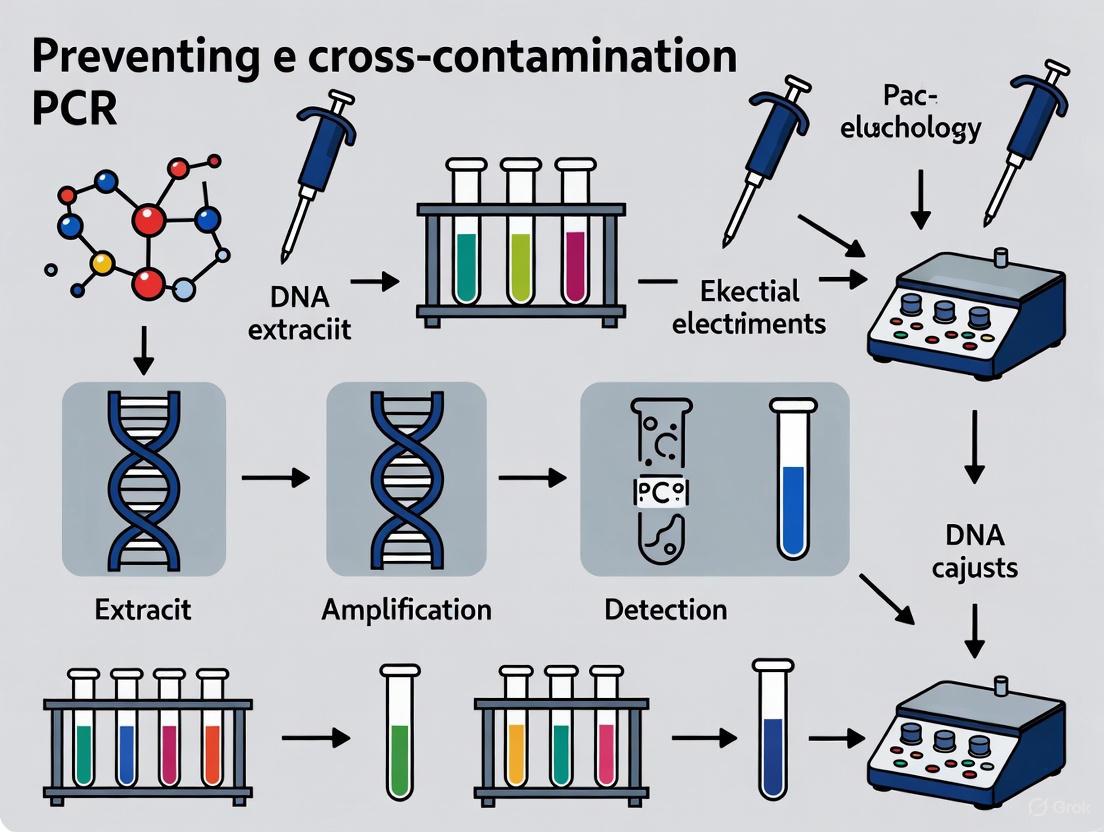
Strategic Approaches to Minimize Cross-Contamination in Parasitology PCR: A Guide for Reliable Diagnostics and Research
Cross-contamination in parasitology PCR poses a significant threat to diagnostic accuracy and research integrity, potentially leading to false positives and compromised results.

Optimized Strategies for Maximizing Protozoan DNA Yield from Formalin-Fixed Paraffin-Embedded (FFPE) Samples
This article provides a comprehensive guide for researchers and drug development professionals seeking to overcome the significant challenge of extracting high-quality protozoan DNA from formalin-fixed paraffin-embedded (FFPE) samples.
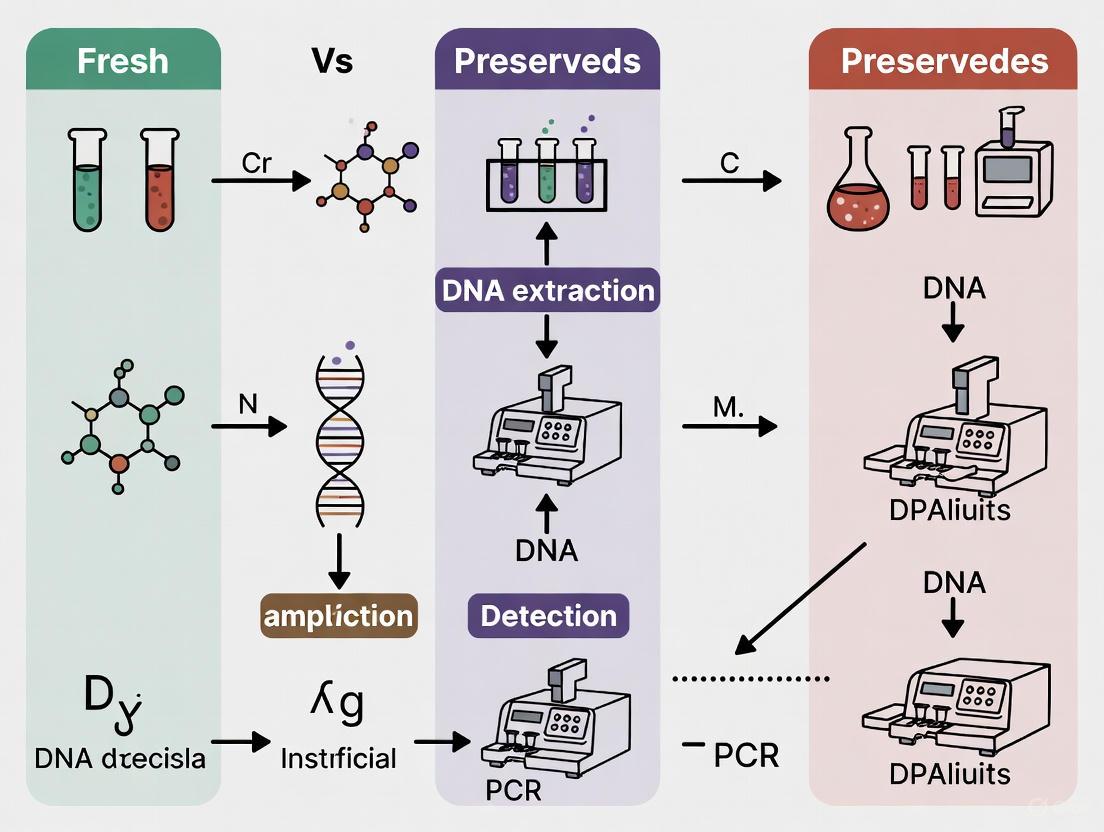
PCR-Ready Stool Samples: A Comprehensive Guide to Handling Fresh and Preserved Specimens for Reliable Diagnostics
This article provides researchers and drug development professionals with a complete framework for collecting, preserving, and processing stool specimens to maximize the success of PCR-based diagnostics.
Optimizing Cycle Threshold Values in Protozoa PCR: A Strategic Framework for Diagnostic Accuracy and Assay Validation
This article provides a comprehensive guide for researchers and drug development professionals on the critical role of Cycle Threshold (Ct) value optimization in protozoa PCR diagnostics.
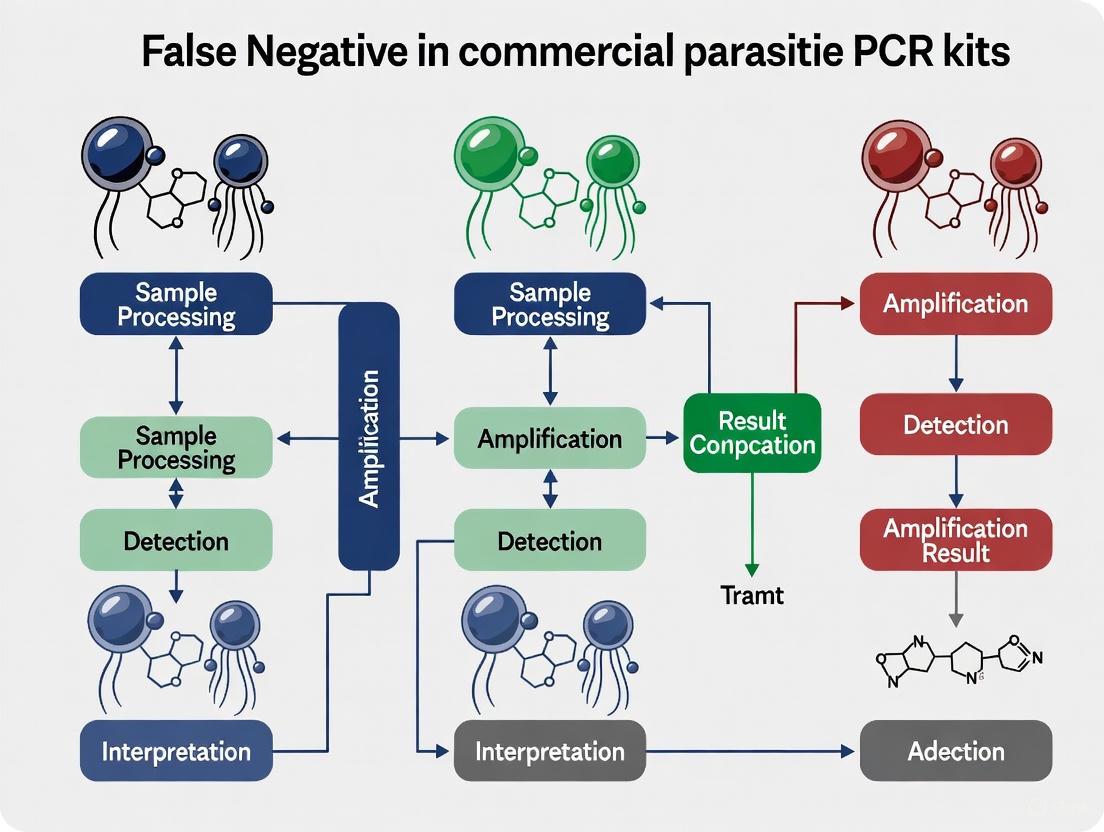
Navigating False Negatives in Commercial Parasite PCR Kits: A Scientific Review of Causes, Solutions, and Validation Strategies
Molecular diagnostics, particularly commercial PCR kits, have revolutionized parasitology by offering high sensitivity and specificity.

Breaking Down Barriers: Advanced DNA Extraction Pretreatments for Tough Parasite Walls in Biomedical Research
Effective DNA extraction from parasites with resilient structural walls remains a significant challenge in molecular diagnostics and research.
Overcoming PCR Inhibition in Stool Samples: A Comprehensive Guide for Robust Protozoan Detection
Molecular diagnosis of intestinal protozoa in stool samples is critically limited by PCR inhibitors, which can lead to false-negative results, reduced sensitivity, and unreliable data.
Optimizing Dientamoeba fragilis PCR Sensitivity: A Research Guide for Enhanced Diagnostic Accuracy
This article provides a comprehensive guide for researchers and scientists aiming to enhance the sensitivity of Polymerase Chain Reaction (PCR) for detecting Dientamoeba fragilis.
High-Throughput PCR for Intestinal Parasite Screening: A Comprehensive Guide for Researchers and Drug Developers
The adoption of high-throughput PCR for intestinal parasite screening represents a paradigm shift in diagnostic parasitology, offering superior sensitivity and specificity over traditional microscopy.
Digital Droplet PCR for Protozoa Quantification: A Comprehensive Guide to Sensitive Detection and Absolute Quantification
This article provides a comprehensive guide to developing and applying digital droplet PCR (ddPCR) for the sensitive detection and absolute quantification of protozoan parasites.