Research Articles

Overcoming Diagnostic Hurdles: A Comprehensive Analysis of PCR Detection Challenges for Dientamoeba fragilis
This article examines the significant challenges in molecular detection of Dientamoeba fragilis, an intestinal protozoan with controversial pathogenic potential.
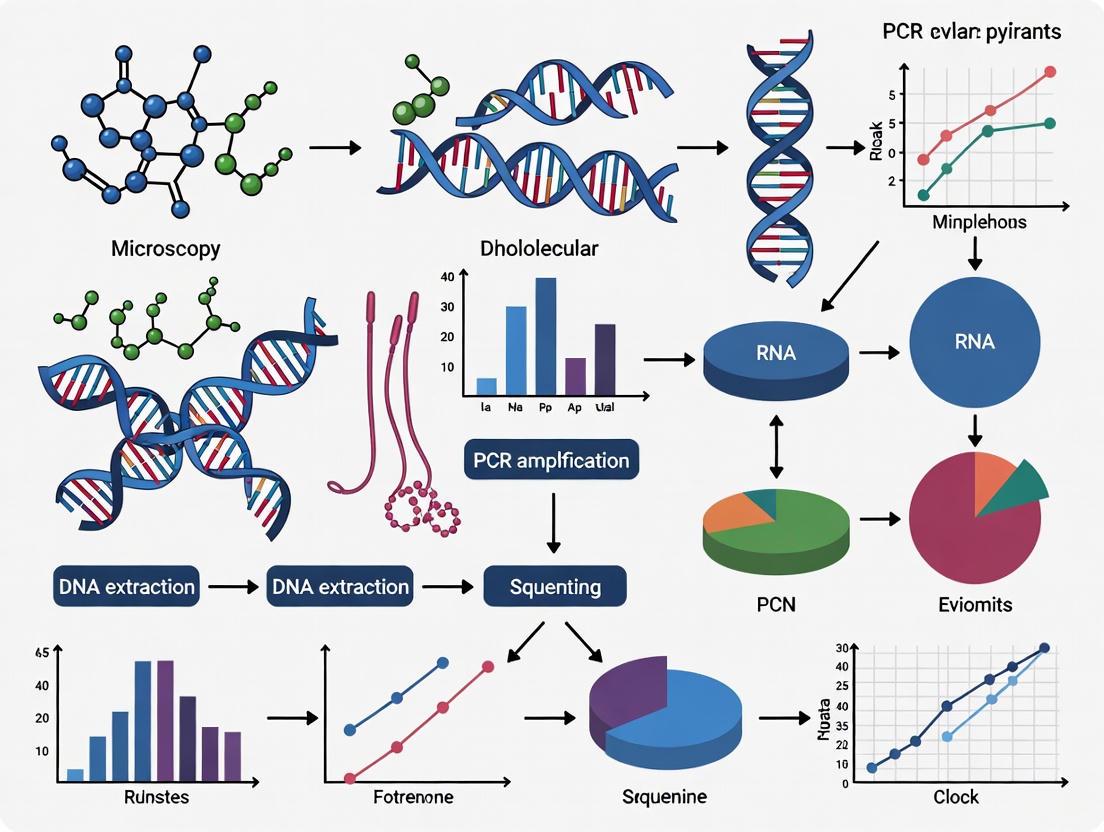
Beyond the Lens: How Molecular Methods Are Revolutionizing Parasite Diagnosis in Research and Drug Development
For researchers, scientists, and drug development professionals, the paradigm for parasitic infection diagnosis is rapidly shifting from traditional microscopy to advanced molecular techniques.
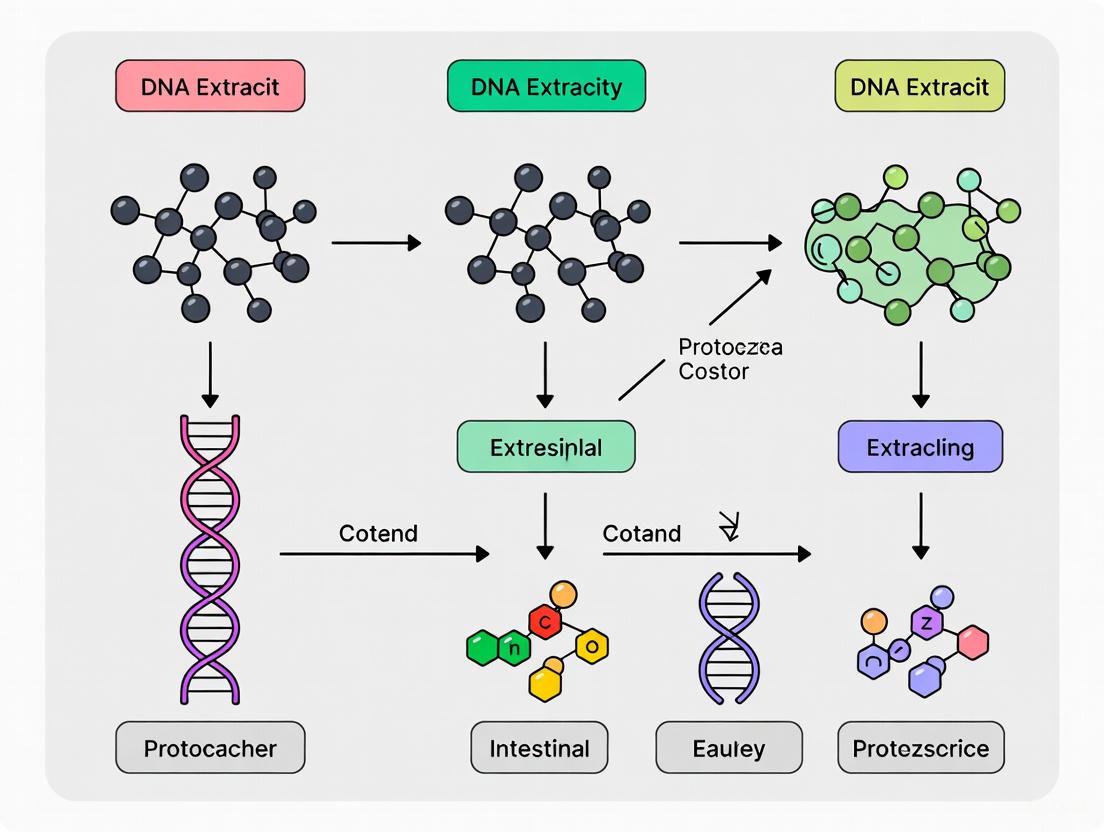
Optimizing DNA Extraction from Intestinal Protozoa Cysts: A Comprehensive Guide for Molecular Diagnostics and Research
Efficient DNA extraction from resilient intestinal protozoan cysts and oocysts is a critical, yet challenging, prerequisite for sensitive molecular detection and genomic studies.
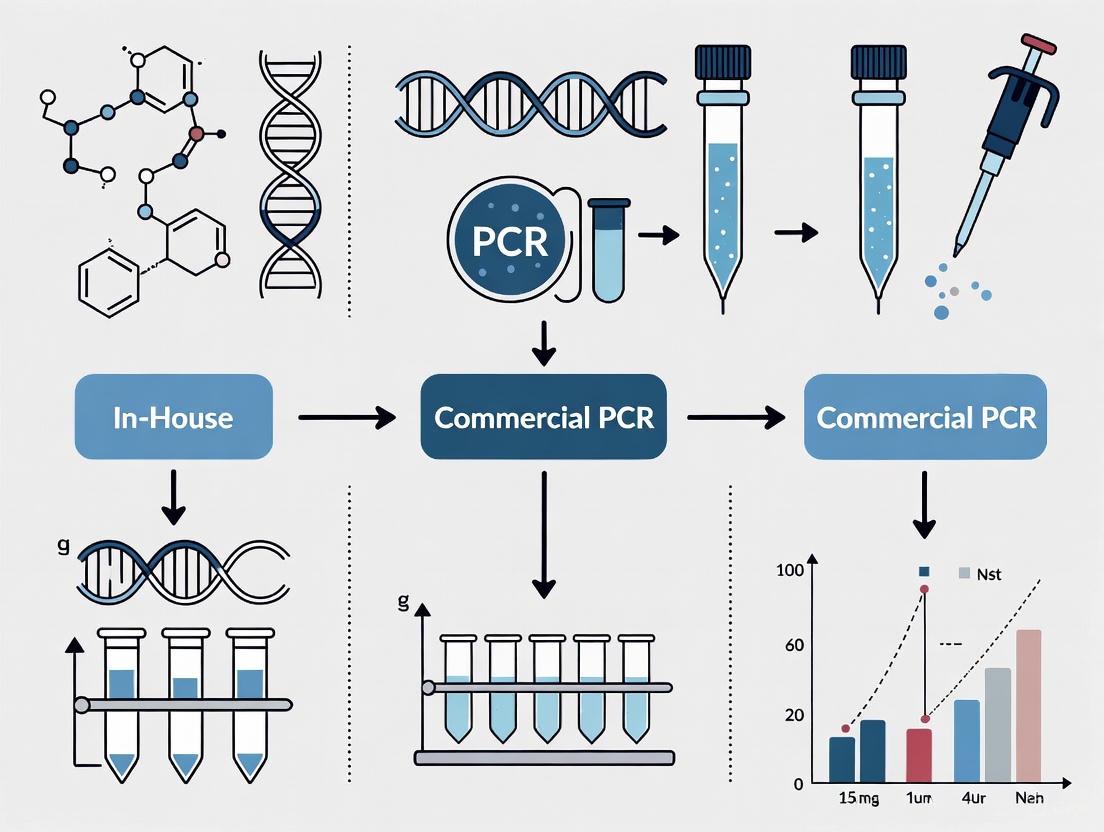
Cost-Effectiveness of In-House vs. Commercial PCR Diagnostics: A Strategic Analysis for Research and Development
This article provides a comprehensive analysis of the cost-effectiveness of in-house versus commercial PCR diagnostics, tailored for researchers, scientists, and drug development professionals.
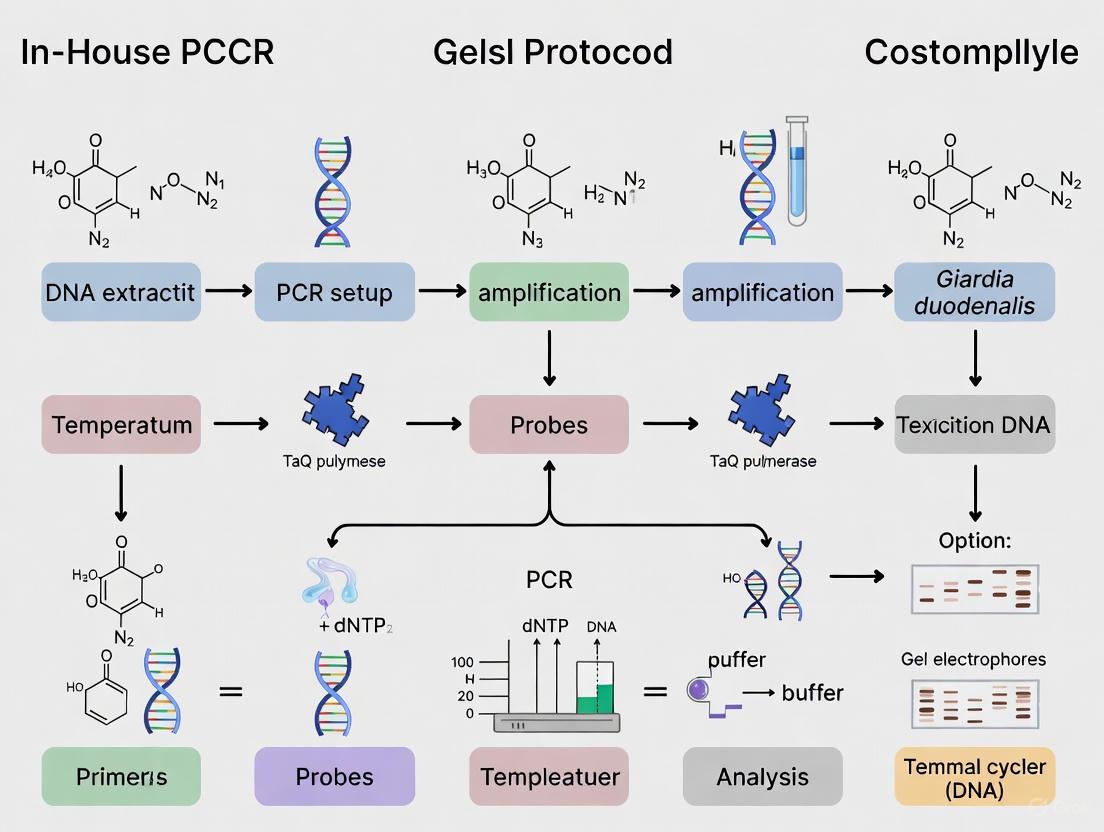
Developing and Optimizing an In-House PCR Protocol for Giardia duodenalis: A Comprehensive Guide for Biomedical Researchers
This article provides a comprehensive framework for researchers and scientists developing in-house PCR protocols for detecting Giardia duodenalis, a significant global enteric pathogen.
Commercial Multiplex PCR Panels for Stool Samples: A Comprehensive Guide for Research and Diagnostic Development
This article provides a comprehensive analysis of commercial multiplex PCR panels for the detection of gastrointestinal pathogens in stool samples, a key area in modern molecular diagnostics.
Molecular Diagnosis of Intestinal Protozoa: A Comprehensive Review of qPCR, RPA, and Automated Technologies for Clinical and Research Applications
This review synthesizes current advancements and methodologies in the molecular diagnosis of major intestinal protozoa, including Giardia duodenalis, Cryptosporidium spp., Entamoeba histolytica, and Blastocystis spp.
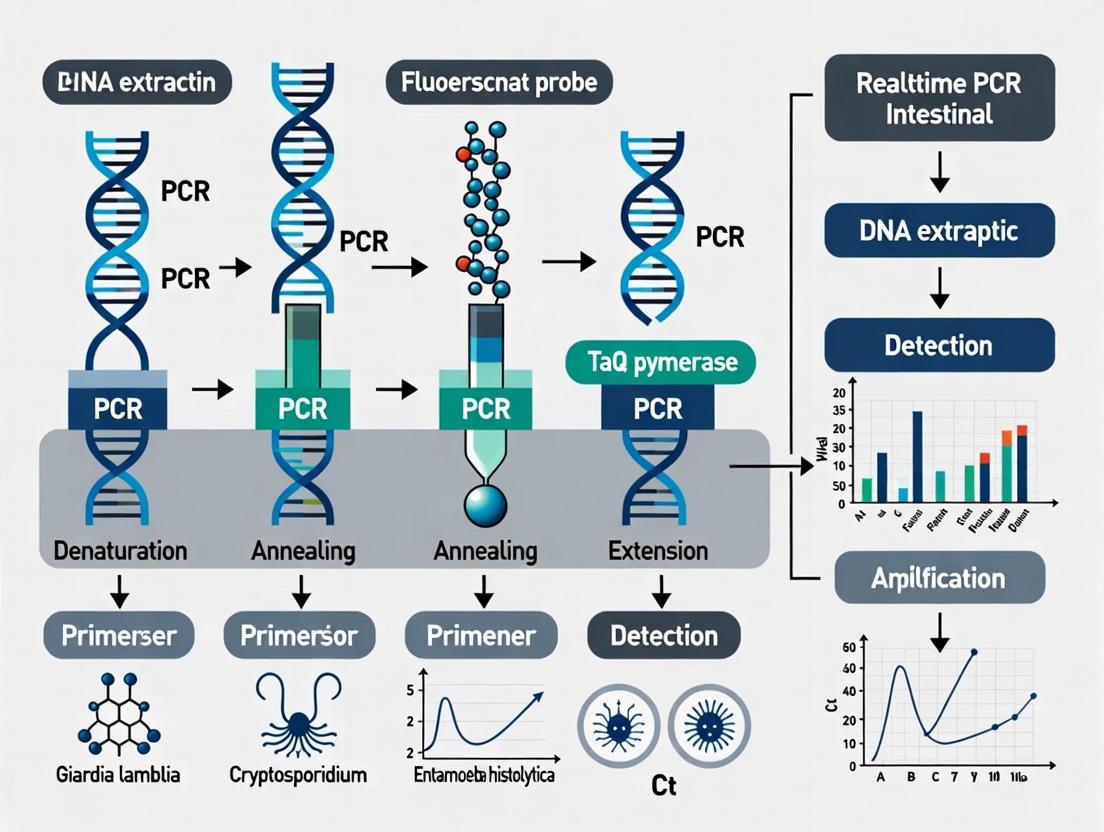
A Comprehensive Guide to Real-Time PCR for Intestinal Parasite Detection in Research and Drug Development
This guide provides researchers, scientists, and drug development professionals with a comprehensive framework for implementing real-time PCR (qPCR) for the detection of intestinal parasites.
The Fecal Egg Count Reduction Test (FECRT): A Comprehensive Guide for Monitoring Anthelmintic Resistance in Biomedical Research
This article provides a comprehensive analysis of the Fecal Egg Count Reduction Test (FECRT), the gold-standard field method for monitoring anthelmintic efficacy and detecting resistance in parasitic nematodes.
Quantitative Flotation and Antigen Capture ELISA: A Synergistic Approach for Enhanced Diagnostic Accuracy
This article explores the powerful correlation between quantitative flotation methods and antigen capture ELISA, providing researchers and drug development professionals with a comprehensive guide from foundational principles to advanced applications.