Research Articles
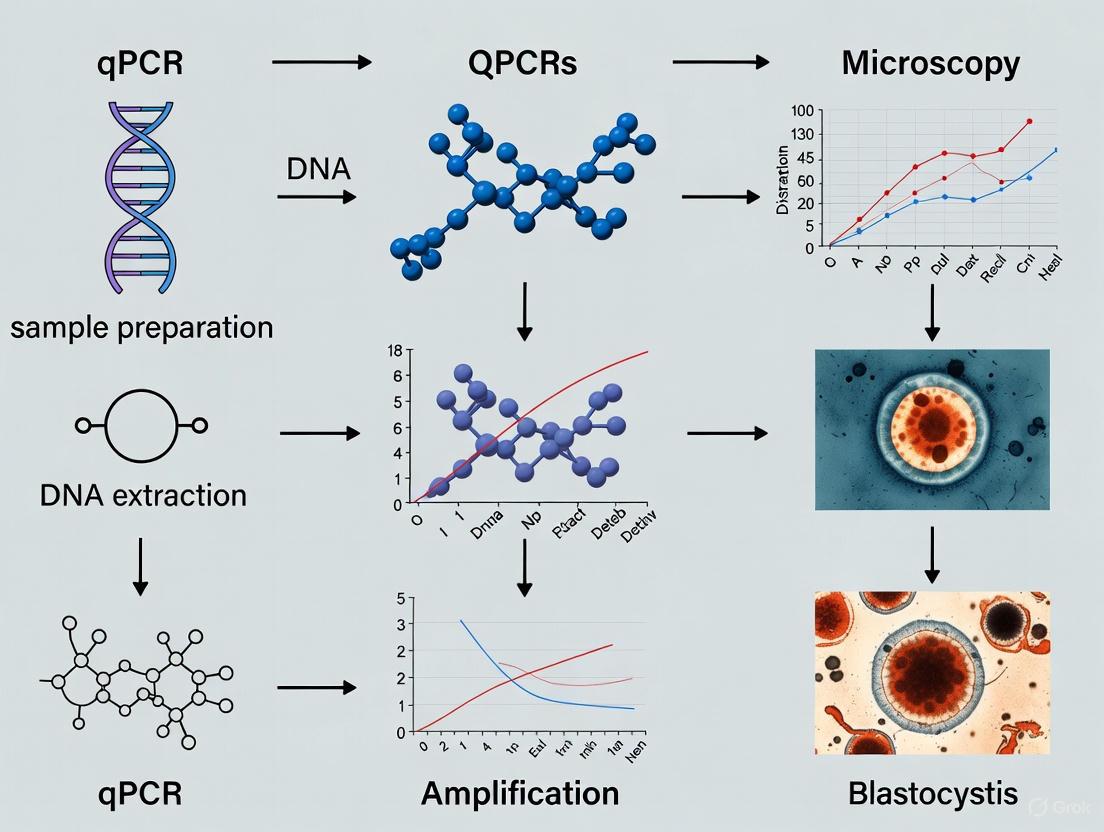
qPCR vs. Microscopy for Blastocystis Detection: A Critical Analysis of Sensitivity and Diagnostic Workflow
This article provides a comprehensive analysis for researchers and scientists on the diagnostic performance of quantitative PCR (qPCR) versus traditional microscopy for detecting Blastocystis sp.

Ensuring Diagnostic Accuracy: A Comprehensive Guide to Quality Control in Molecular Testing for Intestinal Protozoa
Molecular diagnostics, particularly multiplex real-time PCR, are revolutionizing the detection of intestinal protozoa by offering superior sensitivity and specificity compared to traditional microscopy.
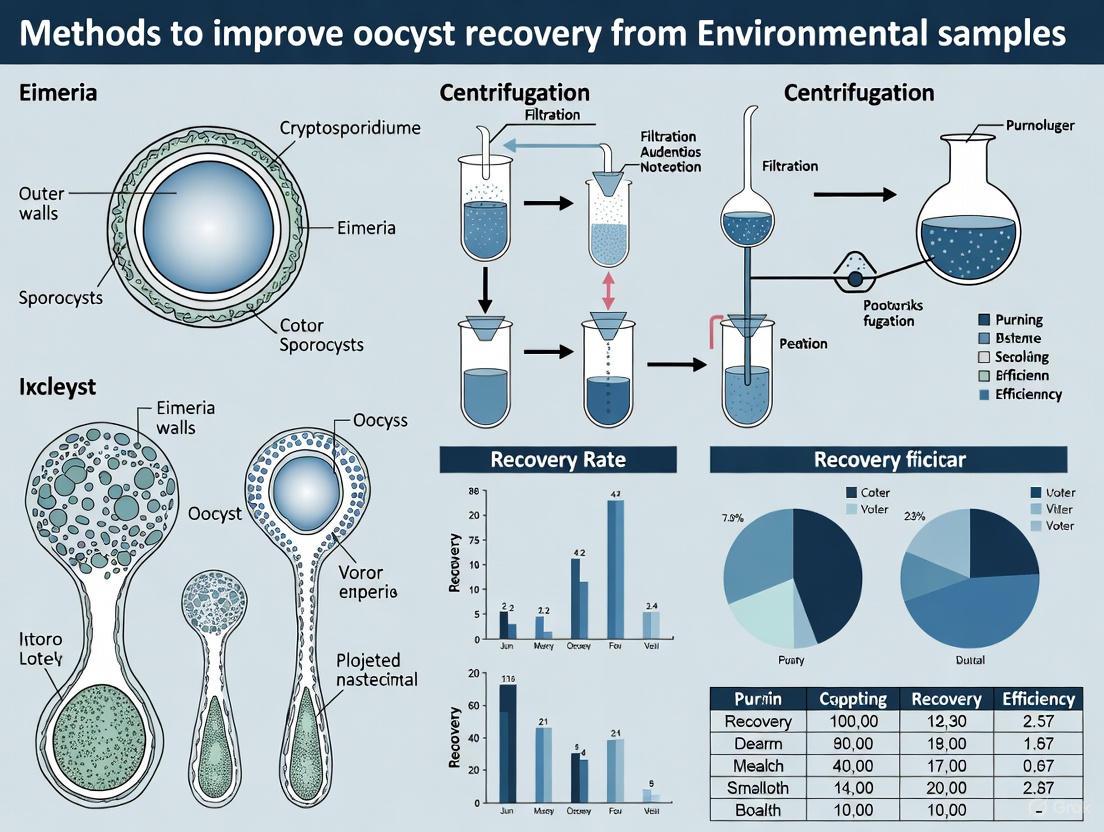
Optimizing Oocyst Recovery: Advanced Methods for Enhanced Detection in Environmental Samples
This article provides a comprehensive overview of contemporary and emerging methods designed to improve the recovery efficiency of Cryptosporidium and Giardia oocysts from challenging environmental matrices.

Strategies to Minimize False Negatives in Cryptosporidium Antigen Detection: A Technical Guide for Researchers and Developers
Cryptosporidium is a significant global diarrheal pathogen, yet its detection is frequently hampered by the insensitivity of conventional diagnostic methods, leading to underdiagnosis and impaired public health surveillance.
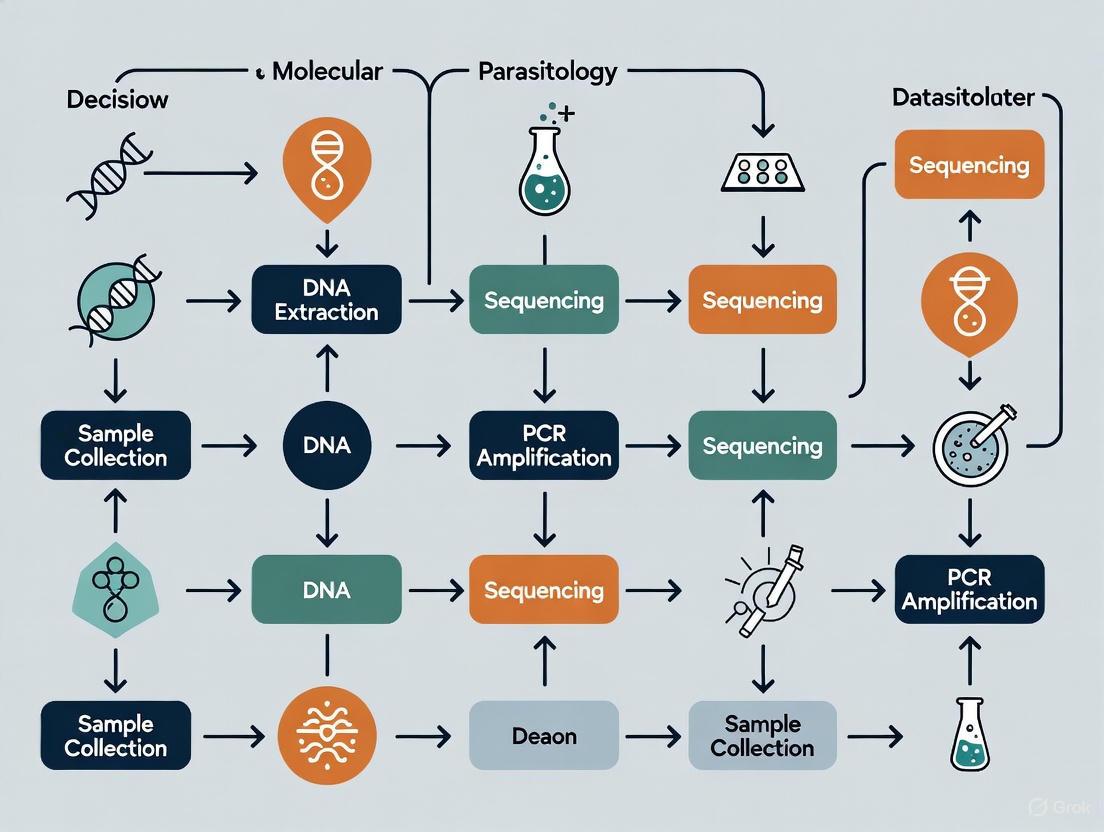
Standardizing Sample Collection for Molecular Parasitology: A Comprehensive Guide from Sample to Analysis
Accurate molecular detection and characterization of parasites are fundamentally dependent on the initial steps of sample collection and preservation.
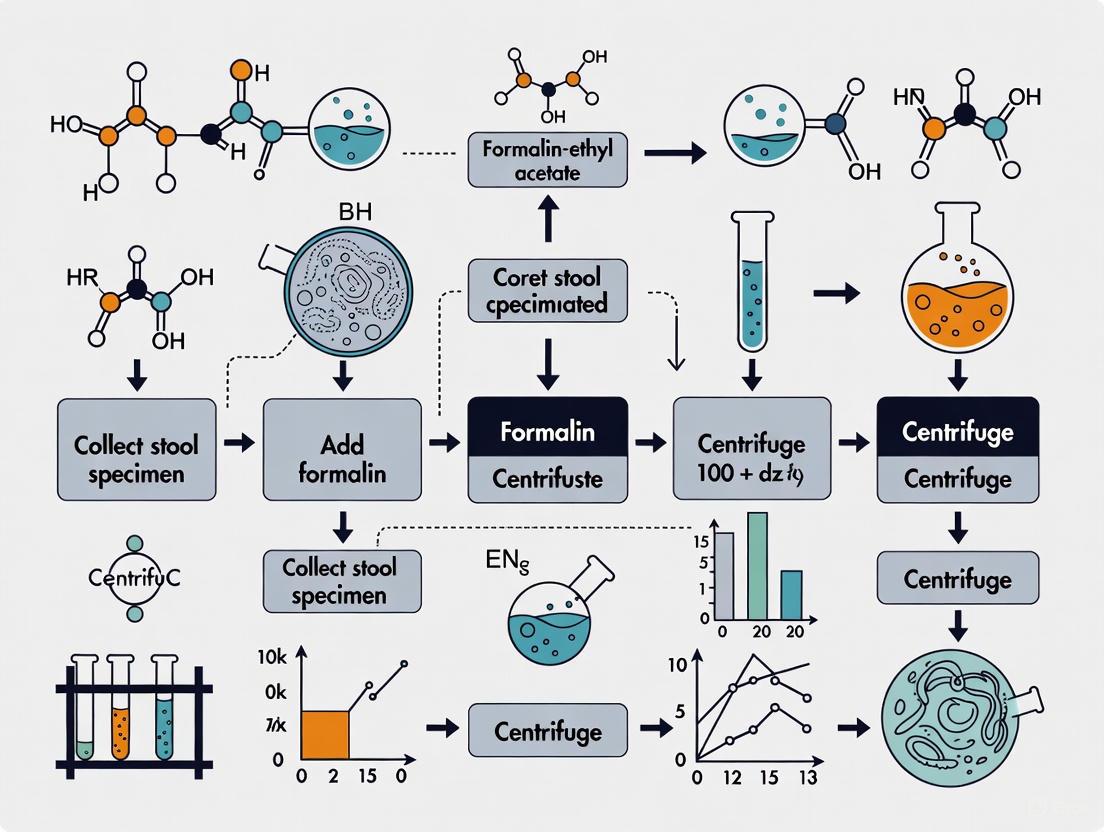
Formalin-Ethyl Acetate Concentration Technique (FECT): A Comprehensive Guide for Enhanced Stool Parasitology
This article provides a comprehensive analysis of the Formalin-Ethyl Acetate Concentration Technique (FECT), a cornerstone diagnostic method in clinical parasitology.
Beyond the Lens: Modern Strategies to Overcome Microscopy's Low Sensitivity in Protozoan Diagnosis
Microscopy, the long-standing cornerstone of parasitology, faces significant challenges in sensitivity for detecting protozoan infections, leading to missed diagnoses and impaired patient care.
A Comprehensive SYBR Green qPCR Protocol for Sensitive Detection and Subtyping of Blastocystis sp.
This article provides a complete guide for researchers and drug development professionals on implementing SYBR Green-based real-time PCR (qPCR) for the detection and subtyping of Blastocystis.
Automated Nucleic Acid Extraction for Intestinal Parasite Detection: A Complete Guide for Research and Diagnostic Development
This article provides a comprehensive overview of automated nucleic acid extraction for detecting intestinal parasites, a critical step in molecular diagnostics and research.
qPCR Melt Curve Analysis for Protozoan Oocyst Identification: A Comprehensive Guide for Molecular Diagnostics
This article provides a comprehensive overview of quantitative PCR (qPCR) coupled with melt curve analysis (MCA) for the sensitive detection and species-level identification of protozoan oocysts.