Research Articles
qPCR Melt Curve Analysis for Protozoan Oocyst Identification: A Comprehensive Guide for Molecular Diagnostics
This article provides a comprehensive overview of quantitative PCR (qPCR) coupled with melt curve analysis (MCA) for the sensitive detection and species-level identification of protozoan oocysts.

Optimizing Fecal DNA Preservation: A 2025 Guide for Robust Microbiome and Molecular Research
This article provides a comprehensive guide for researchers and drug development professionals on optimal storage conditions for fecal sample DNA preservation.
Immunochromatographic Tests for Giardia and Cryptosporidium: A Comprehensive Review for Researchers and Developers
This article provides a detailed analysis of immunochromatographic (ICT) lateral flow assays for the detection of Giardia lamblia and Cryptosporidium spp., two major protozoan pathogens causing diarrheal diseases worldwide.
Optimizing DNA Extraction from Cryptosporidium Oocysts: A Comprehensive Guide for Molecular Diagnostics and Research
Efficient DNA extraction from the resilient oocysts of Cryptosporidium is a critical and challenging prerequisite for sensitive molecular detection, impacting diagnostics, public health surveillance, and drug development.
Seasonal Variation in Intestinal Protozoan Infection Rates: Environmental Drivers, Research Methods, and Clinical Implications
This comprehensive review examines the complex interplay between seasonal environmental factors and intestinal protozoan infection dynamics, addressing critical knowledge gaps for researchers and drug development professionals.
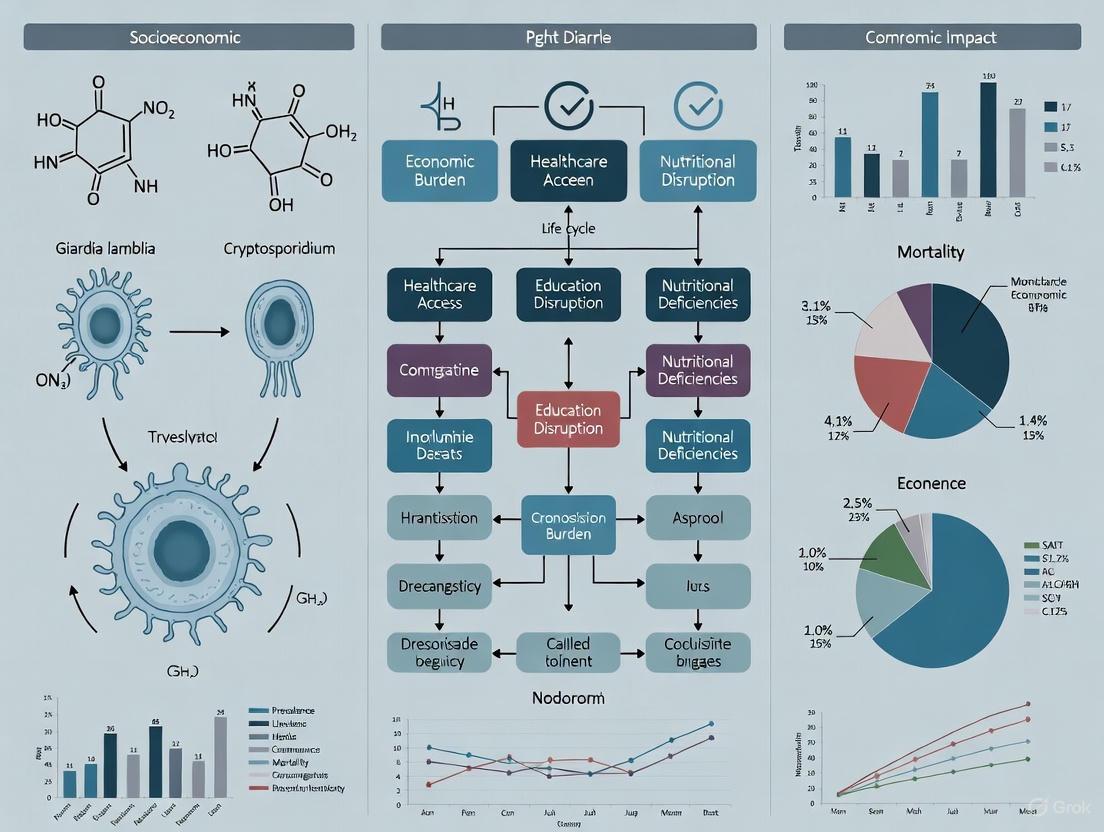
The Socioeconomic Burden of Protozoal Diarrhea in Low-Income Countries: Epidemiology, Economic Impact, and Research Priorities
This article provides a comprehensive analysis of the socioeconomic impact of protozoal diarrhea in low-income countries, targeting researchers and drug development professionals.
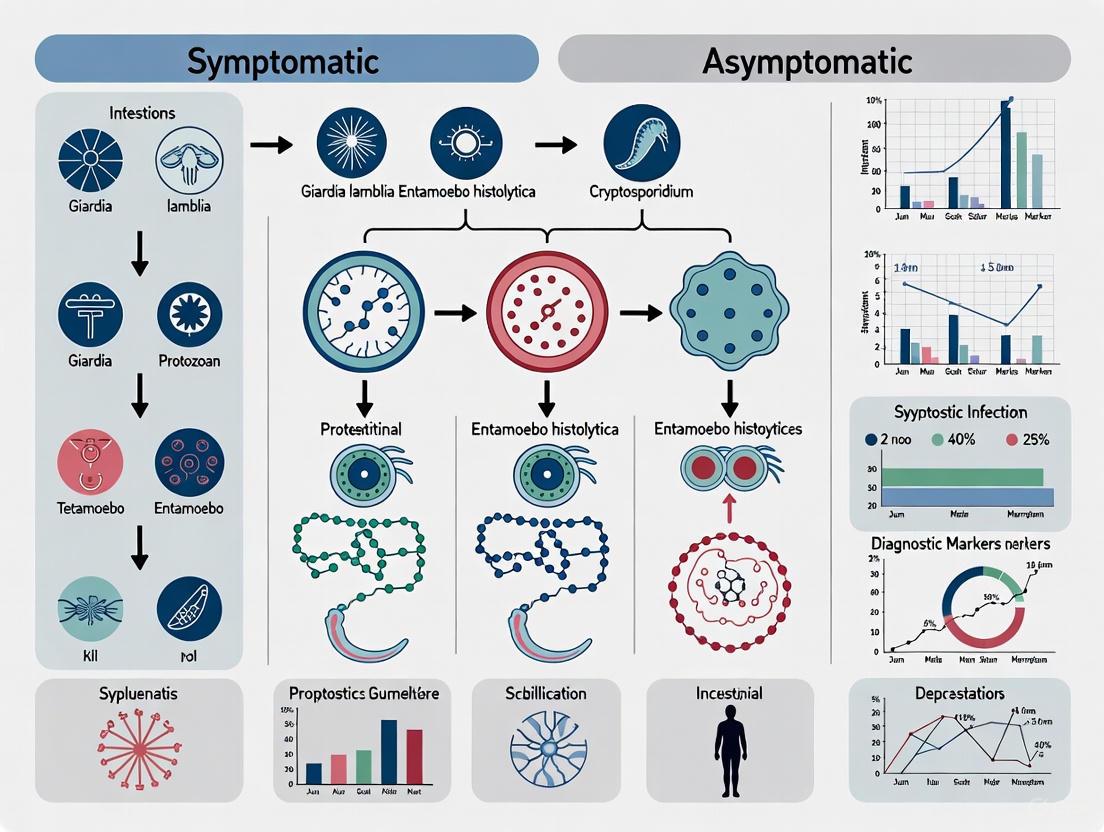
Symptomatic vs Asymptomatic Intestinal Protozoan Infections: Epidemiology, Diagnostic Challenges, and Therapeutic Implications
This article provides a comprehensive analysis of the clinical spectrum of intestinal protozoan infections, focusing on the critical dichotomy between symptomatic and asymptomatic presentations.
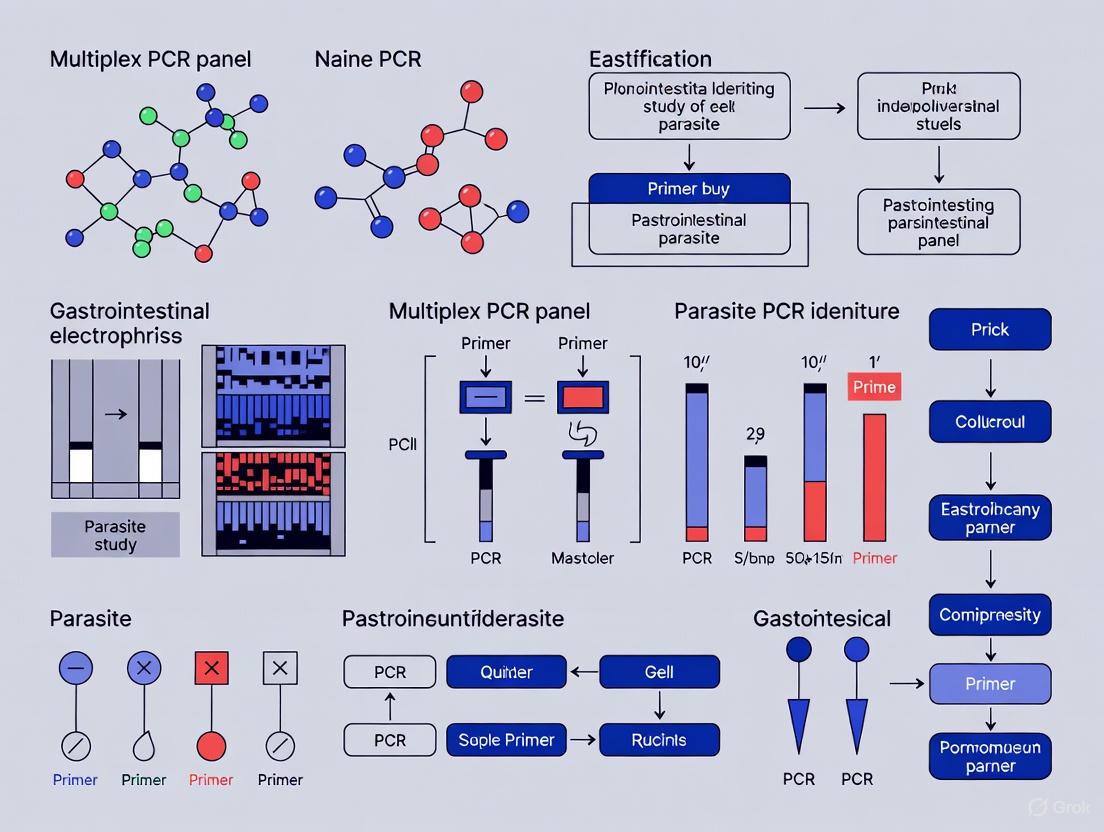
Multiplex PCR for Gastrointestinal Parasite Identification: A Comprehensive Guide for Researchers and Developers
This article provides a comprehensive analysis of multiplex PCR panels for the identification of gastrointestinal parasites, a technology that has revolutionized diagnostic parasitology.
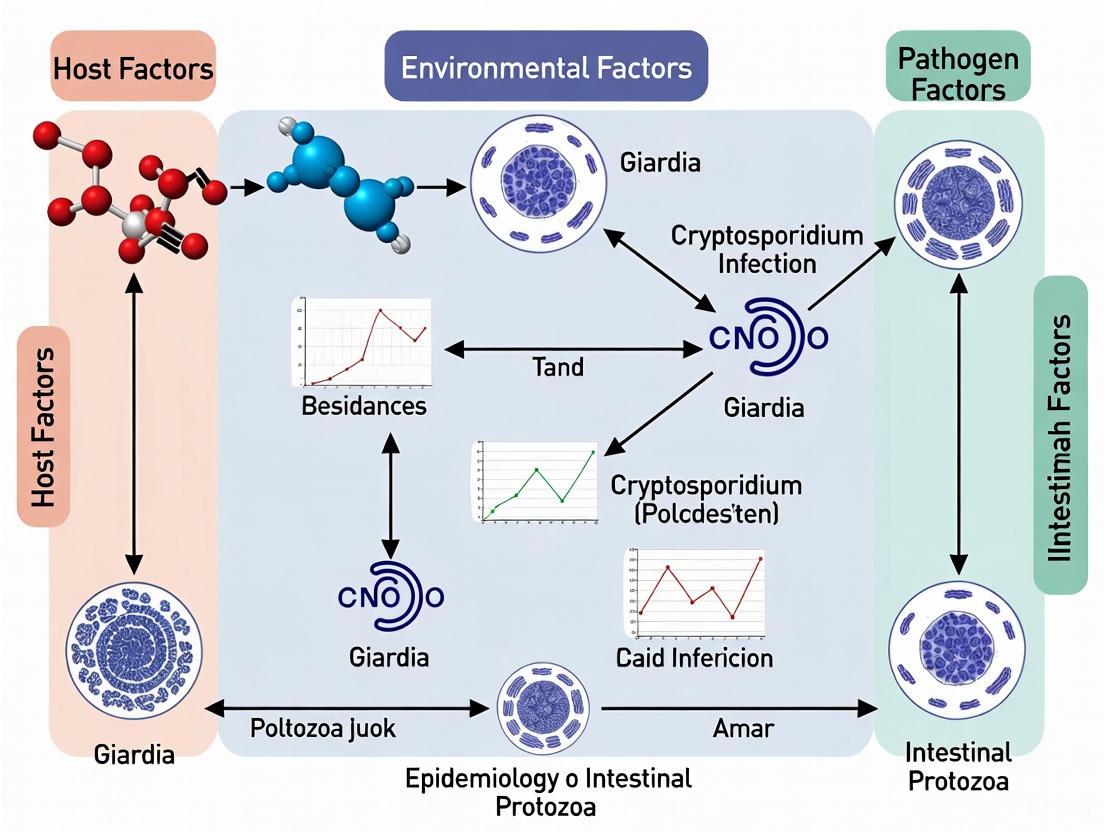
Integrating One Health: Advanced Strategies for Intestinal Protozoa Epidemiology and Control
Intestinal protozoal infections, caused by pathogens like Cryptosporidium, Giardia duodenalis, and Entamoeba histolytica, represent a significant global health burden with complex transmission dynamics at the human-animal-environment interface.
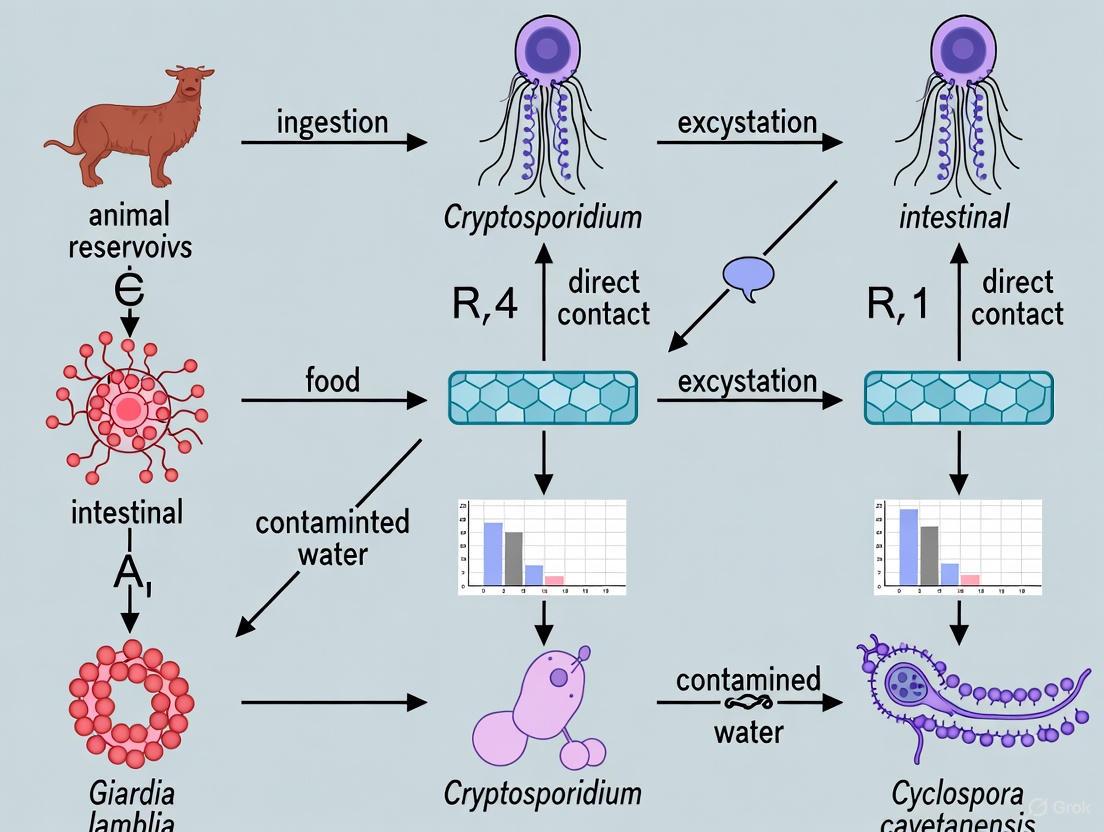
Zoonotic Transmission of Intestinal Protozoa: Pathways, Detection, and Control in One Health Context
This article synthesizes current evidence on the zoonotic transmission of intestinal protozoa, focusing on Entamoeba histolytica, Giardia duodenalis, and Cryptosporidium spp.