Research Articles

Gamma Rays vs. Malaria: How Nuclear Science is Creating a New Weapon Against an Ancient Foe
Exploring how gamma irradiation technology is revolutionizing malaria vaccine development by creating non-infectious but immunogenic parasites.
Unraveling the Mystery of Low Platelets in Malaria: How a Parasite Hijacks Our Blood System
Exploring the connection between malaria infection and thrombocytopenia through the lens of thrombopoiesis and autoimmune mechanisms
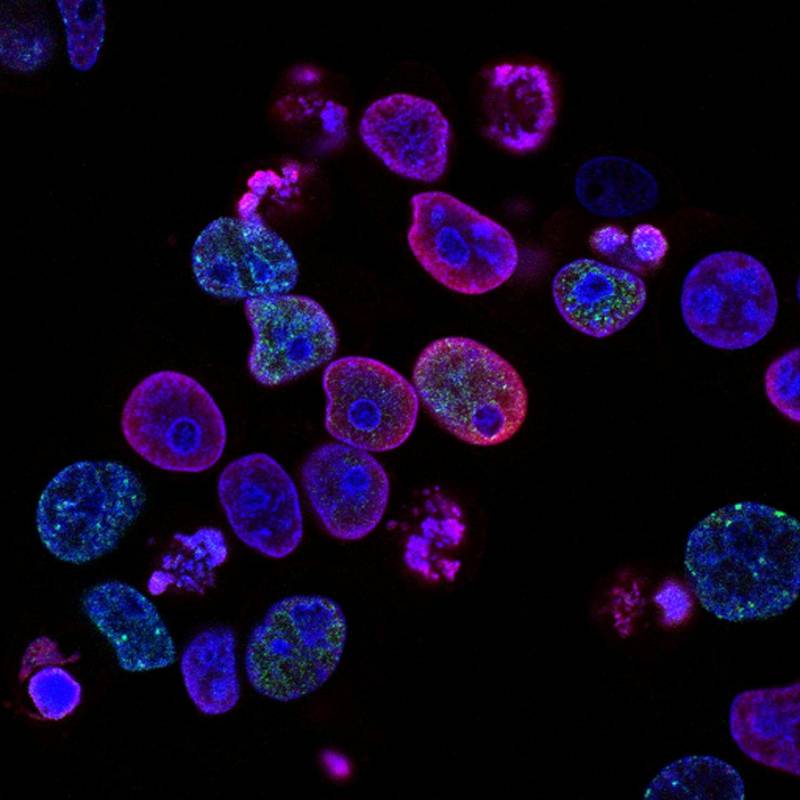
Unlocking a Malaria Mystery: How the Malaria Parasite Survives by Stealing AMP from Blood Cells
Discover how Plasmodium falciparum, the malaria parasite, utilizes erythrocytic adenosine monophosphate as an alternative purine source for survival and replication.
Beyond the Repeat: The Hidden Vaccine Potential in a Malaria Protein
Discover how the non-repetitive regions of Plasmodium knowlesi's circumsporozoite protein could revolutionize malaria vaccine development.
The Hidden Shield: Tracking Malaria's Shadow in Central Karnataka
Exploring malaria seroprevalence studies in Central Karnataka and how they reveal hidden infections through antibody detection and novel biomarkers.
Comparison of PfHRP-2/pLDH ELISA, qPCR and Microscopy for Malaria Detection
A comprehensive study comparing PfHRP-2/pLDH ELISA, qPCR and Microscopy for detecting Plasmodium events and predicting sick visits during malaria vaccine trials.
The Hidden Battle: When Malaria Meets HIV in Children
Exploring the dual burden of malaria and HIV in children in Mutengene, Cameroon, and its impact on anemia prevalence and health outcomes.
How Malaria's Shape-Shifting Protein Outsmarts Our Immunity
Discover how malaria's circumsporozoite protein uses antigenic diversity to evade cytotoxic T-cell recognition and challenge vaccine development.
Fibrinogen and C-Reactive Protein: Unraveling Malaria's Inflammatory Signature in Nigerian Children
Exploring the role of fibrinogen and CRP as inflammatory biomarkers in children with malaria in Nigeria
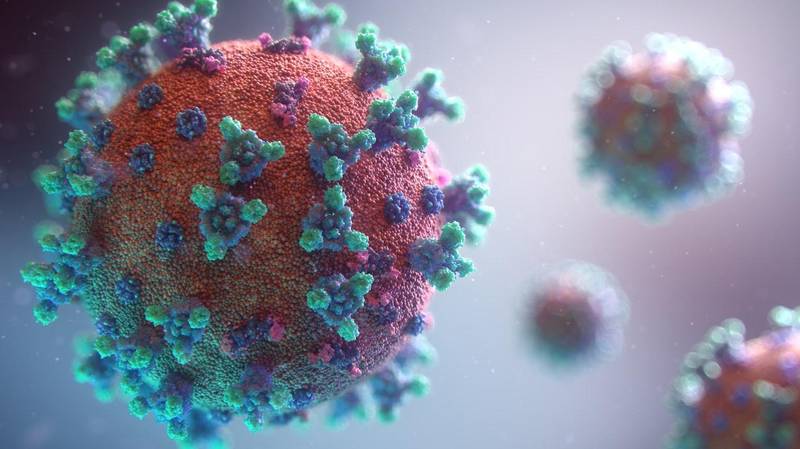
Breaking the Malaria Deadlock: How Multi-Target DNA Vaccines Are Changing the Game
Discover how multi-target DNA vaccines are revolutionizing malaria prevention through simultaneous induction of multiple antigen-specific cytotoxic T lymphocytes.