Research Articles
Revolutionizing Parasitology: A Deep Learning Approach for Automated Intestinal Parasite Identification
Intestinal parasitic infections (IPIs) remain a significant global health burden, affecting billions and posing diagnostic challenges in resource-limited settings.
Mastering the Formalin-Ethyl Acetate Centrifugation Technique (FECT): A Complete Protocol Guide for Enhanced Parasite Diagnosis
This comprehensive guide details the Formalin-Ethyl Acetate Centrifugation Technique (FECT), a cornerstone sedimentation method for detecting intestinal parasites in stool specimens.
Commercial vs. In-House Molecular Assays for Pathogen Detection: A Comprehensive FEA-Based Comparison for Diagnostic Laboratories
This article provides a critical comparison of commercial and in-house real-time PCR (RT-PCR) assays for detecting key intestinal protozoa, utilizing a Finite Element Analysis (FEA)-inspired framework for rigorous methodological evaluation.
Optimizing Finite Element Analysis with Deep Learning for Enhanced Protozoan Cyst Detection in Biomedical Imaging
This article explores the integration of Finite Element Analysis (FEA) and deep learning to revolutionize the detection of protozoan cysts in biomedical diagnostics.
Troubleshooting Low Sensitivity in FEA: A Biomedical Researcher's Guide to Robust Computational Analysis
This article provides a comprehensive framework for researchers and drug development professionals to diagnose, troubleshoot, and resolve low sensitivity in Finite Element Analysis (FEA) methods.
Mastering the Fecal Ethyl Acetate Concentration Method: A Complete SOP for Biomedical Research
This article provides a comprehensive Standard Operating Procedure for the Formalin-Ethyl Acetate (FEA) concentration method, a critical diagnostic technique in parasitology.
Advanced FEA Methods for Modeling Difficult Stool Consistencies in Biomechanical Research
This article provides researchers, scientists, and drug development professionals with a comprehensive framework for applying Finite Element Analysis (FEA) to model complex stool consistencies and their interaction with biological systems.
Optimizing FEA Concentration for Sensitive Detection of Low-Intensity Parasitic Infections in Clinical and Research Settings
This article provides a comprehensive analysis of the Formalin-Ethyl Acetate (FEA) concentration technique for diagnosing low-intensity intestinal parasitic infections, a critical challenge in drug efficacy trials and surveillance programs.
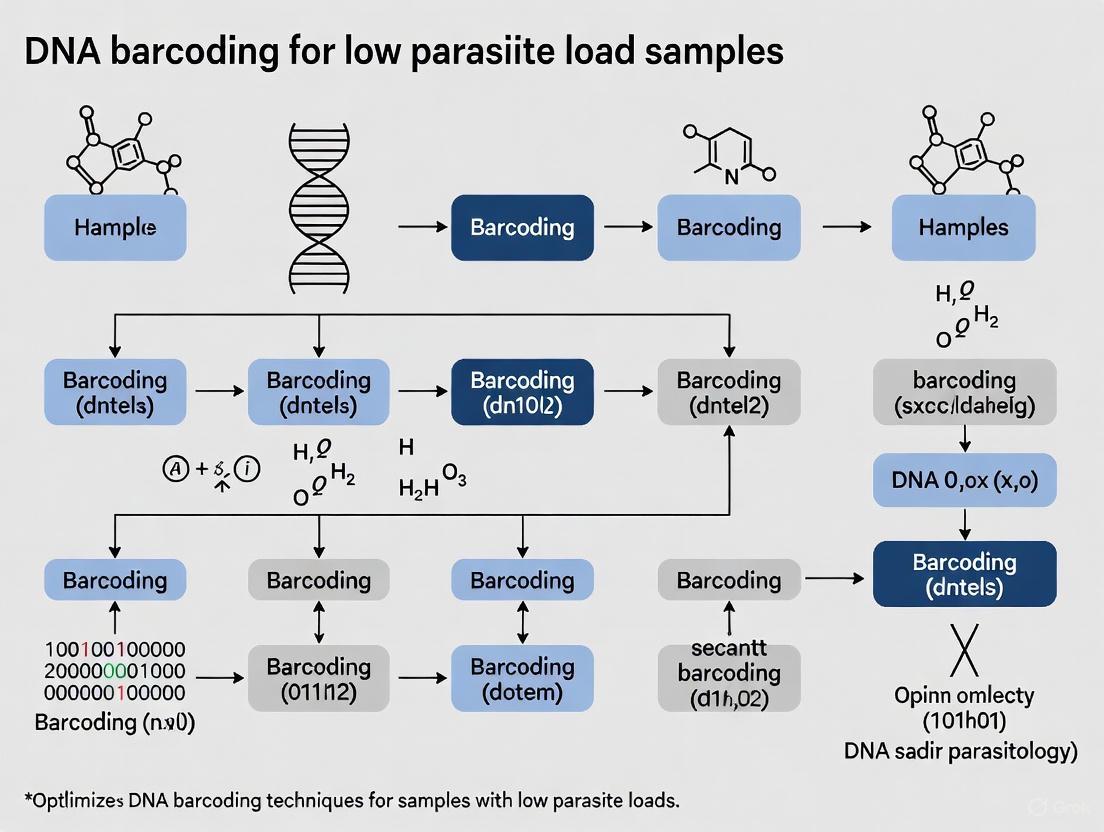
Optimizing DNA Barcoding for Low Parasite Load Samples: Strategies for Enhanced Sensitivity and Reliability in Biomedical Research
Accurate detection and identification of parasites in low-biomass samples is a significant challenge in clinical diagnostics, drug development, and epidemiological studies.
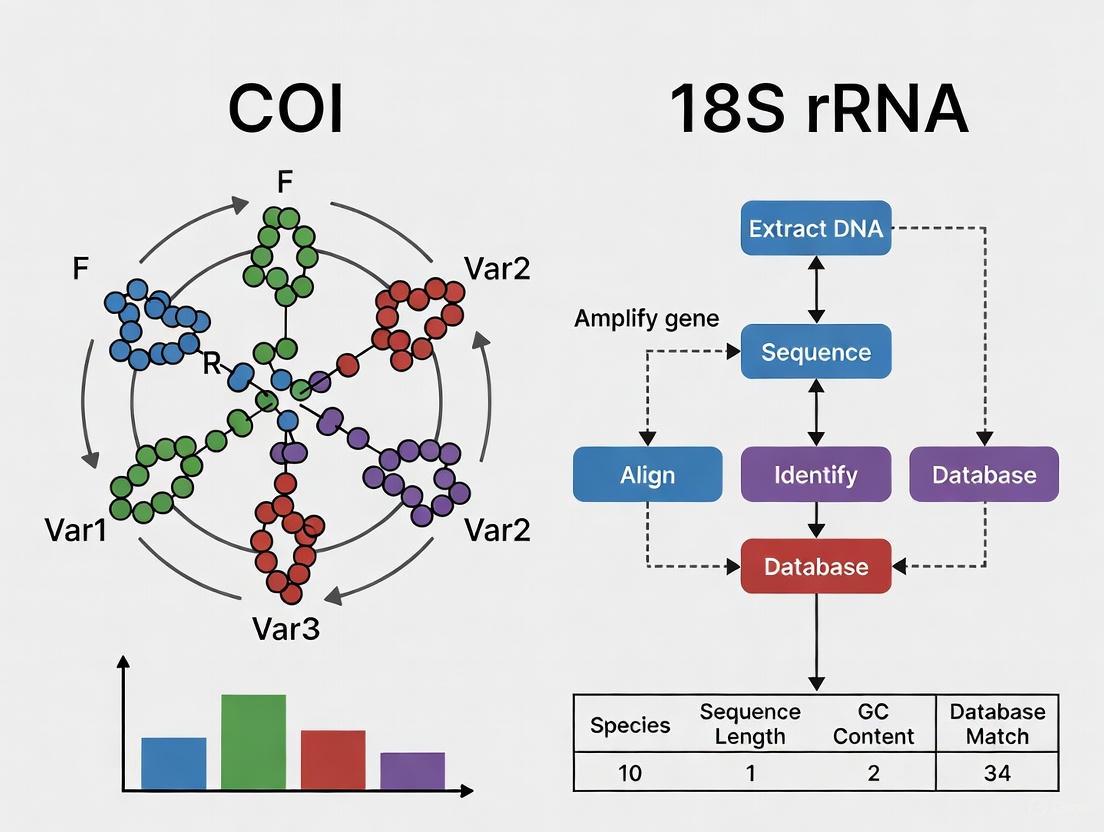
COI vs. 18S rRNA: Choosing the Optimal DNA Barcoding Marker for Parasite Research and Diagnostics
DNA barcoding is a powerful tool for parasite identification, community analysis, and tracking infectious diseases, yet the choice between the mitochondrial Cytochrome c Oxidase I (COI) gene and the nuclear...