Research Articles
Optimizing DNA Barcoding for Low Parasite Load Samples: Strategies for Enhanced Sensitivity and Reliability in Biomedical Research
Accurate detection and identification of parasites in low-biomass samples is a significant challenge in clinical diagnostics, drug development, and epidemiological studies.
COI vs. 18S rRNA: Choosing the Optimal DNA Barcoding Marker for Parasite Research and Diagnostics
DNA barcoding is a powerful tool for parasite identification, community analysis, and tracking infectious diseases, yet the choice between the mitochondrial Cytochrome c Oxidase I (COI) gene and the nuclear...
DNA Barcoding for Parasitic Co-infections: A Comprehensive Guide for Researchers and Drug Developers
Parasitic co-infections present a significant global health challenge, complicating diagnosis, treatment, and disease management.

DNA Barcoding in Parasitic Epidemiology: Advancing Pathogen Surveillance and Disease Control
This article explores the transformative role of DNA barcoding in the epidemiological study of parasitic diseases.
Building Reliable DNA Barcode Libraries for Human Parasites: A Guide for Researchers and Drug Developers
DNA barcode reference libraries are revolutionizing the identification and study of human parasites, yet their development and application face significant challenges.
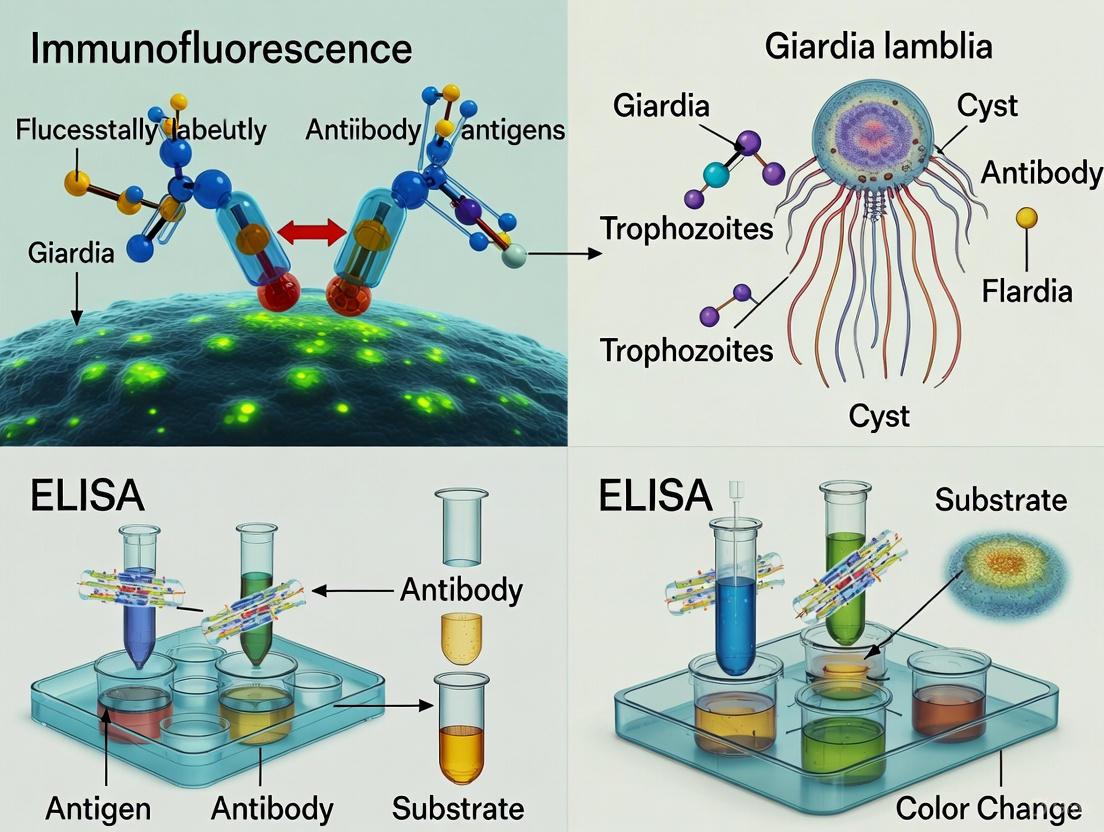
Immunofluorescence vs. ELISA for Giardia Detection: A Comprehensive Analysis of Diagnostic Accuracy for Researchers
This article provides a systematic comparison of Direct Immunofluorescence Assay (DFA/IFA) and Enzyme-Linked Immunosorbent Assay (ELISA) for detecting Giardia duodenalis, a protozoan parasite of significant clinical and zoonotic concern.
Beyond Microscopy: Advancing Entamoeba histolytica Diagnosis with High-Specificity Antigen Tests
Accurate differentiation of pathogenic Entamoeba histolytica from non-pathogenic Entamoeba dispar is critical for appropriate treatment and avoiding undue therapy.

Commercial vs. In-House PCR Assays: A Comprehensive Analysis of Clinical Sensitivity and Diagnostic Utility
This article provides a critical comparison of the clinical sensitivity of commercial PCR kits and laboratory-developed in-house assays, tailored for researchers and drug development professionals.
Strategic Primer Optimization for Accurate Entamoeba histolytica and dispar Differentiation in Research and Diagnostics
Accurate differentiation of the morphologically identical Entamoeba histolytica and Entamoeba dispar is critical for amoebiasis research, drug development, and patient management, as one is a pathogen and the other is...
Breaking the Barrier: Strategies to Maximize DNA Yield from Resilient Cryptosporidium Oocysts
The robust, multi-layered wall of the Cryptosporidium oocyst is a significant obstacle for molecular diagnostics and research, as it severely limits DNA extraction efficiency.