Research Articles

Advanced Molecular Detection of Wildlife Co-infections: Methods, Challenges, and Biomedical Applications
This comprehensive review explores the rapidly evolving field of molecular detection of co-infections in wildlife, a critical area for understanding disease ecology and emerging zoonotic threats.

Implementing the New Minimum Data Standard for Wildlife Disease Research: A Guide for Scientists and Drug Development Professionals
This article provides a comprehensive guide to the newly established minimum data standard for wildlife disease research and surveillance.

Mitochondrial Genome Assembly for Parasite Taxonomy: From Sequencing to Species Identification and Drug Discovery
This article provides a comprehensive resource for researchers and scientists utilizing mitochondrial genome assembly in parasite taxonomy and drug discovery.

A Systematic Review of Parasitic Diseases in Otters: Epidemiology, Diagnostic Advances, and Implications for Conservation and Drug Discovery
This systematic review synthesizes current knowledge on parasitic diseases affecting otter species globally, a critical concern as most otter species are threatened or endangered.
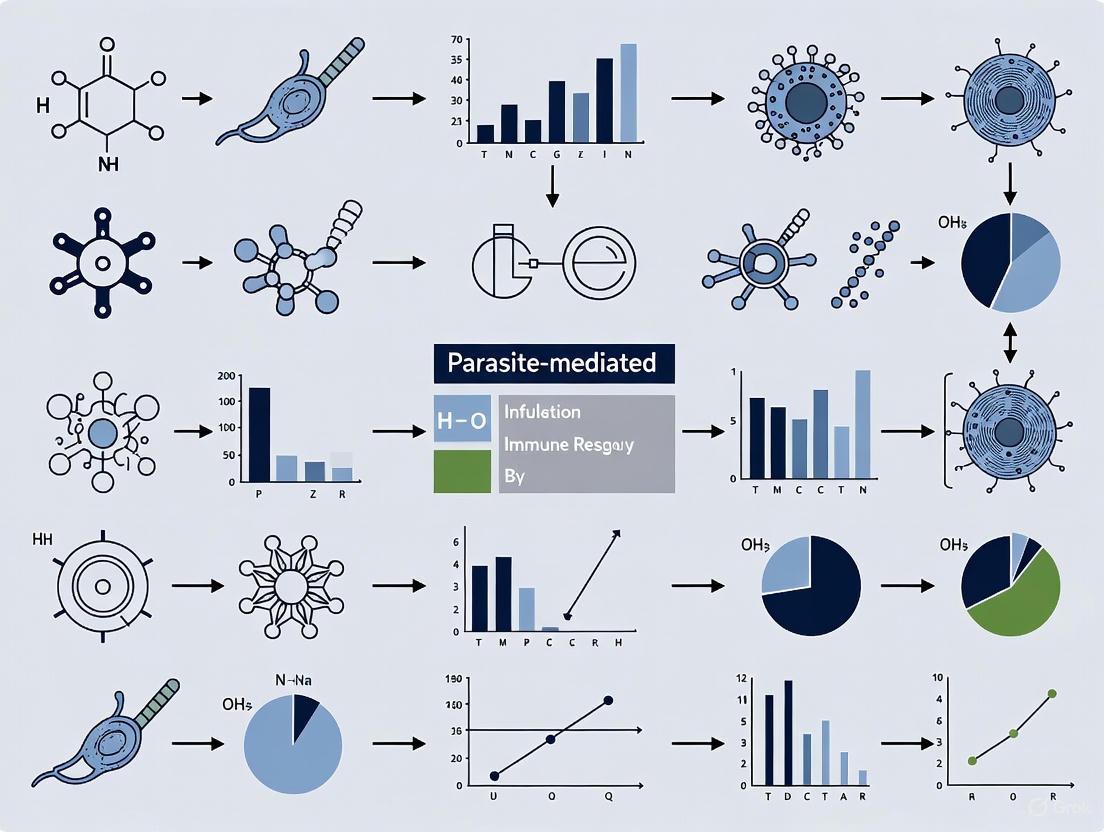
Parasite-Mediated Population Regulation in Wildlife: Ecological Mechanisms and Biomedical Implications
This article synthesizes current research on the mechanisms by which parasites regulate wildlife populations, a phenomenon with critical implications for conservation, disease ecology, and biomedical modeling.
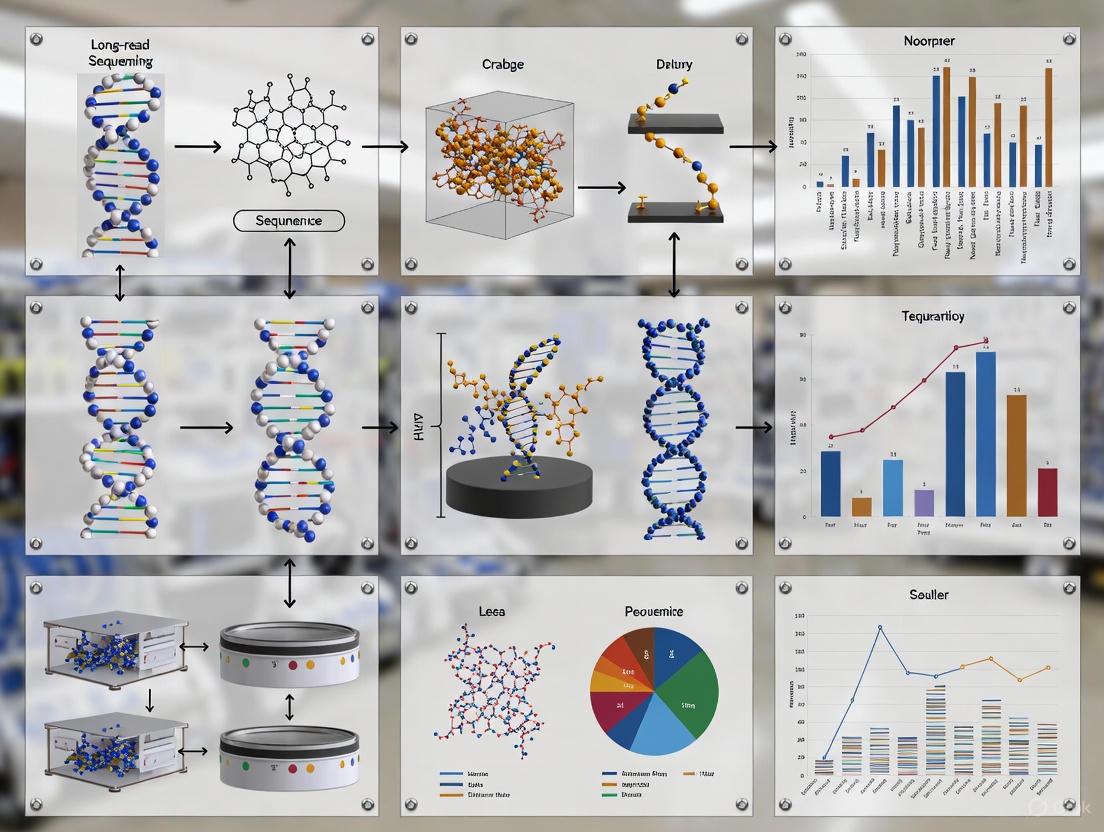
Long-Read Nanopore Sequencing for Parasite Genotyping: Advances, Applications, and Best Practices
This article provides a comprehensive overview of Oxford Nanopore Technologies (ONT) long-read sequencing for parasite genotyping, tailored for researchers and drug development professionals.

Unveiling Haemosporidian Co-infections in Wild Birds: Ecology, Detection, and Biomedical Consequences
Avian haemosporidian parasites, including Plasmodium, Haemoproteus, and Leucocytozoon, are ubiquitous vector-borne pathogens posing significant ecological and potential biomedical challenges.
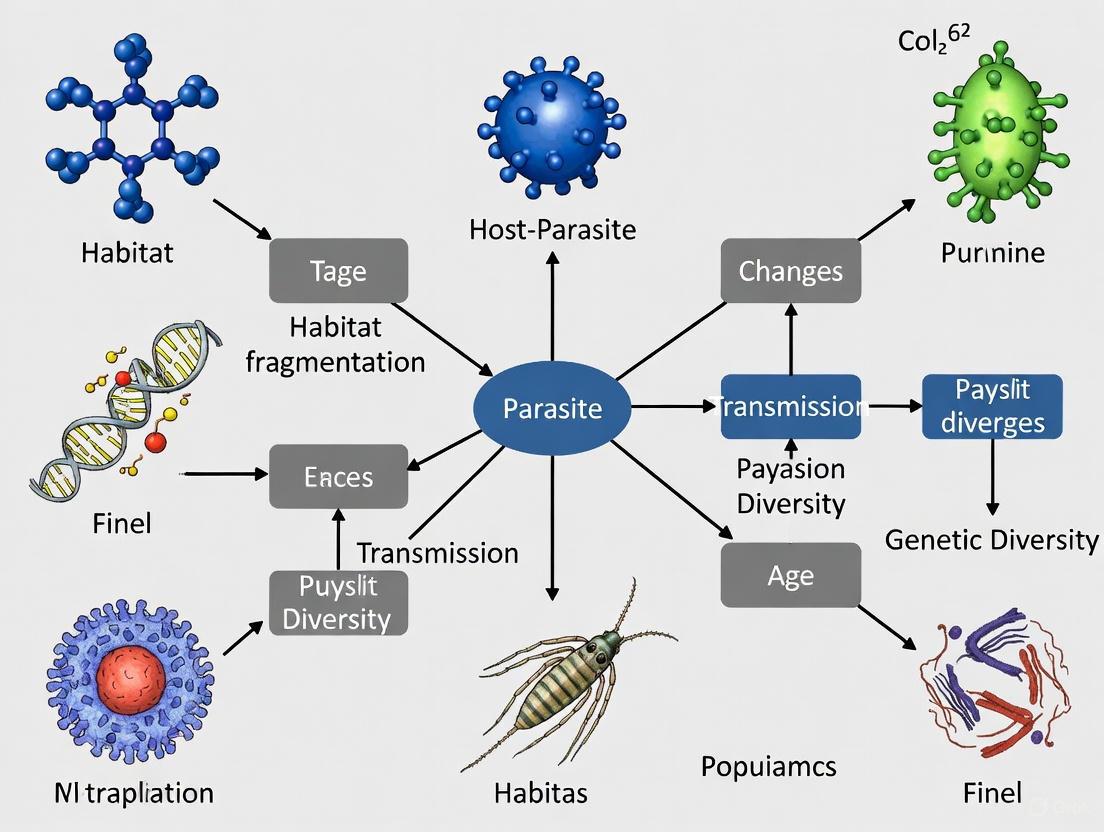
Habitat Fragmentation and Parasite Dynamics: Ecological Disruption, Modeling Approaches, and Biomedical Implications
Anthropogenic habitat loss and fragmentation profoundly disrupt parasite transmission dynamics and host-parasite coevolution, with significant consequences for ecosystem stability and potential implications for disease control.

Beyond Pathogens: The Critical Ecological Roles of Parasites in Ecosystem Functioning and Stability
This article synthesizes current research on the functional roles of parasites in ecosystems, moving beyond their traditional perception as mere pathogens.
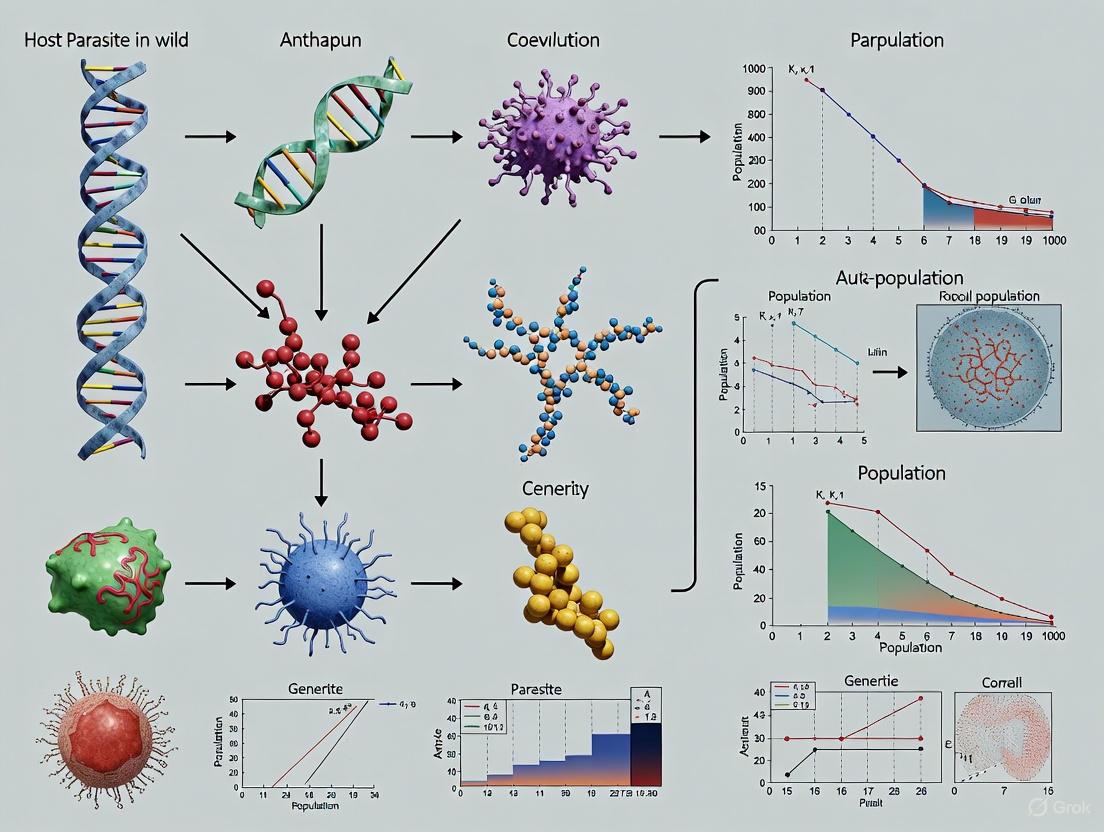
Host-Parasite Coevolution in Wild Populations: Molecular Mechanisms, Ecological Dynamics, and Biomedical Applications
This article synthesizes current research on host-parasite coevolution, exploring the molecular arms races and Red Queen dynamics that drive reciprocal adaptation in wild populations.