Research Articles
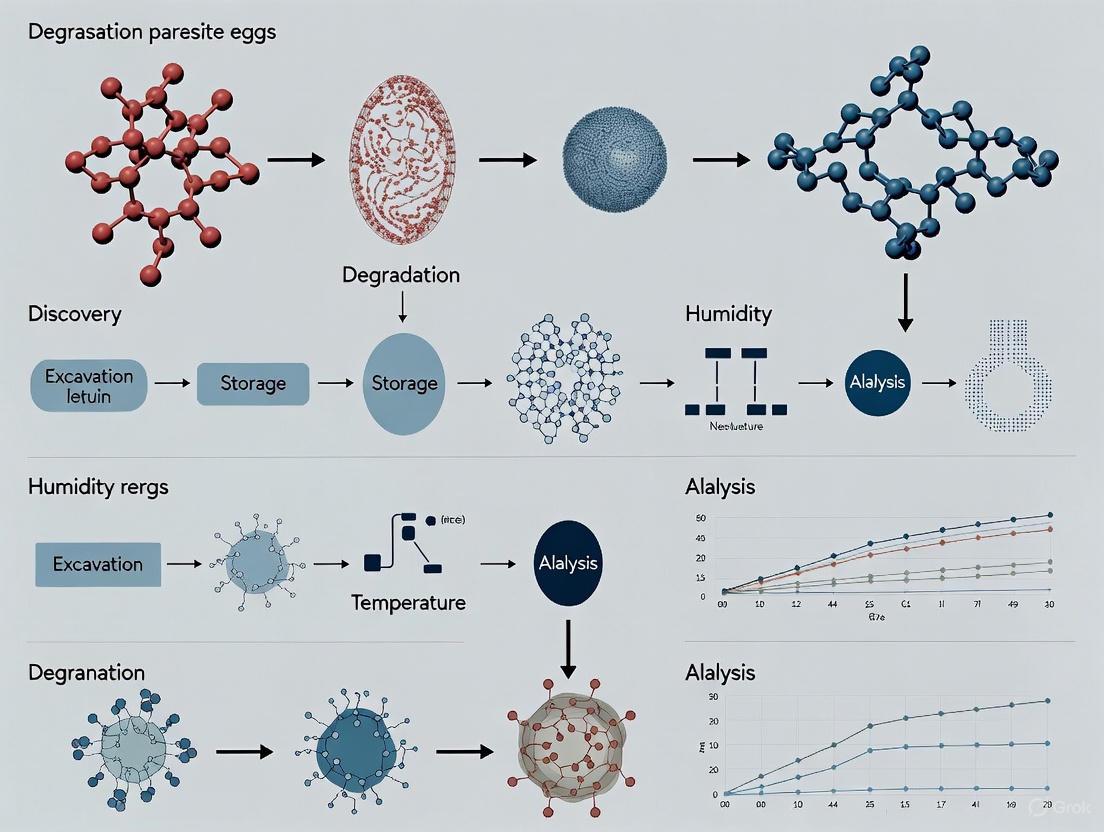
Controlling Parasite Egg Degradation: Advanced Preservation and Analysis for Archaeological Science and Biomedical Research
This article provides a comprehensive framework for managing the degradation of parasite eggs in archaeological and biomedical contexts.
Conquering Contamination: Advanced Strategies for Reliable Ancient Parasite DNA Analysis
The analysis of ancient parasite DNA holds immense potential for understanding the evolutionary history of human pathogens, past disease burdens, and the health of ancient populations.
Ensuring Accuracy in Paleoparasitology: A Modern Guide to Preventing False Positives in Ancient Parasite Identification
This article provides a comprehensive framework for researchers and scientists to mitigate false positives in paleoparasitology.
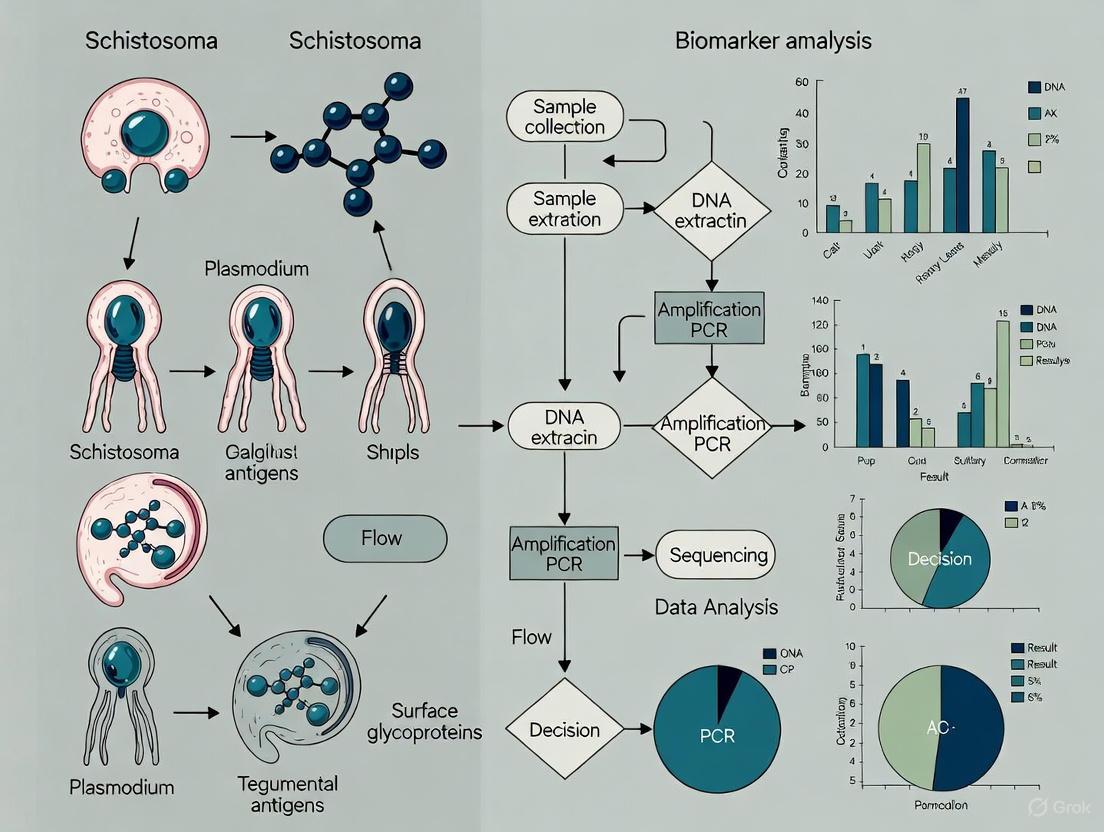
Biomarker Analysis for Ancient Parasitic Diseases: Unlocking Paleoparasitology with Modern Diagnostics
This article provides a comprehensive overview for researchers, scientists, and drug development professionals on the application of modern biomarker analysis to ancient parasitic diseases.
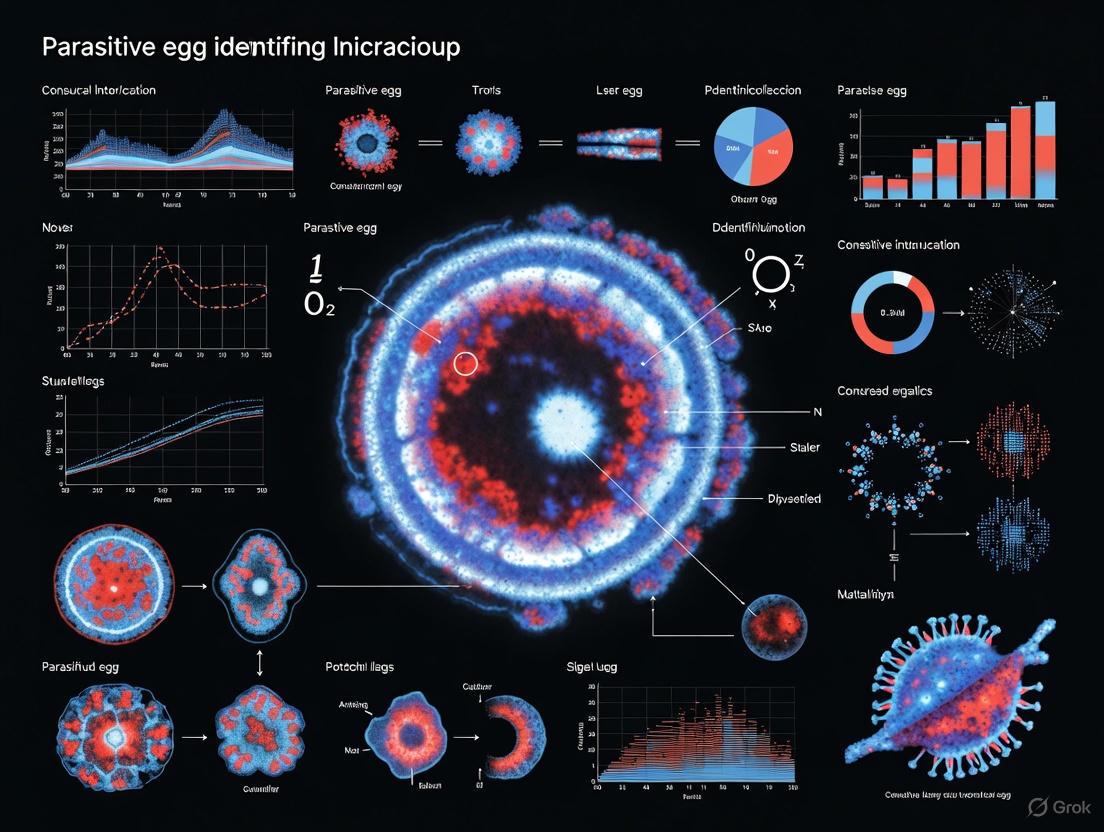
Advancing Parasitology: Confocal Laser Scanning Microscopy for Precise Parasite Egg Identification
This article provides a comprehensive overview of the application of Confocal Laser Scanning Microscopy (CLSM) in the identification and analysis of parasitic eggs.
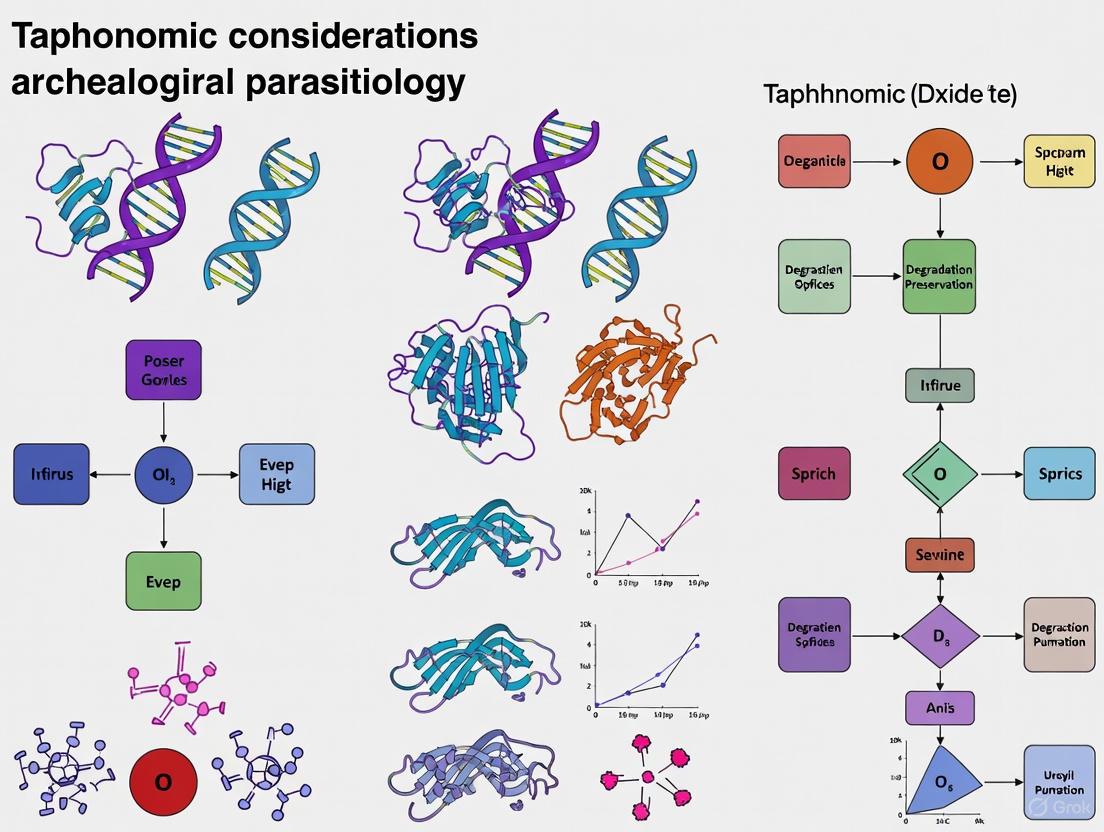
Interpreting the Past: A Modern Framework for Taphonomic Analysis in Archaeoparasitology
This article provides a comprehensive synthesis of taphonomic frameworks essential for interpreting parasite evidence from archaeological materials, including mummies, coprolites, and sediments.
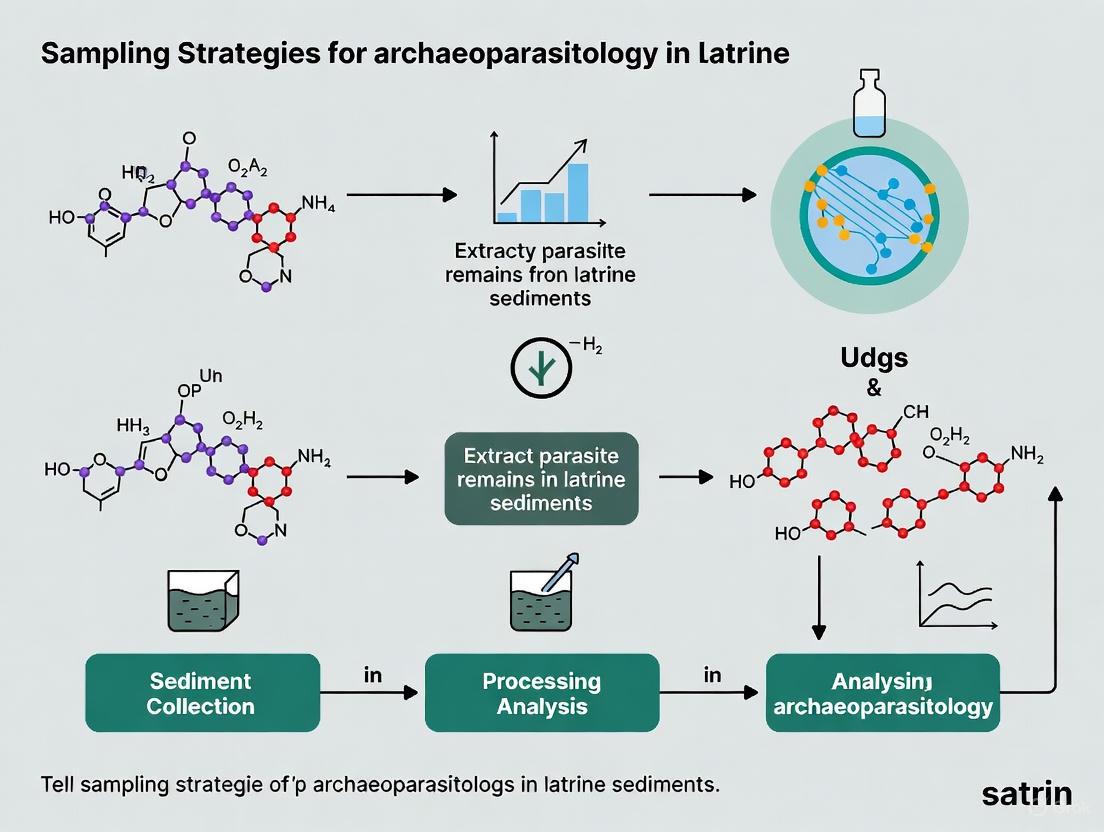
Optimizing Sampling Strategies for Archaeoparasitology in Latrine Sediments: A Multimethod Framework for Researchers
This article provides a comprehensive guide for researchers and scientists on advanced sampling strategies for archaeoparasitological analysis of latrine sediments.
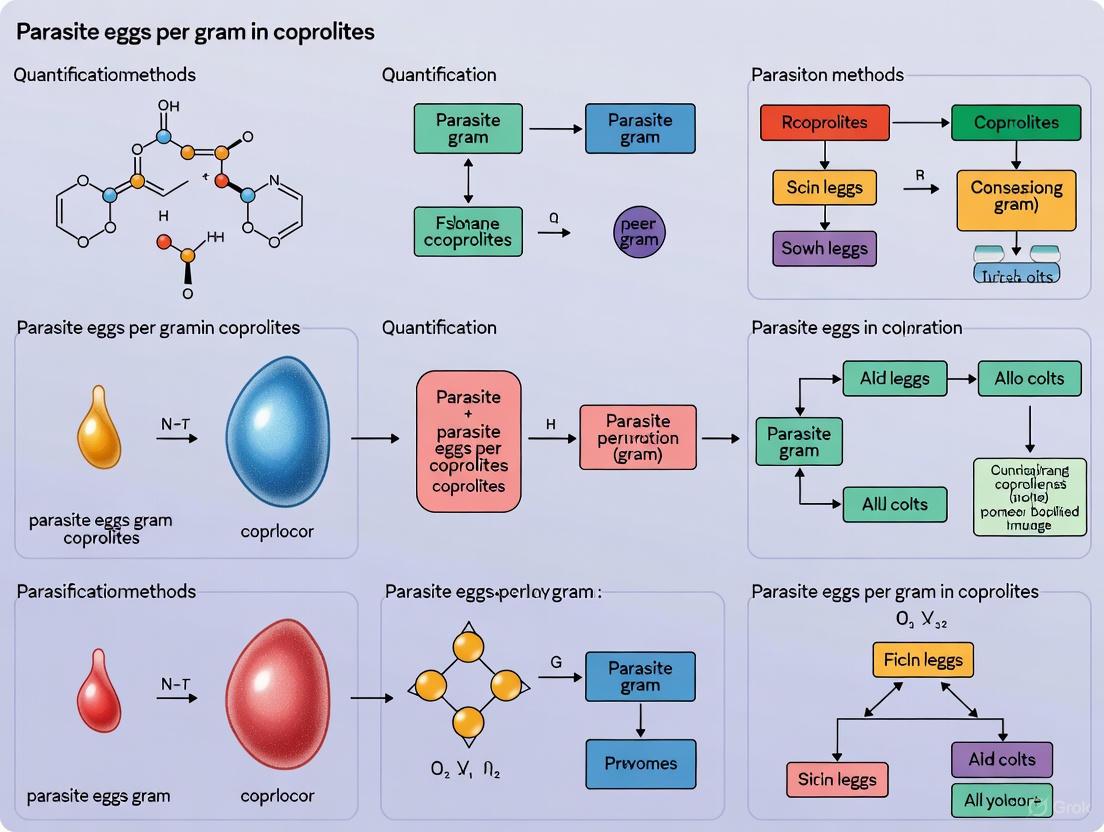
Quantifying Parasite Eggs per Gram in Coprolites: A Comprehensive Guide to Methods and Applications in Paleoepidemiology
This article provides a comprehensive overview of the methodologies for quantifying parasite eggs per gram (EPG) in coprolites and archaeological sediments, a cornerstone of paleoepidemiological research.
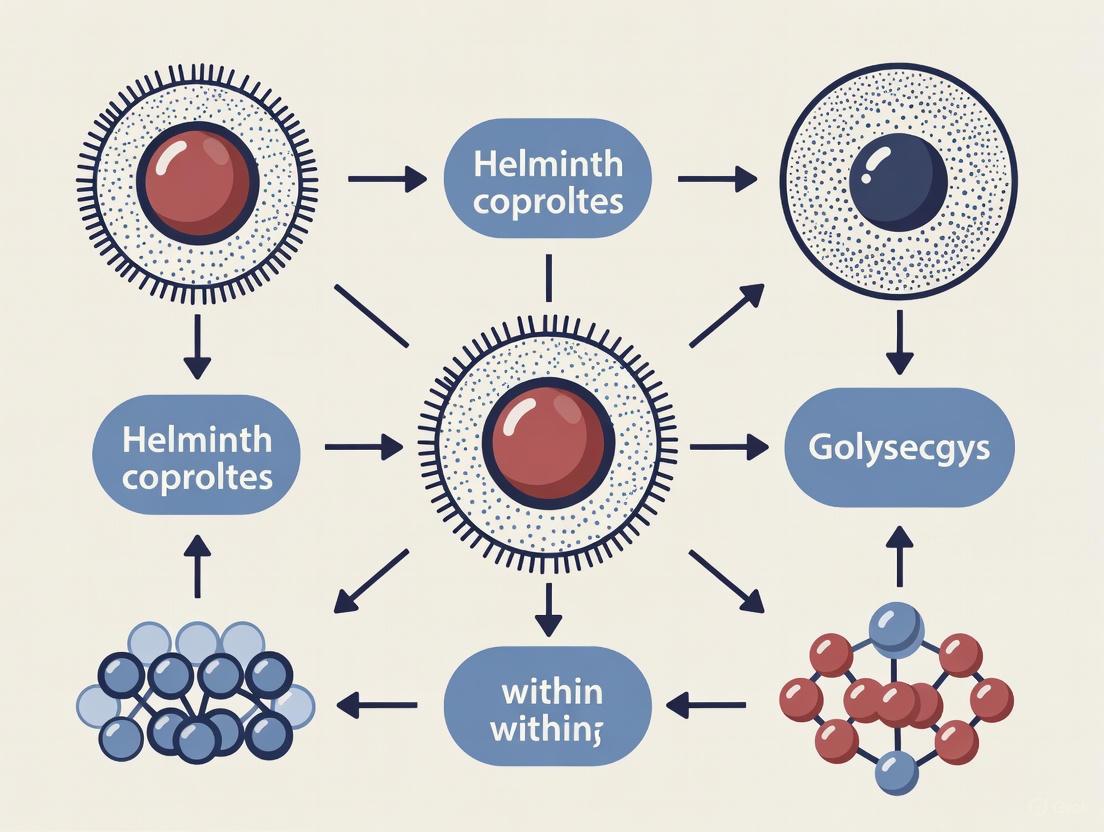
Advanced Techniques for Microscopic Identification of Helminth Eggs in Coprolites: A Guide for Biomedical Research
This article provides a comprehensive resource for researchers and scientists on the microscopic identification of helminth eggs in coprolites.
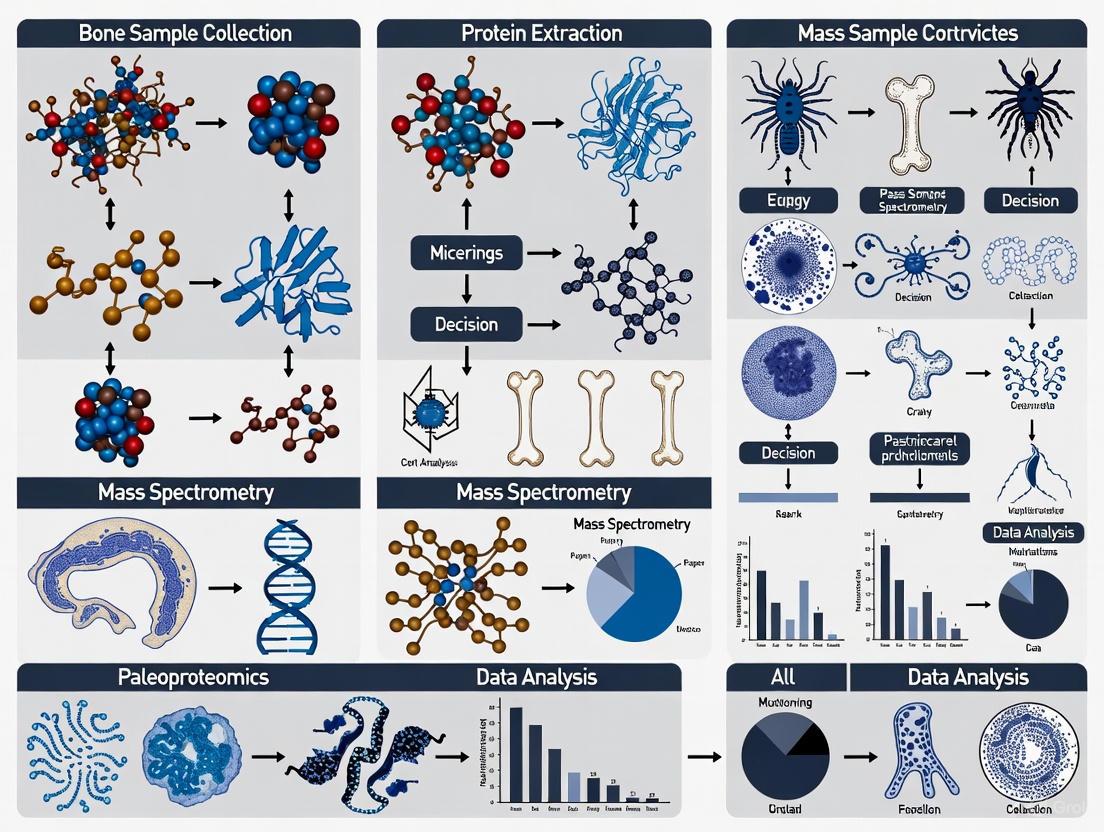
Unlocking Ancient Diseases: Paleoproteomics for Pathological Diagnosis in Archaeological Bone
This comprehensive review explores the rapidly advancing field of paleoproteomics and its transformative application for disease diagnosis in archaeological human remains.