Research Articles
Optimizing YOLOv5n for Egg Detection: A Parameter Tuning Guide for Biomedical Research
This article provides a comprehensive guide for researchers and scientists on optimizing YOLOv5n parameters for accurate and efficient egg detection in biomedical applications, such as parasite diagnostics.

Minimizing Technical Variation in Quantitative Fecal Flotation: Strategies for Accurate Helminth Egg Counts in Biomedical Research
Quantitative fecal flotation is a cornerstone diagnostic tool in veterinary parasitology and anthelmintic drug development, yet its accuracy is significantly compromised by technical variation stemming from methodological choices, analyst skill,...
Balancing the Scales: Advanced Data Augmentation Techniques for Imbalanced Parasite Image Datasets in Biomedical AI
Imbalanced datasets represent a critical bottleneck in developing robust AI models for parasite detection and drug discovery.
Advanced Strategies for Enhancing Fecal Egg Count Sensitivity in Low-Intensity Helminth Infections
With low-intensity helminth infections constituting over 96% of cases in some endemic areas, conventional diagnostic methods like manual Kato-Katz microscopy demonstrate critically low sensitivity, failing to detect up to 69%...
Understanding and Mitigating Egg Count Variation in the McMaster Technique: A Scientific Guide for Researchers
The McMaster technique is a cornerstone for quantifying gastrointestinal parasite burden in biomedical and veterinary research, yet its utility is constrained by significant technical and biological variability.
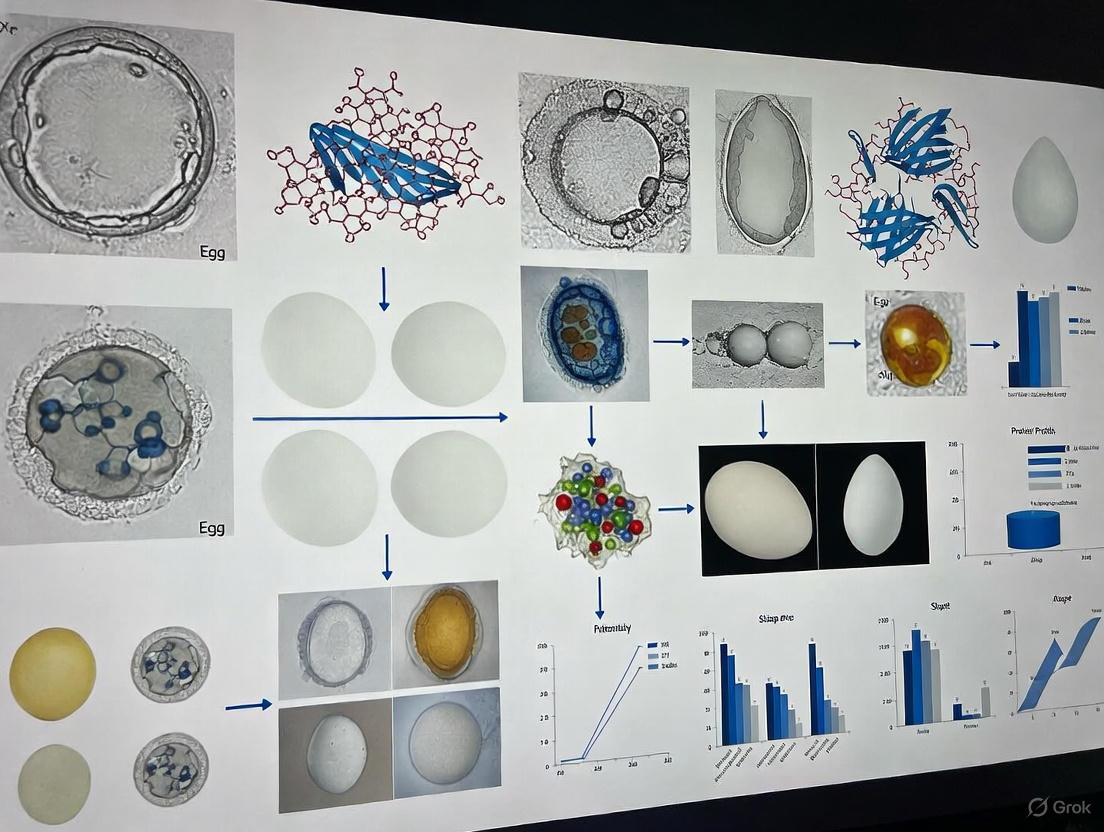
Overcoming Low-Resolution Microscopy: Advanced AI Strategies for Accurate Egg Identification in Biomedical Research
This article provides a comprehensive guide for researchers and drug development professionals on handling low-resolution microscopic images for egg identification, a common challenge in parasitology and biomedical studies.
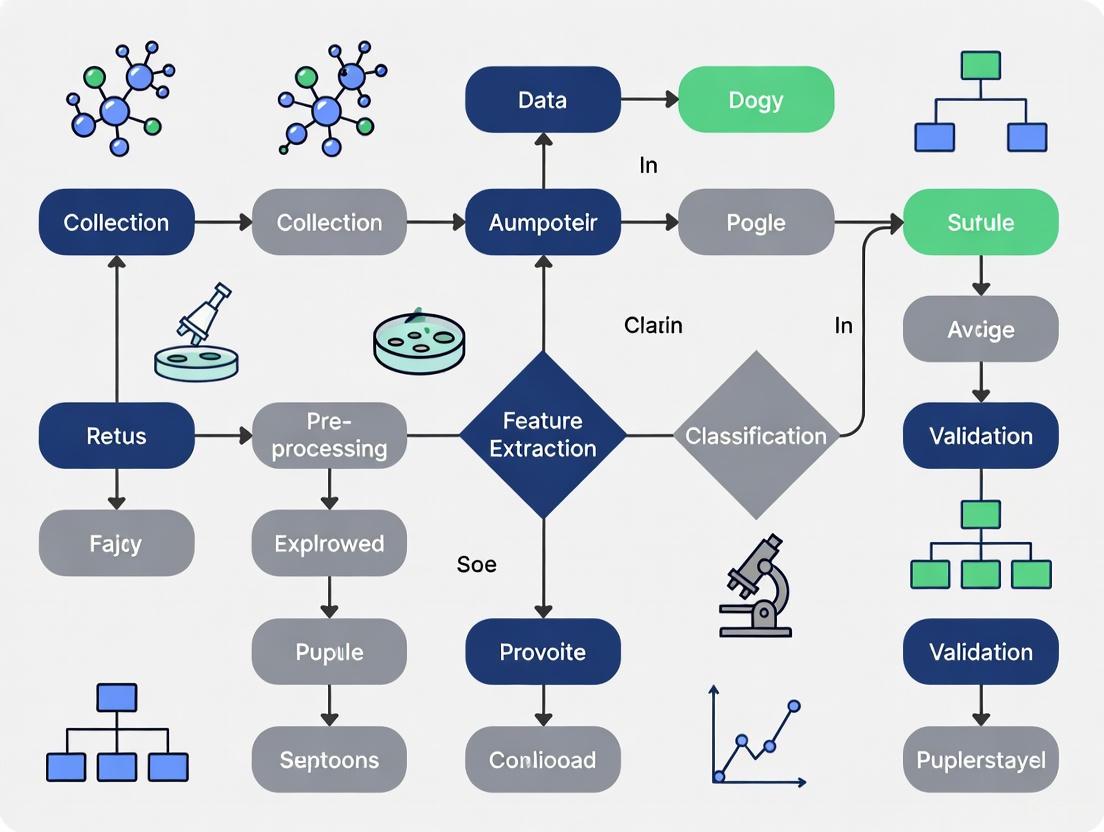
Strategies for Reducing False Positives in Automated Parasite Egg Detection: A Guide for Biomedical Researchers
Automated detection of parasite eggs in microscopic images is transforming parasitology diagnostics, yet high false positive rates remain a significant barrier to clinical reliability.
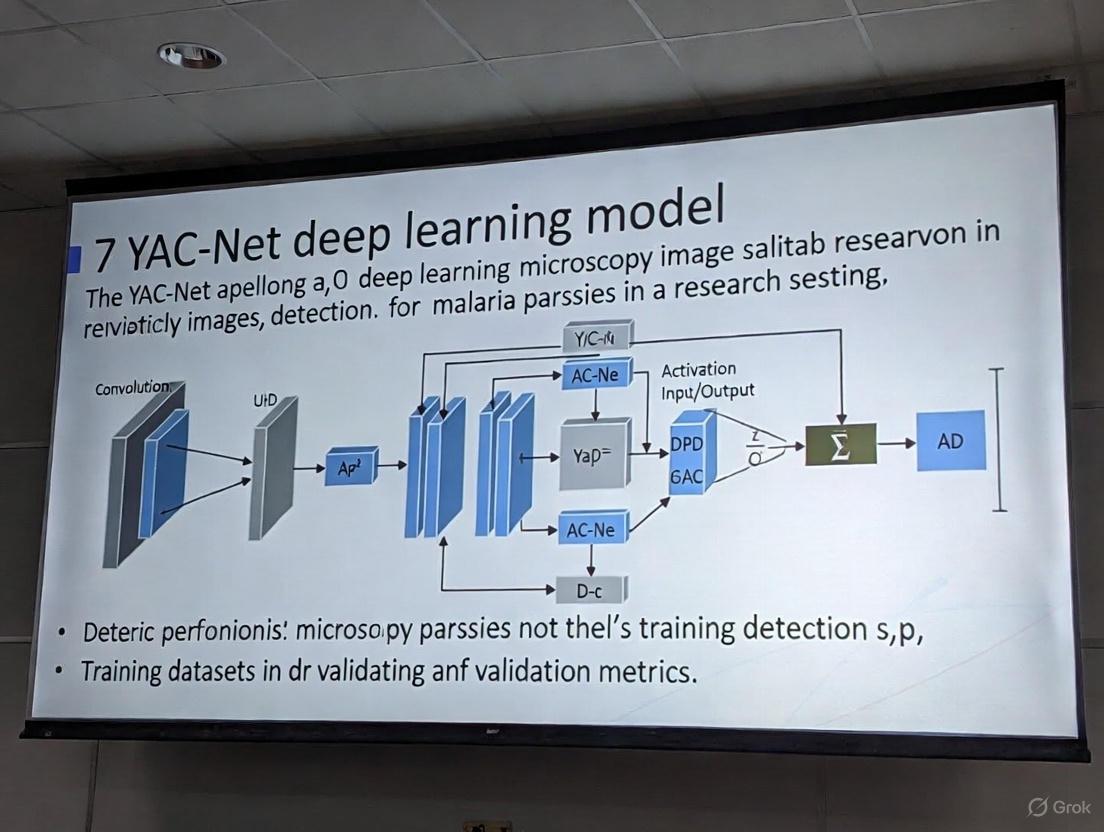
YAC-Net: A Lightweight Deep Learning Model for Automated Parasite Egg Detection in Microscopy Images
This article explores YAC-Net, a novel lightweight deep learning model designed for the accurate and efficient detection of parasite eggs in microscopy images.
Optimizing Flotation Solution Specific Gravity for Enhanced Recovery of Delicate Helminth Eggs in Biomedical Research
This article provides a comprehensive guide for researchers and drug development professionals on optimizing flotation protocols for the diagnosis and study of gastrointestinal helminths.

Optimizing Sample Preparation for Qualitative Fecal Flotation: A Comprehensive Guide for Biomedical Research and Diagnostic Development
This article provides a systematic review of sample preparation protocols for qualitative fecal flotation, a cornerstone technique for diagnosing parasitic infections in clinical and research settings.