Research Articles
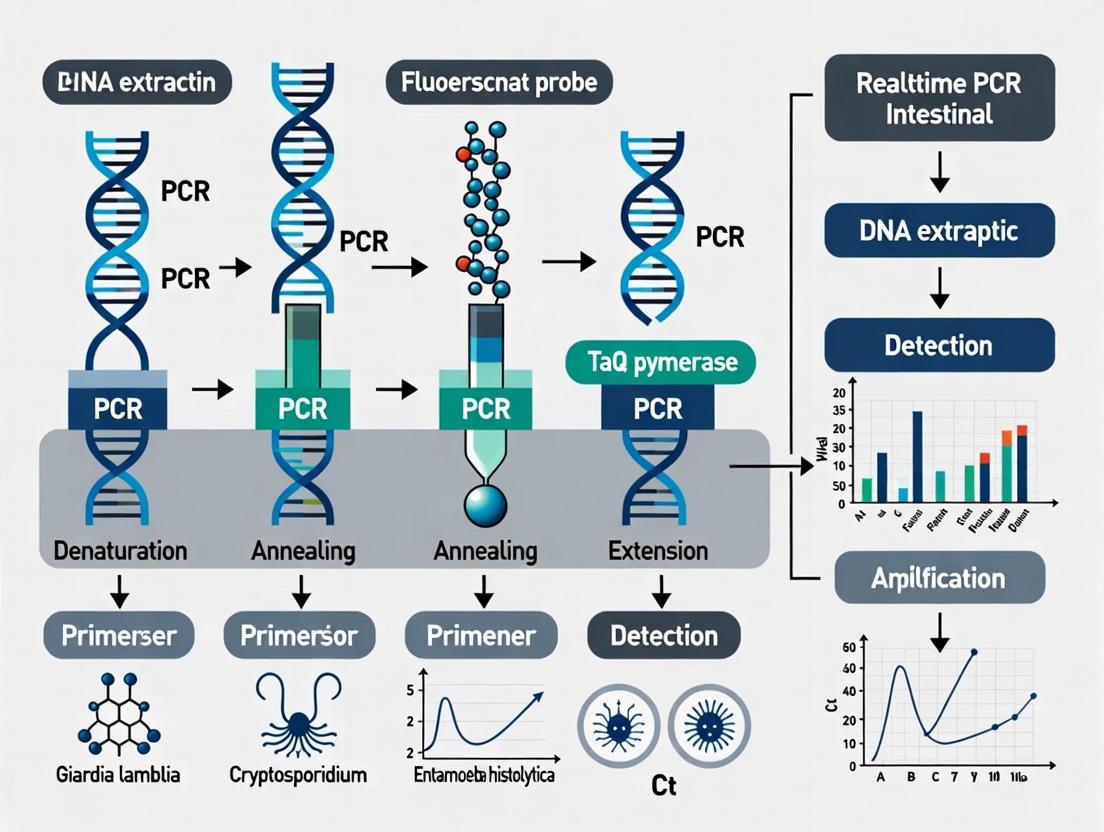
A Comprehensive Guide to Real-Time PCR for Intestinal Parasite Detection in Research and Drug Development
This guide provides researchers, scientists, and drug development professionals with a comprehensive framework for implementing real-time PCR (qPCR) for the detection of intestinal parasites.
The Fecal Egg Count Reduction Test (FECRT): A Comprehensive Guide for Monitoring Anthelmintic Resistance in Biomedical Research
This article provides a comprehensive analysis of the Fecal Egg Count Reduction Test (FECRT), the gold-standard field method for monitoring anthelmintic efficacy and detecting resistance in parasitic nematodes.
Quantitative Flotation and Antigen Capture ELISA: A Synergistic Approach for Enhanced Diagnostic Accuracy
This article explores the powerful correlation between quantitative flotation methods and antigen capture ELISA, providing researchers and drug development professionals with a comprehensive guide from foundational principles to advanced applications.
Improving Inter-Laboratory Reproducibility of Morphological Identification Criteria: Strategies for Standardization in Biomedical Research and Drug Development
This article addresses the critical challenge of inter-laboratory reproducibility in morphological identification, a cornerstone of biomedical research and drug development.
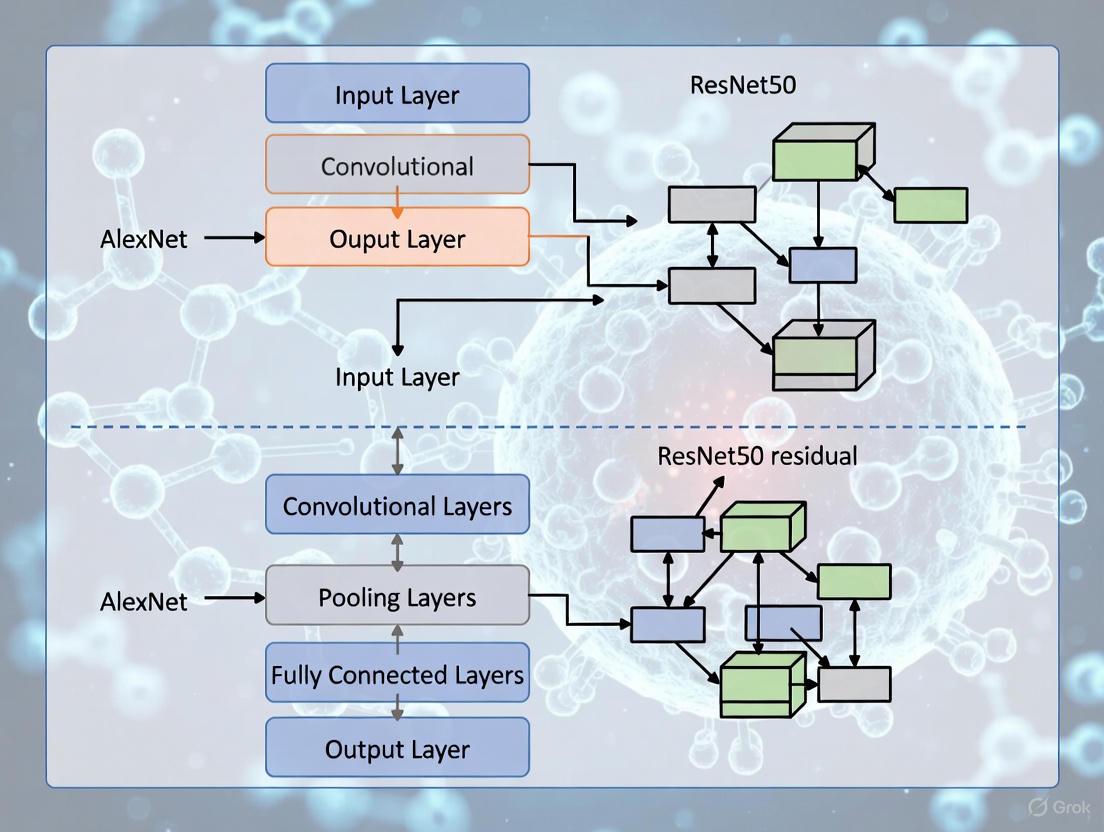
AlexNet vs. ResNet50 for Low-Quality Image Classification: A Comparative Analysis for Biomedical Research
This article provides a comprehensive comparison of the AlexNet and ResNet50 convolutional neural network architectures for classifying low-quality images, a common challenge in biomedical and clinical research.

Deep Learning vs. Human Experts: A 2025 Review of Diagnostic Accuracy in Clinical Medicine and Drug Discovery
This article synthesizes the latest evidence from 2025 on the diagnostic performance of deep learning models compared to human experts.
FECPAK G2 vs. Traditional Methods: A Comprehensive Evaluation for Modern Parasite Diagnostics
This article provides a critical evaluation of the FECPAK G2 diagnostic platform against established quantitative methods like Mini-FLOTAC and sedimentation/flotation.
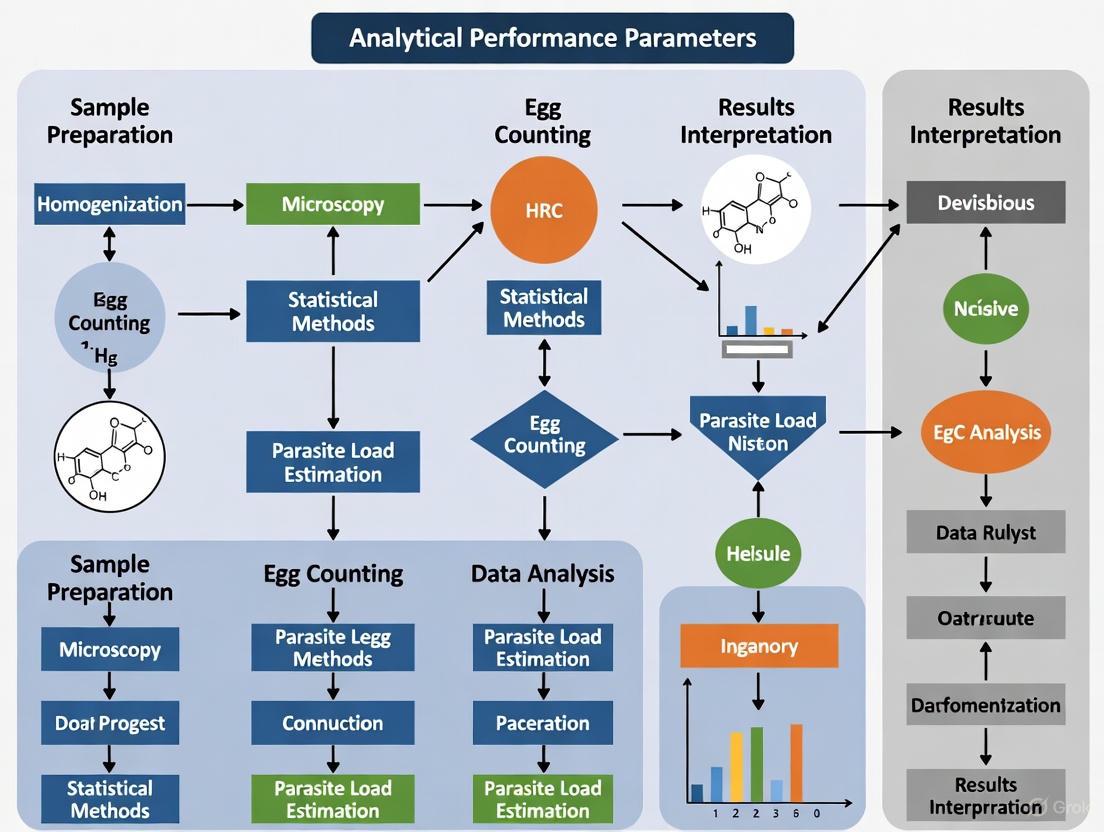
Analytical Performance Parameters for Fecal Egg Counting Techniques: A Guide for Precision and Accuracy in Parasitology Research
This article provides a comprehensive guide to the analytical performance parameters critical for evaluating fecal egg counting (FEC) techniques, a cornerstone of veterinary parasitology and anthelmintic drug development.
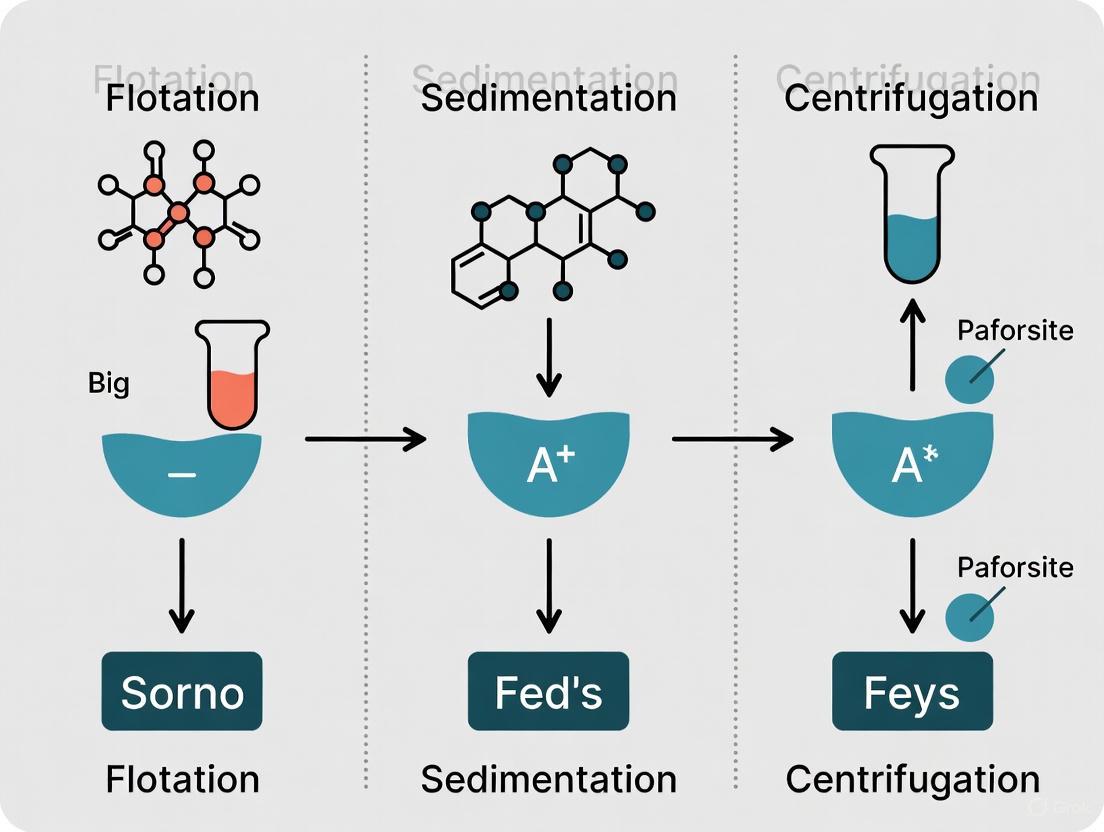
Flotation vs. Sedimentation vs. Centrifugation: A Comparative Analysis for Diagnostic and Research Applications
This article provides a comprehensive comparative analysis of flotation, sedimentation, and centrifugation methods, foundational techniques for particle separation in biomedical research and clinical diagnostics.

McMaster vs. Mini-FLOTAC: A Sensitivity and Diagnostic Performance Analysis for Equine Strongyle Monitoring
This article provides a comprehensive comparison of the McMaster and Mini-FLOTAC fecal egg count (FEC) techniques for diagnosing equine strongyle infections, tailored for researchers and drug development professionals.