Tracing Tuberculosis Through Time: A Deep-Time Perspective on Pathogen Evolution from Skeletal Remains
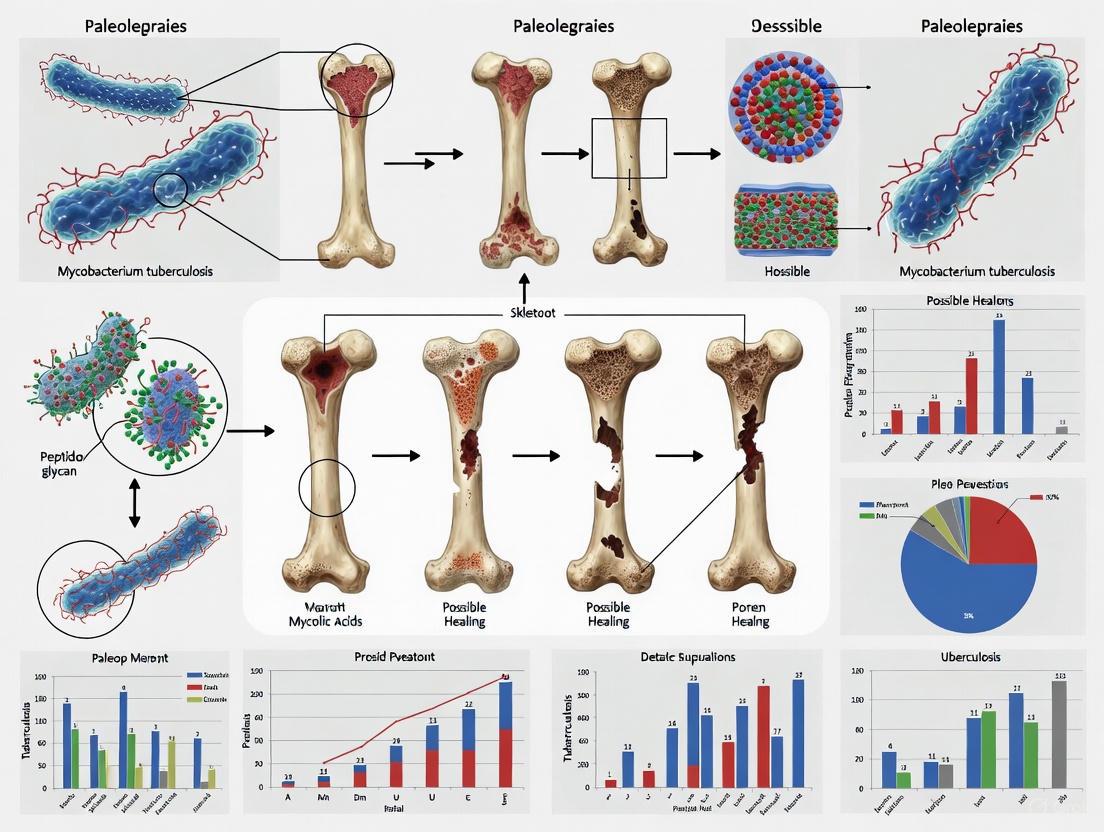
This article synthesizes paleopathological research on tuberculosis (TB) in human skeletal remains to provide a deep-time perspective on pathogen evolution, diagnosis, and host-pathogen interactions.
Tracing Tuberculosis Through Time: A Deep-Time Perspective on Pathogen Evolution from Skeletal Remains
Abstract
This article synthesizes paleopathological research on tuberculosis (TB) in human skeletal remains to provide a deep-time perspective on pathogen evolution, diagnosis, and host-pathogen interactions. Targeting researchers, scientists, and drug development professionals, it explores the foundational history of TB from its origins in early human populations to its current status as a global health threat. The review covers advanced diagnostic methodologies, including paleomicrobiology and biomarker analysis, addresses challenges in differential diagnosis and lesion interpretation, and validates findings through comparative analysis with modern clinical data. By integrating evidence from skeletal paleopathology, the article aims to inform contemporary understanding of TB's pathogenesis, co-evolution with humans, and potential avenues for therapeutic development.
The Ancient Scourge: Uncovering Tuberculosis Origins and Deep History through Skeletal Evidence
For decades, the dominant paradigm in tuberculosis origins held that Mycobacterium tuberculosis (Mtb) was a zoonotic disease acquired by humans from cattle during the Neolithic revolution. This review synthesizes evidence from paleomicrobiology that has fundamentally challenged this narrative, demonstrating a human-centric evolutionary path for Mtb. Advances in ancient DNA (aDNA) analysis, lipid biomarker detection, and spoligotyping of human skeletal remains reveal that Mtb was present in human populations thousands of years before animal domestication and followed Homo sapiens migrations out of Africa. This evidence supports a prolonged co-evolutionary relationship between Mtb and its human host, with significant implications for understanding tuberculosis pathogenesis and developing targeted therapeutic interventions.
The paleopathology of tuberculosis has undergone a revolutionary transformation with the application of molecular techniques to ancient human remains. Traditionally, it was thought that TB had a zoonotic origin, acquired by humans from cattle during the Neolithic revolution [1] [2]. This theory positioned M. bovis as the progenitor of human tuberculosis. However, biomolecular studies have proposed a new evolutionary scenario demonstrating that human TB has a human origin [2].
Paleopathological evidence now attests that tuberculosis was present in early human populations in Africa at least 70,000 years ago and expanded following the migrations of Homo sapiens out of Africa, adapting to different human groups [2]. The demographic success of TB during the Neolithic period was due not to zoonotic transfer from cattle, but to the growth in density and size of the human host population [2]. This co-evolutionary perspective reveals a complex history of mutual adaptation between pathogen and host, with Mtb evolving as an obligate human pathogen over millennia.
Paleomicrobial Evidence Challenging Zoonotic Transmission
Ancient Genomic Evidence
Genetic analyses of ancient Mtb strains have provided definitive evidence against the traditional zoonotic theory. Key findings include:
- TbD1 Deletion: A human lineage of Mtb, defined by the TbD1 deletion in its genome, was demonstrated in the submerged Eastern Mediterranean Neolithic village of Atlit Yam (9000 years BP) [3].
- Genomic Comparisons: Modern genomic sequencing reveals that the entire spectrum of globally diverse Mtb strains differs by only approximately 2,000 SNPs, suggesting Mtb was already optimized for human hosts long before the industrial revolution [4].
- Phylogenetic Relationships: The genome of M. bovis is smaller than that of M. tuberculosis, suggesting M. bovis represents the final member of a separate lineage that derived from the progenitor of M. tuberculosis isolates [1].
Chronological Distribution of Ancient TB Cases
Table 1: Early Evidence of Tuberculosis in Human Remains
| Site/Location | Date | Evidence | Molecular Confirmation |
|---|---|---|---|
| Near East (Various sites) | 8800-7600 BC | Skeletal lesions, HPOA | Lipid biomarkers, aDNA [2] |
| Atlit-Yam, Israel | 6200-5500 BC | Spinal lesions in mother and child | Lipid biomarkers, aDNA [2] [3] |
| Central Germany | 5400–4800 BC | Pott's disease | M. tuberculosis complex DNA [2] |
| Eastern Siberia | 18th-19th century AD | Spinal lesions, bone pathology | M. tuberculosis DNA, spoligotyping [5] |
| Hungary | 18th century | Extensive skeletal collection | Multiple positive aDNA cases [3] |
The table above demonstrates the widespread presence of human-adapted Mtb strains across geographically diverse populations millennia before the era of intensive animal domestication. The consistency of findings across multiple regions with different subsistence strategies indicates a well-established human pathogen already adapted to various population densities.
Pre-Domestication Evidence
Critical evidence undermining the zoonotic theory comes from sites predating animal domestication:
- Pre-Pottery Neolithic B Period: Five cases from two sites in the Fertile Crescent (8800-8300 BC) show TB infection before full animal domestication [2].
- Hunter-Gatherer Communities: TB existed in relatively small hunter-gatherer communities, suggesting Mtb had already adapted to humans in low-population density settings [4].
- Pleistocene Bison: A 17,000-year-old extinct bison from North America shows TB was present in wildlife long before domestication, indicating a complex evolutionary history beyond simple human-cattle transmission [2].
Methodological Advances in Paleomicrobiology
Ancient DNA (aDNA) Analysis
The recovery and analysis of Mycobacterium tuberculosis complex aDNA from ancient human remains represents a cornerstone of the paradigm shift. The technical workflow involves:
Table 2: Ancient DNA Analysis Protocol
| Step | Procedure | Key Considerations |
|---|---|---|
| Sample Collection | Powdered bone or tooth samples | Dedicated clean room facilities to prevent contamination [6] |
| DNA Extraction | Specialized protocols for degraded DNA | Optimization for very short fragments (<100 bp) [6] |
| Target Amplification | PCR for specific MTBC markers (IS6110, SPOLIGotyping) | Multiplex approaches to maximize information from minimal material [1] [5] |
| Sequencing | Next-generation sequencing platforms | Handling of postmortem damage patterns [6] |
| Data Analysis | Bioinformatics pipelines for ancient DNA | Authentication based on damage patterns [6] |
aDNA is characterized by extensive fragmentation and postmortem damage (PMD) resulting from depurination and deamination processes [6]. These very limitations serve as authentication markers, confirming the ancient origin of the genetic material.
Complementary Molecular Techniques
- Lipid Biomarker Analysis: Extraction, derivatization, and high-performance liquid chromatography (HPLC) analysis of mycobacterial cell wall mycolic acids provides complementary evidence to aDNA [2]. This method is particularly valuable when DNA preservation is insufficient.
- Spoligotyping: This PCR-based technique detects polymorphisms in the direct repeat (DR) region of the Mtb genome, allowing strain differentiation and phylogenetic placement [1] [5].
- Paleohistology: Microscopic analysis of calcified and non-calcified tissues identifies characteristic pathological changes associated with TB, including granulomas in lungs and other organs [1].
Diagram 1: Paleomicrobial Research Workflow. This diagram illustrates the integrated methodological approach for studying ancient tuberculosis, combining molecular, biochemical, and histological techniques.
Research Reagent Solutions
Table 3: Essential Research Reagents in Paleomicrobiology
| Reagent/Technique | Application | Function |
|---|---|---|
| aDNA extraction buffers | DNA recovery from mineralized tissues | Optimized for fragmented, damaged DNA [6] |
| IS6110 PCR primers | MTBC complex detection | Targets insertion element specific to MTBC [5] |
| Spoligotyping membranes | Strain differentiation | Detects polymorphisms in DR region [1] [5] |
| Mycolic acid standards | Lipid biomarker analysis | Reference for mycobacterial cell wall components [2] |
| HPLC-MS systems | Lipid detection and quantification | Identifies specific mycobacterial biomarkers [2] |
| NGS libraries | Ancient genome reconstruction | Adapted for ultra-short DNA fragments [6] |
Co-Evolutionary Dynamics of Mtb and Humans
Genetic Adaptations in Mycobacterium tuberculosis
The transition of Mtb to an obligate human pathogen involved significant genomic adaptations:
- Genome Reduction: The smaller genome of M. bovis compared to M. tuberculosis suggests reductive evolution from a human-adapted ancestor [1].
- TbD1 Deletion: This chromosomal region deletion defines an evolutionarily ancient group of Mtb strains and marks a significant adaptation to human hosts [3].
- Clonal Population Structure: Mtb exhibits a remarkably clonal population structure with minimal genetic diversity, consistent with a recent evolutionary origin and rapid expansion [4].
Human Genetic Resistance and Susceptibility
The prolonged co-evolution with Mtb has exerted significant selective pressure on the human genome, leading to adaptations that influence disease susceptibility:
- Vitamin D Receptor Polymorphisms: A FokI polymorphism in the vitamin D receptor gene has been associated with increased susceptibility to spinal tuberculosis [1].
- IL-12/IFN-γ/STAT Signaling Pathway: Deficiencies in this pathway (IL-12Rb1, TYK2) correlate with severe forms of TB, representing Mendelian Susceptibility to Mycobacterial Diseases (MSMD) [1] [4].
- TYK2/P1104A Polymorphism: Homozygosis for this polymorphism originated approximately 30,000 years ago and confers higher risk of clinical TB, demonstrating ancient selective pressure [1].
Diagram 2: Host-Pathogen Co-evolution. This diagram illustrates the reciprocal evolutionary dynamics between Mycobacterium tuberculosis and human populations over millennia.
Implications for Modern Tuberculosis Research and Therapeutic Development
The reconceptualization of TB origins from a zoonotic disease to a human-adapted pathogen has profound implications for contemporary research and drug development:
Vaccine Development Challenges
The understanding that Mtb has co-evolved with humans for millennia explains the difficulties in developing effective vaccines:
- BCG Limitations: The partially effective BCG vaccine, developed from M. bovis, may lack critical human-adapted antigens that emerged during Mtb's specialization in human hosts [4].
- Immune Evasion Strategies: The prolonged co-evolution has allowed Mtb to develop sophisticated mechanisms to subvert human immune responses, including inhibition of phagosome maturation and downregulation of antigen presentation molecules [4].
Drug Target Identification
Evolutionary perspectives can inform drug discovery:
- Conserved Virulence Factors: Genes conserved across ancient and modern Mtb strains represent optimal therapeutic targets due to their essential functions maintained through human adaptation.
- Host-Directed Therapies: Understanding genetic adaptations in human populations can identify potential host-directed therapeutic approaches that modulate susceptibility factors [1].
Understanding Disease Heterogeneity
The recognition of multiple immunological routes to TB disease reflects the complex history of human-Mtb co-evolution:
- Diverse Clinical Manifestations: The various clinical presentations of TB (pulmonary, extrapulmonary, latent) may represent different evolutionary outcomes of host-pathogen interactions [4].
- Population-Specific Responses: Genetic differences in human populations, shaped by varying historical TB exposure, may explain differential susceptibility and disease progression [5].
Paleomicrobiological evidence has fundamentally transformed our understanding of tuberculosis origins, challenging the long-held zoonotic theory in favor of a human-centric evolutionary path. The integration of ancient DNA analysis, lipid biomarker detection, and spoligotyping of human skeletal remains demonstrates that Mtb was present in human populations thousands of years before animal domestication and co-evolved with humans as they migrated out of Africa. This prolonged mutual adaptation has shaped both the pathogen's genome and human susceptibility genes, creating a complex host-pathogen relationship that continues to challenge modern medicine. Recognizing this deep co-evolutionary history provides valuable insights for developing novel therapeutic strategies and understanding the persistent global burden of tuberculosis.
Tuberculosis (TB) remains a major global health challenge, responsible for an estimated 1.6 million deaths annually. Understanding its historical trajectory provides crucial insights for contemporary control efforts. This review synthesizes paleopathological evidence demonstrating TB's presence in human populations since Neolithic times, with a paradigm shift from traditional zoonotic transfer theories to models of co-evolution with Homo sapiens. We analyze the earliest skeletal evidence from archaeological sites worldwide, detail advanced biomolecular techniques revolutionizing paleopathological diagnosis, and explore implications for modern TB research. The findings underscore a profound host-pathogen relationship spanning millennia, offering valuable perspectives for drug development professionals and biomedical researchers addressing current TB challenges.
Paleopathology, the study of ancient diseases, provides the primary evidence for understanding tuberculosis origins and evolution. Tuberculosis (TB) has been one of the most important infectious diseases affecting mankind and continues to represent a major global health threat. The World Health Organization estimates that approximately one-quarter of the world's population is infected with Mycobacterium tuberculosis, with 5-15% expected to develop active disease during their lifetime [2]. Traditionally, TB was thought to have zoonotic origins, acquired by humans from cattle during the Neolithic revolution. However, recent biomolecular studies have proposed a new evolutionary scenario demonstrating that human TB has a human origin, with evidence suggesting the disease was present in early human populations in Africa at least 70,000 years ago [2] [7].
The paleopathological evidence of TB attests to the presence of the disease starting from Neolithic times, with the demographic success of TB during this period likely due to growth in the density and size of human populations rather than zoonotic transfer from cattle as previously hypothesized [2]. These findings demonstrate a long co-evolution of TB and its human host, providing critical context for understanding the disease's modern manifestations and challenges. The study of skeletal remains continues to be paramount in this field, as osseous lesions provide the most durable evidence of ancient disease, though it is estimated that only 1-5% of individuals with pulmonary TB develop skeletal lesions, suggesting the archaeological record significantly underestimates past TB prevalence [2] [1].
The Emergence of Tuberculosis in Prehistory
Earliest Evidence from the Paleolithic and Neolithic
Molecular phylogenetic analyses indicate that TB has ancient human-adapted origins predating the Neolithic period, contemporary with the migration of modern humans out of Africa [8]. However, concrete paleopathological evidence from the Paleolithic period remains scarce. The only proven case of Paleolithic tuberculosis described to date comes from the Azilian period (a culture of the European Final Paleolithic), which is more recent than the ancient Neolithic sites of the Near East [8].
The earliest confirmed human cases of TB emerge from Neolithic sites in the Near East and Europe, with the most ancient evidence dating back approximately 9,000-10,000 years [2]. Notably, these early cases predate or coincide with the domestication of animals, challenging previous theories about TB's zoonotic origins. Key early evidence includes:
Near Eastern Sites: Five cases from two sites in the Fertile Crescent dating to the Pre-Pottery Neolithic B (PPNB) period (8800-7600 BC). Four individuals with TB lesions were discovered at Dja'de el Mughara in Northern Syria (8800-8300 BC), while one individual from Tell Aswad in Southern Syria (8200-7600 BC) displayed features of Hypertrophic Pulmonary Osteoarthropathy (HPOA) secondary to chronic pulmonary disease such as TB [2].
Early European Cases: Tuberculous spondylitis (Pott's disease) identified in individuals from Early Neolithic Linear Pottery culture sites (5400-4800 BC) in Germany, with molecular analyses confirming the presence of pathogens belonging to the Mycobacterium tuberculosis complex (MTBC) [2].
Table 1: Earliest Confirmed Cases of Human Tuberculosis in the Archaeological Record
| Site Location | Date | Time Period | Evidence |
|---|---|---|---|
| Dja'de el Mughara, Syria | 8800-8300 BC | Pre-Pottery Neolithic B | Skeletal lesions confirmed by morphological examination, MicroCT scan, lipid biomarkers, and molecular analyses |
| Tell Aswad, Syria | 8200-7600 BC | Pre-Pottery Neolithic B | Hypertrophic Pulmonary Osteoarthropathy (HPOA) with multidisciplinary analyses confirmation |
| Atlit-Yam, Israel | 6200-5500 BC | Pre-Pottery Neolithic C | Two cases (adult and adolescent) with lipid biomarkers and molecular confirmation |
| Halberstadt, Germany | 5400-4800 BC | Early Neolithic | Pott's disease with molecular detection of MTBC |
| Heidelberg, Germany | ~5000 BC | Neolithic | Morphological evidence of TB |
| Alsónyék-Bátaszék, Hungary | ~5000 BC | Neolithic | Morphological evidence confirmed by molecular analyses |
The Zoonotic Origin Debate and Co-evolution Models
The traditional hypothesis suggested humans acquired TB from cattle during the Neolithic revolution, coinciding with animal domestication. However, biomolecular research has fundamentally challenged this view. Recent studies demonstrate that the bovine form of the disease (M. bovis) is actually derived from human strains, not the reverse [1]. Genome sequencing provides evidence that the progenitor of M. tuberculosis strains was already a human pathogen when M. africanum and M. bovis separated from the M. tuberculosis lineage [1].
This revised evolutionary scenario suggests TB was present in early human populations in Africa at least 70,000 years ago and expanded following the migrations of Homo sapiens out of Africa, adapting to different human groups [2] [7]. The concentration of TB cases in early Neolithic settlements is now attributed to increased population density and sedentism rather than zoonotic transfer. This co-evolutionary model explains the tight adaptation between human immunity and the pathogen, with genetic studies identifying polymorphisms associated with TB susceptibility dating back approximately 30,000 years [1].
Paleopathological Diagnostic Criteria and Methodologies
Macroscopic Skeletal Manifestations
Diagnosis of TB in ancient remains relies on identifying characteristic skeletal lesions, with spinal involvement being the most pathognomonic. The classic manifestation is Pott's disease, which involves destruction of vertebral bodies leading to kyphosis (gibbus deformity) [2] [1]. Specific skeletal features used for diagnosis include:
- Spinal lesions: Lytic destruction affecting vertebral bodies, particularly in the thoracic and lumbar regions, resulting in ankylosis, body collapse, and kyphosis [2]
- Extraspinal lesions: Unifocal lytic lesions with absence of new bone formation [2]
- Joint involvement: Single joint ankylosis, especially in the hip, knee, and wrist [2]
- Rib lesions: New bone formation on the internal surface of ribs, associated with pulmonary TB [1]
- Endocranial changes: Abnormal blood vessel impressions and lesions on the inner table of the skull vault [9]
A meta-analysis of 531 paleopathological TB cases from 221 sites dating from 7250 BCE to 1899 found that the frequency of bone lesions significantly decreased over time, and the distribution of lesions changed from mainly spinal in earlier periods to include more extraspinal involvement in later periods [10]. This temporal pattern may reflect evolutionary changes in the pathogen, host immunity, or environmental factors.
Table 2: Diagnostic Methodologies in Tuberculosis Paleopathology
| Methodology | Application | Advantages | Limitations |
|---|---|---|---|
| Macroscopic analysis | Initial identification of skeletal lesions | Non-destructive, readily applicable | Non-specific lesions require confirmation |
| Radiography (X-ray, CT) | Visualization of internal bone structure | Non-destructive, reveals internal lesions | Limited specificity for TB diagnosis |
| Ancient DNA (aDNA) analysis | Detection of MTBC DNA | Species-specific identification | DNA degradation, contamination risk |
| Lipid biomarker analysis | Detection of mycolic acids | Highly specific for Mycobacterium | Complex extraction and analysis |
| Paleohistology | Microscopic bone structure analysis | Can distinguish pathological bone changes | Requires destructive sampling |
| Spoligotyping | Strain identification within MTBC | Differentiates MTBC strains | Requires well-preserved DNA |
Biomolecular Revolution in Paleopathology
The development of paleomicrobiology has transformed TB diagnosis in ancient remains, allowing confirmation beyond morphological features alone. Several advanced techniques now provide definitive evidence:
Ancient DNA (aDNA) analysis: Polymerase chain reaction (PCR) and high-throughput sequencing technologies enable detection of MTBC DNA, providing species-specific identification [2] [1]. This approach has confirmed diagnoses in numerous cases where morphological evidence was suggestive but inconclusive.
Lipid biomarkers: Extraction and analysis of mycobacterial cell wall mycolic acids through high-performance liquid chromatography (HPLC) provides another specific indicator of TB infection [2]. This method has been successfully applied to skeletal remains from several Neolithic sites.
Spoligotyping: This technique detects strain-specific patterns in the CRISPR region of the MTBC genome, allowing differentiation of various MTBC strains and providing insights into evolutionary relationships [1].
These biomolecular approaches have been crucial for confirming early cases where skeletal lesions are minimal or non-specific, significantly expanding our understanding of TB's ancient distribution and impact.
Diagram 1: Comprehensive Workflow for Paleopathological TB Diagnosis. This flowchart illustrates the integrated approach combining traditional morphological analysis with advanced biomolecular techniques for definitive tuberculosis diagnosis in ancient remains.
Global Distribution and Temporal Patterns
Regional Variations in Ancient TB
Paleopathological evidence reveals distinct patterns of TB distribution across continents and through time:
Europe: The earliest cases appear in Central European Neolithic sites (5400-4800 BC), with concentrations observed in the Middle Neolithic (4000-3500 BC) in areas such as the Finalese caves in Northwestern Italy [2]. The frequency and distribution of lesions increases significantly during periods of urbanization and population growth.
Africa: Evidence from Upper Egyptian sites (4500-3000 BC) provides early cases, with molecular confirmation in predynastic periods (3500-2650 BC) suggesting relatively frequent infection in ancient Egypt [2] [1].
Asia: A possible Neolithic case was identified in Shanghai, China, associated with the Songze culture (3900-3200 BC), coinciding with the beginning of wet rice agriculture [2].
Americas: The earliest evidence appears much later, with confirmed cases in South America (Peru) around 700 AD and in North America by 900 AD, predominantly in areas with permanent agricultural settlements [2].
The near-absence of Paleolithic cases in Eurasia, despite phylogenetic evidence of TB's presence, may reflect low population densities among hunter-gatherers that limited disease transmission and skeletal manifestation [8]. The demographic explosion during the Neolithic transition (with population growth from approximately 0.5 to 5 million in the Near East between 10,000 and 8000 years ago) created ideal conditions for TB's expansion [8].
Evolution of Skeletal Manifestations
Meta-analyses of paleopathological cases reveal significant temporal changes in TB manifestations. The frequency of bone lesions has decreased over time, while the distribution has shifted from predominantly spinal involvement in early periods to more diverse extraspinal presentations in later periods [10]. This evolutionary pattern may reflect:
- Host-pathogen co-adaptation: Gradual attenuation of virulence or enhanced host immunity resulting in less severe skeletal involvement
- Changing risk factors: Nutritional status, comorbidity burden, and environmental stressors affecting disease expression
- Strain evolution: Diversification of MTBC strains with varying tropism for skeletal tissue
These temporal patterns provide valuable insights into the long-term relationship between human populations and one of their most persistent pathogens.
The Scientist's Toolkit: Essential Research Reagents and Materials
Table 3: Essential Research Reagents and Materials for Paleopathological TB Research
| Reagent/Material | Application | Function | Technical Considerations |
|---|---|---|---|
| Ancient DNA extraction kits | Isolation of MTBC DNA from skeletal samples | Purifies degraded DNA while removing inhibitors | Must be optimized for ancient, degraded material; contamination control critical |
| PCR reagents | Amplification of target MTBC sequences | Enables detection of low-concentration pathogen DNA | Requires specific primers for ancient MTBC targets; must account for DNA damage |
| Next-generation sequencing platforms | Comprehensive genomic analysis | Provides full pathogen genome reconstruction | High sensitivity but requires specialized bioinformatics analysis |
| HPLC systems | Lipid biomarker analysis | Separates and detects mycolic acids specific to Mycobacterium | Requires reference standards for comparison; high specificity for MTBC |
| MicroCT scanners | Non-destructive internal visualization | Reveals internal bone structure without destruction | Excellent for detailed morphological analysis but equipment access limited |
| Histological processing materials | Bone decalcification and sectioning | Enables microscopic analysis of bone pathology | Destructive method requiring careful sampling decisions |
| Proteinase K | Digestion of organic materials in bone powder | Releases biomolecules for downstream analysis | Critical step in DNA and biomarker extraction protocols |
| Negative controls | All molecular analyses | Monitors for contamination | Essential for verifying authenticity of ancient biomolecules |
Advanced Biomolecular Workflows
Ancient DNA Analysis Protocol
The recovery and analysis of MTBC ancient DNA requires specialized approaches to address challenges of degradation, contamination, and low pathogen DNA concentration:
Sample Preparation: Select skeletal elements with pathological lesions or, in their absence, elements with high vascularity (ribs, vertebrae). Surface clean with bleach and UV irradiate to eliminate modern contaminants.
Powderization: Drill bone powder in dedicated ancient DNA facilities using clean-room protocols to prevent cross-contamination.
DNA Extraction: Use silica-based methods optimized for ancient bone, incorporating digestion buffers with proteinase K and demineralization steps to maximize yield.
Library Preparation: Build sequencing libraries with dual-indexed unique molecular identifiers to track individual molecules and detect damage patterns characteristic of ancient DNA.
Enrichment: Use in-solution capture methods with MTBC-specific biotinylated RNA baits to enrich for pathogen DNA against the background of host material.
Sequencing: Perform high-throughput sequencing on appropriate platforms (Illumina recommended for ancient DNA due to short read requirements).
Bioinformatic Analysis: Map sequences to MTBC reference genomes, authenticate ancient origin through damage pattern analysis, and conduct phylogenetic placement.
This workflow has successfully identified MTBC aDNA in numerous ancient specimens, including the 9000-year-old Atlit-Yam case [2] [1].
Lipid Biomarker Analysis Methodology
Mycolic acid analysis provides complementary evidence to aDNA studies:
Sample Extraction: Grind bone powder and subject to acid-assisted methanol extraction to release mycolic acids.
Derivatization: Convert mycolic acids to pentafluorobenzyl esters using pentafluorobenzyl bromide and N,N'-dicyclohexylcarbodiimide as coupling agent.
Purification: Clean derivatives using solid-phase extraction cartridges.
Analysis: Separate and detect derivatives using high-performance liquid chromatography (HPLC) with ultraviolet or mass spectrometric detection.
Confirmation: Compare retention times and mass spectra with modern MTBC standards.
This method has confirmed TB diagnosis in several key early Neolithic cases where DNA preservation was insufficient for analysis [2].
Diagram 2: Biomolecular Analysis Pathways for Ancient TB Detection. Dual methodological approaches for tuberculosis diagnosis in ancient remains, combining ancient DNA analysis and lipid biomarker detection to overcome limitations of either method alone.
Implications for Modern TB Research and Drug Development
Understanding TB's deep history through paleopathology provides valuable perspectives for contemporary research and therapeutic development:
Host-Pathogen Co-evolution Insights
The demonstration of TB's long coexistence with humans (at least 70,000 years) explains the sophisticated adaptation of MTBC to human immunity. Genetic studies have identified ancient polymorphisms affecting TB susceptibility, such as the TYK2/P1104A variant that originated approximately 30,000 years ago and increases risk of clinical disease [1]. These evolutionary insights help identify key host pathways that might be targeted for host-directed therapies.
Paleopathological evidence confirms TB's ability to persist in human populations despite major societal changes, highlighting the pathogen's resilience and adaptability—a crucial consideration for anticipating future evolutionary trajectories, including drug resistance.
Informing Modern Diagnostic and Therapeutic Development
The WHO End TB Strategy emphasizes the need for new diagnostics, treatments, and vaccines, with a target of mobilizing US$5 billion annually for TB research by 2027 [11]. Current development pipelines include nearly 100 diagnostic products, with emphasis on point-of-care and near-point-of-care technologies [11]. Understanding TB's historical manifestations and genetic stability can inform:
- Vaccine development: The long co-evolution suggests limited strain diversity, supporting broad vaccine approaches
- Drug discovery: Ancient strains provide baselines for identifying essential, conserved pathogen pathways
- Diagnostic targets: Persistent biomolecules through evolutionary history indicate ideal detection targets
The temporal decrease in skeletal lesion frequency suggests an attenuation of virulence or enhancement of host immunity over time, encouraging research into host-directed therapies that might accelerate this natural protective evolution [10].
Paleopathological evidence demonstrates that tuberculosis has been a significant human pathogen since at least Neolithic times, with a evolutionary history stretching back approximately 70,000 years to African origins. The traditional model of zoonotic transfer from cattle has been replaced by a co-evolutionary scenario where TB accompanied human migrations out of Africa, adapting to different populations. Advanced biomolecular techniques have revolutionized paleopathological diagnosis, confirming early cases and providing insights into strain evolution.
The integration of morphological analysis with ancient DNA and lipid biomarker approaches provides a powerful toolkit for investigating TB's history, with implications for modern control efforts. As drug development professionals address current challenges including multi-drug resistance, understanding TB's deep history and long relationship with humans provides valuable context for anticipating future trajectories and developing more effective interventions. The paleopathological record stands as a testament to one of humanity's most persistent companions, offering both warnings and hope for eventual eradication.
Tuberculosis (TB) remains a leading cause of infectious disease mortality worldwide, with an estimated 1.5 million deaths annually [4] [12]. For decades, the predominant theory suggested tuberculosis originated as a zoonotic disease transferred to humans from cattle during the Neolithic revolution. However, advanced genomic analyses of the Mycobacterium tuberculosis complex (MTBC) have fundamentally rewritten this narrative. This whitepaper synthesizes evidence from paleopathology, ancient DNA (aDNA) studies, and population genomics to demonstrate a prolonged co-evolutionary history between TB and humans spanning approximately 70,000 years. This shared journey saw MTBC expand from its African origins alongside anatomically modern humans during their migrations, with its subsequent evolution profoundly shaped by, and in turn shaping, the human immune system [13] [2] [14]. Understanding this deep co-evolution is critical for contextualizing present-day TB disparities and developing more effective therapeutic interventions.
The paleopathological study of tuberculosis has been revolutionized by the integration of biomolecular techniques, moving beyond the traditional analysis of skeletal lesions to include the recovery and sequencing of ancient pathogen DNA. This has overturned the long-held belief that TB was acquired by humans from cattle during the Neolithic demographic transition (NDT) [2]. Instead, a new evolutionary scenario posits that the progenitor of modern M. tuberculosis strains was already a human pathogen before the divergence of other MTBC members like M. bovis [1]. The current consensus, supported by coalescence analyses of whole-genome sequences, indicates that MTBC emerged in Africa approximately 70,000 years before the common era (BCE), coinciding with the timing of major human migrations out of Africa [13] [12]. This parallel dispersal suggests a long-term, intimate association between pathogen and host, offering a explanatory framework for the disease's characteristic features—including latency, reactivation, and its ability to thrive in both low- and high-density human populations [13].
Paleopathological and Molecular Evidence
Skeletal Evidence of Ancient Tuberculosis
Paleopathology provides the most direct physical evidence of TB in ancient populations. Diagnosing TB in human remains is challenging, as skeletal involvement occurs in only 1-5% of modern clinical cases, suggesting the archaeological record vastly underestimates the disease's true prevalence [2]. Diagnoses are primarily based on characteristic skeletal modifications, with the most specific and common being Pott's disease, which involves the destruction of vertebral bodies leading to collapse and kyphosis of the spine [1] [2]. Other suggestive lesions include lytic lesions in bones, new bone formation on the visceral surface of ribs (rib periostitis), and septic arthritis of major joints [9].
The earliest confirmed cases of human TB, supported by both morphological and biomolecular analyses, date to the Neolithic period in the Near East [2]. Key early sites include:
- Dja'de el Mughara, Syria (8800-8300 BC): Four individuals with lesions consistent with TB.
- Tell Aswad, Syria (8200-7600 BC): One individual displaying features of Hypertrophic Pulmonary Osteoarthropathy (HPOA), linked to chronic pulmonary diseases like TB.
- Atlit-Yam, Israel (6200-5500 BC): Two cases, a mother and adolescent son, where lipid biomarker and aDNA analyses confirmed TB [2].
In Europe, some of the earliest evidence comes from Linear Pottery culture sites in Germany (5400–4800 BC), where skeletal remains with tuberculous spondylitis tested positive for MTBC aDNA [2]. A concentration of cases is also observed in Neolithic Liguria, Italy (4000-3500 BC), where skeletons from the Arene Candide and Arma dell'Aquila caves show classic signs of spinal TB [15].
Table 1: Key Early Paleopathological Evidence of Human Tuberculosis
| Site | Location | Date | Evidence |
|---|---|---|---|
| Dja'de el Mughara | Syria | 8800-8300 BC | Morphological & biomolecular [2] |
| Tell Aswad | Syria | 8200-7600 BC | HPOA lesions [2] |
| Atlit-Yam | Israel | 6200-5500 BC | Lipid biomarkers & aDNA [2] |
| Halberstadt, etc. | Germany | 5400-4800 BC | Pott's disease & aDNA [2] |
| Arene Candide | Italy | 4000-3500 BC | Pott's disease [15] |
Insights from Ancient DNA and Lipid Biomarkers
Ancient DNA (aDNA) analysis has become a cornerstone of paleomicrobiology, allowing for the definitive confirmation of MTBC in skeletal remains and even the characterization of specific ancient strains [1]. The process involves the extraction and amplification of trace amounts of degraded bacterial DNA from bones or mummified tissues. Lipid biomarker analysis, targeting mycolic acids from the mycobacterial cell wall, provides a complementary and sometimes more stable method of detection [2].
These techniques have been instrumental in proving the presence of TB in contexts where skeletal evidence is ambiguous or absent. For example, a study of Egyptian mummies by Zink and colleagues found MTBC aDNA not only in specimens with clear skeletal lesions but also in a significant proportion of those with non-specific lesions or no pathological changes, suggesting infection was relatively frequent in ancient Egypt [1]. Furthermore, aDNA studies have demonstrated that the MTBC strains recovered from ancient human remains in the Americas are related to pinniped (seal) strains, indicating a complex, pre-Columbian introduction of the disease that challenges simple models of European origin [15].
Genomic Reconstructions of MTBC Evolution
Phylogenetic and Phylogeographic Analyses
The advent of whole-genome sequencing has provided the highest resolution data for reconstructing the evolutionary history of MTBC. A landmark study analyzing 259 whole-genome sequences used coalescent analyses to determine that MTBC emerged about 70,000 years ago [13]. Using three independent phylogeographical methods (Bayesian and Maximum Parsimony), this study robustly identified Africa as the most probable origin for the MTBC most recent common ancestor (MRCA) [13].
Strikingly, the phylogenetic tree of MTBC mirrors the known population structure of its human host. The deepest branches of the MTBC tree are composed of lineages found exclusively in Africa (Lineages 5, 6, and the rare Lineage 7). The trichotomy formed by the divergence of the Eurasian "modern" lineages (2, 3, and 4) from the African Lineage 1 parallels the Out-of-Africa divergence of mitochondrial haplogroups M and N from the African L3 haplogroup [13]. Statistical tests have confirmed a strong phylogeographic association between prevalent MTBC lineages and human mitochondrial haplogroups by country, consistent with parallel divergence [13].
Table 2: Co-Evolutionary Milestones of Humans and MTBC
| Event | Approximate Date | Significance |
|---|---|---|
| Emergence of MTBC in Africa | ~70,000 BCE | Coincides with presence of anatomically modern humans in Africa [13] [12] |
| Divergence of "modern" MTBC lineages | ~46,000 BCE | Associated with major human migrations across Eurasia [13] |
| Early Neolithic skeletal evidence | ~9,000-7,000 BCE | Confirms MTBC was established before animal domestication in the Near East [2] |
| TYK2 P1104A variant frequency drop | ~2,000 years ago | Evidence of strong negative selection imposed by TB in European populations [16] |
Molecular Dating of Key Divergences
Dating the MTBC phylogeny is challenging due to the lack of ancient DNA and the difficulty in extrapolating short-term mutation rates over evolutionary time [13]. Researchers have employed calibration points from human history to model MTBC divergence times. A model calibrated against the coalescent time of the human L3 mitochondrial haplogroup (~70,000 years ago) produces particularly compelling results [13]. This model dates:
- The first split of MTBC Lineage 1 to 67 kya (95% HPD: 48-88 kya), coinciding with the first wave of human migration out of Africa.
- A second major split at 46 kya (95% HPD: 31-61 kya), matching later dispersals throughout Eurasia [13].
This timing is incompatible with a Neolithic zoonotic origin and instead supports a scenario where MTBC accompanied and expanded with human populations during and after their initial global dispersal [13] [12].
The Human Immune Response and Co-Evolutionary Genetics
The Immunological Balance of TB Infection
The host-pathogen interaction in TB is characterized by a delicate immunological balance. Following exposure, only a minority of individuals resist initial infection (resisters). Most develop a latent infection (LTBI), which is controlled by the immune system within granulomas. A small percentage progress to active disease, either immediately (primary active TB) or years later (reactivation) [17]. This progression is not governed by a single immunological mechanism but by multiple paths to disease [4]. Clinical evidence demonstrates that both immunodeficiency (e.g., HIV, anti-TNF therapy) and immune excess (e.g., anti-PD-1 cancer therapy) can trigger active TB, indicating that loss of immune homeostasis in either direction is detrimental [4].
Human Genetic Susceptibility and Selection
Twin studies and population genetics provide clear evidence of a human genetic component to TB susceptibility [17] [14]. Genome-wide association studies (GWAS) and linkage analyses have identified several loci associated with susceptibility to both active disease and latent infection, including genes involved in the IL-12/IFN-γ/STAT signaling pathway and immune processes like autophagy [17]. Perhaps the most compelling evidence for co-evolution comes from the study of the TYK2 P1104A variant. Researchers screening 1,013 ancient European genomes found that this variant, which confers increased risk for clinical TB, originated around 30,000 years ago but underwent a drastic frequency decline starting about 2,000 years ago [16]. This timing coincides with the prevalence of modern M. tuberculosis strains and indicates strong negative selection, with homozygotes experiencing an estimated 20% reduction in fitness. This provides quantifiable genetic evidence of the heavy burden TB imposed on European populations over the last two millennia [16].
Experimental Methodologies in Paleopathology and Genomics
Diagnostic Workflow for TB in Ancient Remains
The contemporary diagnosis of TB in ancient human remains is an interdisciplinary process that integrates morphological, radiological, and biomolecular techniques. The following workflow outlines the standard protocol:
1. Macroscopic Examination: A detailed osteological analysis is conducted to identify pathological lesions. Key indicators include Pott's disease, rib periostitis, and endocranial surface lesions on the skull [9]. The skeleton's age-at-death, sex, and overall preservation are also recorded.
2. Radiological Analysis: Suspect bones are examined using X-ray and computed tomography (CT). Imaging parameters for archaeological specimens are often adapted from clinical standards (e.g., 100 kV, 80 mA, slice thickness of 0.625 mm) [9]. This helps visualize internal bone rarefaction, destruction, and other changes not visible macroscopically.
3. Biomolecular Sampling: Bone powder or tissue samples are drilled or collected under sterile, contamination-controlled conditions, often from the vertebral bodies, ribs, or teeth.
4. Ancient DNA (aDNA) Extraction and Sequencing: DNA is extracted in dedicated aDNA facilities to prevent modern contamination. After extraction, DNA libraries are prepared and subjected to high-throughput sequencing. For MTBC, capture techniques targeting the bacterial genome are often used due to its low abundance relative to host DNA [1] [2].
5. Lipid Biomarker Analysis: As a complementary method, samples are processed for mycolic acids. This involves extraction, derivatization, and analysis using high-performance liquid chromatography (HPLC) to detect specific mycobacterial cell wall lipids [2].
6. Data Synthesis: Findings from all methods are integrated to reach a conclusive diagnosis. A combination of morphological and molecular evidence is considered the gold standard.
The Scientist's Toolkit: Key Research Reagents and Materials
Table 3: Essential Reagents and Materials for Paleopathological TB Research
| Item | Function/Application |
|---|---|
| Dedicated aDNA Laboratory | Physically isolated facility with positive pressure and UV sterilization to prevent contamination of ancient samples with modern DNA [1]. |
| DNA Extraction Kits (Silica-based) | Designed to recover short, fragmented DNA molecules typical of ancient specimens. |
| MTBC-specific Biotinylated Probes | Used for in-solution capture to enrich sequencing libraries for MTBC DNA, which is often outnumbered by human DNA [1]. |
| High-Performance Liquid Chromatography (HPLC) | Equipment for the separation and detection of mycolic acid biomarkers, providing a chemical signature of MTBC [2]. |
| Micro-CT Scanner | Provides high-resolution 3D imaging of pathological lesions without destroying the specimen [9]. |
Discussion and Future Perspectives
The synthesis of paleopathology and genomics has conclusively demonstrated that tuberculosis is not a recent acquisition from animals but an ancient scourge that has journeyed with humanity for tens of thousands of years. This 70,000-year co-evolutionary relationship explains key aspects of the disease's biology, including its adaptation to both low-density hunter-gatherer societies (via latency) and high-density urban populations (via efficient aerosol transmission) [13] [4]. The evidence of strong natural selection on human immune genes, such as TYK2, underscores the profound impact TB has had on our own genome [16].
For researchers and drug development professionals, this deep co-evolution has critical implications. It suggests that the host-pathogen interaction is exceptionally fine-tuned, which may complicate efforts to develop universally effective vaccines and therapies. The existence of multiple immunological paths to disease, as highlighted by modern immunology, implies that a single "unifying mechanism" of protection may not exist [4]. Future research should leverage emerging technologies like single-cell and spatial transcriptomics on both modern and ancient tissues to further delineate the diverse immune responses to MTBC. Continuing to explore the ancient DNA record of both humans and the pathogen itself will be vital to fully understand the evolutionary forces that have shaped this deadly partnership and to anticipate its future trajectory.
The Neolithic Revolution, representing the wide-scale transition from hunting and gathering to agriculture and settlement, fundamentally altered human demography and ecology. This period, also known as the First Agricultural Revolution, began approximately 11,700 years ago in the Holocene epoch and enabled increasingly large, sedentary populations [18]. These transformations created a new disease ecology, providing the demographic and environmental conditions that favored the emergence and establishment of tuberculosis (TB) as a significant human pathogen. The paleopathology of TB in skeletal remains provides critical evidence for understanding this relationship, as the disease leaves characteristic morphological changes on bone, offering a window into the ancient co-evolution of humans and Mycobacterium tuberculosis [2] [8]. This guide examines the core drivers behind this epidemiological shift, synthesizing current archaeological, paleopathological, and genetic evidence for researchers and scientists engaged in the study of ancient diseases and their modern implications.
The Neolithic Demographic Transition and Its Impact
Principles of the Neolithic Demographic Transition (NDT)
The Neolithic Demographic Transition theory posits that the adoption of agriculture triggered the first major population explosion in human history [19] [20]. This was primarily driven by increased fertility rates rather than decreased mortality [19]. The shift to a sedentary, agricultural lifestyle reduced the metabolic costs of mobility for females and provided a diet rich in carbohydrates, thereby increasing the energy available for reproduction [19] [20]. Furthermore, the children of agriculturalists could contribute more substantially to food production from an early age compared to hunter-gatherer children, effectively lowering the economic cost of childbearing and creating incentives for larger families [20].
Regional Evidence of Population Dynamics
Regional studies using summed calibrated probability distributions (SCPD) of radiocarbon dates provide proxies for reconstructing prehistoric population dynamics. In the Central Balkans, a key region for the Neolithic expansion into Europe, data reveals a boom-and-bust pattern following the arrival of the first farmers around 6250 BC [19]. A rapid population increase lasted approximately 250 years, followed by a decline around 6000 BC, with a second growth episode until 5600 BC culminating in another rapid decline [19]. This pattern is consistent with the Traveling Wave-Front (TWF) model, where population increases are linked to incoming migrations and decreases to outgoing migrations to new regions [19].
Table 1: Neolithic Demographic Transition Patterns in the Central Balkans
| Time Period (BC) | Population Proxy Trend | Proposed Causes |
|---|---|---|
| 6250 - 6000 BC | Rapid Increase | Initial migration of first farmers; high fertility |
| 6000 - 5800 BC | Significant Decrease | Potential agricultural crisis; out-migration |
| 5800 - 5600 BC | Second Growth Episode | High fertility rates; possible recovery |
| 5600 - 5500 BC | Rapid Decline | Unsustainable practices; possible resource depletion |
Emergence of Tuberculosis in the Neolithic Era
Paleopathological and Biomolecular Evidence
The earliest confirmed cases of human TB in skeletal remains coincide with the Neolithic period, dating from 8000-10,000 years ago in the Near East [2]. Crucial evidence comes from sites in the Fertile Crescent:
- Dja'de el Mughara, Syria (8800-8300 BC): Four individuals displayed lesions consistent with TB, confirmed via multidisciplinary analyses including MicroCT scan, lipid biomarkers, and molecular testing [2].
- Tell Aswad, Syria (8200-7600 BC): An individual showed features of Hypertrophic Pulmonary Osteoarthropathy (HPOA), secondary to chronic pulmonary diseases like TB [2].
- Atlit-Yam, Israel (6200-5500 BC): Two cases, likely a mother and child, were confirmed via lipid biomarkers and molecular analyses [2].
In Europe, early cases include tuberculous spondylitis (Pott's disease) in individuals from the Linear Pottery culture (5400–4800 BC) in Germany, with molecular analyses detecting Mycobacterium tuberculosis complex (MTBC) pathogens [2]. These findings demonstrate that TB was established in early farming communities across the Neolithic world.
Table 2: Early Evidence of Tuberculosis in Neolithic Contexts
| Region | Site | Date | Evidence |
|---|---|---|---|
| Near East | Dja'de el Mughara, Syria | 8800-8300 BC | Skeletal lesions, lipid biomarkers, molecular confirmation |
| Near East | Tell Aswad, Syria | 8200-7600 BC | Hypertrophic Pulmonary Osteoarthropathy (HPOA) |
| Near East | Atlit-Yam, Israel | 6200-5500 BC | Two buried individuals; lipid and molecular confirmation |
| Europe | Halberstadt, Germany | 5400-4800 BC | Pott's disease; molecular detection of MTBC |
| Europe | Alsónyék-Bátaszék, Hungary | ~5000 BC | Skeletal lesions and molecular confirmation |
Re-evaluating the Zoonotic Transmission Theory
Traditional theory held that TB was zoonotically acquired by humans from cattle during domestication [2]. However, biomolecular studies have proposed a new evolutionary scenario, demonstrating that human TB has a much deeper human origin [2]. Research indicates the disease was present in early human populations in Africa at least 70,000 years ago and expanded following the migrations of Homo sapiens out of Africa, adapting to different human groups [2]. The demographic success of TB during the Neolithic was therefore due not to zoonotic transfer, but to the growth in the density and size of the human host population, which created ideal conditions for the transmission and maintenance of a human-adapted pathogen [2].
Ecological and Socioeconomic Drivers of Tuberculosis Transmission
Settlement Density and Mobility Patterns
The Neolithic transition created a new ecological niche for airborne pathogens through increased population density and sedentary living. Strontium isotope analysis (87Sr/86Sr) from the Great Hungarian Plain indicates a change in land use and mobility between the Late Neolithic and Copper Age, with a shift to a broader range of strontium values suggesting increased mobility, potentially related to agro-pastoralism [21]. However, the fundamental shift to permanent settlements was key, as it allowed for the sustained transmission of TB within populations. Phylogenetic models suggest MTBC strains expanded with human populations during the Upper Paleolithic, but the disease's paleopathological visibility increased dramatically in the Neolithic due to higher population densities that supported the infection's endemicity [8].
Health and Nutritional Status
Paradoxically, while agriculture supported larger populations, it often resulted in deteriorated health and nutrition. Reliance on a limited variety of staple crops could lead to nutritional deficiencies; for example, maize is deficient in essential amino acids and inhibits nutrient absorption [18]. Skeletal evidence shows that after the Neolithic Revolution, life expectancy decreased and average statures diminished [20]. Additionally, poorer sanitary conditions in sedentary settlements, with increased numbers of parasites and disease-bearing pests associated with human waste and contaminated food/water, would have further compromised immune function [18]. This combination of crowding, nutritional stress, and sanitation issues created an ideal environment for TB transmission and progression.
Modern Parallels: Ecological Risk Factors
Contemporary research on TB ecology reinforces the factors that emerged during the Neolithic. A 2024 systematic review found TB incidence is positively associated with climatic factors (higher temperature, precipitation, humidity), air pollutants (nitrogen dioxide, sulfur dioxide, PM2.5), and socioeconomic factors (poverty, immigrant population) [22]. Conversely, factors like higher wind speed, household income, and gross domestic product showed negative associations [22]. These modern correlations echo the Neolithic transition, where new settlement patterns and socioeconomic structures created similarly favorable conditions for TB.
Research Methodologies in Paleopathology and Paleoepidemiology
Diagnostic Criteria for Tuberculosis in Skeletal Remains
Paleopathological diagnosis of TB relies on identifying characteristic skeletal manifestations [2]:
- Spinal TB (Pott's disease): Lytic lesions affecting vertebral bodies resulting in ankylosis, body collapse, and kyphosis
- Extraspinal lytic lesions: Unifocal lesions with absence of new bone formation
- Joint involvement: Single joint ankylosis, especially in the hip, knee, and wrist
- Rib lesions: New bone formation on the internal surface of ribs
It is critical to note that only 1-5% of patients with pulmonary TB develop skeletal lesions, meaning paleopathology inevitably underestimates the true disease burden in past populations [2].
Biomolecular Confirmation Techniques
Palaeomicrobiology has revolutionized the confirmation of ancient TB through several methods [2]:
- Ancient DNA (aDNA) analysis: Detection of MTBC DNA using polymerase chain reaction (PCR) and high-throughput sequencing
- Lipid biomarker analysis: Extraction and analysis of mycobacterial cell wall mycolic acids using high-performance liquid chromatography (HPLC)
- MicroCT scanning: High-resolution imaging of pathological lesions
These techniques have been crucial for confirming diagnoses in the absence of classic skeletal lesions and for identifying TB in cases where morphological evidence is ambiguous.
Isotopic Analysis for Diet and Mobility
Stable isotope analysis provides critical contextual data for understanding past lifeways. The Mediterranean Archive of Isotopic dAta (MAIA) collates isotopic measurements (δ13C, δ15N, δ34S, δ18O and 87Sr/86Sr) from prehistoric human, animal, and plant samples [23]. These data help reconstruct:
- Dietary patterns through carbon and nitrogen isotopes in collagen
- Mobility through strontium and oxygen isotopes in tooth enamel
- Paleoecology and paleoclimate through various isotopic proxies
Such archives enable large-scale studies of human-environment interactions throughout prehistory, essential for understanding the ecological context of disease emergence.
The Scientist's Toolkit: Key Research Reagents and Materials
Table 3: Essential Research Materials for Paleopathological TB Research
| Reagent/Material | Primary Function | Application Notes |
|---|---|---|
| Collagen Extraction Solutions | Isolation of organic bone matrix for stable isotope analysis (δ13C, δ15N, δ34S) | Must meet quality criteria: C/N atomic ratio 2.9-3.6, collagen yield >0.5 wt% [23] |
| PCR Reagents | Amplification of MTBC ancient DNA (aDNA) | Requires specialized aDNA facilities to prevent contamination; used for species identification [2] |
| HPLC Systems | Lipid biomarker analysis (mycolic acids) | Confirms TB presence independently of DNA preservation; useful for degraded samples [2] |
| MicroCT Scanner | High-resolution 3D imaging of pathological lesions | Non-destructive analysis of skeletal morphology; identifies characteristic TB bone changes [2] |
| LA-MC-ICP-MS | (Laser Ablation-Multi Collector-Inductively Coupled Plasma-Mass Spectrometry) | Measures strontium isotope ratios (87Sr/86Sr) in tooth enamel for mobility studies [21] [23] |
Conceptual Workflow: Neolithic Revolution to TB Endemicity
The following diagram illustrates the conceptual pathway from Neolithic lifestyle changes to the establishment of tuberculosis as a human pathogen, integrating demographic, ecological, and pathological factors:
Figure 1: Conceptual workflow illustrating the pathway from Neolithic lifestyle changes to TB endemicity. The diagram shows how fundamental shifts in subsistence and settlement created intermediate conditions that facilitated the transmission and establishment of tuberculosis in human populations.
The Neolithic Revolution served as a critical turning point in the history of human disease, creating the demographic and ecological conditions necessary for tuberculosis to become established as a significant human pathogen. The interplay of increased population density, sedentism, dietary changes, and altered mobility patterns generated an environment where an otherwise opportunistic infection could achieve endemic status. Paleopathological evidence confirms the emergence of TB in these early farming communities, while biomolecular studies reveal a more complex co-evolutionary history between humans and the tubercle bacillus. Understanding these ancient drivers provides not only insight into the history of human disease but also valuable context for contemporary TB epidemiology, where many of the same factors—crowding, poverty, nutrition, and mobility—continue to influence disease patterns today. For researchers and drug development professionals, this historical perspective underscores the profound ways in which human societal choices can shape disease landscapes across millennia.
Beyond Macroscopy: Advanced Molecular and Biomarker Techniques in TB Paleopathology
The field of paleopathology, the science of diseases demonstrated in ancient remains, has been fundamentally transformed by the advent of palaeomicrobiology—the direct study of ancient microorganisms using molecular techniques [8] [24] [25]. For Mycobacterium tuberculosis complex (MTBC), the causative agent of tuberculosis (TB), this revolution has overturned long-standing dogmas about its origin and evolution. Traditionally, tuberculosis was considered a zoonotic disease acquired by humans from cattle during the Neolithic period [26] [2]. However, the direct detection of ancient Mycobacterium tuberculosis molecular biomarkers has profoundly changed our understanding of the disease in ancient and historical times [25].
The application of ancient DNA (aDNA) sequencing, coupled with high-throughput sequencing technologies, now allows researchers to recover and analyze genetic material from MTBC pathogens preserved in archaeological specimens [24]. This technical advancement has enabled a precise identification of tuberculosis in ancient human remains that extends beyond traditional morphological diagnoses based on skeletal lesions [2] [25]. We now realize that the incidence of past tuberculosis was greater than previously estimated, as M. tuberculosis biomarkers can be found in calcified and non-calcified tissues with non-specific or no visible pathological changes [25]. Modern concepts of the origin and evolution of M. tuberculosis are increasingly informed by the detection of lineages of known location and date [25], providing a revolutionary new framework for understanding one of humanity's most persistent pathogens.
Technical Foundations of Ancient MTBC Research
The Unique Challenges of Ancient Microbial DNA
Ancient DNA research faces significant technical challenges due to the degraded nature of the genetic material. Ancient DNA is typically characterized by short fragment lengths (often 30-500 base pairs), accumulated chemical damage (including cytosine deamination leading to C→T transitions), and low endogenous DNA content amidst considerable environmental contamination [24]. For ancient MTBC studies, these challenges are compounded by the thick, waxy cell wall of mycobacteria, which complicates DNA extraction, and the potential for false positives from environmental mycobacterial species [27]. Strict authentication criteria are essential, including the use of dedicated ancient DNA facilities, extraction and library preparation blanks, assessment of typical ancient DNA damage patterns, and reproducibility across independent laboratories [27] [24].
Table 1: Key Challenges and Solutions in Ancient MTBC Research
| Challenge | Impact on Analysis | Solution |
|---|---|---|
| Low endogenous DNA | Minimal pathogen DNA amidst host/environmental background | In-solution capture enrichment using MTBC-specific baits [27] |
| DNA damage & fragmentation | Short reads, sequencing errors | UDG treatment to remove deaminated cytosines; mapping strategies accommodating damage [27] [24] |
| Environmental contamination | False positives from modern or environmental sources | Rigid decontamination protocols, taxonomic binning, metabarcoding [24] |
| Diagenetic changes | Molecular modifications post-depitermortem | Damage pattern analysis, biochemical characterization [24] |
Evolution of Methodological Approaches
The methodological evolution of paleomicrobiology reflects successive technological revolutions in molecular biology:
Morphological & Immunological Era (Pre-1990s): Early paleopathological diagnosis relied on visual identification of skeletal lesions characteristic of TB, such as Pott's disease of the spine, supplemented by radiological examination and immunochemical assays [24] [2]. These approaches had limited specificity and could not distinguish between MTBC members.
PCR Revolution (1990s-early 2000s): The invention of polymerase chain reaction enabled targeted amplification of specific MTBC DNA sequences, allowing confirmation of TB in ancient remains for the first time [24] [25]. Spigelman and Lemma (1993) pioneered this approach by identifying M. tuberculosis DNA in archaeological bone [24]. However, PCR-based techniques proved extremely sensitive to contamination and provided limited phylogenetic information.
High-Throughput Sequencing Era (Present): Next-generation sequencing (NGS) technologies, particularly Illumina sequencing-by-synthesis, revolutionized the field by enabling shotgun sequencing of all DNA in a sample without prior amplification [27] [24]. This allowed reconstruction of nearly complete ancient MTBC genomes, providing unprecedented resolution for evolutionary studies and phylogenetic placement of ancient strains.
Figure 1: Ancient MTBC Genome Analysis Workflow - This diagram illustrates the comprehensive pipeline from sample collection to evolutionary interpretation in ancient tuberculosis research.
Critical Experimental Protocols in Palaeomicrobiology
Sample Selection and Characterization
The foundation of successful ancient MTBC research lies in appropriate sample selection. Not all skeletal remains offer equal potential for pathogen DNA recovery. Specimens with characteristic skeletal lesions of tuberculosis, such as Pott's disease of the spine (vertebral body collapse and kyphosis), lytic lesions in extraspinal locations, joint ankylosis, or new bone formation on the internal rib surface, provide the highest probability of containing preserved MTBC DNA [2] [28]. However, research has shown that MTBC biomarkers can also be found in remains without visible pathological changes, suggesting the disease's prevalence is underestimated in paleopathological records [25].
Advanced imaging techniques play a crucial role in initial assessment. In the case of Bishop Peder Winstrup (d. 1679), computed tomography (CT) scans revealed a calcified granuloma in the right lung along with calcified hilar nodes, forming a Ranke complex characteristic of previous primary tuberculosis [27]. This non-destructive approach guided subsequent sampling, focusing on the calcified nodules which provided an exceptional preservation environment for DNA. Calcified nodules and dental calculus have been shown to offer superior DNA preservation compared to bone alone, possibly due to the mineralized matrix protecting against degradation [27].
DNA Extraction and Library Preparation Protocol
The extraction of ancient DNA from specimens containing potential MTBC requires specialized protocols optimized for recovering highly degraded and damaged DNA:
Surface Decontamination: Archaeological specimens undergo rigorous surface decontamination using sodium hypochlorite (bleach) solution or hydrochloric acid, followed by exposure to UV light to eliminate modern contaminants [24].
Powderization: A small portion of the specimen (typically 50-100mg) is drilled or ground to powder in a dedicated ancient DNA facility to maximize DNA yield.
DNA Extraction: The powder is digested in a lysis buffer containing EDTA, SDS, and proteinase K for 24-48 hours to break down the tough mycobacterial cell walls and release DNA. Subsequent purification uses phenol-chloroform extraction or silica-based methods to isolate DNA fragments from inhibitors and other cellular components [27].
Library Preparation: Extracted DNA is converted into sequencing libraries using methods adapted for ancient DNA. A critical step involves treatment with uracil DNA glycosylase (UDG), which removes uracil residues resulting from cytosine deamination—a characteristic ancient DNA damage type that can cause sequencing errors [27]. UDG treatment improves sequencing accuracy while retaining sufficient damage patterns for authentication purposes.
Genomic Enrichment and Sequencing Strategies
Due to the exceptionally low proportion of endogenous MTBC DNA in most archaeological samples (often <1%), targeted enrichment is essential before sequencing:
In-Solution Capture: The most common enrichment approach uses biotinylated RNA or DNA baits designed to target the MTBC genome. These baits are incubated with the ancient DNA libraries, and magnetic streptavidin beads are used to pull down the target sequences. Modern capture designs often use baits based on a reconstructed MTBC ancestor genome to maximize coverage across diverse strains [27].
Quantitative Assessment: The success of enrichment is quantified by comparing the percentage of MTBC reads before and after capture. In the Winstrup case, enrichment increased the proportion of endogenous MTBC DNA from 0.045% to 45.652%—a improvement of three orders of magnitude [27].
Sequencing: Enriched libraries are sequenced using high-throughput platforms, typically Illumina instruments producing short reads (75-150bp) that are well-suited to the fragmented nature of ancient DNA. Sequencing depth is guided by the desired genome coverage, with 10-20x minimum coverage generally required for confident variant calling.
Table 2: Performance Metrics from Notable Ancient MTBC Studies
| Sample/Source | Date | Endogenous DNA Pre-capture | Endogenous DNA Post-capture | Coverage | Key Finding |
|---|---|---|---|---|---|
| Bishop Winstrup Lung Nodule [27] | 17th century | 0.045% | 45.652% | 141.5x | Provided precise calibration for molecular dating of MTBC |
| Neolithic Hungarian Case [2] | 5,000-6,000 BC | Not specified | Not specified | Lower coverage | Confirmed TB in early agricultural communities |
| Pre-Pottery Neolithic Tell Aswad [26] | 8,730-8,290 BC | Not specified | Not specified | Not specified | Earliest evidence of human TB in Levant |
Key Insights into MTBC Evolution and History
Resolving the Timeline of Tuberculosis Emergence
Ancient genomic studies have fundamentally reshaped our understanding of when tuberculosis began affecting humans. Two competing hypotheses have dominated this debate:
Out-of-Africa Hypothesis: Early phylogenetic studies using modern MTBC genomes suggested the complex diversified approximately 70,000 years ago, coinciding with major human migrations out of Africa [8] [27].
Neolithic Emergence Hypothesis: The first ancient MTBC genomes pointed to a much younger origin, less than 6,000 years before present [27].
High-quality ancient genomes have helped resolve this discrepancy. Analysis of the 17th-century Bishop Winstrup genome, with its exceptional 141-fold coverage, provided a crucial calibration point for molecular dating. Using multiple Bayesian tree models, researchers estimated the MTBC's most recent common ancestor existed between 2,190 and 4,501 years before present, and Lineage 4 emerged between 929 and 2,084 years before present—strongly supporting a Neolithic emergence for the MTBC rather than a Paleolithic origin [27].
This revised timeline aligns with the paleopathological record, which shows a marked increase in TB cases during the Neolithic period, likely facilitated by increased human population density and settlement rather than zoonotic transfer from newly domesticated animals [8] [2]. The growth of human populations from approximately 0.5 to 5 million in the Near East between 10,000 and 8,000 years ago created ideal conditions for the establishment and maintenance of TB as a primarily human-adapted pathogen [8].
Regional Patterns and Transmission Pathways
The integration of paleopathological evidence with ancient DNA data has revealed distinct patterns of tuberculosis distribution across time and geography:
Near East Early Emergence: The earliest confirmed cases of human TB come from Neolithic sites in the Near East, including Tell Aswad in Syria (8,730-8,290 cal. BC) and Atlit-Yam in Israel (6,200-5,500 BC) [26] [2]. Multidisciplinary analyses combining morphology, paleoimaging, lipid biomarkers, and molecular techniques have confirmed TB presence in these early agricultural communities [2].
European Expansion: TB became established in Europe by the Early Neolithic, with cases identified in the Linear Pottery culture (5400-4800 BC) in central Germany [2]. The concentration of cases in the Finalese area of Italy during the Middle Neolithic (4000-3500 BC) suggests possible regional hotspots of infection [2].
Global Dispersal: Outside Eurasia, ancient DNA evidence confirms TB reached South America by approximately 700 AD and North America by 900 AD [2], likely carried through human migrations and trade networks.
The demographic success of TB during the Neolithic period appears linked to human host population growth rather than cultural changes or animal domestication [8]. This pattern underscores the importance of population density in maintaining transmission chains for airborne pathogens.
Essential Research Tools and Reagents
Table 3: Research Reagent Solutions for Ancient MTBC Studies
| Reagent/Technique | Function | Application Notes |
|---|---|---|
| Uracil-DNA Glycosylase (UDG) | Removes uracil residues from damaged DNA | Reduces sequencing errors from cytosine deamination while preserving some damage patterns for authentication [27] |
| MTBC-Specific Capture Probes | In-solution enrichment of target DNA | Designed against reconstructed MTBC ancestor genome to maximize coverage across diverse strains [27] |
| MALT (MEGAN Alignment Tool) | Taxonomic binning of metagenomic sequences | Identifies MTBC reads amidst complex background; uses NCBI Nucleotide database for comprehensive classification [27] |
| Schmutzi | Estimation of human mitochondrial contamination | Critical for assessing modern human DNA contamination in ancient host remains [27] |
| EAGER Pipeline | Efficient Ancient Genome Reconstruction | Automated processing of ancient DNA sequencing data, including adapter removal, mapping, and damage analysis [27] |
| Biomarker Analysis (HPLC) | Detection of mycobacterial cell wall mycolic acids | Provides orthogonal confirmation to DNA-based methods; used successfully at Atlit-Yam and other sites [2] |
The paleomicrobiology revolution has fundamentally transformed our understanding of tuberculosis, replacing speculative models with empirical data from ancient pathogens. The integration of high-throughput sequencing with refined paleopathological examination has created a powerful interdisciplinary framework for reconstructing the deep history of human-pathogen relationships. Technical advances in DNA enrichment, damage assessment, and authentication protocols have enabled the recovery of high-quality MTBC genomes from archaeological specimens, providing definitive evidence for the origin and spread of this major human pathogen.
These ancient genomic data provide more than just historical curiosity—they offer unique insights into pathogen evolution that may inform modern tuberculosis control efforts. Understanding the long-term evolutionary dynamics of MTBC, including its adaptation to human populations and response to demographic changes, provides valuable context for anticipating its future trajectory. As drug-resistant strains continue to emerge, the deep evolutionary perspective provided by paleomicrobiology may help identify conserved vulnerabilities that could be targeted by novel therapeutic approaches. The continued refinement of these ancient DNA methodologies promises to further illuminate the complex history of tuberculosis and its enduring relationship with humanity.
This technical guide examines the integrated application of lipid biomarkers and spoligotyping for the diagnosis and strain identification of Mycobacterium tuberculosis complex (MTBC) infections. While these methods have transformed modern tuberculosis diagnostics, their combined utility is particularly transformative for paleopathological research, enabling definitive identification of tuberculosis in ancient skeletal remains where conventional culture-based methods are impossible. We present detailed experimental protocols, analytical workflows, and validation data supporting the complementary nature of these techniques, with specific application to the challenges inherent in archaeological material. The synthesis of these approaches provides a powerful toolkit for characterizing tuberculosis in both clinical and ancient contexts.
Tuberculosis remains a major global health threat, with approximately 10 million new cases and 1.6 million deaths annually [29]. Current diagnostic limitations are particularly pronounced in paleopathology, where researchers must identify disease from skeletal remains without the benefit of viable pathogens. Traditional diagnostic methods, including smear microscopy and culture, have sensitivity limitations of 50-60% even in clinical settings and are entirely unsuitable for archaeological material [30].
The emergence of complementary molecular techniques has revolutionized tuberculosis detection in ancient remains. Lipid biomarker analysis provides direct chemical evidence of MTBC infection through characteristic cell wall components, while spoligotyping enables precise strain identification through DNA fingerprinting. When applied to skeletal remains, these methods have revealed tuberculosis infections in Neanderthal populations dating back approximately 39,000 years, fundamentally reshaping our understanding of the disease's history [31]. This guide details the experimental protocols and applications of these complementary diagnostic tools within the specific context of paleopathological research.
Lipid Biomarkers in Tuberculosis Diagnosis
Biochemical Foundations of Lipid Biomarkers
The MTBC possesses a uniquely complex, lipid-rich cell wall that constitutes up to 60% of the dry weight of the bacterium [30]. This structural feature is not only essential for pathogen virulence and drug resistance but also provides characteristic chemical signatures that serve as reliable diagnostic biomarkers. Mycoserosates, particularly C32 mycoserosic acids, are highly specific to the MTBC and have been successfully identified in ancient skeletal remains, providing direct evidence of past infection [31].
Host lipid metabolism undergoes significant alteration during MTBC infection, with phospholipids typically decreasing while cholesterol esters increase [32]. These metabolic changes reflect the pathogen's manipulation of host resources, as M. tuberculosis utilizes host lipids as nutrition sources [33]. The resulting lipid profiles provide valuable diagnostic information that can distinguish active tuberculosis from latent infection and other pulmonary diseases.
Experimental Protocols for Lipid Biomarker Detection
Sample Preparation and Lipid Extraction
Materials Required:
- Plasma samples (100 μL) or powdered bone material
- Cold methanol (80%) and methyl tert-butyl ether (MTBE)
- Ammonium formate and formic acid (LC-MS grade)
- SPLASH Lipidomix Mass Spec Standard (internal standard)
- UHPLC system with CSH C18 column (2.1 × 100 mm, 1.7 μm)
- High-resolution mass spectrometer (Q Exactive HF or equivalent)
Protocol:
- Sample Preparation: Thaw plasma samples on ice for 30 minutes. For skeletal remains, carefully powder bone samples under controlled conditions.
- Lipid Extraction: Add 5 μL of internal standard mixture to 55 μL of plasma or bone powder extract. Vortex briefly and incubate on ice for 20 minutes with intermittent vortexing.
- Phase Separation: Add 300 μL of cold methanol (−20°C) and 1,000 μL of MTBE (−20°C). Vortex vigorously for 10 seconds, then incubate at 4°C for 1 hour with occasional mixing.
- Extraction: Add 250 μL of water, vortex for 20 seconds, and centrifuge at 14,000 rcf for 2 minutes at 4°C.
- Collection: Transfer 500 μL of the upper organic layer to a new tube. Dry completely under vacuum at room temperature and store at −80°C until analysis [34] [33].
UHPLC-HRMS Analysis Parameters
Chromatographic Conditions:
- Column: CSH C18 (2.1 × 100 mm, 1.7 μm)
- Mobile Phase: A: 0.1% formic acid in water; B: methanol
- Gradient: 2% B (1.5 min), 2-85% B (3 min), 85-100% B (10 min), 100-2% B (10.1 min), 2% B (12 min)
- Flow Rate: 0.2 mL/min
- Column Temperature: 40°C
- Injection Volume: 2-6 μL (depending on ion mode)
Mass Spectrometry Conditions:
- Ionization: Electrospray ionization (positive/negative polarity switching)
- Spray Voltage: 3.5 kV
- Sheath Gas Flow Rate: 35 psi
- Auxiliary Gas Flow Rate: 10 L/min
- Capillary Temperature: 320°C
- Scan Range: 100-1500 m/z
- Resolution: 70,000 full width at half maximum [34]
The following diagram illustrates the complete workflow for lipid biomarker analysis from sample preparation to data interpretation:
Diagnostic Performance of Lipid Biomarkers
Table 1: Performance Characteristics of Validated Lipid Biomarkers for Tuberculosis Diagnosis
| Lipid Biomarker | Chemical Class | Change in TB | AUC Value | Sensitivity | Specificity | Reference |
|---|---|---|---|---|---|---|
| PC(12:0/22:2) | Phosphatidylcholine | Decreased | 0.934* | 92.9%* | 82.4%* | [32] |
| PC(16:0/18:2) | Phosphatidylcholine | Decreased | 0.934* | 92.9%* | 82.4%* | [32] |
| CE(20:3) | Cholesterol Ester | Increased | 0.934* | 92.9%* | 82.4%* | [32] |
| SM(d18:0/18:1) | Sphingomyelin | Variable | 0.934* | 92.9%* | 82.4%* | [32] |
| PC(O-40:4) | Ether-linked PC | Increased | 0.936 | - | - | [33] |
| PC(O-42:5) | Ether-linked PC | Increased | 0.936 | - | - | [33] |
| C32 Mycoserosates | Mycoserosic acid | Present | - | - | - | [31] |
*Performance metrics for a combined model of four lipids
Lipid biomarkers have demonstrated exceptional diagnostic performance in validation studies. A model combining four lipid species achieved an area under the curve (AUC) of 0.934 with 92.9% sensitivity and 82.4% specificity for distinguishing tuberculosis patients from healthy controls [32]. In paleopathological applications, C32 mycoserosates provided definitive evidence of MTBC infection in Neanderthal remains from Subalyuk Cave, Hungary, dated to approximately 39,000 years ago [31].
Spoligotyping for Strain Identification
Principles and Genetic Basis
Spoligotyping (spacer oligonucleotide typing) is a PCR-based method that detects polymorphism in the direct repeat (DR) locus of the MTBC genome. This locus contains multiple 36-bp direct repeats interspersed with unique 35-41 bp spacer sequences [35] [36]. The technique exploits the fact that different MTBC strains lack specific spacers due to evolutionary deletions, creating unique binary patterns that identify strains and lineages.
The method was originally developed as a membrane-based assay but can now be performed in silico from whole genome sequencing data using tools like SpolPred2 integrated within TB-Profiler [36]. Spoligotyping provides excellent resolution at the main lineage level, with 98.3% of spoligotypes appearing exclusively in their respective MTBC lineages [36].
Experimental Protocol for Spoligotyping
DNA Extraction and Purification
Materials Required:
- Acid-fast bacilli positive slides, clinical specimens, or powdered bone
- Lysis buffer (Tris-HCl, KCl, MgCl2, Tween 20, Nonidet P40, proteinase K)
- Phenol-chloroform-isoamyl alcohol (25:24:1)
- Isopropanol and 70% ethanol
- TE buffer (10 mM Tris-HCl, 1 mM EDTA, pH 8.0)
- Thermal cycler and spoligotyping membrane/materials
Protocol for Ancient DNA:
- Sample Decontamination: Carefully clean bone surface and powder inner bone matrix.
- DNA Extraction: Incubate powdered bone or clinical material in lysis buffer with proteinase K (10 mg/mL) for 3 hours at 56°C or overnight at 37°C.
- DNA Purification: Extract with phenol-chloroform-isoamyl alcohol, precipitate with isopropanol, wash with 70% ethanol, and resuspend in TE buffer.
- Quality Assessment: Quantify DNA and assess degradation; ancient DNA typically shows fragmentation [35].
Spoligotyping Procedure
Traditional Membrane-Based Method:
- PCR Amplification: Amplify the DR region using biotin-labeled primers DRa (5'-CCGAGAGGGGACGGAAAC-3') and DRb (5'-GGTTTTGGGTCTGACGAC-3').
- Hybridization: Hybridize PCR products to a membrane containing 43 immobilized spacer oligonucleotides from M. tuberculosis H37Rv.
- Detection: Detect hybridized DNA using chemiluminescence or streptavidin-peroxidase reaction.
- Pattern Analysis: Convert the hybridization pattern to a binary code (1=presence, 0=absence) and octal code for comparison with reference databases [35] [37].
In Silico Method from WGS Data:
- Sequence Processing: Input whole genome sequencing reads to TB-Profiler with integrated SpolPred2.
- Spacer Identification: Map reads to the 43 reference spacer sequences.
- Pattern Generation: Generate binary spoligotype pattern based on spacer presence/absence.
- Lineage Assignment: Compare pattern to international spoligotyping databases for strain identification [36].
The relationship between spoligotyping families and MTBC lineages demonstrates the technique's utility for strain classification:
Diagnostic and Epidemiological Utility
Table 2: Performance Characteristics of Spoligotyping for MTBC Strain Identification
| Parameter | Performance | Application Context | Reference |
|---|---|---|---|
| Sensitivity | 97% | Detection of M. tuberculosis | [35] |
| Specificity | 95% | Distinction from NTM | [35] |
| Turnaround Time | <24 hours | Clinical specimens | [35] |
| Concordance with Main Lineages | 98.3% | Lineage assignment | [36] |
| Most Common Families | Beijing (25.6%), T (18.6%), LAM (13.1%) | Global distribution | [36] |
| Discrimination Power (HGDI) | 0.8294 | M. bovis strain differentiation | [37] |
Spoligotyping demonstrates high sensitivity (97%) and specificity (95%) for MTBC detection and identification [35]. The technique's major advantage is rapid turnaround time, providing results within 24 hours compared to 20-40 days for traditional culture-based methods [35]. In paleopathology, spoligotyping has confirmed tuberculosis diagnosis in Neanderthal specimens when combined with lipid biomarker evidence [31].
While spoligotyping provides excellent resolution at the main lineage level, its discriminatory power decreases at finer phylogenetic levels. Combination with MIRU-VNTR methods increases discrimination, with 19-locus MIRU-VNTR achieving a Hunter-Gaston discriminatory index (HGDI) of 0.9779 compared to 0.8294 for spoligotyping alone [37].
Integrated Applications in Paleopathology
Case Study: Neanderthal Tuberculosis at Subalyuk Cave
The integrated application of lipid biomarkers and spoligotyping has provided definitive evidence of tuberculosis in Late Pleistocene Neanderthals. Analysis of two individuals from Subalyuk Cave, Hungary (a 25-35 year-old female and a 3-4 year-old child) dated to 39,732-35,387 cal BP revealed:
- Skeletal Evidence: Paleopathological examination showed lesions suggestive of mycobacterial infection on the sacrum of the adult and endocranial surface of the child's skull.
- DNA Evidence: PCR amplification targeting the IS6110 element followed by spoligotyping confirmed tuberculosis infection.
- Lipid Biomarker Evidence: Analysis of skeletal specimens revealed definitive signals for C32 mycoserosates, characteristic of MTBC, with particularly strong signals in the juvenile cranium and vertebra [31].
This case demonstrates the power of combining multiple diagnostic approaches, where skeletal pathology, ancient DNA, and lipid biomarkers provide mutually reinforcing evidence for tuberculosis in archaeological remains.
Complementary Diagnostic Value
The complementary nature of lipid biomarkers and spoligotyping addresses fundamental challenges in paleopathology:
Lipid Biomarkers Provide:
- Direct chemical evidence of MTBC infection
- Superior preservation in ancient material compared to DNA
- Information about pathogen-specific cell wall components
- Demonstrated detection in specimens up to 39,000 years old [31]
Spoligotyping Provides:
- Specific strain identification and lineage assignment
- Epidemiological information about circulating strains
- Connection to modern MTBC phylogeny
- Ability to be performed from ancient DNA [31] [36]
The integration of these methods creates a diagnostic framework with greater reliability than any single approach, particularly for ancient material where preservation issues may affect different biomarker classes differently.
Research Reagent Solutions
Table 3: Essential Research Reagents for Lipid Biomarker and Spoligotyping Analyses
| Reagent/Category | Specific Examples | Application Function | Reference |
|---|---|---|---|
| Internal Standards | SPLASH Lipidomix Mass Spec Standard | Quantification normalization in lipidomics | [33] |
| Chromatography Columns | Acquity CSH C18 (2.1 × 100 mm, 1.7 μm) | Lipid separation in UHPLC | [34] [33] |
| Mass Spectrometry Systems | Q Exactive HF; X500R QTOF | High-resolution lipid detection | [34] [33] |
| DNA Extraction Kits | Phenol-chloroform with proteinase K | Ancient DNA isolation from skeletal remains | [35] |
| PCR Reagents | Biotin-labeled primers DRa/DRb | Amplification of DR region for spoligotyping | [35] [37] |
| Bioinformatics Tools | SpolPred2; TB-Profiler; CRISPR-builder TB | In silico spoligotyping from WGS data | [36] |
| Reference Databases | SpolDB4; SITVITWEB | Spoligotype pattern identification | [36] |
Lipid biomarkers and spoligotyping represent complementary diagnostic tools that provide robust, multifaceted evidence for tuberculosis infection in both clinical and paleopathological contexts. Lipid biomarkers offer direct chemical evidence of MTBC infection with exceptional preservation in ancient material, while spoligotyping enables precise strain identification and phylogenetic placement. The integrated application of these methods has revolutionized our understanding of tuberculosis history, providing definitive evidence for the disease's presence in ancient human populations, including Neanderthals.
Future methodological developments will likely focus on increasing sensitivity for trace-level analysis in poorly preserved remains, improving computational tools for data integration, and expanding reference databases for ancient strain identification. These advances will further enhance our ability to reconstruct the co-evolutionary history of tuberculosis and human populations through the application of complementary diagnostic tools.
The diagnosis of tuberculosis (TB) in ancient human remains presents a significant challenge in paleopathology. Traditional analysis relies on the identification of characteristic macroscopic lesions in the skeleton, most notably spinal destruction (Pott's disease) resulting from Mycobacterium tuberculosis complex (MTBC) infection [1]. However, skeletal manifestations occur in only 1-5% of disease cases, leading to substantial underestimation of TB's true prevalence in past populations [2] [1]. The field has undergone a transformative shift with the integration of molecular and biomolecular techniques, which allow for direct detection of pathogen DNA and host immune responses. This integrative approach enables more accurate diagnosis, provides insights into the evolutionary history of the pathogen, and reveals the complex interplay between human hosts and MTBC across millennia [2] [1]. This technical guide outlines standardized methodologies for correlating macroscopic skeletal lesions with molecular data, providing a comprehensive framework for advanced paleopathological research on ancient tuberculosis.
Macroscopic Diagnostic Criteria in Paleopathology
The foundational step in TB identification involves systematic examination of skeletal remains for pathognomonic lesions. Well-defined diagnostic criteria must be applied to distinguish TB from other pathological conditions affecting bone.
Characteristic Skeletal Manifestations
- Spinal Tuberculosis (Pott's Disease): The most recognized manifestation, characterized by lytic lesions affecting vertebral bodies, particularly in the lower thoracic and lumbar regions, leading to collapse, ankylosis, and kyphosis [2] [1]. The collapse of the ventral-central portion of vertebral bodies is particularly typical [1].
- Extraspinal Lesions: Unifocal lytic lesions with minimal osteoblastic reaction and single joint ankylosis, commonly affecting the hip, knee, and wrist [2].
- Rib Lesions: New bone formation on the internal surface of ribs, often associated with chronic pulmonary involvement [2] [1].
- Cranial Manifestations: Endocranial surface grooving or abnormal bone formation on the inner table of the skull vault, potentially indicating meningeal inflammation [9].
Limitations of Macroscopic Diagnosis
Macroscopic diagnosis alone presents significant limitations. Skeletal changes are often non-specific and can resemble other infectious diseases, neoplasms, or traumatic injuries. Furthermore, the absence of skeletal lesions does not rule out TB infection, as the vast majority of cases do not involve the skeletal system [1]. Critically, macroscopic analysis cannot differentiate between MTBC subspecies or provide information about strain virulence or drug resistance profiles.
Molecular and Biomolecular Techniques
The application of biomolecular techniques has revolutionized paleopathological diagnosis by providing direct evidence of MTBC infection through multiple analytical pathways.
Ancient DNA (aDNA) Analysis
The detection of MTBC-specific ancient DNA represents the most definitive method for confirming tuberculosis in skeletal remains.
Experimental Protocol:
- Sample Preparation: Obtain bone powder from areas with lesions (preferably vertebral bodies or rib fragments) using sterile drills. Include samples from non-lesioned areas as negative controls.
- DNA Extraction: Perform extraction in dedicated aDNA facilities with strict contamination controls, including UV irradiation, bleach decontamination, and positive pressure rooms.
- Target Amplification: Utilize polymerase chain reaction (PCR) targeting MTBC-specific regions, particularly the insertion sequence IS6110 and IS1081, which are multicopy elements providing enhanced sensitivity [1] [38].
- Sequencing and Analysis: Confirm amplification products through sequencing and compare with known MTBC sequences using bioinformatic tools.
Technical Considerations: aDNA from ancient specimens is typically degraded into short fragments (<500 bp) and contains chemical modifications that complicate analysis. The high conservation among MTBC genomes (>99% similarity at DNA level) necessitates targeting regions with sufficient phylogenetic variation for strain differentiation [1].
Lipid Biomarker Analysis
Mycobacterial cell wall lipids, particularly mycolic acids, provide stable biomarkers resistant to degradation over archaeological timescales.
Experimental Protocol:
- Sample Extraction: Grind bone samples to fine powder and subject to sequential extraction with organic solvents.
- Derivatization: Convert mycolic acids to pentafluorobenzyl esters to enhance detectability.
- Analysis: Perform high-performance liquid chromatography (HPLC) or gas chromatography-mass spectrometry (GC-MS) for separation and detection.
- Validation: Compare chromatographic profiles with modern MTBC standards [2].
This method was successfully applied to confirm TB diagnosis in Neolithic specimens from the Levant, demonstrating its utility for ancient remains [2].
Microarchitectural Analysis Using Micro-CT
Non-destructive microcomputed tomography provides detailed analysis of bony alterations associated with TB infection.
Experimental Protocol:
- Sample Scanning: Scan bone samples using micro-CT systems (e.g., Viscom X 8060 NDT) at appropriate resolution (typically 50 μm for trabecular detail).
- Parameter Assessment: Semi-quantitatively analyze trabecular thickness, trabecular number, trabecular separation, cortical porosity, and cortical thickness.
- Comparative Analysis: Compare affected specimens with unaffected control bones from the same anatomical region [39].
Key Findings: Studies of historic bone samples with tuberculosis consistently demonstrate trabecular defects, decreased trabecular thickness, and increased cortical porosity compared to controls, providing quantifiable metrics for diagnosis [39].
Table 1: Sensitivity and Specificity of Diagnostic Techniques for Ancient TB
| Diagnostic Method | Target | Sensitivity | Specificity | Key Limitations |
|---|---|---|---|---|
| Macroscopic Analysis | Skeletal lesions | Low (1-5% of infections) | Moderate to High | Non-specific lesions, underrepresentation |
| aDNA Analysis | MTBC-specific DNA | Variable (depends on preservation) | High with confirmatory sequencing | Contamination risk, DNA degradation |
| Lipid Biomarkers | Mycolic acids | Moderate | High | Complex extraction, requires specialized equipment |
| Micro-CT | Bone microarchitecture | High for advanced cases | Moderate | Non-specific changes, equipment access |
Integrative Diagnostic Workflow
A systematic, multi-stage approach maximizes diagnostic accuracy by sequentially applying complementary techniques. The following diagram illustrates this workflow:
Case Study Application
The value of this integrative approach is exemplified by the analysis of Neolithic skeletons from Liguria, Italy. Specimens from Arene Candide and Arma dell'Aquila displayed classic Pott's disease lesions [15]. Cross-sectional geometric analysis of the lower limb bones revealed extreme biomechanical gracility, suggesting compromised bone development during ontogeny due to metabolic disturbances linked to chronic TB [15]. This combination of paleopathological and biomechanical evidence provided insights into disease progression timelines, suggesting TB in Neolithic Liguria had a slow, chronic course characteristic of long-standing host-pathogen co-evolution [15].
The Scientist's Toolkit: Essential Research Reagents and Materials
Table 2: Essential Research Reagents and Materials for Ancient TB Diagnosis
| Category | Specific Reagents/Materials | Application/Function | Technical Notes |
|---|---|---|---|
| Sample Collection | Sterile dental drills, disposable surgical gloves, DNA-free containers, sampling kits | Contamination-free specimen collection | Dedicated ancient DNA facilities preferred |
| aDNA Analysis | Proteinase K, phenol-chloroform, binding buffers, silica columns, PCR reagents, IS6110/IS1081 primers | DNA extraction and target amplification | UV irradiation workspace; multiple negative controls essential |
| Lipid Biomarkers | Organic solvents (chloroform, methanol), pentafluorobenzyl bromide, derivatization agents, HPLC columns | Mycobacterial cell wall lipid detection | Compare with modern MTBC standards for validation |
| Microscopy & Imaging | Micro-CT systems, scanning electron microscopes, fluorescence microscopes | Bone microarchitecture visualization | 50μm resolution optimal for trabecular detail |
| Molecular Diagnostics | PCR systems, sequencing kits, agarose gels, digital droplet PCR systems | Nucleic acid amplification and detection | ddPCR offers absolute quantification advantages |
| Bioinformatics | Sequence alignment software (BLAST, ClustalOmega), phylogenetic analysis tools | Data analysis and interpretation | MTBC genome databases essential for comparison |
Biomarker Discovery and Host-Pathogen Interactions
Contemporary clinical research provides valuable insights for developing new approaches to ancient TB diagnosis. Current studies focus on transcriptomic profiles and host immune responses that could inform paleopathological investigations.
Transcriptomic Signatures
Modern studies analyzing human TB lesions have identified distinct transcriptional profiles differentiating lesional from non-lesional tissue. RNA sequencing of pulmonary TB lesions reveals significant upregulation of immune-related genes, including those involved in cytokine signaling (CCL19, CXCL10, LTB), B-cell activation (CD22, BLNK), and complement fixation (C1QA, C1QB, C1QC) [40]. These inflammatory signatures show gradient patterns according to spatial organization within granulomas, with the most pronounced profiles in central and internal lesion compartments [40].
Host Immune Response Biomarkers
Analysis of immune response genes in ancient remains represents a promising but underutilized approach. Contemporary research identifies specific polymorphisms associated with TB susceptibility, including:
- Vitamin D receptor gene polymorphisms linked to increased susceptibility to spinal TB [1]
- Autosomal-recessive interleukin-12 receptor b1 (IL-12Rb1) and tyrosine kinase 2 (TYK2) deficiencies associated with severe TB forms [1]
- TYK2/P1104A polymorphism originating approximately 30,000 years ago in West Eurasian ancestors [1]
The relationship between these host and pathogen factors can be visualized as follows:
Advanced Molecular Techniques
CRISPR-Based Diagnostic Systems
Emerging CRISPR-based diagnostic technologies show promise for both contemporary and ancient TB detection. The SHERLOCK (Specific High-Sensitivity Enzymatic Reporter UnLOCKing) platform utilizes Cas13a for specific RNA and DNA target detection, while subsequent SHERLOCK-V2 incorporates Cas12a and Csm6 for enhanced multi-channel detection with significantly improved sensitivity [38]. These systems could potentially be adapted for ancient pathogen detection once technical challenges related to degraded targets are addressed.
Digital PCR Technologies
Digital PCR (dPCR) and droplet digital PCR (ddPCR) represent significant advancements for detecting low-abundance targets in complex samples. These methods partition samples into thousands of individual reactions, enabling absolute quantification without standard curves and providing enhanced resistance to inhibitors present in ancient samples [38]. Studies demonstrate ddPCR's ability to detect Mtb DNA in blood samples from both pulmonary and extrapulmonary TB cases with high sensitivity, suggesting potential applications for ancient remains analysis [38].
Integrative diagnosis combining macroscopic, molecular, and biomolecular approaches represents the current standard for rigorous paleopathological investigation of ancient tuberculosis. This multi-method framework significantly enhances diagnostic accuracy over single-method approaches, enables exploration of TB evolution and strain differentiation, provides insights into host-pathogen co-evolution through analysis of both pathogen and host biomarkers, reveals disease progression and virulence patterns through combined skeletal and molecular evidence, and establishes a foundation for investigating antimicrobial resistance evolution in ancient strains. As methodological advancements continue, particularly in sensitive biomarker detection and sequencing technologies, paleopathological research will increasingly contribute to understanding the long-term history of human-tuberculosis interactions, potentially informing contemporary therapeutic approaches through evolutionary perspectives.
The retrieval of ancient DNA (aDNA) from Egyptian mummies represents a breakthrough for paleogenomics, offering unprecedented insights into human history and disease. For researchers studying the paleopathology of tuberculosis, this provides a transformative opportunity. While skeletal lesions offer one line of evidence, the recovery of pathogen DNA from preserved soft tissues can definitively identify infection and characterize causative strains. This technical guide details the methodologies, validated by recent genomic studies, that enable the extraction, authentication, and sequencing of aDNA from mummified tissues. It further frames these advancements within the specific context of tuberculosis research, providing a framework for integrating soft tissue genomics with traditional skeletal paleopathology to reconstruct a more complete history of this enduring disease.
The hot Egyptian climate and the chemicals used in mummification, particularly sodium carbonate, were long thought to render the long-term survival of DNA in Egyptian mummies improbable [41]. This skepticism was compounded by early methodological challenges, including contamination and difficulties in authenticating results. However, the application of high-throughput DNA sequencing methods, coupled with rigorous authenticity tests, has now reliably established the presence of endogenous DNA in these remains [41].
For tuberculosis research, this is particularly significant. Skeletal lesions, the traditional mainstay of paleopathological diagnosis, appear in only 1-5% of individuals with pulmonary TB [2]. Consequently, the paleopathological record vastly underestimates the disease's true prevalence. Genomic analysis of soft tissues can detect TB in individuals without skeletal involvement, providing a more accurate picture of its historical spread and impact. The successful identification of Mycobacterium tuberculosis complex (MTBC) DNA in human remains from diverse archaeological contexts, including 18th-19th century Siberia, confirms the feasibility of this approach [5].
DNA Preservation in Mummified Tissues: A Quantitative Assessment
Groundbreaking research has systematically compared DNA preservation across different tissues from Egyptian mummies. One comprehensive study analyzed 151 mummified individuals from Abusir el-Meleq in Middle Egypt, spanning approximately 1,300 years from the New Kingdom to the Roman Period [41]. The findings revealed critical differences in DNA yield and quality dependent on tissue type.
Table 1: DNA Preservation Across Different Mummified Tissues [41]
| Tissue Type | Relative DNA Yield | Average DNA Damage (%) | Key Preservation Characteristics |
|---|---|---|---|
| Soft Tissue | Low (Up to 10x lower than bone) | 19% | Higher damage rates, but can yield authentic haplotypes |
| Bone | High | ~10% | Good yield, lower damage, often preferred for initial screening |
| Teeth | High | ~10% | Excellent biomolecular archive, often well-protected |
Despite the lower yield, soft tissues were found to preserve authentic ancient DNA, with mitochondrial haplotypes identical to those retrieved from bone and teeth of the same individuals [41]. The protection offered by the surrounding tissue or the embalming process itself may contribute to the observed patterns of DNA damage and survival.
Methodological Workflow for Authentic aDNA Retrieval
The reliable recovery of aDNA from mummified soft tissues requires a stringent, multi-stage protocol designed to minimize contamination and validate authenticity. The following workflow, derived from successful studies, outlines the critical steps.
Sample Collection & Decontamination
The process begins with the physical collection of tissue samples (e.g., skin, muscle) in a controlled environment. Vigorous decontamination protocols are applied to the exterior surface of the specimen to remove modern environmental contaminants and human DNA from handlers [41] [42]. This often involves mechanical removal of the outer layer and chemical treatment.
DNA Extraction & Library Preparation
DNA is extracted using silica-based methods, such as the DNeasy kit, which are efficient at retrieving short, fragmented aDNA molecules [41] [43]. The resulting DNA extracts are then converted into double-stranded Illumina sequencing libraries with dual barcodes [41]. This step attaches universal adapter sequences to all DNA fragments, allowing for subsequent amplification and sequencing.
Target Enrichment & Sequencing
Due to the low endogenous DNA content and high environmental contamination, whole-genome shotgun sequencing is often inefficient. Instead, in-solution DNA capture techniques are employed to enrich for targeted genomic regions. This involves using biotinylated RNA or DNA baits to pull down specific sequences, such as:
- Complete human mitochondrial genomes [41]
- Genome-wide single nucleotide polymorphisms (SNPs) - e.g., targeting 1.24 million SNPs [41]
- Pathogen genomes - e.g., MTBC-specific loci [5]
The enriched libraries are then sequenced on high-throughput platforms like Illumina [41] [42].
Data Authentication
This is a critical final step to confirm the ancient origin of the sequenced DNA. Two primary methods are used:
- Damage Pattern Analysis: Ancient DNA exhibits characteristic nucleotide misincorporations, primarily cytosine to thymine (C>T) deaminations at fragment ends, which are quantified computationally [41] [42].
- Contamination Estimation: Tools like schmutzi are used to statistically estimate and filter out contamination from modern sources. Studies often apply a strict threshold of <3% contamination for downstream analysis [41].
The Scientist's Toolkit: Essential Reagents for aDNA Research
Table 2: Key Research Reagents and Solutions for aDNA Work
| Reagent / Solution | Function | Application in Context |
|---|---|---|
| DNeasy Kit (Qiagen) | Silica-membrane based purification of short DNA fragments. | Standardized extraction of degraded aDNA from bone, teeth, and soft tissue [43]. |
| DNase I & Snake Venom Phosphodiesterase | Enzyme cocktail that digests DNA into single nucleosides. | Used in HPLC-ESI-TOF-MS protocols to characterize DNA damage lesions in preserved samples [43]. |
| DNAgard | Commercial chemical preservative that stabilizes DNA at room temperature. | Potential for preserving fresh tissue samples in field or disaster scenarios, inhibiting nuclease activity [44]. |
| Modified TENT Buffer | Custom preservative (Tris, EDTA, NaCl, Tween) with high salt concentration. | Room-temperature storage of tissues; shown to allow DNA recovery from decomposing samples [44]. |
| Biotinylated RNA Baits | Single-stranded RNA molecules designed to bind complementary DNA sequences. | Target enrichment for mitochondrial DNA, human nuclear SNPs, or pathogen genomes prior to sequencing [41]. |
| Proteinase K | Broad-spectrum serine protease that digests proteins and nucleases. | Critical for lysing cells and inactivating enzymes that would otherwise degrade DNA during extraction. |
| Illumina Dual Index Barcodes | Short, unique DNA sequences ligated to DNA fragments. | Allows multiplexing of dozens of samples in a single sequencing run, reducing costs and processing time [41]. |
Integrating Soft Tissue Genomics with Tuberculosis Paleopathology
The application of these techniques directly addresses key limitations in the study of ancient tuberculosis.
Moving Beyond Skeletal Lesions
Mummified soft tissues, particularly lungs and lymph nodes, can retain molecular evidence of MTBC infection even when the skeleton is unaffected. The recovery of pathogen aDNA from these tissues provides a definitive diagnosis. For example, molecular analyses have confirmed TB in predynastic Egyptian remains (c. 3500-2650 BC), demonstrating the deep history of the disease in the region [2]. This capability dramatically increases the detectable case count in a population, enabling more robust epidemiological models of TB's prevalence.
Phylogenetic Strain Typing
Beyond mere detection, genomic sequencing of MTBC DNA from soft tissues allows for phylogenetic classification of the infecting strain. Techniques like spoligotyping can identify specific genotypes and lineages [5]. This was demonstrated in a study of 18th-19th century remains from Siberia, which found strains of European/Russian origin, providing direct genetic evidence for the pathways of TB spread through human migration [5]. This moves research from simple presence/absence questions to investigating the evolution and movement of different TB lineages through history.
A Synthetic Analytical Framework
To fully leverage these capabilities, a synthetic framework that combines traditional and molecular approaches is recommended:
- Macroscopic & Radiographic Analysis: Initial examination of skeletal remains for lytic lesions, Pott's disease, and new bone formation on the internal surfaces of ribs [2].
- Biomolecular Screening: When soft tissues are present, or when skeletal lesions are ambiguous, conduct targeted DNA extraction and analysis for MTBC markers (e.g., IS6110-PCR) [5].
- Genomic Sequencing: For positive samples, proceed to high-throughput sequencing of the pathogen genome to determine its phylogenetic lineage and potential functional characteristics [2] [5].
The power of mummies lies in their status as unparalleled biological archives. The exceptional, though challenging, preservation of DNA within their soft tissues provides a direct genetic link to the past. For tuberculosis research, the methodologies outlined here—from stringent decontamination and DNA capture to phylogenetic analysis—enable a paradigm shift. They allow scientists to move from inferring disease presence from skeletal scars to directly identifying and characterizing the causative pathogens. This integration of advanced genomics with traditional paleopathology promises to unravel the complex co-evolutionary history of Mycobacterium tuberculosis and its human host, offering profound insights that resonate from deep history into modern drug discovery and epidemiological modeling.
Diagnostic Challenges and Interpretative Pitfalls in Skeletal TB Analysis
The longstanding reliance on a 1-5% skeletal involvement rate for tuberculosis (TB) in paleopathological studies has created a significant underestimation problem in reconstructing the disease's true historical prevalence. This whitepaper examines the critical methodological gap between clinical observations and paleoepidemiological practice, demonstrating how modern research reveals skeletal involvement rates exceeding 30% in documented collections. We analyze the evolving pattern of skeletal lesions in the post-antibiotic era and present advanced biomolecular methodologies to address this systematic underestimation. By integrating quantitative data from South African skeletal collections with contemporary paleopathological findings, this analysis provides researchers and drug development professionals with refined frameworks for accurate TB burden assessment in past populations, offering critical insights into the long-term co-evolution of Mycobacterium tuberculosis with its human host.
Paleoepidemiology applies epidemiological methods to study disease determinants in past populations through archaeological remains [45]. For tuberculosis, this field faces a fundamental constraint: modern clinical data suggest only 1-5% of pulmonary TB patients develop skeletal lesions [2]. This statistic has traditionally led to significant underestimation of TB prevalence in paleopathological contexts, where soft tissue evidence rarely survives.
The problem is further compounded by the non-specific nature of skeletal changes and the limited responses of bone to pathological insults [46]. Tuberculosis creates characteristic skeletal manifestations including lytic lesions in vertebral bodies (Pott's disease), ankylosis of joints, and new bone formation on the visceral rib surfaces [2]. However, these manifestations represent only the most advanced stages of hematological dissemination, creating a substantial "iceberg effect" where the majority of TB cases remain undetectable in the archaeological record.
Understanding the true historical burden of TB provides crucial context for drug development professionals studying the long-term evolution of Mycobacterium tuberculosis and its adaptation to human hosts. Recent phylogenetic evidence demonstrates TB has co-evolved with humans for approximately 70,000 years, predating the Neolithic revolution [2]. Accurate paleoepidemiological data is therefore essential for modeling disease evolution and predicting future trajectories of drug resistance.
Quantitative Evidence: Challenging the 1-5% Paradigm
Documented Skeletal Collections Analysis
Groundbreaking research on South African documented skeletal collections has directly challenged the traditional 1-5% skeletal involvement paradigm. Analysis of 147 individuals with documented TB causes of death revealed strikingly different patterns across treatment eras:
Table 1: Skeletal Lesion Prevalence in Documented TB Cases (South African Collections)
| Time Period | Treatment Context | Sample Size | Skeletal Lesion Prevalence | Primary Lesion Patterns |
|---|---|---|---|---|
| Pre-1950 | Pre-antibiotic era | 52 | 21.1% | Predominantly spinal lesions |
| 1950-1985 | Antibiotic treatment available | 34 | 38.2% | Transitional pattern |
| Post-1985 | HIV co-infection & drug-resistant TB | 61 | 41.0% | Rib lesions predominant |
This data demonstrates that skeletal involvement has significantly increased in the post-antibiotic era (p < 0.05), with overall lesion prevalence reaching 33.3% across all periods [46]. This suggests the traditional 1-5% rate substantially underestimates skeletal involvement, particularly in modern contexts where antibiotic treatment may prolong survival and enable skeletal manifestation development.
Rib Lesions as Diagnostic Indicators
The changing distribution of skeletal lesions provides further evidence for underestimation. While spinal lesions (Pott's disease) have traditionally been considered the hallmark of skeletal TB, recent studies show rib lesions are becoming more common, while spinal lesions are decreasing [46]. This anatomical distribution shift has significant diagnostic implications:
Table 2: Rib Lesion Prevalence in Various Skeletal Collections
| Collection | Location | Date | Rib Lesion Prevalence in TB Cases |
|---|---|---|---|
| Coimbra Collection | Portugal | 20th Century | 85.7% |
| Terry Collection | United States | 20th Century | 61.6% |
| Hamman-Todd Collection | United States | 20th Century | 8.8% |
| Ute Mountain Sample | United States | Pre-Contact | 28.0% |
| Wharram Percy | England | Medieval | 1.0% |
The extreme variation in reported rib lesion prevalence (1.0-91%) highlights both methodological differences and potentially true epidemiological variation [46]. Critically, studies have shown that 85.7% of individuals with rib lesions in the Coimbra Collection had pulmonary or non-pulmonary TB listed as cause of death, while only 17.8% of individuals with lesions had other causes of death, establishing a strong correlation between rib lesions and TB diagnosis [46].
Advanced Methodological Approaches
Integrated Diagnostic Framework
Overcoming the underestimation problem requires moving beyond macroscopic observation alone. The following integrated diagnostic framework leverages multiple complementary methodologies to enhance detection sensitivity:
Experimental Protocols for Enhanced Detection
Ancient DNA (aDNA) Analysis Protocol
The extraction and amplification of Mycobacterium tuberculosis complex (MTBC) ancient DNA represents the gold standard for confirmatory diagnosis:
- Sample Preparation: Drill 50-100mg of bone powder from lesions (typically rib or vertebral bodies) using sterile techniques to prevent contamination.
- DNA Extraction: Perform extraction in dedicated ancient DNA facilities using silica-based methods optimized for degraded DNA.
- PCR Amplification: Target specific MTBC biomarkers including IS6110 insertion element and gyrB gene sequences.
- Sequencing & Confirmation: Apply high-throughput sequencing and metagenomic analysis to confirm MTBC presence and potentially identify specific strains [2].
This protocol has successfully identified TB in skeletal remains dating back 9,000 years from Near Eastern Neolithic sites [2].
Lipid Biomarker Analysis Protocol
Mycolic acid cell wall lipids from mycobacteria persist longer than DNA in certain conditions, providing an alternative detection method:
- Sample Extraction: Powder bone samples (100-200mg) and extract lipids using chloroform-methanol mixtures.
- Derivatization: Convert mycolic acids to p-bromophenacyl esters using N,N'-dicyclohexylcarbodiimide and p-bromophenacyl bromide.
- HPLC Analysis: Separate derivatives using reverse-phase high-performance liquid chromatography (HPLC) with UV detection.
- Pattern Recognition: Identify characteristic mycolic acid patterns specific to MTBC through comparison with modern standards [2].
This method confirmed TB diagnosis in Pre-Pottery Neolithic specimens from Syria (8800-8300 BC) where DNA preservation was insufficient [2].
MicroCT Scanning Protocol for Rib Lesions
Non-destructive visualization of visceral rib lesions significantly enhances detection sensitivity:
- Sample Preparation: Carefully clean rib fragments without damaging surfaces.
- Scanning Parameters: Acquire scans at high resolution (10-20μm voxel size) using appropriate energy and exposure settings.
- 3D Reconstruction: Generate isosurface renderings of both internal and external rib morphology.
- Lesion Identification: Characterize pathological new bone formation on visceral surfaces using standardized scoring systems [46].
This approach has revealed rib lesions in up to 91% of TB cases in some collections, dramatically revising prevalence estimates [46].
Research Reagent Solutions
Table 3: Essential Research Reagents for Advanced TB Paleopathology
| Reagent/Category | Specific Examples | Research Function | Application Context |
|---|---|---|---|
| DNA Extraction Kits | Silica-based extraction kits | Isolation of degraded ancient DNA | aDNA analysis from skeletal lesions |
| PCR Master Mixes | IS6110-specific primers, gyrB primers | Amplification of MTBC-specific sequences | Biomolecular confirmation |
| Lipid Extraction Solvents | Chloroform-methanol mixtures | Mycolic acid extraction from bone powder | Lipid biomarker analysis |
| HPLC Standards | p-bromophenacyl esters, modern mycolic acids | Reference for ancient sample comparison | Lipid identification and confirmation |
| Histological Stains | Hematoxylin and Eosin (H&E) | General tissue structure visualization | Bone microstructure analysis |
| MicroCT Contrast Agents | Iodine-based stains (optional) | Enhanced soft tissue visualization (in mummified remains) | Advanced imaging applications |
Temporal and Epidemiological Considerations
Evolutionary Timeline of Human Tuberculosis
Understanding the underestimation problem requires contextualizing TB's deep evolutionary history with humans:
Impact of Epidemiological Transitions
Major epidemiological transitions have dramatically altered TB presentation and skeletal involvement:
Neolithic Demographic Transition: Population growth and sedentism during the Neolithic (beginning ~12,000 years ago) enabled TB's transition from sporadic to endemic disease. Near Eastern populations grew from 0.5 to 5 million between 10,000-8000 years ago, creating sufficient host density for TB maintenance [8].
Antibiotic Era (Post-1950): Antibiotic treatment paradoxically increased skeletal lesion prevalence to 38.2%, likely because patients survived longer, allowing hematological dissemination and skeletal manifestation development [46].
HIV/Drug-Resistance Era (Post-1985): HIV co-infection and drug-resistant strains further increased skeletal involvement to 41.0%, with distinctive shifts toward rib lesions rather than traditional spinal manifestations [46].
Implications for Research and Pharmaceutical Development
The systematic underestimation of skeletal TB prevalence has profound implications across multiple domains:
For Paleoepidemiological Research
- Revised Prevalence Estimates: Traditional methods likely underestimate true historical TB prevalence by factors of 4-8x, requiring recalibration of disease burden models across historical periods.
- Methodological Integration: Single-method approaches (macroscopic only) are insufficient; integrated protocols combining morphology, imaging, and biomolecules are essential for accurate diagnosis.
- Temporal Modeling: The changing pattern of skeletal involvement (spinal to rib predominance) must inform differential diagnosis across archaeological time periods.
For Pharmaceutical and Diagnostic Development
- Evolutionary Context: Understanding that TB has co-evolved with humans over 70,000 years provides critical context for anticipating future evolutionary trajectories, including drug resistance mechanisms [2].
- Host-Pathogen Dynamics: Evidence of changing skeletal manifestations reflects complex host-pathogen interactions with implications for vaccine development and therapeutic targeting.
- Animal Model Considerations: The traditional hypothesis of zoonotic TB transfer from cattle during the Neolithic has been challenged by biomolecular studies showing human TB has a human origin, requiring reconsideration of animal model relevance [2].
The 1-5% skeletal involvement rate traditionally applied in paleopathological contexts represents a significant underestimation that has distorted our understanding of tuberculosis throughout human history. Quantitative analysis of documented collections reveals actual rates exceeding 30%, with specific increases in the post-antibiotic and HIV/drug-resistance eras. The changing distribution of lesions from spine to ribs further complicates diagnostic criteria across temporal contexts.
Addressing this underestimation problem requires methodological sophistication beyond macroscopic observation alone. Integrated approaches combining careful morphological analysis with biomolecular techniques (aDNA, lipid biomarkers) and advanced imaging can dramatically improve detection sensitivity. For researchers and drug development professionals, accurate paleoepidemiological data provides crucial insights into the long-term evolution of Mycobacterium tuberculosis, potentially informing future therapeutic strategies against this persistent human pathogen.
As paleopathology advances, rejecting the outdated 1-5% paradigm in favor of evidence-based, temporally-sensitive prevalence estimates will significantly enhance our understanding of one of humanity's most persistent disease challenges.
Within the context of paleopathological research, the accurate diagnosis of tuberculosis (TB) in skeletal remains is complicated by the fact that several infectious diseases produce overlapping osteological lesions. Traditionally, the paleopathological evidence for TB has been based on the identification of specific skeletal features, such as Pott's disease of the spine, lytic lesions, and new bone formation on the internal surface of the ribs [2]. However, diseases such as brucellosis, fungal infections, and pyogenic osteomyelitis can create similar pathological changes, leading to potential misdiagnosis in both modern clinical and ancient anthropological contexts [47] [48] [49]. This guide provides an in-depth technical framework for differentiating TB from these conditions, integrating advanced biomolecular methods that have revolutionized paleopathological research.
Comparative Pathological Features in Skeletal Remains
The following tables summarize the key diagnostic features that aid in distinguishing skeletal TB from other infections. This comparative approach is foundational for both modern clinical diagnosis and paleopathological analysis.
Table 1: Differential Features of Vertebral Infections
| Feature | Tuberculosis (Pott's Disease) | Brucellosis | Fungal Osteomyelitis | Pyogenic Osteomyelitis |
|---|---|---|---|---|
| Vertebral Body Collapse | Common, severe (knife-edge) | Rare | Variable | Common |
| Disc Space Involvement | Late or absent | Early preservation | Variable | Early destruction |
| Sclerotic Bone Changes | Minimal (lytic predominance) | Pronounced | Variable | Pronounced |
| Kyphotic Deformity | Severe, gibbus | Mild or absent | Mild | Variable |
| Paravertebral Abscess | Common (cold abscess) | Less common | Possible | Common (pyogenic) |
Table 2: General Skeletal and Lesion Characteristics
| Characteristic | Tuberculosis | Brucellosis | Fungal Infections | Pyogenic Osteomyelitis |
|---|---|---|---|---|
| Common Skeletal Sites | Spine, hip, knee (weight-bearing) | Spine, sacroiliac joint | Spine, ribs, long bones | Spine, long bones |
| Lesion Type | Lytic, destructive | Sclerotic, erosive | Lytic or mixed | Lytic, destructive |
| New Bone Formation | Limited | Moderate | Variable | Profuse (involucrum) |
| Sequestra Formation | Common | Rare | Possible | Common (pathognomonic) |
| Joint Involvement | Common (monoarthritis) | Common (sacroiliitis) | Less common | Common (septic arthritis) |
Modern Molecular Differential Diagnosis Protocols
Biomolecular analysis has become an indispensable tool for confirming the presence of Mycobacterium tuberculosis complex (MTBC) in ancient remains and for differentiating it from other pathogens. The following protocols are adapted from contemporary clinical and paleopathological research.
Multiplex Real-Time PCR for Brucella and MTBC
This protocol, adapted from methods used for extrapulmonary infections, allows for the simultaneous detection of Brucella spp. and MTBC DNA from clinical samples, and can be applied to ancient skeletal material with modifications [50].
1. DNA Extraction:
- Sample Preparation: Pulverize bone powder (100 mg) from a lesion site under sterile conditions.
- Lysis: Use a commercial ancient DNA (aDNA) extraction kit, such as the UltraClean Tissue DNA Isolation Kit, with an extended lysis step (12-24 hours) in a buffer containing proteinase K and EDTA to demineralize the bone and release DNA.
- Purification: Bind and wash DNA on silica columns to remove inhibitors like humic acids. Elute in a low-EDTA TE buffer or molecular biology-grade water [50].
2. Multiplex Real-Time PCR (MRT-PCR) Setup:
- Principle: The assay targets two specific genomic regions:
- MTBC: The intergenic region
SenX3-RegX3(164 bp amplicon). - Brucella spp.: The conserved gene
BCSP31(207 bp amplicon).
- MTBC: The intergenic region
- Reaction Mix (25 µL):
- 5 µL template DNA.
- 12.5 µL of 2x Real-Time PCR Master Mix (containing DNA polymerase, dNTPs, and MgCl₂).
- Forward and reverse primers for both targets (concentration 0.2-0.4 µM each).
- Two specific, dual-labeled TaqMan probes (e.g., FAM for MTBC, HEX/VIC for Brucella).
- Molecular biology-grade water to volume [50].
- Cycling Conditions:
- Initial denaturation: 95°C for 10 min.
- 45-50 cycles of:
- Denaturation: 95°C for 15 sec.
- Annealing/Extension: 60°C for 1 min (data collection).
3. Analysis:
- A sample is considered positive for a specific pathogen if the cycle threshold (Ct) value is below a predetermined limit (e.g., Ct < 40)[ccitation:9].
Table 3: Key Research Reagents for MRT-PCR
| Reagent/Solution | Function |
|---|---|
| UltraClean Tissue DNA Kit | Isulates high-purity, inhibitor-free DNA from complex substrates like bone. |
| Proteinase K | Digests proteins and degrades nucleases that could destroy ancient DNA. |
| EDTA Lysis Buffer | Chelates calcium, demineralizing bone powder to release trapped DNA fragments. |
| Silica Spin Columns | Binds DNA fragments, allowing for the removal of PCR inhibitors during purification. |
| TaqMan Probes (FAM/HEX) | Sequence-specific fluorescent probes enable multiplexed, real-time detection. |
| Primers (SenX3-RegX3, BCSP31) | Target unique genomic sequences for specific identification of MTBC and Brucella. |
The workflow for this diagnostic process is outlined below.
Melting Curve Analysis for Fungal Pathogens and MTBC
For differentiating fungal pneumonias from TB, a melting curve (MC) PCR assay provides a cost-effective alternative. This is particularly relevant when analyzing remains with suspected pulmonary involvement or disseminated infection [51].
1. DNA Extraction and PCR:
- Follow a similar aDNA extraction protocol as in section 3.1.
- Perform a real-time PCR using a master mix that includes a DNA intercalating dye like SYBR Green I.
2. Melting Curve Analysis:
- Principle: After amplification, the temperature is gradually increased. As the DNA denatures, SYBR Green is released, causing a drop in fluorescence. The temperature at which this occurs (
Tm) is specific to the amplicon's length and GC content. - Protocol:
- After the final PCR cycle, hold at 95°C for 1 min.
- Cool to 55°C for 1 min.
- Gradually increase temperature to 95°C at a slow rate (e.g., 0.1°C/sec) while continuously monitoring fluorescence.
- Pathogen Identification: Each pathogen (H. capsulatum, C. neoformans, P. jirovecii, MTBC) produces a distinct, reproducible melting peak, allowing for differential diagnosis in a single tube [51].
Diagnostic Scoring Systems and Their Limitations in Paleopathology
In a clinical setting, scoring systems like Thwaites and Lancet are used for the rapid diagnosis of tuberculous meningitis (TBM). Notably, these systems can also suggest brucellar meningoencephalitis (BME), as one study found that the Thwaites system predicted BME in 99.3% of cases and TBM in 95.8% [47] [52]. This highlights a critical challenge: diseases with similar clinical presentations can be misclassified. In paleopathology, this underscores the necessity of biomolecular confirmation when skeletal evidence, such as lesions on the endocranial surface, suggests meningeal involvement.
The accurate differentiation of tuberculosis from brucellosis, fungal infections, and pyogenic osteomyelitis in skeletal remains requires a multidisciplinary approach. Paleopathological diagnosis must move beyond macroscopic observation alone and integrate robust biomolecular techniques. The protocols outlined here, including MRT-PCR and MC-PCR, provide a framework for definitively identifying MTBC and ruling out other pathogens that have plagued human populations throughout history. This precise diagnosis is fundamental to advancing our understanding of the evolution, co-evolution, and historical epidemiology of tuberculosis.
The interpretation of abnormal bone deposition and spinal fusion in archaeological human remains represents a significant challenge and opportunity in paleopathology. Within the specific context of tuberculosis research, these skeletal changes provide crucial evidence for understanding the long-term relationship between chronic infectious disease and the human skeleton. The field of paleopathology has evolved from primarily descriptive case studies to a discipline that integrates complex theoretical paradigms emphasizing the intricate roles of social behavior and environmental contexts in disease processes [53]. This technical guide provides a structured framework for analyzing and interpreting bone deposition and spinal fusion, positioning these phenomena within a biocultural approach that recognizes the inextricable interconnection between biology and culture in shaping disease expression in past populations [53].
The study of bone formation in response to tuberculosis offers unique insights into both the disease experience in past populations and the fundamental biological processes of skeletal repair. This guide presents standardized methodologies for distinguishing between various types of bone formation, differentiates pathological from traumatic etiologies, and situates these findings within the broader diagnostic criteria for tuberculosis in skeletal remains. By integrating traditional morphological analysis with contemporary theoretical frameworks and technological advances, researchers can extract more nuanced information about the lived experience of tuberculosis in past populations, moving beyond simple identification to explore how these skeletal changes reflected and influenced individual and community health outcomes.
Theoretical Framework: The Biocultural Approach to Skeletal Pathology
The interpretation of bone deposition and spinal fusion in archaeological contexts requires a theoretical framework that acknowledges the complex interplay between disease processes and human societies. The biocultural approach in paleopathology posits that biology and culture are inextricably intertwined, emphasizing populations as the key unit of study and incorporating contextual analyses to understand health and disease in past populations [53]. This perspective is particularly relevant when studying tuberculosis, a disease whose transmission, expression, and impact are profoundly shaped by social factors, including settlement patterns, nutritional status, and living conditions.
Contemporary paleopathology has moved beyond Cartesian dualisms that separate body from culture or nature from nurture, instead conceptualizing the body as "fully entangled within relational entities, rather than as a separate entity upon which all else inter-acts" [53]. When applied to the interpretation of bone deposition and spinal fusion, this perspective encourages researchers to consider how these physiological responses were shaped not only by the pathogen itself but by the social and environmental context in which the infection occurred. For example, the presence of spinal fusion in multiple individuals within a community may reflect shared risk factors, nutritional deficiencies, or genetic predispositions that would be invisible through morphological analysis alone.
Recent theoretical advances also encourage paleopathologists to consider syndemic relationships between tuberculosis and other health conditions, exploring how co-morbidities or concurrent stressors may have influenced skeletal responses to the disease [53]. The life course approach further enhances our understanding by considering how age at infection, nutritional history, and previous health stressors may have shaped individual responses to tuberculosis, potentially influencing the pattern and extent of bone deposition observed in skeletal remains.
Diagnostic Criteria: Differentiating Tuberculous Spondylitis
Primary and Secondary Skeletal Manifestations
The identification of tuberculosis in skeletal remains relies on recognizing both typical bone lesions and secondary or minor lesions that increase detection sensitivity for this pathology in past human populations [26]. Tuberculous spondylitis, the most common skeletal manifestation of tuberculosis, presents characteristic changes that must be distinguished from other pathological conditions causing spinal fusion and bone deposition.
Table 1: Diagnostic Features of Tuberculous Spondylitis in Skeletal Remains
| Feature | Presentation in Tuberculosis | Differentiating Characteristics |
|---|---|---|
| Vertebral Body Involvement | Anterior destruction with kyphosis (Gibbus deformity) | Preferential anterior destruction, preservation of posterior elements |
| Disc Space Involvement | Early destruction and narrowing | Distinguishes from pyogenic infections where disc space may be preserved |
| Bone Formation | Minimal compared to destruction | Significant difference from brucellosis with prominent sclerosis |
| Spinal Level | Predilection for lower thoracic/upper lumbar | Different distribution from other infectious spondylitides |
| Paravertebral Abscess | Common, may calcify | Radiographic shadow on imaging; may cause additional bone erosion |
| Vertebral Collapse | Wedge-shaped anterior collapse | Results in characteristic angular kyphosis |
| Endplate Changes | Irregular destruction | Superior and inferior endplates affected asymmetrically |
In addition to vertebral lesions, paleopathological diagnosis of tuberculosis benefits from the identification of extra-spinal skeletal manifestations and distinctive endocranial lesions. The pattern of Serpens Endocrania Symmetrica (SES), characterized by symmetrical endocranial lesions, has been associated with leptomeningitis (tuberculous chronic meningitis) in paleopathological contexts [26]. These endocranial lesions present a distinctive vascular pattern that can serve as supporting evidence when found in conjunction with spinal pathology. Additionally, on the anterior surface of thoracic vertebrae, remodeling and enlargement of vascular foramina have been observed in association with tuberculous infection, providing another potential indicator for diagnosis [26].
Comparative Paleopathology: Tuberculosis vs. Other Pathologies
Accurate diagnosis of tuberculosis in archaeological remains requires differentiation from other conditions that can cause similar-appearing bone deposition and spinal fusion. Several infectious, degenerative, and traumatic conditions must be considered in the differential diagnosis.
Table 2: Differential Diagnosis of Spinal Fusion and Bone Deposition
| Condition | Key Distinguishing Features | Archaeological Context |
|---|---|---|
| Brucellosis | Anterior vertebral osteophytes, minimal destruction | Associated with animal domestication |
| Osteoarthritis | Osteophyte formation primarily at joint margins | Symmetrical distribution, eburnation |
| Diffuse Idiopathic Skeletal Hyperostosis (DISH) | Flowing ossification along anterolateral spine | Preservation of disc spaces, no destruction |
| Traumatic Fusion | Evidence of fracture, malalignment | Acute trauma evidence, no resorption |
| Congenital Fusion | Complete bony bridges, no destruction | Present from young adulthood, no active bone changes |
| Paget's Disease | Enlarged vertebrae, coarse trabeculation | Mixed lytic-sclerotic pattern, bone enlargement |
The diagnostic process is further enhanced by considering the archaeological context and associated findings. At Tell Aswad in Syria, for example, skeletal remains from the Early PPNB period demonstrated both vertebral and endocranial lesions consistent with tuberculosis, providing evidence for the presence of human tuberculosis in the Levant as early as the Neolithic period within the context of agricultural adoption and animal domestication [26]. This contextual information, combined with precise morphological analysis, strengthens diagnostic certainty.
Analytical Methodologies: Technical Approaches to Bone Deposition Analysis
Macroscopic and Microscopic Analysis Protocols
The systematic analysis of bone deposition and spinal fusion requires standardized approaches at multiple scales of observation. Macroscopic examination forms the foundation of paleopathological analysis, but must be supplemented with microscopic and advanced imaging techniques for comprehensive interpretation.
Macroscopic Analysis Protocol:
- Document lesion distribution - Map specific vertebrae involved and pattern of involvement (anterior, posterior, unilateral, bilateral)
- Characterize bone formation - Describe type (woven vs. lamellar), extent (percentage of surface area), and organization (organized vs. disorganized)
- Assess associated destruction - Document presence, pattern, and extent of bone destruction
- Evaluate healing status - Note evidence of active disease vs. healed response
- Record non-spinal lesions - Document involvement of other skeletal elements
Histological Analysis Protocol (adapted from rotator cuff healing study) [54]:
- Tissue preparation - Decalcification in 10% EDTA (pH 7.4) at 37°C for approximately 21 days
- Embedding and sectioning - Paraffin embedding followed by coronal sectioning at 10μm thickness
- Staining techniques:
- Hematoxylin and eosin (H&E) for general tissue structure and cellularity
- Masson's trichrome for collagen fiber organization and alignment
- Picrosirius red for collagen birefringence under polarized light
- Scoring system - Modified histological scoring based on cellularity, vascularity, collagen organization, and tissue remodeling
Advanced Imaging and Biomolecular Techniques
Recent technological advances have significantly enhanced the paleopathological analysis of bone deposition and spinal fusion. The adoption of computed tomography (including micro-CT) and three-dimensional imaging has provided new insights into the diagnosis of conditions such as tuberculosis, cancer, and other diseases affecting the skeleton [53].
Imaging Protocol for Spinal Fusion Analysis:
- Computed Tomography (CT) Scanning - Enables three-dimensional assessment of both volumetric bone mineral density and detailed bone microstructural parameters at specific anatomical sites [54]
- Micro-CT Analysis - Provides quantitative assessment of bone microarchitecture including:
- Bone volume fraction (BV/TV)
- Trabecular thickness (Tb.Th)
- Trabecular separation (Tb.Sp)
- Trabecular number (Tb.N)
- 3D Reconstruction - Allows visualization of complex pathological changes and bone deposition patterns
Biomolecular Approaches: Ancient DNA (aDNA) analysis has revolutionized the study of infectious disease in past populations, enabling definitive identification of pathogens such as Mycobacterium tuberculosis complex [53]. Stable isotope analysis can provide complementary information about diet, mobility, and physiological stress, particularly during childhood development, offering insights into the broader health context of individuals exhibiting skeletal evidence of tuberculosis [53].
The following diagram illustrates the integrated methodological approach for analyzing bone deposition and spinal fusion in archaeological cases:
The Scientist's Toolkit: Essential Research Reagents and Materials
The paleopathological analysis of bone deposition and spinal fusion utilizes a range of specialized reagents and materials adapted from clinical and basic science research. These tools enable comprehensive analysis from macroscopic to molecular levels.
Table 3: Essential Research Reagents for Bone Deposition Analysis
| Reagent/Material | Application | Function | Example Use Case |
|---|---|---|---|
| EDTA Solution | Tissue decalcification | Chelates calcium ions for soft tissue sectioning | 10% EDTA, pH 7.4, 37°C for 21 days [54] |
| Paraffin Embedding Medium | Tissue stabilization | Supports tissue for thin sectioning | Enables 10μm sections for histological analysis [54] |
| Hematoxylin & Eosin | Basic histology | Nuclear and cytoplasmic staining | Cellularity assessment in healing bone [54] |
| Masson's Trichrome | Connective tissue staining | Differentiates collagen/muscle | Collagen organization at tendon-bone interface [54] |
| Picrosirius Red | Collagen characterization | Birefringence under polarized light | Collagen maturity and organization [54] |
| Primary Antibodies | Immunohistochemistry | Target-specific protein detection | COL1, OPG, RANKL for bone metabolism [54] |
| Proteinase K | DNA extraction | Digests proteins for aDNA isolation | Pathogen detection in ancient samples [53] |
| PCR Reagents | DNA amplification | Targets specific pathogen sequences | M. tuberculosis complex identification [53] |
Interpretation Challenges: Differentiating Pathological Responses
The interpretation of bone deposition and spinal fusion in archaeological contexts presents several significant challenges that require careful consideration. One primary difficulty lies in distinguishing bone formation resulting from tuberculosis from other etiologies, including trauma, degenerative conditions, and other infectious processes. The phenomenon of bone remodeling in response to mechanical stress can create appearances that mimic pathological deposition, particularly in vertebrae subjected to unusual biomechanical loads.
Taphonomic processes further complicate interpretation, as post-depositional changes can obscure or mimic pathological bone formation. Chemical erosion, root etching, and sediment pressure can create pseudo-pathologies that must be distinguished from genuine antemortem bone deposition. The use of microscopic analysis is particularly valuable in these circumstances, as it can reveal whether bone formation occurred through biological processes with characteristic cellular organization.
Another significant challenge involves differentiating between active disease processes and healed responses at the time of death. The presence of woven bone versus lamellar bone, the degree of bone organization, and associated evidence of inflammation or resorption provide crucial clues about whether the pathological process was active or quiescent. This distinction has important implications for understanding the individual's health status and the chronicity of their condition.
The integration of multiple lines of evidence provides the most robust approach to these interpretive challenges. Combining macroscopic observation with microscopic analysis, imaging data, and when possible, biomolecular evidence, creates a comprehensive picture that minimizes misdiagnosis. Contextual archaeological information about burial practice, associated artifacts, and community health profiles further strengthens interpretations by providing the cultural framework within which disease occurred.
Case Study Application: Tuberculosis at Tell Aswad
The Neolithic site of Tell Aswad in southern Syria provides an instructive case study for the application of these analytical methods to the interpretation of bone deposition and spinal fusion in tuberculosis. Dated to approximately 8,730-8,290 cal. BC, this site has yielded skeletal remains with lesions attributable to tuberculous infection [26]. The remains of a young child from the Early PPNB horizon demonstrated both vertebral and endocranial lesions, with the endocranial changes presenting the pattern of Serpens Endocrania Symmetrica (SES) attributed to leptomeningitis (tuberculous chronic meningitis) [26].
On the anterior surface of four thoracic vertebrae, remodeling and enlargement of vascular foramina were observed, suggesting tuberculous infection [26]. This case is significant not only for its early date but for the demonstration of how multiple skeletal indicators can be integrated to strengthen a tuberculosis diagnosis. The presence of both spinal and endocranial lesions provides complementary evidence that increases diagnostic confidence beyond what either finding alone would support.
This case from Tell Aswad represents an important data point in understanding the origins and spread of tuberculosis in human populations. The timing, situated within the context of early animal domestication in the Levant, contributes to ongoing debates about whether tuberculosis existed as a human infection before the Neolithic or emerged concurrently with animal domestication [26]. The application of detailed morphological analysis within its archaeological context demonstrates how careful interpretation of bone deposition contributes to broader understanding of disease evolution.
The interpretation of bone deposition and spinal fusion in archaeological cases requires a multidisciplinary approach that integrates traditional morphological analysis with advanced technical methods and theoretical frameworks. When examining these phenomena within the context of tuberculosis research, paleopathologists must carefully distinguish between the characteristic presentations of tuberculous spondylitis and other conditions that can produce similar skeletal changes. The standardized methodologies and diagnostic criteria presented in this guide provide a structured approach for this analysis.
Future advances in the paleopathology of tuberculosis will likely come from several directions: continued refinement of biomolecular techniques for pathogen identification, development of more sensitive imaging modalities for detecting subtle bone changes, and increasingly sophisticated theoretical frameworks for contextualizing skeletal evidence within broader social and environmental contexts. The integration of social theory into paleopathological interpretation has already moved the field beyond simple identification of disease toward understanding how health and disease were experienced within past societies [53].
As these methodological and theoretical advances continue, paleopathologists will be increasingly able to address not only the "what, where, and when" of tuberculosis in past populations, but also the more complex questions of "how and why" patterns of disease appeared and influenced human societies. Through this comprehensive approach, the study of bone deposition and spinal fusion in archaeological contexts continues to provide unique insights into the long-term relationship between humans and one of our most persistent bacterial companions.
Within paleopathological research on tuberculosis (TB), the accurate identification of skeletal lesions is foundational to interpreting the disease's history and impact. This diagnostic process is complicated by two principal factors: the influence of pre-mortem comorbidities that can alter or mask the classic presentation of skeletal TB, and post-mortem taphonomic processes that can modify bone, creating pseudolesions that mimic disease [55] [56]. This technical guide provides a structured framework for differentiating true tuberculous lesions from taphonomic damage, a critical skill for researchers analyzing skeletal remains. A nuanced understanding of these confounding variables is essential for improving the accuracy of TB diagnosis in paleopathology and for generating reliable data on its evolution and epidemiology in past populations [57] [2].
The challenge is substantial. Skeletal lesions occur in only 3-5% of active TB cases, with the spine (Pott's disease) being the most frequently affected site [57] [2]. Furthermore, archival studies of pre-antibiotic era populations reveal that while pulmonary TB was the most common form of the disease, evident in 43.7% of hospital admissions, Pott's disease represented only 4.7% of TB-related hospitalizations [56]. This discrepancy highlights that the skeletal evidence available to paleopathologists represents only a tiny fraction of the total disease burden, making the correct diagnosis of each observable lesion paramount.
Tuberculosis in Paleopathology: Key Skeletal Manifestations
The paleopathological diagnosis of tuberculosis relies on the identification of specific skeletal lesions, which are often distinctive but can be complicated by healing processes and comorbid conditions.
Characteristic Tuberculous Lesions
The most pathognomonic skeletal manifestation of TB is Pott's disease, a destructive lesion of the spine. Its classic presentation involves lytic destruction of the anterior vertebral body, leading to collapse and kyphosis [57] [2]. Typically, only up to four adjacent vertebrae are affected, and the process can result in fusion of the partially destroyed bones in later stages [57]. Extra-spinal lesions occur in major joints like the hip (15-30% of non-spinal cases) and knee (10-20%), characterized by destruction of the articular surfaces without new bone formation, except in long-term inactive disease [57] [2]. Another valuable, though less specific, indicator is fine, woven new bone formation on the visceral surfaces of the ribs, which has been associated with pulmonary TB [56].
The Spectrum of Skeletal Lesion Healing
Contrary to traditional paleopathological assumptions that TB lesions are purely destructive, evidence from documented skeletal collections shows that natural healing can and does occur. Healing processes observed in vertebral TB include bone deposition and fusion of vertebrae, including posterior elements [57].
The introduction of pharmaceutical treatments for TB (e.g., streptomycin in 1946, isoniazid in 1952) appears to have influenced the pattern of skeletal involvement. Comparative analysis reveals that after antibiotics became available, the proportion of individuals with multiple tuberculous foci decreased from 80% to 25% compared to those who received no drug therapy [57]. Furthermore, a higher frequency and proportion of bone deposition and fusion of posterior elements were observed in pharmacologically treated cases [57]. This demonstrates that healing signatures in bone must be recognized to avoid misdiagnosis.
Table 1: Quantitative Data on Skeletal Tuberculosis from the Galler Collection (1925-1977)
| Parameter | Pre-Antibiotic Era | Post-Antibiotic Introduction | Notes |
|---|---|---|---|
| Cases with Multiple Foci | 80% | 25% | Comparison of individuals with/no drug therapy [57] |
| Vertebral Healing Processes | Present (Natural Healing) | Increased Frequency | Bone deposition & fusion of posterior elements [57] |
| Surgical Intervention | Documented Cases | Evidence of posterior spinal fusion [57] | |
| Common Comorbidities | Pneumonia, Pleuritis, Being Underweight | Pneumonia, Pleuritis, Being Underweight | Consistently present regardless of treatment [57] |
The Critical Impact of Comorbidities
Comorbid conditions can significantly alter an individual's physiological state, affecting both the expression of skeletal lesions and the course of disease. In the context of TB, certain comorbidities are frequently observed and can complicate the osteological narrative.
Documented Comorbidities and Their Implications
Analysis of the Galler Collection revealed that pneumonia, pleuritis, and being underweight were consistently present in individuals with skeletal TB, regardless of pharmaceutical treatment [57]. These conditions are indicative of a generally compromised health status. "Being underweight," in particular, is a sign of nutritional stress and chronic illness, often associated with the "wasting" historically linked with TB [57]. This compromised state can affect the immune response, potentially influencing the progression and severity of skeletal lesions. Furthermore, conditions like pneumonia and pleuritis can themselves leave skeletal signs (e.g., rib lesions) that need to be differentiated from those caused by TB [56].
The Challenge of Co-occurring Anemia
Another major comorbidity of interest is anemia, which can cause skeletal changes through the process of marrow hyperplasia. This expansion of red blood cell-producing marrow can lead to bone resorption and the appearance of porous lesions, such as cribra orbitalia and porotic hyperostosis [58]. The diagnostic challenge arises because these lesions are non-specific and can have multiple, overlapping etiologies, including iron deficiency, parasitic infections, and genetic hemolytic anemias like thalassemia [58]. In a population suffering from a chronic, wasting disease like TB, nutritional deficiencies and concurrent infections were common, making the co-occurrence of TB and anemia a real possibility. Researchers must therefore be cautious in attributing porous cranial lesions solely to one cause.
Table 2: Framework for Differentiating Skeletal Lesions of Anemia from Tuberculosis
| Feature | Anemia (Marrow Hyperplasia) | Skeletal Tuberculosis |
|---|---|---|
| Primary Mechanism | Expansion of diploë, cortical thinning | Lytic destruction, reactive new bone (in healing) |
| Common Locations | Orbital roof (cribra orbitalia), cranial vault | Spine (vertebral bodies), major joints (hip, knee) |
| Key Morphology | Fine porosity, increased trabecular separation | Vertebral collapse (Pott's disease), joint destruction |
| Diagnostic Approach | Micro-CT to measure trabecular separation, cortical thickness [58] | Morphology of lesions, biomolecular confirmation (aDNA) [2] |
Taphonomic Alterations vs. Perimortem Trauma
Taphonomy—the study of post-mortem changes to organic remains—presents a second major challenge in differential diagnosis. Taphonomic processes can damage bone, creating features that mimic perimortem traumatic injury or even pathological lesions.
Principles of Differentiation
The fundamental distinction lies in the biomechanical properties of bone. At or around the time of death (the perimortem period), bone retains its fresh, organic component and behaves plastically, fracturing in ways that often produce smooth surfaces, spiral fractures, and adherent fracture edges [55]. In contrast, postmortem damage occurs after the bone has lost its organic elasticity and becomes increasingly brittle. This results in fractures with jagged edges, right-angle breaks, and a tendency to shatter [55].
The anthropological designation of "perimortem" is not a precise moment but a continuum, referring to damage that lacks any sign of healing (which would indicate antemortem trauma) but still exhibits biomechanical plasticity [55]. This elastic property is lost gradually, meaning the timeframe for "perimortem" can extend for days or even months after death, depending on the environment [55].
Identifying Taphonomic Patterning
Systematic analysis is required to rule out taphonomic origins. Key indicators of postmortem damage include:
- Scavenger modification, such as punctures, pits, and scoring from carnivore teeth, or channeling from rodents.
- Weathering patterns, including cracking, splitting, and delamination that follows consistent structural weaknesses in bone.
- Sedological abrasion, where edges of defects are smoothed and rounded by movement in sediment.
- Contextual evidence, where a defect physically overlies an obvious postmortem modification, or its distribution fits known taphonomic patterns for the recovery context [55].
Critically, damage from the recovery process or laboratory handling must also be ruled out before a defect can be confidently identified as a pathological lesion or perimortem trauma [55].
Integrated Methodological Framework for Differential Diagnosis
A multi-disciplinary approach is required to confidently diagnose tuberculosis in skeletal remains while accounting for comorbidities and taphonomy. The following workflow provides a systematic protocol.
Diagram 1: A workflow for the differential diagnosis of tuberculosis in skeletal remains, integrating steps to account for taphonomy and comorbidities.
Experimental Protocols for Analysis
Protocol 1: Taphonomic Assessment
- Visual Examination: Systematically examine the entire skeleton under good lighting, using a hand lens if necessary, to document all surface modifications.
- Categorize Modifications: Classify each defect based on established taphonomic criteria [55]:
- Colorimetry: Note color differences between defect surfaces and surrounding bone to assess relative timing.
- Edge Characteristics: Document fracture edges (e.g., jagged vs. smooth) and surface texture within the defect.
- Patterning: Map the distribution of defects. Are they consistent with scavenger behavior (e.g., on ends of long bones), weathering, or sediment pressure?
- Rule-Out: Conclusively identify and document any postmortem alterations to prevent misclassification as pathological lesions.
Protocol 2: Micro-CT Analysis for Anemia and Bone Microarchitecture
This protocol is key for evaluating comorbid anemia and quantifying subtle pathological changes [58].
- Sample Preparation: Stabilize the cranial specimen. If analyzing an intact cranium, ensure it is securely mounted to prevent movement during scanning.
- Image Acquisition: Scan the orbital roofs and frontal bone using a micro-CT scanner. Use settings optimized for trabecular bone (typically high resolution, e.g., < 30µm voxel size).
- Metric Analysis:
- Trabecular Separation (Tb.Sp): Calculate the mean distance between trabeculae. Significantly increased Tb.Sp is a key indicator of marrow hyperplasia [58].
- Trabecular Number (Tb.N): Count the number of trabeculae per unit length. This is expected to decrease in anemia.
- Cortical Thickness (Ct.Th): Measure the thickness of the cortical table, which often thins in response to marrow expansion.
- Data Interpretation: Calculate T-scores by comparing the individual's measurements to a baseline group from the same population that lacks skeletal signs of anemia. Trabecular separation T-scores are considered the most significant metric [58].
Protocol 3: Biomolecular Confirmation of Tuberculosis
- Sample Selection: Obtain bone powder from the center of a well-defined lesion using strict ancient DNA (aDNA) precautions to prevent contamination.
- DNA Extraction: Perform extraction in a dedicated aDNA laboratory using methods designed to recover short, degraded DNA fragments and inhibit PCR inhibitors.
- Screening: Use polymerase chain reaction (PCR) with primers specific for the Mycobacterium tuberculosis complex (MTBC), such as those targeting the IS6110 insertion element.
- Confirmation: For greater specificity and to rule out contamination, subject positive results to further analysis, such as sequencing of amplicons or, where possible, next-generation sequencing (shotgun or capture-based) to obtain genomic data of the ancient strain [2].
The Scientist's Toolkit: Essential Research Reagents and Materials
Table 3: Key Research Reagents and Materials for Paleopathological TB Research
| Item / Reagent | Function / Application | Technical Notes |
|---|---|---|
| Micro-CT Scanner | Non-destructive 3D imaging for internal bone microarchitecture (trabecular structure, cortical thickness) and lesion morphology. | Essential for quantifying trabecular separation in anemia studies [58]. |
| aDNA Extraction Kit | Isolves short, degraded DNA fragments from ancient bone powder. | Must be used in a dedicated clean lab with protocols to decontaminate surfaces and reagents. |
| MTBC-Specific Primers | Amplifies unique DNA sequences of the Mycobacterium tuberculosis complex via PCR. | The IS6110 element is a common target for initial screening [2]. |
| High-Performance Liquid Chromatography (HPLC) | Detects and analyzes specific lipid biomarkers (e.g., mycolic acids) from the MTBC cell wall. | Used as an alternative or complement to aDNA analysis [2]. |
| Reference Skeletal Collection | Provides a comparative baseline of known pathologies and taphonomic changes. | Documented collections (e.g., Galler) are invaluable for testing diagnostic criteria [57] [56]. |
The accurate identification of tuberculosis in skeletal remains is a complex inferential process that requires moving beyond simple pattern recognition. Researchers must become interpreters of a complex osteological narrative where the final picture is shaped by the intertwined effects of the disease itself, the individual's overall health status, and the relentless forces of nature after death. By rigorously applying a framework that systematically accounts for comorbidities like anemia and systemic stress, and by carefully excluding taphonomic pseudopathologies, scientists can achieve a more reliable diagnosis. This disciplined approach is fundamental to producing the high-quality paleoepidemiological data needed to trace the true evolution of Mycobacterium tuberculosis, understand its interaction with human populations throughout history, and inform broader models of host-pathogen co-evolution.
Bridging Past and Present: Validating Paleopathological Findings with Modern Clinical Data
This technical guide examines the evolving nature of skeletal tuberculosis (TB) manifestations across pre-antibiotic, antibiotic, and modern post-antibiotic eras. By analyzing documented skeletal collections, we identify significant trends in lesion prevalence, distribution, and character that correlate with therapeutic advancements and changing host-pathogen dynamics. The findings demonstrate a paradoxical increase in skeletal lesion frequency in post-antibiotic eras alongside shifting anatomical preferences and healing patterns, providing crucial diagnostic criteria for paleopathological interpretations of tuberculosis in archaeological remains.
Tuberculosis remains one of humanity's most persistent infectious diseases, with skeletal manifestations providing a critical window into its historical trajectory and evolving pathology. The introduction of antibiotics in the mid-1940s represents a fundamental divide in TB's clinical and osteological expression [46] [57]. This whitepaper synthesizes current research on skeletal TB manifestations across therapeutic eras, offering paleopathologists a structured framework for interpreting lesions within documented collections.
The co-evolution of Mycobacterium tuberculosis and human populations has produced changing skeletal responses influenced by pharmaceutical interventions, the emergence of HIV co-infection, and drug-resistant strains [46]. Understanding these temporal patterns is essential for accurate diagnosis in both modern clinical and ancient archaeological contexts. This document provides comprehensive analysis protocols, diagnostic criteria, and comparative data to advance research in tuberculosis paleopathology.
Background and Significance
Skeletal tuberculosis occurs in approximately 3-5% of active TB cases, though figures as high as 30% have been reported in historical collections [46] [39]. The disease typically reaches bones via hematogenous spread from pulmonary foci, with preferential localization to vascular-rich skeletal sites. Prior research suggested declining bone lesion frequency in the modern pre-antibiotic period, with a shift from predominant spinal involvement to other skeletal regions, particularly ribs [46].
The post-antibiotic era (post-1950) introduced new complexities, including extended patient survival permitting more extensive skeletal manifestation development, HIV co-infection altering immune responses, and drug-resistant strains emerging as significant challenges [46]. Each of these factors has modified the skeletal expression of tuberculosis, creating distinct osteological signatures across temporal periods.
For paleopathologists, these chronological patterns provide essential context for interpreting health and disease in past populations. By documenting how therapeutic interventions have altered TB's skeletal manifestations, researchers can refine diagnostic criteria and develop more accurate reconstructions of tuberculosis epidemiology across human history.
Materials and Methodological Approaches
Documented Skeletal Collections
Research on tuberculosis lesion comparison relies heavily on documented skeletal collections with known cause of death and temporal provenance. Key collections utilized in current research include:
- Pretoria Bone Collection and Raymond A. Dart Collection (South Africa): Contain individuals dying from TB across pre-antibiotic (pre-1950), antibiotic (1950-1985), and modern (post-1985) periods [46] [59].
- Galler Collection (Switzerland): Includes remains from 2426 individuals with documented clinical histories collected between 1925-1977, spanning pre- and post-antibiotic eras [57].
- Pathological-Anatomical Collection (Vienna): Houses pre-antibiotic era specimens with confirmed TB diagnoses [39].
These collections enable systematic comparison of lesion prevalence, distribution, and characteristics across therapeutic timelines.
Essential Methodological Protocols
Macroscopic Analysis Protocol
Standardized macroscopic assessment should include:
- Comprehensive Inventory: Document presence/absence of 23 key skeletal lesions [59]
- Vertebral Focus: Detailed examination of thoracic and lumbar vertebrae for lytic lesions, particularly on ventral surfaces [59]
- Rib Analysis: Systematic assessment of visceral rib surfaces for periosteal reactions [46]
- Joint Evaluation: Inspection of weight-bearing joints (hip, knee, sacro-iliac) for articular destruction [46]
Microscopic Analysis Using Micro-CT
Micro-computed tomography provides non-destructive analysis of bone microstructure:
- Scanning Parameters: 120 kV, 310 µA, filter 0.50 mm copper, spatial resolution of 50 µm [39]
- Semi-quantitative Assessment: Trabecular thickness, trabecular number, trabecular separation, cortical defects, cortical thickness, cortical porosity [39]
- Comparative Analysis: Affected bones compared to control bones from same anatomical regions
Modern Clinical Assessment
For contemporary samples, integrate medical imaging:
- HRCT Muscle Mass Quantification: T12 skeletal muscle index (SMI) calculation with thresholds of <28.8 cm²/m² for men and <20.8 cm²/m² for women [60]
- AI-Assisted Lung Analysis: Automated quantification of TB signs (consolidation, fibrosis, ground-glass opacity, cavitation) as proportion of total lung volume [60]
Diagnostic Criteria Validation
Establish diagnostic sensitivity and specificity through:
- Cause-of-Death Comparison: Compare TB-documented individuals against pulmonary disease controls and other causes of death [59]
- Lesion Frequency Analysis: Statistical comparison of lesion prevalence between groups [59]
- Multiple Indicator Approach: Combine spinal, rib, and endocranial lesions for improved diagnostic accuracy [9]
Comparative Analysis of Skeletal Manifestations
Temporal Trends in Lesion Prevalence
Table 1: Temporal Comparison of Skeletal Tuberculosis Lesion Prevalence
| Time Period | Overall Skeletal Involvement | Spinal Lesions | Rib Lesions | Multiple Foci | Key Influencing Factors |
|---|---|---|---|---|---|
| Pre-antibiotic (pre-1950) | 21.1% [46] | Most common site [46] | Less frequent [46] | 80% of cases [57] | No pharmaceutical interventions [46] |
| Antibiotic Era (1950-1985) | 38.2% [46] | Decreasing frequency [46] | Increasing frequency [46] | 25% of cases [57] | Streptomycin, isoniazid availability; extended survival [46] [57] |
| Modern Era (post-1985) | 41.0% [46] | Continuing decrease [46] | Becoming more common [46] | Data not available | HIV co-infection; drug-resistant TB; extended survival [46] |
The data reveal a counterintuitive increase in skeletal involvement following antibiotic introduction, rising from 21.1% in pre-antibiotic samples to 41.0% in modern eras [46]. This paradox reflects extended patient survival rather than increased pathogen virulence, allowing sufficient time for skeletal manifestations to develop [46].
Anatomical Distribution Shifts
Table 2: Changing Patterns of Skeletal Involvement Across Time Periods
| Skeletal Element | Pre-antibiotic Pattern | Modern Pattern | Statistical Significance | Paleopathological Implications |
|---|---|---|---|---|
| Spine | Most commonly affected site [46] | Decreasing frequency [46] | Significant decrease [46] | Traditional diagnostic emphasis may underestimate modern TB |
| Ribs | Less frequent involvement [46] | Becoming more common [46] | Significant increase [46] | Rib lesions may be more reliable indicator in post-antibiotic contexts |
| Weight-bearing Joints | Hip and knee commonly affected [46] | Continued involvement [61] | Consistent pattern | Stable diagnostic feature across periods |
| Multiple Foci | 80% of cases [57] | 25% with pharmaceuticals [57] | Significant decrease [57] | Pharmaceutical treatment reduces disseminated disease |
The anatomical distribution of skeletal lesions demonstrates significant chronological evolution, with spinal involvement declining while rib lesions increase in frequency [46]. This shift has profound implications for paleopathological diagnosis, as traditional emphasis on spinal lesions (Pott's disease) may underestimate tuberculosis prevalence in post-antibiotic era remains.
Lesion Characteristics and Healing Patterns
Pre-antibiotic Era Lesion Profile
- Vertebral Lesions: Lytic destruction primarily affecting thoracic and lumbar vertebral bodies, sparing neural arches; anterior collapse producing kyphosis (Pott's disease) [46]
- Rib Lesions: Periosteal reactions on visceral surfaces reported in 1-91% of cases across different collections [46]
- Microarchitectural Changes: Trabecular defects, decreased trabecular thickness, cortical porosity observed in micro-CT analysis [39]
Post-antibiotic Modifications
- Healing Evidence: Bone deposition and fusion of posterior vertebral elements more frequent with pharmacological treatment [57]
- Surgical Interventions: Posterior spinal fusion procedures creating artificial healing signatures [57]
- Atypical Presentations: Increased nonspecific lesions complicating differential diagnosis [57]
The character of skeletal lesions has evolved beyond simple prevalence changes, with antibiotic-era specimens demonstrating more varied healing responses and modified morphological expressions.
Diagram 1: Temporal Factors Influencing Skeletal Tuberculosis Manifestations. This schematic illustrates the complex relationship between therapeutic eras, influencing factors, and resulting skeletal manifestations. Arrow colors correspond to era influences.
Diagnostic Approaches and Technical Analyses
Modern Clinical Diagnostic Techniques
Table 3: Performance Characteristics of Modern TB Diagnostic Modalities
| Diagnostic Technique | Sensitivity | Specificity | Application to Skeletal TB | Limitations in Paleopathology |
|---|---|---|---|---|
| GeneXpert MTB/RIF | 91.6% (95%CI: 86.3%-95.0%) [62] | 90.1% (95%CI: 85.5%-93.6%) [62] | Superior performance for bone and joint TB [62] | Requires preserved mycobacterial DNA |
| Culture | Variable; lower than GeneXpert [62] | High [62] | Traditional gold standard [62] | Not applicable to archaeological remains |
| T-SPOT.TB | Moderate [62] | Moderate [62] | Detects immune response [62] | Not applicable to archaeological remains |
| Histological Analysis | Moderate [61] | High [61] | Identifies characteristic granulomas [61] | Requires destructive sampling |
| Micro-CT | N/A | N/A | Non-destructive microarchitecture analysis [39] | Equipment access limitations |
Paleopathological Diagnostic Criteria
Given the limitations of applying modern clinical techniques to archaeological remains, paleopathologists rely on standardized diagnostic criteria:
Major Diagnostic Criteria:
Supportive Diagnostic Criteria:
Healing Patterns:
Research Reagent Solutions and Essential Materials
Table 4: Essential Research Materials for Skeletal Tuberculosis Analysis
| Research Material | Application | Technical Function | Considerations for Use |
|---|---|---|---|
| Micro-CT System (e.g., Viscom X 8060 II) [39] | Bone microarchitecture analysis | Non-destructive 3D visualization of trabecular and cortical structures | Requires specialized equipment access; parameters: 120 kV, 310 µA |
| GeneXpert MTB/RIF System [62] | Molecular detection of MTB complex and rifampicin resistance | Automated PCR system detecting mycobacterial DNA | High sensitivity (91.6%) and specificity (90.1%) for skeletal TB |
| Modified Roche Medium [62] | Mycobacterial culture | Culture medium for Mycobacterium tuberculosis isolation | Traditional gold standard but slow (weeks for results) |
| LCD-Assay MYCO Direkt [61] | Mycobacterium genus-specific PCR | Genetic detection of mycobacterial DNA from tissue samples | Requires extracted DNA; useful for formalin-fixed specimens |
| AVIEW Software [60] | AI-assisted lung lesion quantification | Automated analysis of TB pulmonary manifestations on CT | Validates muscle mass and lesion correlation |
Interpretation Framework for Paleopathologists
Chronological Diagnostic Considerations
The evolving nature of skeletal tuberculosis requires era-specific diagnostic approaches:
- Pre-antibiotic Contexts: Prioritize spinal lesions and disseminated skeletal involvement [46] [57]
- Antibiotic-era Contexts: Consider rib lesions and healing signatures as equally informative [46] [57]
- Modern Contexts: Recognize potential for increased skeletal involvement despite treatment [46]
Limitations and Research Gaps
Current research exhibits several limitations requiring addressed:
- Geographical Bias: Majority of studies focus on Europe and South Africa [28]
- Sample Size Constraints: Small samples in temporal comparative studies [59]
- Control Group Challenges: Difficulty establishing TB-free controls in endemic populations [59]
- Sex/Age Demographics: Incomplete biographical data for historical collections [39]
Future research directions should prioritize global representation, expanded sample sizes, and integrated molecular/morphological approaches.
Skeletal manifestations of tuberculosis have undergone significant transformation across pre- and post-antibiotic eras, reflecting complex interactions between therapeutic interventions, pathogen evolution, and host responses. The documented increase in overall skeletal involvement despite antibiotic availability highlights the necessity of era-contextualized diagnosis in paleopathology. The shifting anatomical preference from spinal to rib lesions further complicates traditional diagnostic approaches.
Paleopathologists must employ integrated diagnostic criteria that account for these temporal patterns, utilizing both major and supportive diagnostic features while considering the potential for healed lesions in post-antibiotic contexts. Continued research using documented collections remains essential for refining our understanding of tuberculosis' skeletal signature and improving interpretive accuracy in archaeological contexts.
This technical guide provides a comprehensive framework for analyzing skeletal tuberculosis across therapeutic eras, supporting advanced research in paleopathology and contributing to broader understandings of human-pathogen co-evolution.
The ONE Paleopathology Framework (Operationalizing Nexus in Epidemiology) represents a paradigm shift in the study of ancient disease, moving beyond isolated analysis of human skeletal remains to an integrated approach that encompasses animal and environmental health data. This framework is rooted in the One Health principle, which recognizes the profound interconnectedness of human, animal, and ecosystem health [64]. In the context of paleopathological research, particularly for complex diseases like tuberculosis, this approach enables researchers to reconstruct more complete epidemiological landscapes of the past.
Paleopathology has traditionally focused on human skeletal evidence, but many infectious diseases, including tuberculosis, exist within complex multi-host systems. Tuberculosis (Mycobacterium tuberculosis complex) can infect various mammalian species, and its transmission dynamics are influenced by environmental factors, animal domestication practices, settlement patterns, and human mobility [28]. The ONE Framework addresses these complexities by providing a structured methodology for collecting, analyzing, and interpreting complementary datasets across health domains, offering unprecedented insights into the origin, evolution, and spread of ancient diseases.
Within the specific context of tuberculosis research, this framework enables scientists to:
- Trace zoonotic transmission pathways between animals and humans
- Identify environmental factors that facilitated disease emergence and persistence
- Understand how cultural practices (e.g., animal domestication, urban density) influenced disease dynamics
- Provide evolutionary context for modern tuberculosis strains and their antimicrobial resistance
Tuberculosis in Paleopathology: Current Evidence and Research Gaps
Tuberculosis remains a focal point in paleopathology due to its characteristic skeletal manifestations, particularly Pott disease (spinal tuberculosis), which leaves identifiable lesions on archaeological remains. A recent scoping review of Pott disease in ancient human remains reveals critical patterns and significant research gaps in our current understanding [28].
Table 1: Evidence of Pott Disease in Ancient Human Remains Based on a Scoping Review [28]
| Research Aspect | Current Evidence | Identified Gaps |
|---|---|---|
| Geographic Distribution | 77% of reported records from Europe and the Near East | Significant underrepresentation of Africa, Asia, Americas, and Oceania |
| Temporal Range | Studies predominantly cover 2011-2020 | Need for broader chronological studies to track TB evolution |
| Sample Characteristics | 3,388 human remains analyzed; higher prevalence reported among young males and adults | Insufficient data on sex-based differences and pediatric cases |
| Diagnostic Methods | Varied methodologies including macroscopic analysis, radiography, and biomolecular techniques | Lack of standardized diagnostic criteria across studies |
| Pathognomonic Features | Spinal lesions primary focus; potential role of rib lesions and Serpes endocranica symmetrica (SES) | Require confirmation as pathognomonic for tuberculosis |
The scoping review identified that most research has concentrated on Europe and the Near East, creating significant geographical bias in our understanding of tuberculosis's ancient global distribution [28]. Furthermore, the suggestion of male predominance in ancient tuberculosis cases requires confirmation through more systematic studies. The review also highlighted ongoing questions about whether rib lesions and Serpes endocranica symmetrica (SES) represent pathognomonic features of tuberculosis, indicating areas requiring further research [28].
This geographical and methodological imbalance underscores the need for the ONE Paleopathology Framework, which promotes standardized data collection across regions and enables more robust comparative analyses. By integrating evidence beyond human skeletal remains, particularly animal and environmental data, researchers can address these gaps and develop more comprehensive models of tuberculosis evolution and spread.
The ONE Framework Methodology: Integrated Data Parameters
The ONE Framework adapts modern One Health surveillance principles for paleopathological application, creating a standardized system for collecting and analyzing complementary datasets across human, animal, and environmental domains [64]. This methodological approach enables systematic investigation of disease interactions at the human-animal-environment interface throughout history.
Human Health Parameters
Human skeletal analysis forms the core of paleopathological investigation, but within the ONE Framework, it is enhanced through integration with complementary datasets:
- Skeletal Lesion Documentation: Comprehensive recording of tuberculous lesions (e.g., vertebral body destruction, new bone formation, joint involvement) using standardized scoring systems [28]. Pott disease remains the most characteristic manifestation, with damage to the spinal column potentially leading to loss of lower limb function [28].
- Demographic Profiling: Age-at-death estimation, sex determination, and stature reconstruction to identify vulnerable population subgroups. The scoping review on Pott disease suggested higher prevalence among young males and adults, though this requires further confirmation [28].
- Biomolecular Analysis: Ancient DNA (aDNA) recovery from skeletal remains to confirm Mycobacterium tuberculosis complex infection, identify specific strains, and track evolutionary relationships.
- Burial Context Analysis: Examination of funerary treatment, grave goods, and bodily positioning to understand social responses to disease [65]. For example, a 19th-century child burial in Madrid revealed symbolic treatment with medicinal plants (ivy) and Christian mourning symbols (palm branch, blue clothing), illustrating cultural responses to death [65].
Animal Health Parameters
Animal remains provide crucial evidence for zoonotic disease transmission:
- Osteological Analysis: Examination of animal bones for lesions suggestive of tuberculosis, particularly in species known to be susceptible (e.g., cattle, domesticates).
- Taxonomic Identification: Species determination to reconstruct human-animal interactions and identify potential reservoir hosts.
- Pathogen Genomics: Recovery of microbial DNA from animal remains to confirm tuberculosis infection and compare with human strains.
- Butchery Marks: Analysis of cut marks and processing techniques to assess disease exposure risks through animal contact.
Environmental Health Parameters
Environmental reconstruction contextualizes disease emergence and spread:
- Settlement Archaeology: Analysis of habitation density, ventilation, sunlight exposure, and living conditions that influence disease transmission.
- Climate Reconstruction: Paleoclimatic data from isotopic analysis, sediment cores, and botanical remains to identify environmental conditions favoring disease persistence.
- Dietary Reconstruction: Stable isotope analysis (δ¹⁵N, δ¹³C) of human and animal bones to reconstruct nutritional status and diet-related disease susceptibility.
- Archaeobotanical Evidence: Plant remains indicating medicinal use (e.g., ivy leaves found in a 19th-century child's burial bandage, suggesting traditional medical treatment) [65].
Table 2: Integrated Data Parameters for ONE Paleopathology Framework [64]
| Domain | Core Parameters | Methodologies | Integration Value |
|---|---|---|---|
| Human Health | Skeletal lesions, demographic data, burial context, aDNA | Macroscopic analysis, radiography, SEM, genomic sequencing | Confirms TB diagnosis, identifies vulnerable groups, reveals cultural responses |
| Animal Health | Animal bone lesions, species identification, pathogen genomics, butchery marks | Zooarchaeology, paleogenomics, cut mark analysis | Identifies zoonotic sources, transmission pathways, reservoir hosts |
| Environmental Health | Settlement patterns, climate data, dietary isotopes, archaeobotany | Isotopic analysis, paleoclimatology, archaeobotany, soil chemistry | Reveals environmental risk factors, living conditions, medicinal practices |
Experimental Protocols and Diagnostic Workflows
Implementing the ONE Framework requires standardized methodologies for analyzing different types of evidence. The following experimental protocols ensure consistent, reproducible data collection across studies.
Comprehensive Diagnostic Workflow
The integrated diagnostic approach maximizes the likelihood of accurate tuberculosis identification in ancient remains:
Integrated Diagnostic Workflow for Ancient Tuberculosis
Paleogenomic Sequencing Protocol
Ancient DNA analysis provides definitive evidence of tuberculosis infection:
Protocol: Ancient Mycobacterium tuberculosis Complex DNA Extraction and Sequencing
Reagents and Equipment:
- Dedicated ancient DNA laboratory facilities (physically separated from modern DNA labs)
- UV irradiation cabinets for surface decontamination
- Powder-free gloves, face masks, and full-body coveralls
- Bone drill with sterilizable bits or bone saw
- Guanidine thiocyanate-based extraction buffer
- Silica-based spin columns for DNA binding and purification
- Library preparation kits specific for degraded DNA
- Illumina sequencing platform
- Bioinformatic pipelines for ancient pathogen DNA identification
Procedure:
- Surface Decontamination: Remove external surface layer of bone/tooth using mechanical abrasion or drilling.
- Pulverization: Grind bone/tooth sample to fine powder in sterile tube using mixer mill.
- Digestion: Incubate powder in extraction buffer with proteinase K (24-48 hours at 56°C).
- DNA Binding: Bind DNA to silica matrix in high-salt conditions.
- Washing: Remove contaminants through multiple wash steps.
- Elution: Release purified DNA in low-salt buffer or water.
- Library Preparation: Construct sequencing libraries with dual-indexing to track samples.
- Enrichment: Use in-solution capture with Mycobacterium tuberculosis complex-specific baits.
- Sequencing: Perform paired-end sequencing on Illumina platform.
- Bioinformatic Analysis: Map sequences to reference genomes, authenticate ancient DNA damage patterns.
Quality Control Measures:
- Process extraction and PCR blanks alongside samples to monitor contamination
- Assess DNA damage patterns (cytosine deamination) to confirm ancient origin
- Require minimum coverage (e.g., 3X) across genome for confident strain identification
- Replicate results in independent laboratories when possible
Interdisciplinary Analysis Methodology
The ONE Framework's core strength lies in integrating multiple lines of evidence:
Interdisciplinary Data Integration Methodology
Research Reagent Solutions and Essential Materials
Successful implementation of the ONE Framework requires specialized reagents and equipment designed for ancient material analysis.
Table 3: Essential Research Reagents and Materials for ONE Paleopathology Framework
| Category | Specific Reagents/Equipment | Function | Application Examples |
|---|---|---|---|
| Osteological Analysis | Standardized osteometric board, sliding calipers, microscopic lenses (10-40X) | Precise measurement and documentation of skeletal lesions | Quantifying vertebral body destruction in Pott disease [28] |
| Imaging Technologies | Dental radiography equipment, scanning electron microscopy (SEM), CT scanners | Non-destructive visualization of internal structures | Identifying microarchitectural changes in bone, metal components in bandages [65] |
| Biomolecular Analysis | Guanidine thiocyanate extraction buffers, proteinase K, silica spin columns, USER enzyme mixture | Ancient DNA extraction and library preparation | Mycobacterium tuberculosis complex DNA identification from skeletal lesions [28] |
| Stable Isotope Analysis | Hydrochloric acid (HCl), silver capsules, elemental analyzer, isotope ratio mass spectrometer | Dietary and mobility reconstruction | δ¹⁵N and δ¹³C analysis to reconstruct nutritional status and residence patterns |
| Botanical Identification | Botanical reference collections, light microscopy with polarized filters | Plant remains identification | Identifying medicinal plants (e.g., Hedera ivy) in burial contexts [65] |
| Data Integration | Geographic Information Systems (GIS), statistical software (R, SPSS), relational databases | Spatial analysis and statistical modeling | Mapping disease distribution patterns across human and animal populations [64] |
Implications for Modern Tuberculosis Research and Drug Development
The ONE Paleopathology Framework provides evolutionary context that informs contemporary tuberculosis research and therapeutic development in several critical ways:
Evolutionary Trajectory of Virulence: By tracking genetic changes in Mycobacterium tuberculosis complex strains over centuries, researchers can identify conserved pathogenic mechanisms essential for survival, highlighting promising targets for novel therapeutics that would be less susceptible to resistance development.
Zoonotic Transmission Pathways: Understanding historical human-animal transmission interfaces helps identify potential reservoir species in modern contexts and informs One Health approaches to tuberculosis control at the human-animal interface [64].
Host-Pathogen Coevolution: Analysis of ancient human genomes alongside pathogen genomes reveals selective pressures that have shaped human immunity to tuberculosis, potentially identifying natural protective genetic variants that could inform vaccine development or immunotherapeutic approaches.
Antibiotic Resistance Evolution: Paleogenomic studies of ancient tuberculosis strains provide baseline data on pre-antibiotic era strains, helping distinguish ancient resistance mechanisms from recent adaptations and informing stewardship strategies.
The ONE Framework's integrated approach mirrors modern One Health initiatives that recognize the interconnectedness of human, animal, and environmental health in controlling infectious diseases [64]. As participatory surveillance systems increasingly adopt One Health approaches to enhance traditional disease monitoring [64], paleopathology offers deep-time perspective on these interactions, potentially identifying long-term patterns in tuberculosis emergence and spread that can predict future transmission dynamics.
The ONE Paleopathology Framework represents a transformative approach to studying ancient disease that moves beyond disciplinary silos to integrate human, animal, and environmental health data. For tuberculosis research specifically, this integrated methodology enables reconstruction of more complete disease histories, transmission dynamics, and evolutionary pathways. As technological advances continue to enhance our ability to extract information from ancient remains, the ONE Framework provides the theoretical structure to meaningfully integrate these diverse datasets, offering insights with practical significance for modern public health, drug development, and pandemic preparedness.
The integration of paleopathology and paleomicrobiology has revolutionized our understanding of the long-term relationship between Mycobacterium tuberculosis and its human host. Analysis of ancient bacterial genomes from skeletal remains and mummified tissues provides unprecedented insights into the co-evolution of virulence mechanisms and antibiotic resistance. This technical review synthesizes current methodologies, key findings from ancient M. tuberculosis complex (MTBC) genomes, and their implications for modern drug development. By examining pathogen evolution across millennia, we establish a framework for predicting future trajectories of drug resistance and virulence factors, offering researchers a comprehensive toolkit for navigating this emerging interdisciplinary field.
The paleopathological investigation of human remains provides a unique temporal window into the molecular evolution and spread of Mycobacterium tuberculosis complex (MTBC) pathogens. For decades, diagnosis of tuberculosis in ancient remains relied primarily on identification of characteristic skeletal lesions, particularly spinal deformities such as Pott's disease, which results from the destruction of vertebral bodies and leads to kyphosis [1]. However, these morphological approaches significantly underestimate disease prevalence, as only 1-5% of individuals with pulmonary tuberculosis develop skeletal lesions [2].
The field has undergone a profound transformation with the advent of paleomicrobiology—the molecular detection of ancient pathogens. Traditional hypotheses suggested tuberculosis had a zoonotic origin, acquired by humans from cattle during the Neolithic revolution [2] [1]. However, biomolecular studies of ancient remains have fundamentally rewritten this evolutionary narrative. Genomic evidence now demonstrates that human tuberculosis originated from an ancestral progenitor strain in Africa and expanded following human migrations, with animal-adapted strains like M. bovis deriving from human strains rather than the reverse [66] [67]. This paradigm shift underscores the critical importance of ancient DNA analysis in reconstructing pathogen evolutionary history.
The MTBC includes several human-adapted lineages that have co-evolved with human populations. Modern genomic analyses classify these into nine main lineages, with Lineages 1-4 and 7 classified as M. tuberculosis sensu stricto, and Lineages 5 and 6 as M. africanum [66]. These lineages show distinct geographical distributions that mirror human migration patterns, providing compelling evidence for long-term host-pathogen co-evolution [66].
Molecular Dating of MTBC Emergence
The emergence timeline of the MTBC has been substantially refined through the analysis of ancient bacterial genomes. Early studies using modern genomes suggested an origin approximately 70,000 years ago, coinciding with human migrations out of Africa [68]. However, analyses incorporating well-dated ancient calibration points have consistently yielded much younger estimates.
Key Studies and Dating Estimates
Table 1: Molecular Dating Estimates for MTBC Origins
| Study | Calibration Material | Estimated tMRCA (years before present) | Key Findings |
|---|---|---|---|
| Bos et al. (2014) [69] | Radiocarbon-dated pinniped samples | <6,000 | First ancient DNA study to suggest Neolithic emergence |
| Kay et al. (2015) [69] | 18th century Hungarian crypt samples | 396-470 CE (Lineage 4) | Dated using four historical MTBC genomes |
| Kühnert et al. (2020) [68] | 17th century Bishop Winstrup genome | 2,190-4,501 (MTBC) 929-2,084 (Lineage 4) | Utilized high-coverage (141x) ancient genome |
The analysis of a 17th-century M. tuberculosis genome from Bishop Peder Winstrup of Lund (d. 1679) proved particularly transformative [68]. Reconstructed from a calcified lung nodule with 141-fold coverage, this exceptionally preserved genome provided a robust calibration point for Bayesian phylogenetic dating. The resulting estimates placed the most recent common ancestor (tMRCA) of the MTBC between 2,190 and 4,501 years before present, firmly supporting a Neolithic emergence for the complex [68].
These revised dates contradict earlier claims of MTBC DNA detection in Neolithic material predating 6,000 years ago, which may reflect issues with contamination or misidentification [68]. The consistency of dating results across multiple studies using different ancient genomes and analytical approaches provides strong evidence for a relatively recent origin of the MTBC during the period of human agricultural expansion.
Figure 1: Evolutionary Timeline of Mycobacterium tuberculosis Complex. The schematic illustrates how ancient DNA evidence has revised understanding of MTBC origins from a hypothesized ~70,000 year origin to a Neolithic emergence supported by direct calibration points.
Mechanisms of Drug Resistance Evolution
The evolutionary trajectory of M. tuberculosis is characterized by the gradual accumulation of genomic mutations that confer resistance to antimicrobial agents. Unlike many other bacterial pathogens, MTBC lacks horizontal gene transfer capabilities, meaning all antibiotic resistance is conferred by chromosomal mutations—primarily single nucleotide polymorphisms (SNPs) and small insertions or deletions [70].
Genetic Resistance Mechanisms
Table 2: Primary Genetic Mechanisms of Drug Resistance in M. tuberculosis
| Resistance Category | Target Gene(s) | Antibiotic(s) Affected | Molecular Mechanism |
|---|---|---|---|
| Target-based mutations | rpoB | Rifampicin | Prevents drug binding to RNA polymerase [70] |
| inhA | Isoniazid, Ethionamide | Disrupts binding to enoyl-acyl carrier protein reductase [70] | |
| gyrA/B | Fluoroquinolones | Prevents binding to DNA gyrase [70] | |
| Drug activator mutations | katG | Isoniazid | Prevents prodrug activation by catalase-peroxidase [70] |
| pncA | Pyrazinamide | Diverse mutations inactivate pyrazinamidase [70] | |
| fbiA/B/C, fgd1, ddn | Delamanid/Pretomanid | Inactivates F420 cofactor-dependent activation [70] | |
| Efflux pump regulation | Rv0678 | Bedaquiline, Clofazimine | Increases drug efflux via MmpS5-MmpL5 transporter [70] |
The mutation rate in M. tuberculosis is remarkably low (0.3-0.5 SNPs per genome per year) compared to other bacteria, resulting in a highly conserved genome [70]. Despite this genetic stability, resistance emerges rapidly following drug introduction. Historical evidence indicates that resistance to each new anti-tuberculosis drug has been documented within 5-10 years of clinical use [70].
Compensatory Evolution
A critical aspect of resistance evolution involves compensatory mutations that restore fitness costs associated with resistance-conferring mutations. For example, mutations in rpoC (encoding the β'-subunit of RNA polymerase) can compensate for fitness defects associated with rifampicin resistance mutations in rpoB [70]. Similarly, mutations in the ahpC promoter region can compensate for isoniazid resistance caused by katG mutations [71]. This evolutionary adaptation enables resistant strains to maintain transmissibility while preserving resistance.
Recent studies of drug-resistant strains in the Philippines demonstrate the rapid evolution of resistance patterns. Analysis of 732 isolates collected between 2011-2019 revealed that 66% were multidrug-resistant (MDR-TB), with 13.5% meeting criteria for pre-extensively drug-resistant TB (pre-XDR-TB) [71]. The most common resistance mutations included katG S315T (isoniazid) and rpoB S450L (rifampicin), with novel resistance mutations continuing to emerge [71].
Ancient Genomes and Virulence Factors
The analysis of ancient MTBC genomes has provided unprecedented insights into the evolution of virulence factors and strain-specific pathogenicity. Historical genomes from eighteenth-century Hungary revealed an unexpected prevalence of mixed-strain infections, with five of eight bodies yielding multiple M. tuberculosis genotypes [69]. In one remarkable case, a mother and daughter shared the same two bacterial genotypes, providing direct evidence of within-family transmission and the complexity of historical TB epidemiology [69].
Hypervirulent Strain Evolution
Comparative genomic studies of modern hypervirulent strains have identified potential genetic determinants of enhanced pathogenicity. Analysis of the hypervirulent strain H112, isolated from a patient with rapid progression from pulmonary TB to tuberculous meningitis, revealed unique polymorphisms in virulence-associated loci [72]. These include a deleterious SNP in the mce1 operon (rv0178 p.D150E) and an intergenic deletion near phoP, a key virulence regulator [72].
Notably, these genetic features were shared among a novel phylogenetic clade containing hypervirulent strains from geographically diverse regions, suggesting convergent evolution of hypervirulence [72]. Functional experiments demonstrated that strain H112 exhibited significantly enhanced intracellular survival in human macrophages and reduced induction of TNF-α compared to reference strains [72].
Lineage-Specific Virulence Adaptations
Modern MTBC lineages exhibit distinct virulence properties that reflect their evolutionary history. Lineages 2-4, known as "modern" lineages, are defined by the TbD1 deletion, which results in loss of the membrane proteins MmpS6 and MmpL6 [66]. This deletion appears to confer enhanced resistance to oxidative and hypoxic stress, potentially contributing to the global success of these lineages [66].
The Beijing sublineage (within Lineage 2) exemplifies how specific genetic adaptations can enhance transmission and virulence. Some Beijing strains produce phenolic glycolipid (PGL), which facilitates immune evasion and is associated with increased virulence [66]. The demographic expansion of this sublineage has been linked to historical human migrations, including its spread from China across East Asia 3,000-5,000 years ago alongside agricultural expansion [66].
Technical Methodologies in Paleomicrobiology
The reliable recovery and analysis of ancient MTBC DNA requires specialized methodologies to address challenges of degradation, contamination, and low pathogen DNA concentration. The following section outlines key experimental protocols and technical considerations.
Sample Processing and DNA Extraction
Critical Steps for Ancient DNA Recovery:
- Rigorous Decontamination: Physical removal of surface material followed by chemical decontamination (bleach or HCl treatment) of specimen surfaces [68].
- Powderization: Grinding of bone or tooth samples under liquid nitrogen to increase surface area for extraction [68].
- DNA Extraction: Silica-based purification methods optimized for fragmentary ancient DNA, typically using guanidinium thiocyanate buffers [68].
- Library Preparation: Construction of Illumina sequencing libraries with dual-indexing to enable multiplexing while monitoring cross-contamination [68].
- UDG Treatment: Partial uracil-DNA glycosylase treatment to remove cytosine deamination damage while preserving some characteristic ancient DNA damage patterns for authentication [68].
Genomic Enrichment and Sequencing
Due to the typically low abundance of pathogen DNA in ancient extracts (often <1%), targeted enrichment approaches are essential:
In-Solution Capture Protocol:
- Probe Design: Biotinylated RNA baits targeting genome-wide diversity of MTBC, often based on a reconstructed ancestral genome [68].
- Hybridization: Incubation of ancient DNA libraries with bait molecules for 24-48 hours under optimized conditions.
- Magnetic Capture: Streptavidin-coated magnetic beads to isolate hybridized molecules [68].
- Amplification: Limited-cycle PCR to amplify captured libraries while minimizing duplicates.
- Sequencing: High-throughput sequencing on Illumina platforms (typically 2x75bp or 2x150bp) [68].
This approach typically increases the proportion of endogenous MTBC DNA by several orders of magnitude—from 0.045% to 45.652% in the case of the Bishop Winstrup sample [68].
Data Analysis and Authentication
Bioinformatic Processing Workflow:
- Adapter Trimming: Removal of sequencing adapters using tools such as AdapterRemoval.
- Mapping: Alignment to MTBC reference genomes (e.g., H37Rv) using BWA or similar aligners with parameters optimized for ancient DNA [68].
- Damage Assessment: Calculation of cytosine deamination patterns at read termini using mapDamage2 to authenticate ancient origin [68].
- Variant Calling: Identification of authentic ancient variants using strict criteria (minimum coverage, damage patterns, base quality).
- Phylogenetic Analysis: Placement within global MTBC diversity using maximum likelihood or Bayesian methods [68].
Figure 2: Experimental Workflow for Ancient MTBC Genome Analysis. The diagram outlines the key steps from sample processing to genomic analysis, highlighting critical stages for successful recovery of ancient tuberculosis DNA from human remains.
Research Reagent Solutions and Technical Tools
Table 3: Essential Research Reagents and Computational Tools for Ancient MTBC Genomics
| Category | Specific Tool/Reagent | Application/Function | Technical Considerations |
|---|---|---|---|
| Laboratory Reagents | Silica-based extraction kits | Ancient DNA purification | Optimized for fragmentary DNA recovery |
| UDG enzyme mixture | Damage repair in aDNA libraries | Partial treatment preserves authentication patterns | |
| Biotinylated RNA baits | In-solution capture of MTBC DNA | Designed against ancestral MTBC genome | |
| Dual-indexed sequencing adapters | Multiplexed library preparation | Enables sample pooling while tracking contamination | |
| Bioinformatic Tools | MALT (MEGAN ALignment Tool) [68] | Taxonomic binning of metagenomic data | Identifies MTBC reads in complex backgrounds |
| EAGER pipeline [68] | End-to-end processing of aDNA data | Streamlined workflow from raw reads to variants | |
| mapDamage2 [68] | Damage pattern analysis | Authenticates ancient origin via deamination patterns | |
| BEAST [69] | Bayesian evolutionary analysis | Molecular dating with tip calibration | |
| Reference Resources | Reconstructed TB ancestor [68] | Reference for alignment | Improves mapping efficiency for diverse strains |
| Global MTBC genome database | Phylogenetic context | Enables accurate lineage assignment |
Implications for Modern Therapeutics and Drug Development
The insights gained from ancient MTBC genomes have profound implications for contemporary tuberculosis control efforts and drug development pipelines. Understanding the evolutionary trajectories of drug resistance mutations provides predictive power for anticipating future resistance patterns.
Ancient DNA evidence demonstrates that M. tuberculosis has consistently developed resistance to every antibiotic introduced into clinical practice, typically within 5-10 years of deployment [70]. This historical pattern underscores the urgent need for novel antimicrobial strategies that anticipate evolutionary responses. The identification of pre-existing resistance mutations in ancient strains suggests that the genetic potential for resistance is an inherent property of MTBC populations rather than a recent adaptation [70] [71].
For drug development professionals, ancient genomes offer unique insights into conserved essential genes that represent promising drug targets. The exceptional genomic stability of MTBC across millennia highlights core biological processes that have remained unchanged despite human migration, environmental changes, and therapeutic interventions [66]. Targeting these evolutionarily constrained pathways may reduce the likelihood of resistance emergence.
Furthermore, the evidence for mixed-strain infections in historical populations [69] has direct relevance for modern diagnostic approaches. Culture-based methods frequently miss mixed infections, leading to underestimation of strain diversity and potentially inadequate treatment [69] [71]. Modern molecular diagnostics must account for this diversity to effectively guide therapeutic decisions.
The integration of paleopathology with ancient DNA analysis has fundamentally transformed our understanding of tuberculosis evolution, revealing a Neolithic emergence of the MTBC and providing critical insights into the long-term dynamics of virulence and drug resistance. Ancient bacterial genomes serve as molecular time capsules, preserving evidence of evolutionary pressures that have shaped modern MTBC strains.
For researchers and drug development professionals, these ancient perspectives offer invaluable context for interpreting contemporary resistance patterns and predicting future evolutionary trajectories. The methodological framework established in paleomicrobiology—rigorous authentication, targeted enrichment, and evolutionary analysis—provides a robust toolkit for exploring pathogen evolution across deep time.
As sequencing technologies continue to advance and more ancient MTBC genomes are recovered from diverse temporal and geographical contexts, our understanding of this enduring human pathogen will continue to deepen. This evolutionary perspective promises to inform more effective therapeutic strategies and surveillance approaches for combating one of humanity's most persistent infectious threats.
Tuberculosis (TB) remains a major global health challenge, with skeletal involvement representing a significant and debilitating manifestation. The ongoing co-epidemic of Human Immunodeficiency Virus (HIV) has dramatically altered the presentation and progression of skeletal TB, creating parallels with historical patterns observed in ancient populations. This review synthesizes evidence from paleopathology, modern clinical studies, and evolutionary genetics to examine skeletal TB in immunocompromised hosts. By integrating quantitative data from contemporary analyses with paleopathological insights, we demonstrate how HIV-induced immunosuppression has resurrected skeletal TB manifestations reminiscent of pre-antibiotic eras. Furthermore, we present standardized experimental protocols for identifying Mycobacterium tuberculosis complex (MTBC) in skeletal remains, alongside essential research methodologies that bridge ancient DNA analysis with modern molecular diagnostics. This synthesis provides a comprehensive framework for understanding the patho-evolutionary trajectory of TB and underscores the critical importance of paleopathological research in informing contemporary therapeutic development.
The study of ancient human remains has revealed tuberculosis as a constant companion throughout human history, with skeletal evidence dating back 9,000-10,000 years to Neolithic times [2]. Paleopathology, the interdisciplinary study of ancient diseases, provides crucial insights into the long-term evolutionary dynamics between Mycobacterium tuberculosis and its human host. Traditionally, diagnosis of skeletal TB in archaeological remains relies on identifying specific pathological changes including vertebral destruction (Pott's disease), lytic lesions with minimal bone formation, joint ankylosis, and new bone formation on the internal rib surfaces [2].
The evolutionary relationship between TB and humankind has undergone significant shifts throughout history. Biomolecular studies have demonstrated that human TB originated in Africa approximately 70,000 years ago and expanded globally following human migration patterns, rather than emerging as a zoonosis from cattle during the Neolithic revolution as previously hypothesized [2]. This long co-evolutionary history has resulted in a delicate balance between host immunity and bacterial persistence, a balance that has been dramatically disrupted by the HIV pandemic beginning in the late 20th century.
The current review examines skeletal TB through the unique lens of paleopathology, exploring how HIV-induced immunocompromise has altered the skeletal manifestations of TB and created patterns that echo historical presentations. By integrating ancient evidence with contemporary clinical data, we aim to provide researchers and drug development professionals with a comprehensive understanding of skeletal TB pathophysiology in immunocompromised hosts, ultimately informing more effective diagnostic and therapeutic strategies.
Evolutionary Genetics and Historical Context
Phylogenetic Diversity of MTBC and Human Adaptation
The Mycobacterium tuberculosis complex (MTBC) exhibits significant genetic diversity with at least nine human-adapted phylogenetic lineages distributed across different geographic regions [73]. This population structure has profound biomedical implications, influencing transmissibility, disease severity, drug resistance patterns, and immune response. "Ancient" lineages (Lineages 1, 5, 6, and the proposed lineage 9) are considered the first to split from the common ancestor, while "modern" lineages (Lineages 2, 3, and 4) diverged later [73]. The phylogeographic distribution of these lineages suggests co-adaptation with specific human populations, evidenced by the persistence of certain strains in immigrant communities despite relocation to new environments [73].
The evolutionary success of MTBC has been shaped by its interaction with human hosts over millennia. Paleopathological evidence indicates that TB was present in early human populations in Africa before expanding globally through human migrations [2]. The demographic success of TB during the Neolithic period has been attributed primarily to increasing human population density and settlement patterns rather than zoonotic transfer from animals [2]. This long-standing host-pathogen relationship has resulted in exquisite adaptations that continue to challenge modern medicine.
HIV-MTB Evolutionary Dynamics
The synergistic relationship between HIV and MTB represents a modern example of pathogen co-evolution with profound clinical implications. HIV-1 exhibits extremely high genetic variability at both intrahost and population levels, while MTBC generates relatively minimal genetic diversity within hosts [73]. Despite these differing evolutionary rates, both pathogens demonstrate significant geographic structuring of subtypes/lineages that influences disease progression and treatment response.
In co-infected individuals, HIV and MTB likely co-colonize monocyte/macrophage cells, creating a unique cellular environment that may accelerate evolutionary dynamics [73]. HIV-induced CD4+ T-cell depletion, particularly at counts below 50 cells/μL, fundamentally alters the immune response to MTB, increasing the risk of active TB by 15-21 times compared to HIV-negative individuals [73] [74]. This disrupted immune environment not only increases susceptibility to primary infection and reactivation of latent TB but also modifies the clinical and skeletal manifestations of disease.
Table 1: Key Evolutionary Milestones in Human Tuberculosis
| Time Period | Evolutionary Development | Paleopathological Evidence |
|---|---|---|
| ~70,000 years ago | Origin of human-adapted MTBC in Africa | Genetic analyses of modern strains |
| 9,000-10,000 years ago | First skeletal evidence of human TB | Near Eastern skeletal remains with characteristic lesions |
| Neolithic period | Demographic expansion with human populations | Multiple skeletal cases across Fertile Crescent sites |
| 18th century | MTBC spread to current global distribution | Increased skeletal evidence in post-industrial contexts |
| 20th-21st century | Emergence of HIV-TB syndemic | Modern skeletal collections showing atypical manifestations |
Skeletal Manifestations: Bridging Past and Present
Conventional Skeletal TB Pathology
Skeletal tuberculosis represents an extrapulmonary manifestation that occurs in approximately 3-5% of immunocompetent TB patients [75] [76]. The spine (Pott's disease) is the most frequently affected site, accounting for approximately 50% of skeletal cases, followed by hips, knees, and other weight-bearing joints [77] [76]. Characteristic pathological features include:
- Vertebral destruction: Lytic lesions affecting vertebral bodies resulting in ankylosis, body collapse, and kyphosis
- Extraspinal lytic lesions: Unifocal destructive lesions with absent or minimal new bone formation
- Joint involvement: Single joint ankylosis, particularly in hips, knees, and wrists
- Rib lesions: New bone formation on the internal surface of ribs
- Paravertebral abscesses: Cold abscess formation without significant inflammation
Paleopathological diagnosis traditionally relies on macroscopic identification of these features, supplemented increasingly by biomolecular methods including ancient DNA (aDNA) analysis, lipid biomarker detection, and micro-CT imaging [2]. The development of paleomicrobiology has significantly enhanced diagnostic certainty in ancient remains, with technologies such as high-throughput sequencing and metagenomics providing comprehensive pictures of ancient pathogens [2].
HIV-Associated Skeletal TB: A Return to Historical Patterns
The HIV pandemic has dramatically altered the epidemiology and manifestations of skeletal TB. Modern skeletal studies from South Africa document that 39.2% of individuals dying from TB in the post-antibiotic era show skeletal changes attributable to TB, with another 27.5% demonstrating nonspecific changes [76]. Notably, the highest incidence of skeletal involvement occurs in individuals dying after 1985, coinciding with the expanding HIV co-infection epidemic and emerging drug resistance [76].
HIV-associated skeletal TB exhibits several distinct characteristics that differentiate it from TB in immunocompetent hosts:
- Atypical skeletal localization: Increased involvement of unusual sites including skull and intracranial structures, potentially associated with TB meningitis [76]
- Accelerated disease progression: More rapid development of skeletal lesions due to impaired immune containment
- Multifocal involvement: Greater likelihood of simultaneous skeletal lesions at multiple sites
- Co-existent extra-skeletal TB: Frequent concomitant pulmonary and disseminated disease
These patterns bear striking resemblance to skeletal TB manifestations observed in ancient remains prior to the antibiotic era, suggesting that HIV-induced immunocompromise recreates pathological conditions similar to those encountered historically [76]. The extended survival of HIV-positive individuals with TB, facilitated by antibiotic treatment, may allow sufficient time for skeletal lesions to develop despite partial immune control [76].
Table 2: Comparative Skeletal TB Manifestations Across Historical Periods
| Parameter | Pre-antibiotic Era | Modern HIV-Negative | HIV-Positive |
|---|---|---|---|
| Skeletal involvement frequency | 3-5% of TB cases | 1-3% of TB cases | 5-10% of TB cases |
| Vertebral involvement | ~50% of skeletal cases | ~50% of skeletal cases | ~40% of skeletal cases |
| Extraspinal lesions | Common | Less common | Increased frequency |
| Atypical sites (skull, intracranial) | Rare | Very rare | More frequent |
| Multiple skeletal foci | Documented | Uncommon | More common |
| Rate of progression | Variable, often chronic | Slow | Accelerated |
Diagnostic Methodologies: Ancient and Contemporary Approaches
Paleopathological Techniques
The paleopathological diagnosis of skeletal TB has evolved significantly from macroscopic observation to incorporate sophisticated biomolecular methods:
Macroscopic examination: Initial identification of characteristic skeletal changes including vertebral collapse, lytic lesions, and joint destruction [2]
Radiographic analysis: Conventional radiography, xeroradiography, and micro-CT scanning to visualize internal bone structure and pathological changes [78]
Biomolecular confirmation:
- Ancient DNA (aDNA) analysis: Amplification of MTBC-specific DNA sequences using polymerase chain reaction (PCR) and high-throughput sequencing [2]
- Lipid biomarker analysis: Extraction and high-performance liquid chromatography (HPLC) identification of mycobacterial cell wall mycolic acids [2]
- Protein analysis: Detection of mycobacterial proteins preserved in skeletal remains
These techniques have been successfully applied to skeletal remains from numerous archaeological sites worldwide, confirming TB in human populations dating back to Neolithic times across the Near East, Europe, Africa, Asia, and the Americas [2].
Modern Molecular Diagnostics for Skeletal TB
Contemporary diagnosis of skeletal TB from formalin-fixed paraffin-embedded (FFPE) tissues has been revolutionized by quantitative PCR (qPCR) methods. The following protocol outlines a validated approach for molecular identification of MTBC from skeletal specimens:
Protocol: qPCR Detection of MTBC from FFPE Tissues
Sample Preparation:
- Cut five serial sections (6μm thickness) from paraffin blocks of skeletal tissues
- Pool sections for DNA extraction to maximize yield
DNA Extraction:
- Deparaffinize using 1mL xylene with vigorous vortexing for 1 minute
- Centrifuge at 12,000 rpm for 2 minutes and remove xylene
- Add 1mL absolute ethanol, vortex for 20 seconds, and centrifuge
- Remove ethanol and evaporate residual ethanol at room temperature
- Add 1mL TE buffer (pH=9.9) and rotate at 95°C (1000 rpm) for 10 minutes
- Centrifuge at 12,000 rpm for 2 minutes, collect pellet for DNA extraction
- Use commercial FFPE DNA extraction kits (e.g., TIANGEN FFPE DNA Kit #DP330) following manufacturer's protocols
- Store extracted DNA at -20°C until analysis
Quantitative PCR:
- Utilize commercial kits targeting multiple mycobacterial DNA sequences:
- IS6110: MTBC-specific insertion element
- HSP65: Heat shock protein gene
- ITS: Internal transcribed spacer region
- Reaction composition: DNA template, forward/reverse primers, TaqMan probe, PCR mix buffer in 25μL total volume
- Cycling conditions:
- Initial denaturation: 95°C for 5 minutes
- 45 cycles of:
- Denaturation: 95°C for 15 seconds
- Extension: 72°C for 30 seconds
- Fluorescence acquisition: 60°C for 30 seconds
- Include controls: Blank control, negative control, positive control
- Use human β-actin (ACTB) gene as internal reference for DNA quality and inhibition
- Interpret results: Cycle threshold (Ct) > 40 considered negative
This qPCR methodology demonstrates superior performance compared to conventional acid-fast bacillus staining (AFS), with significantly higher area under the curve (AUC) values (0.744 vs. 0.561, p<0.001) regardless of tissue decalcification status [77]. The multiplex approach targeting three distinct genetic sequences enables differential detection of MTBC, M. abscessus complex (MABC), and M. avium complex (MAC), providing comprehensive diagnostic information.
Diagram 1: Experimental workflow for qPCR detection of MTBC from FFPE tissues
Research Reagents and Methodological Toolkit
Table 3: Essential Research Reagents for Skeletal TB Diagnosis
| Reagent/Category | Specific Examples | Research Application | Technical Notes |
|---|---|---|---|
| DNA Extraction Kits | TIANGEN FFPE DNA Kit (#DP330) | Isolation of microbial and human DNA from archived tissues | Effective for decalcified and non-decalcified specimens |
| qPCR Master Mixes | Commercial TB detection kits (e.g., Bright-Innovation) | Amplification of MTBC-specific DNA sequences | Multiplex assays targeting IS6110, HSP65, ITS |
| Histochemical Stains | Modified Wade-Fite stain, Ziehl-Neelsen | Acid-fast bacillus visualization in tissue sections | Low sensitivity in paucibacillary skeletal specimens |
| Primary Antibodies | Anti-MPT64, Anti-ESAT-6 | Immunohistochemical detection of mycobacterial antigens | Useful for species identification within MTBC |
| Biomarker Detection | Mycolic acid analysis by HPLC | Identification of mycobacterial cell wall components | Complementary to molecular methods |
| Culture Media | Lowenstein-Jensen, Middlebrook 7H10/7H11 | Mycobacterial culture from fresh tissues | Gold standard but time-consuming (6-8 weeks) |
| Control Materials | MTBC reference strains (H37Rv) | Quality control for molecular and culture methods | Essential for validating experimental conditions |
Implications for Therapeutic Development
The intersection of paleopathology, evolutionary genetics, and modern clinical research provides valuable insights for therapeutic development against skeletal TB, particularly in immunocompromised hosts. Key considerations include:
Drug Penetration Challenges: The avascular nature of bone tissue and architectural disruption in TB lesions creates significant barriers to antibiotic penetration. Understanding lesion evolution through paleopathological studies can inform drug delivery strategies.
Host-Directed Therapies: The resurgence of severe skeletal manifestations in HIV co-infection highlights the critical importance of immune competence in containing TB. Adjunctive immunomodulatory therapies represent a promising approach to complement conventional antimicrobial treatment.
Biomarker Development: Paleopathological evidence of healed skeletal lesions indicates that effective immune control is possible even in advanced disease. Identification of the immunological correlates of protection through ancient DNA studies could guide biomarker development for treatment monitoring.
Drug Resistance Management: The appearance of multidrug-resistant (MDR) and extensively drug-resistant (XDR) TB strains mirrors historical patterns of pathogen adaptation. Evolutionary genetics reveals lineage-specific resistance mutations that should inform drug development priorities.
The continued synergy between HIV and TB represents one of the most significant challenges to global TB control efforts. As noted in recent assessments, "The association of delayed and missed diagnoses, logistic accidents and some well-known complications of HIV and TB treatment co-administration has contributed to 300,000 people living with HIV died from a preventable and curable disease like TB in 2017" [74]. Overcoming this burden requires innovative approaches that integrate historical perspectives with contemporary scientific advances.
Diagram 2: Integration of multidisciplinary evidence for therapeutic development
The study of skeletal TB in immunocompromised hosts represents a compelling convergence of paleopathology, evolutionary biology, and contemporary clinical medicine. Evidence from ancient remains provides critical context for understanding the modern HIV-TB syndemic, revealing how immunodeficiency resurrects historical disease patterns that had become rare in the antibiotic era. The methodological advances in molecular diagnostics, particularly qPCR-based detection from FFPE tissues, now enable precise identification of MTBC in both contemporary and ancient specimens, creating unprecedented opportunities for comparative analysis.
For researchers and drug development professionals, this integrated perspective offers valuable insights for therapeutic innovation. The persistent challenge of skeletal TB, particularly in HIV-coinfected individuals, underscores the need for enhanced drug delivery systems, host-directed therapies, and rapid diagnostic tools that can be deployed in resource-limited settings where the dual epidemic remains most devastating. By learning from the long evolutionary history of human-TB interaction, we can develop more effective strategies to combat this ancient pathogen in modern vulnerable populations.
Conclusion
The paleopathological study of tuberculosis provides an indispensable deep-time perspective on one of humanity's most persistent pathogens. The synthesis of foundational history, advanced molecular methodologies, diagnostic problem-solving, and clinical validation reveals a complex co-evolutionary relationship between Mycobacterium tuberculosis and its human host. Key takeaways include the reframing of TB's origins to a human-adapted pathogen, the critical importance of integrating multiple diagnostic lines of evidence, and the recognition that skeletal manifestations represent only a fraction of the disease's true burden in past populations. For biomedical and clinical research, these historical insights offer valuable context for understanding the long-term evolution of virulence, the emergence of drug resistance, and the environmental and social determinants that have enabled TB to persist for millennia. Future research should prioritize the reconstruction of additional ancient TB genomes to track evolutionary pathways, further explore host genetic susceptibility through time, and leverage the ONE Paleopathology approach to inform predictive models of disease dynamics in the face of contemporary challenges like climate change and antimicrobial resistance.
References
- 1. The Evolution of Diagnostic Techniques in the Paleopathology ... [https://pmc.ncbi.nlm.nih.gov/articles/PMC10603826/]
- 2. The paleopathological evidence on the origins of human ... [https://pmc.ncbi.nlm.nih.gov/articles/PMC7263064/]
- 3. Evolutionary changes in the genome of Mycobacterium ... [https://www.sciencedirect.com/science/article/abs/pii/S1472979215000232]
- 4. A co-evolutionary perspective on humans and ... [https://elifesciences.org/reviewed-preprints/108175]
- 5. Bioarchaeological and molecular evidence of tuberculosis ... [https://www.sciencedirect.com/science/article/abs/pii/S1472979223000665]
- 6. Paleomicrobiology: Tracking the past microbial life from single ... [https://pmc.ncbi.nlm.nih.gov/articles/PMC10832523/]
- 7. The paleopathological evidence on the origins of human ... [https://pubmed.ncbi.nlm.nih.gov/32529097/]
- 8. The paleopathology and paleoepidemiology of Upper ... [https://www.sciencedirect.com/science/article/abs/pii/S147297922300046X]
- 9. Osteological Evidence of Possible Tuberculosis from the ... [https://www.mdpi.com/2571-9408/6/7/260]
- 10. Evolution of human tuberculosis: A systematic review and ... [https://www.sciencedirect.com/science/article/abs/pii/S0018442X11000710]
- 11. 6. TB research & innovation [https://www.who.int/teams/global-programme-on-tuberculosis-and-lung-health/tb-reports/global-tuberculosis-report-2025/tb-research-and-innovation]
- 12. Origin of tuberculosis in the Paleolithic predicts ... [https://www.nature.com/articles/s41598-019-56769-1]
- 13. Out-of-Africa migration and Neolithic co-expansion of ... [https://pmc.ncbi.nlm.nih.gov/articles/PMC3800747/]
- 14. Human and tuberculosis co-evolution: An integrative view [https://www.sciencedirect.com/science/article/abs/pii/S1472979215000177]
- 15. Insights on the paleoepidemiology of ancient tuberculosis ... [https://www.sciencedirect.com/science/article/abs/pii/S1879981716301048]
- 16. Ancient DNA provides insights into how tuberculosis ... [https://frontlinegenomics.com/ancient-dna-provides-insights-into-how-tuberculosis-shaped-the-immune-system/]
- 17. Genetics and evolution of tuberculosis pathogenesis [https://pmc.ncbi.nlm.nih.gov/articles/PMC7192760/]
- 18. Neolithic Revolution [https://en.wikipedia.org/wiki/Neolithic_Revolution]
- 19. The Neolithic Demographic Transition in the Central Balkans [https://pmc.ncbi.nlm.nih.gov/articles/PMC7741097/]
- 20. The Neolithic Revolution from a price-theoretic perspective [https://www.sciencedirect.com/science/article/abs/pii/S030438781000091X]
- 21. Strontium isotope analysis of Neolithic and Copper Age ... [https://www.sciencedirect.com/science/article/abs/pii/S0305440308002392]
- 22. Ecological-level factors associated with tuberculosis incidence ... [https://pmc.ncbi.nlm.nih.gov/articles/PMC11478872/]
- 23. The Mediterranean archive of isotopic data, a dataset to ... [https://www.nature.com/articles/s41597-023-02783-y]
- 24. Palaeomicrobiology: Application of Ancient DNA ... [https://www.frontiersin.org/journals/ecology-and-evolution/articles/10.3389/fevo.2020.00040/full]
- 25. Insights gained from palaeomicrobiology into ancient and ... [https://www.sciencedirect.com/science/article/pii/S1198743X14619765]
- 26. New Paleopathological Evidence of Tuberculosis in Child ... [https://journals.openedition.org/paleorient/926]
- 27. A seventeenth-century Mycobacterium tuberculosis ... [https://pmc.ncbi.nlm.nih.gov/articles/PMC7418204/]
- 28. Morphologic and Clinical Aspects of Pott Disease in ... [https://pubmed.ncbi.nlm.nih.gov/39451151/]
- 29. Biomarker discovery for tuberculosis using metabolomics [https://www.frontiersin.org/journals/molecular-biosciences/articles/10.3389/fmolb.2023.1099654/full]
- 30. Revisiting the methods for detecting Mycobacterium tuberculosis [https://pmc.ncbi.nlm.nih.gov/articles/PMC8479963/]
- 31. Sensitive lipid biomarker detection for tuberculosis in late ... [https://www.sciencedirect.com/science/article/pii/S147297922300118X]
- 32. Identification of potential lipid biomarkers for active pulmonary ... [https://pmc.ncbi.nlm.nih.gov/articles/PMC7885049/]
- 33. Comprehensive lipid and lipid-related gene investigations ... [https://www.nature.com/articles/s41598-022-17521-4]
- 34. Metabolomics and lipidomics of plasma biomarkers for ... - PMC [https://pmc.ncbi.nlm.nih.gov/articles/PMC12256455/]
- 35. Spoligotyping and Mycobacterium tuberculosis - PMC [https://pmc.ncbi.nlm.nih.gov/articles/PMC3320497/]
- 36. Comparison of in silico predicted Mycobacterium ... [https://www.nature.com/articles/s41598-023-38384-3]
- 37. Evaluation of the discriminatory power of spoligotyping and 19 ... [https://journals.plos.org/plosone/article?id=10.1371/journal.pone.0262390]
- 38. Integrating pathogen- and host-derived blood biomarkers ... [https://www.frontiersin.org/journals/immunology/articles/10.3389/fimmu.2024.1438989/full]
- 39. Microarchitecture of historic bone samples with tuberculosis [https://link.springer.com/article/10.1007/s00508-022-02017-y]
- 40. Unravelling the transcriptome of the human tuberculosis ... [https://www.nature.com/articles/s41467-025-60255-w]
- 41. Ancient Egyptian mummy genomes suggest an increase of ... [https://pmc.ncbi.nlm.nih.gov/articles/PMC5459999/]
- 42. Identification of ancient remains through genomic sequencing [https://pmc.ncbi.nlm.nih.gov/articles/PMC2493433/]
- 43. DNA damage in preserved specimens and tissue samples [https://frontiersinzoology.biomedcentral.com/articles/10.1186/1742-9994-5-18]
- 44. Preservation and rapid purification of DNA from ... [https://www.sciencedirect.com/science/article/abs/pii/S1872497316300825]
- 45. Paleoepidemiology: is there a case to answer? [https://pubmed.ncbi.nlm.nih.gov/12687758/]
- 46. Trends in tuberculosis-associated skeletal changes [https://www.sciencedirect.com/science/article/abs/pii/S1472979213000917]
- 47. Tuberculous and brucellosis meningitis differential diagnosis [https://pubmed.ncbi.nlm.nih.gov/25801665/]
- 48. Pulmonary and Extrapulmonary Manifestations of Fungal ... [https://www.mdpi.com/2309-608X/8/5/460]
- 49. Osteomyelitis - StatPearls - NCBI Bookshelf - NIH [https://www.ncbi.nlm.nih.gov/books/NBK532250/]
- 50. Rapid Differential Diagnosis between Extrapulmonary ... [https://journals.plos.org/plosone/article?id=10.1371/journal.pone.0004526]
- 51. Differential Diagnosis of Fungal Pneumonias vs. ... [https://pmc.ncbi.nlm.nih.gov/articles/PMC8145742/]
- 52. Tuberculous and brucellosis meningitis differential diagnosis [https://www.sciencedirect.com/science/article/pii/S1477893915000356]
- 53. Paleopathology in the JAS: Peering back and looking forward [https://www.sciencedirect.com/science/article/abs/pii/S0305440325000548]
- 54. Quantitative computed tomography analysis of bone ... [https://pmc.ncbi.nlm.nih.gov/articles/PMC12273285/]
- 55. Differentiating trauma from taphonomic alterations [https://pubmed.ncbi.nlm.nih.gov/31419593/]
- 56. Archives and skeletons: An interdisciplinary approach to ... [https://www.sciencedirect.com/science/article/abs/pii/S1472979215000153]
- 57. Skeletal Lesions in Human Tuberculosis May Sometimes Heal [https://journals.plos.org/plosone/article?id=10.1371/journal.pone.0062798]
- 58. A Framework for Anemia Differential Diagnosis in ... [https://pmc.ncbi.nlm.nih.gov/articles/PMC12442334/]
- 59. The association between skeletal lesions and tuberculosis ... [https://pubmed.ncbi.nlm.nih.gov/36444782/]
- 60. Quantitative evaluation of muscle mass based on chest high ... [https://pmc.ncbi.nlm.nih.gov/articles/PMC11925048/]
- 61. Musculoskeletal tuberculosis revisited: bone and joint ... [https://pmc.ncbi.nlm.nih.gov/articles/PMC9510170/]
- 62. Bone and joint tuberculosis: clinical manifestation ... [https://www.frontiersin.org/articles/10.3389/fcimb.2025.1687906/full]
- 63. New Paleopathological Evidence of Tuberculosis in Child ... [https://journals.openedition.org/paleorient/926?lang=en]
- 64. JMIR Public Health and Surveillance - Data Parameters From... [https://publichealth.jmir.org/2025/1/e55356]
- 65. The ivy and the palm: Care and mourning for a child buried ... [https://www.sciencedirect.com/science/article/pii/S1879981725000403]
- 66. The Mycobacterium tuberculosis genome at 25 years: lessons ... [https://pmc.ncbi.nlm.nih.gov/articles/PMC10541200/]
- 67. Paleopathology of Human Tuberculosis and the Potential ... [https://pmc.ncbi.nlm.nih.gov/articles/PMC2665868/]
- 68. A seventeenth-century Mycobacterium tuberculosis genome ... [https://genomebiology.biomedcentral.com/articles/10.1186/s13059-020-02112-1]
- 69. Eighteenth-century genomes show that mixed infections ... [https://www.nature.com/articles/ncomms7717]
- 70. Evolution of Mycobacterium tuberculosis drug resistance in ... [https://pmc.ncbi.nlm.nih.gov/articles/PMC9585206/]
- 71. Whole genome sequencing analysis of Mycobacterium ... [https://www.nature.com/articles/s41598-024-70471-x]
- 72. Comparative Whole-Genomic Analysis of an Ancient L2 ... [https://www.frontiersin.org/journals/cellular-and-infection-microbiology/articles/10.3389/fcimb.2017.00539/full]
- 73. Evolutionary Genetics of Mycobacterium Tuberculosis and HIV-1 [https://pmc.ncbi.nlm.nih.gov/articles/PMC7827287/]
- 74. HIV and tuberculosis: A historical perspective on conflicts ... [https://www.sciencedirect.com/science/article/abs/pii/S1472979220300883]
- 75. Skeletal Muscle Tuberculosis in an Immunocompetent ... [https://archbronconeumol.org/en-skeletal-muscle-tuberculosis-in-an-articulo-S1579212915003262]
- 76. Skeletal manifestations of tuberculosis in modern human ... [https://pubmed.ncbi.nlm.nih.gov/26779783/]
- 77. Clinical performance of quantitative PCR for the molecular ... [https://bmcinfectdis.biomedcentral.com/articles/10.1186/s12879-022-07641-7]
- 78. In what ways can human skeletal remains be used to ... [https://pmc.ncbi.nlm.nih.gov/articles/PMC2600025/]