Strategies for Reducing False Positives in Automated Parasite Egg Detection: A Guide for Biomedical Researchers
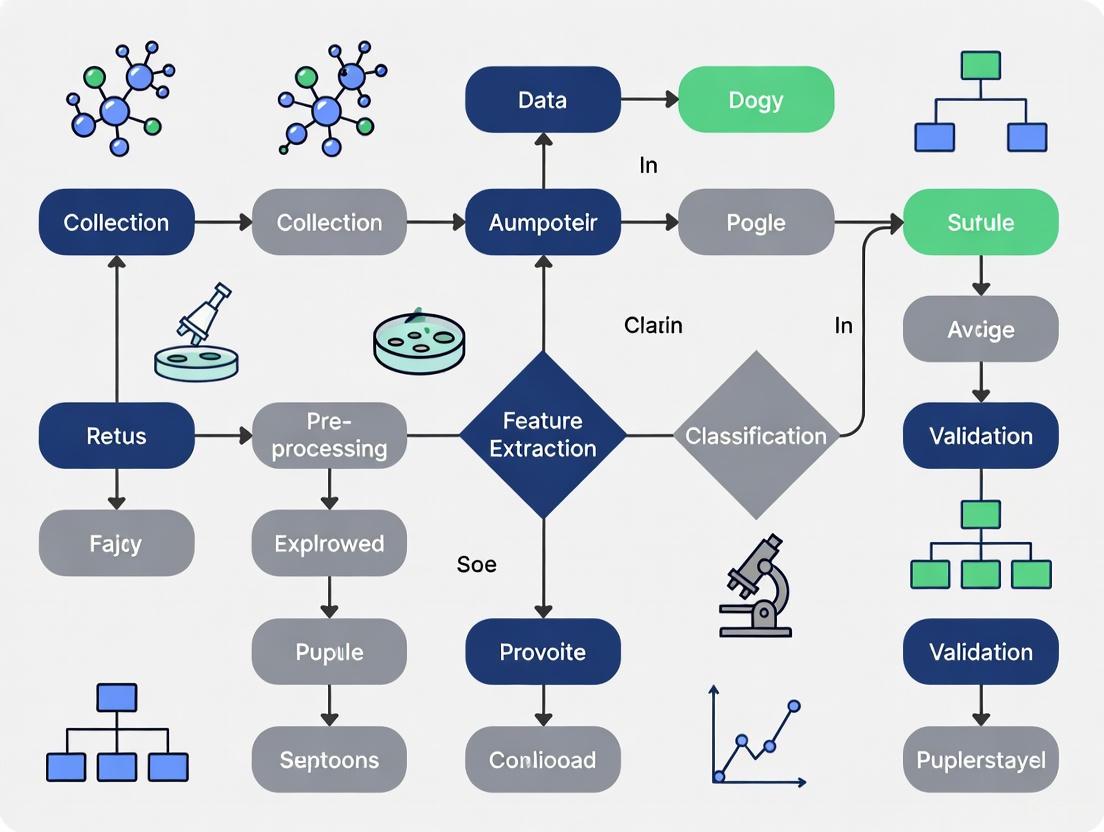
Automated detection of parasite eggs in microscopic images is transforming parasitology diagnostics, yet high false positive rates remain a significant barrier to clinical reliability.
Strategies for Reducing False Positives in Automated Parasite Egg Detection: A Guide for Biomedical Researchers
Abstract
Automated detection of parasite eggs in microscopic images is transforming parasitology diagnostics, yet high false positive rates remain a significant barrier to clinical reliability. This article provides a comprehensive analysis for researchers and drug development professionals, covering the foundational causes of false positives, advanced deep-learning methodologies like YOLO with attention mechanisms, practical troubleshooting and optimization techniques, and rigorous validation frameworks. By synthesizing current research and performance metrics, we offer a roadmap for developing more accurate, efficient, and clinically viable diagnostic tools.
Understanding the Challenge: Why False Positives Plague Automated Parasite Egg Detection
The Critical Impact of False Positives on Diagnostic Reliability and Patient Care
In diagnostic testing, a false positive occurs when a test indicates the presence of a disease or condition that is not actually present [1]. Understanding and minimizing these errors is paramount in automated parasite egg detection, as they can compromise research validity, lead to unnecessary treatments, and misdirect valuable resources [1] [2].
This technical support center provides researchers and scientists with a foundational understanding of key accuracy metrics and practical guides to troubleshoot and refine their automated diagnostic systems, with a specific focus on reducing false positives.
Core Concepts of Diagnostic Accuracy
What are the key metrics for evaluating diagnostic test performance?
The reliability of a diagnostic test is quantified using several key performance indicators. Sensitivity and Specificity are intrinsic measures of a test's accuracy, while Predictive Values are highly influenced by the prevalence of the condition in the population being tested [3].
The calculations for these metrics are derived from a 2x2 contingency table comparing test results against a reference standard (gold standard) [3]:
| Metric | Formula | Description |
|---|---|---|
| Sensitivity | True Positives / (True Positives + False Negatives) | The ability of a test to correctly identify individuals who have the disease. A highly sensitive test is good at "ruling in" the disease when positive [3]. |
| Specificity | True Negatives / (True Negatives + False Positives) | The ability of a test to correctly identify individuals who do not have the disease. A highly specific test is good at "ruling out" the disease when negative [3]. |
| Positive Predictive Value (PPV) | True Positives / (True Positives + False Positives) | The probability that a subject with a positive test result truly has the disease [3]. |
| Negative Predictive Value (NPV) | True Negatives / (True Negatives + False Negatives) | The probability that a subject with a negative test result truly does not have the disease [3]. |
What is the real-world impact of false positives in diagnostic testing?
False positives have tangible consequences that extend beyond the laboratory. The implications are multifaceted [1]:
- Patient Harm: Can lead to unnecessary therapeutic interventions, including medications and invasive procedures like biopsies, which carry their own risks and side effects. They also cause significant psychological distress, such as anxiety while awaiting follow-up results [1] [4].
- Resource Mismanagement: Generate increased healthcare costs due to redundant follow-up tests, consultations, and treatments. This also wastes valuable laboratory supplies and clinician time, delaying care for other patients [1].
- Diagnostic Delays: A false positive result can lead to a diagnostic odyssey where the actual cause of a patient's symptoms is overlooked, potentially leading to worsened health outcomes [1].
- Erosion of Trust: Frequent false positives can undermine confidence in a laboratory, a specific testing method, or even the broader healthcare system [1].
Troubleshooting False Positives in Automated Parasite Egg Detection
What are the common causes of false positives in my automated detection system?
In the context of automated parasite egg detection using systems like the Kubic FLOTAC Microscope (KFM), false positives can arise from multiple points in the workflow [1] [5]:
| Category | Specific Cause | Impact on Detection |
|---|---|---|
| Sample & Reagent Issues | Cross-contamination from other samples or reagents. | Introduces foreign genetic or particulate material that can be misclassified as a target [1]. |
| Degraded or poor-quality samples. | Alters the appearance of non-target structures, increasing misidentification risk [1]. | |
| Expired or faulty reagents. | Can cause non-specific binding or anomalous reactions [1]. | |
| Technical & Instrumental Issues | Improperly calibrated digital microscopes or scanners. | Can create imaging artifacts or enhance non-specific features [6]. |
| Suboptimal image acquisition (e.g., focus, lighting). | Reduces image quality, making accurate AI classification difficult [6]. | |
| Bioinformatic & Model Issues | Non-specific binding or cross-reactivity in molecular assays. | The test detects a closely related but non-target organism [1]. |
| Insufficiently trained AI/Deep Learning model. | The model has not learned the distinct features of the target egg and confuses it with visually similar debris or other egg types [5]. | |
| Inadequate pre-processing of input images. | Failure to normalize images can exaggerate irrelevant features [6]. |
What experimental protocols can I implement to minimize false positives?
Implementing rigorous, end-to-end protocols is key to enhancing specificity. The following workflow, based on best practices from the AI-KFM challenge and related research, outlines a strategic approach to system optimization [6] [5]:
Detailed Methodologies:
Sample Preparation & Curation of a Robust Dataset:
- Purpose: To train a model that can generalize well and avoid learning artifacts from a limited set of samples.
- Protocol: Collect and prepare fecal samples using a validated method like FLOTAC or Mini-FLOTAC [6] [5]. The dataset should include images derived from real-world samples with varying concentrations of eggs and diverse levels of contamination [6]. It is critical that this dataset includes "negative" samples (without target eggs) and samples with visually similar debris to teach the model what not to detect.
Dedicated Image Pre-processing:
- Purpose: To enhance the relevant features of the target parasite eggs and suppress background noise before the image is analyzed by the AI model [5].
- Protocol: Apply techniques such as contrast enhancement, color normalization, and noise reduction filters. This step helps in making the distinguishing features of the target eggs (e.g., shape, texture, shell appearance of Fasciola hepatica vs. Calicophoron daubneyi) more prominent to the detection algorithm [5].
AI Model Training and Tuning for Specificity:
- Purpose: To develop a model that can accurately discriminate between target eggs, non-target organisms, and debris.
- Protocol: Utilize state-of-the-art deep learning models like Convolutional Neural Networks (CNNs), YOLO, or Faster R-CNN [6]. The model must be trained not only on positive examples but also on a wide array of negative examples and potential confounding factors. Techniques like data augmentation can increase the effective size and diversity of your training set.
Rigorous Validation and Performance Assessment:
- Purpose: To objectively quantify the system's accuracy and its rate of false positives in a real-world context.
- Protocol: Evaluate the system's performance on a separate, independent validation dataset where the true egg counts have been verified by expert manual counting (e.g., using optical microscopy) [5]. Performance should be assessed using metrics like Mean Absolute Error (MAE) between the AI count and the manual count, in addition to standard detection metrics [5].
Technical Support & FAQs
My model has high sensitivity but low specificity. What should I adjust?
This is a common trade-off. To improve specificity and reduce false positives, consider the following actions:
- Review Your Training Data: Ensure your training dataset is rich in negative examples and challenging non-target images (confounders). The model may not have learned enough about what constitutes a "negative."
- Adjust Confidence Thresholds: Most object detection models output a confidence score. Increasing the confidence threshold required for a positive detection can filter out weaker, less certain false predictions.
- Tune the Model Architecture: Explore different model architectures or loss functions that penalize false positives more heavily. You may need a more complex model capable of learning finer distinctions.
- Enhance Pre-processing: As indicated in the workflow, implement or refine dedicated image processing steps to make the specific features of your target eggs more distinct from background debris [5].
How can I validate my system in the absence of a perfect gold standard?
In many real-world scenarios, a perfect gold standard may not exist. In these cases:
- Use Expert Consensus: Employ a panel of multiple human experts to manually count and classify samples. The consensus of the panel can serve as a robust reference standard.
- Leverage Alternative Confirmatory Tests: If available, use a different, highly specific diagnostic method (e.g., PCR for specific parasite DNA) to confirm a subset of positive and negative results.
- Benchmark Against Established Methods: Validate your automated system's output against well-regarded, though imperfect, manual methods like the McMaster or Wisconsin techniques, while acknowledging their own limitations [6].
The Scientist's Toolkit: Key Research Reagent Solutions
The following reagents and materials are essential for developing and validating automated parasite egg detection systems [1] [6] [5]:
| Item | Function in the Workflow |
|---|---|
| FLOTAC / Mini-FLOTAC Apparatus | A validated sample preparation technique that provides high sensitivity and accuracy for fecal egg counts, forming the physical basis for sample analysis with systems like the KFM [6] [5]. |
| Flotation Solutions | Specific solutions (e.g., with different specific gravities) used to separate parasite eggs from fecal debris, which is a critical pre-analytical step [6]. |
| Kubic FLOTAC Microscope (KFM) | A compact, portable digital microscope designed to autonomously scan and acquire images from FLOTAC preparations, enabling automated in-field analysis [6] [5]. |
| Synthetic Negative Controls | Samples known to be free of the target parasite, used in quality control to identify and eliminate systematic causes of false positives before reporting results [1]. |
| High-Quality, Annotated Datasets | Curated image libraries (e.g., the AI-KFM challenge dataset) with precise bounding boxes or segmentation masks for parasite eggs, which are essential for training and validating AI models [6]. |
| Convolutional Neural Network (CNN) Models | A class of deep learning algorithms, such as YOLO or Faster R-CNN, that are particularly effective for image recognition and object detection tasks in this field [6]. |
Automated detection of parasite eggs from microscopic images is a transformative technology for diagnostics in parasitology. However, a significant challenge impeding its reliability is the occurrence of false positives, where the system misidentifies non-target objects such as impurities, air bubbles, or other microscopic debris as parasite eggs. This technical support document outlines the common sources of these errors and provides evidence-based troubleshooting strategies to enhance the accuracy of your detection systems.
Troubleshooting Guides & FAQs
Frequently Asked Questions
FAQ 1: What are the most common causes of false positives in automated parasite egg detection? False positives primarily arise from two interrelated challenges:
- Morphological Similarities: Non-target objects, such as impurities, platelets, or cellular debris, can have shapes, sizes, and color intensities that closely mimic those of genuine parasite eggs [7] [8]. For example, in malaria diagnosis, platelets and impurities can be highly similar to malarial parasite cells [7].
- Complex Backgrounds: Microscopic images often contain noisy, unevenly lit, or cluttered backgrounds. These complex conditions can confuse detection models, causing them to assign high confidence to background artifacts [8] [9]. Stool samples, in particular, present highly complex and variable backgrounds [10].
FAQ 2: What deep learning architectures are most effective for reducing false positives? Modern approaches often leverage advanced versions of the You Only Look Once (YOLO) architecture, enhanced with attention mechanisms, for a balance of speed and high accuracy.
- YOLO-based Models: Frameworks like YOLOv5 and YOLOv8 are widely used for their real-time, single-stage detection capabilities [11] [9]. Their efficiency makes them suitable for resource-constrained environments.
- Attention Mechanisms: Integrating modules like the Convolutional Block Attention Module (CBAM) or Contextual Transformer (CoT) blocks helps the model focus on the most relevant features of the parasite egg while suppressing irrelevant background information. This has been shown to significantly improve precision [8] [9].
FAQ 3: Besides model architecture, what other experimental factors are critical for minimizing errors? The quality and management of your dataset are as important as the model choice.
- High-Quality Annotation: Ensure bounding boxes are tightly and accurately drawn around parasite eggs by experienced personnel. Inconsistent or poor-quality annotations will directly lead to model errors [9].
- Comprehensive Data Augmentation: Applying techniques like random rotation, scaling, and adjustments to brightness and contrast during training can simulate various imaging conditions. This improves the model's robustness and its ability to generalize to new, unseen data [9].
- Strategic Data Preprocessing: For high-resolution images, a sliding window cropping strategy can be used to create smaller sub-images. This prevents the loss of fine morphological details that is common when images are simply resized to fit model input requirements [7].
Troubleshooting Guide: Reducing False Positives
| Problem | Possible Cause | Solution | Key Performance Metric to Monitor |
|---|---|---|---|
| High false positive rate in cluttered samples. | Model is distracted by complex background noise and non-target particles. | Integrate an attention mechanism (e.g., CBAM, CoT) into the detection model to recalibrate feature importance [8] [9]. | Precision (Should increase) |
| Model fails to distinguish eggs from morphologically similar debris. | Insufficient or non-representative training data; poor feature discrimination. | Apply extensive data augmentation and use a deeper backbone network (e.g., Darknet-53) for better feature learning [7] [9]. | F1-Score (Balance of Precision & Recall) |
| Low confidence in detecting small or overlapping oocysts. | Loss of fine-grained features in the model's neck or head network. | Incorporate a feature refinement strategy and a dedicated detection head for small objects [9]. | Recall & mAP@0.5 (Should increase) |
| Model performs well on training data but poorly on new images. | Overfitting to the specific conditions of the training set. | Increase the diversity of the training dataset through augmentation and use semi-supervised learning to leverage unlabeled data [12] [13]. | mAP on validation/test set |
Experimental Protocols & Performance Data
Detailed Methodology: YOLO with Attention Integration
The following workflow is adapted from successful frameworks for detecting pinworm eggs [8] and Eimeria oocysts [9].
1. Image Acquisition & Dataset Preparation
- Microscopy: Capture images using a standardized protocol. For example, use a phase contrast microscope with a 100x objective lens [14] or a digital microscope at 200x magnification [9]. Maintain consistent exposure time and gain settings.
- Annotation: Manually label images using a tool like LabelImg. Bounding boxes should be tightly drawn around the parasite eggs. All annotations must be reviewed and validated by experienced biomedical experts [9].
- Data Augmentation: Apply a suite of transformations to the training data, including:
2. Model Architecture & Training (YOLO-GA Example) The YOLO-GA framework enhances standard YOLO by incorporating global context and adaptive feature recalibration [9].
- Backbone: Use a standard CNN backbone (e.g., CSPDarknet) to extract initial features.
- Contextual Transformer (CoT) Blocks: Integrate CoT blocks into the backbone. This module captures local and global contextual dependencies, helping the model understand the spatial relationships between an egg and its surroundings [9].
- Normalized Attention Module (NAM): Insert NAM into the model's neck (feature fusion network). This module adaptively recalibrates channel and spatial attention weights, emphasizing informative features and suppressing noise [9].
- Training: Use the Adam optimizer. The model is trained to minimize a loss function that combines bounding box regression, objectness, and classification loss.
3. Validation & Analysis
- Performance Metrics: Evaluate the model on a held-out test set using precision, recall, F1-score, and mean Average Precision (mAP) at an Intersection-over-Union (IoU) threshold of 0.5 [8].
- Visualization: Use class activation mapping (e.g., Grad-CAM) to generate heatmaps of the model's attention. This allows you to verify that the model is focusing on the correct morphological structures of the parasite egg, providing interpretability and a check against learning spurious correlations [9].
Quantitative Performance of Detection Models
The following table summarizes the performance of various advanced models reported in recent literature, providing benchmarks for your own experiments.
Table 1: Performance Metrics of Recent Parasite Detection Models
| Model Name | Target Parasite | Key Innovation | Reported Precision | Reported mAP@0.5 | Citation |
|---|---|---|---|---|---|
| YCBAM | Pinworm | Integrates YOLO with self-attention & CBAM. | 0.997 | 0.995 | [8] |
| YOLO-GA | Eimeria oocysts | Combines Contextual Transformer (CoT) & Normalized Attention (NAM). | 0.952 | 0.989 | [9] |
| AIDMAN | Malaria (Plasmodium) | YOLOv5 + Attentional Aligner + CNN classifier. | N/A | 0.986 (Cell-level) | [11] |
| CoAtNet-based Model | Various Intestinal Parasites | Hybrid convolution and attention network. | N/A | 0.93 (Avg. Accuracy) | [10] |
The Scientist's Toolkit: Research Reagent Solutions
Table 2: Essential Materials for Microscopy-Based Parasite Detection Workflows
| Item / Reagent | Function in the Experiment | Example & Notes |
|---|---|---|
| Giemsa Stain | Stains cellular components of parasites to enhance contrast and visibility for identification. | Used for staining thin blood film smears for malaria parasite detection [7]. |
| M9 Modified Medium | A defined culture medium for maintaining and growing bacterial strains under controlled conditions. | Used in studies investigating the morphology of antibiotic-resistant E. coli [14]. |
| Cell Painting Assay Kits | A high-content microscopy assay using multiple fluorescent dyes to label various cellular organelles. | Enables unbiased morphological profiling of cells, useful for detecting subtle morphological signatures [15]. |
| Phosphate Buffered Saline (PBS) | A salt solution used for washing cell pellets and resuspending samples to maintain a stable pH. | Used to prepare bacterial specimens for morphological observation under light microscopy [14]. |
| Methanol | Used as a fixative for thin blood smears, preserving the cellular structure before staining. | Applied to air-dried blood smears before Giemsa staining [7]. |
Workflow and System Diagrams
Automated Detection Workflow
YOLO-GA Model Architecture
Frequently Asked Questions
What is a "false positive" in the context of automated parasite detection? A false positive occurs when a detection model identifies an area or object as a target of interest (like a parasite egg) when it is not. In medical imaging, this could mean a model flags a bubble, mucosal fold, or piece of debris as a parasite [16]. The exact definition can vary; some studies define a false positive based on how long an alert box is continuously traced by the system on a non-target area [16].
Why are false positives a critical metric to benchmark? High false positive rates can significantly undermine the utility of an automated detection system. They can overwhelm human reviewers with false alarms, reduce trust in the system, and waste computational and investigative resources. Benchmarking helps compare different models and optimize the trade-off between sensitivity (finding all true positives) and specificity (avoiding false positives) [16] [17].
What factors commonly cause false positives in parasite detection models? Common causes include:
- Morphological Similarities: Non-target objects like bubbles, stool particles, or mucosal folds in stool samples can resemble parasites or their eggs [16].
- Interfering Substances: The presence of substances like rheumatoid factor (RF) has been documented to cause false positives in rapid diagnostic tests for other parasites like malaria [18].
- Poor Data Quality: The quality of the input data, such as inadequate bowel preparation in colonoscopy or poor staining in microscopy, is a major contributor to false alerts [16].
- Model Architecture Limitations: Some models may struggle with objects at certain scales, lighting conditions, or levels of occlusion, leading to misidentification [19].
How can I reduce the false positive rate of my detection model? Strategies can be divided into two main categories:
- Prevention during Training/Configuration: Fine-tuning the model's matching algorithms and similarity thresholds, using high-quality and diverse training data that includes common false positive sources, and incorporating data augmentation [19] [17].
- Post-Processing and Suppression: Implementing rules or a secondary AI model to automatically clear likely false positives based on additional context (e.g., size, shape, or the presence of other identifiers), providing a transparent and auditable reason for the suppression [17].
Troubleshooting Guides
Guide: Diagnosing a High False Positive Rate
Problem: Your detection model is generating an unacceptably high number of false alerts.
Investigation Steps:
- Characterize the False Positives: Manually review a sample of the false positives and categorize them. Are they predominantly bubbles, folds, or a specific type of debris? This identifies the primary source of noise [16].
- Analyze Model Performance by Subgroup: Check if the high false positive rate is concentrated in a specific subset of your data, such as images with poor quality or from a particular source.
- Review the Definition of a Positive: In video-based detection, a very sensitive system might trigger instantaneous alerts. Assess if applying a minimum duration threshold for a valid positive (e.g., ≥0.5 seconds) would filter out transient noise without missing true positives [16].
- Check for Class Imbalance: Ensure your training data is not dominated by background or negative examples, which can lead to models that are biased toward predicting the negative class too often or too rarely [19].
Common Solutions:
- Data Augmentation: Augment your training dataset with more examples of the common false positive categories to teach the model to ignore them [19].
- Adjust Detection Threshold: Increase the confidence threshold required for the model to make a positive call. This will reduce false positives but may slightly increase false negatives.
- Implement Secondary Filters: Create a rule-based system to dismiss detections that do not meet certain size, shape, or intensity criteria for a true parasite egg [17].
Guide: Implementing a Benchmarking Protocol for False Positives
Objective: To establish a standardized method for comparing the false positive performance of different detection models or model versions.
Experimental Protocol:
- Curate a Gold Standard Test Set: Assemble a diverse and well-annotated dataset of images. The annotations must include not only the locations of true parasites but also labels for common false positive sources (e.g., "fold," "bubble," "debris") [20] [16].
- Define Your False Positive Metric: Clearly specify the criteria for a false positive. For image-based detection, this could be at the image-level, object-level, or for video, a time-based threshold (e.g., any alert lasting ≥1 second on a non-target area) [16].
- Run Inference: Process the entire gold standard test set with the model(s) you are evaluating.
- Calculate Key Metrics: Tally the results and calculate the following core metrics for a comprehensive view [21] [20]:
- False Positives Per Image (FPPI): The average number of false positives in each image.
- Specificity: The proportion of true negatives correctly identified.
- Precision: The proportion of positive identifications that were actually correct.
The table below summarizes quantitative performance data from recent relevant studies to serve as a benchmarking reference.
Table 1: Benchmarking False Positive Performance in Diagnostic Models
| Study / Model | Application Context | False Positive Rate / Incidence | Specificity | Related Performance Metrics |
|---|---|---|---|---|
| Multi-model Deep Learning Framework [21] | Malaria Detection (Thin Blood Smears) | Not Explicitly Stated | 96.90% | Accuracy: 96.47%, Sensitivity: 96.03% |
| ParaEgg Diagnostic Tool [20] | Human Intestinal Helminthiasis | -- | 95.5% | Sensitivity: 85.7%, PPV: 97.1%, NPV: 80.1% |
| Kato-Katz Smear (for comparison) [20] | Human Intestinal Helminthiasis | -- | 95.5% | Sensitivity: 93.7% |
| CADe for Colon Polyps (≥0.5s threshold) [16] | Colonoscopy Polyp Detection | 1.8 per colonoscopy | 93.2% | Accuracy: 97.8% |
| CADe for Colon Polyps (≥2s threshold) [16] | Colonoscopy Polyp Detection | 0.05 per colonoscopy | 99.8% | Accuracy: 99.9% |
| Malaria RDTs (in RF-positive patients) [18] | Malaria Rapid Diagnostic Test | 2.2% - 13% (by test brand) | -- | -- |
Guide: Selecting a Model Architecture to Minimize False Positives
Problem: Choosing an object detection model that balances high sensitivity with a low false positive rate.
Considerations and Options: The choice of model architecture inherently influences its propensity for false positives. Below is a comparison of modern architectures and their characteristics.
Table 2: Object Detection Models and False Positive Considerations
| Model Architecture | Key Principle | Strengths for FP Reduction | Weaknesses & FP Risks |
|---|---|---|---|
| YOLO Series [19] [22] | Single-shot detector that performs localization and classification in one pass. | High speed, suitable for real-time applications. Newer versions integrate attention mechanisms for better small-object discrimination [22]. | Can struggle with small objects or objects in close proximity, potentially leading to missed detections or false positives on background noise [19]. |
| EfficientDet [19] | Uses a weighted Bi-directional Feature Pyramid Network (BiFPN) for efficient multi-scale feature fusion. | High computational efficiency and strong performance. Compound scaling balances model size and accuracy. Excellent at detecting objects at various scales. | While generally accurate, its performance is dependent on the quality and diversity of the training data to learn robust features against false positives. |
| Faster R-CNN / Cascade R-CNN [19] | Two-stage detector that first proposes regions of interest and then classifies them. | Typically achieves high accuracy and precision. The two-stage process can be more effective at filtering out non-objects. | Slower than single-shot detectors due to its complex pipeline, which may not be suitable for all real-time applications [19]. |
| Models with Attention Mechanisms [22] | Integrates attention modules to help the model focus on more relevant features in the image. | Explicitly designed to enhance feature representation, which can significantly improve the detection of small objects like early-stage parasites and suppress background noise [22]. | Increased model complexity and potential need for more data to train effectively. |
Decision Workflow: The following diagram outlines a logical pathway for selecting and optimizing a model to achieve a low false positive rate.
The Scientist's Toolkit: Research Reagent Solutions
Table 3: Essential Materials for Parasite Detection Experiments
| Reagent / Material | Function in Research Context |
|---|---|
| Giemsa Stain | The gold standard for staining blood smears to visualize malaria parasites; used for preparing ground truth data [21]. |
| Formalin-Ether Concentration Technique (FET) | A conventional copromicroscopic method for concentrating parasite eggs in stool samples; used as a comparator for novel diagnostic tools [20]. |
| Kato-Katz Smear | A semi-quantitative method for preparing thick stool smears to detect and count helminth eggs; often used as a reference standard in field studies [20]. |
| ParaEgg Diagnostic Tool | A newer copromicroscopic tool evaluated for its high sensitivity and specificity in detecting intestinal helminths in both human and animal samples [20]. |
| Sodium Nitrate Flotation (SNF) | A flotation technique that uses a specific solution to separate and concentrate parasite eggs from stool debris for easier microscopic identification [20]. |
| Gold Standard Test Dataset | A meticulously annotated collection of images (e.g., 27,558 thin blood smear images) used for training and, crucially, for benchmarking model performance against a known truth [21]. |
Experimental Workflow for False-Positives Mitigation
The following diagram outlines a key experimental pipeline, adapted from mass spectrometry-based screening, for identifying and mitigating a specific false-positive mechanism [23].
Troubleshooting Guide: Common False-Positive Scenarios
This section addresses specific issues researchers might encounter during high-throughput screening (HTS) experiments.
| Problem Area | Specific Issue & Symptoms | Proposed Solution & Methodology | Key Performance Metrics for Validation |
|---|---|---|---|
| Compound Interference | Unexplained inhibition in positive control wells; signal inconsistency across replicates [23]. | Implement an orthogonal assay with a different detection principle (e.g., non-optical readout) to confirm activity [23]. | >5-fold reduction in hit rate after orthogonal confirmation; Z' factor >0.5 for assay quality [23]. |
| Statistical False Positives | High hit rate (>10%); results fail upon retest or in dose-response; p-values just below 0.05 [24]. | Apply multiple testing corrections (e.g., Benjamini-Hochberg procedure) to control the False Discovery Rate (FDR) [24]. | FDR controlled at ≤5%; comparison of pre- and post-correction hit lists [24]. |
| Assay Artifact | Signal drift over time; correlation between compound concentration and signal in negative controls. | Include internal controls in every plate to normalize for background signal and systematic drift. | Coefficient of variation (CV) <15% across all control wells; stable signal in negative controls over time. |
Research Reagent Solutions for HTS
This table details essential materials and their functions in setting up a robust HTS campaign focused on minimizing false positives.
| Reagent / Material | Function in the Assay | Key Characteristics & Selection Criteria |
|---|---|---|
| Orthogonal Assay Kits | To confirm primary hits using a different biochemical or biophysical principle, ruling out technology-specific artifacts [23]. | Should have a different readout (e.g., Mass Spectrometry vs. Fluorescence) and not share reagents with the primary assay [23]. |
| High-Fidelity Enzymes/Substrates | Essential components for the biochemical reaction in the primary screen. | High purity and batch-to-batch consistency are critical to minimize background noise and variability. |
| Stable Cell Lines | For cell-based assays, used to express the target protein or pathway. | Should demonstrate stable expression over multiple passages (>20) and low background signaling. |
| Control Compound Plates | Included on every screening plate for quality control and normalization. | Should contain known inhibitors/activators (positive controls) and neutral compounds (negative controls). |
Statistical Methods for Multiple Testing Corrections
When conducting multiple comparisons in a single study, the chance of obtaining a false positive increases dramatically. Statistical corrections are essential to control this family-wise error rate [24].
| Number of Comparisons (C) | Per-Comparison α (αpc) | Family-Wise Error Rate (αfw) |
|---|---|---|
| 1 | 0.05 | 0.05 |
| 3 | 0.05 | 0.14 |
| 6 | 0.05 | 0.26 |
| 10 | 0.05 | 0.40 |
| 15 | 0.05 | 0.54 |
Formula: αfw = 1 - (1 - αpc)^C [24]
The table below compares two common approaches for correcting for multiple comparisons.
| Correction Method | Procedure | Best Use Case | Advantages / Disadvantages |
|---|---|---|---|
| Bonferroni | Divide the significance level (α) by the number of comparisons (c). New significance level = α/c [24]. | When a very strict control of Type I errors (false positives) is required. | Advantage: Simple to implement. Disadvantage: Very conservative, leading to a high false negative rate [24]. |
| Benjamini-Hochberg (BH) | 1. Set a False Discovery Rate (FDR, Q).2. Rank all p-values (p1...pm).3. Find the largest k where p(k) ≤ (k/m) * Q.4. All hypotheses ranked 1 to k are significant [24]. | When conducting exploratory analyses with many tests and you can tolerate a small proportion of false discoveries. | Advantage: Less strict, more powerful than Bonferroni. Disadvantage: Controls the proportion of false discoveries, not the absolute presence of any [24]. |
Frequently Asked Questions (FAQs)
Q1: What is the difference between a false positive and a false negative in a screening context? A false positive occurs when a compound is incorrectly identified as a "hit," while a false negative occurs when a truly active compound is missed. Reducing one can often increase the other, so the balance must be chosen based on the consequences for the project [25].
Q2: Why can't we just use a stricter p-value threshold instead of formal corrections? While using a stricter threshold (e.g., p < 0.01) can reduce false positives, it is an arbitrary and non-rigorous method. Statistical corrections like Bonferroni or BH provide a mathematically sound framework for controlling the error rate across the entire experiment, which is especially important when the number of tests is large [24].
Q3: Our primary screen uses a fluorescent readout. What is a good orthogonal method for confirmation? Mass spectrometry (MS)-based assays are excellent for orthogonal confirmation. They are label-free, direct, and unaffected by compound interference that plagues fluorescence-based assays (e.g., auto-quenching or inner-filter effects) [23].
Q4: How many significant figures should we use when reporting corrected p-values? It is common practice to report p-values to three significant digits (e.g., p = 0.034). For very small p-values, scientific notation is appropriate (e.g., p = 2.1e-5). Ensure your analysis software or graphing tool is correctly configured to handle this output [26].
Advanced Detection Architectures: From YOLO to Attention Mechanisms for Enhanced Specificity
Leveraging YOLO-based Models for Efficient and Accurate Egg Localization
Troubleshooting Guide: Common YOLO Experimental Challenges
Q1: My model achieves a high mAP@0.5 but has an unacceptable number of false positives in real-world use. How can I address this?
- Problem Interpretation: A high mAP@0.5 with high false positives indicates that while your model detects most objects, it lacks precision. The mAP@0.5 metric uses a relatively low Intersection over Union (IoU) threshold of 0.50, meaning it considers detections with just 50% overlap with the ground truth as correct. This can mask a model's tendency to make imprecise bounding boxes or detect non-existent objects [27].
- Recommended Actions:
- Increase the IoU Threshold: Evaluate your model's performance using mAP@0.50:0.95. A significant drop in this metric compared to mAP@0.5 confirms the localization imprecision. Consider using a higher IoU threshold for validation or during non-maximum suppression (NMS) to enforce stricter localization requirements [27].
- Adjust Confidence Threshold: Tune the confidence threshold upward. A higher confidence score will only retain predictions the model is most certain about, reducing false detections at the cost of potentially missing some true positives with lower confidence [27].
- Integrate a Secondary Classifier: For critical applications, use your YOLO model as a region proposer. The cropped image regions identified by YOLO can then be classified by a secondary, traditional machine learning model (e.g., SVM) using features like HOG to filter out false positives through a voting scheme [28].
- Review Training Data: Ensure your dataset includes ample "hard negative" examples—image patches that resemble parasite eggs (e.g., debris, bubbles, artifacts) but are not. This teaches the model to distinguish relevant features better [29].
Q2: The model performs well on clean, lab-acquired images but fails when deployed on data from a different microscope or preparation technique. How can I improve robustness?
- Problem Interpretation: This is a classic domain shift problem. The model has overfitted to the specific visual characteristics (e.g., lighting, contrast, background, magnification) of its training data and cannot generalize to new domains [30].
- Recommended Actions:
- Employ Multi-Domain Training: If possible, train your model on a consolidated dataset comprising images from multiple sources—different microscopes, sample preparation methods (e.g., Kato-Katz, FLOTAC), and environmental conditions [6] [30].
- Use Domain-Invariant Learning: During training, use techniques like Maximum Mean Discrepancy (MMD) with Normalized Squared Feature Estimation (NSFE) to explicitly encourage the model to learn features that are consistent across different domains. This method helps the model focus on the essential features of the egg itself, rather than the domain-specific noise [30].
- Incorporate Data Augmentation: Aggressively use data augmentation (e.g., color jitter, Gaussian blur, motion blur, noise injection) to simulate visual variations the model might encounter in different deployment environments [6].
Q3: I need to deploy the model on a device with limited computational resources. How can I maintain accuracy while reducing the model's size and latency?
- Problem Interpretation: Standard YOLO models might be too heavy for edge devices, requiring a balance between performance and efficiency.
- Recommended Actions:
- Adopt a Lightweight Architecture: Start with a lightweight baseline like YOLOv5n or YOLOv8n. Further modify the architecture by replacing the backbone with a more efficient network like GhostNet, which can significantly reduce parameters and computations [31] [32].
- Use Advanced Feature Pyramids: Replace the standard Feature Pyramid Network (FPN) with an Asymptotic Feature Pyramid Network (AFPN). The AFPN more efficiently fuses multi-scale features through a hierarchical and gradual fusion process, improving the detection of small objects like parasite eggs while reducing redundant information and computational cost [31].
- Optimize for Deployment: Use deployment toolkits like TensorRT to optimize the trained model. This can significantly increase inference speed (e.g., by 1.4x) without sacrificing accuracy, making real-time analysis on portable microscopes feasible [32].
Frequently Asked Questions (FAQs)
Q: What is the practical difference between mAP50 and mAP50-95, and which should I prioritize for my research?
A: These metrics evaluate different aspects of your model's performance, and the choice depends on your application's requirements.
- mAP50 (mean Average Precision at IoU=0.50): Measures how good your model is at finding eggs, even if the bounding box is not perfectly precise. It is useful for initial screening where the primary goal is to not miss any potential eggs [27].
- mAP50-95 (mean Average Precision averaged over IoU from 0.50 to 0.95): A much stricter metric. It evaluates how good your model is at both finding and precisely localizing eggs. A high mAP50-95 indicates robust performance and is often more representative of real-world usability where accurate quantification and analysis are needed [27].
For parasite egg detection, where accurate counting and size analysis might be important, a high mAP50-95 is a better indicator of a reliable model [8].
Q: How can I effectively reduce false negatives in my egg detection pipeline?
A: To minimize missed detections (false negatives), focus on recall-oriented strategies.
- Lower Confidence Threshold: Temporarily decrease the confidence threshold during inference to allow more potential detections to be considered. Be aware that this will likely increase false positives, which must then be managed [27].
- Data-Centric Improvements: Add more training examples of eggs that are occluded, out-of-focus, or have unusual orientations. Ensure your dataset is comprehensively annotated so the model learns the full spectrum of egg appearances [28].
- Model-Centric Improvements: For datasets with many small eggs, consider adding or enhancing a dedicated small-object detection layer in the YOLO architecture to better capture fine-grained features [32].
Q: My dataset is limited and imbalanced. What are the most effective strategies to tackle this?
A: Limited and imbalanced data is a common challenge in medical imaging.
- Leverage Transfer Learning: Start with a model pre-trained on a large, general-purpose dataset (like COCO) and fine-tune it on your specific parasitic egg data. This provides a strong foundational feature extractor [6].
- Apply Rigorous Data Augmentation: Use techniques like rotation, scaling, flipping, and color space adjustments to artificially increase the diversity and size of your training set, improving model generalization [6] [31].
- Utilize Attention Mechanisms: Integrate modules like the Convolutional Block Attention Module (CBAM) into your YOLO architecture. CBAM helps the model learn to focus on the most informative spatial and channel-wise features of the eggs, making it more data-efficient and robust, even with limited examples [8].
Performance Metrics & Quantitative Benchmarks
The following table summarizes key performance metrics from recent studies on egg detection, providing a benchmark for model evaluation.
Table 1: Performance Metrics of Recent Egg Detection Models
| Model / Study | Primary Task | Key Metric | Reported Score | Context & Notes |
|---|---|---|---|---|
| YCBAM (YOLOv8-based) [8] | Pinworm Egg Detection | mAP50 | 0.995 | Integrated self-attention and CBAM for high precision in noisy images. |
| mAP50-95 | 0.653 | |||
| YAC-Net (YOLOv5n-based) [31] | Parasite Egg Detection | mAP50 | 0.991 | Lightweight model; uses AFPN and C2f modules. |
| Precision | 97.8% | |||
| Multi-Domain YOLOv8 [30] | Cracked Chicken Egg Detection | mAP (Unknown IoU) | 88.8% | Trained with NSFE-MMD for robustness on unknown test domains. |
| YOLO-Goose (YOLOv8s-based) [32] | Goose & Egg Identification | mAP50 | 96.4% | Designed for individual animal identification and egg matching. |
| Faster R-CNN with ML Voting [28] | S. mansoni Egg Detection | AP@IoU=0.50 | 0.884 | Combined DL object detection with traditional ML to reduce false positives. |
Table 2: Core Object Detection Metrics and Their Interpretation [27]
| Metric | Definition | What a Low Score Indicates |
|---|---|---|
| Precision | Proportion of correct detections among all positive predictions. | High false positive rate; model predicts objects that are not present. |
| Recall | Proportion of actual objects that were successfully detected. | High false negative rate; model misses many true objects. |
| mAP50 | Average precision across classes at an IoU threshold of 0.50. | Model struggles with basic object finding. |
| mAP50-95 | Average precision across classes and IoU thresholds (0.50 to 0.95). | Model struggles with precise object localization. |
| F1 Score | Harmonic mean of Precision and Recall. | An imbalance between false positives and false negatives. |
Experimental Protocol: Reducing False Positives with a Hybrid DL-ML Approach
This protocol is based on a study that combined a Deep Learning object detector with traditional Machine Learning classifiers to effectively reduce false positives in S. mansoni egg diagnosis [28].
Objective: To implement a two-stage validation system where a YOLO model performs initial detection, and a secondary ML model verifies the predictions to filter out false positives.
Workflow:
Methodology:
Stage 1: Deep Learning-Based Object Detection
- Model Training: Train a YOLO model (e.g., YOLOv8) on your annotated dataset of parasite eggs.
- Inference for Region Proposals: Use the trained YOLO model on new images. Set a low confidence threshold (e.g., 0.3-0.5) to ensure high recall and minimize false negatives. The output is a set of bounding boxes (region proposals) for all suspected eggs.
Stage 2: Machine Learning-Based Verification
- Feature Extraction: For each proposed bounding box from Stage 1, crop the image region. Extract Histogram of Oriented Gradients (HOG) features from each cropped region. HOG provides a robust descriptor of shape and texture.
- ML Model Training: Train multiple traditional ML classifiers (e.g., Support Vector Machine - SVM, Random Forest - RF, k-Nearest Neighbors - k-NN) on a dataset of HOG features. This dataset must include correct egg patches (true positives) and challenging non-egg patches (hard negatives).
- Voting Scheme: During inference on new data, pass the HOG features of each proposed region through all the trained ML models. A final detection is only confirmed if a majority of the ML models classify the region as a true egg.
Expected Outcome: This hybrid approach leverages the high recall of YOLO for candidate generation and the high precision of traditional ML models for candidate verification, leading to a significant reduction in false positives and a more reliable automated diagnostic system [28].
The Scientist's Toolkit: Key Research Reagents & Solutions
Table 3: Essential Materials and Computational Tools for Automated Parasite Egg Detection Research
| Item / Solution | Function / Description | Example Use Case |
|---|---|---|
| Kubic FLOTAC Microscope (KFM) | A compact, portable digital microscope for autonomous analysis of fecal specimens in field and lab settings [6] [33]. | Used in the AI-KFM challenge to create a standardized, real-world dataset for model training and benchmarking. |
| FLOTAC / Mini-FLOTAC | Fecal egg count techniques used to prepare samples, providing high sensitivity and accuracy for parasite egg floatation [6]. | Standardizing sample preparation for creating consistent and high-quality image datasets. |
| Kato-Katz Technique | A widely used parasitological technique for preparing thick fecal smears on slides for microscopic examination [28]. | The gold-standard method for creating slides for human schistosomiasis diagnosis in research and clinical settings. |
| Attention Mechanisms (e.g., CBAM) | A module that can be integrated into CNNs to help the model focus on more informative features (both spatially and channel-wise) [8]. | Improving feature extraction in complex microscopic backgrounds, enhancing detection of small and translucent pinworm eggs. |
| Multi-Domain Training with MMD | A training strategy using Maximum Mean Discrepancy (MMD) to learn domain-invariant features from data collected across different sources [30]. | Improving model robustness and performance when deployed on data from new microscopes or sample origins. |
| Asymptotic Feature Pyramid Network (AFPN) | A feature pyramid structure that allows for more adaptive and gradual fusion of multi-scale features compared to standard FPN [31]. | Enhancing the detection performance of lightweight models for small objects like parasite eggs while reducing computational complexity. |
Integrating Attention Modules like CBAM to Suppress Background Noise
In automated parasite egg detection, a significant challenge is the high rate of false positives caused by complex background noise, debris, and artifacts in microscopic images that resemble target structures. This technical support document provides a practical guide for researchers integrating Convolutional Block Attention Module (CBAM) to enhance feature extraction, suppress irrelevant background information, and improve detection accuracy. The following sections offer troubleshooting guidance, experimental protocols, and reagent solutions to address common implementation challenges.
Frequently Asked Questions (FAQs)
Q1: What is CBAM and how does it help reduce false positives in parasite detection?
CBAM is a lightweight attention module that sequentially infers attention maps along channel and spatial dimensions of feature maps [34]. This dual attention mechanism allows deep learning models to:
- Selectively emphasize informative features related to parasite eggs while suppressing less relevant background features [35]
- Enhance spatial focus on small targets with distinctive morphological features [8]
- Improve discrimination between true parasite eggs and visually similar artifacts [35]
Q2: Which base architectures are most compatible with CBAM integration?
CBAM can be integrated into most popular detection backbones. Research has demonstrated successful implementations with:
- YOLO variants (YOLOv7, YOLOv8) for real-time detection [8] [36]
- Mask R-CNN for instance segmentation tasks [35]
- U-Net architectures for precise segmentation [37]
- EfficientNet for classification-focused tasks [34]
Q3: What are the most common performance issues when implementing CBAM?
Common issues researchers encounter include:
- Vanishing attention: Where the attention mechanism fails to learn meaningful feature weighting
- Overfitting on small datasets: Particularly problematic in medical imaging with limited annotated data
- Computational overhead: Though lightweight, CBAM can impact inference speed on edge devices
- Hyperparameter sensitivity: Poor tuning leads to suboptimal attention focus
Q4: How can I evaluate whether CBAM is functioning correctly in my model?
Effective evaluation strategies include:
- Visualizing attention maps to see which image regions the model prioritizes
- Ablation studies comparing performance with and without CBAM
- Analyzing precision-recall curves specifically for challenging negative cases
- Per-class accuracy analysis to identify specific parasite types benefiting from attention
Troubleshooting Guides
Poor Attention Map Quality
Symptoms:
- Attention maps appear diffuse or random
- Model fails to focus on parasite egg regions
- No improvement in false positive rates after CBAM integration
Solutions:
- Verify gradient flow to CBAM layers during backpropagation
- Adjust initialization of attention weights to prevent vanishing gradients
- Incorporate intermediate supervision to guide attention learning
- Increase channel compression ratio in the channel attention module to strengthen feature representation [34]
Performance Degradation After CBAM Integration
Symptoms:
- Decreased overall detection accuracy
- Increased inference time beyond requirements
- Unstable training loss curves
Solutions:
- Position CBAM correctly within the backbone network (after residual connections in ResNet-based architectures)
- Reduce CBAM modules to critical network stages rather than every layer
- Apply progressive integration starting with shallow layers then deepening
- Utilize lightweight alternatives like SEConv for computational efficiency while maintaining accuracy [36]
Overfitting on Limited Medical Data
Symptoms:
- Excellent training performance but poor validation results
- Attention maps that memorize specific images rather than learning general features
Solutions:
- Implement strong data augmentation (rotation, color variation, elastic deformations)
- Apply transfer learning from pre-trained models on natural images
- Add regularization to attention weights (L2 regularization, dropout)
- Use larger datasets with diverse parasite egg representations and background scenarios [8]
Key Experimental Protocols
Baseline Establishment Protocol
Objective: Establish performance baseline before CBAM integration
Procedure:
- Select your base detection architecture (YOLO, Faster R-CNN, etc.)
- Train on your parasite dataset with standard parameters
- Evaluate and record key metrics:
- Mean Average Precision (mAP) at IoU 0.5 and 0.5:0.95
- Precision and recall rates
- False positive/negative rates
- Inference speed (FPS)
- Analyze failure cases to identify specific false positive patterns
CBAM Integration Protocol
Objective: Correctly integrate CBAM into selected architecture
Procedure:
- Identify integration points: Insert CBAM after convolution blocks where feature refinement is needed
- Implement CBAM forward pass:
- Initialize CBAM parameters using He or Xavier initialization
- Fine-tune the complete model with a lower learning rate (10-100x reduction)
- Validate functionality by visualizing attention maps on sample images
Attention Visualization Protocol
Objective: Verify CBAM is focusing on relevant image regions
Procedure:
- Forward pass a sample image through the network
- Extract spatial attention maps from each CBAM module
- Resize attention maps to input image dimensions using interpolation
- Overlay attention heatmaps on original images
- Qualitatively assess whether high-attention regions correspond to parasite eggs
- Compare attention patterns between true positives, false positives, and false negatives
Quantitative Performance Data
Table 1: CBAM Performance Across Different Detection Frameworks for Biological Targets
| Architecture | Dataset | Precision | Recall | mAP@0.5 | False Positive Reduction |
|---|---|---|---|---|---|
| YCBAM (YOLOv8 + CBAM) [8] | Pinworm parasite eggs | 0.997 | 0.993 | 0.995 | Significant (prec: 0.997 vs baseline ~0.95) |
| Mask R-CNN-CBAM [35] | Agricultural pests | 0.959 | 0.952 | - | 2.67% improvement over Mask R-CNN |
| CBAM-EfficientNetV2 [34] | Breast cancer histopathology | - | - | - | Peak accuracy: 98.96% (400X magnification) |
| YOLO-PAM [38] | Malaria parasites | - | - | 0.836 | Effective for multi-species detection |
Table 2: Ablation Study Results Showing CBAM Component Contributions
| Model Component | Performance Impact | Key Metric Change |
|---|---|---|
| Full CBAM Module [35] | Highest overall improvement | F1 score +5.5% |
| Channel Attention Only | Moderate improvement | Precision focus |
| Spatial Attention Only | Better localization | Recall improvement |
| Dual-channel downsampling with CBAM [35] | Small target enhancement | AP@50 +3.1% |
| Feature Pyramid Network + CBAM [35] | Multi-scale improvement | Small-target recall +6% |
Research Reagent Solutions
Table 3: Essential Research Components for CBAM Integration Experiments
| Component | Specification | Research Function |
|---|---|---|
| Base Detection Framework | YOLOv8, Mask R-CNN, or EfficientNet | Foundation for CBAM integration and performance comparison |
| Annotation Tools | LabelImg, VGG Image Annotator | Creating bounding box or segmentation labels for parasite eggs |
| Attention Visualization | Grad-CAM, custom attention visualization scripts | Qualitative validation of CBAM focus areas |
| Evaluation Metrics | mAP, Precision, Recall, F1-Score | Quantitative performance assessment before/after CBAM |
| Computational Resources | GPU with 8GB+ VRAM | Handling deep learning models and attention mechanisms |
Workflow Diagrams
CBAM Integration Workflow in Detection Pipeline
CBAM Dual Attention Mechanism Operation
The Role of Lightweight Models for Deployment in Resource-Limited Settings
Technical Support Center
Troubleshooting Guide: Common Model Deployment Issues
Issue 1: High False Positive Rate in Noisy Microscopy Images
- Problem: Model misclassifies impurities, bubbles, or artifacts as parasite eggs.
- Solution:
- Integrate an Attention Mechanism: Add a Convolutional Block Attention Module (CBAM) to help the model focus on relevant spatial regions and channel features, reducing background interference [8].
- Implement Multi-Scale Feature Fusion: Use an Asymptotic Feature Pyramid Network (AFPN) to better fuse spatial contextual information from different scales, improving the model's ability to distinguish small eggs from complex backgrounds [31].
- Augment Training Data: Include a wide variety of impurity examples and use data augmentation techniques (e.g., rotations, blurring, contrast changes) to improve model robustness [6].
Issue 2: Model is Too Large for On-Device Deployment
- Problem: The trained model requires more computational resources (memory, CPU) than available on the target edge device.
- Solution:
- Apply Model Quantization: Reduce the numerical precision of model weights from 32-bit floating-point to 8-bit or 4-bit integers. This can reduce memory usage by 4x to 8x with minimal accuracy loss [39].
- Use a Lightweight Baseline: Start with an already-efficient model architecture like YOLOv5n or YOLOv8-S, then further optimize it [40] [31].
- Prune the Network: Remove redundant neurons or less important attention heads from the model to create a smaller, faster network [39].
Issue 3: Poor Generalization to New Data Sources
- Problem: A model trained on one dataset performs poorly on images from a different microscope or preparation technique.
- Solution:
- Employ Federated Learning: Train models across multiple decentralized data sources (e.g., different field clinics) without exchanging data to improve generalization while preserving privacy [40].
- Use Data from Standardized Protocols: Train models on datasets created with standardized, real-world protocols like the AI-KFM challenge dataset, which reflects varied field conditions [6].
- Fine-Tune with Local Data: Collect a small set of local images and perform transfer learning to adapt a pre-trained model to your specific environment [39].
Frequently Asked Questions (FAQs)
Q1: What is the most important optimization for achieving real-time performance on a low-power device?
A: Implementing a quantized Key-Value (KV) Cache is critical for autoregressive models, as it reduces memory requirements and makes computational complexity approximately linear instead of quadratic relative to sequence length. Combining this with a lightweight model like YOLOv8-S, which is designed for minimal computational overhead, provides the best balance of speed and accuracy [40] [39].
Q2: Our model achieves high accuracy on validation data but has high false positives in the field. What steps should we take?
A: This indicates a domain shift problem. First, incorporate an attention mechanism (e.g., CBAM or self-attention) into your object detector. Studies show that the YCBAM architecture, which integrates YOLO with attention modules, achieved a precision of 0.9971 and a recall of 0.9934 for pinworm egg detection by helping the model ignore irrelevant background features [8]. Second, ensure your training dataset includes a high variety of real-world, noisy images, such as those from the AI-KFM challenge, which contain varying levels of contamination [6].
Q3: Which lightweight model architecture provides the best balance of accuracy and efficiency for parasite egg detection?
A: Recent research indicates that optimized versions of YOLO (You Only Look Once) are highly effective. The lightweight YAC-Net model, an improved version of YOLOv5n, achieved a precision of 97.8% and a recall of 97.7% for parasite egg detection while reducing parameters by one-fifth compared to its baseline [31]. Similarly, the YOLOv8-S model has demonstrated exceptional object detection performance with minimal computational overhead [40].
Q4: How can we address the challenge of limited labeled training data in resource-limited settings?
A: Two effective strategies are:
- Leverage Pre-Trained Models: Use models pre-trained on large general image datasets (like ImageNet) and fine-tune them on your smaller, domain-specific parasite egg dataset. This transfer learning approach requires less labeled data [8].
- Explore Data Augmentation and Generative Models: Systematically augment your existing data. Furthermore, research is being conducted on using Generative Adversarial Networks (GANs) to generate synthetic training data, although this was noted as a unique approach in the AI-KFM challenge and may require more expertise [6].
Experimental Protocols & Performance Data
Table 1: Performance Comparison of Lightweight Models for Medical Detection
| Model / System | Task | Key Metric | Result | Reference |
|---|---|---|---|---|
| YAC-Net (YOLOv5n-based) | Parasite Egg Detection | Precision / Recall / mAP@0.5 | 97.8% / 97.7% / 0.9913 | [31] |
| AIDMAN (YOLOv5 + Transformer) | Malaria Diagnosis | Prospective Clinical Validation Accuracy | 98.44% | [41] |
| YCBAM (YOLOv8 + Attention) | Pinworm Egg Detection | Precision / mAP@0.5 | 0.9971 / 0.9950 | [8] |
| Vision Transformer | Orange Disease Classification | Accuracy | 96% | [40] |
Table 2: Core AI Research Reagents for Automated Parasite Detection
| Research Reagent | Function in the Experimental Pipeline | Key Consideration for Low-Resource Settings |
|---|---|---|
| YOLO Models (v5n, v8-S) | Provides the core object detection backbone; balances speed and accuracy. | Low computational overhead ideal for edge deployment [40] [31]. |
| Attention Modules (CBAM, Self-Attention) | Directs model focus to salient features (eggs), suppressing background noise and reducing false positives. | Critical for handling noisy, real-world field images [8]. |
| Asymptotic Feature Pyramid Network (AFPN) | Integrates multi-scale feature information, helping to detect small objects like parasite eggs. | Improves performance on low-resolution images [31]. |
| Quantization Tools (e.g., GPTQ) | Reduces model memory footprint by lowering the precision of weights and activations. | Enables deployment on devices with limited RAM and storage [39]. |
| Kubic FLOTAC Microscope (KFM) | Standardized, portable digital microscope for creating consistent field image datasets. | Ensures models are trained and validated on realistic, field-representative data [6]. |
Experimental Workflow Diagram
Diagram 1: Lightweight Model Workflow for Parasite Egg Detection.
Model Optimization Pathway
Diagram 2: Model Optimization Pathway.
Multi-Task and Transfer Learning Approaches to Improve Feature Learning
Frequently Asked Questions (FAQs)
Q1: What are the primary advantages of using multi-task learning for automated parasite detection?
Multi-task learning (MTL) improves feature learning by sharing representations between a primary classification task and an auxiliary task. In diagnostic applications, using an auxiliary task like nuclear segmentation forces the network to learn biologically relevant features, such as nuclear morphology, which leads to a more robust representation for the main task of distinguishing infected from uninfected cells. This approach can significantly improve performance, particularly when training data is limited, and has been shown to achieve sensitivity as high as 0.94 and specificity of 0.58 in related medical imaging tasks, outperforming state-of-the-art architectures [42].
Q2: My transfer learning model is performing poorly on my parasite image dataset. What could be wrong?
A common issue is domain mismatch. If your pre-trained model (e.g., from natural images like ImageNet) is too dissimilar from your medical images, features may not transfer effectively. Consider these solutions:
- Strategy 1: Same-Modality Transfer. Use a model pre-trained on images from the same modality, even if the anatomy is different. For example, a model pre-trained on chest X-rays was successfully fine-tuned for bone tumor detection on knee X-rays, as both are radiographs sharing low-level features like contrast and edge characteristics [43].
- Strategy 2: Progressive Fine-tuning. Gradually fine-tune the model on datasets that bridge the gap between the source domain (e.g., natural images) and your specific target domain (parasite images) [43].
- Strategy 3: Ensemble Methods. Combine predictions from multiple pre-trained models (e.g., VGG16, ResNet50V2, DenseNet201). This leverages the complementary strengths of different architectures and can achieve higher accuracy and robustness than a single model [44].
Q3: How can I reduce false positives in my detection system without compromising sensitivity?
Reducing false positives is a key challenge. Several strategies from recent research can be applied:
- Architecture Choice: Implement a multi-task network. By jointly learning to classify and localize (e.g., segment nuclei), the model learns more specific features related to the parasite's structure, reducing confusion with background artifacts [42].
- Data-Centric Approach: Introduce a filtering step. Train a preliminary classifier to screen out images that are clearly irrelevant (e.g., images with no cells) before they reach your main detector. This can reduce the false positive rate for the overall system [45].
- Optimized Operating Points: Analyze your model's performance at different classification thresholds. A transfer learning model was shown to achieve higher specificity (0.903 vs. 0.867) at the same high-sensitivity operating point (0.903), effectively reducing about 17 false positives per 475 negative samples [43].
Q4: What is the benefit of using an ensemble of models over a single model?
Ensemble learning combines predictions from multiple models to make a final, more robust decision. The key benefits are:
- Improved Accuracy and Generalization: By leveraging the diverse strengths of different architectures, ensembles mitigate individual model weaknesses and reduce overfitting. One study achieved a test accuracy of 97.93% using an ensemble, outperforming all standalone models [44].
- Enhanced Reliability: Techniques like majority voting or adaptive weighted averaging ensure the final prediction is based on a consensus, making the system more stable and trustworthy for clinical settings [44] [21].
Troubleshooting Guides
Issue: Model Overfitting on a Limited Parasite Image Dataset
Problem: Your model performs well on training data but poorly on validation/test sets, indicating overfitting.
Solution Steps:
- Implement Data Augmentation: Apply random transformations (rotations, flips, brightness/contrast adjustments) to artificially expand your dataset and teach the model to be invariant to these changes. This is a standard technique used to enhance robustness [44] [46].
- Incorporate Multi-Task Learning: Add an auxiliary task. For parasite detection, this could be pixel-level segmentation of eggs or nuclei. This acts as a regularizer by forcing the network to learn generalizable, structurally relevant features [42].
- Use Transfer Learning with Fine-Tuning: Start with a model pre-trained on a large dataset (e.g., ImageNet). Fine-tune the final layers, or all layers, with a small learning rate on your specific parasite dataset. This leverages generalized feature detectors without needing millions of new images [44] [46] [47].
- Apply Regularization Techniques: Use dropout layers and L2 weight regularization in your network architecture to prevent complex co-adaptations of neurons on the training data [44].
Issue: High Computational Cost of Complex Models
Problem: Training large ensembles or deep networks is computationally expensive and slow.
Solution Steps:
- Evaluate a Hybrid DL-ML Model: Instead of a purely deep learning approach, use a pre-trained CNN as a feature extractor. Then, feed these features to a traditional machine learning classifier like a Support Vector Machine (SVM). One study achieved 99% accuracy with an inference time of only 0.025 seconds using this method [46].
- Opt for a Compact Multi-Task Architecture: Design a single, efficient network that performs multiple tasks instead of running several separate models. A compact multi-task CNN for cervical precancer diagnosis demonstrated that high performance (AUC of 0.87) could be achieved with a simpler architecture [42].
- Consider Adaptive Ensembles: If an ensemble is necessary, use an adaptive weighted averaging method that assigns higher weight to more accurate models, rather than running all models for every prediction. This can optimize the performance-cost trade-off [44].
Experimental Protocols from Key Studies
Protocol 1: Ensemble Transfer Learning for High-Accuracy Classification
This protocol is adapted from a study achieving 97.93% accuracy in malaria detection [44].
- Objective: To classify images as parasitized or uninfected using an ensemble of pre-trained models.
- Materials: Dataset of 27,558 thin blood smear images [44] [21].
- Methodology:
- Data Preparation: Split data into training, validation, and test sets. Apply data augmentation (rotations, flips, etc.).
- Model Selection & Fine-Tuning: Select multiple pre-trained architectures (e.g., VGG16, ResNet50V2, DenseNet201). Fine-tune each one on the training set.
- Prediction: Generate classification probabilities for each model on the test set.
- Ensemble Integration: Combine the predictions using an adaptive weighted averaging technique, where weights are proportional to each model's performance on the validation set.
- Expected Outcome: The ensemble model will outperform any individual base model in accuracy, precision, and F1-score.
Protocol 2: Multi-Task Learning for Enhanced Feature Learning
This protocol is adapted from a framework for diagnosing cervical precancer, which achieved 0.94 sensitivity [42].
- Objective: Improve the feature learning for a main classification task by jointly training on an auxiliary segmentation task.
- Materials: A dataset of medical images with classification labels and, ideally, segmentation masks. If pixel-level annotations are scarce, proxy labels from other algorithms can be used [42].
- Methodology:
- Network Architecture: Design a convolutional neural network with a shared encoder and two decoder heads: one for the main task (e.g., infected/uninfected classification) and one for the auxiliary task (e.g., nuclear segmentation).
- Joint Training: Train the network by minimizing a combined loss function:
Total Loss = α * Loss_Classification + β * Loss_Segmentation. - Inference: For final deployment, use only the classification branch of the network. The features learned will be more discriminative due to the multi-task training.
- Expected Outcome: The multi-task model will show better generalization and higher sensitivity on the main classification task compared to a model trained for classification alone, particularly when training data is limited.
Protocol 3: Cross-Domain Transfer Learning for Data Efficiency
This protocol is based on a study that successfully applied transfer learning from chest X-rays to knee X-rays for tumor detection [43].
- Objective: Leverage knowledge from a source domain with large datasets (e.g., chest X-rays) to a target domain with limited data (e.g., parasite microscopy images).
- Materials: A large, annotated source dataset (e.g., ImageNet, CheXpert) and a smaller target dataset of parasite images.
- Methodology:
- Pre-training: Pre-train a model (e.g., YOLOv5 for detection or a CNN for classification) on the large source dataset.
- Model Initialization: Initialize your target model with the pre-trained weights. This is the key difference from training from scratch (YOLO-TL vs. YOLO-SC) [43].
- Fine-Tuning: Fine-tune the entire model on the target parasite dataset. Use a low learning rate to adapt the pre-trained features without destroying them.
- Expected Outcome: The transfer learning model will converge faster and achieve higher specificity and better false-positive reduction at high-sensitivity operating points compared to a model trained from scratch [43].
The table below summarizes key performance metrics from the cited studies to provide benchmarks for your own research.
Table 1: Performance Metrics of Different Learning Approaches in Medical Imaging
| Study Focus | Core Approach | Reported Performance | Key Advantage |
|---|---|---|---|
| Malaria Detection [44] | Ensemble Transfer Learning (VGG16, ResNet50V2, etc.) | Accuracy: 97.93%, F1-Score: 0.9793 | Outperforms all standalone models; high robustness. |
| Cervical Precancer Detection [42] | Multi-Task Learning (Classification + Segmentation) | Sensitivity: 0.94, Specificity: 0.58, AUC: 0.87 | Improves feature learning; performance comparable to expert colposcopy. |
| Bone Tumor Detection [43] | Same-Modality Transfer Learning (X-ray to X-ray) | AUC: 0.954, Specificity: 0.903 (at sensitivity=0.903) | Reduces false positives effectively without sacrificing sensitivity. |
| Malaria Diagnosis [46] | Hybrid NASNet & SVM Feature Engineering | Accuracy: 99%, Inference Time: ~0.025s | Combines high accuracy with very fast prediction times. |
The Scientist's Toolkit: Research Reagent Solutions
Table 2: Essential Materials and Their Functions for Automated Parasite Detection Research
| Research Reagent / Material | Function in the Experiment |
|---|---|
| Giemsa-stained Blood Smear Images | The gold standard dataset for training and validation. Provides clear visual differentiation of parasites from RBCs [44] [21]. |
| Pre-trained Model Weights (e.g., ImageNet) | Provides a strong feature extraction foundation, enabling effective transfer learning and reducing data requirements [44] [47]. |
| Data Augmentation Pipeline | Software to generate transformed versions of images (rotation, flip, etc.), increasing dataset diversity and reducing overfitting [44] [46]. |
| Nuclear Segmentation Masks | Pixel-level annotations used as ground truth for training the auxiliary task in a multi-task learning framework [42]. |
| High-Resolution Microendoscope (HRME) | A low-cost, point-of-care imaging device capable of capturing subcellular nuclear morphology for in-vivo analysis [42]. |
Workflow and Architecture Diagrams
MTL for Parasite Detection
TL with Ensemble Framework
Optimizing Performance: Practical Strategies to Tune Models and Minimize Errors
Frequently Asked Questions
Q: What are the most common data-related causes of false positives in automated parasite egg detection? A: The most common causes are class imbalance, where background debris patches vastly outnumber egg patches, training the model to be overly sensitive [48], and insufficient morphological diversity in the dataset, which fails to teach the model to distinguish eggs from visually similar impurities [8] [48].
Q: How can I improve my model's performance when using low-cost microscopes that produce low-resolution images? A: For low-resolution images, employ patch-based classification with sliding windows. Divide the image into small, overlapping patches [7] [48]. This allows the model to analyze fine details at a local level. Combine this with extensive data augmentation—such as random flipping, rotation, and contrast enhancement—to artificially create more variation and help the model learn robust features from limited data [48].
Q: My model works well on the validation set but fails in real-world use. What steps can I take to make the dataset more representative? A: This is often a domain shift issue. To create a more representative dataset, you must introduce variability at the point of collection. This includes using samples from different geographical regions [49], preparing samples with different techniques (e.g., FLOTAC, Mini-FLOTAC, Kato-Katz) [6], and capturing images under various conditions (e.g., different lighting, focus points, and levels of contamination) [6]. This ensures the model is exposed to the same variations it will encounter in practice.
Q: What are some effective data curation techniques for handling noisy backgrounds in microscopic images? A: Advanced preprocessing techniques can significantly reduce noise. The Block-Matching and 3D Filtering (BM3D) algorithm is highly effective at removing various types of noise (Gaussian, Salt and Pepper) while preserving egg structures [50]. Furthermore, Contrast-Limited Adaptive Histogram Equalization (CLAHE) can enhance the contrast between the egg and the background, making relevant features more prominent for the model [50] [48].
Q: How can attention mechanisms in a deep learning model help reduce false positives? A: Attention mechanisms, like the Convolutional Block Attention Module (CBAM), help the model focus on spatially relevant regions and important channel features. By integrating CBAM with object detectors like YOLO, the model learns to ignore irrelevant background features and concentrate on the distinctive morphological characteristics of parasite eggs, thereby significantly improving precision [8].
Experimental Protocols for Data Curation
Protocol 1: Creating a Robust Dataset for Low-Resource Settings
This protocol is designed for scenarios involving low-cost microscopes or limited data [48].
- Image Acquisition: Capture images at a consistent magnification. For a 640x480 pixel image, this is the starting point.
- Pre-processing:
- Convert images to grayscale to reduce computational complexity.
- Apply CLAHE to improve contrast and make egg features more discernible.
- Patch Generation:
- Use a sliding window to divide each image into smaller patches (e.g., 100x100 pixels).
- Use an overlap of 4/5 of the patch size to ensure eggs are not cut off at patch boundaries.
- Data Augmentation: Artificially expand the dataset for the "egg" patches by applying:
- Random horizontal and vertical flipping.
- Random rotation between 0 and 160 degrees.
- Random shifting (e.g., every 50 pixels) around the egg location.
- Dataset Balancing: Ensure a balanced dataset by randomly selecting a number of "background" patches equal to the number of augmented "egg" patches.
Protocol 2: Pre-processing for High-Noise Environments
This protocol uses advanced filtering to enhance image clarity before model training [50].
- Noise Reduction: Apply the BM3D algorithm to the raw input image to suppress noise while preserving the edges of parasite eggs.
- Contrast Enhancement: Apply the CLAHE technique to the denoised image to improve the distinction between the eggs and the complex background.
- Segmentation & ROI Extraction:
- Use a U-Net model, optimized with the Adam optimizer, to perform precise pixel-level segmentation of the eggs.
- Apply a watershed algorithm to the segmented output to isolate and extract individual Regions of Interest (ROIs).
The following workflow diagram illustrates the two experimental protocols for data curation.
Performance of Different Models and Techniques
The following table summarizes the quantitative performance of various models and data curation approaches as reported in recent studies.
| Model / Technique | Primary Function | Key Metric | Performance | Impact on False Positives |
|---|---|---|---|---|
| YCBAM (YOLO + CBAM) [8] | Object Detection | Precision | 99.71% | High precision indicates minimal false positives. |
| U-Net + Watershed [50] | Image Segmentation | Object-level IoU | 96% | Accurate segmentation reduces false positives from background debris. |
| YAC-Net (YOLOv5n + AFPN) [31] | Lightweight Detection | mAP@0.5 | 99.13% | Efficient feature fusion improves localization accuracy. |
| CNN Classifier [50] | Image Classification | Macro Avg. F1-Score | 97.67% | High F1-score reflects a good balance between precision and recall. |
| Patch-based AlexNet [48] | Patch Classification | N/A | Outperformed state-of-the-art methods | Effective for low-resolution images by analyzing local features. |
The Scientist's Toolkit: Research Reagent Solutions
The table below lists key materials, algorithms, and tools essential for building a robust data pipeline for automated parasite egg detection.
| Item / Reagent | Function / Application | Specifications / Notes |
|---|---|---|
| Kubic FLOTAC Microscope (KFM) [6] | A portable digital microscope for automated image acquisition in field and lab settings. | Enables standardized data collection; crucial for building representative datasets. |
| Giemsa Stain [7] | Stains blood smears for malaria parasite identification, improving contrast in images. | Standard staining protocol (30 mins, pH 7.2). |
| FLOTAC / Mini-FLOTAC [6] | Fecal egg count techniques for sample preparation. | Different techniques introduce variability, making datasets more robust. |
| Convolutional Block Attention Module (CBAM) [8] | An attention module integrated into neural networks. | Helps models focus on parasite egg features and ignore irrelevant background. |
| Block-Matching and 3D Filtering (BM3D) [50] | An advanced algorithm for denoising microscopic images. | Effectively removes Gaussian, Salt and Pepper, and Speckle noise. |
| U-Net Architecture [50] | A convolutional network for precise biomedical image segmentation. | Optimized with Adam optimizer; achieves high Dice coefficients for accurate egg isolation. |
| Asymptotic Feature Pyramid Network (AFPN) [31] | A neck network structure for object detectors. | Better fuses spatial context from different levels, aiding in detecting small, blurry eggs. |
The relationships between these key tools and their role in the data pipeline are visualized below.
Hyperparameter Tuning and Confidence Threshold Adjustment for Precision-Recall Balance
Frequently Asked Questions
1. What is the primary goal of hyperparameter tuning in the context of parasite egg detection?
The primary goal is to identify the optimal set of external configuration variables that control the model's training process, thereby minimizing its loss function and maximizing performance metrics critical for diagnostics, such as precision and recall [51]. Effective tuning helps create a model that is accurate, robust to overfitting, and generalizes well to new, unseen microscopic images [52].
2. Why is the default 0.5 classification threshold often unsuitable for medical diagnostics?
A default threshold of 0.5 assumes that false positives and false negatives are equally costly. In medical diagnostics like parasite detection, this is rarely true. A false negative (missing a parasite egg) can lead to a missed diagnosis and lack of treatment, while a false positive might only require a technologist's quick review [53]. Therefore, the threshold must be adjusted based on the specific clinical cost of each error type.
3. My model has high accuracy but poor recall. What should I focus on tuning?
High accuracy with poor recall often indicates a class-imbalanced dataset where the model is biased towards the majority class (e.g., non-eggs). You should:
- Adjust the classification threshold: Lowering the threshold makes the model less strict, increasing recall (fewer false negatives) but potentially reducing precision [53] [54].
- Explore hyperparameters that affect model complexity: For a decision tree, you could tune
min_samples_leaformax_depthto prevent the model from overfitting to the majority class [52]. For models like XGBoost, thescale_pos_weightparameter can be used to balance classes. - Re-evaluate your metric: For imbalanced data, the F1-score (the harmonic mean of precision and recall) or the area under the Precision-Recall curve (AUC-PR) are more informative than accuracy [55] [54].
4. What is the fundamental trade-off between precision and recall when adjusting the confidence threshold?
The trade-off is inverse: improving one typically worsens the other.
- Higher Threshold: Increases precision because the model only makes positive predictions when it is highly confident, reducing false positives. However, this also increases false negatives, thereby decreasing recall [53] [55].
- Lower Threshold: Increases recall because the model is more sensitive and captures more actual positives, reducing false negatives. However, this also increases false positives, thereby decreasing precision [53] [55].
The optimal balance depends on whether it is more critical for your application to be correct when it predicts positive (high precision) or to find all positive instances (high recall) [55].
5. How do I choose between Grid Search and Randomized Search for hyperparameter tuning?
The choice involves a trade-off between computational resources and search comprehensiveness.
- GridSearchCV is a brute-force method that trains a model for every possible combination of hyperparameters in a predefined grid. It is thorough but can be prohibitively slow and computationally intensive, especially with a large number of hyperparameters or a big dataset [52] [56].
- RandomizedSearchCV randomly samples a fixed number of hyperparameter combinations from specified distributions. It is often able to find a good combination of hyperparameters much faster than Grid Search, making it more efficient for large search spaces [52] [51].
For a quick initial search, start with Randomized Search, and then you can use a narrowed Grid Search around the best-found parameters for fine-tuning.
Troubleshooting Guides
Problem: Overfitting in the YOLO-based Detection Model Observation: The model achieves near-perfect performance on training images but performs poorly on validation images, especially with noisy or low-contrast backgrounds.
Solution:
- Apply Advanced Image Preprocessing: Integrate techniques like Block-Matching and 3D Filtering (BM3D) to remove Gaussian, Salt and Pepper, Speckle, and Fog noise from microscopic images. Follow this with Contrast-Limited Adaptive Histogram Equalization (CLAHE) to enhance the contrast between eggs and the background [50].
- Integrate an Attention Mechanism: Modify the YOLO architecture to include a Convolutional Block Attention Module (YCBAM). This helps the model focus on spatially relevant features (like egg boundaries) and suppresses irrelevant background information, significantly improving detection in challenging conditions [8].
- Tune Regularization Hyperparameters:
- Increase weight decay (L2 regularization) to penalize large weights in the network.
- Use dropout or tune its rate to randomly disable neurons during training, forcing the network to learn more robust features.
- For XGBoost models, reduce the
max_depthand increase themin_child_weightto create simpler trees that are less prone to overfitting [51].
Problem: Low Precision (Too Many False Positives) Observation: The model incorrectly labels debris or other artifacts as parasite eggs, leading to a high false positive rate and low precision.
Solution:
- Raise the Classification Threshold: This is the most direct action. Increasing the confidence threshold means the model must be more certain before it classifies an object as a positive (egg), which directly reduces false positives and increases precision [53] [55].
- Tune Hyperparameters for a Tighter Decision Boundary:
- For an SVM model, increase the
Chyperparameter, which makes the decision boundary more intricate and less tolerant of misclassifications, and adjust thegammaparameter to control the influence of individual data points [51]. - For a Logistic Regression model, decrease the
Cparameter to increase regularization strength, which can help generalize better and reduce overfitting to noise [52].
- For an SVM model, increase the
- Curate Training Data: Augment the training dataset with more examples of common false positives, explicitly labeled as a "non-egg" class. This teaches the model to distinguish better.
Problem: Low Recall (Too Many False Negatives) Observation: The model fails to detect many actual parasite eggs, which is a critical failure in diagnostic scenarios.
Solution:
- Lower the Classification Threshold: This makes the model more sensitive. By requiring less confidence for a positive prediction, the model will identify more true eggs, thereby increasing recall [53] [54].
- Address Class Imbalance During Training:
- Optimize Model Architecture for Small Objects: For YOLO, ensure the model architecture and training configuration are suited for detecting small objects like parasite eggs. This might involve using a higher input resolution or leveraging feature pyramids.
Experimental Protocols & Data
Protocol 1: Automated Hyperparameter Tuning with GridSearchCV
This protocol outlines the steps to perform a comprehensive hyperparameter search for a logistic regression model using GridSearchCV from scikit-learn [52].
- Define the Model and Parameter Grid:
- Import the necessary libraries:
LogisticRegression,GridSearchCV,train_test_split. - Instantiate the model:
logreg = LogisticRegression(). - Define the hyperparameter grid as a dictionary. For example:
- Import the necessary libraries:
- Instantiate and Run GridSearchCV:
- Instantiate the
GridSearchCVobject, specifying the model, parameter grid, number of cross-validation folds (e.g.,cv=5), and the scoring metric (e.g.,scoring='f1'or'average_precision'). - Fit the tuner to your training data:
logreg_cv.fit(X_train, y_train).
- Instantiate the
- Evaluate the Best Model:
- After fitting, you can retrieve the best parameters and score:
- Use the best estimator (
logreg_cv.best_estimator_) to make predictions on your test set.
Protocol 2: Precision-Recall Curve Analysis and Threshold Selection This protocol describes how to generate a Precision-Recall curve and use it to select an optimal classification threshold [54].
- Generate Prediction Scores: Use a trained model (e.g., from Protocol 1) to get probability scores for the positive class on the validation set:
y_scores = model.predict_proba(X_val)[:, 1]. - Compute Precision-Recall Pairs: Use scikit-learn's
precision_recall_curvefunction to compute precision and recall values for all possible thresholds:precisions, recalls, thresholds = precision_recall_curve(y_val, y_scores). - Plot and Analyze the Curve:
- Plot recall on the x-axis and precision on the y-axis.
- The curve shows the trade-off at every threshold. Identify the threshold where the curve "bows" towards the top-right corner, indicating a good balance.
- Select the Optimal Threshold:
- For high recall requirements (e.g., critical screening): Choose a threshold on the right side of the plot where recall is high.
- For high precision requirements (e.g., confirmatory test): Choose a threshold on the left side of the plot where precision is high.
- You can also calculate the F1-score for each threshold and select the one that maximizes it [54].
- Apply the New Threshold: Instead of using the default
model.predict()(which uses 0.5), use the selected threshold:y_pred_custom = (y_scores >= custom_threshold).
Quantitative Data from Parasite Egg Detection Studies
Table 1: Performance of a YOLO-CBAM Model for Pinworm Egg Detection [8]
| Metric | Value | Interpretation |
|---|---|---|
| Precision | 0.9971 | Extremely high; 99.7% of predicted eggs are correct (very few false positives). |
| Recall | 0.9934 | Extremely high; 99.3% of all actual eggs are detected (very few false negatives). |
| mAP@0.50 | 0.9950 | The model's overall detection accuracy is 99.5% at a standard IoU threshold. |
| Training Box Loss | 1.1410 | Indicates efficient learning and convergence of the model's bounding box predictions. |
Table 2: Performance of a U-Net and CNN Pipeline for Parasite Egg Segmentation & Classification [50]
| Model | Task | Accuracy | Precision | Recall/Sensitivity |
|---|---|---|---|---|
| U-Net | Image Segmentation | 96.47% | 97.85% | 98.05% |
| CNN | Image Classification | 97.38% | N/A | N/A |
The Scientist's Toolkit
Table 3: Essential Research Reagent Solutions for Automated Parasite Detection
| Item | Function in the Experiment |
|---|---|
| Scikit-learn | A core Python library providing implementations of GridSearchCV, RandomizedSearchCV, and functions for calculating metrics like precision, recall, and plotting Precision-Recall curves [52] [54]. |
| YOLO (You Only Look Once) | A state-of-the-art, real-time object detection system. Its architecture can be modified (e.g., with YCBAM) to precisely localize and identify parasite eggs in microscopic images [8]. |
| U-Net Model | A convolutional network architecture designed for biomedical image segmentation. It is highly effective at precisely delineating the boundaries of parasite eggs from the image background [50]. |
| Convolutional Block Attention Module (CBAM) | A lightweight attention module that can be integrated into CNN architectures like YOLO. It sequentially infers attention maps along both channel and spatial dimensions, helping the model focus on key features of parasite eggs [8]. |
| Block-Matching and 3D Filtering (BM3D) | An advanced image filtering algorithm used as a preprocessing step to effectively remove noise from microscopic images, enhancing image clarity for more accurate segmentation and detection [50]. |
| Contrast-Limited Adaptive Histogram Equalization (CLAHE) | An image preprocessing technique used to improve the contrast of local regions in an image. This helps in better distinguishing parasite eggs from the background [50]. |
Workflow Visualizations
Hyperparameter Tuning and Threshold Adjustment Workflow
Precision-Recall Trade-off Logic
Addressing Dataset Bias and Class Imbalance to Prevent Model Overfitting
In automated parasite egg detection, dataset bias and class imbalance are not merely theoretical concerns; they are practical problems that directly compromise diagnostic accuracy. Models trained on imbalanced datasets, where certain parasite eggs are over-represented, systematically underperform on minority classes, leading to increased false negatives in clinical settings. This technical guide provides actionable solutions for researchers developing detection systems, with specific methodologies to identify, troubleshoot, and resolve bias and imbalance issues that cause model overfitting.
Core Concepts: FAQs
FAQ 1: What is class imbalance and why does it bias our parasite egg detection model?
Answer: Class Imbalance (CI) occurs when one class in your dataset (e.g., a specific parasite egg) has significantly fewer samples than another. Models trained on such data preferentially learn the characteristics of the majority class at the expense of the minority class. This happens because the model's optimization process, which seeks to minimize overall error, is democratically influenced by the more numerous samples [58] [59]. In practice, this means your model might become excellent at identifying common parasite eggs like Ascaris but fail to detect rarer but clinically significant species.
The Class Imbalance (CI) metric quantifies this bias [58]:
CI = (na - nd) / (na + nd)
Where n_a is the number of samples in the majority facet (e.g., a common egg) and n_d is the number in the minority facet (e.g., a rare egg). Values near +1 or -1 indicate severe imbalance and high risk of biased predictions, while a value of 0 indicates a perfectly balanced dataset [58].
FAQ 2: How does class imbalance lead to model overfitting?
Answer: Overfitting occurs when a model performs well on its training data but fails to generalize to new, unseen data [60]. In the context of class imbalance, this manifests in two key ways:
- For the Minority Class: With limited examples, the model is at a high risk of memorizing the specific features, background noise, or artifacts in the few available images of a rare parasite egg, rather than learning its generalizable characteristics. When presented with a new sample of the same egg in a slightly different context, the model fails to recognize it [58] [60].
- For the Majority Class: The model may develop an over-reliance on spurious correlations that are present in the abundant majority class images (e.g., a particular lighting condition or debris common in the sample preparations), which do not hold true in the broader, real-world setting [60].
Ultimately, an overfit model in parasite detection will show high accuracy and precision on your training dataset but will produce an unacceptable number of false negatives for rare parasite eggs and false positives triggered by non-pathological artifacts in clinical samples.
FAQ 3: What is the difference between a false positive and a false negative in a diagnostic context?
Answer: In the context of automated parasite egg detection, these terms are critical [61]:
| Term | Definition | Impact in Parasite Detection |
|---|---|---|
| True Positive | A genuine parasite egg is correctly detected by the model. | Enables correct diagnosis and treatment. |
| True Negative | The absence of an egg is correctly identified. | Prevents unnecessary treatment and confirms a clean sample. |
| False Positive | The model generates an alert for an object that is not a parasite egg (e.g., debris, air bubble). | Wastes analyst time, causes "alert fatigue," and may lead to unnecessary patient stress and follow-up tests [61]. |
| False Negative | A genuine parasite egg is present but is missed by the model. | A critically dangerous error that can lead to misdiagnosis, lack of treatment, and progression of disease [61]. |
Troubleshooting Guide: Strategies and Experimental Protocols
Strategy 1: Data-Level Interventions (Resampling)
These techniques rebalance the class distribution in your training dataset.
- Random Oversampling: Duplicates examples from the minority class in your training set. This is simple to implement but can lead to overfitting on the repeated examples [62].
- Random Undersampling: Randomly removes examples from the majority class. This is computationally efficient but risks discarding potentially useful data [62].
- Synthetic Data Generation (SMOTE/ADASYN): Advanced techniques that create synthetic, new examples for the minority class by interpolating between existing ones. This helps the model learn a more robust decision boundary [62].
Experimental Protocol for Resampling:
- Dataset: Use the Chula-ParasiteEgg dataset or your own annotated dataset of parasite egg images [10].
- Preprocessing: Scale image pixel values and apply PCA for visualization if desired [62].
- Split Data: Partition the data into training and testing sets. Crucially, apply resampling techniques only to the training set to avoid data leakage and an unrealistic evaluation [62].
- Resample: Use the
imbalanced-learnPython library. Apply different resampling strategies (e.g.,RandomOverSampler,RandomUnderSampler,SMOTE) to the training set. - Train and Evaluate: Train identical model architectures (e.g., a lightweight YOLOv5n [31] or a CoAtNet [10]) on the original and resampled training sets. Evaluate performance on the untouched test set using metrics like precision, recall, F1-score, and mAP.
Strategy 2: Algorithm-Level Interventions
These techniques adjust the learning process itself to account for the imbalance.
- Downsampling with Upweighting: This is a powerful two-step technique that separates learning what an egg looks like from learning how common it is [63].
- Downsample the majority class during training to create an artificially balanced dataset.
- Upweight the loss function for the downsampled majority class examples by the same factor. This corrects the bias introduced by downsampling and teaches the model the true class distribution [63].
- Cost-Sensitive Learning: Modify the model's loss function to assign a higher penalty for misclassifying examples from the minority class. This directly incentivizes the model to focus on getting the rare eggs correct.
Experimental Protocol for Cost-Sensitive Learning:
- Baseline: Train a YAC-Net model [31] on the imbalanced dataset using a standard loss function like Cross-Entropy.
- Intervention: Implement a weighted Cross-Entropy loss where the weight for the minority class is set to be inversely proportional to its frequency in the training dataset.
- Comparison: Train the same YAC-Net model architecture with the weighted loss. Compare the recall rates for the minority parasite egg classes against the baseline model. The goal is to see a significant reduction in false negatives.
Strategy 3: Advanced Model Architectures and Regularization
Prevent the model from becoming overly complex and learning the noise in the imbalanced data.
- Use Lightweight, Purpose-Built Models: Architectures like YAC-Net [31] are designed to be efficient and can be less prone to overfitting on small, imbalanced datasets compared to very large, generic models.
- Apply Regularization Techniques (L1/L2, Dropout): These techniques constrain the model during training. L1/L2 regularization penalizes large weights in the model, encouraging simpler models. Dropout randomly "turns off" a subset of neurons during training, preventing complex co-adaptations on the training data [64].
- Employ Early Stopping: Monitor the model's performance on a validation set during training. Stop the training process as soon as the performance on the validation set stops improving, preventing the model from over-optimizing to the training data [60] [64].
The Scientist's Toolkit: Research Reagents & Materials
Table 1: Essential Tools for Imbalanced Parasite Egg Detection Research
| Item | Function & Rationale |
|---|---|
| Imbalanced-learn (Python library) | Provides a comprehensive suite of resampling techniques (SMOTE, Tomek Links, etc.) for data-level intervention [62]. |
| YAC-Net Model Architecture | A lightweight deep learning model optimized for parasite egg detection. Its simplified structure reduces the risk of overfitting and lowers computational requirements, which is ideal for deployment in resource-constrained settings [31]. |
| CoAtNet Model Architecture | A model combining Convolution and Attention mechanisms, shown to achieve high accuracy (93% F1-score) on parasitic egg classification tasks, effectively learning robust features [10]. |
| Chula-ParasiteEgg Dataset | A public dataset containing 11,000 microscopic images for training and evaluating parasite egg detection models, as used in the ICIP 2022 challenge [10]. |
| K-fold Cross-Validation | A rigorous evaluation method where the dataset is split into K folds. The model is trained K times, each time using a different fold as the validation set. This provides a more reliable estimate of model performance on imbalanced data [60] [64]. |
Quantitative Results from Literature
Table 2: Performance Comparison of Different Models on Parasite Egg Detection
| Model / Strategy | Key Metric | Performance Value | Notes & Relevance to Imbalance |
|---|---|---|---|
| YAC-Net (vs YOLOv5n) [31] | mAP@0.5 | 0.9913 | Lightweight model; reduces parameters by 1/5, lowering overfitting risk. |
| YAC-Net (vs YOLOv5n) [31] | Precision | 97.8% | High precision indicates fewer false positives. |
| YAC-Net (vs YOLOv5n) [31] | Recall | 97.7% | High recall indicates fewer false negatives, crucial for rare classes. |
| CoAtNet (on Chula-ParasiteEgg) [10] | Average F1-Score | 93% | Balanced metric showing good performance across multiple egg categories. |
| Downsampling + Upweighting [63] | Convergence Speed | Faster | Technique helps models converge more quickly during training. |
Implementing Iterative Model Retraining Based on Error Analysis
Frequently Asked Questions
1. Why does my model performance get worse when I retrain it using newly collected false positives? This is a classic symptom of catastrophic forgetting and overfitting. When you retrain an existing model only on new false-positive data, the model over-adapts to these specific new examples and loses the general features it learned from the original, broader dataset [65]. The model effectively "forgets" how to correctly classify the old data. The best practice is to always retrain the model from scratch using a combined dataset that includes both the original training data and the newly collected false positives, rather than simply continuing training on the new data alone [65].
2. How should I select the best model during retraining to ensure it generalizes well? Relying on a single metric like validation loss can be misleading. Instead, you should select your final model based on a suite of validation metrics that are relevant to your task. For parasite egg detection, key metrics include precision (to directly measure false positives), recall, F1-score, and mean Average Precision (mAP) [65]. Monitoring a combination of these metrics gives a more holistic view of model performance and helps prevent selecting a model that has overfitted to the validation set.
3. What strategies can I use to prevent overfitting during the iterative retraining process? Several techniques can help regularize your model during retraining:
- Data Augmentation: Artificially expand your training set by applying random but realistic transformations (e.g., rotation, scaling, slight changes in brightness or contrast) to your microscopic images. This helps the model learn more robust features [65].
- Increase Regularization: Techniques like Dropout and Batch Normalization, which are likely already part of your model, can be strengthened. If you see signs of overfitting, consider increasing the dropout rate [65].
- Use a Learning Rate Scheduler: This technique reduces the learning rate as training progresses, allowing the model to converge more stably and avoid overshooting the optimal solution [65].
4. My model struggles with low-contrast parasite eggs in noisy images. What pre-processing steps can help? Enhancing image quality prior to model input is a critical step. Research has shown success with specific algorithms:
- For Noise Reduction: The BM3D (Block-Matching and 3D Filtering) technique is highly effective at removing various types of noise (Gaussian, Salt and Pepper, Speckle) from microscopic fecal images without blurring important details [50].
- For Contrast Enhancement: CLAHE (Contrast-Limited Adaptive Histogram Equalization) can be applied to improve the contrast between the parasite eggs and the background, making the features more distinguishable for the model [50].
Performance Data from Recent Studies
The following table summarizes quantitative results from recent deep learning models applied to parasite egg detection, providing benchmarks for your own experiments.
Table 1: Performance Benchmarks of Recent Parasite Egg Detection Models
| Model Name | Primary Task | Reported Performance Metrics | Key Architectural Features |
|---|---|---|---|
| U-Net + CNN [50] | Segmentation & Classification | Accuracy: 97.38%Pixel-level Accuracy: 96.47%Precision: 97.85%Sensitivity/Recall: 98.05% | Uses U-Net for segmentation with a watershed algorithm for ROI extraction, followed by a CNN for classification. |
| YAC-Net [66] | Object Detection | Precision: 97.8%Recall: 97.7%mAP@0.5: 0.9913 | A lightweight model based on YOLOv5, incorporating an Asymptotic Feature Pyramid Network (AFPN) and C2f module. |
| YCBAM [8] | Object Detection | Precision: 0.9971Recall: 0.9934mAP@0.5: 0.9950 | Integrates YOLO with a Convolutional Block Attention Module (CBAM) and self-attention mechanisms. |
Detailed Experimental Protocols
Protocol 1: End-to-End AI Workflow for Parasite Egg Detection This methodology outlines a complete pipeline from image preprocessing to final classification [50].
Image Pre-processing:
- Noise Reduction: Apply the BM3D algorithm to clean the raw microscopic images.
- Contrast Enhancement: Use the CLAHE algorithm to improve the distinction between eggs and background.
Image Segmentation:
- Model: Utilize a U-Net model optimized with the Adam optimizer.
- Post-processing: Apply a watershed algorithm to the U-Net's output to separate overlapping objects and precisely extract Regions of Interest (ROI).
Classification:
- Model: A Convolutional Neural Network (CNN) is trained for classification.
- Training: The CNN uses automatic feature learning in the spatial domain on the extracted ROIs to distinguish between different parasite egg types.
Protocol 2: Iterative Model Retraining to Mitigate False Positives This protocol provides a structured approach for continuously improving your model based on error analysis [65] [67].
Initial Model Training:
- Train your initial detection model (e.g., YOLO, Faster R-CNN) on your baseline dataset.
Inference and Error Analysis:
- Run the trained model on a validation set or new data.
- Manually review the results to identify and collect all False Positive predictions. Meticulously label these images as belonging to the "non-egg" class.
Dataset Curation for Retraining:
- Create a new, expanded training set by combining the original baseline dataset with the newly collected false-positive images. It is critical to maintain the original data to prevent catastrophic forgetting.
Model Retraining:
- Retrain from scratch on the new combined dataset. While it is possible to fine-tune a pre-trained model, retraining from scratch often leads to a more robust and generalizable model when the data distribution has significantly changed [65].
- Implement data augmentation (rotations, flips, color jitter, etc.) and other regularization techniques (e.g., dropout) during this phase.
Validation and Model Selection:
- Do not rely solely on validation loss. Evaluate the model on a hold-out validation set using metrics critical to your application, especially precision and F1-score, to directly track improvements in false positive reduction [65].
- Select the model checkpoint that delivers the best balance of these metrics.
Repetition:
- This process is cyclical. Use the latest model for a new round of inference, collect the new false positives it generates, and iterate back to step 2.
Workflow and System Diagrams
The following diagram illustrates the logical flow of the iterative retraining protocol.
Iterative Model Retraining Workflow
This next diagram outlines the key components of the data pipeline used in automated detection systems.
Automated Parasite Egg Detection Pipeline
The Scientist's Toolkit
Table 2: Essential Research Reagent Solutions and Materials
| Item Name | Function / Explanation |
|---|---|
| FLOTAC / Mini-FLOTAC Apparatus [6] | A sensitive, quantitative method for fecal egg count that uses flotation to concentrate parasite eggs, preparing samples for microscopic examination. |
| Kubic FLOTAC Microscope (KFM) [6] | A compact, portable digital microscope that autonomously scans and acquires images from FLOTAC chambers, enabling rapid and standardized digital data collection in the field or lab. |
| ICIP 2022 Challenge Dataset [66] | A public dataset used for training and benchmarking deep learning models in parasite egg detection. |
| Chula-ParasiteEgg-11 Dataset [6] | A public dataset containing 11 classes of parasite eggs, useful for model training and validation. |
| AI-KFM Challenge Dataset [6] | A standardized dataset featuring images from cattle fecal samples with varying egg concentrations and contamination levels, designed for realistic model training. |
| BM3D Algorithm [50] | A state-of-the-art image filtering technique used as a pre-processing step to remove noise from microscopic images, enhancing image clarity for more accurate detection. |
| CLAHE Algorithm [50] | A contrast enhancement technique applied to pre-processing to improve the distinction between parasite eggs and the complex background of fecal samples. |
Benchmarking Success: Validation Frameworks and Comparative Model Analysis
Frequently Asked Questions
1. What is the practical significance of a high Precision score in parasite egg detection? A high Precision score means that when your model flags an object as a parasite egg, it is very likely to be correct. This is crucial for reducing false positives, which in a diagnostic setting could lead to misdiagnosis and unnecessary treatment. A model achieving a precision of 0.9971, as in one recent study, demonstrates an exceptionally low rate of false alarms [8].
2. Why is Recall important in a public health screening scenario? Recall measures the model's ability to find all positive cases. A high Recall means the system is missing very few parasite eggs. This is vital in public health to prevent the spread of parasitic infections by ensuring that true positives are not overlooked. A low recall would mean a higher rate of false negatives, which can be detrimental in controlling outbreaks [8] [55].
3. How does mAP provide a more complete picture than Precision or Recall alone? Mean Average Precision (mAP) summarizes the model's performance across all confidence levels and, in multi-class settings, across all object classes. The metric mAP@0.50 evaluates detections at a single IoU threshold of 0.50, while mAP@0.50:0.95 is the average performance across various IoU thresholds from 0.50 to 0.95, providing a stricter, more comprehensive assessment of the model's accuracy in both classification and localization [27].
4. When should I prioritize the F1-Score over accuracy? You should prioritize the F1-Score when working with imbalanced datasets, which are common in medical imaging where the number of parasite eggs is vastly outnumbered by background debris and other particles. The F1-Score balances both Precision and Recall, whereas accuracy can be misleadingly high if the model simply predicts "negative" for most of the image [68] [69].
5. What does a low IoU score indicate about my model's predictions? A low Intersection over Union (IoU) score indicates that your model's predicted bounding boxes do not align well with the actual boundaries of the parasite eggs. Even if the classification is correct, poor localization can affect subsequent measurements, such as determining the size or stage of the egg [27].
Troubleshooting Guide: Improving Your Model's Performance
Problem 1: Excessive False Positives (Low Precision)
- Symptoms: Your model is incorrectly identifying dust, bubbles, or other artifacts as parasite eggs.
- Potential Solutions:
- Adjust Confidence Threshold: Increase the confidence threshold required for a detection to be considered a positive result. This makes the model more conservative in its predictions [27].
- Improve Training Data: Augment your training dataset with more examples of common false positives, clearly labeled as background or "non-egg" to teach the model to ignore them [13].
- Refine Pre-processing: Apply image preprocessing techniques to reduce noise and enhance the contrast of the parasite eggs against the background [13].
Problem 2: Excessive False Negatives (Low Recall)
- Symptoms: The model is missing actual parasite eggs that a human expert would identify.
- Potential Solutions:
- Adjust Confidence Threshold: Lower the confidence threshold to allow more potential detections to be considered [27].
- Address Class Imbalance: If eggs are rare in your images, use techniques like oversampling of egg-containing images or applying loss functions that give more weight to the egg class during training.
- Incorporate Advanced Architectures: Integrate attention mechanisms, such as a Convolutional Block Attention Module (CBAM), which help the model focus on more discriminative features of the eggs, even in noisy environments [8].
Problem 3: Poor Localization (Low IoU and mAP@0.50:0.95)
- Symptoms: The model correctly identifies the presence of an egg but draws a poor bounding box around it.
- Potential Solutions:
- Review Annotations: Ensure your ground truth bounding boxes in the training data are consistently and accurately drawn [27].
- Experiment with Anchor Boxes: Tune the size and ratio of the model's default anchor boxes to better match the typical size and shape of the parasite eggs you are detecting [8].
Problem 4: Model Fails to Generalize to New Data
- Symptoms: Performance is high on the validation set but drops significantly on new images, potentially from a different microscope or preparation technique.
- Potential Solutions:
- Increase Data Diversity: Ensure your training set includes images from various sources, with different staining, lighting conditions, and microscope types [13].
- Use Data Augmentation: Apply aggressive data augmentation (e.g., random rotations, color jitter, Gaussian blur) to simulate visual variations the model might encounter in real-world use [8].
The following table summarizes the core evaluation metrics for object detection models in the context of automated parasite egg detection.
| Metric | Definition | Focus in Parasite Detection | Perfect Score | Interpretation of Low Score |
|---|---|---|---|---|
| Precision | Proportion of correct positive detections [55] [69]. | Minimizing false positives (misdiagnosis) [8]. | 1.0 | Model is generating too many false alarms [27]. |
| Recall | Proportion of actual positives found [55] [69]. | Minimizing false negatives (missed infections) [8]. | 1.0 | Model is missing too many actual eggs [27]. |
| F1-Score | Harmonic mean of Precision and Recall [68] [69]. | Balancing the cost of false positives and false negatives. | 1.0 | Significant imbalance between Precision and Recall [27]. |
| mAP@0.50 | Average precision across classes at IoU=0.50 [27]. | Overall detection accuracy with lenient localization. | 1.0 | Model struggles with basic egg identification. |
| mAP@0.50:0.95 | Average mAP over IoU thresholds from 0.50 to 0.95 [27]. | Overall accuracy with precise localization. | 1.0 | Model identifies eggs but localizes them poorly [27]. |
Experimental Protocol: Evaluating a Detection Model
This protocol outlines the key steps for rigorously evaluating an object detection model, such as the YCBAM architecture used for pinworm egg detection [8].
1. Dataset Preparation and Partitioning
- Acquire a dataset of microscopic images with confirmed parasite eggs. For example, the study on pinworm eggs used 255 images for segmentation tasks [8].
- Annotate each image, drawing bounding boxes around all parasite eggs. These are your "ground truth" labels.
- Split the dataset into three parts:
- Training Set (~70%): Used to train the model.
- Validation Set (~15%): Used for tuning hyperparameters and evaluating during training.
- Test Set (~15%): Held out and used only for the final, unbiased evaluation of the model's performance.
2. Model Training with Integrated Attention
- Select a base object detection model like YOLOv8.
- Integrate an attention module, such as the Convolutional Block Attention Module (CBAM), into the architecture. This helps the model focus on salient features of the eggs and suppress irrelevant background information [8].
- Train the model on the training set. The loss function (e.g., box loss) should be monitored to ensure convergence. The pinworm study reported a final training box loss of 1.1410, indicating efficient learning [8].
3. Model Validation and Metric Calculation
- Run the trained model on the validation or test set to obtain predictions (bounding boxes and class labels).
- Use a standard evaluation script (e.g., the COCO evaluation API) to calculate metrics by comparing predictions to the ground truth.
- The script will match predictions to ground truths using an IoU threshold (e.g., 0.50) to determine True Positives, False Positives, and False Negatives, which are then used to compute Precision, Recall, and ultimately mAP [27].
4. Analysis and Iteration
- Analyze the results. The pinworm YCBAM model achieved a Precision of 0.9971, Recall of 0.9934, and a mAP@0.50 of 0.9950 [8].
- Generate and review curves like the Precision-Recall curve and F1 curve to understand the model's behavior across different confidence thresholds [27].
- Based on the analysis, iterate on the model by improving the dataset, adjusting hyperparameters, or modifying the architecture to target specific weaknesses (e.g., low recall for a particular egg type).
Metric Relationships and Troubleshooting Workflow
The diagram below illustrates the logical relationships between evaluation metrics and a systematic workflow for diagnosing and addressing common model performance issues.
The Scientist's Toolkit: Research Reagent Solutions
The following table details key materials and tools used in developing and evaluating automated parasite detection systems.
| Item | Function / Explanation |
|---|---|
| YOLO-CBAM Architecture | A deep learning framework that combines YOLO for efficient object detection with a Convolutional Block Attention Module (CBAM) to help the model focus on key features of parasite eggs in complex images [8]. |
| Microscopic Image Dataset | A curated collection of digital images of stool samples or perianal swabs, annotated with bounding boxes around parasite eggs. This is the fundamental data used to train and test the model [8]. |
| Confocal Microscope | Provides high-resolution, optically sectioned images by eliminating out-of-focus light. This is superior to widefield microscopy for thicker samples or when precise 3D localization is needed [70]. |
| Hydrophobic Microplates | Used in sample preparation for assays. Hydrophobic plates help reduce meniscus formation, which can distort optical measurements and affect image analysis consistency [71]. |
| Optimal Fluorophores | Fluorescent dyes (e.g., pH-sensitive dyes) used to stain specific cellular components or to track processes like lysosomal internalization of antibodies, aiding in both visualization and quantitative analysis [70]. |
| COCO Evaluation API | A standardized software tool for calculating consistent and comparable object detection metrics like Precision, Recall, and mAP, which is essential for benchmarking model performance [27]. |
Troubleshooting Guide: Model Selection & Performance
FAQ: Which model family is generally recommended for real-time parasite egg detection, and why? For real-time parasite egg detection, YOLO variants (particularly the newer versions like YOLOv8 and YOLOv12) are generally recommended for most applications. This is due to their superior inference speed on modern GPU hardware, which is crucial for processing video streams or large batches of images quickly. While EfficientDet is designed to be parameter-efficient, YOLO's architecture is more tailored to maximize throughput and latency on GPUs, making it ideal for real-time use [72]. Furthermore, the extensive, user-friendly ecosystem around YOLO (e.g., via Ultralytics) significantly speeds up prototyping and deployment [72].
FAQ: My model is producing too many false positives. What steps can I take? False positives, where non-egg artifacts are incorrectly detected, are a common challenge in automated parasite detection [73]. To address this:
- Investigate Attention Mechanisms: Models with integrated attention modules can help the network focus on relevant features and suppress background noise. For instance, the YOLO Convolutional Block Attention Module (YCBAM) was specifically designed to improve the detection of pinworm eggs in challenging imaging conditions by focusing on spatial and channel-wise information [8].
- Refine Your Training Data: Ensure your training dataset includes a wide variety of "out-of-domain" examples—images that do not contain any parasite eggs but represent the kind of debris and artifacts commonly found in samples. Training on such data teaches the model what not to detect [73].
- Tune Confidence Thresholds: Adjust the confidence threshold for predictions. A higher threshold will only accept detections the model is very sure about, which can reduce false positives (though it might slightly increase the risk of missing some true positives).
- Leverage Multi-Stage Detection: Consider using a two-step framework where an initial object detection model proposes candidate regions, which are then classified by a separate, dedicated OO-Do-aware classification model to filter out false hits [73].
FAQ: My model struggles to detect small or transparent parasite eggs. What architectural features should I look for? Detecting small objects like pinworm eggs (which can be 50–60 μm in length) is a recognized difficulty [8]. To improve performance:
- Utilize Advanced Feature Pyramids: Look for models with sophisticated multi-scale feature fusion networks. YOLOv8 uses a PAN-FPN (Path Aggregation Network - Feature Pyramid Network), while EfficientDet uses BiFPN (Bidirectional Feature Pyramid Network). These architectures help in detecting objects at various scales by combining high-resolution and semantically rich features [72].
- Consider Attention-Centric Designs: Newer models like YOLOv12 incorporate "Area Attention" and "R-ELAN" backbones to capture broader contextual information, which can aid in identifying small, subtle objects against a complex background [74].
- Explore Specialized Architectures: Research has shown that custom frameworks, such as one that integrates YOLO with a Convolutional Block Attention Module (CBAM) and self-attention mechanisms, can significantly improve feature extraction and localization of small parasite eggs in noisy environments [8].
FAQ: I have limited computational resources for deployment. Should I choose YOLO or EfficientDet? The choice depends on your specific hardware and deployment goals.
- For GPU and Edge Scenarios: YOLO models, especially the nano or small versions (e.g., YOLOv8n), are often the best choice due to their low latency on GPU-powered hardware, including edge devices like the NVIDIA Jetson [72]. YOLO-NAS is another strong candidate for edge devices as it is specifically engineered using neural architecture search to run efficiently on low-power hardware with minimal accuracy loss when quantized [74].
- Theoretical FLOPs vs. Real-World Latency: While EfficientDet was designed for low FLOPs (Floating Point Operations), this theoretical efficiency does not always translate to lower real-world latency on all hardware, particularly GPUs where memory access patterns and parallelism are critical. YOLO's architecture is often more optimized for this environment [72].
Quantitative Model Comparison
The table below summarizes key performance metrics for various YOLO and EfficientDet models on the standard COCO dataset, providing a benchmark for comparison. Note that performance on a specific parasite egg dataset may vary and requires domain-specific fine-tuning.
Table 1: Performance Comparison of YOLO and EfficientDet Models [72]
| Model | Input Size (pixels) | mAPval (50-95) | Speed T4 TensorRT (ms) | Params (M) | FLOPs (B) |
|---|---|---|---|---|---|
| YOLOv8n | 640 | 37.3 | 1.47 | 3.2 | 8.7 |
| YOLOv8s | 640 | 44.9 | 2.66 | 11.2 | 28.6 |
| YOLOv8m | 640 | 50.2 | 5.86 | 25.9 | 78.9 |
| YOLOv8x | 640 | 53.9 | 14.37 | 68.2 | 257.8 |
| EfficientDet-d0 | 640 | 34.6 | 3.92 | 3.9 | 2.54 |
| EfficientDet-d1 | 640 | 40.5 | 7.31 | 6.6 | 6.1 |
| EfficientDet-d4 | 640 | 49.7 | 33.55 | 20.7 | 55.2 |
| EfficientDet-d7 | 640 | 53.7 | 128.07 | 51.9 | 325.0 |
Experimental Protocols for Parasite Egg Detection
Protocol 1: Building an OO-Do-Aware Detection Framework This protocol is designed to tackle the out-of-domain (OO-Do) problem, where the model encounters non-egg artifacts not seen during training [73].
- Dataset Curation: Compile two datasets.
- In-Domain Dataset: Images containing annotated parasite eggs.
- Out-of-Domain Dataset: Images with no eggs but containing common artifacts and debris found in fecal or microscopic samples.
- Model Training - Object Detector: Train a standard object detection model (e.g., a YOLO variant) on the combined in-domain and OO-Do datasets. The OO-Do images should have no bounding box annotations.
- Model Training - OO-Do-Aware Classifier: Train a separate image classification model. Its task is to distinguish between "Parasite Egg" and "Non-Egg" classes. Use cropped images from your detector's training set for this.
- Framework Integration: Adopt a two-step inference pipeline. First, the object detector proposes bounding boxes for all potential objects. Second, each proposed region is cropped and passed to the OO-Do-aware classifier. Only regions classified as "Parasite Egg" are kept in the final output.
Protocol 2: Implementing an Attention-Enhanced YOLO Model This protocol outlines the steps for implementing a YOLO model enhanced with attention mechanisms to improve focus on small parasite eggs [8].
- Model Selection: Choose a base YOLO architecture (e.g., YOLOv8).
- Architecture Integration: Integrate the Convolutional Block Attention Module (CBAM) into the backbone of the chosen YOLO model. CBAM sequentially infers attention maps along both the channel and spatial dimensions.
- Training: Train the YCBAM model on your annotated dataset of parasite egg images. Use standard data augmentation techniques (e.g., mosaic augmentation) to improve robustness.
- Evaluation: Evaluate the model's performance on a held-out test set, paying close attention to metrics like precision, recall, and mean Average Precision (mAP) at different Intersection over Union (IoU) thresholds to confirm a reduction in false positives and improved detection of small eggs.
Workflow Visualization
Diagram 1: OO-Do-Aware Detection Pipeline
Diagram 2: Attention-Enhanced YOLO Architecture
The Scientist's Toolkit: Research Reagent Solutions
Table 2: Essential Resources for Automated Parasite Egg Detection Research
| Item / Resource | Function / Description
Troubleshooting Common Experimental Challenges
Q1: Our automated detection model has a high false positive rate. What are the primary sources of this issue and how can we mitigate them?
A: A high false positive rate often stems from two major sources: dataset issues and model architecture limitations. To address this:
- Dataset Curation: Ensure your training dataset is comprehensive and decontaminated. Contaminated reference data is a known source of false positives in metagenomic studies [75]. Implement a rigorous data cleaning pipeline using tools like FCS-GX and Conterminator to remove contaminant sequences from reference genomes [75].
- Model Enhancement: Integrate advanced attention mechanisms into your model. For example, one study used a YOLO Convolutional Block Attention Module (YCBAM) which employs self-attention and CBAM to help the model focus on relevant parasitic features while suppressing background noise, achieving a precision of 0.9971 [76].
- Sample Preparation: Optimize the pre-analytical stage. Using the Dissolved Air Flotation (DAF) protocol with a cationic surfactant like 7% CTAB can improve parasite recovery and significantly reduce fecal debris, leading to cleaner samples and fewer artifacts being misclassified [77].
Q2: How can we improve the detection of small or low-abundance parasite eggs that are frequently missed?
A: Improving sensitivity for small targets involves both the wet lab and dry lab:
- Pre-processing Protocol: The DAF technique has been validated to recover a high percentage of parasites from fecal samples, with some surfactants achieving recovery rates of up to 91.2% in the float supernatant. This directly increases the target abundance in the analyzed sample [77].
- Computational Analysis: Employ AI models that are specifically designed for high sensitivity. One clinical validation of a deep CNN model for wet-mount analysis demonstrated a sensitivity of 94.3% before discrepant resolution, which increased to 98.6% after a review process. The study also showed that AI consistently detected more organisms, and at lower concentrations, than human technologists across various experience levels [78].
- Model Architecture: Use object detection models, like YOLOv5, that incorporate multi-scale detection. These models generate feature maps at different resolutions, which allows them to effectively handle objects of varying sizes, from small to large [79].
Q3: What is the best way to validate the diagnostic accuracy of a new automated system against the traditional gold standard?
A: A robust validation framework should include the following steps:
- Comparative Study Design: Conduct a study with a sufficient number of samples processed by both the new automated system and the traditional method (e.g., manual microscopy). One such study used 400 samples to compare a DAF and AI protocol against a modified TF-Test technique [77].
- Statistical Metrics: Calculate standard performance metrics. For instance, report sensitivity, specificity, and the agreement (using Kappa statistics) between the new method and the gold standard. A validated automated system achieved a sensitivity of 94% and a Kappa agreement of 0.80 (substantial) after optimization [77].
- Discrepant Analysis: Implement a review process for discordant results. In one study, initial 94.3% agreement with traditional microscopy improved to 98.6% after a thorough review of discrepancies, which also identified 169 additional organisms missed by manual examination [78].
Essential Experimental Protocols
Protocol 1: Sample Processing with Dissolved Air Flotation (DAF)
This protocol optimizes parasite recovery and reduces debris for more accurate automated analysis [77].
- Saturation: Fill a saturation chamber with 500 ml of treated water and 2.5 ml of a surfactant (e.g., 7% CTAB). Pressurize to 5 bar for 15 minutes.
- Filtration: Collect a 300 mg fecal sample in a tube. Couple the tube to a filter set (400 μm and 200 μm mesh) and vortex for 10 seconds to mechanically filter the contents.
- Flotation: Transfer 9 ml of the filtered sample to a test tube. Insert a depressurization cannula and inject a saturated fraction (10% of the tube volume) to generate microbubbles.
- Recovery: Allow the tube to stand for 3 minutes. After microbubble action, carefully retrieve 0.5 ml of the supernatant using a Pasteur pipette.
- Slide Preparation: Transfer the recovered sample to a microcentrifuge tube with 0.5 ml of ethyl alcohol. Homogenize, then place a 20 μL aliquot on a microscope slide. Add 40 μL of 15% Lugol’s dye and 40 μL of saline solution before coverslipping.
Protocol 2: Clinical Validation of an AI Diagnostic Model
This outlines the key steps for validating a deep learning model for parasite detection [78].
- Model Training: Train a Convolutional Neural Network (CNN) on a large, diverse dataset. One model was trained on 4,049 unique parasite-positive specimens, encompassing 27 different parasite classes, collected from multiple continents [78].
- Independent Validation: Perform validation using a unique holdout set of specimens not used in training. For example, use 265 positive and 100 negative specimens characterized by traditional microscopy [78].
- Performance Calculation: Determine diagnostic agreement (e.g., positive and negative percent agreement) by comparing AI results to the reference method.
- Discrepant Resolution: Adjudicate differences through a rigorous process involving scan review and repeat microscopy to establish final "true positive" status.
- Limit of Detection (LoD) Study: Compare the model's sensitivity to that of human technologists with varying experience levels using serial dilutions of positive specimens.
Table 1: Diagnostic Performance of Automated Parasite Detection Systems
| System / Model | Reported Sensitivity | Reported Specificity / Precision | Key Metric | Reference |
|---|---|---|---|---|
| Deep CNN for Wet Mounts | 94.3% (initial) / 98.6% (post-review) | 94.0% (on negative specimens) | Clinical Agreement | [78] |
| DAF + AI (DAPI system) | 94% | Not Specified | Sensitivity vs. modified TF-Test | [77] |
| YOLOv5 for Intestinal Parasites | Not Specified | 97% (mAP) | Mean Average Precision | [79] |
| YCBAM for Pinworm Eggs | Recall: 0.9934 | Precision: 0.9971 | Precision & Recall | [76] |
Table 2: Reagent Solutions for Sample Processing
| Research Reagent | Function in Experiment | Application Example |
|---|---|---|
| Cationic Surfactant (e.g., CTAB) | Modifies surface charge; enhances parasite recovery in flotation. | Used at 7% in DAF protocol to achieve high slide positivity (73%) [77]. |
| Cationic Polymer (e.g., PolyDADMAC) | Acts as a flocculant; aids in the aggregation and separation of particles. | Tested in DAF protocol for parasite recovery from fecal samples [77]. |
| Ethyl Alcohol | Preserves and fixes parasitic structures during slide preparation. | Used in DAF protocol to prepare the sample smear before staining [77]. |
| Lugol’s Dye Solution | Stains protozoan cysts and other structures for better visual contrast. | Applied at 15% concentration to stain smears for microscopic examination [77]. |
Experimental Workflow Visualization
Automated Parasite Detection Workflow
This diagram illustrates the end-to-end process for automated parasite detection, integrating both optimized sample preparation and AI analysis, culminating in validation against established methods.
The Importance of External Testing Sets and Cross-Validation for Robustness
Why is an external test set considered the gold standard for evaluating my model's real-world performance?
An external test set, comprised of data that is never used during model training or parameter optimization, is the only way to get a true, unbiased estimate of your model's predictive performance on new, unseen data [80]. Using the same data for both training and testing leads to overfitting, where a model performs exceptionally well on its training data but fails to generalize to real-world scenarios [81]. This creates a model that seems accurate but is untrustworthy in practice. External validation quantifies this generalizability, or predictivity [80].
What is cross-validation, and how does it differ from external testing?
Cross-validation (CV) is a resampling technique used primarily for internal validation to assess a model's robustness and to tune its hyperparameters [80] [82].
- Process: The available training data is split into k number of folds or subsets. The model is trained on k-1 folds and validated on the remaining fold. This process is repeated until each fold has served as the validation set [82].
- Purpose: It provides an estimate of how the model will perform on data it hasn't seen during a single training cycle, helping to flag problems like overfitting [82].
However, it's critical to understand that CV and external testing estimate different things. Research shows that cross-validation does not estimate the performance of your final, specific model. Instead, it estimates the average prediction error of models fit on other unseen training sets from the same population [83]. The table below outlines the key differences.
| Aspect | External Test Set | Cross-Validation (Internal) |
|---|---|---|
| Primary Goal | Quantify predictivity and generalizability to new data [80]. | Assess robustness and tune hyperparameters on training data [80]. |
| Data Usage | Data completely withheld from the model building process [80]. | Data used for both training and validation, but in different rounds [82]. |
| What it Estimates | Performance of the final, specific model you have built. | Average performance of models across many hypothetical training sets [83]. |
| Role in Validation | Considered essential for a final, unbiased performance report [81]. | A crucial internal step for model development, but not a substitute for external testing [80]. |
My model has high accuracy during training but fails on new data. What went wrong?
This is a classic sign of overfitting, and a breakdown in the validation strategy. Common pitfalls include:
- Data Leakage during Preprocessing: If steps like normalization or feature selection are applied to the entire dataset before splitting into training and test sets, information from the test set "leaks" into the training process. This invalidates the test set, making it an extension of the training data [81]. All preprocessing must be fit on the training data only.
- Faulty Model Selection: Using the external test set repeatedly to select the best-performing model from a pool of candidates can inadvertently bias the selection process. The test set is no longer a truly independent arbiter [80] [81].
- Inadequate Validation with Small Samples: Goodness-of-fit parameters (like R² on training data) can misleadingly overestimate model quality when sample sizes are small [80]. A model can appear perfect while learning noise rather than the underlying signal.
What are the best practices for a robust validation strategy?
To ensure your model is both high-performing and reliable, follow these steps:
- Strict Data Partitioning: Before doing anything else, split your data into three parts: a training set, a validation set (for internal model tuning and cross-validation), and a hold-out external test set. The external test set must be locked away and only used for the final evaluation [80] [81].
- Apply Nested Cross-Validation: For the most reliable error estimates during the internal model development phase, consider using nested cross-validation. This involves an outer CV loop for performance estimation and an inner CV loop for hyperparameter tuning, which more accurately estimates the variance of the CV estimate and leads to better confidence intervals [83].
- Preprocess Correctly: Always perform all preprocessing steps (e.g., scaling, imputation) based only on the training data. The same transformation parameters are then applied to the validation and test sets without re-fitting [81].
- Use External Validation Once: Use the external test set for a single, final evaluation of your chosen model. Do not use it to make iterative decisions, or its validity is compromised [81].
A Case Study in Parasitology: Validating an Automated Detection System
A 2024 study on automating intestinal parasite diagnosis provides an excellent real-world example. Researchers aimed to integrate a stool processing technique (Dissolved Air Flotation - DAF) with an automated image analysis system (DAPI) [77].
- Experimental Protocol: They collected 400 stool samples. The DAF protocol was optimized and compared against a modified TF-Test protocol. Crucially, the diagnostic performance of both methods was evaluated by processing the samples and then having them analyzed by the automated DAPI system [77]. This automated analysis acted as the external validator.
- Results and Implication: The DAF processing technique, when analyzed by the AI system, showed a sensitivity of 94% and a kappa agreement of 0.80 (considered substantial). This external validation proved that the DAF protocol was not only effective in the lab but also compatible with and enhanced by a real-world automated diagnostic tool [77].
The table below summarizes key performance metrics from recent studies on AI-based parasite detection, highlighting the importance of rigorous validation.
| Model / System | Reported Accuracy | Reported Sensitivity | Validation Method | Key Finding |
|---|---|---|---|---|
| DAPI with DAF Processing [77] | Not Specified | 94% | Comparison to gold standard (Kappa) | A standardized lab protocol combined with AI achieved high, externally-validated sensitivity. |
| Deep Learning Model (DINOv2-large) [84] | 98.93% | 78.00% | Train-Test Split (80%-20%) and Cohen's Kappa | The model showed high overall accuracy but a notable gap between accuracy and sensitivity, underscoring the need to evaluate multiple metrics. |
| Optimized CNN for Malaria [85] | 97.96% | Not Specified | 70:30 Train-Test Split & 5-Fold Cross-Validation | Using a hold-out test set and cross-validation provided robust evidence for the model's performance. |
The Scientist's Toolkit: Research Reagent Solutions
The following table lists key materials and computational tools used in developing and validating automated diagnostic models, as featured in the cited research.
| Item / Solution | Function in Validation | Example from Research |
|---|---|---|
| Dissolved Air Flotation (DAF) Setup | Standardizes the pre-analytical stage by efficiently recovering parasites and eliminating fecal debris from stool samples, creating consistent input for the AI [77]. | Used with surfactants like CTAB to maximize slide positivity and parasite recovery for the DAPI system [77]. |
| TF-Test Kit | Provides a standardized method for sample collection and serves as a benchmark for comparing new processing techniques [77]. | Used as a control protocol to compare against the novel DAF processing method [77]. |
| Deep Learning Models (e.g., YOLO, DINOv2) | Act as the core analytical engine for automated detection. Different models are validated to identify the most accurate and robust one for the task [84]. | YOLOv8-m and DINOv2-large were compared for their performance in identifying parasites from stool sample images [84]. |
| Cross-Validation Software Framework | Automates the process of resampling data to generate estimates of model robustness and help tune hyperparameters. | Implemented in studies using 5-fold cross-validation to ensure results were consistent across different data splits [85]. |
Conclusion
Reducing false positives in automated parasite egg detection is achievable through a multi-faceted approach that combines advanced deep-learning architectures, meticulous data management, and rigorous validation. The integration of attention mechanisms into models like YOLO has proven particularly effective in enhancing feature extraction from complex backgrounds. Future efforts should focus on creating larger, more diverse public datasets, developing standardized benchmarking protocols, and pushing toward real-time, clinical-grade diagnostic tools. For biomedical researchers, mastering these strategies is key to translating promising algorithms into reliable tools that can alleviate diagnostic workloads and improve global public health outcomes [citation:5][citation:6][citation:9].
References
- 1. The Implications of False Positives in Diagnostic Testing [https://www.apbiocode.com/false-positives/]
- 2. Overview of Diagnostic Error in Health Care - NCBI - NIH [https://www.ncbi.nlm.nih.gov/books/NBK338594/]
- 3. Diagnostic Testing Accuracy: Sensitivity, Specificity, Predictive ... [https://www.ncbi.nlm.nih.gov/books/NBK557491/]
- 4. Tips For Responding to False Positives [https://www.bluecrossvt.org/health-community/blog/listing/tips-responding-false-positives]
- 5. A dedicated deep learning workflow for automatic Fasciola ... [https://www.sciencedirect.com/science/article/pii/S0020751925001419]
- 6. Automating parasite egg detection: insights from the first AI ... [https://www.frontiersin.org/journals/artificial-intelligence/articles/10.3389/frai.2024.1325219/full]
- 7. Rapid and accurate recognition of erythrocytic stage parasites ... [https://pmc.ncbi.nlm.nih.gov/articles/PMC12611930/]
- 8. Automated detection of pinworm parasite eggs using YOLO ... [https://pmc.ncbi.nlm.nih.gov/articles/PMC12568454/]
- 9. Precise detection of Eimeria oocysts in sheep: a deep learning ... [https://parasitesandvectors.biomedcentral.com/articles/10.1186/s13071-025-07092-4]
- 10. Parasitic egg recognition using convolution and attention ... [https://www.nature.com/articles/s41598-023-41711-3]
- 11. AIDMAN: An AI-based object detection system for malaria ... [https://www.sciencedirect.com/science/article/pii/S2666389923001617]
- 12. Challenges [https://biomedicalimaging.org/2025/challenges/]
- 13. Creating and troubleshooting microscopy analysis workflows [https://pmc.ncbi.nlm.nih.gov/articles/PMC10942474/]
- 14. Bioinformatic analysis reveals the association between ... [https://pmc.ncbi.nlm.nih.gov/articles/PMC11446759/]
- 15. High-content microscopy reveals a morphological ... [https://elifesciences.org/articles/91362]
- 16. Benchmarking definitions of false-positive alerts during ... [https://pmc.ncbi.nlm.nih.gov/articles/PMC8386281/]
- 17. How to Minimize False Positives in AML Screening [https://www.flagright.com/post/how-to-minimize-false-positives-in-aml-screening]
- 18. False-Positive Results for Rapid Diagnostic Tests ... [https://pmc.ncbi.nlm.nih.gov/articles/PMC4187788/]
- 19. 9 Best Object Detection Models of 2025 [https://www.hitechbpo.com/blog/top-object-detection-models.php]
- 20. Diagnostic performance evaluation of ParaEgg for ... [https://pubmed.ncbi.nlm.nih.gov/40727085/]
- 21. Automated multi-model framework for malaria detection ... [https://www.nature.com/articles/s41598-025-04784-w]
- 22. A deep architecture based on attention mechanisms for ... [https://www.sciencedirect.com/science/article/pii/S001048252500054X]
- 23. Overcoming a false-positive mechanism in RapidFire MRM ... [https://www.sciencedirect.com/science/article/pii/S2472555225000450]
- 24. Controlling false positive rates in research and its clinical ... [https://pmc.ncbi.nlm.nih.gov/articles/PMC4296621/]
- 25. Practices of Science: False Positives and False Negatives [https://manoa.hawaii.edu/exploringourfluidearth/chemical/matter/properties-matter/practices-science-false-positives-and-false-negatives]
- 26. Canvas How-To: Scientific Notation in Quizzes [https://www.csustan.edu/office-academic-technology/canvas-how-scientific-notation-quizzes]
- 27. Performance Metrics Deep Dive [https://docs.ultralytics.com/guides/yolo-performance-metrics/]
- 28. Towards effective and efficient machine learning models ... [https://www.sciencedirect.com/science/article/abs/pii/S0014489425000724]
- 29. How to avoid False positives in yolov5 object detection? [https://stackoverflow.com/questions/75097132/how-to-avoid-false-positives-in-yolov5-object-detection]
- 30. Robust Detection of Cracked Eggs Using a Multi-Domain ... [https://pmc.ncbi.nlm.nih.gov/articles/PMC11311383/]
- 31. A lightweight deep-learning model for parasite egg detection ... [https://parasitesandvectors.biomedcentral.com/articles/10.1186/s13071-024-06503-2]
- 32. Improved YOLO-Goose-Based Method for Individual ... [https://www.mdpi.com/2077-0472/15/13/1345]
- 33. Automating parasite egg detection: insights from the first AI ... [https://pmc.ncbi.nlm.nih.gov/articles/PMC11390596]
- 34. CBAM-EfficientNetV2 for Histopathology Image ... [https://arxiv.org/html/2410.22392v5]
- 35. Research on multi class pests identification and detection ... [https://www.frontiersin.org/journals/agronomy/articles/10.3389/fagro.2025.1578412/full]
- 36. SE-CBAM-YOLOv7: An Improved Lightweight Attention ... [https://www.mdpi.com/2226-4310/11/8/605]
- 37. Leveraging spatial-channel attention in U-Net for ... [https://www.sciencedirect.com/science/article/pii/S0262885625003427]
- 38. YOLO-PAM: Parasite-Attention-Based Model for Efficient ... [https://www.mdpi.com/2313-433X/9/12/266]
- 39. Deploying LLMs in Low-Resource Environments: Edge AI ... [https://medium.com/@tommyadeliyi/deploying-llms-in-low-resource-environments-edge-ai-kv-caching-and-model-quantization-a119c2df7716]
- 40. Edge-AI for Agriculture: Lightweight Vision Models ... [https://arxiv.org/abs/2412.18635]
- 41. An AI-based object detection system for malaria diagnosis ... [https://pmc.ncbi.nlm.nih.gov/articles/PMC10499858/]
- 42. Multi-Task Network for Automated Analysis of High ... [https://pmc.ncbi.nlm.nih.gov/articles/PMC9250128/]
- 43. Utility of Same-Modality, Cross-Domain Transfer Learning for ... [https://pmc.ncbi.nlm.nih.gov/articles/PMC12523960/]
- 44. An optimized transfer learning approach integrating deep ... [https://pmc.ncbi.nlm.nih.gov/articles/PMC12629934/]
- 45. Reducing False-Positives in Lung Nodules Detection ... [https://www.frontiersin.org/journals/public-health/articles/10.3389/fpubh.2021.671070/full]
- 46. A novel transfer learning-based model for diagnosing ... [https://www.sciencedirect.com/science/article/pii/S2772662223001923]
- 47. Transfer learning based deep architecture for lung cancer ... [https://www.nature.com/articles/s41598-025-13755-0]
- 48. Parasitic Egg Detection and Classification in Low-Cost ... [https://link.springer.com/article/10.1007/s42979-023-02406-8]
- 49. AI tool detects intestinal parasites in stool samples more ... [https://www.news-medical.net/news/20251023/AI-tool-detects-intestinal-parasites-in-stool-samples-more-accurately-than-traditional-methods.aspx]
- 50. An artificial intelligence-based approach for human ... [https://www.sciencedirect.com/science/article/pii/S2772442525000516]
- 51. What Is Hyperparameter Tuning? | IBM [https://www.ibm.com/think/topics/hyperparameter-tuning]
- 52. Hyperparameter Tuning - GeeksforGeeks [https://www.geeksforgeeks.org/machine-learning/hyperparameter-tuning/]
- 53. How to use classification threshold to balance precision ... [https://www.evidentlyai.com/classification-metrics/classification-threshold]
- 54. Precision Recall Curves [https://www.blog.trainindata.com/precision-recall-curves/]
- 55. Classification: Accuracy, recall, precision, and related metrics [https://developers.google.com/machine-learning/crash-course/classification/accuracy-precision-recall]
- 56. What is Hyperparameter Tuning? - Hyperparameter Tuning Methods Explained - AWS [https://aws.amazon.com/what-is/hyperparameter-tuning/]
- 57. Optimising for Precision-Recall curves under class imbalance [https://stats.stackexchange.com/questions/21592/optimising-for-precision-recall-curves-under-class-imbalance]
- 58. Class Imbalance (CI) - Amazon SageMaker AI [https://docs.aws.amazon.com/sagemaker/latest/dg/clarify-bias-metric-class-imbalance.html]
- 59. machine learning - Why imbalanced data-set will bias the prediction model towards the more common class? - Data Science Stack Exchange [https://datascience.stackexchange.com/questions/37987/why-imbalanced-data-set-will-bias-the-prediction-model-towards-the-more-common-c]
- 60. Overfitting in Machine Learning Explained [https://aws.amazon.com/what-is/overfitting/]
- 61. Reducing IDS False Positives [https://corelight.com/resources/glossary/ids-false-positives]
- 62. Class Imbalance Strategies — A Visual Guide with Code [https://medium.com/data-science/class-imbalance-strategies-a-visual-guide-with-code-8bc8fae71e1a]
- 63. Class-imbalanced datasets | Machine Learning [https://developers.google.com/machine-learning/crash-course/overfitting/imbalanced-datasets]
- 64. 8 Simple Techniques to Prevent Overfitting [https://towardsdatascience.com/8-simple-techniques-to-prevent-overfitting-4d443da2ef7d/]
- 65. How to re-train a model from false positives [https://datascience.stackexchange.com/questions/68207/how-to-re-train-a-model-from-false-positives]
- 66. A lightweight deep-learning model for parasite egg ... [https://pmc.ncbi.nlm.nih.gov/articles/PMC11539555/]
- 67. Machine learning classification can reduce false positives ... [https://pmc.ncbi.nlm.nih.gov/articles/PMC7414157/]
- 68. F1 Score in Machine Learning: Intro & Calculation [https://www.v7labs.com/blog/f1-score-guide]
- 69. Accuracy, Precision , Recall & F : 1 of... Score Interpretation [https://www.linkedin.com/pulse/accuracy-precision-recall-f1-score-interpretation-mukul-choudhary]
- 70. Blog: Frequently Asked Questions (FAQs) for Microscopy [https://abzena.com/articles/blog/abzena-faqs-for-microscopy/]
- 71. The Ultimate Guide to Troubleshooting Microplate Assays [https://bitesizebio.com/81249/troubleshooting-microplate-assays/]
- 72. YOLOv8 vs. EfficientDet: A Deep Dive into Object Detection ... [https://docs.ultralytics.com/compare/yolov8-vs-efficientdet/]
- 73. Attacking the out-of-domain problem of a parasite egg ... [https://www.sciencedirect.com/science/article/pii/S2405844024021844]
- 74. 5 Best Object Detection Models Right Now! [https://www.jidoka-tech.ai/nl-nl/blogs/best-object-detection-models-manufacturing-logistics]
- 75. ParaRef: a decontaminated reference database for parasite ... [https://genomebiology.biomedcentral.com/articles/10.1186/s13059-025-03818-w]
- 76. Automated detection of pinworm parasite eggs using YOLO ... [https://www.frontiersin.org/journals/bioengineering-and-biotechnology/articles/10.3389/fbioe.2025.1559987/full]
- 77. Laboratory validation of the automated diagnosis of intestinal ... [https://pmc.ncbi.nlm.nih.gov/articles/PMC11363502/]
- 78. Detection of protozoan and helminth parasites in concentrated ... [https://pmc.ncbi.nlm.nih.gov/articles/PMC12607898/]
- 79. Fast and accurate automated intestinal parasites and... egg detection [https://www.researchsquare.com/article/rs-2520494/v1]
- 80. The Relevance of Goodness‐of‐fit, Robustness and ... [https://pmc.ncbi.nlm.nih.gov/articles/PMC9787734/]
- 81. The importance of choosing a proper validation strategy in ... [https://www.sciencedirect.com/science/article/pii/S0003267025012322]
- 82. Cross-validation (statistics) [https://en.wikipedia.org/wiki/Cross-validation_(statistics)]
- 83. Cross-validation: what does it estimate and how well does it ... [https://pmc.ncbi.nlm.nih.gov/articles/PMC11412612/]
- 84. Performance validation of deep-learning-based approach in ... [https://parasitesandvectors.biomedcentral.com/articles/10.1186/s13071-025-06878-w]
- 85. Optimized CNN framework for malaria detection using Otsu ... [https://www.nature.com/articles/s41598-025-23961-5]