Resolving Parasitic Cryptic Species Complexes: DNA Barcoding Approaches for Accurate Identification and Research
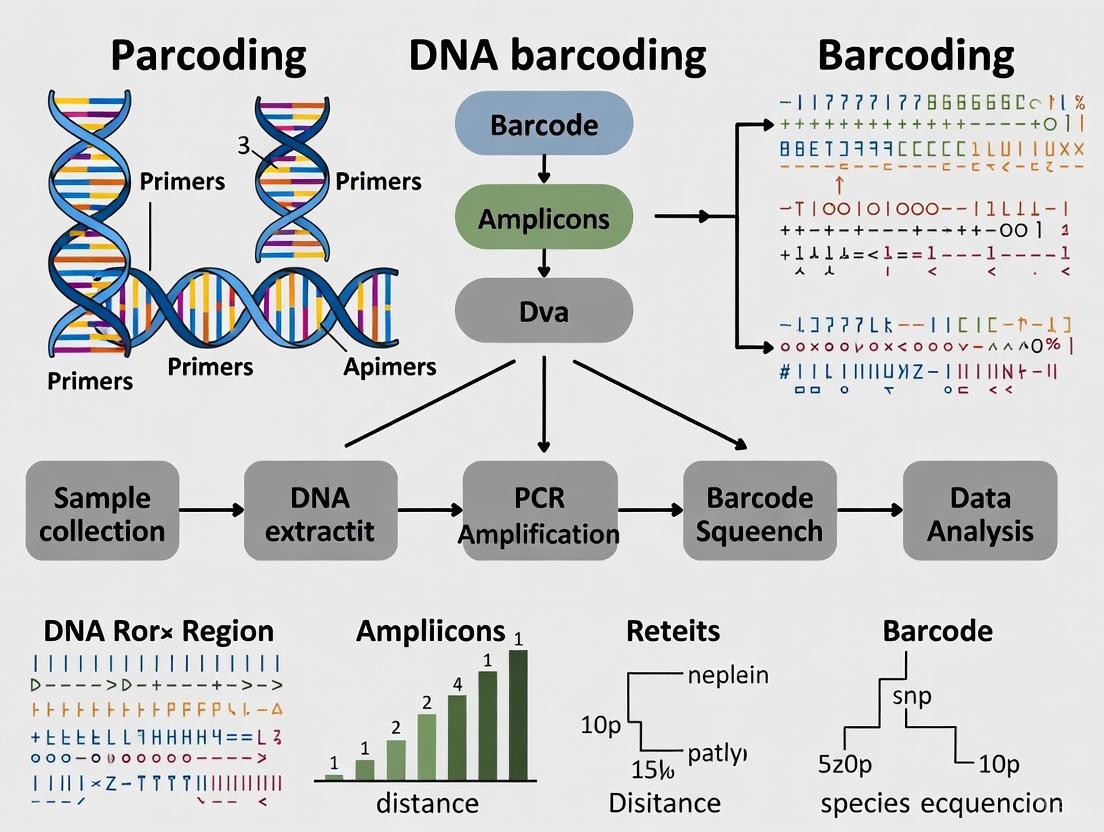
Cryptic species complexes, comprising morphologically identical but genetically distinct organisms, present a significant challenge in parasitology, impacting disease diagnosis, transmission tracking, and drug development.
Resolving Parasitic Cryptic Species Complexes: DNA Barcoding Approaches for Accurate Identification and Research
Abstract
Cryptic species complexes, comprising morphologically identical but genetically distinct organisms, present a significant challenge in parasitology, impacting disease diagnosis, transmission tracking, and drug development. This article explores the transformative role of DNA barcoding in resolving these complexes. We cover the foundational concepts of species delimitation and the limitations of traditional morphology. The article provides a methodological guide to common genetic markers (e.g., COI, ITS) and analytical pipelines, supported by case studies from helminths and vectors. We address troubleshooting for common pitfalls like hybridization and degraded DNA, and evaluate barcoding against proteomic and morphological methods. Finally, we discuss the validation of barcoding data and its critical implications for controlling parasitic diseases and advancing clinical research.
The Hidden World of Parasites: Unraveling Cryptic Species and Their Clinical Impact
Defining Cryptic Species Complexes in Parasitology
Cryptic species complexes represent groups of closely related species that are morphologically indistinguishable but genetically distinct. In parasitology, the inability to differentiate these species can obscure disease dynamics, drug efficacy, and vector control efforts. DNA barcoding has emerged as a powerful tool for resolving these complexes by utilizing short, standardized genetic markers to provide molecular identifications. This guide compares the performance of DNA barcoding methodologies for identifying cryptic species in parasites and vectors, evaluating experimental protocols, analytical approaches, and practical applications within parasitological research.
Cryptic species are a significant challenge in parasitology, where morphologically similar species may exhibit critical differences in host specificity, pathogenicity, drug resistance, and vector competence. The ecological and medical implications of these unrecognized species are substantial, as they can lead to misleading conclusions in epidemiology, ecology, and disease management strategies [1] [2].
DNA barcoding utilizes sequence variation in a standardized segment of the cytochrome c oxidase subunit I (COI) mitochondrial gene to enable rapid and reliable species identification [3]. This approach is particularly valuable for parasites, where morphological identification can be extraordinarily difficult due to their small size, complex life cycles, and existence within host tissues [1]. Since its formal proposal in 2003, DNA barcoding has been increasingly applied to parasites and their vectors, demonstrating approximately 94-95% accuracy in specimen identification according to recent assessments [4].
Performance Comparison of DNA Barcoding Approaches
DNA barcoding performance varies across taxonomic groups and methodological approaches. The table below summarizes key performance metrics from recent studies applying DNA barcoding to cryptic species identification.
Table 1: Performance Metrics of DNA Barcoding in Various Organism Groups
| Organism Group | Study Focus | Specimens Analyzed | Identification Success Rate | Cryptic Species Detected | Key Findings |
|---|---|---|---|---|---|
| Plateau Loach Fishes [3] | Biodiversity assessment | 1,630 specimens | 14 of 24 species reliably identified | 2 cryptic species (Triplophysa robusta sp1, T. minxianensis sp1) | 10 closely related species remained challenging due to rapid differentiation or introgression |
| Korean Curved-Horn Moths [5] | Cryptic diversity detection | 509 specimens, 154 morphospecies | 75.97% (117/154 species) consistent across delimitation methods | 3 species with cryptic diversity | 2.5% genetic divergence threshold effectively differentiated most morphological species |
| Mosquito Species in Singapore [6] | Vector identification | 128 specimens, 45 species | 100% success rate | N/A | Achieved perfect identification despite previous challenges with closely related species |
| Medically Important Parasites/Vectors [4] | Method assessment | Comprehensive review | 94-95% accuracy | N/A | Barcodes available for 43% of 1,403 species, covering more than half of 429 medically important species |
Comparison of Barcode Length Efficacy
The standard DNA barcode consists of a 658-bp fragment of the COI gene. However, shorter "mini-barcodes" (e.g., 175 bp) have been developed for specimens with degraded DNA. Research on apid bees has demonstrated that both full-length and mini-barcodes display similar probabilities of correct identification, making them equivalent for bee identification tasks [7]. This finding is particularly relevant for parasitology, where historical specimens or poorly preserved samples may only yield shorter DNA fragments.
Despite its utility, DNA barcoding faces several challenges. A comprehensive analysis of Hemiptera barcodes found that errors in public databases are not rare, with most attributable to human errors including specimen misidentification, sample confusion, and contamination [8]. Additionally, DNA barcoding may struggle with closely related species that have recently diverged or show evidence of introgression or incomplete lineage sorting [3]. These limitations highlight the importance of integrating DNA barcoding with other data sources rather than relying on it exclusively.
Experimental Protocols for DNA Barcoding in Parasitology
Standard DNA Barcoding Workflow
The following diagram illustrates the core workflow for DNA barcoding of parasites and vectors, highlighting critical quality control checkpoints:
Detailed Methodological Components
Specimen Collection and Preservation
Proper specimen collection is fundamental to successful DNA barcoding. Researchers should:
- Record detailed geographic information including coordinates and altitude [8]
- Document habitat information, microenvironment, and host associations [8]
- Preserve specimens in 95-100% ethanol or at ultra-low temperatures (-80°C) to prevent DNA degradation
- Create voucher specimens deposited in accessible collections for future reference [6]
DNA Extraction and PCR Amplification
DNA extraction typically utilizes commercial kits (e.g., DNeasy Blood and Tissue Kit, Qiagen) on tissue samples from legs, body segments, or entire small specimens [5] [6]. The standard PCR amplification targets the 658-bp barcode region using primers such as:
- LCO1490 (5'-GGTCAACAAATCATAAAGATATTGG-3') and HCO2198 (5'-TAAACTTCAGGGTGACCAAAAAATCA-3') [5]
- Alternative primers: BarbeeF and MtD9 for bees [7]
Thermal cycling conditions typically include: initial denaturation (95°C for 2-5 minutes), 35-40 cycles of denaturation (94-95°C for 30-40 seconds), annealing (45-55°C for 30-60 seconds), and extension (72°C for 60 seconds), followed by a final extension (72°C for 5-10 minutes) [5] [6].
Sequence Analysis and Species Delimitation
After sequencing and quality control, several analytical approaches are used for species identification and delimitation:
- Genetic Distance Methods: Calculate Kimura-2-Parameter (K2P) distances and apply thresholds (typically 2-3%)
- Tree-Based Methods: Construct Neighbor-Joining or Maximum Likelihood trees to assess monophyly
- Automated Delimitation Algorithms: Implement methods such as ABGD (Automatic Barcode Gap Discovery), PTP (Poisson Tree Processes), and bPTP (Bayesian PTP) [5]
Essential Research Reagents and Tools
The table below outlines key reagents and materials required for implementing DNA barcoding protocols in parasitology research.
Table 2: Essential Research Reagents and Solutions for DNA Barcoding
| Reagent/Material | Function | Examples/Specifications |
|---|---|---|
| DNA Extraction Kit | Nucleic acid purification from specimens | DNeasy Blood & Tissue Kit (Qiagen) [5] [6] |
| PCR Primers | Amplification of barcode region | LCO1490/HCO2198 [5], BarbeeF/MtD9 [7] |
| PCR Master Mix | DNA amplification reaction | Contains DNA polymerase, dNTPs, buffer, MgCl₂ [5] [6] |
| Agarose Gels | Visualization of PCR products | 1-1.5% gels with DNA staining dyes [6] |
| Sequencing Kit | Determination of nucleotide sequence | BigDye Terminator Cycle Sequencing Kit [6] |
| Positive Control DNA | Verification of PCR efficiency | Verified specimen with known barcode sequence |
| Reference Databases | Sequence comparison and identification | BOLD (Barcode of Life Data Systems), GenBank [3] [8] |
Discussion and Future Directions
DNA barcoding has substantially advanced the resolution of cryptic species complexes in parasitology, but several considerations merit attention. The technique performs optimally when integrated with morphological data, ecological information, and other genetic markers rather than used in isolation [3] [6]. Future developments will likely focus on multi-locus approaches, environmental DNA (eDNA) applications, and portable sequencing technologies for field-based identification.
The establishment of comprehensive, curated reference libraries remains crucial, as current databases contain barcodes for only approximately 43% of known parasite and vector species [4]. Enhanced collaboration between field parasitologists, taxonomists, and molecular biologists will accelerate progress in documenting and understanding cryptic diversity in parasites. As these resources grow, DNA barcoding will increasingly illuminate the hidden diversity within parasite species complexes, ultimately strengthening disease management and conservation efforts.
DNA barcoding provides parasitologists with a powerful tool for discriminating cryptic species complexes that defy morphological diagnosis. When implemented with rigorous protocols and appropriate analytical frameworks, this approach delivers identification accuracy exceeding 90% for many parasite and vector groups. The continuing expansion of reference databases, refinement of mini-barcode applications for degraded materials, and integration with complementary data sources will further enhance the utility of DNA barcoding in revealing the true diversity of parasitic organisms and addressing the medical and ecological challenges they present.
Limitations of Morphological Identification for Parasite Diagnosis
The accurate identification of parasites is a cornerstone of effective disease control, yet traditional methods that rely on morphological characteristics face significant and growing challenges. For decades, microscopic examination of parasite eggs, larvae, and adults has served as the gold standard in diagnostic and clinical settings [9]. This approach, while cost-effective and providing rapid results, requires highly trained personnel and struggles with increasing limitations, particularly when dealing with cryptic species complexes and specimens with overlapping morphological features [9] [10]. The emergence of molecular tools, especially DNA barcoding, has revealed substantial deficiencies in morphology-based identification systems, prompting a critical re-evaluation of traditional parasitological diagnostics. This guide examines the specific limitations of morphological identification for parasite diagnosis within the broader context of DNA barcoding's capacity to resolve cryptic species complexes, providing researchers and drug development professionals with comparative data and methodologies to enhance diagnostic accuracy.
Comparative Analysis: Morphological vs. Molecular Identification
Fundamental Limitations of Morphological Approaches
Morphological identification of parasites faces several intrinsic constraints that impact diagnostic accuracy and reliability. Operator dependence represents a primary limitation, as the technique requires extensive training and expertise, with veteran parasitologists still facing significant challenges when distinguishing closely related taxa that share visual characteristics [9]. This problem is exacerbated by morphological conservation, where phylogenetically distinct species exhibit nearly identical physical traits, particularly in egg and larval forms where diagnostic characters are limited [9].
The subjectivity in interpretation further complicates morphological diagnosis, as degradation during preservation can alter key identifying features. A study evaluating preservation methods found that ethanol storage caused cuticle shrinking, puckering, and increased opacity in nematode larvae, while formalin preservation led to internal structures being obscured by bubbles within the body cavity [9]. These preservation artifacts frequently necessitate broad taxonomic assignments (e.g., "strongyle-type" eggs) that mask true biological diversity and complicate treatment decisions [9].
Quantitative Comparisons of Diagnostic Accuracy
Table 1: Comparative Performance of Morphological versus Molecular Identification Across Parasite Taxa
| Parasite Group | Morphological Identification Challenge | Molecular Resolution | Key Genetic Marker(s) | Reference |
|---|---|---|---|---|
| Angiostrongylus spp. | Significant misidentification between A. cantonensis and A. malaysiensis due to overlapping morphological characters | Nuclear ITS2 region provided reliable species discrimination, revealing 8.2% hybrid forms | ITS2 (Nuclear), cytb (Mitochondrial) | [10] |
| Toxocara cati complex | Historically treated as a single species | DNA barcoding revealed 5 distinct clades with 6.68-10.84% genetic divergence in cox1 | cox1 | [11] |
| Gastrointestinal strongyles | Broad categorization as "strongyle-type" eggs due to morphological similarity | Multi-marker approaches enable species-level identification from eggs | ITS1, ITS2, COI | [12] [9] |
| Thrips species | Cryptic diversity undetectable morphologically; 1% known as virus vectors | 14 morphospecies contained more than one Molecular Operational Taxonomic Unit (MOTU) | mtCOI | [13] |
Table 2: Impact of Preservation Method on Morphological Identification Quality
| Preservation Medium | Morphotype Diversity Recovery | Larval Preservation Quality | Egg Preservation Quality | Suitability for Molecular Analysis | Reference |
|---|---|---|---|---|---|
| 10% Formalin | Higher morphotype identification rate | Significantly better preserved | No significant difference from ethanol | Poor (causes DNA fragmentation) | [9] |
| 96% Ethanol | Lower morphotype diversity observed | Moderate preservation with cuticle degradation | No significant difference from formalin | Excellent (maintains stable DNA) | [9] |
Molecular Solutions: DNA Barcoding and Beyond
DNA Barcoding Fundamentals and Workflow
DNA barcoding provides a precise method for identifying species by assigning a unique genetic 'barcode' to each species using short, standardized genome regions [14]. This approach is particularly valuable for distinguishing closely related species that may look similar morphologically and only requires a small tissue sample for analysis [14]. The technique has demonstrated particular utility in resolving species complexes where morphological identification fails, such as in the Toxocara cati complex, where DNA barcoding revealed five distinct clades corresponding to different host species [11].
The following diagram illustrates the comparative workflow between traditional morphological identification and integrated molecular approaches:
Essential Molecular Markers for Parasite Identification
Different genetic markers offer varying levels of resolution for parasite identification, with selection dependent on the taxonomic group and diagnostic requirements:
- Mitochondrial markers: Cytochrome c oxidase I (COI) serves as the standard barcode region for many metazoan parasites, providing strong species-level discrimination [15]. Cytochrome b (cytb) offers alternative resolution for specific taxonomic groups [10].
- Nuclear ribosomal markers: Internal Transcribed Spacer regions (ITS1, ITS2) provide reliable species identification, particularly for nematodes, with the advantage of detecting hybridization events through heterozygous sites [10].
- Multi-locus approaches: Combining chloroplast (rbcL, matK, trnH-psbA) and nuclear (ITS2) markers enhances resolution for complex taxonomic groups, as demonstrated in plant parasite identification [14].
Experimental Protocols for Molecular Identification
DNA Barcoding Standard Protocol
The fundamental DNA barcoding protocol involves several standardized steps:
- DNA Extraction: Using commercial kits (e.g., QIAamp DNA Mini Kit) with non-destructive methods when voucher specimens are valuable [13].
- PCR Amplification: Employing universal primers for target barcode regions (e.g., LCO-HCO for COI) with cycling parameters optimized for parasite taxa [13].
- Sequencing and Analysis: Bidirectional Sanger sequencing followed by sequence validation using Basic Local Alignment Search Tool (BLAST) homology analysis and phylogenetic methods [14].
- Species Delimitation: Applying multiple algorithms (Barcode Index Numbers (BIN), Assemble Species by Automatic Partitioning (ASAP), Poisson Tree Processes (PTP)) to establish molecular operational taxonomic units (MOTUs) [11] [13].
Advanced Molecular Detection Systems
Integrated platforms like the Parasite Genome Identification Platform (PGIP) leverage metagenomic next-generation sequencing (mNGS) for comprehensive parasite detection [16]. The PGIP workflow incorporates:
- Host DNA depletion using alignment tools (Bowtie2) with sensitivity parameters
- K-mer based classification against curated reference databases (Kraken2)
- Metagenome-assembled genomes (MAGs) reconstruction via probabilistic clustering tools (MetaBAT) [16]
Table 3: Key Research Reagent Solutions for Parasite Molecular Identification
| Reagent/Resource | Function | Application Example | Considerations |
|---|---|---|---|
| QIAGEN DNeasy Blood & Tissue Kit | DNA extraction from various sample types | High-quality genomic DNA from ethanol-preserved specimens | Non-destructive protocols allow voucher specimen preservation [13] |
| Universal PCR Primers (LCO-HCO) | Amplification of standard barcode region (COI) | Broad-spectrum parasite barcoding | 648 bp 5' region of COI; annealing ~49°C [13] |
| Species-Specific qPCR Primers | Quantitative detection of target species | Differentiating A. cantonensis and A. malaysiensis in clinical samples | SYBR Green chemistry with cytb gene target [10] |
| BOLD Systems Database | Reference database for barcode sequences | Species identification via BIN assignment | Curated database with quality control; requires specific metadata [15] |
| NCBI GenBank | Comprehensive sequence repository | BLAST homology analysis for identification | Larger but less curated than BOLD; potential quality issues [15] |
| Trimmomatic/FastQC | Quality control of raw sequencing data | Pre-processing of NGS data for metagenomic identification | Adapter removal, quality filtering, and visualization [16] |
Database Reliability and Quality Considerations
The accuracy of molecular identification depends heavily on reference database quality and coverage. Recent evaluations of cytochrome c oxidase subunit I (COI) barcode records for marine metazoans revealed significant concerns in both the National Center for Biotechnology Information (NCBI) and Barcode of Life Data System (BOLD) databases [15]. NCBI exhibited higher barcode coverage but lower sequence quality compared to BOLD, with issues including over- or under-represented species, short sequences, ambiguous nucleotides, incomplete taxonomic information, conflict records, high intraspecific distances, and low inter-specific distances [15]. The Barcode Index Number (BIN) system in BOLD demonstrated potential for identifying and addressing problematic records, highlighting the benefits of curated databases for reliable species identification [15].
Morphological identification of parasites presents significant limitations in sensitivity, specificity, and reliability, particularly for cryptic species complexes, environmentally degraded samples, and taxa with overlapping morphological characters. DNA barcoding and related molecular methods provide powerful complementary tools that overcome these limitations through genetic discrimination at species and sub-species levels. The integration of morphological and molecular approaches, supported by curated reference databases and standardized protocols, offers the most robust framework for contemporary parasitological diagnosis, biodiversity assessment, and drug development targeting specific parasite species and strains. As molecular technologies become increasingly accessible and reference databases expand, the parasitological research community must continue to develop integrated diagnostic workflows that leverage the respective strengths of both morphological and molecular identification methods.
The Fundamental Principles of DNA Barcoding for Species Delimitation
DNA barcoding has emerged as a transformative tool for species delimitation, addressing critical challenges in biodiversity research and parasitology. This guide examines the fundamental principles of DNA barcoding, focusing on its capacity to resolve cryptic species complexes that defy traditional morphological identification. We compare the performance of single-locus barcoding against multi-locus approaches and integrate experimental data demonstrating applications in parasite research. The technical protocols, reagent specifications, and analytical frameworks presented herein provide researchers with a comprehensive toolkit for implementing DNA barcoding to uncover hidden diversity within parasite groups, with significant implications for disease control and drug development.
Core Principles and Genetic Targets of DNA Barcoding
DNA barcoding constitutes a standardized method for species identification and discovery using short, reproducible DNA sequences from conserved genomic regions. The methodology addresses the Linnaean shortfall—the discrepancy between described species and actual biodiversity—particularly critical for parasites where morphological distinctions are often subtle or cryptic [17]. The foundational principle leverages sequence variation within a universal marker that demonstrates appreciable divergence between species yet relative conservation within species.
The cytochrome c oxidase subunit I (COI) gene of the mitochondrial genome serves as the primary barcode region for animals, including many parasite groups. This 658-base pair region, often called the Folmer region, provides optimal characteristics for barcoding: conserved primer binding sites for reliable amplification flanking a variable sequence that accumulates species-level differences [17] [18]. The efficiency of COI stems from maternal inheritance, absence of introns, and limited recombination, providing clear phylogenetic signal across diverse taxa.
For parasitic organisms, DNA barcoding has proven particularly valuable in resolving species complexes—groups of morphologically similar but genetically distinct species that may exhibit different host specificities, pathological effects, or drug susceptibilities. The methodology enables researchers to document diversity at unprecedented scales, with DNA sequence variation providing the initial hypothesis of species boundaries that can be tested with additional evidence including morphology, ecology, and geography [17].
Performance Comparison: Assessing Barcoding Efficacy Across Parasite Taxa
Quantitative Delimitation Success Across Study Systems
Table 1: DNA Barcoding Performance Metrics Across Parasite and Vector Groups
| Organism Group | Genetic Marker | Intraspecific Divergence (%) | Interspecific Divergence (%) | Identification Success Rate (%) | Cryptic Lineages Detected |
|---|---|---|---|---|---|
| Culicoides biting midges [18] | COI | 0.00–0.97 (mean: 0.009) | 4.5–20.1 (mean: 13.3) | 94.7–97.4 | 8 larval species identified |
| Toxocara cati complex [19] | COI | Not specified | 6.68–10.84 (domestic vs. wild felids) | 100% species delimitation | 5 distinct clades |
| General arthropods [17] | COI | Typically <2% | Typically >2.2% threshold | Varies with taxonomic group | Massive scale predicted |
Methodological Comparison: Single vs. Multi-Locus Approaches
Table 2: Comparative Analysis of DNA Barcoding Methodologies
| Approach | Genetic Data | Strengths | Limitations | Ideal Applications |
|---|---|---|---|---|
| Traditional morphology | None | Direct observation; No specialized equipment | Limited for cryptic species; Requires expertise | Initial surveys; Well-differentiated taxa |
| Single-locus barcoding | COI (animals) | Standardized; Cost-effective; Large reference databases | Limited phylogenetic resolution; Mitochondrial introgression | Large-scale biodiversity surveys; Rapid identification |
| Multi-locus barcoding | COI + nuclear markers | Improved resolution; Detects hybridization | Higher cost; Complex analysis | Cryptic species complexes; Taxonomic revisions |
| Barcode Index Number (BIN) [17] | COI clusters | Automated delimitation; Handles large datasets | Proprietary algorithm; 2.2% threshold may not fit all taxa | Biodiversity informatics; Community ecology |
Experimental Protocols and Workflows
Standard DNA Barcoding Protocol for Parasite Specimens
Specimen Collection and Preservation: Proper handling begins with field collection of parasite specimens using host necropsy or established sampling methods. Immediate preservation in 95-100% ethanol is critical for DNA integrity, with morphological vouchers preserved similarly for subsequent verification. Detailed collection metadata including host species, geographic location, and collection date must be documented [18].
DNA Extraction and Amplification: Tissue samples from individual specimens undergo DNA extraction using commercial kits (e.g., DNeasy Blood & Tissue Kit). The standard COI barcode region is amplified using universal primers LCO1490 and HCO2198, generating a 658-bp amplicon via PCR with standard cycling conditions: initial denaturation at 94°C for 2 minutes; 35 cycles of denaturation at 94°C for 30 seconds, annealing at 50-52°C for 30 seconds, and extension at 72°C for 1 minute; final extension at 72°C for 5 minutes [18] [19].
Sequencing and Data Analysis: PCR products are sequenced bidirectionally using Sanger sequencing or increasingly through high-throughput platforms (Oxford Nanopore, PacBio). Contig assembly generates consensus sequences, which are aligned against reference databases. The Barcode of Life Data System (BOLD) provides an integrated platform for data management, analysis, and publication [17] [18].
Species Delimitation Using Barcode Gap Analysis
The core analytical approach identifies the "barcode gap"—the separation between maximum intraspecific variation and minimum interspecific divergence. Genetic distances (typically Kimura 2-parameter model) are calculated between all sequences. Specimens are grouped into Molecular Operational Taxonomic Units (MOTUs) using clustering algorithms like the BOLD's Refined Single Linkage (RESL), which employs a 2.2% divergence threshold to create Barcode Index Numbers (BINs) as putative species proxies [17].
The workflow below illustrates the standard DNA barcoding process for species delimitation:
Case Study: Resolving the Toxocara cati Complex
A recent investigation of the parasite Toxocara cati infecting domestic and wild felids demonstrates barcoding's power to uncover cryptic species complexes. Researchers sequenced the COI barcode from specimens collected across different hosts and geographical regions. Phylogenetic analysis revealed five distinct clades with sequence divergences of 6.68–10.84% between parasites from domestic cats versus wild felids—differences substantial enough to suggest separate species status rather than host variants [19].
The Assemble Species by Automatic Partitioning (ASAP) analysis supported the species status of these clades, illustrating how barcoding can prompt taxonomic revisions in parasite groups with implications for understanding host specificity, transmission patterns, and potential zoonotic risk [19].
Essential Research Reagent Solutions
Table 3: Research Reagent Solutions for DNA Barcoding Experiments
| Reagent/Kit | Function | Specification | Application Note |
|---|---|---|---|
| DNeasy Blood & Tissue Kit | DNA extraction | Silica-membrane technology; Handles minute specimens | Optimal for parasite tissue with inhibitor removal |
| Folmer Primers (LCO1490/HCO2198) | COI amplification | Universal primers for metazoans; 658-bp product | Standardized barcoding across animal taxa |
| GoTaq G2 Flexi DNA Polymerase | PCR amplification | Robust amplification; Buffer optimization | Reliable performance with diverse template quality |
| BigDye Terminator v3.1 | Sanger sequencing | Fluorescent dye-terminator chemistry | Bidirectional sequencing for consensus building |
| MinION Sequencer | Portable sequencing | Oxford Nanopore technology; Real-time data | Field-deployable for rapid biodiversity assessment |
Technological Advancements and Future Directions
DNA barcoding is transitioning from Sanger sequencing to high-throughput sequencing platforms that dramatically reduce costs and increase throughput. Oxford Nanopore's MinION and Pacific Biosciences platforms enable massive parallel sequencing, with costs reduced by up to two orders of magnitude compared to traditional methods [17]. This accessibility is accelerating the discovery of cryptic diversity, particularly in arthropods which comprise approximately 85% of animal diversity with an estimated 10 million species awaiting documentation [17].
The Barcode of Life Data System (BOLD) represents the central informatics platform for barcoding data, hosting over 16 million barcode sequences representing more than 376,000 described species alongside countless unidentified lineages [17]. For parasitic organisms, this expanding reference library enables more accurate identification of vectors, intermediate hosts, and the parasites themselves, providing critical data for understanding disease transmission cycles.
Advanced algorithms for species delimitation continue to evolve, with the Barcode Index Number (BIN) system providing automated grouping of sequences into putative species. However, concerns remain about fully automated approaches, emphasizing the need for integrative taxonomy that combines molecular data with other lines of evidence [17]. As DNA barcoding reveals unprecedented cryptic diversity, the taxonomic impediment—the limited global capacity to formally describe species—represents a significant challenge, particularly for parasites where accurate identification directly impacts public health interventions [17].
Implications for Parasite Research and Drug Development
For researchers studying parasitic diseases, DNA barcoding provides critical tools for identifying cryptic species complexes that may exhibit different transmission dynamics, host specificities, or drug susceptibilities. The accurate delimitation of parasite species directly impacts diagnostic assay development, drug target identification, and vaccine development by ensuring biological materials are correctly identified [19].
The application of barcoding to larval stages and immature forms—as demonstrated in Culicoides studies—enables researchers to connect life history stages and understand complete transmission cycles [18]. Similarly, the identification of cryptic species within morphologically similar parasites, as seen in Toxocara, highlights potential differences in zoonotic potential that must be considered in control programs [19].
As DNA barcoding technologies continue to evolve toward greater accessibility and throughput, their integration with complementary approaches like morphology, ecology, and genomics will provide increasingly robust frameworks for understanding parasite diversity and implementing targeted interventions against parasitic diseases.
Implications for Disease Epidemiology and Zoonotic Potential
DNA barcoding has revolutionized parasitology by providing researchers with powerful tools to accurately identify species, resolve cryptic species complexes, and trace transmission pathways of zoonotic diseases. Cryptic species complexes—groups of morphologically similar but genetically distinct organisms—represent a significant challenge in disease epidemiology, as different sibling species may exhibit varying vector competencies, host preferences, and pathogenic potentials. The application of DNA barcoding techniques has become indispensable for understanding the true diversity of parasites and their vectors, enabling more precise assessment of zoonotic risks and leading to more effective disease control strategies. This guide compares the performance of leading DNA barcoding approaches and their critical role in elucidating parasite transmission dynamics in an era of emerging infectious diseases.
Experimental Protocols in Parasite DNA Barcoding
Protocol 1: Cryptic Vector Species Identification Using COI Barcoding
This protocol was utilized for identifying cryptic species within Culicoides biting midges, potential vectors of Leishmania parasites in southern Thailand [20].
- Sample Collection: Female Culicoides were collected from leishmaniasis-affected areas in southern Thailand using Centers for Disease Control and Prevention (CDC) ultraviolet light traps [20].
- Morphological Identification: Specimens were preliminarily sorted into species based on wing spot patterns [20].
- DNA Extraction and Amplification: Genomic DNA was extracted from individual midges. The cytochrome c oxidase subunit I (COI) gene region of mitochondrial DNA was amplified using polymerase chain reaction (PCR) with specific primers [20].
- Sequencing and Analysis: PCR products were sequenced via Sanger sequencing. The resulting DNA barcodes were compared against reference databases like the Barcode of Life Data System (BOLD) and analyzed with the Basic Local Alignment Search Tool (BLAST) for species identification [20].
- Species Delimitation: To resolve cryptic species complexes, sequences were analyzed using three different species delimitation methods: Assemble Species by Automatic Partitioning (ASAP), Templeton, Crandall, and Sing (TCS) algorithm, and Poisson Tree Processes (PTP). These analyses group sequences into Molecular Operational Taxonomic Units (MOTUs), providing a hypothesis of species boundaries [20].
Protocol 2: Broad-Spectrum Blood Parasite Detection Using 18S rDNA Barcoding
This protocol demonstrates a targeted next-generation sequencing approach for comprehensive blood parasite detection, designed for use on portable nanopore sequencers [21] [22].
- Primer Design: Universal primers (F566 and 1776R) were selected to amplify a ~1,200 base pair region of the 18S ribosomal DNA (rDNA) gene, spanning the V4 to V9 variable regions. This longer barcode provides superior species-level resolution compared to shorter fragments, which is crucial for accurate identification on error-prone sequencing platforms [21] [22].
- Host DNA Suppression: To overcome the challenge of overwhelming host DNA in blood samples, two blocking primers were employed:
- Library Preparation and Sequencing: PCR is performed with the universal and blocking primers. The resulting amplicons are prepared into sequencing libraries and run on a portable nanopore sequencer [21] [22].
- Bioinformatic Analysis: Sequences are classified using alignment tools like BLAST or ribosomal database project (RDP) classifiers against curated pathogen databases for species identification [21] [22].
The workflow below illustrates the key steps involved in a DNA barcoding study for vector-borne parasite detection.
Performance Comparison of DNA Barcoding Methodologies
The table below summarizes the performance and applications of two primary DNA barcoding approaches for parasitological research.
Table 1: Comparison of DNA Barcoding Methodologies for Parasite Research
| Feature | COI Barcoding (Sanger Sequencing) | 18S rDNA Barcoding (Nanopore NGS) |
|---|---|---|
| Primary Application | Species identification and delimitation of arthropod vectors and metazoan parasites [20]. | Broad-spectrum detection of eukaryotic blood parasites (e.g., Plasmodium, Trypanosoma, Babesia) [21] [22]. |
| Target Gene | Mitochondrial Cytochrome c Oxidase Subunit I (COI) [20]. | Nuclear 18S ribosomal RNA gene (V4–V9 regions) [21] [22]. |
| Sequencing Platform | Sanger sequencing [20]. | Portable nanopore sequencing [21] [22]. |
| Key Advantage | High resolution for distinguishing between metazoan species, including cryptic complexes [20]. | Comprehensive detection of diverse parasite taxa in a single assay, even without prior knowledge of pathogens present [21] [22]. |
| Typical Workflow | Individual DNA extraction, PCR, and sequencing [20]. | Bulk DNA extraction, PCR with host-blocking primers, and high-throughput sequencing [21] [22]. |
| Sensitivity | Effective for identifying the vector species from which DNA is extracted [20]. | High sensitivity; detected Trypanosoma brucei rhodesiense in spiked human blood at 1 parasite/μL [21] [22]. |
| Data Output | A single DNA barcode sequence per PCR reaction [20]. | Thousands of sequences per run, enabling detection of multiple parasites and co-infections [21] [22]. |
Key Findings and Epidemiological Implications
Resolving Cryptic Vector Complexes
The integration of DNA barcoding with morphological identification has been pivotal in uncovering hidden diversity. A study on Culicoides biting midges in Thailand identified 25 morphologically distinct species but used DNA barcoding and species delimitation analyses (ASAP, TCS, PTP) to reveal an additional six cryptic species complexes within C. actoni, C. orientalis, C. huffi, C. palpifer, C. clavipalpis, and C. jacobsoni [20]. This refined resolution is critical for vector control, as it allows scientists to investigate whether specific cryptic species are more competent vectors, thereby refining risk maps and intervention strategies.
Tracking Zoonotic Pathogens in Reservoir Hosts
Metabarcoding, an extension of DNA barcoding applied to complex samples, is powerful for screening potential zoonotic risks in wildlife reservoirs. Research on dog feces in Seoul, South Korea, revealed significant differences in the eukaryotic pathogen communities between pet and stray dogs. Stray dogs carried a significantly higher prevalence of putative eukaryotic pathogens like Giardia and Pentatrichomonas, highlighting their role as reservoirs and the heightened zoonotic risk in urban environments [23] [24]. Similarly, a study of urban birds in Madrid detected 23 genera of eukaryotic parasites, including six with zoonotic potential such as Cryptococcus fungi and Cryptosporidium protists, pinpointing specific bird species as vectors and reservoirs [25].
Detecting Novel Transmission Cycles
Perhaps one of the most significant contributions of DNA barcoding is its ability to incriminate novel vectors in disease transmission. Traditional knowledge held that leishmaniasis is transmitted exclusively by sand flies. However, DNA-based detection confirmed the presence of Leishmania martiniquensis and L. orientalis DNA in several species of Culicoides biting midges collected in southern Thailand [20]. This finding was supported by the detection of mixed blood meals (from humans, cows, dogs, and chickens) in these midges, providing compelling evidence for their potential role in a previously unrecognized transmission cycle of leishmaniasis [20].
The table below summarizes quantitative findings from recent studies that utilized DNA barcoding to assess zoonotic parasite presence.
Table 2: Selected Epidemiological Findings Enabled by DNA Barcoding
| Host / Vector | Pathogen Detected | Key Finding | Reference |
|---|---|---|---|
| Culicoides biting midges (Thailand) | Leishmania martiniquensis, L. orientalis | 6.42% of midges tested positive for Leishmania DNA; sympatric infection of both species found. | [20] |
| Stray Dogs (Seoul, S. Korea) | Giardia, Pentatrichomonas | Prevalence of these eukaryotic pathogens was significantly higher in stray dogs than in pet dogs. | [23] [24] |
| Urban-Associated Birds (Madrid, Spain) | Cryptosporidium spp. | Detected in 10% of White Stork and Lesser Black-backed Gull faecal samples. | [25] |
| Urban Birds and Bats (Madrid, Spain) | Campylobacter spp., Listeria spp. | Potentially zoonotic bacteria were found in faeces of nearly all studied urban bird species. | [26] |
The Scientist's Toolkit: Essential Research Reagents
This table details key reagents and materials critical for conducting DNA barcoding experiments in parasitology.
Table 3: Essential Reagents for DNA Barcoding in Parasite Research
| Reagent / Material | Function | Example Use Case |
|---|---|---|
| CDC UV Light Trap | Standardized collection of hematophagous insect vectors. | Collecting Culicoides biting midges from leishmaniasis-endemic areas [20]. |
| Universal COI Primers | Amplify the standard DNA barcode region from a wide range of metazoans. | Identifying and delimiting species of insect vectors [20]. |
| Universal 18S rDNA Primers (F566/1776R) | Amplify a broad-range eukaryotic barcode from various pathogens. | Detecting apicomplexan and trypanosomatid parasites in blood [21] [22]. |
| Host-Blocking Primers (C3, PNA) | Selectively inhibit the amplification of host DNA during PCR. | Enriching parasite DNA in blood samples for sensitive detection with nanopore sequencing [21] [22]. |
| Barcode of Life Data System (BOLD) | Integrated database for collating, managing, and analyzing DNA barcode records. | Identifying specimens by comparing unknown sequences to a reference library [20]. |
The accurate identification of insect vectors is a cornerstone of effective disease control. For many vector species, cryptic species complexes—groups of morphologically similar but genetically distinct species—can complicate this process, leading to an incomplete understanding of transmission dynamics [27]. DNA barcoding, which uses a short, standardized genetic marker from the mitochondrial cytochrome c oxidase I (COI) gene, has become an indispensable tool for resolving these complexes [28]. This case study examines how the application of DNA barcoding to Culicoides biting midges in Thailand has unveiled a hidden layer of cryptic diversity, simultaneously transforming our understanding of the transmission cycle of Leishmania martiniquensis and L. orientalis, emerging pathogens causing human leishmaniasis [20] [29]. This integrative taxonomic approach provides a model for resolving cryptic species complexes in parasite research, demonstrating that vector diversity is a critical factor in the risk of zoonotic transmission.
Cryptic Diversity inCulicoidesBiting Midges: DNA Barcoding Reveals Hidden Species
Traditional identification of Culicoides species relies heavily on morphological characteristics, particularly wing spot patterns. However, this method is often insufficient for discriminating between cryptic species. In southern Thailand, an integrative approach combining morphology with DNA barcoding of the COI gene was applied to 875 Culicoides specimens, morphologically identifying them into 25 species [20]. The DNA barcoding achieved an 82.20% success rate for identification, but more importantly, it exposed significant hidden diversity.
Species delimitation analyses using ASAP, TCS, and PTP methods categorized six morphospecies into cryptic species complexes: Culicoides actoni, C. orientalis, C. huffi, C. palpifer, C. clavipalpis, and C. jacobsoni [20]. This discovery indicates that the actual species richness of Culicoides in the region is higher than previously recognized, which has profound implications for vector incrimination and monitoring. The use of COI for DNA barcoding, while powerful, is not without challenges; its reliability depends on a well-curated reference database, and the presence of a "barcoding gap" where intraspecific genetic variation is markedly less than interspecific variation [30] [28].
Table 1: Cryptic Culicoides Species Complexes Identified via DNA Barcoding in Southern Thailand
| Morphospecies | Subgenus/Species Group | Evidence for Cryptic Diversity |
|---|---|---|
| Culicoides actoni | Avaritia | Confirmed by multiple species delimitation methods (ASAP, TCS, PTP) [20] |
| Culicoides orientalis | Avaritia | Confirmed by multiple species delimitation methods (ASAP, TCS, PTP) [20] |
| Culicoides huffi | N/A | Confirmed by multiple species delimitation methods (ASAP, TCS, PTP) [20] |
| Culicoides palpifer | N/A | Confirmed by multiple species delimitation methods (ASAP, TCS, PTP) [20] |
| Culicoides clavipalpis | Clavipalpis Group | Confirmed by multiple species delimitation methods (ASAP, TCS, PTP) [20] |
| Culicoides jacobsoni | Hoffmania | Confirmed by multiple species delimitation methods (ASAP, TCS, PTP) [20] |
3Culicoidesas Potential Vectors ofLeishmaniaand Other Trypanosomatids
The paradigm of leishmaniasis transmission has been challenged with the incrimination of biting midges as potential vectors for species of the Leishmania subgenus Mundinia. Molecular screening of Culicoides populations in endemic areas of Thailand has provided compelling evidence supporting this hypothesis.
In southern Thailand, 6.42% of collected Culicoides tested positive for Leishmania DNA. The study revealed a sympatric circulation of both L. martiniquensis and L. orientalis in several Culicoides species in the Ron Phibun and Phunphin districts, while only L. orientalis was detected in the Sichon district [20]. This geographic variation in parasite distribution underscores the complexity of transmission landscapes. A separate study in northern Thailand found a 2.83% infection rate of L. martiniquensis in C. mahasarakhamense [31]. Perhaps the most conclusive evidence comes from a study of natural infections, which visualized various forms of Leishmania promastigotes in the foregut of wild-caught C. peregrinus in the absence of bloodmeal, indicating established infections rather than simple passage of a recent bloodmeal. The infection rate in these flies was between 2% and 6% [32].
Beyond Leishmania, other trypanosomatids have been detected in Culicoides. These include Trypanosoma sp. (closely related to avian trypanosomes) in C. huffi [31] and novel species of Crithidia, a monoxenous trypanosomatid, found co-infecting midges alongside L. martiniquensis [20] [32]. Blood meal analysis from engorged Culicoides in Ron Phibun showed they feed on cows, dogs, chickens, and humans, demonstrating their opportunistic feeding behavior and potential as bridge vectors between animal reservoirs and human populations [20].
Table 2: Detection of Pathogens in Culicoides Biting Midges in Thailand
| Pathogen | Detection Rate | Key Culicoides Species | Location | Citation |
|---|---|---|---|---|
| Leishmania martiniquensis & L. orientalis | 6.42% (of total midges) | Multiple species | Southern Thailand | [20] |
| Leishmania martiniquensis | 2.83% (in C. mahasarakhamense) | C. mahasarakhamense | Northern Thailand | [31] |
| Leishmania martiniquensis (natural infection) | 2% - 6% (in C. peregrinus) | C. peregrinus | Southern Thailand | [32] |
| Trypanosoma sp. (avian) | Detected in 1 sample | C. huffi | Northern Thailand | [31] |
| Crithidia spp. | Detected | C. peregrinus, C. subgenus Trithecoides | Southern Thailand | [20] [32] |
Experimental Protocols: Methodologies for Vector and Pathogen Identification
The research findings cited in this case study are underpinned by rigorous and standardized experimental protocols. The following workflows detail the key methodologies for vector collection, identification, and pathogen detection.
Field Collection and Morphological Identification
- Collection Method: Culicoides biting midges are typically collected using Centers for Disease Control and Prevention (CDC) ultraviolet (UV) light traps placed in areas of known leishmaniasis cases or near animal sheds [20] [33]. UV LED traps have been shown to outperform green LED traps in terms of the number of individuals collected [33].
- Specimen Sorting: Collected insects are anesthetized and sorted under a stereomicroscope. Female Culicoides are separated for analysis as they are the hematophagous life stage.
- Morphological Identification: Species are preliminarily identified based on key morphological characteristics, with wing spot patterns being a primary diagnostic feature [20]. Specimens are often mounted on microscope slides for detailed examination.
DNA Barcoding and Integrative Taxonomy
- DNA Extraction: Genomic DNA is extracted from individual Culicoides specimens, typically from the whole body or a part of it, such as the thorax.
- PCR Amplification: The cytochrome c oxidase I (COI) barcode region of mitochondrial DNA is amplified using universal primers such as LCO1490 and HCO2198 [20] [33].
- Sequencing and Analysis: PCR products are sequenced via Sanger sequencing. The resulting sequences are curated and compared against reference databases like the Barcode of Life Data System (BOLD) and GenBank using the Basic Local Alignment Search Tool (BLAST) [20].
- Species Delimitation: To objectively classify sequences into molecular operational taxonomic units (MOTUs) and detect cryptic species, multiple analytical methods are employed, including:
- ASAP: Assemble Species by Automatic Partitioning.
- TCS: Templeton, Crandall, and Sing haplotype network analysis.
- PTP: Poisson Tree Processes model [20].
Pathogen Detection and Blood Meal Analysis
- Leishmania/Trypanosomatid Detection: Total DNA from individual midges is used for PCR. Detection of Leishmania and other trypanosomatids often targets the internal transcribed spacer 1 (ITS1) region and the small subunit ribosomal RNA (SSU rRNA) gene [20] [31]. Positive PCR products are sequenced for species and haplotype identification.
- Blood Meal Analysis: The source of blood in engorged female midges is identified using host-specific multiplex PCR. This assay uses primers designed to amplify the cytochrome b gene of different potential vertebrate hosts (e.g., cow, dog, human, chicken) [20].
The Scientist's Toolkit: Essential Research Reagents and Materials
Successful research in this field depends on a suite of specific reagents, tools, and technologies. The following table details key components of the research toolkit used in the studies discussed.
Table 3: Research Reagent Solutions for Culicoides and Leishmania Studies
| Tool/Reagent | Function/Application | Specific Examples/Details |
|---|---|---|
| CDC UV Light Trap | Field collection of adult Culicoides midges. | Uses ultraviolet light as an attractant; considered the gold standard for surveillance [20] [33]. |
| COI Primers | PCR amplification of the DNA barcode region. | Universal primers like LCO1490/HCO2198 target a ~658 bp region of the cytochrome c oxidase I gene [20] [28]. |
| ITS1 & SSU rRNA Primers | PCR detection and identification of Leishmania and other trypanosomatids. | ITS1 offers good resolution for species identification; SSU rRNA is useful for broader trypanosomatid screening [20] [31]. |
| Host-specific Cytochrome b Primers | Identification of blood meal sources in engorged females. | Multiplex PCR systems with primers specific to cows, dogs, chickens, humans, etc. [20]. |
| BOLD Database | Reference database for DNA barcode sequence comparison. | The Barcode of Life Data System is a central repository for curated DNA barcodes [20] [33]. |
| Species Delimitation Software | Objective classification of sequences into molecular taxa (MOTUs). | Packages for running ASAP, TCS, and PTP analyses are critical for uncovering cryptic diversity [20]. |
Discussion: Implications for Disease Control and Future Research
The resolution of cryptic species within Thai Culicoides populations fundamentally alters the landscape of leishmaniasis research and control in the region. The finding that multiple cryptic species are involved in the transmission of L. martiniquensis and L. orientalis suggests that control strategies based on a single "vector species" may be inherently flawed. Different cryptic species may exhibit variations in ecology, host preference, seasonality, and vector competence—factors that are critical for predicting disease risk and targeting interventions effectively [20].
The detection of natural, established infections of L. martiniquensis in C. peregrinus provides the strongest evidence to date that biting midges are natural vectors, not just potential ones [32]. This, combined with experimental studies showing that C. sonorensis can transmit Mundinia parasites [31], solidifies the need to shift vector control efforts beyond sand flies in certain endemic foci. Future research must focus on vector competence studies of the individual cryptic species to determine their relative efficiency in transmitting pathogens. Furthermore, the discovery of co-circulation and co-infection with other trypanosomatids like Crithidia raises questions about potential interactions within the midgut that could influence disease transmission dynamics [32].
The success of DNA barcoding in this system highlights its power but also its limitations, as its reliability is contingent on comprehensive reference libraries and the existence of a barcoding gap [30] [28]. The ~5x threshold for the global barcoding gap observed in some taxa may be a more realistic benchmark for species discovery than the often-cited 10x rule [30]. As taxonomy improves through integrative approaches, so too will the utility of DNA barcoding for disease vector surveillance.
This case study demonstrates that DNA barcoding is a powerful tool for uncovering cryptic species complexes in vector populations. Its application to Culicoides biting midges in Thailand has directly led to a paradigm shift in our understanding of Leishmania (Mundinia) transmission, confirming these insects as natural vectors. The integrative taxonomic approach—combining morphology, DNA barcoding, and species delimitation analyses—provides a robust framework for re-evaluating vector diversity and its role in disease epidemiology. For researchers and public health officials, these findings underscore that accurate vector identification at the species level is not merely a taxonomic exercise but a critical component for developing effective, evidence-based disease prevention and control strategies.
A Practical Toolkit: DNA Barcoding Workflows from Sample to Species
In parasitology, the accurate identification of species is foundational to understanding disease transmission, virulence, and drug susceptibility. This task is frequently complicated by the presence of cryptic species complexes—groups of morphologically identical but genetically distinct organisms [34]. The misidentification of these cryptic taxa can have direct clinical consequences, as they may differ in pathogenicity, drug resistance, and epidemiology [34]. DNA barcoding, the use of short standardized DNA sequences for species identification, has therefore become an indispensable tool. This guide provides a comparative analysis of the most commonly used genetic markers—COI, ITS, and 16S rRNA, among others—to help researchers select the most appropriate molecular tool for resolving cryptic diversity in parasite research.
Marker Comparison: Performance and Applications
The table below summarizes the core characteristics and documented performance of the primary DNA barcoding markers as applied to parasites and related taxa.
Table 1: Comparison of DNA Barcoding Markers for Parasitology Research
| Genetic Marker | Full Name | Best For | Advantages | Limitations | Key Experimental Findings |
|---|---|---|---|---|---|
| COI | Cytochrome c Oxidase Subunit I | Arthropods, Birds, Trematodes [35] [36] | High interspecific divergence, standard for many metazoans [35] [36] | Highly variable priming sites in amphibians, can lead to amplification failure [35] | 94-95% accurate ID in parasites/vectors [4]; superior to 16S for salamander ID [37] |
| 16S rRNA | 16S Ribosomal RNA | Vertebrates, Amphibians, Nematodes [35] [38] | Highly conserved priming sites, universal amplification [35] | Lower resolution than COI in some taxa [37] | 100% amplification success vs. 50-70% for COI in frogs; discriminates amphibian larval stages [35] |
| ITS (ITS2) | Internal Transcribed Spacer 2 | Ticks, Fungi, Plants [36] | High variation for close species discrimination [36] | Requires alignment, challenging for distant taxa [35] | High correct ID rate (>96%) for tick species, comparable to COI and mitochondrial rRNAs [36] |
| 12S rRNA | 12S Ribosomal RNA | Nematodes, Vertebrates [38] | Slower evolution rate than COI, good for phylogenetics [38] | Smaller fragment size, less informative in some cases | More suitable for nematode systematics than 16S rRNA; supported monophyly of key clades [38] |
Performance Data from Key Taxonomic Groups
Experimental data from various organism groups provides critical insights for marker selection. The following table condenses quantitative findings from comparative studies.
Table 2: Experimental Performance Data Across Organisms
| Organism Group | Compared Markers | Key Outcome | Reference |
|---|---|---|---|
| Amphibians (Frogs) | 16S rRNA vs. COI | 16S: 100% amplification success; COI primers: 50-70% success [35] | Vences et al., 2005 |
| Asiatic Salamanders | COI vs. 16S rRNA | COI enabled species identification where 16S sometimes failed [37] | Xia et al., 2012 |
| Ticks (Ixodida) | COI, 16S, ITS2, 12S | All four markers showed >96% correct identification rates using Nearest Neighbour methods [36] | Wang et al., 2014 |
| Parasitic Nematodes | 12S vs. 16S rRNA | 12S rRNA better supported phylogenetic relationships (monophyly of clades I, IV, V) [38] | Thaenkham et al., 2020 |
| Medically Important Parasites & Vectors | DNA Barcoding (Various) | Overall technique is 94-95% accurate compared to morphology/other markers [4] | Ondrejicka et al., 2014 |
Decision Workflow and Experimental Protocols
Workflow for Marker Selection
The following diagram outlines a logical pathway for selecting the most appropriate genetic marker based on your research organism and primary goal.
Standardized PCR Protocol for Multiple Markers
The methodology below is adapted from a comparative study on ticks, which provides a robust framework for evaluating multiple markers [36]. This can be adapted for parasites.
- DNA Extraction: Use a commercial kit (e.g., DNeasy Blood and Tissue Kit from Qiagen) on ethanol-preserved tissue. Rinse specimens in distilled water prior to extraction.
- PCR Reaction Setup:
- Total Volume: 50 µL
- Reagent Mix:
- 25 µL of 2x PCR Buffer (with 1.75 mM final MgCl₂ concentration)
- 10 µL of 2 mM dNTPs
- 1 - 3 µL of primer mix (0.3 µM final concentration of each primer)
- 1 µL of DNA polymerase (e.g., KOD FX Neo, 1 unit)
- 2 µL of DNA template (~200 ng)
- Nuclease-free water to 50 µL
- Thermocycling Conditions: The protocol often uses a touchdown PCR to enhance specificity [36].
- Initial Denaturation: 94°C for 5 minutes.
- Amplification Cycles (35 cycles):
- Denaturation: 94°C for 30 seconds.
- Annealing: Variable temperature (see table below) for 30 seconds.
- Extension: 68°C for 30-60 seconds (duration depends on amplicon size).
- Final Extension: 68°C for 5 minutes.
- Post-Amplification: Verify PCR products by agarose gel electrophoresis. Purify and sequence amplicons using standard protocols.
Table 3: Primer Sequences and Specific Annealing Conditions
| Marker | Primer Name | Sequence (5' to 3') | Annealing Temp. | Reference |
|---|---|---|---|---|
| COI | COI-F | Not specified in results | Touchdown from 52°C to 46°C | [36] |
| COI-R | Not specified in results | |||
| 16S rRNA | 16S-F | Not specified in results | Touchdown from 49°C to 43°C | [36] |
| 16S-R1 | Not specified in results | |||
| ITS2 | ITS2-F | Not specified in results | 55°C (constant) | [36] |
| ITS2-R | Not specified in results | |||
| 12S rRNA | T1B | Not specified in results | As per cited protocol | [36] |
| T2A | Not specified in results |
The Scientist's Toolkit: Essential Research Reagents
Table 4: Key Reagents and Materials for DNA Barcoding Experiments
| Reagent / Material | Function / Application | Example Product / Note |
|---|---|---|
| Commercial DNA Extraction Kit | Isolation of high-quality genomic DNA from parasite tissue. | DNeasy Blood & Tissue Kit (Qiagen) [36] [39] |
| High-Fidelity DNA Polymerase | Accurate amplification of target barcode regions to minimize errors. | KOD FX Neo [36] |
| Species-Specific Primers | PCR amplification of the target barcode region. | Designed from conserved regions; see Table 3. |
| Agarose | Gel electrophoresis to confirm successful PCR amplification and amplicon size. | Standard molecular biology grade. |
| Sanger Sequencing Services | Determining the nucleotide sequence of the amplified DNA fragment. | Outsourced to specialized companies (e.g., BGI Tech) [36] |
| Reference Sequence Database | Comparing unknown sequences to identified species. | GenBank, BOLD (Barcode of Life Data System) [36] |
No single genetic marker is universally superior for all parasitology applications. The choice depends critically on the target organism and the specific research question. COI remains the first-choice standard for many metazoan groups, but researchers must be prepared for its potential limitations in amplification efficiency. In such cases, mitochondrial ribosomal RNAs (16S and 12S) provide a robust alternative, with 12S showing particular promise for nematode systematics [38]. The ITS2 region is a powerful, high-resolution marker for specific taxa like ticks and fungi.
The future of resolving cryptic species complexes lies in integrated taxonomy, which combines morphological, ecological, and molecular data [34] [40]. As sequencing technologies advance, the use of multiple markers simultaneously or even whole mitochondrial genomes will become more accessible, providing an even more powerful framework for understanding parasite biodiversity, evolution, and the clinical implications of cryptic diversity.
Accurate species identification is the cornerstone of effective parasitic disease control and research. However, traditional morphological identification often fails to resolve cryptic species complexes—genetically distinct species that are morphologically identical. DNA barcoding has emerged as a powerful solution, but its success is fundamentally dependent on the laboratory protocols used for DNA extraction, amplification, and sequencing. The choice of method can significantly impact the yield, purity, and molecular weight of the isolated DNA, which in turn influences the accuracy of subsequent amplification and sequencing results. This guide objectively compares the performance of various commercially available kits and techniques, providing supporting experimental data to help researchers select the most appropriate protocols for their work on parasitic cryptic species complexes.
DNA Extraction: A Critical First Step
The initial step in any DNA barcoding workflow is the extraction of high-quality genomic DNA. Effective protocols must successfully lyse a wide range of parasite organisms (e.g., Gram-positive and Gram-negative bacteria, protozoa, helminths) and recover DNA in a pure, high-molecular-weight (HMW) form, free of inhibitors that could hamper downstream reactions.
Performance Comparison of DNA Extraction Methods
A 2023 systematic study directly compared six DNA extraction methods for their suitability for long-read metagenomic sequencing, a technique highly relevant to resolving complex parasite communities [41] [42]. The methods were evaluated using bacterial cocktail mixes and a synthetic fecal matrix to simulate a complex sample environment.
Table 1: Comparison of Six DNA Extraction Methods for Metagenomic Applications
| Extraction Method | Key Technology | Performance Summary | Suitability for Parasite Metagenomics |
|---|---|---|---|
| Quick-DNA HMW MagBead Kit (Zymo Research) | Magnetic Beads | Best yield of pure HMW DNA; accurate detection of nearly all bacterial species in a mock community [41]. | Highly Suitable |
| Phenol-Chloroform + Gravity Column | Chemical Lysis + Gravity Flow | Gentle on DNA, yielding HMW fragments; but time-consuming and uses hazardous chemicals [41]. | Moderately Suitable |
| Silica Spin Columns | Bead-beating + Centrifugation | Rapid and efficient; but can cause DNA shearing, potentially affecting long-read sequencing [41]. | Less Suitable for HMW DNA |
| Portable On-site Method | Not Specified | Designed for field use; convenience may come at a cost to DNA yield or quality [41]. | Situation Dependent |
The study concluded that among the tested methods, the Quick-DNA HMW MagBead Kit (Zymo Research) was the most suitable for long-read sequencing, as it provided the best yield of pure HMW DNA and allowed for the accurate detection of almost all species in a complex mock community [41].
Separate research comparing eleven DNA extraction methods for large-scale genotyping from blood samples—a common matrix for blood-borne parasites—identified only four that yielded satisfactory results [43]. The top performers were three modified silica-based commercial kits and an in-house magnetic beads-based protocol, highlighting that magnetic bead technology consistently delivers high-quality DNA.
Experimental Protocol: DNA Extraction from Complex Samples
The following protocol is summarized from the 2023 comparative study, which evaluated methods using defined bacterial communities, both pure and spiked into a synthetic fecal matrix [41].
- Sample Preparation: Cultures of Gram-positive (e.g., Bacillus subtilis) and Gram-negative (e.g., Escherichia coli) bacteria are pelleted by centrifugation, resuspended in a storage solution, and combined to create defined cell-count mixes. For matrix studies, a commercial microbial community standard is centrifuged, and the pellet is resuspended in a synthetic stool matrix.
- Cell Lysis: Protocols vary by kit. The recommended Quick-DNA HMW MagBead Kit uses a combination of lysis buffers and, potentially, gentle physical disruption to break open cells without excessively shearing the DNA.
- DNA Purification: This kit utilizes Solid-Phase Reversible Immobilization (SPRI) magnetic bead technology. The DNA binds to the magnetic beads in the presence of a binding buffer, allowing contaminants to be washed away.
- DNA Elution: The purified, high-molecular-weight DNA is eluted from the magnetic beads in a low-salt elution buffer or nuclease-free water. The extracted DNA is then quantified and qualified using spectrophotometric methods, Qubit fluorometry, and gel electrophoresis to confirm high concentration, purity, and fragment size.
Nucleic Acid Amplification: Bridging Extraction and Sequencing
Following DNA extraction, amplification is often required to increase the number of copies of a specific target gene, such as a DNA barcode region. While conventional PCR is widely used, isothermal amplification techniques offer alternatives, and hybrid methods can enhance sensitivity.
Comparison of Amplification Techniques
Different amplification techniques offer various trade-offs in speed, sensitivity, and equipment needs, which can be crucial for field applications or high-throughput screening of parasite samples.
Table 2: Comparison of Nucleic Acid Amplification Techniques
| Technique | Principle | Key Advantages | Limitations |
|---|---|---|---|
| PCR | Thermal cycling with two primers | High sensitivity; gold standard for DNA amplification [44]. | Requires thermal cycler; relatively time-consuming. |
| LAMP | Isothermal amplification with 4-6 primers | Rapid (30-45 min); visual detection; does not require a thermal cycler [44] [45]. | Can be less sensitive than PCR for some targets (e.g., SARS-CoV-2 RNA) [45]. |
| NASBA/TMA | Isothermal amplification of RNA | Highly sensitive for RNA targets; useful for detecting RNA viruses [44]. | Commercial kits can be expensive. |
| Hybrid (PCDR, PCR-LAMP) | Combines PCR thermocycling with isothermal steps | Higher sensitivity and faster reaction rates than classic PCR or LAMP alone [45]. | Protocol complexity can be higher. |
A 2020 study on SARS-CoV-2 detection demonstrated that hybrid methods like Polymerase Chain Displacement Reaction (PCDR) and a novel PCR-LAMP technique showed higher sensitivity and faster reaction rates compared to conventional PCR or LAMP alone [45]. While this study focused on a virus, the principle is directly applicable to parasite diagnostics, where sensitivity is critical for detecting low-level infections.
Experimental Protocol: One-Step RT-q(PCR-LAMP)
This hybrid protocol, adapted from a SARS-CoV-2 detection study, is an example of a highly sensitive amplification workflow that could be applied to parasite RNA or DNA targets [45].
- Reaction Setup: A 25 μL reaction mixture is prepared containing the DNA or RNA template, reaction buffer, dNTPs, SYBR Green I intercalating dye, reverse transcriptase (for RNA targets), a strand-displacing DNA polymerase, and six LAMP primers (outer, inner, and loop primers).
- Amplification Profile: The reaction begins with a reverse transcription step (if needed). This is followed by a brief PCR phase (e.g., initial preheating at 92°C for 15s, followed by 1-6 cycles of 92°C denaturation and 66°C annealing/extension). The reaction then transitions to an isothermal LAMP phase at 66°C for 40 minutes.
- Detection: Amplification is monitored in real-time using the SYBR Green I dye. A positive reaction is confirmed by a characteristic amplification curve.
Sequencing and Bioinformatics for Species-Level Identification
The final step involves sequencing the amplified barcode region and using bioinformatics tools to assign taxonomic identity. The choice of sequencing platform and analysis pipeline is critical for differentiating between cryptic species.
Sequencing Platforms and Barcoding Strategies
- Long-Read Sequencing (e.g., Oxford Nanopore): Platforms like Oxford Nanopore Technologies (ONT) MinION offer portability and long reads, which help resolve complex genomic regions. Its accuracy has continuously improved with updated basecalling algorithms [46]. A 2023 study confirmed its effectiveness when used with high-quality HMW DNA extracted via the best-performing kits [41].
- Barcoding Gene Region: For parasites, the 18S ribosomal RNA gene is a commonly used barcode. A 2025 study demonstrated that targeting the V4–V9 hypervariable regions of the 18S rDNA (~1 kb) provided superior species-level identification compared to using the shorter V9 region alone, especially on error-prone portable sequencers [21].
- Host DNA Depletion: In blood samples, host DNA can overwhelm parasite signal. The same 2025 study designed blocking primers (C3 spacer-modified oligos and Peptide Nucleic Acids) that bind to host 18S rDNA and suppress its amplification during PCR, thereby enriching for parasite DNA [21].
Bioinformatics and Identification Pipelines
After sequencing, specialized bioinformatics tools are required for accurate species assignment.
- The Probability of Correct Identification (PCI): This metric provides a quantitative measure of a barcode's efficacy. The overall PCI for a dataset is the average of the species-specific PCIs, providing a standardized way to compare different barcode markers or methods [47].
- Web-Based Platforms: Tools like the Parasite Genome Identification Platform (PGIP) have been developed to simplify bioinformatics for non-specialists. PGIP is a web server that uses a curated database of 280 parasite genomes and a standardized pipeline (including host DNA depletion and Kraken2 for taxonomic classification) to provide rapid, accurate species-level identification from sequencing data [16].
DNA Barcoding Workflow for Parasite ID
The Scientist's Toolkit: Essential Research Reagents and Materials
The following table details key reagents and materials essential for implementing the DNA barcoding workflow for parasite identification, as derived from the cited experimental protocols.
Table 3: Essential Research Reagents for Parasite DNA Barcoding
| Item | Function/Application | Example from Literature |
|---|---|---|
| Quick-DNA HMW MagBead Kit (Zymo Research) | Extraction of high molecular weight DNA from complex samples for long-read sequencing [41]. | Top-performing kit for bacterial metagenomics in a 6-method comparison [41]. |
| Magnetic Bead Stand | Separation of magnetic beads from solution during DNA purification steps. | Implied in all magnetic bead-based extraction protocols [41] [43]. |
| Blocking Primers (C3 spacer / PNA) | Suppresses amplification of host DNA (e.g., human, bovine) in blood samples to enrich parasite signal [21]. | Designed to block mammalian 18S rDNA in a blood parasite NGS test [21]. |
| Universal 18S rDNA Primers (F566 / 1776R) | Amplifies a ~1.2 kb barcode region (V4-V9) from a wide range of eukaryotic parasites for species-level identification [21]. | Used for broad-range detection of blood parasites from phyla Apicomplexa, Euglenozoa, etc. [21]. |
| Strand-Displacing DNA Polymerase | Essential enzyme for isothermal amplification methods like LAMP and hybrid PCR-LAMP [45]. | Used in RT-q(PCR-LAMP) and RT-qLAMP assays for SARS-CoV-2 [45]. |
| Kraken2 Software & Curated Database | Rapid taxonomic classification of sequencing reads against a reference database [16]. | Core of the reads-based identification module in the PGIP platform for parasites [16]. |
Bioinformatic Analysis and Species Delimitation Methods (ASAP, PTP, TCS)
Cryptic species complexes, where morphologically similar organisms constitute distinct biological species, represent a significant challenge in parasitology research. The accurate delimitation of these species is fundamental for understanding disease transmission dynamics, vector ecology, and for developing targeted control strategies. DNA barcoding, typically using the mitochondrial cytochrome c oxidase subunit I (COI) gene, has emerged as a powerful tool for disentangling these complexes. However, the analytical methods applied to barcode data significantly influence the resulting species hypotheses. This guide objectively compares three prominent species delimitation methods—ASAP, PTP, and TCS—within the context of resolving cryptic species complexes in parasites, providing researchers with experimental data and protocols to inform their methodological choices.
Core Principles and Requirements
ASAP (Assemble Species by Automatic Partitioning) is a hierarchical clustering algorithm that operates on pairwise genetic distances from single-locus alignments (e.g., DNA barcodes), avoiding the computational burden of phylogenetic reconstruction. It proposes species partitions ranked by a scoring system that requires no biological prior insight of intraspecific diversity. ASAP is highly efficient, capable of processing datasets of up to 10^4 sequences in minutes, and is accessible via both a graphical web interface and a standalone program [48] [49].
PTP (Poisson Tree Processes) models speciation events in terms of the number of substitutions, requiring a phylogenetic input tree where branch lengths represent the number of substitutions. Its fundamental assumption is that the number of substitutions between species is significantly higher than within species. A key advantage is that it does not require an ultrametric tree, thus avoiding the computationally intensive and potentially error-prone process of time-calibration. A Bayesian implementation (bPTP) provides posterior probabilities for delimitation hypotheses [50] [51] [52].
TCS (Statistical Parsimony) implements a network-based approach to estimate gene genealogies under a parsimony framework. It is commonly used to visualize evolutionary relationships among haplotypes and can delineate species boundaries by identifying disconnected networks at a given connection limit, often 95%. It is frequently integrated into analyses using software like PopART [53].
Table 1: Fundamental Characteristics of ASAP, PTP, and TCS.
| Method | Underlying Concept | Primary Input | Key Requirement | Key Output |
|---|---|---|---|---|
| ASAP | Hierarchical clustering based on genetic distances [48] [49] | Single-locus sequence alignment (e.g., COI) | Pairwise genetic distance matrix [48] [49] | Ranked species partitions |
| PTP/bPTP | Models speciation via number of substitutions (Poisson process) on a tree [50] [51] | Phylogenetic tree (Newick/NEXUS) | Branch lengths in substitutions [50] [51] | Species delimitation with support values (ML or Bayesian) |
| TCS | Statistical parsimony network estimation [53] | Sequence alignment (e.g., NEXUS format) | Connection limit (e.g., 95%) [53] | Haplotype network showing connectivity |
Workflow Integration
The following diagram illustrates a typical analytical workflow integrating these three delimitation methods, from raw data to consolidated species hypothesis.
Performance Comparison and Experimental Data
Independent comparative analyses, particularly simulation studies, have revealed critical performance characteristics of each method. A major study comparing GMYC, PTP, and BPP (a multilocus coalescent method) highlighted that the primary factor affecting all methods in the absence of gene flow is the ratio of population size to divergence time. The single-threshold GMYC and the best PTP strategy generally perform well for scenarios involving more than a single putative species without gene flow, though PTP outperforms GMYC when fewer species are involved. Both GMYC and PTP are more sensitive than BPP to the effects of gene flow [54].
The original ASAP study demonstrated its strong potential by evaluating it alongside ABGD, PTP, and GMYC on 10 real COI barcode datasets and through Monte Carlo simulations under a multispecies coalescent framework. It was shown to be a major tool for taxonomists, rapidly providing relevant species hypotheses as a first step in integrative taxonomy [48] [49].
Empirical Data from Parasite and Vector Research
Empirical studies on insect vectors and other taxa provide practical performance data.
A study on Mexican sand flies, a group containing parasite vectors, utilized ABGD and other methods for delimitation. Compelling evidence revealed that cryptic species were contained within genera like Micropygomyia and Psathyromyia, which are of biological and epidemiological interest. This study combined COI barcoding with mass spectrometry (MALDI-TOF MS) for integrative delimitation [55].
Research on Ha-orthocladiinae chironomids (non-biting midges) in China analyzed COI data from 8 genera and 20 species. The analysis found that the average interspecific genetic distance (0.1378) was approximately 2.8 times the average intraspecific distance (0.0484), revealing a clear "DNA barcoding gap." In this specific case, ABGD analysis of genetic distance frequency and NJ tree analysis showed that 87.5% of morphologically identified species were successfully distinguished by the DNA data [53].
Table 2: Summary of Key Performance Metrics from Empirical Studies.
| Study System | Method(s) Used | Key Performance Finding | Implication for Cryptic Species |
|---|---|---|---|
| General (Simulation) | PTP vs. GMYC [54] | PTP outperforms GMYC when fewer species are involved and when evolutionary distances between species are small [51] [54]. | Better resolution for recently diverged parasite lineages. |
| General (Simulation & Real Data) | ASAP [48] [49] | Efficient and effective on large datasets (10^4 sequences). Provides ranked hypotheses without biological priors. | Useful for initial screening of large-scale barcode data from parasite surveys. |
| Mexican Sand Flies | ABGD, etc. [55] | Revealed cryptic species in genera Micropygomyia and Psathyromyia. | Confirms the presence of hidden diversity in parasite vectors. |
| Ha-orthocladiinae Chironomids | ABGD, NJ tree [53] | 87.5% species discrimination success compared to morphology. Clear barcoding gap observed. | Supports the effectiveness of distance-based methods for many insect groups. |
Detailed Experimental Protocols
Protocol 1: Species Delimitation using ASAP
This protocol is adapted from the standard ASAP procedure for use with COI barcode data [48] [49].
- Input Data Preparation: Prepare a FASTA format file containing an aligned sequence dataset of the COI barcode region. The authors note ASAP can handle up to 10,000 sequences.
- Analysis Execution:
- Web Server: Access the ASAP web interface and upload your FASTA file.
- Local Version: Run the command-line version of ASAP, specifying the input file and desired parameters.
- Parameter Settings: The scoring system requires no prior biological insight. The main parameter is the selection of the genetic distance model (e.g., K2P), which should be consistent with standard barcoding practices.
- Output Interpretation: ASAP generates multiple species partitions ranked by an ASAP score. The partition with the lowest score is considered the best hypothesis. Results are presented in a graphical interface for exploration, allowing taxonomists to evaluate different partition levels.
Protocol 2: Species Delimitation using bPTP
This protocol uses the Bayesian implementation of PTP for improved exploration of the delimitation space, as detailed in the software documentation [52] and foundational paper [51].
- Input Data Preparation: Generate a phylogenetic tree from your COI sequence alignment using a method like Maximum Likelihood (e.g., RAxML) or Bayesian Inference (e.g., MrBayes). The tree must be in Newick or NEXUS format, and branch lengths must represent the number of substitutions.
- Analysis Execution: Run the bPTP script. For a single best-estimate tree, use:
python bPTP.py -t [YOUR_TREE_FILE] -o [OUTPUT_PREFIX]To account for phylogenetic uncertainty, you can provide a set of trees from a Bayesian MCMC analysis. - Parameter Settings: Key parameters include the number of MCMC generations and thinning interval. The web server has limitations on iterations, so for robust results, the local version is recommended.
- Output Interpretation: The primary output includes:
[outputname].PTPhSupportPartition.txt.png/svg: A tree plot visualizing the highest posterior probability supported delimitation.[outputname].PTPPartitonSummary.txt: A summary of posterior probabilities for delimited species. Support values on nodes represent the proportion of MCMC samples where all descendants form a single species.
Protocol 3: Haplotype Network Construction using TCS
This protocol outlines the construction of a statistical parsimony network for visualizing haplotypic diversity and putative species boundaries, as applied in studies like the chironomid research [53].
- Input Data Preparation: Prepare your aligned COI sequences in a NEXUS file format, which is commonly required by network software.
- Analysis Execution: Import the NEXUS file into a program like PopART. Select the TCS network method from the analysis menu.
- Parameter Settings: The critical parameter is the connection limit, which defines the maximum number of mutational steps between haplotypes for which a connection is allowed. The standard value is 95%, meaning connections are drawn until the probability of parsimony exceeds 95%.
- Output Interpretation: The result is a haplotype network where each circle represents a unique haplotype, and its size is proportional to its frequency. Small tick marks on connecting lines represent mutational steps. Disconnected networks at the 95% limit are often interpreted as evidence for separate species or deeply divergent lineages.
The Scientist's Toolkit: Essential Research Reagents and Materials
Table 3: Key reagents, software, and databases for species delimitation studies.
| Item Name | Function/Application | Specific Example / Note |
|---|---|---|
| COI Primers (LCO1490/HCO2198) | Amplification of the standard DNA barcode region via PCR [53] [55]. | Universal primers for metazoans; critical for generating comparable data. |
| DNA Extraction Kit | Isolation of genomic DNA from tissue samples. | QIAGEN DNeasy Blood and Tissue Kit is widely used [53]. |
| Multiple Sequence Alignment Software | Aligning raw sequence data prior to analysis. | MEGA, ClustalW [55]. |
| Phylogenetic Software | Inferring trees for PTP input. | RAxML (Maximum Likelihood), MrBayes (Bayesian Inference) [50] [52]. |
| BOLD Systems | Reference database for DNA barcodes; validation of sequences. | Barcode of Life Data System; essential for comparing against known species [53]. |
| GBIF / OBIS Data Platforms | Publishing and discovering DNA-derived species occurrence data. | Platforms for sharing data linked to time and location coordinates [56]. |
The resolution of cryptic species complexes in parasitology requires a robust, method-driven approach. ASAP, PTP, and TCS offer complementary strengths: ASAP provides a rapid, distance-based method for generating initial hypotheses from large datasets; PTP incorporates phylogenetic signal and branch lengths to model speciation events, often outperforming other tree-based methods under specific conditions; and TCS offers a network-based perspective that visualizes haplotype relationships and can reveal deep genetic splits. Simulation and empirical studies consistently show that the choice of method impacts the resulting species hypothesis. Therefore, an integrative taxonomy approach, which combines the results from multiple delimitation methods with morphological, ecological, and other molecular data, is highly recommended to generate stable and biologically meaningful species hypotheses in parasite research.
Building and Utilizing Reference Libraries (BOLD Database)
DNA barcoding has revolutionized the identification of parasitic organisms, providing a powerful tool to disentangle cryptic species complexes that are morphologically indistinguishable but biologically distinct. These complexes are widespread in parasitology, complicating disease diagnosis, transmission tracking, and control efforts. The Barcode of Life Data Systems (BOLD) serves as a central hub for this approach, providing an integrated platform for storing, analyzing, and applying DNA barcode data. For researchers studying parasites, building comprehensive reference libraries on BOLD is fundamental to accurate species identification. This guide objectively compares BOLD's performance against its primary alternative, GenBank, providing experimental data and methodologies relevant to parasite research, enabling scientists to select optimal database strategies for their specific investigative contexts.
BOLD vs. GenBank: A Comparative Performance Analysis
While both BOLD and GenBank are major repositories for DNA barcode sequences, their architectures, curation processes, and identification engines differ significantly, leading to variations in performance for taxonomic identification.
Database Architectures and Curation Models
BOLD Systems: BOLD is a specialized, curated platform designed specifically for DNA barcoding. It requires a standardized set of data components for a sequence to achieve "barcode" status, including species name, voucher specimen data, collection record, GPS coordinates, and primer information. BOLD administrators perform quality checks on submissions, confirming sequence quality and preventing contamination [57] [58]. This structured environment creates a reliable reference library ideal for identification purposes.
GenBank: GenBank is a general-purpose sequence repository with a much broader scope. It also performs basic quality checks but does not enforce the same level of specimen- and collection-based metadata as BOLD. It does not typically store sequence chromatograms or specimen photographs. Consequently, while vastly larger, it may contain more sequences with unreliable identifications or insufficient metadata [58].
Experimental Performance Data in Species Identification
Independent studies have quantitatively compared the identification accuracy of BOLD and GenBank across various taxa. The results highlight that performance can vary by taxonomic group.
Table 1: Comparative Identification Accuracy of BOLD and GenBank
| Taxonomic Group | Database | Species-Level ID Accuracy | Genus-Level ID Accuracy | Family-Level ID Accuracy | Key Study Findings |
|---|---|---|---|---|---|
| Insects [59] | BOLD Systems | 53% | ~90%* | ~95%* | Outperformed GenBank for Coleoptera and Lepidoptera at species and genus levels. |
| GenBank | 35% | ~85%* | ~90%* | Larger database but higher potential for erroneous identifications. | |
| Plants & Macro-Fungi [58] | BOLD Systems | ~81% | N/R | N/R | Both databases performed comparably for these groups. A multi-locus approach increased success. |
| GenBank | ~81% | N/R | N/R | ||
| Diverse Insect Barcodes (Colombia) [59] | BOLD Systems | Varies by taxon | High | Highest | Overall, BOLD outperformed GenBank; accuracy was highest at family and genus levels. |
Note: Values denoted with * are approximations derived from graphical data in the source study [59]. N/R indicates specific values were not reported in the cited source.
A large-scale study on over 1,000 insect barcodes from Colombia concluded that BOLD generally outperformed GenBank, with the performance of both engines differing across orders and taxonomic levels [59]. The study further noted that for the subfamily Scarabaeinae (Coleoptera), species were correctly identified in BOLD only when the match percentage was above 93.4% [59].
Building Effective Reference Libraries: Protocols and Best Practices
Specimen Collection and Curation
The foundation of a reliable DNA barcode reference library is vouchered specimen collection. For parasite research, this involves:
- Proper Host Documentation: Record the host species, tissue type from which the parasite was isolated, and geographic location of collection.
- Specimen Preservation: Preserve parasite specimens in suitable media (e.g., 95-100% ethanol for DNA analysis) and deposit voucher specimens in a recognized museum or collection repository. This provides a permanent physical record that can be re-examined [58] [60].
- Morphological Identification: An initial, expert morphological identification should be performed wherever possible. This serves as the foundational hypothesis tested by the molecular data.
Laboratory Workflow for DNA Barcoding
The standard wet-lab protocol for generating DNA barcodes involves several key steps, which can be adapted for various parasite types.
Diagram: DNA Barcoding Workflow for Parasite Research
Detailed Experimental Protocols:
DNA Extraction:
- Fungi/Plants/Parasites Protocol: Use a CTAB (cetyltrimethylammonium bromide) buffer-based method for lysis. The buffer is supplemented with polyvinylpyrrolidone (PVP) and β-mercaptoethanol to remove polyphenols and polysaccharides. Incubate the sample in a 65°C water bath followed by chloroform extraction and DNA precipitation with isopropanol [58].
- Insect/Animal Tissue Protocol: Use commercial kits (e.g., Qiagen DNeasy Blood and Tissue Kit). Add Proteinase K to buffer ATL and incubate at 56°C for several hours to ensure complete tissue digestion [58] [5].
PCR Amplification:
- Primers: Use standard barcode primers. For example, the primer pair LCO1490 and HCO2198 is widely used to amplify a ~658 bp region of the COI gene [5] [60]. For specific parasite groups, other markers like 18S rRNA or ITS (Internal Transcribed Spacer) may be more appropriate [61].
- PCR Reaction: Use a standard 20µL reaction mix. A typical thermal cycling program includes: initial denaturation (95°C for 2 min); 40 cycles of denaturation (95°C for 30s), annealing (45-55°C for 30s), and extension (72°C for 1 min); followed by a final extension (72°C for 10 min) [5].
Sequencing and Data Curation:
Data Submission and Annotation on BOLD
Uploading data to BOLD requires providing all mandatory fields to meet "BARCODE" compliance [57]. This includes:
- Taxonomic classification (Phylum to Species)
- Collection details (collectors, date, location, coordinates)
- Specimen and sequence data (voucher codes, PCR primer details)
- Link to a voucher specimen image
For parasite research, leveraging BOLD's Annotation Framework is critical. Researchers can flag potential misidentifications or comment on the taxonomic status of sequences within a Barcode Index Number (BIN), facilitating community-driven curation and the resolution of cryptic complexes [57].
The Scientist's Toolkit: Essential Reagents and Materials
Table 2: Key Research Reagent Solutions for DNA Barcoding
| Item | Function/Application | Example Protocols |
|---|---|---|
| DNeasy Blood & Tissue Kit (Qiagen) | DNA purification from animal tissues, including insect and parasite samples. | Used for DNA extraction from insect specimens [58] [5] [18]. |
| CTAB Lysis Buffer | Cell lysis and DNA isolation from difficult samples (e.g., fungi, plants). | Used for DNA extraction from macro-fungi and plant tissues [58]. |
| LCO1490/HCO2198 Primers | PCR amplification of the standard 658 bp animal COI barcode region. | Universal primers for amplifying COI in insects and other animals [5] [60]. |
| Proteinase K | Enzymatic digestion of proteins and degradation of nucleases during DNA extraction. | Added to lysis buffer to digest tissue [58] [61]. |
| NucleoSpin 96 Tissue Kit | High-throughput DNA extraction for processing large sample volumes. | Used for DNA extraction in large-scale squamate reptile barcoding [60]. |
BOLD provides a robust, specialized platform for building and utilizing DNA barcode reference libraries, demonstrating high identification accuracy, particularly at the genus and family levels. While GenBank remains a valuable complementary resource due to its vast size, its lower curation standards can impact reliability. For researchers focused on resolving cryptic species complexes in parasites, a strategic approach is recommended: prioritize building comprehensive, well-curated reference libraries on BOLD while using GenBank as a supplementary source. The future of the field lies in the continued expansion of these libraries, the integration of multi-locus barcoding approaches, and the application of high-throughput sequencing technologies to fully uncover the hidden diversity within parasitic organisms.
The application of integrative taxonomy—combining morphological, genetic, ecological, and host-specificity data—has revolutionized our understanding of parasitic helminth biodiversity. This approach is particularly valuable for addressing cryptic species complexes, where morphologically similar organisms constitute distinct biological species with potentially different ecological and clinical implications [34]. Toxocara cati, a common ascarid nematode of felids, has long been considered a single species with a broad host range encompassing domestic cats and wild felids. However, recent molecular evidence challenges this assumption, suggesting that T. cati represents a species complex with significant genetic divergence between lineages infecting different host species [19] [11]. This case study examines how integrative taxonomic methods have reshaped our understanding of T. cati taxonomy, with important implications for diagnosis, control, and understanding the zoonotic potential of these parasites.
The phenomenon of cryptic speciation in helminths is widespread, with significant implications for clinical and veterinary practice. Cryptic species, defined as morphologically indistinguishable but genetically distinct organisms, may differ in pathogenicity, drug susceptibility, and transmission dynamics [34]. In the case of Toxocara species, which can cause visceral and ocular larva migrans in humans, accurate species delimitation is essential for risk assessment and public health planning. The recognition of cryptic diversity within T. cati highlights the limitations of morphology-based taxonomy and underscores the need for multilocus genetic approaches to parasite identification and classification.
Background: Toxocara cati Biology and Epidemiology
Taxonomic Classification and Morphology
Toxocara cati belongs to the Phylum Nematoda, Class Secernentea, Order Ascaridida, and Family Ascarididae. Adult worms are located in the small intestine of definitive hosts and are substantial in size, with males reaching up to approximately 6 cm and females up to 10 cm in length [62]. Key morphological characteristics include two broad, arrowhead-shaped lateral cervical alae at the anterior end and three distinctive "lips" [62]. The eggs are sub-spherical with a thick, rough shell, often described as having a "golf ball" appearance, and measure approximately 65 by 75 μm, slightly smaller than those of T. canis [62].
Life Cycle and Transmission Patterns
The life cycle of T. cati involves both direct and indirect transmission routes. Adult worms in the small intestine produce eggs that are passed in feces, requiring 2-4 weeks under ideal environmental conditions to develop into infective third-stage larvae within the egg [62]. Unlike T. canis, prenatal infection does not occur in T. cati, but trans-mammary transmission is a major route, with larvae acquired by the mother during late pregnancy/early lactation being passed to kittens through milk [62]. This enables kittens to develop patent infections by 6 weeks of age. For older cats, infection primarily occurs through ingestion of larvae in the tissues of paratenic hosts such as rodents or birds, with these larvae undergoing a simple mucosal migration before developing into adults in the intestine [62].
Global Prevalence and Public Health Significance
A recent systematic review and meta-analysis of T. cati infection in cats revealed a global pooled prevalence of 17.0% based on coproparasitological methods, with significant variation between regions [63]. Nepal demonstrated the highest prevalence at 94.4%, highlighting substantial geographic heterogeneity [63]. Molecular detection methods yield lower prevalence estimates, with PCR-based studies showing a pooled prevalence of 4.9% [63].
Humans can serve as accidental hosts for T. cati, developing toxocariasis after ingesting infective eggs from contaminated soil or environments. Clinical manifestations in humans include visceral larva migrans (VLM), ocular larva migrans (OLM), neurotoxocariasis, and covert toxocariasis [64] [63]. The precise contribution of T. cati to human cases relative to T. canis remains uncertain, partly due to the historical treatment of T. cati as a uniform species and limitations in diagnostic methods that can differentiate between Toxocara species in human tissues [64].
The Integrative Taxonomy Framework
Integrative taxonomy represents a paradigm shift in species delimitation, moving beyond reliance on single lines of evidence to incorporate multiple data types for robust species identification and discovery. This approach is particularly valuable for parasites, where morphological convergence and phenotypic plasticity often obscure true evolutionary relationships [34]. The framework combines morphological data, molecular genetics, ecological information, and host associations to establish species boundaries with greater confidence than any single method could provide.
For parasitic helminths, integrative taxonomy has revealed extensive cryptic diversity across major taxa. Trematodes appear to harbor the greatest proportion of cryptic species, followed by cestodes and nematodes [34]. The discovery of this hidden diversity has profound implications for understanding parasite evolution, host-parasite coevolution, and the epidemiology of parasitic diseases. In the case of T. cati, application of this framework has transformed our understanding of its taxonomy and population structure, revealing a complex of genetically distinct lineages rather than a single panmictic species.
Comparative Analysis of Taxonomic Approaches
Table 1: Comparison of Taxonomic Approaches for Parasite Identification
| Method | Key Features | Applications | Limitations |
|---|---|---|---|
| Morphology | Examination of physical characteristics (size, shape, specialized structures) | Initial identification, historical collections, when molecular methods unavailable | Cannot detect cryptic species; phenotypic plasticity may cause misidentification |
| Molecular Barcoding | Sequencing of standard marker genes (e.g., cox1, ITS) | Species delimitation, phylogenetic analysis, cryptic species detection | Requires reference sequences; potential for intraspecific variation to overlap with interspecific differences |
| Integrative Taxonomy | Combined analysis of morphological, molecular, ecological, and host data | Comprehensive species characterization, resolving taxonomic uncertainties | Resource-intensive; requires expertise across multiple disciplines |
Methodology: Integrative Approach to Toxocara cati
Sample Collection and Morphological Analysis
The application of integrative taxonomy to T. cati begins with comprehensive sample collection from diverse host species and geographical locations. In the seminal study by Fogt-Wyrwas et al. (2025), specimens were collected from both domestic cats and wild felids across different global regions [19] [11]. Adult worms were recovered during necropsy or through fecal examination followed by anthelmintic treatment and collection of expelled worms.
Morphological analysis involved detailed examination of key taxonomic characteristics using both light and scanning electron microscopy. Specimens were typically fixed in 70% ethanol or 10% formalin for morphological study, with additional specimens preserved in 95% ethanol or frozen at -20°C for molecular analysis [65]. Important morphological features included the structure of cervical alae, lip morphology, body size and proportions, and male caudal extremity characteristics [62]. For eggs, dimensions and surface structure were examined and compared with established descriptions.
Molecular Protocols and Genetic Markers
DNA extraction was performed from individual worms using commercial kits, with particular attention to removing potential contaminants from host tissues or gut contents [19]. The cornerstone of molecular analysis for Toxocara species delimitation has been the cytochrome c oxidase subunit 1 gene, which serves as the primary barcoding region for metazoans [19] [11]. Additional markers including the internal transcribed spacer regions of ribosomal DNA and other mitochondrial genes such as nad1 and nad4 have provided complementary data for multilocus analyses [34].
PCR amplification typically followed published protocols with modifications for specific taxa. The standard barcoding region of cox1 was amplified using primers designed for conserved regions, with amplification conditions optimized for Toxocara templates [19]. Sequencing was performed on both strands to ensure accuracy, and sequences were deposited in public databases to facilitate comparative studies. Phylogenetic analysis employed maximum likelihood and Bayesian inference approaches, with bootstrap resampling or posterior probabilities used to assess node support.
Species Delimitation Algorithms
Advanced species delimitation methods were crucial for recognizing distinct evolutionary lineages within the T. cati complex. The Assemble Species by Automatic Partitioning algorithm was applied to genetic distance data to objectively determine species boundaries without prior taxonomic assumptions [19] [11]. This method uses a recursive approach to partition sequence alignments into groups that maximize the probability of being distinct species based on genetic divergence patterns.
Additional analyses included calculations of pairwise genetic distances between proposed lineages, haplotype network construction to visualize relationships between populations, and tests for genealogical exclusivity to confirm reproductive isolation. The combination of these computational approaches provided robust statistical support for the recognition of multiple cryptic species within the morphological concept of T. cati.
Key Findings: Toxocara cati as a Species Complex
Genetic Evidence for Cryptic Speciation
DNA barcoding analysis of the cox1 gene from T. cati specimens infecting domestic and wild felids revealed profound genetic divergence that supports the existence of a species complex. Phylogenetic reconstruction grouped T. cati representatives into five distinct clades corresponding to host species affiliations [19] [11]. The genetic differences between T. cati from domestic cats and those from wild felids were substantial, ranging from 6.68% to 10.84% at the cox1 locus [19]. This level of divergence exceeds typical thresholds for conspecific sequences in nematodes and provides compelling evidence for reproductive isolation between these lineages.
The Assemble Species by Automatic Partitioning analysis strongly supported the species status of these clades, indicating that they represent independently evolving lineages rather than geographical variants or host races [19]. This genetic partitioning according to host species suggests a history of coevolution or host colonization followed by ecological specialization. The finding aligns with patterns observed in other parasite groups, where host switching and subsequent adaptation to new host environments can drive rapid speciation through reproductive isolation.
Comparative Analysis of Genetic Divergence
Table 2: Genetic Divergence Patterns in the Toxocara cati Complex
| Comparison | Genetic Distance Range (cox1) | Proposed Relationship | Biological Implications |
|---|---|---|---|
| Within domestic cat lineages | 0-1.2% | Intraspecific variation | Reflects geographical population structure |
| Between domestic and wild felid lineages | 6.68-10.84% | Interspecific divergence | Supports cryptic species status |
| Among wild felid lineages | 4.21-9.76% | Interspecific divergence | Multiple cryptic species in wild hosts |
| T. cati vs T. canis | >12% | Distinct genera | Confirms morphological classification |
Ecological and Host Associations
The phylogenetic structure of the T. cati complex reveals strong correlation with host ecology and behavior. Lineages from wild felids formed separate clades from those in domestic cats, suggesting limited gene flow between these groups despite geographical sympatry in many regions [19]. This host-associated genetic structure may reflect adaptations to different host immune systems, physiological environments, or transmission opportunities.
The findings indicate that what has been traditionally identified as T. cati actually comprises multiple cryptic species with potentially different life history traits, transmission dynamics, and zoonotic potential [19] [11]. This ecological specialization mirrors patterns observed in other parasite groups where cryptic species exhibit different host specificities, geographical distributions, or pathological effects [34]. The recognition of this diversity necessitates a reevaluation of T. cati biology, with attention to possible differences in development rates, prepatent periods, or environmental persistence among the cryptic species.
Experimental Protocols and Research Workflows
Integrated Diagnostic Pathway
The following workflow illustrates the comprehensive integrative taxonomic approach applied to resolve cryptic species complexes in parasites:
Diagram 1: Integrative taxonomic workflow for parasite species delimitation, combining morphological, molecular, and bioinformatic approaches.
Essential Research Reagents and Materials
Table 3: Key Research Reagents for Integrative Taxonomy of Parasitic Helminths
| Reagent/Material | Specification | Application | Rationale |
|---|---|---|---|
| Fixatives | 70% ethanol, 10% neutral buffered formalin, 95% ethanol | Morphological preservation, DNA storage | Maintains structural integrity while preserving DNA for molecular analysis |
| DNA Extraction Kits | Commercial kits (e.g., DNeasy Blood & Tissue Kit) | High-quality DNA isolation | Efficient removal of inhibitors; consistent yield for PCR amplification |
| PCR Reagents | Taq polymerase, dNTPs, primer sets for cox1, ITS, nad1 | Target gene amplification | Specific amplification of standard barcoding regions for metazoans |
| Sequencing Chemistry | BigDye Terminator v3.1 | Cycle sequencing | High-quality sequence data with low error rates |
| Phylogenetic Software | MEGA, MrBayes, BEAST, ASAP | Data analysis and species delimitation | Robust statistical support for evolutionary relationships and species boundaries |
Implications for Research and Clinical Practice
Diagnostic and Public Health Considerations
The recognition of T. cati as a species complex has profound implications for diagnostic practices and public health interventions. Current serological tests for human toxocariasis, including the recommended enzyme immunoassay with Toxocara excretory-secretory antigens, cannot differentiate between infections caused by different Toxocara species [64]. This limitation complicates epidemiological investigations and risk assessment, particularly if the cryptic species within the T. cati complex vary in their zoonotic potential or pathological effects in accidental hosts.
The finding that T. cati comprises multiple cryptic species suggests that previous epidemiological data may need re-evaluation, as infection prevalence, intensity, and geographical distribution could differ among the constituent species [19] [63]. This has direct relevance for targeted control strategies, as risk factors and transmission dynamics may be species-specific. Public health education regarding risks from feline toxocariasis should acknowledge this complexity, recognizing that different felid hosts may harbor genetically distinct parasites with potentially different implications for human health.
Future Research Priorities
Resolving the full species diversity of the T. cati complex requires expanded sampling from a broader range of wild felid hosts and geographical regions [19]. Future studies should employ multilocus sequence typing incorporating both mitochondrial and nuclear markers to provide a more comprehensive phylogenetic framework and confirm patterns of reproductive isolation. Additionally, comparative genomic approaches could identify regions under selection that might be associated with host adaptation or differences in virulence.
Experimental studies are needed to determine whether the genetic differences between cryptic species correspond to functional differences in biology, immunogenicity, or drug susceptibility [34]. Such studies could include in vitro culture of larval stages, proteomic analysis of excretory-secretory products, and experimental infections in model systems. Furthermore, development of species-specific diagnostic tools would enable more precise epidemiological tracking and facilitate investigations into possible associations between particular cryptic species and clinical manifestations in human patients.
The application of integrative taxonomy to Toxocara cati has fundamentally transformed our understanding of this medically important parasite, revealing a complex of genetically distinct lineages rather than a single species. This case study demonstrates the power of combining morphological characterization with DNA barcoding and advanced species delimitation algorithms to resolve cryptic diversity in parasitic helminths. The finding that T. cati from domestic and wild felids represents separate species with substantial genetic divergence highlights the critical importance of host associations in parasite speciation and evolution.
From a practical perspective, these findings necessitate reconsideration of diagnostic protocols, control strategies, and public health messaging regarding feline-associated toxocariasis. Future research should prioritize expanding taxonomic sampling, developing species-specific diagnostics, and investigating potential functional differences between the cryptic species that might impact disease manifestation or treatment responses. As integrative taxonomic approaches become more widely applied in parasitology, we can anticipate further revisions to parasite taxonomy that will enhance our ability to diagnose, treat, and prevent parasitic diseases in both animal and human populations.
Overcoming Obstacles: Pitfalls and Advanced Solutions in Parasite Barcoding
Addressing Intra-genomic Variation and Hybridization Events
DNA barcoding has revolutionized species identification in parasitology, but two significant challenges—intra-genomic variation and hybridization events—complicate its application for resolving cryptic species complexes. Intra-genomic variation refers to differences in target barcode regions within a single organism, while hybridization involves interbreeding between distinct species, creating novel genotypes with unique traits. These phenomena are particularly relevant in parasite research, where cryptic diversity and rapid evolution are common [27] [66]. This guide objectively compares current methodological approaches and their efficacy in addressing these challenges, providing researchers with data-driven insights for selecting appropriate protocols.
Methodological Approaches and Comparative Performance
DNA Barcoding Markers and Their Applications
Table 1: DNA Barcoding Markers for Addressing Intra-genomic and Hybridization Challenges
| Marker Type | Specific Marker | Target Organisms | Efficacy for Intra-genomic Variation | Efficacy for Hybrid Detection | Limitations |
|---|---|---|---|---|---|
| Chloroplast DNA | matK, rbcL, trnH-psbA | Plants, Phytoparasites | Moderate (multiple cpDNA copies) | Limited (uniparental inheritance) | Cannot detect all hybridization events [67] [68] |
| Nuclear DNA | ITS2, ITS | Broad eukaryotic parasites | Challenging (multiple copies) | High (biparental inheritance) | Intra-genomic variation causes ambiguity [67] |
| Mitochondrial DNA | COI | Animal parasites, Vectors | Low (typically single haplotype) | Moderate (maternal inheritance only) | Reveals only maternal lineage in hybrids [17] [4] |
| Multi-locus | matK + trnH-psbA, matK + rbcL | Plants, Phytoparasites | Improved resolution | Enhanced detection | Requires optimized combinations [67] |
| Extended 18S rDNA | V4–V9 region | Broad blood parasites | Lower (conserved region) | High with long sequences | Resource-intensive [21] |
Experimental Protocols for Key Approaches
Multi-Locus Barcoding for Genus-Level Identification
Protocol Adapted from Coelogyne Orchid Study [67]
- Sample Preparation: Extract genomic DNA from samples using CTAB protocol. For parasites, adapt sample source (e.g., parasite tissue, vectors).
- Primer Selection: Use published primer sets for selected barcode regions. For parasite applications, validate primers for target taxa.
- PCR Amplification: Perform PCR amplification for single loci (matK, rbcL, trnH-psbA, atpF-atpH, ITS2) and multi-locus combinations (matK + rbcL, matK + trnH-psbA).
- Sequencing: Conduct Sanger sequencing of amplified products.
- Data Analysis: Modify sequences in BioEdit. Perform BLASTn analysis against GenBank (NCBI Nucleotide). Determine identification success rates by congruence with morphological or reference identifications.
Enhanced 18S rDNA Barcoding with Host Blocking
Protocol for Blood Parasites from Nanopore Study [21]
- Primer Design: Select universal primers (F566 and 1776R) targeting V4–V9 region of 18S rDNA (>1 kb) for broad eukaryotic coverage and improved species resolution.
- Blocking Primer Design: Design two blocking primers:
- C3 spacer-modified oligo (3SpC3_Hs1829R) competing with universal reverse primer
- Peptide nucleic acid (PNA) oligo inhibiting polymerase elongation
- Selective Amplification: Combine universal and blocking primers to preferentially amplify parasite DNA while suppressing host 18S rDNA amplification.
- Sequencing and Analysis: Use portable nanopore platform for sequencing. Classify sequences using BLASTn with adjusted parameters (-task blastn) or ribosomal database project (RDP) naive Bayesian classifier.
Phylogenetic Haplotype Network Analysis
Protocol for Cryptic Complex Resolution [27]
- Data Collection: Utilize global metabarcoding datasets (e.g., Ocean Sampling Day, Tara Oceans).
- Network Construction: Infer phylogenetic haplotype networks instead of traditional phylogenetic trees to identify recent divergence and visualize ongoing gene flow.
- Species Delimitation: Apply network approaches to resolve cryptic complexes by detecting distinct haplotype clusters despite absence of barcoding gap.
- Biogeographic Analysis: Map distribution patterns of resolved species to identify geographic and ecological differentiation drivers.
The Scientist's Toolkit: Essential Research Reagents
Table 2: Key Research Reagent Solutions for DNA Barcoding Challenges
| Reagent/Resource | Function | Application Examples |
|---|---|---|
| Blocking Primers (C3 spacer-modified, PNA) | Suppress amplification of host DNA in mixed samples | Enriching parasite 18S rDNA from blood samples [21] |
| Universal Primers (F566, 1776R) | Amplify barcode regions across diverse taxa | Broad parasite detection using 18S rDNA V4–V9 region [21] |
| Barcode Reference Databases (BOLD, GenBank) | Reference sequences for specimen identification | Comparing unknown sequences to identified references [17] |
| Population Databases (gnomAD-SV, DGV) | Catalog structural variations in control populations | Distinguishing pathogenic from polymorphic SVs [69] |
| Chloroplast Primers (matK, rbcL, trnH-psbA) | Plant and phytoparasite barcoding | Multi-locus identification of plant-parasitic species [67] [68] |
| Clinical Variant Databases (DECIPHER, ClinVar) | Curate disease-associated variants | Interpreting clinical relevance of structural variants [69] |
Workflow and Conceptual Diagrams
Integrated Workflow for Addressing Barcoding Challenges
Integrated Workflow for Barcoding Challenges
Hybridization Impact on Parasite-Host Systems
Hybridization Impact on Parasite-Host Systems
Discussion and Research Implications
The methodological comparisons presented in this guide demonstrate that no single DNA barcoding approach optimally addresses both intra-genomic variation and hybridization events in parasite research. Multi-locus strategies significantly outperform single-marker approaches for managing intra-genomic variation, while haplotype network analyses and extended barcode regions provide superior resolution for detecting hybridization.
For researchers studying cryptic parasite complexes, the integration of complementary methods is essential. Mitochondrial markers like COI remain valuable for initial screening but require supplementation with nuclear markers (ITS) to detect hybridization [17] [4]. The development of blocking primers and long-read sequencing technologies now enables more effective detection of parasites in host-dominated samples, opening new possibilities for field-based studies [21].
Future directions should focus on standardizing multi-locus barcoding systems for specific parasite taxa, expanding reference databases with hybrid genotypes, and developing computational tools that can distinguish intra-genomic variation from legitimate hybridization events. As global change increases hybridization opportunities between parasite species [70] [66], these methodological refinements will become increasingly crucial for accurate disease surveillance, control, and understanding parasite evolution.
In the field of parasite research, the accurate resolution of cryptic species complexes is often hampered by the poor quality of genetic material obtained from field samples. DNA extracted from environmental sources, archived specimens, or processed materials frequently undergoes degradation, resulting in fragmented molecules that pose significant challenges for conventional molecular identification methods [71]. This limitation is particularly acute in parasitology, where samples may be derived from feces, historical collections, or preserved clinical specimens with substantially compromised DNA integrity.
Two complementary molecular strategies have emerged to address these challenges: mini-barcoding and meta-barcoding. Mini-barcoding utilizes significantly shortened regions of standard barcode genes (typically 100-250 bp) that can be amplified from degraded DNA fragments, while meta-barcoding enables simultaneous identification of multiple taxa within complex samples through high-throughput sequencing of standardized gene regions [72] [71]. When integrated, these approaches provide a powerful toolkit for uncovering cryptic parasite diversity that would otherwise remain undetected using traditional morphological methods or conventional barcoding approaches. This guide objectively compares the performance, applications, and experimental considerations of these strategies within the specific context of parasitic helminth research.
Core Technological Comparison: Mini-Barcodes vs. Meta-Barcoding
Fundamental Definitions and Applications
DNA mini-barcoding represents an adaptation of traditional DNA barcoding, specifically designed for suboptimal DNA quality. By targeting shorter genetic regions, mini-barcodes maintain discriminatory power while overcoming the amplification failures common with degraded templates [71]. In practice, researchers develop taxon-specific primers that amplify fragments as short as 150-250 bp from highly variable gene regions, enabling species identification from materials where conventional barcoding fails, such as processed medicinal leeches [71] or ancient specimens.
DNA meta-barcoding operates on a fundamentally different principle, enabling the simultaneous identification of multiple species within a single complex sample through high-throughput sequencing of standardized gene regions [73] [72]. This approach transforms the identification paradigm from "single sample → single sequence → single species" to "mixed sample → massive sequence → multiple species," making it particularly valuable for characterizing diverse parasite communities in environmental samples like soil, water, or fecal matter [73].
Table 1: Core Conceptual Differences Between Mini-Barcoding and Meta-Barcoding
| Feature | Mini-Barcoding | Meta-Barcoding |
|---|---|---|
| Primary Objective | Species identification from degraded DNA | Multi-species community profiling |
| Sample Input | Single specimen/tissue with degraded DNA | Mixed environmental sample containing multiple taxa |
| Sequencing Approach | Sanger sequencing or portable sequencers (MinION) | High-throughput sequencing (Illumina, NovaSeq) |
| Data Output | Single high-quality sequence for identification | Sample-sequence-abundance matrix (OTU/ASV table) |
| Ideal Application | Processed materials, archival specimens, ancient DNA | Biodiversity assessment, community ecology, pathogen detection |
Performance Comparison with Degraded DNA
Experimental validation studies directly demonstrate how these techniques perform with challenging DNA sources. A comprehensive study developing a mitochondrial mini-barcode for leech identification in Traditional Chinese Medicine provides compelling evidence of the advantages of mini-barcodes with degraded DNA [71]. When applied to 147 leech samples from fresh and processed materials, the novel 219 bp mini-barcode targeting the 16S rRNA gene successfully identified 142 samples (96.6% success rate), while the conventional COI barcode (approximately 650 bp) could only identify 79 samples (53.7% success rate) [71]. This nearly two-fold improvement in amplification success highlights the critical advantage of reduced amplicon size for processed materials where DNA fragmentation is expected.
Meta-barcoding approaches have similarly demonstrated robust performance with complex sample matrices relevant to parasitology. Research on gastrointestinal helminth communities has successfully identified parasite species from various environmental matrices including human fecal material, garden soil, tissue, and pond water [74]. One study utilizing mitochondrial rRNA genes (12S and 16S) for parasitic helminth meta-barcoding reported successful detection of helminths at various life-cycle stages across all tested matrices, confirming the method's resilience to environmental inhibitors and degraded DNA [74].
Table 2: Experimental Performance Metrics for DNA Identification Techniques
| Technique | Target Amplicon Size | Success Rate with Fresh Samples | Success Rate with Processed/Degraded Samples | Taxonomic Resolution |
|---|---|---|---|---|
| Conventional DNA Barcoding | 500-650 bp (e.g., COI) | 98% [73] | 53.7% [71] | Species level (when full length) |
| Mini-Barcoding | 150-250 bp | 95-99% [71] | 96.6% [71] | Species level (with careful marker selection) |
| Meta-Barcoding | 150-400 bp | 91-100% [74] | 85-95% [74] | Species to genus level (depends on marker) |
Experimental Protocols and Workflows
Mini-Barcode Development and Validation Workflow
The development of an effective mini-barcode follows a systematic process of marker selection, primer design, and rigorous validation:
Step 1: Marker Selection and Primer Design
- Identify highly variable regions within standard barcode genes through comparative analysis of mitochondrial or nuclear genomes from target taxa [71].
- Calculate nucleotide diversity (Pi) across candidate genes; optimal mini-barcode regions typically show Pi values >0.15 [71].
- Design primers in conserved regions flanking the variable mini-barcode region, ensuring amplicon size of 150-250 bp.
- Validate primer specificity in silico against reference databases.
Step 2: Wet-Lab Validation
- Extract DNA using kits designed for recalcitrant tissues (e.g., GeneJET Genomic DNA Purification Kit) [75].
- Perform PCR amplification with optimized cycling conditions, potentially including touchdown protocols to enhance specificity.
- Evaluate amplification success across DNA quality gradients (fresh to highly degraded samples).
Step 3: Bioinformatics and Database Matching
- Sequence amplified products using Sanger sequencing or portable sequencers like MinION [75].
- Compare obtained sequences against reference databases (BOLD, GenBank) for taxonomic assignment.
- Establish diagnostic nucleotides or character-based identifiers for species discrimination.
Mini-Barcode Development Workflow
Meta-Barcoding Workflow for Parasite Communities
The meta-barcoding process involves sample preparation, library construction, and bioinformatic analysis tailored to complex samples:
Step 1: Sample Collection and DNA Extraction
- Collect environmental samples (feces, soil, water) containing mixed parasite communities [73] [76].
- Extract total DNA using kits capable of simultaneous isolation from diverse organisms (e.g., animals, plants, microorganisms) [73].
- Include extraction controls to monitor contamination.
Step 2: Library Preparation and Sequencing
- Perform single-step or two-step PCR with universal primers targeting standardized gene regions.
- In two-step PCR: (1) Amplify target region with universal primers; (2) Add sample-specific barcodes and sequencing adapters [73].
- Quantify amplified products and pool at equimolar concentrations.
- Sequence on high-throughput platforms (Illumina MiSeq, NovaSeq) generating millions of short reads (150-300 bp).
Step 3: Bioinformatic Processing
- Demultiplex sequences by sample-specific barcodes.
- Quality filter, denoise, and cluster sequences into Operational Taxonomic Units (OTUs) or Amplicon Sequence Variants (ASVs) [73].
- Taxonomically classify sequences using reference databases (BOLD, GenBank, specialized helminth databases).
- Generate sample-OTU/ASV abundance matrices for downstream ecological analysis.
Meta-Barcoding Experimental Workflow
Genetic Marker Selection for Parasite Research
Marker Options and Performance Characteristics
The selection of appropriate genetic markers is crucial for both mini-barcoding and meta-barcoding applications in parasitology. Different marker genes offer varying levels of taxonomic resolution, amplification efficiency, and suitability for degraded DNA:
Table 3: Genetic Markers for Parasite DNA Barcoding
| Genetic Marker | Typical Amplicon Size | Major Applications | Advantages | Limitations |
|---|---|---|---|---|
| COI (Cytochrome c oxidase I) | 650 bp (full); 150-250 bp (mini) | Animal parasites, helminths [76] | High species-level resolution; extensive reference databases | Poor amplification from degraded DNA; primer bias [77] |
| ITS-2 (Internal Transcribed Spacer 2) | 300-400 bp | Gastrointestinal nematodes ("nemabiome") [77] | Robust species discrimination; copy number variation | Length variation between taxa; complex bioinformatics |
| 12S/16S rRNA mitochondrial | 200-400 bp | Parasitic helminths (nematodes, trematodes, cestodes) [74] | Effective for platyhelminths; good resolution | Variable performance across nematode species [74] |
| 18S SSU rRNA | 900 bp (full); 200-300 bp (mini) | Nematode community analysis [75] | Broad taxonomic coverage; conserved primers | Lower species-level resolution |
| Mini-barcode (16S-derived) | 219 bp | Processed leech materials [71] | Excellent amplification success from degraded DNA | Requires taxon-specific development |
Experimental Evidence for Marker Performance
Comparative studies provide critical insights into marker selection for specific parasitological applications. Research on equine strongylids directly compared the ITS-2 and COI barcodes for cyathostomin metabarcoding, revealing that ITS-2 outperformed COI in predictive accuracy, sensitivity, and community composition representation [77]. The COI barcode showed PCR amplification biases and reduced sensitivity, yielding suboptimal performance despite its theoretical advantages for species discrimination [77].
For platyhelminth detection, mitochondrial rRNA genes (12S and 16S) have demonstrated remarkable effectiveness. Experimental testing with mock helminth communities found that 12S platyhelminth primers recovered 100% of target-specific sequences across various environmental matrices, while 16S platyhelminth primers achieved >94% specificity [74]. This robust performance across different sample types confirms the utility of these markers for complex parasitological samples.
The development of a 219 bp mini-barcode from the 16S rRNA gene for leech identification exemplifies the marker optimization process for degraded DNA [71]. Through nucleotide diversity analysis of complete mitochondrial genomes, researchers identified a highly variable region within the otherwise conserved 16S rRNA gene that provided sufficient discriminatory power at a reduced amplicon size, enabling successful identification of processed medicinal materials that resisted conventional barcoding approaches [71].
The Scientist's Toolkit: Essential Research Reagents and Platforms
Successful implementation of degraded DNA strategies requires specific laboratory reagents, equipment, and computational resources:
Table 4: Essential Research Reagents and Platforms for DNA Barcoding
| Category | Specific Product/Platform | Application Notes | Key Considerations |
|---|---|---|---|
| DNA Extraction Kits | GeneJET Genomic DNA Purification Kit [75] | Effective for nematode cuticle breakdown; overnight lysis recommended | Optimize lysis conditions for different sample types |
| PCR Enzymes | Platinum Taq Polymerase [78] | High fidelity amplification; suitable for challenging templates | Additives like BSA may enhance amplification from inhibited samples |
| Universal Primers | Nem18SF/R (18S SSU rRNA) [75] | ~900 bp fragment; can be adapted for mini-barcoding with MinION tails | Requires validation for specific parasite taxa |
| Portable Sequencer | MinION (Oxford Nanopore) [75] | Enables field deployment; 10-15 min sequencing sufficient for identification | Lower raw read accuracy than Illumina; requires validation |
| High-Throughput Sequencer | Illumina MiSeq/NovaSeq [73] | Meta-barcoding applications; generates millions of short reads | Higher per-sample cost but superior throughput for community studies |
| Bioinformatic Tools | QIIME 2, BOLD, MOTU algorithms [73] | Processing of HTS data; taxonomic assignment; community analysis | Computational resource requirements substantial for large datasets |
Mini-barcoding and meta-barcoding represent complementary rather than competing approaches for addressing the challenge of degraded DNA in parasite research. The experimental evidence consistently demonstrates that mini-barcoding excels in scenarios where DNA is severely fragmented but taxonomic focus is narrow, while meta-barcoding provides superior solutions for comprehensive community profiling from complex environmental samples. The strategic selection between these approaches should be guided by research objectives, sample type, and available resources.
Future methodological developments will likely focus on integrating these approaches, optimizing multi-locus strategies, and expanding reference databases for neglected parasite taxa. The ongoing innovation in sequencing technologies, particularly portable platforms like MinION, promises to further democratize access to these powerful identification tools, potentially enabling real-time parasite monitoring in field settings. As these methodologies continue to mature, they will undoubtedly uncover previously hidden diversity within cryptic parasite complexes, fundamentally advancing our understanding of parasite evolution, ecology, and transmission dynamics.
Resolving Low Taxonomic Level Discrimination with Super-barcodes
Accurate species identification is the cornerstone of biological research, yet it presents a formidable challenge in parasites and other groups characterized by cryptic diversity—where morphologically similar organisms represent distinct species with potentially different ecological, pathological, and physiological traits. Traditional DNA barcoding, which uses short, standardized gene regions, has revolutionized species identification but often lacks sufficient resolution for discriminating between closely related species, particularly within complexes of cryptic species. Super-barcoding, the use of complete organelle (e.g., chloroplast, mitochondrial) genomes as a single, extended barcode marker, has emerged as a powerful solution to this limitation. Within parasite research, resolving cryptic species complexes is not merely an academic exercise; it is critical for understanding transmission dynamics, drug resistance, and ultimately for guiding effective drug development and disease control strategies. This guide objectively compares the performance of super-barcodes against traditional and other emerging barcoding alternatives, providing researchers with the data and protocols needed to select the optimal method for their taxonomic challenges.
Performance Comparison: Super-barcodes vs. Alternative Methods
Multiple studies have quantitatively evaluated the discriminatory power of different barcoding approaches across various organismal groups. The tables below summarize key performance metrics from recent research.
Table 1: Comparative Discriminatory Power of Barcoding Approaches in Plants
| Barcoding Approach | Specific Locus/Method | Discriminatory Power (%) | Study Organism | Key Findings |
|---|---|---|---|---|
| Super-barcode | Complete Plastid Genome | 87.5–91.67 [79] [80] | Fritillaria species (Medicinal plants) | Provided the highest species resolution; equivalent to the best multi-locus combination [79]. |
| Universal Multi-locus Barcode | Combination of matK, ITS, rbcL, trnH-psbA | 87.5 [79] | Fritillaria species | Performance equal to super-barcode but requires sequencing and analyzing multiple separate regions [79]. |
| Universal Single-locus Barcode | matK | 87.5 [79] | Fritillaria species | Best-performing single universal barcode in the study [79]. |
| ITS | 62.5 [79] | Fritillaria species | Moderate discriminatory power [79]. | |
| rbcL | 62.5 [79] | Fritillaria species | Moderate discriminatory power [79]. | |
| trnH-psbA | 25 [79] | Fritillaria species | Poor discriminatory power for this group [79]. | |
| Specific Barcode | ycf1 | 87.5 [79] | Fritillaria species | Identified as a potential specific barcode with high resolution [79]. |
| psbM-psbD | 87.5 [79] | Fritillaria species | Identified as a potential specific barcode with high resolution [79]. | |
| Assembly-Free Method (AFRAID) | Partial Chloroplast Genomes from NGS reads | 100 (at 20x coverage) [81] | Juglandaceae (Walnut family) | Achieved perfect identification without genome assembly, requiring only 500,000 NGS reads [81]. |
Table 2: Performance in Species Delimitation and Parasite Identification
| Barcoding Approach | Specific Locus/Method | Application / Organism | Key Findings |
|---|---|---|---|
| Species Delimitation Methods (on Chloroplast Genomes) | ASAP (Assemble Species by Automatic Partitioning) | Red algae (Dasyclonium) [82] | Inferred the fewest species; results not sensitive to alignment length [82]. |
| PTP (Poisson Tree Processes) | Red algae (Dasyclonium) [82] | Inferred an intermediate number of species [82]. | |
| GMYC (General Mixed Yule Coalescent) | Red algae (Dasyclonium) [82] | Inferred the most species; tendency to over-split and overestimate species numbers with longer alignments [82]. | |
| Extended Universal Barcode | 18S rDNA V4–V9 region | Blood parasites (Plasmodium, Trypanosoma, Babesia) [83] | Outperformed the shorter V9 region for species identification on error-prone nanopore sequencers [83]. |
| Classic Single-locus Barcode | Cytochrome c oxidase I (COI or cox1) | Trypanosoma cruzi DTUs [84] | Reliably distinguished T. cruzi from related species and identified its main discrete typing units (DTUs) [84]. |
Experimental Protocols for Key Super-barcode Studies
Protocol 1: Super-barcode Identification of Medicinal Fritillaria
This protocol is adapted from studies that successfully discriminated closely related Fritillaria species, which are notorious for being difficult to identify and are frequently adulterated in traditional medicine markets [79] [80].
Step 1: Sample Collection and DNA Extraction
- Collect fresh leaf material from healthy, mature individuals. voucher specimens should be prepared and deposited in a recognized herbarium.
- Extract total genomic DNA using a modified CTAB method. Verify DNA quality and concentration using agarose gel electrophoresis and a spectrophotometer [79].
Step 2: Library Preparation and Sequencing
Step 3: Plastome Assembly and Annotation
- Filter raw sequencing reads using tools like Trimmomatic to remove adapters and low-quality bases.
- Assemble the clean paired-end reads into a complete circular plastid genome using an organelle-aware assembler like GetOrganelle, using a reference genome (e.g., Fritillaria cirrhosa KF769143) as a guide.
- Annotate the assembled plastome by aligning it to reference sequences in NCBI using MAFFT, followed by manual adjustment in software such as Geneious [79].
Step 4: Species Discrimination Analysis
- For identification, use tree-building methods (e.g., Neighbor-Joining) with the complete plastome sequences.
- Alternatively, use the BLASTN algorithm to query the assembled super-barcode against a custom or public database of verified plastid genomes [80].
Protocol 2: Targeted NGS with Host DNA Blocking for Blood Parasites
This protocol uses an extended 18S rDNA barcode and host-blocking primers to enable sensitive, species-level identification of blood parasites from complex host backgrounds using portable sequencing [83].
Step 1: Primer and Probe Design
- Universal Primers: Select primers (e.g., F566 and 1776R) that amplify the ~1.2 kb 18S rDNA V4–V9 region from a broad range of eukaryotic parasites [83].
- Blocking Primers: Design two types of host-specific oligonucleotides to suppress amplification of host (e.g., human or cattle) DNA:
Step 2: PCR Amplification with Host Suppression
- Perform PCR using the universal primer pair alongside the two blocking primers. This selectively enriches parasite DNA while minimizing the amplification of contaminating host DNA from blood samples [83].
Step 3: Portable Sequencing and Analysis
- Prepare sequencing libraries from the amplified products and sequence them on a portable nanopore platform (e.g., MinION).
- Classify the resulting sequences using a BLAST-based approach or a naive Bayesian classifier against a curated database of parasite 18S rDNA sequences for species identification [83].
Visualization of Super-barcode Workflows and Concepts
The following diagram illustrates the core concept and procedural workflow of the super-barcode approach for species identification.
Super-barcode Identification Workflow
Table 3: Key Research Reagent Solutions for Super-barcoding
| Item / Reagent | Function / Application | Examples / Notes |
|---|---|---|
| CTAB DNA Extraction Buffer | High-quality DNA extraction from complex plant or fungal tissues, effective for polysaccharide-rich samples [79] [82]. | Standard molecular biology reagent; often requires a custom protocol tailored to the specific sample type. |
| GetOrganelle Toolkit | De novo assembly of organelle genomes from whole-genome sequencing data [79]. | A specialized Python pipeline that integrates Bowtie2 and SPAdes for efficient plastome and mitogenome assembly. |
| Universal 18S rDNA Primers | Broad amplification of eukaryotic barcode regions from complex samples (e.g., blood, environment) [83]. | Primers F566 & 1776R target the V4–V9 region, providing a longer, more informative barcode. |
| Host-Blocking Oligos (C3-Spacer & PNA) | Selective suppression of host DNA amplification during PCR, enriching for parasite pathogen sequences [83]. | C3-spacer modified oligos and Peptide Nucleic Acids (PNA) are designed to be host-specific and block polymerase. |
| BOLD / GenBank Databases | Reference repositories for DNA barcode sequences; essential for comparative identification [85] [86]. | The Barcode of Life Data System (BOLD) is a dedicated platform, while GenBank is a general nucleotide repository. |
| Species Delimitation Software (ASAP, PTP) | Statistically defining species boundaries from genetic data, often applied to super-barcode alignments [82]. | ASAP is distance-based, while PTP is tree-based. GMYC is another option but may over-split with large datasets [82]. |
The empirical data and protocols presented in this guide unequivocally demonstrate that super-barcoding, leveraging the power of complete organelle genomes, provides a superior solution for resolving low taxonomic level discrimination where traditional barcodes fail. Its application, from authenticating medicinal plants to identifying cryptic parasite lineages, is already yielding significant advancements. The field continues to evolve with the emergence of assembly-free methods like AFRAID [81] and sophisticated host-DNA blocking techniques for clinical samples [83], which streamline and enhance the super-barcoding pipeline. For researchers and drug development professionals tackling cryptic species complexes, adopting a super-barcode approach—complemented by careful choice of species delimitation methods and robust experimental design—is no longer a frontier technology but a necessary and accessible tool for ensuring accurate species identification, a fundamental prerequisite for successful biological research and therapeutic development.
Challenges in Reference Library Coverage and Sequence Reliability
In the field of parasitology, resolving cryptic species complexes—groups of morphologically similar but genetically distinct species—is critical for understanding disease transmission, host specificity, and drug development potential. DNA barcoding has emerged as an indispensable tool for this taxonomic challenge, yet its reliability hinges entirely on the quality and completeness of reference sequence libraries. This guide objectively compares the performance of the two primary reference databases—the Barcode of Life Data System (BOLD) and the National Center for Biotechnology Information (NCBI)—focusing on their application in parasite research. We synthesize recent experimental data to evaluate their coverage and sequence quality, provide detailed methodologies for barcode evaluation, and outline essential resources for building robust, reliable reference libraries for cryptic species identification.
Database Comparison: Coverage vs. Quality
The comparative performance of BOLD and NCBI involves a fundamental trade-off between sequence coverage and data quality. A 2025 study evaluating marine metazoans in the Western and Central Pacific Ocean provides quantitative data highlighting these differences [87].
Table 1: Comparative Performance of BOLD and NCBI for DNA Barcoding [87]
| Performance Metric | BOLD | NCBI |
|---|---|---|
| Barcode Coverage | Lower | Higher |
| Sequence Quality | Higher | Lower |
| Taxonomic Representation | Varies by phylum | Varies by phylum |
| Common Data Issues | Inconsistent taxonomic assignment | Contamination, sequencing errors, short sequences, ambiguous nucleotides |
The study found that NCBI offers higher barcode coverage, making it more likely a sequence for a given organism exists here. However, this advantage is counterbalanced by lower overall sequence quality. In contrast, BOLD maintains stricter quality control protocols and standardized metadata, resulting in higher-quality data but at the cost of lower public barcode coverage, partly due to its more demanding submission requirements [87].
Taxonomic and Geographic Disparities
Coverage gaps are not uniformly distributed. Analyses reveal significant disparities across taxonomic groups and geographic regions [87] [88]. Phyla such as Porifera (sponges), Bryozoa, and Platyhelminthes (flatworms) show particularly significant barcode deficiencies [87]. From a geographic perspective, the south temperate region of the Western and Central Pacific Ocean is notably under-represented compared to tropical and north temperate regions [87]. In a European context, species monitored by only a single country far more frequently lack reference barcodes compared to those monitored multilaterally [88].
Experimental Protocols for Database Evaluation
To ensure reliable identification of cryptic parasite species, researchers must critically evaluate reference databases. The following workflow, adapted from recent studies, provides a systematic approach for assessing data quality and coverage.
Figure 1: A systematic workflow for evaluating DNA barcode reference library quality, based on established methodologies [87] [8].
Detailed Methodology
Data Acquisition and Filtering
- Sequence Retrieval: Download barcode sequences (e.g., COI for animals) for your target taxonomic group from both BOLD and NCBI. The 5' region of the cytochrome c oxidase I (COI) mitochondrial gene is the standard barcode for many animals [87] [8].
- Data Cleaning:
- Sequence Alignment: Perform multiple sequence alignment using tools like MAFFT [8]. Specify a standardized region (e.g., a 500 bp fragment) that contains maximum sequence variation for subsequent analyses [8].
Genetic Distance Analysis
- Calculate Genetic Distances: Use the Kimura 2-Parameter (K2P) distance model in software like MEGA to calculate both intra-specific and inter-specific genetic distances [8].
- Barcoding Gap Analysis: Identify the "barcoding gap" by comparing the distribution of intra-specific and inter-specific genetic variations. A clear gap facilitates easier species identification [8].
Identification of Problematic Records
- Threshold Application: While fixed thresholds have limitations, they serve as useful heuristics. For many insect groups, including Hemiptera, an intraspecific distance exceeding 2-3% may indicate a potential problem [8].
- Flag Abnormal Patterns: Scrutinize records showing:
- Abnormally high intraspecific distance (>2-3% for many groups) [8].
- Very low interspecific distance (<1-2%), which may indicate misidentification or incomplete lineage sorting [89].
- Conflict records where sequences from the same species appear in multiple Barcode Index Numbers (BINs) on BOLD, or where a single BIN contains multiple species [87].
Taxonomic and Metadata Validation
- Cross-reference Identifications: Verify species identifications against morphological data, geographic information, and host records (particularly crucial in parasite research) [90] [8].
- Check for Voucher Specimens: Prefer records linked to voucher specimens deposited in museum collections, which allow for re-examination and confirm identity [91].
Case Study: Resolving a Parasite Cryptic Species Complex
A 2022 study on the trematode genus Metagonimus in Japan provides an exemplary model of using DNA barcoding to resolve cryptic species complexes, while also illustrating database challenges [90].
Experimental Workflow
Figure 2: Research workflow for resolving the Metagonimus cryptic species complex in Japan [90].
Key Findings and Database Implications
- Cryptic Diversity Discovery: The study erected three cryptic species complexes (M. miyatai, M. takahashii, and M. katsuradai), each containing one or two previously undescribed species [90].
- Taxonomic Revision: The former M. miyatai was split into M. miyatai sensu stricto (distributed in eastern Japan) and M. saitoi n. sp. (distributed in western Japan), which are morphologically similar but genetically distinct and exhibit different host preferences [90].
- Database Gaps Highlighted: Before this study, public databases contained incomplete and unresolved barcode data for this complex, failing to reflect true species diversity and potentially leading to misidentification in ecological or medical contexts [90].
The Scientist's Toolkit: Essential Research Reagents & Materials
Successful DNA barcoding and reference library development for cryptic parasite species requires specific reagents and materials. The following table details key solutions and their applications.
Table 2: Essential Research Reagents and Materials for DNA Barcoding of Parasites
| Reagent/Material | Function/Application | Considerations for Parasite Research |
|---|---|---|
| COI Primers | Amplification of the standard animal barcode region. | Universal primers (e.g., LCO1490/HCO2198) may fail for some taxa; may require group-specific optimization [92]. |
| 16S rRNA Primers | Alternative barcode marker for vertebrates/amplification backup. | More conserved priming sites; useful when COI primers fail [92]. |
| Proteinase K | Tissue digestion and DNA liberation during extraction. | Critical for breaking down tough parasite structures (e.g., teguments, cysts) [90]. |
| DNA Polymerase | PCR amplification of barcode region. | Choice between standard Taq (cost) and high-fidelity enzymes (accuracy for later sequencing) [93]. |
| Sanger Sequencing Reagents | Traditional method for single-specimen barcoding. | Gold standard for accuracy; cost-effective for small projects (<60 samples) [93]. |
| Long-Read Sequencing (ONT/PacBio) | High-throughput barcoding for large-scale studies. | Cost-effective for large projects (>180 samples); enables direct metabarcoding [93]. |
| Voucher Specimen Preservation | Morphological validation and permanent reference. | Absolute necessity for linking DNA sequence to a physical specimen; requires appropriate fixatives (ethanol, RNAlater) [91] [90]. |
The challenges of reference library coverage and sequence reliability represent a significant bottleneck in employing DNA barcoding to resolve cryptic species complexes in parasites. While BOLD offers superior data quality and tools like the BIN system for flagging inconsistencies, NCBI frequently provides greater sequence coverage. The choice between them is not binary; rigorous research requires consulting both while critically evaluating every record. As demonstrated by the Metagonimus case study, a meticulous, integrative approach—combining molecular data with morphology, ecology, and biogeography—is paramount for success. By adopting standardized evaluation workflows, prioritizing voucher specimens, and contributing high-quality data to curated databases, researchers can collectively enhance the reliability of DNA barcoding, thereby accelerating the discovery and identification of cryptic parasite species crucial for basic science and drug development.
Integrating Multiple Markers and Morphological Data for Robust Delimitation
Integrative taxonomy, which combines morphological data with multiple molecular markers, has emerged as a superior approach for robust species delimitation in parasite research. This method effectively addresses the limitations of single-method approaches, proving particularly valuable for identifying cryptic species complexes and resolving taxonomic uncertainties that impede accurate disease diagnosis and management. While DNA barcoding using the mitochondrial Cytochrome c Oxidase Subunit I (COI) gene provides a powerful initial tool, its integration with nuclear markers and traditional morphology significantly enhances delimitation accuracy and reliability, providing a more comprehensive framework for understanding parasite biodiversity [20] [94] [95].
Table 1: Performance Comparison of Single-Marker vs. Multi-Marker Approaches
| Aspect | COI DNA Barcoding Alone | Multi-Marker Integrative Approach |
|---|---|---|
| Species Resolution Power | Good for many species, but can fail in recently diverged lineages or complexes [6]. | High resolution; successfully disentangles cryptic species complexes [20] [94]. |
| Identification Reliability | 100% success in some mosquito studies [6], but can over- or under-estimate diversity in others (e.g., tarantulas) [94]. | Higher consistency and robust support for species boundaries, as seen in filarioid worms [95]. |
| Handling Cryptic Diversity | Can suggest cryptic diversity via genetic distance but requires confirmation [17]. | Explicitly identifies and confirms morphologically cryptic species through correlated evidence [20] [94]. |
| Data Coherence | Molecular identification may conflict with morphological data in some cases. | Achieves strong coherence and consistency between molecular and morphological identifications [95]. |
| Practical Application | Rapid, standardized screening tool. | Provides a definitive, democratic tool for routine species discrimination in parasitology [95]. |
Experimental Protocols for Integrative Delimitation
The following protocols, synthesized from key studies, provide a framework for conducting robust integrative species delimitation.
Specimen Collection and Morphological Identification
- Collection: Specimens are collected from their hosts or environments using field-appropriate methods (e.g., CDC light traps for insects [20]).
- Curation: Specimens are preserved, often as voucher specimens, and stored in biorepositories for future reference [95].
- Morphological Analysis: Taxonomic identification is performed by experts using optical microscopes and established morphological keys. Characters studied include measurements, sensory papillae patterns, and other diagnostic features [95]. This provides the foundational taxonomic hypothesis.
DNA Extraction and Multi-Locus Sequencing
- DNA Source: DNA is typically extracted from tissue samples (e.g., insect legs [6] or parasite fragments [95]).
- Marker Selection: The following markers are commonly used in combination:
- Mitochondrial COI: The primary animal barcode; provides high inter-species divergence [20] [6] [96].
- Nuclear Markers: such as Internal Transcribed Spacer (ITS1/2) [94] or 18S rDNA [96]. These provide independent genetic data from the nuclear genome, helping to confirm patterns suggested by mitochondrial DNA and identify instances of mitochondrial introgression.
- PCR and Sequencing: Target genes are amplified using specific primers and sequenced via Sanger sequencing or high-throughput platforms [20] [6].
Molecular Data Analysis and Species Delimitation
- Phylogenetic Analysis: Gene trees are constructed for each marker using neighbor-joining, maximum likelihood, or Bayesian methods [6] [96].
- Species Delimitation Methods: Multiple algorithms are applied to test species boundaries:
- Distance-based (ABGD): Automatically infers species groups based on genetic distance gaps [94].
- Tree-based (GMYC, PTP): Use phylogenetic trees to identify significant coalescent transitions between species-level and population-level diversification [20] [94].
- Coalescent-based (BPP): A multi-locus method that incorporates the genealogical variance across genes [94].
- Genetic Distance Calculation: Intra- and inter-specific distances (e.g., K2P) are calculated to assess barcoding gaps [6].
Integrative Species Hypothesis Formulation
The final step involves synthesizing all evidence. Molecular Operational Taxonomic Units (MOTUs) identified by various delimitation methods are compared with each other and with the initial morphological identifications. A robust species hypothesis is accepted when there is strong concordance across multiple lines of evidence [20] [94] [95].
The Scientist's Toolkit: Key Research Reagent Solutions
The following reagents and resources are fundamental for executing integrative taxonomy studies in parasitology.
| Item Name | Function/Application |
|---|---|
| DNeasy Blood & Tissue Kit | Standardized silica-membrane-based DNA extraction from diverse sample types [6]. |
| Universal COI Primers (e.g., LCO1490/HCO2198) | Amplification of the standard ~658 bp COI barcode region across metazoans [17]. |
| Taxon-Specific Nuclear Primers | Amplification of complementary markers (e.g., ITS for nematodes, 18S for apicomplexans) [94] [96]. |
| BOLD Systems Database | Curated database for storing, analyzing, and validating COI barcode data; includes BIN system for OTU clustering [20] [17]. |
| NCBI GenBank | Public repository for nucleotide sequences; used for broader comparisons but requires careful curation [15]. |
| Voucher Specimens | Physically preserved specimens that serve as the reference for a molecular identification, crucial for resolving disputes [95]. |
| MrBayes / MEGA Software | Software packages for performing Bayesian and distance-based phylogenetic analysis, respectively [6] [96]. |
The integration of multiple molecular markers with classical morphology is no longer just a best practice but a necessity for accurate species delimitation in modern parasite research. This integrative approach overcomes the inherent limitations of any single method, providing the resolution needed to uncover cryptic diversity, resolve taxonomic confusion, and build a reliable foundation for epidemiological studies, drug development, and biodiversity conservation. As DNA sequencing technologies become more accessible, this robust, multi-faceted framework is poised to become the standard for species identification in parasitology and beyond.
Beyond DNA: Validating Barcoding Data Against Traditional and Novel Methods
In the field of parasitology, accurate species identification is a cornerstone for understanding disease transmission, vector dynamics, and for developing effective control strategies. The challenge is particularly acute when dealing with cryptic species complexes—groups of morphologically similar but genetically distinct organisms that may differ significantly in their vector competence, host preference, or pathogenicity. DNA barcoding has emerged as an indispensable tool for resolving these complexes, relying on short, standardized genetic markers to delineate species boundaries. Among the plethora of available markers, the mitochondrial cytochrome c oxidase subunit I (COI), the nuclear internal transcribed spacer 2 (ITS2), and the mitochondrial 16S ribosomal RNA (16S rRNA) genes are widely employed. Each marker presents a unique profile of advantages and limitations. This guide provides an objective, data-driven comparison of these three dominant barcoding markers, focusing on their application in parasite and vector research to inform scientists and drug development professionals in selecting the most appropriate genetic tool for their specific investigative context.
Principles and Characteristics of the Three Barcoding Markers
The effectiveness of a DNA barcode hinges on its molecular evolution characteristics and the practicalities of its application. The three markers—COI, ITS2, and 16S rRNA—originate from different genomic compartments and serve distinct biological functions, which directly influence their performance in species identification.
COI: As a protein-coding mitochondrial gene, COI is characterized by a relatively high evolutionary rate due to synonymous substitutions in its third codon positions. This provides a strong signal for discriminating between closely related animal species. It has been proposed as the standard universal barcode for animals [97] [98]. However, this high variability can sometimes lead to primer-binding site mismatches, resulting in amplification failures for certain taxa [97] [92].
ITS2: This non-coding nuclear region is part of the ribosomal RNA gene cluster. It is typically highly variable due to the absence of functional constraints, making it useful for revealing fine-scale genetic discontinuities [98]. A significant challenge with ITS2 is intra-individual variation, as the nuclear genome contains hundreds of tandemly repeated rRNA copies that may not be identical [98]. This complexity can make sequencing and interpretation difficult for individual specimens.
16S rRNA: A mitochondrial ribosomal RNA gene, 16S rRNA possesses a mosaic structure with conserved regions flanking variable stem-loop structures [98]. It generally evolves more slowly than COI, offering broader taxonomic coverage during amplification. Its conserved priming sites make it exceptionally reliable for PCR amplification across diverse vertebrate and invertebrate taxa, reducing the risk of false negatives [92]. This makes it particularly suitable for studies where the taxonomic affiliation of samples is broad or unknown.
Performance Comparison in Parasite and Vector Research
Empirical studies across various parasite and vector systems provide critical insights into the practical performance of COI, ITS2, and 16S rRNA. The table below summarizes key comparative metrics from recent research.
Table 1: Performance comparison of COI, ITS2, and 16S rRNA markers from empirical studies.
| Organism Group | Key Comparative Findings | Study Reference |
|---|---|---|
| Ticks (Arachnida) | Correct identification rates for COI, 16S rDNA, ITS2, and 12S rDNA were all >96% using Nearest Neighbour methods. COI was not significantly better than the other markers. BLASTn and NN methods outperformed tree-based approaches. | [97] |
| Mosquitoes (Diptera) | The 16S rRNA gene possessed sufficient informativeness for species identification, with discriminatory power equivalent to COI. ITS2 was noted to be suboptimal due to intra-individual variation. | [98] |
| Amphibians (Hosts/Parasites) | 16S rRNA demonstrated 100% amplification success in fresh Madagascan frog samples, compared to 50-70% for three different COI primer sets. 16S priming sites were remarkably constant across vertebrates. | [92] |
| Equine Strongylids (Nematodes) | Metabarcoding with the ITS-2 barcode was overall superior to a newly developed COI barcode for predicting community composition in mock samples, due to PCR amplification biases and reduced sensitivity of the COI marker. | [77] |
| General Parasites & Vectors | A review found that DNA barcoding accords with author identifications based on morphology or other markers in 94-95% of cases. Barcodes are available for 43% of 1403 medically important species. | [4] |
Key Insights from Comparative Data
Amplification Efficiency and Universality: A recurring finding is the superior and more reliable amplification of 16S rRNA compared to COI. In amphibians, a model for vertebrate host studies, 16S rRNA achieved 100% amplification success with a single primer set, whereas multiple COI primer combinations had success rates of only 50-70% [92]. This robustness is attributed to the highly conserved priming sites of 16S rRNA across diverse vertebrate and invertebrate taxa [92]. ITS2, while often successfully amplified, can be problematic in certain mosquito species due to high polymorphism [98].
Species Discrimination Power: When amplification is successful, all three markers can achieve high identification rates. In ticks, COI, 16S rDNA, and ITS2 all demonstrated >96% correct identification using similarity-based methods like Nearest Neighbour and BLASTn [97]. In Italian mosquitoes, the discriminatory power of 16S rRNA was found to be equivalent to that of COI [98]. ITS2 can provide high resolution but may be confounded by intragenomic variation, a problem not encountered with the haploid mitochondrial markers COI and 16S rRNA [98].
Utility in Metabarcoding and Complex Communities: For high-throughput sequencing of complex communities or environmental samples, marker choice is critical. In zooplankton communities, primers for the nuclear 18S rRNA (a marker analogous in function to 16S rRNA) recovered 38 orders across all taxa, far exceeding the 10 orders recovered by mitochondrial 16S primers [99]. In equine nematodes, the ITS2 barcode provided a more accurate representation of mock community compositions than COI, which suffered from PCR amplification biases and lower sensitivity [77].
Experimental Protocols and Methodologies
The comparative data cited in this guide are derived from rigorous experimental designs. The following workflow encapsulates the standard methodology for a comparative barcoding study.
Detailed Methodological Breakdown
Sample Collection and DNA Extraction
- Taxon Sampling: Studies typically include well-identified specimens, often vouchered in collections. For example, the tick study used 84 specimens representing eight species, with adults identified morphologically by specialists and juveniles reared from identified parents [97].
- DNA Extraction: Standard kits, such as the DNeasy Blood and Tissue Kit (Qiagen), are commonly used. For nematodes, a prolonged lysis step may be incorporated to break down the tough cuticle [75]. DNA purity and concentration are assessed using spectrophotometry (e.g., NanoDrop) [75].
PCR Amplification and Sequencing
PCR protocols are optimized for each marker, often using touchdown cycles to improve specificity. The table below lists typical primer sequences and reaction conditions.
Table 2: Example primers and PCR protocols for COI, ITS2, and 16S rRNA amplification.
| Marker | Example Primer Pairs (5' -> 3') | PCR Protocol (Thermal Cycling) | Amplicon Size |
|---|---|---|---|
| COI | COI-F: COI-R: [97] | Initial denaturation: 94°C, 5 min; 5 cycles of (94°C for 30s, 52°C for 30s, 68°C for 1min); 5 cycles of (94°C for 30s, 50°C for 30s, 68°C for 1min); 25 cycles of (94°C for 30s, 46°C for 30s, 68°C for 1min); final extension: 68°C, 5 min. [97] | ~650-820 bp [97] |
| ITS2 | ITS2-F: ITS2-R: [97] | Initial denaturation: 94°C, 5 min; 35 cycles of (94°C for 30s, 55°C for 30s, 68°C for 2 min); final extension: 68°C, 5 min. [97] | ~1200-1600 bp [97] |
| 16S rRNA | 16S-F: 16S-R1: [97] | Initial denaturation: 94°C, 5 min; 5 cycles of (94°C for 30s, 49°C for 30s, 68°C for 30s); 5 cycles of (94°C for 30s, 47°C for 30s, 68°C for 30s); 25 cycles of (94°C for 30s, 43°C for 30s, 68°C for 30s); final extension: 68°C, 5 min. [97] | ~450 bp [97] |
Data Analysis and Performance Evaluation
- Sequence Analysis: Raw sequences are assembled and curated. For species identification, several methods are employed:
- Similarity-Based: BLASTn searches against public databases (GenBank, BOLD) and the Nearest Neighbour (NN) method, which identifies the closest sequence in a reference library [97].
- Distance-Based: Calculation of intra- and inter-specific genetic distances (e.g., using Kimura 2-parameter model) to establish a "barcoding gap" [97].
- Tree-Based: Construction of phylogenetic trees (e.g., Neighbor-Joining, Bayesian) to see if sequences of the same species form monophyletic clades [97] [92].
- Performance Metrics: Studies evaluate markers based on:
- Amplification Success Rate: The percentage of samples that successfully produce a sequence [92].
- Correct Identification Rate: The percentage of sequences that are correctly assigned to their species [97].
- Genetic Divergence: Metrics like average intra-specific distance, coalescent depth, and average inter-specific distance [97].
The Scientist's Toolkit: Essential Research Reagents and Materials
Successful DNA barcoding relies on a suite of reliable reagents and materials. The following table details key solutions used in the featured experiments.
Table 3: Key research reagent solutions for DNA barcoding experiments.
| Item Name | Function/Application | Example Product/Kit |
|---|---|---|
| DNA Purification Kit | Genomic DNA extraction from tissue samples. Essential for obtaining high-quality, amplifiable DNA. | DNeasy Blood & Tissue Kit (Qiagen) [97] [75] |
| High-Fidelity DNA Polymerase | Accurate PCR amplification of barcode regions, minimizing incorporation errors that could lead to spurious sequences. | KOD FX Neo Polymerase [97] |
| Standardized Primer Sets | Targeted amplification of the specific barcode region (COI, ITS2, 16S). Conserved priming sites are critical for universality. | Published primers for COI, ITS2, 16S [97] [75] |
| Cycle Sequencing Kit | For Sanger sequencing of PCR amplicons. | BigDye Terminator v3.1 Cycle Sequencing Kit (Applied Biosystems) |
| Nanopore Sequencing Kit | For library preparation and real-time sequencing on portable devices, enabling field barcoding. | Ligation Sequencing Kit (Oxford Nanopore Technologies) [75] |
The choice between COI, ITS2, and 16S rRNA is not a matter of identifying a single "best" marker, but rather of selecting the most fit-for-purpose tool based on the specific research question, target organisms, and technical constraints.
- For broad-spectrum identification of unknown animal taxa, particularly when sample quality is high, COI remains a powerful first choice due to its extensive reference database and high resolution. However, researchers should be prepared with alternative primers or markers to mitigate potential amplification failures [97] [92].
- For projects requiring high amplification success across diverse or divergent taxa, such as environmental metabarcoding or the analysis of precious and poorly preserved samples, 16S rRNA is highly recommended. Its conserved priming sites provide unparalleled universality and reliability, with discriminatory power often matching that of COI [98] [92].
- For resolving very closely related species or populations where mitochondrial markers lack sufficient variation, ITS2 can provide the necessary resolution. However, its use requires caution due to potential intragenomic variation, and it is often best deployed in conjunction with a mitochondrial marker for confirmation [98] [77].
A robust strategy for resolving cryptic species complexes in parasitology is to employ a multi-marker approach. Initiating the analysis with the highly universal 16S rRNA gene to ensure data acquisition, followed by the use of COI for finer-scale species discrimination, and finally leveraging ITS2 for specific problematic species complexes, creates a powerful, layered identification system. This integrated methodology maximizes the strengths of each barcode while mitigating their individual limitations, paving the way for more accurate species delineation and a deeper understanding of parasite biology and epidemiology.
Correlation with Morphological and Proteomic Identification (e.g., MALDI-TOF MS)
In the field of parasitology and microbiology, accurate species identification is fundamental to understanding disease epidemiology, developing control strategies, and advancing basic biological knowledge. The challenge is particularly acute when dealing with cryptic species complexes—groups of morphologically similar but genetically distinct organisms that often play different ecological roles or exhibit varying pathogenic potential. For decades, morphological identification served as the cornerstone of taxonomy, relying on visual examination of physical characteristics. However, the limitations of this approach, especially when dealing with cryptic species, immature stages, or damaged specimens, have driven the adoption of innovative technologies.
This guide objectively compares two modern identification methodologies—proteomic fingerprinting using Matrix-Assisted Laser Desorption/Ionization Time-of-Flight Mass Spectrometry (MALDI-TOF MS) and DNA barcoding—against traditional morphological approaches. The focus is placed within the context of resolving cryptic species complexes in parasites and other challenging taxa, providing researchers with experimental data and protocols to inform their methodological choices.
Principles of Morphological Identification
Traditional morphological identification is based on observing and measuring physical characteristics such as size, shape, color, and specific anatomical structures. For parasites and arthropods, this often requires microscopic examination of key features. For instance, tick identification uses dichotomous keys based on taxonomic criteria like scutal decoration, mouthpart length, and body shape [100]. Similarly, identification of bryozoans or parasitic worms relies on detailed comparison of homologous structures against reference descriptions.
Principles of DNA Barcoding
DNA barcoding utilizes short, standardized genetic markers to discriminate between species. The primary mitochondrial gene used for animals is cytochrome c oxidase subunit I (COI), while other markers like ITS (Internal Transcribed Spacer) and 18S rRNA are also employed for various taxa [101] [102] [19]. The process involves DNA extraction, PCR amplification of the barcode region, sequencing, and comparison to reference databases such as GenBank or BOLD. The underlying principle is that intraspecific genetic variation is typically less than interspecific divergence, allowing for species delimitation.
Principles of MALDI-TOF MS Identification
MALDI-TOF MS is a proteomic technique that generates a unique protein profile, or "fingerprint," from an organism. This fingerprint primarily represents highly abundant proteins in the mass range of 2,000 to 20,000 Da [103] [104]. The process involves mixing the sample with a energy-absorbing matrix compound, then using a laser to desorb and ionize the proteins. The time-of-flight of these ions through a vacuum tube is measured to create a mass spectrum that is highly reproducible within a species. Unknown specimens are identified by comparing their spectrum against a database of reference spectra using pattern-matching algorithms [103] [105].
Table 1: Core Principles of the Three Identification Methods
| Method | What is Analyzed | Key Output | Primary Application in Identification |
|---|---|---|---|
| Morphological | Physical structures and phenotypes | Morphological description and taxonomic key alignment | Species identification based on conserved physical characteristics |
| DNA Barcoding | Sequence of standardized gene region(s) | DNA sequence and genetic distance metrics | Delineation of species boundaries based on genetic divergence |
| MALDI-TOF MS | Abundant protein profile (2-20 kDa) | Mass-to-charge (m/z) spectrum | Species identification based on proteomic fingerprint matching |
Comparative Workflow Diagram
The following diagram illustrates the key steps and decision points in the integrated use of morphological, DNA barcoding, and MALDI-TOF MS identification methods, particularly for resolving cryptic species.
Performance Comparison and Experimental Data
Diagnostic Accuracy and Resolution
Multiple studies have directly or indirectly compared the performance of these identification methods. The consensus indicates that while morphology is essential for initial classification, both DNA barcoding and MALDI-TOF MS offer superior resolution for cryptic species.
DNA barcoding has proven exceptionally powerful in revealing hidden diversity. A study on the marine bryozoan Celleporella hyalina, once considered a single cosmopolitan species, used COI barcoding combined with mating trials to reveal numerous deep, reproductively isolated genetic lineages, confirming rampant cryptic speciation [102]. Similarly, in parasitology, DNA barcoding of the cox1 gene in Toxocara cati from domestic and wild felids revealed significant genetic differences (6.68%-10.84%), supporting the hypothesis that it is a species complex with at least five distinct clades [19].
MALDI-TOF MS matches this discriminatory power for many taxa. A study on nine closely related Ixodes tick species, including members of the I. ricinus complex, demonstrated that MALDI-TOF MS could reliably distinguish between them based on protein profiles from legs or half-idiosoma, with a blind test achieving 98.5% correct identification [100]. Its accuracy for clinical bacterial isolates is also remarkably high, with one study reporting 98.78% accuracy at the species level [103].
Table 2: Comparison of Diagnostic Performance Across Organism Groups
| Organism Group | Morphological Identification | DNA Barcoding | MALDI-TOF MS | Key Study Findings |
|---|---|---|---|---|
| Ixodes Ticks | Challenging for closely related and immature stages [100] | Effective, but requires specific gene markers and is time-consuming [100] | 98.5% ID rate for closely related species [100] | MS profiles from legs/idiosoma provide fast, reliable ID [100] |
| Clinical Bacteria | Time-consuming, requires battery of biochemical tests [103] | Highly accurate but not the focus of the reviewed studies | 98.78% accuracy to species level [103] | MS found to be accurate, rapid, and cost-effective [103] |
| Toxocara cati | Cannot distinguish cryptic species [19] | Revealed 5 clades, 6.68-10.84% genetic difference [19] | Not tested in reviewed studies | DNA barcoding supports speciation hypothesis [19] |
| Meiofauna | Time-consuming, requires high expertise, underestimates diversity [104] | Reveals cryptic diversity; depends on rich reference library [104] | High success with incomplete library using post-hoc validation [104] | MALDI-TOF is cheap per-specimen; metabarcoding better for bulk samples [104] |
| Fungi (Rare Molds) | Requires microscopic expertise, limited to genus/section for cryptic species [105] | Gold standard for cryptic species (e.g., using beta-tubulin/calmodulin) [105] | Performance varies (23%-82% ID rate) based on database used [105] | Academic database MSI-2 outperformed commercial ones for cryptic Aspergillus [105] |
Practical Operational Factors
Beyond pure accuracy, practical considerations heavily influence method selection for diagnostic and research laboratories.
Throughput and Speed: MALDI-TOF MS is notably faster than the other techniques. A single run takes minutes, and the direct transfer method for samples like yeasts requires minimal preparation [105]. One study highlighted it as a "rapid, cost-effective and robust system" compared to conventional techniques [103]. DNA barcoding is slower due to multiple processing steps—DNA extraction, PCR, purification, and sequencing.
Cost-Effectiveness: MALDI-TOF MS has a high initial instrument cost but a very low cost per sample thereafter, making it ideal for high-throughput, specimen-by-specimen identification [104]. DNA barcoding has lower startup costs but a higher recurring cost per sample, especially for Sanger sequencing of individual specimens. Metabarcoding (a DNA-based method for bulk samples) reduces the cost and effort for community analyses [104].
Reference Dependencies: Both modern methods are entirely dependent on the quality and comprehensiveness of their reference databases. MALDI-TOF MS performance can drop significantly with an incomplete database, though a post-hoc test for Random Forest classifications can flag specimens needing morphological re-examination [104]. DNA barcoding also struggles with species not present in reference libraries like GenBank, which can also contain misidentified sequences [100].
Table 3: Comparison of Key Operational Factors
| Factor | Morphological Identification | DNA Barcoding | MALDI-TOF MS |
|---|---|---|---|
| Time to Result | Hours to days (culturing often needed) | Days (long processing workflow) | Minutes to a few hours |
| Cost per Sample | Low (microscope, reagents) | Moderate to High (reagents, sequencing) | Very Low post-investment |
| Expertise Required | High taxonomic specialization | Molecular biology skills | Basic technical training |
| Throughput | Low | Moderate (Sanger) / High (Metabarcoding) | Very High |
| Reference Dependency | Taxonomic keys and literature | DNA sequence databases (e.g., GenBank) | Spectral reference databases |
Detailed Experimental Protocols
Standard MALDI-TOF MS Protocol for Bacteria/Parasites
The following ethanol/formic acid extraction protocol is widely used for bacteria and can be adapted for other microorganisms and small parasites [103].
- Sample Preparation: Transfer 2-3 isolated colonies (or an equivalent biomass from a parasite) into a 1.5 mL tube containing 300 μL of double-distilled water and mix thoroughly.
- Ethanol Inactivation: Add 900 μL of absolute ethanol, mix, and centrifuge at 13,000 × g for 2 minutes. Discard the supernatant and air-dry the pellet.
- Protein Extraction: Resuspend the pellet in 10-50 μL of 70% formic acid. Add an equal volume of acetonitrile. Vortex and centrifuge again at 13,000 × g for 2 minutes.
- Target Spotting: Apply 1 μL of the supernatant to a ground steel MALDI target plate and allow it to dry at room temperature.
- Matrix Application: Overlay the spot with 1 μL of matrix solution (saturated α-cyano-4-hydroxycinnamic acid [HCCA] in 50% acetonitrile and 2.5% trifluoroacetic acid) and air-dry.
- MS Analysis: Introduce the target into the MALDI-TOF MS instrument (e.g., Microflex LT, Bruker). Acquire spectra in the linear positive mode within a mass range of 2,000 to 20,000 Da.
- Data Interpretation: Compare the raw spectrum against the reference database using the instrument's software (e.g., MALDI BioTyper). A log(score) ≥ 2.0 indicates reliable identification to the species level [103].
DNA Barcoding Protocol for Cryptic Species
This general protocol is used for phylogenetic studies and cryptic species discovery, as applied in Toxocara and Euphrasia research [101] [19].
- DNA Extraction: Use a commercial kit (e.g., DNeasy Plant Mini Kit, Qiagen) on silica-dried or ethanol-preserved tissue. Follow the manufacturer's protocol, often with an extended incubation at 65°C.
- PCR Amplification: Prepare a PCR reaction mix targeting the barcode region (e.g., cox1 for animals, ITS for fungi/plants). Common primers for cox1 are LCO1490 and HCO2198. Use touchdown PCR or standard cycling conditions suitable for the primer set.
- PCR Product Verification: Visualize 5 μL of the PCR product on an agarose gel to confirm successful amplification of a single band of the expected size.
- Purification and Sequencing: Purify the remaining PCR product (e.g., with ExoSAP) and send it for Sanger sequencing in both directions.
- Sequence Analysis: Manually trim the raw sequences using software like Geneious. Compare the consensus sequence to curated databases (e.g., MycoBank for fungi, BOLD for animals) using BLAST. Perform multiple sequence alignment and phylogenetic analysis (e.g., Maximum Likelihood) to delineate species clades.
Essential Research Reagent Solutions
The following table lists key reagents and materials essential for executing the protocols described in this guide.
Table 4: Key Research Reagents and Their Functions
| Reagent / Material | Function | Application |
|---|---|---|
| α-cyano-4-hydroxycinnamic acid (HCCA) | Energy-absorbing matrix for ionization | MALDI-TOF MS [103] [104] |
| Formic Acid & Acetonitrile | Solvents for protein extraction and co-crystallization | MALDI-TOF MS sample preparation [103] [105] |
| Bruker Bacterial Test Standard | Calibration standard for mass spectrometer | MALDI-TOF MS instrument calibration [103] |
| Commercial DNA Extraction Kits | Standardized isolation of high-quality genomic DNA | DNA Barcoding [101] [105] |
| COI & ITS Primer Sets | Amplification of standardized barcode regions | DNA Barcoding [101] [102] [19] |
| InstaGene Matrix / Chelex Resin | Rapid DNA extraction from small specimens | DNA Barcoding for single specimens [102] [104] |
| Sabouraud Dextrose Agar | Culture medium for fungi and molds | Culturing isolates prior to identification [105] |
The integration of morphological, proteomic, and genomic data provides the most robust framework for identifying parasites and resolving cryptic species complexes. While morphology remains the foundational step for specimen classification and validation, both DNA barcoding and MALDI-TOF MS offer superior resolution for distinguishing closely related species.
The choice between these high-resolution methods often depends on the research context. DNA barcoding is the undisputed tool for discovering and delineating new cryptic species, phylogenetic studies, and working with organisms not yet in proteomic databases. In contrast, MALDI-TOF MS excels in clinical and high-throughput diagnostic settings where speed, low per-sample cost, and efficiency are paramount for identifying known pathogens. As reference databases for both techniques continue to expand, their value in the scientist's toolkit will only increase, ultimately leading to a more precise understanding of biodiversity and disease.
Assessing Discriminatory Power, Sensitivity, and Specificity
DNA barcoding has emerged as an indispensable tool in the field of parasitology, particularly for resolving cryptic species complexes—groups of morphologically identical but genetically distinct organisms. The accurate identification of parasite species is fundamental to understanding disease epidemiology, drug efficacy, and control strategies. This guide provides an objective comparison of the performance of various DNA barcoding markers and technological approaches used to discriminate between cryptic parasite species, evaluating their discriminatory power, sensitivity, and specificity based on experimental data from recent scientific studies.
Core Concepts and Challenges in Parasite DNA Barcoding
The study of cryptic species in helminths (parasitic worms including nematodes, trematodes, and cestodes) has revealed significant implications for clinical and veterinary practice. Cryptic species are morphologically indistinguishable but genetically distinct organisms that can differ in critical aspects such as pathogenicity, virulence, drug resistance, and geographical distribution [34]. Their accurate delineation is therefore not merely a taxonomic exercise but a medical priority, as these differences can directly affect disease outcomes, treatment efficacy, and control measures [34].
The discriminatory power of a DNA barcode refers to its ability to distinguish between different species, typically measured by the percentage of species that form monophyletic clusters in phylogenetic analyses or by the presence of a "barcode gap" (the difference between intra-specific and inter-specific genetic variation) [106] [107]. Sensitivity in this context relates to the method's ability to correctly identify true positive matches, while specificity reflects its ability to exclude false positives and correctly distinguish between closely related species [18].
A significant challenge in DNA barcoding is the taxonomic impediment, where the rate of species discovery through genetic methods far exceeds the global capacity for formal taxonomic description [17]. This has important implications for conservation and legislative frameworks, as species without formal description may not qualify for legal protection [17].
Table 1: Common DNA Barcode Markers Used in Parasitology
| Marker | Type | Primary Applications | Key Advantages |
|---|---|---|---|
| COI (cytochrome c oxidase subunit I) | Mitochondrial gene | Animal identification, including metazoan parasites [18] [90] | High mutation rate provides good resolution [107] |
| ITS (Internal Transcribed Spacer) | Nuclear ribosomal DNA | Fungi, plant identification, and some protists [108] [109] | High copy number improves sensitivity [110] |
| 18S rRNA | Nuclear ribosomal RNA gene | Protist identification, including parasitic protists [109] | Highly conserved with variable regions [109] |
| 12S rRNA | Mitochondrial ribosomal RNA | Fish parasites, environmental DNA [107] | Suitable for degraded samples [107] |
| 16S rRNA | Mitochondrial ribosomal RNA | Bacterial endosymbionts, environmental DNA [107] | Useful for detecting co-infections [78] |
| matK | Chloroplast gene | Plant identification [110] | High discrimination for plant parasites [110] |
Comparative Performance of DNA Barcode Markers
Discriminatory Power Across Genetic Markers
The discriminatory power of DNA barcoding markers varies significantly across taxonomic groups. In marine fish (which can host numerous parasites), the COI Folmer region demonstrated the highest discriminatory power (89.2% monophyletic species) when analyzed from mitochondrial genomes, while the 12S Teleo region showed the lowest (71.6%) [107]. However, when using independent sequences for these same regions, the performance shifted notably, with Actinopterygii 16S (Ac16S) showing the highest discrimination (83.0% monophyletic species) while Folmer and Leray-Lobo dropped to 64.8% and 63.5%, respectively [107]. This highlights how performance depends not only on the marker itself but also on the quality and completeness of reference databases.
In the Lauraceae plant family (which includes species hosting parasitic insects), the nuclear ITS region proved most efficient for identifying species (57.5% success) and genera (70% success), outperforming chloroplast markers like matK, rbcL, and trnH-psbA [110]. DNA barcoding also corrected species misidentification in 10.8% of cases, demonstrating its value for verifying morphological identifications [110].
For parasitic helminths, the COI gene has become the marker of choice for species-level discrimination, successfully resolving cryptic complexes in trematodes (e.g., Metagonimus spp. [90]), cestodes, and nematodes [34]. The mitochondrial genome more broadly provides multiple markers with varying evolutionary rates suitable for resolving different taxonomic levels [34].
Sensitivity and Specificity Considerations
The sensitivity of DNA barcoding—its ability to detect true positives—depends on multiple factors including primer specificity, template quality, and amplification efficiency. The BOLD (Barcode of Life Data System) database employs refined single linkage (RESL) clustering algorithms to summarize barcode sequence variation into operational taxonomic units (OTUs), providing a standardized approach for specimen identification [17].
Specificity challenges arise from several biological phenomena:
- Nuclear mitochondrial pseudogenes (numts): Non-functional copies of mitochondrial DNA in the nucleus that can be co-amplified, leading to sequence ambiguity [78]
- Intracellular endosymbionts: Bacteria such as Wolbachia in arthropods can interfere with host barcode amplification [78]
- Heteroplasmy: The presence of multiple mitochondrial haplotypes within a single individual [78]
- Incomplete lineage sorting: Shared ancestral polymorphisms in recently diverged species [17]
Next-generation sequencing (NGS) technologies help overcome some sensitivity limitations of Sanger sequencing by enabling parallel sequencing of multiple taxa simultaneously through tagging approaches, while also detecting non-target sequences and heteroplasmic variants that would be missed by conventional methods [78].
Table 2: Performance Comparison of DNA Barcoding Markers in Various Taxa
| Taxonomic Group | Optimal Marker(s) | Discriminatory Power | Limitations |
|---|---|---|---|
| Trematodes (e.g., Metagonimus) [90] | COI | Successfully delineated 4 new cryptic species [90] | Requires complementary morphological data |
| Nematodes (e.g., Strongyloides) [34] | COI, 18S, ITS | Revealed previously unrecognized cryptic diversity [34] | Complex sample preparation |
| Cestodes (e.g., Echinococcus) [34] | COI, 12S, ITS1 | Resolved species complexes with medical importance [34] | Database gaps for some geographic regions |
| Marine Protists (e.g., Chaetoceros) [109] | 18S V4 and V9 regions | Identified 11 cryptic species with distinct biogeography [109] | Resolution limitations with short reads |
| Plants (Lauraceae) [110] | ITS, matK, rbcL | 57.5% species identification success with ITS [110] | Lower discrimination in closely related species |
Experimental Protocols and Methodologies
Standard DNA Barcoding Workflow for Parasites
The following experimental protocol has been successfully applied to resolve cryptic species complexes in parasites such as Metagonimus trematodes [90]:
Sample Collection: Specimens are collected from definitive or intermediate hosts. For the Metagonimus study, metacercariae were obtained from freshwater fishes across Japan [90].
DNA Extraction: Tissue subsamples (2-4 mg) are digested using proteinase K, followed by standard phenol-chloroform extraction or commercial kit-based DNA isolation methods [90].
PCR Amplification: The standard COI barcode region is amplified using primers such as:
- Forward: 5'-TTTCAACTAATCATAAGGATATTGG-3'
- Reverse: 5'-TAAACTTCAGGGTGACCAAAAAATCA-3' Reaction conditions: 35 cycles of 94°C for 40s, 51°C for 1min, 72°C for 30s [78]
Sequencing: Purified PCR products are sequenced bidirectionally using Sanger sequencing or, for increased throughput, next-generation sequencing platforms [78].
Data Analysis: Sequences are assembled, aligned, and analyzed using genetic distance calculations (e.g., Kimura-2-parameter model) and phylogenetic methods (Neighbor-Joining, Maximum Likelihood, or Bayesian inference) [18] [90].
Species Delimitation: Multiple methods are applied including:
Figure 1: Standard DNA Barcoding Workflow for Parasite Identification
Next-Generation Barcoding Approaches
Advanced NGS approaches enable massive parallel barcoding through a modified protocol:
Tagged Amplification: PCR amplification using primers containing unique 10-mer oligonucleotide tags (Multiple Identifiers - MIDs) for each specimen [78].
Library Pooling: Equal concentration of amplicons from multiple specimens are pooled into a single library.
Emulsion PCR: Amplification on beads for 454 pyrosequencing or similar process for other NGS platforms.
Parallel Sequencing: Running the pooled library on NGS platforms like 454, Illumina, or Nanopore sequencers.
Bioinformatic Demultiplexing: Using the unique tags to assign sequences to individual specimens post-sequencing.
This approach was used to recover full-length DNA barcodes from 190 specimens using just 12.5% capacity of a 454 sequencing run, achieving an average of 143 sequence reads per specimen [78].
Research Reagent Solutions Toolkit
Table 3: Essential Research Reagents and Materials for DNA Barcoding Experiments
| Reagent/Material | Function | Example Application |
|---|---|---|
| Proteinase K | Digests structural proteins during DNA extraction | Tissue lysis in parasite specimens [90] |
| CTAB Buffer | Plant/parasite DNA extraction; removes polysaccharides | DNA extraction from difficult samples [110] |
| Universal COI Primers (e.g., LepF1/LepR1) | Amplify standard barcode region across taxa | Initial screening of diverse specimens [78] |
| Taxon-Specific Primers | Target specific parasite groups with higher sensitivity | Amplifying from low-density infections [34] |
| Multiple Identifiers (MIDs) | Tag individual specimens in NGS approaches | High-throughput barcoding of multiple specimens [78] |
| Agarose Gels | Quality control of extracted DNA and PCR products | Verify successful amplification before sequencing [90] |
| DNA Polymerase (e.g., Platinum Taq) | PCR amplification of barcode regions | Standard and tagged PCR protocols [78] |
| Sanger Sequencing Kit | Generate sequence data from individual specimens | Traditional barcoding of voucher specimens [18] |
| Next-Generation Sequencer | Parallel sequencing of multiple barcodes | High-throughput barcoding projects [78] |
Comparative Analysis of Technological Approaches
Traditional Sanger vs. Next-Generation Sequencing
The evolution from Sanger sequencing to NGS platforms has significantly impacted DNA barcoding capabilities:
Sanger Sequencing advantages include:
- Long read lengths (up to 1000 bp) suitable for full-length barcodes [78]
- Low equipment costs for low-throughput applications
- Established protocols and analysis pipelines
NGS Platform advantages include:
- Massive parallel sequencing of hundreds of specimens simultaneously [78]
- Detection of mixed infections and heteroplasmy [78]
- Lower cost per barcode at high throughput [78]
- Ability to work with degraded DNA templates [78]
In a direct comparison using Lepidoptera specimens, NGS (454 pyrosequencing) recovered full-length DNA barcodes for all but one of 190 specimens while simultaneously detecting Wolbachia infections, nontarget species, and heteroplasmic sequences that would have been missed by Sanger sequencing [78].
DNA Barcoding vs. Metabarcoding
While DNA barcoding typically focuses on individual specimens, metabarcoding extends this approach to complex samples containing DNA from multiple species:
DNA Barcoding:
- Applications: Specimen identification, cryptic species discovery, phylogenetic studies [18] [90]
- Sensitivity: High for individual specimens
- Specificity: Dependent on reference database completeness
Metabarcoding:
- Applications: Environmental monitoring, pathogen detection, diet analysis [107] [109]
- Sensitivity: Can detect rare species in mixed samples
- Specificity: Challenging for closely related species without unique barcodes
For the Chaetoceros curvisetus protist complex, phylogenetic haplotype networks applied to global metabarcoding datasets successfully identified 11 cryptic species with distinct biogeographic distributions, demonstrating the power of combining NGS with evolutionary approaches [109].
Figure 2: Decision Framework for Selecting Barcoding Sequencing Technologies
The discriminatory power, sensitivity, and specificity of DNA barcoding methods continue to improve with technological advancements. The COI gene remains the preferred marker for most metazoan parasites due to its balanced mutation rate and extensive reference databases, while multi-marker approaches provide additional resolution for challenging taxonomic groups. Next-generation sequencing platforms have dramatically increased throughput and reduced costs while overcoming several limitations of Sanger sequencing. As DNA barcoding transitions from primarily morphological validation to integration with genomic approaches, its role in resolving cryptic species complexes in parasitology will continue to expand, offering new insights into parasite biodiversity, evolution, and disease dynamics.
Validation Through Experimental and Ecological Data
For researchers confronting cryptic species complexes in parasites and vectors, accurate species identification is not merely taxonomic exercise but a fundamental prerequisite for understanding disease transmission, host specificity, and ultimately for developing targeted control strategies. Cryptic species - morphologically similar but genetically distinct organisms - present a particular challenge in parasitology, where traditional morphological identification often fails to reveal true diversity [20] [111]. DNA barcoding has emerged as a powerful tool to resolve these complexes, yet its validation requires rigorous experimental and ecological confirmation.
This guide objectively compares the performance of established and emerging DNA barcoding approaches for resolving cryptic species complexes in parasite research. We synthesize recent experimental data and methodological advances to help researchers select appropriate protocols for their specific taxonomic challenges, with a focus on practical implementation in medical and veterinary parasitology.
Established DNA Barcoding: Performance and Limitations
The conventional DNA barcoding approach utilizes a 658-base pair region of the mitochondrial cytochrome c oxidase subunit I (COI) gene as a standard marker for animal species identification [112] [6]. This method has become the workhorse for biodiversity studies and has been extensively validated across diverse parasite and vector taxa.
Table 1: Performance of Conventional COI DNA Barcoding in Parasite and Vector Studies
| Taxonomic Group | Identification Success Rate | Cryptic Species Detected | Limitations | Key Studies |
|---|---|---|---|---|
| Culicoides biting midges | 82.2% (246/299 specimens) | 6 species complexes revealed | Difficulties with some species groups within subgenera | [20] [111] |
| Culex mosquitoes | High congruence with morphology | 2 new cryptic species described | Limitations in subgenera Culex and Melanoconion | [111] |
| Singapore mosquitoes | 100% (45 species/128 specimens) | Not specified | Requires intact DNA and reference sequences | [6] |
| Medically important parasites | 94-95% accuracy overall | Varies by group | Coverage of 43% of 1403 medically important species | [112] |
Experimental Validation in Biting Midge Vectors
Recent research on Culicoides biting midges in southern Thailand demonstrates the power of COI barcoding for revealing cryptic species complexes in parallel with ecological data collection. The integrated methodological approach included:
- Field Collection: Using CDC ultraviolet light traps at multiple locations in leishmaniasis-affected areas [20]
- Morphological Identification: Initial sorting based on wing spot patterns [20]
- DNA Barcoding: COI gene amplification and sequencing via Sanger method [20]
- Species Delimitation: Application of three analytical methods (ASAP, TCS, PTP) to define molecular operational taxonomic units (MOTUs) [20]
- Ecological Correlation: Detection of parasites in midges and blood meal analysis to confirm vector status [20]
This comprehensive validation revealed six cryptic species complexes (Culicoides actoni, C. orientalis, C. huffi, C. palpifer, C. clavipalpis, and C. jacobsoni) and simultaneously demonstrated their ecological significance through detection of Leishmania martiniquensis and L. orientalis in multiple species [20]. The detection of mixed blood meals (cows, dogs, chickens, and humans) further validated the epidemiological importance of these newly resolved taxa [20].
Technical Considerations for COI Barcoding
The standard COI barcoding protocol for insects and parasites typically involves:
- DNA Extraction: Tissue samples (legs, wings, or whole small specimens) processed using commercial kits or CTAB methods [20] [6]
- PCR Amplification: Universal primers (e.g., LCO1490/HCO2198) targeting ~658 bp of COI [6]
- Sequencing: Sanger sequencing with bidirectional coverage [20]
- Data Analysis: Sequence alignment, distance calculation, and phylogenetic tree construction using tools like MEGA or BOLD systems [20] [6]
The limitations of this approach become apparent when dealing with recently diverged lineages, hybridizing taxa, or groups with mitochondrial introgression [111]. Furthermore, the method depends on comprehensive reference databases, which remain incomplete for many parasite groups [112].
Emerging Methods and Comparative Performance
Next-generation sequencing platforms have enabled sophisticated alternatives that address limitations of conventional barcoding. The table below compares three advanced approaches for which recent experimental data is available.
Table 2: Emerging DNA-Based Identification Methods for Parasite Research
| Method | Target Region/Approach | Resolution Power | Throughput | Infrastructure Requirements |
|---|---|---|---|---|
| 18S rDNA V4-V9 barcoding | ~1,200 bp region of 18S rDNA with blocking primers | High for diverse blood parasites | Moderate (targeted NGS) | Portable nanopore sequencer, PCR capability [21] |
| varKoding | Whole-genome k-mer signatures (7-mers) with neural networks | 91-96% precision across Tree of Life | High (low-coverage genome skimming) | High-performance computing, NGS data [113] |
| Massive DNA barcoding (megabarcoding) | Standard COI but scaled to thousands of specimens | High for diverse assemblages | Very High | Robotic liquid handling, NGS platforms [114] |
Enhanced 18S rDNA Barcoding with Nanopore Sequencing
For parasite identification in blood samples, researchers have developed an enhanced 18S rDNA barcoding approach that addresses the challenge of host DNA contamination:
The key innovation involves blocking primers that suppress host DNA amplification:
- C3 spacer-modified oligos: Compete with universal reverse primer but halt polymerase extension [21]
- Peptide nucleic acid (PNA) oligos: Inhibit polymerase elongation at binding sites [21]
- Combined application: Selectively reduces host 18S rDNA amplification by ~1000-fold [21]
Experimental validation demonstrated detection sensitivity of 1-4 parasites/μL for Trypanosoma brucei rhodesiense, Plasmodium falciparum, and Babesia bovis in spiked human blood samples [21]. This approach successfully identified multiple Theileria species co-infections in field-collected cattle blood, confirming utility for ecological studies [21].
varKoding: Machine Learning Approach
The varKoding method represents a paradigm shift from gene-specific to whole-genome approaches:
Experimental optimization showed that:
- k-mer length 7 provided optimal balance between accuracy and data requirements [113]
- Transformer architectures with modified chaos game representation achieved highest performance [113]
- Minimal input data (~10 Mbp) yielded 96% precision and 95% recall across diverse eukaryotes [113]
- Multi-label classification handled uncertainty better than forced single predictions [113]
This approach successfully identified species from the entire NCBI Sequence Read Archive with high precision despite minimal data inputs, demonstrating exceptional scalability [113].
Integrated Workflow for Cryptic Species Validation
Based on comparative analysis of current methods, we propose a comprehensive workflow for validating cryptic species in parasite research:
Research Reagent Solutions
Table 3: Essential Research Reagents for DNA Barcoding Validation Studies
| Reagent Category | Specific Examples | Function/Application | Considerations for Parasite Research |
|---|---|---|---|
| DNA Extraction Kits | DNeasy Blood & Tissue Kit (Qiagen), CTAB method | High-quality DNA from diverse sample types | Effective for chitinous insects and parasite tissues [20] [6] |
| Universal PCR Primers | LCO1490/HCO2198 (COI), F566/1776R (18S rDNA) | Amplification of barcode regions from diverse taxa | Taxon-specific optimization may be required [21] [6] |
| Blocking Primers | C3 spacer-modified oligos, PNA clamps | Suppression of host DNA amplification | Critical for blood and tissue samples [21] |
| Sequencing Platforms | Sanger sequencers, MinION (Oxford Nanopore) | DNA sequence determination | Choice depends on throughput needs and budget [21] [113] |
| DNA Polymerases | Taq DNA polymerase, high-fidelity enzymes | PCR amplification of barcode regions | Sensitivity to inhibitors varies [20] [6] |
Recommended Stepwise Validation Protocol
- Initial Screening: Apply COI barcoding to morphologically sorted specimens using standardized protocols [20] [6]
- Species Delimitation Analysis: Implement multiple algorithms (ASAP, PTP, ABGD) to identify putative species boundaries [20] [111]
- Ecological Correlation: Examine host preferences, geographic distribution, and parasite detection across delimited groups [20]
- Methodological Cross-Validation: Apply complementary barcoding approaches (18S rDNA, ITS, or varKoding) to confirm patterns [21] [113]
- Integrative Taxonomy: Combine molecular data with morphological re-examination of voucher specimens [115]
This workflow successfully resolved cryptic species complexes in Culicoides biting midges while simultaneously demonstrating their epidemiological significance through Leishmania infection rates and host blood meal analysis [20].
The comparative analysis reveals that method selection should be guided by research questions and practical constraints:
- COI barcoding remains the most accessible and validated approach for initial screening of cryptic diversity, with established workflows and reference databases [20] [6].
- 18S rDNA barcoding with blocking primers offers superior performance for blood parasites and situations with overwhelming host DNA contamination [21].
- varKoding and genomic signature methods provide exciting alternatives as sequencing costs decline, particularly for large-scale surveys and groups with established reference genomes [113].
- Massive DNA barcoding enables processing of thousands of specimens but requires significant infrastructure investment [114].
Critically, ecological data such as host preferences, geographic distribution, and parasite infection status provide independent validation of molecularly delimited species [20]. This integrated approach transforms cryptic species from genetic hypotheses to biologically meaningful entities with documented roles in disease transmission systems.
For researchers investigating parasite cryptic species complexes, the expanding toolkit of DNA-based identification methods offers increasingly sophisticated solutions. The choice among these methods involves trade-offs between resolution, throughput, cost, and technical requirements, but properly validated approaches now provide robust frameworks for understanding the true diversity of parasites and their vectors.
Equine strongyles, parasitic nematodes, are historically divided into "large strongyles" (Strongylinae) and "small strongyles" (Cyathostominae). The Cyathostominae, known as cyathostomins, are now recognized as the most prevalent and clinically significant parasites of horses globally [116]. Traditionally, the identification of these parasites has relied on morphological examination of adults, while larval stages have been largely unidentifiable to the species level. This limitation has constrained our understanding of their individual biology, epidemiology, and pathogenicity. The advent of molecular diagnostics, particularly DNA barcoding and related techniques, is revolutionizing this field. These methods provide a powerful tool for accurate species identification irrespective of the parasite's life cycle stage, enabling research into cryptic species complexes and paving the way for more sustainable control strategies in the face of widespread anthelmintic resistance [12] [117].
Comparative Analysis of Diagnostic Methods for Equine Strongyles
The accurate identification of equine strongyles is fundamental to understanding infection dynamics. The table below provides a comparative overview of the primary diagnostic methods.
Table 1: Comparison of Diagnostic Methods for Equine Strongyles
| Method | Principle | Identifiable Stages | Key Advantages | Key Limitations |
|---|---|---|---|---|
| Morphological Identification [116] | Microscopic examination of physical characteristics (e.g., buccal capsule, size). | Primarily adult worms. | Considered the traditional gold standard for adult worms; provides a direct visual assessment. | Requires high expertise; time-consuming; impossible for larval stages (L3, L4) and eggs; cannot resolve cryptic species. |
| Faecal Egg Count (FEC) [118] [119] | Quantitative count of strongyle-type eggs per gram (EPG) of faeces. | Eggs (cannot differentiate species). | Low-cost; provides an estimate of parasite burden in live animals. | Cannot differentiate between cyathostomin species or large strongyles; low sensitivity for single animals. |
| Faecal Egg Count Reduction Test (FECRT) [119] | Calculates percentage reduction in mean FEC post-anthelmintic treatment. | Eggs (monitors population response). | The primary method for detecting anthelmintic resistance in the field. | Does not provide species-specific resistance data; results can be influenced by biological and technical factors. |
| DNA Barcoding (e.g., COI) [120] | Sequencing of a short, standardized gene region (e.g., cytochrome c oxidase I). | All stages (eggs, larvae, adults). | High-resolution species identification; capable of discovering cryptic species; works on any life stage. | Requires specialized equipment and bioinformatics expertise; higher cost per sample than traditional methods. |
| Reverse Line Blot (RLB) Hybridization [117] | Hybridization of PCR-amplified DNA (e.g., IGS rDNA) to membrane-bound species-specific probes. | All stages. | High-throughput; allows simultaneous identification of multiple species in a single sample (mixed infections). | Limited to species for which probes have been designed; less discovery power than sequencing. |
Molecular Workflows for Species Identification
Two primary molecular workflows have been established for the precise identification of equine strongyles. The first is based on DNA barcoding via deep amplicon sequencing, while the second utilizes a reverse line blot (RLB) hybridization assay.
Workflow 1: DNA Barcoding with Cytochrome c Oxidase I (COI)
This method uses the mitochondrial cox1 gene for high-resolution species identification and is particularly useful for detecting cryptic diversity and analyzing complex communities (the "nemabiome") [120].
Figure 1: DNA barcoding workflow for strongyle identification.
Experimental Protocol:
- Sample Collection and DNA Extraction: Genomic DNA is extracted from individual parasites or from pooled third-stage larvae (L3) cultured from faecal samples. For nemabiome studies, larvae from a host are processed as a community [120].
- PCR Amplification: The cytochrome c oxidase I (cox1) gene region is amplified using universal or nematode-specific primers. The PCR mixture typically includes genomic DNA, primers, and a ready-made PCR mix. Cycling conditions involve an initial denaturation (e.g., 94°C for 5-10 min), followed by 35-40 cycles of denaturation, annealing (~50°C), and extension (72°C), with a final extension step [13].
- Sequencing: The purified PCR amplicons are subjected to deep amplicon sequencing on a high-throughput sequencing platform (e.g., Illumina) [120].
- Bioinformatic Analysis: Sequence reads are processed to filter for quality and then clustered into Molecular Operational Taxonomic Units (MOTUs). These MOTUs are compared against curated reference databases (e.g., BOLD) for species identification. The analysis can reveal species richness, abundance, and community structure within and between host populations [120].
Workflow 2: Reverse Line Blot (RLB) Hybridization
This method is designed for the simultaneous and specific identification of multiple common strongyle species in a single assay [117].
Figure 2: Reverse Line Blot (RLB) hybridization workflow.
Experimental Protocol:
- DNA Extraction and PCR: Genomic DNA is extracted from individual parasites. The intergenic spacer (IGS) region of the nuclear ribosomal DNA is amplified using biotin-labeled primers [117].
- Membrane Preparation: Oligonucleotide probes, designed to be specific to the IGS sequences of different strongyle species, are covalently linked to a nitrocellulose membrane in parallel lines using a miniblotter apparatus.
- Hybridization: The biotin-labeled PCR products are denatured and then hybridized perpendicularly to the probe lines on the membrane. The miniblotter creates individual channels that allow the sample to hybridize to multiple probes simultaneously.
- Detection and Visualization: After hybridization and washing, the membrane is incubated with peroxidase-labeled streptavidin. Hybridization is visualized using a chemiluminescence substrate. A positive signal appears as a dark band at the intersection of a sample channel and a species-specific probe line, allowing for unambiguous identification [117].
Key Findings and Comparative Data from Molecular Studies
Application of these molecular tools has yielded critical insights into the composition of equine strongyle communities and the status of anthelmintic resistance.
Resolving Species Communities and Cryptic Diversity
Molecular studies have confirmed the complex multi-species nature of cyathostomin infections. A COI-based nemabiome study found that regularly treated (RT) and never treated (NT) equines showed significant differences in species composition. For instance, Cylicocyclus nassatus, Cylicostephanus longibursatus, and Cyathostomum catinatum were more abundant in RT groups, suggesting anthelmintic treatment has shaped strongyle communities [120]. Furthermore, DNA barcoding is powerful enough to suggest the existence of cryptic species—morphologically similar but genetically distinct taxa. This has been robustly demonstrated in other parasitic nematodes like Toxocara cati, where cox1 sequences revealed significant genetic differences (6.68%–10.84%) between parasites from domestic and wild felids, indicating a potential species complex [19]. Similar cryptic diversity is strongly suspected within cyathostomin communities.
Monitoring Anthelmintic Resistance
Anthelmintic resistance (AR) is a major threat to equine health. The faecal egg count reduction test (FECRT) is the standard for detecting AR. A 2025 study in western Iran evaluated benzimidazole efficacy, finding a FECR of 96.1%–98.3% for mebendazole and 96.6%–98.7% for fenbendazole [119]. According to WAAVP guidelines, these results fall below the efficacy threshold, indicating resistance. Molecular tools complement FECRT by detecting resistance-associated mutations. Allele-specific PCR can identify single nucleotide polymorphisms (SNPs) in the beta-tubulin gene, such as the F200Y mutation, which confers benzimidazole resistance in cyathostomins [119]. The RLB assay also represents a foundational step towards developing rapid tests for resistant genotypes [117].
Table 2: Key Findings from Molecular and Coprological Studies on Equine Strongyles
| Study Focus | Method Used | Key Quantitative Finding | Interpretation & Significance |
|---|---|---|---|
| Species Community in RT vs NT Horses [120] | COI deep amplicon sequencing | Significant differences in species composition between groups; C. nassatus, C. longibursatus, C. catinatum more abundant in RT. | Anthelmintic treatments selectively shape strongyle communities, favoring certain species. |
| Benzimidazole Efficacy [119] | Faecal Egg Count Reduction Test (FECRT) | FECR: Mebendazole 96.1-98.3%; Fenbendazole 96.6-98.7% (90% CI). | FECR below recommended threshold, confirming benzimidazole resistance in the studied population. |
| Macrocyclic Lactone Efficacy [118] | Systematic review of Egg Reappearance Period (ERP) | Shortened ERPs for Moxidectin (35 days) and Ivermectin (28 days) reported in 20 studies. | Shortened ERP is a potential early indicator of emerging anthelmintic resistance to macrocyclic lactones. |
| Cryptic Speciation in Toxocara cati [19] | DNA barcoding (cox1) | Genetic divergence of 6.68%-10.84% between T. cati from domestic vs. wild felids. | Demonstrates the power of DNA barcoding to uncover potential cryptic species complexes in parasites. |
The Scientist's Toolkit: Essential Research Reagents
Successful implementation of molecular identification methods relies on a suite of specific reagents and tools.
Table 3: Essential Research Reagents for Molecular Identification of Equine Strongyles
| Reagent / Tool | Function / Application | Specific Examples / Notes |
|---|---|---|
| DNA Extraction Kit | Isolation of high-quality genomic DNA from parasite material. | QIAamp Tissue Kit [117]; kits enabling non-destructive extraction are valuable for preserving voucher specimens [13]. |
| PCR Reagents | Amplification of target DNA regions for sequencing or probe hybridization. | Ready Mix REDTaq [117]; primers for COI [120] [13], IGS [117], or ITS-2 [12] regions. |
| Biotin-Labeled Primers | Labels PCR amplicons for detection in the RLB assay. | Essential for the chemiluminescent detection step in RLB hybridization [117]. |
| Species-Specific Oligo Probes | Core component of the RLB assay for specific capture and identification. | Membrane-bound probes designed from inter-species variable regions in IGS or other rDNA spacers [117]. |
| High-Throughput Sequencer | Generating sequence data for DNA barcoding and nemabiome studies. | Platforms like Illumina for deep amplicon sequencing of community samples (L3 pools) [120]. |
| Reference Sequence Database | Essential for assigning species identity to unknown sequences. | Barcode of Life Data System (BOLD); GenBank [120] [18]. Requires ongoing curation. |
This case study demonstrates a clear paradigm shift in the identification of equine strongyles, moving from traditional morphology to molecular diagnostics. DNA barcoding using genes like cox1 provides unparalleled resolution for species identification, community ecology studies, and investigating cryptic diversity. In contrast, techniques like RLB hybridization offer a high-throughput, practical solution for monitoring common species in field settings. Both approaches are superior to coprological methods by providing species-specific data, which is critical for advancing our understanding of strongyle biology and epidemiology. As anthelmintic resistance continues to evolve, these molecular tools will be indispensable for developing targeted control strategies, diagnosing clinical disease, and preserving the efficacy of existing anthelmintic drugs.
Conclusion
DNA barcoding has unequivocally proven its power as an indispensable tool for revealing the hidden diversity within parasitic cryptic species complexes. By moving beyond the limitations of morphology, it provides a standardized, reproducible method for species identification that is critical for accurate diagnosis, understanding transmission cycles, and monitoring anthelmintic resistance. The integration of DNA barcoding with emerging technologies—such as nanotechnology for in vivo tracking, proteomics for rapid diagnostics, and high-throughput sequencing for environmental DNA—paves the way for a new era in parasitology. Future efforts must focus on expanding high-quality reference libraries, standardizing analytical protocols across labs, and fostering interdisciplinary collaboration. This will directly translate into improved surveillance, more targeted drug development, and enhanced control strategies for parasitic diseases affecting global health.
References
- 1. DNA barcoding of parasites and invertebrate disease vectors [https://www.sciencedirect.com/science/article/abs/pii/S147149220300271X]
- 2. Cryptic species complex shows population-dependent ... [https://www.sciencedirect.com/science/article/pii/S0269749124016026]
- 3. DNA barcoding reveals cryptic diversity in the underestimated ... [https://pmc.ncbi.nlm.nih.gov/articles/PMC7663858/]
- 4. Status and prospects of DNA barcoding in medically ... [https://pubmed.ncbi.nlm.nih.gov/25447202/]
- 5. High functionality of DNA barcodes and revealed cases ... [https://www.nature.com/articles/s41598-020-63385-x]
- 6. DNA barcoding: complementing morphological identification ... [https://parasitesandvectors.biomedcentral.com/articles/10.1186/s13071-014-0569-4]
- 7. Shorter, better, faster, stronger? Comparing the ... [https://link.springer.com/article/10.1007/s13592-022-00958-x]
- 8. The devil is in the details: Problems in DNA barcoding ... [https://www.frontiersin.org/journals/ecology-and-evolution/articles/10.3389/fevo.2023.1149839/full]
- 9. Assessing morphological preservation of gastrointestinal parasites ... [https://www.nature.com/articles/s41598-024-53915-2?error=cookies_not_supported&code=64742b0a-ee6e-4ad1-9625-2eed181787e0]
- 10. Molecular insights versus morphological traits: rethinking ... [https://parasitesandvectors.biomedcentral.com/articles/10.1186/s13071-024-06140-9]
- 11. DNA barcoding shows that Toxocara cati infecting ... [https://pubmed.ncbi.nlm.nih.gov/40472750/]
- 12. Progress in serology and molecular biology of equine ... [https://www.frontiersin.org/journals/veterinary-science/articles/10.3389/fvets.2025.1663577/full]
- 13. DNA Barcoding studies on Thrips in India: Cryptic species ... [https://www.nature.com/articles/s41598-017-05112-7]
- 14. DNA Barcoding as a tool for species authentication and ... [https://www.sciencedirect.com/science/article/abs/pii/S2405985425000758]
- 15. Evaluation of DNA barcoding reference databases for ... [https://peerj.com/articles/19674/]
- 16. PGIP: a web server for the rapid taxonomic identification of parasite ... [https://parasitesandvectors.biomedcentral.com/articles/10.1186/s13071-025-07007-3]
- 17. Delimiting Species—Prospects and Challenges for DNA ... [https://pmc.ncbi.nlm.nih.gov/articles/PMC11842946/]
- 18. DNA barcoding and molecular identification of field-collected ... [https://parasitesandvectors.biomedcentral.com/articles/10.1186/s13071-018-3176-y]
- 19. DNA barcoding shows that Toxocara cati infecting ... [https://www.sciencedirect.com/science/article/pii/S0304401725001256]
- 20. DNA barcoding of Culicoides biting midges (Diptera [https://parasitesandvectors.biomedcentral.com/articles/10.1186/s13071-025-06812-0]
- 21. Enhanced blood parasite species identification using V4– ... [https://www.nature.com/articles/s41598-025-25108-y]
- 22. Enhanced blood parasite species identification using V4- ... [https://pubmed.ncbi.nlm.nih.gov/41271826/?utm_source=FeedFetcher&utm_medium=rss&utm_campaign=None&utm_content=0GaYCevddEDAfC5HA0wlElkFqaKqOUgRmbLrsDcYiaD&fc=None&ff=20251122004650&v=2.18.0.post22+67771e2]
- 23. Metabarcoding study of potential pathogens and zoonotic ... [https://pubmed.ncbi.nlm.nih.gov/39196875/]
- 24. Metabarcoding study of potential pathogens and zoonotic ... [https://journals.plos.org/plosntds/article?id=10.1371/journal.pntd.0012441]
- 25. DNA Prevalence of Eukaryotic Parasites with Zoonotic ... [https://www.mdpi.com/2673-6004/5/3/25]
- 26. Zoonotic potential of urban wildlife faeces, assessed ... [https://www.sciencedirect.com/science/article/pii/S0048969724060224]
- 27. Resolving cryptic species complexes in marine protists [https://pubmed.ncbi.nlm.nih.gov/33589768/]
- 28. Exploring the potential of DNA barcoding for biodiversity ... [https://www.aimspress.com/article/doi/10.3934/molsci.2023016?viewType=HTML]
- 29. An update on Leishmania martiniquensis infections [https://www.sciencedirect.com/science/article/pii/S2405673124000503]
- 30. DNA barcoding is currently unreliable for species identification ... [https://research.fs.usda.gov/treesearch/67966]
- 31. Culicoides Latreille (Diptera - Research journals - PLOS [https://journals.plos.org/plosntds/article?id=10.1371/journal.pntd.0010014]
- 32. Natural infection with Leishmania (Mundinia ... [https://www.frontiersin.org/journals/microbiology/articles/10.3389/fmicb.2023.1235254/full]
- 33. DNA barcoding and surveillance sampling strategies for ... [https://pubmed.ncbi.nlm.nih.gov/27549137/]
- 34. Cryptic diversity in helminth parasites of human and veterinary ... [https://pmc.ncbi.nlm.nih.gov/articles/PMC9253710/]
- 35. Comparative performance of the 16S rRNA gene in DNA ... [https://pmc.ncbi.nlm.nih.gov/articles/PMC555853/]
- 36. Assessment of four DNA fragments (COI, 16S rDNA, ITS2, 12S ... [https://parasitesandvectors.biomedcentral.com/articles/10.1186/1756-3305-7-93]
- 37. COI Is Better Than 16S rRNA for DNA Barcoding Asiatic ... [https://pubmed.ncbi.nlm.nih.gov/21824335/]
- 38. Evaluation and utility of mitochondrial ribosomal... | Research Square [https://www.researchsquare.com/article/rs-24857/v1]
- 39. Identification of Male-Specific Markers by Genotyping ... [https://www.mdpi.com/2073-4425/16/11/1347]
- 40. Integrated taxonomy: traditional approach and DNA for the... barcoding [https://link.springer.com/article/10.1186/1742-9994-6-1]
- 41. of 6 Comparison methods for isolation of high yield of... DNA extraction [https://bmcgenomics.biomedcentral.com/articles/10.1186/s12864-023-09537-5]
- 42. of 6 Comparison methods for isolation of high yield of... DNA extraction [https://pubmed.ncbi.nlm.nih.gov/37537550/]
- 43. of Eleven Methods for Genomic Comparison Suitable... DNA Extraction [https://journals.plos.org/plosone/article?id=10.1371/journal.pone.0115960]
- 44. Comparison of PCR with Other Nucleic Acid Amplification ... [https://www.mybiosource.com/learn/comparison-of-pcr-with-other-nucleic-acid-amplification-techniques/]
- 45. Combinations of PCR and Isothermal Amplification ... [https://pmc.ncbi.nlm.nih.gov/articles/PMC7672014/]
- 46. DNA Sequencing: How to Choose the Right Technology [https://frontlinegenomics.com/dna-sequencing-how-to-choose-the-right-technology/]
- 47. The Practical Evaluation of DNA Barcode Efficacy - PMC [https://pmc.ncbi.nlm.nih.gov/articles/PMC3410705/]
- 48. ASAP:自动分区组装物种。 [https://suppr.wilddata.cn/browses/detail/pubmed/33058550]
- 49. ASAP: assemble species by automatic partitioning [https://pubmed.ncbi.nlm.nih.gov/33058550/]
- 50. PTP - The Exelixis Lab [https://cme.h-its.org/exelixis/web/software/PTP/index.html]
- 51. A general species delimitation method with applications to ... [https://pmc.ncbi.nlm.nih.gov/articles/PMC3810850/]
- 52. zhangjiajie/PTP: PTP model for species delimitation [https://github.com/zhangjiajie/PTP]
- 53. 探索DNA条形码对哈摇蚊类群部分属物种鉴定的有效性 [https://m.fx361.com/news/2020/1014/13776304.html]
- 54. Comparison of Methods for Molecular Species Delimitation ... [https://pmc.ncbi.nlm.nih.gov/articles/PMC6101526/]
- 55. Appearance may be deceiving: Mexican sand flies (Diptera ... [https://pmc.ncbi.nlm.nih.gov/articles/PMC12290217/]
- 56. 通過生物多樣性資訊平台發布DNA衍生資料 [https://docs.gbif.org/publishing-dna-derived-data/zh-TW/]
- 57. Databases [https://v3.boldsystems.org/index.php/resources/handbook?chapter=2_databases.html]
- 58. Assessment of BOLD and GenBank – Their accuracy ... [https://pmc.ncbi.nlm.nih.gov/articles/PMC6584008/]
- 59. Taxonomic identification accuracy from BOLD and GenBank ... [https://journals.plos.org/plosone/article?id=10.1371/journal.pone.0277379]
- 60. Reliable DNA Barcoding Performance Proved for Species and ... [https://journals.plos.org/plosone/article?id=10.1371/journal.pone.0073368]
- 61. DNA Barcoding Using 18S rRNA Gene Fragments for ... [https://pmc.ncbi.nlm.nih.gov/articles/PMC11597262/]
- 62. Toxocara cati - Learn About Parasites [https://wcvm.usask.ca/learnaboutparasites/parasites/toxocara-cati.php]
- 63. Toxocara cati Infection in Cats (Felis catus): A Systematic ... [https://www.mdpi.com/2076-2615/14/7/1022]
- 64. DPDx - Toxocariasis [https://www.cdc.gov/dpdx/toxocariasis/index.html]
- 65. NEW RECORDS OF HELMINTHS OF THE JAGUAR IN ... [https://pubmed.ncbi.nlm.nih.gov/38503317/]
- 66. Integrating hybridization and introgression into host– ... [https://www.sciencedirect.com/science/article/abs/pii/S1471492224003684]
- 67. Untangling Coelogyne: Efficacy of DNA Barcodes for ... [https://www.mdpi.com/2073-4425/16/11/1361]
- 68. DNA-Barcoding for Cultivar Identification and Intraspecific ... [https://pmc.ncbi.nlm.nih.gov/articles/PMC12295430/]
- 69. Structural Variants: Mechanisms, Mapping, and Interpretation ... [https://pmc.ncbi.nlm.nih.gov/articles/PMC12385565/]
- 70. Integrating hybridization and introgression into host- ... [https://pubmed.ncbi.nlm.nih.gov/39794180/]
- 71. Development of a mitochondrial mini-barcode and its ... [https://www.nature.com/articles/s41598-024-77913-6]
- 72. Metabarcoding [https://en.wikipedia.org/wiki/Metabarcoding]
- 73. DNA Barcoding vs. Metabarcoding: Five Comparing Parts [https://www.cd-genomics.com/microbioseq/resource-dna-barcording-metabarcoding-comparison.html]
- 74. Sensitive and accurate DNA metabarcoding of parasitic ... [https://www.nature.com/articles/s41598-022-14176-z]
- 75. DNA Barcoding of Nematodes Using the MinION [https://www.frontiersin.org/journals/ecology-and-evolution/articles/10.3389/fevo.2020.00100/full]
- 76. Transforming gastrointestinal helminth parasite ... [https://pmc.ncbi.nlm.nih.gov/articles/PMC11265005/]
- 77. Comparison of two molecular barcodes for the study of equine ... [https://pmc.ncbi.nlm.nih.gov/articles/PMC10105562/]
- 78. Next-generation DNA barcoding [https://pmc.ncbi.nlm.nih.gov/articles/PMC4276293/]
- 79. Comparison of the abilities of universal, super, and specific ... [https://pmc.ncbi.nlm.nih.gov/articles/PMC7018091/]
- 80. Applying DNA barcoding to identify the cultivated ... [https://www.sciencedirect.com/science/article/abs/pii/S2214786124000032]
- 81. Assembly-free reads accurate identification (AFRAID) ... [https://www.sciencedirect.com/science/article/pii/S2468265924001677]
- 82. Scaling Up Species Delimitation From DNA Barcodes to ... [https://pmc.ncbi.nlm.nih.gov/articles/PMC12415944/]
- 83. Enhanced blood parasite species identification using V4–V9 ... [https://pmc.ncbi.nlm.nih.gov/articles/PMC12639079/]
- 84. Cytochrome c oxidase subunit 1 gene as a DNA barcode for ... [https://parasitesandvectors.biomedcentral.com/articles/10.1186/s13071-017-2457-1]
- 85. The Expanding Role of DNA Barcodes [https://www.mdpi.com/1424-2818/14/3/213]
- 86. DNA barcoding: an efficient technology to authenticate plant ... [https://cmjournal.biomedcentral.com/articles/10.1186/s13020-022-00655-y]
- 87. Evaluation of DNA barcoding reference databases for marine ... [https://pmc.ncbi.nlm.nih.gov/articles/PMC12269782/]
- 88. DNA barcode reference libraries for the monitoring of ... [https://www.sciencedirect.com/science/article/pii/S0048969719317760]
- 89. DNA barcode analysis: a comparison of phylogenetic and ... [https://pmc.ncbi.nlm.nih.gov/articles/PMC2775147/]
- 90. Resolution of cryptic species complexes within the genus ... [https://www.sciencedirect.com/science/article/abs/pii/S1383576922000691]
- 91. DNA barcoding and the renaissance of taxonomy - PMC [https://pmc.ncbi.nlm.nih.gov/articles/PMC1829212/]
- 92. Comparative performance of the 16S rRNA gene in DNA ... [https://frontiersinzoology.biomedcentral.com/articles/10.1186/1742-9994-2-5]
- 93. Comparing the accuracy and efficiency of third generation ... [https://www.sciencedirect.com/science/article/pii/S2405985423000228]
- 94. Two DNA barcodes and morphology for multi-method species... [https://pubmed.ncbi.nlm.nih.gov/27150350/]
- 95. taxonomy: traditional approach and Integrated for the... DNA barcoding [https://frontiersinzoology.biomedcentral.com/articles/10.1186/1742-9994-6-1]
- 96. DNA barcoding identifies Eimeria species and contributes ... [https://www.sciencedirect.com/science/article/abs/pii/S0020751911000993]
- 97. Assessment of four DNA fragments (COI, 16S rDNA, ITS2, 12S ... [https://pmc.ncbi.nlm.nih.gov/articles/PMC3945964/]
- 98. Barcoding of Italian mosquitoes (BITMO): generation and ... [https://parasitesandvectors.biomedcentral.com/articles/10.1186/s13071-024-06478-0]
- 99. Performance comparison of genetic markers for high- ... [https://pubmed.ncbi.nlm.nih.gov/24655333/]
- 100. Identification of closely related Ixodes species by protein ... [https://journals.plos.org/plosone/article?id=10.1371/journal.pone.0223735]
- 101. DNA barcoding a taxonomically complex hemiparasitic ... [https://pmc.ncbi.nlm.nih.gov/articles/PMC5941139/]
- 102. Mating trials validate the use of DNA barcoding to reveal ... [https://pmc.ncbi.nlm.nih.gov/articles/PMC1685843/]
- 103. MALDI-TOF mass spectrometry proteomic based ... [https://pmc.ncbi.nlm.nih.gov/articles/PMC4365351/]
- 104. Comparison of Rapid Biodiversity Assessment ... [https://www.frontiersin.org/journals/marine-science/articles/10.3389/fmars.2019.00659/full]
- 105. Comparison of MALDI-TOF MS instruments and databases ... [https://pmc.ncbi.nlm.nih.gov/articles/PMC12153315/]
- 106. Re-evaluation of the discriminatory power of DNA barcoding ... [https://pmc.ncbi.nlm.nih.gov/articles/PMC5906743/]
- 107. Benchmarking the discrimination power of commonly used ... [https://www.sciencedirect.com/org/science/article/pii/S2534970824000139]
- 108. Research progress of DNA barcoding in precision ... [https://www.sciencedirect.com/science/article/abs/pii/S0003267025008864]
- 109. Resolving cryptic species complexes in marine protists [https://www.nature.com/articles/s41396-021-00895-0]
- 110. DNA barcoding evaluation and implications for phylogenetic ... [https://journals.plos.org/plosone/article?id=10.1371/journal.pone.0175788]
- 111. A DNA barcode library for Culex mosquitoes (Diptera [https://pubmed.ncbi.nlm.nih.gov/39982940/]
- 112. Status and prospects of DNA barcoding in medically ... [https://www.sciencedirect.com/science/article/abs/pii/S1471492214001603]
- 113. A composite universal DNA signature for the tree of life [https://www.nature.com/articles/s41559-025-02752-1]
- 114. Use of massive DNA barcoding to monitor biodiversity [https://www.sciencedirect.com/science/article/pii/S0378112725005122]
- 115. Combining DNA barcoding and morphological analysis to ... [https://pubmed.ncbi.nlm.nih.gov/21564981/]
- 116. Equine cyathostomins: a review of biology, clinical ... [https://parasitesandvectors.biomedcentral.com/articles/10.1186/1756-3305-2-S2-S1]
- 117. New Method for Simultaneous Species-Specific ... [https://pmc.ncbi.nlm.nih.gov/articles/PMC2045237/]
- 118. Egg reappearance periods of anthelmintics against equine ... [https://pmc.ncbi.nlm.nih.gov/articles/PMC10105024/]
- 119. Evaluation of Benzimidazole Resistance in Equine ... [https://pmc.ncbi.nlm.nih.gov/articles/PMC12579469/]
- 120. Cytochrome c oxidase I deep amplicon sequencing for ... [https://www.sciencedirect.com/science/article/pii/S0020751925001821]