Permafrost Preservation of Parasite Eggs: Techniques for Viability, DNA Recovery, and Biomedical Research
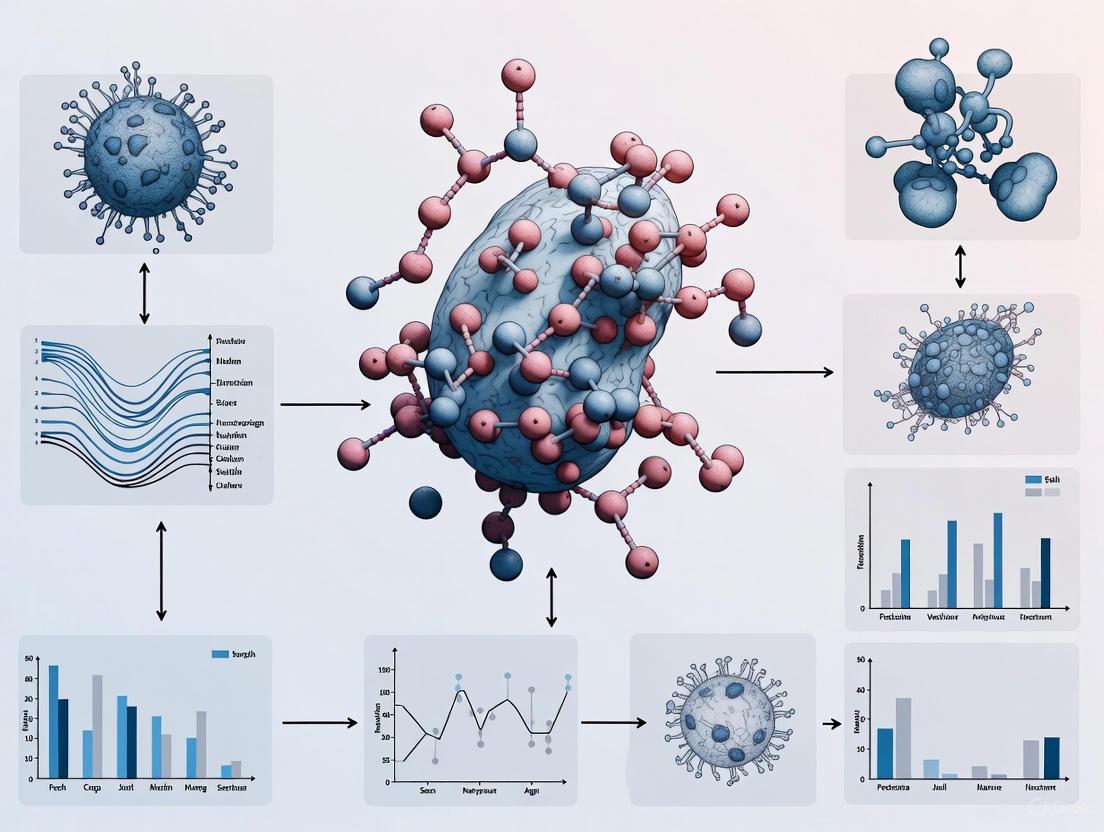
This article provides a comprehensive analysis of modern methodologies for preserving parasite eggs in permafrost and analogous frozen conditions, addressing a critical need for biomedical and paleoparasitological research.
Permafrost Preservation of Parasite Eggs: Techniques for Viability, DNA Recovery, and Biomedical Research
Abstract
This article provides a comprehensive analysis of modern methodologies for preserving parasite eggs in permafrost and analogous frozen conditions, addressing a critical need for biomedical and paleoparasitological research. It explores the foundational science of long-term cryobiosis, as evidenced by nematodes revived after 46,000 years in Siberian permafrost. The content details a multimethod toolkit—encompassing microscopy, ELISA, and sedimentary ancient DNA (sedaDNA) with targeted capture—for maximizing parasite detection and taxonomic recovery from ancient samples. A comparative evaluation of preservation media, storage temperatures, and oxygen conditions offers practical guidance for optimizing egg viability and genetic material integrity. Finally, the article validates these approaches through direct comparisons of morphological and molecular analysis outcomes, presenting a consolidated resource for researchers in parasitology, drug development, and ancient pathogen studies.
The Science of Survival: How Parasite Eggs Endure Millennia in Permafrost
This technical support guide synthesizes key findings from the groundbreaking study of Panagrolaimus kolymaensis, a nematode revived from 46,000-year-old Siberian permafrost [1] [2]. The research provides a foundational model for improving the preservation of parasitic eggs and other biological materials under prolonged frozen conditions. The core discovery is that these nematodes employ a state of cryptobiosis, a reversible ametabolic state, to survive geological time scales [3] [4]. The molecular toolkit for this survival, particularly the biosynthesis of the sugar trehalose, is partly orthologous to the model organism C. elegans, indicating a conserved evolutionary adaptation to extreme desiccation and freezing [1] [5]. The following sections are designed to help you troubleshoot and optimize your own preservation protocols based on these insights, directly supporting thesis research aimed at enhancing parasite egg preservation in permafrost-mimicking conditions.
Key Experimental Protocols and Workflows
Core Protocol: Reviving Nematodes from Frozen State
The following workflow details the methodology used to successfully revive the ancient P. kolymaensis and can be adapted for reviving other cryopreserved nematodes in a lab setting [3] [2].
- Thawing: The permafrost sample containing the nematodes is gently warmed to room temperature (approx. 20-25°C). For modern nematodes cryopreserved in liquid nitrogen, rapidly thaw the cryotube by gently swirling it in a 37°C water bath until just thawed, then immediately proceed to the next step [7].
- Rehydration: For samples revived directly from a desiccated state, add a small amount of sterile water or M9 buffer to rehydrate the worms.
- Plating and Cultivation: Transfer the revived nematodes onto Nematode Growth Medium (NGM) agar plates seeded with a lawn of E. coli OP50 (or other suitable feeding bacteria) as a food source.
- Incubation and Observation: Incubate the plates at the standard growing temperature for the species (e.g., 20°C for C. elegans). Monitor the plates daily under a microscope for signs of movement, feeding, and reproduction. Successful revival is confirmed by the observation of normal behaviors and the presence of offspring.
Core Protocol: Inducing Cryptobiosis in Laboratory Nematodes
This protocol, derived from experiments with both P. kolymaensis and C. elegans, describes how to precondition and freeze nematodes to maximize survival in a cryptobiotic state [3] [1].
- Preconditioning: A critical step for enhancing survival. Gently expose nematodes (e.g., C. elegans dauer larvae) to mild desiccation before freezing. This stress triggers the molecular pathways necessary for cryptobiosis, including the production of trehalose.
- Freezing Buffer Preparation: Prepare a freezing solution. A standard laboratory formulation includes Dextran and Dimethyl sulfoxide (DMSO) in water [6]. For studies focusing on trehalose, a solution of 0.2 M - 0.4 M trehalose in buffer can be used [7].
- Sample Transfer: Wash worms from plates and concentrate them by gentle centrifugation (e.g., 2 min at 450 g). Remove the supernatant and resuspend the worm pellet in the freezing solution. Aliquot into cryotubes.
- Controlled Freezing: Place the cryotubes in an insulated container (e.g., a styrofoam rack) and place directly in a -80°C freezer. This slows the cooling rate, improving viability. For some protocols, flash-freezing in liquid nitrogen is used [7].
- Long-Term Storage: After initial freezing, tubes can be moved to permanent storage in a -80°C freezer or a liquid nitrogen tank for indefinite preservation.
The Scientist's Toolkit: Research Reagent Solutions
The table below lists key materials and reagents used in the featured studies for nematode cryptobiosis research and cryopreservation.
| Reagent/Material | Function/Benefit in Experiment | Application Note |
|---|---|---|
| Trehalose | A non-permeating disaccharide that stabilizes proteins and cell membranes, prevents ice crystal formation, and serves as a carbon source [3] [7]. | Use at 0.2 M - 0.4 M concentration in freezing buffer. Critical for inducing anhydrobiosis [7]. |
| DMSO (Dimethyl sulfoxide) | A permeating cryoprotective agent (CPA) that diffuses across membranes, reduces intracellular ice formation, and protects against freezing damage [6]. | Often used in combination with other agents (e.g., Dextran). Standard concentration is ~10% (v/v) [6]. |
| Dextran | A non-permeating cryoprotectant that increases solution viscosity, inhibiting ice crystal growth and protecting cells [6]. | Used at 10% (w/v) in freezing solutions in combination with DMSO for nematode cryopreservation [6]. |
| NGM Agar Plates | Standard growth medium for culturing nematodes in the laboratory. Provides a solid substrate and nutrients [6]. | Should be seeded with a bacterial lawn (e.g., E. coli OP50) as a food source post-revival [6]. |
| M9 Buffer | A standard saline solution used for washing, re-suspending, and handling nematodes without causing osmotic shock [6]. | Used for washing worms before cryopreservation and as a base for thawing solutions [6]. |
| L-Glutamine | An amino acid added to thawing solution, potentially aiding cellular recovery and reducing post-thaw stress [6]. | Used at 75 mg per 250 ml of M9 buffer in the thawing process [6]. |
Survival and Longevity Data
A summary of key quantitative findings on nematode survival under extreme conditions.
| Organism | Condition | Survival Duration | Key Parameter |
|---|---|---|---|
| P. kolymaensis (This Study) | Frozen in Permafrost | ~46,000 years [1] [4] | Age confirmed by radiocarbon dating of plant material from the burrow [1]. |
| P. kolymaensis & C. elegans | Laboratory Freezing at -80°C | >480 days (and potentially much longer) [3] | Survival was dependent on a preconditioning (mild drying) step before freezing [3]. |
| C. elegans Dauer Larvae | Suspended Animation | Longer than previously documented [1] | Confirmed viability extends known limits for this model organism in lab settings [1]. |
| Plectus murrayi (Antarctic species) | Frozen at -20°C | 25.5 years [1] [2] | Previous longest record of cryptobiosis for a nematode [4]. |
Trehalose as a Cryoprotectant: Efficacy Data
Data on the use of trehalose for cryopreservation of trypanosomes, demonstrating its utility as a cryoprotectant [7].
| Organism / Cell Type | Cryoprotectant Solution | Freezing Method | Survival / Infectivity Outcome |
|---|---|---|---|
| T. brucei (Procyclic Form) | 0.2 M Trehalose | Not Specified | Showed the best growth characteristic during subsequent cultivation [7]. |
| T. brucei (Bloodstream Form in host blood) | 0.4 M Trehalose + 5% Glycerol | Flash freezing in Liquid Nitrogen | Higher infectivity to hosts than trehalose/DMSO cocktails or individual agents [7]. |
| T. brucei (Bloodstream Form) | Flash vs. Slow Freezing | Flash freezing in Liquid Nitrogen vs. Slow freezing at -80°C | Flash freezing provided better cryopreservation for bloodstream form cells [7]. |
Frequently Asked Questions (FAQs) and Troubleshooting
Q1: The revival rate of my cryopreserved nematodes is very low. What is the most critical step I might be missing? A: The most likely issue is the omission of a preconditioning or mild desiccation step before freezing [3]. Giving the worms time to dry out slightly before freezing gears them up for cryptobiosis by triggering the upregulation of trehalose biosynthesis and other protective pathways [1]. Ensure your protocol includes this preparatory phase.
Q2: Why is trehalose emphasized over other cryoprotectants like glycerol or DMSO? A: Trehalose is a naturally occurring sugar in many cryptobiotic organisms. It acts as a biostabilizer, protecting cells by forming a glassy matrix that prevents the denaturation of proteins and fusion of membranes during desiccation and freezing [3] [7]. While DMSO and glycerol are effective permeating agents, trehalose is often less toxic and mimics the natural protection mechanism of these nematodes [7].
Q3: My revived nematodes are not reproducing. What could be wrong? A: Check the following:
- Food Source: Ensure your NGM plates are freshly seeded with a healthy, uncontaminated lawn of feeding bacteria (e.g., OP50) [6].
- Oxidative Stress: The thawing process can induce oxidative damage. Consider using a thawing solution supplemented with L-Glutamine, which may aid cellular recovery [6].
- Incubation Temperature: Confirm that the plates are being kept at the optimal temperature for your nematode species.
Q4: How can I be sure that the revived ancient nematodes aren't modern contaminants? A: This was a primary concern addressed in the original study [5]. The researchers used rigorous sterility procedures during sampling. The age was established not by dating the worm itself, but by accelerator mass spectrometry (AMS) radiocarbon dating of plant material found sealed within the same fossil burrow, providing a reliable geological context [1] [2]. For your own experiments, always include negative controls (e.g., buffer without worms put through the same process) to rule out contamination.
Q5: How can these findings directly apply to my research on preserving parasite eggs? A: The core insight is the conserved molecular toolkit for cryptobiosis. By understanding the genes and biochemical pathways (like trehalose synthesis and gluconeogenesis) that enable long-term survival in nematodes, you can develop strategies to induce similar stasis in parasite eggs [1] [2]. This could involve priming eggs with trehalose or modulating their environment to trigger their own dormant states, significantly extending viable storage times for research purposes.
Technical Support Center: FAQs & Troubleshooting Guides
This technical support center is designed for researchers utilizing permafrost environments for the long-term preservation of biological materials, with a specific focus on parasitological research. The following FAQs and guides address common experimental challenges.
Section 1: Core Principles and Sample Integrity
FAQ 1: What specific properties of permafrost make it a suitable natural cryobank for parasite eggs?
Permafrost, defined as ground remaining at or below 0°C for at least two consecutive years, provides a unique set of conditions ideal for preservation [8] [9]. Its utility as a cryobank is due to the following characteristics:
- Stable Sub-Zero Temperatures: The consistently low temperatures dramatically reduce biological and chemical reaction rates, effectively putting biological activity on hold for millennia [10] [9].
- Cryogenic Entombment: Ice-rich sediments act as a physical barrier, suspending materials like parasite eggs, bacteria, and organic tissue in a state of "cryo-sleep" and preventing their decay [9]. This cryogenic environment can preserve materials for tens of thousands of years [9].
- Anoxic Conditions: The ice matrix limits oxygen availability, reducing oxidative damage that can degrade biological samples over time.
FAQ 2: How can I assess the preservation quality and potential contamination of a permafrost sampling site?
Evaluating your site is crucial for reliable data. Key indicators are summarized in the table below.
Table 1: Permafrost Site Assessment Checklist
| Factor to Assess | Ideal Condition | Potential Risk | Verification Method |
|---|---|---|---|
| Thermal Stability | Consistent, long-term temperatures below 0°C [8]. | Active layer thinning; recent thaw events. | Ground temperature monitoring; remote sensing data [11]. |
| Ice Content | High ice content within silt and loess (dirt carried by wind) [9]. | Sandy, low-ice substrates with higher permeability. | Visual inspection; ground-penetrating radar [9]. |
| Structural Integrity | Stable, unbroken ground ("hard as a rock") [9]. | Visible cracks, slumping, or erosion. | Geomorphological survey; historical imagery analysis [11]. |
| Contamination | Absence of modern bioturbation or human activity. | Presence of modern plant roots or disturbances. | Stratigraphic analysis during sampling. |
Section 2: Methodological Protocols and Workflow
Troubleshooting Guide 1: Recovering Parasite Eggs from Permafrost Sediments
A multimodal approach, as demonstrated in paleoparasitology studies, yields the most comprehensive results [12]. The following protocol and workflow diagram outline the core process.
Sample Collection:
- Procedure: Collect sediment samples from a clean, frozen profile. Use sterile tools to avoid cross-contamination. For intestinal parasites, target paleofecal material, soil from the pelvic area of skeletons, or latrine fill deposits [12] [13].
- Troubleshooting: If the sample is too hard, use a coring drill designed for frozen ground [9]. Samples should be kept frozen during transport and storage.
Microscopy for Helminth Eggs:
- Procedure:
- Troubleshooting: This is the most effective method for identifying helminth eggs but may miss protozoa or degraded specimens [12]. If eggs are fragmented, increase the sample size for analysis.
Enzyme-Linked Immunosorbent Assay (ELISA) for Protozoa:
- Procedure:
- Troubleshooting: ELISA is highly sensitive for detecting protozoan antigens that cause diarrheal illness and is necessary where microscopy fails [12].
Sedimentary Ancient DNA (sedaDNA) Analysis:
- Procedure:
- Subsample 0.25 g of material in a dedicated ancient DNA facility to prevent contamination [12].
- Use garnet PowerBead tubes and a lysis buffer with bead beating for 15 minutes to physically disrupt the sediment and parasite eggs [12].
- Add proteinase K and incubate overnight at 35°C [12].
- Purify DNA using a silica-column-based method after centrifugation with a high-volume binding buffer to remove inhibitors [12].
- Prepare DNA libraries and use targeted enrichment with parasite-specific baits before high-throughput sequencing [12].
- Troubleshooting: This method can confirm species identification and reveal parasite diversity missed by other methods [12]. If DNA yield is low, increase the bead-beating time or use a more extensive targeted enrichment panel.
- Procedure:
The logical workflow for integrating these methods is as follows:
Diagram 1: Multimethod workflow for analyzing parasites in permafrost.
Section 3: The Scientist's Toolkit
Research Reagent Solutions and Essential Materials
Successful recovery and analysis of parasites from permafrost require specific reagents and tools. The following table details key items and their functions.
Table 2: Essential Research Reagents and Materials
| Item | Function / Application | Technical Notes |
|---|---|---|
| Cryovials | Containment of biological samples for ultra-low temperature storage [14]. | Select medical-grade polypropylene, DNase/RNase/endotoxin-free, leak-proof, and externally threaded vials with clear identification patches [14]. |
| Trisodium Phosphate (0.5%) | Disaggregation solution for rehydrating and breaking down sediment samples before microscopy and ELISA [12]. | Allows for the release of parasite eggs from the sediment matrix without destroying their morphology [12]. |
| Garnet PowerBead Tubes | Physical disruption of the organo-mineralized sediment and tough parasite eggs during DNA extraction [12]. | Bead beating is critical for liberating sedaDNA from complex samples and has been shown to improve recovery [12]. |
| Silica Columns | Binding and purification of DNA after extraction from the sediment lysate [12]. | Used in conjunction with a high-volume binding buffer to separate DNA from enzymatic inhibitors common in sediments and feces [12]. |
| Parasite-Specific DNA Baits | Targeted enrichment of parasite DNA from total extracted sedaDNA prior to sequencing [12]. | Avoids the high cost of deep shotgun sequencing and allows for the recovery of low-abundance parasite DNA [12]. |
| ELISA Kits | Immunological detection of specific protozoan antigens (e.g., Giardia, Cryptosporidium) [12]. | Highly sensitive method for detecting protozoa that are difficult to identify via microscopy alone [12]. Use kits designed for modern fecal samples. |
Troubleshooting Guide 2: My sedaDNA analysis shows no parasite DNA. What are the potential causes?
This is a common challenge. Work through the following checklist:
- Assess Sample Quality: Was the sample taken from a context with high fecal content (e.g., latrine, coprolite, pelvic soil)? Parasite DNA is often in low abundance [12]. Refer to Table 1 for site selection.
- Verify Bead-Beating Step: Ensure the bead-beating step during DNA extraction was sufficiently vigorous and lengthy. This is crucial for breaking open resilient parasite eggs [12].
- Check for Inhibitors: Sediments are rich in humic acids and other substances that inhibit enzymatic reactions. Confirm that the centrifugation and purification steps with high-volume binding buffer were performed correctly to remove these inhibitors [12].
- Review Enrichment Specificity: If using targeted enrichment, verify that the bait set is comprehensive and covers the parasite taxa you expect to find [12].
- Confirm Facility Protocols: All sedaDNA work must be conducted in a dedicated ancient DNA facility with strict unidirectional workflow and decontamination protocols (e.g., UV radiation, sodium hypochlorite cleaning) to rule out modern contamination [12].
Trehalose is a non-reducing disaccharide, composed of two glucose molecules linked by an α,α-1,1-glycosidic bond, that serves critical protection roles across various organisms [15] [16]. This sugar is renowned for its ability to preserve cellular integrity under extreme stresses such as desiccation, freezing, and oxidative damage [17] [16]. Research into its mechanisms is pivotal for advancing preservation technologies, particularly for specialized applications like parasite egg preservation in permafrost conditions, where long-term viability is paramount.
This technical support center document provides troubleshooting guides, detailed protocols, and FAQs to support researchers in harnessing trehalose's protective properties for their experiments in cryopreservation and anhydrobiosis.
Troubleshooting Common Experimental Challenges
Table 1: Troubleshooting Guide for Trehalose-Based Experiments
| Problem | Potential Cause | Suggested Solution |
|---|---|---|
| Low cell viability after cryopreservation with trehalose [16] | Trehalose failing to provide intracellular protection due to low membrane permeability. | Use trehalose delivery enhancers: cell-penetrating peptides, encapsulation techniques, or selective permeabilization [16]. |
| Inconsistent cryptobiosis induction in nematodes [1] [2] | Lack of a mild dehydration "preconditioning" phase before freezing/desiccation. | Implement a controlled, mild dehydration step prior to the main stress event to trigger protective trehalose synthesis [1] [2]. |
| High levels of oxidatively damaged proteins after stress [17] | Insufficient trehalose accumulation within cells to scavenge free radicals. | Pre-accumulate trehalose by applying a mild heat shock (e.g., 38°C) or use a proteasome inhibitor like MG132 prior to oxidative stress [17]. |
| Detrimental effects on cells at high trehalose concentrations [16] | High osmotic pressure causing cellular damage. | Optimize trehalose concentration; for many cell types, an effective range is 100 mM to 400 mM [16]. |
| Poor growth of S. cerevisiae on trehalose as a carbon source [18] | Ineffective hydrolysis of extracellular trehalose. | Ensure the growth medium is buffered at an acidic pH (~pH 4.5-5.0) to optimize acid trehalase (Ath1p) activity [18]. |
Essential Experimental Protocols
Protocol: Inducing Oxidative Stress Resistance in Yeast via Trehalose Accumulation
This methodology is adapted from studies demonstrating that pre-accumulated trehalose significantly increases viability upon exposure to oxygen radicals [17].
Key Materials:
- Strain: Wild-type Saccharomyces cerevisiae.
- Equipment: Shaking incubator capable of maintaining 28°C and 38°C, cell viability assay equipment (e.g., hemocytometer for dye exclusion, colony counter).
- Reagents:
- MG132 proteasome inhibitor or materials for heat shock.
- Free radical-generating system: 10-50 mM H₂O₂ and an iron source (e.g., FeSO₄).
- Standard growth medium (e.g., YPD).
Step-by-Step Procedure:
- Culture Cells: Grow a wild-type S. cerevisiae culture in standard medium at 28°C to mid-log phase.
- Induce Trehalose Accumulation: Split the culture and apply one of the following stresses for a defined period (e.g., 60-90 minutes):
- Return to Baseline: Remove the stressor. For heat shock, return cells to 28°C. For chemical induction, remove MG132 by washing the cells.
- Apply Oxidative Stress: Expose both the pre-stressed (trehalose-rich) and control (unstressed) cells to a free radical-generating system (e.g., H₂O₂/iron) [17].
- Assay Viability: Measure and compare cell viability between the pre-stressed and control groups immediately after oxidative stress. Methods include plating for colony-forming units (CFUs) or using vital dyes.
Technical Notes:
- Confirm trehalose accumulation in pre-stressed cells using biochemical assays (e.g., anthrone method) for correlation with viability data.
- Include a trehalose synthesis mutant strain (e.g., tps1Δ) as a negative control to confirm the specific role of trehalose [17].
Protocol: Mimicking Natural Cryptobiosis in Nematodes
This protocol is inspired by the mechanisms observed in the nematode Panagrolaimus kolymaensis, which was revived from 46,000-year-old permafrost [1] [2].
Key Materials:
- Organism: Nematodes (e.g., Caenorhabditis elegans dauer larvae or Panagrolaimus species).
- Equipment: Controlled humidity chamber, low-temperature freezer (-80°C).
- Reagents: Trehalose, reagents for trehalose quantification.
Step-by-Step Procedure:
- Preconditioning: Subject nematodes to a period of mild dehydration. This step is critical for triggering the transcriptional and biochemical reprogramming necessary for trehalose synthesis and stress tolerance [1] [2].
- Trehalose Quantification: Harvest a subset of preconditioned nematodes and measure their internal trehalose content. Compare this to non-preconditioned controls to verify upregulation [2].
- Induction of Cryptobiosis: Expose the preconditioned nematodes to the primary stressor:
- Reanimation & Viability Assessment: After the desired preservation period, rehydrate and/or thaw the nematodes. Assess viability by monitoring movement, resumption of feeding behavior, or reproductive capability over subsequent days [1] [19].
Technical Notes:
- The preconditioning step must be optimized for the specific nematode species and strain, as the tolerance to dehydration levels can vary.
- The use of isotonic solutions containing trehalose in the external medium can provide additional extracellular protection during freezing [16].
Visualization of Key Mechanisms
Trehalose Cellular Protection Mechanism
The diagram above illustrates how trehalose accumulation, triggered by cellular stress, leads to protection through three primary, interconnected mechanisms.
Research Reagent Solutions
Table 2: Essential Research Reagents for Trehalose Studies
| Reagent / Tool | Function / Description | Experimental Application |
|---|---|---|
| Acid Trehalase (Ath1p) [15] [18] | Hydrolyzes extracellular trehalose at low pH (optimum ~4.5). | Studying trehalose catabolism in yeast; key for growth on trehalose as a carbon source [18]. |
| Neutral Trehalase (Nth1p) [15] [18] | Hydrolyzes intracellular trehalose at neutral pH (optimum ~7.0). | Investigating mobilization of intracellular trehalose stores in yeast; regulated by cAMP-dependent phosphorylation [15]. |
| Trehalose-6-Phosphate Synthase (TPS Complex) [18] | Enzyme complex responsible for the synthesis of trehalose. | Genetic studies on trehalose biosynthesis; mutants (e.g., tps1Δ) are used as negative controls [17]. |
| MG132 Proteasome Inhibitor [17] | Chemical inducer of cellular trehalose accumulation. | Used as an alternative to heat shock to pre-accumulate trehalose and study its protective effects [17]. |
| Cell-Penetrating Peptides (CPPs) [16] | Enhances intracellular delivery of impermeable trehalose. | Improving efficacy of trehalose in cryopreservation of mammalian cells by facilitating intracellular delivery [16]. |
Frequently Asked Questions (FAQs)
Q1: Why is trehalose more effective than other sugars like sucrose in cryopreservation? Trehalose's unique molecular structure, featuring a 1,1-glycosidic bond, makes it exceptionally stable and non-reactive. It possesses a high glass transition temperature (Tg) and excels at forming a stable glassy state (vitrification) that prevents ice crystal formation. Furthermore, its molecular geometry allows it to effectively replace water molecules, hydrogen-bonding to phospholipids and proteins to stabilize membranes and prevent denaturation during desiccation, a property known as the "water replacement hypothesis" [16] [20].
Q2: How does trehalose provide protection against oxidative damage? Trehalose acts as a direct free radical scavenger. Studies in yeast have shown that cells pre-accumulating trehalose exhibit significantly less protein damage and higher viability upon exposure to a free radical-generating system (H₂O₂/iron). Mutants unable to synthesize trehalose are far more sensitive to oxygen radicals, demonstrating trehalose's specific role in mitigating oxidative damage [17].
Q3: What is the relevance of nematode cryptobiosis to parasite egg preservation? The recent discovery of Panagrolaimus kolymaensis, a nematode revived from 46,000-year-old Siberian permafrost, provides a real-world proof-of-concept for multicellular organism preservation over geological timescales [1] [19] [2]. This nematode, along with lab models like C. elegans, utilizes trehalose biosynthesis as a core adaptive mechanism to survive freezing and desiccation. Understanding and applying these natural biochemical pathways can directly inform strategies for long-term parasite egg preservation in simulated permafrost conditions.
Q4: How can I overcome the challenge of trehalose's low membrane permeability in my cell culture experiments? Since trehalose is a polar molecule that does not readily cross the plasma membrane, researchers have developed innovative delivery methods. These include co-incubating cells with trehalose and cell-penetrating peptides, using encapsulation techniques, or chemically modifying trehalose to create more permeable analogs. These approaches are designed to facilitate intracellular delivery, which is crucial for optimal cryoprotection [16].
Troubleshooting Guide: Cryptobiosis Induction and Reanimation
Q1: My nematode samples are not surviving the cryptobiosis induction process. What could be going wrong?
A: The most common error is the omission of a proper preconditioning phase. Successful cryptobiosis in Panagrolaimus kolymaensis relies on a preparatory period of mild desiccation before deep freezing [1] [2]. This preconditioning triggers a vital remodeling of the transcriptome and proteome, activating survival pathways. Ensure you are not moving samples directly from hydrated conditions to ultralow temperatures.
Q2: After reanimation, my specimens are not viable. How can I improve revival rates?
A: Viability hinges on the biochemical preparations for cryptobiosis. Focus on the trehalose pathway. Both P. kolymaensis and the model organism C. elegans survive freezing by upregulating genes involved in trehalose biosynthesis [1] [2] [5]. Trehalose sugar acts as a molecular shield, stabilizing proteins and cell membranes during desiccation and freezing. Confirm that your induction protocol adequately stimulates this trehalose production.
Q3: How can I be sure that a revived nematode from permafrost is truly ancient and not a modern contaminant?
A: This is a critical methodological concern. To confirm the age of the specimens, use Accelerator Mass Spectrometry (AMS) radiocarbon dating on the organic plant material found within the same, undisturbed sediment layer as the nematodes [2] [5]. For P. kolymaensis, this dating provided a calibrated age of 45,839–47,769 years [2]. Meticulous sterile sampling techniques are essential to exclude modern contaminants during collection [5].
Frequently Asked Questions (FAQs)
Q1: What is the maximum documented time a nematode has survived in cryptobiosis?
A: Prior to this study, the longest recorded survival for a nematode was 39 years. The revival of Panagrolaimus kolymaensis from Siberian permafrost, dated to approximately 46,000 years, has shattered previous records [1] [2] [4].
Q2: What survival mechanisms do these nematodes use?
A: They employ a state called cryptobiosis, a reversible suspension of metabolism [1] [2]. The key molecular mechanism involves the synthesis and utilization of the sugar trehalose, which protects cellular structures from damage caused by desiccation and ice crystal formation [3] [5].
Q3: Could this research have practical applications beyond understanding basic biology?
A: Yes. The biochemical pathways discovered, particularly those involving trehalose stabilization, can directly inform the improvement of cryopreservation protocols. This has significant implications for biobanking, including the preservation of cells, tissues, and other biological materials with less risk and fewer chemical additives [3].
Q4: How was the age of the Panagrolaimus kolymaensis specimens determined?
A: The age was determined via precise radiocarbon dating of plant material extracted from the same fossil burrow where the nematodes were found. This provided a direct date of ~46,000 years before present [1] [2] [4].
Table 1: Key Quantitative Findings from the P. kolymaensis Study
| Parameter | Value | Context and Significance |
|---|---|---|
| Age of Specimens | 46,000 years | Calibrated radiocarbon age range of 45,839–47,769 cal BP [2]. Establishes a new longevity record for nematode cryptobiosis. |
| Sampling Depth | ~40 meters | Depth below surface in undisturbed late Pleistocene permafrost where the specimen was found [2]. |
| Laboratory Survival | > 100 generations | The original revived nematode was successfully cultivated for over 100 generations in the lab [2]. |
| C. elegans Frozen Survival | 480 days | C. elegans dauer larvae pre-conditioned by desiccation survived freezing at -80°C for this duration [3]. |
Table 2: Comparative Cryptobiosis in Nematodes
| Species | Maximum Reported Survival Time | Condition |
|---|---|---|
| Panagrolaimus kolymaensis | ~46,000 years | Frozen in Siberian permafrost [1] [2] |
| Tylenchus polyhypnus | 39 years | Desiccated in an herbarium specimen [1] [2] |
| Plectus murrayi | 25.5 years | Frozen in moss at -20°C [1] [2] |
| Caenorhabditis elegans | 480 days (Lab induced) | Pre-conditioned and frozen at -80°C in laboratory experiments [3] |
Experimental Protocols
Protocol 1: Induction of Cryptobiosis in Nematodes
This protocol is adapted from the methods used to study P. kolymaensis and C. elegans [1] [3] [2].
Principle: Induce a state of anhydrobiosis (life without water) through controlled desiccation as a precursor to achieving cryobiosis (survival of freezing).
Steps:
- Pre-conditioning: Transfer nematodes (e.g., dauer larvae of C. elegans) to a mildly desiccating environment. This is not rapid drying but a gradual process that signals the organism to initiate protective biochemical responses [1] [2].
- Biochemical Activation: During pre-conditioning, the nematodes will upregulate genes for trehalose biosynthesis and gluconeogenesis. Trehalose accumulation is critical for success [2] [5].
- Desiccation: After the pre-conditioning period, subject the nematodes to further desiccation until most cellular water is lost.
- Freezing: Once desiccated, the samples can be frozen at ultralow temperatures (e.g., -80°C) for long-term storage. The pre-conditioning and desiccation dramatically increase survival rates upon freezing [3].
Protocol 2: Radiocarbon Dating of Permafrost Samples
This protocol outlines the process used to date the material associated with the nematodes [2].
Principle: Measure the decay of the radioactive carbon-14 isotope in organic material to determine the time that has passed since the material was frozen.
Steps:
- Sterile Sampling: Collect permafrost sediment cores using sterile techniques to prevent modern contamination. Target specific, undisturbed features like fossil burrows for higher contextual reliability [2] [5].
- Organic Material Separation: Carefully extract plant fragments or other organic detritus from the immediate vicinity of where the nematodes were found.
- AMS Radiocarbon Dating: Submit the purified plant material for Accelerator Mass Spectrometry (AMS) analysis. This technique provides a highly precise measurement of the remaining 14C, yielding a radiocarbon age (e.g., 44,315±405 BP) [2].
- Calibration: Calibrate the radiocarbon age against standard curves to determine the calibrated calendar age range (e.g., 45,839–47,769 cal BP) [2].
Signaling Pathway and Experimental Workflow
Cryptobiosis Induction and Recovery Pathway
The Scientist's Toolkit: Research Reagent Solutions
Table 3: Essential Materials for Cryptobiosis Research
| Reagent / Material | Function in Research |
|---|---|
| Trehalose | A non-reducing disaccharide sugar that acts as a molecular protectant by vitrifying upon desiccation, stabilizing proteins and membrane structures. Its biosynthesis is a cornerstone of cryptobiotic survival [3] [5]. |
| Sterile Permafrost Sampling Kits | Critical for obtaining uncontaminated ancient biological samples. Includes sterile corers, containers, and cold-chain logistics to prevent introduction of modern contaminants during collection [2]. |
| Radiocarbon Dating Standards | Certified reference materials used for calibrating Accelerator Mass Spectrometry (AMS) during the precise dating of organic matter associated with revived specimens [2] [5]. |
| Cryptobiosis Induction Chambers | Controlled-environment systems that allow researchers to precisely manage temperature and humidity to apply gradual desiccation pre-conditioning to nematodes [1] [2]. |
Implications for Parasite Egg Longevity and Infectivity Potential
Frequently Asked Questions (FAQs)
Q1: What is the documented evidence for long-term survival of nematode eggs in permafrost? A1: Research has confirmed that nematodes can survive for extremely long periods in Siberian permafrost. A novel species, Panagrolaimus kolymaensis, was reanimated after an estimated 46,000 years in cryptobiosis, determined via radiocarbon dating of plant material from its burrow to 45,839–47,769 calibrated years before present [2] [1] [21]. These findings demonstrate that nematode life can be suspended over geological timescales.
Q2: What are the key molecular mechanisms enabling long-term survival in permafrost conditions? A2: The primary molecular toolkit for cryptobiosis involves the upregulation of trehalose biosynthesis and gluconeogenesis [2] [1]. Trehalose, a non-reducing sugar, acts as a protectant, stabilizing cellular structures and membranes during desiccation and freezing. Comparative genome analysis between P. kolymaensis and C. elegans has shown that these mechanisms are partly orthologous, meaning they are shared across species [2] [21].
Q3: Does pre-treatment improve survival rates before freezing? A3: Yes, preconditioning through mild desiccation is a critical step that significantly improves survival rates at ultra-low temperatures. This process induces a specific remodeling of the transcriptome, proteome, and metabolic pathways, preparing the organism for cryptobiosis [2] [1]. Laboratory tests showed that this treatment helped P. kolymaensis and C. elegans dauer larvae survive at -80°C [21].
Q4: How does phenotypic plasticity influence survival in freezing conditions? A4: Phenotypic plasticity, such as the ability to alter developmental pathways based on environmental cues, is a key survival trait. For the nematode Marshallagia marshalli, eggs that develop and hatch directly as the third larval stage (L3) show significantly higher freeze tolerance than hatched first-stage larvae (L1s) [22]. The eggshell provides protection, and retaining the vulnerable L1 inside the egg until it has developed into the hardier L3 stage constitutes a fitness advantage in sub-zero environments [22].
Troubleshooting Guides
Issue 1: Low Post-Thaw Viability in Laboratory Experiments
Potential Causes and Solutions:
- Cause: Inadequate preconditioning before freezing.
- Cause: Insufficient trehalose accumulation.
- Cause: Rapid freezing or thawing rates causing ice crystal formation.
- Solution: Utilize a controlled-rate freezer for a slow cooling process and employ a rapid thawing technique in a water bath at 35-37°C to minimize recrystallization damage.
Issue 2: Inconsistent Results in Freeze-Tolerance Assays
Potential Causes and Solutions:
- Cause: Unaccounted-for variation in the developmental stages used in assays.
- Solution: Strictly synchronize the culture of nematodes or parasite eggs. When working with parasites like M. marshalli, note that survival varies significantly between stages (e.g., eggs vs. L1s vs. L3s) [22]. The table below summarizes critical survival data from a related nematode.
| Nematode Stage | Temperature | Exposure Duration | Key Survival Finding |
|---|---|---|---|
| Eggs | -9°C, -20°C | 1 to 30 days | Survival rates were significantly higher than hatched L1s [22]. |
| L3s | -9°C, -20°C | 1 to 30 days | Survival rates were significantly higher than hatched L1s [22]. |
| Hatched L1s | -9°C, -20°C | 1 to 30 days | Showed the lowest survival rates at these temperatures [22]. |
| Unhatched L1s | -9°C, -20°C | 1 to 30 days | Survival was significantly higher than hatched L1s, indicating egg protection [22]. |
- Cause: Contamination of samples during extraction from permafrost or host feces.
- Solution: Perform all extraction and handling procedures in a sterile laminar flow hood. Use sterile tools and solutions to prevent the introduction of modern microbes [2].
Experimental Protocols
Protocol 1: Preconditioning and Cryptobiosis Induction in Nematodes
This protocol is adapted from laboratory procedures used to successfully induce cryptobiosis in Panagrolaimus kolymaensis and C. elegans [2] [1] [21].
1. Objective: To enhance the freeze tolerance of nematodes by inducing a cryptobiotic state through mild desiccation.
2. Materials:
- Synchronized population of nematodes (e.g., dauer larvae for C. elegans).
- Nematode Growth Medium (NGM) plates.
- Sterile M9 buffer or distilled water.
- Slow-desiccation chambers (e.g., sealed boxes containing saturated salt solutions to maintain ~98% relative humidity).
- Controlled-rate freezer or -80°C freezer.
3. Methodology:
- Step 1: Preconditioning. Transfer synchronized nematodes from NGM plates to a sterile solution. Place them in a slow-desiccation chamber at a constant temperature (e.g., 20°C) for 24-48 hours. This gradual water loss triggers the molecular response for desiccation tolerance.
- Step 2: Freezing. After preconditioning, transfer the samples to a cryovial and place them directly into a -80°C freezer or use a controlled-rate freezer to bring the temperature down slowly (e.g., -1°C per minute).
- Step 3: Storage. Store samples at -80°C for the desired duration.
- Step 4: Reanimation. Rapidly thaw samples by placing cryovials in a 35°C water bath for several minutes. Transfer the content to an NGM plate seeded with E. coli OP50 and assess viability and reproduction after 24-48 hours.
The following diagram illustrates this experimental workflow.
Protocol 2: Assessing Freeze Tolerance in Parasite Eggs
This protocol is based on experiments conducted on the parasitic nematode Marshallagia marshalli to compare the freeze survival of different developmental stages [22].
1. Objective: To quantify and compare the survival rates of parasite eggs and larval stages after exposure to sub-zero temperatures.
2. Materials:
- Purified eggs and larvae (L1, L3) of the target parasite.
- Programmable environmental test chamber capable of sub-zero temperatures.
- Microscope and cell counting slides.
- Faecal culture apparatus.
3. Methodology:
- Step 1: Sample Preparation. Isolate and purify eggs, L1s, and L3s. Count a subsample to determine the initial concentration and viability.
- Step 2: Freezing Exposure. Aliquot samples into thin-walled tubes. Place them in the environmental chamber set to target temperatures (e.g., -9°C, -20°C, -35°C) for varying durations (e.g., 1, 5, 10, 30 days). Include controls kept at optimal growth temperatures.
- Step 3: Post-Thaw Analysis. Thaw samples rapidly. For eggs, use a faecal culture technique to encourage development and hatch, then count the number of developed or hatched larvae. For larval stages, assess motility and structural integrity under a microscope. Calculate the survival rate as a percentage of the control.
Key Signaling Pathways and Molecular Workflow
The transition into cryptobiosis is an active process orchestrated by specific genetic and biochemical pathways. Research on P. kolymaensis and C. elegans has shown that the upregulation of trehalose biosynthesis is central to this process [2] [1]. The diagram below outlines this core adaptive mechanism.
The Scientist's Toolkit: Research Reagent Solutions
The following table lists essential materials and their functions for research in parasite egg preservation and cryptobiosis.
| Item Name | Function/Application |
|---|---|
| Synchronized Nematodes | Provides a developmentally uniform population for consistent experimental results in freeze-thaw assays [2]. |
| Slow-Desiccation Chambers | Creates a controlled high-humidity environment for the vital preconditioning phase that induces cryptobiosis [1]. |
| Trehalose Assay Kit | Quantifies intracellular trehalose levels, a key metabolite for desiccation and freeze tolerance [1] [21]. |
| Controlled-Rate Freezer | Allows for gradual cooling of samples, minimizing thermal shock and ice crystal damage, which is crucial for viability. |
| Saturated Salt Solutions | Used in desiccation chambers to precisely control relative humidity during the preconditioning process. |
| NGM Plates with OP50 | Standard culture medium for reviving, maintaining, and assessing the viability of nematodes post-thaw [2]. |
| Programmable Test Chamber | Enables precise exposure of samples to a range of sub-zero temperatures for defined durations to test freeze tolerance [22]. |
A Multimethod Toolkit: Preserving and Analyzing Parasites from Frozen Samples
Frequently Asked Questions (FAQs)
1. Why is bead beating particularly important for extracting DNA from parasite eggs in sedaDNA samples? Parasite eggs possess a tough, chitinous shell that is difficult to break open by chemical means alone. Bead beating provides a mechanical lysis step, where rapid shaking of the sample with small, hard beads physically disrupts these resilient structures. This process is crucial for releasing the ancient DNA (aDNA) trapped inside the eggs, thereby significantly improving recovery rates. Without this step, DNA yields from parasites can be very low [12].
2. My sedaDNA extracts contain PCR inhibitors. What are they, and what is the most effective removal method? sedaDNA co-extracts substances like humic acids, fulvic acids, and heavy metals from the sediment matrix, which are potent inhibitors of downstream enzymatic reactions like PCR [23] [24]. A highly effective method to remove these inhibitors involves using a high-volume binding buffer (e.g., a Dabney-style buffer) followed by extended centrifugation (for a minimum of 6 hours, up to 24 hours) at refrigerated temperatures (e.g., 4°C). This process precipitates inhibitory compounds, allowing the DNA to remain in the supernatant for subsequent purification [12].
3. I am working with permafrost samples. How should I store and pre-treat them before DNA extraction? For permafrost and other frozen sediments, it is recommended to keep the samples frozen (e.g., at -20°C) until processing. Using frozen sediment, as opposed to refrigerated, has been shown to maximize DNA yield. The freeze-thaw cycles can also contribute to the physical breakdown of cells and micro-fossils, aiding in DNA release [25].
4. What is the advantage of a silica-solution DNA binding method over silica spin columns? Silica-solution binding (often using a silica slurry) provides a greater surface area for DNA to bind compared to the fixed membrane in a spin column. This method is particularly effective at capturing the short, highly fragmented DNA molecules that are characteristic of aDNA, leading to higher recovery rates of endogenous sedaDNA [25] [23].
5. Should I use a metabarcoding or a shotgun metagenomic approach for my sedaDNA study on parasites? The choice depends on your research goals. Metabarcoding (PCR-amplifying a specific barcode gene) is a sensitive and cost-effective method for targeting specific taxonomic groups. However, shotgun metagenomic sequencing, especially when coupled with targeted enrichment using parasite-specific bait panels, allows for a more comprehensive and unbiased reconstruction of parasite diversity. It also enables authenticity checks to confirm the ancient nature of the DNA, which is harder with metabarcoding data [26] [12] [24].
Troubleshooting Guides
Problem: Low DNA Yield After Extraction
| Potential Cause | Diagnostic Steps | Recommended Solution |
|---|---|---|
| Inefficient lysis | Check if sediment pellets or visible egg fragments remain post-extraction. | Optimize the bead-beating protocol. Ensure the use of garnet or zirconia-silicate beads and increase vortexing time (e.g., 15 minutes) or number of bead-beating cycles [25] [12]. |
| Suboptimal binding conditions | Measure DNA concentration in flow-through after silica binding. | Use a high-salt, high-volume binding buffer specifically designed for recovering short DNA fragments. Ensure the pH is correct for silica binding [12]. |
| Incomplete inhibitor removal | Assess DNA extract color; dark brown color suggests residual humics. Perform a qPCR inhibition assay. | Implement a post-lysis centrifugation step (e.g., 4500 rpm for 6-24 hours at 4°C) to pellet inhibitors. Consider adding an extra silica purification step [12]. |
Problem: High Levels of Inhibitors in Final Extract
| Potential Cause | Diagnostic Steps | Recommended Solution |
|---|---|---|
| Inadequate purification | The extract is discolored (yellow/brown), and PCR fails even with diluted template. | Incorporate a commercial inhibitor-removal solution (e.g., Power Beads Solution) into your lysis buffer. This is specifically formulated to co-precipitate inhibitors [23]. |
| High organic content in sediment | This is common in latrine, coprolite, or peaty sediments. | Increase the volume or concentration of the binding buffer relative to the lysate. Re-purify the eluted DNA with a fresh round of silica binding [24]. |
Problem: Poor Endogenous DNA Recovery in Sequencing Data
| Potential Cause | Diagnostic Steps | Recommended Solution |
|---|---|---|
| Wrong library preparation method | Library preparation fails or has very low complexity. | Use a double-stranded library preparation method modified for blunt-end repair to accommodate fragmented aDNA. Consider diluting the DNA extract to mitigate any residual inhibition during library prep [25] [12]. |
| No enrichment for low-abundance targets | Shotgun sequencing shows very few reads mapping to parasites. | Employ a targeted enrichment (hypertension capture) approach using a comprehensive panel of parasite-specific DNA baits. This dramatically increases the proportion of sequencing reads for your organisms of interest [26] [12]. |
Experimental Protocols for Key Steps
Optimized sedaDNA Extraction Protocol for Parasite Eggs
This protocol integrates steps from several established methods to maximize aDNA recovery from complex sediments [25] [12].
Lysis and Digestion:
- Subsample 0.25 g of frozen sediment.
- Transfer to a garnet PowerBead Tube containing 750 µL of a lysis buffer (e.g., 181 mM NaPO4, 121 mM guanidinium isothiocyanate).
- Vortex for 15 minutes for mechanical lysis via bead beating.
- Add Proteinase K (to digest proteins) and incubate with continuous rotation at 35°C overnight.
Inhibitor Removal and DNA Binding:
- Transfer the supernatant to a new tube and mix with a high-volume Dabney-style binding buffer.
- Centrifuge at 4500 rpm for 6-24 hours at 4°C. This critical step precipitates inhibitors.
- After centrifugation, carefully transfer the clear supernatant to a new tube.
DNA Purification:
- Pass the supernatant through a silica column or use a silica-solution method to bind DNA.
- Wash the silica membrane or pellet with an appropriate wash buffer.
- Elute DNA in a low-EDTA TE buffer or molecular grade water (e.g., 50 µL).
Workflow for Targeted Enrichment of Parasite aDNA
For studies focusing on specific parasites, a targeted enrichment approach after shotgun library preparation is highly recommended [26] [12].
Library Preparation:
- Prepare double-stranded Illumina sequencing libraries from the sedaDNA extract.
- Use methods optimized for blunt-end repair and short, damaged DNA fragments.
Target Capture:
- Design or procure a biotinylated RNA bait panel covering the genomes of your target parasites.
- Hybridize the prepared sequencing libraries with this bait panel.
- Use streptavidin-coated magnetic beads to capture the library fragments that bound to the parasite-specific baits.
Amplification and Sequencing:
- Amplify the enriched library.
- Sequence on an Illumina platform to generate high-depth data for the target parasites.
Research Reagent Solutions
The following table lists key reagents and their critical functions in the sedaDNA extraction workflow.
| Reagent / Material | Function in the Protocol |
|---|---|
| Garnet or Zirconia-Silicate Beads | Provides mechanical lysis via bead-beating to break open tough parasite eggs and sediment aggregates [25] [12]. |
| Power Beads Solution / Custom Triton Buffer | A detergent-based buffer used during lysis to help dissolve membranes and co-precipitate PCR inhibitors like humic acids [23] [27]. |
| Guanidinium Isothiocyanate | A chaotropic salt that denatures proteins, inactivates nucleases, and promotes binding of DNA to silica [12]. |
| Proteinase K | A broad-spectrum protease that digests proteins and helps to degrade nucleases that would otherwise destroy DNA [12]. |
| Dabney-Style Binding Buffer | A high-salt, high-volume buffer that creates optimal conditions for the binding of short, fragmented aDNA to silica [12]. |
| Silica Magnetic Beads or Columns | The solid phase to which DNA binds in the presence of chaotropic salts, allowing for purification and removal of contaminants and inhibitors [23] [12]. |
| Low EDTA TE Buffer | A mild, buffered solution used to elute purified DNA from silica; low EDTA prevents inhibition of downstream enzymatic reactions [27]. |
Workflow and Pathway Diagrams
sedaDNA Extraction and Analysis Workflow
Inhibitor Removal and DNA Binding Pathway
Targeted Enrichment and High-Throughput Sequencing for Pathogen Detection
Frequently Asked Questions (FAQs)
FAQ 1: What is the main advantage of using a multimethod approach for pathogen detection in ancient samples? A multimethod approach combines the strengths of different techniques to provide a more comprehensive and accurate profile of pathogen diversity. For example, in paleoparasitology:
- Microscopy is most effective for identifying the eggs of helminths based on their morphological characteristics [12].
- ELISA (Enzyme-Linked Immunosorbent Assay) is highly sensitive for detecting protozoan antigens that cause diarrheal diseases, such as Giardia duodenalis [12].
- sedaDNA with Targeted Enrichment can confirm species identification, detect pathogens missed by other methods, and even identify multiple species within the same genus (e.g., Trichuris trichiura and Trichuris muris) [12].
FAQ 2: In a targeted sequencing workflow, how can I improve DNA recovery from tough samples like parasite eggs? Robust physical and chemical disruption of the sample is crucial. An effective protocol includes [12]:
- Using a lysis buffer and garnet beads in a bead-beating step to mechanically break down the sample matrix and hardy parasite eggs.
- Adding Proteinase K to digest proteins.
- Employing a centrifugation step with a specialized binding buffer to remove enzymatic inhibitors common in sediment and fecal samples, which can significantly increase DNA yield.
FAQ 3: My targeted sequencing results have low on-target rates. What could be the issue? The choice of targeted sequencing method greatly influences performance. The two primary methods have different characteristics [28]:
| Feature | Hybridization Capture | Amplicon Sequencing |
|---|---|---|
| Typical Sensitivity | As low as 1% | As low as 5% |
| On-Target Rate | Lower | Higher |
| Target Uniformity | Better | Lower |
| Best for Panel Size | Very large (practically unlimited targets) | Smaller (up to ~10,000 amplicons) |
Low on-target rates can occur with hybridization capture panels, especially if the panel design or the blocking of non-target DNA is not optimal. For higher on-target rates with smaller gene panels, amplicon sequencing may be a better fit [28].
FAQ 4: Where can I access and analyze my pathogen detection sequencing data? The NCBI Pathogen Detection project is a centralized resource that integrates bacterial and fungal pathogen genomic sequences. It offers several tools [29]:
- Isolates Browser: Search and view isolate data and phylogenetic trees.
- MicroBIGG-E: Browse antimicrobial resistance (AMR) and virulence genes identified in isolates.
- AMRFinderPlus tool: Identify AMR, stress response, and virulence genes in your genomic sequences. The system is updated approximately daily, providing near real-time analysis of public data [29].
Troubleshooting Guides
Low Parasite DNA Yield After Extraction
Problem: Despite a successful extraction, the amount of recoverable parasite DNA is too low for downstream library preparation and sequencing.
Possible Causes and Solutions:
| Problem Area | Potential Cause | Recommended Solution |
|---|---|---|
| Sample Lysis | Inefficient breaking of hardy parasite eggs. | Implement a bead-beating step using garnet beads for 15 minutes to physically disrupt eggs [12]. |
| Inhibitor Removal | Presence of enzymatic inhibitors from sediment or fecal matter. | Use a high-volume binding buffer and centrifuge at 4°C for 6-24 hours to precipitate and remove inhibitors [12]. |
| Input Material | The starting sample has a very low pathogen load. | Increase the starting sample amount if possible (e.g., use 0.25g of sediment). Focus on targeted enrichment over shotgun sequencing to maximize data from the scarce DNA [12]. |
Poor Efficiency in Targeted Enrichment
Problem: After library preparation, the enrichment step for your genes of interest fails to capture sufficient material.
Possible Causes and Solutions:
| Problem Area | Potential Cause | Recommended Solution |
|---|---|---|
| Library Design | Non-target library fragments bind to each other instead of the capture probes. | Include universal blocking oligos (e.g., xGen Universal Blockers) during the hybridization step to prevent this "daisy-chaining" of fragments [30]. |
| Panel Choice | Using an amplicon panel for a very large number of targets. | For large panels (e.g., whole exome), switch to hybridization capture, which is better suited for enriching thousands of targets [28]. |
| Method Selection | Using hybridization capture for a small, defined variant panel where amplicon sequencing is more efficient. | For small panels where time and cost are factors, amplicon sequencing offers a faster, simpler workflow with higher on-target rates [28]. |
The Scientist's Toolkit: Key Research Reagent Solutions
The following table lists essential materials and kits used in targeted sequencing and paleogenomics workflows, as referenced in the technical literature.
| Reagent/Kits | Function/Application |
|---|---|
| ThruPLEX Kits (Takara Bio) | Library preparation kit noted for performance with low-input DNA samples, compatible with various target enrichment systems [30]. |
| xGen Universal Blockers (IDT) | Oligonucleotides added during hybridization capture to prevent non-specific binding between library fragments, improving enrichment efficiency [30]. |
| AMRFinderPlus (NCBI) | A software tool and database that uses BLAST and HMMER to identify antimicrobial resistance, stress response, and virulence genes from genomic sequences [29]. |
| Illumina Nextera Rapid Capture | A commercial kit used for exome or custom target enrichment, compatible with libraries prepared from various samples [30]. |
| Agilent SureSelect | A family of commercial target enrichment systems (e.g., SureSelectXT, XT2, QXT) for isolating genomic regions of interest [30]. |
| Roche NimbleGen SeqCap EZ | A solution-based hybridization capture system used for targeted sequencing of exomes or custom panels [30]. |
| Dabney Binding Buffer | A component of a high-efficiency DNA extraction method optimized for recovering short, damaged ancient DNA fragments from complex samples [12]. |
Experimental Protocol: A Multimethod Approach for Parasite Detection in Permafrost Sediments
This protocol outlines a procedure for detecting parasite DNA from ancient permafrost samples, combining lysis methods optimized for tough egg casings with sedaDNA extraction and targeted enrichment [12].
1. Sample Lysis and DNA Extraction
- Subsample: Weigh 0.25 g of sediment into a garnet PowerBead tube [12].
- Bead Beating: Add lysis buffer and 750 μL of NaPO4/guanidinium isothiocyanate solution. Vortex for 15 minutes [12].
- Digestion: Add Proteinase K and rotate the tubes continuously at 35°C overnight [12].
- Binding and Purification: Mix the supernatant with a high-volume Dabney binding buffer. Centrifuge at 4500 rpm at 4°C for 6-24 hours until the supernatant is clear to precipitate inhibitors [12].
- Final Elution: Pass the buffer through a silica column and elute the bound DNA in 50 μL of elution buffer [12].
2. Library Preparation and Targeted Enrichment
- Library Construction: Prepare double-stranded DNA libraries for Illumina sequencing using a protocol suitable for ancient DNA (e.g., with blunt-end repair) [12].
- Target Enrichment: Use a solution-based hybridization capture with a custom-designed panel of biotinylated oligonucleotide probes (baits) that target parasite DNA of interest.
- Blocking: Pool libraries and add universal blocking oligos to prevent spurious hybridization.
- Hybridization and Capture: Incubate the library pool with the bait panel. Capture the hybridized fragments using streptavidin-coated magnetic beads, followed by a series of wash steps to remove non-specifically bound DNA.
- Amplification: Perform a final PCR amplification of the enriched library pool.
3. Sequencing and Analysis
- Sequence on an Illumina platform to an appropriate depth (e.g., 2 million reads per library for shotgun screening) [12].
- Bioinformatic Analysis: Process the data through a pipeline that may include the NCBI Pathogen Detection system and AMRFinderPlus to identify and characterize pathogenic organisms [29].
Workflow Visualization
In the specialized field of paleoparasitology, particularly in the study of parasite egg preservation in permafrost conditions, a multimethod diagnostic approach is crucial for comprehensive analysis [12]. No single technique can fully reconstruct past parasite diversity; microscopy is most effective for identifying helminth eggs, while enzyme-linked immunosorbent assay (ELISA) proves most sensitive for detecting protozoa that cause diarrheal diseases [12]. This technical support center provides detailed troubleshooting guides and experimental protocols to help researchers optimize these complementary techniques for their specific research on frozen specimens.
Experimental Workflows and Methodologies
Detailed Microscopy Protocol for Helminth Eggs
The standard method for identifying helminth eggs in sediment samples, including those from permafrost contexts, relies on morphological identification through light microscopy [12].
Sample Preparation:
- Subsampling: Obtain a 0.2 g portion of sediment or preserved fecal material [12].
- Disaggregation: Place the subsample in 0.5% trisodium phosphate solution to break down the matrix [12].
- Microsieving: Pass the disaggregated sample through a series of sieves to collect material between 20 and 160 µm, which captures most helminth eggs while excluding larger debris [12].
- Microscopy Slide Preparation: Mix the collected fraction with glycerol and transfer to a glass slide for examination under a light microscope at 200x and 400x magnification [12].
Identification Criteria: Helminth eggs are identified based on size, shape, color, and specific morphological characteristics (e.g., opercula, surface texture) [12].
Detailed ELISA Protocol for Protozoan Antigens
ELISA is particularly valuable for detecting protozoan pathogens like Giardia duodenalis, Entamoeba histolytica, and Cryptosporidium spp., which are often undetectable by microscopy alone [12].
Sample Preparation:
- Subsampling: Obtain a 1 g portion of sediment or preserved fecal material [12].
- Disaggregation and Microsieving: Disaggregate in 0.5% trisodium phosphate and microsieze to collect material below 20 µm to capture protozoan cysts [12].
- Storage: Aliquot samples can be stored frozen at -20°C for up to 30 days before analysis without significant loss of antigenicity [31].
Commercial ELISA Procedure:
- Kit Preparation: Use commercial ELISA kits (e.g., TECHLAB, Inc. GIARDIA II, E. HISTOLYTICA II, CRYPTOSPORIDIUM II) following manufacturer protocols [12].
- Antigen Detection: The assay detects specific antigens (e.g., the 65-kDa Giardia-specific antigen GSA 65) present in cysts and trophozoites [31].
- Visual Interpretation: Results can be expressed on a visual scale as negative or positive (+, ++, +++, ++++), enabling use in field conditions [31].
The Scientist's Toolkit: Research Reagent Solutions
Table 1: Essential Research Reagents and Materials for Parasite Analysis
| Item | Function/Application | Specifications/Examples |
|---|---|---|
| Trisodium Phosphate (0.5%) | Disaggregation of sediment samples and coprolites to release parasite eggs [12] | Standard solution for paleofecal sample preparation |
| Commercial ELISA Kits | Detection of protozoan antigens (Giardia, Cryptosporidium, Entamoeba histolytica) [12] [32] | TECHLAB, Inc. kits (GIARDIA II, E. HISTOLYTICA II, CRYPTOSPORIDIUM II) |
| Sodium Chloride Flotation Solution | Density-based separation of parasite eggs from debris through flotation [33] | Saturated solution for lab-on-a-disk and flotation methods |
| SedaDNA Extraction Buffers | Chemical and physical disintegration of organo-mineralized content to release ancient DNA [12] | NaPO₄ and guanidinium isothiocyanate-based lysis buffer [12] |
| Silica Columns | Binding and purification of DNA after extraction [12] | Component of sedaDNA extraction protocols |
| Microsieves | Size-based separation of parasite eggs from larger debris [12] | 20 µm and 160 µm mesh sizes for collecting helminth eggs |
Troubleshooting Guides
Microscopy Troubleshooting Guide
Table 2: Common Microscopy Issues and Solutions for Helminth Identification
| Problem | Possible Cause | Solution |
|---|---|---|
| Image out of focus, hazy, or unsharp [34] | Film plane and viewing optics not parfocal; Vibration; Oil on objective lens | Check and adjust focus between eyepiece reticle and focusing telescope; Secure microscope from vibrations; Clean lenses with appropriate solvent [34] |
| Lack of specimen detail and contrast [34] | Specimen slide upside down; Coverslip too thick; Incorrect adjustment of correction collar | Flip slide so cover glass faces objective; Use No. 1½ cover glass (0.17 mm); Adjust correction collar for coverslip thickness [34] |
| Weak or no signal in ELISA [35] | Reagents not at room temperature; Incorrect storage; Expired reagents; Improper pipetting | Allow reagents to reach room temperature (15-20 min); Verify storage at 2-8°C; Check expiration dates; Verify dilution calculations [35] |
| High background in ELISA [35] [36] | Insufficient washing; Plate sealers not used or reused; Longer incubation times | Increase number of washes with soak steps; Use fresh plate sealer for each step; Follow recommended incubation times [35] |
| Poor replicate data [35] | Uneven plate coating; Insufficient washing; Buffer contamination | Use ELISA-specific plates (not tissue culture); Ensure proper washing procedure; Prepare fresh buffers [35] |
ELISA Troubleshooting Guide
Table 3: Specific ELISA Problems and Corrective Actions
| Problem | Possible Cause | Solution |
|---|---|---|
| Too much signal (whole plate blue) [36] | Insufficient washing; Substrate solution mixed too early; Too much detection antibody | Implement proper washing procedure; Mix substrate immediately before use; Check antibody dilution [36] |
| Poor standard curve [35] | Incorrect standard dilutions; Capture antibody didn't bind to plate | Verify pipetting technique and calculations; Use ELISA plate with PBS dilution [35] |
| Inconsistent results between assays [35] | Variations in incubation temperature; Protocol deviations; Contaminated buffers | Maintain consistent incubation temperature; Adhere to same protocol; Prepare fresh buffers [35] |
| Edge effects [35] | Uneven temperature across plate; Evaporation | Avoid stacking plates; Use plate sealers during incubations; Ensure even incubation temperature [35] |
Frequently Asked Questions (FAQs)
Q1: Why is a multimethod approach necessary in paleoparasitology research?
A multimethod approach provides the most comprehensive reconstruction of parasite diversity in past populations. Microscopy effectively identifies helminth eggs, ELISA is most sensitive for detecting protozoa that cause diarrhea and sedimentary ancient DNA (sedaDNA) can confirm species identification and reveal additional taxa not visible through microscopy [12].
Q2: How does sample preservation in permafrost conditions affect diagnostic choices?
Permafrost preservation is particularly favorable for DNA survival, making sedaDNA analysis a valuable addition to microscopy and ELISA. The chemical and physical disintegration methods used in sedaDNA extraction (including garnet bead beating) are specifically designed to break down organo-mineralized content and parasite eggs, potentially releasing DNA from well-preserved specimens [12].
Q3: What are the limitations of using commercial ELISA kits for ancient samples?
While ELISA shows high sensitivity for detecting protozoan antigens (94-99% for Giardia), its main limitation is that it will not detect other parasites that might be present in the sample [31]. For comprehensive analysis, it should be combined with microscopy, which can identify multiple parasite types in a single sample.
Q4: What are the common pitfalls in microscopic identification of parasite eggs?
Common errors include improper optical configuration of the microscope, poor specimen preparation, dirt or oil on optics, using specimens that are too thick, and incorrect adjustment of correction collars on high-magnification objectives [34]. These issues can lead to unsharp images, lack of contrast, and spherical aberration.
Q5: How can researchers improve detection sensitivity for low-intensity infections?
For low-intensity infections, techniques like the Single Imaging Parasite Quantification (SIMPAQ) device, which uses lab-on-a-disk technology, can improve detection sensitivity. This approach concentrates parasite eggs using two-dimensional flotation by combining centrifugation and flotation forces, allowing for detection of low egg counts [33].
Frequently Asked Questions
FAQ 1: What is the most practical preservative for storing fecal samples containing parasite eggs in remote field conditions? For most field situations, 95% ethanol is recommended as the most pragmatic choice. It provides a good protective effect against DNA degradation, even at elevated temperatures (32°C) for up to 60 days. It is relatively cost-effective and widely available, though it is flammable and requires special permits for shipping [37].
FAQ 2: I need to store filter samples immobilized with environmental DNA (eDNA). Is silica gel a good option? Yes, silica gel beads are an excellent, non-toxic, and cost-effective method for preserving filter-immobilized eDNA. They are particularly advantageous for shipping as they are lightweight and not a dangerous good. For short-term storage (up to one month), a range of temperatures (from 18°C to -20°C) is acceptable. For long-term archiving beyond one month, storage at -20°C is required to prevent a decrease in the detectability of low-abundance DNA targets [38].
FAQ 3: My samples will be stored in a cold chain at 4°C. Is a preservative still necessary? If you can guarantee consistent storage at 4°C, fecal samples spiked with parasite egg material can be stored for at least 60 days without any preservative, and without significant degradation of the target DNA [37]. However, using a preservative provides a safety margin in case of cold chain failures.
FAQ 4: Which preservative is most effective for preserving hookworm DNA at high ambient temperatures? At a simulated tropical ambient temperature of 32°C, preservation using potassium dichromate or FTA cards proved most advantageous for minimizing the increase in quantitative real-time PCR (qPCR) cycle threshold values over 60 days, indicating superior DNA preservation. 95% ethanol and RNAlater also demonstrated a protective effect, though it was less pronounced [37].
Troubleshooting Guides
Problem: Inconsistent PCR results from field-preserved samples.
- Potential Cause: DNA degradation due to inadequate preservation or exposure to high temperatures during transport.
- Solution: Ensure the correct preservative-to-sample ratio is used. If using silica beads, check that they have not fully saturated (indicated by a color change). For long-term storage of silica-preserved filters, transfer them to -20°C as soon as logistically possible [38].
Problem: Concerns about shipping and handling safety.
- Potential Cause: Use of flammable or toxic preservatives.
- Solution: Consider switching to silica gel beads, which are non-toxic, non-flammable, and do not classify as dangerous goods, simplifying logistics [38]. If 95% ethanol or potassium dichromate are required, ensure you have the necessary safety documentation and shipping permits [37].
Problem: Need to preserve both DNA and morphology.
- Potential Cause: Some preservatives optimized for molecular analysis are not suitable for morphological studies.
- Solution: This guide focuses on DNA preservation. You may need to split samples or investigate specialized fixatives if dual preservation is required.
Data Presentation: Comparative Efficacy of Preservation Methods
The following table summarizes quantitative data on the performance of different preservatives for parasite DNA, based on a controlled study using human stool spiked with N. americanus hookworm eggs and measured by qPCR over 60 days [37].
Table 1: Comparison of Preservation Method Efficacy for Parasite DNA in Stool Samples
| Preservation Method | Performance at 4°C | Performance at 32°C | Key Considerations |
|---|---|---|---|
| 95% Ethanol | No significant DNA degradation over 60 days. | Demonstrates a protective effect, though less than top performers. | Pragmatic choice; cost-effective, widely available; flammable and requires special shipping. |
| Silica Bead Desiccation | No significant DNA degradation over 60 days. | One of the most effective methods; minimal increase in Cq values. | Low cost, non-toxic, portable; ideal for filter-based eDNA storage [38]. |
| Potassium Dichromate | No significant DNA degradation over 60 days. | One of the most effective methods; minimal increase in Cq values. | Effective but toxic. |
| FTA Cards | No significant DNA degradation over 60 days. | One of the most effective methods; minimal increase in Cq values. | Specialized equipment required for processing. |
| RNAlater | No significant DNA degradation over 60 days. | Demonstrates a protective effect. | More expensive than other options. |
| No Preservative (Control) | No significant DNA degradation over 60 days. | Significant DNA degradation occurs. | Only viable with a reliable 4°C cold chain. |
Experimental Protocols
Detailed Methodology: Evaluating Preservative Efficacy
This protocol is adapted from a comparative study that used qPCR to measure the effectiveness of preservatives for hookworm DNA in stool samples [37].
1. Sample Preparation:
- Naïve Stool: Obtain from a confirmed uninfected donor, create 50 mg aliquots, and store at -20°C.
- Spiked Sample: Pool infected stool from model hosts (e.g., hamsters) and determine egg count using a modified McMaster method. Dilute the stool in nuclease-free water to a standardized concentration.
- Spiking: Thaw naïve stool aliquots and add a known volume of the standardized egg suspension (e.g., 71.5 μl containing ~20 eggs) to each aliquot to create a uniform spiked sample (e.g., 400 eggs per gram).
2. Preservation and Storage:
- Add the designated preservative to the spiked samples within one hour of preparation.
- For each preservative, prepare multiple sample sets for different time points (e.g., 1, 7, 30, 60 days).
- Immediately transfer prepared samples to the target storage temperatures. The study typically compares:
- 32°C: To simulate tropical ambient field conditions.
- 4°C: To simulate refrigerated cold chain conditions.
- -20°C: As a "gold standard" frozen control.
- Include control samples that are flash-frozen at -20°C without preservative.
3. DNA Extraction and qPCR Analysis:
- At each time point, remove replicate samples from storage and perform DNA extraction using a standardized commercial kit.
- Use quantitative real-time PCR (qPCR) with primers specific to the target parasite DNA (e.g., hookworm).
- The primary metric for effectiveness is the qPCR cycle threshold (Cq) value. A smaller increase in Cq value over time indicates better preservation of amplifiable DNA.
Workflow Diagram: Preservation Efficacy Experiment
The following diagram illustrates the key steps in the experimental protocol for evaluating preservative efficacy.
The Scientist's Toolkit
Table 2: Essential Research Reagents and Materials for Parasite DNA Preservation
| Item | Function / Application |
|---|---|
| 95% Ethanol | A widely used preservative that deactivates nucleases, protecting DNA from degradation in bulk stool samples [37]. |
| Silica Gel Beads | A desiccant that preserves DNA by removing water; ideal for storing eDNA immobilized on filter membranes. Color-indicating beads signal saturation [38]. |
| Potassium Dichromate | A chemical preservative shown to be highly effective at minimizing DNA degradation in stool samples, even at high ambient temperatures. Note: It is toxic and requires careful handling [37]. |
| FTA Cards | Commercial cards treated with chemicals that lyse cells and denature nucleases, protecting DNA for room-temperature storage and transport [37]. |
| RNAlater | A commercial storage solution that stabilizes and protects nucleic acids (both RNA and DNA) in tissues and other biological samples [37]. |
| Mixed Cellulose Ester Filters | A type of filter membrane used for immobilizing environmental DNA (eDNA) from water samples prior to preservation by silica beads or ethanol [38]. |
| Quantitative Real-Time PCR (qPCR) | The gold-standard analytical technique for sensitively measuring the quantity and integrity of specific parasite DNA targets after storage [37]. |
This technical support guide outlines a standardized protocol for the collection, transport, and long-term cryostorage of parasite egg samples, specifically framed within research focused on preservation in permafrost conditions. Maintaining sample integrity from the field to the laboratory is paramount for the validity of subsequent experimental data, particularly for sensitive genetic and viability studies. The following sections provide detailed methodologies, troubleshooting guides, and FAQs to address the specific challenges researchers may encounter.
Initial Field Collection and Documentation
Proper procedures in the field set the foundation for sample validity. Meticulous documentation and preservation at the point of collection are non-negotiable for defensible scientific data.
Critical Field Documentation Components
The field-to-lab chain-of-custody (COC) is an administrative and physical procedure that provides a legally defensible, unbroken record of the sample's possession and handling [39]. Before collection, verify that all containers and preservatives meet the requirements of your intended analytical methods.
Every sample container must have a unique, non-reusable identifier on an indelible, water-resistant label. Essential information includes [39]:
- Unique sample ID
- Date and time of collection
- Specific location (e.g., GPS coordinates)
- Name and signature of the sampler
- Preservation method used (e.g., chemical fixative, initial freezing)
- Requested analyses
The initial COC form, signed and dated by the field technician, must accompany the samples. The first transfer of custody (e.g., to a courier) must also be recorded with a signature on this form [39]. Applying tamper-evident seals immediately after collection provides physical assurance of sample integrity during transit [39].
Transport and Preservation Protocols
The period between collection and laboratory receipt is the most vulnerable for sample integrity. Stringent control of temperature and handling is critical to prevent sample degradation.
Maintaining Sample Integrity
Sample characteristics can change rapidly due to physical, chemical, or biological processes. Immediate and appropriate preservation is essential [39].
- Temperature Control: For many biological samples, maintaining a temperature of 4°C (+/- 2°C) during transport is required to slow biological and chemical degradation [39]. This is typically achieved by immediately placing samples in coolers with ice or ice packs. The inclusion of temperature data loggers is recommended to monitor conditions continuously. Samples arriving outside the acceptable temperature range may be compromised and render subsequent data invalid [39].
- Physical Protection: Samples must be cushioned to prevent breakage or spillage. Using sample transport boxes with a wide base, low profile, and watertight seals can lower the risk of samples falling and breaking. These boxes are stable, harder to knock over than simple tube racks, and contain any spills that do occur [40]. Secure packaging and adequate cushioning with absorbent material are required.
- Holding Times: The elapsed time from collection to analysis must adhere to regulatory or methodological holding times. Exceeding these stipulated maximum time limits renders analytical data non-compliant and often unusable for regulatory purposes [39].
Table 1: Common Transport Issues and Corrective Actions
| Issue | Potential Consequence | Corrective Action |
|---|---|---|
| Temperature excursion outside 2-8°C | Sample degradation; invalid data | Reject sample; request new collection [39] |
| Broken tamper-evident seal | Possible tampering/contamination | Document discrepancy; reject sample [39] |
| Exceeded regulatory holding time | Data is non-compliant | Reject sample; recollect with faster transport [39] |
| Spill or breakage during transport | Loss of sample; biohazard risk | Use sealed, cushioned transport boxes [40] |
Long-Term Cryostorage Methodologies
Long-term preservation of viability is the ultimate goal for creating stable biobanks for permafrost research. Cryopreservation at cryogenic temperatures (-196°C in liquid nitrogen) allows for the near-indefinite preservation of biological materials [41].
Cryopreservation by Vitrification
For many parasitic organisms, conventional slow-freezing methods are ineffective and can lead to cell injury from ice formation. Vitrification is a process that solidifies a solution into a glassy state without crystalline ice formation, which is often damaging [42] [43].
A proven protocol for helminths involves a temperature-dependent permeability to cryoprotectant additives (CPA) [43]:
- Permeation: Add the CPA (e.g., ethanediol) to the sample in two steps. The first step is performed at 37°C to allow the CPA to permeate the organism.
- Dehydration: The second step uses a higher CPA concentration at 0°C. This incubation dehydrates the organism and further increases the internal CPA concentration.
- Rapid Cooling: Samples are then cooled very rapidly (approximately 5100°C/min) to -196°C in liquid nitrogen.
- Rapid Warming: For recovery, samples are warmed rapidly (approximately 14,000°C/min) and diluted to remove the CPA [43].
This technique exploits the differential permeability of the CPA at different temperatures to achieve an internal concentration high enough to facilitate vitrification during ultra-rapid cooling, thereby avoiding ice crystal damage [43].
Apparent Vitrification with Low CPA
An alternative approach for microscopic samples is to induce "apparent vitrification" by using very rapid cooling rates on extremely thin samples, even with low, non-toxic concentrations of cryoprotectants (e.g., 1.6–4 M ethylene glycol) [42]. The extremely small size of the samples (e.g., 15–20 μm width for nematodes), combined with direct and rapid exposure to LN₂, prevents the formation of damaging ice crystals. This method combines the advantages of low CPA toxicity with the ice-free state of vitrification [42].
The Scientist's Toolkit: Research Reagent Solutions
Table 2: Essential Materials for Cryopreservation and Storage
| Item | Function/Description |
|---|---|
| Cryoprotectant Agents (CPAs) | Protect cells from freezing damage. Common examples include Dimethyl sulfoxide (DMSO), Ethylene glycol (EG), and Glycerol [42] [41]. |
| Liquid Nitrogen Dewars | Specialized containers for long-term storage at -196°C. Must have pressure relief devices and never be sealed [44]. |
| Programmable Freezer | Allows for controlled, reproducible cooling rates during slow-freezing protocols [41]. |
| Sample Transport Box | A stable, watertight container with a wide base for safe transport within the lab. Should be autoclaveable [40]. |
| Tamper-Evident Seals | Provide physical assurance that sample integrity has been maintained during transit [39]. |
| Temperature Data Logger | Monitors temperature conditions during sample transport and storage to ensure protocol adherence [39]. |
| Laboratory Information Management System (LIMS) | A digital system that tracks a sample's internal lifecycle, creating an auditable digital trail from receipt to disposal [39]. |
Experimental Workflow Diagram
The following diagram illustrates the complete pathway for samples from field collection to long-term storage, integrating the key quality control checkpoints.
Frequently Asked Questions (FAQs)
Q1: What is the primary purpose of the field-to-lab chain-of-custody (COC) documentation? The primary purpose is to provide a legally defensible, unbroken record of the sample's possession and handling. This proves that the sample analyzed is the same material collected in the field, ensuring that no tampering or unauthorized substitutions have occurred, which is critical for data validity [39].
Q2: Our samples were compromised during an internal lab move from storage to a workstation. How can we prevent this? Implement the use of dedicated sample transport boxes for all internal moves. Choose models with a wide base, low profile, and locking lids. These are more stable and harder to knock over than tube racks alone, and they contain spills, preventing cross-contamination and loss of samples from minor accidents [40].
Q3: What are the key safety precautions when working with liquid nitrogen for cryostorage? Always wear appropriate PPE: safety glasses (with a face shield for potential splashes), loose-fitting heavy leather or insulating gloves, long pants without cuffs, and closed-toe shoes (leather is recommended). Always work in well-ventilated areas to prevent oxygen-deficient atmospheres and ensure storage dewars are equipped with pressure relief devices. Never attempt to seal or remove a blockage from a dewar [44].
Q4: How often should we disinfect our sample transport boxes? Disinfection should be performed regularly. Key rules include: always use boxes that can be autoclaved; disinfect if the inside is exposed to fumes or contacts liquids; disinfect after any fall, even if no breakage occurs; and disinfect at the end of each day if used for dirty glassware or after each use if switching between applications [40].
Q5: Why is vitrification sometimes preferred over slow freezing for parasites? Many parasitic helminths and insect embryos cannot be cryopreserved by slow cooling protocols and have an absolute requirement for vitrification. Vitrification avoids the formation of damaging ice crystals, which are a major cause of cell injury in slow-freezing methods [43].
Optimizing Preservation Protocols: Temperature, Media, and Oxygen Control
Frequently Asked Questions (FAQs)
FAQ 1: What is the maximum demonstrated survival time for a metazoan parasite in a frozen state? According to a 2023 study, nematodes (a type of metazoan) were reanimated from Siberian permafrost after an estimated 46,000 years in a state of cryptobiosis. This research demonstrates the potential for multi-millennial survival of multicellular organisms under natural freezing conditions [1].
FAQ 2: Can parasite eggs be preserved without freezing? Yes, a 2025 study on Schistosoma mansoni eggs showed that preservation in phosphate-buffered saline at 4°C can maintain a high level of miracidial infectivity for up to 12 weeks. This method requires weekly exchanges of the preservation medium but avoids potential damage from freezing [45].
FAQ 3: My cryopreserved larvae have low viability after thawing. What is a key factor I might be missing? The recovery method is as critical as the freezing process. For gastrointestinal nematode L1 larvae, a revised recovery technique using activated charcoal mixed with uninfected host feces to raise the thawed L1s to the infective L3 stage has been key to successful long-term cryopreservation [46] [47].
FAQ 4: Are there safer alternatives to traditional cryoprotectants like DMSO? Yes, the disaccharide trehalose has been documented as an effective, easy, and safe cryoprotectant for certain protozoan parasites, such as Trypanosoma brucei. It can be used alone or in cocktails with permeating agents like glycerol to enhance infectivity post-thaw [7].
Troubleshooting Guides
Issue 1: Low Post-Thaw Viability of Cryopreserved Nematode Larvae
Problem: After thawing cryopreserved nematode larvae, viability and the ability to develop to the infective stage are unacceptably low. Solution:
- Verify Cryoprotectant Solution: Ensure your cryopreservation solution is properly formulated. A proven solution for hookworms contains 70% RPMI 1640, 10% DMSO, 10% dextran T10, and 10% fetal bovine serum [47].
- Optimize the Recovery Method: Do not attempt to recover larvae directly on culture plates. Instead, use a host-feces-based culture system.
Issue 2: Poor Preservation of Schistosome Eggs at Refrigerated Temperatures
Problem: Schistosome eggs lose infectivity after only a few weeks of storage at 4°C. Solution:
- Ensure Regular Medium Exchange: The preservation medium must be refreshed weekly to remove waste products and maintain a stable environment.
- Use the Correct Buffer: Preserve the eggs in phosphate-buffered saline (PBS) at 4°C. Do not store in pure water or nutrient-rich media without this regular exchange protocol [45].
Issue 3: Inconsistent Results with Vitrification Protocols
Problem: Survival rates are inconsistent when using vitrification protocols for delicate helminths like schistosomula. Solution:
- Employ a Staged CPA Addition: Use a temperature-dependent, two-step addition of cryoprotectant.
- First, permeate the organism with a lower concentration of CPA (e.g., ethanediol) at a higher temperature (e.g., 37°C).
- Then, transfer to a second, higher concentration of CPA at 0°C. This step causes dehydration, which further increases the internal CPA concentration and enhances vitrification potential upon rapid cooling [43].
- Ensure Rapid Cooling and Warming: Use rapid cooling rates (approximately 5100°C/min) and even faster warming rates (approximately 14,000°C/min) to avoid lethal ice crystal formation during phase transitions [43].
Comparative Data Tables
The following tables summarize key experimental data from recent research on parasite preservation.
Table 1: Efficacy of Different Temperature Regimes and Methods
| Parasite / Stage | Preservation Method | Temperature | Duration | Key Outcome Measure | Result |
|---|---|---|---|---|---|
| Schistosoma mansoni eggs [45] | Refrigeration in PBS | 4°C | 12 weeks | Miracidial infectivity to snails | High infectivity maintained |
| Panagrolaimus kolymaensis (nematodes) [1] | Natural permafrost cryptobiosis | Sub-zero (Permafrost) | ~46,000 years | Reanimation & viability | Successful revival |
| Ancylostoma & Necator L1 larvae [46] [47] | Cryopreservation | -196°C (Liquid Nitrogen) | ≥3 years | Recovery to infective L3 | Successful development |
| Trypanosoma brucei (in blood) [7] | Cryopreservation (0.4M Trehalose + 5% Glycerol) | -196°C (Liquid Nitrogen) | N/S | Infectivity to host | Higher than glycerol/DMSO alone |
Table 2: Detailed Protocol for Cryopreservation of Gastrointestinal Nematode Larvae [46] [47]
| Step | Parameter | Details |
|---|---|---|
| 1. Egg Isolation | Medium | 13% NaCl solution |
| Purification | Successive spins in NaCl, water, and 17% sucrose solution | |
| 2. Surface Sterilization | Reagent | 1% hypochlorite solution (from 6% stock) |
| Duration | 1 minute | |
| 3. Hatching | Medium | S Medium |
| Conditions | 28°C for 42 hours to hatch L1s | |
| 4. Freezing | Cryopreservation Solution | 70% RPMI 1640, 10% DMSO, 10% Dextran T10, 10% FBS |
| Cooling Method | Slow cooling / Vitrification | |
| Storage Temperature | -196°C (Liquid Nitrogen) | |
| 5. Recovery | Post-thaw Culture | Activated charcoal mixed with uninfected host feces |
| Incubation | 28°C for 7 days to develop into infective L3s |
Essential Research Reagents and Materials
Table 3: The Scientist's Toolkit for Parasite Preservation
| Reagent / Material | Function in Preservation | Example Use Case |
|---|---|---|
| Dimethyl Sulfoxide (DMSO) | Permeating cryoprotectant; reduces intracellular ice crystal formation [7]. | Standard component of cryopreservation solutions for hookworm L1s [47]. |
| Trehalose | Non-permeating cryoprotectant; forms a stable glassy matrix to protect biomembranes [7]. | Cryopreservation of Trypanosoma brucei bloodstream forms [7]. |
| Ethanediol (Ethylene Glycol) | Permeating cryoprotectant; used in vitrification protocols for sensitive organisms [43]. | Vitrification of Schistosoma mansoni schistosomula [43]. |
| Activated Charcoal | Substrate for larval culture and development; used in post-thaw recovery [46]. | Raising thawed hookworm L1s to the infective L3 stage [47]. |
| Phosphate-Buffered Saline (PBS) | Isotonic buffer for short-to-medium-term refrigeration of specimens [45]. | Preservation of Schistosoma mansoni egg infectivity at 4°C [45]. |
Experimental Workflow and Decision Pathways
The following diagram outlines a general decision pathway for selecting a preservation method based on research objectives and parasite type.
Diagram 1: Parasite Preservation Method Decision Pathway
The workflow for cryopreserving gastrointestinal nematodes, a common and technically challenging task, is detailed below.
Diagram 2: Nematode Larvae Cryopreservation Workflow
Technical Support Center
Troubleshooting Guides
Issue 1: Poor DNA Yield from Formalin-Fixed Parasite Egg Samples
- Problem: Formalin fixation severely degrades DNA, hindering downstream molecular diagnostics and research.
- Solution:
- Anticipate Research Needs: If DNA-based analysis is a future requirement, avoid using formalin as the primary preservative.
- Use Alcohol-Based Alternatives: For superior DNA preservation, switch to 70% ethanol or other alcohol-based fixatives (e.g., methanol, ethanol-acetic acid mixtures) which do not cross-link and damage nucleic acids [48] [49].
- Optimize Fixation Time: If formalin must be used, ensure fixation times are standardized and not excessively long, as DNA degradation is time-dependent [48].
Issue 2: Suboptimal Tissue Morphology with Alcohol-Based Fixatives
- Problem: Ethanol-fixed parasite tissue sections exhibit poor nuclear detail, cytoplasmic clarity, and increased tissue shrinkage, complicating morphological analysis.
- Solution:
- Dual-Fixation Protocol: For studies requiring both excellent histology and DNA analysis, consider a dual-fixation approach. Split the sample, fixing one part in formalin for morphology and another in ethanol for DNA [49].
- Standardize Processing: Adjust tissue processing protocols (dehydration, clearing, embedding) for alcohol-fixed tissues, as they may behave differently from formalin-fixed ones.
- Consider Alternative Formulations: Explore specialized commercial alcohol-based fixatives designed to improve morphological preservation [48].
Issue 3: Inconsistent Parasite Egg Viability Assays After Preservation
- Problem: Results from egg hatchability or viability tests are variable after different preservation methods.
- Solution:
- Control for Permafrost Conditions: When researching eggs from permafrost, account for the fact that freezing itself can preserve eggs, as seen in permafrost regions [50]. The preservative's role is for post-excavation analysis.
- Standardize the Assay: Follow established protocols for in vitro egg development. Key factors include incubation temperature, duration, and for some species like Calicophoron daubneyi, light exposure [51] [52].
- Recover Eggs Consistently: Collect eggs directly from adult parasites when possible, as recovery from host feces or environmental samples can be laborious and cause egg damage [52].
Frequently Asked Questions (FAQs)
Q1: For research on parasite eggs from permafrost, which preservative is best if I need to conduct both genetic and morphological studies? A1: A dual-fixation approach is highly recommended. Formalin remains the gold standard for preserving morphological detail, which is crucial for accurate species identification of ancient parasites [50] [49]. However, for DNA analysis, a parallel sample should be preserved in 70% ethanol or a specialized molecular fixative like RNAlater to ensure high-quality DNA for sequencing and barcoding [53]. This strategy leverages the strengths of each preservative.
Q2: Why does formalin damage DNA, and can this be reversed? A2: Formalin works by creating protein cross-links, which effectively "mask" antigens and nucleic acids. This process fragments DNA and makes it difficult to amplify in PCR [48]. While antigen retrieval techniques (e.g., using citrate buffer in a microwave) can partially reverse this for immunohistochemistry, the DNA damage is largely irreversible, which is why formalin is suboptimal for genetic studies [48] [49].
Q3: Are there any safety considerations when using these preservatives in a field or lab setting? A3: Yes. Formalin vapor is a respiratory irritant and a classified carcinogen, requiring use in well-ventilated areas or fume hoods [48]. Concentrated sulfuric acid is highly corrosive and requires extreme caution. Ethanol is highly flammable. Always consult Safety Data Sheets (SDS) and use appropriate personal protective equipment (PPE) including gloves, lab coats, and eye protection for all chemicals.
Q4: How does research on modern parasite egg preservation relate to studying eggs from permafrost? A4: Permafrost acts as a natural deep-freeze, preserving parasite eggs for centuries [50]. Research on modern preservation informs how we handle these ancient samples post-excavation. Understanding how fixatives like ethanol and formalin affect modern egg morphology and DNA integrity helps scientists choose the right methods to analyze ancient eggs, ensuring the results are robust and comparable across studies.
Comparative Data and Protocols
Preservative Media Comparison Table
The table below summarizes the key characteristics of ethanol, formalin, and sulfuric acid as preservatives in a research context.
| Feature | Ethanol (70-100%) | Formalin (10% NBF) | Sulfuric Acid (Dilute) |
|---|---|---|---|
| Primary Mechanism | Protein precipitation, dehydration [49] | Protein cross-linking [48] [49] | Dehydration, pH extreme |
| Morphology Preservation | Fair (cytoplasmic/nuclear detail less distinct) [49] | Excellent (gold standard) [49] | Poor (causes severe tissue hydrolysis) |
| DNA Preservation | Excellent (minimal degradation) [53] [49] | Poor (causes fragmentation and cross-linking) [48] | Poor (acidic hydrolysis of nucleic acids) |
| Antigenicity / IHC | Good (less epitope masking) [49] | Fair (requires antigen retrieval) [49] | Not applicable |
| Key Advantages | Good for DNA; relatively safe and easy to use | Superior tissue architecture; low cost; standard protocols | Powerful dehydrant; sometimes used in specific parasitology stains |
| Key Disadvantages | Tissue shrinkage and brittleness [49] | Health hazard (carcinogen); degrades DNA [48] | Highly corrosive; destroys cellular structure and DNA |
| Best for Permafrost Research | Preserving samples for DNA barcoding and molecular analysis | Preserving samples for detailed histological identification | Not recommended for general preservation |
Experimental Protocol: Standardized Parasite Egg Viability Assay
This protocol, adapted from established methods, is used to evaluate the effect of preservatives or treatments on egg viability [51] [52].
1. Egg Recovery:
- Collect adult parasites from the host organ.
- Thoroughly wash parasites in saline solution.
- Incubate parasites in a petri dish with saline or distilled water for 2 hours at room temperature to allow egg release.
- Filter the egg-containing solution through sieves (e.g., 100 µm) to remove large debris.
- Purify eggs via sedimentation and resuspension in distilled water.
2. In Vitro Incubation:
- Transfer eggs to a multi-well plate with a final volume of 1-2 mL distilled water per well.
- For Fasciola hepatica: Incubate in the dark for 14 days at 22°C [52].
- For Calicophoron daubneyi: Incubate for 21 days at 22°C with light exposure (a critical factor) [51] [52].
- Include untreated control eggs for baseline viability comparison.
3. Viability Assessment:
- Monitor eggs weekly under an inverted microscope.
- Count a minimum of 100 eggs per well and categorize them:
- Viable/Developing: Cleaved embryos or miracidia inside.
- Hatched: Empty egg shells.
- Non-viable: Un-cleaved, aborted embryos, or degenerate contents.
- Calculate the percentage of developed or hatched eggs relative to the total.
Research Reagent Solutions
Essential materials and reagents for parasite egg preservation and analysis experiments.
| Reagent / Solution | Function in Research | Key Considerations |
|---|---|---|
| 10% Neutral Buffered Formalin (NBF) | Primary fixative for optimal histological preservation of tissue and egg morphology [49]. | Handle in fume hood; causes DNA degradation; requires antigen retrieval for IHC [48]. |
| 70-95% Ethanol | Primary fixative for DNA preservation; also dehydrates and preserves specimens [53] [49]. | Causes tissue shrinkage; inferior morphology vs. formalin; suitable for long-term storage at room temp [49]. |
| RNAlater | Liquid-based preservation solution that stabilizes and protects RNA and DNA in unfrozen tissues [53]. | Superior to DESS for fungal DNA when a drying step is used; ideal for field collection [53]. |
| DESS Solution | A liquid-based preservative (Dimethyl sulfoxide, EDTA, Saturated Salt) for field collection of specimens for DNA analysis. | Effective for fungal DNA preservation; may be outperformed by RNAlater in some protocols [53]. |
| Phosphate Buffered Saline (PBS) | An isotonic washing solution. Used to rinse specimens before preservation to remove contaminants and debris. | Critical for cleaning parasite eggs recovered from host organs or environmental samples [52]. |
| Citrate Buffer (pH 6.0) | Antigen retrieval solution. Used to break protein cross-links formed by formalin fixation, restoring antigenicity for IHC [49]. | Essential for performing immunohistochemistry on formalin-fixed, paraffin-embedded tissues [49]. |
| Dimethyl Sulfoxide (DMSO) | Cryoprotectant agent (CPA). Used in freezing media to prevent ice crystal formation during cryopreservation of cells and tissues [54]. | Can be cytotoxic at high concentrations; facilitates entry of organic molecules into tissues [54] [55]. |
This technical support center document is designed to assist researchers working on the preservation of parasite eggs in permafrost conditions. A comprehensive understanding of how oxygen requirements and storage temperature interact is fundamental to designing experiments that ensure sample viability and integrity over geological timescales. The following guides and FAQs address specific, practical challenges you might encounter in the lab and field, providing targeted solutions to optimize your preservation protocols.
Troubleshooting Guides
Guide 1: Diagnosing and Resolving Unintended Anaerobic Conditions in Samples
Problem: Suspected shift to anaerobic metabolism in stored parasite egg samples, potentially compromising viability.
Background: Even in initially aerobic environments, biological activity can consume oxygen, especially at higher temperatures. A shift to anaerobic respiration can trigger fermentative pathways, producing ethanol and other metabolites that are detrimental to long-term preservation [56].
Symptoms:
- Detection of ethanol or fatty acid ethyl esters (FAEE) in sample analysis [56].
- An unexplained drop in pH in the storage medium.
- In a closed system, a rapid depletion of oxygen measured by an oxygen sensor.
Solutions:
- For Short-Term Storage & Transport:
- Use Perforated Containers: Avoid airtight seals for temporary storage. Use containers that allow for passive gas exchange to prevent oxygen depletion [56].
- Cool Samples Immediately: Lower the temperature of samples as soon as possible after collection. Reducing temperature exponentially slows respiration rates and oxygen consumption [56].
- For Long-Term Experimental Storage:
- Implement Oxygen Monitoring: Use optical dissolved oxygen sensors or electrochemical sensors to monitor oxygen levels within storage vessels, especially for dense samples [57].
- Controlled Atmosphere: For critical samples, consider storage in environments with a maintained, low-oxygen atmosphere (microoxic) that is above the fermentative threshold to mimic natural permafrost conditions [57].
Guide 2: Ensuring the Viability of Anaerobic Organisms in Culture
Problem: Failure to isolate or culture obligate anaerobic organisms from permafrost samples.
Background: Obligate anaerobes can be killed by brief exposure to oxygen because they lack enzymes like catalase and superoxide dismutase to detoxify reactive oxygen species (ROS) [58] [59]. Standard aerobic culture methods are unsuitable.
Symptoms:
- No growth on culture media despite microscopic evidence of organisms.
- Growth only in the bottom of thioglycolate tube cultures [58].
Solutions:
- Proper Sample Collection and Transport:
- Aspirates, Not Swabs: Collect samples via needle aspiration through disinfected skin or mucosa. Swabs are suboptimal as they are difficult to maintain in an oxygen-free state [60] [61].
- Use Anaerobic Transport Media: Immediately place specimens in specialized anaerobic transport tubes containing gel preservatives that create an oxygen-free atmosphere. Never refrigerate these samples, as it can kill some anaerobes [60] [61].
- Laboratory Cultivation:
- Use an Anaerobic Chamber: Process and culture samples inside an enclosed anaerobic chamber from which all oxygen has been removed and replaced with a gas mix like N₂, H₂, and CO₂ [58].
- Anaerobic Jars: As a more accessible alternative, use anaerobic jars with chemical packs that absorb oxygen and release carbon dioxide [58].
Frequently Asked Questions (FAQs)
FAQ 1: What are the critical oxygen thresholds I should be aware of for parasite egg storage?
The critical threshold is the Anaerobic Compensation Point (or fermentative threshold). This is the oxygen level below which metabolism shifts from aerobic respiration to anaerobic fermentation. For many biological materials, this point falls between 1.5% and 3.5% oxygen [56]. Below this level, fermentative processes begin, producing ethanol and other compounds that can damage samples. The exact value can be species-dependent and should be determined empirically.
FAQ 2: How does temperature interact with oxygen requirements?
Temperature directly controls the rate of biological reactions, including oxygen consumption. In a closed system, higher temperatures dramatically accelerate the consumption of available oxygen, leading to a much faster onset of anaerobic conditions.
- Example: Research on olive fruit showed that in a non-ventilated container, the risk of a shift to anaerobic respiration occurred after 3 hours at 25°C, but in less than 2 hours at 35°C [56]. This underscores the importance of rapid cooling for samples destined for storage.
FAQ 3: What are the different microbial oxygen classes, and why are they relevant to permafrost research?
Understanding these categories helps predict which organisms might survive in permafrost and how they might interact with preserved parasite eggs.
- Obligate Aerobes: Require oxygen for growth (e.g., Mycobacterium tuberculosis) [58] [59].
- Obligate Anaerobes: Cannot survive in the presence of oxygen (e.g., Clostridium species) [58] [59]. These are often found in deep tissues and the intestinal tract.
- Facultative Anaerobes: Can grow with or without oxygen, switching between respiration and fermentation (e.g., E. coli, Staphylococci) [58] [59].
- Aerotolerant Anaerobes: Do not use oxygen but can tolerate its presence (e.g., Lactobacilli) [58].
- Microaerophiles: Require oxygen but at lower levels than the atmosphere (~1%-10%) (e.g., Campylobacter jejuni) [58] [57].
Permafrost environments can contain microoxic pockets and host a diversity of these organisms, including those previously classified as obligate anaerobes that may in fact tolerate nanomolar oxygen levels [57].
FAQ 4: My sample has a foul odor. What does this indicate?
A foul-smelling discharge is a primary clinical indicator of an anaerobic infection [60] [61]. In a research context, it suggests significant activity of anaerobic bacteria, such as Bacteroides, Prevotella, or Clostridium species, within your sample. This is a sign that anaerobic conditions have been established and that the sample composition has altered.
Data Tables
Table 1: Microbial Classification by Oxygen Requirement
| Classification | Oxygen Requirement | Growth in Thioglycolate Tube | Key Enzymes (SOD/Catalase) | Example Organisms |
|---|---|---|---|---|
| Obligate Aerobe | Required | Top of tube [58] | Present [59] | Mycobacterium tuberculosis [58] |
| Obligate Anaerobe | Toxic | Bottom of tube [58] | Lacks enzymes or low levels [58] [59] | Clostridium perfringens [58] |
| Facultative Anaerobe | Not required, but growth better with | Heavy growth at top, growth throughout [58] | Present [59] | E. coli, Staphylococcus aureus [58] [59] |
| Aerotolerant Anaerobe | Not required, but not harmed | Growth evenly distributed [58] | Superoxide dismutase present, no catalase [58] | Lactobacillus, Streptococcus [58] |
| Microaerophile | Required, but at low levels (1-10%) [58] | Layer below the top [58] | Varies | Campylobacter jejuni [58] |
Table 2: Impact of Temperature on Oxygen Consumption and Anaerobic Shift
The following data, adapted from studies on fruit respiration, illustrates the critical relationship between temperature and the time to anaerobic conditions in a closed system [56]. This principle is directly applicable to the storage of biological samples.
| Temperature | Time to Anaerobic Shift | Experimental Context & Notes |
|---|---|---|
| 25°C | ~3 hours | Olives in a non-ventilated container [56] |
| 35°C | < 2 hours | Olives in a non-ventilated container [56] |
| 5°C - 15°C | Significantly prolonged | Respiration rate is exponentially slower at lower temperatures [56] |
| -20°C | Years to decades | Demonstrated by survival of nematodes (Plectus murrayi) in frozen moss for 25.5 years [1] |
| Permafrost (-10°C and below) | Millennia | Demonstrated by the revival of a nematode (Panagrolaimus kolymaensis) after ~46,000 years [1] |
Experimental Protocols
Protocol 1: Establishing a Microoxic Culture Environment for Microaerophiles
Objective: To create a growth environment with 1%-10% oxygen for cultivating microaerophilic organisms isolated from permafrost samples [58] [57].
Methodology:
- Anaerobic Jar with Gas Pak Systems: This is the most common method.
- Inoculate culture plates with the sample inside an anaerobic chamber or using the streak plate method quickly.
- Place the plates inside an anaerobic jar along with a commercial gas-generating sachet.
- The sachet typically contains chemicals that consume oxygen and release carbon dioxide (e.g., generating an atmosphere of ~5% O₂, ~10% CO₂, ~85% N₂).
- Close the jar securely and incubate at the desired temperature.
- Specialized Incubators: For more precise control, use tri-gas incubators that can be programmed to maintain a specific, low oxygen concentration (e.g., 1%-5% O₂) by injecting nitrogen to displace air.
Protocol 2: Long-Term Storage of Samples in a Simulated Permafrost Environment
Objective: To preserve parasite eggs and associated microbiota in a stable, frozen, low-oxygen state to study long-term viability.
Methodology:
- Sample Preparation: Under sterile, low-oxygen conditions (in an anaerobic chamber if anaerobic), prepare the samples with the desired medium or substrate.
- Environment Creation: Place samples in sealed vials. For a microoxic environment, flush the headspace of the vials with a gas mixture of, for example, 2% O₂, 5% CO₂, and 93% N₂. For a fully anaerobic environment, use a mix of 5% CO₂ and 95% N₂ or 100% N₂.
- Slow Freezing: Use a controlled-rate freezer to slowly lower the temperature from room temperature to the target storage temperature (e.g., -80°C) at a rate of -1°C per minute to minimize cryo-injury.
- Permafrost Simulation Storage: Store the sealed and frozen vials in an ultra-low temperature freezer set to -80°C. For true permafrost simulation, storage at -20°C to -10°C may be used, acknowledging that metabolic processes, while extremely slow, are not fully arrested.
Signaling Pathways and Workflows
Diagram 1: Temperature impact on sample oxygen and metabolism.
Diagram 2: Aerobic vs. anaerobic cellular respiration pathways.
The Scientist's Toolkit: Research Reagent Solutions
| Item | Function | Application Note |
|---|---|---|
| Anaerobic Transport Tube | Preserves viability of obligate anaerobes during sample transport from the field to the lab. Contains a gel medium that maintains an oxygen-free atmosphere. | Do not refrigerate. Specimens can survive 24-72 hours in this transport [60] [61]. |
| Thioglycolate Tube Medium | A multipurpose broth for determining the oxygen requirements of an unknown microorganism. The reducing agent (thioglycolate) removes oxygen, creating an oxygen gradient. | Observe the pattern of growth (top, bottom, throughout) to classify the organism [58]. |
| Anaerobic Chamber (Glove Box) | An enclosed workstation that allows for the processing and culture of samples in a completely oxygen-free atmosphere, typically filled with N₂, H₂, and CO₂. | Essential for working with highly oxygen-sensitive anaerobes without exposing them to air [58]. |
| Optical Oxygen Sensor | Precisely measures dissolved oxygen concentrations in liquids or the headspace of containers. Crucial for defining and maintaining microoxic conditions. | Has a much lower detection limit than traditional electrochemical sensors, capable of measuring nanomolar levels [57]. |
| Gas Pak System | A disposable chemical sachet used in an anaerobic jar to generate an oxygen-free, CO₂-enriched environment for incubating culture plates. | A cost-effective alternative to an anaerobic chamber for routine culturing of anaerobes and microaerophiles [58]. |
FAQs: DNA Preservation for Permafrost Research
What are the biggest threats to DNA integrity in parasite eggs recovered from permafrost? The primary threats are enzymatic degradation from nucleases, hydrolysis which breaks DNA strands, and oxidative damage. DNA is susceptible to environmental factors like enzymes, heat, moisture, and reactive oxygen species, which can lead to strand breaks and complete data distortion [62]. For parasite eggs in permafrost, these processes can continue if samples are not stabilized upon excavation.
Why can't I just store my samples in a standard freezer? While cryopreservation (4°C to -196°C) is common, it is energy-intensive and not always suitable for long-term storage in resource-limited areas. Furthermore, repeated freeze-thaw cycles during the analysis of "hot data" (frequently used samples) can significantly impair DNA stability [62]. Functional preservation materials offer a more stable and energy-efficient alternative for room-temperature storage.
Is there a preservation method that allows for simultaneous DNA and RNA analysis? Yes, chemical preservation solutions like Zymo DNA/RNA Shield and RNAlater are designed to protect both DNA and RNA integrity. One comparative study on glacial samples found that Zymo DNA/RNA Shield was favored due to its higher yield of preserved RNA, though flash-freezing remains the gold standard for low-biomass samples [63].
My DNA yields from ancient samples are low. What could be the cause? Low yield is a common challenge. The table below outlines frequent causes and solutions, particularly relevant for processing tough samples like parasite eggs or ancient tissues [64] [65].
Table: Troubleshooting Low DNA Yield
| Problem | Potential Cause | Solution |
|---|---|---|
| Incomplete Lysis | Tough sample matrix (e.g., parasite egg shells) not fully broken down. | Increase lysis incubation time; use bead-beating for physical disruption; use a more aggressive lysing matrix [64] [12] [65]. |
| Nuclease Activity | Sample thawed, allowing endogenous nucleases to degrade DNA. | Add lysis buffer and Proteinase K directly to frozen samples; begin lysis immediately so samples thaw in the protective buffer [64] [65]. |
| Sample Age/Degradation | Natural degradation over time, especially in sub-optimally stored samples. | For fresh blood, use within a week; for tissues, flash-freeze with liquid nitrogen and store at -80°C or use stabilizing reagents [64] [65]. |
| Clogged Filters | Membrane clogged by tissue fibers or protein precipitates (e.g., hemoglobin). | Pellet impurities by centrifuging lysate before filtration; for fibrous tissues, do not exceed recommended input amounts [64]. |
How can I improve DNA recovery from sediment and coprolite samples? A dedicated sedimentary ancient DNA (sedaDNA) protocol is recommended. Key steps include:
- Bead Beating: Use garnet beads in a PowerBead tube to vortex samples, physically breaking down the organo-mineralized content and tough parasite eggs to release DNA [12].
- Extended Digestion: Incubate samples with Proteinase K while continuously rotating overnight to ensure complete digestion [12].
- Inhibitor Removal: Centrifuge lysates with a specialized binding buffer for several hours at 4°C to precipitate and remove enzymatic inhibitors like humic acids common in sediments [12].
Research Reagent Solutions
Table: Essential Reagents for DNA Preservation and Extraction
| Reagent / Kit | Primary Function | Application Context |
|---|---|---|
| RNAlater | An aqueous, non-toxic solution that penetrates tissues to stabilize and protect RNA and DNA by inactivating RNases and DNases. | Ideal for field preservation of diverse tissues and cells at a range of temperatures before nucleic acid extraction [66]. |
| Zymo DNA/RNA Shield | A chemical solution that instantly inactivates nucleases and protects nucleic acid integrity at room temperature. | Effective for preserving DNA and RNA in glacial snow/ice samples and fecal microbiomes; shown to yield high-quality RNA [63]. |
| Proteinase K | A broad-spectrum serine protease that digests contaminating proteins and inactivates nucleases. | Critical for lysing tough samples like parasite eggs and ancient tissues during the initial extraction step [64] [12]. |
| Guanidine Thiocyanate (GTC) | A potent chaotropic salt that denatures proteins, inactivates nucleases, and promotes binding of nucleic acids to silica membranes. | A key component in many DNA binding buffers; its carry-over can affect absorbance readings, so careful pipetting is required [64]. |
| Silica Spin Columns | Purification columns where nucleic acids bind to a silica membrane in the presence of chaotropic salts, allowing contaminants to be washed away. | The standard for purifying DNA from complex lysates; performance can be affected by inhibitor removal and clogging [64] [12]. |
Experimental Workflow for sedaDNA Analysis
The following diagram illustrates the core workflow for analyzing sedimentary ancient DNA, from sampling to data generation, which is crucial for recovering parasite DNA from permafrost sediments.
Diagram 1: sedaDNA Analysis Workflow.
Detailed Protocols for Key Steps:
Sampling: Samples should be taken from the interior of soil cores or freshly exposed archaeological sections after removing the top, potentially contaminated layers. This process must use sterile disposable materials and protective clothing to avoid introducing contemporary DNA [24].
DNA Extraction (Clean Lab): All downstream extraction steps must be performed in a dedicated ancient DNA clean lab facility to prevent contamination.
- Lysis: A 0.25 g sediment subsample is placed in a garnet PowerBead tube with a lysis buffer and guanidinium isothiocyanate. The tube is vortexed for 15 minutes for mechanical disruption [12].
- Digestion: Proteinase K is added, and the sample is rotated at 35°C overnight [12].
- Purification: The supernatant is mixed with a high-volume binding buffer and centrifuged at 4°C for a minimum of 6 hours to remove inhibitors. DNA is then purified via silica columns [12].
Data Generation: A metagenomic approach to library preparation and sequencing is preferred over DNA metabarcoding for archaeological studies. This method sequences all DNA fragments and allows for authenticity checks on each detected taxon, which is essential for verifying the ancient origin of parasite DNA [24].
Comparison of DNA Preservation Methods
Table: Evaluation of DNA Preservation Methods for Challenging Field Conditions
| Method | Mechanism of Action | Advantages | Disadvantages / Considerations |
|---|---|---|---|
| Flash Freezing | Instantly halts all biochemical activity by freezing. | Considered the "gold standard"; best for preserving RNA and DNA in low-biomass samples [63]. | Requires constant liquid nitrogen or ultra-low freezers; logistically challenging in remote fields [63]. |
| RNAlater | Inactivates nucleases through an aqueous solution that penetrates tissue. | Easy to transport; no constant freezing needed; samples stable for 1 day at 37°C or long-term at -20°C [66] [63]. | Can denature proteins; may be less effective for RNA in low-biomass samples compared to other chemical methods [63]. |
| Zymo DNA/RNA Shield | Chemically inactivates nucleases and protects nucleic acids. | Effective at room temperature; shown to provide high yield of RNA; user-friendly [63]. | Performance can be influenced by sample volume and biomass [63]. |
| Silica-Based Encapsulation | Physically encapsulates DNA, shielding it from environmental factors like water and enzymes. | Enables long-term room-temperature storage; high storage density; lower maintenance cost than cryopreservation [62]. | An emerging technology; may require optimization for release of DNA for downstream applications [62]. |
Preventing Fungal and Bacterial Growth in Long-Term Storage
Fundamental Concepts for Long-Term Preservation
Why is long-term storage viability dependent on temperature? The viability of microbial cultures is directly related to storage temperature. As a general rule, the viable storage period increases as the storage temperature decreases. However, once the temperature drops below the freezing point, cryoprotectants become essential to reduce cellular damage caused by ice crystal formation during the freezing process [67].
What are the primary goals of an effective preservation protocol? An effective long-term preservation method must achieve two key objectives: maintain viability (the ability to recover live organisms after storage) and ensure stability (preserve the genetic and phenotypic characteristics of the original strain). This stability is crucial for research reproducibility and reliable diagnostic applications [68] [69].
How does cryopreservation prevent microbial growth? Cryopreservation at extremely low temperatures (typically below -130°C) effectively halts all metabolic activity, placing cells in a state of suspended animation. This prevents reproduction, evolution, and genetic drift. Storage in liquid nitrogen vapor (≥ -130°C) is recommended over immersion in liquid nitrogen itself for safety reasons, as it prevents liquid nitrogen from leaking into vials [68] [70] [71].
Storage Methods & Comparative Data
Bacterial Storage Conditions and Viability
Table 1: Approximate viability timeframes for bacterial cultures under different storage conditions
| Storage Condition | Temperature (°C) | Time (Approximate) | Key Considerations |
|---|---|---|---|
| Agar Plates | 4 | 4 - 6 weeks | Wrap with sealing film; store upside down to prevent dehydration [67]. |
| Stab Cultures | 4 | 3 weeks - 1 year | Useful for transport; incubation required after inoculation [67]. |
| Standard Freezer | -20 | 1 - 3 years | Requires cryoprotectants like glycerol or DMSO [67]. |
| Ultra-Low Freezer | -80 | 1 - 10 years | Common for long-term storage of glycerol stocks [67]. |
| Liquid Nitrogen (Vapor Phase) | ≤ -130 | 10+ years | Gold standard; prevents genetic drift [68] [70] [71]. |
| Freeze-Dried | ≤ 4 | 15+ years | Complex process but ideal for distribution and very long-term storage [67]. |
Fungal Preservation Success Rates
Table 2: Recovery rates of fungal isolates after long-term storage in Microbank vials at ≥ -130°C and -70°C [68]
| Organism Group | Total Isolates Stored | Isolates Not Recovered | Recovery Rate | Notable Exceptions |
|---|---|---|---|---|
| Yeasts and Yeast-like Organisms | 6,198 | 45 | 99.3% | Candida dubliniensis had a 33% non-recovery rate (28/42 isolates) [68]. |
| Molds (All) | 391 | 15 | 96.2% | |
| Dermatophytes | 61 | 15 | 75.4% | Includes Epidermophyton floccosum, Microsporum spp., and Trichophyton spp. [68]. |
Detailed Experimental Protocols
Protocol 1: Cryopreservation of Fungi Using Microbank Beads
This protocol is adapted from a study that successfully preserved 6,198 yeast and 391 mold isolates [68].
Materials:
- Commercially prepared Microbank vials (containing 25 porous beads and cryopreservative fluid)
- Fresh, pure fungal culture grown on appropriate agar (e.g., Sabouraud Dextrose Agar for yeasts)
- Sterile pipettes
- -70°C Freezer and Liquid Nitrogen tank
Method:
- Culture Preparation: Grow the fungal isolate on the appropriate solid medium until good growth is observed (48-72 hours for yeasts, 7-15 days for molds).
- Suspension Preparation: Inoculate the cryogenic fluid in the Microbank vial with fungal growth to a density approximately equivalent to a McFarland standard of 3 or 4.
- Emulsification: Mix the inoculated fluid four or five times to emulsify the suspension, which allows the cells to adhere to the porous beads.
- Fluid Removal: Remove the extraneous cryogenic fluid, leaving the inoculated beads as free of liquid as possible. A thin layer of suspension should remain at the bottom of the vial.
- Initial Freezing: Hold the vials overnight at -70°C.
- Long-Term Storage: After overnight freezing, store one vial in liquid nitrogen vapor (≥ -130°C) and the other at -70°C for backup.
Recovery:
- Aseptically remove one bead using a sterile needle and return the vial immediately to storage.
- Inoculate the bead onto the appropriate agar medium.
- Incubate and observe for viability and morphological characteristics.
Protocol 2: Preparation of Bacterial Glycerol Stocks for -80°C Storage
Materials:
- Log-phase bacterial culture
- Sterile glycerol
- Cryogenic screw-cap vials
- Vortex mixer
Method:
- Sterilize Glycerol: Autoclave pure glycerol and allow it to cool.
- Prepare Suspension: Create a dense suspension of log-phase bacteria in a sterile tube. A cell density of at least 10⁷ cells/mL is recommended for adequate recovery.
- Add Cryoprotectant: Add sterile glycerol to the bacterial suspension to a final concentration of 15-20% (v/v). For example, add 0.6 mL of glycerol to 3.4 mL of bacterial culture.
- Mix Thoroughly: Vortex the mixture to ensure even distribution of the bacteria and glycerol.
- Aliquot and Freeze: Dispense 0.5-1.0 mL aliquots into sterile cryogenic vials. Snap-freeze the vials by immersing them in a dry-ice ethanol bath or directly into a -80°C freezer.
- Storage: Store the frozen vials at -80°C. Avoid repeated freeze-thaw cycles; use each aliquot only once [67].
Troubleshooting Common Issues
Problem: Low recovery viability after thawing.
- Potential Cause 1: Inadequate cryoprotectant concentration or mixing.
- Solution: Ensure the cryoprotectant (e.g., glycerol, DMSO) is at the correct concentration (typically 10-20% for glycerol) and is thoroughly mixed with the cell suspension before freezing [67].
- Potential Cause 2: Slow freezing rate causing ice crystal formation.
- Solution: Use a controlled-rate freezer if available, cooling at 1°C per minute to -40°C. For manual freezing, place vials in the -80°C freezer insulated in a cardboard or styrofoam box to slow the freezing rate [70].
Problem: Bacterial or fungal contamination in stocks.
- Potential Cause: Breach in aseptic technique during preparation or recovery.
- Solution: Always use a class II biological safety cabinet for processing. When recovering strains with antibiotic selection markers, culture them on selective media to verify the absence of contamination [69] [67].
Problem: Genetic or phenotypic changes in recovered cultures.
- Potential Cause: Storage at temperatures that are too high, allowing for slow metabolic activity or genetic drift.
- Solution: For truly long-term storage, use liquid nitrogen vapor (≤ -130°C) rather than -70°C to completely halt all metabolic processes. This is especially critical for plasmid-containing or mutant strains [70] [71].
Problem: Freeze-dried cultures fail to recover.
- Potential Cause 1: Improper rehydration.
- Solution: Rehydrate freeze-dried cultures with sterile distilled water and allow at least one hour (up to overnight) for rehydration before transferring to growth media [70].
- Potential Cause 2: The strain is not amenable to freeze-drying.
- Solution: Not all strains survive freeze-drying well. Test the viability of freeze-dried stocks empirically while maintaining a backup culture via another method [67].
Application to Parasite Egg Research in Permafrost
How can microbial preservation principles inform parasite egg research? The core principles of cryopreservation are directly transferable to the study of parasite eggs in permafrost environments. Organisms recovered from permafrost, such as the 46,000-year-old nematodes found in Siberia, demonstrate the remarkable preservation potential of sub-zero temperatures [19]. These nematodes were in a state of cryptobiosis, a form of suspended animation enabled by the production of trehalose sugar, which protects cellular structures during freezing and intense dehydration [19].
What are the key methodological considerations for studying preserved parasites?
- Contamination Control: When analyzing ancient samples, stringent contamination control is paramount. This includes using sterile disposable materials, protective clothing, and dedicated clean lab facilities to prevent the introduction of modern DNA [12] [24].
- DNA Recovery: For genetic analysis of ancient parasite eggs, specialized sedimentary ancient DNA (sedaDNA) techniques are required. These include bead beating to break down tough egg shells, inhibitor removal protocols to handle humic acids, and metagenomic sequencing to identify multiple taxa in a single sample [12].
- Viability Assessment: Distinguishing between viable and non-viable eggs after preservation is crucial. A multi-method approach, combining microscopy (for morphological identification), ELISA (for detecting protozoan antigens), and DNA analysis, provides the most comprehensive assessment of parasite diversity and viability [12].
Essential Research Reagent Solutions
Table 3: Key materials and reagents for long-term microbial preservation
| Reagent / Material | Function | Application Notes |
|---|---|---|
| Glycerol | Cryoprotectant that penetrates cells, preventing ice crystal formation. | Standard concentration: 10-20% (v/v). Autoclave before use [67]. |
| Dimethyl Sulfoxide (DMSO) | Penetrating cryoprotectant, often used for fungal and mammalian cells. | Typical concentration: 5-10%. Filter sterilize; do not autoclave [70]. |
| Skim Milk | Suspension medium for freeze-drying; protects during dehydration. | Prepared as 20% solution; autoclave at 116°C for 20 minutes [70]. |
| Porous Beads (Microbank System) | Provide a large surface area for cells to adhere to; enable easy retrieval. | Commercially available; allow inoculum to be divided into 25+ identical samples [68]. |
| Trehalose Sugar | Non-reducing disaccharide that stabilizes membranes and proteins during desiccation and freezing. | Naturally produced by some nematodes for cryptobiosis; can be used as an additive [19]. |
| Liquid Nitrogen | Provides ultra-low temperatures for long-term storage. | Store samples in the vapor phase (-150°C to -196°C) for safety, not in the liquid [70]. |
Validating Recovery: Assessing Morphological Integrity and Genetic Fidelity
For researchers investigating parasite egg preservation in permafrost conditions, accurately quantifying the degradation of parasitic structures is a fundamental requirement. The extreme temperature fluctuations and unique physical processes in permafrost environments present specific challenges for morphological preservation. This technical support center provides standardized protocols, troubleshooting guides, and expert FAQs to support your research in paleoparasitology and permafrost microbiology, enabling consistent morphological evaluation across research teams and studies.
Experimental Protocols: Establishing a Morphological Grading Scale
Development of a Standardized Parasite Degradation Grading Scale
A standardized approach for assessing parasite preservation is essential for reproducible research in permafrost conditions. The following methodology, adapted from contemporary parasitology studies, provides a robust framework for quantifying egg and larval degradation [72].
Sample Preparation:
- Sample Collection: Collect fecal or sediment samples containing parasites from permafrost cores or archaeological contexts in permafrost regions.
- Preservation: For comparative studies, halve samples and preserve in both 10% buffered formalin and 96% ethanol to evaluate preservative efficacy in mimicking permafrost conditions.
- Processing: Separate solid sample from preservation medium and weigh solids to determine fecal weight. Homogenize sample with distilled water and strain through double-layered cheese cloth.
- Sedimentation: Centrifuge resulting solution for 10 minutes at 1500 rpm, discard supernatant, and homogenize pellet with 5-10 ml distilled water.
- Microscopy: Distribute pellet into 6-well microscopy plate for screening. Use a microscope with camera capabilities (e.g., Olympus CKX53 with DP72 camera) for documentation [72].
Grading Scale Implementation: All parasites should be graded by the same researcher to minimize bias from subjectivity in the visual rating scale. The specific criteria for larvae and eggs differ, as outlined in Tables 1 and 2 below.
Table 1: Larval Degradation Grading Criteria
| Grade | Cuticle Condition | Internal Structures | Identification Capability |
|---|---|---|---|
| 3 (Well-preserved) | Fully intact cuticle | Visible internal structures | Morphologically unaltered external features; easy identification |
| 2 (Moderately degraded) | Degradation present (shrinking, puckering, thinning, increased opacity) | Changes in shape/clarity; partially obscured | Partially interferes with morphological identification |
| 1 (Heavily degraded) | Significant changes including thickening/deformation | Completely obscured by cuticle deformation or bubbles | Difficult or impossible to identify morphologically |
Table 2: Egg Degradation Grading Criteria
| Grade | Shell Condition | Embryo/Larva Visibility | Structural Integrity |
|---|---|---|---|
| 3 (Well-preserved) | Clear, appropriate shape/size, continuous, unobstructed, unbroken | Visible embryos/larvae | Excellent structural integrity |
| 2 (Moderately degraded) | Minor deformations (dents, breaks, increased thickness/opacity) | May be impacted by shell deformations | Moderate structural compromise |
| 1 (Heavily degraded) | Major breaks or deformations | Not visible or severely compromised | Poor structural integrity |
Statistical Analysis:
- Calculate average parasite preservation rating for each sample
- Use Wilcoxon-Signed Rank tests to compare morphotype diversity, parasites per fecal gram (PFG), and average preservation ratings between sample groups
- Account for zero-inflated non-normally distributed data common in parasitological studies [72]
Troubleshooting Guides
Common Morphological Assessment Challenges
Problem: Inconsistent grading between researchers
- Solution: Implement a training period where multiple researchers grade the same set of reference samples and compare scores until inter-rater reliability is achieved. All parasites in a study should be graded by the same researcher when possible [72].
Problem: Difficulty distinguishing between grade 2 and grade 3 preservation states
- Solution: Create a reference image library with exemplars for each grade, specifically using samples from permafrost contexts. Pay particular attention to the presence of 'bubbles' within the body cavity in formalin-preserved samples versus cuticle deformation in ethanol-preserved samples [72].
Problem: Rapid degradation of samples during processing
- Solution: Minimize processing time and exposure to temperature fluctuations. Maintain samples at stable sub-zero temperatures when possible to simulate permafrost conditions. For non-permafrost samples, keep preservation media at consistent ambient temperature throughout processing [72].
Problem: Identifying parasites to species level based on degraded morphology
- Solution: Employ a multimethod approach that combines morphological analysis with molecular techniques. Sedimentary ancient DNA (sedaDNA) analysis with targeted enrichment can confirm species identification when morphology is ambiguous [12].
DNA Recovery from Degraded Parasite Eggs in Permafrost
Problem: Low yield of parasite DNA from permafrost samples
- Solution: Implement specialized sedaDNA extraction protocols:
- Use 0.25g of material subsampled from permafrost cores
- Employ chemical and physical disintegration with garnet PowerBead tubes in lysis buffer
- Vortex for 15 minutes to mechanically break down organo-mineralized content and parasite eggs
- Add Proteinase K after bead beating and rotate tubes continuously at 35°C overnight
- Use high-volume Dabney binding buffer and centrifuge at 4500 rpm at 4°C for 6-24 hours to remove inhibitors [12]
Problem: Inhibition in downstream molecular applications
- Solution: Extend centrifugation time up to 24 hours at refrigerated temperatures to precipitate enzymatic inhibitory compounds commonly found in sediment and fecal samples from permafrost environments [12].
Frequently Asked Questions (FAQs)
Q: Which preservation medium is better for long-term preservation of parasite morphology in permafrost simulation studies: ethanol or formalin? A: Research indicates differential efficacy depending on parasite structures. Formalin-preserved samples showed significantly better preservation of larval structures, while strongyle-type eggs showed no significant preservation difference between mediums. Formalin may better simulate the cross-linking preservation that occurs in natural permafrost conditions [72].
Q: How does the freeze-thaw cycling in permafrost affect parasite egg morphology? A: Freeze-thaw cycles significantly impact the structural integrity of biological materials. In permafrost soils, these cycles reduce pore connectivity and increase singly-connected pores, which can physically stress parasite eggs through mechanical compression and ice crystal formation [73].
Q: Can we reliably identify parasite species solely through morphological analysis in degraded permafrost samples? A: Morphological identification has limitations, especially for degraded samples. A multimethod approach is recommended. Microscopy remains most effective for helminth eggs, but sedaDNA analysis can reveal additional taxa and confirm species identification, as demonstrated when whipworm eggs were identified as two different species (Trichuris trichiura and Trichuris muris) in archaeological samples [12].
Q: What are the key structural components of parasite eggs that affect their preservation potential in permafrost? A: The egg shell composition is critical. For example, whipworm eggs have a outer vitelline layer, a middle chitinous layer with chitin fibrils in a protein matrix, and an inner lipid layer that maintains impermeability. The chitinous layer provides structural strength and protects the lipid layer, factors that influence preservation in permafrost conditions [74] [75].
Q: How do bacterial interactions affect parasite egg integrity in permafrost environments? A: Bacterial contact can induce structural changes to parasite eggs. Studies show that bacteria catalyze asymmetric degradation of polar plugs in whipworm eggs prior to larval exit, with high densities of bacteria bound to the poles increasing hatching efficiency. Bacteria-derived chitinases may contribute to egg shell degradation in these environments [74].
Research Reagent Solutions
Table 3: Essential Research Reagents for Parasite Morphology Studies
| Reagent/Material | Function | Application Notes |
|---|---|---|
| 10% Buffered Formalin | Preservative for morphological studies | Forms amino acid cross-links between proteins, maintaining tissue form but causing DNA fragmentation; better for larval preservation |
| 96% Ethanol | Alternative preservative | Dehydrates tissues, potentially creating brittle specimens; suitable for molecular analyses after long-term storage |
| Trisodium Phosphate (0.5%) | Disaggregation solution | Used to disaggregate sediment samples and coprolites for microscopic analysis |
| Glycerol | Mounting medium | Mixed with processed samples for microscopic examination |
| Garnet PowerBead Tubes | Mechanical disruption | Physically breaks down organo-mineralized content and parasite eggs for DNA recovery |
| Dabney Binding Buffer | DNA binding | Used in sedaDNA extraction protocols to bind DNA to silica columns |
| Proteinase K | Enzymatic digestion | Digests proteins after bead beating to release DNA from samples |
| NaPO4 & Guanidinium Isothiocyanate | Lysis buffer components | Chemical disruption of samples in sedaDNA protocols |
Experimental Workflow Visualization
Figure 1: Parasite Degradation Analysis Workflow
Advanced Morphological Quantification Techniques
For researchers requiring more sophisticated morphological analysis beyond standard grading scales, Explicit Shape Descriptors (ESDs) provide advanced quantification. ESDs are calculated through a three-step process:
- Shape Model Construction: Represent object morphology using an explicit shape model such as a Medial Axis Shape Model (MASM)
- Shape Alignment: Align shape models via non-rigid registration scheme with diffeomorphic constraint and quantify shape model dissimilarity
- Dimensionality Reduction: Apply non-linear dimensionality reduction scheme (e.g., Graph Embedding) to learn a low-dimensional projection encoding shape differences between objects
These techniques can distinguish subtle shape differences in parasite eggs that may indicate preservation quality or species-specific characteristics in permafrost environments [76].
Quantitative PCR (qPCR) has become an indispensable tool for researchers assessing DNA preservation quality, particularly in challenging fields like paleoparasitology and permafrost research. The technique's ability to provide both quantitative and qualitative information about DNA integrity makes it uniquely suited for evaluating how well genetic material has withstood the test of time under frozen conditions. For scientists studying parasite eggs in permafrost, understanding the relationship between qPCR amplification efficiency and the extent of DNA degradation is crucial for validating findings and ensuring accurate interpretation of ancient DNA (aDNA) data.
The fundamental principle connecting qPCR to preservation assessment lies in the inverse relationship between DNA fragment length and successful amplification—more degraded DNA with shorter fragments will show reduced amplification efficiency for longer target amplicons. By applying serial qPCR approaches with multiple amplicon sizes targeting the same genetic locus, researchers can characterize DNA extracts at a finer scale, modeling the distribution of damage across DNA molecules and providing a qualitative assessment of samples with respect to DNA content and degradation [77]. This methodology offers critical insights for permafrost research, where DNA preservation mechanisms differ significantly from other substrates, primarily through adsorption to mineral surfaces that effectively hinders enzymatic degradation [78].
Key qPCR Parameters for Assessing DNA Preservation
Essential Metrics and Their Interpretation
When using qPCR to evaluate DNA preservation success, several key parameters provide crucial information about the quality and quantity of the genetic material recovered from ancient samples. The table below summarizes these core parameters and their significance for preservation assessment:
| Parameter | Optimal Range | Interpretation in Preservation Context |
|---|---|---|
| Amplification Efficiency (E) | 90%–110% [79] | Lower values may indicate PCR inhibitors co-extracted with aDNA or damage to template |
| Standard Curve Slope | -3.6 to -3.1 [79] | Slope of -3.32 indicates 100% efficiency; steeper slopes suggest reduced efficiency |
| Threshold Cycle (Ct) | Varies by sample preservation | Higher Ct values indicate lower template quantity or quality |
| Dynamic Range | 5-7 log units [79] | Narrower range may suggest preservation issues affecting quantification |
| Coefficient of Determination (R²) | >0.985 [79] | Measures assay precision and reliability for preserved DNA quantification |
Research Reagent Solutions for Ancient DNA qPCR
Successful qPCR analysis of ancient DNA, particularly from preserved parasite eggs in permafrost, requires specific reagents tailored to the challenges of damaged and low-concentration templates. The following table outlines essential research reagents and their functions:
| Reagent/Chemistry | Function in aDNA qPCR | Considerations for Preservation Studies |
|---|---|---|
| TaqMan Universal Master Mix II [79] | Provides optimized buffer, enzymes, dNTPs for probe-based qPCR | Includes UNG for carryover prevention; compatible with inhibitor-resistant polymerses |
| Sequence-Specific Probes (e.g., TaqMan) [79] | Enables specific detection of target sequence amid background | Superior specificity over SYBR Green for complex ancient extracts |
| UNG Enzyme [79] | Prevents carryover contamination by degrading uracil-containing DNA | Critical for aDNA where cytosine deamination to uracil is common |
| Inhibitor-Resistant Polymerases | Facilitates amplification despite co-purified inhibitors | Essential for permafrost samples with humic acids and other inhibitors |
| ROX Reference Dye [80] | Normalizes for well-to-well variation | Improves data reliability with variable ancient DNA quality |
Experimental Protocol: Serial qPCR for DNA Degradation Assessment
Workflow for Preservation Quality Assessment
Detailed Methodology
Sample Preparation and DNA Extraction
- Begin with meticulous sample processing in a dedicated cleanroom facility physically separated from post-PCR laboratories to prevent contamination [77].
- For permafrost samples containing parasite eggs, use approximately 150-250 mg of material, processing with EDTA decalcification followed by proteinase K digestion to maximize DNA recovery [77].
- Include extraction blanks throughout the process to monitor for contamination. For permafrost sediments, employ protocols specifically designed for mineral-adsorbed DNA, as clay minerals (particularly smectite) have significantly higher DNA adsorption capacity than quartz [78].
Primer and Probe Design
- Design multiple primer sets (typically 3-5) amplifying different fragment lengths (e.g., 67 bp, 112 bp, 189 bp, 360 bp, 632 bp) spanning the same genetic locus to assess fragmentation patterns [77].
- For ancient DNA targets, design shorter amplicons (≤100 bp) to accommodate expected fragmentation, with longer amplicons to assess preservation level.
- Utilize primer design software with parameters for optimal Tm (typically 58-60°C), minimal self-complementarity, and avoidance of secondary structures [80].
- Validate primer specificity in silico against sequence databases and empirically test against non-target DNA to ensure no cross-reactivity.
qPCR Reaction Setup and Thermal Cycling
- Prepare reactions containing: 1× TaqMan universal master mix, forward and reverse primers (up to 900 nM each), TaqMan probe (up to 300 nM), and up to 1000 ng of sample DNA in a final volume of 50 μL [79].
- Include a standard curve using serial dilutions (recommended 5 dilutions in 1:10 increments) of reference standard DNA with known copy number, spiked into naive matrix DNA to mimic sample conditions [79] [81].
- Implement comprehensive controls: no-template controls (NTC) to detect reagent contamination, no-amplification controls (NAC) to assess DNA contamination, and positive controls to ensure reaction validity.
- Use the following thermal cycling conditions: initial enzyme activation at 95°C for 10 min; 40 cycles of denaturation at 95°C for 15 s, followed by annealing/extension at 60°C for 30-60 s [79].
Troubleshooting Guide: Common Issues in Preservation Quality Assessment
FAQ 1: Why is my qPCR efficiency outside the acceptable range (90-110%), and how does this relate to DNA preservation?
Potential Causes and Solutions:
- PCR inhibitors co-purified with aDNA: Permafrost samples often contain humic acids, polyphenols, and other substances that inhibit polymerase activity. Solution: Implement additional purification steps such as silica-based cleanups or use inhibitor-resistant polymerases. Dilute template DNA to reduce inhibitor concentration while maintaining detectable signal [79].
- Excessive DNA fragmentation: If the target amplicon size exceeds the average fragment length of the preserved DNA, efficiency will drop. Solution: Design shorter amplicons (≤80 bp) for highly degraded samples and compare efficiency across multiple fragment sizes to assess degradation level [77].
- Suboptimal primer/probe design: Primers may form dimers or secondary structures, especially with suboptimal aDNA templates. Solution: Redesign primers using specialized software, test multiple primer sets (typically 3 unique designs), and validate with SYBR Green before probe-based assays [81].
- Inaccurate standard curve preparation: Serial dilution errors disproportionately affect efficiency calculations. Solution: Use calibrated pipettes for low-volume work, create fresh dilutions from high-concentration stocks, and include sufficient replicate reactions (minimum duplicates, triplicates recommended) [81].
FAQ 2: How can I distinguish between true low template quantity and poor preservation quality in my qPCR results?
Diagnostic Approach:
- Implement a multi-amplicon size assay targeting the same locus. Well-preserved DNA will show consistent copy number estimates across different amplicon sizes, while degraded DNA will show progressively lower apparent quantities with increasing amplicon length [77].
- Calculate the degradation ratio by comparing quantification results between short and long amplicons. A ratio >3 suggests significant fragmentation affecting accurate quantification [77].
- Analyze amplification curves for shape abnormalities. Poorly preserved DNA may show delayed amplification, curved baselines, or reduced fluorescence intensity even when target sequence is present.
- Correlate qPCR results with other preservation metrics such as fragment analyzer traces, which provide direct visualization of DNA size distribution independent of amplification.
FAQ 3: What specific considerations apply to qPCR analysis of parasite eggs from permafrost environments?
Specialized Methodological Adjustments:
- Inhibition management: Permafrost-preserved parasite eggs often co-extract with substantial environmental inhibitors. Include an internal positive control (IPC) spiked into each reaction to distinguish between true target absence and PCR inhibition [26].
- Differential preservation assessment: Parasite eggs may show heterogeneous preservation even within single samples. Use multiple genetic targets (e.g., mitochondrial and nuclear markers) with different expected copy numbers to assess preservation more comprehensively [26].
- Mineral adsorption effects: Recognize that DNA in permafrost binds strongly to mineral surfaces (particularly clay minerals like smectite), which affects extraction efficiency and may require modified lysis conditions [78].
- Inhibition-resistant chemistries: Employ master mixes specifically formulated for difficult samples, which often contain enhancers that counteract common environmental inhibitors while maintaining sensitivity for low-copy templates.
FAQ 4: How does freezing duration and temperature affect DNA preservation and subsequent qPCR efficiency?
Temperature and Temporal Considerations:
- Constant freezing is critical: DNA degradation continues, albeit slowly, even in frozen environments. The thermal age concept calculates equivalent degradation time at higher temperatures, with permafrost at -17°C having a thermal age approximately 741 times less than chronological age [78].
- Avoid freeze-thaw cycles: Repeated freezing and thawing accelerates DNA fragmentation through ice crystal formation and shear forces. Maintain continuous frozen chain from collection to analysis, with aliquoting to minimize thaw cycles [82].
- Ultra-cold storage efficacy: Studies demonstrate that exposure to -40°C for just 1-24 hours is sufficient to terminate biological activity while preserving DNA integrity for subsequent molecular analysis [82].
- Mineral-mediated preservation: In permafrost environments, DNA adsorption to mineral surfaces (particularly clays) provides protection against enzymatic degradation, potentially explaining exceptional preservation beyond theoretical limits [78].
FAQ 5: What validation criteria should I implement for qPCR assays used in preservation assessment?
Essential Validation Parameters:
- Assay specificity: Demonstrate through melt curve analysis (SYBR Green) or sequence verification that the intended target is being amplified without non-specific products or primer-dimer artifacts [80].
- Limit of detection (LOD) and quantification (LOQ): Establish the minimum copy number reliably detected (LOD) and quantified (LOQ) specifically in the presence of sample matrix to ensure sensitivity appropriate for low-copy aDNA [79].
- Intra- and inter-assay precision: Determine coefficient of variation (CV) for replicate samples within the same run (<5% for Ct values) and between different runs (<10%) to ensure reproducible preservation assessment [79].
- Parallel analysis with reference methods: Validate qPCR-based preservation assessments against orthogonal methods such as fragment analysis, digital PCR, or sequencing-based approaches when possible [26].
Advanced Applications in Permafrost Parasite Research
The integration of qPCR efficiency measurements with other paleoparasitological methods creates a powerful multimethod approach for reconstructing past parasitic burdens. Research demonstrates that while microscopy remains most effective for identifying helminth eggs, and ELISA provides superior sensitivity for protozoan detection, qPCR and sedimentary ancient DNA (sedaDNA) analysis can reveal additional taxonomic diversity and confirm species identification [26]. This combined approach has revealed temporal trends in human parasitic burden, showing a marked change during Roman and medieval periods with increasing dominance of parasites transmitted by ineffective sanitation [26].
For parasite eggs recovered from permafrost, targeted enrichment techniques following initial qPCR preservation assessment can significantly improve detection sensitivity. Using a comprehensive parasite bait set for capture enrichment enables recovery of ancient parasite DNA from as little as 0.25 g of sediment [26]. This approach has successfully identified whipworm (Trichuris trichiura) at sites where only roundworm was visible microscopically, and even revealed the presence of multiple Trichuris species in single deposits [26].
Paleoparasitology, the study of ancient parasites, has traditionally relied on microscopic analysis to identify parasite eggs in archaeological sediments and coprolites. However, the field is increasingly adopting a multimethod approach, integrating molecular and immunological techniques to achieve a more comprehensive understanding of past parasite diversity. This technical guide is framed within broader research aimed at improving parasite egg preservation in permafrost conditions. It provides a comparative analysis of three core techniques—microscopy, enzyme-linked immunosorbent assay (ELISA), and sedimentary ancient DNA (sedaDNA) analysis—summarizing their respective strengths, limitations, and optimal applications for researchers and scientists in this field [12] [83].
Technical Comparison: Methods at a Glance
The following table summarizes the core characteristics, strengths, and weaknesses of each technique.
Table 1: Technical Comparison of Microscopy, ELISA, and sedaDNA in Paleoparasitology
| Method | Core Principle | Best For Detecting | Key Strengths | Key Limitations |
|---|---|---|---|---|
| Microscopy | Visual identification based on egg morphology [12] | Helminths (e.g., roundworm, whipworm) [12] | - High effectiveness for helminth eggs [12]- Relatively low cost and technically straightforward- Provides direct visual evidence | - Cannot identify species with morphologically identical eggs- Less effective for protozoa [12] |
| ELISA | Immunological detection of specific antigens [12] | Protozoa (e.g., Giardia duodenalis, Entamoeba histolytica) [12] | - High sensitivity for specific protozoa [12]- Commercially available kits- Useful for diarrheal-causing pathogens | - Targeted; must know which pathogen to test for- Potential for cross-reactivity- May not detect all ancient antigen variants |
| sedaDNA (Targeted Capture) | DNA sequencing with enrichment for parasite DNA [12] | - Species-specific identification- Co-infections- Novel/genetic characterization [12] | - Can differentiate between closely related species (e.g., T. trichiura vs T. muris) [12]- Can detect parasites missed by other methods [12] | - Success depends on DNA preservation [12]- High cost and requires specialized aDNA facilities [12]- Can fail to recover DNA from some samples [12] |
Quantitative Performance Data
Empirical data from a recent study analyzing 26 samples from the Neolithic to the medieval period provides a direct comparison of the performance of these three methods.
Table 2: Empirical Performance Comparison Across 26 Archaeological Samples [12]
| Method | Number of Samples with Positive Detection | Specific Taxa Identified | Additional Findings |
|---|---|---|---|
| Microscopy | Effective for helminth identification [12] | 8 helminth taxa [12] | Most effective screening tool for helminth eggs [12] |
| ELISA | Most sensitive for protozoa [12] | Giardia duodenalis [12] | Superior to microscopy for detecting diarrhea-causing protozoa [12] |
| sedaDNA | 9 samples [12] | - Whipworm (Trichuris)- Trichuris trichiura and Trichuris muris (co-infection) [12] | - Identified whipworm at a site where only roundworm was seen via microscopy [12]- Revealed a co-infection of two whipworm species at one site [12] |
Detailed Experimental Protocols
Sample Collection and Subsampling
All work, particularly sedaDNA analysis, must be conducted in dedicated ancient DNA facilities to prevent contamination. A unidirectional workflow from clean to post-PCR rooms is mandatory. Surfaces should be regularly decontaminated with sodium hypochlorite, and personnel should wear full suits, masks, and gloves [12].
- Context Selection: Collect sediment samples from contexts with high fecal content, such as latrine fills, sewer drains, pelvic soil from skeletons, or coprolites [12].
- Subsampling:
Microscopy Protocol
This protocol is designed for the morphological identification of helminth eggs [12].
- Disaggregation: Disaggregate the 0.2 g subsample in a 0.5% trisodium phosphate solution [12].
- Microsieving: Sieve the disaggregated sample to collect particulate matter between 20 μm and 160 μm in size [12].
- Microscopy: Mix the sieved material with glycerol and examine under a light microscope at 200x and 400x magnification. Identify helminth eggs based on standard morphological characteristics [12].
ELISA Protocol
This protocol is optimized for detecting protozoan antigens [12].
- Disaggregation and Sieving: Disaggregate the 1.0 g subsample in 0.5% trisodium phosphate and microsieve it. Because protozoan cysts are small (<20 μm), collect the material that passes through the 20 μm sieve from the catchment container [12].
- Concentration: Concentrate this fine fraction for analysis.
- Immunoassay: Follow the manufacturer's protocol for commercial ELISA kits. Common kits include GIARDIA II, E. HISTOLYTICA II, and CRYPTOSPORIDIUM II (TECHLAB, Inc.) for detecting Giardia duodenalis, Entamoeba histolytica, and Cryptosporidium spp., respectively [12].
sedaDNA Extraction and Analysis Protocol
This protocol uses a rigorous sedaDNA extraction method with targeted enrichment to maximize recovery of parasite DNA [12].
- Lysis and Disruption:
- Place the 0.25 g subsample in a garnet PowerBead tube containing a lysis buffer (e.g., 750 μL of 181 mM NaPO4 and 121 mM guanidinium isothiocyanate) [12].
- Vortex for 15 minutes for mechanical disruption of cells and parasite eggs.
- Add Proteinase K and rotate the tubes continuously at 35°C overnight [12].
- DNA Binding and Purification:
- Mix the supernatant with a high-volume binding buffer [12].
- Centrifuge at 4°C for a minimum of 6 hours (up to 24 hours if needed) to precipitate and remove enzymatic inhibitors commonly found in sediments and feces [12].
- Pass the supernatant through a silica column to bind DNA, followed by a wash and elution in a small volume (e.g., 50 μL) [12].
- Library Preparation and Sequencing:
- Prepare double-stranded DNA libraries for Illumina sequencing [12].
- Targeted Enrichment:
- Use a targeted capture approach with biotinylated RNA baits designed to hybridize to and enrich parasite DNA of interest before high-throughput sequencing. This step is crucial for reducing sequencing costs and increasing the yield of target DNA [12].
Multimethod Paleoparasitology Workflow
The Scientist's Toolkit: Essential Research Reagents & Materials
Table 3: Key Reagent Solutions for Paleoparasitology
| Reagent / Material | Function / Application | Key Notes |
|---|---|---|
| Trisodium Phosphate (0.5%) | Disaggregation of sediment samples and rehydration of dehydrated elements for both microscopy and ELISA [12]. | A standard solution for rehydrating and breaking down compacted archaeological sediments. |
| Glycerol | Mounting medium for microscopy slides. Reduces evaporation and improves clarity for morphological identification of eggs [12]. | --- |
| Commercial ELISA Kits | Immunological detection of specific protozoan antigens (e.g., Giardia, Entamoeba, Cryptosporidium) [12]. | Kits like those from TECHLAB, Inc. are validated for modern feces but have been successfully used in paleoparasitology. |
| Garnet PowerBead Tubes | Physical disruption of sediment and hardy parasite eggs during DNA extraction to maximize DNA release [12]. | Bead beating is a critical step for breaking down tough egg casings. |
| Guanidinium Isothiocyanate Buffer | A chaotropic salt in the lysis buffer that denatures proteins, inhibits nucleases, and aids in the dissociation of nucleic acids from organic and inorganic matrices [12]. | Helps protect released DNA from degradation. |
| Silica Columns | Purification of DNA by binding nucleic acids in the presence of a binding buffer, allowing contaminants to be washed away [12]. | A standard method for purifying DNA from complex environmental samples. |
| Biotinylated RNA Baits | For targeted enrichment of parasite DNA. The baits hybridize to parasite DNA, which is then selectively pulled down before sequencing [12]. | Allows for cost-effective sequencing by enriching for target DNA, which is often low abundance in sediments. |
Frequently Asked Questions (FAQs) & Troubleshooting
Q1: My microscopy results show abundant helminth eggs, but sedaDNA analysis from the same sample failed. What are the most likely causes?
- A: This is a common issue. The primary cause is likely the differential preservation of biomolecules. The chitinous shells of helminth eggs can preserve morphologically long after the DNA inside has degraded. Other factors include:
- Incomplete Lysis: The bead-beating step may not have been vigorous or long enough to break open the robust eggs.
- Inhibitors: The sample may contain high levels of enzymatic inhibitors (e.g., humic acids) that were not fully removed during the centrifugation and purification steps, preventing downstream enzymatic reactions [12].
Q2: When should I choose ELISA over sedaDNA for detecting protozoa?
- A: Opt for ELISA when:
- Your goal is a cost-effective, sensitive test for a specific, common protozoan (e.g., Giardia).
- Sample preservation is poor for DNA but proteins/antigens are still detectable.
- You lack access to dedicated aDNA facilities.
- Opt for sedaDNA when:
- You need a broad-screen for unknown protozoa or want to confirm species identity genetically.
- You are studying co-infections or the genetic evolution of pathogens.
- Sample preservation is good, and you have the requisite laboratory and bioinformatics infrastructure [12].
Q3: Why is a targeted capture approach recommended for sedaDNA analysis of parasites instead of standard shotgun sequencing?
- A: Parasite DNA in archaeological sediments is often present in very low concentrations compared to DNA from bacteria, plants, and the soil itself. Shotgun sequencing would require immense and costly sequencing depth to recover enough parasite sequences for analysis. Targeted enrichment uses probes to "capture" and enrich the specific parasite DNA you are interested in, dramatically increasing the proportion of useful sequences and making the project economically viable and more successful [12].
Q4: Our research focuses on permafrost contexts. How does this impact method selection?
- A: Permafrost is an exceptional preservative for ancient biomolecules, including DNA [1]. This makes sedaDNA a highly promising technique in such contexts. However, you should still employ a multimethod approach.
- Use microscopy to quantify egg abundance and assess morphological preservation.
- Use sedaDNA to achieve species-level identification and explore phylogenetic relationships of recovered parasites.
- Permafrost sites in Siberia have yielded well-preserved nematodes [1] and parasite eggs [13], highlighting the region's potential for groundbreaking paleoparasitological research.
## Technical Troubleshooting Guides
Low Parasite DNA Yield in Extractions
Problem: Inadequate recovery of ancient parasite DNA from complex sediment or paleofeces samples, leading to insufficient material for downstream sequencing.
Solution: Implement a specialized sedaDNA extraction protocol designed for inhibitor-rich archeological sediments [12].
Step 1: Enhanced Sample Lysis
Step 2: Inhibitor Removal
Step 3: DNA Binding and Elution
Inability to Detect Specific Parasite Taxa
Problem: Shotgun sequencing fails to detect target parasite DNA due to its low abundance compared to environmental DNA.
Solution: Use a parasite-specific targeted enrichment approach before high-throughput sequencing [12].
Step 1: Prepare DNA Libraries
- Use a double-stranded DNA library preparation method for Illumina sequencing [12].
Step 2: Apply Targeted Enrichment
- Use biotinylated RNA baits designed to hybridize and capture DNA from a comprehensive set of parasite taxa of interest.
- This step preferentially enriches parasite DNA, reducing sequencing costs and increasing the sensitivity for detecting low-abundance pathogens [12].
Step 3: Sequence and Analyze
- Sequence the enriched libraries. This method can recover parasite DNA from as little as 0.25 g of sediment and can distinguish between closely related species (e.g., Trichuris trichiura vs. Trichuris muris) [12].
## Frequently Asked Questions (FAQs)
Q1: Why is sedaDNA particularly valuable for studying ancient parasites compared to traditional microscopy?
While microscopy is highly effective for identifying helminth eggs based on morphology, sedaDNA provides enhanced taxonomic resolution. It can identify parasites to the species level, detect parasitic protozoa (which lack hardy eggs), and reveal the presence of taxa that may be missed by microscopy. A multimethod approach is most comprehensive [12].
Q2: What are the critical steps during sampling to prevent contamination of sedaDNA samples?
Contamination control is paramount [84]. Key steps include:
- Sterile Materials: Using sterile disposable materials and specialized protective clothing [84].
- Sample Integrity: Taking samples from the interior of soil cores or after removing the air-exposed top layers of archaeological sections [84].
- Trained Personnel: Having sampling performed by trained DNA specialists to ensure strict protocol adherence [84].
Q3: How does a multidisciplinary approach strengthen paleoparasitology findings?
Integrating multiple methods provides the most complete reconstruction of past parasite diversity [12].
- Microscopy is a highly effective screening tool for helminth eggs [12].
- ELISA is highly sensitive for detecting protozoan antigens (e.g., Giardia duodenalis) [12].
- sedaDNA with targeted enrichment can confirm species identification and discover additional taxa [12].
## Experimental Protocol: Multimethod Paleoparasitology
This detailed protocol outlines the process for detecting parasites in archaeological sediments using microscopy, ELISA, and sedaDNA [12].
Sample Collection and Subsampling
- Collect archaeological sediments from contexts with preserved fecal material (latrines, sewer drains, pelvic soil from skeletons, coprolites) [12].
- In a dedicated clean space, subsample the core sediment for each analysis:
Microscopy for Helminth Eggs
- Disaggregate the 0.2 g subsample in 0.5% trisodium phosphate [12].
- Micro-sieve the solution to collect material between 20 µm and 160 µm [12].
- Mix this fraction with glycerol and analyze under a light microscope (200x and 400x magnification) to identify helminth eggs based on morphological characteristics [12].
ELISA for Protozoan Antigens
- Disaggregate the 1.0 g subsample in 0.5% trisodium phosphate and micro-sieve it [12].
- Collect the material in the catchment container below the 20 µm sieve to capture smaller protozoan cysts [12].
- Concentrate this material and use commercial ELISA kits (e.g., TECHLAB's GIARDIA II, E. HISTOLYTICA II, CRYPTOSPORIDIUM II) following the manufacturer's protocols to detect antigens from Giardia duodenalis, Entamoeba histolytica, and Cryptosporidium spp. [12].
Sedimentary Ancient DNA (sedaDNA) Analysis
- DNA Extraction: Perform all steps in a dedicated ancient DNA facility. Follow the enhanced lysis and inhibitor removal protocol outlined in the troubleshooting guide above [12].
- Library Preparation and Sequencing:
Data Integration and Analysis
- Collate results from all three methods to generate a comprehensive list of parasite taxa.
- Compare taxonomic identities across methods; sedaDNA can confirm microscopy findings and provide species-level identification.
## Data Presentation: Method Efficacy
Table 1: Comparison of Paleoparasitology Method Performance in Roman Era Contexts [12]
| Method | Sample Input | Key Strengths | Key Limitations | Parasite Groups Effectively Detected |
|---|---|---|---|---|
| Light Microscopy | 0.2 g | Effective for helminth egg screening; direct morphological identification | Cannot identify protozoa; limited taxonomic resolution for some helminths | Helminths (e.g., roundworm, whipworm) |
| ELISA | 1.0 g | Highly sensitive for specific protozoan antigens | Limited to a predefined set of target pathogens; immunological, not genetic data | Protozoa (e.g., Giardia duodenalis) |
| sedaDNA with Targeted Enrichment | 0.25 g | Species-level identification; can detect a broad range of parasites via custom baits | Requires specialized aDNA facilities; complex data analysis | Helminths, Protozoa, Bacteria, Viruses |
## Research Reagent Solutions
Table 2: Essential Research Reagents and Kits for sedaDNA-Based Paleoparasitology [12]
| Item | Function/Description | Application in Protocol |
|---|---|---|
| Garnet PowerBead Tubes | Tubes containing garnet beads for mechanical disruption of tough sediment matrices and parasite eggs. | Enhanced sample lysis during DNA extraction. |
| Dabney Binding Buffer | A high-volume binding buffer optimized for the recovery of short, fragmented ancient DNA molecules onto silica columns. | DNA binding and purification during extraction. |
| Parasite-Specific RNA Baits | Biotinylated RNA sequences designed to hybridize with DNA from a comprehensive set of target parasite taxa. | Targeted enrichment of parasite DNA from total sedaDNA libraries prior to sequencing. |
| Commercial ELISA Kits | Immunoassay kits (e.g., TECHLAB GIARDIA II) containing antibodies to detect specific parasite antigens. | Detection of protozoan parasites like Giardia duodenalis in sediment samples. |
## Workflow Visualization
Frequently Asked Questions (FAQs)
Q1: What does "cross-validation" mean in the context of ensuring sample sterility, and why is it critical for my research on parasite eggs in permafrost?
In our field, cross-validation refers to the rigorous process of verifying that all equipment and methods used to handle ancient samples consistently perform as intended to ensure sample sterility and prevent modern contamination. This is a cornerstone of current Good Manufacturing Practices (cGMP) and involves a framework known as Installation Qualification (IQ), Operational Qualification (OQ), and Performance Qualification (PQ), or IOPQ [85]. For your research on parasite eggs recovered from permafrost, such as those of Diphyllobothrium sp. or Taenia sp. [13], a single contamination event with modern microorganisms or cross-over from other samples could invalidate your findings. Implementing IOPQ provides the objective evidence required to confirm that your centrifuges, incubators, refrigerators, and sterility testing methods are correctly installed, function within specified parameters, and consistently yield sterile, uncontaminated results under real-world conditions [85].
Q2: My sterility test results are inconsistent when testing samples from different permafrost blocks. Where should I focus my troubleshooting?
Inconsistent results often originate from variables in the sample itself or the sterility testing method. Focus your investigation on the following areas:
- Sample Homogeneity and Matrix Effects: Permafrost samples can be highly heterogeneous. A sample with high fat content or extreme pH can inhibit microbial growth, leading to a false negative in your sterility test [86]. Ensure your validation protocol includes challenging your sterility test method with a range of matrices that reflect your actual samples.
- Limit of Detection (LOD) of Your Sterility Method: Confirm that your sterility testing method is sufficiently sensitive. Methods based on cellular metabolism (e.g., detecting CO2 production) typically have a much lower detection limit (LOD95 < 1 log10 CFU/mL) compared to methods based on ATP activity (LOD95 > 3 log10 CFU/mL) [86]. A method with poor sensitivity might fail to detect low-level contaminants.
- Equipment Performance: Inconsistencies can arise from equipment that has not been properly qualified. For instance, a slight temperature fluctuation in an incubator or a CTU could affect the growth of contaminants [85]. Re-visit the Performance Qualification (PQ) of your equipment to ensure it performs reliably under the full range of conditions used in your experiments.
Q3: How do I validate a new piece of equipment, like an incubator, specifically for sterility testing of permafrost samples?
Validating equipment like an incubator follows the IOPQ framework. Here is a detailed protocol:
- Installation Qualification (IQ): Document that the incubator was received as specified and installed correctly. This includes verifying the location, environment (e.g., power supply, clearance), and that all components and manufacturer documentation are present [85].
- Operational Qualification (OQ): Verify that the incubator operates according to its specifications. Test all functions, including:
- Temperature Uniformity and Stability: Map the temperature throughout the chamber using calibrated probes. For example, you might validate that the incubator maintains 37°C ± 0.5°C at all monitored locations.
- Alarm Functions: Test both the high and low-temperature alarms to ensure they activate at the set points.
- Display and Control Accuracy: Confirm that the displayed temperature matches the actual chamber temperature [85].
- Performance Qualification (PQ): Demonstrate that the incubator consistently produces the desired result under normal operating conditions. This involves running the equipment with a typical load (e.g., inoculated culture media) and using a microbial growth promotion test to confirm that the incubator supports the growth of a range of relevant microorganisms used in your sterility tests [85].
Q4: What are the most common regulatory pitfalls in equipment validation for sterility testing that could lead to an FDA citation?
According to an analysis of FDA citations, common failures include [85]:
- Failure to Perform and/or Document IQ and OQ: Many labs focus only on the final performance check (PQ) and overlook the foundational steps of verifying proper installation and operational ranges.
- Inadequate Procedures for Equipment Calibration and Maintenance: Without a rigorous and documented preventive maintenance schedule, equipment can drift out of specification, compromising all subsequent test results.
- Lack of Established Acceptance Criteria: Before running any qualification test, pre-defined, objective acceptance criteria must be established. Failure to meet these criteria must trigger a documented investigation and corrective action.
Troubleshooting Guide: Sterility Assurance
| Symptom | Possible Cause | Investigation & Corrective Action |
|---|---|---|
| Sporadic microbial growth in sterility test batches. | 1. Inadequate aseptic technique.2. Undetected environmental contamination.3. Equipment malfunction (e.g., CTU). | 1. Re-train personnel and perform aseptic process simulation (media fills).2. Review environmental monitoring data (air and surface samples) of the laminar flow hood or cleanroom.3. Re-qualify the operational parameters of the involved equipment (e.g., incubator temperature) [85]. |
| Consistent false-negative results on sterility tests. | 1. Sterility test method lacks sensitivity (high LOD95).2. Residual toxicity from sample or disinfectants in the container.3. Incorrect culture media or conditions. | 1. Re-validate the LOD95 of your method with challenging matrices [86].2. Perform a bacteriostasis/fungistasis test to rule out inhibitory substances.3. Verify growth promotion properties of each batch of media with compendial organisms. |
| Failed growth promotion test for culture media. | 1. Media is expired or was prepared/stored incorrectly.2. Incubator is not maintaining correct temperature. | 1. Prepare a new batch of media from qualified raw materials and repeat the test.2. Check the calibration and PQ data of the incubator to confirm temperature stability [85]. |
Experimental Protocol: Validating a Commercial Sterility Testing Method
This protocol is adapted from established guidelines for validating commercial sterility testing methods [86].
1.0 Objective: To validate an alternative, rapid sterility testing method (e.g., based on CO2 production) against the traditional direct streaking method for its ability to detect a wide range of microorganisms in challenging permafrost sample matrices.
2.0 Performance Criteria: The validation will assess two key parameters:
- Inclusivity: The method's ability to detect a broad range of relevant microorganisms.
- Limit of Detection (LOD95): The lowest number of microorganisms that can be detected in 95% of the tests.
3.0 Materials:
- Alternative sterility testing system (e.g., blood culture system like BacT/ALERT).
- Traditional culture media (as a reference method).
- A panel of test microorganisms (e.g., Bacillus subtilis, Pseudomonas aeruginosa, Clostridium sporogenes).
- Simulated permafrost sample matrices (e.g., high-fat, high-pH solutions).
4.0 Procedure:
- Inclusivity Testing: Inoculate a low number (e.g., 1-10 CFU) of each test microorganism into both the alternative system and the traditional culture media. Use appropriate media for each organism. Incubate and observe for growth. The alternative method should detect all organisms that grow in the traditional method [86].
- LOD95 Determination: Prepare a dilution series of each test microorganism. Inoculate multiple replicates (e.g., 20) at each dilution level into the alternative sterility testing system. Record the proportion of positive results at each concentration and use statistical analysis (e.g., probit analysis) to calculate the cell concentration that yields a 95% detection rate [86].
5.0 Acceptance Criteria:
- The alternative method must detect no less than 90% of the microorganisms detected by the traditional method.
- The LOD95 must be deemed acceptable for the intended use (e.g., < 1 log10 CFU/mL for methods based on metabolism) [86].
Research Reagent Solutions
| Item | Function in Experiment |
|---|---|
| Blood Culture System (e.g., BacT/ALERT) | An automated system used for sterility testing that detects microbial growth by monitoring CO2 production or other metabolic changes in the culture bottle [85] [86]. |
| Controlled Temperature Unit (CTU) | A general term for temperature-controlled laboratory equipment (refrigerators, freezers, incubators) that must be qualified to ensure samples and reagents are stored under consistent, specified conditions [85]. |
| Culture Media for Anaerobes & Aerobes | A variety of liquid and solid culture media are required to support the growth of diverse potential contaminants, including spore-forming bacteria common in ancient samples [86]. |
| Panel of Challenge Microorganisms | A defined set of bacterial and fungal strains used to validate that sterility testing methods can detect a wide range (inclusivity) of relevant organisms [86]. |
Workflow and Relationship Diagrams
Sterility Test Method Validation Workflow
Equipment Qualification (IOPQ) Process
Sterility Testing & Contamination Control Strategy
Conclusion
The strategic preservation of parasite eggs in permafrost-like conditions is paramount for unlocking their full potential in biomedical research. The integration of a multimethod approach—harnessing the unique strengths of microscopy, immunology, and ancient DNA analysis—provides the most comprehensive reconstruction of past and present parasite diversity. Optimized protocols that carefully balance storage temperature, preservative media, and oxygen conditions are critical for maintaining both morphological integrity and amplifiable DNA. These advanced techniques not only enhance our understanding of parasite evolution and historical disease ecology but also provide a robust foundation for future endeavors. This includes the discovery of novel drug targets, the study of long-term host-parasite co-evolution, and a refined assessment of the risks associated with pathogen release from thawing permafrost due to climate change.
References
- 1. A novel nematode species from the Siberian permafrost ... [https://journals.plos.org/plosgenetics/article?id=10.1371/journal.pgen.1010798]
- 2. A novel nematode species from the Siberian permafrost ... [https://pmc.ncbi.nlm.nih.gov/articles/PMC10374039/]
- 3. Scientists 'reanimate' a worm that was frozen in Siberian ... [https://www.earth.com/news/nematode-worm-panagrolaimus-kolymaensis-revived-frozen-permafrost-for-46000-years/]
- 4. A nematode survived 46000 years in permafrost [https://www.npr.org/2023/07/30/1190950660/nematode-worm-permafrost-discovery-frozen]
- 5. 46000-Year-Old Worm Possibly Revived from Siberian ... [https://www.scientificamerican.com/article/46-000-year-old-worm-possibly-revived-from-siberian-permafrost/]
- 6. Cryopreservation of Nematodes and Revival [https://www.protocols.io/view/cryopreservation-of-nematodes-and-revival-ezeibf3cf.html]
- 7. Trehalose, an easy, safe and efficient cryoprotectant for the ... [https://www.sciencedirect.com/science/article/abs/pii/S0001706X16305502]
- 8. Scientific Cooperation: Supporting Circumpolar Permafrost ... [https://www.mdpi.com/2073-445X/10/6/590]
- 9. Scientists are racing to understand permafrost before it's ... [https://thebulletin.org/2020/05/scientists-are-racing-to-understand-permafrost-before-its-gone/]
- 10. Rewarming strategies for cryopreservation: Technological . ... [https://www.degruyterbrill.com/document/doi/10.1515/fzm-2025-0010/html?srsltid=AfmBOooWSemXB6K4JbKlvSpvaRzUIKHjD9SSl8kYB_aL9GWgRQ2tLGiE]
- 11. FS 3.148: Glacier and permafrost risks in a changing climate [https://imc2025.info/imc25/sessions-n-workshops/focus-session/fs-3-148-glacier-and-permafrost-risks-in-a-changing-climate/]
- 12. Sedimentary ancient DNA as part of a multimethod ... [https://pmc.ncbi.nlm.nih.gov/articles/PMC12151383/]
- 13. New contribution of archaeoparasitology in the Far North of ... [https://www.sciencedirect.com/science/article/abs/pii/S2352409X21005162]
- 14. Guide to Cryopreservation (2023) [https://www.accumaxlab.com/guide-to-cryopreservation/]
- 15. Trehalase [https://en.wikipedia.org/wiki/Trehalase]
- 16. Trehalose in cryopreservation. Applications, mechanisms ... [https://pmc.ncbi.nlm.nih.gov/articles/PMC11411628/]
- 17. Trehalose Accumulation during Cellular Stress Protects ... [https://www.sciencedirect.com/science/article/pii/S0021925820784371]
- 18. Two Distinct Pathways for Trehalose Assimilation in the ... [https://pmc.ncbi.nlm.nih.gov/articles/PMC404389/]
- 19. Scientists found 46000-year-old roundworms alive beneath ... [https://www.cbc.ca/radio/asithappens/siberian-permafrost-roundworm-1.6923300]
- 20. Microscopic mechanism of protein cryopreservation in an ... [https://www.nature.com/articles/srep01218]
- 21. A nematode dormant for 46000 years in Siberian ... [https://www.techexplorist.com/nematode-dormant-46000-years-siberian-permafrost-revived/65365/]
- 22. Phenotypic plasticity and local adaptation in freeze tolerance [https://www.sciencedirect.com/science/article/abs/pii/S0020751920300102]
- 23. Optimizing ancient DNA recovery from archaeological plant ... [https://www.nature.com/articles/s41598-025-21743-7]
- 24. implementing sedaDNA in the study of the human past [https://link.springer.com/article/10.1007/s12520-024-01999-2]
- 25. An optimized method for the extraction of ancient eukaryote DNA from... [https://pubmed.ncbi.nlm.nih.gov/32277584/]
- 26. Sedimentary ancient DNA as part of a multimethod ... [https://journals.plos.org/plosntds/article?id=10.1371/journal.pntd.0013135]
- 27. Mycobacterial DNA Extraction using Bead in Custom Buffer... Beating [https://www.jove.com/t/68037/mycobacterial-dna-extraction-using-bead-beating-custom-buffer]
- 28. How to use the Targeted sequencing guide | IDT [https://www.idtdna.com/page/support-and-education/decoded-plus/targeted-sequencing-handbook/]
- 29. Pathogen Detection Help Document - NCBI - NIH [https://www.ncbi.nlm.nih.gov/pathogens/pathogens_help/]
- 30. User-generated DNA target enrichment protocols for ... [https://www.takarabio.com/learning-centers/next-generation-sequencing/dna-seq-protocols?srsltid=AfmBOoqwVnq3iFtxV9cpjWTbGJj5NxqjXkcnXCe4TmYvb7YnKgfRsoys]
- 31. Enzyme-linked immunosorbent assay (ELISA) ... [https://pmc.ncbi.nlm.nih.gov/articles/PMC11060343/]
- 32. Multiplex Screening Elisa for Giardia, Cryptosporidium and E ... [https://www.nal.usda.gov/research-tools/food-safety-research-projects/multiplex-screening-elisa-giardia-cryptosporidium-and]
- 33. A Modified Sample Preparation Protocol for High-Efficiency ... [https://www.mdpi.com/2072-666X/16/8/847]
- 34. Troubleshooting Microscope Configuration and Other ... [https://evidentscientific.com/en/microscope-resource/knowledge-hub/photomicrography/errors]
- 35. ELISA Troubleshooting Guide [https://www.thermofisher.com/us/en/home/life-science/protein-biology/protein-biology-learning-center/protein-biology-resource-library/pierce-protein-methods/overview-elisa/elisa-troubleshooting-guide.html]
- 36. Troubleshooting Guide: ELISA [https://www.rndsystems.com/resources/troubleshooting-guide-elisa-development]
- 37. A comparative analysis of preservation techniques for the ... [https://pmc.ncbi.nlm.nih.gov/articles/PMC5773002/]
- 38. The effect of silica desiccation under different storage ... [https://pmc.ncbi.nlm.nih.gov/articles/PMC7981917/]
- 39. Ensuring Sample Validity: A Comprehensive Guide to Field ... [https://www.labmanager.com/ensuring-sample-validity-a-comprehensive-guide-to-field-to-lab-chain-of-custody-34513]
- 40. The sample transport best practice your lab is ignoring [https://www.daigger.com/specimen-transport-best-practice?srsltid=AfmBOoqe-WtwpdO5n9ASTbXUQjChQ0hAArHQbnk_xyxQYR78v-39p6X3]
- 41. Cryopreservation - an overview [https://www.sciencedirect.com/topics/agricultural-and-biological-sciences/cryopreservation]
- 42. Low cryoprotectant concentrations and fast cooling for ... [https://www.sciencedirect.com/science/article/abs/pii/S0011224011000599]
- 43. Parasite Cryopreservation by Vitrification - PubMed - NIH [https://pubmed.ncbi.nlm.nih.gov/15615606/]
- 44. 16.10.1 Cryogenic Safety Guidelines - Cornell EHS [https://ehs.cornell.edu/research-safety/chemical-safety/laboratory-safety-manual/chapter-16-physical-hazards/1610-0]
- 45. Simple preservation of schistosome eggs with high ... [https://pubmed.ncbi.nlm.nih.gov/39710135/]
- 46. An efficient method for viable cryopreservation and ... [https://www.sciencedirect.com/science/article/pii/S0020751923000930]
- 47. An efficient method for viable cryopreservation and ... [https://pmc.ncbi.nlm.nih.gov/articles/PMC10330584/]
- 48. Comparison of histomorphology and DNA preservation ... [https://pmc.ncbi.nlm.nih.gov/articles/PMC4017885/]
- 49. Comparative Evaluation of Formalin and Alcohol-Based ... [https://icr-heart.com/article/comparative-evaluation-of-formalin-and-alcohol-based-fixatives-on-tissue-morphology-and-immunostaining-in-routine-histopathology-2432/]
- 50. Archaeoparasitological Analysis of Samples from the Cultural Layer of Nadym Gorodok dated Back to the 14th-Late 18th Centuries - PubMed [https://pubmed.ncbi.nlm.nih.gov/31914506/]
- 51. A tool for evaluating new technologies of parasite control [https://pubmed.ncbi.nlm.nih.gov/25863897/]
- 52. A tool for evaluating new technologies of parasite control [https://www.sciencedirect.com/science/article/abs/pii/S0304401715001156]
- 53. Optimal liquid-based DNA preservation for DNA barcoding ... [https://www.sciencedirect.com/science/article/pii/S2405844024128605]
- 54. Cryopreservation: A Review Article - PMC [https://pmc.ncbi.nlm.nih.gov/articles/PMC9756256/]
- 55. Cell Freezing Protocols | Thermo Fisher Scientific - US [https://www.thermofisher.com/us/en/home/references/gibco-cell-culture-basics/cell-culture-protocols/freezing-cells.html]
- 56. Effect of Temperature and Time on Oxygen Consumption ... [https://www.mdpi.com/2311-5637/7/4/200]
- 57. The Study of Microbial Physiology Under Microoxic ... [https://pmc.ncbi.nlm.nih.gov/articles/PMC12169914/]
- 58. Oxygen Requirements for Microbial Growth | Microbiology [https://courses.lumenlearning.com/suny-microbiology/chapter/oxygen-requirements-for-microbial-growth/]
- 59. Bacteria - Temperature, Oxygen, pH [https://www.britannica.com/science/bacteria/Physical-requirements]
- 60. Anaerobic and Aerobic Culture [https://pathlabs.ufl.edu/tests/test-directory-a/anaerobic-and-aerobic-culture/]
- 61. 008003: Anaerobic and Aerobic Culture [https://www.labcorp.com/tests/008003/anaerobic-and-aerobic-culture]
- 62. Emerging preservation materials for long-term DNA-based ... [https://www.sciencedirect.com/science/article/abs/pii/S1385894725020662]
- 63. DNA/RNA Preservation in Glacial Snow and Ice Samples [https://www.frontiersin.org/journals/microbiology/articles/10.3389/fmicb.2022.894893/full]
- 64. Troubleshooting Guide for Genomic DNA Extraction & ... [https://www.neb.com/en-us/tools-and-resources/troubleshooting-guides/troubleshooting-guide-for-t3010?srsltid=AfmBOor0gEbO2giV4qWrwQhF5_-IDcsUzV7oerJ9MfxeGJ1WllfTSzF8]
- 65. Troubleshooting DNA Extraction from Blood [https://www.mpbio.com/troubleshooting-dna-extraction-from-blood?srsltid=AfmBOorcLzS8FAaWOcq6GAyonCXQ7IRdy5aPfLbbClHO5PJ22Vp-Yhwh]
- 66. RNAlater FAQs | Thermo Fisher Scientific - US [https://www.thermofisher.com/us/en/home/references/ambion-tech-support/rna-isolation/tech-notes/rnalater-faqs.html]
- 67. Storing Bacterial Samples for Optimal Viability [https://www.thermofisher.com/us/en/home/industrial/microbiology/microbiology-learning-center/storing-bacterial-samples-for-optimal-viability.html]
- 68. Long-Term Preservation of Fungal Isolates in Commercially Prepared Cryogenic Microbank Vials - PMC [https://pmc.ncbi.nlm.nih.gov/articles/PMC356864/]
- 69. Biobanking in microbiology: From sample collection to ... [https://pmc.ncbi.nlm.nih.gov/articles/PMC7110355/]
- 70. Preservation and Recovery of Filamentous Fungi | ATCC [https://www.atcc.org/resources/technical-documents/preservation-and-recovery-of-filamentous-fungi]
- 71. Cryopreservation: Unlocking the Secrets of Fungal Diversity [https://www.mycostories.com/post/cryopreservation-unlocking-the-secrets-of-fungal-diversity]
- 72. Assessing morphological preservation of gastrointestinal ... [https://pmc.ncbi.nlm.nih.gov/articles/PMC10864282/]
- 73. When Permafrost Thaws—Over and Over Again [https://www.neonscience.org/impact/observatory-blog/when-permafrost-thaws-over-and-over-again]
- 74. Bacterial contact induces polar plug disintegration to mediate ... [https://journals.plos.org/plospathogens/article?id=10.1371/journal.ppat.1011647&rev=1]
- 75. In vitro evaluation of some isolated bacteria against the plant ... [https://bnrc.springeropen.com/articles/10.1186/s42269-019-0200-0]
- 76. Explicit shape descriptors: Novel morphologic features for ... [https://www.sciencedirect.com/science/article/abs/pii/S136184151300087X]
- 77. New insights from old bones: DNA preservation and ... [https://pmc.ncbi.nlm.nih.gov/articles/PMC2691819/]
- 78. A 2-million-year-old ecosystem in Greenland uncovered by ... [https://www.nature.com/articles/s41586-022-05453-y]
- 79. qPCR and qRT-PCR analysis: Regulatory points to ... [https://pmc.ncbi.nlm.nih.gov/articles/PMC7786041/]
- 80. Ten Tips for Successful qPCR - Behind the Bench [https://www.thermofisher.com/blog/behindthebench/ten-tips-for-successful-qpcr/]
- 81. Important Considerations for Determining qPCR Efficiency [https://bitesizebio.com/3177/determining-qpcr-efficiency/]
- 82. Effects of Freezing Lycorma delicatula Egg Masses on ... [https://www.frontiersin.org/journals/insect-science/articles/10.3389/finsc.2022.937129/full]
- 83. Sedimentary ancient DNA as part of a multimethod ... [https://pubmed.ncbi.nlm.nih.gov/PMC12151383]
- 84. implementing sedaDNA in the study of the human past - PMC [https://pmc.ncbi.nlm.nih.gov/articles/PMC11213777/]
- 85. All you need to know about equipment validation for ... [https://pmc.ncbi.nlm.nih.gov/articles/PMC12421869/]
- 86. Validation protocol for commercial sterility testing methods [https://www.sciencedirect.com/science/article/pii/S0956713519301288]