Maximizing Diagnostic Yield: The FEA Protocol for Intestinal Parasite Detection and Modern Advancements
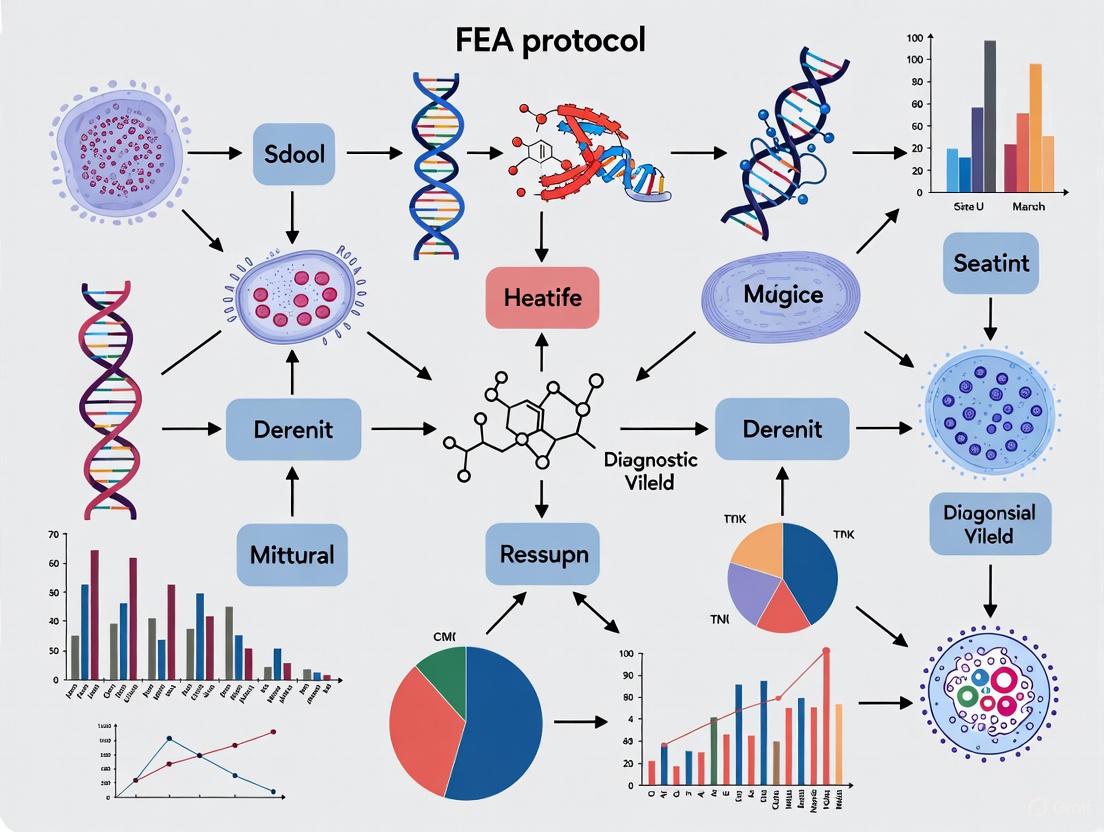
This article provides a comprehensive analysis of the Formalin-Ethyl Acetate (FEA) concentration protocol for diagnosing gastrointestinal parasitic infections.
Maximizing Diagnostic Yield: The FEA Protocol for Intestinal Parasite Detection and Modern Advancements
Abstract
This article provides a comprehensive analysis of the Formalin-Ethyl Acetate (FEA) concentration protocol for diagnosing gastrointestinal parasitic infections. Tailored for researchers and drug development professionals, it explores the foundational principles of FEA, its methodological application in clinical and research settings, and key strategies for troubleshooting and optimization to enhance sensitivity. The content further validates FEA's performance through comparative analysis with emerging diagnostic technologies, including molecular methods like multiplex qPCR and innovative platforms utilizing artificial intelligence and lab-on-a-chip systems. By synthesizing current evidence, this review aims to guide optimal protocol implementation and inform the development of next-generation diagnostic tools.
Understanding FEA: The Cornerstone of Parasitology Diagnosis
Core Principles of the Formalin-Ethyl Acetate Concentration Technique
The Formalin-Ethyl Acetate Concentration Technique (FECT) represents a fundamental methodological advancement in parasitological diagnostics, serving as a critical tool for researchers and drug development professionals investigating intestinal parasitic infections. This sedimentation-based concentration method significantly enhances the detection of helminth eggs, larvae, and protozoan cysts in fecal specimens by effectively separating parasitic elements from confounding fecal debris. Within the broader context of FEA protocol diagnostic yield research, this technique provides the sensitive detection necessary for accurate prevalence studies, drug efficacy trials, and epidemiological monitoring. The core principles of FECT leverage differential specific gravity and solvent-mediated clarification to achieve superior parasitic recovery rates compared to direct examination methods and alternative concentration approaches, establishing it as an indispensable methodology in both clinical and research settings.
Intestinal parasitic infections remain a significant global health burden, particularly in tropical and subtropical regions where they contribute substantially to morbidity and economic loss [1]. Accurate diagnosis is paramount for both individual patient management and public health interventions, yet the variable shedding of parasitic structures in feces presents a considerable diagnostic challenge. Concentration techniques were developed to address this limitation by increasing the probability of detecting parasitic organisms when present in low numbers [2].
The Formalin-Ethyl Acetate Concentration Technique (FECT), also referred to as the formalin-ether sedimentation technique, has evolved as a refinement of earlier methods first reported by Telemann in 1908 [1] [3]. The technique substitutes highly flammable ether with safer ethyl acetate while maintaining similar physicochemical properties for effective fecal debris extraction [3]. This method constitutes a diphasic sedimentation procedure that exploits differences in specific gravity between parasitic organisms and fecal material, concentrating diagnostically important structures in the sediment while eliminating obscuring debris through solvent-mediated clarification [2].
Within research frameworks investigating diagnostic yield, FECT provides a standardized methodology that enables reproducible quantification and qualification of intestinal parasites, forming the foundation for studies evaluating therapeutic interventions, epidemiological patterns, and diagnostic innovations across diverse populations and settings.
Technical Principles and Mechanism
Core Scientific Principles
The FECT operates on two fundamental physical principles: sedimentation and solvent extraction. Sedimentation utilizes centrifugal force to concentrate parasitic structures based on their higher specific gravity relative to the suspension medium. Most helminth eggs and protozoan cysts have specific gravities ranging from 1.05 to 1.25, allowing them to sediment efficiently during centrifugation [1]. The formalin-ethyl acetate sedimentation technique represents a diphasic approach that avoids the problems of flammability associated with ether while effectively concentrating organisms in the sediment [2].
Simultaneously, solvent extraction occurs when ethyl acetate is added to the formalin-fixed fecal suspension. Ethyl acetate acts as a lipophilic solvent that dissolves and extracts fats, lipids, and other debris from the fecal matrix. When centrifuged, this creates a four-layered system in the tube: (1) an ethyl acetate layer at the top, (2) a debris plug at the interface, (3) a formalin layer, and (4) the sediment containing concentrated parasites at the bottom [4]. This process effectively separates parasitic elements from obscuring material, resulting in a cleaner sediment that facilitates microscopic identification and enumeration.
Comparative Technical Approaches
Parasitological concentration techniques are broadly categorized into flotation and sedimentation methods. Flotation techniques utilize solutions with higher specific gravity than the target organisms (e.g., zinc sulfate or Sheather's sugar solution), causing parasites to float to the surface while debris sinks to the bottom [2]. While flotation produces cleaner material, it can cause collapse of egg and cyst walls, potentially hindering identification, and some parasite eggs do not float effectively [2].
In contrast, sedimentation techniques like FECT use solutions of lower specific gravity than parasitic organisms, concentrating them in the sediment. Sedimentation techniques are recommended for general diagnostic laboratories because they are easier to perform, less prone to technical errors, and preserve morphological integrity more effectively [2]. The formalin-ethyl acetate approach specifically combines the fixative properties of formalin with the extraction efficiency of ethyl acetate, creating a robust methodology suitable for diverse parasitic forms.
Comparative Performance Data
Detection Sensitivity Across Parasite Taxa
Table 1: Comparative Detection Rates of FECT Versus Alternative Methods
| Parasite Species | FECT Detection Rate | Comparison Method | Detection Rate of Comparison Method | Study Reference |
|---|---|---|---|---|
| Hookworm spp. | Significantly superior | Formalin Concentration (FC) | Lower detection rate | [3] |
| Trichuris trichiura | Significantly superior | Formalin Concentration (FC) | Lower detection rate | [3] |
| Small liver flukes | Significantly superior | Formalin Concentration (FC) | Lower detection rate | [3] |
| Ascaris lumbricoides | No significant difference | Formalin Concentration (FC) | Comparable detection (high egg density) | [3] |
| Intestinal parasites overall | 75% (FAC) | Formol-ether concentration (FEC) | 62% | [5] |
| Intestinal parasites overall | 75% (FAC) | Direct wet mount | 41% | [5] |
| Strongyloides stercoralis | 10.54% (QFEC) | Agar plate culture (APC) | 23.52% | [6] |
| Schistosoma japonicum | 9% | Composite reference | 26% | [7] |
Operational Characteristics
Table 2: Technical and Operational Characteristics of FECT
| Parameter | Characteristic | Comparative Advantage |
|---|---|---|
| Processing time | 4-10 minutes per sample | Faster than conventional sedimentation (10-15 minutes) [8] |
| Morphological preservation | Excellent for most eggs and cysts | Superior to flotation techniques which may cause collapse [2] |
| Background debris | Moderate reduction | More debris than Parasep system but cleaner than direct smear [8] |
| Specimen compatibility | Formalin-preserved specimens | Suitable with MIF or SAF preservatives [2] |
| Safety profile | Reduced flammability | Superior to ether-based techniques [2] [3] |
| Cost considerations | Moderate | Higher than direct smear but cost-effective for moderate-high throughput [8] |
Detailed Experimental Methodology
Standard FECT Protocol
The following protocol represents the standardized FECT procedure as utilized in research settings and recommended by the CDC [2]:
Specimen Preparation: Thoroughly mix 2-5 grams of fresh or formalin-preserved stool. For preserved specimens, ensure adequate fixation (minimum 30 minutes in 10% formalin) [4].
Filtration: Strain approximately 5ml of the fecal suspension through wetted cheesecloth-type gauze or a specialized sieve (450-500μ mesh) placed over a disposable paper funnel into a 15ml conical centrifuge tube [2] [3].
Saline Wash: Add 0.85% saline or 10% formalin through the debris on the gauze to bring the volume to 15ml. Note that distilled water may deform or destroy Blastocystis hominis [2].
Primary Centrifugation: Centrifuge at 500 × g for 10 minutes. Decant supernatant completely, leaving approximately 1-1.5ml of sediment [2]. Alternative protocols utilize 500 × g for 5 minutes [3].
Formalin-Ethyl Acetate Addition: Add 10ml of 10% formalin to the sediment and mix thoroughly with wooden applicator sticks. Add 4ml of ethyl acetate, stopper the tube, and shake vigorously in an inverted position for 30 seconds [2].
Secondary Centrifugation: Centrifuge at 500 × g for 10 minutes. Following centrifugation, four distinct layers form: ethyl acetate at top, debris plug at interface, formalin layer, and sediment at bottom [2].
Debris Removal: Free the plug of debris from the top of the tube by ringing the sides with an applicator stick. Decant the top three layers carefully. Use a cotton-tipped applicator to remove residual debris from tube sides [2].
Sediment Processing: Add several drops of 10% formalin to resuspend the concentrated sediment. Prepare wet mounts using saline and iodine for microscopic examination [2] [4].
Quantitative Modifications (QFEC)
For research requiring quantification of parasitic load, the Quantitative Formalin Ethyl Acetate Concentration Technique (QFEC) modifies the standard protocol:
- Precisely weigh 2g of fecal sample into a pre-tared vial [6]
- Utilize merthiolate-iodine-formalin (MIF) solution for preservation and staining [6]
- Count all parasitic structures in the entire sediment and express as number per gram of stool [6]
- Particularly valuable for intensity monitoring in drug efficacy studies and epidemiological assessments
Workflow Visualization
Limitations and Methodological Constraints
Despite its widespread utility, researchers must acknowledge several technical limitations of FECT. The technique demonstrates reduced sensitivity for specific parasites, particularly Strongyloides stercoralis and Schistosoma japonicum in low-intensity infections [7] [6]. For S. stercoralis, QFEC detected only 10.54% of infections compared to 23.52% by agar plate culture, with adequate detection only occurring at parasite loads exceeding 50 larvae per gram of stool [6].
The method's sensitivity threshold may miss very low infection intensities, potentially requiring duplicate or triplicate examinations for comprehensive detection [7]. Additionally, certain procedural steps introduce potential limitations: filtration may retain specimens containing larvae, some coccidian oocysts may appear as "ghosts" after staining, and the morphology of Blastocystis hominis may be compromised if distilled water is used instead of saline [2] [8].
For comprehensive parasitological assessment, FECT should be complemented with additional diagnostic approaches such permanent staining for protozoa, molecular methods for species differentiation, and specialized techniques like agar plate culture for Strongyloides [1] [6]. This multi-method approach is particularly crucial in research settings requiring maximal detection sensitivity.
Research Applications and Implications
Diagnostic Yield Optimization
In studies evaluating diagnostic yield, FECT consistently demonstrates superior performance compared to direct smear methods and simple formalin concentration. Research with 110 pediatric diarrheal samples showed FECT detected parasites in 75% of cases compared to 62% by formalin-ether concentration and only 41% by direct wet mount [5]. This enhanced detection capability is particularly valuable for drug efficacy studies where accurate pre- and post-treatment parasite enumeration is essential.
The implementation of FECT in field research settings has significantly improved the accuracy of prevalence estimates. At the Shoklo Malaria Research Unit on the Thailand-Myanmar border, adoption of FECT revealed substantially higher rates of hookworm, Trichuris trichiura, and small liver fluke infections compared to previous formalin-based concentration methods, directly impacting deworming strategy recommendations [3].
Technical Innovations and Commercial Systems
Recent methodological advancements have focused on standardizing and simplifying FECT through commercial closed-system concentrators. Systems like the Parasep SF and Fecal Parasite Concentrator incorporate built-in filtration matrices and integrated fixatives, reducing processing time from 10-15 minutes to approximately 4 minutes per specimen while maintaining diagnostic accuracy [2] [8]. These systems offer practical advantages for large-scale research studies by minimizing technical variability and biohazard exposure.
Innovative fixative systems like Proto-fix with CONSED sedimentation reagent have demonstrated further improvements, detecting 85% of proficiency testing specimens compared to 46% with conventional FECT in one evaluation [9]. Such advancements continue to refine the technical execution of ethyl acetate-based concentration while enhancing researcher safety through elimination of mercury-based fixatives and formalin exposure reduction.
Essential Research Reagents and Materials
Table 3: Research Reagent Solutions for FECT Implementation
| Reagent/Material | Specification | Research Function |
|---|---|---|
| 10% Formalin | Buffered or unbuffered | Primary fixative preserving parasitic morphology |
| Ethyl Acetate | Analytical grade | Lipid solvent for debris extraction and clarification |
| Physiological Saline | 0.85% NaCl | Isotonic suspension medium preventing organism distortion |
| Lugol's Iodine | Strong (1:5 dilution) | Staining solution enhancing nuclear detail of cysts |
| Centrifuge Tubes | Conical, 15ml capacity | Sedimentation vessel with precise volume calibration |
| Filtration Mesh | 450-500μm pore size | Debris removal while retaining parasitic structures |
| Commercial Concentrators | e.g., Parasep, FPC | Standardized closed-system alternative reducing variability |
The Formalin-Ethyl Acetate Concentration Technique remains a cornerstone methodology in parasitological research, providing an optimal balance of sensitivity, practicality, and morphological preservation essential for reliable parasite detection. The technique's fundamental principles of sedimentation and solvent extraction continue to support diverse research applications from epidemiological surveillance to therapeutic intervention assessment. While methodological limitations exist for specific parasites and low-intensity infections, FECT's overall diagnostic yield and operational feasibility secure its position as an indispensable tool in the researcher's arsenal. Continued technical refinements through commercial systems and reagent innovations promise to further enhance the method's utility in advancing our understanding and control of intestinal parasitic infections worldwide.
The Role of FEA in the Diagnostic Workflow for Gastrointestinal Parasites
The diagnostic workflow for gastrointestinal parasitic (GIP) infections has undergone significant transformation with the introduction of Fully Automated Fecal Analyzers. This whitepaper examines the specific role of Fecal Examination Automation (FEA) within the broader context of parasitic disease diagnostics, focusing on its application in clinical and research settings. Through comparative performance data and detailed methodological protocols, we demonstrate how FEA systems enhance diagnostic yield for intestinal parasite detection, addressing critical limitations of traditional microscopy while maintaining compatibility with established diagnostic frameworks. The integration of artificial intelligence and automated imaging technologies in modern FEA systems represents a substantial advancement in diagnostic precision, workflow efficiency, and biosafety compliance for clinical laboratories.
Global Health Burden of Gastrointestinal Parasites
Gastrointestinal parasites (GIPs) represent a significant global health challenge, affecting approximately 24% of the world's population and contributing substantially to morbidity and mortality worldwide [10]. These infections result in various health issues including malnutrition, anemia, impaired cognitive and physical development in children, and increased susceptibility to other diseases [11]. The World Health Organization identifies that 13 of the 20 recognized neglected tropical diseases are parasitic in origin, underscoring their disproportionate impact on vulnerable populations [11]. The economic burden is equally substantial, with developing economies experiencing significant healthcare costs and productivity losses due to parasitic infections [11].
Diagnostic Challenges in Parasitology
Clinical diagnosis of most parasitic diseases is notably challenging because they frequently present without characteristic symptoms [10]. Traditional diagnostic methods, particularly manual microscopy, have served as the cornerstone of parasitological diagnostics but present several limitations:
- Operator dependency and subjective interpretation variances
- Low detection sensitivity, particularly in low-intensity infections
- High biosafety risks due to sample handling
- Time-consuming procedures and workflow inefficiencies
- Suboptimal sensitivity ranging from 2.81% to 13.1% across various studies [12]
These challenges have driven the development and adoption of automated diagnostic solutions, including Fully Automated Fecal Analyzers (FEA), which aim to address these limitations while improving diagnostic accuracy and standardization.
FEA Systems in Parasitology Diagnostics
Fully Automated Fecal Analyzers (FEA) represent a technological advancement in gastrointestinal parasite detection. These systems employ the principle of fecal formed element image analysis combined with artificial intelligence for the identification of parasites and other formed elements [12]. The KU-F40 system, for example, automatically processes specimens through dilution, mixing, filtration, and transfer to a flow counting chamber where high-definition cameras capture images for computational analysis [12]. This automated approach transforms the traditionally labor-intensive manual microscopy process into a standardized, high-throughput diagnostic operation.
Comparative Performance Data
Recent large-scale studies have demonstrated the superior performance of FEA systems compared to conventional manual microscopy. The table below summarizes key comparative findings from a retrospective study involving over 100,000 samples:
Table 1: Comparative Performance of FEA vs. Manual Microscopy for Parasite Detection
| Parameter | Manual Microscopy | FEA (KU-F40) | Statistical Significance |
|---|---|---|---|
| Overall Detection Level | 2.81% (1,450/51,627) | 8.74% (4,424/50,606) | χ² = 1661.333, P < 0.05 [12] |
| Number of Parasite Species Detected | 5 species | 9 species | Not applicable [12] |
| Clonorchis sinensis Detection | Lower detection level | Higher detection level | P < 0.05 [12] |
| Hookworm Detection | Lower detection level | Higher detection level | P < 0.05 [12] |
| Blastocystis hominis Detection | Lower detection level | Higher detection level | P < 0.05 [12] |
| Tapeworm Eggs Detection | Lower detection level | Higher detection level | P > 0.05 (not significant) [12] |
| Strongyloides stercoralis Detection | Lower detection level | Higher detection level | P > 0.05 (not significant) [12] |
The data indicates that FEA systems provide a 3.11-fold increase in overall detection sensitivity compared to manual microscopy, along with expanded capability to identify a broader range of parasite species [12]. This enhanced detection capability is particularly valuable in both clinical settings and research environments where accurate speciation informs treatment protocols and epidemiological studies.
Experimental Protocols and Methodologies
Manual Microscopy Protocol
The traditional manual microscopy method, while considered a foundational approach, follows a standardized but labor-intensive process:
Sample Preparation: A match-head sized fecal sample (approximately 2 mg) is mixed with 1-2 drops of 0.9% saline on a sterile slide to create a uniform suspension [12].
Slide Preparation: The mixture is covered with a coverslip, with thickness calibrated to allow legibility of newspaper print through the preparation [12].
Microscopic Examination:
- Initial screening using 10×10 low-power objective to observe the entire slide (minimum 10 fields of view)
- Detailed examination using 10×40 high-power objective to identify suspected parasitic elements (minimum 20 fields of view) [12]
Timing Considerations: All samples must be tested within 2 hours of collection to preserve morphological integrity [12].
This protocol is characterized by high operator dependency, subjective interpretation, and significant biosafety concerns due to open sample handling.
FEA System Protocol
The FEA methodology introduces standardization and automation to the diagnostic process:
Sample Collection: A soybean-sized fecal specimen (approximately 200 mg) is collected in a clean, sterile container [12].
Automated Processing:
- The instrument automatically dilutes, mixes, and filters the specimen
- Draws 2.3 ml of the diluted fecal sample into a flow counting chamber
- Allows for precipitation over a standardized time period [12]
AI-Powered Analysis:
- High-definition cameras capture images of formed elements
- Artificial intelligence algorithms identify parasites (eggs) and other elements
- Suspected findings are flagged for manual review by laboratory personnel [12]
Quality Assurance: All procedures follow strict Standard Operation Protocols (SOP), with testing completed within 2 hours of collection [12].
The FEA protocol significantly reduces operator-dependent variability while enhancing biosafety through enclosed processing systems.
Diagnostic Workflow Integration
The following diagram illustrates the comparative workflow between traditional and FEA-enhanced diagnostic pathways:
Diagram 1: Comparative Diagnostic Workflows
Research Reagent Solutions and Essential Materials
Successful implementation of FEA systems in both clinical and research settings requires specific reagents and materials optimized for automated processing. The following table details essential components:
Table 2: Essential Research Reagents and Materials for FEA-Based Parasitology Diagnostics
| Component | Specifications | Primary Function | Application Notes |
|---|---|---|---|
| Fecal Collection Cups | Sterile, standardized containers with secure lids | Sample integrity maintenance during transport and storage | Compatible with automated sampling systems [12] |
| Dilution Buffers | Proprietary formulations, pH-stabilized | Sample homogenization and preservation of morphological features | Optimized for digital imaging characteristics [12] |
| Flow Cell Chambers | Precision-engineered optical chambers | Standardized presentation for digital imaging | Ensures consistent focus and magnification [12] |
| Calibration Standards | Multilevel quality control materials | System performance verification and standardization | Validates detection sensitivity and specificity [12] |
| Image Analysis Algorithms | AI-trained neural networks | Automated parasite identification and classification | Requires continuous training with diverse datasets [12] |
These specialized materials ensure optimal performance of FEA systems and contribute to the standardized, high-quality diagnostic outcomes essential for both clinical decision-making and research applications.
Technological Advantages and Implementation Benefits
Enhanced Diagnostic Capabilities
The implementation of FEA systems addresses several critical limitations of traditional diagnostic approaches:
- Improved Sensitivity: Demonstrated 3.11-fold increase in overall detection levels compared to manual microscopy [12]
- Expanded Parasite Spectrum: Capability to identify nearly twice the number of parasite species (9 vs. 5 in comparative studies) [12]
- Quantitative Assessment: Potential for semi-quantitative evaluation of parasite burden, enabling monitoring of treatment efficacy
- Standardized Interpretation: Reduced inter-operator variability through automated analysis and classification
Operational and Biosafety Considerations
FEA systems provide significant practical advantages in laboratory settings:
- Workflow Efficiency: Automated processing reduces hands-on technologist time by an estimated 60-70%
- Enhanced Biosafety: Closed-system processing minimizes operator exposure to infectious materials [12]
- Digital Archiving: Image storage capabilities support quality assurance, proficiency testing, and educational applications
- Integration Potential: Compatibility with laboratory information systems for streamlined data management
Future Directions and Research Applications
Integration with Broader Diagnostic Frameworks
FEA technology represents a convergent point in parasitology diagnostics, bridging traditional morphological approaches with emerging molecular techniques. The future development of FEA systems will likely focus on:
- Multiplexed Detection Platforms: Integration of molecular detection capabilities for comprehensive pathogen identification
- Point-of-Care Adaptation: Development of compact systems suitable for low-resource settings
- Data Mining Applications: Leveraging accumulated digital libraries for epidemiological tracking and pattern recognition
- Automated Resistance Marker Detection: Potential integration with technologies for identifying drug-resistant parasite strains
Research Implementation Guidelines
For research applications focused on FEA protocol diagnostic yield for intestinal parasites, the following considerations are essential:
- Sample Size Planning: Power calculations should account for the higher baseline detection rates of FEA systems
- Methodological Validation: New implementations require parallel testing with established methods before transition
- Quality Assurance Protocols: Regular verification of automated classification algorithms against expert microscopy
- Data Standardization: Development of consistent reporting metrics for comparative studies across research sites
Fully Automated Fecal Analyzers represent a significant advancement in the diagnostic workflow for gastrointestinal parasites, offering substantially improved detection sensitivity, expanded parasite identification capabilities, and enhanced operational efficiency compared to traditional manual microscopy. The integration of artificial intelligence with standardized automated processing addresses critical limitations of conventional approaches while maintaining essential morphological analysis principles. For researchers investigating intestinal parasite diagnostics, FEA systems provide a robust technological platform that enhances diagnostic yield while generating standardized, reproducible data suitable for both clinical and epidemiological applications. As these technologies continue to evolve, their role in parasitology research is anticipated to expand, potentially incorporating multimodal detection capabilities that further enhance their utility in understanding and combating parasitic diseases globally.
Gastrointestinal parasites (GIPs) represent a significant global health challenge, infecting approximately 24% of the world's population and contributing substantially to global morbidity and mortality [10]. The World Health Organization estimates that 1.5 billion people carry soil-transmitted helminths (geohelminths) including Ascaris lumbricoides (roundworm), Trichuris trichiura (whipworm), and hookworms [10]. These infections produce substantial disability-adjusted life years, particularly in vulnerable populations including children and immunocompromised individuals [13].
Clinical diagnosis of most parasitic diseases is notably challenging because they frequently present without characteristic symptoms, making accurate laboratory detection essential for proper treatment and control [10]. The diagnostic process is further complicated by the frequent coexistence of multiple parasitic infections simultaneously, requiring diagnostic approaches that consider local epidemiological situations and prevalence patterns [10]. In Europe, while prevalence is generally lower than in other regions, studies indicate that Blastocystis hominis is detected at a rate of 10.7%, with other common parasites including Entamoeba coli, Endolimax nana, and Dientamoeba fragilis reaching prevalence rates as high as 68.3% in some populations [10].
Diagnostic Challenges and Limitations
The Complexity of Parasite Detection
Accurate diagnosis of gastrointestinal parasitic infections requires not only determining the presence of a parasite but also establishing a causal relationship between parasite invasion and disease symptoms [10]. This process is fraught with challenges:
- Biology-Driven Interpretation: Correct interpretation of laboratory results requires substantial knowledge of parasite biology, as the mere presence of a parasite may not be causally related to disease symptoms [10]
- Methodological Variability: Tests are performed using various methods with differing reliability, frequently yielding false-positive or false-negative results [10]
- Infection Status Determination: Ideal diagnostic methods should distinguish active infections from past exposures, a challenge for many serological assays [10]
- Technical Limitations: Microscopy, while widely used, experiences significantly reduced sensitivity in low-prevalence settings [14]
Impact of Diagnostic Inaccuracy
Diagnostic limitations directly impact patient care and public health initiatives. When diagnostic approaches lack sensitivity, true infections are missed, leading to inadequate treatment and ongoing transmission. When specificity is insufficient, false positives may lead to unnecessary treatments and misallocation of limited healthcare resources. These challenges are particularly acute in resource-limited settings where parasitic infections are most prevalent [14].
Table 1: Prevalence of Common Gastrointestinal Parasites in Different Populations
| Parasite | Global Prevalence | European Prevalence | High-Risk Groups |
|---|---|---|---|
| Soil-transmitted helminths | 1.5 billion infected [10] | Lower than global average [10] | Children in endemic areas [10] |
| Blastocystis hominis | Not specified | 10.7% [10] | General population [10] |
| Giardia lamblia | Common in developing countries [10] | 1.3%-5.9% [10] | Travelers, children [10] |
| Cryptosporidium spp. | Common cause of diarrhea [10] | 1.3% (higher in immunocompromised) [10] | Immunocompromised individuals [10] |
| Entamoeba histolytica | Common in developing countries [10] | Varies by population [10] | Travelers, migrants [10] |
Established and Emerging Diagnostic Methodologies
Traditional Diagnostic Approaches
Traditional methods for parasite detection have centered on microscopic examination of stool samples, with various concentration techniques employed to enhance sensitivity:
- Formalin-Ethyl Acetate (FEA) Concentration: A widely used method that concentrates parasitic elements for microscopic examination [15]
- Sedimentation Flotation Technique (SF): Uses specific gravity solutions to float parasite eggs and cysts for easier detection [16]
- Charcoal Culture: Used particularly for detecting Strongyloides stercoralis and other larvae in stool specimens [15]
These traditional methods face significant limitations, particularly their dependency on parasite burden, morphological expertise, and multiple sampling to achieve acceptable sensitivity. Examination of three separate stool samples using traditional methods is often considered the reference standard for comprehensive parasite detection [15].
Molecular Diagnostic Advancements
Molecular methods, particularly quantitative real-time PCR (qPCR), have emerged as powerful tools for parasitic disease diagnostics, offering enhanced sensitivity and specificity:
- Multiplex qPCR Assays: Enable simultaneous detection of multiple parasite targets in a single reaction, improving efficiency and comprehensive screening capability [15]
- Target Diversity: Different assays target various genomic regions including ribosomal internal transcribed spacer sequences (ITS), ribosomal subunit sequences, mitochondrial genes, and highly repetitive non-coding elements [14]
- Quantification Capability: qPCR provides quantitative data that may correlate with parasite burden, though interpretation requires careful validation [14]
Molecular assays demonstrate particular value in low-prevalence settings where microscopy sensitivity declines substantially. A comparative study of traditional and molecular methods found that adding multiplex qPCR to traditional methods significantly improved detection rates for most studied parasites [15].
Table 2: Comparison of Diagnostic Method Performance for Soil-Transmitted Helminths
| Parasite | Microscopy Sensitivity | qPCR Correlation with Egg Count (Kendall Tau-b) | Advantage of Molecular Methods |
|---|---|---|---|
| Trichuris trichiura | Decreases in low prevalence [14] | 0.86-0.87 [14] | Strong correlation with egg count [14] |
| Ascaris lumbricoides | Decreases in low prevalence [14] | 0.60-0.63 [14] | Moderate correlation with egg count [14] |
| Ancylostoma duodenale | Decreases in low prevalence [14] | 0.41 [14] | Fair correlation with egg count [14] |
| Strongyloides stercoralis | Requires specific culture [15] | 0.48-0.65 [14] | Detection without specialized culture [15] |
| Giardia duodenalis | Variable, requires expertise [10] | 75% sensitivity vs. reference [15] | Increased detection of 4.5% [15] |
Protocol Enhancement: Sequential Sieving
A recently developed sequential sieving protocol (SF-SSV) has shown promise for enhancing diagnostic sensitivity for certain parasites. This method employs a series of sieves with decreasing mesh sizes (105μm, 40μm, and 20μm) to concentrate and purify parasite eggs from fecal samples [16]. The protocol demonstrated superior analytical and diagnostic sensitivity for detecting Toxocara spp. eggs compared to both traditional sedimentation-flotation techniques and DNA detection methods alone [16]. This approach not only improves egg recovery but also cleanses samples of PCR inhibitors, potentially enhancing downstream molecular applications.
Experimental Protocols and Methodological Comparisons
Comparative Study Design: Spiked Samples
To rigorously evaluate diagnostic performance, researchers have employed controlled spiked sample experiments:
Sample Preparation:
- Known numbers of parasitic eggs (1, 2, 5, 10, 15, 20, 40 eggs or larvae) are introduced into naïve stool samples [14]
- Multiple replicates are created for each quantity to ensure statistical reliability [14]
- DNA extraction is performed using commercial kits (e.g., FastDNA Spin Kit for Soil) with mechanical homogenization [14]
qPCR Testing:
- Independent laboratories test aliquots of the same DNA extracts using different qPCR assays [14]
- Assays target different genomic regions (ribosomal sequences vs. highly repetitive non-coding elements) [14]
- Results are correlated with known egg/larvae counts to assess quantitative accuracy [14]
These controlled experiments have demonstrated strong correlations between qPCR results and actual parasite quantities for most soil-transmitted helminths, validating molecular methods as reliable quantitative tools [14].
Field Sample Validation
Complementing controlled spiked sample studies, field evaluations provide critical real-world performance data:
Sample Collection:
- Field samples are collected from endemic areas (e.g., 130 samples from Orán, Argentina) [14]
- Samples undergo parallel testing by multiple methods including direct smear microscopy, concentration techniques, and different qPCR assays [14]
- Statistical analysis includes calculation of correlation coefficients and inter-method agreement (Cohen's kappa) [14]
Field validations typically reveal greater discordance between methods compared to controlled spiked sample studies, highlighting the impact of real-world variables such as sample preservation, transportation conditions, and genetic diversity among field isolates [14].
Diagram 1: Diagnostic Methods Comparison Workflow
The Scientist's Toolkit: Essential Research Reagents
Table 3: Essential Research Reagents for Parasite Diagnostic Studies
| Reagent/Kit | Application | Function | Example Use |
|---|---|---|---|
| FastDNA Spin Kit for Soil (MP Biomedicals) | DNA extraction | Isolation of high-quality DNA from fecal samples | DNA extraction from spiked stool samples [14] |
| Zinc chloride solution | Sedimentation-flotation | Creates high-specific gravity solution for egg flotation | SF technique for Toxocara spp. detection [16] |
| Sheather's sucrose solution | Sedimentation-flotation | Alternative flotation solution for nematode eggs | Wisconsin double centrifugation technique [16] |
| TaqMan qPCR master mix | Molecular detection | Provides enzymes and reagents for real-time PCR | Multiplex qPCR for STH detection [15] |
| Specific primer/probe sets | Molecular detection | Targets specific genomic regions of parasites | Detection of repetitive non-coding elements [14] |
| Formalin-ethyl acetate (FEA) | Stool concentration | Preserves and concentrates parasitic elements | Traditional parasitological diagnosis [15] |
| Charcoal culture medium | Larval culture | Supports development of larvae in stool specimens | Detection of Strongyloides stercoralis [15] |
| Nylon sieves (105μm, 40μm, 20μm) | Sample processing | Sequential purification of parasite eggs | SF-SSV protocol for Toxocara detection [16] |
Implications for Public Health and Drug Development
Impact on Control Programs
Accurate diagnostic data directly informs the implementation and monitoring of mass drug administration (MDA) programs for parasitic diseases. Mathematical models project the impact of different treatment strategies (annual vs. semi-annual deworming, children-only vs. community-wide treatment), with model accuracy dependent on reliable input data from sensitive diagnostic methods [17]. The superior sensitivity of molecular methods is particularly valuable as prevalence declines following successful control programs, where identifying residual transmission hotspots becomes increasingly challenging with conventional microscopy.
Advancing Therapeutic Development
The development of novel antiparasitic therapeutics faces significant challenges, including the eukaryotic nature of parasites (making selective toxicity difficult) and technical obstacles in culturing many clinically relevant species [13]. Computational approaches, including metabolic network modeling and comparative genomics, are accelerating drug target identification by enabling systematic comparison of metabolic capabilities across parasite species [13]. The ParaDIGM knowledgebase, comprising genome-scale metabolic models for 192 parasite genomes, represents a powerful resource for identifying species-specific essential functions that may serve as therapeutic targets [13].
Diagram 2: Diagnostic Impact on Public Health and Drug Development
The evolving landscape of parasitic disease diagnostics demonstrates a clear trend toward integrated approaches that leverage the respective strengths of different methodologies. A hybrid protocol combining traditional concentration techniques with multiplex qPCR applied to a single stool sample has demonstrated sensitivity comparable to examining three samples by traditional methods alone [15]. This strategy offers a practical compromise for settings where repeated sampling is challenging but molecular diagnostics are accessible.
Future directions in parasite diagnostics will likely include greater application of artificial intelligence for morphological recognition, enhanced high-throughput sequencing approaches, and refined point-of-care molecular platforms suitable for resource-limited settings. As diagnostic capabilities continue to advance, so too will our ability to accurately quantify the global burden of parasitic diseases, monitor control program effectiveness, and ultimately reduce the substantial health impact of these widespread infections.
Advantages and Inherent Limitations of Traditional Microscopy with FEA
This technical guide provides a comprehensive analysis of traditional microscopy within the context of finite element analysis (FEA) protocols for intestinal parasite research. As diagnostic laboratories increasingly adopt computational approaches, understanding the synergies and limitations between established morphological techniques and emerging analytical frameworks becomes paramount for research and drug development. This review synthesizes current evidence on microscopy-FEA integration, focusing specifically on diagnostic yield optimization for intestinal protozoan and helminth infections, to inform researchers and scientists developing next-generation parasitological diagnostics.
For over a century, traditional light microscopy has served as the fundamental diagnostic tool for intestinal parasite identification, providing the foundation for clinical decision-making in parasitology. The manual examination of concentrated wet mounts and permanently stained smears represents the historical gold standard for detecting helminth eggs, larvae, and protozoan cysts in stool specimens [18]. Despite its longstanding dominance, this approach faces significant challenges in modern research contexts, including substantial inter-operator variability, throughput limitations, and subjective interpretation dependent on technician expertise [19] [12].
The integration of Finite Element Analysis (FEA) and other computational approaches represents a paradigm shift in parasitological research. FEA provides a mathematical framework for simulating and analyzing physical systems by dividing complex structures into smaller, manageable elements [20]. When applied to microscopy, this computational approach enables quantitative assessment of morphological features, strain distributions, and mechanical properties that are not discernible through visual inspection alone. For intestinal parasite research, this integration facilitates the development of advanced diagnostic protocols that enhance detection capabilities, particularly for cryptic species or low-intensity infections that challenge conventional microscopy [18].
Traditional Microscopy: Established Advantages in Parasitology
Fundamental Strengths
Traditional microscopy maintains several irreplaceable advantages in routine parasitological diagnosis. The technique requires minimal infrastructure, with basic light microscopes representing a relatively low capital investment compared to advanced digital systems [21]. This accessibility makes it particularly valuable in resource-limited settings where intestinal parasites typically exhibit high prevalence. The direct visual confirmation of parasitic elements provides immediate diagnostic information without the intermediate processing steps required by molecular methods [19]. Furthermore, a single microscopic examination can detect unexpected pathogens beyond the targeted analytes of specific molecular tests, preserving diagnostic serendipity that might be lost in targeted assay systems [19].
Procedural Familiarity and Established Protocols
The extensive institutional knowledge surrounding traditional microscopy represents a significant advantage. Standardized methodologies for the ova and parasite (O&P) examination are well-established in clinical laboratory guidelines worldwide [12]. The procedure involves specific steps for sample preparation, including concentration techniques to enhance detection sensitivity and permanent stains to highlight morphological details of protozoa. This methodological consistency allows for comparative analyses across studies and laboratories, creating a robust framework for diagnostic standardization [19]. The technique also benefits from comprehensive training resources and decades of accumulated interpretive criteria, making it a reliable starting point for diagnostic parasitology before incorporating computational enhancements [18].
Inherent Limitations of Traditional Microscopy
Technical and Operational Constraints
Despite its enduring utility, traditional microscopy suffers from several inherent limitations that impact diagnostic yield in intestinal parasite research:
Sensitivity Limitations: Manual microscopy exhibits variable sensitivity, with reported positive detection rates as low as 2.81% in high-throughput settings, significantly below the 8.74% achieved by automated systems [12]. This sensitivity reduction stems from the inherent limitations of human visual perception during slide screening, where fatigue and cognitive factors contribute to missed detections, particularly in low-intensity infections.
Operator Dependency: Diagnostic accuracy is heavily influenced by technician expertise and experience. Studies demonstrate significant inter-observer variability, particularly for morphologically similar organisms such as Entamoeba species, where differentiation between pathogenic E. histolytica and non-pathogenic species requires specialized training [19]. This subjectivity introduces considerable inconsistency in both clinical diagnosis and research data collection.
Workflow Inefficiencies: Traditional microscopy is labor-intensive, requiring approximately 4.08±0.94 minutes per case compared to 3.14±0.68 minutes for digital methods [22]. The manual process of preparing, examining, and interpreting each slide creates throughput bottlenecks that limit sample processing capacity in research settings requiring high-volume screening [21] [12].
Documentation Challenges: Unlike digital methods, traditional microscopy does not create a permanent record of the exact fields viewed during examination, complicating retrospective review, quality assurance, and peer validation [21]. This limitation poses particular challenges for longitudinal studies and clinical trials requiring adjudication of diagnostic findings.
Diagnostic Specificity Issues
Morphological differentiation of closely related species presents significant challenges in traditional microscopy. For intestinal protozoa, the inability to reliably distinguish between pathogenic E. histolytica and non-pathogenic E. dispar based solely on morphological features remains a critical limitation [19]. Similarly, differentiation between similar-appearing helminth eggs (e.g., hookworm vs. Trichostrongylus) may require specialized expertise not universally available across laboratories [18]. These limitations directly impact the diagnostic specificity achievable through conventional microscopic approaches alone.
Table 1: Quantitative Comparison of Diagnostic Performance Between Traditional and Advanced Microscopy Methods
| Parameter | Traditional Microscopy | Digital/AI-Assisted Microscopy | Molecular Methods (PCR) |
|---|---|---|---|
| Sensitivity | 2.81% detection rate [12] | 8.74% detection rate [12] | Higher sensitivity for specific targets [19] |
| Time per Case | 4.08±0.94 minutes [22] | 3.14±0.68 minutes [22] | Varies by protocol |
| Fields Observed | 9.03±0.92 [22] | 12.93±1.14 [22] | Not applicable |
| Species Identification | 5 parasite types [12] | 9 parasite types [12] | Target-dependent |
| Operator Dependency | High [18] | Reduced through automation [12] | Minimal after setup |
Finite Element Analysis: Enhancing Microscopy Through Computational Frameworks
FEA Fundamentals in Image Analysis
Finite Element Analysis provides a computational approach to enhance traditional microscopy by applying numerical modeling techniques to image-derived data. In the context of parasitology, FEA operates by discretizing parasitic structures into smaller elements, enabling detailed analysis of morphological characteristics that may be imperceptible through visual examination alone [20]. This approach facilitates the quantitative assessment of features such as eggshell thickness, cyst wall regularity, and internal structural organization, providing measurable parameters for species differentiation and viability assessment.
The integration of FEA with microscopy data involves several computational steps: model creation from digital images, mesh generation to divide structures into finite elements, assignment of material properties based on optical characteristics, application of boundary conditions simulating mechanical stresses, and solution processing to extract quantitative data [20]. This computational framework transforms subjective morphological assessments into objective, quantifiable parameters that can enhance diagnostic consistency in intestinal parasite research.
FEA-Enhanced Detection Protocols
The application of FEA principles to parasite detection establishes a structured protocol for improving diagnostic yield:
- Image Acquisition: High-resolution digital microscopy captures comprehensive specimen data [21]
- Structural Discretization: Parasitic elements are divided into finite elements for analysis [20]
- Property Assignment: Material characteristics are assigned based on optical density and structural features [23]
- Boundary Condition Application: Simulated stresses identify structurally significant regions [20]
- Quantitative Feature Extraction: Numerical descriptors are generated for classification [18]
This protocol enables the identification of subtle morphological signatures that distinguish pathogenic species, such as the structural differences between E. histolytica and E. dispar cysts, which may not be reliably discernible through conventional microscopy [19]. The approach is particularly valuable for detecting morphological alterations in response to experimental therapeutic interventions, providing quantifiable endpoints for drug development studies.
Diagram 1: FEA-enhanced microscopy workflow for parasite detection, showing the integration of traditional and computational steps.
Experimental Protocols for Integrated Microscopy-FEA Applications
Specimen Preparation and Digital Imaging
Standardized specimen processing is fundamental to effective FEA integration:
Sample Collection: Collect fresh stool samples in clean, sterile containers. For preserved specimens, use formalin-ethyl acetate (FEA) concentration techniques following established parasitology protocols [19].
Slide Preparation: Prepare direct wet mounts using saline (approximately 2mg fecal material) and permanently stained smears (e.g., trichrome) for protozoan identification. For concentrated specimens, use formalin-ethyl acetate concentration methods to enhance detection sensitivity [19].
Digital Imaging: Scan slides using whole-slide imaging (WSI) systems at multiple magnifications (5×, 10×, 40×) to capture comprehensive specimen data. Employ high-resolution scanners (e.g., Aperio ScanScope, Grundium Ocus) capable of resolving subcellular details [21] [24].
Image Standardization: Implement consistent illumination, focus, and calibration standards across all samples to ensure analytical consistency. Include quality control slides with known parasitic elements to validate imaging parameters [23].
FEA Modeling and Analysis Protocol
The transformation of digital microscopy data into FEA-compatible models requires specific processing steps:
Image Segmentation: Apply convolutional neural networks (CNNs) trained on diverse parasite specimens to identify and isolate parasitic elements from background material [18]. Training datasets should include at least 4,049 unique parasite-positive specimens representing target species [18].
Mesh Generation: Convert segmented parasitic structures into finite element meshes using adaptive meshing algorithms that refine element density at regions of interest, such as cyst walls or internal structures [20].
Material Property Assignment: Define biomechanical properties based on optical density measurements from quantitative phase microscopy (QPM) techniques, which relate refractive index to mass density [23].
Boundary Condition Application: Apply simulated mechanical stresses to identify structurally significant regions and strain distributions that may correlate with species identification or developmental stage [20].
Feature Quantification: Extract numerical descriptors for morphological features, including surface curvature, structural symmetry, wall thickness consistency, and internal architectural organization [18].
Table 2: Research Reagent Solutions for Integrated Microscopy-FEA Parasitology Studies
| Reagent/Component | Function | Application Notes |
|---|---|---|
| Formalin-ethyl acetate (FEA) | Fecal specimen concentration and preservation | Standardized concentration method for enhancing parasite recovery [19] |
| Saline (0.9%) | Wet mount preparation medium | Maintains parasite morphology for immediate examination [12] |
| Trichrome stain | Permanent staining for protozoan structures | Differentiates internal structures of trophozoites and cysts [18] |
| S.T.A.R Buffer | Stool transport and DNA stabilization | Preserves nucleic acids for molecular correlation studies [19] |
| Janelia Fluor HaloTag Ligands | Super-resolution microscopy labeling | Enables nanoscale imaging of parasitic structures [25] |
| MagNA Pure 96 System | Automated nucleic acid extraction | Facilitates molecular validation of morphological findings [19] |
Comparative Analysis of Diagnostic Yield in Intestinal Parasite Detection
Sensitivity and Specificity Considerations
The integration of FEA principles with traditional microscopy significantly impacts diagnostic yield parameters. Studies comparing manual microscopy with computational approaches demonstrate substantial improvements in detection sensitivity, with automated systems achieving 8.74% detection rates compared to 2.81% for manual methods [12]. This 3.11-fold increase in sensitivity directly addresses a critical limitation of conventional parasitological diagnosis.
The application of FEA-derived morphological parameters enhances differentiation of closely related species, particularly for intestinal protozoa where visual distinction may be challenging. For Entamoeba species, computational analysis of cyst wall properties and internal structural organization provides quantitative discriminators that surpass subjective visual assessment [19]. Similarly, for helminth eggs, FEA-based assessment of structural characteristics improves differentiation between morphologically similar species such as hookworm and Trichostrongylus eggs [18].
Protocol Efficiency and Throughput
The integration of computational approaches significantly impacts workflow efficiency in parasitological research. Digital pathology systems enable rapid case review, with studies demonstrating reduced diagnosis times (3.14±0.68 minutes for WSI versus 4.08±0.94 minutes for traditional microscopy) while examining more microscopic fields (12.93±1.14 versus 9.03±0.92) [22]. This efficiency gain translates to enhanced throughput capacity for large-scale studies and drug efficacy trials.
The implementation of automated imaging systems with FEA-based analysis addresses operator fatigue factors that contribute to diagnostic errors in manual microscopy. By standardizing the analytical process and providing quantitative assessment parameters, computational integration reduces the inter-observer variability that complicates multi-center trials and longitudinal studies [21] [18].
Diagram 2: Diagnostic yield progression from traditional microscopy through computational enhancement to FEA-integrated protocols.
Future Directions and Implementation Considerations
Technological Advancements
The continuing evolution of microscopy technologies presents new opportunities for FEA integration in parasitology research. Super-resolution techniques such as STED (stimulated emission depletion) and STORM (stochastic optical reconstruction microscopy) overcome the diffraction limit of conventional light microscopy, achieving resolutions of 30-70nm and 10-55nm respectively [25]. These nanoscale imaging capabilities provide unprecedented structural data for FEA modeling, enabling biomechanical analysis at the subcellular level.
Quantitative phase microscopy (QPM) techniques offer label-free methods for investigating parasitic structures through refractive index measurements, which correlate directly with mass density [23]. The integration of QPM with FEA establishes a powerful framework for investigating biomechanical properties of parasites during development and in response to chemotherapeutic interventions, providing new avenues for drug target identification.
Implementation Framework
Successful integration of FEA protocols into traditional microscopy workflows requires systematic implementation:
Phased Adoption: Begin with digitization of traditional microscopy using whole-slide imaging systems, establishing the foundational infrastructure for computational analysis [21] [22]
Validation Protocols: Implement rigorous correlation studies comparing FEA-enhanced detection with established morphological criteria and molecular confirmation to establish diagnostic reliability [19]
Computational Resources: Allocate appropriate infrastructure for image storage, processing, and analysis, recognizing that high-resolution datasets and FEA simulations require substantial computational capacity [20]
Personnel Training: Develop cross-disciplinary expertise combining parasitological knowledge with computational skills, addressing the specialized requirements of integrated diagnostic approaches [18]
This implementation framework acknowledges the complementary strengths of traditional and computational approaches, creating a synergistic diagnostic ecosystem that enhances research capabilities while maintaining connections with established morphological criteria.
Traditional microscopy remains an essential component of intestinal parasite research but benefits significantly from integration with finite element analysis and computational approaches. The limitations of manual microscopy—including operator dependency, subjective interpretation, and throughput constraints—are effectively addressed through FEA-enhanced protocols that provide quantitative, reproducible morphological analysis. This integration represents a methodological advancement that enhances diagnostic yield while maintaining connections with established morphological criteria, creating a powerful framework for research and drug development in parasitology. As technological innovations continue to emerge, the synergistic relationship between traditional microscopy and computational analysis will undoubtedly yield further refinements in diagnostic capabilities for intestinal parasite detection and characterization.
Executing the FEA Protocol: From Sample Collection to Analysis
This Standard Operating Procedure (SOP) establishes a comprehensive protocol for conducting Finite Element Analysis (FEA) within the specific context of intestinal parasite research. The primary objective of this document is to standardize the application of FEA computational techniques to enhance the diagnostic yield in parasitology studies, particularly those focusing on the structural analysis of parasite components and host-parasite interactions at the microscopic level. The procedures outlined herein are designed to ensure that FEA simulations are performed with consistent accuracy, reproducibility, and scientific rigor, thereby enabling researchers to derive meaningful quantitative data that complements traditional diagnostic methods such as microscopy and molecular assays [19].
The scope of this SOP encompasses the entire FEA workflow, from sample preparation and digital image acquisition to computational modeling and result interpretation. This protocol is specifically tailored for research applications involving the mechanical characterization of helminth eggs, protozoan cysts, and other parasite structures, which can provide valuable insights for diagnostic differentiation and understanding parasite resilience in various environments. The FEA methodology described leverages the finite element method (FEM), a numerical technique for predicting how physical systems respond to external forces, vibrations, heat, and other physical effects by dividing complex structures into smaller, manageable elements [26] [27]. When properly implemented according to this SOP, FEA serves as a powerful in silico tool that can reduce reliance on physical prototypes and experiments while optimizing diagnostic approaches in parasitology research [26].
Principles of Finite Element Analysis
Finite Element Analysis is founded on the principle of discretization, whereby a continuous physical domain is subdivided into smaller, simpler components called finite elements. These elements, which collectively form a mesh, are interconnected at points known as nodes [27]. This discretization process allows complex physical phenomena, typically described by partial differential equations (PDEs), to be approximated and solved numerically [26]. The fundamental mathematical relationship in FEA can be expressed as:
$$ u(x) = u^h(x) + e(x) $$
Where $u(x)$ represents the exact solution, $u^h(x)$ is the approximate solution derived through FEA, and $e(x)$ denotes the error term [26]. The accuracy of $u^h(x)$ depends on factors such as element size, shape functions, and the polynomial degree of approximation.
FEA implementations can utilize either the strong form or weak form formulation of PDEs. The strong form requires higher continuity of the solution and involves solving the original differential equations directly. In contrast, the weak form, which is integral-based and often referred to as the principle of virtual work in structural mechanics, imposes weaker continuity requirements and is more suitable for complex geometries [26]. For most parasitology applications involving irregular parasite structures, the weak form formulation provides significant computational advantages.
Table: Key Mathematical Formulations in FEA
| Formulation Type | Governing Equation | Application Context | Continuity Requirements |
|---|---|---|---|
| Strong Form | $\frac{d}{dx}\left(AE\frac{du}{dx}\right)+b=0$ | Problems with smooth solutions | High continuity requirements |
| Weak Form | $\int^l0\frac{dw}{dx}AE\frac{du}{dx}dx=(wA\overline{t}){x=0} + \int^l _0wbdx$ | Complex geometries, discontinuities | Weaker continuity requirements |
Equipment and Software Requirements
Computational Hardware Specifications
For efficient FEA processing in parasitology research, the following computational resources are recommended:
- Processor: Multi-core CPU (8+ cores) with high clock speed (≥3.0 GHz) for efficient solution of large equation systems
- Memory: Minimum 32 GB RAM for medium-sized models; 64+ GB for complex multi-parasite assemblies
- Graphics: Dedicated GPU with 8+ GB VRAM for enhanced visualization and preprocessing
- Storage: High-speed SSD (1+ TB) for handling large model files and result datasets
- Backup: Regular automated backup system for preserving model data and results
Essential Software Components
- FEA Preprocessor: Software capable of geometry import, mesh generation, and boundary condition definition (e.g., Ansys Mechanical, SimScale) [28]
- Solution Software: FEA solver with structural analysis capabilities (e.g., MSC Nastran, Ansys Mechanical) [29]
- Postprocessor: Visualization and result interpretation tools (typically integrated within FEA platforms)
- CAD Software: For geometry creation and modification (e.g., SpaceClaim for defeaturing capabilities) [28]
- Image Processing: Software for converting microscopic images to 3D models (e.g., Mimics for QCT/FEA model generation) [30]
Step-by-Step FEA Protocol
Preprocessing Stage
Geometry Acquisition and Preparation
The initial step involves creating a accurate digital representation of the parasite structure to be analyzed:
- Image Acquisition: Obtain high-resolution images of parasite specimens using appropriate microscopy techniques (e.g., scanning electron microscopy for surface details)
- Geometry Definition: Import CAD models or create geometry directly within the analysis software [27]. For parasitology applications, this may involve 3D reconstruction from multiple microscopic images
- Geometry Defeaturing: Simplify the geometry by removing unnecessary features that do not contribute significantly to the mechanical behavior, such as surface textures below a certain threshold [28]. This reduces computational complexity without sacrificing result accuracy
- Domain Definition: Clearly identify the analysis domain and boundary surfaces relevant to the parasitology research question
Meshing Procedure
Meshing divides the geometry into finite elements, forming the computational grid for analysis:
- Element Type Selection: Choose appropriate element types based on the parasitic structure:
- Tetrahedral Elements: Suitable for complex parasite geometries with irregular contours [28]
- Hexahedral Elements: Preferable for more regular structures where mesh accuracy is critical [28]
- Hybrid Meshing: Combine different element types using multizone methods for optimal balance of accuracy and efficiency [28]
Mesh Quality Controls:
- Apply local mesh refinement in regions of interest, such as stress concentration zones in helminth eggshells
- Maintain element quality parameters including aspect ratio (<10:1 for critical regions), skewness, and Jacobian ratios
- Conduct mesh sensitivity analysis to ensure results are independent of element size [30]
Mesh Validation:
- Verify that the mesh accurately represents the original parasite geometry
- Check for element distortions that may compromise solution accuracy
- Ensure adequate mesh density in regions expected to experience high stress gradients
Table: Mesh Quality Parameters for Parasitology FEA
| Parameter | Optimal Range | Critical Threshold | Impact on Solution |
|---|---|---|---|
| Aspect Ratio | 1-5 | <20 | High ratios decrease accuracy |
| Skewness | <0.5 | >0.9 | Causes numerical instability |
| Jacobian Ratio | >0.6 | <0.3 | Induces element distortion errors |
| Element Size | 1-5% of feature size | >10% of feature size | Misses local stress variations |
Material Property Assignment
Accurate material definition is essential for biologically relevant results:
- Property Definition: Specify material properties based on experimental data or literature values for parasite structures:
- Elastic modulus (Young's Modulus)
- Poisson's ratio
- Density
- Yield strength (if performing nonlinear analysis)
Material Modeling: Select appropriate material models:
- Linear elastic for small deformation analyses
- Hyperelastic for deformable parasite structures
- Porous media models for certain cyst structures
Validation: Verify material assignments through sample calculations and comparison with known mechanical behaviors
Boundary Condition Application
Define how the parasite structure interacts with its environment:
- Constraints: Apply appropriate displacement constraints to represent structural attachments or environmental interactions
- Loads: Define mechanical loads acting on the structure (pressures, forces, thermal effects)
- Contacts: Specify interactions between different components in assembly models
- Environmental Conditions: Include relevant environmental factors such as fluid pressures or temperature gradients
Solution Stage
The solution phase involves solving the mathematical equations governing the physical behavior:
Equation Assembly: The software assembles the global system of equations based on the finite element discretization, combining equations from individual elements [27]
Analysis Type Selection: Choose the appropriate analysis type based on the research objective:
- Static Analysis: For time-independent loading conditions
- Dynamic Analysis: For time-varying loads or impact scenarios
- Eigenvalue Analysis: For determining natural frequencies and mode shapes
Solver Selection and Execution:
- Select direct or iterative solvers based on problem size and complexity
- Monitor solution convergence for nonlinear problems
- Verify that analysis completes without critical errors or warnings
Result Verification: Perform sanity checks during solution, including:
- Monitoring reaction force balances
- Checking for unrealistic deformations or stresses
- Verifying energy balances for dynamic analyses
Post-processing Stage
Post-processing involves interpreting and validating the simulation results:
Result Visualization:
- Generate contour plots of stress, strain, displacement, or other relevant variables
- Create deformation animations to understand structural response
- Plot result variations along defined paths
Quantitative Analysis:
- Extract maximum and minimum values of critical parameters
- Calculate safety factors based on appropriate failure criteria
- Compare results with experimental data or established design criteria
Result Validation:
- Verify that results align with physical expectations
- Conduct sensitivity analyses to determine the influence of input parameters
- Perform statistical analysis of results where appropriate
Documentation:
- Generate comprehensive reports including all input parameters and assumptions
- Document result interpretations and conclusions relevant to parasitology research
- Archive models and results for future reference or regulatory compliance
FEA Workflow Visualization
Quality Control and Validation
Model Verification Techniques
Implement rigorous verification procedures to ensure computational accuracy:
- Mesh Convergence Studies: Systematically refine mesh density until critical results (e.g., maximum stress) change by less than 2-5% between successive refinements [30]
- Element Quality Checks: Verify that at least 90% of elements meet quality criteria for the specific analysis type
- Energy Balance Verification: Confirm that internal and external energy components are properly balanced
- Boundary Condition Checks: Ensure applied constraints and loads accurately represent the physical problem
Experimental Validation
Correlate FEA results with experimental data to validate models:
- Benchmark Testing: Compare FEA predictions with analytical solutions for simplified geometries
- Experimental Correlation: Validate parasite structure models against mechanical testing data where available
- Sensitivity Analysis: Determine how variations in input parameters affect results to identify critical assumptions
Documentation Standards
Maintain comprehensive documentation for traceability and reproducibility:
- Model Log: Record all model parameters, assumptions, and modifications
- Result Archive: Store complete result sets with appropriate metadata
- Procedure Documentation: Document any deviations from this SOP with justification
Applications in Parasitology Research
The application of FEA in parasitology research offers significant potential for enhancing diagnostic methodologies and understanding parasite biomechanics:
Structural Analysis of Parasite Components
FEA enables detailed mechanical characterization of parasite structures that are difficult to assess experimentally:
- Helminth Eggshell Strength: Analyze stress distributions in helminth eggshells under external pressures to understand environmental resilience [18]
- Protozoan Cyst Wall Integrity: Model cyst wall responses to osmotic changes and chemical treatments
- Attachment Mechanism Analysis: Study mechanical advantages of parasite attachment structures in host tissues
Diagnostic Device Optimization
Apply FEA to improve diagnostic tools and techniques:
- Microfluidic Device Design: Optimize chip geometries for parasite capture and isolation
- Filtration System Enhancement: Model fluid-structure interactions in parasite concentration devices
- Sample Preparation Tools: Improve mechanical components of automated sample processing systems
Complementary Role in Diagnostic Yield Enhancement
FEA serves as a valuable complement to established diagnostic methods:
- Correlation with Microscopy: Provide quantitative mechanical data to supplement morphological assessments [18] [19]
- Molecular Method Enhancement: Inform DNA extraction protocols through structural analysis of parasite cysts and oocysts [19]
- Protocol Optimization: Use simulation results to refine sample processing parameters that maximize diagnostic yield
Troubleshooting and Common Pitfalls
Convergence Issues
Address common numerical convergence problems:
- Material Nonlinearities: Implement gradual load application for materials with complex mechanical behaviors
- Contact Problems: Use appropriate contact algorithms and parameters for interacting parasite structures
- Large Deformations: Activate large displacement formulations when deformations exceed small strain limits
Result Interpretation Challenges
Mitigate potential misinterpretations of FEA results:
- Stress Singularities: Identify and disregard artificially high stresses at point constraints or sharp corners
- Mesh Dependency: Recognize that insufficient mesh refinement may underestimate peak stresses
- Boundary Effect Isolation: Ensure results are not unduly influenced by boundary condition assumptions
Computational Efficiency Optimization
Balance solution accuracy with practical computational requirements:
- Symmetry Utilization: Exploit geometric symmetries to reduce model size where appropriate
- Submodeling Techniques: Use global-local approaches to focus computational resources on critical regions
- Element Selection: Choose element formulations that provide adequate accuracy without excessive computational cost
Research Reagent Solutions for FEA Validation
Table: Essential Materials for Experimental Validation of Parasitology FEA Models
| Reagent/Material | Function in FEA Protocol | Application Example | Validation Role |
|---|---|---|---|
| Standard Calibration Phantom | Converts Hounsfield units to equivalent density values [30] | QCT/FEA model development | Ensures accurate material property assignment |
| S.T.A.R Buffer (Stool Transport and Recovery) | Preserves specimen integrity for correlative studies [19] | Molecular vs. FEA correlation studies | Maintains structural properties for validation |
| Para-Pak Preservation Media | Maintains parasite morphology during storage [19] | Longitudinal studies of parasite mechanics | Provides consistent reference specimens |
| Material Testing Systems (e.g., MTS) | Provides experimental mechanical data [30] | Biomechanical testing of parasite structures | Gold standard for FEA model validation |
| QCT Scanning Phantom (Mindways) | Calibrates CT scanners for accurate density measurement [30] | Bone density assessment in host tissues | Reference standard for imaging-based FEA |
The accurate diagnosis of gastrointestinal parasites (GIP) represents a fundamental challenge in clinical parasitology, directly impacting patient care, public health initiatives, and drug development research. Within the framework of Formalin-Ethyl Acetate Concentration Technique (FECT) protocol diagnostic yield research, the question of whether to rely on a single stool specimen or employ multiple samples remains a critical methodological consideration. Intestinal parasitic infections affect billions globally, causing significant morbidity including malnutrition, anemia, and impaired cognitive development [31]. The conventional microscopic examination of stool, despite being labor-intensive and expertise-dependent, persists as a cornerstone of diagnosis in many settings, particularly in resource-limited regions with high disease burden [31] [32].
The core of the sample number dilemma stems from several biological and technical factors. Parasites may not uniformly shed their eggs, cysts, or larvae into the fecal stream, leading to potential intermittency in detection [32]. Furthermore, the sensitivity of any coprological examination is influenced by parasite load, which can vary significantly between infections. The diagnostic yield of a single sample may therefore be insufficient, particularly in cases of low-intensity infections, which are increasingly common as control programs advance [33]. This technical guide synthesizes current evidence to address this critical question, providing researchers and drug development professionals with evidence-based protocols and data-driven recommendations for optimizing diagnostic accuracy in intestinal parasite research.
Historical Precedent and Contemporary Evidence on Sample Number
The Traditional Standard and Its Re-evaluation
Traditional parasitology textbooks and laboratory manuals have long recommended the examination of at least three independently collected stool specimens to maximize the sensitivity of detecting intestinal ova and parasites [34] [35]. This convention was established based on older studies demonstrating increased detection rates, particularly for parasites like Entamoeba histolytica [35]. However, in an era demanding cost-effectiveness and streamlined workflows, this standard has been rigorously re-evaluated across diverse settings.
Contemporary evidence reveals that the optimal number of specimens is highly dependent on the population prevalence of parasitic infections and the diagnostic methods employed. In populations with a high prevalence of intestinal parasites, analysis of multiple specimens remains crucial. A seminal retrospective analysis of 2,704 ova and parasite (O&P) examinations found that the positivity rate for patients submitting three specimens was 54.5%, significantly higher than the rates for either two (33.3%) or a single specimen (19.8%) [34] [35]. This study demonstrated that while the first stool specimen was adequate for diagnosis in only 75.9% of cases, examining a second specimen increased the sensitivity to 92%, with the third specimen providing marginal additional benefit (8%) [35]. Consequently, the authors concluded that in high-prevalence settings, two independently collected stool specimens achieve adequate diagnostic sensitivity [34] [35].
Conversely, studies conducted in low-prevalence settings (e.g., 2.7%-6.7% positivity rate) have shown that over 90% of intestinal parasitic infections are detected by the first specimen submitted, offering little benefit from multiple examinations [34]. The American Academy of Family Physicians now advises against the comprehensive O&P exam as a first-line test in many contexts, instead recommending more targeted antigen or molecular tests for common pathogens in low-prevalence regions [36].
Quantitative Evidence from Soil-Transmitted Helminth (STH) Research
Research focused specifically on Soil-Transmitted Helminths (STHs) provides robust, quantitative data on the value of multiple stool sampling. A 2021 study compared the diagnostic performance of single versus multiple stool sample examination using both the Kato-Katz (K-K) thick smear and direct smear microscopy (DSM) [32].
Table 1: Impact of Multiple Stool Samples on STH Prevalence and Intensity
| Examination Strategy | Overall Prevalence by K-K (%) | Overall Prevalence by DSM (%) | Hookworm Prevalence by K-K (%) | Mean Fecal Egg Count (EPG) for Hookworm |
|---|---|---|---|---|
| Single Sample (Day 1) | 11.95 | 11.49 | 4.6 | 42.88 |
| Two Samples (Day 1+2) | 14.3 | 13.8 | 6.2 | 48.5 |
| Three Samples (Day 1+2+3) | 16.32 | 15.86 | 7.4 | 62.71 |
The data demonstrates that triple sampling significantly increased the observed prevalence of any STH infection by 26.76% with K-K and 26.47% with DSM compared to single-sample examination [32]. The effect was most pronounced for hookworms, with a 37.5% increase in prevalence and a significant rise in mean fecal egg count (FEC) when three samples were examined [32]. This confirms that multiple sampling not only identifies more infected individuals but also provides a more accurate estimation of infection intensity, a critical parameter for assessing morbidity and evaluating anthelmintic drug efficacy.
Detailed Experimental Protocols for Stool Examination
The Formalin-Ethyl Acetate Concentration Technique (FECT)
The FECT is a widely used sedimentation method that enhances parasite concentration by removing debris and fats [31].
Detailed Methodology:
- Sample Preparation: Emulsify 2-3 grams of fresh or preserved stool in 10 mL of 10% formalin. For liquid stools, add 3 mL of formalin to the specimen.
- Filtration: Strain the fecal suspension through a two-layer gauze or a 500-μm sieve into a 15-mL conical centrifuge tube.
- Solvent Addition: Add 3 mL of ethyl acetate to the filtrate. Close the tube tightly and shake vigorously for at least 10 seconds in an inverted position.
- Centrifugation: Centrifuge at 500 × g (approximately 1500-2000 rpm) for 2-3 minutes. This results in four distinct layers: a pellet of sediment (containing parasites) at the bottom, a layer of formalin, a plug of fecal debris, and a top layer of ethyl acetate.
- Separation: Free the debris plug by ringing the tube with an applicator stick. Carefully decant the top three layers (supernatants).
- Examination: Re-suspend the sediment in a small amount of formalin or saline. Transfer a drop to a microscope slide, add a coverslip, and examine systematically under low (10x) and high (40x) power objectives [31].
The Kato-Katz Thick Smear Technique
The Kato-Katz technique is the WHO-recommended gold standard for STH diagnosis in field surveys and drug efficacy trials, allowing for both qualitative detection and quantitative egg counts [32].
Detailed Methodology:
- Template Application: Place a microscope slide on a bench. Press a standard template with a 6-mm diameter hole (holding approximately 41.7 mg of feces) onto the slide.
- Sample Loading: Using a small spatula, fill the template hole with a portion of sieved stool, ensuring no excess material protrudes.
- Smear Preparation: Carefully remove the template, leaving a cylindrical fecal sample on the slide.
- Cellophane Preparation: Place a piece of glycerin-soaked or malachite green-impregnated cellophane cover (soaked for at least 24 hours) over the fecal sample.
- Inversion and Pressing: Invert the slide and press the sample firmly against the cellophane on a soft, absorbent surface to create a uniform, thick smear.
- Cleaning and Incubation: Wipe the excess feces from the edges of the cellophane, turn the slide right-side up, and allow it to clear for 30-60 minutes at ambient temperature. This clearing process renders the smear transparent, making eggs more visible.
- Microscopy and Quantification: Examine the entire smear under a microscope. The number of eggs counted is multiplied by a factor of 24 to calculate the eggs per gram (EPG) of feces [32].
Protocol for Molecular Diagnosis from Stool Samples
Molecular methods, such as multiplex quantitative PCR (qPCR), are gaining traction for their high sensitivity and specificity, potentially reducing the need for multiple samples [15] [19].
Detailed Methodology:
- Sample Collection and Storage: Collect stool in a leak-proof container. For DNA preservation, immediately aliquot the sample into a DNA/RNA shield buffer or similar preservation medium and store at -20°C or -80°C.
- DNA Extraction:
- Homogenize the sample, typically using 180-350 mg of stool or a buffer-suspended aliquot.
- Use a commercial stool DNA extraction kit. Automated systems like the MagNA Pure 96 (Roche) are preferred for high-throughput studies.
- Include an internal extraction control to monitor for inhibition and extraction efficiency.
- qPCR Amplification:
- Prepare a master mix containing a DNA polymerase (e.g., TaqMan Fast Universal PCR Master Mix), sequence-specific primers, and fluorescently-labeled probes (e.g., TaqMan probes) for the target parasites (e.g., Giardia duodenalis, Cryptosporidium spp., Strongyloides stercoralis).
- Aliquot the master mix into a PCR plate and add the extracted DNA template.
- Run the plate on a real-time PCR instrument using a standard cycling protocol (e.g., 1 cycle of 95°C for 10 min; 45 cycles of 95°C for 15 sec and 60°C for 1 min).
- Data Analysis: Determine positivity based on the cycle threshold (Ct) value. The result is typically reported as positive/negative for the targeted parasites [15] [19].
Diagram 1: Diagnostic Workflow Comparison for Intestinal Parasites. The workflow bifurcates based on setting and resources, influencing the single vs. multiple sample decision.
Technological Innovations Impacting Sampling Strategy
Automated Digital Imaging and Artificial Intelligence
Fully automatic digital feces analyzers, such as the Orienter Model FA280, represent a significant advancement. These systems automate sample processing, digital image capture, and analysis using artificial intelligence (AI) algorithms [31]. A single run can process a batch of 40 samples in approximately 30 minutes, standardizing the analytical phase and reducing labor [31]. While studies show that such automated systems with user audit can achieve perfect agreement (κ = 1.00) with FECT for species identification, their sensitivity can be lower than conventional FECT, partly due to the smaller stool sample size processed by the machine [31]. Other systems like the Automated Diagnosis of Intestinal Parasites (DAPI) integrate novel sample processing techniques, such as the Dissolved Air Flotation (DAF) protocol, which uses surfactants and microbubbles to recover parasites with high efficiency (up to 91.2%) and prepare cleaner slides for AI analysis, achieving sensitivities up to 94% [37].
Molecular Diagnostics and the "Hybrid Approach"
Molecular diagnostics are reshaping paradigms around sample number requirements. A 2024 comparative study found that examining a single faecal sample using a hybrid approach—combining traditional methods (FECT and charcoal culture) with a multiplex qPCR assay—identified more GIP infections (26.3% of participants) than the traditional examination of three samples (22.3% of participants) [15]. The hybrid approach showed high sensitivity for Strongyloides spp. (100%), Trichuris trichiura (90.9%), and hookworm (86.8%) compared to the three-sample reference standard [15]. This strongly suggests that for many parasites, the enhanced sensitivity of molecular methods on a single sample can match or exceed the yield of multiple samples assessed by traditional microscopy alone.
Table 2: Comparison of Diagnostic Methodologies and Their Impact on Sample Number Strategy
| Diagnostic Method | Typical Sample Mass | Key Advantage | Key Limitation | Implication for Sample Number |
|---|---|---|---|---|
| Direct Smear (DSM) | ~2 mg (matchstick head) | Rapid, low cost | Low sensitivity | Mandates multiple samples (≥3) |
| FECT | 2-3 g | Concentrates parasites, improves sensitivity | Labor-intensive, chemical exposure | Recommended: 2-3 samples in high prevalence |
| Kato-Katz | 41.7 mg | Quantifies infection intensity (EPG) | Rapid hookworm egg clearance | Recommended: 2-3 samples for accurate intensity |
| Automated Digital (e.g., FA280) | Manufacturer-defined (~0.3-0.5g) | High-throughput, reduced labor | High per-test cost, potentially lower sensitivity | Strategy under evaluation, may require confirmation |
| Multiplex qPCR | ~200 mg | High sensitivity/specificity, species differentiation | High cost, requires specialized lab | Potential for single-sample strategy in some settings |
Novel Sample Preparation Technologies
Emerging technologies are focusing on improving the pre-analytical phase to maximize yield from minimal sample. The Lab-on-a-Disk (LoD) technology, exemplified by the SIMPAQ (Single-Image Parasite Quantification) device, uses centrifugal microfluidics and two-dimensional flotation to concentrate and trap parasite eggs from 1 gram of stool into a single imaging field, enabling rapid digital quantification [33]. These innovations aim to minimize egg loss during preparation, a common issue that plagues even advanced methods, thereby improving the diagnostic sensitivity from a single sample [33].
The Scientist's Toolkit: Essential Research Reagents and Materials
Table 3: Key Research Reagent Solutions for Fecal Parasitology
| Reagent/Material | Function/Application | Example Use in Protocol |
|---|---|---|
| 10% Formalin | Fixative and preservative; cross-links proteins to maintain morphological integrity. | Primary preservative in FECT; long-term storage of samples for microscopy [31] [38]. |
| Ethyl Acetate | Solvent; extracts fats, oils, and debris from the fecal suspension. | Used in the FECT to create a clean sediment pellet for examination [31]. |
| Saturated Sodium Chloride (NaCl) | Flotation solution; high specific gravity causes parasite eggs to float. | Flotation medium in techniques like Mini-FLOTAC and SIMPAQ LoD [33]. |
| Surfactants (e.g., CTAB, CPC) | Reduce surface tension and particle adhesion; enhance parasite recovery. | Added in DAF protocol to improve separation and reduce egg loss [37]. |
| Polyvinyl Alcohol (PVA) | Preservative and adhesive; facilitates attachment of stool material to slide for staining. | Component of fixative vials for permanent staining (e.g., trichrome) [34]. |
| TaqMan Probes/Master Mix | Fluorescently-labeled probes and enzyme mix for specific DNA amplification in qPCR. | Core component of multiplex qPCR assays for specific parasite DNA detection [15] [19]. |
| DNA/RNA Shield Buffer | Preservation medium; stabilizes nucleic acids at room temperature by inhibiting nucleases. | Added to stool samples post-collection to preserve DNA for molecular studies [19]. |
The critical question of sample number in intestinal parasite diagnosis does not have a universal answer. The decision between single and multiple stool specimens is context-dependent, influenced by the prevalence of infection in the target population, the diagnostic objectives (e.g., clinical diagnosis vs. drug efficacy monitoring), and the available technology and resources.
- For research using traditional microscopy (FECT, Kato-Katz) in high-prevalence settings or for drug efficacy trials requiring accurate intensity measurement, the evidence strongly supports the collection and analysis of multiple stool specimens. The second sample provides the most significant gain in sensitivity, with a third sample offering diminishing returns [32] [34] [35].
- For research incorporating advanced molecular methods, a hybrid approach on a single stool sample—combining qPCR with traditional methods—can achieve sensitivity comparable to, or even exceeding, the triple-sample microscopy approach [15]. This paradigm-shifting finding suggests that as molecular methods become more accessible and cost-effective, the standard of multiple sampling may be redefined.
Future research in FECA protocol diagnostic yield should focus on validating and standardizing these novel technologies, particularly automated AI-based systems and integrated molecular platforms, to establish new, efficient, and cost-effective diagnostic algorithms that do not compromise sensitivity, thereby accelerating drug development and control programs for intestinal parasitic diseases.
Within the context of a broader thesis on FEA protocol diagnostic yield for intestinal parasites, this guide addresses the critical need for accurate morphological identification following sample processing. The Formol-Ethyl Acetate Concentration (FAC/FEA) technique has established itself as a superior diagnostic method, with recent hospital-based cross-sectional studies demonstrating its significant advantage over direct wet mount and Formol-Ether Concentration (FEC) methods [5]. Specifically, research indicates FEA detects parasites in 75% of cases compared to 62% for FEC and only 41% for routine wet mount examination [5]. This enhanced recovery rate makes proficient identification of concentrated specimens an essential skill for researchers and diagnostic professionals. The differentiation of helminth eggs and protozoan cysts post-FEA concentration requires meticulous attention to morphological detail, size measurements, and internal structures, which will be comprehensively detailed in this technical guide.
Morphological Identification Criteria for Common Helminth Eggs
Helminth eggs possess distinct morphological characteristics that permit species-level identification when examined under microscopy. The following parameters should be systematically evaluated for each specimen: size (length and width), shape (oval, spherical, elongated), color (hyaline, brown, yellow), shell thickness and surface features (smooth, mammillated, operculated), and internal contents (embryonated, unembryonated, larval stages) [39] [40].
Quantitative Morphology of Prevalent Helminth Eggs
Table 1: Diagnostic Characteristics of Common Helminth Eggs Recovered via FEA Concentration
| Parasite Species | Size Range (μm) | Shape Description | Shell Characteristics | Internal Features | Diagnostic Notes |
|---|---|---|---|---|---|
| Ascaris lumbricoides (fertile) | 45-75 × 35-50 [40] | Round to oval | Thick, mammillated coat | Unsegmented ovum with crescentic spaces | Differentiates from infertile eggs which are longer, narrower with irregular interior [39] |
| Trichuris trichiura | ~50 × ~22 [40] | Barrel-shaped with bipolar plugs | Smooth, thick-walled | Unembryonated ovum | Plugs (opercula) at each pole are diagnostic [39] |
| Taenia saginata | 30-40 × 20-30 | Spherical | Thick, radially striated | Embryonated oncosphere with 6 hooks | Difficult to distinguish from T. solium without molecular methods [39] |
| Hymenolepis nana | 30-47 × 30-51 | Oval or spherical | Thin, with polar filaments | Embryonated oncosphere with 6 hooks | Polar filaments between poles are distinctive [39] [5] |
| Hookworm species | 60-75 × 35-40 | Oval | Thin, transparent | 4-8 cell morula stage in fresh specimens | Species differentiation requires larval culture [5] |
Abnormal Helminth Egg Morphology and Diagnostic Implications
A critical challenge in morphological identification is recognizing abnormal egg development, which occurs more frequently than commonly documented. Malformed nematode eggs, particularly from the superfamily Ascaridoidea (including Ascaris lumbricoides), may exhibit giant forms (up to 110μm), double morulae, irregular shapes (crescent, triangular, budded), and conjoined eggs [40]. These abnormalities are observed more commonly early in patency (approximately 5% of eggs in initial weeks) and may decrease as infections progress [40]. Such morphological variations can confound accurate diagnosis, particularly when molecular confirmation is unavailable in resource-limited settings. Recognition of these abnormalities is essential to avoid misidentification, particularly when atypical eggs appear alongside normal forms in the same specimen [40].
Morphological Differentiation of Protozoan Cysts
Protozoan cysts exhibit distinct size, shape, nuclear characteristics, and internal inclusions that facilitate identification. The FEA concentration method significantly enhances recovery rates of protozoan cysts compared to direct examination, with studies showing Blastocystis hominis, Entamoeba histolytica, Entamoeba coli, and Giardia lamblia as the most commonly identified species in concentrated samples [5].
Comparative Morphology of Prevalent Protozoan Cysts
Table 2: Diagnostic Characteristics of Common Protozoan Cysts Recovered via FEA Concentration
| Parasite Species | Size Range (μm) | Shape | Nuclear Features | Internal Characteristics | Differentiating Features |
|---|---|---|---|---|---|
| Entamoeba histolytica | 10-20 | Spherical | 1-4 nuclei; fine peripheral chromatin | Chromatoid bodies with rounded ends | Differentiated from E. coli by nuclear details [5] |
| Entamoeba coli | 10-35 | Spherical | 1-8 nuclei; coarse peripheral chromatin | Splintered chromatoid bodies | Larger than E. histolytica with more nuclei [5] |
| Giardia lamblia | 8-12 × 7-10 | Oval | 2-4 nuclei | Median bodies, axonemes | Distinct oval shape with falling-leaf motility trophozoite [5] |
| Balantidium coli | 50-70 | Spherical | Macronucleus visible | Ciliated surface | Large size is distinctive [41] |
| Lophomonas blattarum | 20-60 | Round to ovoid | Not described | Coarse granules, vacuoles | Double tuft of flagella at anterior end [41] |
Experimental Protocol: Formol-Ethyl Acetate Concentration Technique
The FEA concentration method serves as a foundational protocol in intestinal parasite research, providing superior recovery rates for both helminth eggs and protozoan cysts. The following detailed methodology ensures optimal diagnostic yield:
Materials and Reagents
- Sterile wide-mouth plastic containers for specimen collection
- 10% formol saline solution (fixative)
- Ethyl acetate (extraction solvent)
- Centrifuge with sealed buckets (safety requirement)
- Gauze or sieve for filtration
- Conical centrifuge tubes (15mL capacity)
- Disposable pipettes
- Microscope slides and cover slips
- Light microscope with 10×, 40×, and 100× oil immersion objectives
Step-by-Step Procedure
- Emulsification: Approximately 1g of fresh stool specimen is emulsified in 7mL of 10% formol saline in a centrifuge tube and allowed to fix for 10 minutes [5].
- Filtration: The mixture is strained through three folds of gauze or a sieve into a clean 15mL conical centrifuge tube to remove large particulate matter [5].
- Solvent Extraction: Add 3mL of ethyl acetate to the filtrate, cap the tube, and shake vigorously for 30 seconds to facilitate extraction of lipids and debris [5].
- Centrifugation: Centrifuge at 1500 rpm (approximately 500×g) for 5 minutes to create four distinct layers: ethyl acetate (top), debris plug, formol saline, and sediment (bottom) [5].
- Sediment Recovery: Loosen the debris plug from the tube sides and decant the top three layers carefully. The remaining sediment contains concentrated parasitic elements [5].
- Microscopic Examination: Prepare wet mounts from the sediment using both saline and iodine preparations. Examine systematically at 10× and 40× magnification, with oil immersion reserved for questionable protozoan cysts [5].
Quality Control Considerations
- Process specimens within 24 hours of collection if unpreserved; preserved specimens can be held longer
- Ensure proper sealing of centrifuge tubes to prevent leakage of ethyl acetate
- Examine sediment promptly after processing to prevent deterioration
- For samples with high total suspended solids (>150 mg/L), dilute concentrated sediment before microscopic examination to improve identification accuracy [39]
Diagnostic Workflow and Decision Pathways
The identification process following FEA concentration follows a systematic pathway to ensure accurate differentiation of parasitic elements. The diagram below illustrates this diagnostic workflow:
Diagnostic Workflow for Parasite Identification
Quantitative Performance Assessment of Diagnostic Methods
Recent comparative studies have established the superior sensitivity of concentration techniques over direct microscopy, with FEA demonstrating particular efficacy in recovery of both helminth eggs and protozoan cysts.
Comparative Detection Rates of Parasitological Methods
Table 3: Detection Rates of Parasitic Elements by Diagnostic Technique (n=110 samples) [5]
| Parasite | Wet Mount (%) | Formol-Ether Concentration (%) | Formol-Ethyl Acetate Concentration (%) |
|---|---|---|---|
| Protozoal Cysts | |||
| Blastocystis hominis | 9 | 15 | 15 |
| Entamoeba coli | 14 | 12 | 10 |
| Entamoeba histolytica | 31 | 26 | 24 |
| Giardia lamblia | 20 | 18 | 16 |
| Helminth Eggs | |||
| Hymenolepis nana | 1 | 6 | 6 |
| Ascaris lumbricoides | 10 | 6 | 8 |
| Strongyloides stercoralis | 2 | 3 | 5 |
| Trichuris trichiura | 2 | 4 | 4 |
| Taenia species | 11 | 10 | 12 |
| Overall Detection | 41 | 62 | 75 |
Advanced Techniques and Research Applications
Digital Image Analysis for Enhanced Identification
Emerging technologies complement traditional morphological identification, with digital image systems demonstrating significant potential for standardized parasite identification. These systems can identify and quantify up to seven species of helminth eggs with specificity of 99% and sensitivity between 80-90% [39]. Advanced algorithms analyze morphological properties including size, shape, texture, and internal structures, achieving analysis times of less than one minute per image [39]. Such systems show particular utility in high-volume laboratory settings and can differentiate between fertile and infertile Ascaris lumbricoides eggs, providing both quantitative and qualitative assessment [39].
The Researcher's Toolkit: Essential Reagents and Materials
Table 4: Essential Research Reagents for FEA-Based Parasitological Studies
| Reagent/Material | Function | Application Notes |
|---|---|---|
| 10% Formol Saline | Fixation and preservation | Maintains morphological integrity of cysts and eggs |
| Ethyl Acetate | Solvent extraction | Removes fats and debris; superior to ether for safety [5] |
| Diethyl Ether | Alternative solvent | Historical use in FEC method; higher flammability risk [5] |
| Lugol's Iodine (1%) | Staining | Enhances nuclear and structural details of protozoan cysts [41] |
| Wheatley's Trichrome | Differential staining | Aids confirmation of problematic protozoan cysts [41] |
| Saturated Salt Solution | Flotation medium | Alternative concentration method for specific helminths [41] |
| McMaster Counting Chamber | Quantitative assessment | Enables egg counting and burden quantification [41] |
The Formol-Ethyl Acetate concentration technique represents a robust methodological foundation for intestinal parasite research, significantly enhancing diagnostic yield compared to direct examination and Formol-Ether alternatives. Proficiency in morphological identification post-concentration requires systematic assessment of size, shape, and internal structures for both helminth eggs and protozoan cysts, with particular attention to known variations and abnormal forms. The integration of traditional morphological expertise with emerging digital identification technologies promises to further standardize and accelerate parasitological diagnosis, ultimately supporting more accurate epidemiological surveillance, drug efficacy trials, and clinical management strategies in diverse research contexts.
Integrating FEA with Staining Techniques (e.g., Acid-Fast for Cryptosporidium)
The diagnostic yield of intestinal parasite protocols is paramount in both clinical management and public health surveillance. Within this framework, the Formalin-Ether Acetate (FEA) concentration technique serves as a critical first step, enriching parasite presence in stool samples for subsequent analysis. However, the sensitivity of any diagnostic pathway is ultimately limited by the detection method that follows concentration. This whitepaper examines the integration of FEA with Modified Kinyoun's acid-fast stain (MKS) for the identification of Cryptosporidium spp., a significant waterborne pathogen. We present data demonstrating that while this combination is foundational, its diagnostic performance is substantially enhanced by the subsequent incorporation of immunochromatographic (ICT) and molecular techniques like polymerase chain reaction (PCR). The strategic integration of these methods creates a robust diagnostic algorithm, significantly improving detection rates for cryptosporidiosis and strengthening overall parasite research and surveillance outcomes.
Comparative Diagnostic Performance of FEA with Staining vs. Advanced Methods
The core objective of integrating FEA with staining techniques is to maximize the recovery and visibility of parasites for microscopic examination. While concentration methods like FEA significantly improve detection, the choice of subsequent staining and identification technique dramatically impacts the final diagnostic yield.
Superior Recovery Rate of FEA
Evidence confirms the high sensitivity of the FEA concentration technique. A 2025 hospital-based study demonstrated that FEA detected intestinal parasites in 75% of cases, outperforming the Formal-Ether Concentration (FEC) method (62%) and routine direct wet mount examination (41%) [5]. This makes FEA a highly effective preparatory step for a wide range of intestinal parasites.
Performance for Cryptosporidium Detection
A direct comparison of four diagnostic methods for Cryptosporidium highlights the relative performance of FEA with MKS against other modern techniques [42]. The study evaluated 205 stool samples from patients with gastrointestinal symptoms, with the following results:
Table 1: Detection Rates of Cryptosporidium by Diagnostic Method [42]
| Diagnostic Method | Detection Rate | Number of Positive Samples |
|---|---|---|
| Multiplex Polymerase Chain Reaction (PCR) | 18% | 36/205 |
| Immunochromatography (ICT) | 15% | Not Specified |
| FEA with Modified Kinyoun's Stain (MKS) | 7% | Not Specified |
| Routine Microscopy | 6% | Not Specified |
The data underscores a critical finding: while FEA with MKS is a valuable tool, its sensitivity for detecting Cryptosporidium is significantly lower than that of antigen and molecular-based methods. The study concluded that the superior sensitivity of PCR and ICT supports their integration into routine diagnostics to improve public health surveillance [42].
Detailed Experimental Protocols
To ensure reproducibility and standardization in research and clinical settings, below are detailed methodologies for key techniques in the diagnostic pathway.
Formalin-Ether Acetate (FEA) Concentration Technique
This protocol is designed to concentrate parasites from stool samples for microscopic examination [42] [5].
Materials:
- 10% Formalin
- Ethyl Acetate
- Centrifuge and Tubes
- Gauze or Sieve
- Glass Slide and Coverslip
Procedure:
- Emulsify approximately 1-2 grams of stool in 7-15 mL of 10% formalin in a centrifuge tube.
- Filter the mixture through three layers of gauze or a sieve into a clean 15 mL conical centrifuge tube.
- Add 3-5 mL of ethyl acetate to the filtrate. Securely cap the tube and shake it vigorously for 30 seconds.
- Centrifuge the tube at 1500-3000 RPM for 5-10 minutes. This will result in four distinct layers:
- A layer of ethyl acetate at the top.
- A plug of debris.
- A layer of formalin.
- A sediment of parasites at the bottom.
- Carefully decant the top three layers by pouring them off.
- Use a pipette to transfer a small amount of the sediment onto a glass slide for staining.
Modified Kinyoun's Acid-Fast Stain (MKS) for Cryptosporidium
This staining procedure allows for the visualization of acid-fast Cryptosporidium oocysts [42].
Materials:
- Kinyoun's Carbol Fuchsin stain
- 1% Acid-Alcohol decolorizer
- Methylene Blue counterstain
Procedure:
- Prepare a thin smear of the stool sediment on a clean glass slide and allow it to air-dry.
- Fix the smear on a hot plate at 55°C for 10 minutes.
- Flood the slide with Kinyoun's carbol fuchsin stain and allow it to sit for 1 minute.
- Rinse the slide gently with clean tap water.
- Decolorize the slide with 1% acid-alcohol for 2 minutes, then rinse with water.
- Counterstain by flooding the slide with methylene blue for 15-20 seconds (adjust time based on smear thickness).
- Rinse the slide with water, blot dry with bibulous paper, and allow it to air-dry completely.
- Examine the slide under a light microscope using an oil immersion objective (100x). Cryptosporidium oocysts will stain bright pink to red against a blue background.
Diagnostic Workflow and Signaling Pathways
The journey from sample collection to definitive identification of Cryptosporidium involves a logical sequence of procedures. The following workflow diagram illustrates the integrated diagnostic pathway, highlighting how FEA and staining form the foundation upon which more sensitive methods are built.
The Scientist's Toolkit: Essential Research Reagents and Materials
A successful diagnostic protocol relies on a suite of specific reagents and materials. The following table details key solutions required for the experiments described in this guide.
Table 2: Essential Research Reagent Solutions for FEA and Cryptosporidium Detection
| Reagent/Material | Function/Application | Key Details |
|---|---|---|
| 10% Formalin | Fixative and preservative in FEA. | Stabilizes stool specimens and ensures pathogen viability for analysis [42] [5]. |
| Ethyl Acetate | Solvent in FEA concentration. | Acts as a fat solvent and dehydrating agent, separating debris from parasites in the sediment [5]. |
| Kinyoun's Carbol Fuchsin | Primary stain in MKS. | Binds to the acid-fast cell wall of Cryptosporidium oocysts, staining them pink/red [42]. |
| Acid-Alcohol (1%) | Decolorizer in MKS. | Removes stain from non-acid-fast organisms and background material, critical for specificity [42]. |
| Methylene Blue | Counterstain in MKS. | Provides a blue background, enhancing contrast for visualizing acid-fast oocysts [42]. |
| Cryptosporidium ICT Kit | Rapid antigen detection. | Detects specific C. parvum antigens; often contains a cassette, buffer, and sample applicator [42]. |
| PCR Primers (e.g., COWP gene) | Molecular detection and quantification. | Targets conserved regions of the Cryptosporidium genome for highly sensitive and specific identification [43]. |
| DNA Extraction Kit | Nucleic acid purification for PCR. | Isolves high-quality DNA from complex stool samples, a critical step for PCR efficiency [15]. |
The integration of FEA with Modified Kinyoun's staining remains a cornerstone technique in parasitology diagnostics, providing a reliable and accessible method for the presumptive identification of Cryptosporidium. However, contemporary research unequivocally demonstrates that the diagnostic yield of intestinal parasite protocols is maximized not by relying on a single method, but by adopting a hybridized approach. The data shows that FEA with MKS, while foundational, has a significantly lower detection rate (7%) compared to immunochromatography (15%) and PCR (18%) [42]. Therefore, the optimal diagnostic pathway utilizes FEA as a powerful concentration step, the sediment from which can be split for parallel analysis: traditional staining for morphological confirmation and advanced antigen or molecular testing for superior sensitivity and definitive speciation. This integrated protocol ensures the highest possible diagnostic accuracy, which is crucial for effective patient care, drug development efficacy assessments, and robust public health surveillance.
Enhancing FEA Sensitivity: Strategies for Protocol Optimization
The accurate diagnosis of gastrointestinal parasitic infections remains a formidable challenge for clinical and research laboratories worldwide. The sensitivity of diagnostic tests is critically limited by two inherent biological factors: the intermittent shedding of parasites, eggs, or cysts in stool specimens, and variations in parasite load during infections [44] [45]. These factors lead to substantial underdiagnosis, affecting patient care, public health interventions, and clinical trial outcomes. Within the framework of Finite Element Analysis (FEA) protocol diagnostic yield research, this problem can be conceptualized as a system where inputs (parasite characteristics) and processes (diagnostic methodologies) interact to produce an output (detection result) [46]. Understanding and mitigating the impact of these variables is therefore essential for advancing diagnostic capabilities and ensuring the accurate evaluation of therapeutic interventions.
Quantitative Impact on Diagnostic Yield
The intermittent nature of parasite shedding directly influences the probability of detection in a single stool sample. Research demonstrates that collecting multiple specimens significantly increases diagnostic yield.
Table 1: Cumulative Detection Rates for Pathogenic Intestinal Parasites Across Multiple Stool Specimens
| Number of Specimens | Cumulative Detection Rate | Parasites with Notable Increase in Detection |
|---|---|---|
| 1 | Baseline (61.2%) | - |
| 2 | 85.4% | All pathogenic parasites |
| 3 | 100% | Trichuris trichiura, Isospora belli |
Data adapted from a retrospective cross-sectional study of 103 infected patients [45].
Certain parasites exhibit particularly low detection rates with single samples. For instance, more than half of all Trichuris trichiura infections and all Isospora belli infections would be missed if only one stool specimen was examined [45]. Similarly, for Strongyloides stercoralis, whose larvae are excreted intermittently, studies suggest that up to seven stool samples may be required to achieve 100% sensitivity [45].
Table 2: Prevalence Reduction of Specific Parasites in a Longitudinal Cohort Study
| Parasite Species | Prevalence in 1992-1996 | Prevalence in 2010-2011 | Odds Ratio (95% CI) |
|---|---|---|---|
| Ascaris lumbricoides | 63.0% | 16.5% | 0.10 (0.07–0.15) |
| Trichuris trichiura | 51.3% | 14.1% | 0.15 (0.10–0.22) |
| Giardia duodenalis | 19.6% | 3.8% | 0.16 (0.09–0.29) |
Data from a comparative analysis of two decades in Brazilian urban communities [47].
Host factors also influence detection patterns. Immunocompetent hosts are significantly more likely (adjusted ordinal odds ratio = 3.94) to have pathogenic intestinal parasites detected in later stool specimens compared to immunocompromised hosts, who may shed parasites more consistently [45].
Methodological Approaches for Enhanced Detection
Conventional Microscopy and Specimen Collection
The formalin-ethyl acetate concentration technique (FECT) is a common method for concentrating parasite elements in stool samples. A modified FECT protocol using acid residues has been shown to improve fecal bulk flotation by dissolving cellulose fibers that trap oil droplets and parasite eggs, thereby providing a cleaner background for microscopic analysis [48]. The standard procedure involves:
- Sample Fixation: Stool samples are preserved in 10% formalin to maintain morphological integrity [47].
- Filtration and Sedimentation: The sample is filtered through gauze to remove large debris and allowed to settle for 2 hours [47].
- Solvent Extraction: Addition of ethyl acetate to extract fats and oils that can obscure visualization [48].
- Microscopic Examination: The final sediment is examined under optical microscopy at 10x and 40x magnification [47].
Molecular Detection Methods
Molecular technologies, particularly real-time PCR (RT-PCR), offer enhanced sensitivity and specificity for detecting low parasite loads and differentiating morphologically similar species.
Table 3: Key Research Reagent Solutions for Parasite Detection
| Reagent / Kit | Function | Application Example |
|---|---|---|
| MagNA Pure 96 DNA and Viral NA Small Volume Kit | Automated nucleic acid extraction | DNA purification from stool samples [19] |
| S.T.A.R Buffer (Stool Transport and Recovery) | Preserves nucleic acids during storage and transport | Sample stabilization prior to DNA extraction [19] |
| TaqMan Fast Universal PCR Master Mix | Amplification of target DNA sequences | RT-PCR detection of parasite DNA [19] |
| Para-Pak Preservation Media | Maintains parasite morphology for microscopy | Long-term storage of stool specimens [19] |
A recent multicentre study comparing commercial and in-house molecular tests demonstrated complete agreement between methods for detecting Giardia duodenalis, with both showing high sensitivity and specificity [19]. However, detection of Dientamoeba fragilis and Cryptosporidium spp. showed limited sensitivity with molecular methods, likely due to challenges in DNA extraction from these parasites' robust wall structures [19]. PCR results from preserved stool samples generally outperformed those from fresh samples, highlighting the importance of proper sample stabilization for reliable molecular detection [19].
Figure 1: Diagnostic workflow integrating multiple specimen collection and molecular methods to address intermittent shedding and low parasite loads.
The challenges posed by parasite intermittency and load to diagnostic sensitivity are significant but not insurmountable. Evidence clearly demonstrates that the systematic collection of multiple stool specimens—ideally three collected over consecutive days—markedly improves detection rates for most intestinal parasites. Furthermore, the strategic implementation of molecular methods, particularly RT-PCR, provides a powerful tool for detecting low parasite loads that would otherwise escape microscopic identification. The integration of these approaches, guided by an understanding of host factors and parasite biology, creates a robust framework for maximizing diagnostic yield. Future research should focus on standardizing DNA extraction protocols from difficult-to-lyse parasites, developing multi-parallel PCR assays, and exploring the potential of artificial intelligence to improve the effectiveness of parasitic disease diagnosis. For researchers and drug development professionals, acknowledging and addressing these fundamental limitations is crucial for generating reliable data in both clinical practice and therapeutic trials.
Optimizing Sample Preparation and Processing to Minimize Egg/Loss
Soil-transmitted helminths (STHs), including the giant roundworm (Ascaris lumbricoides), whipworm (Trichuris trichiura), and hookworms (Ancylostoma duodenale and Necator americanus), represent a significant global health burden, infecting approximately 1.5 billion people, primarily in tropical and subtropical regions [49] [50]. The current diagnostic standard recommended by the WHO, the Kato-Katz thick smear, is known to lack sufficient sensitivity, particularly for detecting low-intensity infections, which are becoming more prevalent due to advances in STH control programs [49] [50]. This diagnostic gap allows asymptomatic, low-intensity infections to act as reservoirs for continued disease transmission [50].
Innovative solutions like the SIMPAQ (Single-Image Parasite Quantification) device, which employs Lab-on-a-Disk (LoD) technology, have emerged to address this need. The SIMPAQ device uses a combination of centrifugation and flotation forces to concentrate and trap parasite eggs into a monolayer on a specific imaging zone, the Field of View (FOV), allowing for quantification via a single digital image [49]. While field tests have demonstrated the device's high specificity and potential for detecting low-intensity infections, its overall diagnostic sensitivity has been hampered by significant and unquantified egg loss during sample preparation and suboptimal capture efficiency within the disk's chambers [49] [50]. A detailed analysis revealed that only about 22% of the eggs that entered the disk were successfully trapped in the FOV [50]. This technical guide outlines a systematic approach to optimizing sample preparation and processing protocols to minimize egg loss, thereby enhancing the diagnostic yield of LoD-based platforms like SIMPAQ within FEA protocol research.
Quantitative Analysis of Egg Loss in Standard Protocol
A systematic laboratory analysis was conducted to quantify egg loss at each stage of the standard sample preparation protocol for the SIMPAQ device. Experiments utilized both model polystyrene particles and purified STH eggs spiked into stool samples to track losses [49]. The analysis identified key points of significant egg loss, which are summarized in the table below.
Table 1: Quantification of Egg Loss in Standard Sample Preparation Protocol
| Step in Standard Protocol | Primary Cause of Egg Loss | Impact on Diagnostic Yield |
|---|---|---|
| Initial Filtration & Sieving | Adherence of eggs to filter surfaces and syringe walls [49]. | Direct reduction of total egg count available for analysis. |
| Transfer to LoD Chamber | Incomplete transfer of sample suspension; adherence to container walls [49]. | Introduces variability and reduces the representative sample in the disk. |
| Centrifugation within LoD | Deflection of eggs due to Coriolis and Euler forces, causing collision with or adherence to channel walls [49] [50]. | Prevents eggs from reaching the Field of View (FOV). |
| Debris Interference | Larger fecal debris passing through filters obstructs egg entry into the imaging zone [49] [50]. | Physically blocks eggs from being trapped and imaged in the FOV. |
The presence of larger fecal debris that passes through the standard 200 μm filter membrane was a major factor hindering egg entry into the FOV. Furthermore, inertial forces (Coriolis and Euler forces) became significant near the center of the disk rotation, deflecting eggs from their path and causing them to stick to lateral walls [49] [50].
Modified High-Efficiency Sample Preparation Protocol
To address the identified losses, a modified protocol was developed and tested. The revisions target specific failure points in the standard protocol to minimize egg loss and improve capture efficiency.
Core Modifications and Methodologies
- Enhanced Surfactant Use: The addition of surfactants to the flotation solution was systematically optimized. This reduction of surface tension minimizes the adherence of eggs to the walls of syringes and disk channels, facilitating smoother movement through the system [49] [50].
- Optimized Filtration Process: The filtration steps were refined to be more gentle and thorough, reducing the amount of debris transferred to the disk while ensuring maximum egg recovery from the initial stool sample [49].
- Centrifugation Parameters: Different centrifugation speeds and durations were tested to identify the ideal rotational profile that maximizes egg movement toward the FOV while minimizing the disruptive effects of secondary inertial forces [49] [50].
Comparative Workflow Analysis
The following diagram illustrates the critical differences between the standard and optimized protocols, highlighting the key modifications that lead to reduced egg loss.
Diagram 1: Workflow comparison of standard vs. optimized LoD protocols.
Protocol Performance Outcome
The implementation of this modified protocol resulted in a significant minimization of particle and egg loss throughout the procedure. Furthermore, the amount of debris in the disk was reduced, enabling more effective egg capture and clearer images in the FOV, which directly increases the reliability and sensitivity of the diagnostic results [49].
The Scientist's Toolkit: Essential Research Reagents and Materials
Successful implementation of the optimized LoD protocol requires specific reagents and materials. The following table details key items and their functions in the context of maximizing egg recovery.
Table 2: Key Research Reagent Solutions for High-Yield STH Egg Isolation
| Reagent / Material | Function in Protocol | Application Note |
|---|---|---|
| Saturated Sodium Chloride (NaCl) Flotation Solution | Creates a solution with a density (~1.2 g/ml) slightly denser than STH eggs, causing them to float while debris sediments [50]. | The workhorse of flotation-based concentration methods; cost-effective and readily available. |
| Laboratory-Detergent Surfactants | Reduces surface tension and interfacial adhesion, minimizing egg loss by preventing adherence to plasticware (syringes, tubes) and LoD channel walls [49] [50]. | Critical for optimizing the modified protocol; concentration and type require empirical optimization. |
| Polymeric Microspheres (Polystyrene Particles) | Serve as model STH eggs for protocol development, calibration, and quantitative loss-tracking experiments without requiring constant access to real biological samples [49] [50]. | Enable precise, controlled experimentation to isolate and troubleshoot protocol variables. |
| Poly Methyl Methacrylate (PMMA) LoD Device | The custom-fabricated disk with microfluidic chambers and a specific FOV designed to trap eggs in a monolayer for imaging [50]. | Device design (e.g., channel length=27mm) is optimized to reduce adverse inertial forces [50]. |
| Ethanol-Preserved STH Eggs | Purified eggs used for spiking experiments to validate protocol performance and efficiency using real biological material in stool matrices [50]. | Essential for final validation of any protocol modification under biologically relevant conditions. |
The diagnostic yield of advanced platforms like the SIMPAQ LoD device for intestinal parasites is critically dependent on the efficiency of the sample preparation protocol. The unoptimized "standard" protocol was identified as a major limiting factor, responsible for significant and systematic egg loss at multiple steps. The elaborated modified protocol, which incorporates strategic use of surfactants, optimized filtration, and tuned centrifugation parameters, directly addresses these points of failure. By systematically minimizing egg loss and reducing debris, this optimized workflow significantly improves the capture efficiency at the FOV, thereby enhancing the sensitivity and reliability of the diagnostic outcome. This work underscores that for FEA protocol research to achieve high diagnostic yields, a holistic approach that encompasses both sophisticated hardware design and meticulous sample preparation is indispensable.
The diagnosis of intestinal parasitic infections remains a significant global health challenge. While the formalin-ethyl acetate concentration technique (FECT), often referred to as FEA, has served as the long-standing microscopic reference method, it is hampered by limitations in sensitivity, specificity, and throughput. This technical guide explores the transformative potential of a hybrid diagnostic approach that strategically integrates traditional FEA with advanced molecular techniques. We present a synthesized analysis of current research demonstrating how this synergy enhances diagnostic yield, improves accuracy, and streamlines workflow in parasitology research. The document provides detailed experimental protocols, quantitative performance comparisons, and practical resources to empower researchers and drug development professionals in implementing this integrated framework, ultimately strengthening the foundation for epidemiological studies and therapeutic development.
Intestinal parasites, including protozoa and helminths, represent a substantial global disease burden, affecting an estimated 3.5 billion people annually and causing significant morbidity [19]. Traditional diagnosis has heavily relied on microscopic examination of stool samples using the formalin-ethyl acetate concentration technique (FEA), which enriches parasites, eggs, and cysts for visualization [18]. This method, while cost-effective and widely available, suffers from several critical limitations: it is labor-intensive, requires highly trained and experienced personnel for accurate interpretation, and exhibits variable sensitivity and specificity [19] [10]. Furthermore, microscopy cannot differentiate between morphologically identical species, such as the pathogenic Entamoeba histolytica and the non-pathogenic Entamoeba dispar, a distinction crucial for appropriate clinical management [51] [19].
Molecular methods, particularly nucleic acid amplification tests (NAATs) like real-time PCR (RT-PCR), have emerged as powerful tools that address many of these shortcomings. They offer superior sensitivity and specificity, the ability to differentiate between species, and reduced reliance on subjective morphological assessment [52] [51]. However, molecular testing alone is not without challenges; it may fail to detect organisms not targeted by the specific assay panel and can be hampered by inhibitory substances in stool samples [19].
A hybrid approach that combines the broad, morphology-based screening capability of FEA with the precise, sensitive detection of molecular methods creates a complementary system. This paradigm mitigates the weaknesses of each individual method, offering a robust solution for high-yield diagnosis essential for accurate prevalence studies, drug efficacy trials, and patient management.
Quantitative Performance: Comparing Diagnostic Methods
The superiority of a hybrid approach is quantitatively demonstrated when comparing the performance of individual methods. The following tables summarize key performance metrics from recent studies, highlighting the limitations of FEA (microscopy) and the gains afforded by molecular and emerging AI-assisted techniques.
Table 1: Comparative Analytical Performance of Diagnostic Methods for Key Intestinal Protozoa
| Parasite | Method | Sensitivity (%) | Specificity (%) | Notes | Source |
|---|---|---|---|---|---|
| Giardia duodenalis | Microscopy (FEA) | Benchmark | Benchmark | Varies with technologist expertise | [19] |
| Commercial RT-PCR | High | High | Complete agreement with in-house PCR | [19] | |
| In-house RT-PCR | High | High | Complete agreement with commercial PCR | [19] | |
| Cryptosporidium spp. | Microscopy (FEA) | Benchmark | Benchmark | Requires special stains | [19] |
| Commercial RT-PCR | High Specificity | Limited Sensitivity | Sensitivity impacted by DNA extraction | [19] | |
| In-house RT-PCR | High Specificity | Limited Sensitivity | Sensitivity impacted by DNA extraction | [19] | |
| Entamoeba histolytica | Microscopy (FEA) | Low | Low | Cannot differentiate from E. dispar | [19] |
| RT-PCR (Commercial/In-house) | Critical for diagnosis | Critical for diagnosis | Accurate species identification | [19] | |
| Dientamoeba fragilis | Microscopy (FEA) | Low | Low | Trophozoites degrade rapidly | [19] |
| RT-PCR (Commercial/In-house) | High Specificity | Limited Sensitivity | Inconsistent detection; needs optimization | [19] |
Table 2: Performance of Advanced Non-Microscopic and AI-Assisted Methods
| Method / Technology | Target | Key Performance Finding | Implication | Source |
|---|---|---|---|---|
| Coproantigen Immunoassay | Roundworms, Hookworms, Whipworms, Giardia | 9.4% of samples positive by antigen were negative by fecal flotation | More effective at identifying infections needing treatment than flotation alone | [53] |
| Artificial Intelligence (CNN Model) | 27 different parasites in wet mounts | 94.3% positive agreement pre-resolution; 98.6% after resolution | Detects more organisms than human technologists, regardless of experience | [18] |
| Deep Learning Models (ConvNeXt Tiny) | Ascaris lumbricoides, Taenia saginata eggs | F1-score of 98.6% in classification | Potential to streamline and objectify the diagnostic process | [54] |
The data reveals critical insights. For protozoa like Dientamoeba fragilis and Cryptosporidium spp., molecular methods can exhibit limited sensitivity, often linked to inadequate DNA extraction from the robust parasite walls [19]. Conversely, coproantigen testing demonstrates that FEA can miss a significant number of infections (9.4%) detected by alternative methods [53]. This underscores that neither method is infallible alone. The integration of FEA and molecular techniques creates a powerful complementary system, as FEA can detect a wide array of parasites not targeted in a specific molecular panel, while molecular methods confirm and differentiate species and detect low-burden infections missed by microscopy.
Experimental Protocols for a Hybrid Workflow
Implementing a robust hybrid diagnostic model requires standardized protocols. Below is a detailed methodology for integrating FEA concentration with downstream molecular analysis, suitable for research settings.
Protocol 1: FEA Concentration and Microscopy
This protocol is adapted from standard procedures used in clinical and research laboratories [18] [19].
Materials:
- Stool Transport Buffer: Formalin-based or other preservation media (e.g., Para-Pak).
- Reagents: 10% Formalin, Ethyl Acetate.
- Equipment: Centrifuge, conical tubes, sieves or gauze, microscope slides, coverslips, light microscope.
Procedure:
- Specimen Preparation: Emulsify approximately 1-2 g of fresh or preserved stool in 10% formalin. For preserved samples fixed in Para-Pak media, use the settled sediment.
- Filtration: Filter the suspension through a sieve or multiple layers of gauze into a conical tube to remove large debris.
- Centrifugation: Centrifuge the filtered suspension at 500 × g for 10 minutes. Carefully decant the supernatant.
- Ethyl Acetate Addition: Re-suspend the sediment in fresh 10% formalin, add an equal volume of ethyl acetate, and shake vigorously for 30 seconds.
- Second Centrifugation: Centrifuge again at 500 × g for 10 minutes. This creates four layers: a plug of debris (top), ethyl acetate, formalin, and the sediment (bottom) containing the parasites.
- Sediment Collection: Detach the debris plug by ringing the tube with an applicator stick. Decant the top three layers, leaving the sediment.
- Microscopy: Re-suspend the final sediment and examine a wet mount under the microscope for ova, cysts, and larvae. The sediment can also be used to prepare permanent stained smears for protozoan trophozoites and cysts.
Protocol 2: Molecular Detection from FEA-Concentrated Samples
This protocol leverages the sediment from the FEA concentration for subsequent DNA extraction and PCR, improving the likelihood of detecting parasitic DNA [19].
Materials:
- DNA Extraction Kit: Automated system kits (e.g., MagNA Pure 96 DNA and Viral NA Small Volume Kit, Roche) or manual column-based kits. The inclusion of an internal extraction control is recommended.
- PCR Reagents: Master mix (e.g., TaqMan Fast Universal PCR Master Mix), primers and probes, nuclease-free water.
- Equipment: Automated nucleic acid extractor, real-time PCR thermocycler.
Procedure:
- Post-FEA Processing: After microscopic examination, preserve the remaining FEA sediment for DNA extraction. Storage at -20°C is acceptable.
- DNA Extraction:
- Mix 350 µL of a stool transport buffer (e.g., S.T.A.R. Buffer) with a small aliquot (~1 µL) of the FEA sediment.
- Centrifuge the mixture at low speed (e.g., 2000 rpm for 2 minutes) to pellet coarse debris.
- Transfer 250 µL of the supernatant to a fresh tube and add an internal extraction control.
- Proceed with DNA extraction according to the manufacturer's instructions for the chosen platform.
- Real-Time PCR Amplification:
- Prepare a reaction mix for each sample and control. A typical 25 µL reaction contains:
- 5 µL of extracted DNA template
- 12.5 µL of 2x TaqMan Fast Universal PCR Master Mix
- 2.5 µL of primer-probe mix
- 5 µL of nuclease-free water
- Run the PCR with a cycling profile such as: 1 cycle of 95°C for 10 min; followed by 45 cycles of 95°C for 15 sec and 60°C for 1 min.
- Prepare a reaction mix for each sample and control. A typical 25 µL reaction contains:
- Analysis: Analyze the amplification curves and determine the cycle threshold (CT) values. Specificity is confirmed by the use of target-specific primers and probes.
Visualizing the Integrated Diagnostic Workflow
The following diagram illustrates the logical workflow and decision points in a hybrid FEA-Molecular diagnostic pipeline, highlighting how the methods complement each other to maximize diagnostic yield.
The Scientist's Toolkit: Essential Research Reagents & Materials
Successful implementation of the hybrid approach depends on key laboratory reagents and tools. The following table details essential items for the featured experiments.
Table 3: Research Reagent Solutions for Hybrid Parasite Diagnostics
| Item | Function / Application | Example Use Case |
|---|---|---|
| Formalin & Ethyl Acetate | Primary reagents for the FEA concentration procedure. Formalin preserves morphology; ethyl acetate acts as a lipid solvent and debris extractor. | Standard parasite egg, cyst, and larval concentration from stool specimens for microscopy [19]. |
| Stool Transport & Recovery (S.T.A.R.) Buffer | A specialized buffer that stabilizes nucleic acids and facilitates homogenization of stool samples prior to automated DNA extraction. | Pre-treatment of FEA sediment for improved DNA yield and quality in downstream PCR [19]. |
| Automated Nucleic Acid Extraction Kit | Reagents for the automated purification of DNA from complex biological samples, often incorporating controls for extraction efficiency. | High-throughput, standardized DNA extraction from FEA-concentrated stool samples on platforms like the MagNA Pure 96 System [19]. |
| Real-Time PCR Master Mix | A pre-mixed solution containing enzymes, dNTPs, and buffers optimized for probe-based (e.g., TaqMan) real-time PCR. | Multiplex detection of Giardia, Cryptosporidium, and Entamoeba histolytica from extracted DNA [19]. |
| Internal Extraction Control | A non-target nucleic acid sequence added to each sample during extraction to monitor for PCR inhibition and validate extraction efficiency. | Quality control step to identify samples with inhibition that may require re-extraction or dilution, preventing false negatives [51]. |
| Deep Learning Model (Pre-trained) | A computational tool for automated detection and classification of parasites in digital microscopic images. | Screening of FEA wet mounts to reduce technologist workload and provide a first-pass analysis [18] [54]. |
The integration of the formalin-ethyl acetate concentration technique with molecular diagnostics represents a significant advancement in the parasitology research arsenal. This hybrid approach directly addresses the limitations of either method used in isolation, resulting in a synergistic system that boosts diagnostic yield, enhances specificity, and provides a more comprehensive picture of parasitic infections. For researchers and drug development professionals, adopting this framework leads to more reliable prevalence data, robust endpoints for clinical trials, and a deeper understanding of complex parasitic eco-epidemiology. As molecular technologies continue to evolve and become more accessible, and as artificial intelligence transforms microscopic analysis, the continued refinement of this hybrid paradigm will be essential for driving forward the global fight against intestinal parasitic diseases.
The accurate diagnosis of intestinal parasitic infections remains a formidable challenge in clinical and research settings. Despite the global burden of these diseases, traditional diagnostic methods, particularly the formalin-ethyl acetate concentration technique (FECT), face significant limitations in sensitivity and efficiency [11]. These challenges are especially pertinent within the context of FEA protocol diagnostic yield research, where maximizing parasite recovery while minimizing fecal debris is paramount. Recent technological innovations offer promising pathways to overcome these limitations. This whitepaper provides an in-depth technical examination of two advanced approaches: Dissolved Air Flotation (DAF) for sample processing and Lab-on-a-Disk (LoD) platforms for integrated analysis. We explore their operational principles, experimental validation, and quantitative performance metrics, providing researchers and drug development professionals with actionable insights for enhancing diagnostic protocols in intestinal parasite research.
Dissolved Air Flotation (DAF): Principles and Protocols
Core Technological Principle
Dissolved Air Flotation (DAF) is a water treatment technology adapted for parasitology that effectively separates suspended solids—including parasite eggs, cysts, and larvae—from a liquid medium. The process involves supersaturating a liquid with air under pressure, followed by a controlled pressure release that generates micron-sized bubbles. These bubbles attach to particulate matter, reducing their effective density and carrying them to the surface for collection [55]. In parasitological applications, this principle enables high-efficiency recovery of parasitic elements from fecal samples while simultaneously eliminating interfering debris, a critical advantage for subsequent analytical steps including microscopy, molecular testing, or automated image analysis [56].
Standardized DAF Laboratory Protocol
A validated laboratory protocol for intestinal parasite detection using DAF has been established, with optimal performance achieved through specific physical-chemical parameters and component configurations [56] [55].
- Sample Preparation: Fresh stool samples (approximately 2-3 g) should be homogenized in a detergent-surfactant solution. Research indicates that a 7% CTAB (cetyltrimethylammonium bromide) surfactant solution provides regularity and high parasite recovery of approximately 80-91.2% [56] [55].
- DAF Operation: The homogenized sample is transferred to a flotation tube, and the DAF process is initiated using a 10% saturated volume proportion. Modifications to the needle injection device do not significantly impact parasite recovery (P > 0.05) [55].
- Parasite Collection: Following flotation, the supernatant containing concentrated parasites is carefully transferred to a microscopy slide for examination. This protocol achieves a maximum slide positivity rate of 73%, significantly higher than the 57% achieved with the modified TF-Test technique [56].
Table 1: Key Performance Metrics of DAF vs. Modified TF-Test Technique
| Parameter | DAF Protocol | Modified TF-Test |
|---|---|---|
| Slide Positivity Rate | 73% | 57% |
| Overall Sensitivity | 94% | 86% |
| Overall Specificity | 100% | Not Reported |
| Kappa Agreement | 0.80 (Substantial) | 0.62 (Substantial) |
| Parasite Recovery Range with Surfactant | 41.9% - 91.2% | Not Reported |
Lab-on-a-Disk Technology: Integrated Sample Processing and Analysis
Lab-on-a-Disk (LoD) technology represents a comprehensive microfluidic approach that integrates sample preparation, purification, and imaging into a single, automated platform. These systems leverage centrifugal forces to manipulate fluids and particles within a compact disk format, enabling sophisticated diagnostic procedures without complex external instrumentation [33] [57]. The core operating principle involves guided two-dimensional (2D) flotation, which combines centrifugal force with natural buoyancy to separate and concentrate parasite eggs from fecal debris [57].
The SIMPAQ (Single-Image Parasite Quantification) device exemplifies this technology, designed specifically for soil-transmitted helminths (STHs). The process begins with adding a saturated sodium chloride flotation solution to a stool sample, creating a density gradient where parasite eggs float while heavier fecal particles sediment. During disk centrifugation, eggs migrate toward the center and are packed into a monolayer within a specialized imaging zone called the Field of View (FOV), enabling complete sample quantification from a single digital image [33].
Enhanced SIMPAQ Protocol for Improved Yield
Initial field tests of LoD technology revealed challenges with egg loss during sample preparation and obstructions from fecal debris. A modified protocol was developed to address these limitations, significantly improving diagnostic performance [33]:
- Sample Pre-processing: Stool samples (1 g) are mixed with a flotation solution containing surfactants to reduce egg adhesion to equipment surfaces. Additional filtration steps remove larger debris that could impede egg trapping.
- Disk Loading and Centrifugation: The prepared sample is infused into the disk, which undergoes programmed centrifugation. Optimized rotational profiles balance separation efficiency with egg recovery, minimizing the impact of Coriolis and Euler forces that can deflect eggs away from the FOV.
- Imaging and Analysis: Following centrifugation, a single digital image of the FOV is captured for automated parasite counting and classification. This digital output facilitates immediate data digitization and cloud storage for remote analysis and epidemiological monitoring [33].
Table 2: Performance Comparison of Diagnostic Platforms for STH Detection
| Platform | Sample Volume | Sensitivity | Key Advantages | Limitations |
|---|---|---|---|---|
| Lab-on-a-Disk (SIMPAQ) | 1 g | 91.39-95.63% (vs. McMaster) | Portable, single-image quantification, minimal user input | Requires optimized protocol to minimize egg loss |
| Kato-Katz (WHO Standard) | 41.7 mg | ~52% | Low cost, simplicity | Low sensitivity, especially in low-intensity infections |
| FLOTAC | 1 g | High | High sensitivity and accuracy | Requires large swinging bucket centrifuge |
| Mini-FLOTAC | 1 g | Moderate | No centrifugation required | Lower sensitivity than FLOTAC |
| FECPAK | 1 g | Lower than Kato-Katz | Digital image capture | Lower egg recovery rates |
Synergistic Integration with Automated Diagnostic Systems
Coupling with Artificial Intelligence
Both DAF and LoD technologies create ideal preparations for artificial intelligence (AI)-based diagnostic systems. The DAF protocol has been successfully integrated with an Automated Diagnosis of Intestinal Parasites (DAPI) system, where it demonstrated a sensitivity of 94% with substantial kappa agreement (0.80) [56]. Similarly, separate research has validated a deep convolutional neural network (CNN) model for wet-mount analysis that achieved 98.6% positive agreement after discrepant resolution, consistently detecting more organisms at lower concentrations than human technologists regardless of experience level [18]. These AI systems address critical workforce challenges in parasitology while providing superior analytical sensitivity, particularly valuable in settings with expertise shortages.
Complementary Molecular Diagnostics
While microscopy remains essential for comprehensive parasite detection, molecular methods provide complementary advantages for specific protozoan identification. Multicenter studies comparing commercial and in-house PCR tests for intestinal protozoa have demonstrated complete agreement for Giardia duodenalis detection, with high sensitivity and specificity comparable to microscopy [19]. However, performance varies significantly based on DNA extraction methods and target organisms, with optimal Cryptosporidium parvum detection requiring specific combinations of mechanical pretreatment, nucleic acid extraction, and amplification protocols [58]. This underscores the importance of protocol harmonization when integrating molecular methods with advanced sample preparation technologies.
Comparative Analysis and Research Implications
Diagnostic Performance and Yield Optimization
The implementation of advanced sample preparation technologies directly addresses fundamental limitations in conventional parasitological diagnostics. Research demonstrates that collecting multiple stool specimens significantly increases diagnostic yield, with one study reporting a rise from 61.2% with a single sample to 100% with three samples [59]. Certain parasites, particularly Trichuris trichiura and Isospora belli, are frequently missed with single-sample examinations, highlighting the need for highly sensitive preparation methods that maximize information yield from limited samples [59].
Both DAF and LoD technologies enhance diagnostic sensitivity through superior parasite recovery and concentration. The DAF technique achieves 80-91.2% parasite recovery with cationic surfactants, substantially improving slide positivity rates compared to conventional methods [56] [55]. Similarly, optimized LoD protocols minimize particle and egg loss while reducing debris, enabling effective egg capture and clear imaging [33]. For drug development professionals, these improvements translate to more accurate clinical trial endpoints and better assessment of therapeutic efficacy, particularly for low-intensity infections that persist after mass drug administration.
Practical Implementation Considerations
For researchers integrating these technologies into FEA protocol diagnostic yield studies, several practical considerations emerge:
- Workflow Efficiency: LoD systems offer significant advantages in standardization and digitization, potentially reducing operator time and variability [33] [57].
- Resource Requirements: DAF systems may be more readily implementable in conventional laboratory settings without specialized equipment, while LoD platforms provide more complete integration at potentially higher initial investment [56] [33].
- Sample Compatibility: Both technologies are compatible with various downstream analysis methods, including traditional microscopy, digital imaging, and molecular assays, offering flexibility for research applications [56] [19].
Research Reagent Solutions and Essential Materials
Table 3: Key Research Reagents for Advanced Parasite Detection Protocols
| Reagent/Material | Function | Application Examples |
|---|---|---|
| CTAB Surfactant | Enhances parasite recovery by reducing surface tension | DAF protocol (7% concentration) [56] |
| Saturated Sodium Chloride Solution | Creates density gradient for flotation-based separation | LoD flotation solution [33] |
| S.T.A.R. Buffer (Stool Transport and Recovery) | Preserves nucleic acids for molecular assays | DNA extraction for PCR-based detection [19] |
| Formalin-Ethyl Acetate | Fixation and concentration for conventional microscopy | FECT (formalin-ethyl acetate concentration technique) [59] |
| Para-Pak Preservation Media | Maintains parasite morphology for delayed analysis | Specimen storage for multicentre studies [19] |
Technology Workflow Integration
The following diagram illustrates the integrated workflow for advanced parasite diagnosis, combining DAF and LoD technologies with modern detection systems:
Diagram Title: Integrated Diagnostic Workflow
Dissolved Air Flotation and Lab-on-a-Disk technologies represent significant advancements in sample preparation for intestinal parasite diagnosis. Through superior parasite recovery, effective debris elimination, and compatibility with automated detection systems, these approaches directly address critical limitations in FEA protocol diagnostic yield research. For scientists and drug development professionals, implementing these technologies offers the potential for more sensitive detection, more accurate quantification, and improved standardization in parasitological studies. As these methodologies continue to evolve, their integration into diagnostic workflows will be essential for advancing research and control programs for neglected tropical diseases affecting vulnerable populations worldwide.
FEA in the Modern Diagnostic Landscape: Benchmarking Against New Technologies
The diagnosis of gastrointestinal parasites remains a significant challenge in clinical and research laboratories worldwide. Within the broader scope of research on Formalin-Ethyl Acetate (FEA) concentration protocol diagnostic yield for intestinal parasites, this analysis addresses a critical methodological question: how do traditional and molecular diagnostic approaches compare in contemporary practice? The FEA concentration method, followed by microscopic examination, has served as the long-standing reference standard for parasite detection, prized for its low cost and ability to detect a broad spectrum of parasitic forms [19]. However, this technique faces significant limitations in sensitivity, specificity, and operational efficiency, particularly in non-endemic settings with low parasitic prevalence [18] [60].
In recent years, molecular diagnostic technologies, particularly multiplex quantitative PCR (qPCR), have emerged as powerful alternatives that offer potential solutions to these limitations. These platforms provide enhanced sensitivity and specificity while simultaneously reducing technical time and expertise requirements [61] [62]. This prospective analysis directly compares the detection capabilities of FEA concentration and multiplex qPCR methods, evaluating their respective performances across diverse patient populations and laboratory settings to determine their optimal roles in diagnostic and research applications.
Experimental Protocols and Methodologies
FEA Concentration and Microscopy Protocol
The FEA concentration method, derived from standardized parasitological techniques, was consistently applied across studies as the traditional diagnostic comparator [19] [15] [62]. The standard methodology encompasses:
- Sample Preparation: Fresh stool samples are emulsified in 10% formalin for fixation and preservation of parasitic elements. Fixed samples may be strained through gauze to remove large particulate matter.
- Ethyl-Acetate Concentration: The filtered suspension is centrifuged with ethyl acetate, which acts as an extractant of fecal debris and fats, concentrating parasitic forms in the resulting sediment.
- Microscopic Examination: The resuspended sediment is examined under light microscopy at various magnifications (typically 100×, 200×, and 400×) by trained technologists. Multiple morphological characteristics (size, shape, internal structures) are assessed to identify and differentiate parasitic elements [19].
- Quality Measures: Proficiency requires significant technical expertise, and many laboratories incorporate confirmation by a second microscopist for positive samples or morphologically ambiguous findings.
Multiplex qPCR Assay Protocols
Multiplex qPCR protocols for enteric parasite detection, while varying in specific targets and technical approaches, share common methodological principles:
- Nucleic Acid Extraction: Automated platforms (e.g., Hamilton STARlet, MagNA Pure 96) extract nucleic acids from fecal suspensions, often employing bead-based methods for efficient lysis of resilient parasitic cysts and oocysts [60] [62]. An internal extraction control is frequently included to monitor extraction efficiency and inhibition.
- Multiplex Amplification: Reactions typically occur in 20-25 μL volumes containing master mix, species-specific primers and probes labeled with distinct fluorophores, and template DNA. The AllPlex Gastrointestinal Panel (Seegene), for instance, targets common protozoa including Giardia duodenalis, Cryptosporidium spp., Entamoeba histolytica, Dientamoeba fragilis, Blastocystis spp., and Cyclospora spp. [60] [62].
- Thermocycling and Detection: Amplification involves 45 cycles on real-time PCR instruments (e.g., Bio-Rad CFX96), with fluorescence measured at each cycle. Cycle threshold (Cq) values ≤40-43 are generally considered positive [60] [62].
- Automation and Throughput: Automated DNA extraction and PCR setup enable high-throughput processing, significantly reducing hands-on time and potential for human error compared to manual methods [62].
Comparative Detection Rates: Quantitative Analysis
Evaluation of 355 stool samples in a multicenter Italian study demonstrated the superior detection capability of multiplex qPCR compared to traditional microscopy. The molecular approach identified significantly more infections across key protozoan pathogens, confirming its enhanced sensitivity [19].
Table 1: Comparative Detection Rates from Multicenter Study (n=355 samples)
| Parasite | Microscopy Detection Rate | Multiplex qPCR Detection Rate |
|---|---|---|
| Giardia duodenalis | 1.28% | 1.28% |
| Cryptosporidium spp. | 0.85% | 0.85% |
| Entamoeba histolytica | 0.25% | 0.25% |
| Dientamoeba fragilis | 8.86% | 8.86% |
| Blastocystis spp. | 19.25% | 19.25% |
Analysis in Specific Populations
A study of Nepalese migrants to the UK (n=596 participants, 3 samples each) provided compelling evidence for the diagnostic advantage of molecular methods. A hybrid approach (FEA microscopy + charcoal culture + multiplex qPCR) applied to a single stool sample detected more infections than the traditional reference standard (three samples tested by FEA and culture) [15].
Table 2: Detection Rate Comparison in Nepalese Migrant Population
| Parasite | Reference Standard: 3 Samples by FEA & Culture | Single Sample: Hybrid (FEA + qPCR) |
|---|---|---|
| Strongyloides spp. | Baseline | 100% Sensitivity |
| Trichuris trichiura | Baseline | 90.9% Sensitivity |
| Hookworm species | Baseline | 86.8% Sensitivity |
| Giardia duodenalis | Baseline | 75% Sensitivity |
| Overall GIP Infections | 139 infections (133 participants) | 187 infections (156 participants) |
Analytical Performance Characteristics
Multiplex qPCR demonstrates exceptional analytical sensitivity and specificity. Validation studies of the Seegene AllPlex GI-Parasite assay reported 100% sensitivity and specificity for Cryptosporidium spp. and Cyclospora cayetanensis [62]. Similar high performance was documented for other targets, though sensitivity for Entamoeba histolytica was lower (33-75%), potentially related to sample preservation methods [62].
The Scientist's Toolkit: Essential Research Reagents
Table 3: Key Reagent Solutions for Intestinal Parasite Detection Research
| Reagent / Kit | Primary Function | Research Application |
|---|---|---|
| FecalSwab / Cary-Blair Media | Transport and preservation of stool specimens | Maintains nucleic acid integrity for molecular testing; suitable for automated extraction platforms [60] [62] |
| Formalin-Ethyl Acetate (FEA) | Fecal debris extraction and parasite concentration | Enriches parasitic forms (cysts, oocysts, eggs) for microscopic examination; reference method for study comparisons [19] [15] |
| Automated NA Extraction Kits | Nucleic acid purification from complex fecal matrix | Critical for PCR success; removes inhibitors and standardizes template quality for reproducible amplification [60] [62] |
| Multiplex PCR Master Mixes | Enzymatic amplification of multiple DNA targets | Enables simultaneous detection of several pathogens in a single reaction; contains polymerase, dNTPs, buffers, and optimized salts [63] [19] |
| Species-Specific Primers/Probes | Target DNA binding and fluorescence detection | Fluorophore-labeled oligonucleotides provide specific signal generation for each target pathogen in real-time PCR [63] [64] |
Workflow and Diagnostic Pathway Analysis
The procedural differences between FEA concentration and multiplex qPCR significantly impact laboratory workflow, turnaround time, and diagnostic yield. The following diagram illustrates the key steps and comparative outcomes of each method:
Discussion and Research Implications
Diagnostic Performance in Context
The accumulated evidence demonstrates that multiplex qPCR consistently outperforms FEA concentration microscopy in detecting specific intestinal protozoa, particularly for pathogens that are difficult to visualize or identify morphologically. The significantly higher detection rates of Dientamoeba fragilis and Blastocystis spp. by qPCR highlight the limitations of microscopy for these organisms [60] [19]. This enhanced detection capability must be balanced against the inability of targeted PCR panels to detect organisms outside their designed scope, potentially missing uncommon parasites or helminths not included in the panel [60].
The variable performance of qPCR for Entamoeba histolytica detection (33-100% sensitivity across studies) underscores the importance of methodological considerations, particularly DNA extraction efficiency from cysts and amplification inhibitors in fecal samples [19] [62]. This variability suggests that confirmatory testing may still be necessary for this pathogen when clinical suspicion remains high despite a negative molecular result.
Operational and Workflow Considerations
Multiplex qPCR offers substantial advantages in laboratory efficiency. One validation study reported that the molecular platform reduced pre-analytical and analytical testing turnaround time by approximately 7 hours compared to traditional methods [62]. This acceleration, combined with reduced requirement for highly specialized technical expertise, makes molecular methods particularly valuable in high-volume settings and laboratories facing staffing challenges.
The implementation of automated nucleic acid extraction and PCR setup further enhances reproducibility while minimizing contamination risks and technical errors [62]. The operational efficiency of multiplex qPCR must be weighed against higher reagent costs and the initial capital investment in instrumentation, which may present barriers in resource-limited settings where microscopy remains more accessible.
Implications for Research and Drug Development
For researchers and pharmaceutical professionals working in parasite diagnostics and therapeutic development, these findings have several important implications:
- Clinical Trial Enrollment: More sensitive molecular detection methods may improve patient stratification in clinical trials by ensuring accurate identification of target pathogens, potentially enhancing therapeutic effect measurements.
- Epidemiological Studies: The increased detection rates afforded by multiplex qPCR may lead to revised prevalence estimates for certain parasites, particularly Dientamoeba fragilis and Blastocystis spp., with potential impact on public health priorities and resource allocation.
- Hybrid Diagnostic Approach: A combined algorithm utilizing both methods may optimize diagnostic yield - using multiplex qPCR for sensitive detection of common protozoa while retaining FEA microscopy for comprehensive parasite detection and identification of organisms not targeted by molecular panels [60] [19].
This prospective analysis demonstrates that multiplex qPCR provides significantly higher detection rates for most intestinal protozoa compared to traditional FEA concentration microscopy. The molecular method offers superior sensitivity for challenging targets like Dientamoeba fragilis and Blastocystis spp., while also delivering improved operational efficiency through automation and reduced technical time.
Nevertheless, FEA microscopy maintains relevance due to its ability to detect a broader morphological range of parasitic elements, including helminth eggs and larvae not targeted in current multiplex PCR panels. The optimal diagnostic approach may therefore incorporate both methods, either in parallel or through a stratified algorithm based on clinical presentation and epidemiological context.
For research on FEA protocol diagnostic yield, these findings underscore the importance of methodological transparency and the potential for detection bias in studies relying solely on traditional microscopic techniques. As molecular technologies continue to evolve and become more accessible, they are likely to play an increasingly central role in both clinical diagnostics and research applications, ultimately enhancing our understanding of intestinal parasite epidemiology and therapeutic interventions.
Intestinal parasitic infections (IPIs) remain a significant global health challenge, affecting billions of people, particularly in tropical regions and areas with limited resources. These infections can cause malnutrition, anemia, impaired growth and cognitive development, and alterations in microbiota composition and immune responses [65]. Accurate diagnosis is fundamental to effective treatment, control programs, and epidemiological research. For decades, the formalin-ethyl acetate concentration technique (FECT) has served as a cornerstone method in parasitology laboratories, providing a reliable means to detect parasitic elements in stool samples through microscopic examination [65]. However, this manual method is time-consuming, labor-intensive, and heavily reliant on the expertise and training of microscopists, leading to variability in diagnostic accuracy [66] [67].
The emergence of fully automated fecal analyzers represents a transformative advancement in diagnostic parasitology. These systems aim to address the limitations of traditional methods by incorporating automation, digital imaging, and artificial intelligence (AI) to standardize and streamline the diagnostic process. This technical guide examines the performance, methodologies, and application value of these automated systems, with a specific focus on their diagnostic yield for intestinal parasites within the context of FECA (fecal analysis) protocol research. By comparing the established FECT method with innovative automated platforms, this analysis provides researchers and laboratory professionals with evidence-based insights to guide diagnostic protocol development and technology adoption.
Comparative Analysis of Diagnostic Performance
Evaluating the diagnostic performance of any new technology against established methods is crucial for its validation and adoption. The following table summarizes key performance metrics of several automated fecal analyzers compared to traditional methods like FECT and the Kato-Katz (KK) technique.
Table 1: Diagnostic Performance of Automated Fecal Analyzers vs. Traditional Methods
| Analyzer/Method | Comparison Method | Sample Size | Key Performance Metrics | Reference |
|---|---|---|---|---|
| FA280 | Kato-Katz (KK) | 1,000 participants | 96.8% agreement, κ = 0.82 (strong agreement) [66] | [66] |
| FA280 | FECT | 200 fresh samples | User audit vs. FECT: 100% agreement (κ = 1.00) [65] | [65] |
| KU-F40 | Manual Microscopy | 50,606 vs. 51,627 samples | Detection level: 8.74% vs. 2.81% (P < 0.05) [12] | [12] |
| Sciendox FAS-50 (Complete Filtration) | Combined Manual Methods* | 252 samples | Sensitivities: Parasites (70%), WBCs (82%), RBCs (77%); Accuracies >95% for all parameters [68] | [68] |
| DAF + DAPI (AI) | Modified TF-Test | 400 samples | Sensitivity: 94%; κ = 0.80 (substantial agreement) [69] | [69] |
*Combined results of direct smear, Kato's thick smear, and FECT.
The data demonstrates that automated systems can achieve performance levels comparable to, and in some cases exceeding, traditional microscopy. The FA280 analyzer shows particularly strong agreement with both the KK method and FECT, especially when a user audit is incorporated [66] [65]. The KU-F40 system showed a significantly higher parasite detection level in a large-sample retrospective study, suggesting enhanced sensitivity [12]. Furthermore, the integration of novel processing techniques like Dissolved Air Flotation (DAF) with AI-based diagnosis (DAPI) can yield high sensitivity and substantial agreement with established protocols [69].
Detailed Experimental Protocols and Workflows
Understanding the standardized operational procedures of these technologies is essential for assessing their applicability in a research setting.
Formalin-Ethyl Acetate Concentration Technique (FECT) Protocol
The FECT method was performed as follows in the cited studies [65]:
- Sample Preparation: Approximately 2 g of stool sample is emulsified in 10 mL of 10% formalin.
- Filtration: The fecal suspension is strained through a 2-layer gauze into a 15-mL conical centrifuge tube.
- Solvent Addition: 3 mL of ethyl acetate is added to the tube. The tube is tightly closed and shaken vigorously in an inverted position for 1 minute.
- Centrifugation: The tube is centrifuged at 2500 rpm for 2 minutes. This step concentrates parasitic elements in the sediment.
- Supernatant Removal: The plug of debris at the top of the tube is loosened, the supernatant is decanted, and debris on the tube sides is wiped away.
- Microscopy: The final sediment is pipetted onto a glass slide for microscopic examination for ova and parasites.
FA280 Fully Automatic Digital Feces Analyzer Protocol
The FA280 operates on the principle of automatic sedimentation and concentration [66] [65]:
- Sample Loading: Approximately 0.5 g of a fecal sample is placed in a filtered sample collection tube.
- Automated Processing: The sample is automatically diluted and mixed with a diluent via a pneumatic system.
- Imaging and Analysis: The instrument's microscope automatically focuses and captures high-resolution images through multi-field tomography. The built-in AI software analyzes these images for the presence of parasites and generates a report. A batch of 40 samples can be processed in a single run of approximately 30 minutes [65].
KU-F40 Fully Automatic Feces Analyzer Protocol
The KU-F40 utilizes the principle of fecal formed element image analysis [12]:
- Specimen Collection: A soybean-sized (approximately 200 mg) fecal specimen is collected in a dedicated container.
- Instrument Processing: The instrument automatically dilutes, mixes, filters, and draws 2.3 mL of the diluted sample into a flow counting chamber for precipitation.
- AI Identification: High-definition cameras capture images, and AI is used to identify parasites and other formed elements.
- Manual Review: Suspected parasite detections are flagged for manual review by laboratory personnel before the final report is issued.
DAF (Dissolved Air Flotation) and DAPI Protocol
This integrated protocol combines advanced physical processing with AI-driven analysis [69]:
- Air Saturation: A chamber is filled with water containing a surfactant (e.g., 7% CTAB) and pressurized.
- Filtration: A 300 mg fecal sample is filtered through meshes of 400 μm and 200 μm.
- Flotation: The filtered sample is transferred to a tube, and pressurized air is injected, creating microbubbles that carry parasites to the supernatant.
- Sample Recovery: After 3 minutes, 0.5 mL of the supernatant is recovered and mixed with ethyl alcohol.
- Slide Preparation: A 20 μL aliquot is transferred to a slide, stained with Lugol's dye, and analyzed by the DAPI AI system.
The Scientist's Toolkit: Essential Research Reagents and Materials
Successful implementation of fecal parasite diagnostic protocols, whether traditional or automated, relies on specific reagents and materials. The following table details key components used in the experiments cited herein.
Table 2: Essential Research Reagents and Materials for Fecal Parasite Diagnosis
| Item | Function/Application | Example Use in Protocol |
|---|---|---|
| 10% Formalin | Fixative and preservative; kills pathogens and preserves parasite morphology. | Used in FECT to emulsify and preserve the stool sample [65]. |
| Ethyl Acetate | Solvent; extracts fat and debris, concentrating parasitic elements in the sediment. | Added to the formalin-fecal mix in FECT prior to centrifugation [65]. |
| Surfactants (e.g., CTAB, CPC) | Modifies surface charge; facilitates separation of parasites from fecal debris in flotation techniques. | Critical component in the DAF protocol to enhance parasite recovery in the supernatant [69]. |
| Lugol's Iodine Solution | Staining reagent; enhances visualization of protozoan cysts' internal structures. | Applied to fecal smears in manual microscopy and in the DAF-DAPI slide preparation [69]. |
| Specialized Collection Tubes with Filters | Standardized sample collection and initial filtration; part of closed-system automation. | Used with the FA280 analyzer and TF-Test kit for initial sample processing [66] [69]. |
| AI-Powered Image Analysis Software | Core analytical engine; automatically identifies and classifies parasite species from digital images. | Integral component of all featured automated analyzers (FA280, KU-F40, DAPI) [12] [69] [65]. |
Discussion: Implications for Diagnostic Yield and Future Research
The integration of automation and AI into fecal parasitology diagnosis presents a paradigm shift with profound implications for diagnostic yield. Automated systems address several critical weaknesses of manual microscopy. First, they standardize the pre-analytical and analytical phases, reducing operator-dependent variability and misdiagnosis, which studies have shown can occur in over 13% of cases with traditional methods [67]. Second, the digital capture of images allows for re-evaluation, data archiving, and the continuous refinement of AI algorithms, creating a feedback loop for perpetual improvement [69] [65].
However, challenges remain. The sensitivity of automated systems can be influenced by the sample processing method and the volume of stool analyzed. The FECT method, which typically uses a larger sample size (e.g., 2g), was found to detect significantly more positive samples than the FA280 (which uses ~0.5g), highlighting the importance of sample representation [65]. Furthermore, while automation reduces hands-on time, the high initial capital cost and the need for specialized maintenance are potential barriers to adoption, particularly in resource-limited settings where the burden of parasitic diseases is highest [66] [65].
Future research should focus on optimizing sample processing protocols to maximize parasite recovery for automated systems. A promising direction is the combination of advanced physical separation techniques like DAF with robust AI analysis [69]. Additionally, a hybrid diagnostic approach, combining molecular methods like multiplex qPCR with automated microscopy on a single stool sample, has been shown to improve detection rates for most studied parasites compared to examining three samples with traditional methods alone [15]. This strategy could be highly valuable in settings where repeated sampling is impractical.
The evidence demonstrates that fully automated fecal analyzers like the FA280 and KU-F40 are not intended to be a simple one-for-one replacement for traditional FECT. Instead, they represent an evolution of the FECA protocol, offering a distinct value proposition centered on standardization, efficiency, and reduced operator burden. These systems show strong diagnostic agreement with established methods and, when combined with manual auditing, can achieve excellent accuracy [66] [65]. The key to maximizing diagnostic yield in intestinal parasite research lies in understanding the strengths and limitations of each technology. For high-volume screening and routine diagnostics where throughput and standardization are priorities, automated analyzers offer a significant advantage. For maximum sensitivity in a research context, particularly for detecting low-intensity infections, protocols that leverage larger sample volumes or hybrid approaches combining automation with molecular techniques may be necessary [15] [65]. As the technology continues to mature, automated fecal analyzers are poised to play an increasingly central role in both clinical diagnostics and public health surveillance of intestinal parasitic diseases.
The diagnosis of gastrointestinal parasitic infections has long relied on traditional microscopic examination of stool samples. Among the various techniques available, the Formol-Ethyl Acetate Concentration Technique (FEA) has been established as a fundamental method for concentrating parasitic elements, including ova, cysts, and larvae. This method enhances diagnostic yield by clearing debris and concentrating parasites, thereby improving detection sensitivity [70] [44]. Despite its widespread use and standardization in clinical laboratories, FEA remains labor-intensive and requires significant technical expertise for accurate interpretation [44]. The diagnostic process involves multiple steps of specimen processing, centrifugation, and microscopic examination, making it time-consuming and subject to human error, particularly in high-volume settings or regions with limited resources.
The emergence of artificial intelligence (AI) in biomedical imaging has introduced transformative possibilities for parasitology diagnostics. Recent advancements in deep learning, particularly convolutional neural networks (CNNs), have demonstrated potential for automating the detection and classification of intestinal parasites in microscopic images [71] [72]. These AI-assisted systems aim to address the limitations of traditional microscopy by providing consistent, high-throughput analysis while reducing the dependency on highly trained microscopists. This technical guide examines the validation of AI-assisted microscopy against the established FEA method, focusing on experimental protocols, performance metrics, and implementation considerations within the context of diagnostic yield optimization for intestinal parasite research.
Traditional FEA Methodology and Limitations
FEA Protocol and Diagnostic Performance
The Formol-Ethyl Acetate Concentration Technique follows a standardized protocol that involves formalin fixation followed by ethyl acetate extraction to concentrate parasitic elements. The process begins with emulsifying stool specimens in 10% buffered formalin, which serves to preserve parasitic structures and eliminate potential biohazards. The mixture is then filtered through a sieve or gauze to remove large particulate matter. The filtrate is centrifuged, the supernatant is decanted, and the sediment is resuspended in formalin. Ethyl acetate is added to the suspension, followed by additional centrifugation steps. This process separates the specimen into four distinct layers: ethyl acetate at the top, a plug of debris, formalin, and sediment containing parasites at the bottom [44].
The final sediment is used for microscopic examination, typically as wet mounts with or without iodine staining. The concentration effect significantly improves the detection of parasites, particularly in low-burden infections. Studies have demonstrated that FEA provides clearer sediments and higher recovery rates for various parasites compared to direct smear methods [70]. Modifications to the standard FEA protocol have been proposed to further enhance performance. For instance, the addition of 25% acetic acid (creating the FAEA modification) has shown improved detection for specific parasites including Hymenolepis nana, Taenia species, Necator americanus, and Giardia lamblia compared to conventional FEA [70].
Limitations of Conventional Microscopy
Despite its established utility, FEA and other traditional microscopic methods face several inherent challenges:
- Technical Complexity and Labor Intensity: The FEA procedure requires multiple manual processing steps, making it time-consuming and labor-intensive, particularly for large sample volumes [44].
- Specialized Expertise Requirement: Accurate identification and differentiation of diverse parasitic forms demand extensive training and experience, which may be limited in some settings [44].
- Subjectivity and Inter-Observer Variability: Diagnostic accuracy depends heavily on individual technologist skill and consistency, leading to potential variability in results [71].
- Limited Throughput Capacity: The manual nature of processing and examination restricts the number of samples that can be processed daily, creating bottlenecks in high-volume laboratories [72].
- Sensitivity Limitations for Low-Burden Infections: Despite concentration, detection of light infections remains challenging, potentially leading to false-negative results [73].
Table 1: Diagnostic Performance of Modified FEA Technique for Various Parasites
| Parasite | Performance of FAEA vs. Standard FEA | Performance of FAEA vs. FPC Kit |
|---|---|---|
| Hymenolepis nana | Higher recovery rate | Not specified |
| Taenia spp. | Higher recovery rate | Not specified |
| Necator americanus | Higher recovery rate | Not specified |
| Giardia lamblia | Higher recovery rate | Not specified |
| Entamoeba histolytica | Not specified | Higher recovery rate |
AI-Assisted Microscopy Platforms and Architectures
Deep Learning Frameworks for Parasite Detection
AI-assisted microscopy for parasitology primarily utilizes convolutional neural networks (CNNs) trained on extensive image datasets of various parasitic forms. These systems typically employ a dual approach: first locating potential parasites within digital microscopic images, then classifying them according to species and life cycle stages [71]. The architecture generally consists of multiple processing layers that learn hierarchical representations of visual data, enabling the recognition of complex patterns associated with different parasites based on morphological features such as size, shape, internal structures, and staining characteristics.
One notable implementation is the system developed by ARUP Laboratories, which uses a CNN model trained on over 4,000 parasite-positive specimens from diverse geographical regions, encompassing 27 different parasite species including rare variants such as Schistosoma japonicum and Paracapillaria philippinensis [72]. This diversity in training data is crucial for developing robust models that can generalize across different specimen types and preparation methods. Similarly, research by Mathison et al. demonstrated the effectiveness of CNNs for detecting protozoan and helminth parasites in concentrated wet mounts, achieving high sensitivity and specificity in clinical validation studies [71].
Integration with Digital Microscopy Platforms
AI-assisted microscopy systems typically integrate with digital microscopy platforms through a streamlined workflow. Specimens are prepared using standard concentration methods like FEA, then digitized using automated slide scanners or portable digital microscopes. The digital images are processed by the AI algorithm, which identifies and classifies parasitic elements, flagging suspicious areas for human review [73]. This integration enables various deployment models, from fully automated analysis to expert-verified approaches where local specialists confirm AI findings, typically in under a minute per case [73].
Recent advances have demonstrated the adaptability of these systems to resource-limited settings through portable digital microscopy combined with AI analysis. A study in Kenya utilizing such a system for soil-transmitted helminths showed that expert-verified AI achieved detection rates of 92% for hookworm, 94% for whipworm, and 100% for roundworm, significantly outperforming manual microscopy [73]. This approach combines the consistency of automated analysis with the critical judgment of human experts, creating a synergistic diagnostic system.
Comparative Validation Studies: AI vs. FEA
Experimental Protocols for Method Comparison
Rigorous validation studies comparing AI-assisted microscopy to conventional FEA have employed standardized experimental designs to ensure meaningful comparisons. These protocols typically involve analyzing identical clinical specimens using both methods, with discrepant analysis to resolve differences. A representative study design includes:
- Specimen Collection and Preparation: Fresh stool specimens are collected and divided into aliquots. One portion is processed using standard FEA concentration, while another is prepared for digital imaging [71].
- Digital Image Acquisition: Concentrated sediments from FEA processing are used to prepare slides for digital scanning. Whole-slide imaging systems capture high-resolution images of the entire sediment area [71].
- Blinded Interpretation: Technologists perform traditional microscopic examination of FEA sediments without knowledge of AI results, while AI algorithms analyze digital images independently [71].
- Discrepant Analysis: Specimens with discordant results between methods undergo additional testing, such molecular methods or expert panel review, to establish the reference standard [71].
For quantitative comparisons, studies often include limit of detection experiments using serial dilutions of known positive specimens. This approach allows direct comparison of analytical sensitivity between AI and human technologists with varying experience levels [71].
Performance Metrics and Outcomes
Validation studies have demonstrated consistently superior performance of AI-assisted microscopy compared to conventional FEA with manual reading. Key findings from recent studies include:
- Higher Overall Detection Rates: In a comprehensive clinical validation study, AI correctly detected 250 of 265 positive specimens (94.3% agreement) and 94 of 100 negative specimens (94.0%) before discrepant resolution. After resolution and inclusion of newly defined true positives, positive agreement reached 98.6% (472/477) [71].
- Enhanced Sensitivity for Low-Burden Infections: AI systems consistently detected more organisms at lower dilution levels compared to human technologists, regardless of experience level [71].
- Identification of Missed Infections: In one study, AI detected 169 additional organisms that were not identified during initial manual microscopy, highlighting its potential to reduce false-negative results [71] [72].
- Superior Performance in Resource-Limited Settings: For soil-transmitted helminths, expert-verified AI demonstrated significantly higher detection rates for hookworm (92% vs. lower manual microscopy rates), whipworm (94%), and roundworm (100%) [73].
Table 2: Performance Comparison Between AI-Assisted Microscopy and Manual FEA Reading
| Performance Metric | AI-Assisted Microscopy | Manual FEA with Microscopy |
|---|---|---|
| Overall Positive Agreement | 98.6% (after discrepant resolution) [71] | Variable (technologist-dependent) |
| Negative Agreement | 94.0%-100% (varies by organism) [71] | Variable (technologist-dependent) |
| Additional Organisms Detected | 169 in one validation study [71] | Baseline detection rate |
| Limit of Detection | Consistently lower than human readers [71] | Higher than AI systems |
| Hookworm Detection | 92% [73] | Significantly lower [73] |
| Roundworm Detection | 100% [73] | Significantly lower [73] |
| Whipworm Detection | 94% [73] | Significantly lower [73] |
Implementation Considerations and Research Reagents
Research Reagent Solutions for Method Validation
Table 3: Essential Research Reagents for FEA and AI-Assisted Microscopy Validation
| Reagent/Material | Function in Protocol | Application Notes |
|---|---|---|
| 10% Buffered Formalin | Fixation and preservation of parasitic elements | Maintains morphological integrity for both FEA and AI analysis [70] |
| Ethyl Acetate | Extraction of fats and debris from specimen | Creates clear sediment for examination; concentration efficiency affects both methods [70] |
| 25% Acetic Acid | Modification of standard FEA protocol | Enhances recovery of specific parasites in FAEA modification [70] |
| Iodine Stain Solution | Enhancement of morphological features in wet mounts | Improves visualization of internal structures for both manual and AI reading [44] |
| Digital Whole Slide Scanners | Creation of high-resolution image datasets | Critical for AI analysis; resolution parameters affect algorithm performance [71] |
| Annotated Image Databases | Training and validation of AI algorithms | Require diverse parasite representations across species and concentrations [71] |
Integration into Diagnostic Workflows
Implementing AI-assisted microscopy alongside established FEA methods requires careful consideration of workflow integration. Two primary models have emerged:
- Complete Automation: The AI system performs initial screening of all digitized specimens, with results directly reported without human intervention for negative cases. Suspicious or positive findings may be flagged for human verification [72].
- Expert-Verified AI: AI performs initial analysis, with all results rapidly reviewed and confirmed by human experts. This approach maintains the efficiency of AI while incorporating human oversight, with confirmation typically taking under one minute per case [73].
Laboratories implementing AI-assisted systems have reported practical benefits beyond improved accuracy. During a period of record sample volumes, ARUP Laboratories maintained turnaround times and quality standards through AI integration, demonstrating the operational advantages of these systems in high-throughput environments [72].
Visualizing the AI Validation Workflow
Diagram 1: AI Validation Against FEA Workflow. This diagram illustrates the experimental workflow for validating AI-assisted microscopy against the traditional FEA method with manual reading, including discrepant analysis procedures.
The validation of AI-assisted microscopy against the established FEA method represents a significant advancement in parasitology diagnostics. Current evidence demonstrates that AI systems not only match but frequently exceed the performance of conventional microscopy in detecting intestinal parasites in concentrated specimens. The enhanced sensitivity, particularly for low-burden infections and specific parasite species, coupled with maintaining high specificity, positions AI-assisted microscopy as a transformative technology for both clinical diagnostics and research applications.
Future developments in this field will likely focus on expanding the range of detectable parasites, improving adaptability to various specimen preparation methods, and enhancing accessibility in resource-limited settings. As these technologies mature, they hold the potential to address longstanding challenges in parasitic disease control through improved diagnostic accuracy, standardized interpretation, and increased throughput capacity. The integration of AI-assisted microscopy with traditional concentration methods like FEA creates a synergistic relationship that leverages the strengths of both approaches, ultimately advancing the field of parasitology and contributing to more effective management of parasitic infections worldwide.
The diagnosis of gastrointestinal parasitic infections remains a significant global health challenge, with traditional methods like the formalin-ethyl acetate (FEA) concentration technique serving as longstanding cornerstones in parasitology laboratories. This technique, which involves concentration and microscopic examination, provides the foundational approach for parasite identification in many settings worldwide [10]. However, emerging molecular technologies offer transformative potential for diagnostic precision. This technical guide examines the strategic positioning of FEA-based methods alongside modern molecular panels within research frameworks, providing scientists and drug development professionals with evidence-based guidance for protocol selection based on diagnostic objectives, resource considerations, and population characteristics.
The enduring value of traditional techniques and the rising promise of molecular diagnostics must be evaluated within a comprehensive understanding of parasitic disease burden. Gastrointestinal parasites (GIPs) constitute one of the world's most common disease causes, infecting approximately 24% of the global population [10]. The clinical diagnosis of most parasitic diseases is notably challenging due to their non-characteristic symptoms, making laboratory confirmation essential for accurate identification and treatment [10]. Within this diagnostic landscape, researchers must navigate an expanding toolkit of options, each with distinct advantages and limitations for specific applications.
Current Diagnostic Landscape for Intestinal Parasites
The Persistent Challenge of Parasitic Infections
Gastrointestinal parasites represent a substantial global disease burden, with particular prevalence in tropical and subtropical regions where access to clean water, sanitation, and hygiene is limited [74]. Soil-transmitted helminths (STH) alone infect an estimated 1.5 billion people worldwide [10]. The most prevalent parasites vary by geographical region, with Blastocystis hominis, Entamoeba coli, Endolimax nana, and Dientamoeba fragilis commonly detected in European populations, while Giardia duodenalis, Cryptosporidium spp., and Entamoeba histolytica predominate in both developing and developed countries [10] [19].
The diagnostic challenge is compounded by the biological complexity of parasites. For instance, Ascaris lumbricoides presents three different forms of eggs: infertile, fertilized with a sheath, and fertilized without a sheath, each with distinct morphological characteristics [74]. This polymorphism increases the potential for misidentification as non-parasitic substances such as pollen or plant cells, requiring significant expertise for accurate differentiation [74]. Similarly, traditional microscopic methods cannot differentiate cysts of non-pathogenic Entamoeba species from the pathogenic E. histolytica, creating critical limitations for clinical management [19].
Traditional Diagnostic Methods: FEA Concentration Technique
The formalin-ethyl acetate (FEA) concentration method, also known as the formalin-ether concentration technique, remains the reference standard in many clinical laboratories worldwide [19]. This method leverages density gradient separation to concentrate parasitic elements from stool specimens, enhancing detection sensitivity compared to direct smear examination.
Table 1: Key Components and Functions in FEA Concentration Protocol
| Component | Function | Research Application |
|---|---|---|
| 10% Formalin | Fixative and preservative | Maintains parasite morphology; ensures biosafety |
| Ethyl Acetate | Organic solvent | Extracts fats and debris; clears background material |
| Centrifuge | Density separation | Concentrates parasitic elements for detection |
| Microscope | Visualization | Enables morphological identification of parasites |
| Stains (Giemsa, etc.) | Enhancement | Improves visual contrast of parasitic structures |
The FEA concentration technique offers several advantages for resource-limited settings: relatively low cost, minimal equipment requirements, and broad detection capability for diverse parasitic forms [19]. Furthermore, it enables the detection of multiple parasites simultaneously without requiring prior knowledge of the specific pathogen present—a significant advantage in polyparasitized populations [10]. However, the method suffers from limitations including subjectivity, requirement for expert microscopists, time-intensive procedures, and variable sensitivity that may fail to detect low-intensity infections [19] [74].
Molecular Panels: Advanced Diagnostic Capabilities
Technological Foundations of Molecular Diagnostics
Molecular diagnostic methods for parasitic infections have evolved substantially, with polymerase chain reaction (PCR)-based technologies leading this transformation. These techniques target parasite-specific DNA sequences, offering unprecedented specificity and sensitivity compared to traditional morphological approaches [19]. Both commercial and in-house real-time PCR (RT-PCR) assays have been developed for major intestinal protozoa including Giardia duodenalis, Cryptosporidium spp., Entamoeba histolytica, and Dientamoeba fragilis [19].
The fundamental advantage of molecular methods lies in their ability to differentiate morphologically identical species with distinct pathogenic potential. For example, molecular panels can reliably distinguish pathogenic E. histolytica from non-pathogenic E. dispar and E. coli—a critical differentiation that is impossible with standard microscopy [19]. This capability has significant implications for both clinical management and research precision, particularly in therapeutic development studies where accurate endpoint measurement is essential.
Advanced molecular platforms continue to emerge, incorporating multiplexed detection systems that can identify multiple parasites simultaneously. The Molecular Mouse Sepsis Panel, while designed for bloodstream infections, exemplifies the trend toward portable, rapid molecular testing that could influence future parasitic diagnostic systems [75]. Similarly, innovations in CRISPR-Cas methods, nanotechnology, and multi-omics techniques show promise for further enhancing diagnostic accuracy through novel detection mechanisms [76].
Implementation Protocols for Molecular Detection
Standardized protocols for molecular detection of intestinal protozoa typically involve automated nucleic acid extraction systems followed by targeted amplification. In a recent multicenter study comparing molecular methods, researchers used the MagNA Pure 96 System (Roche Applied Sciences) with the MagNA Pure 96 DNA and Viral NA Small Volume Kit for DNA extraction [19]. This protocol incorporated an internal extraction control to monitor extraction efficiency and potential inhibition.
For the in-house RT-PCR assay, reaction mixtures included:
- 5 µL of DNA extraction suspension
- 12.5 µL of 2× TaqMan Fast Universal PCR Master Mix
- 2.5 µL of primers and probe mix
- Sterile water to a final volume of 25 µL [19]
Amplification was performed using the ABI 7900HT Fast Real-Time PCR System with the following cycling parameters: 1 cycle of 95°C for 10 minutes; followed by 45 cycles each of 95°C for 15 seconds and 60°C for 1 minute [19]. This protocol demonstrates the technical requirements for establishing laboratory-developed molecular tests for parasitic detection.
Table 2: Performance Comparison of Diagnostic Methods for Intestinal Protozoa
| Parasite | FEA/Microscopy | Commercial RT-PCR | In-House RT-PCR | Key Considerations |
|---|---|---|---|---|
| Giardia duodenalis | Moderate sensitivity and specificity | High sensitivity and specificity [19] | High sensitivity and specificity [19] | Complete agreement between molecular methods |
| Cryptosporidium spp. | Variable sensitivity | High specificity, limited sensitivity [19] | High specificity, limited sensitivity [19] | Sensitivity limitations may relate to DNA extraction efficiency |
| Entamoeba histolytica | Cannot differentiate from non-pathogenic species | Critical for accurate diagnosis [19] | Enables species differentiation [19] | Microscopy cannot distinguish pathogenic from non-pathogenic species |
| Dientamoeba fragilis | Detection often neglected | High specificity, inconsistent detection [19] | High specificity, inconsistent detection [19] | Detection inconsistency may relate to DNA preservation |
Strategic Implementation Framework
Decision Matrix for Method Selection
The choice between FEA concentration and molecular panels should be guided by research objectives, population characteristics, and resource constraints. The following diagnostic workflow provides a systematic approach to method selection:
Integrated Approaches for Research Applications
For many research applications, particularly in drug development and clinical trials, a sequential integrated approach maximizes diagnostic yield. This strategy employs FEA concentration as an initial broad screening tool followed by molecular confirmation for specific pathogens. The multicentre study comparing diagnostic methods demonstrated that molecular assays are particularly critical for accurate diagnosis of E. histolytica and for detecting low-intensity infections that might be missed by microscopy alone [19].
Sample preservation methods significantly impact molecular test performance. Research findings indicate that PCR results from preserved stool samples (e.g., in Para-Pak media) often yield better results than fresh samples, likely due to superior DNA preservation in fixed specimens [19]. This has important implications for research study design, particularly in multi-site trials where sample transport and processing delays are inevitable.
For therapeutic development research, where precise endpoint measurement is critical, molecular methods provide quantifiable data on parasite burden and enable differentiation of true infection from residual non-viable organisms post-treatment. The enhanced sensitivity of molecular panels reduces the number of stool samples needed to confirm infection status, potentially streamlining clinical trial protocols and improving participant retention [19].
Emerging Technologies and Future Directions
Artificial Intelligence in Parasitology Diagnosis
Artificial intelligence (AI) and deep learning models are emerging as transformative technologies for parasitic diagnosis, potentially addressing the expertise dependency of traditional microscopy. Recent research has demonstrated the efficacy of advanced deep learning models in classifying helminth eggs from microscopic images with remarkable accuracy [74].
In a comparative evaluation of deep learning architectures, ConvNeXt Tiny achieved an F1-score of 98.6% for classification of Ascaris lumbricoides and Taenia saginata eggs, followed by EfficientNet V2 S at 97.5% and MobileNet V3 S at 98.2% [74]. These models can overcome challenges related to egg polymorphism and morphological complexity that often challenge human microscopists. The application of AI assistance represents a promising middle ground between traditional FEA concentration and fully molecular approaches, potentially enhancing the value of morphological diagnosis while reducing its limitations.
Advanced Molecular and Multi-Omics Approaches
The continuing evolution of molecular technologies promises further enhancements in diagnostic capabilities for parasitic infections. Next-generation sequencing (NGS), isothermal loop-mediated amplification, and multi-omics techniques provide unprecedented insights into parasite biology and host-parasite interactions [76]. These approaches are invaluable not only for diagnostic accuracy but also for comprehensive understanding of parasite biology and for the discovery of new therapeutic targets and diagnostic biomarkers [76].
Innovations in biosensor technology and CRISPR-Cas methods are paving the way for rapid, field-deployable diagnostic tools that could bridge the gap between sophisticated laboratory testing and practical field applications [76]. For drug development professionals, these technologies offer new avenues for assessing drug efficacy, detecting emerging resistance, and understanding parasite responses to therapeutic interventions at a molecular level.
The strategic positioning of FEA concentration and molecular panels in intestinal parasite research requires careful consideration of diagnostic objectives, population characteristics, and resource constraints. Traditional FEA methods remain valuable for broad-spectrum detection in high-prevalence settings and resource-limited environments, while molecular panels offer superior specificity and sensitivity for species-level identification, drug efficacy studies, and low-prevalence populations.
An integrated approach that leverages the complementary strengths of both methodologies provides the most robust framework for research applications, particularly in therapeutic development where diagnostic accuracy directly impacts endpoint measurement. As technological innovations continue to emerge, including artificial intelligence-assisted microscopy and advanced molecular platforms, the diagnostic toolkit for parasitic infections will expand, enabling more precise, efficient, and accessible detection methods for the global research community.
Conclusion
The FEA protocol remains a vital, accessible tool for the diagnosis of intestinal parasites, particularly in resource-limited settings and for detecting a broad spectrum of organisms not always covered by molecular panels. However, evidence consistently demonstrates that its diagnostic yield is significantly enhanced not by FEA alone, but through strategic integration with modern technologies. The hybrid model, combining FEA with multiplex qPCR on a single stool sample, can achieve sensitivity comparable to multiple samples processed by traditional methods alone. Future directions point toward optimized, automated workflows that leverage AI for image analysis and novel sample preparation methods to minimize parasite loss. For researchers and drug developers, this underscores the necessity of validating new diagnostics against optimized traditional methods and developing integrated, multi-method approaches to achieve the highest possible diagnostic accuracy and improve patient outcomes.
References
- 1. A historical review of the techniques of recovery ... [https://pmc.ncbi.nlm.nih.gov/articles/PMC7269538/]
- 2. CDC - DPDx - Diagnostic Procedures - Stool Specimens [https://www.cdc.gov/dpdx/diagnosticprocedures/stool/specimenproc.html]
- 3. Improved Detection of Intestinal Helminth Infections with a ... [https://www.mdpi.com/2414-6366/6/2/51]
- 4. Part 2 - Stool Concentration Methods, Stains, Handling ... [https://labpedia.net/stool-examination-part-2-stool-concentration-methods-stains-handling-and-preservatives/]
- 5. Evaluation of different concentration techniques for ... [https://pmc.ncbi.nlm.nih.gov/articles/PMC11922389/]
- 6. Comparison of the Quantitative Formalin Ethyl Acetate ... [https://pmc.ncbi.nlm.nih.gov/articles/PMC1081356/]
- 7. Low Sensitivity of the Formol-Ethyl Acetate Sedimentation ... [https://journals.plos.org/plosntds/article?id=10.1371/journal.pntd.0000386]
- 8. A comparative study of formalin-ethyl acetate ... [https://pmc.ncbi.nlm.nih.gov/articles/PMC5991041/]
- 9. Evaluation of a new system for the fixation, concentration ... [https://www.sciencedirect.com/science/article/abs/pii/S0167701299001086]
- 10. Effective Laboratory Diagnosis of Parasitic Infections of the ... [https://pmc.ncbi.nlm.nih.gov/articles/PMC11475984/]
- 11. Parasitic diagnosis: A journey from basic microscopy to cutting ... [https://pmc.ncbi.nlm.nih.gov/articles/PMC12617590/]
- 12. The clinical application value of the KU-F40 fully automatic ... [https://www.nature.com/articles/s41598-025-09935-7]
- 13. Comparative analyses of parasites with a comprehensive ... [https://pmc.ncbi.nlm.nih.gov/articles/PMC8901074/]
- 14. Comparison of multi-parallel quantitative real-time PCRs ... [https://parasitesandvectors.biomedcentral.com/articles/10.1186/s13071-024-06464-6]
- 15. A comparative study of traditional and molecular diagnostic ... [https://www.sciencedirect.com/science/article/pii/S0163445324002585]
- 16. Comparison of different diagnostic protocols for the detection ... [https://parasitesandvectors.biomedcentral.com/articles/10.1186/s13071-024-06524-x]
- 17. Comparison and validation of two mathematical models for ... [https://www.sciencedirect.com/science/article/pii/S1755436516300780]
- 18. Detection of protozoan and helminth parasites in concentrated ... [https://pmc.ncbi.nlm.nih.gov/articles/PMC12607898/]
- 19. Comparative analysis of commercial and “In-House ... [https://parasitesandvectors.biomedcentral.com/articles/10.1186/s13071-025-06879-9]
- 20. Finite Element Analysis (FEA) vs. Traditional Stress Testing [https://alienengineeredproducts.com/finite-element-analysis-fea-vs-traditional-stress-testing-which-is-better/]
- 21. Digital Pathology vs. Traditional Methods [https://www.grundium.com/blog/digital-pathology-vs-traditional-methods/]
- 22. Whole-Slide Imaging (WSI) Versus Traditional Microscopy ... [https://pmc.ncbi.nlm.nih.gov/articles/PMC11174336/]
- 23. Quantitative phase microscopies: accuracy comparison [https://www.nature.com/articles/s41377-024-01619-7]
- 24. Randomized comparison of virtual microscopy and ... [https://www.sciencedirect.com/science/article/abs/pii/S0046817708004826]
- 25. Super Resolution Microscopy [https://www.promega.com/applications/imaging/fluorescence-microscopy/super-resolution-microscopy/]
- 26. What Is FEA | Finite Element Analysis? (Ultimate Guide) [https://www.simscale.com/docs/simwiki/fea-finite-element-analysis/what-is-fea-finite-element-analysis/]
- 27. Transforming Engineering Design with Finite Element ... [https://rescale.com/blog/harnessing-the-potential-of-finite-element-analysis-transforming-engineering-design-and-testing/]
- 28. The Fundamentals of FEA Meshing for Structural Analysis [https://www.ansys.com/blog/fundamentals-of-fea-meshing-for-structural-analysis]
- 29. FEA Modeling Guidelines | MSC Nastran [https://simulatemore.mscsoftware.com/fea-modeling-guidelines-msc-nastran/]
- 30. Quantitative computed tomography-based finite element ... [https://pmc.ncbi.nlm.nih.gov/articles/PMC4291173/]
- 31. High-throughput detection of parasites and ova in stool ... [https://pmc.ncbi.nlm.nih.gov/articles/PMC10771706/]
- 32. Comparison of diagnostic performance of single and ... [https://pmc.ncbi.nlm.nih.gov/articles/PMC8254673/]
- 33. A Modified Sample Preparation Protocol for High-Efficiency ... [https://www.mdpi.com/2072-666X/16/8/847]
- 34. Utility of Multiple-Stool-Specimen Ova and Parasite ... [https://pmc.ncbi.nlm.nih.gov/articles/PMC85240/]
- 35. Utility of multiple-stool-specimen ova and parasite ... [https://pubmed.ncbi.nlm.nih.gov/10405376/]
- 36. Don't order a comprehensive stool ova and parasite ... [https://www.aafp.org/pubs/afp/collections/choosing-wisely/433.html]
- 37. Laboratory validation of the automated diagnosis of intestinal ... [https://parasitesandvectors.biomedcentral.com/articles/10.1186/s13071-024-06434-y]
- 38. Assessing morphological preservation of gastrointestinal ... [https://www.nature.com/articles/s41598-024-53915-2]
- 39. Identification and quantification of pathogenic helminth ... [https://www.sciencedirect.com/science/article/pii/S0014489416300789]
- 40. Abnormal Helminth Egg Development, Strange Morphology ... [https://pmc.ncbi.nlm.nih.gov/articles/PMC6056116/]
- 41. Protozoan Cysts in Faecal Pellets of German Cockroaches ... [https://pmc.ncbi.nlm.nih.gov/articles/PMC7679306/]
- 42. Comparison of four diagnostic techniques for Cryptosporidium ... [https://pmc.ncbi.nlm.nih.gov/articles/PMC12371275/]
- 43. Development and validation of qPCR assay targeting ... [https://www.sciencedirect.com/science/article/abs/pii/S030440172500264X]
- 44. Practical Guidance for Clinical Microbiology Laboratories [https://pmc.ncbi.nlm.nih.gov/articles/PMC5740970/]
- 45. Factors associated with detecting pathogenic intestinal ... [https://pmc.ncbi.nlm.nih.gov/articles/PMC12549424/]
- 46. Exploring the preservation of a parasitic trace in decapod ... [https://journals.plos.org/plosone/article?id=10.1371/journal.pone.0296146]
- 47. Comparison between Two Decades of Prevalence of Intestinal ... [https://pmc.ncbi.nlm.nih.gov/articles/PMC4673330/]
- 48. Improvement of the Diagnostic Method for the Detection ... [https://pubmed.ncbi.nlm.nih.gov/39153012/]
- 49. A Modified Sample Preparation Protocol for High-Efficiency ... [https://pmc.ncbi.nlm.nih.gov/articles/PMC12388490/]
- 50. A Modified Sample Preparation Protocol for High Efficiency ... [https://www.preprints.org/manuscript/202505.1334]
- 51. Molecular Diagnostics in the Diagnosis of Parasitic Infection [https://www.sciencedirect.com/science/article/abs/pii/S0580951715000070]
- 52. Molecular Testing for Clinical Diagnosis and Epidemiological ... [https://pmc.ncbi.nlm.nih.gov/articles/PMC3993103/]
- 53. The utility of coproantigen testing in screening populations [https://www.sciencedirect.com/science/article/pii/S0304401725000706]
- 54. Comparative Evaluation of Deep Learning Models for ... [https://pmc.ncbi.nlm.nih.gov/articles/PMC11943284/]
- 55. Detection of intestinal parasites in human faecal samples ... [https://pubmed.ncbi.nlm.nih.gov/36261920/]
- 56. Laboratory validation of the automated diagnosis ... [https://pubmed.ncbi.nlm.nih.gov/39215369/]
- 57. Development of a Lab-on-a-Disk Platform with Digital ... [https://www.mdpi.com/2072-666X/10/12/852]
- 58. Performance of 30 protocol combinations for the detection ... [https://www.sciencedirect.com/science/article/pii/S1684118225000064]
- 59. Factors associated with detecting pathogenic intestinal ... [https://link.springer.com/article/10.1007/s00436-025-08570-5]
- 60. Improvement of the diagnosis of intestinal protozoa using a ... [https://pmc.ncbi.nlm.nih.gov/articles/PMC12077082/]
- 61. Frontiers | A Basic Guide to Real Time PCR in Microbial Diagnostics... [https://www.frontiersin.org/journals/microbiology/articles/10.3389/fmicb.2017.00108/full]
- 62. Validation of an Automated High-Throughput Multiplex ... [https://www.mdpi.com/2673-947X/5/1/8]
- 63. Development and clinical validation of a novel multiplex ... [https://www.nature.com/articles/s41598-025-16434-2]
- 64. Field-validated multiplex RT-qPCR for simultaneous ... [https://www.frontiersin.org/journals/veterinary-science/articles/10.3389/fvets.2025.1645647/full]
- 65. High-throughput detection of parasites and ova in stool ... [https://parasitesandvectors.biomedcentral.com/articles/10.1186/s13071-023-06108-1]
- 66. Assessment of the application of the FA280—a fully ... [https://pmc.ncbi.nlm.nih.gov/articles/PMC11702166/]
- 67. Diagnostic Accuracy of Intestinal Parasitic Infections in ... [https://pmc.ncbi.nlm.nih.gov/articles/PMC5996334/]
- 68. Comparison of the complete filtration method using an ... [https://www.sciencedirect.com/science/article/abs/pii/S0167701221002621]
- 69. Laboratory validation of the automated diagnosis of intestinal ... [https://pmc.ncbi.nlm.nih.gov/articles/PMC11363502/]
- 70. A new modified technique for concentrating intestinal parasites - PubMed [https://pubmed.ncbi.nlm.nih.gov/18853623/]
- 71. Detection of protozoan and helminth parasites in concentrated wet mounts of stool using a deep convolutional neural network - PubMed [https://pubmed.ncbi.nlm.nih.gov/41117595/]
- 72. AI recognises parasites faster and more accurately than lab ... [https://www.icthealth.org/news/ai-recognises-parasites-faster-and-more-accurately-than-lab-techs]
- 73. AI microscopy improves parasite detection within primary ... [https://news.ki.se/ai-microscopy-improves-parasite-detection-within-primary-health-care]
- 74. Comparative Evaluation of Deep Learning Models for ... [https://www.mdpi.com/2075-4426/15/3/121]
- 75. Evaluation of molecular mouse sepsis panel: new portable ... [https://www.frontiersin.org/journals/cellular-and-infection-microbiology/articles/10.3389/fcimb.2025.1579074/full]
- 76. Recent Advancements in the Diagnosis of Parasitic Diseases [https://pubmed.ncbi.nlm.nih.gov/41138779/]