Lighting Up the Invader
How Glowing Parasites Are Revolutionizing the Fight Against Leishmaniasis
A Stealthy Foe and the Need for a New View
Imagine a microscopic enemy, one that invades the body's own security forces—the immune cells—and hides in plain sight. This is the reality of Leishmania, a parasite that causes leishmaniasis, a devastating disease affecting millions in tropical and subtropical regions.
For decades, studying this parasite inside a living creature has been like searching for a single, unlit ship in a vast, dark ocean. Scientists had to rely on snapshots—taking tissue samples at different times—which was slow, imprecise, and couldn't capture the dynamic battle unfolding in real-time .
But what if we could turn on a light inside that ship? This is precisely the breakthrough that in vivo imaging of transgenic Leishmania has achieved. By creating genetically modified parasites that produce their own light, researchers can now watch, in real-time, the entire course of an infection within a live animal . This isn't just a cool trick; it's a powerful new lens that is transforming our understanding of the disease and accelerating the search for new cures.
The Glowing Spy: Key Concepts Behind the Magic
To understand this revolutionary technique, let's break down the key concepts:
In Vivo Imaging
Simply put, this means "imaging within the living." Instead of studying cells in a petri dish (in vitro), scientists can observe biological processes as they happen in a complex, living organism.
Transgenic Parasites
These are Leishmania parasites that have been genetically engineered. Scientists insert new genes into the parasite's DNA—genes that code for light-producing proteins.
Bioluminescence
This is the natural light produced by living organisms, like fireflies or jellyfish. The most common protein used is luciferase, an enzyme that produces light when it reacts with a chemical called luciferin.
The Process
A step-by-step methodology that allows researchers to track the infection in real-time using specialized equipment and genetically modified organisms.
The Imaging Process
Create Parasites
Transgenic, luciferase-producing Leishmania parasites are introduced into a laboratory mouse.
Inject Substrate
The mouse is given an injection of luciferin, the fuel for the light reaction.
Detect Light
Parasites create a tiny glow that is detected by an extremely sensitive IVIS camera.
Visualize Data
A computer translates light signals into a colorful image showing infection location and intensity.
A Landmark Experiment: Tracking the Parasite's Journey
One of the most crucial experiments in this field aimed to answer a simple but vital question: Where exactly do the parasites go immediately after infection, and how does a potential new drug alter their journey?
Methodology: A Step-by-Step Guide
Creating the Spies
A strain of Leishmania parasites was genetically modified to stably express the luciferase gene. This meant every new parasite produced would also be a light-producing agent.
The Hosts
Two groups of live, anesthetized mice were used to ensure humane treatment.
The Infection
Both groups were infected in the same way (e.g., via a bite-mimicking injection in the footpad) with the glowing parasites.
The Intervention
Group A (Control): Received a placebo injection (e.g., saline solution).
Group B (Treatment): Received an injection of a promising new anti-leishmanial drug candidate.
The Imaging
Over several weeks, both groups were periodically imaged. Mice were injected with luciferin, placed in the dark chamber of the IVIS machine, and the camera captured the bioluminescent signal, creating a picture of the infection.
Results and Analysis: The Story the Light Told
The results were strikingly clear. The control group (A) showed a bright, localized signal at the infection site that grew steadily stronger over time, eventually spreading to other organs like the spleen and liver—a clear sign of a worsening, systemic infection.
In stark contrast, the treatment group (B) showed a dramatically different story. The initial glow was much fainter and faded rapidly over the course of the treatment. By the end of the experiment, the signal was often undetectable, indicating that the drug had successfully contained or even cleared the infection.
The Scientific Importance: This single, non-invasive experiment provided a wealth of information. It confirmed the drug's efficacy, revealed the speed at which it worked, identified the primary organs affected by the parasite, and showed that the infection could be controlled before it spread . All of this was done without sacrificing a single animal for interim data, making the research faster, more ethical, and more comprehensive.
The Data: Seeing is Believing
The power of this technique is best shown through the quantitative data it generates.
Measuring Infection Intensity Over Time
This chart shows the average bioluminescent signal (in photons/second) measured from the infection site in the two groups of mice. A higher signal indicates a greater number of parasites.
| Day Post-Infection | Control Group Signal | Treatment Group Signal |
|---|---|---|
| 1 | 5.0 × 10⁴ | 4.8 × 10⁴ |
| 7 | 2.1 × 10⁵ | 9.5 × 10⁴ |
| 14 | 1.5 × 10⁶ | 1.2 × 10⁵ |
| 21 | 5.0 × 10⁶ | 3.0 × 10⁴ |
| 28 | 1.1 × 10⁷ | Not Detected |
Drug Efficacy at Day 28
| Group | Mice with Detectable Infection | Spread to Liver/Spleen? |
|---|---|---|
| Control | 5 out of 5 | Yes |
| Treatment | 0 out of 5 | No |
Method Comparison
| Feature | Traditional Method | In Vivo Imaging |
|---|---|---|
| Data Type | Snapshot | Real-time movie |
| Animal Use | High | Low |
| Spatial Data | Limited | Whole-body view |
The Scientist's Toolkit
Essential research reagents that make this revolutionary imaging possible
| Research Reagent Solution | Function in the Experiment |
|---|---|
| Transgenic Leishmania | The core tool. Genetically engineered parasites that express a reporter gene (like luciferase) to act as biological beacons. |
| D-Luciferin Substrate | The "fuel" for the light reaction. Injected into the host, it diffuses to the parasites, which convert it into visible light. |
| IVIS Camera System | An ultra-sensitive CCD camera housed in a light-tight box. It can detect the extremely faint glow produced deep within an animal's tissues. |
| Anesthetic Gas (e.g., Isoflurane) | Ensures the animal is safely and humanely sedated during the imaging procedure, preventing movement and stress. |
| Specialized Culture Media | A nutrient-rich liquid used to grow and maintain the transgenic parasites in the lab before infection. |
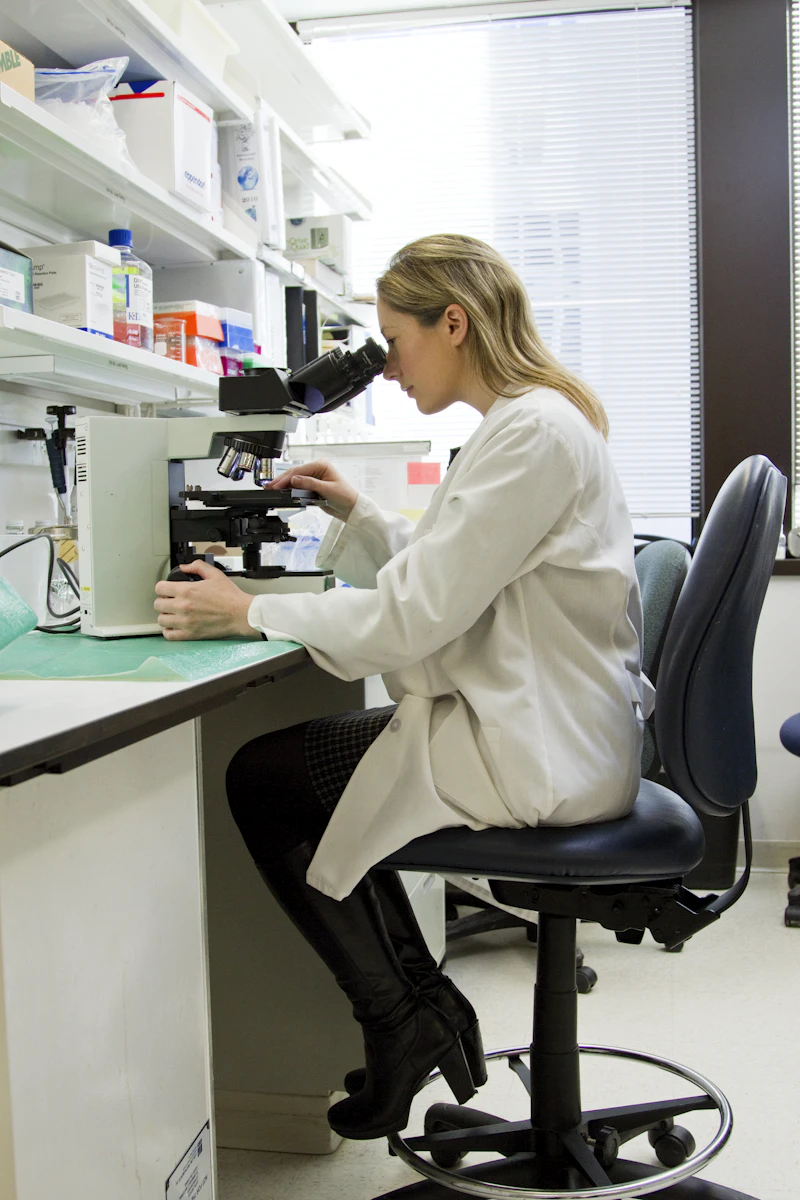
Genetic engineering tools used to create transgenic parasites
IVIS imaging system used to detect bioluminescent signals
A Brighter Future for Disease Research
The ability to watch a Leishmania infection unfold in real-time by literally lighting up the parasites is more than just a technical marvel—it's a paradigm shift.
It has moved research from making educated guesses based on incomplete data to directly observing the complex dynamics of host-parasite interaction. This accelerates drug discovery by providing immediate, clear feedback on a treatment's success . It deepens our fundamental understanding of how the parasite evades the immune system and establishes a chronic infection.
By turning the stealthy invader into a glowing target, scientists are not only illuminating the dark corners of a devastating disease but are also paving a brighter, faster path toward its eventual defeat.
Enhanced Observation
Real-time tracking of infection progression
Accelerated Research
Faster drug discovery and development
Ethical Advancement
Reduced animal use in research