High-Throughput Systems for Nematode Motility and Growth: A Comprehensive Guide for Drug Discovery and Phenotypic Screening
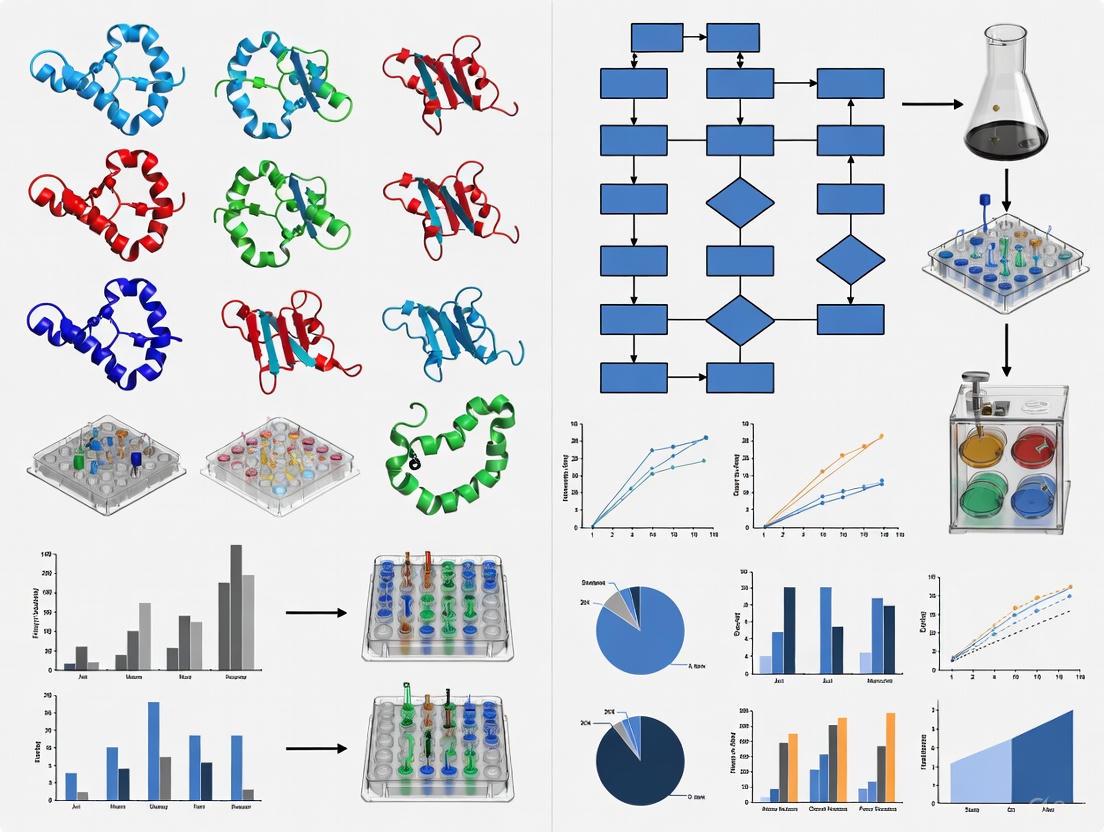
This article provides a comprehensive overview of advanced high-throughput systems for quantifying nematode motility and growth, crucial for anthelmintic discovery and phenotypic screening.
High-Throughput Systems for Nematode Motility and Growth: A Comprehensive Guide for Drug Discovery and Phenotypic Screening
Abstract
This article provides a comprehensive overview of advanced high-throughput systems for quantifying nematode motility and growth, crucial for anthelmintic discovery and phenotypic screening. It covers foundational principles, explores key technologies like the WMicrotracker ONE, INVAPP/Paragon, and microfluidic electrophysiology platforms, and details their application in both model organisms and parasitic nematodes. The content includes practical methodological protocols, essential troubleshooting and optimization strategies, and a comparative analysis of system validation. Aimed at researchers, scientists, and drug development professionals, this guide synthesizes current methodologies to accelerate basic research and the development of novel therapeutics against parasitic nematodes.
The Urgent Need for High-Throughput Nematode Screening: Foundations and Economic Impact
The Global Burden of Parasitic Nematodes in Humans, Animals, and Crops
Parasitic nematodes represent a pervasive and devastating threat to global health, agricultural productivity, and economic stability. These microscopic worms infect over 1.5 billion people worldwide, cause significant morbidity in livestock and companion animals, and inflict massive annual crop losses estimated at $80-$157 billion globally [1] [2]. The profound impact of these parasites spans both direct health consequences and indirect effects on food security and economic development, particularly in vulnerable communities where resources for prevention and treatment are limited.
Within the context of modern parasitology research, the development of high-throughput systems for quantifying nematode motility and growth has emerged as a critical frontier in the battle against these pathogens. Such automated platforms enable rapid screening of potential therapeutic compounds and provide unprecedented insights into parasite biology at scale. This whitepaper examines the global burden of parasitic nematodes through the lens of these advanced technological approaches, providing researchers and drug development professionals with both comprehensive burden assessments and detailed methodological frameworks for accelerating anthelmintic discovery.
Global Impact and Economic Burden
The economic and health impacts of parasitic nematodes extend across human populations, livestock industries, and agricultural systems worldwide. The following tables summarize the quantitative burden across these sectors.
Table 1: Global Impact of Parasitic Nematodes on Human Health
| Nematode Species | Human Infections | Health Consequences | Regional Prevalence |
|---|---|---|---|
| Soil-transmitted helminths (Ascaris, hookworm, whipworm) | >1 billion people [1] | Malnutrition, anemia, impaired cognitive development, abdominal pain [3] [1] | Tropical and subtropical regions with poor sanitation [1] |
| Filarial nematodes (Wuchereria bancrofti, Brugia spp., Onchocerca volvulus) | Millions [1] | Lymphatic filariasis (elephantiasis), river blindness, skin disease [1] | Sub-Saharan Africa, Asia, Pacific Islands, Latin America [1] |
| Trichinella spiralis | Not specified | Gastrointestinal distress, muscle pain, fever | Global, associated with undercooked meat [1] |
Table 2: Economic Impact of Plant-Parasitic Nematodes on Major Crops
| Nematode Type | Key Species | Global Crop Losses | Primary Crops Affected |
|---|---|---|---|
| Root-knot nematodes | Meloidogyne incognita, M. javanica, M. arenaria, M. enterolobii | $125-173 billion annually [3] [4] | Tomatoes, cotton, potatoes, soybeans, coffee [3] [2] |
| Cyst nematodes | Globodera, Heterodera spp. | $80-157 billion annually across all PPN [2] | Soybeans, potatoes, cereals [2] |
| Lesion nematodes | Pratylenchus spp. | $80-157 billion annually across all PPN [2] | Wide host range including corn, wheat, soybeans [2] |
| Region | Annual Crop Losses | Major Nematode Pests | Economic Impact |
| United States | $8 billion [2] | Root-knot, cyst, and lesion nematodes [2] | Significant impact on major commodities |
| Asia | 15% annual rice yield loss from M. graminicola [3] | Rice root-knot nematode | Substantial threat to food security |
Table 3: Impact of Nematodes on Livestock and Companion Animals
| Animal Host | Key Nematode Parasites | Economic and Health Impacts | |
|---|---|---|---|
| Ruminants (cattle, sheep, goats) | Gastrointestinal nematodes (Haemonchus contortus, Ostertagia ostertagi, Cooperia oncophora) | $10 billion annually in production losses; reduced weight gain, milk yield, fertility [5] [1] [6] | |
| Companion animals (dogs, cats) | Toxocara canis/cati, Ancylostoma caninum | 21% of dogs in US infected with intestinal parasites; zoonotic transmission risk [3] | |
| Swine | Ascaris suum | Production losses, reduced feed conversion efficiency | |
| All livestock | Trichinella spiralis | Production losses, zoonotic risk [1] |
High-Throughput Screening Systems for Nematode Control
The INVAPP/Paragon Automated Phenotyping Platform
The INVertebrate Automated Phenotyping Platform (INVAPP) coupled with the Paragon algorithm represents a significant advancement in high-throughput screening for anthelmintic compounds. This system enables rapid quantification of nematode motility and growth with an impressive throughput of approximately 100 96-well plates per hour [5].
Experimental Protocol:
- Plate Setup: Distribute nematode suspensions into U-bottom 96-well plates (54 µL per well)
- Acclimation: Incubate plates at 20°C for 20-30 minutes to allow nematodes to settle
- Baseline Measurement: Record initial motility for 30 minutes using the INVAPP system
- Treatment Application: Add 6 µL of test compounds or controls (e.g., 10× concentrated solutions)
- Post-Treatment Monitoring: Remeasure motility at defined time points (plates stored at 20°C with gentle shaking between measurements)
- Data Analysis: Paragon algorithm analyzes video footage by calculating variance through time for each pixel, identifying "motile pixels" whose variance exceeds a set threshold (typically >1 standard deviation from mean variance) [5]
The system has been validated against known anthelmintics using model organisms (Caenorhabditis elegans) and parasitic species (Haemonchus contortus, Teladorsagia circumcincta, and Trichuris muris), successfully identifying compounds with anthelmintic activity including tolfenpyrad, auranofin, and mebendazole from the Pathogen Box chemical library [5].
WMicroTracker ONE for Plant-Parasitic Nematode Screening
The WMicroTracker ONE platform provides an alternative approach for assessing nematode motility and hatching, particularly optimized for plant-parasitic species including Heterodera schachtii and Ditylenchus destructor [7]. This system utilizes infrared beams to detect movement through light scattering interference in microtiter plates.
Experimental Protocol for Motility Assessment:
- Nematode Preparation: Extract juveniles from maintained cultures and adjust concentration
- Plate Setup: Distribute suspensions to U-bottom 96-well plates (54 µL/well)
- Initial Reading: Record baseline activity for 30-minute intervals ("bins")
- Treatment: Add test compounds or controls (6 µL)
- Incubation: Seal plates and maintain at 20°C with orbital shaking (150 rpm)
- Activity Measurement: Monitor motility interference counts at defined time points
- Data Analysis: Compare activity counts between treatment and control groups [7]
Hatching Assessment Protocol:
- Cyst Preparation: Place approximately 300 cysts in ZnCl₂ solution (hatching stimulant)
- Crushing: Homogenize cysts using magnetic stirrer (1000 rpm, 5 minutes)
- Filtration: Pass suspension through sequential sieves (30μm → 116μm) to enrich eggs
- Plate Setup: Distribute eggs (~50/well) in 96-well plates with hatching stimulants
- Monitoring: Track emergence activity using WMicroTracker ONE or measure chitinase activity as hatching biomarker [7]
Advanced Research Tools and Methodologies
Research Reagent Solutions
Table 4: Essential Research Reagents and Tools for Nematode Screening
| Reagent/Equipment | Function/Application | Examples/Specifications |
|---|---|---|
| INVAPP/Paragon System | High-throughput phenotyping of nematode motility and growth | Andor Neo camera (2560×2160 resolution), MATLAB-based analysis, 100 plates/hour throughput [5] |
| WMicroTracker ONE | Motility and hatching assessment via infrared interference | U-bottom 96-well plates, activity count measurement in 30-min bins [7] |
| Chemical Libraries | Source of novel anthelmintic compounds | Pathogen Box (400 compounds), kinase inhibitor libraries [5] |
| ZnCl₂ | Hatching stimulant for cyst nematodes | 3 mM concentration in hatching assays [7] |
| Sodium azide/hypochlorite | Positive controls for motility inhibition | Concentration-dependent immobilization [7] |
| Modified Knop Medium | In vitro cultivation of plant-parasitic nematodes | Support of host plants (e.g., mustard) for nematode life cycle completion [7] |
| Carrot Disc Assay | Maintenance of migratory endoparasites | Sterilized carrot pieces for Ditylenchus destructor culture [7] |
Emerging Solutions and Novel Approaches
Recent innovations in nematode control include the discovery of slime mold metabolites as eco-friendly nematode repellents. Japanese researchers identified 14 organic compounds from Dictyostelium discoideum secretions that demonstrate potent repellent activity against root-knot nematodes, achieving 99% egg hatching inhibition at 30 mg/mL concentration through synergistic effects [4].
Simultaneously, research emphasis is shifting toward tissue- and cell-specific functional analysis of parasitic nematodes, moving beyond the limitations of C. elegans as a model system. Advanced imaging, single-cell omics, and in vitro culture systems are enabling unprecedented resolution of parasite-specific adaptations critical for host colonization and survival [8].
The global burden of parasitic nematodes remains substantial, with significant impacts on human health, agricultural productivity, and economic stability. The development and implementation of high-throughput screening systems such as INVAPP/Paragon and WMicroTracker ONE represent critical advancements in the identification of novel anthelmintic compounds and the understanding of nematode biology. These technologies, coupled with emerging approaches including natural product repellants and tissue-specific functional analyses, offer promising pathways toward sustainable nematode management strategies capable of addressing the evolving challenges of drug resistance and environmental safety. For researchers and drug development professionals, these tools provide unprecedented capacity to accelerate the discovery and development of next-generation solutions to one of the world's most persistent parasitic challenges.
The Anthelmintic Resistance Crisis and the Pipeline for New Therapeutics
Anthelmintic resistance presents a critical and growing threat to global health, food security, and agricultural productivity. The pervasive and often indiscriminate use of anthelmintic drugs has led to the selection of resistant populations of parasitic nematodes in humans, livestock, and crops [9] [10]. This crisis is exacerbated by a sparse pipeline of new therapeutic compounds and the rapid emergence of cross-resistance, threatening the viability of mass drug administration programs for neglected tropical diseases and the economic sustainability of livestock industries worldwide [5] [9]. In response, the field is undergoing a transformation driven by open science initiatives and technological innovations, particularly high-throughput, automated phenotypic screening systems. These platforms, which enable the rapid quantification of nematode motility and growth, are accelerating the discovery of novel anthelmintic targets and compounds with new mechanisms of action, offering hope for next-generation therapies capable of overcoming existing resistance [5] [11].
The Scale of the Resistance Crisis
Global Burden and Current Drug Limitations
Parasitic helminths infect hundreds of millions of people globally, contributing to a burden of approximately 6.4 million disability-adjusted life years (DALYs) [9]. Soil-transmitted helminths (Ascaris, hookworm, and whipworm) alone infect nearly a quarter of the world's population. The current arsenal of anthelmintics is not only limited but also shows variable efficacy; for instance, single-dose treatments with benzimidazoles like albendazole and mebendazole have shockingly poor cure rates against Trichuris trichiura (as low as 32.1%) [9]. In livestock, the economic impact is staggering, with nematode infections costing an estimated $10 billion annually and resistance to all major drug classes now widespread [5] [9].
Mechanisms and Detection of Resistance
Anthelmintic resistance (AhR) arises from intensive selection pressure due to the frequent and often prophylactic use of drugs. The primary mechanisms include:
- Target-site mutations: For example, polymorphisms in the beta-tubulin gene confer resistance to benzimidazoles [9].
- Enhanced drug efflux and metabolism: Increasing the parasite's ability to tolerate chemical treatments. Resistance is no longer a future threat but a present reality. A stark example is the appearance of resistance to monepantel, a relatively new anthelmintic, in sheep nematodes just four years after its introduction [5]. Detection relies on a combination of in vivo tests like the Faecal Egg Count Reduction Test (FECRT) and in vitro assays, such as the Larval Development Assay (LDA) and, increasingly, automated larval motility assays [12].
Table 1: Documented Anthelmintic Resistance in Key Nematode Species
| Nematode Species | Affected Host | Drug Classes with Documented Resistance | Key Consequences |
|---|---|---|---|
| Haemonchus contortus | Livestock (Sheep, Goats) | Benzimidazoles (BZ), Macrocyclic Lactones (ML), Levamisole (LEV), Monepantel (MPTL) | Severe production losses, animal mortality [9] [12] |
| Teladorsagia circumcincta | Livestock (Sheep) | BZ, ML, LEV | Reduced livestock productivity and welfare [5] |
| Trichuris trichiura | Humans | BZ (reduced efficacy) | Morbidity, growth stunting in children [9] |
| Soybean Cyst Nematode | Crops (Soybean) | Genetic resistance in host plants | Major crop damage; necessitates new control genes [13] |
Innovative Approaches in Anthelmintic Discovery
The urgent need for novel compounds has catalyzed a shift in drug discovery paradigms, moving away from traditional target-based methods back toward phenotypic screening, now supercharged by automation and computational biology.
High-Throughput Phenotypic Screening
Phenotypic screening, which involves testing compounds directly on live parasites, has been revitalized by automated platforms that quantify complex phenotypes like motility and development. These systems provide a direct, functional readout of compound efficacy on the whole organism.
- The INVAPP/Paragon System: This system uses a high-speed camera to capture videos of nematodes in microtiter plates. A specialized algorithm then analyzes the video by calculating the variance of each pixel over time, identifying "motile pixels." This allows for a rapid, unbiased quantification of motility with a throughput of approximately one hundred 96-well plates per hour [5].
- The WMicroTracker One: This apparatus uses an infrared light grid to automatically monitor nematode motility as a functional indicator of viability. It has been successfully validated to distinguish between eprinomectin-susceptible and -resistant isolates of Haemonchus contortus, demonstrating high sensitivity and reproducibility [12].
These platforms bridge the gap between model organisms like C. elegans and parasitic species, enabling the efficient screening of large chemical libraries against actual pathogens [5] [11].
Open Science and Compound Repurposing
Distributed open science programs, such as the Medicines for Malaria Venture Pathogen Box, have been instrumental in facilitating anthelmintic discovery. These initiatives provide curated sets of drug-like compounds to researchers worldwide, catalyzing screening in diverse assays [9]. This approach has successfully identified existing compounds with previously unknown anthelmintic activity, including:
- Tolfenpyrad: A repurposed insecticide.
- Auranofin: An anti-rheumatic drug.
- Perhexiline: An anti-anginal drug that was found to disrupt the fatty acid oxidation pathway in C. elegans and showed efficacy against the parasitic nematodes Haemonchus contortus and Onchocerca lienalis [14].
Novel Target Identification: Chokepoint Analysis
A systematic "chokepoint" analysis of nematode metabolic pathways offers a rational method for target discovery. A chokepoint reaction is defined as a metabolic reaction that either consumes a unique substrate or produces a unique product [14]. Inhibiting the enzyme that catalyzes such a reaction can cause a toxic buildup of a substrate or starve the parasite of an essential product. Genomic analysis of ten nematode species has identified these chokepoint enzymes, providing a prioritized list of potential broad-spectrum drug targets that are absent or divergent in the human host [14].
Detailed Experimental Protocols for High-Throughput Screening
This section outlines the core methodologies driving modern anthelmintic discovery, with a focus on automated phenotypic analysis.
Protocol: Automated Motility Assay using the INVAPP/Paragon System
This protocol is designed for high-throughput screening of compound libraries against nematodes [5].
1. Organism Preparation:
- For C. elegans: Maintain strains at 20°C. Synchronize cultures at the L1 larval stage using a standard bleaching protocol to obtain a developmentally uniform population for screening.
- For Parasitic Nematodes (e.g., H. contortus): Harvest larvae (L3) from faecal cultures. Isolate and concentrate larvae for plating.
2. Assay Setup:
- Transfer a synchronized population of nematodes (e.g., 30-50 L1 C. elegans or L3 H. contortus) into each well of a 96-well microtiter plate.
- Add test compounds at a desired range of concentrations. Include negative (vehicle-only) and positive (known anthelmintic) controls.
- Seal the plates to prevent evaporation and incubate under appropriate conditions for a defined period (e.g., 72 hours for C. elegans growth assays).
3. Data Acquisition with INVAPP:
- Place the microtiter plate in the INVAPP holder, which is equipped with illumination from below.
- Capture a short movie (e.g., 10-30 seconds) for each plate section using a high-resolution, high-speed camera (e.g., Andor Neo) controlled by μManager software.
4. Data Analysis with Paragon:
- Process the movie files using the custom MATLAB script (
Paragon). - The algorithm calculates the temporal variance for each pixel. Pixels with a variance above a set threshold (e.g., one standard deviation from the mean) are classified as "motile."
- The script counts these motile pixels within the boundaries of each well, generating a quantitative "movement score."
- Dose-response curves and half-maximal inhibitory concentration (IC50) values are calculated from the movement scores across compound concentrations.
Table 2: Key Research Reagent Solutions for High-Throughput Anthelmintic Screening
| Reagent / Solution | Function in Experiment | Example Application |
|---|---|---|
| S-complete Buffer | Maintenance medium for C. elegans liquid cultures | Used for growing and synchronizing worms prior to screening [5] |
| S-basal Medium | Defined salt solution for starvation and synchronization | Used for housing synchronized L1 larvae after bleaching [5] |
| Pathogen Box Library | A collection of ~400 drug-like compounds with known activity against pathogens | Blinded screening to identify novel anthelmintic hits [5] [9] |
| WMicroTracker One | Automated instrument using an infrared light grid to monitor motility | Functional screening and resistance detection in H. contortus L3 larvae [12] |
Protocol: Validating Resistance with a Larval Motility Assay
This method is used to link clinical treatment failure with in vitro resistance phenotypes, specifically for macrocyclic lactones like eprinomectin [12].
1. Field Isolate Collection:
- Collect faecal samples from animals on farms with suspected anthelmintic treatment failure.
- Perform a Faecal Egg Count Reduction Test (FECRT) to confirm clinical efficacy.
2. Larval Preparation and Assay:
- Conduct larval cultures from faecal samples to obtain infective L3 larvae.
- Incubate L3 larvae in multi-well plates with serial dilutions of the anthelmintic (e.g., eprinomectin, ivermectin). Include susceptible reference isolates for comparison.
- Use the WMicroTracker to automatically record larval motility over time.
3. Data Analysis and Resistance Factor Calculation:
- Calculate the IC50 (concentration that inhibits 50% of motility) for each field isolate and the reference susceptible isolate.
- Determine the Resistance Factor (RF) using the formula: RF = IC50 (field isolate) / IC50 (susceptible isolate)
- Isolates with high RF values (e.g., 17 to 101 for eprinomectin in French dairy farms) are confirmed as phenotypically resistant [12].
Visualization of Workflows and Pathways
The following diagrams illustrate the logical flow of key experimental and analytical processes described in this whitepaper.
High-Throughput Screening Workflow
Metabolic Chokepoint Analysis for Target ID
The Emerging Therapeutic Pipeline
The strategies outlined above are yielding a new generation of anthelmintic candidates and targets.
Promising New Compounds and Combinations
- Trans-Cinnamaldehyde (TCA): A primary component of cinnamon essential oil, TCA exhibits a multi-target mechanism of action by inhibiting multiple Cys-loop receptors, including the levamisole-sensitive nicotinic ACh receptor and GABA-activated chloride channels [15]. Its synergistic interaction with levamisole and monepantel offers a promising route for combination therapies to counteract resistance [15].
- Benzoxaboroles and Isoxazoles: These chemotypes were identified from the Pathogen Box screening as having previously unknown anthelmintic activity, representing novel starting points for medicinal chemistry optimization [5].
Future Outlook
The future of anthelmintic therapy lies in combination treatments that attack parasites through multiple, independent mechanisms simultaneously. This approach can delay the onset of resistance. Furthermore, diagnostic tools are evolving towards molecular tracking of virulence genes in field populations, as demonstrated in soybean cyst nematode, which will enable more precise deployment of resistant crop varieties and, by analogy, anthelmintic drugs [13]. The integration of open science, high-throughput automation, and computational biology is creating a more resilient and responsive pipeline, essential for overcoming the persistent challenge of anthelmintic resistance.
Parasitic nematodes represent a profound global health burden, infecting more than one quarter of the world's population, and simultaneously constraining productivity in animal and plant agricultural industries. The current anthelmintic arsenal is limited to just a handful of drug classes, with treatment failures increasingly reported due to the emergence of drug resistance. This troubling landscape creates an urgent need for constant discovery and development of new anthelmintic compounds to address this pressing global challenge [16].
In response to this need, phenotypic screening has emerged as a resurgent paradigm in anthelmintic discovery. This approach utilizes whole-organism assays to evaluate compound effects on live nematodes, enabling the identification of bioactive molecules without prior knowledge of specific molecular targets. The free-living nematode Caenorhabditis elegans serves as an excellent model system for this purpose, offering a tractable platform for high-throughput screening that can subsequently be validated against parasitic species [16]. This technical guide explores the implementation of phenotypic screening within the context of quantifying nematode motility and growth, providing researchers with comprehensive methodologies for advancing anthelmintic discovery.
Phenotypic Screening Fundamentals
Defining Phenotypic Screening
Phenotypic screening, also termed chemical genetic or in vivo screening, investigates the ability of small molecules to inhibit biological processes or disease models in live cells or intact organisms. This approach stands in contrast to traditional target-based screening, which tests compounds against purified proteins in vitro. Phenotypic screens evaluate complex biological endpoints, allowing for the identification of compounds that modify disease-relevant phenotypes without requiring predetermined molecular targets [17].
The development of effective phenotypic screens relies on several technological advances: the creation of diverse chemical libraries, robotic liquid handling systems, sensitive fluorescent and luminescent reagents, automated microtiter plate readers, and sophisticated data processing algorithms. These innovations have enabled researchers to design quantitative and reproducible biological assays capable of screening thousands to hundreds of thousands of compounds [17].
Advantages for Anthelmintic Discovery
Phenotypic screening offers distinct advantages for anthelmintic development. By utilizing whole organisms, this approach inherently selects for compounds with suitable bioavailability, tissue penetration, and metabolic stability—properties essential for clinical efficacy but challenging to predict from in vitro assays. Additionally, phenotypic screens can identify compounds acting through novel mechanisms of action, potentially overcoming existing resistance pathways [16] [17].
The use of C. elegans as a model nematode provides particular benefits, including well-established cultivation methods, rapid generation time, and extensive genetic tools. Furthermore, the conservation of biological pathways between C. elegans and parasitic nematodes supports the translational relevance of findings from initial screens [16].
High-Throughput Motility Assay: Methodology and Optimization
Core Motility Assay Protocol
The infrared-based motility assay utilizing the WMicroTracker ONE instrument represents a robust method for quantifying nematode movement in a high-throughput format. This system projects infrared light beams (880 nm) across each well of a microtiter plate and detects nematode movement through changes in light scattering [16].
Step-by-Step Protocol:
- Nematode Preparation: Maintain C. elegans (Bristol N2 strain) under standard laboratory conditions. Synchronize populations to the L4 larval stage using established methods [16].
- Worm Harvesting: Detach synchronized L4 larvae from agar plates and collect in M9 buffer. Centrifuge at 1,900 × g for 1 minute and wash with S medium to reduce E. coli OP50 food bacteria that could interfere with infrared detection [16].
- Compound Preparation: Prepare test compounds in DMSO. For primary screening, use a standard concentration (e.g., 40 µM). Spot 1 µL of each compound solution into individual wells of a clear, flat-bottomed 96-well polystyrene plate. Include DMSO-only wells (typically 1% final concentration) as negative controls [16].
- Assay Setup: Transfer approximately 70 L4 larvae in 100 µL S medium to each well containing test compounds or controls [16].
- Motility Measurement: Place the assay plate in the WMicroTracker ONE instrument maintained at 25 ± 1°C. Measure motility every 20 minutes for 24 hours [16].
- Data Analysis: Normalize motility readings relative to DMSO controls. Define hit compounds as those reducing motility to ≤25% of control values [16].
Critical Optimization Parameters
Several parameters require optimization to ensure robust assay performance:
- Worm Density: Testing various L4 larval densities (30-200 worms/well) revealed that 70-100 worms provide optimal signal without compromising throughput. The selection of 70 worms per well balances economy with adequate dynamic range [16].
- DMSO Tolerance: Evaluation of DMSO concentrations (0.5-1.5%) demonstrated that 1% DMSO in a final volume of 100 µL provides optimal compound solubility without significantly impairing nematode motility [16].
- Temporal Dynamics: Continuous monitoring over 24 hours captures both rapid and delayed effects on motility, providing comprehensive phenotypic profiles for each compound [16].
Workflow Visualization
The following diagram illustrates the complete phenotypic screening workflow for anthelmintic discovery:
Quantitative Assessment of Screening Hits
Concentration-Response Analysis
For compounds identified as hits in primary screening, detailed concentration-response relationships must be established:
- Assay Setup: Prepare serial compound dilutions in DMSO (typically 9 concentrations ranging from 0.005 µM to 100 µM) using 96-well polypropylene dilution plates. Spot 1 µL aliquots into assay plates [16].
- Data Analysis: Measure motility as in primary screening. Calculate half-maximal effective concentration (EC₅₀) values using nonlinear regression with a four-parameter logistic curve in appropriate software (e.g., Prism GraphPad) [16].
Cytotoxicity Counter-Screening
Assessment of mammalian cell toxicity provides crucial selectivity information:
- Cell Culture: Maintain HEK293 cells in DMEM supplemented with 10% fetal bovine serum and 1% penicillin-streptomycin at 37°C with 5% CO₂. Subculture at 60-80% confluence using 0.05% trypsin/EDTA [16].
- Cytotoxicity Assay: Seed approximately 20,000 HEK293 cells per well in 99 µL medium. Add 1 µL compound solutions (serial dilutions across 11 concentrations, 0.00007-40 µM). After 46-hour incubation, add 20 µL 0.5 mM resazurin and incubate an additional 2 hours [16].
- Data Analysis: Measure fluorescence (excitation 560 nm, emission 590 nm). Calculate half-maximal cytotoxic concentration (CC₅₀) values using nonlinear regression [16].
Multi-Parameter Phenotypic Assessment
Advanced phenotypic screening can incorporate multiple trait measurements to create comprehensive compound profiles. The Quantitative Phenotypic Assay (QPA) framework, though developed for microalgae, offers a transferable approach for evaluating additional nematode phenotypes [18]:
Expandable Trait Measurements:
- Growth Rate: Population dynamics over time
- Morphological Parameters: Body size, granularity
- Metabolic Markers: Neutral lipid content, reactive oxygen species
- Physiological Function: Feeding, reproduction, development
This multi-trait approach enables detection of subtle phenotypic changes and identification of compound-specific effect patterns, providing deeper insight into mechanisms of action [18].
Research Reagent Solutions
The following table details essential reagents and materials for implementing phenotypic anthelmintic screens:
Table 1: Essential Research Reagents for Phenotypic Anthelmintic Screening
| Category | Specific Item | Function/Application | Examples/Sources |
|---|---|---|---|
| Chemical Libraries | MMV COVID Box, Global Health Priority Box | Source of diverse bioactive compounds for screening | Medicines for Malaria Venture [16] |
| Reference Compounds | Macrocyclic lactones, known anthelmintics | Assay validation and positive controls | Ivermectin, doramectin, selamectin [16] |
| Instrumentation | WMicroTracker ONE | Automated motility quantification via infrared light scattering | Phylumtech [16] |
| Cell Lines | HEK293 cells | Cytotoxicity counter-screening | ATCC, commercial suppliers [16] |
| Assay Reagents | Resazurin, culture media, DMSO | Cell viability assessment, compound solvent | ThermoFisher, Sigma-Aldrich [16] |
| Consumables | 96-well plates, dilution plates | Assay format, compound preparation | Various suppliers [16] |
Statistical Analysis and Hit Validation
Statistical Considerations for High-Throughput Data
Robust statistical methods are essential for distinguishing true hits from background variation in high-throughput screens:
- Plate Normalization: Address plate-to-plate variability using methods such as "percent of control," "normalized percent inhibition," or Z-score approaches [17].
- Z-Score Method: Calculate using the formula: Z = (X - μ)/σ, where X is the raw value, μ is the plate mean, and σ is the plate standard deviation. This approach assumes most compounds are inactive and can serve as controls [17].
- B-Score Method: A superior alternative that minimizes positional effects on multi-well plates and is resistant to statistical outliers [17].
- Hit Thresholding: Establish statistically rigorous cutoffs (e.g., motility ≤25% of control) while controlling for false discovery rates in multiple comparisons [16].
Hit Validation Strategies
- Concentration-Response Confirmation: Verify activity across a range of concentrations to establish legitimate structure-activity relationships [16].
- Time-Dependent Effects: Evaluate whether compound effects increase, decrease, or remain stable over extended exposure periods [16].
- Selectivity Assessment: Calculate selectivity indices (CC₅₀/EC₅₀) using cytotoxicity data to prioritize compounds with favorable therapeutic windows [16].
- Orthogonal Assays: Confirm activity using alternative phenotypic endpoints (e.g., growth inhibition, fecundity, development) to rule out assay-specific artifacts [18].
Case Study: MMV Library Screening
Screening Outcomes and Identified Hits
A recent screening of 400 compounds from the MMV COVID Box and Global Health Priority Box using the optimized motility assay identified twelve potent hits. Nine of these were established macrocyclic lactone anthelmintics, validating the assay's detection capability. Three novel bioactives were identified: flufenerim, flucofuron, and indomethacin [16].
Table 2: Efficacy and Toxicity Profiles of Identified Hit Compounds
| Compound | EC₅₀ (µM) | CC₅₀ (µM) | Selectivity Index (CC₅₀/EC₅₀) | Mechanistic Class |
|---|---|---|---|---|
| Flufenerim | 0.211 | 0.453 | 2.15 | Unknown |
| Flucofuron | 23.174 | >100 | >4.31 | Unknown |
| Indomethacin | Ranged between flufenerim and flucofuron | Ranged between flufenerim and flucofuron | Varying | NSAID |
| Ivermectin | Not specified | Not specified | Not specified | Macrocyclic lactone |
| Tolfenpyrad | Not specified | Not specified | Not specified | Electron transport chain inhibitor |
Mechanistic Pathways in Anthelmintic Action
The following diagram illustrates key molecular pathways targeted by anthelmintic compounds identified through phenotypic screening:
Phenotypic screening represents a powerful, resurgent paradigm in anthelmintic discovery, effectively bridging the gap between compound libraries and clinically relevant nematode phenotypes. The integration of high-throughput motility assays with rigorous counter-screening and multi-parameter phenotypic assessment creates a robust framework for identifying novel bioactive compounds with potential anthelmintic activity [16].
Future advancements in this field will likely involve increased assay multiplexing, incorporating additional phenotypic endpoints such as growth rate, reproduction, and specific molecular markers. Additionally, the application of machine learning approaches to multi-dimensional phenotypic data may enable pattern recognition for mechanism prediction and compound prioritization [18]. As resistance to existing anthelmintics continues to emerge, the implementation of sophisticated phenotypic screening platforms will be increasingly vital for replenishing the anthelmintic pipeline with compounds exhibiting novel mechanisms of action.
In the pursuit of novel therapeutic and agricultural interventions, research on nematodes—both the model organism Caenorhabditis elegans and pathogenic species—relies heavily on the precise quantification of core phenotypic responses. Motility, growth, and viability represent the cornerstone phenotypes for evaluating nematode biology, chemical compound efficacy, and anthelmintic discovery. These readouts provide critical insights into the functional state of nematodes under experimental conditions, from basic genetic studies to high-throughput drug screens. The development of standardized, scalable methodologies for assessing these phenotypes is essential for advancing our understanding of nematode behavior and physiology, particularly as drug resistance in parasitic nematodes continues to escalate [19] [20]. This technical guide details the established and emerging protocols for defining these key phenotypes within the context of modern high-throughput research systems, providing researchers with the experimental frameworks necessary for robust, reproducible quantification.
Quantifying Motility: From Infrared Detection to High-Content Imaging
Motility serves as a sensitive indicator of nematode health and neurological function, making it a primary readout for nematicide screening and toxicity assessment.
Infrared-Based Motility Assays
The WMicrotracker ONE system provides a high-throughput, automated approach for quantifying nematode movement by detecting interruptions of an infrared microbeam array. When nematodes move across the light beam, transient fluctuations in the signal are detected and quantified as "activity counts" [7] [20] [21].
Protocol: Infrared Motility Assay with WMicrotracker ONE
- Sample Preparation: Synchronized nematodes (L4 stage C. elegans or infective juveniles of plant-parasitic species) are washed and resuspended in an appropriate buffer, such as K saline (51 mM NaCl, 32 mM KCl) for C. elegans or sterile ddH2O for plant-parasitic nematodes [20] [21].
- Plate Loading: Distribute the nematode suspension into 96-well plates. For C. elegans, use approximately 60 worms per well in a final volume of 80 μL. For plant-parasitic species like Heterodera schachtii J2s, 100-150 worms per well are recommended, while more active species like Ditylenchus destructor require only 30-50 worms per well [7] [21].
- Baseline Measurement: Record basal movement for 30 minutes to establish a 100% activity baseline for each well.
- Compound Treatment: Add experimental compounds to wells, typically in a volume of 6-20 μL to achieve the desired final concentration. Include appropriate controls (e.g., ivermectin as a positive control, DMSO as a vehicle control) [20].
- Post-Treatment Measurement: Incubate plates under suitable conditions (e.g., 20-27°C) and remeasure motility at designated time points (e.g., 30 minutes, 24 hours, 48 hours post-treatment).
- Data Analysis: Normalize post-treatment activity counts to baseline measurements to calculate percentage motility inhibition.
Table 1: Recommended Parameters for Infrared Motility Assays Across Nematode Species
| Species | Worms/Well | Plate Type | Buffer | Key Control Compounds |
|---|---|---|---|---|
| C. elegans | ~60 | Flat-bottom | K saline + 0.015% BSA | Ivermectin (0.01-10 μM), Levamisole (1-1000 μM) |
| H. schachtii (J2) | 100-150 | U-bottom | Sterile ddH2O | Sodium Azide, Sodium Hypochlorite |
| D. destructor | 30-50 | U-bottom | Sterile ddH2O | Sodium Azide, Sodium Hypochlorite |
High-Content Imaging and Analysis
For more detailed phenotypic information, high-content analysis (HCA) platforms combine time-lapse imaging with sophisticated image analysis to quantify movement and morphological changes.
Protocol: High-Content Motility and Viability Staining
- Nematode Staining: Bulk stain approximately 100,000 J2 nematodes with PKH26 dye (30 μM in diluent) for 5 minutes in the dark. Wash three times with MilliQ water containing 1% bovine serum albumin to remove excess dye [22].
- Assay Preparation: Dilute stained nematodes to a concentration of 1 worm/μL in MilliQ water with 0.01% Tween 20. Add SYTOX Green viability dye (10 μM final concentration) and antimicrobial agents (penicillin, streptomycin, amphotericin B) to the stained worm stock [22].
- Plate Setup: Dispense 50 μL of the prepared nematode suspension into each well of a 96-well assay plate containing pre-dispensed test samples.
- Incubation and Imaging: Incubate plates for 48 hours at 27°C, then add octopamine solution (5 mM final for RKN, 1 mM for SCN) to stimulate movement. Image plates using a high-content imager (e.g., GE IN Cell 2200) with a 2X/0.1 Plan Apo objective [22].
- Data Extraction: Analyze acquired images for movement parameters (based on frame-to-frame changes) and viability (SYTOX Green fluorescence indicating compromised cell membranes).
Figure 1: High-content analysis workflow for simultaneous assessment of nematode motility and viability [22].
Assessing Growth and Development: High-Throughput Solutions
Growth and reproductive capacity represent fundamental phenotypes for assessing nematode health, developmental impacts, and long-term compound effects.
GelDrop Array Screening for Genetic and Chemical Screens
The GelDrop platform addresses the material and time constraints of traditional Nematode Growth Medium (NGM) plates by confining single animals in discrete gellan gum hydrogel droplets.
Protocol: GelDrop Array Screening
- Hydrogel Preparation: Prepare gellan gum hydrogel supplemented with OP50 E. coli as a food source [23].
- Droplet Array Formation: Dispense hydrogel into discrete droplets on a Petri dish, with each 10-cm dish accommodating 70-78 parallel screenings [23].
- Nematode Loading: Confine single nematodes in individual droplets using appropriate transfer techniques.
- Incubation and Monitoring: Incubate droplets at standard growth temperatures (e.g., 20°C) for 2-3 days, allowing for growth and reproduction within the confined environment [23].
- Phenotypic Scoring: Assess progeny count, developmental stage, or other growth-related phenotypes using standard microscopy. The discrete droplets prevent escape and cross-contamination, enabling clear phenotypic tracking [23].
Hatching Assays as a Growth Proxy
For parasitic nematodes, hatching rate serves as a crucial indicator of reproductive potential and population growth.
Protocol: Hatching Assessment with WMicrotracker ONE
- Cyst/Egg Preparation: Isolate cysts or eggs from maintained cultures. For H. schachtii, place approximately 300 cysts in a glass bottle with 3-5 mL of 3 mM ZnCl₂ (a hatching stimulant) [7] [21].
- Crushing and Filtering: Crush cysts on a magnetic stirrer (1000 rpm, 5 minutes) and pass the suspension through a series of sieves (30 μm to remove debris, then 116 μm to collect eggs) [7].
- Plate Setup: Distribute eggs (approximately 50 per well) into U-bottom 96-well plates containing 54 μL of 3 mM ZnCl₂ or test solutions [21].
- Motility Monitoring: Measure activity counts regularly over 5-7 days using WMicrotracker ONE. As J2s hatch, they increase detectable movement, providing a proxy for hatching rate [7] [21].
- Chitinase Activity Alternative: As an orthogonal method, measure chitinase activity released during eggshell degradation using fluorogenic substrates [7].
Table 2: Comparison of High-Throughput Growth and Hatching Assays
| Method | Throughput | Key Readout | Advantages | Limitations |
|---|---|---|---|---|
| GelDrop Array | 70-78 screens/plate | Progeny count, Development | Minimal agar use, Prevents cross-contamination | Requires individual loading |
| Hatching Motility | 96-well format | Activity counts over time | Non-invasive, Continuous monitoring | Indirect measure of hatching |
| Chitinase Assay | 96-well format | Fluorescence signal | Direct enzymatic measurement | Endpoint measurement only |
Determining Viability: Beyond Motility Assays
Viability assessment distinguishes between true mortality and temporary paralysis, a critical distinction in nematicide screening.
Fluorescent Viability Staining
Fluorescent markers that penetrate compromised membranes provide a direct measure of nematode cell death.
Protocol: Fluorimetric Viability Assessment with Sytox and Propidium Iodide
- Nematode Preparation: Treat nematodes (L3 larvae of C. elegans or other species) with experimental compounds for 48-72 hours. Include controls (e.g., methanol-killed larvae as positive control) [19].
- Staining Solution Preparation: Prepare Sytox Green (1 μM final concentration) or propidium iodide (20 μM final concentration) in appropriate buffers [19] [22].
- Staining Incubation: Add fluorescent markers to nematode suspensions in 96-well plates and incubate for 15 minutes at room temperature with shaking (120 rpm) [19].
- Signal Detection: Read fluorescence using appropriate excitation/emission settings (Sytox: ex 450-490 nm/em 535 nm; PI: ex 510-560 nm/em 590 nm) [19].
- Validation: Correlate fluorescence intensity with mortality by preparing standard curves with known ratios of live:dead larvae. Compare with motility data to distinguish paralysis from death [19].
Geometric Viability Assay (GVA) for Microbial-Nematode Systems
The Geometric Viability Assay (GVA) revolutionizes traditional colony-forming unit (CFU) counts by leveraging the geometry of a pipette tip to create a natural dilution series.
Protocol: Geometric Viability Assay
- Sample Embedding: Mix microbial samples (e.g., E. coli, a common nematode food source) with melted LB agarose (0.5%) cooled to ≤55°C. Include triphenyl tetrazolium chloride (TTC) to enhance colony contrast [24] [25].
- Tip Loading: Aspirate the agarose-sample mixture into standard pipette tips and allow to solidify.
- Incubation: Eject solidified tips into a rack and incubate overnight at appropriate temperatures (e.g., 37°C for E. coli) [24].
- Imaging and Analysis: Image tips using a custom optical setup. Calculate viable cell concentration based on colony distribution using the probability density function: PDF(x) = 3x²/h³, where x is the distance from the tip and h is the total cone length [24] [25].
- CFU Calculation: Estimate CFU/mL using the formula: CFUs/mL = (N(x) | x₁ ≤ x < x₂) / [V × ∫(x₁ to x₂) PDF(x)dx], where N is the number of colonies between positions x₁ and x₂, and V is the cone volume [24].
Figure 2: Geometric Viability Assay workflow for high-throughput microbial viability assessment [24] [25].
The Scientist's Toolkit: Essential Research Reagents and Equipment
Table 3: Essential Research Reagents and Equipment for Nematode Phenotyping
| Item | Function | Example Applications | Key Features |
|---|---|---|---|
| WMicrotracker ONE | Automated motility detection | Motility screens, Hatching assays | Infrared beam detection, 96-well format |
| PKH26 Dye | Nematode membrane staining | High-content analysis | Fluorescent membrane label, Stable staining |
| SYTOX Green | Viability staining | Mortality confirmation | Penetrates compromised membranes |
| Propidium Iodide | Viability staining | Cell death detection | Nucleic acid intercalator |
| Gellan Gum | Hydrogel formation | GelDrop array screening | Alternative to agar, Form stable droplets |
| Octopamine | Movement stimulant | High-content imaging | Induces movement for better detection |
| ZnCl₂ | Hatching stimulant | Cyst nematode studies | Enhances hatching rate in Heterodera |
| Ivermectin | Positive control | Motility inhibition assays | Broad-spectrum nematicide |
The advancing methodologies for quantifying nematode motility, growth, and viability represent a significant evolution in phenotypic screening capacity. Each phenotype offers complementary information: motility provides immediate functional readouts, growth reveals developmental impacts, and viability confirms lethal effects. The integration of these approaches, particularly through automated systems like WMicrotracker ONE and high-content imaging platforms, enables comprehensive nematode phenotyping at unprecedented scale and precision. As resistance to existing nematicides continues to threaten global health and food security [20], these high-throughput approaches provide the necessary tools to accelerate the discovery of next-generation interventions. By implementing the standardized protocols detailed in this guide, researchers can generate robust, comparable data across laboratories, ultimately advancing our collective understanding of nematode biology and control.
Limitations of Traditional Manual Microscopy and Low-Throughput Assays
This technical guide examines the critical limitations inherent in traditional manual microscopy and low-throughput assays, with a specific focus on the field of nematode research. As the demand for robust, quantitative biological data grows, these conventional methods present significant bottlenecks in drug discovery and basic research. We detail the constraints of manual techniques, explore automated solutions that enhance throughput and reproducibility, and provide validated experimental protocols for implementing high-throughput systems to quantify nematode motility and growth.
The quantitative evaluation of phenotypic traits, such as nematode motility and growth, is fundamental to understanding fundamental biological processes and for the discovery of new therapeutic agents. For decades, this research has relied on traditional manual microscopy and visual assessment methods. However, these approaches are increasingly recognized as a major bottleneck, struggling to meet the demands for statistical robustness, scalability, and objective quantitation in modern science. This is particularly true in the search for novel anthelmintics, where widespread drug resistance necessitates rapid screening of large chemical libraries. The limitations of these legacy systems frame a compelling thesis for the adoption of integrated, high-throughput phenotyping platforms.
Core Limitations of Manual and Low-Throughput Methods
Quantitative Analysis of Methodological Shortcomings
The table below summarizes the principal limitations of traditional assays as identified in the literature.
Table 1: Key Limitations of Traditional Manual Microscopy and Assays
| Limitation Category | Specific Shortcoming | Impact on Research |
|---|---|---|
| Reproducibility & Bias [26] | Manual exposure, focus, and region-of-interest (ROI) selection vary between users and over time. | Introduces observer bias, higher data variance, low statistical power, and irreproducible findings. |
| Throughput & Scalability [27] [26] | Manually scanning fields, wells, or time points is slow and laborious; tracking individual cells/ nematodes is impractical at scale. | Severely limits sample size, reduces experimental scope, and dramatically extends project timelines. |
| Quantitation Limits [26] | Reliance on manual counting and semi-quantitative scoring; intensity drift and uneven illumination. | Prevents robust trend detection and dose-response modeling; yields subjective, non-quantitative data. |
| Experimental Artifacts [26] | Manual oversampling leads to increased phototoxicity and photobleaching, especially in live-cell/time-lapse studies. | Confounds biological data with induced stress, leading to erroneous conclusions. |
| Spatial & Environmental Bias [28] | Edge effects in multi-well plates; fluctuations in temperature, CO₂, and humidity during long acquisitions. | Causes spatial bias in results, focus drift, and morphological changes unrelated to the treatment. |
Specific Bottlenecks in Nematode Motility Assays
In the context of nematode research, conventional methods are especially prohibitive. Assessments of basic parameters like motility, viability, and reproduction have traditionally involved visually counting juveniles and eggs under a dissecting microscope, a process that is universally acknowledged as "time-consuming and laborious" [7]. This creates a fundamental constraint in chemical screening campaigns, where the ability to test tens of thousands of compounds is essential for identifying novel anthelmintics [29] [30]. Furthermore, in techniques like Traction Force Microscopy (TFM), a low measurement throughput—often only one cell per dish—imposes an "onerous workload" requiring numerous dish preparations to gather sufficient data [27].
High-Throughput Solutions and Their Methodologies
To overcome these barriers, the field has moved toward automated, scalable phenotyping platforms. These systems integrate motorized optics, automated stages, stable illumination, and integrated analysis software to standardize acquisition and produce reproducible, quantitative data [26].
Automated Phenotyping Platforms for Nematodes
A prime example is the INVertebrate Automated Phenotyping Platform (INVAPP) coupled with the Paragon algorithm. This system was specifically developed for high-throughput, plate-based chemical screening to identify compounds that affect the motility and development of parasitic worms [29] [31]. Another widely used instrument is the WMicrotracker ONE, which employs infrared light beam-interference to detect nematode motility in a high-density microtiter plate format [30] [7].
Table 2: Essential Research Reagent Solutions for High-Throughput Nematode Screening
| Item / Reagent | Function in the Assay |
|---|---|
| U-bottom 96- or 384-well plates | Optimal geometry for nematode settlement and consistent infrared beam-interference reading [30] [7]. |
| Dimethyl sulfoxide (DMSO) | Standard solvent for dissolving chemical library compounds; typically used at concentrations ≤0.4% [30]. |
| Positive Control Compounds | Known anthelmintics (e.g., monepantel, mebendazole) to validate assay performance and establish a Z'-factor [30] [31]. |
| Negative Control (ddH₂O or buffer) | Provides a baseline for maximum motility and is essential for data normalization and hit identification. |
| ZnCl₂ (for plant-parasitic nematodes) | A hatching stimulant for cyst nematodes like Heterodera schachtii, used to synchronize and increase J2 juvenile yield [7]. |
| Sodium Azide / Sodium Hypochlorite | Chemical immobilizers used as positive controls for motility inhibition in assay development and validation [7]. |
Experimental Protocol: High-Throughput Motility Screening
The following is a detailed methodology for conducting a high-throughput nematode motility screen using the WMicrotracker ONE system, as adapted from established protocols [30] [7].
Workflow Overview:
Step-by-Step Protocol:
Nematode Preparation:
- Cultivate nematodes (C. elegans, H. contortus, or H. schachtii) under standard conditions.
- For plant-parasitic nematodes, collect motile infective juveniles (J2) using hatching funnels with 3 mM ZnCl₂ to stimulate emergence [7].
- Wash and concentrate the nematode suspension. Determine the concentration by counting the number of living nematodes in multiple 10 µL drops.
- Dilute the suspension to the desired density. For a 384-well plate with H. contortus, a density of 80 xL3s per well has been shown to provide a strong correlation (R² = 91%) between larval density and motility signal [30].
Plate Loading & Settling:
- Dispense the nematode suspension into a U-bottom 96-well or 384-well plate. A typical volume is 54 µL per well [7].
- Seal the plate with a breathable membrane or lid and allow it to incubate at the assay temperature (e.g., 20°C) for 20-30 minutes. This allows the nematodes to settle at the bottom of the wells.
Baseline Motility Measurement:
- Place the plate into the WMicrotracker ONE instrument.
- Record the initial motility ("activity counts") for 30 minutes to establish a baseline for each well.
Compound Addition:
- Remove the plate from the instrument.
- Using a multichannel pipette, add 6 µL of the test compound, positive control (e.g., 10x final concentration of sodium azide), or negative control (sterile ddH₂O) to the respective wells. This achieves the desired final volume and concentration.
- Seal the plate with parafilm or a PCR seal to prevent evaporation.
Post-Treatment Motility Measurement:
- Between readings, keep the plates at the assay temperature and gently shake on an orbital shaker (e.g., 150 rpm) to ensure proper aeration [7].
- Return the plate to the WMicrotracker ONE at defined time points post-treatment (e.g., 24h, 48h, 72h) to remeasure motility.
Data Analysis:
- The instrument's output is "activity counts" per user-defined time interval ("bin"), which correlates directly with the level of nematode movement.
- Use algorithms like Paragon (for INVAPP) or standard statistical packages to analyze the data [29]. Normalize activity counts in treated wells to the negative (100% motility) and positive (0% motility) controls.
- Calculate a Z'-factor to confirm assay robustness (see Section 4.1). Compounds that cause a statistically significant reduction in motility are identified as "hits" for further validation.
Validation and Quality Control in High-Throughput Systems
Assay Quality Metrics: The Z'-Factor
A critical metric for validating any high-throughput screen is the Z'-factor, which assesses the quality and robustness of the assay by accounting for both the dynamic range of the signal and the data variation of the positive and negative controls [28].
Definition: Z' = 1 - (3σp + 3σn) / |μp - μn| Where μp and σp are the mean and standard deviation of the positive control, and μn and σn are those of the negative control.
Interpretation:
- Z' > 0.5: An excellent assay.
- 0 < Z' ≤ 0.5: A marginal but potentially acceptable assay, especially for complex phenotypic screens where hits may be subtle.
- Z' < 0: An unacceptably low separation between controls.
For complex phenotypic assays like those measuring nematode motility, a Z' > 0.5 is ideal. In one validation of the WMicrotracker system using the correct acquisition algorithm, a Z'-factor of 0.76 was achieved, indicating a high-quality assay suitable for screening [30].
Experimental Protocol: Dose-Response and Developmental Assays
Beyond simple motility, these platforms can be adapted for more complex growth and development assays.
Workflow Overview: Dose-Response and Development
Methodology:
- Compound Dilution: Prepare a serial dilution of the test compound across the rows of a microtiter plate.
- Larval Inoculation: Add a synchronized population of first-stage larvae (L1) or eggs to each well. The number of larvae per well is optimized for the plate format, as described in the motility protocol.
- Incubation and Monitoring: Incubate the plates for a period sufficient for development to the next larval stage (e.g., 3-7 days, depending on the species). Motility can be monitored periodically during this period using the WMicrotracker ONE.
- Endpoint Analysis: After incubation, perform a final motility readout. Additionally, development can be assessed microscopically or by using differential staining. A successful anthelmintic compound will inhibit both motility and development in a dose-dependent manner.
- Data Analysis: Calculate the half-maximal inhibitory concentration (IC₅₀) for both motility and development. This quantitative data allows for the prioritization of hit compounds for further optimization.
The limitations of traditional manual microscopy and low-throughput assays—including poor reproducibility, low throughput, and subjective quantitation—pose significant obstacles to progress in nematode research and drug discovery. The adoption of integrated, automated high-throughput systems like INVAPP and WMicrotracker ONE directly addresses these shortcomings. By implementing standardized protocols and rigorous quality control metrics like the Z'-factor, researchers can achieve the scalable, quantitative, and reproducible data generation necessary to accelerate the discovery of novel anthelmintics and advance our understanding of nematode biology.
Core High-Throughput Technologies: From Infrared Beams to Computer Vision
The study of nematode motility is a critical component in various fields of biological research, including anthelmintic drug discovery, toxicology, and genetics. Traditional methods for assessing nematode movement, which rely on visual counting under a microscope, are notoriously time-consuming, labor-intensive, and susceptible to user bias [32]. The advent of high-throughput screening (HTS) systems has revolutionized this field by enabling the rapid and automated evaluation of thousands of compounds [33]. Among these technologies, the WMicrotracker ONE system stands out as a specialized instrument designed to quantify the motility of small organisms, including nematodes, using an innovative infrared light interference principle. This whitepaper details the core principles, technical specifications, and practical applications of the WMicrotracker ONE, framing its utility within the context of high-throughput systems for quantifying nematode motility and growth.
Fundamental Operating Principle
The WMicrotracker ONE operates on a label-free detection method based on the scattering of infrared (IR) light microbeams [34] [35]. The system projects an array of 384 low-power infrared microbeams (wavelength: 880 nm) across the wells of a microtiter plate. The diameter of each beam is 100-150 µm, which is comparable to the width of an adult C. elegans worm, ensuring optimal detection [36]. When a nematode or other small organism passes through one of these beams, it causes a small interference or scattering of the light. This interference is detected by phototransistor receptors, and the system's software records each event as a "beam break" [34] [35].
The underlying software is designed for real-time data acquisition and processing. It calculates the number of these activity events per user-defined time interval, known as a "bin," outputting a metric known as "activity counts" [32] [34]. This measurement is non-invasive, as the IR LEDs generate very low power (<1 mW) and do not produce heat, ensuring that the animals' natural behavior is not affected [36] [37].
System Workflow and Data Acquisition
The following diagram illustrates the logical workflow of an experiment using the WMicrotracker ONE, from setup to data analysis.
Technical Specifications and Key Features
The WMicrotracker ONE is engineered for flexibility and robustness in a high-throughput research environment. Its key technical attributes are summarized in the table below.
Table 1: Technical Specifications of the WMicrotracker ONE
| Feature | Specification | Research Implication |
|---|---|---|
| Core Technology | Scattering of IR microbeams detected by phototransistors [35] | Label-free, non-invasive measurement of motility. |
| IR Microbeams | 384 beams total; wavelength: 880 nm; power: <1 mW [36] [37] | No heat generation, avoiding alteration of nematode behavior. |
| Beams per Well | 96-well flat plate: 2 beams; 96-well U-bottom plate: 1 beam; 384-well plate: 1 beam [36] | Well format selection influences sensitivity and worm concentration. |
| Compatible Organisms | Small animals from ~100 µm to 3 mm (e.g., C. elegans L1-Adult, parasitic nematodes, zebrafish larvae) [34] [35] | Versatility for various model organisms and developmental stages. |
| Plate Compatibility | 6, 12, 24, 48, 96F, 96U, and 384-well formats [37] | Enables scalability and adaptation to different throughput needs. |
| Data Processing | Real-time calculation of "activity counts"; minimum recommended bin size: 5 minutes [36] | Provides near real-time data and allows flexible post-hoc analysis. |
| Throughput | Capable of continuous, automated measurement for weeks [36] [37] | Ideal for long-term kinetic studies like lifespan or development. |
A key advantage of the system is its automation and freedom from user bias. Once the plate is loaded and parameters are set, the instrument runs unattended, acquiring consistent data over long periods [37]. The data output is straightforward, typically presented as the average activity count per well for each time interval, which can be easily exported for further statistical analysis [36].
Applications in Nematode Research
The WMicrotracker ONE has been validated across a wide spectrum of nematode-related studies, proving to be a powerful tool for high-throughput screening.
Drug Discovery and Anthelmintic Resistance Screening
A primary application is in the discovery of new anthelmintic compounds and the monitoring of drug resistance. The system can efficiently generate dose-response curves, allowing researchers to calculate half-maximal inhibitory concentrations (IC₅₀) for various compounds. A landmark 2025 study demonstrated its efficacy in discriminating between macrocyclic lactone-susceptible and -resistant isolates of both Caenorhabditis elegans and the parasitic nematode Haemonchus contortus [38]. The assay detected a 2.12-fold reduction in ivermectin sensitivity in a drug-selected C. elegans strain and successfully quantified resistance factors in field-derived H. contortus isolates, confirming its relevance as a phenotypic assay for resistance detection [38].
Motility and Viability Assessment in Plant-Parasitic Nematodes
The protocol has also been adapted for plant-parasitic nematodes (PPNs), which are major agricultural pests. Research published in 2024 established straightforward methods for determining the motility of Heterodera schachtii and Ditylenchus destructor using the WMicrotracker ONE [32]. This provides a fast and efficient alternative to traditional visual counting for assessing nematode viability and survival in response to various control agents [32].
Optimization for Sensitivity in Chemical Screens
Research has shown that the sensitivity of the WMicrotracker ONE assay can be significantly enhanced by modifying experimental parameters. One critical study found that using starved L1 larval stages of C. elegans instead of L4 larvae increased sensitivity to anthelmintic benzamides, achieving an EC₁₀₀ of 10 µM, which aligned with values from more complex image-based protocols [39]. This adaptation offers a robust, fast-readout alternative for high-throughput drug discovery campaigns where sensitivity is paramount.
Essential Research Reagent Solutions
Successful experimentation with the WMicrotracker ONE requires careful selection of materials and reagents. The following table catalogues key components for a typical nematode motility assay.
Table 2: Essential Research Reagents and Materials for WMicrotracker ONE Assays
| Item | Function / Application | Examples / Specifications |
|---|---|---|
| Multi-well Plates | Vessel for holding nematodes and compounds during measurement. | U-bottom 96-well plates are recommended for increased sensitivity as worms accumulate in the beam path [32] [36]. Plates from Greiner are designed to fit properly [36]. |
| Liquid Media | Sustains nematodes during the assay. | M9 buffer with 0.015% BSA [39]; axenic media (CeMM, CeHR) for long-term studies; liquid culture of E. coli OP50 (OD₆₀₀ ~0.5) [36]. |
| Positive Controls | Compounds to induce decreased motility or death, validating assay performance. | Sodium azide, sodium hypochlorite [32]. |
| Negative Control | Vehicle control to establish baseline motility. | Sterile double-distilled water (ddH₂O) or DMSO in appropriate solvent [32]. |
| Nematode Strains | Model organisms for screening and research. | C. elegans (wild-type N2, various mutants), parasitic nematodes (H. contortus, H. schachtii, D. destructor) [32] [39] [38]. |
| Compound Libraries | Source of chemical entities for anthelmintic or toxicological screening. | Synthetic or natural product libraries dissolved in compatible solvents like DMSO [39]. |
Detailed Experimental Protocol
This section provides a generalized step-by-step protocol for a nematode motility assay, synthesizing methodologies from cited research [32] [39].
Nematode Preparation
- Culture and Synchronization: Maintain nematodes (C. elegans or parasitic species) under standard conditions. For C. elegans, synchronize a population by bleaching gravid adults to isolate eggs. Allow eggs to hatch overnight in M9 buffer without a food source to obtain a synchronized population of L1 larvae [39] [38].
- Sample Preparation: For migratory parasitic species like D. destructor, nematodes can be collected from infected host material by allowing them to migrate into water [32]. For cyst nematodes like H. schachtii, collect infective juveniles (J2) from hatching funnels [32].
- Concentration Adjustment: Count the number of living nematodes in several small aliquots under a microscope. Dilute the suspension with an appropriate buffer (e.g., M9 + 0.015% BSA or sterile ddH₂O) to achieve the desired final concentration.
Plate Setup and Motility Measurement
The following workflow details the specific steps for plate preparation, treatment, and data acquisition.
Critical Parameters:
- Worm Density: Recommended densities are 30-70 L4/adult worms per well in a flat-bottom 96-well plate, or 100-150 L1-L3 larvae in a U-bottom plate to ensure sufficient beam interruption [36].
- Controls: Include at least 4 wells per condition. Negative controls (vehicle) define 100% motility. Positive controls (e.g., 10 mM sodium azide) define 0% motility [32].
- Data Normalization: Normalizing post-treatment activity counts to the initial basal measurement for each well accounts for any minor variations in worm number per well, significantly reducing data variability [39] [36].
The WMicrotracker ONE represents a significant technological advancement in the high-throughput quantification of nematode motility. Its core principle of infrared light interference provides a robust, label-free, and automated method that eliminates the subjectivity and labor constraints of traditional microscopic observation. As evidenced by its successful application in anthelmintic discovery, resistance monitoring, and basic biological research, this system is an indispensable tool for researchers and drug development professionals. Its flexibility with various nematode species and developmental stages, combined with its capacity for long-term kinetic studies, makes it a cornerstone technology for modern parasitology and toxicology screening programs.
Plant-parasitic nematodes, particularly cyst nematodes, represent a significant global agricultural threat, responsible for annual crop losses estimated at over 150 billion USD [40]. The beet cyst nematode (Heterodera schachtii) exemplifies this challenge, persisting in soils for years as eggs within protective cysts formed from the sclerotized remains of female bodies [40]. Traditional methods for quantifying nematode infestation through manual cyst counting are notoriously time-consuming, subjective, and ill-suited for high-throughput applications [40] [41]. This limitation creates a critical bottleneck in plant breeding research, pest management strategies, and the development of nematicides.
Advanced imaging platforms represent a paradigm shift in nematological research. These systems leverage computer vision and automated phenotyping to overcome the limitations of manual approaches, enabling precise, quantitative assessment of cyst populations and their phenotypic traits [40] [7]. This technical guide details the core principles and methodologies of such platforms, focusing on their application within high-throughput systems for quantifying nematode motility and growth. By providing rapid, objective quantification of cyst numbers and morphological features—such as size, shape, and color—these systems offer unprecedented insights into nematode biology, host-parasite interactions, and the efficacy of control interventions [40].
System Architecture and Core Components
The INVAPP/Paragon system exemplifies the integration of automated hardware and sophisticated software for high-throughput nematode phenotyping. The architecture is designed to streamline the entire workflow from sample preparation to data analysis, minimizing manual intervention and maximizing reproducibility.
Hardware Configuration
The physical platform typically consists of an imaging tower that integrates several key components:
- Image Acquisition Module: Systems utilize either a customized 3D-printed imaging apparatus [41] or a specialized microscopic setup like the PhenoAIxpert HM prototype [40]. These are equipped with high-resolution cameras (e.g., 12 MP RASPBERRY-PI HQ CAMERA) [41] and appropriate lenses (e.g., 16mm telephoto) for capturing detailed imagery.
- Sample Handling System: For true high-throughput screening, liquid-handling robots can be employed to automatically manage samples in multi-well plates, as demonstrated in organoid screening platforms [42]. This allows for the processing of hundreds of samples in a single run.
- Environmental Control: Consistent imaging conditions are maintained through standardized lighting and, where necessary, temperature control to ensure data consistency across sessions [40] [43].
Software and Analytical Engine
The core intelligence of the platform resides in its software stack, which performs two critical functions:
- Instance Segmentation: A deep learning-based algorithm detects and isolates individual cysts from complex backgrounds containing soil particles and organic debris [40]. This model is trained on annotated image datasets to recognize cyst morphology.
- Phenotypic Trait Extraction: Following segmentation, the system computes quantitative features for each cyst, including two-dimensional area, perimeter, color intensity, and shape descriptors [40]. These features form the basis for downstream population-level analyses.
Table 1: Core System Components for High-Throughput Cyst Phenotyping
| Component Category | Specific Element | Function in the Workflow |
|---|---|---|
| Sample Preparation | Centrifugation Flotation Technique | Separates cysts from soil matrices using MgSO₄ solution [40] |
| White Filter Paper | Provides a non-reflective background for consistent imaging [40] | |
| Image Acquisition | High-Resolution CMOS Camera | Captures detailed microscopic images of samples [40] [41] |
| Standardized Lighting Setup | Ensures uniform illumination to minimize imaging artifacts [40] | |
| Data Analysis | Deep Learning Model (CNN) | Performs instance segmentation to identify and outline individual cysts [40] |
| Feature Extraction Algorithms | Quantifies morphological traits (size, shape, color) from segmented cysts [40] |
Experimental Protocols and Workflows
Implementing a robust phenotyping pipeline requires strict adherence to standardized protocols from sample collection through to data analysis.
Sample Preparation and Image Acquisition
Soil Sample Collection and Cyst Extraction Soil samples are collected from infested fields using a semi-automatic soil sampler [40]. Cysts are extracted from these samples through a combination of sieving (using 2 mm and 100 μm sieve combinations) and centrifugation-flotation technique in a MgSO₄ solution (1.26 g/ml) at 3,000 g [40]. The resulting organic fraction, containing the cysts, is collected on white filter paper to absorb excess water and prevent reflectance artifacts [40].
Image Recording Protocol Images of the sample extracts are recorded under a microscope in a standardized setting. The specific system described in the literature uses a PhenoAIxpert HM prototype for acquisition [40]. The resulting images contain cysts amidst a variable amount of organic debris, presenting a challenging detection scenario for the computer vision algorithm.
Computer Vision Analysis
The analytical workflow can be conceptualized in the following diagram, which outlines the key steps from raw image to quantitative data:
Instance Segmentation and Cyst Detection This is the core analytical step. A convolutional neural network (CNN) is trained on manually annotated images to perform instance segmentation [40]. The model learns to distinguish cysts from distractors like soil particles and plant seeds. The output is a set of segmentation masks, each corresponding to an individual cyst within the image [40].
Phenotypic Feature Extraction Based on the segmentation masks, a suite of phenotypic features is computed for each cyst. These typically include:
- Size Metrics: Cyst area (in pixels or converted metric units) and perimeter [40].
- Shape Descriptors: Circularity, aspect ratio, and other form factors that can reveal population differences [40].
- Color Properties: Mean and variance of color intensity, which can indicate cyst maturity or environmental exposure [40].
Data Outputs and Analytical Applications
The transition from raw images to structured data enables powerful comparative analyses and population-level studies.
Key Quantitative Data and Their Significance
The platform generates precise quantitative data that replaces subjective manual estimates.
Table 2: Key Phenotypic Metrics Quantified by Computer Vision Systems
| Phenotypic Metric | Description | Biological/Agricultural Significance |
|---|---|---|
| Cyst Count | Absolute number of cysts detected in a soil sample [40] | Direct measure of field infestation level and pest pressure [40] |
| Cyst Size (Area) | Two-dimensional area of individual cysts [40] | Indicator of nematode fitness; larger cysts may suggest adaptation to resistant plants [40] |
| Cyst Shape | Descriptors like circularity and aspect ratio [40] | Potential correlation with species, population, or environmental conditions |
| Color Intensity | Brown pigmentation of the cyst shell [40] | May reflect cyst maturity or senescence |
Advanced Applications in Research
The application of this technology extends beyond simple counting, enabling sophisticated experimental designs:
- Population Dynamics: Researchers can track how cyst populations change over time, for instance, before and after a sugar beet planting season, providing insights into crop impact and nematode life cycles [40].
- Soil Interaction Studies: The system can reveal phenotypic differences between nematode populations inhabiting different soil types (e.g., top soil vs. sub soil) [40].
- Resistance Screening: By automating the evaluation of cyst formation and development on different plant genotypes, the platform significantly accelerates the breeding of resistant crops [41].
The logical flow of an experiment designed to leverage these outputs is shown below, highlighting how different experimental factors lead to actionable biological insights:
The Scientist's Toolkit: Essential Research Reagents and Materials
Successful implementation of this phenotyping platform relies on a suite of specific reagents and materials.
Table 3: Essential Research Reagent Solutions for Cyst Phenotyping
| Reagent/Material | Specific Example | Function in the Experimental Workflow |
|---|---|---|
| Culture Medium | Modified Knop Medium [41] [7] | Supports the axenic growth of host plants (e.g., Arabidopsis) for controlled infection assays [41] |
| Cyst Extraction Solution | MgSO₄ Solution (1.26 g/ml) [40] | Used in centrifugation-flotation to separate cysts from soil debris based on buoyancy [40] |
| Hatching Stimulant | 3 mM ZnCl₂ Solution [7] | Applied to stimulate the hatching of juveniles from cysts in motility or hatching assays [7] |
| Fixative/Control Reagent | Sodium Hypochlorite (Bleach) [43] [7] | Used for life-stage synchronization of nematodes and as a positive control (motility inhibitor) in viability assays [43] [7] |
| Staining Agent | Food Coloring [41] | Sometimes added to agar to improve contrast for imaging, facilitating manual or automated cyst counting [41] |
Advanced imaging platforms like the INVAPP/Paragon system, powered by computer vision, are transforming the field of nematology. By automating the laborious process of cyst counting and enriching output with quantitative phenotypic data, these systems provide a robust foundation for high-throughput screening in agriculture and plant breeding research. The detailed protocols and analytical frameworks outlined in this guide provide researchers with a clear roadmap for implementing these technologies, thereby accelerating the development of effective management strategies against economically devastating plant-parasitic nematodes.
The screening of candidate compounds and natural products for anthelmintic activity is critically important for discovering new drugs against human and animal parasites. Traditional phenotypic readouts such as nematode motility provide only indirect insight into neuromuscular function and the specific site(s) of action of chemical compounds [44]. Electrophysiological recordings offer more specific information but are typically technically challenging and lack the throughput necessary for efficient drug discovery pipelines [44]. Recent innovations in microfluidic chip technology have transformed this landscape by enabling user-friendly electrophysiological recordings with significantly increased throughput compared to classical techniques [44].
These microfluidic platforms specifically record electropharyngeograms (EPGs)—the electrical signals emitted by muscles and neurons of the pharynx during pumping—from multiple worms simultaneously while perfusing test substances [44]. The pharyngeal pumping in nematodes generates distinctive electrical signatures that provide a precise readout of the electrical activity of neurons and muscles controlling feeding behavior [45]. This electrophysiological approach is particularly valuable for investigating compounds that target neurotransmitter receptors and ion channels, which represent primary targets for most anthelmintic drugs [45] [44].
This technical guide explores the core principles, methodologies, and applications of two principal microfluidic EPG platforms: the ScreenChip and the 8-channel EPG platform. Both technologies have been validated not only in the model organism Caenorhabditis elegans but also in parasitic nematodes including Ancylostoma ceylanicum (hookworm) and Ascaris suum [45] [44], providing powerful new tools for anthelmintic research and drug development.
Fundamental Principles of Electropharyngeogram (EPG) Recording
The electropharyngeogram (EPG) represents the extracellular electrical recording of pharyngeal muscle activity during feeding in nematodes. Each "pump" consists of correlated muscle contractions and relaxations that generate characteristic electrical waveforms [45]. These waveforms typically include: (1) conventional pumps representing standard pharyngeal contractions; (2) rapid voltage deflections (termed 'flutter') associated with irregular esophageal contractions and openings of the esophageal-intestinal valve; and (3) hybrid waveforms that combine features of both [45]. The EPG provides a non-invasive, medium-throughput readout of muscular and neural activity that is especially useful for compounds targeting neurotransmitter receptors and ion channels [45].
Microfluidic technologies have revolutionized EPG recording by addressing the key challenges of traditional electrophysiology: manual worm positioning, limited throughput, and technical complexity [44]. These chips incorporate microfluidic channels that automatically trap and position individual worms, integrated electrodes for signal acquisition, and fluidic systems for precise drug perfusion [44]. This automation enables consistent recording conditions and significantly higher throughput than previously possible.
Platform Architectures and Specifications
ScreenChip Platform
The ScreenChip platform (commercialized by InVivo Biosystems) represents a single-channel EPG recording device that builds upon the foundational work in microfluidic electrophysiology [44]. Despite its single-worm recording capacity, the platform offers automated worm loading and positioning, significantly reducing the technical expertise required for operation compared to traditional electrophysiological techniques. The system is designed for ease of use while maintaining the critical capabilities for assessing pharyngeal activity and drug effects.
8-Channel EPG Platform
The 8-channel EPG platform, developed by Lockery et al. (2012), enables simultaneous electrophysiological recordings from eight worms concurrently [44]. This parallel processing capability provides substantially higher throughput for compound screening applications. The platform incorporates microfluidic perfusion systems that allow precise temporal control over drug application, enabling researchers to capture the dynamics of drug effects on pharyngeal activity in real-time.
Table 1: Comparison of Microfluidic EPG Recording Platforms
| Feature | ScreenChip Platform | 8-Channel EPG Platform |
|---|---|---|
| Recording Channels | Single worm | 8 worms simultaneously |
| Throughput | Medium | High |
| Automation Level | High (automated trapping) | High (parallel trapping) |
| Drug Perfusion | Integrated | Integrated |
| Primary Applications | Drug screening, mode of action studies | Higher-throughput screening, comparative studies |
| Parasitic Nematode Validation | Ancylostoma ceylanicum L4s, Ascaris suum L3s [45] | Ancylostoma ceylanicum L4s, Ascaris suum L3s [45] |
| Data Analysis | Semi-automated with custom software [45] | Semi-automated with custom software [45] |
Experimental Protocols and Methodologies
Nematode Preparation and Maintenance
1C. elegansCulture and Synchronization
For standard experiments using the model organism C. elegans, maintain worms at 20°C on Nematode Growth Medium (NGM) agar plates seeded with the OP50 strain of E. coli using established methods [44]. Obtain synchronous cultures by bleaching adults to isolate eggs, and use day-1 adult hermaphrodites (12–24 hours after the adult molt) for all experiments [44]. This synchronization ensures consistent developmental stages across experimental replicates, reducing biological variability in EPG recordings.
Parasitic Nematode Preparation
For hookworm studies, use Ancylostoma ceylanicum L4s recovered from hamsters, as these developmental stages exhibit robust, sustained EPG activity [45]. In contrast, infective L3s (iL3s) that have been activated in vitro generally produce erratic EPG activity under the conditions tested [45]. For Ascaris suum studies, use L3s recovered from pig lungs, which exhibit robust pharyngeal pumping in the presence of 1 mM serotonin (5HT) [45]. These parasite stages demonstrate consistent, quantifiable feeding behavior essential for reliable EPG recordings.
EPG Recording and Drug Exposure Protocol
Chip Priming and Preparation: Flush microfluidic devices with appropriate recording buffers (e.g., M9 buffer for C. elegans) to remove air bubbles and ensure proper fluidic function.
Worm Loading: Introduce worms into the chip inlet, allowing microfluidic traps to automatically capture and position individual worms for recording. For the 8-channel platform, this process occurs in parallel for multiple worms.
Baseline Recording: Record baseline EPG activity for 2-5 minutes before drug exposure to establish individual worm pumping characteristics under control conditions.
Drug Perfusion: Switch to solution containing the test compound using the integrated perfusion system. For parasitic nematodes, serotonin (5HT) at 0.5-1.0 mM is often used to stimulate robust pumping activity [45].
Experimental Recording: Continue EPG recording during and after drug application, typically for 10-30 minutes, to capture both acute and sustained drug effects.
Data Export: Export raw EPG waveforms for subsequent analysis using custom-designed software tools.
Data Analysis and Interpretation
EPG waveform identification and analysis are performed semi-automatically using custom-designed software [45]. The analysis typically involves:
Waveform Classification: Identify and categorize different waveform types (pumps, flutters, hybrids) based on their characteristic shapes and timing [45].
Event Counting: Combine pumps and flutters as EPG "events" for quantitative analysis of overall pharyngeal activity [45].
Frequency Calculation: Measure events per unit time (typically seconds or minutes) to determine pharyngeal pumping rates.
Drug Response Quantification: Calculate percentage inhibition or other metrics relative to baseline pumping rates for dose-response analysis.
Diagram 1: Experimental workflow for microfluidic EPG recording
Quantitative Assessment of Drug Effects
Characteristic Drug Responses on Pharyngeal Activity
Microfluidic EPG platforms enable precise quantification of drug effects on nematode pharyngeal activity. Different anthelmintic drug classes produce distinctive, class-specific effects on EPG waveforms and pumping frequency:
Macrocyclic Lactones (ivermectin, moxidectin, milbemycin oxime): Inhibit pharyngeal pumping in a concentration-dependent manner [45] [44]. Ivermectin inhibits EPG activity in both A. ceylanicum L4s and A. suum L3s [45].
Levamisole: Acts on nicotinic acetylcholine receptors (nAChRs) and produces characteristic effects distinguishable from macrocyclic lactones on EPG parameters [44].
Serotonin (5HT): Functions as a neuromodulator that increases EPG event frequency, with an optimal concentration of 0.5 mM for A. ceylanicum L4s [45].
Table 2: Quantitative Drug Effects on EPG Parameters
| Drug/Condition | Organism/Stage | Effect on EPG | Optimal Concentration | Key Findings |
|---|---|---|---|---|
| Serotonin (5HT) | A. ceylanicum L4s | Increased event frequency | 0.5 mM | Induces robust, sustained EPG activity [45] |
| Ivermectin (IVM) | A. ceylanicum L4s | Concentration-dependent inhibition | IC50 values determined | Validated platform for anthelmintic screening [45] |
| Ivermectin (IVM) | A. suum L3s | Inhibition of 5HT-stimulated pumping | Multiple concentrations | Confirmed drug efficacy in parasitic nematode [45] |
| Macrocyclic Lactones | C. elegans adults | Inhibition of pumping | Compound-specific IC50 | Distinct effects within drug class [44] |
| Levamisole | C. elegans adults | Altered EPG waveforms | Compound-specific IC50 | Different mode of action from MLs [44] |
Comparison with Motility Assays
EPG recordings provide complementary information to whole-worm motility measurements obtained with instruments like the wMicroTracker [44]. While motility assays offer higher throughput for initial compound screening, EPG recordings provide more specific insight into neuromuscular function and the site of drug action:
Temporal Dynamics: EPG recordings capture rapid drug effects on pharyngeal activity (seconds to minutes), while motility effects may develop more slowly.
Mechanistic Insight: EPG waveform analysis can distinguish between different modes of action, such as ion channel targets versus metabolic inhibition.
Sensitivity: EPG recordings may detect subtle drug effects that don't immediately translate to changes in overall motility.
The Scientist's Toolkit: Essential Research Reagents and Materials
Table 3: Key Research Reagents and Experimental Materials
| Reagent/Material | Function/Application | Specifications/Notes |
|---|---|---|
| Microfluidic Chips | EPG recording platform | ScreenChip (single-worm) or 8-channel platform for parallel recording [44] |
| Synchronized Nematodes | Experimental subjects | C. elegans day-1 adults or parasitic stages (A. ceylanicum L4s, A. suum L3s) [45] [44] |
| Serotonin (5HT) | Neuromodulator to stimulate pumping | 0.5-1.0 mM in recording buffer; prepares parasitic nematodes for EPG recording [45] |
| Reference Anthelmintics | Platform validation and controls | Ivermectin, moxidectin, milbemycin oxime, levamisole [44] |
| Recording Buffer | Physiological medium for experiments | M9 buffer for C. elegans; customized solutions for parasitic species |
| Custom Analysis Software | EPG data processing | Semi-automated waveform classification and event quantification [45] |
Signaling Pathways in Pharyngeal Function
The pharyngeal nervous system of nematodes represents a relatively simple circuit that generates rhythmic pumping activity. Several key neurotransmitters and neuromodulators regulate this process:
Glutamate: Acts on glutamate-gated chloride channels (GluCls), the primary target of macrocyclic lactones [44]. These channels are widely expressed in the pharyngeal muscle and nervous system.
Acetylcholine: Signals through nicotinic acetylcholine receptors (nAChRs) at neuromuscular junctions, which are targeted by levamisole [44].
Serotonin (5HT): Functions as a potent neuromodulator that stimulates pharyngeal pumping, likely through GPCR signaling pathways [45].
GABA: May play a role in regulating the timing and coordination of pharyngeal muscle contractions.
Diagram 2: Signaling pathways and molecular targets in pharyngeal function
Microfluidic EPG platforms represent a significant advancement in nematode electrophysiology, bridging the gap between traditional low-throughput intracellular recordings and higher-throughput phenotypic screens. The ScreenChip and 8-channel EPG platforms provide robust, reproducible methods for quantifying drug effects on nematode neuromuscular function with sufficient throughput for anthelmintic discovery pipelines [45] [44]. The validation of these platforms in parasitic nematodes including hookworm and Ascaris suum [45] extends their utility beyond basic research using C. elegans to applied anthelmintic development.
These technologies enable researchers to capture drug-class specific phenotypes and distinguish subtle effects of closely related chemical derivatives [44], providing valuable insights for mode of action studies and resistance mechanisms. As part of a comprehensive screening strategy, microfluidic EPG recordings complement whole-organism motility assays by providing more specific information about neuromuscular targets [44]. The continued refinement of these platforms, including potential increases in parallelization and further automation of data analysis, will enhance their utility in the ongoing effort to develop novel anthelmintics against human and animal parasites.
Plant-parasitic nematodes (PPNs) are economically significant pathogens responsible for substantial agricultural losses globally, with some estimates suggesting annual crop losses of approximately $173 billion [4] [46]. Research aimed at developing new control strategies often requires the assessment of basic nematode parameters such as motility, viability, and hatching. Traditional methods for these assays involve visually counting juveniles and eggs under a dissecting microscope, making investigations time-consuming and labor-intensive [7] [47]. This technical guide explores advanced, high-throughput methodologies for quantifying nematode motility and hatching, framed within the context of modern automated systems that enhance efficiency, reproducibility, and scalability for research and drug development applications.
High-Throughput Motility Assessment
WMicrotracker ONE System
The WMicrotracker ONE platform represents a significant advancement for high-throughput motility screening. This system utilizes an infrared beam that passes through the wells of a microtiter plate. Moving nematodes scatter light, creating detectable interference. The instrument continuously evaluates activity across all wells and outputs "activity counts" per user-defined time interval ("bin") [7].
Experimental Protocol for Motility Assessment [7]:
- Nematode Preparation: Prepare suspensions of motile juveniles (e.g., Heterodera schachtii J2 or Ditylenchus destructor) in sterile distilled water. Determine the concentration by counting living nematodes in multiple 10 µL drops and dilute to the desired final concentration.
- Plate Setup: Distribute the nematode suspension into U-bottom 96-well plates (54 µL per well).
- Acclimation: Keep plates in an incubator at 20°C for 20–30 minutes to allow nematodes to settle.
- Baseline Measurement: Record the initial motility for 30 minutes using the WMicrotracker ONE.
- Treatment Application: Add 6 µL of test compounds (e.g., potential nematicides) or controls (e.g., sterile ddH₂O) to each well. For positive controls, substances like sodium hypochlorite or sodium azide can be used.
- Post-Treatment Measurement: Remeasure motility at designated time points. Between measurements, seal plates and keep them at 20°C with gentle shaking on an orbital shaker (150 rpm) to ensure proper aeration.
Automated Video Tracking and Computational Analysis
For a more detailed phenotypic analysis, automated video tracking systems capture a wide range of movement parameters. These systems are particularly valuable for distinguishing subtle phenotypic differences in genetic or toxicological studies [48] [43].
Experimental Protocol for Video-Based Tracking [48] [43]:
- Sample Preparation: Synchronize C. elegans or other nematodes using a bleaching protocol to obtain age-synchronized populations. Transfer young adult worms to fresh plates without a bacterial lawn to create a uniform background.
- Habituation: Allow worms to habituate on the new plates for 1 hour to let any liquid evaporate and stimulate dispersal.
- Video Acquisition: Use an upright widefield microscope with a camera to record videos. For each field of view, collect 30 seconds of video data at a frame rate of approximately 24.5 frames per second.
- Automated Tracking: Employ specialized software to analyze the videos. The software identifies the worm in each frame, calculates its "spine," and tracks its changing position and posture over time.
- Parameter Extraction: The software extracts quantitative movement parameters, which can include:
- Velocity of the worm's centroid
- Velocity along the worm's track
- Amplitude and wavelength of sinusoidal movement
- Frequency of body bends
- Extent and propagation of body bending
Table 1: Key Motility Parameters Quantified by Automated Systems
| Parameter | Description | Research Application |
|---|---|---|
| Velocity (Centroid) | Speed of the worm's center point | General activity level screening [48] |
| Body Bend Frequency | Number of full body bends per minute | Locomotion rate studies, neuromuscular function [48] |
| Amplitude | Height of the sinusoidal body wave | Detection of hyperactive or sluggish movement phenotypes [48] |
| Wavelength | Distance between successive body bends | Quantifying gait alterations [48] |
| Activity Counts | Infrared light interruptions per time unit (WMicrotracker) | High-throughput viability and chemical screening [7] |
Advanced Hatching Assessment Methods
WMicrotracker ONE for Hatching Evaluation
The WMicrotracker ONE can be adapted to monitor nematode hatching indirectly by detecting the movement of second-stage juveniles (J2s) as they emerge from eggs or cysts [7] [47].
Experimental Protocol for Hatching Assay [7]:
- Cyst/Egg Preparation: Isolate cysts (e.g., H. schachtii) from maintenance plates. Alternatively, crush approximately 300 cysts to create an egg suspension, which is then passed through sieves to remove debris.
- Plate Setup: For direct cyst monitoring, place 3 cysts per well in a U-bottom 96-well plate containing 54 µL of hatching stimulant (e.g., 3 mM ZnCl₂). For egg-based assays, transfer approximately 50 eggs per well.
- Baseline & Treatment: Measure initial motility (expected to be near zero). Add test compounds or controls to the wells.
- Incubation and Measurement: Keep plates sealed at 20°C between measurements. Remeasure motility periodically over several days. The increasing activity counts correlate with the number of J2s that have hatched and become motile.
Chitinase Activity Assay
Hatching in cyst nematodes involves the enzymatic degradation of the eggshell by chitinase. Measuring the activity of this enzyme provides a direct, non-optical chemical method to assess hatching rates [7] [47].
Molecular Detection for Quantification
While not a direct hatching assay, quantitative PCR (qPCR) offers a highly sensitive method for direct detection and quantification of nematodes in root tissues, which can be correlated with reproductive success. A recently developed SYBR Green-based qPCR assay for Pratylenchus penetrans demonstrated high sensitivity, detecting the equivalent of 1.56 × 10⁻² of a single nematode in 0.2 g of potato roots [49]. The addition of Bovine Serum Albumin (BSA) to the reaction mix was critical for neutralizing PCR inhibitors commonly found in root DNA extracts [49].
Table 2: Comparison of Hatching and Quantification Methods
| Method | Principle | Sensitivity / Key Metric | Throughput |
|---|---|---|---|
| WMicrotracker (Cyst) | Infrared detection of J2 movement from cysts | Activity counts over time [7] | High (96-well plate) |
| WMicrotracker (Egg) | Infrared detection of J2 movement from eggs | Activity counts over time [7] | High (96-well plate) |
| Chitinase Assay | Spectrophotometric measurement of enzyme activity | Enzyme activity units [7] | Medium |
| qPCR Assay | DNA-based detection and quantification | 1.56 × 10⁻² of a single nematode in root tissue [49] | High (96 or 384-well plate) |
The Scientist's Toolkit: Essential Research Reagents and Materials
Table 3: Key Research Reagent Solutions for Nematode Motility and Hatching Assays
| Item | Function/Application |
|---|---|
| WMicrotracker ONE | Core instrument for high-throughput, infrared-based motility and hatching assays [7]. |
| U-bottom 96-well plates | Standard plate format compatible with the WMicrotracker for housing nematodes and treatments [7]. |
| ZnCl₂ (3 mM) | Common hatching stimulant for cyst nematodes like Heterodera schachtii [7]. |
| Sodium Azide / Hypochlorite | Used as positive control compounds to induce loss of motility [7]. |
| Nematode Growth Media (NGM) Powder | Standardized substrate for culturing nematodes in the lab [50]. |
| BSA (Bovine Serum Albumin) | Critical additive in qPCR assays to neutralize inhibitors in root DNA extracts, improving sensitivity [49]. |
| Species-specific qPCR Primers | Essential for molecular detection and quantification of target nematode species directly from plant tissue [49]. |
Experimental Workflow and Signaling Pathways
The following diagram illustrates the integrated experimental workflow for assessing nematode motility and hatching, from sample preparation to data analysis.
Nematode Assessment Workflow
Research into novel control strategies often targets the complex signaling pathways that govern nematode behavior and development. The diagram below outlines a generalized signaling network influenced by research on C. elegans, which is frequently used to understand conserved neurological targets in PPNs.
Neuromuscular Signaling Network
The integration of advanced tools like the WMicrotracker ONE, automated video tracking systems, and sensitive molecular assays like qPCR is transforming nematode research. These high-throughput systems enable researchers to move beyond labor-intensive manual counting, facilitating rapid, reproducible, and quantitative assessment of motility and hatching phenotypes. This enhanced capability is crucial for accelerating the screening of novel nematicides, understanding fundamental nematode biology, and developing effective management strategies to mitigate the significant agricultural losses caused by plant-parasitic nematodes. The continued development and refinement of these protocols will undoubtedly play a pivotal role in advancing sustainable agriculture and food security.
The phenotypic screening of nematodes, whether for fundamental biological research, anthelmintic drug discovery, or agricultural pathology, has long been constrained by traditional methods. Conventional techniques, particularly those reliant on Nematode Growth Medium (NGM) plates, consume substantial materials and time, creating a critical bottleneck [51]. Furthermore, the primary phenotypic measures for assessing resistance or infection success, such as counting cysts or eggs, have remained laborious and prone to human error and variability [52]. These limitations impede the pace of research, from large-scale genetic screens to the urgent development of novel nematicides in the face of widespread drug resistance [5] [53].
This whitepaper details two transformative assay formats that synergistically address this throughput challenge: GelDrop array technology for live nematode culture and screening, and automated cyst counting powered by deep learning. When integrated into a unified workflow, these methods facilitate a rapid, quantitative, and scalable pipeline for quantifying nematode motility, growth, and reproduction, directly enhancing the capabilities of research and development programs.
GelDrop Array Technology: Principles and Protocols
GelDrop Array Screening (GelDrop) is an innovative hydrogel platform that transitions nematode culture from macro-scale plates to a micro-scale, arrayed format. It confines single Caenorhabditis elegans or other small nematodes within discrete, bacteria-supplemented gellan gum droplets arrayed on a Petri dish lid [51].
Core Workflow and Technical Advantages
The GelDrop method is designed for simplicity and scalability. The following diagram illustrates the streamlined workflow from plate preparation to downstream analysis.
This workflow yields several significant advantages over conventional plate-based screens:
- Dramatically Reduced Reagent and Space Consumption: Each 10-cm Petri dish supports 70-78 parallel experiments in 10-15 µL droplets, drastically cutting agar, plasticware, and incubator space needs [51].
- Escape Prevention and Cross-Contamination Control: Surface tension confines each animal and its progeny within its droplet, ensuring phenotypic integrity throughout the screening period [51].
- Direct Integration with Downstream Analyses: Positive hits can be recovered onto standard NGM plates for propagation. Crucially, worms from droplets can be directly lysed for PCR-based genotyping without additional cleanup, using 0.5-2.0 µL of the GelDrop mixture in a standard 20 µL PCR reaction [51].
Detailed Experimental Protocol
Reagents:
- Gellan gum powder (e.g., Thermo Scientific J63423.30)
- M9 buffer
- Cholesterol stock (5 mg/mL in ethanol)
- Concentrated E. coli OP50 culture
- Proteinase K (10 mg/mL)
- Lysis Buffer: 50 mM KCl, 10 mM Tris-HCl (pH 8.3), 2.5 mM MgCl₂, 0.45% Nonidet P-40, 0.45% Tween-20, 0.01% gelatin [51]
Procedure:
- Base Layer Preparation: Create a 3 mg/mL (0.3%) gellan gum solution in M9 buffer. Microwave until fully dissolved and clear. Pour 8 mL into the bottom of a 10-cm Petri dish and allow it to set at room temperature. This layer maintains humidity and prevents droplet drying [51].
- Feeding Gel Preparation: Reserve approximately 50 mL of the 0.3% gellan gum solution and allow it to cool to 35-40°C. Add cholesterol to a final concentration of 5 µg/mL and gently mix with concentrated OP50 (a practical ratio is 2 mL OP50 per 50 mL gel). Keep the mixture at room temperature to prevent premature solidification [51].
- Arraying Droplets: Place a template grid beneath the lid of the 10-cm Petri dish. Using a multichannel or single-channel pipette, dispense 10-15 µL droplets of the feeding gel onto the lid according to the grid. A 10-cm dish can reliably accommodate 70-78 droplets with approximately 5 mm spacing. Close the lid and wrap the plate with Parafilm to limit evaporation. Invert the dish so the droplet array faces up [51].
- Seeding and Culture: Transfer one worm at the required developmental stage into each droplet. Incubate the inverted plates at 20-22°C for 2-3 days.
- Phenotype Scoring: Score growth, sex, genotype, drug responses, or fluorescence signals directly through the dissecting stereomicroscope. Before screening, the plate can be briefly opened to let droplets partially dry and firm up, reducing worm movement for easier imaging [51].
- Recovery and Genotyping: For positive droplets, aspirate the entire droplet and transfer it to a standard NGM plate for confirmation and expansion. For genotyping, pipette 0.5-2.0 µL of the GelDrop worm mixture directly into a PCR tube containing 2.0 µL of Proteinase K lysis mix. Perform lysis (65°C for 1 h, then 95°C for 30 min) and use 0.5-1.0 µL of the resulting lysate as a template in a 20 µL PCR reaction [51].
Automated Cyst and Egg Counting: From Manual Labor to AI Precision
In plant-parasitic nematology and resistance breeding, cyst and egg counts are a fundamental phenotypic metric. Manual counting under a microscope is not only laborious and time-consuming but also subject to inter-assessor variability, and it often overlooks potentially informative metrics like cyst size [52].
Deep Learning Solutions and Performance
Advanced deep learning models, particularly Convolutional Neural Networks (CNNs), have been successfully applied to automate this process. The following table compares key AI-powered tools developed for nematode detection and counting.
Table 1: Comparison of Automated Nematode Counting Platforms
| Platform Name | Target Object | Core Technology | Reported Accuracy | Key Features |
|---|---|---|---|---|
| Nemacounter [52] | Heterodera glycines (SCN) cysts | YOLOv5-xl + SAM (Segment Anything Model) | ~95% (comparable to trained human) | Detects, counts, and measures cyst size; user-friendly GUI for manual correction. |
| YOLOv8-based GUI [54] | Meloidogyne spp. eggs & juveniles | YOLOv8x CNN architecture | 94% (eggs), 93% (juveniles) | Simultaneously identifies and classifies multiple object classes (eggs, J2s). |
| Automated Fluorescence System [55] | Heterodera glycines females | Fluorescence imaging + image analysis software | r² ≥ 0.95 vs. manual counts | >50% faster than manual counting; uses native fluorescence of cysts. |
These tools represent a significant leap in efficiency. For instance, Nemacounter leverages a hybrid approach: the YOLOv5-xl neural network performs initial object detection, and the Segment Anything Model (SAM) then creates high-resolution masks within those bounding boxes to enable precise size extraction [52]. This hybrid model demonstrated a precision of 0.974 and a recall of 0.954 during validation, indicating high accuracy in identifying positive instances and a strong ability to find all relevant cysts in an image [52].
Implementation Protocol for AI-Based Counting
Software and Hardware:
- Nemacounter Software: Available for download from GitHub with detailed installation and utilization manuals. It can run on a standard Windows or Linux computer using a CPU [52].
- Imaging Setup: Images of cysts (e.g., placed on a white background) should be captured at a resolution of 1040 × 1040 pixels. A standard flatbed scanner or a camera-mounted dissecting microscope can be used [52].
Procedure:
- Image Acquisition: Place cysts or eggs on a clean, white background. Capture images ensuring consistent lighting and focus. The recommended input size for Nemacounter is 1040 × 1040 pixels [52].
- Software Processing:
- Load the images into the software via its graphical interface.
- Run the inference process. The software will analyze each image, with an average processing time of 300 ms per image [52].
- Adjust the detection confidence threshold (default is 0.5) and Intersection over Union (IoU) threshold (default is 0.3) if necessary to optimize detection for specific image qualities [52].
- Result Correction and Segmentation:
- Data Export: The software generates a folder containing annotated images and a
.csvfile with detailed information, including the count of cysts, the pixel size of each cyst, and the average cyst size per image with standard deviation and standard error [52].
The Integrated High-Throughput Workflow
The true power of these novel assays is realized when they are integrated into a cohesive screening pipeline. The synergy between GelDrop cultivation and automated phenotyping creates a continuous, high-throughput system for genetic and chemical screens.
Table 2: Essential Research Reagent Solutions
| Reagent / Material | Function in the Workflow | Example Specification / Note |
|---|---|---|
| Gellan Gum | Forms the hydrogel matrix for GelDrop arrays. | Thermo Scientific, Cat# J63423.30; used at 0.3% (w/v) in M9 buffer [51]. |
| OP50 E. coli | Food source for nematodes in hydrogel droplets. | Concentrated culture mixed into gellan gum feeding gel [51]. |
| Lysis Buffer with Proteinase K | Enables direct PCR genotyping from GelDrop samples. | Contains KCl, Tris-HCl, MgCl₂, detergents; Proteinase K at 0.1 mg/mL final [51]. |
| YOLOv5-xl / SAM Models | Pre-trained neural networks for object detection and segmentation. | Core of Nemacounter software; provides high-precision cyst detection and sizing [52]. |
| U-bottom 96-well Plates | Used in motility assays with devices like WMicrotracker ONE. | For assessing nematode motility and hatching in liquid culture [7]. |
The following diagram maps the complete integrated pathway, from initial sample processing to final data analysis, highlighting how each technology contributes to the enhanced throughput pipeline.
This integrated workflow demonstrates a seamless transition from large-scale cultivation to quantitative, data-rich phenotyping. The GelDrop array platform enables the parallel processing of hundreds of genetic or chemical treatments, while the automated counting and analysis tools ensure that the resulting phenotypes are quantified accurately and without the bottleneck of manual assessment. This end-to-end system significantly accelerates the cycle of hypothesis testing and validation in nematode research.
The adoption of GelDrop arrays and automated counting technologies marks a paradigm shift in nematological research. These methods directly address the critical throughput bottlenecks associated with traditional techniques, enabling experimental scales that were previously impractical. GelDrop arrays minimize resource consumption while providing a flexible platform for cross-disciplinary screens, from genetics and genomics to drug discovery. Meanwhile, AI-powered phenotyping brings unprecedented levels of consistency, accuracy, and depth to data collection, capturing nuanced metrics like cyst size that are often missed manually.
For research teams and drug development professionals, integrating these tools creates a powerful, end-to-end high-throughput pipeline. This pipeline promises to accelerate the pace of discovery, whether the goal is to unravel complex genetic networks governing growth and behavior, identify novel anthelmintic compounds to combat drug-resistant parasites, or develop new nematode-resistant crops to secure global food production.
The development of high-throughput systems for quantifying nematode motility and growth represents a significant advancement in biomedical and agricultural research. Caenorhabditis elegans, a free-living nematode, has emerged as a powerful model organism for understanding fundamental biological processes, drug discovery, and toxicological studies, largely due to its genetic tractability, transparent body, and well-characterized physiology [56] [57]. The ability to translate these research methodologies from C. elegans to plant-parasitic and animal-parasitic nematodes enables researchers to address critical challenges in anthelmintic drug development, resistance management, and sustainable agriculture [16] [38]. This technical guide explores the application of advanced motility and growth assessment platforms across nematode species, providing detailed methodologies and comparative analyses to standardize cross-species investigations within the framework of high-throughput phenotypic screening.
High-Throughput Motility Assessment Platforms
Infrared-Based Motility Tracking (WMicrotracker)
The WMicrotracker ONE system utilizes infrared beams to detect nematode movement through light scattering, providing a non-invasive, quantitative measure of motility that correlates with viability and physiological state [16] [7]. This platform has been extensively validated for high-throughput compound screening and resistance assessment across multiple nematode species.
Table 1: WMicrotracker Assay Optimization Parameters for Different Nematode Species
| Parameter | C. elegans [16] | Plant-Parasitic Nematodes [7] | Haemonchus contortus [38] |
|---|---|---|---|
| Worm Density | 70 L4 larvae/well | Species-dependent (e.g., ~50 J2/well for H. schachtii) | ~100 L3 larvae/well |
| Assay Volume | 100 µL S medium | 60 µL (54 µL sample + 6 µL treatment) | 100 µL appropriate buffer |
| DMSO Tolerance | ≤1% final concentration | Not specified; aqueous solutions typically used | ≤1% final concentration |
| Data Collection | Every 20 min for 24h at 25°C | 30-minute bins at 20°C | Continuous monitoring for 24-72h |
| Key Metrics | Normalized motility relative to DMSO control | Activity counts per time bin | Resistance factors (RF) based on EC₅₀ |
Table 2: Motility-Based EC₅₀ Values for Anthelmintic Compounds Across Nematode Species
| Compound | C. elegans EC₅₀ (µM) [16] | H. contortus EC₅₀ (µM) [38] | Resistance Factor [38] |
|---|---|---|---|
| Ivermectin | 0.011 (susceptible strain) | 0.0026 (susceptible isolate) | 2.12 (C. elegans); 7.4 (H. contortus) |
| Moxidectin | 0.0085 (susceptible strain) | 0.0005 (susceptible isolate) | 1.85 (C. elegans) |
| Eprinomectin | 0.0032 (susceptible strain) | 0.0011 (susceptible isolate) | 2.01 (C. elegans) |
| Flufenerim | 0.211 | Not tested | N/A |
| Flucofuron | 23.174 | Not tested | N/A |
| Indomethacin | 3.562 | Not tested | N/A |
Image-Based Motility Analysis
Advanced computer vision and deep learning approaches provide granular analysis of nematode locomotion patterns, capturing subtle behavioral phenotypes beyond basic motility metrics [58] [56]. These systems employ automated tracking of multiple individuals simultaneously, extracting parameters including velocity, body bending angle, roll frequency, and dwelling behavior.
Diagram 1: Image-based motility analysis workflow
The enhanced YOLOv8 architecture integrated with ByteTrack achieves precision of 99.5%, recall of 98.7%, and mAP50 of 99.6% in C. elegans detection, processing at 153 frames per second for high-throughput applications [56]. Similar approaches have been adapted for plant-parasitic nematodes including Heterodera schachtii and Ditylenchus destructor [7].
Experimental Protocols for Cross-Species Motility Assessment
Standardized C. elegans Motility Assay Protocol
Synchronization and Preparation:
- Culture Maintenance: Maintain C. elegans on NGM agar plates seeded with OP50 E. coli at 20-25°C [16] [38].
- Synchronization: Collect gravid adults and treat with bleaching solution (5M NaOH + 1% hypochlorite) to release eggs. Wash eggs three times with M9 buffer and hatch overnight in M9 without food to obtain synchronized L1 larvae [58] [38].
- Development: Plate L1 larvae on NGM plates with OP50 and incubate for 3-5 days until they reach desired developmental stage (typically L4/young adult for motility assays) [16].
Assay Setup:
- Worm Preparation: Wash worms from culture plates using S medium or M9 buffer. Allow to settle via gravity for 20 minutes (avoid centrifugation to prevent stress) [58].
- Compound Preparation: Prepare test compounds in DMSO, maintaining final DMSO concentration ≤1%. Serially dilute in DMSO using 96-well polypropylene dilution plates [16].
- Plate Loading: Aliquot 1 µL of compound solutions into clear, flat-bottomed 96-well polystyrene plates. Add approximately 70 L4 stage worms in 100 µL S medium per well [16].
- Motility Measurement: Place plates in WMicrotracker ONE and measure motility every 20-30 minutes for 24 hours at 25°C. Normalize motility relative to DMSO controls [16] [38].
Data Analysis:
- Calculate normalized motility: (Sample motility - Background) / (Control motility - Background) × 100%.
- Generate dose-response curves using non-linear sigmoidal four-parameter logistic regression in GraphPad Prism.
- Determine EC₅₀ values from concentration-response assays (typically 9 concentrations from 0.005 µM to 100 µM) [16].
Plant-Parasitic Nematode Motility Protocol
Nematode Collection:
- Cyst Nematodes (Heterodera schachtii): Place approximately 300 cysts in a sieve (60 µm mesh) in a funnel filled with 3 mM ZnCl₂ to stimulate hatching. Collect hatched J2 juveniles that pass through the sieve between 3-10 days after cyst dissection [7].
- Migratory Endoparasites (Ditylenchus destructor): Add 5 mL sterile water to plates containing infected carrot discs. Incubate 30 minutes to allow nematode migration into water. Transfer liquid containing nematodes to tubes and wash several times with water to remove debris [7].
Motility Assessment:
- Plate Preparation: Distribute nematode suspension into U-bottom 96-well plates (54 µL per well). Incubate at 20°C for 20-30 minutes to allow settling [7].
- Baseline Measurement: Record initial motility for 30 minutes using WMicrotracker ONE.
- Treatment Application: Add 6 µL of test compounds or sterile water (negative control) to each well. For positive controls, use sodium hypochlorite or sodium azide at 10× final concentration [7].
- Post-Treatment Measurement: Remeasure motility at designated time points (e.g., 1, 2, 4, 8, 24 hours). Between measurements, seal plates with parafilm, maintain at 20°C, and gently shake on orbital shaker (150 rpm) for proper aeration [7].
Parasitic Nematode Resistance Assessment Protocol
H. contortus Isolation and Preparation:
- Isolate Collection: Obtain isolates from field samples with documented treatment history (e.g., susceptible vs. resistant based on FECRT) [38].
- Larval Cultivation: Maintain isolates through periodic passage in host animals. Recover eggs from sheep feces using standard salt flotation techniques [38].
- Larval Harvesting: Incubate eggs in appropriate conditions to develop into infective L3 larvae. Concentrate and sterilize larvae before use in motility assays [38].
Resistance Profiling:
- Assay Setup: Aliquot approximately 100 L3 larvae per well in 100 µL buffer. Add serial dilutions of macrocyclic lactones (ivermectin, moxidectin, eprinomectin) in DMSO (final DMSO ≤1%) [38].
- Motility Monitoring: Continuously monitor motility for 24-72 hours using WMicrotracker ONE system.
- Resistance Calculation: Calculate resistance factors (RF) as RF = EC₅₀ resistant isolate / EC₅₀ susceptible isolate [38].
The Scientist's Toolkit: Essential Research Reagents and Materials
Table 3: Key Research Reagent Solutions for Nematode Motility Assays
| Reagent/Equipment | Function/Application | Species Compatibility | Key Considerations |
|---|---|---|---|
| WMicrotracker ONE | Infrared-based motility quantification | All nematode species | Optimal worm density varies by species; 70 L4 for C. elegans, ~50 J2 for plant parasites |
| S Medium | Liquid culture medium for C. elegans | Primarily C. elegans | Supports growth and maintenance without interfering with infrared detection |
| ZnCl₂ (3 mM) | Hatching stimulant for cyst nematodes | Heterodera species | Increases hatching rate for consistent J2 availability |
| DMSO | Compound solvent for small molecules | All species | Maintain ≤1% final concentration to avoid toxicity effects on motility |
| Macrocyclic Lactones | Reference anthelmintics for resistance testing | C. elegans, H. contortus | Include ivermectin, moxidectin, eprinomectin for cross-resistance profiling |
| NGM Agar | Solid culture medium | C. elegans | Standardized growth conditions for reproducible synchronization |
| OP50 E. coli | Food source for C. elegans | C. elegans | Non-pathogenic strain; minimal background in infrared assays |
Cross-Species Applications and Methodological Considerations
Bridging Model Organisms and Parasitic Nematodes
The experimental workflow for cross-species nematode motility analysis requires careful adaptation of core principles to address biological differences while maintaining methodological consistency for comparative analyses.
Diagram 2: Cross-species research workflow
C. elegans serves as an initial screening platform due to its ease of cultivation, genetic tractability, and well-characterized drug responses [16] [57]. This model enables rapid identification of potential anthelmintic compounds before validation in parasitic species. The optimized C. elegans motility assay successfully identified three novel bioactives (flufenerim, flucofuron, and indomethacin) with EC₅₀ values ranging from 0.211 to 23.174 µM from screening 400 compounds in the MMV COVID and Global Health Priority Box collections [16].
For plant-parasitic nematodes, motility assays provide tools for nematicide discovery and resistance monitoring in agricultural contexts. The WMicrotracker system has been validated for Heterodera schachtii and Ditylenchus destructor, demonstrating species-specific optimization requirements for reliable motility assessment [7].
In animal health, motility assays enable detection of anthelmintic resistance in parasitic nematodes such as Haemonchus contortus. The WMicrotracker motility assay (WMA) effectively discriminated between susceptible and resistant isolates, with resistance factors of up to 7.4 for ivermectin in field isolates [38]. This application provides a robust alternative to the traditional Faecal Egg Count Reduction Test (FECRT), which is prone to misinterpretation and flawed management decisions [38].
Technical Considerations for Method Translation
Successful application of motility assays across species requires addressing several methodological challenges:
Developmental Synchronization: C. elegans can be precisely synchronized through bleaching and L1 starvation [58] [38], while plant-parasitic and animal-parasitic nematodes require specialized hatching protocols (e.g., ZnCl₂ stimulation for cyst nematodes) [7] or host-derived collection methods [38].
Compound Penetration: The thick, collagen-rich cuticle of nematodes presents a barrier for compound uptake [16]. Optimization of DMSO concentration (typically ≤1%) and exposure duration is critical for consistent results across species.
Species-Specific Motility Patterns: Different nematode species exhibit distinct locomotion behaviors that may require adjustment of detection parameters. C. elegans displays characteristic sinusoidal movement, while plant-parasitic nematodes may show different patterns in plant tissue interactions [7].
Data Normalization: Appropriate controls are essential for normalizing motility data. DMSO controls account for solvent effects, while positive controls (e.g., sodium azide for plant parasites [7] or known anthelmintics for parasites [38]) validate assay performance.
The translation of motility quantification platforms from C. elegans to plant-parasitic and animal-parasitic nematodes represents a significant advancement in high-throughput phenotypic screening. Standardized protocols for infrared-based motility assessment and image-based behavioral analysis enable robust cross-species comparisons that accelerate anthelmintic discovery and resistance monitoring. The integration of these approaches into a cohesive research framework facilitates the development of novel therapeutic interventions and sustainable pest management strategies, ultimately contributing to improvements in human health, animal welfare, and agricultural productivity. As these methodologies continue to evolve, they will undoubtedly expand our understanding of nematode biology and enhance our ability to address the global challenges posed by parasitic nematodes.
Maximizing Assay Performance: Troubleshooting and Optimization Strategies
Optimizing Nematode Density and Plate Selection for Motility Assays
Within the framework of developing a high-throughput system for quantifying nematode motility and growth, the optimization of initial assay conditions is a critical foundational step. The density of nematodes in an assay and the selection of an appropriate plate format are two parameters that profoundly influence the quality, reproducibility, and scalability of motility data. Incorrect density can lead to overcrowding, which masks true motility phenotypes, or under-population, which reduces throughput and statistical power. Similarly, the choice of plate dictates the available assay volume, imaging compatibility, and suitability for automated handling. This technical guide synthesizes current methodologies to provide detailed, evidence-based protocols for determining the optimal nematode density and plate selection for robust motility phenotyping in basic research and anthelmintic drug discovery.
The Critical Role of Assay Parameters in High-Throughput Motility Screening
In high-throughput phenotypic screening, consistency and reproducibility are paramount. Motility is a behavioral readout that integrates an organism's neuromuscular health, energy metabolism, and sensory perception [59]. Variability in this readout can stem from biological sources (e.g., age, genetics) or experimental setup. The latter is the primary focus of this whitepaper. Nematode density directly impacts the dynamic range of motility detection. Overcrowding can cause physical collisions that inhibit movement, while also making it computationally difficult for tracking software to distinguish individual organisms [60]. Conversely, using too few worms wastes resources and can reduce the statistical significance of results.
Plate selection is equally critical. The plate format (e.g., 6 cm Petri dish, 96-well microtiter plate) determines the physical space for movement and the final assay volume, which in turn affects oxygen availability, compound concentration, and the signal-to-noise ratio for optical detection systems. Furthermore, the optical clarity of the plate bottom is essential for video-based tracking, while compatibility with automated liquid handlers is a prerequisite for true high-throughput screening [16] [61]. Optimizing these two parameters in tandem creates a stable foundation upon which reliable and interpretable motility data can be built.
Quantitative Optimization of Nematode Density
The ideal nematode density is a balance between maximizing signal and minimizing interaction. The following data, compiled from recent studies, provides a clear starting point for optimization based on the assay platform.
Table 1: Optimized Nematode Densities for Different Motility Assay Platforms
| Assay Platform | Nematode Species / Stage | Optimal Density (per well) | Key Findings from Optimization | Source |
|---|---|---|---|---|
| Infrared-based (WMicrotracker) | C. elegans (L4 larvae) | 70 worms | No significant motility difference between 70 and 100 worms; 70 was chosen for reagent economy. Higher densities (150-200) increased raw motility units but constrained throughput. | [16] |
| Infrared-based (WMicrotracker) | H. contortus (L3 larvae) | 80 larvae | The density was selected to ensure consistent detection of motility inhibition in dose-response assays with anthelmintics. | [61] |
| Video Microscopy & Tracking | C. elegans (young adults) | Multiple worms per Field of View (FOV) | The primary challenge is overlap at high densities. One study handled ~6000 nematodes on a plate, but with an average of one overlap per worm, requiring advanced deep learning tools for detection. | [60] |
Protocol: Optimizing Density for Infrared-Based Motility Assays
This protocol is adapted from a screen of 400 compounds using the WMicrotracker ONE system [16].
- Preparation: Synchronize a population of C. elegans to the L4 larval stage using standard bleach synchronization methods [59] [16].
- Worm Suspension: Wash the synchronized L4 larvae in S-medium to reduce E. coli OP50 bacteria that can interfere with infrared detection.
- Density Titration: Prepare a range of worm densities in a final volume of 100 µL of S-medium per well in a flat-bottomed 96-well polystyrene plate. Test densities of 30, 50, 60, 70, 80, 100, 150, and 200 L4 larvae per well. Include controls with and without 1% DMSO.
- Data Acquisition: Place the plate into the WMicrotracker ONE reader and record motility every 20 minutes for 24 hours at 25 ± 1°C.
- Analysis: Plot the raw motility units against the number of larvae per well. The optimal density is the lowest point on the curve that provides a high motility signal without a subsequent plateau, ensuring a wide dynamic range for detecting inhibition while maintaining cost-effectiveness.
Plate Selection and Assay Volume Optimization
The selection of plate format is intrinsically linked to the detection method and the required throughput. The following table summarizes key considerations.
Table 2: Guide to Plate Selection and Volume for Motility Assays
| Plate Format | Typical Assay Volume | Compatible Detection Method | Advantages | Considerations |
|---|---|---|---|---|
| 6 cm Petri Dish | N/A (solid surface) | Video microscopy (e.g., Tierpsy Tracker) | Allows for natural crawling behavior; suitable for lower-throughput, detailed shape analysis [59]. | Not suitable for liquid-based assays; lower throughput; requires background optimization for uniform contrast [59]. |
| 96-Well Plate (U- or Flat-Bottom) | 54 µL - 200 µL | WMicrotracker ONE, Video microscopy | The standard for high-throughput compound screening; compatible with automated liquid handlers [16] [7]. | Volume and DMSO concentration can affect motility and must be optimized [16]. |
| 96-Well Plate (Flat-Bottom) | 100 µL | WMicrotracker ONE | Optimal volume determined for 1% DMSO concentration, balancing compound solubility and minimal solvent toxicity [16]. | Well-to-well variability must be controlled by including sufficient replicates. |
Protocol: Determining Optimal Assay Volume and DMSO Tolerance
This protocol details the optimization of liquid volume and DMSO concentration, a critical step for drug screens [16].
- Plate Setup: Using a clear, flat-bottomed 96-well plate, prepare different final assay volumes (e.g., 100 µL, 150 µL, 200 µL) of S-medium containing synchronized L4 larvae (e.g., 70 worms per well).
- DMSO Titration: For each volume, test a range of DMSO concentrations (e.g., 0.5%, 1.0%, 1.5%). DMSO is often used to solubilize library compounds, but can be toxic to nematodes at high concentrations.
- Motility Measurement: Place the plate in the WMicrotracker ONE and record motility for the desired period (e.g., 30 minutes to 2 hours).
- Analysis: Compare the normalized motility across the different volumes and DMSO concentrations. The optimal condition is the smallest volume and highest DMSO concentration that does not significantly suppress motility compared to a no-DMSO control. The cited study found that 1% DMSO in a 100 µL final volume was optimal [16].
The Scientist's Toolkit: Essential Reagents and Materials
Table 3: Key Research Reagent Solutions for Nematode Motility Assays
| Item | Function / Description | Application in Motility Assays |
|---|---|---|
| S-Medium | A defined synthetic liquid medium for culturing C. elegans. | Used as the assay buffer in liquid-based motility assays (e.g., in WMicrotracker) to support nematode survival during screening [16]. |
| M9 Buffer | A standard saline buffer for C. elegans. | Used for washing and transferring worms. Critical for prepping worms for imaging by lifting them off bacterial lawns to create a uniform background [59] [16]. |
| DMSO (Dimethyl Sulfoxide) | A universal solvent for water-insoluble compounds. | Used to prepare stock solutions of small-molecule libraries for drug screens. Concentration must be optimized to avoid toxicity (typically 0.5-1%) [16]. |
| OP50 E. coli | A standard food source for C. elegans. | Used for routine culturing. Must be washed away prior to infrared-based assays to prevent interference with the light beam [16]. |
| ZnCl₂ | A hatching stimulant for cyst nematodes. | Used in plant-parasitic nematode motility assays (e.g., for Heterodera schachtii) to stimulate juvenile hatching and increase motility signal [7]. |
Experimental Workflow for a Motility Assay
The following diagram illustrates the integrated workflow for a typical high-throughput motility assay, incorporating the optimization steps for density and plate selection.
Assay Workflow from Culture to Analysis
The establishment of a robust, high-throughput system for quantifying nematode motility hinges on the meticulous optimization of fundamental parameters. As detailed in this guide, the density of nematodes and the selection of an appropriate plate format are not arbitrary choices but require empirical validation to ensure that the assay has sufficient dynamic range, reproducibility, and scalability. By adopting the optimized densities—such as 70 L4 larvae per well for infrared-based assays in a 96-well plate—and adhering to the protocols for volume and solvent tolerance, researchers can lay a solid foundation for successful screening campaigns. These optimized conditions are critical for reliably identifying subtle motility phenotypes, whether for probing basic neurobiology or for discovering the next generation of anthelmintic therapeutics.
In high-throughput systems for quantifying nematode motility and growth, the reliability of experimental data hinges on a robust experimental design that accurately accounts for sources of variability. The distinction between technical and biological replicates forms the cornerstone of this design, particularly in sensitive phenotypic assays such as nematode hatching measurements. Technical replicates involve multiple measurements from the same biological sample—for instance, dividing a single nematode egg suspension across several wells in a plate to assess instrumental precision. In contrast, biological replicates are measurements collected from distinct, independent biological units—for example, eggs derived from different parent nematodes, cultured independently, or hatched on different days. While technical replicates help control for measurement error, only biological replicates capture the inherent biological variability within a nematode population, thereby ensuring that experimental conclusions are statistically sound and broadly applicable [7] [38].
The critical importance of this distinction is magnified in the context of anthelmintic drug discovery and resistance monitoring. Here, hatching and motility assays serve as crucial functional readouts for drug efficacy. Failing to incorporate adequate biological replication can lead to underestimated variance, potentially resulting in false positives in drug screens or a failure to detect emerging resistance phenotypes. This guide synthesizes current methodologies and provides a structured framework for implementing a balanced replicate strategy in nematode hatching assays, ensuring data quality and reproducibility in high-throughput research environments [11] [38].
Experimental Protocols: Implementing Replication in Hatching Assays
Cyst-Based Hatching Assay with Automated Motility Detection
This protocol, adapted from studies on Heterodera schachtii, leverages the WMicrotracker ONE platform to quantify hatching indirectly by measuring the motility of newly emerged second-stage juveniles (J2s). This method is suitable for high-throughput screening of compounds that may influence hatch rate [7].
Procedure:
- Cyst Preparation: Collect cysts from maintenance plates or funnels. To minimize biological variability, ensure cysts are of similar size and color, which are indicators of maturity.
- Plate Setup: Distribute 54 µL of the hatching stimulus (e.g., sterile ddH2O or 3 mM ZnCl2) into the wells of a U-bottom 96-well plate.
- Biological Replication: Place three cysts into each well. Each well constitutes a single biological replicate. To account for biological variability, a minimum of 8 wells (n=8) per experimental condition (e.g., treatment vs. control) is recommended.
- Baseline Motility Measurement: Record the initial motility for 30 minutes using the WMicrotracker ONE. This initial reading should be close to zero, as no juveniles have hatched yet.
- Treatment Application: Add 6 µL of the test compound (e.g., a drug dissolved in a solvent) or a negative control (sterile ddH2O) to the respective wells.
- Incubation and Data Acquisition: Seal the plates with breathable film and maintain them at a constant temperature (e.g., 20°C) between measurements. Gently shake the plates on an orbital shaker (150 rpm) to ensure proper aeration. Remeasure motility at defined time points (e.g., 24, 48, and 72 hours post-treatment). The cumulative motility counts are proportional to the number of J2s that have hatched and are moving in the well [7].
Direct Egg Hatching Assay for Compound Screening
This protocol involves direct exposure of purified nematode eggs to test compounds and subsequent quantification of hatch rate. It is highly applicable for investigating the ovicidal effects of anthelmintic candidates, as demonstrated in research on avocado fatty alcohols (AFAs) [62].
Procedure:
- Egg Isolation and Purification: Harvest eggs from gravid adult nematodes. For C. elegans, this is typically done via sodium hypochlorite (bleach) treatment of a synchronized population. For parasitic species like Haemonchus contortus, eggs are isolated from host feces. This initial collection from a pooled population represents one biological source.
- Critical Biological Replication: To introduce true biological replication, the egg isolation should be performed on at least three separate occasions from independently maintained and synchronized cultures. Each independent isolation is one biological replicate (n=3).
- Plate Setup and Treatment: Distribute a defined number of eggs (e.g., approximately 50 eggs per well) into a multi-well plate containing the test compound in a suitable buffer. The concentration of eggs should be determined by counting intact eggs in multiple aliquots under a microscope.
- Technical Replication: For each biological replicate (i.e., each independent egg preparation), include a minimum of 4 technical replicates (e.g., 4 separate wells with the same egg suspension and treatment) to control for pipetting errors and well-to-well variation.
- Incubation and Scoring: Incubate the plates under optimal growth conditions for the target species (e.g., 20-25°C for 24-48 hours). After incubation, score the number of hatched J2s versus unhatched eggs manually under a microscope or by using an automated counter. The hatch rate is calculated as the percentage of hatched eggs per well [62].
Table 1: Summary of Replication Strategies in Nematode Hatching Assays
| Assay Type | Biological Replicate Definition | Recommended N | Technical Replicate Definition | Recommended N | Primary Outcome Measure |
|---|---|---|---|---|---|
| Cyst-Based [7] | Cysts harvested from independently maintained populations or different days | ≥ 8 wells | Multiple aliquots from a single cyst suspension measured in separate wells | 3-4 per biological replicate | Motility counts (WMicrotracker) |
| Direct Egg Hatching [62] | Eggs isolated from independently cultured and synchronized populations | ≥ 3 independent isolations | Multiple wells plated from a single egg suspension | 4 per biological replicate | Percent eggs hatched |
The Scientist's Toolkit: Essential Reagents and Equipment
Successful execution of hatching assays requires specific reagents and instrumentation. The following table details key solutions and their functions as derived from current protocols.
Table 2: Key Research Reagent Solutions for Nematode Hatching Assays
| Item | Function/Application | Example Usage in Protocol |
|---|---|---|
| WMicrotracker ONE [7] [38] | Automated, high-throughput device that uses infrared beams to detect and quantify nematode motility in multi-well plates. | Indirectly measuring hatch rate by quantifying the movement of newly hatched J2s over time. |
| Synchronized Nematode Eggs [62] [63] | A population of eggs developed to the same stage, providing a uniform starting point for assays and reducing developmental variability. | Obtained via bleach treatment of gravid adults; used as the direct input for egg hatching assays. |
| ZnCl₂ (3 mM) [7] | A known chemical stimulant that increases the hatching rate of cyst nematodes like Heterodera schachtii. | Used in the cyst-based hatching assay to promote J2 emergence and enhance the motility signal. |
| Sodium Hypochlorite Solution [38] [63] | Used for egg synchronization; it lyses adult nematodes and larvae while leaving the chitinous eggshell intact. | Preparing synchronized populations of C. elegans or other nematodes by treating gravid adults. |
| M9 Buffer [43] [63] | A standard saline buffer for maintaining C. elegans and for various washing and dilution steps in nematode protocols. | Washing eggs post-bleaching, habituation of worms before imaging, and as a solvent or diluent. |
| Dimethyl Sulfoxide (DMSO) [38] [63] | A common solvent for dissolving hydrophobic test compounds (e.g., anthelmintic drugs like ivermectin). | Preparing stock solutions of anthelmintics for screening; final concentration in assays is typically kept low (e.g., 1%). |
Workflow and Decision Pathway for Replicate Design
The following diagram outlines the logical workflow for designing a replicate strategy in a nematode hatching experiment, from defining the hypothesis to the final statistical analysis. This pathway integrates the concepts of technical and biological replication to guide researchers in building a robust experimental design.
Experimental Replicate Design Workflow. This chart outlines the sequential decision process for establishing a robust replication strategy, emphasizing the distinct roles of biological and technical replicates.
Data Presentation and Analysis
Quantitative data from hatching assays should be analyzed and presented in a manner that clearly reflects the replicate structure. The following example, based on studies of Avocado Fatty Alcohols (AFAs), demonstrates how data from a well-designed experiment is summarized.
In one study, the effect of different AFAs on C. elegans egg hatching was tested. The data presented likely originated from multiple biological and technical replicates, allowing for the calculation of reliable dose-response curves and half-maximal inhibitory concentration (IC₅₀) values. For instance, avocadene acetate and avocadyne acetate showed similar potency, with significantly stronger effects than the non-acetate forms [62]. This level of quantitative comparison is only possible with a robust replicate design.
Table 3: Quantitative Data from a Representative Hatching Assay: Effect of Compounds on C. elegans Egg Hatching [62]
| Compound Treatment | Reported Effect on Hatching | Implied LD₅₀ / IC₅₀ | Statistical Significance (vs. Control) |
|---|---|---|---|
| Avocadene Acetate | Concentration-dependent toxic effect | Similar to Avocadyne Acetate | p < 0.0001 |
| Avocadyne Acetate | Concentration-dependent toxic effect | Similar to Avocadene Acetate | p < 0.0001 |
| Avocadene | Concentration-dependent toxic effect | Higher than Acetate forms | p < 0.0001 |
| Ivermectin | Reduced hatching by ~25% | Not reported | p < 0.0001 |
| Albendazole | No effect on hatching | Not applicable | Not Significant |
| Levamisole | No effect on hatching | Not applicable | Not Significant |
For statistical analysis, the mean hatch rate for each biological replicate is first calculated from its technical replicates. These means are then used as the data points for subsequent group comparisons. For example, to test the effect of a drug, one would perform a t-test or ANOVA using the values from the independent biological replicates (n=3 or more), not the total number of technical wells. This correct approach prevents pseudo-replication and ensures the validity of statistical inferences about the broader nematode population [7] [38].
Within the paradigm of high-throughput systems for quantifying nematode motility and growth, the precise calibration of instrumentation parameters is a critical determinant of experimental success. The accuracy of phenotypic measurements—whether for screening novel anthelmintic compounds [5] or modeling human Mendelian diseases [64]—hinges on a foundational understanding of how core acquisition and analysis settings shape data quality and content. This technical guide provides a consolidated framework for the optimization of these parameters, distilling instrument-specific recommendations for frame rates, motility thresholds, and analytical workflows to serve researchers and drug development professionals engaged in scalable nematode phenotyping.
Core Instrumentation Platforms and Their Optimization
Different technological platforms for quantifying nematode motility require unique optimization strategies. The table below summarizes key parameters for major system types.
Table 1: Optimization Parameters for Key Motility Analysis Platforms
| Platform/System | Recommended Frame Rate | Key Analysis Parameters/Thresholds | Primary Output Metrics | Reported Throughput |
|---|---|---|---|---|
| INVAPP/Paragon [5] | Up to 100 fps | Variance threshold for "motile pixels" (typically >1 SD from mean pixel variance) | Movement score (count of motile pixels per well) | ~100 x 96-well plates/hour |
| Tierpsy Tracker [43] | 24.5 fps | 150 interpretable motility features (e.g., speed, dwelling) | Worm speed, posture, path curvature | Scalable for high-throughput screening |
| DeepTangle (for dense samples) [60] | Not specified | Latent vector metric for non-max suppression; permutation-invariant centerline loss | Centerline coordinates, confidence score, latent vector | ~90 Hz at 512x512 resolution |
| WMicrotracker (WMA) [38] [16] | Measures IR beam interruptions every 20 min | Motility threshold for hit calling (e.g., ≤25% of DMSO control motility) | Normalized motility units, EC₅₀ | Continuous measurement over 24h |
Image-Based Motility Quantification Systems
Platforms like INVAPP/Paragon and Tierpsy Tracker rely on video microscopy and computer vision. For INVAPP, the key parameter is the movement score, derived from the number of "motile pixels" whose variance through time exceeds a set threshold, often one standard deviation above the mean variance of all pixels [5]. This approach requires a high-resolution, fast camera (e.g., 100 fps) to capture subtle movements [5].
Tierpsy Tracker extends this by extracting a large suite of 150 interpretable features, such as worm speed and dwelling. Optimization here focuses on experimental preparation to ensure high-quality input data. This includes:
- Life-stage synchronization via bleaching and plating of L1 larvae to minimize age-related variability [43].
- Background uniformity achieved by transferring worms to plates without OP50 bacteria using M9 buffer, avoiding manual transfer methods that introduce artifacts [43].
- A 1-hour habituation period post-transfer to allow for buffer evaporation and normal dispersal of worms [43].
For very dense cultures with frequent organism overlap, DeepTangle provides a robust deep learning solution. Its critical parameter is a latent vector used for non-max suppression, which allows the model to distinguish between two overlapping worms even when their centerlines are physically close [60]. This model can be trained purely on synthetic data and generalizes well to experimental videos, enabling tracking at extreme densities of up to ~6000 nematodes [60].
Non-Imaging Motility Assays
The WMicrotracker (WMA) system uses a non-imaging approach, quantifying motility via infrared (IR) light beam interruptions. Key optimization parameters are biological and biochemical:
- Worm number: 70 L4 larvae per well provides an optimal balance between signal strength and reagent economy [16].
- DMSO concentration: A final concentration of 1% DMSO in a 100 µL assay volume effectively dissolves compounds without significantly inhibiting motility [16].
- Hit-calling threshold: A common threshold is motility reduction to ≤25% of the DMSO control level [16].
Experimental Protocols for System Validation
Protocol: Validation of an Image-Based System Using Anthelmintics
This protocol validates systems like INVAPP or Tierpsy Tracker by quantifying the efficacy of known anthelmintics.
- Worm Preparation: Synchronize C. elegans or parasitic nematodes (e.g., Haemonchus contortus) to the desired larval stage (e.g., L1 or L4) using a standard bleaching protocol [5] [43].
- Plate Setup: Dispense synchronized worms into 96-well plates containing serial dilutions of test compounds (e.g., ivermectin, mebendazole) and controls (DMSO).
- Data Acquisition: Capture videos using optimized hardware settings (e.g., 100 fps for INVAPP [5] or 24.5 fps for Tierpsy workflows [43]).
- Motility Analysis: Process videos with the appropriate software (Paragon, Tierpsy) to generate motility scores or feature sets.
- Dose-Response Calculation: Fit normalized motility data to a sigmoidal curve to determine half-maximal effective concentration (EC₅₀) values for each compound [16].
Protocol: Motility-Based Drug Screening with WMicrotracker
This protocol is optimized for high-throughput compound screening [16].
- Assay Optimization:
- Confirm worm number (70 L4s/well) and DMSO tolerance (1%) in a pilot test.
- Prepare compound plates in advance by spotting 1 µL of each compound in DMSO into wells.
- Primary Screen:
- Add 70 synchronized L4 worms in 100 µL of S-medium to each well.
- Load the plate into the WMicrotracker ONE reader maintained at 25 ± 1 °C.
- Measure motility every 20 minutes for 24 hours.
- Hit Identification:
- Normalize motility data to the DMSO control wells.
- Identify primary "hits" as compounds that reduce motility to ≤25% of control levels.
- Secondary Screening:
- Perform concentration-response assays on hits across a 9-point dilution series (e.g., 0.005 µM to 40 µM).
- Calculate EC₅₀ values using a non-linear sigmoidal four-parameter logistic curve in data analysis software.
Visualization of Experimental and Analytical Workflows
The following diagram illustrates the integrated workflow for sample preparation, data acquisition, and analysis in high-throughput nematode motility screening.
The Scientist's Toolkit: Essential Research Reagents and Materials
Table 2: Key Reagents and Materials for Nematode Motility Assays
| Item | Function/Application | Example Usage/Note |
|---|---|---|
| Synchronized Worms (C. elegans or parasitic species) | Provides a uniform age population for consistent phenotyping. | Achieved via bleaching gravid adults to collect eggs [43] [38]. |
| M9 Buffer | Standard buffer for worm handling and washing. | Used to lift worms from culture plates prior to assay [43]. |
| S-Medium | Liquid culture medium for motility assays. | Used as the assay medium in WMicrotracker experiments [16]. |
| Dimethyl Sulfoxide (DMSO) | Universal solvent for library compounds. | Optimal final concentration of 1% in 100 µL assay volume [16]. |
| Nematode Growth Medium (NGM) Agar | Solid medium for routine worm cultivation. | Seeded with E. coli OP50 as a food source [38]. |
| E. coli OP50 | Food source for C. elegans. | Should be washed away prior to WMicrotracker assays to avoid IR interference [16]. |
| Reference Anthelmintics (e.g., Ivermectin) | Positive controls for assay validation. | Used to generate standard dose-response curves [5] [16]. |
In the development of high-throughput systems for quantifying nematode motility and growth, sample preparation is a critical foundation. The presence of organic debris and non-viable organisms can severely compromise data quality, leading to inaccurate motility counts and false positives/negatives in drug efficacy studies. This technical guide details common pitfalls in nematode sample preparation and provides validated protocols to ensure the isolation of clean, viable specimens for robust automated screening.
Common Pitfalls in Sample Preparation and Solutions
The primary challenges in preparing nematode samples for high-throughput screening (HTS) stem from their biological complexity and cultivation environments. The table below summarizes major pitfalls and their practical solutions.
Table 1: Common Sample Preparation Pitfalls and Corrective Strategies
| Pitfall | Impact on HTS | Recommended Solution | Reference |
|---|---|---|---|
| Organic Debris Contamination | Obscures imaging analysis; causes false motility signals in non-imaging systems (e.g., WMicrotracker). | Implement sequential sieving with defined mesh sizes (e.g., 25μm to 116μm) to separate eggs/J2s from debris. | [7] [65] [21] |
| Cyst/Egg Clumping | Inconsistent well-to-well distribution; highly variable hatching and motility readings. | Gentle crushing of cysts followed by careful sieving; use of ZnCl₂ to stimulate and synchronize hatching. | [7] [21] |
| Variable Nematode Viability | Inability to distinguish mortality from temporary paralysis; overestimation of nematicidal activity. | Employ dual-parameter assessment: motility analysis coupled with viability staining (e.g., SYTOX Green). | [65] |
| Improper Sample Concentration | Saturation effects in microplate wells; "crowding" alters natural motility behavior. | Optimize concentration per well (e.g., 30-50 for highly active species, 100-150 for less active species). | [21] |
| Bacterial Contamination | Depletes oxygen in wells; alters nematode metabolism and behavior. | Surface sterilization of eggs/cysts with dilute NaOCl; use of antimicrobial agents in assay buffers. | [65] [66] |
Detailed Protocols for Debris Reduction and Viability Assurance
Protocol 1: Sequential Sieving for Debris Removal from Cyst Nematodes
This protocol, adapted for high-throughput workflows, efficiently cleans eggs and juveniles from plant-parasitic cyst nematodes like Heterodera schachtii [7] [21].
Step 1: Cyst Collection and Disruption
- Collect approximately 300 mature cysts from maintenance plates.
- Place cysts in a 100 ml glass bottle filled with 3-5 ml of sterile ddH₂O or 3 mM ZnCl₂ (a known hatching stimulant).
- Add a medium-sized stirring bar and crush the cysts on a magnetic stirrer at 1000 rpm for 5 minutes.
Step 2: Sequential Sieving
- Pass the resulting suspension through a sieve with a 30 μm pore size. This retains large debris but allows eggs and some pre-hatched juveniles to pass through.
- To remove smaller debris, place the first sieve bottom-up on a second piece of mesh with a 116 μm pore size and wash with 3-5 ml of ddH₂O. Collect the liquid that passes through this larger mesh. This step enriches the sample in eggs.
Step 3: Concentration and Plating
- Determine the concentration of eggs by counting the number of intact eggs in three 10 μL drops under a microscope.
- Dilute the suspension to the desired concentration (e.g., 50 eggs per well for hatching assays) using sterile ddH₂O.
Protocol 2: Motility and Viability Staining for Nematicidal Screening
This high-content analysis protocol confirms nematode mortality, distinguishing it from temporary paralysis [65].
Step 1: Bulk Staining of Nematodes
- Concentrate approximately 100,000 J2 stage nematodes via gravity settling. Dilute to a concentration of ≤15,000 J2s/mL.
- Centrifuge 1 mL aliquots at 2,000 rpm (400 x g) for 5 minutes and remove the supernatant.
- Resuspend the pellet in 1 mL of a 30 μM PKH26 dye solution (prepared per manufacturer's instructions). This fluorescent dye generally labels the nematodes for tracking.
- Incubate for 5 minutes in the dark.
- Centrifuge and wash the stained worms three times in MilliQ water containing 1% bovine serum albumin (BSA) to remove excess dye.
Step 2: Assay Setup and Viability Staining
- Dispense the stained nematodes into assay plates and add the test compounds.
- After an appropriate incubation period, add a viability stain like SYTOX Green.
- SYTOX Green is a nucleic acid stain that is impermeant to live cells but enters dead organisms with compromised membranes, producing a green fluorescence.
Step 3: High-Content Imaging and Analysis
- Use a high-content imager to perform time-lapse image acquisition.
- The PKH26 signal (e.g., red channel) allows for movement tracking and quantification.
- The SYTOX Green signal (green channel) identifies dead nematodes. A nematode that is immobile and SYTOX Green-positive is confirmed dead. An immobile but SYTOX Green-negative nematode may be temporarily paralyzed.
The following workflow diagram illustrates the key decision points in this dual-parameter assay.
The Scientist's Toolkit: Essential Research Reagents and Materials
Successful high-throughput screening relies on a suite of specific reagents and tools. The following table catalogues key items for nematode sample preparation and assay execution.
Table 2: Essential Research Reagent Solutions for Nematode HTS
| Item | Function/Application | Specific Example / Note |
|---|---|---|
| ZnCl₂ | Hatching stimulant for cyst nematodes. Increases synchronization and yield of J2s. | Used at 3 mM concentration in hatching assays for Heterodera schachtii. [7] [21] |
| PKH26 Dye | Fluorescent cell linker for general staining of nematodes. Allows for tracking and movement analysis. | Bulk stains ~100,000 J2s; used in high-content imaging platforms. [65] |
| SYTOX Green | Nucleic acid stain for dead cells. Distinguishes mortality from paralysis. | Impermeant to live nematodes; fluoresces upon binding nucleic acids in dead organisms. [65] |
| Sodium Hypochlorite (NaOCl) | Surface sterilization of eggs; disruption of cyst and root galls. | Used for isolating M. incognita eggs from root galls (0.25% solution). [65] [66] |
| Ivermectin | Macrocyclic lactone anthelmintic; used as a positive control for motility inhibition. | A known nematicide to validate assay performance. [65] |
| WMicrotracker ONE | Instrument that quantifies motility via infrared light scattering. | Provides "activity counts" as a measure of movement in 96-well plates. [7] [21] |
| Sieves (25μm, 30μm, 60μm, 116μm) | Separation of nematodes (eggs, J2s) from organic debris based on size. | Critical for cleaning samples; specific sizes are chosen for target nematode life stages. [7] [65] [21] |
Quantitative Data from Optimized Assays
Implementing the above protocols yields quantifiable improvements in assay robustness. The following table summarizes key performance metrics from published studies that employed these techniques.
Table 3: Quantitative Performance Metrics of Optimized Nematode HTS Assays
| Assay Type | Nematode Species | Key Metric | Reported Value / Effect | Reference |
|---|---|---|---|---|
| Motility Inhibition | Ditylenchus destructor | Reduction in motility (30 mins post NaN₃ treatment) | 73.8% decrease in activity counts | [21] |
| Motility Inhibition | Heterodera schachtii | Reduction in motility (30 mins post NaClO treatment) | 79.7% decrease in activity counts | [21] |
| Hatching Assay | Heterodera schachtii | Hatching stimulation with ZnCl₂ vs. water | 60% increase in motility counts from eggs | [21] |
| Viability Staining | M. incognita / H. glycines | Confirmation of mortality | Enabled distinction between lethal and paralytic effects. | [65] |
| Sample Concentration | H. schachtii (J2) | Optimal worms per well | 100 - 150 | [21] |
| Sample Concentration | D. destructor | Optimal worms per well | 30 - 50 | [21] |
The fidelity of data generated from high-throughput systems for quantifying nematode motility and growth is intrinsically linked to the initial sample quality. By systematically addressing debris through mechanical separation and confirming viability with fluorescent markers, researchers can overcome the most pernicious preparation pitfalls. The standardized protocols and tools detailed here provide a roadmap for generating clean, viable, and consistent nematode samples, thereby ensuring that subsequent automated analyses are both accurate and biologically meaningful.
The pursuit of novel anthelmintic drugs and effective management strategies for plant-parasitic nematodes relies heavily on robust, high-throughput phenotypic screening systems. A critical, yet often overlooked, component in this pipeline is the initial handling and transfer of nematodes. The selection of manual tools for these tasks can significantly impact data quality, experimental efficiency, and ultimately, the reliability of research outcomes. Within the context of high-throughput systems for quantifying nematode motility and growth, consistent and damage-free specimen handling is not merely a preparatory step but a foundational aspect of assay integrity. This guide provides an in-depth technical comparison of three common tools—forceps, needles, and wire picks—evaluating their performance to establish a standardized protocol for nematode research.
Quantitative Tool Performance Analysis
A systematic investigation into the efficiency of forceps, needles, and wire picks for transferring Root-Knot Nematode (RKN) females across different suspension media provides critical quantitative data for tool selection [67]. The study assessed performance based on picking time, the number of females transferred per minute, damage rates, and overall picking efficiency.
Table 1: Comparative Performance of Nematode Handling Tools Across Various Suspension Media [67]
| Tool | Suspension Medium | Picking Efficiency | Key Performance Observations |
|---|---|---|---|
| Wire Pick | Water | 99% | Highest speed, precision, and minimal damage |
| Formalin | 98% | Consistently high performance | |
| Lactophenol | 98% | Superior performance in all tested media | |
| Needle | Water | Lower than Wire Pick | More efficient than forceps but less effective than wire pick |
| Formalin | Lower than Wire Pick | Moderate efficiency | |
| Lactophenol | Lower than Wire Pick | Less effective compared to wire pick | |
| Forceps | Water | Lowest Efficiency | Higher damage rates, particularly in water and lactophenol |
| Lactophenol | Low Efficiency | Lower efficiency and higher damage |
The data demonstrates that the wire pick consistently outperformed both forceps and needles, achieving near-perfect efficiency across all suspension media (98-99%) [67]. It excelled in speed, precision, and, crucially, caused minimal damage to the nematodes. Forceps showed the lowest efficiency and highest damage rates, while needles were a moderate but inferior alternative to wire picks [67].
Experimental Protocols for Tool Evaluation
The following methodology details the experimental approach used to generate the comparative data, providing a reproducible framework for tool assessment.
Protocol: Efficiency Evaluation of Nematode Handling Tools
1. Nematode and Media Preparation
- Nematodes: Utilize adult Root-Knot Nematode (RKN) females. Other vermiform nematodes can also be used for a broader assessment [67].
- Suspension Media: Prepare three common laboratory media to test tool performance under different conditions: sterile water, formalin, and lactophenol [67].
2. Tool Setup
- Tools to be Tested: Standard fine-tip forceps, inoculation needles, and custom-made wire picks.
- Wire Pick Specification: A key factor in its performance is the design. A wire pick typically features a fine, flattened, or slightly concave tip at the end of a thin wire, which allows for gentle scooping or adhesion of nematodes with minimal physical pressure.
3. Experimental Procedure
- Transfer Task: For each tool and medium combination, the operator transfers individual nematode females from a source dish to a target container.
- Timing and Counting: Record the time taken to successfully transfer a set number of nematodes (e.g., 10-20 individuals). A successful transfer is defined as the nematace being moved intact and actively mobile.
- Damage Assessment: After transfer, examine nematodes for physical damage under a stereomicroscope. Damage can be quantified as the percentage of individuals showing cuticle tears, immobilization, or leakage of internal contents [67].
- Efficiency Calculation: Calculate the overall picking efficiency for each tool-medium combination as the percentage of nematodes successfully transferred without damage out of the total number attempted [67].
4. Data Analysis
- Compare the mean picking times, damage rates, and overall efficiency percentages across the different tools and media. Statistical analysis (e.g., ANOVA) should be employed to confirm the significance of observed differences.
Integration with High-Throughput Workflows
Manual tool selection is a critical prelude to automated high-throughput screening processes. The integrity of data generated by automated systems is directly dependent on the quality of the initial nematode samples.
Automated platforms like the INVertebrate Automated Phenotyping Platform (INVAPP) coupled with the Paragon algorithm can quantify motility and growth of microscopic nematodes with a throughput of approximately 100 96-well plates per hour [5]. These systems analyze video captures, calculating movement scores based on pixel variance through time to provide a scalar readout of nematode health and neuromuscular activity [5]. Similarly, unified software frameworks like wrmXpress provide modular packages for analyzing diverse phenotypes, including motility, development, size, and fecundity from high-content imaging data [68]. The precision of these automated analyses is profoundly influenced by the initial manual handling, where tool-induced stress or damage can lead to inaccurate motility measurements and compromised growth data.
Essential Research Reagent Solutions
Table 2: Key Materials and Reagents for Nematode Handling and Phenotyping Assays
| Item | Function/Application | Relevance in Workflow |
|---|---|---|
| Wire Picks | High-efficiency transfer of nematodes with minimal damage. | Recommended tool for manual specimen handling prior to automated screening [67]. |
| S-Complete Buffer | Maintenance and synchronization of C. elegans in liquid culture. | Used in preparatory cultures for generating standardized nematode populations for assays [5]. |
| S-Basal Medium | Washing and starvation of synchronized L1-stage C. elegans. | Essential for developmental studies and growth synchronization [5]. |
| Pathogen Box Library | A 400-compound library from Medicines for Malaria Venture. | Used in blinded phenotypic screens to identify novel anthelmintic compounds [5]. |
| RPMI 1640 / DMEM | Culture media for maintaining parasitic nematodes like Brugia spp. and Schistosoma mansoni ex vivo. | Necessary for viability and motility assays during drug screening [68]. |
| Paragon Software | Open-source algorithm for analyzing motility based on pixel variance over time. | Core analytical component for high-throughput, plate-based chemical screening [5]. |
| wrmXpress Software | Modular open-source package for analyzing motility, fecundity, development, and more. | Unified framework for phenotypic analysis across parasitic and free-living worms [68]. |
The selection of handling tools is a critical determinant of success in nematode research. Quantitative evidence firmly establishes the wire pick as the superior tool for manual transfer tasks, offering unparalleled efficiency and minimal specimen damage compared to forceps and needles. Integrating this optimized manual practice with advanced automated phenotyping systems like INVAPP/Paragon and wrmXpress creates a robust, end-to-end pipeline. This synergy from careful manual handling to sophisticated automated analysis ensures the generation of high-quality, reliable data, which is fundamental for accelerating the discovery of new nematicides and anthelmintics. For researchers building high-throughput systems, standardizing on the wire pick is a simple yet impactful step toward maximizing data integrity and experimental throughput.
Benchmarking and Validation: Comparing Assay Performance and Outputs
The escalating threat of anthelmintic resistance (AR) in parasitic nematodes poses a critical challenge to global health and livestock productivity, necessitating the development of robust, high-throughput methods for quantifying drug efficacy [69]. The neuromuscular system of nematodes remains a primary target for most anthelmintic drug classes, including macrocyclic lactones (MLs) and levamisole (LEV) [44]. This case study examines advanced phenotypic screening platforms for evaluating anthelmintic effects on nematode motility and electrophysiology, providing a technical framework for drug discovery and resistance management. We focus on integrating high-throughput motility assays with precise electrophysiological recordings to capture comprehensive drug profiles, enabling researchers to distinguish subtle, mode-of-action-specific effects crucial for lead compound ranking and resistance detection [44] [38].
Comparative Analysis of Anthelmintic Efficacy Across Assay Platforms
Key Assay Technologies and Their Applications
Advanced phenotypic screening platforms enable quantitative assessment of anthelmintic effects on nematode physiology. The following technologies represent the current state-of-the-art in the field:
- INVertebrate Automated Phenotyping Platform (INVAPP): An imaging-based system that quantifies motility and growth by calculating variance through time for each pixel in recorded movies, with a throughput of approximately 100 96-well plates per hour [5].
- WMicroTracker (WMA): Utilizes infrared light beam interference to measure motility in 384-well plates, providing "activity counts" that correlate with worm movement. When optimized (Mode 1), it can capture motility within 15 minutes, achieving a throughput of ~10,000 compounds per week [70].
- Electropharyngeogram (EPG) Platforms: Microfluidic devices (ScreenChip and 8-channel EPG) that record electrical signals from the nematode pharynx, offering direct insight into neuromuscular function with medium throughput capabilities [44].
- Faecal Egg Count Reduction Test (FECRT): The standard field method for detecting anthelmintic resistance, which compares egg counts before and after treatment, though results can be susceptible to misinterpretation without proper statistical analysis [69] [38].
Quantitative Profiling of Anthelmintic Efficacy
Table 1: Comparative Efficacy of Macrocyclic Lactones and Levamisole Across Assay Platforms
| Compound | Assay Type | Organism | IC₅₀ / Efficacy | Key Parameters | Citation |
|---|---|---|---|---|---|
| Ivermectin (IVM) | EPG (ScreenChip) | C. elegans | IC₅₀: Not specified | Inhibition of pharyngeal pumping | [44] |
| Ivermectin (IVM) | Motility (WMicroTracker) | C. elegans N2B | Baseline sensitivity | Motility inhibition | [38] |
| Ivermectin (IVM) | Motility (WMicroTracker) | C. elegans IVR10 | 2.12-fold reduced sensitivity vs N2B | Resistance factor | [38] |
| Moxidectin (MOX) | Motility (WMicroTracker) | H. contortus | Highest efficacy among MLs | Motility inhibition | [38] |
| Levamisole (LEV) | EPG (ScreenChip) | C. elegans | IC₅₀: Not specified | Altered pump timing and waveform | [44] |
| Levamisole (LEV) | Clinical FECRT | Cattle nematodes | 90-100% efficacy | Faecal egg count reduction | [71] |
| Doramectin (DRM) | Clinical FECRT | Sheep nematodes | 100% efficacy | Faecal egg count reduction | [72] |
| Albendazole (BZ) | Clinical FECRT | Sheep nematodes | 97.88% efficacy | Faecal egg count reduction | [72] |
Table 2: Resistance Profiling in Haemonchus contortus Using WMicroTracker Assay
| H. contortus Isolate | Resistance Status | ML Compound | Potency / Resistance Factor | Citation |
|---|---|---|---|---|
| S-H-2022 | Susceptible | All MLs | Baseline potency | [38] |
| R-EPR1-2022 | Resistant (field-derived) | Eprinomectin | Substantial resistance (highest RF) | [38] |
| R-EPR1-2022 | Resistant (field-derived) | Moxidectin | Significant potency reduction | [38] |
The data reveal drug-class-specific effects and validate the utility of motility-based assays for resistance detection. MLs consistently inhibit both pharyngeal pumping and overall motility, while LEV produces distinctive alterations in EPG waveform patterns in addition to its effects on motility [44]. The WMicroTracker platform successfully discriminates between susceptible and resistant nematode strains, demonstrating its utility for AR monitoring [38].
High-Throughput Experimental Protocols for Anthelmintic Screening
WMicroTracker Motility Assay Protocol
The WMicroTracker system provides a robust platform for high-throughput compound screening using nematode motility as a primary endpoint [38] [70].
Protocol Steps:
- Nematode Preparation: Synchronize C. elegans populations using standard bleaching methods to obtain L1 larvae. Culture until L4 stage in liquid S-complete medium with E. coli HB101 as food source at 20°C with agitation (200 rpm) [5] [70].
- Plate Setup: Aliquot 50 L4 larvae per well into 384-well plates using low-retention pipette tips and LB* as suspension medium to prevent worm adherence [70].
- Compound Exposure: Add test compounds (e.g., 20 µM for primary screening) using acoustic liquid dispensing technology. Include controls: 1% DMSO (negative control), and known anthelmintics such as monepantel or moxidectin (positive controls) [70].
- Motility Measurement: Incubate plates for 40 hours at 20°C, then record motility for 15 minutes using WMicroTracker ONE instrument in Mode 1, which constantly records all movement as "activity counts" [70].
- Data Analysis: Calculate percent motility inhibition relative to DMSO controls. Determine IC₅₀ values through non-linear regression analysis of dose-response curves [38] [70].
Validation Parameters:
- Maintain Z'-factor ≥0.7 and signal-to-background ratio >200 for assay quality control [70].
- Include resistant and susceptible strains (e.g., C. elegans IVR10 vs N2B) as additional controls for resistance studies [38].
Electropharyngeogram (EPG) Recording Protocol
EPG recordings provide direct, functional insight into pharyngeal neuromuscular activity, complementing whole-worm motility assays [44].
Protocol Steps:
- Chip Preparation: Prime microfluidic chips (ScreenChip or 8-channel platform) with appropriate buffer solutions [44].
- Worm Loading: Introduce day-1 adult C. elegans hermaphrodites into recording chambers [44].
- Baseline Recording: Record pharyngeal pumping for 2-3 minutes under control conditions to establish baseline activity [44].
- Compound Perfusion: Perfuse with test compounds dissolved in appropriate vehicles, using serial dilutions for concentration-response relationships [44].
- Signal Analysis: Quantify pump frequency, duration, and waveform parameters (amplitude, spike timing) before and after drug application [44].
Key Endpoints:
- Pump Frequency: Number of pumps per minute
- Pump Duration: Length of individual pumping events
- Waveform Analysis: Changes in spike amplitude and timing patterns that are drug-class specific [44]
Faecal Egg Count Reduction Test (FECRT) Protocol
The FECRT remains the gold standard for field detection of anthelmintic resistance [69] [73].
Protocol Steps:
- Animal Selection: Identify 10-40 animals with sufficient nematode burden (EPG ≥ 150) [69] [73].
- Baseline Sampling: Collect individual faecal samples rectally on day of treatment (D0) [69].
- Treatment Administration: Accurately dose animals with test anthelmintic based on body weight using calibrated equipment. For MLs, standard doses are: IVM (0.2 mg/kg), EPR (0.5 mg/kg), MOX (0.2 mg/kg) [69] [73].
- Post-Treatment Sampling: Collect follow-up faecal samples 14 days post-treatment (D14) [69].
- Egg Counting: Process samples using Mini-FLOTAC or FLOTAC techniques with sodium chloride flotation solution (specific gravity = 1.200) [69] [73].
- Data Analysis: Calculate FECR using eggCounts package in R with Bayesian methods to determine 95% confidence intervals [69] [73].
Interpretation Criteria:
- Normal Efficacy: FECR ≥ 95% and lower 95% CI ≥ 90%
- Suspected Resistance: FECR < 95% or lower 95% CI < 90%
- Confirmed Resistance: FECR < 95% and lower 95% CI < 90% [69]
Integrated Workflow for Anthelmintic Efficacy Assessment
The following diagram illustrates the strategic relationship between different assay types in a comprehensive anthelmintic screening workflow:
Essential Research Reagent Solutions
Table 3: Key Research Reagents and Materials for Anthelmintic Screening
| Reagent/Platform | Function | Application Notes | Citation |
|---|---|---|---|
| WMicroTracker ONE | Motility quantification | Use Mode 1 for high-throughput; requires 50 worms/well in 384-well format | [70] |
| ScreenChip Platform | EPG recording | Single-worm recordings; provides direct neuromuscular function data | [44] |
| 8-channel EPG Platform | EPG recording | Simultaneous 8-worm recordings; increased throughput | [44] |
| Mini-FLOTAC | Faecal egg counting | Detection limit of 5 EPG; uses sodium chloride flotation solution (SG=1.200) | [69] |
| LB* Medium | Worm suspension for dispensing | Prevents L4 adherence to tips and well walls in motility assays | [70] |
| Macrocyclic Lactones | Reference anthelmintics | Include IVM, MOX, EPR for resistance profiling; prepare in DMSO | [38] |
| Levamisole | Reference anthelmintic | nAChR agonist; positive control for cholinergic compounds | [44] |
| Synchronized C. elegans | Model organism | Use day-1 adults for EPG; L4s for motility assays | [44] [70] |
| H. contortus isolates | Parasitic nematode models | Include both susceptible and field-resistant strains | [38] |
Integrated screening approaches that combine high-throughput motility assays with targeted electrophysiological recordings provide a powerful strategy for quantifying anthelmintic efficacy and detecting resistance. The WMicroTracker system offers unprecedented throughput for primary compound screening, while EPG platforms deliver mechanistically rich data on neuromuscular function. For field applications, the FECRT remains essential when coupled with appropriate statistical analysis. As anthelmintic resistance continues to escalate globally, these complementary technologies enable more efficient drug discovery pipelines and more sensitive resistance monitoring programs. Future directions should focus on further increasing throughput while maintaining physiological relevance, potentially through the integration of machine learning approaches for automated pattern recognition in complex phenotypic data sets.
The discovery and development of novel anthelmintic compounds are critically dependent on robust, informative, and scalable phenotypic assays. Within this landscape, two advanced technological platforms have emerged as powerful tools for evaluating drug effects on nematodes: the wMicroTracker system, which quantifies whole-organism motility, and Electropharyngeogram (EPG) recording, which directly measures electrophysiological activity in the pharynx [44] [11]. Both systems offer significant advantages over traditional visual inspection, but they differ fundamentally in the biological information they capture, their throughput, and their application in mode-of-action (MoA) studies. This review provides a comparative analysis of these platforms, detailing their methodologies, applications, and how their complementary strengths can be leveraged in anthelmintic research, particularly within high-throughput screening paradigms.
Technology and Principle of Operation
wMicroTracker: Motility as a Phenotypic Readout
The wMicroTracker system is designed for high-throughput quantification of nematode movement. Its operation is based on a simple yet effective principle: an array of infrared microbeams passes through the wells of a microtiter plate containing nematode suspensions [53] [7]. When a nematode moves, it interrupts the infrared light path, causing a detectable scattering or attenuation of the signal. The instrument records these interruptions as "activity counts" over user-defined time intervals ("bins") [7]. The cumulative activity counts per well serve as a scalar proxy for the overall motility and viability of the nematode population. This system allows for the continuous, non-invasive, and parallel monitoring of hundreds of samples, making it exceptionally suited for large-scale chemical screens [5] [53].
Electropharyngeogram (EPG): Direct Electrophysiological Recording
In contrast, EPG recording is an electrophysiological technique that captures the electrical signals generated by the rhythmic contractions (pumping) of the nematode pharynx. This activity originates from the coordinated firing of pharyngeal neurons and muscles [44] [45]. Modern EPG platforms utilize microfluidic "chips" to immobilize individual nematodes and establish electrical contact with the recording apparatus non-invasively. The recorded EPG trace is a complex waveform that can be deconstructed to extract features such as pump frequency, duration, and spike amplitude [44]. This provides a direct, real-time readout of neuromuscular function, offering high specificity for investigating compounds that target ion channels and neurotransmitter receptors involved in pharyngeal pumping [44] [74].
Comparative Performance in Anthelmintic Testing
Key Comparative Studies
A direct comparison of these platforms was performed in a study that evaluated the effects of macrocyclic lactones (ivermectin, moxidectin, milbemycin oxime) and levamisole on C. elegans [44]. The study employed the wMicroTracker, a single-channel ScreenChip, and an 8-channel EPG platform. The findings highlight how each assay illuminates different facets of drug action.
Table 1: Comparison of wMicroTracker and EPG Platform Characteristics
| Feature | wMicroTracker | EPG Recordings |
|---|---|---|
| Primary Readout | Whole-worm motility (infrared beam breaks) [44] [53] | Electrical signals from pharyngeal pumping [44] [45] |
| Throughput | High (96-well format, continuous monitoring) [5] [7] | Medium (1-8 worms recorded simultaneously) [44] [74] |
| Information Depth | Indirect, systemic health indicator [44] | Direct, target-specific electrophysiological activity [44] [74] |
| Data Output | Activity counts over time [7] | Waveform timing, frequency, and shape [44] |
| Key Strengths | High-throughput, viability screening, resistance detection [5] [53] | Mode-of-action insights, target-specific phenotypes [44] [74] |
| Ideal Application | Primary phenotypic screening, resistance monitoring [53] [7] | Secondary/tertiary screening, mechanistic studies [44] [45] |
Quantitative Drug Response Data
The different nature of the readouts results in distinct, yet informative, concentration-response relationships for various anthelmintics.
Table 2: Exemplary Drug Potency (IC₅₀) Values from Platform Comparisons
| Drug / Drug Class | wMicroTracker (Motility IC₅₀) | EPG (Pharyngeal Pump Inhibition IC₅₀) | Key Findings |
|---|---|---|---|
| Ivermectin (ML) | ~9.8 nM (in H. contortus) [53] | ~13 nM (in C. elegans) [44] | Both platforms are highly sensitive to MLs; EPG can show faster inhibition kinetics [44]. |
| Levamisole (nAChR Agonist) | Effective at causing paralysis [44] | Minimal effect on pump frequency [44] | EPG reveals tissue-specificity: levamisole targets body wall muscles, not the pharynx [44]. |
| General Macrocyclic Lactones | Inhibits motility [44] [53] | Inhibits pumping; reveals subtle waveform differences between IVM, MOX, and MIL [44] | EPG can discriminate between closely related compounds within the same drug class [44]. |
Experimental Protocols
Standardized wMicroTracker Motility Assay
This protocol is adapted from established methods used for both C. elegans and parasitic nematodes [53] [7].
- Nematode Preparation: Synchronize and culture nematodes (C. elegans or parasitic species like Haemonchus contortus) using standard methods. For L1-L4 larval stages or adults, wash worms from culture plates and resuspend in a suitable buffer (e.g., M9 or S-basal).
- Plate Loading: Distribute the nematode suspension into a U-bottom 96-well microtiter plate. A volume of 54 µL per well is typical. Ensure consistent worm loading across wells (e.g., 10-30 worms/well).
- Baseline Recording: Place the microtiter plate into the WMicrotracker ONE device. Record the baseline motility of the worms for 30-60 minutes to establish a pre-treatment activity level.
- Compound Addition: Add 6 µL of the test compound (dissolved in DMSO or buffer) to achieve the desired final concentration. Include negative control (buffer/DMSO) and positive control (e.g., 1% sodium azide) wells.
- Post-Treatment Recording: Return the plate to the WMicrotracker and record motility for several hours or days, with the device set to measure activity counts in 30-minute bins.
- Data Analysis: Normalize activity counts in compound wells to the negative control. Generate dose-response curves to calculate IC₅₀ values for motility inhibition [53].
Microfluidic EPG Recording Protocol
This protocol is based on methods for the ScreenChip and 8-channel EPG platforms [44] [45].
- Chip Priming: Flush the microfluidic channels of the EPG recording chip with a conducting solution, typically a saline buffer.
- Worm Loading: Introduce a single young adult nematode into each recording channel of the chip. The microfluidic geometry gently immobilizes the worm by suction, positioning its pharynx near the embedded electrodes.
- Baseline Recording: Record EPG activity for 2-5 minutes in buffer alone to establish the baseline pump frequency and waveform characteristics.
- Compound Perfusion: Perfuse the recording chamber with the test compound dissolved in the conducting solution. Apply a range of concentrations sequentially to the same worm or use different worms for each concentration.
- Signal Acquisition and Analysis: Acquire the electrical signals using dedicated software. Analyze the recordings for parameters such as:
- Pump Frequency: The number of pumps per unit time.
- Pump Duration: The length of time for a single pump cycle.
- Waveform Analysis: Changes in the shape, amplitude, or composition of the EPG signal (e.g., the presence of "flutters") [45].
- Dose-Response: Plot the drug-induced change in a parameter (e.g., normalized pump frequency) against the compound concentration to determine potency [44].
The Scientist's Toolkit: Essential Research Reagents and Materials
Table 3: Key Reagents and Materials for wMicroTracker and EPG Assays
| Item | Function / Description | Example Use |
|---|---|---|
| wMicroTracker ONE | Device for high-throughput motility quantification via infrared microbeams [53] [7]. | Core instrument for motility-based screening. |
| ScreenChip System | Commercial single-worm EPG recording platform [44] [74]. | Target-specific electrophysiological phenotyping. |
| 8-Channel EPG Platform | Microfluidic chip for simultaneous EPG recordings from 8 worms [44]. | Higher throughput electrophysiology (custom/commercial). |
| U-bottom 96-well Plates | Microtiter plates optimized for worm settling and beam interruption in WMicrotracker [7]. | Standard consumable for motility assays. |
| Synchronized Nematodes | Genetically defined or parasitic isolates of known drug susceptibility/resistance [44] [53]. | Essential biological reagent for all assays. |
| Reference Anthelmintics | Ivermectin, moxidectin, levamisole, etc. for assay validation and as controls [44] [53]. | System validation and internal controls. |
Integrated Workflow and Data Interpretation
The true power of these platforms is realized when they are used in a complementary, tiered screening strategy. The following diagram illustrates a proposed integrated workflow for anthelmintic discovery and MoA deconvolution.
Interpreting Waveform and Motility Phenotypes: A critical step in MoA studies is linking the phenotypic readouts to potential molecular targets. Certain electrophysiological signatures are indicative of specific pharmacological actions.
The wMicroTracker and EPG platforms represent two pillars of modern nematode phenotyping, each with distinct and complementary roles. The wMicroTracker is an indispensable tool for high-throughput primary screening, enabling the rapid evaluation of compound libraries for anthelmintic activity and the detection of resistance phenotypes [5] [53]. In contrast, EPG recordings provide a medium-throughput, high-information-content assay for secondary screening and mechanistic deconvolution, offering unparalleled insights into a compound's effects on the pharyngeal neuromuscular system [44] [74].
An integrated approach, where hits from a primary motility screen are funneled into a detailed EPG analysis, creates a powerful pipeline for anthelmintic discovery. This strategy efficiently bridges the gap between whole-organism phenotypic screening and target-specific electrophysiological profiling, accelerating the identification and optimization of novel compounds with defined modes of action to combat parasitic nematodes.
The discovery of novel anthelmintic compounds is urgently needed to address the global threat of parasitic nematode infections and widespread drug resistance. High-throughput phenotypic screening of chemical libraries provides a powerful approach to identify new therapeutic leads. This whitepaper details how the INVAPP/Paragon high-throughput phenotyping system was successfully used to screen the Medicines for Malaria Venture (MMV) Pathogen Box library against parasitic nematodes, leading to the identification of multiple novel anthelmintic chemotypes [5]. We present comprehensive experimental protocols, quantitative results, and a detailed research toolkit to facilitate the adoption of these validated screening methods within the nematode research community.
The Pathogen Box, provided by the Medicines for Malaria Venture (MMV), is a carefully curated collection of approximately 400 diverse, drug-like compounds with known activity against various pathogens [5]. This library represents a valuable resource for drug repurposing and hit identification for neglected diseases, including parasitic nematode infections.
The critical need for novel anthelmintics is underscored by several factors: parasitic nematodes infect hundreds of millions of people and livestock globally, current anthelmintic drugs represent limited chemical classes, and multi-drug resistance is an escalating threat in human and veterinary medicine [5]. The Pathogen Box enables targeted screening against these parasites with compounds that have favorable pharmacological properties, potentially accelerating the drug discovery pipeline.
High-Throughput Screening Platforms for Nematode Phenotyping
The INVAPP/Paragon System for Motility and Growth Quantification
The INVAPP (INVertebrate Automated Phenotyping Platform) system, coupled with the Paragon analysis algorithm, provides a high-throughput method for quantifying nematode motility and development [5].
- Technology Principle: The system utilizes a fast high-resolution camera to capture videos of nematodes in microtiter plates. The analysis algorithm calculates variance through time for each pixel, identifying "motile pixels" whose variance exceeds a set threshold (typically >1 standard deviation from the mean variance) [5].
- Throughput: The system can process approximately 100 96-well plates per hour, significantly faster than previous imaging-based systems [5].
- Output: The primary readout is a "movement score" for each well, based on the count of motile pixels [5].
Complementary Phenotyping Methods
Other established technologies provide additional phenotypic readouts relevant to anthelmintic screening:
- WMicroTracker ONE: This instrument uses infrared beams passing through microtiter plate wells. Moving organisms scatter light, creating detectable interference patterns recorded as "activity counts" [7].
- Electrophysiological Recording (EPG): Microfluidic chips like the ScreenChip and 8-channel platform record electropharyngeograms (EPGs) – electrical signals from pharyngeal pumping – providing detailed insight into neuromuscular function [44].
- Image-Based Morphometry: Tools like WormSizer automatically analyze brightfield images to compute nematode size and shape parameters, including volume, length, and width, without assuming invariant worm morphology [75].
Experimental Protocol: Screening the Pathogen Box Against Nematodes
Nematode Cultivation and Preparation
Organisms: The protocol has been validated for Caenorhabditis elegans, Haemonchus contortus, Teladorsagia circumcincta, and Trichuris muris [5].
Culture Synchronization:
- Grow mixed-stage nematode cultures in liquid medium with E. coli HB101 as a food source [5].
- Synchronize at the L1 larval stage using standard bleaching methods: pellet mixed cultures, add bleaching mix (1.5 mL 4M NaOH, 2.4 mL NaOCl, 2.1 mL water), mix for 4 minutes to release embryos, then wash three times with S-basal medium [5].
- Incubate synchronized L1 larvae in S-basal medium at 20°C until they reach the desired developmental stage for screening [5].
Assay Setup and Screening Procedure
- Plate Preparation: Dispense nematodes into 96-well or 1536-well plates at appropriate densities (e.g., 2500 cells/well for 1536-well format) [76] [5].
- Compound Addition: The Pathogen Box compounds are typically pre-spotted into assay plates. For screening, compounds are tested at appropriate concentrations (e.g., 10-20 µM) [5].
- Incubation: Incubate plates for 48 hours at relevant temperatures (e.g., 20°C for C. elegans, 25°C for parasitic species) [5].
- Data Acquisition: For INVAPP, capture movies of each well with appropriate frame rate and duration. For WMicroTracker, record activity counts in user-defined time intervals (e.g., 30-minute bins) [5] [7].
- Data Analysis: Process acquired data with the Paragon algorithm (for INVAPP) or manufacturer software (for WMicroTracker) to generate quantitative motility and growth metrics [5].
Hit Validation and Secondary Screening
- Dose-Response Analysis: Confirm hits by generating concentration-response curves to determine IC₅₀ values [5] [44].
- Cytotoxicity Assessment: Counter-screen against mammalian cells to assess selectivity [76].
- Behavioral Specificity: Evaluate effects on additional phenotypes like pharyngeal pumping (using EPG) or developmental timing [44].
- Species Cross-Reactivity: Test confirmed hits against multiple nematode species to assess breadth of activity [5].
Key Success Stories: Identified Hits from Pathogen Box Screening
Quantitative Results from Pathogen Box Screening
Table 1: Anthelmintic Hits Identified from Pathogen Box Screening [5]
| Compound | Known Activity | C. elegans Activity | Parasitic Nematode Activity | Potential Mechanism |
|---|---|---|---|---|
| Tolfenpyrad | Insecticide | Growth inhibition | Motility inhibition | Mitochondrial complex I inhibitor |
| Auranofin | Antirheumatic | Growth inhibition | Motility inhibition | Thioredoxin reductase inhibitor |
| Mebendazole | Anthelmintic | Growth inhibition | Motility inhibition | β-tubulin binder |
| Benzoxaborole | Antifungal | Growth inhibition | Motility inhibition | Not fully characterized |
| Isoxazole | Various | Growth inhibition | Motility inhibition | Not fully characterized |
The screening identified 14 compounds previously undescribed as anthelmintics, significantly expanding the potential chemical space for anthelmintic development [5].
Comparison of Screening Technologies
Table 2: Comparison of High-Throughput Phenotyping Methods for Nematodes
| Technology | Throughput | Primary Readout | Advantages | Limitations |
|---|---|---|---|---|
| INVAPP/Paragon [5] | ~100 plates/hour | Motility/growth (pixel variance) | Very high throughput, no specialized reagents | Requires image analysis expertise |
| WMicroTracker [7] | Medium throughput | Motility (infrared interference) | Simple operation, continuous monitoring | Limited morphological detail |
| EPG Recording [44] | Low throughput | Pharyngeal pumping (electrical signals) | Direct neuromuscular function assessment | Technical expertise required |
| WormSizer [75] | Medium throughput | Size and shape morphology | Detailed morphological data | Requires worm separation |
The Scientist's Toolkit: Essential Research Reagents and Solutions
Table 3: Key Research Reagent Solutions for Nematode Phenotypic Screening
| Reagent/Solution | Function | Application Notes |
|---|---|---|
| Pathogen Box Library (MMV) | Compound source for screening | 400 drug-like compounds; available from MMV by application [5] |
| S-complete medium | Nematode liquid culture | Supports growth and development of multiple nematode species [5] |
| Bleaching solution (NaOH/NaOCl) | Life-stage synchronization | Creates synchronized populations for standardized screening [5] |
| M9 buffer | Worm handling and washing | Standard solution for nematode maintenance and transfer [59] |
| OP50 or HB101 E. coli | Nematode food source | Essential for culturing and maintaining healthy populations [5] [59] |
| Pluronic F127 | Reversible immobilization | Thermoreversible polymer for imaging without paralytics [77] |
| Sodium azide | Immobilization control | Paralytic agent for negative control in motility assays [7] |
Workflow Visualization: Screening Pathway from Library to Hits
Diagram 1: High-Throughput Screening Workflow from Library to Validated Hits
The successful application of the INVAPP/Paragon system to screen the Pathogen Box library demonstrates the power of high-throughput phenotypic screening for anthelmintic discovery [5]. This approach has validated both known anthelmintics and identified novel chemotypes with potential for development against parasitic nematodes.
Future directions in the field include:
- Integration of multi-phenotype screening combining motility, morphology, and electrophysiological readouts [44]
- Application to additional parasitic nematode species of medical and agricultural importance
- Development of improved immobilization methods compatible with high-throughput imaging [77]
- Implementation of machine learning approaches for more sophisticated phenotypic classification [78]
The methods and success stories outlined in this technical guide provide a validated roadmap for researchers to leverage the Pathogen Box and high-throughput screening platforms for anthelmintic discovery and validation.
In the pursuit of novel anthelmintic compounds, high-throughput phenotypic screening has become a cornerstone of modern parasitology research. The determination of half-maximal inhibitory concentration (IC50) values serves as a critical quantitative measure for evaluating compound potency in inhibiting biological functions of parasitic nematodes [79]. Within the specific context of quantifying nematode motility and growth, IC50 values provide a standardized metric to compare chemical efficacy across different experimental platforms and parasite species. This technical guide examines the key assay methodologies employed in this field, comparing their operational parameters, throughput capabilities, and applications in anthelmintic discovery pipelines.
The IC50 represents the molar concentration of a substance required to inhibit a given biological process by 50% in vitro, while the IC95 indicates the concentration needed for 95% inhibition [79]. For nematode research, these values typically quantify the potency of compounds in disrupting essential functions such as larval motility, development, or hatching. Accurate determination of these parameters is complicated by methodological variations across platforms, which can significantly impact potency rankings and subsequent lead compound selection [80].
Core Principles of IC50 Determination
Theoretical Foundations
IC50 represents a fundamental potency measurement in pharmacological research, indicating the concentration of an inhibitor where the response is reduced by half [79]. In nematode screening, this typically relates to inhibition of motility, growth, or development. The Cheng-Prusoff equation provides a critical relationship for converting IC50 values to inhibition constants (Ki), especially for competitive antagonists [79]:
[ Ki = \frac{IC{50}}{1 + \frac{[S]}{K_m}} ]
where (Ki) is the binding affinity, ([S]) is substrate concentration, and (Km) is the Michaelis constant. This relationship highlights how IC50 values depend on experimental conditions, emphasizing the need for standardized protocols when comparing results across different assay platforms [80].
Multiple factors contribute to variability in IC50 values in efflux and phenotypic assays. A comprehensive analysis of Caco-2 cell assays revealed that calculation methods alone can produce significantly different IC50 values for the same compounds [80]. Key variability sources include:
- Parameter selection: Calculations based on percent inhibition versus percent control yield different results
- Computational methods: Different curve-fitting algorithms and software platforms
- Assay conditions: Cell passage number, monolayer age, and substrate concentrations
- Data normalization: Approaches for handling control measurements and background signals
This variability underscores the importance of standardizing calculation methods within a laboratory and validating assays against known inhibitors with clinically relevant substrates [80].
High-Throughput Assay Platforms for Nematode Screening
Platform Comparison and Specifications
Table 1: Comparison of High-Throughput Screening Platforms for Nematode Phenotyping
| Platform Name | Core Technology | Throughput (96-well plates/hour) | Primary Measurement | Supported Nematode Species | Key Applications in IC50 Determination |
|---|---|---|---|---|---|
| INVAPP/Paragon [5] | High-speed camera with automated image analysis | ~100 | Motility via pixel variance | C. elegans, H. contortus, T. circumcincta, T. muris | Compound efficacy screening, dose-response curves |
| WMicroTracker ONE [7] | Infrared beam detection of movement interference | Continuous monitoring | Motility via activity counts | H. schachtii, D. destructor | Motility inhibition, hatching assessment |
| Worminator [5] | Image analysis system | ~1.25 | Movement quantification | Microscopic nematode stages | Anthelmintic efficacy validation |
| WormAssay [5] | Image analysis | Not specified | Motility | Macroscopic parasites (e.g., B. malayi) | Adult parasite motility screening |
Platform-Specific Methodologies
INVAPP/Paragon System
The INVertebrate Automated Phenotyping Platform (INVAPP) coupled with the Paragon algorithm represents one of the highest-throughput systems for nematode screening [5]. The technical workflow involves:
- Image Acquisition: A high-resolution camera (Andor Neo, 2560×2160 resolution) captures videos at up to 100 frames per second through a line-scan lens, with uniform LED illumination from below [5].
- Motion Quantification: MATLAB algorithms analyze temporal pixel variance, identifying "motile pixels" with variance exceeding one standard deviation from the mean [5].
- Data Output: The system generates movement scores for each well, enabling quantitative dose-response relationships for IC50 calculation [5].
This system was validated against known anthelmintics including benzimidazoles and successfully identified novel chemotypes with anthelmintic activity from the Pathogen Box library, including benzoxaborole and isoxazole compounds [5].
WMicroTracker ONE Platform
The WMicroTracker ONE utilizes an alternative approach based on infrared detection [7]:
- Detection Principle: Infrared beams pass through microtiter plate wells, with moving nematodes causing detectable light scattering interference [7].
- Activity Measurement: The instrument continuously records "activity counts" per user-defined time intervals (typically 30-minute bins) [7].
- Experimental Setup: Nematode suspensions are distributed in U-bottom 96-well plates (54 μL/well), pre-incubated to allow settlement, then measured before and after compound addition [7].
This platform has demonstrated utility for both motility assessment and hatching evaluation for plant-parasitic nematodes, suggesting broad applicability across nematode species [7].
Experimental Protocols for IC50 Determination
Standardized Motility Assay Protocol
Protocol 1: INVAPP/Paragon Motility IC50 Determination
Nematode Preparation:
Assay Plate Preparation:
- Distribute nematode suspension into 96-well plates.
- Add test compounds in concentration series (typically 8-12 concentrations for IC50 determination).
- Include positive controls (known anthelmintics) and negative controls (vehicle only).
Data Acquisition:
- Place plates in INVAPP system and record videos (duration depends on nematode species and stage) [5].
- Maintain temperature control throughout imaging (typically 20-25°C).
Data Analysis:
- Process videos using Paragon algorithm to calculate movement scores for each well [5].
- Normalize data to vehicle controls (0% inhibition) and positive controls (100% inhibition).
- Fit normalized dose-response data to sigmoidal curve using appropriate regression models.
- Calculate IC50 and IC95 values with confidence intervals from at least three independent experiments.
Protocol 2: WMicroTracker ONE Motility IC50 Determination
Nematode Preparation:
- For plant-parasitic nematodes: Extract H. schachtii J2 using ZnCl2 stimulation or collect D. destructor from infected carrot discs [7].
- Determine nematode concentration by counting in 10μL drops and adjust suspension to desired density.
Assay Setup:
- Distribute 54μL nematode suspension per well in U-bottom 96-well plates [7].
- Pre-incubate plates at 20°C for 20-30 minutes to allow nematode settlement.
- Record baseline motility for 30 minutes.
Compound Treatment:
- Add 6μL of test compounds (10× concentrated stocks) to achieve final desired concentrations [7].
- Include controls: sodium azide/hypochlorite (positive), sterile water (negative).
Measurement and Analysis:
- Remeasure motility at specified time points post-treatment.
- Seal plates with parafilm between measurements, incubate at 20°C with orbital shaking (150 rpm) [7].
- Express results as activity counts normalized to controls.
- Generate dose-response curves for IC50/IC95 calculation.
Hatching Inhibition Assay Protocol
Protocol 3: Cyst Nematode Hatching IC50 Determination
Cyst Preparation:
- Collect mature cysts from maintenance plates (e.g., H. schachtii from mustard roots) [7].
- For some species, use crushing method: place approximately 300 cysts in bottle with 3-5mL ddH2O or 3mM ZnCl2, crush with magnetic stirrer (1000 rpm, 5 minutes) [7].
- Filter through sieves (30μm then 116μm) to enrich eggs, count egg concentration.
Assay Configuration:
- Method A: Place intact cysts (3 per well) in 54μL ddH2O or ZnCl2 [7].
- Method B: Distribute approximately 50 eggs per well from crushed cysts.
- Add test compounds or controls (e.g., ethanol for hatching inhibition).
Data Collection:
- Measure initial motility (should be near zero for cysts).
- Monitor regularly over 5-14 days, depending on species.
- Quantify J2 emergence via motility counts (WMicroTracker) or visual counting.
IC50 Calculation:
- Express results as percentage hatched relative to controls.
- Fit dose-response curves to determine concentrations inhibiting 50% and 95% of hatching.
Visualization of Experimental Workflows
High-Throughput Motility Screening Workflow
Figure 1: Generalized workflow for high-throughput nematode motility screening illustrating sequential stages from biological preparation to data analysis.
Technology Comparison Diagram
Figure 2: Comparison of core technologies used in nematode phenotyping platforms categorized by detection methodology and throughput characteristics.
Essential Research Reagent Solutions
Table 2: Key Research Reagents and Materials for Nematode Phenotypic Screening
| Reagent/Material | Function/Application | Example Usage | Technical Considerations |
|---|---|---|---|
| S-complete Buffer | Nematode liquid culture medium | Maintaining C. elegans in liquid culture [5] | Requires supplementation with E. coli food source |
| ZnCl₂ (3mM) | Hatching stimulant for cyst nematodes | Increasing H. schachtii J2 emergence rate [7] | Concentration-dependent effect on hatching |
| Modified Knop Medium | Plant growth medium for nematode culture | Maintaining H. schachtii on mustard roots [7] | Requires sucrose supplementation (3%) |
| Sodium Azide/Hypochlorite | Positive control for motility inhibition | Validation of assay performance [7] | Concentration must be optimized for each species |
| HBSS/HEPES Buffer | Transport assay buffer (pH 7.4) | Bidirectional transport assays [80] | Maintains physiological pH for basal side |
| HBSS/MES Buffer | Transport assay buffer (pH 6.8) | Bidirectional transport assays [80] | Mimics intestinal lumen pH for apical side |
| Digoxin | Probe P-gp substrate | Transporter inhibition assays [80] | Recommended concentration: 5μM for Caco-2 assays |
Data Analysis and Interpretation
Calculating IC50 and IC95 Values
Accurate determination of IC50/IC95 values requires appropriate curve-fitting approaches. The four-parameter logistic model is most commonly employed:
[ Y = Bottom + \frac{Top - Bottom}{1 + 10^{(\log IC_{50} - X) \times HillSlope}} ]
where (X) is the logarithm of concentration, (Y) is the response, (Top) and (Bottom) are the upper and lower plateaus, and (HillSlope) describes the steepness of the curve. For IC95 determination, the equation can be rearranged:
[ IC{95} = 10^{\left(\log IC{50} + \frac{1}{HillSlope} \times \log\left(\frac{95}{100-95}\right)\right)} ]
Quality control measures should include assessment of curve fit (R² > 0.90 typically), confidence intervals (<10-fold range for IC50), and reproducibility across experimental replicates.
Addressing Variability in IC50 Determination
The significant variability in IC50 values resulting from different calculation methods necessitates strict standardization [80]. Recommended practices include:
- Internal standardization: Consistent use of the same calculation method within a laboratory
- Reference compounds: Inclusion of known inhibitors in each experiment to control for inter-assay variability
- Parameter justification: Clear documentation of the chosen parameters (e.g., percent inhibition vs. percent control)
- Validation against clinical data: Where possible, correlation of in vitro IC50 values with known in vivo effects
Studies have demonstrated that different calculation methods applied to the same dataset can produce IC50 values varying by more than an order of magnitude, potentially altering conclusions about compound potency and lead selection [80].
The determination of IC50 and IC95 values across different assay platforms presents both opportunities and challenges in anthelmintic discovery research. High-throughput systems like INVAPP/Paragon and WMicroTracker ONE have significantly accelerated the identification of novel nematicidal compounds by enabling rapid phenotypic screening of chemical libraries. However, the comparability of results across platforms is complicated by technical differences in detection methodologies, experimental protocols, and data analysis approaches.
Standardization of assay conditions and calculation methods within research programs is essential for generating reliable, comparable potency data. Furthermore, recognition of the inherent variability in IC50 determination should inform decision-making in lead optimization pipelines, where relative potency rankings may be more informative than absolute values. As high-throughput screening continues to evolve, integration of multiple assay platforms may provide the most comprehensive assessment of compound efficacy against parasitic nematodes.
Correlating High-Throughput Readouts with Traditional Viability and Development Assays
Traditional assays for assessing nematode viability, motility, and development have long relied on visual counting and manual observation under microscopes. These methods, while considered gold standards, are notoriously time-consuming, labor-intensive, and limited in throughput, creating significant bottlenecks in drug discovery and basic research. The emergence of high-throughput technologies has transformed this landscape by enabling rapid, automated quantification of these parameters while maintaining strong correlation with traditional methods. This technical guide explores the integration and validation of these advanced platforms within nematode research, specifically focusing on establishing robust correlations between innovative readouts and classical viability and development assessments.
Within the context of a broader thesis on high-throughput systems for quantifying nematode motility and growth, this review addresses a critical validation step: demonstrating that new automated methods accurately reflect biological phenomena captured by traditional approaches. Researchers across basic science and drug development require these validated correlations to confidently adopt new platforms without sacrificing the biological relevance established through decades of traditional methodology. The following sections provide detailed methodologies, correlation data, and experimental frameworks for implementing these approaches in research settings.
High-Throughput Motility Analysis Platforms
WMicrotracker ONE System for Motility Quantification
The WMicrotracker ONE platform represents a significant advancement for automated motility assessment in plant-parasitic nematodes. This system utilizes an infrared beam that passes through wells of a microtiter plate, detecting light interference patterns caused by moving nematodes. The device continuously evaluates activity across all wells and outputs "activity counts" per user-defined time intervals, providing an objective, quantitative measure of population motility [7].
The standard workflow involves distributing nematode suspensions into U-bottom 96-well plates (54 µL per well). Plates are incubated at 20°C for 20-30 minutes pre-measurement to allow nematodes to settle. Baseline motility is recorded for 30 minutes before experimental treatments. After adding compounds or controls (6 µL volume), motility measurements are repeated at designated timepoints. Between measurements, plates are sealed and maintained at 20°C with gentle orbital shaking (150 rpm) to ensure proper oxygenation [7]. This method has demonstrated excellent reliability for both motile infective juveniles (J2) of the sedentary cyst nematode Heterodera schachtii and the migratory endoparasitic nematode Ditylenchus destructor, indicating broad compatibility across nematode species with different motility patterns [7].
Image-Based Tracking and Analysis
For single-nematode resolution and more detailed behavioral phenotyping, image-based tracking systems provide complementary advantages. The Tierpsy Tracker platform offers an end-to-end experimental and computational workflow for characterizing C. elegans motility phenotypes through automated video analysis. This open-source tool extracts approximately 150 distinct features capturing various facets of worm movement, including speed, turning frequency, and movement trajectory [43].
Critical to obtaining reproducible results with this system is careful experimental preparation. Life-stage synchronization through bleaching gravid adults ensures uniform age distributions, minimizing variability from developmental differences. Additionally, transferring worms to plates without OP50 bacteria immediately before imaging eliminates background artifacts from feeding tracks, significantly improving segmentation accuracy. The recommended imaging setup uses a widefield microscope with a 4× objective, capturing 30-second videos at 24.5 frames per second across multiple fields of view [43].
The Multi-Environment Model Estimation (MEME) framework further advances image analysis by enabling robust segmentation across diverse locomotive environments (crawling on substrates, swimming in fluids, and moving through microfluidic devices). Unlike intensity-based thresholding methods that require manual parameter adjustment for each environment, MEME uses Mixture of Gaussian models to statistically learn both background and nematode appearance from a single training image, then applies these models to segment nematodes in subsequent frames [81].
Correlation with Traditional Motility Assessment
Establishing strong correlation between high-throughput readouts and traditional observation is essential for method validation. In direct comparisons, WMicrotracker output has shown excellent correlation with manual counting methods. The system's activity counts correspond directly with the percentage of motile nematodes in populations, enabling accurate viability assessment without visual enumeration [7].
For image-based systems, validation involves comparing extracted features with manual behavioral scoring. Tierpsy Tracker has successfully reproduced known motility phenotypes, such as the increased speed and reduced dwelling characteristic of pdl-1 mutants, confirming its ability to detect biologically relevant behavioral differences [43]. These correlations provide confidence that high-throughput readouts capture meaningful biological variation comparable to traditional observation.
Table 1: Comparison of High-Throughput Motility Assessment Platforms
| Platform | Principle | Throughput | Key Output Parameters | Compatible Nematode Species |
|---|---|---|---|---|
| WMicrotracker ONE | Infrared beam interference | 96-well format, continuous monitoring | Activity counts, motility indices | H. schachtii, D. destructor, C. elegans |
| Tierpsy Tracker | Video microscopy and computer vision | Multiple worms per field, 25 FOVs per plate | 150 features including speed, curvature, dwelling | C. elegans and other transparent nematodes |
| MEME Framework | Statistical modeling and segmentation | Adaptable to various environments | Body skeletons, movement trajectories | C. elegans across diverse environments |
High-Throughput Viability and Development Assays
Geometric Viability Assay (GVA)
The Geometric Viability Assay represents a revolutionary approach to viability counting that maintains the biological relevance of traditional colony-forming unit (CFU) assays while dramatically improving throughput. This method leverages the geometry of standard pipette tips to create an inherent dilution series within a single cone. The probability of a colony forming at any point along the cone's axis is proportional to the cross-sectional area at that point, described by the probability density function: PDF(x) = 3x²/h³, where x is the perpendicular distance from the tip and h is the total cone length [24].
In practice, nematodes or microbes are embedded in low-concentration agarose (0.5%) within pipette tips. After incubation, colony positions are recorded using a simple imaging system. The total viable count is calculated based on colony distribution patterns rather than complete enumeration, analogous to a three-dimensional hemocytometer [24]. Remarkably, counting just 10 colonies typically yields CFU estimates within a factor of 2 of the true value, even with >10,000 colonies present in the tip [24].
GVA demonstrates exceptional correlation with traditional drop CFU assays across 6 orders of magnitude (Pearson r = 0.98, p = 4×10⁻¹⁶), with an average bias of less than 1.6-fold [24]. This strong correlation, combined with a 30-fold reduction in operator time and substantial consumable savings, makes GVA an attractive alternative for large-scale viability studies.
Hatching Assessment Methods
For nematode development studies, hatching rate represents a critical developmental parameter. High-throughput methods for assessing hatching include both the WMicrotracker system and chitinase activity measurements. When using WMicrotracker for hatching assessment, cysts are placed in wells containing hatching stimulants like 3 mM ZnCl₂. The emergence of juveniles is detected through increasing motility signals over time, providing a quantitative measure of hatching rates [7].
An alternative approach measures chitinase enzyme activity released during eggshell degradation. This biochemical assay can be performed in microtiter plates, enabling parallel processing of multiple samples. Both methods show strong correlation with traditional visual counting of hatched juveniles while offering substantial improvements in throughput [7].
Microfluidic Platforms for Development Studies
Microfluidic technologies enable high-resolution, long-term observation of nematode development under precisely controlled environmental conditions. These platforms facilitate automated imaging and analysis of growth rates, morphological changes, and developmental timing at unprecedented scale. While not explicitly detailed in the search results, microfluidic systems represent an emerging direction for high-throughput developmental studies that complement the established methods described above.
Experimental Protocols for Method Correlation
Protocol 1: Correlation of Automated and Traditional Motility Assessment
Objective: Validate WMicrotracker ONE output against manual motility counts for nematode populations.
Materials:
- Nematode suspension (200-300 nematodes/mL)
- WMicrotracker ONE with U-bottom 96-well plates
- Dissecting microscope
- Sodium azide (10 mM) for positive control
- M9 buffer or appropriate nematode medium
Procedure:
- Prepare nematode suspension and adjust concentration to approximately 20-30 nematodes per 54 µL.
- Dispense 54 µL aliquots into 12 wells of a U-bottom microtiter plate.
- Incubate plate at 20°C for 30 minutes to allow nematodes to settle.
- Measure baseline motility for 30 minutes using WMicrotracker (30-minute bin size).
- Remove plate and manually count motile versus non-motile nematodes in 3 wells under dissecting microscope.
- To remaining wells, add 6 µL sodium azide to 4 wells (final concentration 1 mM) and 6 µL buffer to 4 wells.
- Incubate plate for 2 hours at 20°C with gentle shaking.
- Remeasure motility with WMicrotracker for 30 minutes.
- Perform final manual counts in all wells.
- Correlate WMicrotracker activity counts with percentage motile nematodes from manual counts.
Validation: Calculate Pearson correlation coefficient between activity counts and manual motility percentages. Well-validated assays typically achieve r > 0.9 [7].
Protocol 2: GVA Validation Against Traditional CFU Assay
Objective: Establish correlation between Geometric Viability Assay and drop CFU method.
Materials:
- Nematode culture
- Low-melt agarose (0.5% in appropriate medium)
- Triphenyl tetrazolium chloride (TTC) for colony staining
- Standard pipette tips (200 µL)
- GVA imaging setup or flatbed scanner
- Traditional plating materials
Procedure:
- Prepare serial dilutions of nematode culture across expected viability range.
- For GVA: Mix each dilution 1:1 with melted agarose containing TTC (50°C).
- Aspirate mixture into pipette tips, eject into tip rack, and allow to solidify.
- Incubate tips at appropriate temperature until colonies are visible (typically 24-48 hours).
- Image tips and record position of each colony relative to tip end.
- Calculate CFU/mL using GVA probability formula: CFU/mL = N / (V × ∫PDF(x)dx), where N is number of colonies counted in region, V is tip volume, and PDF(x) is probability density function.
- For traditional CFU: Plate same dilutions using drop method or spread plating.
- Count colonies after incubation and calculate CFU/mL.
- Compare results from both methods across all dilutions.
Validation: Perform Bland-Altman analysis to assess agreement between methods. Well-validated GVA should show bias < 2-fold across 6 orders of magnitude [24].
Signaling Pathways Relevant to Nematode Motility and Development
Several conserved signaling pathways regulate motility and development in nematodes, serving as potential therapeutic targets. These pathways can be assayed using high-throughput methods to screen for modulators.
Diagram 1: Signaling pathways regulating nematode motility and development with corresponding HTS readouts. The SLIT2/ROBO1 axis and FAK-paxillin interaction represent conserved pathways affecting cell migration [82] [83].
Integrated Workflow for HTS Validation
Diagram 2: Integrated workflow for validating high-throughput screening platforms against traditional assays. This systematic approach ensures new methods maintain biological relevance while improving throughput [7] [43] [24].
The Scientist's Toolkit: Essential Research Reagents and Materials
Table 2: Key Research Reagent Solutions for Nematode Motility and Viability Assays
| Reagent/Equipment | Function | Application Examples | Considerations |
|---|---|---|---|
| WMicrotracker ONE | Automated motility quantification through infrared detection | Motility screening for drug discovery, viability assessment | Compatible with 96-well format, requires U-bottom plates |
| Tierpsy Tracker | Open-source software for nematode movement analysis | Behavioral phenotyping, genetic screens | Requires video input, optimized for C. elegans |
| Low-Melt Agarose | Matrix for embedding nematodes in viability assays | GVA, motility imaging in constrained environments | Concentration critical (typically 0.5%) |
| Triphenyl Tetrazolium Chloride (TTC) | Viability stain for visualizing metabolically active colonies | GVA, traditional plating methods | Increases contrast for automated counting |
| SLIT2/ROBO1 Assay Components | Screening for pathway modulators affecting motility | TR-FRET assays for protein-protein interaction inhibitors | Recombinant proteins with specific tags required |
| ZnCl₂ | Hatching stimulant for cyst nematodes | Hatching assays, synchronizing populations | Concentration-dependent effect (typically 3 mM) |
| Sodium Azide | Positive control for motility inhibition | Assay validation, anthelmintic studies | Concentration must be optimized for each species |
The integration of high-throughput readouts with traditional viability and development assays represents a transformative advancement in nematode research. Platforms like WMicrotracker, automated image tracking systems, and innovative assays like GVA provide substantial improvements in throughput, reproducibility, and quantitative precision while maintaining strong correlation with established methods. The experimental frameworks and validation protocols presented in this guide provide researchers with robust methodologies for implementing these technologies while ensuring biological relevance through systematic correlation with traditional assays. As these platforms continue to evolve, they promise to accelerate both basic research into nematode biology and drug discovery efforts targeting parasitic infections and age-related diseases.
Conclusion
The development of robust high-throughput systems for quantifying nematode motility and growth represents a transformative advancement for parasitology and drug discovery. The synergistic use of technologies like infrared motility tracking, automated imaging, and microfluidic electrophysiology provides a powerful, multi-faceted toolkit. These platforms successfully address the critical need for speed and precision in phenotypic screening, enabling the rapid identification and validation of novel anthelmintic compounds in the face of growing drug resistance. Future directions will involve further integration of these platforms, the expansion of their use to a wider range of parasitic nematodes, and the incorporation of AI-driven image analysis to extract even deeper phenotypic insights. Ultimately, these methodologies are poised to significantly accelerate the pipeline from basic research to clinical and agricultural applications, strengthening our global defense against nematode pathogens.
References
- 1. Unearthing roundworms: Nematodes as determinants of ... [https://pmc.ncbi.nlm.nih.gov/articles/PMC12212149/]
- 2. Variability, Adaptation and Management of Nematodes ... [https://nimss.org/projects/view/mrp/outline/19019]
- 3. Global impact of parasitic infections and the importance ... [https://www.frontiersin.org/journals/parasitology/articles/10.3389/fpara.2025.1546195/full]
- 4. New research in Japan finds slime mold metabolites are a ... [https://ocj.com/2025/10/new-research-in-japan-finds-slime-mold-metabolites-are-a-promising-eco-friendly-repellent-of-root-knot-nematodes/]
- 5. An automated high-throughput system for phenotypic ... [https://pmc.ncbi.nlm.nih.gov/articles/PMC5734697/]
- 6. The High Price of Parasites: What's at Stake for Farmers ... [https://www.vwb.org/site/blog/2025/03/19/world-parasite-day]
- 7. Advanced screening methods for assessing motility and ... [https://plantmethods.biomedcentral.com/articles/10.1186/s13007-024-01233-z]
- 8. Opinion Resolving tissue and cellular functions of parasitic ... [https://www.sciencedirect.com/science/article/pii/S1471492225002892]
- 9. Anthelmintic drug discovery: target identification, screening ... [https://pmc.ncbi.nlm.nih.gov/articles/PMC7277699/]
- 10. Saga of Anthelmintic Resistance: Mechanisms of ... [https://reference-global.com/article/10.2478/aoas-2024-0118]
- 11. Automated, high-throughput, motility analysis in ... [https://www.sciencedirect.com/science/article/pii/S2211320714000347]
- 12. Automated larval motility assays reveal links between ... [https://veterinaryresearch.biomedcentral.com/articles/10.1186/s13567-025-01622-9]
- 13. Breakthrough discovery opens new doors in soybean cyst ... [https://fieldreport.caes.uga.edu/breakthrough-discovery-opens-new-doors-in-soybean-cyst-nematode-management/]
- 14. Discovery of Anthelmintic Drug Targets and Drugs Using ... [https://journals.plos.org/plospathogens/article?id=10.1371/journal.ppat.1003505]
- 15. Unraveling anthelmintic targets and mechanisms of action of ... [https://pubmed.ncbi.nlm.nih.gov/39948358/]
- 16. Discovery of small molecules with anthelmintic potential ... [https://pmc.ncbi.nlm.nih.gov/articles/PMC12502323/]
- 17. The Application of Phenotypic High-Throughput Screening ... [https://pmc.ncbi.nlm.nih.gov/articles/PMC2836266/]
- 18. A High-Throughput Assay for Quantifying Phenotypic Traits ... [https://www.frontiersin.org/journals/microbiology/articles/10.3389/fmicb.2021.706235/full]
- 19. A New Methodology for Evaluation of Nematode Viability [https://pmc.ncbi.nlm.nih.gov/articles/PMC4383492/]
- 20. Caenorhabditis elegans Infrared-Based Motility Assay ... [https://pmc.ncbi.nlm.nih.gov/articles/PMC6466232/]
- 21. Advanced Screening Methods for Assessing Motility and ... [https://www.phylumtech.com/home/en/advanced-screening-methods-for-assessing-motility-and-hatching-in-plant/]
- 22. High content analysis enables high-throughput nematicide discovery... [https://pmc.ncbi.nlm.nih.gov/articles/PMC6478374/]
- 23. GelDrop Array High-Throughput Screening in Nematodes [https://pubmed.ncbi.nlm.nih.gov/40985011/]
- 24. A high-throughput and low-waste viability assay for microbes [https://www.nature.com/articles/s41564-023-01513-9]
- 25. High Throughput Viability Assay for Microbiology - PMC [https://pmc.ncbi.nlm.nih.gov/articles/PMC9881960/]
- 26. Innovative Digital Solutions to the Limitations of Manual ... [https://www.labx.com/resources/innovative-digital-solutions-to-the-limitations-of-manual-fluorescence-microscopy/5501]
- 27. Improved-Throughput Traction Microscopy Based on ... [https://pmc.ncbi.nlm.nih.gov/articles/PMC3731345/]
- 28. Advanced Assay Development Guidelines for Image-Based ... [https://www.ncbi.nlm.nih.gov/books/NBK126174/]
- 29. An automated high-throughput system for phenotypic ... [https://www.sciencedirect.com/science/article/pii/S2211320717301057]
- 30. High-Throughput Phenotypic Assay to Screen for ... [https://pmc.ncbi.nlm.nih.gov/articles/PMC8308562/]
- 31. An automated high-throughput system for phenotypic ... [https://pubmed.ncbi.nlm.nih.gov/29223747/]
- 32. Advanced screening methods for assessing motility and ... [https://pmc.ncbi.nlm.nih.gov/articles/PMC11264999/]
- 33. Adaptation of High-Throughput Screening in Drug Discovery ... [https://pmc.ncbi.nlm.nih.gov/articles/PMC3269696/]
- 34. WMicrotracker ONE [https://www.phylumtech.com/home/en/wmicrotracker-one-eng/]
- 35. WMicrotracker ONE - C. elegans - CD BioSciences [https://www.elegansmodel.com/wmicrotracker-one.html]
- 36. WMicrotracker-ONE FAQs [https://www.phylumtech.com/home/en/wmicrotracker-one-faqs/]
- 37. WMicrotracker ONE System [https://www.callosumtech.com/wmicrotracker-one.php]
- 38. Evaluation of nematode susceptibility and resistance to ... [https://www.nature.com/articles/s41598-025-02866-3]
- 39. Increased sensitivity of an infrared motility assay for ... [https://pmc.ncbi.nlm.nih.gov/articles/PMC8633989/]
- 40. High-throughput phenotyping of nematode cysts [https://pmc.ncbi.nlm.nih.gov/articles/PMC9515587/]
- 41. A low-cost and open-source solution to automate imaging and ... [https://plantmethods.biomedcentral.com/articles/10.1186/s13007-022-00963-2]
- 42. High-Throughput Screening Enhances Kidney Organoid ... [https://www.sciencedirect.com/science/article/pii/S1934590918302169]
- 43. An experimental and computational workflow to ... [https://research.arcadiascience.com/pub/method-nematode-motility/release/1/]
- 44. Comparison of electrophysiological and motility assays to ... [https://pmc.ncbi.nlm.nih.gov/articles/PMC8350797/]
- 45. Microfluidic platform for electrophysiological recordings ... [https://www.sciencedirect.com/science/article/pii/S2211320716300458]
- 46. GC-MS and molecular docking analysis of nematicidal ... [https://pubs.rsc.org/en/content/articlehtml/2025/ra/d5ra00931f?page=search]
- 47. Advanced screening methods for assessing motility and ... [https://pubmed.ncbi.nlm.nih.gov/39033124/]
- 48. An automated system for measuring parameters of nematode ... [https://pmc.ncbi.nlm.nih.gov/articles/PMC549551/]
- 49. Development of a Real-Time Quantitative PCR Assay for ... [https://www.mdpi.com/1422-0067/26/16/7711]
- 50. North America Nematode Growth Media (NGM) Powder ... [https://www.linkedin.com/pulse/north-america-nematode-growth-media-tysoe?tl=en]
- 51. GelDrop Array High-Throughput Screening in Nematodes [https://pmc.ncbi.nlm.nih.gov/articles/PMC12450302/]
- 52. A user-friendly software to accurately count and measure ... [https://www.nature.com/articles/s41598-025-88289-6]
- 53. Evaluation of nematode susceptibility and resistance to ... [https://pmc.ncbi.nlm.nih.gov/articles/PMC12102259/]
- 54. Counting nematodes made easy: leveraging AI-powered ... [https://www.frontiersin.org/journals/plant-science/articles/10.3389/fpls.2024.1349209/full]
- 55. A High-Throughput Automated Technique for Counting ... [https://pmc.ncbi.nlm.nih.gov/articles/PMC3380484/]
- 56. Automated C. elegans behavior analysis via deep learning ... [https://journals.plos.org/ploscompbiol/article?id=10.1371/journal.pcbi.1013707]
- 57. Unearthing roundworms: Nematodes as determinants of ... [https://www.sciencedirect.com/science/article/pii/S2352771425001399]
- 58. An experimental and computational workflow to ... [https://research.arcadiascience.com/pub/method-nematode-motility/release/2/]
- 59. An experimental and computational workflow to ... [https://research.arcadiascience.com/pub/method-nematode-motility/release/3/]
- 60. Fast detection of slender bodies in high density microscopy ... [https://www.nature.com/articles/s42003-023-05098-1]
- 61. Larval motility assay using WMicrotracker [https://www.phylumtech.com/home/en/larval-motility-assay-using-wmicrotracker/]
- 62. A new class of natural anthelmintics targeting lipid ... [https://www.nature.com/articles/s41467-024-54965-w]
- 63. Mapping resistance-associated anthelmintic interactions in ... [https://pmc.ncbi.nlm.nih.gov/articles/PMC10629664/]
- 64. High-throughput tracking enables systematic phenotyping ... [https://elifesciences.org/articles/92491]
- 65. High content analysis enables high-throughput nematicide ... [https://journals.plos.org/plosone/article?id=10.1371/journal.pone.0205619]
- 66. A novel high-throughput nematicidal assay using embryo ... [https://www.sciencedirect.com/science/article/abs/pii/S0014489414000290]
- 67. A high throughput investigation on transfer tools for ... [https://horizonepublishing.com/index.php/PST/article/view/6506]
- 68. wrmXpress: A modular package for high-throughput image ... [https://journals.plos.org/plosntds/article?id=10.1371/journal.pntd.0010937]
- 69. The threat of reduced efficacy of anthelmintics against ... [https://pmc.ncbi.nlm.nih.gov/articles/PMC7487796/]
- 70. Practical High-Throughput Method to Screen Compounds ... [https://www.mdpi.com/1420-3049/26/14/4156]
- 71. Controlled and clinical evaluations of the anthelmintic activity of... [https://pubmed.ncbi.nlm.nih.gov/6377988/]
- 72. (PDF) Anthelmintic of Doramectin, Albendazole and... Efficacy [https://www.academia.edu/110626137/Anthelmintic_Efficacy_of_Doramectin_Albendazole_and_Levamisole_Against_Nematodes_of_Sheep]
- 73. Anthelmintic resistance against benzimidazoles and ... [https://www.nature.com/articles/s41598-025-02838-7]
- 74. Comparing platforms for testing anthelmintic drugs in C. ... [https://invivobiosystems.com/17-minutes-of-science/comparing-platforms-for-testing-anthelmintic-drugs-in-c-elegans/]
- 75. WormSizer: High-throughput Analysis of Nematode Size and ... [https://journals.plos.org/plosone/article?id=10.1371/journal.pone.0057142]
- 76. High-Throughput Screening for Drugs That Inhibit Papain-Like ... [https://pmc.ncbi.nlm.nih.gov/articles/PMC7550789/]
- 77. High-throughput screening in the C. elegans nervous system [https://pmc.ncbi.nlm.nih.gov/articles/PMC5136351/]
- 78. High-throughput phenotyping of nematode cysts [https://www.frontiersin.org/journals/plant-science/articles/10.3389/fpls.2022.965254/full]
- 79. IC50 - Wikipedia [https://en.wikipedia.org/wiki/IC50]
- 80. Use of Different Parameters and Equations for Calculation of IC50 Values in Efflux Assays: Potential Sources of Variability in IC50 Determination - PMC [https://pmc.ncbi.nlm.nih.gov/articles/PMC3889528/]
- 81. Multi-Environment Model Estimation for Motility Analysis of ... [https://journals.plos.org/plosone/article?id=10.1371/journal.pone.0011631]
- 82. Optimization and development of a high-throughput TR- ... [https://pmc.ncbi.nlm.nih.gov/articles/PMC12185226/]
- 83. Development of a high-throughput TR-FRET assay to ... [https://www.sciencedirect.com/science/article/pii/S2472555225000309]