Distinguishing Pollen from Parasites: A Critical Review of Diagnostic Methods and Technological Advances
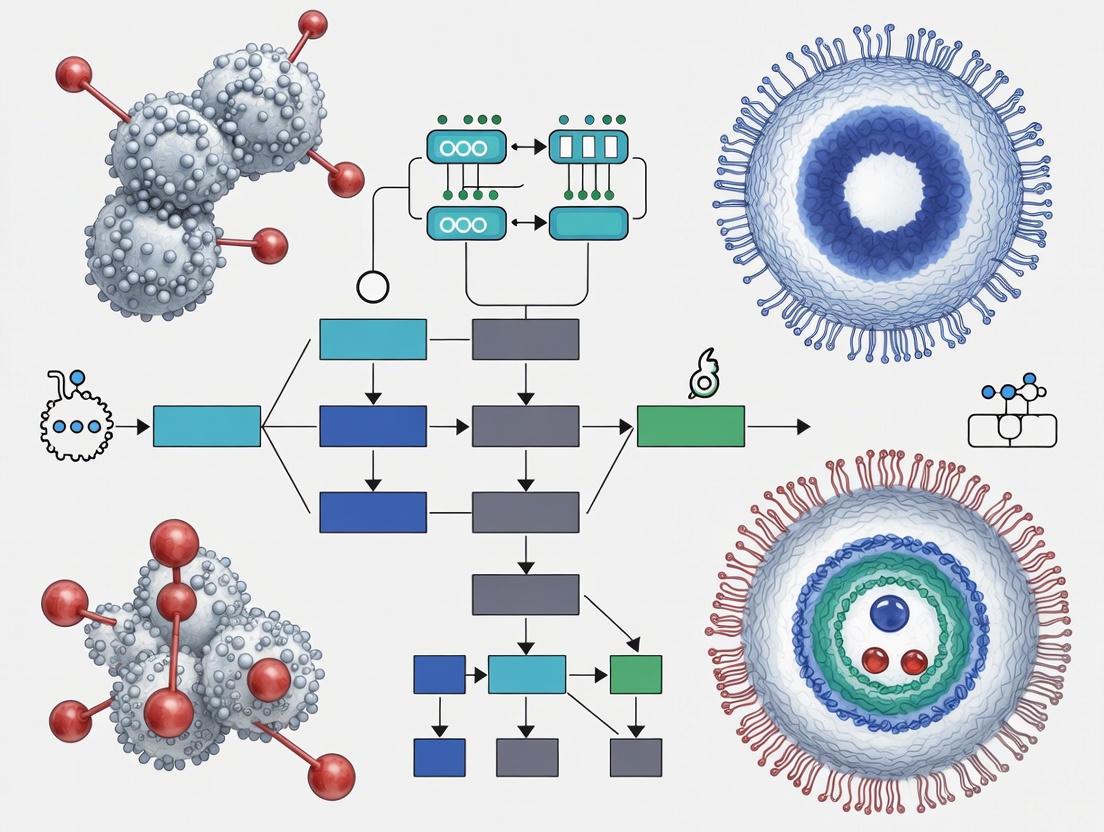
This article provides a comprehensive analysis of the challenges and solutions in differentiating pollen grains from parasite eggs, a critical diagnostic issue in fields ranging from paleoparasitology to clinical diagnostics.
Distinguishing Pollen from Parasites: A Critical Review of Diagnostic Methods and Technological Advances
Abstract
This article provides a comprehensive analysis of the challenges and solutions in differentiating pollen grains from parasite eggs, a critical diagnostic issue in fields ranging from paleoparasitology to clinical diagnostics. Misidentification, such as confusing Ephedra pollen with pinworm eggs, can lead to significant errors in archaeological interpretation and patient diagnosis. We explore the foundational morphological similarities that cause confusion, evaluate traditional and modern methodological approaches including deep learning and molecular techniques, and discuss optimization strategies for sample processing. Furthermore, we present a rigorous comparative validation of emerging automated and AI-driven technologies against expert microscopy. Synthesizing insights from recent studies, this review serves as an essential resource for researchers, scientists, and drug development professionals seeking to improve the accuracy and reliability of microscopic diagnostics in environmental, archaeological, and clinical contexts.
The Core Challenge: Why Pollen and Parasite Eggs Are Routinely Confused
Within the fields of palynology and parasitology, accurate morphological differentiation is a cornerstone of reliable diagnostics and research. This task presents a significant challenge due to the striking morphological overlaps between various plant pollen grains and the eggs of numerous intestinal parasites. Misidentification during routine microscopic examination of environmental or clinical samples, such as fecal specimens, can lead to false positive results, compromising both scientific data and patient care [1]. This guide objectively compares the key morphological features—specifically size, shape, and wall structures—of these biological entities, framing the analysis within a broader thesis on the reliability of differentiation methods. It is designed to support researchers, scientists, and drug development professionals in making critical distinctions by providing consolidated quantitative data and standard experimental protocols.
Comparative Morphological Analysis
The visual differentiation of pollen and parasite eggs relies on a nuanced understanding of their physical characteristics. The table below provides a comparative overview of their typical morphological features.
Table 1: Key Morphological Features of Plant Pollen and Parasite Eggs
| Feature | Plant Pollen Grains | Parasite Eggs |
|---|---|---|
| Size Range | Extremely varied: ~10 µm to >200 µm [2]. The smallest is ~5 µm (Myosotis palustris), large ones in Cucurbitaceae [3]. | Varies by species; generally within a more constrained range for a given species. |
| Shape Diversity | Highly diverse: spherical, oval, disc-shaped, bean-shaped, or filamentous [2]. Classified by Polar Axis/Equatorial Diameter ratio (e.g., oblate, prolate, spheroidal) [3]. | Often more uniform per species; can be oval, spherical, or operculated [4] [5]. |
| Wall Structure | Complex two-layered wall: inner intine (cellulose) and outer exine (sporopollenin). Exine has species-specific ornamentation (smooth, spiky, reticulate) [2] [6]. | Generally a simpler, layered chitinous or proteinaceous shell without the complex exine structure of pollen [1]. |
| Apertures | Often present; characterized by colpi (furrows) and pores (germination points). Number, type, and position are key diagnostic features [3] [2]. | Typically lack true apertures. Some may have an operculum (lid) or a specific plug for larval release [1]. |
| Color (Natural) | Mostly white, cream, yellow, or orange [2]. | Varies, but often shades of brown, yellow, or colorless in microscopic preparations. |
| Primary Function | Plant reproduction; protection of male gametes during transport [6]. | Survival and transmission of the parasite to a new host [4]. |
Quantitative Morphometric Data
Computer-assisted image analysis provides statistical rigor for differentiation. The following table summarizes quantitative data from a comparative morphometric study.
Table 2: Morphometric Comparison of Selected Parasite Eggs and Plant Pollen [1]
| Object Type | Number of Species/ Types Analyzed | Measured Parameters | Key Finding | Statistical Significance |
|---|---|---|---|---|
| Parasite Eggs | 7 species | Perimeter, Length, Width | Statistically significant differences exist in morphometric features between parasite eggs and plant pollen. | Yes (p < 0.05) |
| Plant Pollen | 52 common garden plants | Perimeter, Length, Width | Despite statistical significance, differences can be slight (a few micrometers), leading to potential misidentification during routine microscopy. | Yes (p < 0.05) |
Experimental Protocols for Differentiation
Standard Coproscopic Workflow
The following diagram illustrates the standard workflow for processing and analyzing fecal samples to detect parasite eggs, a process where pollen contamination can occur.
Title: Fecal Sample Analysis Workflow
Protocol Details:
- Sample Collection: Approximately 0.5g - 1g of stool is collected in a sterilized container [4].
- Homogenization: The sample is mixed with a solution such as normal saline or distilled water and vortexed until homogenous [4].
- Concentration: Techniques like the Formalin-Ether Concentration Test (FET) or Sodium Nitrate Flotation (SNF) are used to concentrate target objects.
- Microscopic Examination: Slides are prepared from the concentrate and examined under a light microscope. The use of both saline and iodine slides is recommended for better visualization of structures [4].
Advanced Diagnostic Workflow
To address limitations of manual microscopy, advanced AI-based frameworks have been developed. The following diagram outlines one such effective workflow for automated parasite egg detection.
Title: AI-Based Parasite Egg Detection
Protocol Details [7]:
- Image Pre-processing:
- Noise Removal: The Block-Matching and 3D Filtering (BM3D) technique is applied to remove Gaussian, Salt and Pepper, Speckle, and Fog Noise.
- Contrast Enhancement: Contrast-Limited Adaptive Histogram Equalization (CLAHE) is used to improve contrast between objects and the background.
- Image Segmentation & Feature Extraction:
- A U-Net model, optimized with the Adam optimizer, is used for precise image segmentation.
- A watershed algorithm is subsequently applied to extract the Regions of Interest (ROI).
- Classification:
- A Convolutional Neural Network (CNN) performs automatic feature learning and classification in the spatial domain. This model has reported achieving up to 97.38% accuracy [7].
- Model Performance: The YOLOv5 framework, another deep learning architecture, has demonstrated high performance in this domain, achieving a mean average precision (mAP) of approximately 97% with a rapid detection time of 8.5 ms per sample [5].
The Scientist's Toolkit: Essential Research Reagents and Materials
The following table lists key reagents, tools, and software used in the morphological analysis and differentiation of pollen and parasite eggs.
Table 3: Research Reagent Solutions for Morphological Analysis
| Item Name | Function/Application | Specific Example/Use Case |
|---|---|---|
| Formalin-Ether Concentration Test (FET) Kit | Concentrates parasite eggs/cysts in stool samples for microscopic examination. | A standard method for parasitological diagnosis; used to compare performance of new tools like ParaEgg [4]. |
| Sodium Nitrate Flotation (SNF) Solution | Concentrates parasite eggs based on buoyancy for microscopic examination. | Used in comparative studies to evaluate diagnostic sensitivity of different methods [4]. |
| ParaEgg Diagnostic Kit | A newer diagnostic tool designed to improve the efficiency of copromicroscopic detection of parasitic eggs. | Demonstrated 85.7% sensitivity and 95.5% specificity in detecting human helminths, comparable to Kato-Katz [4]. |
| Sporopollenin-Specific Stains | Highlight the unique chemical composition of the pollen exine wall. | Aids in distinguishing pollen exine from other structures based on chemical robustness [6]. |
| Image Analysis Software (e.g., MultiScanBase) | Measures morphometric parameters (perimeter, length, width) of microscopic objects. | Used in comparative morphometric studies of parasite eggs and pollen grains [1]. |
| AI-Based Detection Models (e.g., YOLOv5, U-Net) | Automates detection and classification of parasite eggs from microscopic images. | YOLOv5 used for detecting parasite eggs with high mAP and speed, reducing manual effort [7] [5]. |
| Confocal Laser Scanning Microscope (CLSM) | Generates high-resolution 3D images and z-stack projections of pollen and egg surfaces. | Used for detailed observation of pollen wall structure and autofluorescence [2]. |
| Scanning Electron Microscope (SEM) | Provides high-magnification, high-resolution images of surface ornamentation. | Essential for visualizing intricate exine patterns of pollen and surface details of parasite eggs [2] [6]. |
Within the field of paleoparasitology, the accurate differentiation between parasite eggs and pollen grains is fundamental for reliable interpretations of past health, diet, and environment. The diagnostic reliability of microscopic analysis is sometimes challenged by morphological similarities between unrelated biological structures. A definitive case of such confusion is the misidentification of a joint-pine (Ephedra spp.) pollen grain as an egg of the pinworm (Enterobius vermicularis) in a paleoparasitological study from ancient Tehran [8]. This case study provides a critical comparison of the morphology of these entities, outlines definitive differentiation protocols, and discusses the implications for the reliability of identification methods in archaeological science. This analysis is situated within a broader thesis on the need for interdisciplinary verification to ensure the reliability of pollen versus parasite egg differentiation.
Morphological Comparison and Key Differentiators
A side-by-side comparison of the morphological characteristics of Enterobius vermicularis eggs and Ephedra pollen grains reveals distinct, non-overlapping features that can be used for definitive diagnosis.
Table 1: Morphological Comparison of Enterobius vermicularis Eggs and Ephedra Pollen Grains
| Feature | Enterobius vermicularis Egg (Pinworm) | Ephedra spp. Pollen Grain |
|---|---|---|
| Overall Shape | Asymmetrical, D-shaped, with one side flattened and ends that taper unevenly [8]. | Symmetrical, typically elongated or spherical, with no flattening [8]. |
| Wall Structure | A two-layered shell, smooth in appearance [8]. | A thick wall characterized by longitudinal ridges (plicae) and curvilinear grooves (pseudosulchi) [8]. |
| Internal Contents | Contains a folded embryo when oviposited, as the egg is usually embryonated [8]. | No internal larval structures; the interior contains genetic material for plant reproduction. |
| Distinctive Markings | Features a fissure for larval hatching; it lacks an operculum or a detachable cap [8]. | The pattern of plicae and pseudosulchi is taxonomically significant for identifying different Ephedra species [8]. |
| Size Range | 50-60 μm in length and 20-30 μm in width [8]. | Varies by species but can overlap with the size range of pinworm eggs, necessitating other differentiators. |
The confusion in the Tehran case study arose from a focus on general size and shape while overlooking these critical diagnostic details. The misidentified object was symmetrical, thick-walled, lacked an embryo and a fissure, and displayed plicae and pseudosulchi, all characteristics of Ephedra pollen and incompatible with a pinworm egg [8].
Established Diagnostic and Experimental Protocols
Clinical Diagnosis of Pinworm Infection
In a modern clinical context, the standard method for diagnosing an active pinworm infection is the cellulose tape test [9] [10] [11]. This protocol is designed to collect eggs directly from a host.
- Principle: Female pinworms migrate to the perianal region at night to lay eggs. The adhesive tape captures these eggs for microscopic observation [10] [11].
- Procedure:
- A strip of clear, adhesive cellulose tape is pressed firmly onto the skin around the anus first thing in the morning, before bathing or defecation.
- The tape is then transferred to a microscope slide, sticky-side down.
- The slide is examined under a light microscope for the presence of pinworm eggs or, rarely, adult worms [9] [10].
- Best Practices: To improve detection sensitivity, the test should be performed on three consecutive mornings [10] [11]. Good quality microscopy is essential to observe the characteristic asymmetric, D-shaped, and embryonated eggs.
Paleoparasitological Analysis and Differentiation
The analysis of archaeological sediments, such as soils from burials or latrines, presents a greater challenge due to the presence of myriad microscopic structures, including pollen.
- Workflow for Reliable Identification: The following diagram outlines a multi-step verification process to prevent misidentification, integrating palynological (pollen analysis) and parasitological expertise.
- Key Considerations for Archaeological Contexts:
- Abundance: Pollen grains are often ubiquitous and abundant in archaeological sediments, whereas pinworm eggs are "ephemeral" and rarely preserved outside of coprolites or mummies [8]. A single, pinworm-like structure in open sediment is more likely to be pollen.
- Taphonomy: Pinworm eggs are susceptible to decay, and their preservation in archaeological sites is optimal only in specific conditions like desiccation or waterlogging [8].
Essential Research Reagent Solutions and Materials
Successful differentiation in a research setting relies on the use of specific materials and reagents.
Table 2: Essential Research Toolkit for Morphological Differentiation
| Item | Function in Research |
|---|---|
| Clear Cellulose Tape | For the standard tape test in clinical pinworm diagnosis or for transferring particles from archaeological samples to slides [9] [10]. |
| Microscope Slides and Coverslips | For mounting samples for light microscopic observation. |
| Light Microscope | Essential for observing morphological details at high magnification (400x-1000x). |
| Reference Collections | Digitized or physical collections of identified parasite eggs and regional pollen types are crucial for comparative morphology [8]. |
| Palynological Reference Texts | Specialized resources on pollen morphology (e.g., "Paleopalynology" [8]) aid in identifying pollen grains. |
The misidentification of Ephedra pollen as a pinworm egg is a compelling case study that underscores a critical point for paleoparasitology and microscopic diagnosis: similar size and general shape are insufficient for reliable identification. The distinct, non-overlapping morphological features—specifically the asymmetric, D-shaped, embryonated egg of the pinworm versus the symmetric, ridged, and grooved pollen grain of Ephedra—provide a clear basis for accurate differentiation.
This case strongly advocates for the reestablishment of a multidisciplinary approach to archaeological parasitology, as pioneered by Anderson and Hevly [8]. The collaboration between parasitologists and palynologists is not merely beneficial but necessary to enhance the reliability of research findings. Future protocols must incorporate systematic morphological checklists and interdisciplinary verification to prevent such errors, thereby strengthening the conclusions drawn about health, medicine, and ecology in past populations.
The accurate differentiation between pollen grains and parasite eggs is a critical challenge that transcends disciplinary boundaries, impacting conclusions in both archaeological science and clinical diagnostics. In archaeology, such misidentification can distort our understanding of past health, diet, and environments, while in clinical settings, it can lead to diagnostic errors affecting patient treatment and public health outcomes [8]. This problem stems from the remarkable morphological similarities between certain pollen types and parasitic structures, complicating visual identification even for experienced analysts. The issue is particularly acute in archaeological contexts where preservation factors and the solitary nature of finds increase diagnostic pressure on individual structures [8].
Traditional diagnostic methods predominantly rely on manual microscopic examination, which is inherently subjective, time-consuming, and dependent on specialist expertise [12] [13]. Recent technological advancements, particularly in deep learning and artificial intelligence (AI), are transforming identification protocols by offering automated, high-throughput alternatives with significantly improved accuracy and consistency [12] [13] [7]. This review systematically evaluates the impact of misidentification across these domains and compares the performance of emerging computational approaches against conventional methods, providing researchers with evidence-based guidance for selecting appropriate diagnostic frameworks.
Consequences of Misidentification Across Domains
Archaeological Interpretation Errors
In archaeological contexts, the confusion between pollen grains and parasite eggs presents a substantial risk of misinterpretation that can fundamentally skew our understanding of past human life. A seminal case study documented the misidentification of a joint-pine (Ephedra spp.) pollen grain as a pinworm (Enterobius vermicularis) egg in material from ancient Tehran dating back 7,000 years [8]. The initial diagnosis was based on a single microscopic structure that was subsequently re-identified as pollen based on its symmetrical shape, thick wall, and characteristic plicae (ridges) and pseudosulchi (grooves) – features inconsistent with pinworm egg morphology [8].
This misidentification carries significant interpretive consequences. Correctly identifying pinworm eggs in archaeological samples provides valuable evidence about past sanitation practices, population density, and health status, as pinworm prevalence is closely linked to the development of complex societies and urbanization [8]. Conversely, identifying Ephedra pollen may indicate environmental conditions, dietary practices, or medicinal plant use, as this genus has documented ritual and therapeutic applications [8]. The diagnostic confusion between these biologically distinct entities thus leads to fundamentally different reconstructions of past human behavior and ecology.
The archaeological record presents particular challenges for identification. Parasite eggs in archaeological sites are often poorly preserved, and structures like pinworm eggs are especially ephemeral, rarely surviving in open site sediments [8]. This preservation bias, combined with the inherent morphological similarities between certain pollen and parasite types, creates conditions ripe for misidentification, particularly when analyses are conducted without interdisciplinary collaboration between parasitologists and palynologists.
Clinical Diagnostic Implications
In clinical settings, misidentification between pollen contaminants and helminth eggs carries direct implications for patient diagnosis, treatment, and public health surveillance. Microscopic examination of stool samples remains the gold standard for diagnosing parasitic infections, yet this method is vulnerable to confusion with pollen and other plant debris that may contaminate samples [12] [8]. Such errors can lead to both false-positive diagnoses, resulting in unnecessary treatment, and false-negative readings, allowing infections to go untreated.
Soil-transmitted helminth infections, including ascariasis and taeniasis, affect approximately 1.5 billion people globally, with the highest prevalence in tropical and subtropical regions [12]. Accurate diagnosis is essential for treatment and control programs, yet conventional copromicroscopy methods exhibit significant limitations. For example, the Kato-Katz technique, while widely used, has variable sensitivity (3.9% to 52.5% for taeniasis) due to the intermittent nature of egg shedding and morphological similarities between different parasites and artifacts [12].
The diagnostic challenge is compounded by the polymorphism within parasite species. Ascaris lumbricoides eggs, for instance, appear in three different forms (infertile, fertilized with sheath, and fertilized without sheath), each with distinct morphological characteristics that can be confused with non-parasitic substances like pollen or plant cells [12]. This variability requires laboratory professionals to be familiar with complex egg characteristics including size, shape, shell structure, and internal features – expertise that may be unavailable in resource-limited settings where parasitic infections are most prevalent.
Performance Comparison of Identification Methods
Conventional Microscopy and Its Limitations
Traditional identification methods rely on visual examination of microscopic structures, requiring significant expertise and remaining prone to subjective interpretation. In palynology, manual pollen identification is time-consuming, expensive, and dependent on subjective criteria, resulting in error rates as high as 33% [14]. Similarly, in parasitology, conventional copromicroscopic methods lack sensitivity, particularly in areas with low prevalence and intensity of infection [15].
Table 1: Performance Comparison of Conventional Diagnostic Methods
| Method | Application Context | Key Limitations | Reported Performance |
|---|---|---|---|
| Manual Microscopy (General) | Pollen and parasite identification | Subjectivity, high error rates (up to 33% in pollen ID), requires specialized expertise [14] | Time-consuming: minutes to hours per sample [14] |
| Formalin-Ether Concentration (FET) | Human helminth detection [15] | Complexity, chemical handling, variable recovery rates | 18% detection rate vs. 24% for ParaEgg in human samples [15] |
| Kato-Katz Smear (KK) | Human helminth detection [15] | Limited sensitivity, especially for low-intensity infections | 26% detection rate in human samples (sensitivity: 93.7%, specificity: 95.5%) [15] |
| Sodium Nitrate Flotation (SNF) | Human and animal helminth detection [15] | Inconsistent egg recovery across parasite species | 19% detection rate in human samples [15] |
| Harada Mori Technique (HM) | Human and animal helminth detection [15] | Technical complexity, longer processing time | 9% detection rate in human samples [15] |
The ParaEgg diagnostic system represents an improvement over traditional copromicroscopy, demonstrating a detection rate of 24% in human samples and 53% in animal samples, comparable to Kato-Katz smear (26%) and superior to other concentration techniques [15]. In experimentally seeded samples, ParaEgg achieved 81.5% recovery for Trichuris eggs and 89.0% for Ascaris eggs, confirming its diagnostic reliability [15]. Nevertheless, even improved manual methods struggle with morphological similarities between certain pollen and parasite types, highlighting the need for more objective approaches.
Deep Learning and AI-Based Approaches
Deep learning models have demonstrated remarkable performance in discriminating between pollen types and parasite eggs, offering automation, high throughput, and superior accuracy compared to conventional methods. These approaches typically utilize convolutional neural networks (CNNs) and specialized architectures trained on large image datasets to learn distinctive morphological features.
Table 2: Performance of Deep Learning Models in Pollen and Parasite Identification
| Model/Architecture | Application | Key Metrics | Advantages |
|---|---|---|---|
| ConvNeXt Tiny [12] | Helminth egg classification | F1-score: 98.6% | High accuracy for multiclass parasite egg identification |
| EfficientNet V2 S [12] | Helminth egg classification | F1-score: 97.5% | Balanced performance with computational efficiency |
| MobileNet V3 S [12] | Helminth egg classification | F1-score: 98.2% | Optimized for mobile and resource-constrained devices |
| ResNet101 [14] | Conifer pollen classification | Test accuracy: 99% | Superior performance for morphologically similar pollen grains |
| YCBAM (YOLO + CBAM) [13] | Pinworm egg detection | mAP@0.5: 0.995, Precision: 0.9971 | Excellent for small object detection in complex backgrounds |
| YAC-Net [16] | Parasite egg detection | mAP@0.5: 0.9913, Precision: 97.8% | Lightweight model with reduced computational requirements |
| U-Net + CNN [7] | Parasite egg segmentation and classification | Pixel accuracy: 96.47%, Classification accuracy: 97.38% | Integrated approach for segmentation and classification |
The performance advantages of deep learning approaches are particularly evident in challenging discrimination tasks. For instance, ResNet101 achieved 99% accuracy in distinguishing between morphologically similar conifer pollen grains (Abies, Picea, and Pinus) – a task that poses significant challenges even for experienced palynologists due to their shared two-air-sac structure with central body [14]. Similarly, in parasitology, the YCBAM architecture incorporating self-attention mechanisms and Convolutional Block Attention Module (CBAM) demonstrated exceptional precision (0.9971) and recall (0.9934) for pinworm egg detection in complex microscopic images [13].
Experimental Protocols and Methodologies
Deep Learning Workflow for Microscopic Image Analysis
The application of deep learning to pollen and parasite identification follows a systematic workflow encompassing data collection, preprocessing, model training, and validation. For pollen analysis, researchers typically collect samples from herbarium specimens or environmental samples, mount them on slides, and acquire digital images using microscope-mounted cameras [14]. For example, in the conifer pollen study, images were captured using a ZEISS Axiolab 5 light microscope paired with an Axiocam 208 color microscope camera with 20× objective lenses and 10× ocular lenses, producing a dataset of approximately 1,400 images across six pollen species [14].
Data preprocessing is crucial for optimizing model performance. This typically includes image standardization (e.g., resizing to 224×224 pixels), augmentation techniques to increase dataset diversity, and segmentation to isolate individual particles [14]. In the pollen study, researchers used OpenCV for segmenting images containing multiple pollen grains into individual images, applying thresholding and morphological operations to highlight particles, and filtering contours based on diameter range to exclude dust or overlapping grains [14].
For parasite egg detection, similar preprocessing pipelines are employed but with specific adaptations. The BM3D (Block-Matching and 3D Filtering) technique effectively removes Gaussian, Salt and Pepper, Speckle, and Fog noise from microscopic fecal images, while Contrast-Limited Adaptive Histogram Equalization (CLAHE) enhances contrast between subjects and background [7]. The U-Net model architecture has proven particularly effective for segmentation, achieving 96.47% accuracy, 97.85% precision, and 98.05% sensitivity at the pixel level, with 96% Intersection over Union (IoU) and 94% Dice Coefficient at the object level [7].
Key Experimental Considerations
Several methodological considerations are critical for optimizing identification performance across both domains. For pollen analysis, specimen preparation techniques significantly impact image quality; methods such as applying two drops of 2,000 cs silicone oil allow pollen grains to be rotated under the microscope, facilitating examination from various angles [14]. Similarly, in parasitology, sample preparation standardization is essential, with concentration techniques affecting egg visibility and morphology.
Dataset composition and balancing directly influence model generalizability. Most successful implementations employ fivefold cross-validation to ensure robust performance estimation [16]. Class imbalance – a common issue in both parasitology (where some parasites are rarer than others) and palynology (where pollen species abundance varies seasonally) – must be addressed through strategic sampling or algorithmic weighting.
Transfer learning has emerged as a particularly valuable strategy, especially given the limited availability of large, annotated datasets in both fields. This approach leverages models pretrained on large, diverse datasets (e.g., ImageNet) which are then fine-tuned on domain-specific images [14]. Studies have demonstrated that transfer learning significantly improves performance compared to models trained from scratch, especially with limited training data [14] [13].
The Scientist's Toolkit: Essential Research Reagents and Materials
Table 3: Essential Research Reagents and Materials for Pollen and Parasite Identification
| Item | Function | Application Context |
|---|---|---|
| ZEISS Axiolab 5 with Axiocam 208 [14] | High-resolution imaging of microscopic structures | Standardized image acquisition for pollen and parasite eggs |
| 2,000 cs silicone oil [14] | Mounting medium allowing rotation of specimens | Pollen preparation for multidimensional imaging |
| Glass fiber filters [17] | Capturing airborne biological particles | Environmental sampling for pollen and spore studies |
| Block-Matching and 3D Filtering (BM3D) [7] | Digital noise reduction from microscopic images | Preprocessing of fecal images for parasite egg detection |
| Contrast-Limited Adaptive Histogram Equalization (CLAHE) [7] | Enhancing contrast in digital images | Improving visibility of egg boundaries in microscopic images |
| Formalin-ether concentration reagents [15] | Parasite egg concentration and preservation | Conventional parasitology sample processing |
| Scotch tape and slides [13] | Perianal sample collection | Pinworm egg detection via cellulose tape method |
| OpenCV (Python package) [14] | Image segmentation and preprocessing | Automated isolation of individual pollen grains/eggs in images |
The differentiation between pollen grains and parasite eggs represents a critical methodological challenge with far-reaching implications for both archaeological interpretation and clinical diagnostics. Traditional microscopic identification methods, while widely used, are susceptible to misidentification due to morphological similarities and subjective interpretation. Deep learning approaches demonstrate superior performance, with models like ConvNeXt Tiny and ResNet101 achieving F1-scores of 98.6% and accuracy of 99%, respectively, significantly outperforming conventional methods.
The integration of attention mechanisms, advanced segmentation architectures like U-Net, and lightweight models such as YAC-Net further enhances detection capabilities while optimizing computational efficiency. These technological advances offer promising pathways toward automated, objective identification systems that can reduce diagnostic errors in clinical settings and improve interpretive accuracy in archaeological research. Future developments will likely focus on multi-modal approaches that combine morphological analysis with chemical or genetic markers, further strengthening discrimination capabilities across these scientifically important domains.
The accurate differentiation between pollen grains and parasite eggs in environmental and biological samples is a critical challenge with significant implications for public health, clinical diagnosis, and archaeological interpretation. This confusion arises from the remarkable morphological similarity between certain pollen types and helminth eggs, compounded by their frequent co-occurrence in soil, water, archaeological sediments, and fecal samples [8] [1]. The ubiquity and abundance of both pollen and parasites in environmental samples creates a persistent risk of misidentification that can lead to false positive diagnoses in medical contexts or erroneous interpretations in archaeological studies [18]. Within the broader thesis on the reliability of differentiation methods, this guide objectively compares the performance of traditional and emerging technological approaches for distinguishing these biologically distinct but morphologically similar entities, providing researchers with experimental data and protocols to enhance analytical precision.
The Challenge of Morphological Similarity
Key Confusion Pairs and Differentiating Features
The risk of confusion is particularly pronounced between specific parasite eggs and pollen types. A well-documented case involves the confusion of Ephedra spp. (joint-pine) pollen grains with pinworm (Enterobius vermicularis) eggs in archaeological samples from Iran [8] [18]. This misidentification stemmed from superficial morphological similarity, despite distinct diagnostic features that should enable proper differentiation.
Table 1: Comparative Morphology of Common Confusion Pairs
| Parasite Egg | Similar Pollen Type | Distinguishing Features | Risk Context |
|---|---|---|---|
| Enterobius vermicularis (Pinworm) | Ephedra spp. (Joint-pine) | Pinworm: D-shaped, asymmetrical, flattened on one side, contains embryo, 50-60 μm length [8]. Ephedra: Symmetrical, convex ends, thick-walled with plicae (ridges) and pseudosulchi (grooves), no embryo [8]. | Archaeological sediments, paleoparasitology |
| Various Helminth Eggs | Multiple Pollen Types | Pollen grains often have symmetrical forms and exine structures, while parasite eggs often show operational features and contain developing embryos [1]. | Clinical coproscopy, environmental monitoring |
Comparative morphometric analyses confirm that while statistically significant differences exist between the morphometric features of parasite eggs and plant pollen, these differences can be subtle—often just a few micrometers—making them difficult to discern during routine microscopic observation [1]. This underscores the need for both heightened analyst awareness and advanced methodological approaches.
Consequences of Misidentification
The conflation of pollen and parasite eggs has direct consequences across multiple fields. In a clinical context, misidentification can lead to false positive diagnoses, unnecessary treatment, and patient distress. In archaeological research, it can generate incorrect interpretations of past health, diet, and medicinal practices [19]. For example, the incorrect reporting of a pinworm infection in ancient Tehran based on a misidentified Ephedra pollen grain distorted the understanding of parasite epidemiology in the region [8]. Furthermore, in environmental monitoring, the misclassification of pollen as parasite eggs can lead to overestimation of sanitation risks and unnecessary public health interventions [20].
Comparison of Differentiation Methods
Multiple technological approaches have been developed to address the challenge of differentiating pollen from parasite eggs. The following section compares the performance, advantages, and limitations of these methods.
Performance Comparison of Analytical Techniques
Table 2: Method Comparison for Pollen vs. Parasite Egg Differentiation
| Methodology | Key Principle | Reported Performance/Accuracy | Sample Throughput | Key Advantage | Primary Limitation |
|---|---|---|---|---|---|
| Traditional Microscopy [1] | Visual identification based on morphology | Low, prone to human error; requires high expertise | ~30 mins/sample [5] | Low cost, widely available | Subjective, limited by morphological similarity |
| Geometric Morphometrics (GM) [21] | Computerized analysis of size and shape outlines | 84.29% accuracy based on shape analysis | High after initial setup | Quantifies subtle shape differences, reduces subjectivity | Requires specialized software and training |
| Deep Learning (YOLOv5) [5] | CNN-based automated object detection and classification | ~97% mAP (mean Average Precision) | 8.5 ms/sample | Extreme speed, high accuracy, real-time potential | Requires large, annotated datasets for training |
| Automated Fecal Analyzer (KU-F40) [22] | AI-powered image analysis of fecal formed elements | 8.74% detection rate (vs. 2.81% for manual) [22] | High, automated | Standardized, reduces biosafety risk, high throughput | Capital cost, may still require manual review |
Experimental Protocols for Key Methods
Sample Preparation: Parasite eggs are obtained from fresh fecal specimens and concentrated using standard methods like the formalin-ether concentration technique (FECT). Samples are examined within 2 hours of collection. Imaging: Digital images of parasite eggs and pollen grains are captured using a microscope equipped with a digital camera under consistent magnification. Outline Digitization: The outlines of the objects are digitized. For outline-based GM, a series of points are placed around the contour of each egg or pollen grain. Data Analysis: The coordinate points are aligned, and size and shape variables are extracted separately using mathematical and statistical approaches. Shape variables are analyzed using multivariate statistics (e.g., Mahalanobis distance) to quantify differences between species. Validation: The model is validated by testing its accuracy in classifying a separate set of samples.
Dataset Collection & Annotation: A dataset of microscopic images (e.g., 5393 images of intestinal parasites) is compiled. Images are annotated by experts using a graphical tool like Roboflow, drawing bounding boxes around each object of interest and labeling them. Image Pre-processing & Augmentation: Images are pre-processed (e.g., resized to 416x416 pixels) and augmented (e.g., rotation, scaling) to increase dataset size and variability, improving model robustness. Model Configuration & Training: The YOLOv5 architecture (comprising CSPDarknet backbone, PANet neck, and YOLO detection head) is configured. The model is trained on the annotated dataset, where it learns to extract features and predict bounding boxes and class probabilities. Prediction & Performance Evaluation: The trained model is used to detect and classify objects in a separate test set. Performance is evaluated using metrics like mean Average Precision (mAP) and inference time per sample.
Visualization of Workflows and Relationships
To clarify the logical relationships and experimental processes described, the following diagrams provide a visual overview of the misidentification risk and the automated detection pipeline.
The Scientist's Toolkit: Essential Research Reagents and Materials
Successful differentiation of pollen and parasite eggs relies on a suite of specific reagents and tools. The following table details key solutions and their applications in the featured methodologies.
Table 3: Research Reagent Solutions for Differentiation Analysis
| Reagent / Material | Function / Application | Example Use in Protocol |
|---|---|---|
| Formalin- Ether [21] | Fecal sample preservation and concentration of parasite eggs via sedimentation. | Used in the Geometric Morphometrics protocol to clean and concentrate eggs from fresh stool samples before imaging [21]. |
| 0.9% Saline Solution [22] | Isotonic medium for preparing direct wet mounts of feces for microscopic examination. | Used in traditional manual microscopy to prepare fecal suspensions without destroying delicate structures [22]. |
| Acetolysis Reagents [19] | Chemical mixture (acetic anhydride & sulfuric acid) used to digest organic matter and clarify pollen grains for identification. | Applied in palynological analysis of archaeological sediments to isolate and clean pollen from privy soil samples [19]. |
| Digital Microscope & Camera [21] [5] | Captures high-resolution images of microscopic objects for subsequent digital analysis. | Essential for both Geometric Morphometrics (to capture egg outlines) and for creating datasets to train deep learning models like YOLOv5 [21] [5]. |
| Annotation Software (e.g., Roboflow) [5] | Graphical user interface for labeling objects in images to create training data for machine learning. | Used to draw bounding boxes around parasite eggs and pollen grains in images, creating the ground-truth dataset for YOLOv5 model training [5]. |
| EdU (5-ethynyl-2'-deoxyuridine) [23] | A thymidine analog that incorporates into DNA during synthesis, used to label proliferating cells. | While used here to study honey bee midgut cells, this reagent exemplifies tools for advanced cellular analysis that could be adapted to study parasite development [23]. |
The reliable differentiation of pollen from parasite eggs in complex environmental and biological samples remains a demanding but essential task. Traditional microscopy, while foundational, is susceptible to error due to inherent morphological similarities. Emerging technologies, including geometric morphometrics and deep learning, demonstrate superior performance by offering quantitative, objective, and high-throughput alternatives. Geometric morphometrics provides a robust, computer-assisted method to quantify and analyze subtle shape differences, achieving high accuracy. Meanwhile, deep learning frameworks like YOLOv5 represent the cutting edge, offering unparalleled speed and precision for automated detection and classification. The choice of method depends on the specific research context, available resources, and required throughput. However, the ongoing integration of these advanced computational tools into standard laboratory and field practice promises to significantly enhance diagnostic accuracy and analytical reliability in the face of ubiquitous environmental contamination.
From Microscopy to AI: A Toolkit for Accurate Differentiation
Within parasitology and palynology, the precise differentiation of pollen grains from parasite eggs using traditional microscopy is a fundamental diagnostic skill. Misidentification can lead to incorrect archaeological interpretations, erroneous medical diagnoses, and flawed scientific data. The challenge is pronounced in archaeological contexts, where pollen grains from species like Ephedra (joint-pine) can be mistaken for pinworm eggs (Enterobius vermicularis) due to superficial morphological similarities [8]. This guide objectively compares the performance of traditional microscopic differentiation with emerging automated technologies, providing a foundational resource for researchers dedicated to morphological diagnosis.
Morphological Feature Comparison
Mastering the diagnostic features of pollen and parasite eggs under the microscope is the first critical step toward accurate identification. The following table summarizes the key distinguishing characteristics.
Table 1: Diagnostic Morphological Features for Differentiation
| Feature | Enterobius vermicularis (Pinworm Egg) | Ephedra spp. (Joint-pine Pollen) | Other Common Pollen Types |
|---|---|---|---|
| Overall Shape | Elongate-oval, asymmetrical (D-shaped), flattened on one side [8] | Symmetrical, often ellipsoidal [8] | Highly variable (spherical, oval, etc.) |
| Size | 50-60 μm in length, 20-30 μm in width [8] [13] | Varies by species, but can overlap [8] | Species-dependent |
| Shell/Wall | Thin, clear, bi-layered shell [13] | Thick wall with distinct ridges (plicae) and grooves (pseudosulchi) [8] | Ornamentation varies (smooth, spiked, netted) |
| Internal Contents | Contains an embryonated, often folded larva [8] [13] | No internal embryonic structures; contains cytoplasm [8] | No embryonic structures |
| Apertures/Openings | A "fissure" for larval release, not a detachable operculum [8] | Features plicae and pseudosulchi, which are structural, not openings [8] | May have pores or colpi (furrows) |
| Primary Confusion | - | Often confused with pinworm eggs in archaeology [8] | - |
Established Experimental Protocols for Differentiation
Archaeological Sediment Analysis
This protocol is standard for analyzing samples from burial sites, latrines, or coprolites, where the risk of confusion is high [8] [19].
- Sample Collection: Collect sediment samples from archaeological features like privies or burial grounds.
- Processing - Parasitology: Subject the sediment to acid digestion, deflocculation, and micro-sieving to concentrate parasite eggs. The resulting residue is mounted on slides for brightfield microscope examination [19].
- Processing - Palynology: Process a separate sediment aliquot with acetolysis to remove organic debris and concentrate pollen grains. The residue is then mounted on slides for observation [19].
- Microscopic Examination: Systematically scan slides under high magnification (e.g., 400x). Identify structures based on the morphological criteria in Table 1.
- Critical Differentiation: When an egg-like structure is found, carefully assess for symmetry, wall ornamentation, and internal contents. A symmetrical object with ridges (plicae) and grooves (pseudosulchi) and no embryo is diagnostic for Ephedra pollen over a pinworm egg [8].
Fluorescence Staining for Pollen Viability
While not a direct identification tool, this protocol highlights the functional state of pollen and can aid in distinguishing viable pollen from inert parasite eggs.
- Sample Preparation: Gently wash rehydrated pollen grains in a suitable medium (e.g., Brewbaker and Kwack medium) [24].
- Dye Labelling: Incubate the pollen with a dual stain of Fluorescein Diacetate (FDA) at 8 µg/ml and Propidium Iodide (PI) at 20 µg/ml for 5 minutes in the dark [24].
- Washing: Centrifuge the sample and replace the supernatant with clean medium to remove excess dye. Repeat twice [24].
- Microscopy and Imaging: Resuspend the pollen, prepare slides, and observe under a fluorescence microscope with B-2A filters. Capture images for analysis [24].
- Interpretation: Viable pollen with intact membranes and active esterases will hydrolyze FDA to fluorescein, showing bright green fluorescence. Dead pollen and most non-pollen particles, including parasite eggs, will not exhibit this specific reaction [24].
Workflow for Identification and Differentiation
The following diagram illustrates the logical decision pathway for differentiating pollen grains from parasite eggs using traditional microscopy, integrating the key features and methods described.
Microscopic Differentiation Workflow
The Scientist's Toolkit: Key Research Reagents and Materials
Table 2: Essential Reagents and Materials for Morphological Analysis
| Item | Primary Function in Differentiation |
|---|---|
| Brightfield Microscope | The core tool for visualizing morphological details of pollen and parasite eggs at high magnifications [8] [19]. |
| Fluorescence Microscope | Enables the use of viability stains (e.g., FDA/PI) to provide functional data aiding pollen identification [24]. |
| Fluorescein Diacetate (FDA) | Cell-permeant esterase substrate; hydrolysis in viable pollen produces green fluorescein, distinguishing it from inert objects [24]. |
| Propidium Iodide (PI) | A red-fluorescent DNA stain that labels dead cells or structures; used as a counterstain in conjunction with FDA [24]. |
| Acetolysis Mixture | (Sulfuric acid & Acetic anhydride). Used in palynology to digest cellulose and other organic matter in samples, concentrating pollen [19]. |
| Micro-sieves and Centrifuge | Essential for processing and concentrating both parasite eggs and pollen grains from bulk sediment samples [8] [19]. |
Performance Comparison with Automated Methods
Automated detection systems, particularly those based on deep learning, are emerging as powerful tools. The table below compares the performance of traditional microscopy with these new approaches.
Table 3: Performance Comparison: Traditional vs. Automated Methods
| Method | Reported Metric | Performance Value | Key Advantages & Limitations |
|---|---|---|---|
| Traditional Microscopy | Diagnostic Accuracy (when performed by experts) | High (contingent on extensive training and experience) [8] | Advantages: Direct observation, no specialized equipment beyond a microscope. Limitations: Time-consuming, subjective, requires highly skilled technician [13]. |
| YAC-Net (Lightweight AI Model) | Precision (Parasite Egg Detection) | 97.8% [25] | Advantages: High precision, reduced computational resources, potential for automation. Limitations: Requires a curated dataset for training [25]. |
| YCBAM (AI Model for Pinworm) | Mean Average Precision (mAP@0.5) | 0.995[cite:5] | Advantages: Exceptally high accuracy for specific targets, integrates attention mechanisms to focus on key features. Limitations: Complex model architecture [13]. |
| FDA/PI Staining with Automated Image Analysis | Accuracy (Pollen Classification) | R² = 0.99 vs. manual counting [24] | Advantages: Significantly increases statistical power and throughput for pollen analysis. Limitations: Requires fluorescence imaging and analysis software [24]. |
Traditional microscopy, grounded in a deep understanding of diagnostic morphological features, remains the indispensable foundation for differentiating pollen from parasite eggs. Its reliability is unmatched when performed by trained experts. However, the emergence of highly accurate, automated deep-learning models signifies a major shift. These technologies promise to augment the capabilities of researchers, reducing diagnostic errors and saving time. The future of differentiation lies not in replacing the expert's eye, but in providing it with powerful, data-driven tools that enhance both the accuracy and efficiency of identification across medical, environmental, and archaeological fields.
In the intersecting fields of palynology and archaeological parasitology, the reliable differentiation between ancient pollen grains and parasitic eggs represents a significant diagnostic challenge. The RHM (Reliable Histological Microscopy) method has emerged as a systematic approach to address the persistent risk of misidentification that can compromise research validity. This challenge is particularly acute in archaeological contexts where a single misidentified structure can lead to incorrect interpretations of past health, diet, and environments [8]. For instance, researchers have documented specific cases where Ephedra spp. pollen grains were confused with pinworm (Enterobius vermicularis) eggs in archaeological samples from Iran, highlighting the very real consequences of inadequate differentiation protocols [8]. The RHM method integrates traditional morphological expertise with modern technological advancements to create a robust framework for accurate identification, thereby enhancing the reliability of paleoecological and paleoparasitological research.
The core of the problem lies in the superficial morphological similarities between certain pollen types and parasite eggs. Without rigorous protocols, these similarities can lead to false positive identifications of parasites, subsequently distorting our understanding of historical disease prevalence and ecological conditions [8] [1]. This comparison guide objectively evaluates the performance of the RHM method against alternative approaches, providing researchers with experimental data and methodological details to inform their analytical choices.
Morphological Comparison: Key Differentiating Features
The RHM method emphasizes meticulous morphological analysis as its foundation. The method requires examiners to identify specific, diagnostic characteristics that distinguish pollen grains from parasite eggs, moving beyond superficial similarities to examine precise structural details.
Table 1: Key Morphological Differences Between Pinworm Eggs and Ephedra Pollen
| Feature | Enterobius vermicularis (Pinworm Egg) | Ephedra spp. (Joint-Pine Pollen) |
|---|---|---|
| Overall Shape | Asymmetrical with one flattened side ("D-shaped") | Symmetrical in length and width |
| Ends | Tapers more pronouncedly at one end | Both ends are convex |
| Surface Features | Smooth | Ridges (plicae) and curvilinear grooves (pseudosulchi) |
| Internal Structures | Contains an embryo | No internal structures visible |
| Wall Layers | Two recognizable layers | Complex wall with ectexine of sporopollenin |
| Size | 50-60 μm in length, 20-30 μm in width | Varies by species (e.g., consistent with E. intermedia) |
A critical case study demonstrates the practical application of these differentiating features. Researchers critiqued a published identification of a pinworm egg from ancient Tehran, demonstrating that the structure in question was actually an Ephedra pollen grain [8]. The misidentified object was symmetrical, thick-walled, exhibited characteristic plicae and pseudosulchi, and lacked both the embryonic content and asymmetrical tapering definitive of pinworm eggs [8]. This case underscores the necessity of the RHM method's systematic morphological approach.
Comparative Performance of Diagnostic Methods
Beyond traditional microscopy, several diagnostic approaches exist for differentiating microscopic structures. The performance of these methods varies significantly in terms of accuracy, efficiency, and resource requirements.
Table 2: Performance Comparison of Diagnostic Methods for Pollen and Parasite Eggs
| Method | Key Principle | Advantages | Limitations | Reported Accuracy/Sensitivity |
|---|---|---|---|---|
| RHM (Traditional Morphology) | Detailed morphological analysis using light microscopy | Accessible, cost-effective; provides foundational taxonomic data | Subject to examiner expertise; time-consuming | High when performed by experts [8] |
| ParaEgg | Concentration and visualization enhancement for copromicroscopy | Improved egg recovery; high sensitivity and specificity | Primarily optimized for clinical parasitology | Sensitivity: 85.7%; Specificity: 95.5% [4] |
| YAC-Net (AI Model) | Lightweight deep learning for parasite egg detection | Automated; rapid; reduces reliance on specialist availability | Requires computational resources and training data | Precision: 97.8%; Recall: 97.7% [16] |
| CoAtNet (AI Model) | Convolution and attention neural network for image recognition | High accuracy; handles multiple categories | Complex implementation; high computational cost | Average Accuracy: 93%; F1 Score: 93% [26] |
| Kato-Katz Smear | Conventional quantitative copromicroscopy | Standardized; widely used in field parasitology | Sensitivity decreases with low infection intensity | Sensitivity: 93.7%; Specificity: 95.5% [4] |
The experimental data reveals a trade-off between the accessibility of traditional methods and the efficiency of automated approaches. For instance, in a 2024 evaluation, the ParaEgg method demonstrated a sensitivity of 85.7% and specificity of 95.5% in detecting human intestinal helminths, closely matching the performance of the established Kato-Katz technique [4]. Meanwhile, AI-based models like YAC-Net have achieved remarkable precision (97.8%) and recall (97.7%) in detecting parasitic eggs in microscopy images, offering a promising path toward automation [16]. The RHM method incorporates elements from multiple approaches, advocating for the use of complementary techniques to maximize diagnostic reliability.
Experimental Protocols for Method Validation
The RHM Methodological Workflow
The RHM method proposes a standardized, multi-stage workflow that integrates both traditional and modern analytical techniques to ensure comprehensive analysis and cross-verification of results.
The workflow begins with sample collection from archaeological contexts such as burial sediments, coprolites, or latrine deposits [8]. This is followed by sample preparation using chemical processing to concentrate pollen and parasite eggs. Sediment cores are treated with a series of chemicals including potassium hydroxide to remove humic materials, hydrochloric acid to eliminate carbonates, hydrofluoric acid to dissolve silicates, and a mixture of sulfuric acid and acetic anhydride to remove cellulose [27]. The resilience of the pollen's ectexine, composed of sporopollenin, makes this concentration process possible [27].
The prepared samples then undergo morphological assessment where hundreds of pollen grains and potential parasite eggs are counted and identified based on key diagnostic features [27] [8]. For ambiguous structures, digital imaging and AI-assisted analysis may be employed for verification [16] [26]. Finally, a multidisciplinary review involving both palynologists and parasitologists provides the most reliable confirmation of identifications, reestablishing the collaborative approach pioneered by Anderson and Hevly [8].
Protocol for Pollen Preparation for Detailed Morphological Analysis
For high-quality morphological analysis required by the RHM method, pollen preparation protocols must preserve delicate structural features. A 2024 method for scanning electron microscopy (SEM) preparation provides sufficient preservation of aperture architecture, which is crucial for differentiation from parasite eggs [28].
Reagents Required:
- Formaldehyde (4% solution in phosphate buffer)
- Ethanol series (50%, 70%, 90%, 100%)
- Hexamethyldisilazane (HMDS)
- Phosphate buffer
Procedure:
- Fix pollen samples in 4% formaldehyde solution for 24 hours at 4°C
- Wash samples three times with phosphate buffer
- Dehydrate through a graded ethanol series (50%, 70%, 90%, 100%), 10 minutes per concentration
- Treat with HMDS for 10 minutes, then air-dry
- Mount samples on SEM stubs and sputter-coat with gold for observation [28]
This protocol replaces critical point drying with HMDS, making it more accessible while effectively preserving the aperture structure that serves as a key diagnostic feature for differentiating pollen from parasite eggs [28].
Essential Research Reagent Solutions
The implementation of reliable pollen and parasite egg differentiation requires specific laboratory reagents and materials. The following table details key components of the research toolkit for implementing the RHM method and related analyses.
Table 3: Research Reagent Solutions for Pollen and Parasite Egg Differentiation
| Reagent/Material | Function | Application Context |
|---|---|---|
| Sporopollenin | Naturally occurring biopolymer in pollen exine; resistant to decay and chemicals | Protects pollen grains, allowing preservation for thousands of years; enables chemical concentration [27] |
| Hexamethyldisilazane (HMDS) | Chemical for delicate dehydration of biological samples | Prepares pollen for SEM analysis without critical point drying equipment; preserves aperture structure [28] |
| Hydrofluoric Acid (HF) | Dissolves silicate minerals | Removes sedimentary contaminants from pollen samples during concentration [27] |
| Formaldehyde (4%) | Chemical fixative | Cross-links proteins to maintain cellular and organelle structures; causes minimal shrinkage [28] |
| Acetic Anhydride | Cellulose removal agent | Used in acetolysis mixture to remove non-resistant plant structures [27] |
| Sodium Nitrate Solution | Flotation medium for parasite eggs | Concentrates parasite eggs based on buoyancy in flotation techniques [4] |
| Formalin-Ether | Parasite egg concentration | Sediments parasite eggs through centrifugation and removes debris [4] |
The RHM method represents a significant advancement in the reliable differentiation of pollen grains and parasite eggs by integrating traditional morphological expertise with modern technological approaches. The method's emphasis on multidisciplinary collaboration, systematic workflow, and careful attention to diagnostic morphological features addresses a critical need in paleoecological and paleoparasitological research. As technological innovations continue to emerge, particularly in the realm of AI-assisted image recognition, the potential for enhanced accuracy and efficiency in microscopic analysis grows substantially. Future developments in automated detection systems and standardized preparation protocols will further strengthen our ability to reconstruct past environments and health conditions with greater confidence and precision.
The accurate differentiation between pollen grains and parasite eggs in microscopic analysis presents a significant challenge in multiple scientific disciplines, including palynology, paleoparasitology, and clinical diagnostics. Morphological similarities between these biologically distinct particles can lead to misidentification, potentially compromising archaeological interpretations, environmental reconstructions, and patient diagnoses [8]. This comparison guide examines the reliability of emerging deep learning and computer vision approaches for automating this critical differentiation task, evaluating the performance, methodological frameworks, and practical implementations of current technological solutions.
Performance Comparison of Automated Identification Systems
Quantitative Performance Metrics
Table 1: Performance comparison of deep learning models for parasite egg detection
| Model Architecture | Application Focus | Precision | Recall/Sensitivity | Accuracy | mAP | Specialized Capabilities |
|---|---|---|---|---|---|---|
| YCBAM (YOLO + CBAM) [29] | Pinworm egg detection | 99.71% | 99.34% | - | 99.50% | Enhanced attention mechanisms for challenging backgrounds |
| YOLOv8-m [30] | Multi-parasite detection | 62.02% | 46.78% | 97.59% | - | General intestinal parasite screening |
| DINOv2-large [30] | Multi-parasite detection | 84.52% | 78.00% | 98.93% | - | Self-supervised learning with limited labels |
| U-Net + CNN [7] | Parasite egg segmentation/classification | 97.85% | 98.05% | 97.38% | - | Integrated segmentation and classification pipeline |
| ResNet-50 [30] | Parasite classification | - | - | - | - | Standard architecture for baseline comparison |
Table 2: Performance comparison of deep learning models for pollen grain classification
| Model Architecture | Application Focus | Accuracy | Precision | Recall | F1-Score | Taxonomic Scope |
|---|---|---|---|---|---|---|
| ResNet101 [14] | Conifer pollen species | 99% | ~99% | ~99% | ~99% | 6 conifer species |
| EfficientNetV2S [14] | Conifer pollen species | - | - | - | - | Multiple conifer genera |
| Xception [14] | Conifer pollen species | - | - | - | - | Multiple conifer genera |
| SwisensPoleno Jupiter [31] | Airborne pollen monitoring | - | - | - | - | 37 anemophilous plant species |
Comparative Analysis of Methodological Approaches
The performance data reveals distinct methodological patterns between parasite and pollen identification systems. Parasite detection models predominantly utilize one-stage object detection architectures like YOLO variants, prioritizing rapid localization and identification of multiple parasite entities within complex fecal samples [29] [30]. These systems demonstrate exceptional precision metrics, with the YCBAM architecture achieving 99.71% precision specifically for pinworm eggs, which are notoriously challenging due to their small size (50-60 μm length, 20-30 μm width) and transparent appearance [29].
In contrast, pollen identification systems heavily employ transfer learning approaches using pre-trained classification networks like ResNet101, which achieved 99% accuracy for distinguishing morphologically similar conifer pollen types [14]. This methodological divergence reflects fundamental differences in application requirements: parasite detection necessitates locating rare objects in heterogeneous backgrounds, while pollen analysis requires fine-grained classification between visually similar taxonomic groups.
Emerging self-supervised learning approaches like DINOv2 demonstrate particular promise for parasitology, achieving high accuracy (98.93%) while reducing dependency on large labeled datasets [30]. This addresses a critical bottleneck in medical applications where expert-annotated training data is scarce and costly to produce.
Experimental Protocols and Methodologies
Parasite Egg Detection Workflow
Diagram: Parasite egg detection and classification workflow
The parasite identification protocol employs a multi-stage computational pipeline beginning with specialized image preprocessing. The Block-Matching and 3D Filtering (BM3D) algorithm effectively addresses multiple noise types including Gaussian, Salt and Pepper, Speckle, and Fog Noise commonly encountered in microscopic fecal images [7]. Subsequent Contrast-Limited Adaptive Histogram Equalization (CLAHE) enhances subject-background differentiation, crucial for detecting semi-transparent helminth eggs [7].
Segmentation utilizes U-Net architectures optimized with Adam optimizer, achieving 96.47% accuracy, 97.85% precision, and 98.05% sensitivity at pixel level [7]. For final classification, YOLO-based detection frameworks incorporate attention mechanisms like the Convolutional Block Attention Module (CBAM) to enhance focus on morphologically distinctive features such as eggshell texture, opercular structures, and embryonic content [29]. This integrated approach enables the model to learn detailed pinworm egg shape patterns from vast datasets of tagged microscopic images, performing complex image analysis tasks more consistently than manual approaches [29].
Pollen Grain Classification Workflow
Diagram: Pollen analysis and classification workflow
Pollen analysis methodologies employ distinct sample preparation protocols optimized for taxonomic discrimination. Specimens are typically mounted using 2,000 cs silicone oil, permitting rotational orientation under microscope objectives to examine dimensional and morphological features from multiple angles [14]. Imaging is performed using standardized microscopy systems such as ZEISS Axiolab 5 with Axiocam 208 color cameras at 20× objective and 10× ocular magnification [14].
Deep learning approaches for pollen classification heavily utilize transfer learning with pre-trained architectures including DenseNet201, EfficientNetV2S, InceptionV3, MobileNetV2, ResNet101, ResNet50, VGG16, VGG19, and Xception [14]. The ResNet101 architecture demonstrated particular efficacy for conifer pollen discrimination, achieving 99% test accuracy by leveraging hierarchical feature learning to distinguish subtle morphological differences between Abies, Picea, and Pinus species [14]. Advanced monitoring systems like the SwisensPoleno Jupiter incorporate both holographic imaging and light-induced fluorescence (LIF) measurements, providing complementary data on particle composition in addition to morphological appearance [31].
The Scientist's Toolkit: Essential Research Reagents and Materials
Table 3: Essential research reagents and materials for automated identification
| Item | Application | Function | Specific Examples |
|---|---|---|---|
| Silicone Oil (2,000 cs) | Pollen grain mounting | Enables rotational orientation for 3D morphological analysis | Conifer pollen identification [14] |
| Formalin-Ethyl Acetate | Parasite egg concentration | Preserves specimens and improves detection sensitivity | FECT protocol for intestinal parasites [30] |
| Merthiolate-Iodine-Formalin (MIF) | Parasite staining | Fixation and staining for enhanced contrast | Field surveys and protozoan differentiation [30] |
| Trisodium Phosphate Solution | Paleoparasitology rehydration | Rehydrates ancient specimens while preserving morphology | RHM protocol for archaeological samples [32] |
| Hydrochloric Acid (HCl) | Pollen extraction | Eliminates mineral contaminants from samples | Archaeological sediment processing [32] |
| Hydrofluoric Acid (HF) | Pollen extraction | Dissolves silica-based particles | Archaeological sediment processing [32] |
| SwisensAtomizer | Pollen aerosolization | Controlled aerosolization for instrument calibration | SwisensPoleno Jupiter system [31] |
| Block-Matching 3D Filter (BM3D) | Image preprocessing | Digital noise reduction in microscopic images | Parasite egg detection [7] |
| CLAHE | Image enhancement | Contrast improvement for transparent structures | Helminth egg detection [7] |
Reliability Assessment in Differentiation Challenges
Morphological Similarities and Differentiation Strategies
The core reliability challenge in pollen versus parasite egg differentiation stems from striking morphological convergences between taxonomically distant species. A documented case of misidentification involved confusion between Ephedra spp. (joint-pine) pollen grains and pinworm (Enterobius vermicularis) eggs in archaeological material from ancient Tehran [8]. Critical diagnostic features for accurate differentiation include:
- Symmetry characteristics: Pinworm eggs demonstrate distinctive asymmetry with a flattened side and pronounced tapering at one end, forming a rough "D" shape, while Ephedra pollen exhibits symmetrical morphology with convex ends [8].
- Surface topography: Ephedra pollen displays characteristic ridges (plicae) and curvilinear grooves (pseudosulchi) absent in parasite eggs [8].
- Embryonic content: Pinworm eggs typically contain visible, folded embryos when preserved, while pollen grains contain vegetative and generative cells [8].
- Structural layers: Pinworm eggshells present two recognizable layers under light microscopy, whereas pollen grains feature complex exine and intine layers [8].
Computational Solutions to Differentiation Challenges
Deep learning systems address these morphological challenges through specialized architectural components. The YOLO Convolutional Block Attention Module (YCBAM) integrates self-attention mechanisms with channel and spatial attention to enhance focus on diagnostically discriminatory features [29]. This approach achieves a mean Average Precision (mAP) of 0.9950 for pinworm egg detection despite challenging imaging conditions [29].
Multi-modal systems like the SwisensPoleno Jupiter combine holographic imaging with light-induced fluorescence measurements, providing complementary data on both particle morphology and biochemical composition [31]. This dual approach reduces confusion between visually similar taxa by incorporating compositional signatures that differ fundamentally between pollen sporopollenin and parasite egg chitin structures.
For archaeological applications, standardized extraction protocols like the RHM (Rehydration-Homogenization-Micro-sieving) method optimize recovery of both pollen and parasite elements while preserving morphological integrity [32]. Chemical treatments using sodium hydroxide demonstrated particularly damaging effects on parasite egg chitin, highlighting the importance of method selection in interdisciplinary studies [32].
Automated differentiation between pollen grains and parasite eggs represents a compelling application of deep learning and computer vision in scientific research. Performance evaluation demonstrates that current systems achieve exceptional accuracy metrics exceeding 99% in controlled conditions for specific taxonomic groups. However, reliability assessment must consider fundamental methodological differences in processing pipelines, imaging modalities, and taxonomic scope between parasitological and palynological applications. The integration of attention mechanisms, multi-modal data acquisition, and self-supervised learning approaches shows particular promise for enhancing discriminatory capability in challenging differentiation tasks. As these technologies continue evolving, standardized benchmarking protocols and interdisciplinary collaboration will be essential for advancing reliability across the diverse range of scientific contexts requiring accurate microscopic particle identification.
In the field of modern taxonomy and ecology, accurately identifying species from complex environmental samples is a fundamental challenge. This is particularly critical in scenarios where misidentification can have significant consequences, such as in paleoparasitology, where confusing a pollen grain for a parasite egg can lead to incorrect interpretations of historical diseases [8]. The reliability of differentiation methods has evolved from traditional microscopy to sophisticated molecular techniques. Among these, DNA metabarcoding and hybrid capture have emerged as powerful tools for taxon-specific identification. This guide provides an objective comparison of these technologies, focusing on their performance in differentiating biologically similar structures, supported by experimental data and detailed protocols.
DNA metabarcoding and hybrid capture represent distinct approaches to species identification from complex samples. DNA metabarcoding uses polymerase chain reaction (PCR) to amplify short, standardized genomic regions (barcodes) from mixed samples, which are then sequenced and matched to reference databases [33]. In contrast, hybrid capture (also known as target capture) is a PCR-free method that uses synthetic RNA baits to preferentially enrich genomic libraries for hundreds of target loci across the genome through hybridization [34] [33]. This fundamental methodological difference leads to significant variations in their performance characteristics, particularly for challenging applications like differentiating pollen from parasite eggs.
The table below summarizes the key performance metrics of each method based on recent experimental studies:
Table 1: Performance Comparison of DNA Metabarcoding vs. Hybrid Capture
| Performance Metric | DNA Metabarcoding | Hybrid Capture |
|---|---|---|
| Taxonomic Resolution | Variable; often limited to genus/family level with standard barcodes [33] | Higher potential for species-level resolution using multiple genomic regions [33] |
| Quantitative Accuracy | Low to moderate; strongly biased by PCR amplification efficiency [33] | High; correlation between input pollen proportions and sequence proportions (R² values up to 0.99 in controlled tests) [33] |
| Detection Sensitivity | High for most taxa, but prone to false negatives due to primer mismatches [33] | High; effective even with degraded DNA [33] |
| Method Bias | High bias from preferential PCR amplification and primer affinity [33] | Low bias; minimal amplification bias through PCR-duplicate removal [33] |
| Reference Database Dependence | Complete dependence on comprehensive barcode references [33] | More flexible; can utilize whole chloroplast/mitochondrial genomes [33] |
| Multiplexing Capacity | Limited by barcode selection and primer compatibility | High; can target thousands of loci simultaneously across multiple taxa [34] |
| Best Application Context | Rapid biodiversity screening with established reference databases | Applications requiring quantitative accuracy, population genetics, or challenging differentiations [33] |
The quantitative superiority of hybrid capture was demonstrated in artificial pollen mixture experiments, where sequence proportions generated through hybrid capture showed a high correlation with actual input pollen proportions—a key advantage over metabarcoding where amplification biases can create significant inaccuracies in abundance estimation [33]. For differentiation tasks such as distinguishing pollen from parasite eggs, this quantitative reliability reduces the risk of misinterpreting contaminating pollen as pathogenic eggs, a documented issue in archaeological parasitology [8].
Experimental Protocols in Practice
DNA Metabarcoding Workflow
A standard DNA metabarcoding protocol for pollen or parasite egg identification involves multiple critical stages:
- DNA Extraction: Bulk DNA is extracted from the environmental sample (e.g., soil, sediment, or pollen load) using commercial kits optimized for complex samples [34].
- Library Preparation and PCR Amplification: Genomic libraries are prepared, followed by PCR amplification using universal primer sets targeting standard barcode regions. For plants, common markers include matK, rbcL, and ITS2 [33].
- High-Throughput Sequencing: Amplified products are sequenced using platforms such as Illumina, generating millions of short reads [33].
- Bioinformatic Analysis: Reads are demultiplexed, quality-filtered, and clustered into operational taxonomic units (OTUs). Taxonomic assignment is performed by comparing OTUs to reference databases like GenBank [33].
Hybrid Capture Methodology
The hybrid capture approach modifies the standard workflow after DNA extraction to eliminate PCR-based biases:
- DNA Fragmentation and Library Preparation: Extracted DNA is randomly fragmented (e.g., via sonication) to create a library of variable-length fragments without amplification [33].
- Hybridization with RNA Baits: The library is incubated with biotinylated RNA baits complementary to targeted genomic regions. For comprehensive plant identification, the Angiosperms353 bait set targets 353 conserved nuclear genes across flowering plants [34].
- Target Enrichment and Sequencing: Baits hybridize to target DNA, which are then captured using streptavidin-coated magnetic beads. Non-target DNA is washed away, and enriched targets are sequenced [34] [33].
- Bioinformatic Processing with Duplicate Removal: Computational pipelines remove PCR duplicates (arising from minimal amplification needed for sequencing), retaining only unique fragments to eliminate amplification bias before quantification [33].
The Scientist's Toolkit: Essential Research Reagents and Materials
Successful implementation of either methodology requires specific reagents and materials. The following table catalogues key solutions used in the featured experiments:
Table 2: Research Reagent Solutions for Molecular Identification Methods
| Reagent/Material | Function | Specific Example |
|---|---|---|
| Angiosperms353 Baits | Hybridization probes for capturing 353 nuclear genes across angiosperms; increases phylogenetic resolution [34] | Custom RNA baits designed from the Angiosperms353 consortium [34] |
| Universal Barcode Primers | PCR amplification of standardized gene regions for metabarcoding | matK, rbcL, and ITS2 primer sets [33] |
| Biotin-Streptavidin Magnetic Beads | Separation mechanism for target-bound RNA baits in hybrid capture | Streptavidin-coated magnetic beads for post-hybridization pull-down [33] |
| Reference Sequence Databases | Essential bioinformatic resource for taxonomic assignment of sequenced reads | BOLD, GenBank for barcodes; RefSeq for whole chloroplast genomes [33] |
| Spatiotemporal Filtering Databases | Ecological context filters (species distribution & phenology data) to refine candidate species lists | GBIF, iNaturalist, National Phenology Network data [34] |
Enhancing Reliability Through Integrated Methodologies
The challenge of differentiating pollen from parasite eggs exemplifies the need for method reliability. The documented case of confusing an Ephedra (joint-pine) pollen grain with a human pinworm egg in archaeological material highlights the limitations of morphological identification alone [8]. Ephedra pollen exhibits symmetrical shape, thick walls, and characteristic ridges (plicae) and grooves (pseudosulci), features that can be misinterpreted as helminth eggs under light microscopy [8].
Molecular methods provide greater specificity for such differentiations. However, both metabarcoding and hybrid capture benefit from complementary approaches that enhance reliability:
- Spatiotemporal Filtering: This bioinformatic refinement uses species distribution models and phenological data to generate a list of candidate plant species likely present at the sampling location and time. When applied to pollen identification, this filtering improved accuracy in 77.5% of samples by eliminating improbable species matches [34].
- Multi-Marker Integration: Hybrid capture's capacity to simultaneously utilize multiple genomic regions (e.g., entire chloroplast genomes versus single barcodes) improves identification success where reference databases are incomplete [33].
- Method Combination: Studies across ecology consistently show that combining methods yields the most comprehensive results. For example, in dietary studies of harbour porpoises, combining DNA metabarcoding with macroscopic analysis doubled the number of detected prey taxa compared to either method alone [35].
DNA metabarcoding and hybrid capture represent evolving frontiers in taxon-specific identification. Metabarcoding offers a rapid, cost-effective solution for large-scale biodiversity screening where established reference databases exist. In contrast, hybrid capture provides superior quantitative accuracy and reduced bias, making it particularly valuable for challenging applications like pollen-parasite differentiation, population genetics, and scenarios requiring high quantitative fidelity. The choice between these technologies ultimately depends on the specific research questions, required precision, and available resources. As molecular technologies advance and reference databases expand, the integration of these methods with complementary data sources will further enhance the reliability of species identification across diverse fields of research.
The accurate differentiation between pollen grains and parasite eggs represents a critical challenge in fields ranging from clinical parasitology to paleoparasitology and environmental health. Misidentification can lead to false-positive diagnoses, incorrect epidemiological conclusions, and flawed public health interventions. This guide provides a comprehensive comparison of diagnostic strategies—from traditional microscopy to advanced artificial intelligence (AI)—for distinguishing between these biologically distinct yet morphologically similar entities. By synthesizing approaches across disciplines, we demonstrate how integrated methodologies significantly enhance diagnostic reliability, offering researchers and drug development professionals a framework for optimizing their diagnostic protocols.
Morphological and Diagnostic Challenges
The core diagnostic challenge lies in the superficial morphological similarities between specific pollen types and parasite eggs, which can lead to misidentification even by experienced analysts.
Key Confusion Points
Ephedra Pollen vs. Pinworm Eggs: A documented case of confusion comes from archaeological research, where Ephedra spp. (joint-pine) pollen grains were misidentified as Enterobius vermicularis (pinworm) eggs [8]. The polyplicate pollen of Ephedra, characterized by ridges (plicae) and grooves (pseudosulchi), was mistaken for the asymmetric, D-shaped pinworm egg which contains an embryonated larva [8].
Generalized Similarities: A comparative morphometric analysis of parasite eggs and common garden plant pollens confirmed that routine microscopic observation with the naked eye may easily overlook subtle differences of a few micrometers, creating a risk of diagnostic error [1].
The table below summarizes the critical distinguishing features between these commonly confused structures:
Table 1: Distinguishing Pollen Grains from Parasite Eggs
| Feature | Ephedra Pollen Grain | Pinworm (Enterobius) Egg |
|---|---|---|
| Overall Shape | Symmetrical | Asymmetrical, D-shaped, flattened on one side |
| Ends | Convex | One end tapers more pronouncedly |
| Internal Contents | No embryo | Contains folded, embryonated larva |
| Wall Structure | Thick-walled with plicae and pseudosulchi | Thin, clear, bi-layered shell |
| Specialized Structures | No operculum or fissure | Fissure for larval release |
Comparison of Diagnostic Methods and Performance
Diagnostic strategies for differentiating pollen from parasite eggs span from foundational manual techniques to fully automated AI systems. The performance and application of these methods vary significantly.
Methodologies and Experimental Protocols
Traditional Microscopy: The standard method involves direct microscopic examination of samples (e.g., fecal samples, archaeological sediments, or air samples collected via Hirst-type traps) [36] [1]. analysts rely on visual identification based on morphometric features like size, shape, perimeter, and internal structures, often using measurement software [1]. The primary limitation is its dependence on examiner expertise, making it susceptible to human error and false negatives, particularly with low infection levels or unfamiliar pollen types [13].
AI-Based Automated Detection: Modern approaches use deep learning models to automate detection and classification.
- YOLO-CBAM (YCBAM) Framework: This architecture integrates the YOLO (You Only Look Once) object detection system with a Convolutional Block Attention Module (CBAM) [13]. The model is trained on datasets of annotated microscopic images to localize and identify target objects (e.g., pinworm eggs) with high precision, even in noisy or complex backgrounds [13].
- U-Net Segmentation with CNN Classification: Another protocol involves a multi-step AI process [7]. First, image quality is enhanced using filters like Block-Matching and 3D Filtering (BM3D) and Contrast-Limited Adaptive Histogram Equalization (CLAHE). A U-Net model then performs pixel-level segmentation, after which a Convolutional Neural Network (CNN) classifies the extracted regions of interest [7].
Performance Data Comparison
The table below quantitatively compares the performance of various diagnostic methods, highlighting the superior accuracy of AI-based systems.
Table 2: Performance Metrics of Diagnostic Methods for Pollen and Parasite Egg Identification
| Method | Target | Key Performance Metrics | Reported Advantages |
|---|---|---|---|
| Traditional Microscopy [1] | Parasite eggs & Pollen | N/A (Qualitative, operator-dependent) | Low cost, wide availability |
| YCBAM AI Model [13] | Pinworm eggs | Precision: 0.9971, Recall: 0.9934, mAP@0.5: 0.9950 | High-speed, automated, reduces human error |
| U-Net + CNN Model [7] | Intestinal parasite eggs | Accuracy: 97.38%, Precision: 97.85%, Sensitivity: 98.05% | Robust image preprocessing, high segmentation accuracy (96% IoU) |
| AI for Pollen State Identification [36] | Ruptured vs. intact pollen | (Theoretical, under research) | Potential for improved ETSA warning systems |
The Multidisciplinary Diagnostic Workflow
A robust diagnostic strategy integrates knowledge and techniques from multiple fields—palynology (pollen science), parasitology, clinical medicine, and computer science—into a cohesive workflow. This integrated approach systematically reduces the risk of misdiagnosis.
The following diagram visualizes this multidisciplinary diagnostic workflow, showing how different areas of expertise contribute to accurate identification.
Essential Research Reagent Solutions
Successful implementation of both traditional and advanced diagnostic methods relies on a suite of specific reagents and tools. The following table details key components of the "Researcher's Toolkit" for this field.
Table 3: Essential Research Reagents and Materials for Pollen and Parasite Diagnostics
| Reagent/Material | Function/Application | Specific Use-Case Example |
|---|---|---|
| Hirst-Type Trap [36] | Standardized ambient air sampling for pollen monitoring. | Collecting daily airborne pollen data for public health alerts and ETSA (Epidemic Thunderstorm Asthma) warning systems [36]. |
| Skin Prick Test (SPT) Reagents [37] | Contains purified allergens to diagnose IgE-mediated sensitization (e.g., to pollen). | Identifying individuals with pollen allergies in cohort studies assessing cognitive function or other health outcomes during pollen season [37]. |
| Allergen-Specific IgE Blood Test Kits | Measures levels of IgE antibodies to specific allergens in serum. | Correlating immune response with allergen exposure or confirming sensitization in clinical and research settings. |
| Annotated Digital Image Datasets [13] [7] | Curated collections of microscopic images used for training and validating AI models. | Enabling the development of deep learning models like YCBAM for pinworm egg detection [13] or U-Net for parasite egg segmentation [7]. |
| Protein Domain Family Databases (e.g., AllFam) [38] | Bioinformatics tools classifying allergenic proteins into families. | Investigating molecular mimicry, as seen in the similarity between parasite proteins and allergenic pollen proteins like Bet v 1 [38]. |
The integration of multidisciplinary approaches marks a significant leap forward in the reliable differentiation of pollen and parasite eggs. While traditional microscopy remains the foundational practice, its limitations are substantially mitigated when enhanced by palynological and parasitological expertise. The data demonstrates that emerging AI-based technologies offer a transformative leap, providing unprecedented levels of speed, accuracy, and objectivity. For researchers and drug development professionals, the path forward lies in adopting a hybrid strategy that leverages the strengths of each method—using AI for high-throughput screening and initial classification, while reserving expert human analysis for complex or ambiguous cases. This powerful synthesis of disciplines and technologies not only minimizes diagnostic errors but also paves the way for more robust public health interventions and a deeper understanding of the complex interplay between environmental allergens and human health.
Pitfalls and Protocols: Enhancing Diagnostic Precision and Sample Integrity
The integrity of biological structures like eggs during extraction processes is a critical consideration in multiple scientific fields, from food science to paleoparasitology. The use of acids and bases represents a fundamental trade-off: while these chemicals can effectively isolate target components, they can also induce significant structural and functional modifications. Within the broader context of reliability in pollen versus parasite egg differentiation research, understanding these extraction-induced changes is paramount. Misidentification due to procedural artifacts can compromise diagnostic accuracy and subsequent scientific conclusions. This guide objectively compares the effects of acidic and alkaline processing on egg integrity, providing experimental data and protocols to inform method selection by researchers and drug development professionals.
Comparative Effects of Acid and Alkaline Extraction on Egg Proteins
The pH-shift process, or isoelectric solubilization/precipitation, is an advanced protein extraction method that exposes materials to extreme pH conditions followed by precipitation at the isoelectric point. Recent research on protein isolates (PPI) from unhatched hen eggs (infertile, INF, and dead-in-shell, DIS) reveals how acid and alkaline treatments differentially impact their structural and techno-functional properties compared to commercial whole hen egg powder (CEP) [39].
Table 1: Structural Properties of Egg Protein Isolates (PPI) vs. Commercial Egg Powder after pH-Shift Processing
| Property | Commercial Egg Powder (CEP) | Acid-Extracted PPI | Alkaline-Extracted PPI |
|---|---|---|---|
| Reactive SH Content | Highest (Reference) | Reduced | Reduced |
| Surface Hydrophobicity | Highest (Reference) | Reduced | Reduced |
| Denaturation Temp. (Td) | Varied | Varied by egg type | DIS alkaline-PPI highest |
| Protein Solubility | Superior | Lower than CEP | Lower than CEP |
Table 2: Functional Properties of Egg Protein Isolates (PPI) vs. Commercial Egg Powder after pH-Shift Processing
| Functionality | Commercial Egg Powder (CEP) | Acid-Extracted PPI | Alkaline-Extracted PPI |
|---|---|---|---|
| Viscosity | Lower | Lower | DIS alkaline-PPI highest |
| Foamability | Highest | Lower | Lower |
| Foam Stability | Lower | Acid-INF-PPI enhanced | Lower than acid-INF-PPI |
| Emulsifying Activity | Highest | Lower | Lower |
| Emulsion Stability | Lower | Lower | DIS alkaline-PPI superior |
| Gel Strength (20% protein) | Soft gel formed | No gel at 20% | No gel at 20% |
| Water-Holding Capacity | Significantly greater | Lower | Lower |
The structural changes induced by pH-shift processing directly translate to varied performance in applications. Alkaline-extracted DIS-PPI demonstrated the highest thermal denaturation temperature and superior emulsion stability, whereas acid-extracted INF-PPI showed enhanced foam stability [39]. For gelation, all samples formed gels at 30% protein concentration, but CEP gels exhibited significantly greater breaking force, deformation, gel strength, and water-holding capacity than PPI gels, which displayed a more porous and aggregated microstructure [39]. Rheological analysis revealed that INF alkaline-PPI had the highest storage modulus (G'), indicating strong elasticity, though CEP still maintained superior overall mechanical strength [39].
Experimental Protocols for pH-Shift Processing and Integrity Analysis
Protein Isolation via pH-Shift Processing
The following methodology details the extraction of protein isolates from unhatched eggs, as described in the recent literature [39].
- Step 1: Sample Preparation. Unhatched eggs (INF and DIS) are collected and manually inspected. Eggs with cracks or leakage are discarded. The contents of DIS eggs are homogenized using a bowl cutter, while INF eggs are stirred to achieve consistency.
- Step 2: Protein Solubilization. The egg material is suspended in deionized water (1:9 w/v) and the pH is adjusted to either highly acidic (pH ≤ 3.0 using HCl) or highly alkaline (pH ≥ 10.8 using NaOH) under constant stirring for 30 minutes.
- Step 3: Centrifugation. The solubilized mixture is centrifuged (e.g., 10,000× g, 20 min, 4°C) to remove insoluble materials such as lipids, membranes, and pigments.
- Step 4: Isoelectric Precipitation. The supernatant's pH is adjusted to the isoelectric point of the target proteins (approximately pH 5.0) using either NaOH (for acid-solubilized samples) or HCl (for alkaline-solubilized samples) to precipitate the proteins.
- Step 5: Washing and Drying. The resulting protein pellet is washed with deionized water, neutralized, and then dried (e.g., freeze-drying) to obtain the final protein isolate (PPI).
Integrity Assessment Techniques
Multiple analytical techniques are employed to quantify the structural and functional integrity of the extracted proteins.
- Structural Characterization:
- Surface Hydrophobicity: Measured using 8-anilino-1-naphthalenesulfonic acid (ANS) as a fluorescent probe.
- Reactive Sulfhydryl (SH) Content: Determined using Ellman's reagent (DTNB).
- Thermal Properties: Analyzed by Differential Scanning Calorimetry (DSC) to determine denaturation temperature (Td).
- Functional Characterization:
- Solubility: Assessed as the percentage of soluble protein after centrifugation of a protein solution.
- Gelation: Evaluated by preparing protein gels at various concentrations (e.g., 20%, 30%) and measuring breaking force and deformation using a texture analyzer.
- Rheology: Storage (G') and loss (G'') moduli are measured using a rheometer to monitor gel formation and viscoelastic properties.
- Emulsifying and Foaming Properties: Determined by the emulsifying activity index (EAI), emulsion stability index (ESI), foamability, and foam stability.
The Critical Role of Extraction in Pollen vs. Parasite Egg Differentiation
The reliability of differentiating pollen grains from parasite eggs in archaeological and diagnostic contexts is highly dependent on the morphological integrity of these microscopic structures. Harsh extraction protocols can distort key diagnostic features, leading to misidentification.
A prominent case of misidentification involved a single structure from an archaeological site in Iran that was initially diagnosed as a pinworm (Enterobius vermicularis) egg [40]. However, critical morphological analysis revealed it was a pollen grain from Ephedra (joint-pine). The confusion arose because the object was symmetrical, thick-walled, had visible ridges (plicae) and grooves (pseudosulchi), and lacked the definitive characteristics of a pinworm egg [40]. True pinworm eggs are characteristically asymmetrical (D-shaped), flattened on one side, possess a distinct fissure (not an operculum), and contain an embryo [40].
Table 3: Key Differentiating Features: Pollen vs. Parasite Egg
| Characteristic | Ephedra Pollen Grain | Enterobius vermicularis Egg |
|---|---|---|
| Overall Shape | Symmetrical | Asymmetrical, D-shaped |
| Side Profile | Consistently convex | Flattened on one side |
| Wall Structure | Thick-walled with ridges (plicae) | Two recognizable layers |
| Surface Features | Curvilinear grooves (pseudosulchi) | Fissure for larval release |
| Internal Content | No embryo | Embryonated, folded larva present |
| Size | Varies by species | 50-60 μm in length, 20-30 μm in width |
This case underscores that extraction and analysis methods must preserve the delicate, defining morphological structures. The application of acids or bases during the recovery of such samples from sediments must be carefully controlled to avoid degradation or alteration that could blur these critical distinctions.
The Scientist's Toolkit: Essential Research Reagents
The following reagents are critical for conducting research on acid-base extraction and its effects on biological integrity.
Table 4: Essential Reagents for Extraction and Integrity Research
| Reagent/Chemical | Function and Application in Research |
|---|---|
| Hydrochloric Acid (HCl) | Used for acid solubilization (pH ≤ 3.0) in protein extraction and for pH adjustment during isoelectric precipitation [39]. |
| Sodium Hydroxide (NaOH) | Used for alkaline solubilization (pH ≥ 10.8) and for neutralizing acidic solutions during precipitation [39]. |
| 5,5′-Dithiobis(2-nitrobenzoic acid) (DTNB) | Known as Ellman's reagent, it quantitatively measures reactive sulfhydryl (SH) groups to assess protein conformational changes [39]. |
| 8-Anilino-1-naphthalenesulfonic acid (ANS) | Fluorescent probe used to determine the surface hydrophobicity of proteins, indicating unfolding and structural modification [39]. |
| Trihexylamine & Octanoic Acid | Forms a pseudoprotic ionic liquid for studying acid/base extraction mechanisms and Hofmeister effects in liquid-liquid systems [41]. |
| Polyethylene Glycol (PEG) 6000 | Used in optimized protocols for precipitating and purifying IgY antibodies from egg yolk while removing lipid contaminants [42]. |
| Glutaraldehyde (GA) | A crosslinking agent used in immobilization studies, for example, to covalently bind enzymes to egg protein-carrageenan beads [43]. |
The choice between acid and base extraction is not a simple binary but a strategic decision with significant trade-offs for egg integrity. Acidic conditions may favor certain functional properties like foam stability, while alkaline processing can enhance thermal stability and emulsion capacity. These physicochemical trade-offs directly parallel the critical need for method reliability in morphological differentiation, where extraction-induced alterations can lead to fundamental misidentification, as evidenced in paleoparasitology. A deep understanding of the mechanisms underlying these trade-offs—from protein denaturation to the preservation of microscopic morphology—enables researchers to tailor extraction protocols. This ensures either the optimal recovery of functional ingredients or the accurate diagnostic identification of biological structures, thereby advancing both food science and biomedical research.
The differentiation between pollen grains and parasitic eggs in microscopic image analysis represents a critical challenge in biomedical and environmental research. The morphological similarities between these biological structures often lead to diagnostic confusion, potentially impacting the accuracy of parasitological diagnoses and ecological studies [8]. This comparative guide objectively evaluates the performance of advanced deep learning frameworks against traditional methods for differentiating pollen and parasite eggs, with a specific focus on scenarios characterized by low annotation budgets and limited datasets. The analysis is situated within a broader thesis on the reliability of differentiation methods, providing researchers and drug development professionals with actionable insights for selecting and implementing optimal image analysis solutions.
Performance Comparison of Analysis Methods
The table below summarizes the key performance metrics of various computational methods applied to biological particle identification, particularly for parasite egg detection and pollen analysis.
Table 1: Performance Comparison of Biological Particle Identification Methods
| Method Category | Specific Model/Technique | Reported Accuracy | Key Performance Metrics | Computational Requirements | Primary Applications |
|---|---|---|---|---|---|
| One-Stage Deep Learning Detectors | YOLOv5 Framework [5] | ~97% mAP | 8.5 ms detection time per sample | Moderate (requires GPU) | Intestinal parasite egg detection |
| Lightweight YAC-Net [16] | 97.8% Precision, 97.7% Recall | mAP_0.5: 0.9913, Parameters: 1.92M | Low (1.9M parameters) | Parasite egg detection in low-resource settings | |
| Two-Stage Deep Learning Detectors | Faster R-CNN with ResNet-152 [5] | 84% Average Precision | 723 ms detection time per sample | High | Fecal cell detection |
| Hybrid/Attention Models | CoAtNet (Convolution & Attention) [26] | 93% Average Accuracy | F1 Score: 93% | High | Multi-class parasitic egg recognition |
| Molecular Methods | DNA Metabarcoding (ITS1/trnL) [44] | Variable (marker-dependent) | Quantitative correlation challenges | Specialized lab equipment | Pollen identification and quantification |
| Hybrid Capture Metabarcoding [33] | Improved quantification | Reduced PCR bias | Specialized lab equipment & bioinformatics | Pollen identification in mixtures |
The performance data reveals a clear trajectory toward one-stage detectors like YOLOv5 and its derivatives for image-based analysis, particularly in resource-constrained environments. The YAC-Net model demonstrates that strategic architectural modifications can achieve state-of-the-art performance (97.8% precision, 97.7% recall) while significantly reducing parameter count to just 1.92 million, making it suitable for deployment on hardware with limited computational capacity [16]. Conversely, molecular methods like hybrid capture metabarcoding, while powerful for taxonomic identification, face different challenges related to reference database completeness and quantitative accuracy rather than computational efficiency [33].
Experimental Protocols and Methodologies
Deep Learning-Based Detection Framework
Dataset Collection and Preparation: Research on intestinal parasite detection utilized microscopic images at 10× magnification with 416×416 pixel resolution, containing five parasite types: hookworm eggs, Hymenolepsis nana, Taenia, Ascaris lumbricoides, and Fasciolopsis buski [5]. The Chula-ParasiteEgg dataset extends this further with 11,000 annotated microscopic images for robust model training [26].
Image Annotation: Utilizing open-source annotation tools like Roboflow provides a cost-effective solution for bounding box annotation, directly addressing the low annotation cost requirement [5].
Data Augmentation: Implementing a multi-step routine for image pre-processing and augmentation introduces necessary regularization and diversity into limited training datasets, combating overfitting in data-scarce scenarios [5].
Model Architecture and Training: The YOLOv5 architecture employs CSPDarknet as a backbone with a path aggregation network (PANet) in its neck, improving information flow and localization accuracy [5]. For lightweight applications, YAC-Net modifies this baseline by replacing the traditional feature pyramid network (FPN) with an asymptotic feature pyramid network (AFPN), which better integrates spatial contextual information through its hierarchical aggregation structure while reducing computational complexity [16]. The model is typically trained using five-fold cross-validation to ensure reliability of performance metrics [16].
Molecular Identification Protocol
Sample Collection: Pollen samples are collected from honey bee hives fitted with pollen traps, leveraging the natural foraging behavior of bees which typically collect pollen from a single species per trip [33].
DNA Extraction and Library Preparation: The hybrid capture approach begins with sonication to randomly fragment DNA, creating variable-length fragments. A genomic library is then generated before target enrichment [33].
Target Enrichment and Sequencing: RNA baits complementary to chloroplast loci are used to enrich the library for specific barcode regions. This method enables PCR duplicate removal bioinformatically, reducing quantification bias common in amplicon sequencing approaches [33].
Bioinformatic Analysis: Processed sequences are compared against reference databases. The analysis typically uses both standard barcode databases (e.g., matK) and comprehensive chloroplast reference databases (e.g., RefSeq) to evaluate identification power and quantitative accuracy [33].
Visualization of Experimental Workflows
Image Analysis Workflow
Molecular Analysis Workflow
The Scientist's Toolkit: Essential Research Reagents and Materials
Table 2: Essential Research Materials for Pollen and Parasite Egg Differentiation Studies
| Reagent/Material | Specific Application | Function/Purpose | Considerations for Low-Cost Research |
|---|---|---|---|
| Annotated Image Datasets [5] [26] | Training deep learning models | Provides ground truth for supervised learning | Public datasets (e.g., ICIP 2022 Challenge) reduce annotation costs |
| Open-Source Annotation Tools [5] | Image annotation for object detection | Enables efficient bounding box annotation | Roboflow and similar tools offer free tiers for academic use |
| Pre-trained Deep Learning Models [5] [16] | Transfer learning applications | Reduces data requirements and training time | YOLOv5 and variants have publicly available implementations |
| Microscopy Imaging Systems [5] [16] | Sample visualization and image acquisition | Digital documentation of samples | Standard light microscopes with smartphone adapters can suffice |
| Reference DNA Databases [33] [44] | Molecular identification and validation | Provides taxonomic reference for identification | Public databases (e.g., NCBI) require curation but are freely accessible |
| Hybrid Capture Bait Sets [33] | Target enrichment in molecular analysis | Increases sensitivity for specific taxa | Custom design required but reusable across projects |
This comparison demonstrates that deep learning approaches, particularly optimized one-stage detectors like YOLOv5 and YAC-Net, offer compelling advantages for pollen and parasite egg differentiation under constraints of data scarcity and limited annotation budgets. These methods achieve high accuracy (93-97.8%) while offering practical deployment options through parameter reduction and efficient architectures. Molecular methods like hybrid capture metabarcoding provide complementary taxonomic resolution but face different challenges in quantification accuracy and require specialized laboratory resources. The selection of an appropriate method ultimately depends on the specific research objectives, available infrastructure, and the fundamental trade-off between morphological analysis provided by computer vision and taxonomic precision offered by molecular approaches.
Mitigating Amplification Bias in Molecular Methods for Accurate Quantification
The accurate quantification of biological agents is a cornerstone of diagnostic and environmental research. However, molecular quantification methods, particularly those relying on polymerase chain reaction (PCR), are susceptible to amplification biases that can skew results and lead to incorrect conclusions. This guide objectively compares the performance of various techniques for mitigating these biases, framed within the critical context of differentiating between pollen and parasite eggs—a challenge where precision is paramount for ecological and public health studies. The reliability of distinguishing these entities, which can be morphologically similar [1], underpins the necessity for robust, bias-free molecular quantification.
Understanding Amplification Bias
Amplification bias in PCR refers to the non-template-dependent preferential amplification of certain DNA sequences over others. This systematic error arises from several factors, including:
- Primer-Template Mismatches: Sequence divergence in priming sites directly affects priming efficiency [45].
- Amplicon Length and GC Content: Shorter sequences and those with very high or low GC content often amplify less efficiently [45].
- Copy Number Variation (CNV): Variation in the number of target gene copies between different taxa can cause abundance estimates to be skewed, a factor that affects both amplicon-based and PCR-free methods [45].
The consequence is a distorted representation of the true abundance of targets in a sample, which can severely impact the assessment of species richness, community structure, and the accuracy of diagnostic tests [45] [46].
Comparative Analysis of Mitigation Strategies
The following sections and tables compare the performance, advantages, and limitations of key strategies developed to mitigate amplification bias.
Strategy 1: Primer and Marker Optimization
This approach focuses on selecting or designing primer sets and genetic markers that minimize preferential amplification from the outset.
Experimental Protocol: Researchers typically isolate DNA from a defined mock community—a sample containing known quantities of different taxa (e.g., a mix of pollen or parasite DNA) [45]. This DNA is then amplified using multiple primer pairs targeting different markers (e.g., mitochondrial COI vs. nuclear ribosomal DNA) or primers with varying degrees of degeneracy. The resulting sequencing data is compared to the known input to quantify bias for each primer set.
Table 1: Comparison of Primer and Marker Optimization Strategies
| Method | Key Mechanism | Reported Efficacy | Key Advantages | Key Limitations |
|---|---|---|---|---|
| Degenerate Primers [45] | Uses primers containing mixed bases to accommodate sequence variation at priming sites. | Reduces bias "considerably" in arthropod metabarcoding [45]. | Broadens taxonomic range of amplification without needing species-specific primers. | Does not address biases from GC content or amplicon length; complex primer mixtures can be costly. |
| Conserved Marker Selection [45] | Targets genomic regions with highly conserved priming sites across taxa. | Also shown to reduce bias "considerably" [45]. | Reduces primer-template mismatches, leading to more uniform amplification. | Often provides lower taxonomic resolution than more variable markers [45]. |
| Taxon-Specific Primers [45] | Designs primers for a narrow, specific taxonomic group. | Can provide highly accurate quantification for the target group. | Maximizes sensitivity and specificity for known targets. | Not suitable for discovery-based or broad community surveys; requires prior knowledge. |
Strategy 2: PCR Protocol Adjustment
This strategy involves tweaking the PCR conditions themselves to reduce the accumulation of bias during the amplification process.
Experimental Protocol: Aliquots from the same DNA mock community are amplified using an identical primer set but with varying PCR parameters. This includes testing different numbers of amplification cycles (e.g., 4, 8, 16, and 32 cycles) and increasing the initial concentration of DNA template [45]. The output compositions are compared to assess which conditions yield the most accurate representation of the input.
Table 2: Comparison of PCR Protocol Adjustments
| Method | Key Mechanism | Reported Efficacy | Key Advantages | Key Limitations |
|---|---|---|---|---|
| Reducing PCR Cycles [45] | Limits the number of exponential amplification cycles, reducing the "ramp-up" of small efficiency differences. | Surprisingly, a strong effect on bias was not observed; association with abundance became less predictable [45]. | Simple to implement; reduces overall chimera formation. | May not yield sufficient product for sequencing from low-biomass samples. |
| Increasing Template Concentration [45] | Uses more input DNA to require fewer amplification cycles to reach sequencing yield. | Improved association between taxon abundance and read count when combined with cycle reduction [45]. | Similar simplicity of implementation as cycle reduction. | Not feasible for samples with very limited DNA. |
Strategy 3: PCR-Free and Metagenomic Approaches
This category seeks to avoid amplification bias entirely by bypassing the locus-specific PCR step.
Experimental Protocol: Total genomic DNA (gDNA) is extracted from a sample and sequenced directly without targeted amplification. Library preparation for sequencing uses a low number of PCR cycles (e.g., 6 cycles) with universal adapters, which introduces minimal bias compared to dozens of cycles with specific primers [45]. The resulting sequences are then mapped to reference databases to identify and quantify constituents.
Table 3: Comparison of PCR-Free and Metagenomic Approaches
| Method | Key Mechanism | Reported Efficacy | Key Advantages | Key Limitations |
|---|---|---|---|---|
| Metagenomic Sequencing [45] | Directly sequences all genomic DNA in a sample, avoiding locus-specific PCR. | Did not completely exclude bias; copy number variation of target loci remains a confounding factor [45]. | Provides a truly unbiased view of community composition and functional potential. | High cost; massive sequencing depth required; complex data analysis; still sensitive to CNV [45]. |
Strategy 4: Computational Correction
This innovative approach uses mathematical models to correct for measured biases in the sequencing data after it has been generated.
Experimental Protocol: A calibration sample is created by pooling aliquots of DNA from all study samples. This pool is split and amplified for different numbers of PCR cycles. By modeling the change in composition across cycle numbers using log-ratio linear models, the inherent amplification efficiency of each taxon can be estimated. This efficiency value is then used to correct the bias in the actual study samples [46].
Table 4: Comparison of Computational Correction Methods
| Method | Key Mechanism | Reported Efficacy | Key Advantages | Key Limitations |
|---|---|---|---|---|
| Log-Ratio Linear Models [46] | Models PCR as a compositional perturbation, estimating and correcting for taxon-specific efficiencies. | Can skew estimates by a factor of 4 or more, but this bias can be effectively mitigated [46]. | Does not require changes to wet-lab protocol; can be applied to existing datasets. | Requires a calibration experiment; model performance depends on data quality and complexity. |
| Abundance Correction Factors [45] | Applies predetermined, taxon-specific correction factors to read counts. | Read abundance biases are taxon specific and predictable, allowing for abundance estimates [45]. | Simple correction once factors are known. | Relies on pre-existing, accurate data from mock communities or other calibrations. |
Application in Pollen vs. Parasite Egg Differentiation
The accurate differentiation and quantification of pollen and parasite eggs is a critical challenge. Microscopic examination, while standard, has significant limitations. A study on parasite eggs and plant pollens found that despite statistically significant morphometric differences, routine microscopic observation with the naked eye could easily miss these slight variations (a few μm in size), leading to misidentification [1]. This is compounded in molecular methods by amplification bias.
For parasite detection, real-time PCR has demonstrated clear superiority over microscopy. A study on gastrointestinal parasites found real-time PCR was positive in 73.5% (72/98) of samples, compared to just 37.7% (37/98) for microscopy (P < 0.001). The sensitivity advantage was even more pronounced in asymptomatic patients (57.4% vs. 18.5%, P < 0.05) [47]. This highlights how molecular methods, when optimized, can reveal hidden diversity and abundance.
However, without bias mitigation, molecular quantification can be flawed. For example, a metabarcoding study on arthropods showed that the choice of primer could dramatically alter the perceived community composition [45]. Applying the mitigation strategies outlined above—such as using degenerate primers for broad-range detection or computational correction for accurate quantification—is therefore essential for generating reliable data that can truly distinguish between a pathogenic parasite egg and environmentally sourced pollen.
Visualizing Workflows and Mitigation Pathways
Experimental Workflow for Bias Assessment
This diagram illustrates a standard experimental setup for evaluating and mitigating amplification bias using mock communities and calibration samples.
The Scientist's Toolkit: Essential Research Reagents
The following table details key reagents and materials essential for conducting experiments aimed at mitigating amplification bias.
Table 5: Research Reagent Solutions for Bias Mitigation Studies
| Research Reagent | Critical Function | Example Application in Protocol |
|---|---|---|
| Defined Mock Community | Serves as a ground-truth standard with known composition to quantify bias. | Used to test different primers, PCR cycles, and computational models by comparing output to expected composition [45] [46]. |
| High-Fidelity DNA Polymerase | Reduces errors during amplification and may offer more consistent performance across diverse templates. | Used in all PCR-based amplification steps to ensure data integrity. |
| Degenerate Primers | Primer mixes with nucleotide variations to bind more efficiently to diverse target sequences. | Amplifying a broad range of taxa (e.g., diverse pollen or parasites) in a single reaction to reduce initial priming bias [45]. |
| DNA Extraction Kit (e.g., Qiagen) | Provides high-quality, inhibitor-free genomic DNA from complex samples like stool, soil, or pollen. | Essential first step for all downstream molecular analyses; quality impacts all subsequent results [47]. |
| iTRAQ / TMT Reagents | Isobaric tags for relative and absolute quantification in mass spectrometry. | Used in proteomic studies (e.g., pollen tube growth) to quantitatively compare protein expression levels [48] [49]. |
| Aqueous Polymer Two-Phase System | Enriches high-purity plasma membrane vesicles from cell lysates. | Used to isolate plant pollen plasma membranes for proteomic analysis of germination-specific proteins [49]. |
The choice of bias mitigation strategy is a critical decision that directly impacts the reliability of molecular quantification. No single method is universally superior; each presents a trade-off between practicality, cost, and accuracy.
- For routine, targeted quantification of known entities, primer optimization and careful PCR tuning offer a balanced approach.
- For discovery-based community surveys, degenerate primers coupled with computational correction provides a powerful means to achieve both breadth and quantitative accuracy.
- When resources permit and the highest level of accuracy is required for complex communities, PCR-free metagenomic sequencing is the gold standard, though it remains vulnerable to copy number variation.
In the specific context of differentiating pollen from parasite eggs, the integration of sensitive molecular methods like real-time PCR with robust bias mitigation strategies is essential to move beyond the limitations of microscopy. By systematically implementing and reporting these mitigation approaches, researchers can ensure their findings on species abundance and community dynamics are both accurate and reproducible, thereby strengthening the foundation of ecological and biomedical research.
Building Robust Reference Databases for Morphological and Molecular Comparison
The accurate differentiation of pollen grains from parasitic eggs is a critical challenge in fields ranging from paleoparasitology and archaeology to clinical diagnostics and public health. Misidentification can lead to significant errors, such as misinterpreting archaeological findings, underestimating parasite prevalence in populations, or hindering the development of targeted treatments. The reliability of any differentiation method hinges on the quality and robustness of the reference databases used for comparison. This guide provides a comparative analysis of the performance of morphological and molecular database-building methodologies, framing them within the broader thesis of ensuring reliable differentiation. It is designed to equip researchers, scientists, and drug development professionals with the data and protocols necessary to evaluate and implement the most effective strategies for their work.
Comparative Analysis of Database Building Approaches
The construction of reference databases can be broadly categorized into morphology-based and molecular-based approaches, each with distinct advantages and limitations. The table below provides a high-level comparison of these strategies.
Table 1: Comparison of Morphological and Molecular Database Building Approaches
| Feature | Morphological Databases | Molecular Databases |
|---|---|---|
| Primary Data Type | High-resolution 2D/3D images, descriptive morphological terms (e.g., plicae, pseudosulchi) [8] [50] | Protein sequences, DNA/RNA sequences, epitope/antigenic region data [38] |
| Key Output | Visual identification guides, digitized reference slides, atlases [51] [52] | Annotated sequence databases, predictive models of allergenicity/antigenicity [38] |
| Strengths | Directly applicable for microscopic diagnosis; reveals evolutionary insights from pollen morphology [8] [50] | High specificity; enables understanding of cross-reactivity (e.g., IgE response) [38] |
| Limitations | Risk of misidentification due to morphological similarities (e.g., Ephedra pollen vs. Enterobius eggs) [8] | May not directly link to morphological features visible under a standard microscope |
| Example Platforms | PalDat, Global Pollen Project, Human Impacts Pollen Database [50] [51] [52] | Allergome, Allfam, Pfam [38] |
Performance Benchmarking of Key Technologies
Morphological Identification Supported by AI
Recent advancements in deep learning have significantly automated the detection of parasites in microscopic images, reducing reliance on highly trained experts and minimizing human error [16] [13]. The following table benchmarks the performance of several state-of-the-art AI models described in the literature.
Table 2: Performance Comparison of Deep Learning Models for Parasitic Egg Detection
| Model Name | Task Focus | Reported Precision (%) | Reported mAP@0.5 | Key Innovation |
|---|---|---|---|---|
| YAC-Net [16] | Multi-species parasite egg detection | 97.8 | 0.9913 | Lightweight model using AFPN for computational efficiency |
| YCBAM [13] | Pinworm (Enterobius vermicularis) egg detection | 99.7 | 0.9950 | Integrates YOLO with self-attention and CBAM for small object focus |
| YOLOv4 [53] | Multi-species parasite egg detection | 89.3 (for E. vermicularis) | Not Specified | General-purpose object detection model adapted for parasitology |
| CoAtNet [26] | Multi-species parasite egg classification | 93.0 (Average Accuracy) | Not Specified | Combines Convolution and Attention mechanisms |
Molecular Comparison and Cross-Reactivity
Molecular databases provide a different dimension of robustness by facilitating the comparison of protein sequences and structures. This is crucial for understanding immune responses, such as the cross-reactivity between parasite proteins and environmental allergens. One study identified 2,445 parasite proteins from 31 species that showed significant sequence and structural similarity to known allergenic proteins, with nearly half falling within just 10 major allergenic protein domain families like Tropomyosin and Profilin [38]. This molecular mimicry explains the "off-target" effects of the IgE-mediated immune system in allergy.
Detailed Experimental Protocols
Protocol for Differentiating Pollen from Parasite Eggs in Archaeological Sediments
This protocol is designed to prevent misidentification, as highlighted in the case of Ephedra pollen being confused with pinworm eggs [8].
- Step 1: Sample Collection and Processing. Collect sediment samples from archaeological contexts, such as burial sites or latrines. Process samples using standard palynological extraction techniques, which involve chemical treatments (e.g., with HCl, KOH, and HF) to dissolve silicates and other non-organic material, followed by sieving and acetolysis to remove cellulose and concentrate pollen and spores.
- Step 2: Microscopic Slide Preparation. Mount the concentrated residue on glass slides using a mounting medium like glycerin jelly.
- Step 3: Multi-Disciplinary Microscopic Analysis. Have samples analyzed independently by both a palynologist and a parasitologist.
- Step 4: Morphological Comparison to Reference Databases. Compare unknown particles against robust morphological databases.
- Step 5: Consensus Identification. The specialists compare findings to reach a consensus, with a focus on key diagnostic features.
Protocol for Building an AI Model for Parasite Egg Detection
This protocol is based on methodologies used in several high-performing studies [16] [53] [13].
- Step 1: Data Collection and Annotation. Collect thousands of microscopic images of parasite eggs from prepared slides. Annotate each image, labeling the bounding boxes of all parasite eggs and classifying them by species. This creates the ground truth dataset.
- Step 2: Data Preprocessing and Augmentation. Split the dataset into training, validation, and test sets (common ratio: 8:1:1). Use data augmentation techniques like Mosaic augmentation and mixup to increase the effective size and diversity of the training set, improving model robustness [53].
- Step 3: Model Selection and Modification. Select a base object detection model, such as a YOLO variant. Integrate attention modules (e.g., CBAM) or feature pyramid networks (e.g., AFPN) to enhance the model's ability to detect small objects like pinworm eggs and to ignore background noise [16] [13].
- Step 4: Model Training. Train the model using the preprocessed dataset. Employ an optimizer (e.g., Adam) and set a learning rate (e.g., 0.01). Use the validation set to monitor performance and avoid overfitting.
- Step 5: Model Evaluation. Evaluate the final model on the held-out test set. Use metrics such as precision, recall, F1 score, and mean Average Precision (mAP) at different Intersection over Union (IoU) thresholds to quantify performance [16] [53].
Workflow Visualization for Morphological and Molecular Identification
The following diagram illustrates the logical workflow and relationship between the different identification methods discussed.
Diagram 1: A workflow illustrating the parallel paths of morphological and molecular analysis for identifying unknown biological samples, highlighting the different reference databases and tools used in each path.
The Scientist's Toolkit: Essential Research Reagents & Materials
The following table details key reagents, materials, and tools essential for research in pollen and parasite egg differentiation.
Table 3: Essential Research Reagents and Solutions for Morphological and Molecular Comparison
| Item Name | Function/Application | Specific Example / Note |
|---|---|---|
| Pollen & Parasite Reference Collections | Physical standard for morphological calibration and training. | Collections of >1,200 specimens from specific regions (e.g., temperate northeast North America) [51]. |
| Annotated Image Datasets | Training and benchmarking data for AI models. | Datasets like Chula-ParasiteEgg (11,000 images) or ICIP Challenge dataset used for model development [16] [26]. |
| Pre-trained Deep Learning Models | Starting point for transfer learning, accelerating AI development. | Models like YOLOv5n, ResNet-101, and EfficientNet-b0, fine-tuned for parasite detection [16] [13]. |
| Allergenic & Parasite Protein Datasets | For molecular-level comparison and cross-reactivity studies. | Curated datasets from Allergome and parasite genomes used to identify shared protein domains (e.g., EF-hand, Tropomyosin) [38]. |
| Microscopy & Imaging Systems | High-quality data acquisition for morphological analysis. | Standard light microscopes (e.g., Nikon E100, Labophot) equipped with software for extended depth-of-field imaging [53] [51]. |
The construction of robust reference databases is a foundational element for reliable differentiation between pollen and parasite eggs. Morphological databases, enhanced by modern AI, provide powerful tools for direct, visual identification and are immediately applicable in clinical and field settings. Molecular databases offer a deeper, mechanistic understanding of cross-reactive immune responses and hold promise for novel diagnostic and therapeutic strategies. The most resilient research framework does not treat these approaches as mutually exclusive but integrates them. A multi-disciplinary strategy, combining palynology, parasitology, molecular biology, and computer science, is the most effective path toward building the authoritative references needed to advance public health, archaeological accuracy, and drug development.
Benchmarking Performance: Validating New Technologies Against Gold Standards
The accurate differentiation between pollen grains and parasite eggs is a critical challenge in fields such as paleoparasitology, archaeology, and medical diagnostics. Misidentification can lead to significant errors in archaeological interpretation, clinical diagnosis, and public health interventions [8]. This challenge is compounded by the striking morphological similarities between certain pollen types, such as Ephedra spp. (joint-pine), and pinworm eggs (Enterobius vermicularis), which have led to documented misidentifications in scientific literature [8]. The differentiation process requires expertise in both palynology and parasitology, yet traditional manual microscopic examination remains time-consuming, labor-intensive, and subjective, with error rates in pollen identification alone reaching up to 33% [14].
Recent advancements in artificial intelligence (AI) and deep learning have transformed diagnostic methodologies across biological sciences. This comparison guide objectively evaluates the performance of state-of-the-art AI models in differentiating pollen grains from parasite eggs, with a specific focus on the core performance metrics of accuracy, precision, and sensitivity. By synthesizing experimental data from recent studies, this analysis provides researchers, scientists, and drug development professionals with a comprehensive framework for assessing the reliability of AI-driven differentiation methods in their specific research contexts.
Performance Metrics Comparison of AI Models
Quantitative Performance Metrics for Pollen and Parasite Egg Identification
Table 1: Performance Metrics of AI Models for Pollen Identification
| Model Architecture | Application Context | Accuracy (%) | Precision (%) | Sensitivity/Recall (%) | F1-Score (%) | Reference |
|---|---|---|---|---|---|---|
| ResNet101 | Conifer pollen classification | 99.0 | 99.0 | 99.0 | 99.0 | [14] |
| Improved ResNet50 | General pollen classification (20 morphological attributes) | 95.0 | N/A | N/A | N/A | [54] |
| U-Net + CNN | Parasite egg segmentation & classification | 97.4 | 97.9 | 98.1 | 97.7 (macro avg) | [7] |
| YCBAM (YOLO + attention) | Pinworm egg detection | 99.5 (mAP) | 99.7 | 99.3 | N/A | [13] |
| OvaCyte Telenostic | Automated helminth egg detection in equine | N/A | N/A | 98.0 (strongyles) | N/A | [55] |
Table 2: Performance Metrics Comparison for Different Biological Targets
| Biological Target | Best-Performing Model | Key Strengths | Limitations/Challenges |
|---|---|---|---|
| Conifer pollen (Abies, Picea, Pinus) | ResNet101 [14] | Exceptional accuracy (99%) for morphologically similar species | Requires extensive dataset; limited to trained species |
| General pollen (141 species) | Improved ResNet50 [54] | Integrates morphological features; 95% accuracy | Lower accuracy compared to specialized models |
| Intestinal parasite eggs | U-Net + CNN [7] | High sensitivity (98.1%) crucial for medical diagnosis | Complex pipeline requiring multiple AI components |
| Pinworm eggs (Enterobius vermicularis) | YCBAM [13] | Superior precision (99.7%) and mAP (99.5%) | Specialized architecture; may not generalize to other parasites |
| Mixed helminth parasites | OvaCyte Telenostic [55] | High sensitivity for multiple species (98% for strongyles) | Lower specificity for some species (e.g., Parascaris spp.: 96%) |
Analysis of Performance Metrics
The experimental data reveal significant patterns in AI model performance across different biological classification tasks. For pollen identification, ResNet101 demonstrated exceptional capability in distinguishing between morphologically similar conifer species, achieving 99% across all metrics including accuracy, precision, and sensitivity [14]. This performance is particularly notable given the challenging nature of differentiating fir, spruce, and pine pollen grains, which all feature two air sacs with a central body [14].
For parasite egg detection, the YCBAM architecture, which integrates YOLO with self-attention mechanisms and Convolutional Block Attention Module (CBAM), achieved remarkable precision (99.7%) and mean Average Precision (99.5%) in pinworm egg identification [13]. This high precision is critical in medical diagnostics to minimize false positives. Meanwhile, the U-Net and CNN combination demonstrated outstanding sensitivity (98.1%) for general parasite egg detection, making it particularly valuable for diagnostic applications where missing positive cases has significant clinical consequences [7].
The integration of morphological features with image data consistently enhances model performance across studies. The improved ResNet50 model, which incorporated 20 standardized morphological attributes alongside image data, achieved 95% accuracy in pollen classification, significantly outperforming the baseline of 83% with images alone [54]. This demonstrates the value of multimodal data integration for complex biological classification tasks.
Experimental Protocols and Methodologies
Sample Preparation and Data Collection Protocols
Table 3: Standardized Experimental Protocols for Sample Preparation
| Protocol Step | Pollen Analysis | Parasite Egg Detection |
|---|---|---|
| Sample Collection | Manual collection from herbarium specimens using entomological pins [14] | Fresh fecal samples collected in labeled containers, stored at 4°C [55] |
| Slide Preparation | Suspension in 2,000 cs silicone oil; sealed with cover slips and nail polish [14] | Flotation in saturated sodium chloride solution (specific gravity 1.2) [55] |
| Imaging Specifications | ZEISS Axiolab 5 light microscope with Axiocam 208 camera; 20× objective, 10× ocular lenses [14] | Digital microscopy; various magnifications depending on egg size [13] [7] |
| Dataset Characteristics | 1,400 images across 6 species; 224×224 pixel resolution [14] | 255 images for segmentation; 1,200 for classification [13] |
AI Model Training and Validation Framework
The experimental workflow for developing and validating AI models in this domain follows a structured pipeline with multiple critical stages, as illustrated below:
Data Preprocessing and Augmentation: Studies consistently implement comprehensive data preprocessing pipelines. For pollen classification, this includes image segmentation to isolate individual grains, conversion to grayscale, thresholding, morphological operations, and contour identification to filter particles by size [14]. Data augmentation techniques such as rotation, scaling, and contrast adjustment are employed to enhance dataset diversity and improve model generalization [54] [14].
Model Architecture and Training: Transfer learning approaches dominate the field, with researchers leveraging pre-trained models including DenseNet201, EfficientNetV2S, InceptionV3, MobileNetV2, ResNet101, ResNet50, VGG16, VGG19, and Xception [14]. The YCBAM architecture for parasite egg detection integrates YOLOv8 with self-attention mechanisms and Convolutional Block Attention Module (CBAM) to enhance feature extraction from complex backgrounds [13]. Training typically utilizes Adam optimizers with carefully tuned hyperparameters to balance learning efficiency and convergence [7] [14].
Validation Methods: Robust validation protocols include k-fold cross-validation, separation into training/validation/testing sets (typically 70/15/15 splits), and comparison against benchmark methods such as McMaster and Mini-FLOTAC techniques for parasite detection [55]. Bayesian latent class analysis is increasingly employed to estimate sensitivity and specificity in the absence of a perfect gold standard [55].
The Scientist's Toolkit: Essential Research Reagents and Materials
Table 4: Essential Research Reagents and Solutions for Pollen and Parasite Analysis
| Item | Function/Application | Specifications/Alternatives |
|---|---|---|
| Silicone Oil (2,000 cs) | Medium for pollen suspension on slides, enables rotation for 3D examination | Viscosity: 2,000 centistokes; alternatives: glycerol jelly, paraffin oil [14] |
| Saturated Sodium Chloride Solution | Flotation medium for parasite egg concentration in fecal samples | Specific gravity: 1.2; alternatives: zinc sulfate, sucrose solutions [55] |
| Microscope Slides and Cover Slips | Sample mounting for microscopic examination | Standard 75×25 mm slides; thickness #1.5 for high-resolution imaging [14] |
| Block-Matching and 3D Filtering (BM3D) | Algorithm for denoising microscopic images | Addresses Gaussian, Salt and Pepper, Speckle, and Fog Noise [7] |
| Contrast-Limited Adaptive Histogram Equalization (CLAHE) | Enhances contrast in microscopic images for improved feature detection | Superior to global histogram equalization for local contrast enhancement [7] |
| PollenGEO Database | Reference database for pollen identification training and validation | 40 million images from 18,000 plant species; Smithsonian collection [56] |
Critical Analysis and Research Implications
Performance Trade-offs and Model Selection Criteria
The comparative analysis reveals significant trade-offs between different AI architectures and their suitability for specific research applications. Models excelling in pollen classification, such as ResNet101, demonstrate that deep learning architectures pre-trained on large image datasets can achieve remarkable accuracy (99%) even for morphologically challenging taxa [14]. However, this performance comes at the computational cost of complex architectures requiring substantial training data.
For parasite egg detection, the integration of attention mechanisms (YCBAM) provides substantial benefits in precision (99.7%), particularly valuable in clinical diagnostics where false positives have significant implications [13]. Meanwhile, the U-Net and CNN combination offers exceptional sensitivity (98.1%), making it ideal for screening applications where false negatives must be minimized [7].
The multimodal approach of combining image data with morphological features (as demonstrated in the improved ResNet50 model) consistently enhances performance, increasing accuracy from 83% to 95% in pollen classification [54]. This suggests that future research should prioritize hybrid models that leverage both visual and quantitative morphological descriptors.
Research Reliability and Methodological Considerations
The reliability of AI models for pollen versus parasite egg differentiation depends critically on several methodological factors:
Dataset Quality and Diversity: Models trained on limited datasets, particularly those lacking representation of morphologically similar confusers (e.g., Ephedra pollen vs. pinworm eggs), are prone to misclassification [8]. The creation of large-scale reference databases like PollenGEO (18,000 species, 40 million images) addresses this limitation and provides essential training resources [56].
Validation Against Traditional Methods: Studies employing Bayesian latent class analysis for method comparison (e.g., OvaCyte Telenostic vs. McMaster and Mini-FLOTAC) provide more realistic performance estimates than those relying on presumed gold standards [55]. This approach acknowledges the inherent limitations of all current diagnostic methods.
Computational Efficiency: While large models like ResNet101 offer exceptional accuracy, simpler architectures like improved ResNet50 provide better computational efficiency with only marginally reduced performance (95% vs. 99% accuracy) [54] [14]. The optimal model selection depends on the specific research context, including available computational resources and required throughput.
The integration of AI methodologies into pollen and parasite egg differentiation represents a paradigm shift in biological classification, offering substantial improvements in accuracy, precision, and sensitivity over traditional manual methods. The comparative analysis presented in this guide demonstrates that current state-of-the-art models achieve performance metrics exceeding 95% across all key indicators when appropriate architectures are matched to specific classification tasks.
Future research directions should focus on developing specialized multimodal architectures that integrate image data with morphological, genetic, and chemical descriptors; creating larger and more diverse training datasets that include challenging morphological confusers; and establishing standardized validation protocols that enable direct comparison across studies. As these technologies continue to mature, they hold significant promise for enhancing the reliability of differentiation methods across archaeological, ecological, and clinical research contexts.
The accurate and rapid detection of parasite eggs in stool samples is a critical component of diagnosing intestinal parasitic infections (IPIs), which affect billions of people globally and cause substantial morbidity [30] [57]. Traditional diagnosis via manual microscopy is time-consuming, labor-intensive, and its accuracy is highly dependent on the expertise of the examiner [16]. This method faces an additional challenge: the differentiation of parasitic eggs from non-parasitic elements, such as pollen or plant cells, which share morphological similarities [12]. Within this context, deep learning models have emerged as powerful tools for automating detection, promising enhanced diagnostic consistency and efficiency. This guide provides a comparative analysis of three prominent deep learning architectures—YOLO models, ResNet-50, and DINOv2—for the specific task of intestinal parasite egg detection, evaluating their performance, computational requirements, and suitability for practical deployment.
Performance Metrics Comparison
The evaluation of deep learning models for parasite egg detection relies on several key metrics. Precision indicates the model's ability to avoid false positives (correctly identifying non-eggs like pollen), while Recall (sensitivity) measures its ability to avoid false negatives (finding all true eggs). The F1-Score balances these two metrics. Mean Average Precision (mAP) is a common benchmark for object detection models, with mAP@0.5 indicating the average precision when the overlap with the ground truth is at least 50% [13] [58].
Table 1: Comparative Performance of Deep Learning Models in Parasite Egg Detection
| Model | Reported Accuracy (%) | Precision (%) | Recall/Sensitivity (%) | F1-Score (%) | mAP@0.5 | Key Strengths |
|---|---|---|---|---|---|---|
| DINOv2-Large | 98.93 [30] [57] | 84.52 [30] [57] | 78.00 [30] [57] | 81.13 [30] [57] | N/A | Highest overall accuracy; strong feature extraction without manual labels [30] |
| YCBAM (YOLOv8-based) | N/A | 99.71 [13] [58] | 99.34 [13] [58] | N/A | 0.995 [13] [58] | Superior precision and recall for pinworm eggs; effective in noisy images [13] |
| YOLOv7-tiny | N/A | N/A | N/A | N/A | 0.987 [59] | High mAP with low computational footprint; suitable for embedded devices [59] |
| YOLOv8-m | 97.59 [30] [57] | 62.02 [30] [57] | 46.78 [30] [57] | 53.33 [30] [57] | N/A | Good accuracy, but lower precision/recall in one study [30] |
| YOLOv5 | N/A | 97.8 [16] | 97.7 [16] | 97.73 [16] | 0.991 [16] [5] | Balanced high performance and speed; widely used [16] [5] |
| ConvNeXt Tiny | N/A | N/A | N/A | 98.6 [12] | N/A | High classification accuracy for Ascaris and Taenia eggs [12] |
| YOLOv4-tiny | N/A | 96.25 [30] | 95.08 [30] | N/A | N/A | Strong agreement with human expert assessment [30] [57] |
Table 2: Inference Speed and Computational Efficiency
| Model | Inference Speed | Computational Demand | Suitable Deployment Environment |
|---|---|---|---|
| YOLOv5n | ~55 FPS (on Jetson Nano) [59] | Low (Lightweight) | Resource-constrained settings, edge devices [16] |
| YOLOv7-tiny | High FPS (Raspberry Pi 4) [59] | Low (Lightweight) | Embedded systems, portable diagnostics [59] |
| DINOv2-Large | Not Specified (Likely slower) | High (Large model) | Centralized systems with GPU support [30] |
| YAC-Net | Faster than YOLOv5n [16] | Very Low (1.92M parameters) [16] | Very low-power hardware, automated microscopes [16] |
Detailed Model Analysis and Experimental Protocols
YOLO Models: Optimizing for Speed and Accuracy
Experimental Protocol: Typical workflows for YOLO-based detection involve several standardized steps. First, a dataset of microscopic stool images is collected and annotated by experts, who draw bounding boxes around parasite eggs [5]. The dataset is then split, commonly with 80% for training and 20% for testing [30]. The models (e.g., YOLOv5, YOLOv7-tiny, YOLOv8) are trained on the annotated dataset. Performance is evaluated on the withheld test set using precision, recall, and mAP [59] [5].
Key Findings: Research consistently shows that lighter YOLO variants excel in speed and efficiency. YOLOv7-tiny achieved an overall highest mAP of 98.7% in recognizing 11 parasite species, while YOLOv8n required the least inference time at 55 frames per second on a Jetson Nano, demonstrating feasibility for real-time use [59]. Modifications to standard YOLO architectures can further enhance performance. The YAC-Net model, which modifies YOLOv5n with an Asymptotic Feature Pyramid Network (AFPN) and a C2f module, achieved a precision of 97.8% and recall of 97.7%, outperforming its baseline while reducing parameters [16]. Similarly, the YOLO Convolutional Block Attention Module (YCBAM) integrates attention mechanisms into YOLOv8, guiding the model to focus on salient egg features and achieving a precision of 99.71% and an mAP@0.5 of 0.995 for pinworm egg detection [13] [58].
ResNet-50: A Benchmark in Classification
Experimental Protocol: In parasite detection, ResNet-50 is often used as a feature extractor within a two-stage detection framework like Faster R-CNN or as a standalone classifier [30] [12]. Images are preprocessed and fed into the network. During training, the model's parameters are fine-tuned on the parasite dataset to learn features specific to different egg types. Performance is evaluated using accuracy, sensitivity, and specificity on a test set [12].
Key Findings: As a benchmark architecture, ResNet-50 provides robust performance. One study on classifying Ascaris lumbricoides and Taenia saginata eggs demonstrated its effectiveness, though newer models like ConvNeXt Tiny achieved a higher F1-score of 98.6% [12]. In a broader comparative study, ResNet-50 was evaluated alongside YOLO and DINOv2 models. While it showed strong agreement with human experts (Cohen's Kappa > 0.90), its performance metrics were generally surpassed by the DINOv2-large model in terms of overall accuracy and F1-score [30] [57].
DINOv2: Leveraging Self-Supervised Learning
Experimental Protocol: DINOv2 represents a paradigm shift through self-supervised learning (SSL). The model is first pre-trained on a vast and diverse collection of unlabeled images, learning general visual representations without human annotations [30]. For the downstream task of parasite identification, the pre-trained DINOv2 model (in small, base, or large variants) is then fine-tuned on a smaller, labeled dataset of parasite images. This process adapts the general-purpose features to the specific domain of parasitology [30] [57].
Key Findings: The DINOv2-large model has demonstrated state-of-the-art performance in parasite identification, achieving the highest accuracy (98.93%), precision (84.52%), and F1-score (81.13%) in a comparative study that included YOLOv8-m and ResNet-50 [30] [57]. Its key advantage lies in its SSL pre-training, which allows it to learn powerful and generalized feature representations from unlabeled data. This makes it particularly effective when labeled training data is limited, as the model does not start from random initialization but from a rich set of pre-learned features [30].
The Scientist's Toolkit: Essential Research Reagents and Materials
Table 3: Key Reagents and Materials for Parasite Egg Detection Experiments
| Item Name | Function/Application | Reference in Protocol |
|---|---|---|
| Formalin-Ethyl Acetate Centrifugation Technique (FECT) | A routine diagnostic procedure for stool sample preparation and parasite concentration; used as a gold standard for ground truth. | [30] [57] |
| Merthiolate-Iodine-Formalin (MIF) Technique | A fixation and staining solution for stool samples; used for preserving and enhancing the visibility of parasites. | [30] [57] |
| Modified Direct Smear | A method for preparing slides from stool samples for microscopic imaging and dataset creation. | [30] |
| Roboflow | An open-source data annotation tool for labeling bounding boxes around parasite eggs in images. | [5] |
| CIRA CORE Platform | An in-house software platform for operating and evaluating deep learning models. | [30] [57] |
| LightlyTrain Framework | A specialized framework for training, fine-tuning, and distilling computer vision models like YOLO and DINOv2. | [60] |
Experimental Workflow for Model Comparison
The following diagram illustrates a generalized experimental workflow for conducting a comparative analysis of different deep learning models for parasite egg detection.
The comparative analysis reveals that the optimal choice of a deep learning model for parasite egg detection is highly dependent on the specific application context. For deployments requiring real-time analysis on resource-constrained hardware, such as in field clinics, lightweight YOLO variants like YOLOv7-tiny and YOLOv5n are superior due to their high speed and efficiency. When maximal accuracy is the paramount concern and computational resources are available, DINOv2-large demonstrates state-of-the-art performance, leveraging its self-supervised learning foundation. ResNet-50 remains a strong and reliable benchmark, particularly for classification tasks. The integration of attention mechanisms, as seen in the YCBAM model, is a promising direction for future research, significantly improving the model's ability to discriminate parasite eggs from challenging backgrounds and artifacts like pollen. This objective comparison provides researchers and drug development professionals with a data-driven foundation for selecting models that will enhance the reliability of automated parasite egg differentiation methods.
Within clinical parasitology and the broader research on differentiating biological particles—such as the critical challenge of distinguishing pollen from parasite eggs in environmental and fecal samples—diagnostic reliability is paramount. For decades, manual microscopy has been the cornerstone technique for identifying intestinal parasites, yet it is plagued by subjectivity, low throughput, and high biosafety risks [22]. The emergence of fully automated fecal analyzers represents a significant technological shift, promising enhanced objectivity and efficiency. This guide provides an objective, data-driven comparison of these automated systems against traditional manual microscopy, focusing on their diagnostic performance for intestinal parasites to inform researchers and drug development professionals.
Performance Comparison: Key Metrics and Data
Multiple studies have directly compared the performance of automated analyzers against established manual methods. The following tables summarize key quantitative findings on detection rates, sensitivity, specificity, and agreement.
Table 1: Comparative Parasite Detection Rates and Overall Performance
| Evaluation Metric | Manual Microscopy (Direct Smear / Kato-Katz) | Automated Fecal Analyzer (KU-F40) | Automated Fecal Analyzer (FA280 with User Audit) | Statistical Significance |
|---|---|---|---|---|
| Overall Parasite Detection Rate | 2.81% (1,450/51,627 samples) [22] | 8.74% (4,424/50,606 samples) [22] | Not directly comparable (see Table 2) | χ² = 1661.333, P < 0.05 [22] |
| Number of Parasite Species Detected | 5 species [22] | 9 species [22] | Comparable to FECT for helminths and protozoa [61] | N/A |
| Sensitivity (vs. Composite Standard) | A. lumbricoides: 50.0%T. trichiura: 31.2%Hookworm: 77.8% [62] | Not Reported | Not Reported | N/A |
| Specificity (vs. Composite Standard) | Exceeded 97% for all STHs [62] | Not Reported | Not Reported | N/A |
| Agreement with Reference (Kappa Statistic) | N/A (Reference Method) | Not Reported | Perfect agreement (κ = 1.00) with FECT in fresh samples [61] | N/A |
Table 2: Diagnostic Agreement of Automated Systems with Reference Methods
| Analyzer & Protocol | Comparison Method | Sample Size | Agreement / Sensitivity / Specificity | Kappa (κ) Value / Statistical Result |
|---|---|---|---|---|
| FA280 (AI Report) | FECT | 200 (Fresh) | Significantly fewer positives detected [61] | Fair agreement (κ = 0.367) for species ID [61] |
| FA280 (User Audit) | FECT | 200 (Fresh) | No significant difference in positive rate [61] | Perfect agreement (κ = 1.00) for species ID [61] |
| FA280 (User Audit) | FECT | 800 (Preserved) | FECT detected significantly more positives [61] | Strong (κ = 0.857) for helminths, Perfect (κ = 1.00) for protozoa ID [61] |
| FA280 | Kato-Katz | 1000 (Community) | 96.8% agreement, no significant difference in positive rate (10.0% for both) [63] | κ = 0.82 (Strong agreement) [63] |
| Complete Filtration (Sciendox) | Combined Manual Methods | 252 (Routine) | Sensitivity: 70% (Parasites), NPV: >95% [64] [65] | Good to very good agreement (κ = 0.74 to 0.89) [64] |
| AI-Verified Digital | Manual Microscopy | 704 (Kato-Katz Smears) | Higher sensitivity for T. trichiura (93.8% vs 31.2%) and hookworm (92.2% vs 77.8%) [62] | Specificity exceeded 97% [62] |
Experimental Protocols and Workflows
Understanding the methodological details of key cited experiments is crucial for interpreting the comparative data.
Large-Sample Retrospective Study of KU-F40
This study compared 51,627 manual microscopy tests performed in the first half of 2023 with 50,606 tests using the KU-F40 analyzer from the same period in 2024 [22].
- Manual Microscopy Protocol: A match-head-sized fecal sample (approximately 2 mg) was mixed with saline on a slide. Technicians first used a low-power objective (10x) to scan the entire slide, then switched to high-power (40x) to identify suspected parasitic elements, examining more than 20 fields of view [22].
- KU-F40 Protocol: A larger, soybean-sized fecal specimen (approximately 200 mg) was placed in a dedicated container. The instrument then automatically diluted, mixed, filtered, and transferred the sample to a flow counting chamber. High-definition cameras captured images, and artificial intelligence (AI) identified parasites and other formed elements. Crucially, all AI findings were manually reviewed by laboratory personnel before the final report was issued [22].
Mixed-Methods Validation of the FA280 Analyzer
A community-based study used a mixed-methods approach, combining quantitative cross-sectional survey with qualitative interviews [63].
- Quantitative Study Design: 1000 participants from five randomly selected villages in Guangdong, China, provided a single stool sample. Each sample was tested in parallel using the FA280 analyzer and the Kato-Katz method (with two smears per sample) [63].
- FA280 Protocol: The system used automatic sedimentation and concentration technology. About 0.5 g of feces was placed in a filtered collection tube. The instrument automatically prepared the sample, used multi-field tomography to capture high-resolution images, and its AI software analyzed these images to generate a report [63].
- Kato-Katz Protocol: For each sample, two standard Kato-Katz smears were prepared using 41.7 mg of sieved stool each. The slides were examined by experienced technicians who counted Clonorchis sinensis eggs. Quality control was performed by re-examining a subset of slides [63].
AI-Assisted Digital Diagnosis in Kato-Katz Smears
This study deployed a different technological approach in a primary healthcare setting in Kenya.
- Workflow: Kato-Katz thick smears were prepared from 965 stool samples collected from schoolchildren. Instead of direct visual examination, these slides were digitized using portable whole-slide scanners [62].
- AI Analysis: The digital smears were analyzed by a deep learning-based AI. Two diagnostic modes were evaluated: the autonomous AI (direct output) and the expert-verified AI (where an expert microscopist reviewed the AI-detected eggs) [62].
- Reference Standard: A composite reference standard was used, where a sample was considered positive if either (1) eggs were found during manual microscopy, or (2) two expert microscopists independently verified the AI-detected eggs in the digital smears [62].
The following diagram illustrates the core workflow and technological progression from manual to AI-verified automated diagnosis.
The Scientist's Toolkit: Key Research Reagent Solutions
The implementation and optimization of automated fecal analyzers rely on a suite of specific reagents and materials. The following table details key components and their functions in the diagnostic process.
Table 3: Essential Reagents and Materials for Automated Fecal Analysis
| Item Name | Function / Application | Key Characteristics & Examples |
|---|---|---|
| Dedicated Collection Tubes with Filters | Sample acquisition and initial processing; filters remove large debris. | Tubes often contain formalin or other preservatives [61]. Integrated filters (e.g., 400μm and 200μm mesh) enable mechanical filtration during vortexing [66]. |
| Dilution and Suspension Buffers | Dilute stool to a consistent viscosity for automated handling and imaging. | Commonly used saline (0.9%) [22] or proprietary diluents. Enables pneumatic mixing and sample flow within the analyzer. |
| Surfactants and Flotation Aids | Enhance parasite recovery by modifying surface charges, aiding separation from debris. | Cationic surfactants like CTAB (Hexadecyltrimethylammonium bromide) shown to significantly improve parasite recovery rates in dissolved air flotation (DAF) protocols [66]. |
| Staining Solutions | Provide contrast for AI and human review of microscopic images. | 15% Lugol's iodine solution is commonly used to stain protozoan cysts and other structures [66]. |
| Quality Control Samples | Verify analyzer and AI algorithm performance across expected parasite targets. | Includes samples with known positives/negatives; critical for validating new AI models and for daily operational checks. |
The collective evidence indicates that fully automated fecal analyzers, particularly those incorporating AI with human expert verification, represent a significant advancement over traditional manual microscopy for parasite detection. The key takeaways are:
- Enhanced Detection: Automated systems demonstrate a superior ability to detect parasites, identifying more species and a higher proportion of positive samples, especially those with light-intensity infections that are often missed manually [22] [62].
- The Human-in-the-Loop Imperative: The highest diagnostic accuracy is achieved not by autonomous AI, but through a synergistic approach where AI pre-screens images and a trained technician verifies the findings [62] [67] [61]. This workflow combines the throughput and objectivity of automation with the nuanced expertise of a human.
- Methodological Considerations: Performance can vary based on the sample processing technique (e.g., sedimentation vs. flotation), the sample size used by the analyzer, and the specific parasite species [66] [61]. For researchers focused on critical differentiations, such as parasite eggs versus pollen, these systems offer a reproducible, high-throughput platform that reduces subjective error and enhances data reliability for drug development and public health interventions.
The accurate differentiation between pollen grains and parasite eggs is a critical task in fields ranging from palaeoecology to clinical diagnostics. However, the performance of identification models can degrade significantly when confronted with taxa not well-represented in their training data. The challenge of generalization—maintaining high accuracy on novel, rare, or underrepresented species—remains a significant hurdle in both palynology and parasitology [33] [8]. This limitation directly impacts the reliability of these methods for real-world applications where complete reference databases are unavailable.
The core of the generalization problem lies in the fundamental differences in how humans and machines learn to discriminate taxonomic features. Human experts leverage contextual knowledge and flexible pattern recognition to identify specimens even when they differ slightly from typical examples. In contrast, computational models depend entirely on the quality, diversity, and comprehensiveness of their training data [33] [68]. When certain taxa are absent or poorly represented, models often fail to recognize them or, worse, misclassify them into similar-looking but taxonomically distinct groups—a phenomenon starkly illustrated by documented cases of pollen grains being misidentified as parasite eggs in archaeological contexts [8].
This assessment compares the generalization capabilities of various identification approaches, examining how molecular, morphological, and deep learning methods perform when encountering novel or rare taxa not fully represented in their reference databases or training sets.
Comparative Performance of Identification Methods
Quantitative Comparison of Method Performance
Table 1: Performance comparison of different identification methods on rare/novel taxa
| Method Type | Reported Overall Accuracy | Performance on Novel/Rare Taxa | Key Limitations for Generalization |
|---|---|---|---|
| Hybrid Capture Metabarcoding | Not explicitly quantified (correlation with input pollen proportions demonstrated) | High dependency on reference database completeness; restricted database yielded high correlation, but public databases had limited taxon coverage [33] | Database quality and coverage more critical than method sensitivity; public references (RefSeq, matK) had limited coverage and ID issues [33] |
| Deep Learning (CNN) on Microscopy Images | 97.88% (3 similar pollen types) [68] | Transfer learning with ImageNet provided good baseline, but pre-training on pollen-specific data (Pollen13K) further improved feature extraction [68] | Requires extensive, diverse training sets; performance depends on image quality and grain orientation [68] |
| Geometric Morphometrics | 84.29% (shape analysis of 12 parasite eggs) [21] | Demonstrates potential for species-specific shape discrimination without molecular data, but requires validation with larger datasets [21] | Limited by natural morphological variation; size alone provided only 30.18% accuracy [21] |
| AI-Based Segmentation & Classification | 97.38% (parasite egg classification) [7] | High accuracy achieved through advanced image preprocessing (BM3D, CLAHE) and U-Net segmentation [7] | Dependent on segmentation quality; requires optimization for different egg types and artifacts [7] |
Generalization Challenges Across Domains
Table 2: Specific generalization challenges in pollen vs. parasite identification
| Aspect | Pollen Identification | Parasite Egg Identification |
|---|---|---|
| Key Confusion Risks | Ephedra pollen confused with Enterobius vermicularis eggs due to similar size and symmetry [8] | Different parasite species with similar egg morphology (e.g., within Taenia spp.) [21] [69] |
| Database Issues | matK and rbcL barcodes ID ~70% of plant taxa with available references; public databases have limited taxon coverage [33] | Morphological databases incomplete; some species not distinguishable by egg morphology alone [21] [69] |
| Molecular Solutions | Hybrid capture allows PCR duplicate removal, reducing quantification bias; can utilize multiple genomic regions [33] | Real-time PCR with melting curve analysis can differentiate taeniid eggs not morphologically discernible [69] |
| Morphological Solutions | Deep learning on microscope images effective for similar pollen types (birch, alder, hazel) [68] | Geometric morphometrics of egg shape achieved 84.29% accuracy across 12 parasite species [21] |
Experimental Protocols for Assessing Generalization
Molecular Method: Hybrid Capture for Pollen Metabarcoding
The hybrid capture protocol represents a PCR-free alternative designed to overcome quantitative biases in traditional metabarcoding. The methodology involves several critical stages [33]:
DNA Processing: Extracted DNA is randomly fragmented using sonication, creating variable-length fragments rather than defined amplicons.
Library Preparation and Hybrid Capture: A genomic library is generated and chloroplast loci are enriched using RNA baits complementary to target sites. This approach allows for bioinformatic removal of PCR duplicates.
Reference Database Construction: Four reference databases were tested, including a restricted database containing only mixture species and public databases (matK and RefSeq complete chloroplast references).
Quantification Assessment: The correlation between sequence proportions and input pollen proportions was measured to evaluate quantification accuracy.
This method's generalization capability was tested using artificial pollen mixtures, with performance heavily dependent on reference database completeness. While the restricted database showed high correlation with input proportions, public databases demonstrated limited taxon coverage and identification issues, highlighting the generalization challenge [33].
Deep Learning Protocol for Pollen Identification
The deep learning approach for pollen identification involves a comprehensive pipeline for model training and validation [68]:
Image Acquisition: 441 microscopic images (1024×786 px) were captured using a biological microscope at 600× magnification, then manually cropped to 200×200 px focusing on individual pollen grains.
Dataset Composition: The ABCPollen dataset was created containing 1,274 images across three similar pollen types: Alnus (406), Betula (435), and Corylus (433).
Model Training Strategies:
- Training from scratch using a simple CNN (SimpleModel)
- Transfer learning using models pre-trained on ImageNet (AlexNet, ResNet, VGG, DenseNet, SqueezeNet, InceptionV3)
- Additional pre-training on Pollen13K dataset before fine-tuning on target data
Generalization Assessment: Performance was measured on the held-out test set, with particular attention to confusion between visually similar taxa.
The best-performing model achieved 97.88% accuracy, demonstrating that deep learning can distinguish even highly similar pollen types. Transfer learning from general image datasets (ImageNet) provided a strong baseline, but domain-specific pre-training (Pollen13K) further improved feature extraction capabilities [68].
Geometric Morphometrics for Parasite Egg Differentiation
The geometric morphometric protocol offers a morphology-based approach for parasite egg identification that doesn't require molecular resources [21]:
Sample Collection: Helminth eggs from 12 parasite species were obtained from human stool samples in Thailand, with identity confirmed by expert parasitologists.
Image Processing: Outline-based geometric morphometric analysis was performed, focusing on shape contours without relying on traditional landmarks.
Statistical Analysis: Mahalanobis distances between pairs of parasite species were calculated to determine statistical significance of shape differences.
Validation: The method was tested against a gold standard of expert identification, with shape analysis achieving 84.29% overall accuracy compared to only 30.18% for size-based analysis.
This method demonstrates potential for discriminating novel parasite eggs based solely on shape characteristics, providing a valuable tool for regions lacking molecular diagnostics capabilities. However, the authors note that further validation with larger datasets is necessary to confirm generalization to rare species and variants [21].
Visualization of Experimental Workflows
Hybrid Capture Metabarcoding Workflow
AI-Based Pollen and Parasite Identification Pipeline
The Scientist's Toolkit: Essential Research Reagents and Materials
Table 3: Key research reagents and materials for identification methodologies
| Category | Reagent/Material | Specific Function | Generalization Relevance |
|---|---|---|---|
| Molecular Biology | RNA Baits (Hybrid Capture) | Target enrichment without PCR amplification; reduces amplification bias [33] | Allows utilization of multiple genomic regions, less dependent on single barcode |
| matK/rbcL Barcodes | Standard plant barcode regions for taxonomic identification [33] | Limited to ~70% species identification with available references | |
| DNA Extraction Kits (NucliSENS) | Efficient isolation of DNA from complex matrices (honey, pollen, stool) [70] | Critical for low-concentration samples from rare taxa | |
| Microscopy & Imaging | Hirst-Type Samplers | Standardized airborne pollen collection on adhesive-coated tape [68] | Ensures consistent sample preparation for training data |
| Biological Microscopes (Nikon Eclipse E400) | High-resolution imaging at 600× magnification for morphological analysis [68] | Essential for capturing subtle diagnostic features | |
| Contrast Enhancement Solutions (CLAHE) | Improves image clarity for automated segmentation [7] | Enhances detection of poorly visualized or overlapping specimens | |
| Computational Resources | Pre-trained Models (ImageNet) | Transfer learning foundation for feature extraction [68] | Provides generalized visual feature detection before domain specialization |
| Pollen13K Database | Large-scale pollen image dataset for domain-specific pre-training [68] | Addresses domain shift problem in generalization | |
| Reference Materials | Geometric Morphometric Standards | Reference shapes for parasite egg comparison and classification [21] | Enables shape-based identification without molecular data |
Discussion: Implications for Method Selection and Future Development
The generalization capability of identification models remains closely tied to their fundamental approach. Molecular methods like hybrid capture metabarcoding offer theoretical advantages for novel taxon detection through their ability to utilize multiple genomic regions, but in practice remain constrained by reference database completeness [33]. Even with advanced bioinformatic processing to reduce bias, the absence of target sequences in reference libraries prevents reliable identification.
Deep learning approaches have demonstrated remarkable accuracy on known taxa, with CNNs achieving up to 97.88% accuracy for distinguishing highly similar pollen types [68]. However, their performance on rare or novel species depends heavily on training strategies. Transfer learning from general image datasets provides a foundation, but domain-specific pre-training significantly enhances feature extraction for biological structures. The limited availability of comprehensive, diverse training datasets remains the primary constraint for generalization in these models.
Morphological methods like geometric morphometrics offer a valuable alternative, particularly for resource-limited settings. Their 84.29% accuracy in distinguishing parasite eggs based solely on shape characteristics [21] demonstrates that quantitative morphology remains relevant, especially when molecular references are unavailable. However, these methods face challenges with phenotypic plasticity and cryptic species.
For both pollen and parasite identification, the most robust approach may involve hybrid methodologies that combine molecular, morphological, and computational techniques. As noted in archaeological parasitology, misidentification between pollen grains and parasite eggs underscores the importance of multidisciplinary verification [8]. Future research should prioritize the development of more comprehensive reference databases, few-shot learning techniques for rare taxa, and standardized evaluation protocols specifically designed to assess generalization performance rather than just overall accuracy on common species.
Conclusion
The reliable differentiation of pollen from parasite eggs is a rapidly evolving field, transitioning from reliance on expert microscopy to the integration of sophisticated AI and molecular tools. The key takeaway is that no single method is infallible; a synergistic approach that combines morphological expertise with the quantitative power of deep learning and the specificity of molecular techniques offers the most robust solution. For researchers and clinicians, this means that standardized, multi-pronged protocols are essential for diagnostic accuracy. Future directions should focus on the development of large, curated, and publicly available image and genetic databases, the refinement of explainable AI to build user trust, and the creation of integrated diagnostic platforms that seamlessly combine these technologies. Such advancements will not only resolve a long-standing diagnostic challenge but also pave the way for more precise paleoecological reconstructions, faster clinical diagnoses, and ultimately, improved public health outcomes.
References
- 1. Comparative analysis of morphometric features of the eggs ... [https://pubmed.ncbi.nlm.nih.gov/25165760/]
- 2. Shape, Color and Size [https://vcbio.science.ru.nl/en/virtuallessons/pollenmorphology/]
- 3. Morphological Characteristics of Pollen Grains [https://www.biologydiscussion.com/palynology/morphological-characteristics-of-pollen-grains/64545]
- 4. Diagnostic performance evaluation of ParaEgg for ... [https://pmc.ncbi.nlm.nih.gov/articles/PMC12303041/]
- 5. An Efficient and Effective Framework for Intestinal Parasite ... [https://www.mdpi.com/2075-4418/13/18/2978]
- 6. Pollen wall patterns as a model for biological self‐assembly [https://pmc.ncbi.nlm.nih.gov/articles/PMC9292386/]
- 7. An artificial intelligence-based approach for human ... [https://www.sciencedirect.com/science/article/pii/S2772442525000516]
- 8. Confusing a Pollen Grain with a Parasite Egg - PubMed Central [https://pmc.ncbi.nlm.nih.gov/articles/PMC6960252/]
- 9. Procedure for demonstration of pinworm eggs [https://www.cdc.gov/dpdx/diagnosticprocedures/other/pinworm.html]
- 10. Pinworm test: MedlinePlus Medical Encyclopedia [https://medlineplus.gov/ency/article/003452.htm]
- 11. Pinworm infection - Diagnosis & treatment [https://www.mayoclinic.org/diseases-conditions/pinworm/diagnosis-treatment/drc-20376386]
- 12. Comparative Evaluation of Deep Learning Models for ... [https://pmc.ncbi.nlm.nih.gov/articles/PMC11943284/]
- 13. Automated detection of pinworm parasite eggs using YOLO ... [https://pmc.ncbi.nlm.nih.gov/articles/PMC12568454/]
- 14. Deep learning for accurate classification of conifer pollen ... [https://www.frontiersin.org/journals/big-data/articles/10.3389/fdata.2025.1507036/full]
- 15. A comparative study with conventional copromicroscopy [https://www.sciencedirect.com/science/article/pii/S240567312500042X]
- 16. A lightweight deep-learning model for parasite egg detection ... [https://parasitesandvectors.biomedcentral.com/articles/10.1186/s13071-024-06503-2]
- 17. Old air samples hint at effects of climate change [https://www.lunduniversity.lu.se/article/old-air-samples-hint-effects-climate-change]
- 18. Confusing a Pollen Grain with a Parasite Egg [https://pubmed.ncbi.nlm.nih.gov/31914514/]
- 19. Parasites and pollen from 19th century Québec City [https://www.sciencedirect.com/science/article/pii/S187998172500018X]
- 20. Environmental Contamination by Echinococcus spp. Eggs ... [https://www.mdpi.com/2306-7381/9/3/143]
- 21. A novel use of a geometric morphometric technique to ... [https://www.sciencedirect.com/science/article/abs/pii/S0014489422000753]
- 22. The clinical application value of the KU-F40 fully automatic ... [https://www.nature.com/articles/s41598-025-09935-7]
- 23. Effects of Three Types of Pollen on the Growth and ... [https://www.frontiersin.org/journals/ecology-and-evolution/articles/10.3389/fevo.2022.870081/full]
- 24. Quantitative methods in microscopy to assess pollen viability ... [https://pmc.ncbi.nlm.nih.gov/articles/PMC7648740/]
- 25. A lightweight deep-learning model for parasite egg ... [https://pmc.ncbi.nlm.nih.gov/articles/PMC11539555/]
- 26. Parasitic egg recognition using convolution and attention ... [https://www.nature.com/articles/s41598-023-41711-3]
- 27. Pollen analysis | Research Starters [https://www.ebsco.com/research-starters/environmental-sciences/pollen-analysis]
- 28. A Simple and User-Friendly Method for High-Quality ... [https://pmc.ncbi.nlm.nih.gov/articles/PMC11314231/]
- 29. Frontiers | Automated detection of pinworm parasite eggs using... [https://www.frontiersin.org/journals/bioengineering-and-biotechnology/articles/10.3389/fbioe.2025.1559987/full]
- 30. Performance validation of deep - learning -based approach in stool... [https://parasitesandvectors.biomedcentral.com/articles/10.1186/s13071-025-06878-w]
- 31. Pollen holographic images and light-induced fluorescence ... [https://www.nature.com/articles/s41597-025-05139-w]
- 32. Testing new parasite egg extraction methods in ... [https://www.sciencedirect.com/science/article/abs/pii/S1879981713000302]
- 33. A Novel Approach for Pollen Identification and ... [https://pmc.ncbi.nlm.nih.gov/articles/PMC12017898/]
- 34. Improving plant DNA metabarcoding accuracy with ... [https://pmc.ncbi.nlm.nih.gov/articles/PMC12542809/]
- 35. | Combining Frontiers with macroscopic analysis... DNA metabarcoding [https://www.frontiersin.org/journals/marine-science/articles/10.3389/fmars.2025.1517330/full]
- 36. Review article: how emerging technologies could reshape ... [https://link.springer.com/article/10.1007/s10453-025-09874-w]
- 37. Associations between ambient pollen exposure and measures ... [https://pmc.ncbi.nlm.nih.gov/articles/PMC11864305/]
- 38. Comparisons of Allergenic and Metazoan Parasite Proteins [https://journals.plos.org/ploscompbiol/article?id=10.1371/journal.pcbi.1004546]
- 39. Structural and techno-functional properties of pH-shifted ... [https://pmc.ncbi.nlm.nih.gov/articles/PMC12197992/]
- 40. Confusing a Pollen Grain with a Parasite Egg [https://www.parahostdis.org/m/journal/view.php?number=2366]
- 41. Extraction of Acids and Bases from Aqueous Phase to a ... [https://pmc.ncbi.nlm.nih.gov/articles/PMC6429149/]
- 42. Optimized method for the extraction of contaminant-free IgY ... [https://www.sciencedirect.com/science/article/pii/S2215016122002539]
- 43. Studies on the preparation of a sufficient carrier from egg ... [https://www.nature.com/articles/s41598-025-88092-3]
- 44. Experimental quantification of pollen with DNA ... [https://www.nature.com/articles/s41598-020-61198-6]
- 45. Estimating and mitigating amplification bias in qualitative ... [https://www.nature.com/articles/s41598-017-17333-x]
- 46. Measuring and mitigating PCR bias in microbiota datasets [https://pmc.ncbi.nlm.nih.gov/articles/PMC8284789/]
- 47. Performance of Real-Time Polymerase Chain Reaction ... [https://pmc.ncbi.nlm.nih.gov/articles/PMC5508894/]
- 48. Proteomics Identification of Differentially Expressed ... [https://www.sciencedirect.com/science/article/pii/S1535947620314110]
- 49. Comparative proteomic analysis reveals a dynamic pollen ... [https://pmc.ncbi.nlm.nih.gov/articles/PMC5217431/]
- 50. PalDat - Palynological Database [https://www.paldat.org/]
- 51. Pollen Database [https://www.fiskecenter.umb.edu/Research/Pollen_Database.html]
- 52. Global Pollen Project [https://globalpollenproject.org/]
- 53. Recognition of parasitic helminth eggs via a deep learning- ... [https://pmc.ncbi.nlm.nih.gov/articles/PMC11614813/]
- 54. Deep learning of pollen images under low annotation costs [https://www.sciencedirect.com/science/article/abs/pii/S0034666725001794]
- 55. Comparison of the Automated OvaCyte Telenostic Faecal ... [https://www.mdpi.com/2076-2615/13/24/3874]
- 56. Digital Pollen | Smithsonian Tropical Research Institute [https://stri.si.edu/story/digital-pollen]
- 57. Performance validation of deep-learning-based approach ... [https://pubmed.ncbi.nlm.nih.gov/40751198/]
- 58. Automated detection of pinworm parasite eggs using YOLO ... [https://pubmed.ncbi.nlm.nih.gov/41169809/]
- 59. Comparative analysis of resource-efficient YOLO models ... [https://www.sciencedirect.com/science/article/pii/S2666521225000158]
- 60. lightly-ai/lightly-train: All-in-one training for vision models ( YOLO , ViTs...) [https://github.com/lightly-ai/lightly-train]
- 61. High-throughput detection of parasites and ova in stool using ... [https://parasitesandvectors.biomedcentral.com/articles/10.1186/s13071-023-06108-1]
- 62. AI-supported versus manual microscopy of Kato-Katz ... [https://pmc.ncbi.nlm.nih.gov/articles/PMC12205037/]
- 63. Assessment of the application of the FA280—a fully ... [https://pmc.ncbi.nlm.nih.gov/articles/PMC11702166/]
- 64. Comparison of the complete filtration method using an ... [https://pubmed.ncbi.nlm.nih.gov/34919972/]
- 65. Comparison of the complete filtration method using an ... [https://www.sciencedirect.com/science/article/abs/pii/S0167701221002621]
- 66. Laboratory validation of the automated diagnosis of intestinal ... [https://parasitesandvectors.biomedcentral.com/articles/10.1186/s13071-024-06434-y]
- 67. Comparative Analysis of Automatic Fecal Analyzer versus ... [https://pubmed.ncbi.nlm.nih.gov/40354235/]
- 68. Deep Learning Methods for Improving Pollen Monitoring [https://www.mdpi.com/1424-8220/21/10/3526]
- 69. A novel protocol to isolate, detect and differentiate taeniid ... [https://parasitesandvectors.biomedcentral.com/articles/10.1186/s13071-019-3834-8]
- 70. Identification of Parasitic Infections by Analyzing Honeybees ... [https://pmc.ncbi.nlm.nih.gov/articles/PMC12299701/]