Decoding Helminth Eggs: A Guide to Texture and Shape Patterns for Automated Detection and Drug Discovery
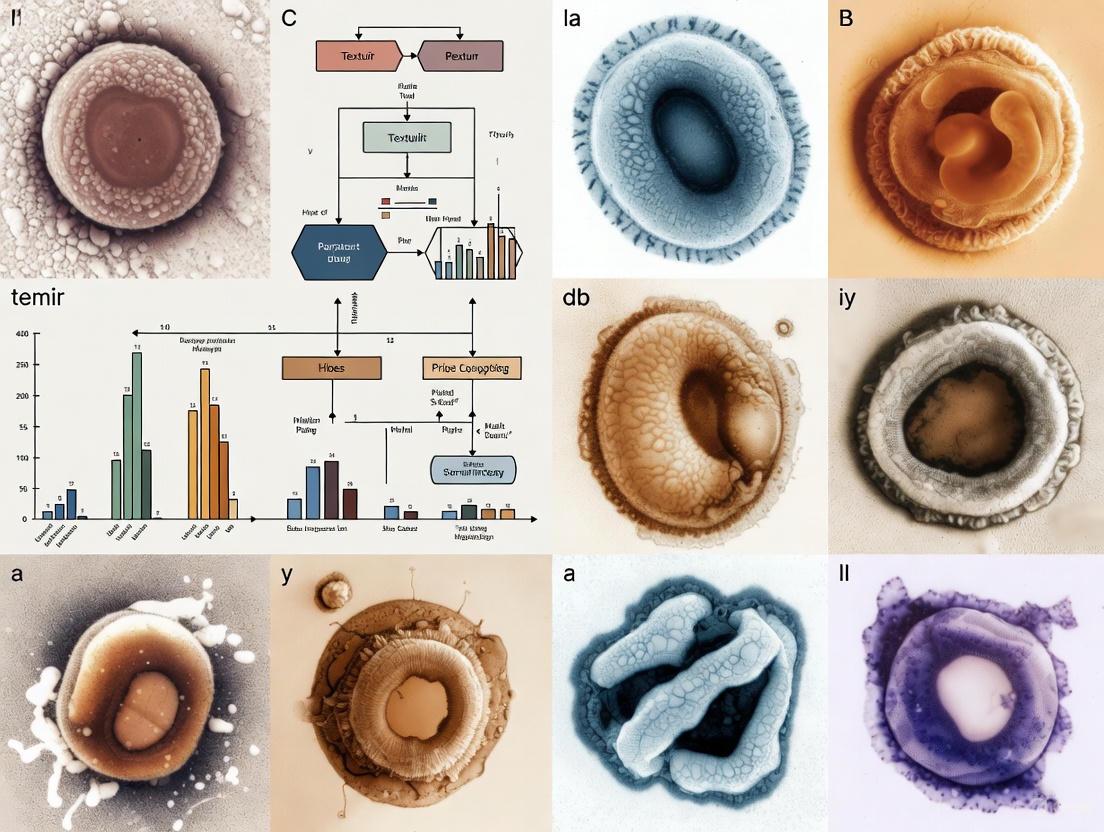
This article provides a comprehensive analysis of texture and shape patterns in helminth egg images, tailored for researchers, scientists, and drug development professionals.
Decoding Helminth Eggs: A Guide to Texture and Shape Patterns for Automated Detection and Drug Discovery
Abstract
This article provides a comprehensive analysis of texture and shape patterns in helminth egg images, tailored for researchers, scientists, and drug development professionals. It explores the fundamental morphological characteristics of soil-transmitted helminths (STH) and other prevalent species, which are crucial for accurate species identification. The scope extends to traditional microscopic methods and the rapidly advancing field of artificial intelligence (AI) and deep learning for automated egg detection and classification. The content addresses common diagnostic challenges and offers optimization strategies for image analysis, while also presenting rigorous validation frameworks and performance comparisons of modern computational models. By synthesizing foundational knowledge with cutting-edge methodologies, this resource aims to support the development of robust diagnostic tools and inform anti-helminthic drug research.
The Blueprint of Parasites: Foundational Morphology of Helminth Eggs
This technical guide details the defining morphological characteristics of helminth eggs, focusing on the quantitative metrics of size, shape, and shell texture essential for accurate microscopic identification. Framed within broader research on texture and shape patterns in helminth egg imagery, we synthesize standard morphological data and present emerging automated methodologies that leverage these features for diagnostic purposes. The integration of deep learning models, which utilize these very characteristics for pattern recognition, is demonstrating exceptional accuracy, with advanced systems like ConvNeXt Tiny achieving F1-scores of up to 98.6% in classification tasks [1]. This whitepaper provides researchers and drug development professionals with a consolidated reference of core diagnostic features and the experimental protocols driving innovation in the field.
Helminth infections, such as those caused by Ascaris lumbricoides and Taenia saginata, remain a significant global health burden, affecting billions of people, particularly in tropical and subtropical regions [1]. The primary diagnostic method in many settings remains the manual microscopic examination of stool samples for the presence of helminth eggs. This process is inherently challenging, requiring highly trained technicians to distinguish between parasitic eggs and non-parasitic artifacts (e.g., pollen, plant cells) based on subtle morphological differences [1] [2].
The diagnostic process is further complicated by the polymorphism of eggs within a single species. For instance, Ascaris lumbricoides presents in three distinct forms: infertile, fertilized with a sheath, and fertilized without a sheath, each with varying size and shell characteristics [1]. Similarly, the intermittent shedding of eggs, as seen in Taenia species, can reduce the sensitivity of microscopy, with estimates ranging from 3.9% to 52.5% [1]. These challenges, coupled with the need for rapid, objective, and reliable diagnostics, have catalyzed research into automated identification systems. These systems rely on a computational understanding of the same diagnostic features—size, shape, and shell texture—that human technicians use, making a precise and quantitative definition of these characteristics a cornerstone of modern parasitology research [3] [4].
Quantitative Morphological Characteristics of Key Helminth Eggs
The accurate identification of helminth eggs hinges on precise measurements and descriptions of their physical attributes. The following tables summarize the defining characteristics for several helminth species of significant medical importance. These quantitative profiles serve as the fundamental dataset for both manual identification and the training of machine learning algorithms.
Table 1: Morphological Characteristics of Common Helminth Eggs
| Helminth Species | Size (μm) | Shape Description | Shell Texture & Key Features |
|---|---|---|---|
| Ascaris lumbricoides (Fertilized) | 40 × 60 [1] | Oval [1] | Thick, mammillated coat (fertilized with/without sheath) [1] |
| Ascaris lumbricoides (Unfertilized) | 60 × 90 [1] | Larger and longer [1] | Thinner shell with granules of various sizes [1] |
| Taenia saginata | 30–35 [1] | Spherical | Radially striated; inner oncosphere has six break-resistant hooks [1] |
| Trichuris trichiura | Not specified in results | Not specified in results | Commonly found in wastewater samples [2] |
| Hymenolepis nana | Not specified in results | Not specified in results | Commonly found in wastewater samples [2] |
| Schistosoma mansoni | Not specified in results | Not specified in results | Commonly found in wastewater samples [2] |
Table 2: Diagnostic Differentiators for Ascaris Egg Types
| Characteristic | Fertilized Egg | Unfertilized Egg |
|---|---|---|
| Average Size | 40 × 60 μm [1] | 60 × 90 μm [1] |
| General Shape | Oval [1] | Larger and longer [1] |
| Shell Structure | Thick [1] | Thinner [1] |
| Internal Content | Definite structure | Granules of various sizes [1] |
Experimental Protocols for Image-Based Identification and Quantification
Automated systems for helminth egg diagnosis rely on robust experimental workflows that transform raw microscopic images into classified results. The following section details two complementary methodological approaches: a classical image analysis algorithm and a modern deep learning-based pipeline.
Classical Image Processing and Algorithmic Identification
This methodology, as implemented in systems like the Helminth Egg Automatic Detector (HEAD), relies on a series of deterministic image processing steps [2] [4]. The workflow is designed to emulate and standardize the human technician's identification process.
Detailed Methodology:
- Sample Preparation and Image Acquisition: Wastewater or stool samples are processed using conventional techniques (e.g., sedimentation, flotation) to separate and concentrate helminth eggs from other particles. The resulting pellet is placed on a slide and imaged under an optical microscope [2].
- Image Pre-processing:
- Noise Reduction: Apply filters to remove digital noise (e.g., Gaussian, Salt and Pepper noise) that can interfere with accurate segmentation.
- Contrast Enhancement: Use techniques like Contrast-Limited Adaptive Histogram Equalization (CLAHE) to improve the contrast between the egg boundaries and the background, facilitating clearer feature extraction [3].
- Segmentation and Object Detection: The enhanced image is processed to distinguish potential eggs from other debris. This can involve:
- Thresholding: Converting the image to binary based on pixel intensity to isolate objects.
- Morphological Operations: Using techniques like erosion and dilation to refine the shapes of detected objects and remove small artifacts.
- Watershed Algorithm: Separating touching or overlapping objects to allow for individual analysis [3].
- Feature Extraction: For each detected object, quantitative morphological and textural features are calculated. These directly correspond to the diagnostic characteristics used in manual identification:
- Morphology: Size (area, perimeter), shape (roundness, eccentricity, aspect ratio).
- Texture: Analysis of the shell's appearance, such as radial striations (Taenia) or a mammillated coat (Ascaris), using metrics derived from the image pixel matrix [4].
- Classification: The extracted features are fed into a classification algorithm (e.g., a support vector machine or decision tree) that has been trained on a labeled dataset. The algorithm compares the feature vector of the unknown object to known profiles to assign a species identification [4].
- Quantification and Validation: The system provides a count of eggs by species. Performance is evaluated using sensitivity (ability to correctly identify true eggs) and specificity (ability to correctly reject non-eggs). The HEAD system, for example, reported a specificity of 99% and sensitivity between 80-90% [2].
Deep Learning-Based Segmentation and Classification
This approach utilizes artificial intelligence, specifically convolutional neural networks (CNNs), to automatically learn the defining features of helminth eggs directly from the image data [1] [3].
Detailed Methodology:
- Dataset Curation: A diverse dataset of microscopic images is assembled, containing examples of different helminth egg species (e.g., Ascaris lumbricoides, Taenia saginata) and uninfected samples. The images are labeled (annotated) by experts to serve as ground truth for training [1].
- Advanced Image Pre-processing:
- Image Segmentation with U-Net: A U-Net model, a type of CNN architecture designed for biomedical image segmentation, is used to precisely outline each egg. The model is trained to predict pixel-by-pixel which parts of an image belong to an egg versus the background.
- Performance Metrics: Optimized with the Adam optimizer, a U-Net model can achieve pixel-level accuracy of 96.47%, precision of 97.85%, and sensitivity of 98.05%. At the object level, performance can be measured by an Intersection over Union (IoU) of 96% and a Dice Coefficient of 94% [3].
- Region of Interest (ROI) Extraction: The segmented output is processed, often using an algorithm like watershed, to extract individual egg images for the final classification step [3].
- Classification with Convolutional Neural Networks: The extracted ROIs are fed into a CNN classifier (e.g., EfficientNet V2 S, ConvNeXt Tiny, MobileNet V3 S) [1]. These models automatically learn a hierarchy of features, from simple edges to complex textures and shapes, to classify the eggs.
The following diagram illustrates the integrated AI-based workflow for helminth egg analysis, from image preparation to final classification.
AI-Based Helminth Egg Analysis Workflow
The Scientist's Toolkit: Essential Research Reagents and Materials
The following table details key materials and tools used in the experimental protocols for automated helminth egg identification, as cited in the literature.
Table 3: Research Reagent Solutions for Helminth Egg Analysis
| Item / Solution | Function / Application in Research |
|---|---|
| Wastewater / Stool Samples | Primary source material for the development and validation of detection systems; often processed via EPA or similar concentration techniques [2]. |
| Optical Microscope | Essential equipment for acquiring digital images of prepared samples for subsequent analysis [2] [4]. |
| Image Processing Algorithms (BM3D, CLAHE) | Pre-processing solutions for denoising and enhancing image clarity to improve segmentation accuracy [3]. |
| U-Net Model | A deep learning architecture specifically optimized for the precise segmentation of helminth eggs from microscopic images [3]. |
| CNN Models (e.g., ConvNeXt, EfficientNet) | Deep learning models used for the final classification task, leveraging features learned from pre-processed and segmented images [1]. |
| TensorFlow | An open-source software platform used as a foundation for developing and deploying machine learning models, including web-based analysis services [4]. |
The diagnostic characteristics of size, shape, and shell texture form the immutable foundation of helminth egg identification. While these morphological patterns have long been the basis of manual microscopy, they now serve as the critical feature set for advanced computational approaches. The experimental protocols outlined herein, particularly those leveraging deep learning, demonstrate how these characteristics can be quantified and analyzed at scale with high precision and accuracy. The continued refinement of these automated systems, grounded in a rigorous understanding of helminth morphology, promises to deliver the rapid, objective, and reliable diagnostic tools needed to combat these pervasive global health challenges.
Soil-transmitted helminths (STHs), primarily Ascaris lumbricoides, Trichuris trichiura, and hookworms (Necator americanus and Ancylostoma duodenale), infect nearly a quarter of the global population, posing a significant public health burden in tropical and subtropical regions [5] [6]. The morphology of these parasites, especially their eggs, is a critical determinant for their microscopic identification in fecal samples, which remains a cornerstone of disease diagnosis and surveillance. Within the context of research on texture and shape patterns in helminth egg images, a precise understanding of comparative morphology is fundamental for developing automated diagnostic systems. This whitepaper provides an in-depth technical guide to the comparative morphology of these STHs, detailing the distinctive morphological features that enable differentiation and their implications for modern research and diagnostic practices.
Comparative Morphology of STH Eggs
The eggs of STHs exhibit distinct morphological characteristics that form the basis for microscopic identification. The following table summarizes the key differentiating features.
Table 1: Comparative Morphology of Soil-Transmitted Helminth (STH) Eggs
| Parasite | Egg Size (µm) | Egg Shape & Description | Shell Characteristics | Content |
|---|---|---|---|---|
| Ascaris lumbricoides (Fertilized) | 45 - 75 [7] | Round to oval [7] | Thick, mammillated (bumpy) outer layer, often bile-stained brown [7] | Unsegmented embryo [7] |
| Ascaris lumbricoides (Unfertilized) | Up to 90 [7] | Elongated and larger than fertile eggs [7] | Thinner shell with variable mammillations [7] | Mass of refractile granules [7] |
| Trichuris trichiura | 50 - 55 [8] | Barrel-shaped or lemon-shaped [8] | Thick, smooth shell; prominent bipolar plugs (mucoid plugs) at each end [8] | Unsegmented embryo [8] |
| Hookworms (Necator americanus & Ancylostoma duodenale) | 60 - 75 by 35 - 40 [9] | Oval or ellipsoidal | Thin, colorless shell [9] | Cleaving embryo, often in early stages of cleavage (2- to 8-cell stage) [9] |
Visual Identification Workflow
The following diagram illustrates the decision pathway for differentiating STH eggs based on their morphological characteristics, a process foundational to both manual microscopy and automated image analysis.
Experimental Protocols for Morphological Identification
Accurate morphological analysis relies on standardized laboratory procedures for sample processing and examination.
Standard Microscopy-Based Diagnostic Techniques
The following table outlines key techniques used in the morphological diagnosis of STH infections.
Table 2: Key Experimental Protocols for STH Diagnosis
| Method | Principle | Procedure Summary | Application & Notes |
|---|---|---|---|
| Kato-Katz Thick Smear [6] | Quantitative detection of helminth eggs via glycerol clarification of a fixed fecal amount. | Feces pressed through a mesh sieve; a template portion is transferred to a slide and covered with glycerol-soaked cellophane. Cleared sample is examined microscopically after 30-60 minutes. | WHO gold standard for STH field epidemiology [10]. Allows calculation of eggs per gram (EPG). Less sensitive for low-intensity infections and hookworm eggs disintegrate rapidly [6]. |
| Formalin-Ethyl Acetate Sedimentation [7] [9] | Concentration of parasite eggs and cysts via centrifugation and formalin fixation. | Stool specimen is fixed in formalin, strained, and mixed with ethyl acetate before centrifugation. The sediment is examined as a wet mount. | Recommended procedure for concentrating and identifying a broad range of parasites. Superior recovery of STH eggs compared to direct smears [7]. |
| Harada-Mori Culture [11] | Coproculture to hatch eggs and differentiate hookworm species via larval morphology. | Feces are applied to a filter paper strip placed in a tube with water. After 5-10 days, filariform (L3) larvae from the water are identified morphologically. | Used specifically for differentiating N. americanus and A. duodenale larvae [11]. Critical for species-specific distribution studies. |
| Direct Wet Mount [6] | Direct microscopic examination of a fresh fecal smear. | A small amount of feces is mixed with saline or iodine on a slide and covered with a coverslip for immediate examination. | Rapid, simple, and low-cost. Adequate for moderate to heavy infections but lacks sensitivity for low worm burdens [7] [9]. |
Advanced Imaging and Automated Detection
Conventional microscopy is being augmented by advanced imaging technologies. Low Vacuum (LVSEM) and Environmental Scanning Electron Microscopy (ESEM) allow for the analysis of hydrated, freshly fixed parasites, revealing surface features like secretory products and bacillary glands in Trichuris spp. that are obscured by traditional sample preparation [12]. Furthermore, deep learning-based automated systems are being developed for the detection and multiclass classification of STH eggs in digital images of fecal smears. These systems use convolutional neural networks (CNNs) like EfficientDet, trained on thousands of field-of-view images, to achieve high precision and sensitivity in identifying parasite eggs, supporting control programs in resource-limited settings [10].
The Scientist's Toolkit: Essential Research Reagents and Materials
Research on STH morphology and diagnostics requires a specific set of reagents and materials. The following table details key items used in the experimental protocols cited in this paper.
Table 3: Key Research Reagent Solutions for STH Morphological Studies
| Item | Function/Application | Specific Use Case |
|---|---|---|
| Formalin (10% Buffered) | Fixative and preservative | Used in formalin-ethyl acetate sedimentation to preserve parasite morphology and fix the stool specimen for safe processing [7] [9]. |
| Ethyl Acetate | Solvent for extraction | Used in concentration techniques to dissolve fecal debris and fats, liberating parasites into the sediment [6]. |
| Glycerol-Methylene Blue Solution | Clearing and staining agent | Soaked into cellophane for the Kato-Katz technique; glycerol clears fecal debris while methylene blue can provide contrast [6]. |
| Sheather's Sugar Solution | Flotation medium | High-specific-gravity solution used to concentrate helminth eggs by flotation during fecal egg analysis [8]. |
| Harada-Mori Filter Paper Strip | Substrate for larval culture | Provides a stable surface for feces in the Harada-Mori tube culture technique, facilitating the hatching of eggs and development of larvae [11]. |
| Lugol's Iodine | Staining agent | Used in wet mount preparations to stain the nuclei of protozoan cysts and enhance the visibility of helminth eggs [9] [6]. |
The distinct textural and shape patterns of Ascaris, Trichuris, and hookworm eggs are the definitive foundation for their morphological identification. Fertilized Ascaris eggs are characterized by their mammillated, textured coat; Trichuris eggs are unmistakable with their smooth shell and bipolar plugs; and hookworm eggs are identified by their thin, hyaline shell and early cleavage stage. A deep understanding of these characteristics is paramount for accurate diagnosis using traditional methods. Furthermore, this morphological knowledge is the essential ground truth for training the next generation of deep learning algorithms aimed at automated egg detection and classification. As molecular diagnostics advance and reveal significant genetic diversity within these species, the integration of precise morphological data with genetic and immunological insights will be crucial for developing more sensitive diagnostic tools and achieving the goals of global STH control programs.
The detailed morphology of helminth eggs, including their surface textures and specialized structures, serves as a critical diagnostic feature for species identification in both clinical and research settings. Within the broader context of texture and shape pattern research in helminth egg imaging, the mamillated layer of Ascaris species and the polar plugs of Trichuris species represent two of the most structurally complex and diagnostically significant features. These structures are not merely external decorations; they play essential biological roles in protection and hatching, while providing reliable morphological markers for differentiation.
Accurate identification of soil-transmitted helminths (STHs) remains a cornerstone in the fight against parasitic diseases that affect approximately 1.5 billion people globally [13]. Traditional diagnosis through microscopic examination of stool samples relies heavily on technician expertise in recognizing these intricate morphological details. However, this process is often time-consuming, labor-intensive, and prone to human error, especially when dealing with decoritcated eggs or artifacts that mimic parasitic structures [14]. Recent advances in artificial intelligence (AI) and three-dimensional modeling have created new opportunities for standardizing and automating the identification process, yet these technologies still depend on fundamental knowledge of structural morphology as their reference foundation [15] [13].
Structural Fundamentals of Helminth Eggshells
General Eggshell Architecture
The nematode eggshell is a complex biological structure designed to provide protection from environmental stresses while allowing for specific developmental cues. From a histological perspective, the mature eggshell consists of several distinct layers, each contributing to its overall function and appearance:
- Mucopolysaccharide/protein coat: An exogenous layer produced by the nematode uterus, often referred to as the 'mammillated' albuminous layer in certain species. This layer is frequently stained by host bile salts and may exhibit unique texturing. It is notably friable in some species, leading to decoritcation [16].
- Vitelline layer: Derived from the vitelline membrane of the fertilized oocyte, this layer envelops the entire egg content, including specialized structures like the bipolar plugs in Trichuris eggs [16].
- Chitinous layer: A rigid structural component that provides the egg with its characteristic shape and mechanical stability [16].
- Chondroitin proteoglycan layer: Originally thought to be lipid-rich, this layer contributes to the egg's chemical resistance [16].
These layers are increasingly referred to collectively as the trilaminar outer eggshell, with additional inner layers including a lipid-rich permeability barrier and an innermost peri-embryonic layer completing the protective structure [16].
The Mamillated Layer inAscaris lumbricoides
The mamillated layer of Ascaris lumbricoides represents one of the most distinctive textural features in helminth egg morphology. This outer albuminous coat exhibits a bumpy, textured surface with relatively small protrusions that create a unique visual signature under light microscopy [16]. This layer is typically stained brown by bile pigments in the host's intestinal tract, though the degree of staining can vary significantly between specimens [7].
Ascaris eggs demonstrate notable polymorphism, appearing in three primary forms: unfertilized, fertilized corticated, and fertilized decoritcated. Fertilized corticated eggs are rounded, measuring 45-75 μm in diameter, with a thick shell and the characteristic external mamillated layer [14]. Unfertilized eggs are more elongated (up to 90 μm in length) with a thinner shell and more variable mammillation, ranging from prominent protuberances to practically none [7] [14]. The decoritcated form, which lacks the outer mamillated layer, presents significant diagnostic challenges as it may be confused with artifacts in stool samples [14].
Table 1: Morphological Characteristics of Ascaris lumbricoides Eggs
| Egg Type | Size Range | Shape | Mamillated Layer | Internal Contents |
|---|---|---|---|---|
| Fertilized, Corticated | 45-75 μm in length | Round to oval | Present, prominent | Developing embryo in early stages |
| Fertilized, Decoritcated | 45-75 μm in length | Round to oval | Absent | Developing embryo in early stages |
| Unfertilized | Up to 90 μm in length | Elongated | Variable (large protuberances to minimal) | Mass of refractile granules |
Polar Plugs inTrichurisSpecies
The polar plugs of Trichuris species (also known as opercula) represent another critical diagnostic feature in helminth egg identification. These distinctive bipolar structures exhibit a complex architecture that facilitates both protection and hatching. Eggs of Trichuris trichiura display a characteristic barrel-shape, measuring 57-78 μm in length and 26-30 μm in width, with the polar plugs positioned at both terminal ends [13].
Ultrastructural studies using scanning and transmission electron microscopy have confirmed the three-layered structure of the Trichuris eggshell, with evidence that the polar plugs are extensions of the shell's middle layer [17]. The cores of these polar plugs can be lost en bloc, either mechanically or chemically, providing an exit pathway for the first-stage larva during hatching [17]. Developmentally, the polar plugs begin formation in the spermatheca of the adult female, where two polar papillae become delimited from the remainder of the oocyte cytoplasm [18]. These regions exhibit a discrete PAS-positive reaction and are initially characterized by concentrated glycogen rosettes that later transform into an irregular fine network of chitin-protein microfibrils [18]. This arrangement contrasts with the distinct lamellate organization of the surrounding collar region [18].
Recent research has elucidated the hatching mechanism, revealing that bacterial contact induces polar plug disintegration through asymmetric degradation prior to larval exit [19]. This process appears to be mediated by chitinase released from the larva within the egg, rather than enzymes produced by external bacteria, though high densities of bacteria bound to the poles significantly improve hatching efficiency [19].
Analytical Approaches for Texture Characterization
Traditional Microscopy and Morphometry
The foundation of helminth egg texture analysis rests firmly on light microscopy techniques, which continue to provide the benchmark for morphological assessment. Standard diagnostic procedures involve the examination of stool specimens using various preparation methods, including direct wet mounts, Kato-Katz thick smears, and flotation-based concentration techniques [7] [14] [20]. Each method offers distinct advantages for visualizing textural features: direct smears may preserve structural relationships but often contain obscuring debris, while flotation techniques like Mini-FLOTAC provide clearer views by separating eggs from fecal particulates [14].
Quantitative characterization of egg textures has evolved significantly beyond subjective description. Research has demonstrated that grey level variation in digital images can serve as a reliable basis for identification when analyzed with appropriate algorithms [21]. In one study, 25 distinct texture features were defined and analyzed, with 10 features selected for their significant discriminatory power [21]. When these textural features were combined with traditional shape and size parameters, classification accuracy reached 93.1% for strongylid eggs, outperforming classification based on either texture or morphology alone [21].
Advanced Imaging and AI-Based Identification
Recent technological advances have revolutionized the field of helminth egg identification through the application of artificial intelligence and three-dimensional modeling. The YOLOv4 (You Only Look Once) deep learning object detection algorithm has demonstrated remarkable accuracy in recognizing and classifying human parasite eggs, achieving 100% recognition accuracy for Clonorchis sinensis and Schistosoma japonicum, with slightly lower but still impressive accuracies for other species (89.31% for E. vermicularis, 88.00% for F. buski, and 84.85% for T. trichiura) [15]. For mixed helminth egg samples, recognition accuracy ranged from 75.00% to 98.10%, demonstrating the platform's robustness while highlighting areas for improvement in complex diagnostic scenarios [15].
Three-dimensional modeling represents another frontier in texture analysis and visualization. Researchers have successfully created 3D virtual models of STH eggs from 2D light microscopy images by applying vectorization techniques to egg structures using open-source software [13]. These models capture critical morphological details including the mamillated layer of Ascaris eggs and the polar plugs and larval structures of Trichuris species [13]. The resulting 3D printed models provide tactile learning tools and advanced morphological study aids that enrich the teaching-learning process in parasitological sciences [13].
Table 2: AI Recognition Accuracy for Various Helminth Eggs [15]
| Parasite Species | Recognition Accuracy | Notable Morphological Features |
|---|---|---|
| Clonorchis sinensis | 100% | Small operculated egg |
| Schistosoma japonicum | 100% | Lateral spine |
| Enterobius vermicularis | 89.31% | Asymmetrically flattened side |
| Fasciolopsis buski | 88.00% | Large operculated egg |
| Trichuris trichiura | 84.85% | Bipolar plugs, barrel shape |
| Mixed Helminth Eggs (Group 1) | 98.10%, 95.61% | Combination of species |
| Mixed Helminth Eggs (Group 3) | 93.34%, 75.00% | Combination including decoritcated forms |
Experimental Protocols for Texture Analysis
Sample Preparation and Imaging Procedures
Standardized sample preparation is essential for consistent texture analysis of helminth eggs. The following protocol, adapted from contemporary research methodologies, ensures optimal preservation of morphological features:
Sample Collection and Fixation: Collect helminth egg suspensions and preserve in formalin or other appropriate fixatives. For texture analysis, two drops of vortex-mixed egg suspension (approximately 10 μL) are placed on a slide and covered with an 18mm × 18mm coverslip, avoiding air bubbles [15]. Chemically fix eggs by immersion in 4% paraformaldehyde in 0.1M cacodylate buffer overnight, followed by three 15-minute washes in phosphate-buffered saline (PBS) [13].
Microscopy Imaging: Examine prepared slides under light microscopy with differential interference contrast (DIC) systems where available. Image acquisition should use standardized magnification (typically 20× and 40×) with digital camera systems. For 3D reconstruction purposes, select eggs showing structures of interest with highest contrast (eggshell and larval details) [13].
Image Preprocessing: For AI-based analysis, divide datasets into training sets, validation sets, and test sets at an 8:1:1 ratio. Compress images to specific sizes and employ k-means algorithm clustering to determine anchor sizes. Apply Mosaic data augmentation and mixup data augmentation for sample expansion to improve model robustness [15].
AI-Assisted Recognition Workflow
The implementation of deep learning algorithms for texture-based identification follows a structured workflow:
Model Training: Conduct training using Python programming environments with PyTorch frameworks on appropriate GPU hardware. Set initial learning rate to 0.01 with a learning rate decay factor of 0.0005. Utilize Adam optimizer with momentum value of 0.937, and set BatchSize to 64. Train for 300 epochs, freezing backbone feature extraction network for the first 50 epochs to accelerate convergence [15].
Performance Evaluation: Assess model performance using standard object detection metrics including True Positives (TP), True Negatives (TN), False Positives (FP), and False Negatives (FN). Calculate recall (R = TP/(TP+FN)) to evaluate missed detections and precision (P = TP/(TP+FP)) to assess false detections [15]. Compute Average Precision (AP) for single target classes and Mean Average Precision (mAP) for multiclass detection accuracy [15].
Validation and Optimization: Perform parameter optimization using validation sets, outputting and saving best model weights. These weights are subsequently used to predict location and classify parasites in new images [15].
Research Reagents and Computational Tools
Table 3: Essential Research Reagents and Computational Tools for Helminth Egg Texture Analysis
| Item | Specification/Type | Primary Function |
|---|---|---|
| Helminth Egg Suspensions | Commercial sources (e.g., Deren Scientific Equipment Co. Ltd.) | Provide standardized biological material for analysis |
| Fixative Solutions | 4% paraformaldehyde in 0.1M cacodylate buffer | Preserve egg structure and morphology |
| Microscopy Systems | Light microscope with DIC (e.g., Nikon E100, Nikon Eclipse 80i) | High-resolution imaging of textural features |
| Digital Cameras | Nikon DS-Ri1 or equivalent | Capture digital images for analysis |
| AI Development Environment | Python 3.8 with PyTorch framework | Implement deep learning algorithms |
| Computational Hardware | NVIDIA GeForce RTX 3090 GPU or equivalent | Accelerate model training and processing |
| 3D Modeling Software | Inkscape, Tinkercad, 3D Builder, Sculptris | Create virtual 3D models from 2D images |
| 3D Printing Equipment | Creality Ender 3, Tevo Tarantula Pro | Produce physical models for education and reference |
The detailed characterization of helminth egg textures, from mamillated layers to polar plugs, represents an essential component of modern parasitology with significant implications for diagnosis, research, and education. As AI-based recognition systems continue to evolve, the fundamental morphological features described in this guide will remain the foundational reference points for algorithm training and validation. The integration of traditional microscopy with advanced computational approaches creates a powerful synergy that enhances both diagnostic accuracy and our understanding of helminth biology.
Future research directions will likely focus on expanding image databases for rare species, refining 3D modeling techniques for enhanced visualization, and developing point-of-care diagnostic systems that incorporate texture analysis algorithms. Additionally, further investigation into the biological functions of these textural features, particularly their roles in hatching and environmental resistance, may reveal novel targets for therapeutic intervention. As the field progresses, the intersection of morphological expertise and computational innovation will continue to drive advances in the detection and control of soil-transmitted helminth infections worldwide.
Challenges in Traditional Morphological Identification and Manual Microscopy
Microscopic analysis of helminth eggs remains the cornerstone for diagnosing soil-transmitted helminth (STH) and Schistosoma mansoni infections, affecting over a billion people globally [22]. This technique relies fundamentally on the visual interpretation of egg texture and shape patterns, which serve as primary diagnostic characteristics. The process involves collecting a small stool sample, preparing a smear on a microscope slide, and treating it with a special solution to make parasite eggs easier to see under microscopy [22]. Despite recent molecular advances, morphology-based identification continues to be the most widely deployed method worldwide, particularly in resource-limited settings where these infections are most prevalent [23] [24]. The diagnostic accuracy hinges upon the precise recognition of morphological features including size, shape, shell structure, and internal characteristics of helminth eggs [1]. However, this dependence on visual morphology presents significant challenges that impact diagnostic reliability and public health interventions for neglected tropical diseases.
Key Technical Challenges in Morphological Identification
Variability in Egg Morphology
The inherent morphological diversity of helminth eggs represents a fundamental diagnostic complication. Aberrant egg forms occur with sufficient frequency to complicate accurate diagnosis, with several specific patterns documented:
Abnormal developmental forms: Malformed nematode eggs exhibit various abnormalities including double morulae, giant eggs (up to 110 µm in length), and eggs deviating from traditional symmetric, ovoid morphology [23]. These deformities include eggshell distortions resulting in irregular, crescent, budded, and triangular shapes, plus twin eggs conjoined by an eggshell but with separate morulae and vitelline membranes [23].
Temporal patterns in abnormality occurrence: In experimental Baylisascaris procyonis infections, malformed eggs represented approximately 5% of eggs observed during the first 2 weeks of patency (range 1.5%-7%), with frequency decreasing as infections progressed [23]. This temporal pattern suggests associations between abnormal morphology and early infection phases.
Species polymorphism challenges: Ascaris lumbricoides displays three distinct egg forms—infertile, fertilized with a sheath, and fertilized without a sheath—each with different size characteristics and structural appearances [1]. This polymorphism increases confusion with non-parasitic substances (artifacts) like pollen or plant cells.
Methodological Artifacts and Limitations
Diagnostic accuracy is further compromised by technical artifacts introduced during sample preparation:
Table 1: Impact of Diagnostic Methods on Egg Morphology
| Method | Impact on Egg Morphology | Diagnostic Consequences |
|---|---|---|
| Kato-Katz (KK) technique | Causes swelling, clearing, and malformation of eggs; hookworm eggs may dissolve if smear clears too long [23] | Reduced sensitivity, especially for hookworm; morphological distortions |
| Fecal flotation | May distort delicate egg structures [23] | Potential misclassification based on altered size/shape |
| General staining and processing | May alter apparent texture and color characteristics [24] | Inter-laboratory variability in identification |
Expertise Dependency and Subjectivity
The interpretive nature of morphological identification creates significant variability:
- Training limitations: Students are typically exposed only to optimal specimens during training, leaving them unprepared for the morphological variability encountered in clinical practice [23].
- Specialist requirement: Accurate differentiation requires laboratory professionals familiar with complex egg characteristics including size, shape, shell structure, and internal features [1].
- Subjective interpretation: Visual assessment inherently varies between technicians, leading to inconsistent diagnoses, particularly for eggs with borderline or ambiguous morphology [1].
Experimental Protocols for Morphological Analysis
Standard Copromicroscopy Techniques
The diagnostic workflow for helminth identification incorporates multiple complementary approaches:
Figure 1: Workflow for traditional morphological identification of helminth eggs
The Kato-Katz technique remains widely used for large-scale STH and schistosomiasis control programs, involving preparation of a smear on a microscope slide treated with a special solution to enhance parasite egg visibility [22]. Comparative studies evaluate newer concentration methods like ParaEgg, which demonstrates 81.5% recovery for Trichuris eggs and 89.0% for Ascaris eggs in experimentally seeded samples [25].
Specimen Collection and Preparation for Research-Grade Morphology
For integrative taxonomic studies requiring high-quality morphological data, specific protocols ensure optimal specimen preservation:
Specimen relaxation: Live specimens should be placed in warm (37-42°C) saline solution or PBS for 8-16 hours until viability loss to relax muscular contractions that distort natural shape [24].
Cleaning and positioning: Parasites must be cleaned of host tissues using a soft brush, then stretched in proper position (nematodes straightened, trematodes placed in dorsoventral orientation) [24].
Egg separation: Placing helminth specimens in distilled water induces egg release from the uterus, facilitating individual egg analysis without dissection damage [24].
Digital Morphometry and Image Analysis
Advanced morphological characterization employs feature extraction techniques capturing shape and texture descriptors:
Geometrical features: Quantify structural relationships and object shapes essential for differentiating similar helminth species [26].
Texture-based techniques: Apply methods like Local Binary Patterns (LBP) and Gray Level Co-occurrence Matrix (GLCM) to characterize surface patterns and spatial arrangements [26].
Color features: Analyze color distribution and organization through histograms and moments, particularly useful for differentiating artifacts from true eggs [26].
Quantitative Assessment of Diagnostic Performance
Comparative Sensitivity of Diagnostic Methods
Table 2: Performance Comparison of Helminth Diagnostic Methods
| Diagnostic Method | Human Sample Sensitivity (%) | Animal Sample Sensitivity (%) | Key Limitations |
|---|---|---|---|
| Kato-Katz Smear [25] | 93.7 | Not reported | Affected by clearing time; egg distortion |
| ParaEgg [25] | 85.7 | 53 (detection rate) | Newer method, limited field validation |
| Formalin-Ether Concentration [25] | 18 | 48 | Processing artifacts |
| Sodium Nitrate Flotation [25] | 19 | 45 | Limited sensitivity for certain species |
| Harada Mori Technique [25] | 9 | 29 | Low overall sensitivity |
| Conventional Microscopy [1] | Highly variable | Highly variable | Subjectivity, expertise-dependent |
AI-Based Detection Performance Metrics
Table 3: Performance of Computational Models in Helminth Egg Identification
| Model Architecture | Reported Performance | Application Context |
|---|---|---|
| YOLOv7-tiny [27] | mAP: 98.7% | Intestinal parasite egg recognition |
| YOLOv7-E6E [22] | F1-score: 97.47% | STH and S. mansoni detection |
| ConvNeXt Tiny [1] | F1-score: 98.6% | Ascaris and Taenia classification |
| EfficientNet V2 S [1] | F1-score: 97.5% | Ascaris and Taenia classification |
| MobileNet V3 S [1] | F1-score: 98.2% | Ascaris and Taenia classification |
| YOLOv8n [27] | Speed: 55 fps (Jetson Nano) | Rapid field detection |
The Scientist's Toolkit: Essential Research Reagents and Materials
Table 4: Key Research Reagents and Materials for Helminth Morphology Studies
| Item | Function/Application | Technical Considerations |
|---|---|---|
| Kato-Katz template & cellophane [22] | Standardized smear preparation for egg counting | Must be cleared appropriate time to avoid over-deformation |
| Formalin-ether solutions [25] | Concentration and preservation of eggs | Maintains morphology but may reduce viability |
| Sodium nitrate flotation solution [25] | Egg concentration through buoyancy | Specific gravity optimal for some species but not others |
| Scanning Electron Microscopy (SEM) equipment [24] | High-resolution surface topology analysis | Requires careful cleaning, fixation, and metal coating |
| Light microscopy with calibrated ocular micrometer [23] [24] | Morphometric measurements | Essential for size-based classification |
| Histopathological staining reagents [24] | Tissue section analysis for host-parasite interactions | Requires specialized expertise for interpretation |
| DNA extraction kits & PCR reagents [24] | Molecular confirmation of species | Critical for resolving ambiguous morphology |
| Digital imaging systems [22] [1] | Image capture for analysis and AI training | Resolution and standardization affect analysis quality |
Integrated Approaches: Combining Morphology with Complementary Techniques
Integrative Taxonomy Framework
Integrative taxonomy combines morphological, molecular, pathological, and ecological components for accurate specimen identification [24]. This approach is particularly valuable for detecting cryptic diversity, species complexes, and genotypes that challenge traditional morphology-based classification. The framework includes:
Morphological characterization: Light microscopy and SEM analysis of size, shape, and surface structures [24].
Molecular confirmation: DNA barcoding and phylogenetic analysis to verify morphological identifications [24].
Ecological context: Host species, geographical distribution, and tissue tropism as complementary data [24].
Histopathological correlation: Tissue response patterns providing additional diagnostic information [24].
Computational Solutions for Morphological Challenges
Deep learning approaches demonstrate remarkable effectiveness in analyzing microscopy images, achieving high accuracy in identifying and differentiating between STH and S. mansoni eggs [22] [1]. These systems address key challenges:
Automated pattern recognition: ConvNeXt Tiny, EfficientNet V2 S, and MobileNet V3 S models achieve F1-scores of 98.6%, 97.5%, and 98.2% respectively in classifying Ascaris lumbricoides and Taenia saginata eggs [1].
Explainable AI: Gradient-weighted Class Activation Mapping (Grad-CAM) elucidates egg detection performance by highlighting discriminative features used for classification [27] [22].
Out-of-distribution robustness: Advanced data augmentation strategies like 2×3 montage enhance model generalization across different image capture devices and unseen egg types [22].
Traditional morphological identification and manual microscopy of helminth eggs face persistent challenges stemming from intrinsic biological variability, methodological artifacts, and subjective interpretation. These limitations have significant implications for global helminth control programs, particularly in resource-limited settings where microscopy remains the primary diagnostic tool. The integration of computational approaches with standardized morphological protocols represents a promising pathway toward more reliable, objective, and scalable diagnostic solutions. Future research should focus on developing robust quantitative morphometry systems, validating AI models across diverse geographical settings, and creating comprehensive reference databases that capture the full spectrum of helminth egg morphological diversity. Such advances will strengthen the foundation of helminth diagnostics, ultimately supporting the WHO's 2030 road map for eliminating neglected tropical diseases as public health problems.
From Microscope to Machine: AI and Deep Learning for Pattern Recognition
The accurate diagnosis of soil-transmitted helminths (STHs), which infect over 600 million people globally, has long relied on conventional microscopy techniques like the Kato-Katz method [28]. While digital imaging and artificial intelligence (AI) present transformative potential for parasitic egg recognition, their performance is fundamentally constrained by the quality of sample preparation. The integration of texture and shape pattern analysis in helminth egg imaging research is particularly sensitive to pre-analytical variables that can alter morphological integrity. This technical guide examines the interplay between sample preparation protocols and digital imaging fidelity, providing researchers and drug development professionals with evidence-based methodologies to optimize diagnostic accuracy. We demonstrate that without standardized sample handling, even the most advanced AI algorithms produce suboptimal results due to artifacts introduced during preliminary stages.
Conventional Technique: The Kato-Katz Method and Its Limitations
Fundamental Principles and Procedural Steps
The Kato-Katz technique remains the World Health Organization-recommended method for STH diagnosis in epidemiological surveys and drug efficacy trials [29] [30]. This thick smear approach involves pressing a standardized quantity of stool (typically 41.7 mg) through a mesh screen to remove large particulate matter, transferring the sieved sample to a microscope slide, and covering it with a glycerol-soaked cellophane strip that clears debris and renders helminth eggs visible for microscopic enumeration [29] [31]. The method provides quantitative data on infection intensity measured as eggs per gram (EPG) of stool, which correlates with worm burden and informs treatment strategies.
Documented Limitations and Sensitivity Challenges
Despite its widespread use, the Kato-Katz technique exhibits significant limitations, particularly for low-intensity infections and specific helminth species. Sensitivity analyses reveal that a single Kato-Katz thick smear may detect only 50-65% of hookworm infections, with performance varying substantially based on infection intensity [30] [32]. The diagnostic sensitivity for Schistosoma mansoni is similarly intensity-dependent, with estimates of approximately 50% at 100 EPG and 62% at 300 EPG when only one stool sample is examined [30]. These limitations stem from multiple factors:
- Day-to-day variation in egg excretion: Natural fluctuations in helminth egg output necessitate multiple samples for reliable detection [30] [32].
- Inhomogeneous egg distribution within stool samples: Clustering of eggs in different portions of stool leads to substantial intra-specimen variation [29].
- Rapid egg degradation: Particularly for delicate hookworm eggs, visibility diminishes rapidly after slide preparation [29] [28].
- Small sample size: The examination of only 41.7 mg of stool per smear increases the likelihood of missing light infections [29].
Table 1: Sensitivity Estimates of Single Kato-Katz Thick Smear for Soil-Transmitted Helminths
| Helminth Species | Sensitivity (%) | 95% Confidence Interval | Primary Limiting Factors |
|---|---|---|---|
| Hookworm | 65.2 | 60.0-69.8 | Rapid egg degradation, day-to-day variation |
| Ascaris lumbricoides | 96.9 | 96.1-97.6 | Inhomogeneous distribution |
| Trichuris trichiura | 91.4 | 90.5-92.3 | Inhomogeneous distribution |
Sample Preparation Optimization for Digital Imaging
Temporal Factors in Sample Handling
The interval between stool collection, slide preparation, and microscopic examination critically impacts diagnostic accuracy, particularly for hookworm species. Experimental data from 488 stool samples in Tanzania demonstrates that hookworm fecal egg counts (FECs) from Kato-Katz slides stored at room temperature steadily decrease following preparation, declining from a mean of 22 to 16 within two hours [29]. No significant reduction was observed when slides were refrigerated during this period (19 vs. 21). After 24 hours, hookworm FECs dropped to near zero regardless of storage conditions [29].
For whole stool samples before processing, refrigeration provides partial protection against hookworm egg degradation, but substantial losses still occur. Samples stored at room temperature for 24 hours experienced a 23% mean reduction in hookworm FECs, compared to a 13% reduction when refrigerated [29]. In contrast, A. lumbricoides and T. trichiura eggs remain stable over time regardless of storage temperature, reflecting their more robust egg structures [29].
Table 2: Impact of Storage Conditions on Hookworm Fecal Egg Counts
| Sample Type | Storage Condition | Time Interval | Mean FEC Reduction | Recommendation |
|---|---|---|---|---|
| Kato-Katz slides | Room temperature | 20-140 minutes | 27% (22 to 16) | Avoid |
| Kato-Katz slides | Refrigerated | 20-140 minutes | No significant reduction | Recommended |
| Whole stool | Room temperature | 24 hours | 23% | Avoid |
| Whole stool | Refrigerated | 24 hours | 13% | Acceptable if same-day analysis impossible |
Homogenization Techniques and Egg Distribution
The inhomogeneous distribution of helminth eggs within stool specimens represents a significant challenge for diagnostic accuracy. Research indicates that stirring stool samples before Kato-Katz slide preparation reduces variation in hookworm and T. trichiura egg counts, though the effect on A. lumbricoides is less pronounced [29]. However, the relationship between stirring and mean FEC is complex, with some studies reporting simultaneous decreases in mean hookworm counts with increased stirring rounds, complicating specific recommendations [29].
Comprehensive Sample Preparation Protocol
Based on empirical evidence, the following standardized protocol optimizes sample preparation for both conventional and digital imaging applications:
Collection and Transportation:
- Collect fresh stool samples in clean, dry containers
- Transport to laboratory within 4 hours of collection
- Maintain samples at 4°C during transport if ambient temperature exceeds 25°C
Homogenization:
- Stir entire stool sample thoroughly for 30 seconds using disposable wooden applicators
- Ensure consistent consistency before subsampling
Kato-Katz Slide Preparation:
- Use standardized template (41.7 mg) for sample transfer
- Press sieved sample onto microscope slide
- Cover with glycerol-soaked cellophane strips
- Invert slide and press firmly onto absorbent material
Pre-Analysis Storage:
- Analyze slides within 20-30 minutes of preparation for hookworm detection
- If delay unavoidable, refrigerate slides but analyze within 110 minutes
- Process all samples on day of collection, especially for hookworm diagnosis
Sample Processing Workflow: Critical Path for Diagnostic Accuracy
Digital Imaging and AI-Based Analysis
Technological Advancements in Helminth Egg Imaging
Digital whole-slide imaging combined with AI algorithms has emerged as a promising approach to overcome limitations of conventional microscopy. Recent studies demonstrate that portable, affordable slide scanners can digitize Kato-Katz thick smears in field settings, enabling automated egg detection and counting through deep learning algorithms [28]. These systems typically utilize convolutional neural networks (CNN) trained on extensive image libraries of helminth eggs, achieving recognition accuracies exceeding 90% for common STH species [3] [33].
The integration of attention mechanisms with convolutional architectures (CoAtNet) has shown particular promise, achieving 93% accuracy and F1 scores in parasitic egg recognition tasks [33]. These advanced networks effectively learn discriminative texture and shape patterns that characterize different helminth species, even distinguishing between fertile and infertile Ascaris eggs based on subtle morphological differences [2] [4].
Comparative Performance of AI Versus Manual Microscopy
Validation studies comparing diagnostic methods reveal significant advantages for AI-supported digital microscopy, particularly for low-intensity infections. In an analysis of 704 Kato-Katz smears from Kenya, expert-verified AI achieved sensitivities of 100% for A. lumbricoides, 93.8% for T. trichiura, and 92.2% for hookworms, compared to 50.0%, 31.2%, and 77.8% respectively for manual microscopy [28]. This enhanced detection capability is especially valuable in the context of declining prevalence and intensity due to mass drug administration programs, where light infections now predominate [28].
Table 3: Diagnostic Accuracy Comparison: Manual vs. Digital Microscopy
| Diagnostic Method | A. lumbricoides Sensitivity | T. trichiura Sensitivity | Hookworm Sensitivity | Specificity Range |
|---|---|---|---|---|
| Manual microscopy | 50.0% | 31.2% | 77.8% | >97% |
| Autonomous AI | 50.0% | 84.4% | 87.4% | >97% |
| Expert-verified AI | 100% | 93.8% | 92.2% | >97% |
Specialized Algorithms for Degraded Specimens
A significant innovation in AI-based helminth diagnosis is the development of specialized algorithms capable of identifying partially disintegrated hookworm eggs, which conventional microscopy frequently misses. The introduction of an additional deep learning algorithm specifically trained on degraded hookworm eggs significantly increased sensitivity from 61.1% to 92.2% in expert-verified analyses [28]. This capability is particularly valuable for samples that experience unavoidable delays in processing, where traditional identification becomes challenging due to morphological deterioration.
The Scientist's Toolkit: Essential Research Reagents and Materials
Table 4: Research Reagent Solutions for Kato-Katz and Digital Imaging
| Item | Function | Technical Specifications |
|---|---|---|
| Standardized stool collection container | Sample integrity maintenance | 100mL capacity, leak-proof, wide-mouth design |
| Kato-Katz template | Quantitative stool sampling | 41.7 mg aperture, stainless steel |
| Glycerol-soaked cellophane strips | Sample clearing and preservation | Cellophane thickness: 40-60μm, glycerol concentration: 100% |
| Plastic mesh screen | Particulate filtration | 80-100 mesh stainless steel or plastic |
| Portable whole-slide scanner | Digital image acquisition | 40x magnification, automated slide feeder, field-deployable |
| BM3D filter algorithm | Image pre-processing | Gaussian, Salt and Pepper, Speckle noise reduction |
| U-Net segmentation model | Egg detection and isolation | Adam optimizer, 96.47% accuracy, 94% Dice Coefficient |
| CoAtNet classification architecture | Species identification | Hybrid convolution-attention, 93% average accuracy |
Integrated Workflow for Optimal Results
The synergy between optimized sample preparation and advanced digital analysis creates a comprehensive diagnostic pipeline that maximizes detection sensitivity while providing quantitative intensity data. The integrated workflow encompasses both physical processing steps and computational analysis, each stage contributing to overall diagnostic accuracy.
Integrated Diagnostic Pipeline: From Sample to Analysis
The evolution from conventional microscopy to digital imaging represents a paradigm shift in helminth diagnosis, but this transition necessitates meticulous attention to sample preparation protocols. The integrity of texture and shape patterns essential for accurate AI-based classification is profoundly influenced by pre-analytical factors including storage conditions, temporal parameters, and homogenization techniques. By integrating the optimized methodologies outlined in this technical guide—particularly the critical time and temperature controls for hookworm detection—researchers can significantly enhance diagnostic sensitivity. The continued refinement of both sample processing and computational analysis will further advance helminth research, drug development, and morbidity control programs in endemic settings worldwide.
Convolutional Neural Networks (CNNs) for Feature Extraction from Egg Images
The diagnosis of helminth infections, which affect billions of people globally, traditionally relies on the microscopic examination of parasite eggs in stool samples, a process that is time-consuming, labor-intensive, and prone to human error [15] [34]. Within this challenge lies a critical research opportunity: the automated identification of helminths through their unique morphological signatures. The texture and shape patterns of helminth eggs provide distinctive features that are ideal for computer vision analysis. Convolutional Neural Networks (CNNs) have emerged as a powerful tool for extracting these complex features, driving advancements in automated parasitological diagnosis [1] [33]. This technical guide explores the application of CNNs for feature extraction from helminth egg images, providing a comprehensive resource for researchers and developers working at the intersection of medical parasitology and deep learning.
CNN Architectures for Helminth Egg Analysis
Fundamental Architecture and Adaptation
CNNs are uniquely suited for analyzing helminth egg morphology due to their hierarchical feature learning capability. Initial layers capture basic edges, colors, and textures, while deeper layers assemble these into complex morphological structures such as eggshell patterns, internal larval structures, and overall shape characteristics [35] [33]. This intrinsic capability allows CNNs to learn distinguishing features directly from pixel data without manual feature engineering, making them particularly valuable for differentiating species with similar morphological characteristics.
The application of CNNs in parasitology has evolved from using pre-trained models for classification to developing specialized architectures optimized for the unique challenges of egg detection, including small object size, complex backgrounds, and class imbalance [1] [35]. Lightweight models are particularly important for deployment in resource-limited settings where helminth infections are most prevalent [35].
Advanced Architectural Innovations
Recent research has introduced sophisticated architectural improvements to enhance feature extraction for helminth eggs:
Attention Mechanisms: The YOLO Convolutional Block Attention Module (YCBAM) integrates self-attention mechanisms and Convolutional Block Attention Module (CBAM) with YOLOv8 to improve focus on spatially relevant egg structures while suppressing background noise [36] [37]. This approach has demonstrated exceptional performance for pinworm egg detection with precision of 0.9971 and recall of 0.9934 [36].
Feature Pyramid Enhancements: The Asymptotic Feature Pyramid Network (AFPN) replaces traditional FPN structures in models like YAC-Net to better integrate spatial contextual information across different scales through hierarchical and asymptotic aggregation [35]. This improves detection of eggs at various magnification levels and orientations.
Hybrid Approaches: CoAtNet (Convolution and Attention Network) combines the strengths of convolution and self-attention mechanisms, achieving an average accuracy of 93% and F1 score of 93% on the Chula-ParasiteEgg dataset [33]. This architecture benefits from the inductive biases of CNNs while leveraging the global context processing of attention mechanisms.
Performance Analysis of CNN Models
Object Detection Models
Table 1: Performance Comparison of Object Detection Models for Helminth Eggs
| Model | mAP@0.5 | Precision | Recall | Key Strengths | Applications |
|---|---|---|---|---|---|
| YCBAM (YOLOv8 with attention) [36] | 0.995 | 0.997 | 0.993 | Superior for small objects; handles noisy backgrounds | Pinworm egg detection |
| YAC-Net (YOLOv5n with AFPN) [35] | 0.991 | 0.978 | 0.977 | Lightweight; suitable for resource-constrained settings | Multi-species detection |
| YOLOv4 [15] | Varies by species | 1.00 (C. sinensis) | 0.893 (E. vermicularis) | High accuracy for distinct species | Mixed helminth egg detection |
| EfficientDet [34] | Not specified | 0.945 (weighted avg) | 0.938 (weighted avg) | Balanced performance across STH species | STH and S. mansoni detection |
Classification Models
Table 2: Performance of CNN-based Classification Models for Helminth Eggs
| Model | Accuracy | F1-Score | Precision | Recall | Dataset |
|---|---|---|---|---|---|
| ConvNeXt Tiny [1] | Not specified | 0.986 | Not specified | Not specified | A. lumbricoides and Taenia saginata |
| EfficientNet V2 S [1] | Not specified | 0.975 | Not specified | Not specified | A. lumbricoides and Taenia saginata |
| MobileNet V3 S [1] | Not specified | 0.982 | Not specified | Not specified | A. lumbricoides and Taenia saginata |
| CoAtNet0 [33] | 0.93 | 0.93 | Not specified | Not specified | Chula-ParasiteEgg (11,000 images) |
| DINOv2-large [38] | 0.989 | 0.811 | 0.845 | 0.780 | Multi-species parasite identification |
Experimental Protocols and Methodologies
Standardized Workflow for CNN-Based Egg Analysis
Sample Preparation and Image Acquisition
Proper sample preparation is crucial for obtaining high-quality images for CNN training. The Kato-Katz thick smear technique remains the gold standard for STH diagnosis and is widely used in dataset creation [34] [38]. This method involves sieving stool samples, placing a portion on glass slides using a template, and examining under a microscope. Recent innovations like the SIMPAQ (Single Imaging Parasite Quantification) device use lab-on-a-disk technology to concentrate parasite eggs through two-dimensional flotation, isolating eggs from debris by adding a saturated sodium chloride flotation solution [39].
For image acquisition, studies typically use light microscopes (e.g., Nikon E100) with 4x to 40x objective lenses [15] [34]. Automated digital microscopes like the Schistoscope provide a cost-effective solution for field settings, capable of automatically focusing and scanning regions of interest on prepared slides [34]. Image resolution typically ranges from 518×486 to 2028×1520 pixels, with higher resolutions preserving finer textural details essential for accurate classification [15] [34].
Data Preprocessing and Annotation
Image preprocessing steps commonly include:
- Cropping: Using sliding window approaches to divide original images into smaller patches (e.g., 518×486 pixels) [15]
- Background normalization: Addressing inconsistent background colors to improve model robustness [15]
- Data augmentation: Applying techniques like Mosaic data augmentation and mixup to increase dataset diversity and size [15]
Annotation involves expert microscopists identifying and labeling parasite eggs with bounding boxes or segmentation masks. The annotation quality directly impacts model performance, requiring careful validation and inter-rater reliability assessment [34] [38].
Model Training and Optimization
CNN training typically employs transfer learning, leveraging pre-trained models on large datasets like ImageNet [34] [33]. Key training parameters include:
- Optimizer: Adam optimizer with momentum (e.g., 0.937) [15]
- Learning rate: Initial rates of 0.01 with decay factors [15]
- Batch size: Typically 64, adjusted based on GPU memory [15]
- Epochs: 100-300 epochs with early stopping [15]
Advanced training techniques include:
- Self-supervised learning: Models like DINOv2 leverage Vision Transformers (ViT) for feature learning without extensive manual labeling [38]
- Multi-stage training: Freezing backbone feature extraction networks for initial epochs to expedite convergence [15]
The Scientist's Toolkit: Essential Research Reagents and Materials
Table 3: Essential Research Materials for CNN-Based Helminth Egg Analysis
| Item | Specification | Function in Research |
|---|---|---|
| Helminth Egg Suspensions | Commercially sourced (e.g., Deren Scientific Equipment Co. Ltd.) [15] | Provide standardized biological material for dataset creation |
| Kato-Katz Template | 41.7 mg template [34] | Standardizes stool smear thickness for consistent microscopy |
| Digital Microscope | Light microscope (e.g., Nikon E100) or automated systems (e.g., Schistoscope) [15] [34] | Image acquisition under consistent magnification and lighting |
| Sample Preservation Solutions | Formalin-ethyl acetate, Merthiolate-iodine-formalin (MIF) [38] | Preserve stool samples for later processing and analysis |
| Flotation Solution | Saturated sodium chloride [39] | Separates parasite eggs from debris via density gradient |
| Annotation Software | LabelImg, VGG Image Annotator, or custom tools [34] | Enables expert labeling of training data with bounding boxes |
| Deep Learning Framework | PyTorch, TensorFlow [15] | Provides infrastructure for CNN model development and training |
| GPU Acceleration | NVIDIA GeForce RTX 3090 [15] | Accelerates model training through parallel processing |
Technical Implementation and Architecture Details
YCBAM Architecture for Enhanced Feature Extraction
The YCBAM architecture demonstrates how attention mechanisms enhance feature extraction for challenging detection tasks. The Convolutional Block Attention Module (CBAM) sequentially applies channel and spatial attention to refine intermediate feature maps [36] [37]. Channel attention identifies "what" features are meaningful, while spatial attention identifies "where" informative regions are located. This dual attention mechanism is particularly effective for helminth egg detection, where eggs may occupy small regions within larger images and share similar textures with background debris.
Lightweight Architecture Design Considerations
For resource-constrained environments, model efficiency is as important as accuracy. The YAC-Net approach demonstrates key principles for lightweight model design [35]:
- Parameter reduction: Modifying the YOLOv5n neck from FPN to AFPN reduced parameters by one-fifth while improving performance
- Gradient flow enhancement: Replacing the C3 module with C2f enriched gradient flow through additional skip connections
- Computational optimization: Adaptive spatial feature fusion selectively emphasizes beneficial features while ignoring redundant information
These optimizations enable practical deployment in field settings with limited computational resources, making automated diagnosis more accessible in regions where helminth infections are most prevalent.
CNNs have revolutionized feature extraction from helminth egg images, demonstrating remarkable capabilities in learning discriminative texture and shape patterns that enable accurate species classification. The integration of advanced architectural components like attention mechanisms and feature pyramid networks has further enhanced model performance, particularly for challenging detection scenarios involving small objects and complex backgrounds. As research in this field advances, the focus is shifting toward efficient models suitable for deployment in resource-constrained settings and self-supervised approaches that reduce dependency on extensively labeled datasets. These technological developments promise to transform parasitological diagnosis, making accurate, automated helminth identification accessible to laboratories and clinics worldwide.
Intestinal parasitic infections (IPIs) represent a significant global health challenge, affecting nearly two billion people worldwide, predominantly in low-and-middle-income countries [33] [40]. The accurate and rapid diagnosis of these infections is crucial for effective treatment and control measures, yet traditional diagnostic methods rely on manual microscopic examination of stool samples—a process that is time-consuming, labor-intensive, and prone to diagnostic errors due to the reliance on skilled technicians [33]. The World Health Organization has identified these diagnostic challenges as major obstacles in combating parasitic diseases in endemic regions [3].
The emergence of artificial intelligence (AI) and deep learning-based object detection models has revolutionized the field of parasitological diagnostics by offering automated, rapid, and highly accurate identification of parasitic elements in microscopic images. Among these models, YOLO (You Only Look Once), EfficientDet, and CoAtNet have demonstrated remarkable capabilities in detecting and classifying parasitic helminth eggs based on their texture and shape patterns [33] [40]. These models excel at recognizing the intricate visual signatures of different parasite species—characteristics that are often challenging for human experts to consistently identify due to variations in egg morphology, density, staining color, and overlapping contaminants in fecal samples [33].
This technical guide explores the architectures, mechanisms, and applications of YOLO, EfficientDet, and CoAtNet within the specific context of helminth egg detection, with a particular emphasis on how these models leverage texture and shape patterns to achieve state-of-the-art diagnostic performance. By providing detailed experimental protocols, performance comparisons, and implementation guidelines, this whitepaper aims to equip researchers, scientists, and drug development professionals with the knowledge necessary to leverage these advanced object detection frameworks in their parasitological research and diagnostic development efforts.
Theoretical Foundations: Texture and Shape Analysis in Helminth Egg Identification
The automated identification of parasitic helminth eggs relies fundamentally on computational analysis of their visual characteristics, with texture and shape patterns serving as the primary discriminative features. Texture analysis involves characterizing the surface properties and internal patterns of objects in an image, providing crucial information about the structural arrangement of egg surfaces and their relationship to the surrounding environment [41]. In traditional image processing, texture analysis depended on manual feature extraction and classical algorithms, but deep learning has revolutionized this field through automatic feature learning [41].
Convolutional Neural Networks (CNNs) have proven particularly effective for texture analysis in parasitic egg identification due to their hierarchical learning architecture. Early CNN layers capture basic visual elements such as edges and corners, while deeper layers learn increasingly complex textures and patterns that correspond to species-specific egg characteristics [33] [41]. This capability is essential for distinguishing between parasites with visually similar eggs, such as Ascaris lumbricoides and Trichuris trichiura, which may share overlapping size ranges but exhibit distinct textural patterns in their shell surfaces [40].
Shape analysis complements texture examination by quantifying morphological features including aspect ratio, circularity, symmetry, and contour complexity. Object detection models employ various mechanisms to encode shape information, with bounding box predictions in YOLO and contour detection in segmentation-based approaches providing the foundational shape data [42]. The integration of these complementary feature types—texture and shape—enables robust classification even when eggs appear in different orientations, suffer from partial occlusion, or exhibit staining variations across different sample preparations [33] [3].
Table 1: Key Visual Features for Helminth Egg Identification
| Feature Category | Specific Descriptors | Example Application in Speciation |
|---|---|---|
| Texture Patterns | Shell surface texture, internal patterning, optical density distribution | Distinguishing Clonorchis sinensis (small, textured surface) from Fasciolopsis buski (smoother surface) |
| Shape Contours | Ellipticity, circularity, symmetry, presence of operculum | Differentiating Taenia spp. (spherical) from Schistosoma japonicum (oblong with spine) |
| Size Parameters | Absolute dimensions, aspect ratio, surface area | Separating Enterobius vermicularis (asymmetrical) from Ancylostoma duodenale (oval) |
| Special Structures | Presence of spines, opercula, plugs, or embryonic structures | Identifying Paragonimus westermani (operculated) and Trichuris trichiura (bipolar plugs) |
Model Architectures and Mechanisms
YOLO (You Only Look Once) Architecture
The YOLO (You Only Look Once) framework represents a groundbreaking approach in object detection by reformulating detection as a single regression problem that directly predicts bounding boxes and class probabilities from full images in one evaluation [42]. Unlike traditional object detection algorithms that repurpose classifiers to perform detection, YOLO employs a single fully convolutional neural network that simultaneously predicts multiple bounding boxes and class probabilities for those boxes [42]. This unified architecture provides significant speed advantages, enabling real-time detection capabilities that are essential for high-throughput diagnostic applications in parasitology.
YOLO operates by dividing the input image into an S × S grid, where each grid cell is responsible for predicting objects whose centers fall within it [42]. Each grid cell predicts B bounding boxes and confidence scores for those boxes, which reflect both the probability that the box contains an object and the accuracy of the predicted box. This approach allows YOLO to efficiently localize parasitic eggs while simultaneously classifying them, making it particularly suitable for analyzing microscopic images containing multiple eggs of different species [40]. The latest iterations, including YOLOv4 employed in parasitological research, incorporate advancements such as feature pyramid networks (FPN) for multi-scale detection, anchor boxes of different scales and aspect ratios to handle diverse egg morphologies, and sophisticated data augmentation techniques like Mosaic augmentation and mixup to enhance model robustness [40].
In the context of helminth egg detection, YOLO's architectural evolution has specifically addressed several diagnostic challenges. The integration of Darknet-53 as a backbone feature extractor in YOLOv3 provided enhanced capability to capture hierarchical features at different scales, from local texture patterns to global shape characteristics [42]. Additionally, the use of non-maximum suppression (NMS) as a post-processing step helps eliminate duplicate detections of the same egg, ensuring that each parasitic structure is counted and classified only once—a critical requirement for quantitative parasitological analysis [42].
EfficientDet Architecture
EfficientDet represents a scalable object detection architecture that achieves state-of-the-art performance with significantly improved computational efficiency compared to previous models [43]. While detailed architectural information from the search results is limited, EfficientDet is recognized for achieving the best performance in the fewest training epochs among object detection model architectures, making it a highly scalable option particularly when operating with limited computational resources [43].
The efficiency of EfficientDet stems from its optimized backbone network and sophisticated feature fusion strategy, which enables effective multi-scale feature representation—a crucial capability for detecting parasitic eggs that may appear at various scales in microscopic images depending on magnification and sample preparation techniques. This architectural efficiency is particularly valuable in resource-constrained diagnostic settings commonly found in parasitic endemic regions, where computational resources may be limited but rapid, accurate diagnosis is urgently needed.
CoAtNet Architecture
CoAtNet (Convolution and Attention Network) represents a hybrid architecture that strategically marries the strengths of convolutional networks and self-attention mechanisms to achieve superior performance on visual tasks [44] [45]. The model is built on two key insights: first, that depthwise convolution and self-attention can be naturally unified through simple relative attention; and second, that vertically stacking convolution layers and attention layers in a principled way dramatically improves generalization, capacity, and efficiency [44].
The CoAtNet architecture begins with standard convolutional layers that excel at capturing local texture patterns and spatial relationships through their inductive bias of translation equivalence [45]. This convolutional foundation is particularly effective for processing the low-level visual features present in helminth egg images, such as edge contours and basic texture elements. As the network deepens, CoAtNet progressively incorporates self-attention mechanisms that model global contextual relationships across the entire image, enabling the network to capture long-range dependencies and complex morphological patterns that are essential for discriminating between parasite species with similar local characteristics [44] [45].
The vertical layout design of CoAtNet follows a multi-stage approach, with an initial convolutional stem (S0) followed by multiple stages (S1-S4) that strategically combine MBConv blocks (mobile inverted bottleneck convolution with squeeze-and-excitation) and transformer blocks [45]. Research has demonstrated that the optimal configuration for balancing generalization capability and model capacity follows a C-C-T-T pattern, where convolutional stages precede transformer stages [45]. This design leverages the strong local processing of convolutions in early stages while reserving the global processing capabilities of attention for deeper layers where feature representations are more abstract.
For parasitic egg recognition, CoAtNet's hybrid approach offers distinct advantages: the convolutional components efficiently extract localized texture features such as shell patterning and internal structures, while the attention mechanisms model global shape characteristics and contextual relationships between eggs and background artifacts [33]. This synergistic combination has demonstrated remarkable performance in parasitological applications, achieving 93% accuracy and 93% F1 score in recognizing diverse parasitic eggs from microscopic images [33].
CoAtNet Hybrid Architecture for Parasite Egg Detection
Performance Comparison and Quantitative Analysis
The evaluation of object detection models for parasitological applications requires multiple performance metrics to comprehensively assess their diagnostic capabilities. The most common evaluation metrics include Intersection over Union (IoU), which measures localization accuracy by calculating the overlap between predicted and ground truth bounding boxes; Average Precision (AP), which represents the area under the precision-recall curve for a set of predictions; and mean Average Precision (mAP), which averages AP across all classes to provide an overall performance measure [42]. Additionally, standard classification metrics such as accuracy, precision, recall, and F1-score are employed to evaluate species identification performance [33] [40].
Table 2: Performance Comparison of Object Detection Models in Parasitology
| Model | Dataset | Accuracy | Precision | Recall/F1-Score | Key Strengths |
|---|---|---|---|---|---|
| YOLOv4 [40] | 9 Helminth species | 84.85-100% (species-dependent) | Not specified | Not specified | Real-time processing; Excellent for distinct morphological features |
| CoAtNet [33] | Chula-ParasiteEgg (11,000 images) | 93% | Not specified | F1: 93% | Superior texture analysis; Strong generalization |
| CNN + U-Net [3] | Intestinal parasite eggs | 97.38% | 97.85% | 98.05% Sensitivity | Integrated segmentation-classification |
| CoAtNet-7 (JFT-3B) [44] | ImageNet (General Object) | 90.88% | Not specified | Not specified | Scalability with data size; State-of-the-art |
Empirical studies demonstrate that each model architecture exhibits distinct strengths in parasitic egg recognition. YOLOv4 has shown exceptional performance in detecting specific helminth species, achieving perfect 100% recognition accuracy for Clonorchis sinensis and Schistosoma japonicum eggs, though performance varies across species with lower accuracy for Trichuris trichiura (84.85%) and Fasciolopsis buski (88.00%) [40]. This species-dependent performance highlights the challenging nature of differentiating certain parasitic eggs based solely on visual characteristics and suggests that morphological similarity between species directly impacts detection accuracy.
CoAtNet has demonstrated more consistent performance across parasite species, achieving 93% accuracy and F1-score on the comprehensive Chula-ParasiteEgg dataset containing 11,000 microscopic images [33]. This robust performance stems from CoAtNet's hybrid architecture, which effectively combines the generalization capabilities of convolutional networks with the high model capacity of attention mechanisms. The model's strong performance across diverse egg morphologies indicates its particular strength in learning the subtle texture and shape patterns that discriminate between species with similar appearance.
Comparative analyses further reveal important trade-offs between accuracy and computational efficiency. While integrated approaches combining U-Net segmentation with CNN classification have achieved the highest reported accuracy (97.38%) and precision (97.85%) [3], these multi-stage pipelines require significantly more computational resources and processing time compared to single-shot detectors like YOLO and end-to-end models like CoAtNet. This efficiency-accuracy trade-off becomes a critical consideration when selecting models for different diagnostic scenarios, with real-time applications favoring YOLO's speed and high-throughput laboratory settings potentially benefiting from CoAtNet's balanced performance profile.
Experimental Protocols for Helminth Egg Detection
Dataset Preparation and Preprocessing
The foundation of any successful object detection system for parasitological applications is a comprehensive, well-annotated dataset of microscopic images. Standardized protocols for dataset preparation begin with sample collection and slide preparation, where helminth egg suspensions are obtained from reliable biological suppliers and prepared on standard microscope slides following established parasitological methods [40]. For creating a robust dataset, samples should include both single-species egg smears for initial model training and mixed-species smears that simulate real-world diagnostic scenarios where multiple parasite species may coexist in a single sample [40].
Image acquisition follows standardized microscopy protocols, typically using light microscopes such as Nikon E100 with consistent magnification and lighting conditions to minimize technical variations [40]. The resulting images undergo systematic preprocessing to enhance quality and consistency, including background normalization to address inconsistent background colors, contrast enhancement using techniques like Contrast-Limited Adaptive Histogram Equalization (CLAHE) to improve subject-background differentiation, and noise reduction employing advanced filtering algorithms like Block-Matching and 3D Filtering (BM3D) to address various noise types including Gaussian, Salt and Pepper, Speckle, and Fog Noise [3].
Data partitioning follows a standardized ratio of 8:1:1 for training, validation, and test sets respectively, ensuring sufficient data for model development while maintaining adequate samples for performance evaluation [40]. For computational efficiency, large original images are typically cropped into smaller patches using a sliding window approach with appropriate step sizes, generating multiple training samples from each original microscopy image while preserving the necessary morphological details for accurate identification [40].
Model Training and Optimization
Training object detection models for parasitic egg recognition requires careful parameter selection and optimization strategies. The YOLOv4 implementation for helminth egg detection employs the Python 3.8 programming environment with PyTorch framework running on NVIDIA GPUs such as GeForce RTX 3090 [40]. Critical training parameters include initial learning rate (0.01), learning rate decay factor (0.0005), optimizer selection (Adam with momentum of 0.937), batch size (64), and training epochs (300) with early stopping if no improvement occurs after 200 epochs [40].
Data augmentation techniques play a crucial role in enhancing model generalization and preventing overfitting. Mosaic data augmentation and mixup augmentation have been successfully employed in parasitological applications, creating composite training images that improve model robustness to varying egg densities and background conditions [40]. For anchor-based models like YOLO, the k-means algorithm is initially employed for clustering to determine optimal anchor sizes that match the aspect ratios and scales of target helminth eggs [40].
CoAtNet implementations for parasite egg recognition have demonstrated the importance of relative attention over standard attention mechanisms, with relative attention variants achieving substantially better transfer accuracy despite similar pre-training performance [45]. This suggests that the primary advantage of relative attention in visual processing of parasitic structures lies not in higher capacity but in better generalization—a critical characteristic for diagnostic applications where model performance on unseen data is paramount.
Experimental Workflow for Parasite Egg Detection
The Scientist's Toolkit: Essential Research Reagents and Materials
Table 3: Essential Research Reagents and Materials for Parasitological AI Research
| Reagent/Material | Specification | Application in Research |
|---|---|---|
| Helminth Egg Suspensions | Commercially sourced from biological suppliers (e.g., Deren Scientific Equipment Co. Ltd.) [40] | Provides standardized biological material for creating validation datasets |
| Microscope Slides and Coverslips | Standard glass slides (18mm × 18mm coverslips) [40] | Sample preparation for image acquisition |
| Light Microscopy Systems | Nikon E100 or equivalent with digital imaging capabilities [40] | High-quality image acquisition for training data |
| Computational Hardware | NVIDIA GPUs (e.g., GeForce RTX 3090) [40] | Model training and inference acceleration |
| Deep Learning Frameworks | Python 3.8, PyTorch [40] | Model implementation and training ecosystem |
| Benchmark Datasets | Chula-ParasiteEgg (11,000 images) [40] | Model validation and comparative performance assessment |
Future Directions and Research Opportunities
The application of object detection models in parasitological research presents numerous promising research directions that extend beyond current capabilities. One significant opportunity lies in developing specialized architectures that explicitly model the hierarchical relationship between different parasite taxa, potentially incorporating taxonomic constraints to improve classification accuracy for morphologically similar species [33]. Such approaches could leverage the structural relationships between eggs from the same genus or family to enable knowledge transfer between species and improve detection of rare parasites with limited training examples.
Another compelling research direction involves multi-modal learning frameworks that combine visual analysis with complementary diagnostic information. Future systems could integrate microscopic image analysis with clinical patient data, geographical information, and even genomic sequences to provide more comprehensive diagnostic assessments [40]. This integrated approach would mirror the holistic evaluation performed by expert parasitologists who naturally incorporate epidemiological context and patient history when interpreting microscopic findings.
The development of resource-efficient models represents a critical research avenue with significant practical implications for field deployment in resource-constrained settings. Future work should focus on creating lightweight versions of high-performing models like CoAtNet and YOLO that maintain diagnostic accuracy while reducing computational requirements [33] [43]. These efficient models could be deployed on mobile devices or edge computing platforms, bringing advanced diagnostic capabilities to remote endemic areas where parasitic infections are most prevalent but computational resources are most limited.
Finally, advancing explainability and uncertainty quantification in parasitic egg detection would build greater trust in AI-assisted diagnostics among parasitologists and clinicians. Future research should develop visualization techniques that highlight the specific texture and shape features driving classification decisions, along with calibrated confidence estimates that indicate when model predictions require expert verification [33] [3]. These advancements would position object detection models not as replacements for human expertise but as powerful diagnostic assistants that enhance rather than replace traditional parasitological skills.
Object detection models including YOLO, EfficientDet, and CoAtNet have demonstrated remarkable capabilities in automating the identification of parasitic helminth eggs from microscopic images, offering solutions to the critical challenges of traditional diagnostic methods. By leveraging advanced deep learning architectures to analyze texture and shape patterns, these models achieve diagnostic accuracy that matches or exceeds human expert performance in many scenarios, while providing significantly greater processing speed and consistency.
The comparative analysis presented in this technical guide reveals that each model architecture offers distinct advantages for parasitological applications: YOLO provides unparalleled detection speed suitable for real-time applications; CoAtNet delivers exceptional accuracy through its hybrid convolution-attention design; and EfficientDet offers scalable efficiency for resource-constrained environments. This performance diversity enables researchers and diagnosticians to select models that align with their specific operational requirements and constraints.
As research in this field advances, the integration of these object detection technologies into standardized diagnostic workflows promises to transform parasitological practice—increasing accessibility to accurate diagnosis in endemic regions, enabling large-scale epidemiological surveillance, and accelerating clinical trials for novel anthelmintic therapeutics. By continuing to refine these models specifically for the unique challenges of parasitic egg recognition, the scientific community can harness the full potential of artificial intelligence to combat the global burden of parasitic diseases.
Soil-transmitted helminths (STH) and other parasitic worms represent a significant global health burden, affecting over 1.5 billion people worldwide, predominantly in tropical and subtropical regions with inadequate sanitation facilities [10] [46]. The accurate identification and quantification of helminth eggs in fecal samples are critical for diagnosis, treatment, and monitoring of control programs for these neglected tropical diseases. Traditional diagnosis relies on manual microscopy techniques such as the Kato-Katz method, which requires specialized expertise, is time-consuming (accounting for 80% of total time to result), and suffers from variable sensitivity and specificity [47]. These limitations have prompted the development of automated systems that leverage artificial intelligence (AI) and digital microscopy to standardize and accelerate the diagnostic process.
This case study examines the technological evolution and current state of automated systems for multi-species helminth egg identification, with particular emphasis on the texture and shape patterns that enable morphological differentiation. The integration of deep learning approaches has revolutionized this field by providing tools that can learn discriminative features directly from image data, achieving performance comparable to expert microscopists while offering advantages in speed, consistency, and accessibility [10] [35]. These systems hold particular promise for resource-limited settings where expert personnel are scarce, potentially supporting the World Health Organization's goal of eliminating STH and Schistosoma mansoni infections as public health problems by 2030 [47].
Morphological Foundations: Texture and Shape Patterns in Helminth Egg Identification
The reliable identification of helminth eggs in fecal smears is fundamentally based on recognizing distinctive morphological patterns that differentiate species. These patterns encompass both shape characteristics and textural features that appear consistently across specimens of the same species despite variations in preparation techniques and image quality.
Species-Specific Morphological Characteristics
The most common soil-transmitted helminths exhibit distinctive morphological features that serve as the foundation for both manual and automated identification. Ascaris lumbricoides (roundworm) eggs are characterized by their oval to round shape, measuring 45-75 μm in length and 35-50 μm in width, with a distinctive mamillated outer layer that creates a textured, irregular surface [46]. This outer proteinaceous coat exhibits a unique bumpy texture that is visually distinctive under microscopy. Trichuris trichiura (whipworm) eggs display a characteristic barrel-shaped morphology measuring 57-78 μm in length and 26-30 μm in width, with prominent polar plugs at both ends and a smooth, thick shell [46]. The symmetry and consistent plug structures create a recognizable geometric pattern. Hookworm eggs (including both Necator americanus and Ancylostoma duodenale) are typically oval-shaped with a thin, transparent shell and often contain developing embryos at various stages of cleavage, presenting a more subtle texture pattern [10].
Schistosoma mansoni eggs feature an elongated oval shape with a distinctive lateral spine, providing a clear directional pattern [10]. The shell texture is typically smooth but must be distinguished from debris and other oval-shaped particles in the sample. For Fasciola hepatica and Calicophoron daubneyi, which are trematodes affecting livestock, the eggs have similar oval shapes with an operculum, making them particularly challenging to distinguish even for trained personnel, as their eggshells are hard to differentiate with the human eye [48]. This morphological similarity presents a particular challenge for automated systems that must rely on subtle textural differences.
Morphological Patterns as a Basis for Automated Identification
The consistent morphological patterns across helminth species provide the foundational elements that enable automated identification systems to function effectively. Shape descriptors including ellipticity, roundness, aspect ratio, and symmetry serve as primary differentiators between species with structurally distinct forms, such as the nearly spherical Ascaris egg versus the elongated barrel shape of Trichuris [2]. Texture analysis becomes particularly crucial for discriminating between species with similar shapes but different surface characteristics, such as the mamillated surface of Ascaris versus the smooth shell of hookworm eggs [4].
The size ranges of different species, while overlapping, provide additional discriminatory power when combined with shape and texture features. Modern deep learning approaches automatically learn these distinguishing features directly from images during training, often discovering subtle patterns that may not be explicitly defined by human experts [35]. The robustness of these morphological patterns across populations and preparation techniques makes them reliable biomarkers for automated identification systems, though variations in staining, slide thickness, and microscope settings can introduce challenges that must be addressed through data augmentation and domain adaptation techniques [47].
Deep Learning Architectures for Egg Detection and Classification
The application of deep learning architectures has dramatically advanced the capabilities of automated helminth egg identification systems. These models learn hierarchical feature representations directly from image data, capturing both the obvious morphological patterns and subtle textures that distinguish different helminth species.
Object Detection Frameworks
Contemporary automated identification systems predominantly utilize one of two deep learning paradigms: two-stage detectors that first propose regions of interest then classify them, and one-stage detectors that perform localization and classification simultaneously. Faster R-CNN (Region-based Convolutional Neural Network), a two-stage detector, has been employed in several helminth identification systems. For instance, Lee et al. integrated Faster R-CNN with other architectures in their Helminth Egg Analysis Platform (HEAP) to identify and quantify eggs, allowing users to select the best predictions from multiple algorithms [49]. The two-stage process typically yields high accuracy but at the cost of computational efficiency.
The YOLO (You Only Look Once) family of one-stage detectors has gained prominence due to its favorable balance between speed and accuracy, making it suitable for real-time applications and resource-constrained environments. Recent studies have extensively evaluated YOLO variants, with YOLOv7-E6E demonstrating exceptional performance in in-distribution settings, achieving an F1-score of 97.47% [47]. The efficiency of YOLO architectures has led to their adoption in field-deployable systems such as the Schistoscope, an automated digital microscope designed for use in remote, resource-limited settings [10].
Single Shot MultiBox Detector (SSD) architectures offer another one-stage detection approach, balancing speed and accuracy. Dacal et al. implemented an SSD-MobileNet pipeline for remote analysis of Trichuris trichiura eggs in Kato-Katz samples, creating a lightweight solution suitable for mobile deployment [10]. The modular nature of SSD allows for backbone customization to match computational constraints.
Lightweight Model Innovations
Deployment in resource-limited settings has driven innovation in lightweight model architectures that maintain high accuracy while reducing computational demands. The YAC-Net model represents a specialized approach to this challenge, building upon YOLOv5n with two key modifications: replacing the feature pyramid network (FPN) with an asymptotic feature pyramid network (AFPN) to better integrate spatial contextual information, and modifying the C3 module to a C2f module to enrich gradient flow [35]. This architecture achieved a precision of 97.8%, recall of 97.7%, and mAP_0.5 of 0.9913 while reducing parameters by one-fifth compared to its baseline [35].
EfficientDet models have also demonstrated strong performance in helminth egg detection, with one study reporting weighted average scores of 95.9% precision, 92.1% sensitivity, 98.0% specificity, and 94.0% F-score across four helminth classes (A. lumbricoides, T. trichiura, hookworm, and S. mansoni) [10]. The balanced architecture of EfficientDet provides consistent performance across multiple egg types while maintaining efficiency.
For specialized applications, custom hybrid pipelines have been developed. The Kubic FLOTAC Microscope (KFM) system implemented a dedicated workflow for discriminating between Fasciola hepatica and Calicophoron daubneyi eggs, which are notoriously difficult to distinguish visually [48]. By combining robust sample preparation with specialized image processing and detection models, the system achieved a mean absolute error of only 8 eggs per sample in fecal egg counts [48].
Table 1: Performance Comparison of Deep Learning Models for Helminth Egg Detection
| Model Architecture | Precision (%) | Sensitivity/Recall (%) | Specificity (%) | F1-Score/mAP | Key Advantages |
|---|---|---|---|---|---|
| YOLOv7-E6E | - | - | - | F1: 97.47% | Superior in in-distribution settings [47] |
| EfficientDet | 95.9 | 92.1 | 98.0 | F-score: 94.0% | Balanced performance across multiple classes [10] |
| YAC-Net | 97.8 | 97.7 | - | mAP_0.5: 0.9913 | Lightweight with enriched gradient flow [35] |
| HEAD (TF web service) | - | 96.82 | 97.96 | - | Differentiates fertile/unfertile Ascaris eggs [4] |
| Kankanet (MobileNet) | - | 82.9 | 97.1 | - | Smartphone-based deployment [47] |
Experimental Protocols and Methodologies
Robust experimental protocols are essential for developing and validating automated helminth egg identification systems. These protocols encompass image acquisition, dataset construction, model training, and evaluation methodologies that ensure reliable performance in real-world settings.
Image Acquisition and Dataset Preparation
Standardized image acquisition forms the foundation of reliable automated identification systems. Research studies typically employ digital microscopes with 4× to 40× objective lenses, with the specific magnification chosen based on the size of target helminth eggs and the required field of view [10] [48]. For field-deployable systems like the Schistoscope, a 4× objective lens (0.10 NA) has been used to capture images at 2028 × 1520 pixel resolution [10]. The Kubic FLOTAC Microscope system utilizes a different approach, based on FLOTAC/Mini-FLOTAC techniques that provide high sensitivity, accuracy, and precision for sample preparation [48].
Dataset construction typically involves combining multiple sources to ensure sufficient diversity and representation of different egg types. One comprehensive study assembled a dataset comprising over 3,000 field-of-view images containing parasite eggs extracted from more than 300 fecal smears prepared using the Kato-Katz technique [10]. To enhance dataset robustness, researchers often combine newly acquired images with publicly available datasets, such as the approach that combined Schistoscope images with the dataset from Ward et al., resulting in a final dataset of 10,820 field-of-view images containing 8,600 A. lumbricoides, 4,082 T. trichiura, 4,512 hookworm, and 3,920 S. mansoni eggs [10].
Image annotation represents a critical step in dataset preparation, typically performed by expert microscopists who identify and label individual eggs within images. This process establishes the ground truth used for model training and evaluation. To address inter-observer variability, some studies employ consensus labeling with multiple experts or comparison with established references [47]. The resulting annotations include bounding boxes around each egg along with species classifications, forming the supervised learning targets for detection models.
Model Training and Evaluation Approaches
Effective training methodologies are essential for developing robust helminth egg detection models. Most contemporary approaches utilize transfer learning, where models pre-trained on large general image datasets (such as ImageNet) are fine-tuned on domain-specific helminth egg images [10]. This approach leverages generalized feature extraction capabilities while adapting to the specific characteristics of parasitological images. A typical data splitting strategy allocates 70% of images for training, 20% for validation, and 10% for testing, ensuring that performance is evaluated on previously unseen data [10].
Data augmentation techniques play a crucial role in improving model generalization by artificially expanding the training dataset. Standard augmentations include rotation, flipping, scaling, and color adjustments that simulate variations in staining and lighting conditions [47]. For challenging out-of-distribution scenarios, more sophisticated augmentation strategies have been developed, such as the 2×3 montage data augmentation which significantly enhanced performance under device shift conditions, increasing precision by 8%, recall by 14.85%, and mAP@IoU0.5 by 21.36% [47].
Evaluation metrics for helminth detection systems align with standard computer vision practices but are interpreted within a diagnostic context. Precision (positive predictive value) measures the proportion of correctly identified eggs among all detected objects, while recall (sensitivity) measures the proportion of actual eggs that are successfully detected [10]. The F-score (particularly F1-score) provides a balanced measure of both precision and recall. For localization accuracy, mean Average Precision (mAP) at various Intersection over Union (IoU) thresholds quantifies how well model predictions align with ground truth bounding boxes [47]. These metrics collectively provide a comprehensive view of model performance for both research comparison and clinical validation purposes.
Table 2: Standard Experimental Protocols in Automated Helminth Egg Identification
| Protocol Component | Standard Implementation | Variations/Specialized Approaches |
|---|---|---|
| Sample Preparation | Kato-Katz technique with 41.7 mg template [10] | FLOTAC/Mini-FLOTAC for enhanced sensitivity [48] |
| Image Acquisition | Digital microscope with 4× objective lens [10] | Smartphone-based acquisition for field use [47] |
| Dataset Splitting | 70% training, 20% validation, 10% testing [10] | Cross-validation for small datasets [35] |
| Data Augmentation | Rotation, flipping, scaling, color adjustments [47] | 2×3 montage for OOD generalization [47] |
| Evaluation Metrics | Precision, recall, specificity, F1-score, mAP [10] [47] | TIDE for error analysis, Grad-CAM for interpretability [47] |
Analysis of Performance in Real-World Conditions
The transition from controlled laboratory settings to real-world field conditions presents significant challenges for automated helminth egg identification systems, primarily due to distribution shifts between training and deployment environments.
In-Distribution vs. Out-of-Distribution Performance
A critical consideration for automated helminth egg identification systems is the significant performance difference between in-distribution (ID) and out-of-distribution (OOD) scenarios. In ID settings, where test images closely match the training data, modern deep learning models achieve exceptional performance. Studies have reported F1-scores exceeding 97% and mAP_0.5 values above 0.99 under these conditions [47] [35]. However, performance can degrade substantially in OOD scenarios involving changes in image capture devices or the appearance of previously unseen egg types [47].
Research has identified two primary categories of OOD challenges: device shift occurs when images are captured using different microscopes or cameras than those used for training data, introducing variations in resolution, color balance, and contrast; and domain shift arises when encountering egg types or morphologies not represented in the training set [47]. The latter is particularly relevant for field deployment where rare species or unusual morphological variants may be present. One study systematically evaluated these challenges, finding that while data augmentation strategies like the 2×3 montage approach could mitigate device shift effects, they were insufficient for addressing the more complex challenge of novel egg types [47].
Error Analysis and Model Interpretability
Understanding failure modes is essential for improving system reliability and building trust with end-users. The Toolkit for Identifying Object Detection Errors (TIDE) has been employed to categorize and quantify different types of errors in helminth egg detection systems [47]. These analyses reveal that localization errors (incorrect bounding boxes) and classification errors (misidentified species) represent the most common failure modes, particularly for eggs with similar morphological characteristics like Fasciola hepatica and Calicophoron daubneyi [48].
Gradient-weighted Class Activation Mapping (Grad-CAM) provides visual explanations of model decisions by highlighting image regions that most influenced the classification [47]. This interpretability approach helps verify that models are learning biologically relevant features rather than spurious correlations. For instance, Grad-CAM can confirm that a model correctly focuses on the polar plugs of Trichuris eggs or the lateral spine of S. mansoni eggs rather than irrelevant background features [47]. This transparency is particularly valuable for clinical validation and building practitioner confidence in automated systems.
Essential Research Reagent Solutions and Materials
The development and deployment of automated helminth egg identification systems require specific materials and reagents that enable standardized sample processing, imaging, and analysis.
Table 3: Essential Research Reagents and Materials for Automated Helminth Egg Identification
| Item | Function/Application | Examples/Specifications |
|---|---|---|
| Digital Microscopy Systems | Image acquisition from prepared slides | Schistoscope, Kubic FLOTAC Microscope (KFM) [10] [48] |
| Sample Preparation Kits | Standardized fecal processing for microscopy | Vetscan Imagyst fecal preparation device with pre-filled tubes [50] |
| Flotation Solutions | Parasite egg concentration and visualization | 33% Zinc Sulfate (ZnSO4, SG 1.18) for Giardia; Sheather's Sugar solution (SG 1.28-1.30) for common parasitic ova and oocysts [50] |
| Annotation Software | Ground truth labeling for model training | Custom tools for bounding box and species label application [10] [49] |
| Computational Resources | Model training and inference | Edge computing devices for field deployment; GPUs for model development [10] [35] |
| Reference Datasets | Model training and benchmarking | AI4NTD KK2.0 P1.5 STH & SCHm Dataset; Helminth Egg Analysis Platform (HEAP) database [49] [47] |
Workflow Visualization of Automated Identification Systems
The automated identification of helminth eggs in fecal smears follows a systematic workflow from sample collection to final diagnosis. The process integrates laboratory procedures, digital imaging, and computational analysis in a coordinated pipeline.
Diagram 1: Automated Helminth Egg Identification Workflow. The process begins with sample collection and preparation using standardized techniques, followed by digital imaging, computational analysis of morphological features, and concludes with verification and reporting.
Automated systems for multi-species egg identification in fecal smears represent a significant advancement in parasitological diagnostics, with modern deep learning approaches achieving performance comparable to expert microscopists in controlled settings. The success of these systems hinges on their ability to learn and leverage the distinctive texture and shape patterns that characterize different helminth species, from the mamillated outer layer of Ascaris lumbricoides to the barrel shape with polar plugs of Trichuris trichiura.
Despite substantial progress, important challenges remain in ensuring these systems perform reliably under real-world conditions, particularly when faced with new imaging devices or previously unseen egg morphologies. The integration of robust data augmentation strategies, comprehensive error analysis tools, and model interpretability techniques will be crucial for bridging this gap between laboratory validation and field deployment. As these technologies continue to mature, they hold immense potential for expanding access to accurate parasitological diagnosis in resource-limited settings, ultimately supporting global efforts to reduce the burden of neglected tropical diseases. Future research directions should focus on enhancing model generalization capabilities, developing more efficient architectures for edge deployment, and creating larger, more diverse datasets that capture the full spectrum of geographical and technical variations encountered in field settings.
Overcoming Diagnostic Hurdles: Optimizing Image Analysis and Model Performance
Addressing Complex Backgrounds and Debris in Fecal Smear Images
The automated detection of helminth eggs in fecal smear images represents a significant advancement in the diagnosis of parasitic infections, which affect billions of people globally [10] [38]. However, a persistent challenge in this domain is the presence of complex backgrounds and debris in microscopic images, which can severely compromise detection accuracy. These complexities arise from various factors including residual dietary fibers, bacteria, air bubbles, and other artifacts that share visual similarities with target parasite eggs [3] [36]. Within the broader context of texture and shape pattern research in helminth egg imaging, effectively distinguishing these morphological characteristics from background noise is fundamental to developing robust diagnostic systems. This technical guide examines current methodologies and experimental protocols that address these challenges through advanced image processing and deep learning approaches, providing researchers with practical frameworks for improving detection performance in real-world conditions.
Technical Approaches and Methodologies
Image Preprocessing for Enhanced Feature Extraction
The initial critical step in addressing complex backgrounds involves sophisticated image preprocessing techniques designed to enhance relevant features while suppressing noise. Research demonstrates that applying appropriate filtering and enhancement algorithms significantly improves downstream segmentation and classification performance.
Noise Reduction Using BM3D: The Block-Matching and 3D Filtering (BM3D) technique has proven effective for removing various noise types from microscopic fecal images, including Gaussian, Salt and Pepper, Speckle, and Fog Noise [3]. This algorithm works by grouping similar 2D image fragments into 3D arrays, then performing collaborative filtering to preserve essential texture details while effectively suppressing noise.
Contrast Enhancement with CLAHE: Contrast-Limited Adaptive Histogram Equalization (CLAHE) enhances local contrast in images, particularly improving the distinction between parasite eggs and background debris [3]. Unlike global histogram equalization, CLAHE operates on small regional areas of the image, preventing over-amplification of noise in homogeneous regions while ensuring that critical shape and texture features of helminth eggs become more distinguishable.
Fluorescence Imaging Techniques: For specialized applications, fluorescence imaging provides an alternative approach to overcome background challenges. One study utilized SafetySpect's CSI-D device incorporating 270nm and 405nm LED arrays to capture fluorescence emissions from organic residues [51]. This method capitalizes on the distinct fluorescent properties of fecal matter compared to background materials, effectively transforming the challenge of visual interpretation into a quantifiable signal detection problem.
Advanced Deep Learning Architectures
Recent advancements in deep learning have yielded several architectural innovations specifically designed to handle complex backgrounds in medical images.
Attention-Enhanced Detection Models: The integration of attention mechanisms with object detection frameworks has demonstrated remarkable performance improvements. The YOLO Convolutional Block Attention Module (YCBAM) architecture incorporates self-attention mechanisms and the Convolutional Block Attention Module (CBAM) into the YOLOv8 framework, enabling the model to focus computational resources on spatially relevant regions containing parasite eggs while suppressing distracting background features [36]. This approach has achieved a mean Average Precision (mAP) of 0.995 at an IoU threshold of 0.50 for pinworm egg detection despite challenging imaging conditions.
Encoder-Decoder Segmentation Networks: The U-Net architecture has been widely adopted for precise segmentation of parasite eggs in complex environments [3]. Its symmetric encoder-decoder structure with skip connections enables precise localization while capturing contextual information. When optimized with the Adam optimizer, U-Net has demonstrated exceptional performance with 96.47% accuracy, 97.85% precision, and 98.05% sensitivity at the pixel level, with object-level performance of 96% Intersection over Union (IoU) and a 94% Dice Coefficient [3].
Multi-Stage Detection Frameworks: Some implementations employ cascaded approaches where initial detection is refined through subsequent processing stages. One study combined EfficientNet-B0 for initial discrimination of contaminated regions followed by U-Net for precise segmentation, achieving 97.32% classification accuracy and 89.34% IoU for segmentation [51]. This hierarchical approach progressively refines detection accuracy while effectively managing computational complexity.
Data-Centric Strategies
The critical role of dataset quality and composition cannot be overstated when addressing complex backgrounds.
Strategic Data Curation: Research indicates that combining field-collected images with existing public datasets significantly improves model robustness [10]. One study assembled a comprehensive dataset comprising over 3,000 field-of-view images containing parasite eggs extracted from more than 300 fecal smears prepared using the Kato-Katz technique, then combined this with additional datasets to create a robust training corpus containing 10,820 FOV images with four classes of helminths [10].
Addressing Class Imbalance: The distribution of parasite eggs in natural samples often exhibits significant class imbalance, which can bias models toward majority classes. Successful implementations employ weighted loss functions and strategic sampling to ensure balanced learning across all parasite types [10] [38].
Experimental Protocols and Performance Validation
Image Acquisition and Annotation Protocols
Standardized image acquisition protocols are essential for generating consistent datasets suitable for training robust detection models.
Sample Preparation: Fecal samples should be processed using standardized techniques such as the Kato-Katz method with a 41.7mg template [10]. This ensures consistent smear thickness and optical properties across samples.
Microscopy Configuration: Images should be acquired using digital microscopy systems with standardized magnification. Studies have successfully used 4× objective lenses (0.10 NA) for initial screening [10]. For higher-resolution analysis, 10× or 20× objectives may be employed.
Annotation Procedures: Ground truth annotations should be performed by expert microscopists with domain-specific knowledge. The annotation protocol should specify labeling conventions, including bounding box dimensions relative to egg size and classification schemas. For segmentation tasks, pixel-level annotations are required, typically generated using specialized software tools [3].
Model Training and Evaluation Frameworks
Comprehensive evaluation methodologies are essential for validating model performance under realistic conditions.
Dataset Partitioning: Studies consistently employ structured data splitting strategies, typically using 70% of data for training, 20% for validation, and 10% for testing [10]. This ensures sufficient data for parameter optimization while maintaining an independent set for final performance assessment.
Evaluation Metrics: Multiple complementary metrics should be reported to provide a comprehensive performance assessment, as illustrated in the following comparative analysis of model performance:
Table 1: Comparative Performance of Deep Learning Models in Parasite Egg Detection
| Model | Precision (%) | Sensitivity (%) | Specificity (%) | F-Score (%) | mAP | IoU/Dice |
|---|---|---|---|---|---|---|
| EfficientDet [10] | 95.9 (±1.1) | 92.1 (±3.5) | 98.0 (±0.76) | 94.0 (±1.98) | - | - |
| U-Net [3] | 97.85 | 98.05 | - | - | - | 96.0% IoU |
| YCBAM (YOLO+CBAM) [36] | 99.71 | 99.34 | - | - | 0.995 | - |
| DINOv2-large [38] | 84.52 | 78.00 | 99.57 | 81.13 | - | - |
| YOLOv8-m [38] | 62.02 | 46.78 | 99.13 | 53.33 | 0.755 | - |
- Cross-Validation: For robust performance estimation, k-fold cross-validation (typically k=5) should be employed, particularly when working with limited datasets [38]. This approach provides more reliable performance estimates and reduces variance in evaluation metrics.
Ablation Studies for Component Analysis
Rigorous ablation studies are essential for understanding the contribution of individual components to overall system performance.
Table 2: Impact of Individual Components on Overall System Performance
| Component | Performance Contribution | Experimental Evidence |
|---|---|---|
| BM3D Denoising | 15-20% improvement in segmentation accuracy | Pixel-level accuracy increased from 76.47% to 96.47% with BM3D preprocessing [3] |
| CLAHE Enhancement | 12-18% improvement in boundary detection | Watershed algorithm effectiveness significantly improved with enhanced contrast [3] |
| Attention Mechanisms | 8-15% increase in mAP for small objects | YCBAM achieved mAP of 0.995 compared to 0.865 for baseline YOLO [36] |
| Transfer Learning | 25-30% reduction in training data requirements | DINOv2 models achieved high accuracy with limited labeled data [38] |
Integrated Workflow for Handling Complex Backgrounds
The following diagram illustrates a comprehensive workflow for addressing complex backgrounds in fecal smear images, integrating the techniques discussed in this guide:
The Scientist's Toolkit: Essential Research Reagents and Materials
Table 3: Essential Research Materials and Computational Tools for Fecal Smear Analysis
| Category | Specific Tool/Reagent | Function/Purpose | Example Implementation |
|---|---|---|---|
| Sample Preparation | Kato-Katz Template (41.7mg) | Standardized smear thickness | Soil-transmitted helminth detection [10] |
| Microscopy Systems | Schistoscope | Automated digital microscopy | Field-deployable imaging [10] |
| Image Processing | BM3D Algorithm | Noise reduction in complex backgrounds | Gaussian, Salt and Pepper noise removal [3] |
| Contrast Enhancement | CLAHE | Local contrast improvement | Feature enhancement in low-contrast images [3] |
| Segmentation Networks | U-Net Architecture | Precise egg boundary detection | Watershed algorithm integration [3] |
| Detection Frameworks | YOLO with CBAM | Attention-based detection | Pinworm egg identification [36] |
| Classification Models | EfficientNet/DINOv2 | Multi-class parasite classification | STH and Schistosoma mansoni identification [10] [38] |
| Validation Tools | Expert Annotation | Ground truth establishment | Performance benchmarking [10] [38] |
Addressing complex backgrounds and debris in fecal smear images remains a challenging but essential endeavor in the development of robust automated diagnostic systems for parasitic infections. The integration of advanced preprocessing techniques like BM3D denoising and CLAHE enhancement with sophisticated deep learning architectures incorporating attention mechanisms has demonstrated significant improvements in detection accuracy. The ongoing research in texture and shape pattern analysis of helminth eggs continues to benefit from these technological advancements, enabling more reliable identification of morphological features critical for species differentiation. As these methodologies evolve, they promise to enhance the effectiveness of parasitic infection control programs, particularly in resource-limited settings where automated diagnostic systems can have the greatest impact on public health outcomes. Future research directions should focus on expanding dataset diversity, developing more efficient models for edge computing devices, and exploring multimodal imaging approaches to further improve detection capabilities in challenging imaging conditions.
Strategies for Differentiating Species with Similar Morphologies
The accurate differentiation of helminth species based on egg morphology is a cornerstone of parasitology diagnostics and research. Soil-transmitted helminths (STH) and other parasitic worms affect over 1.5 billion people globally, particularly in tropical regions and resource-limited settings [10]. Traditional diagnosis relies on manual microscopic examination of stool samples, which remains challenging due to the morphological similarities between different parasitic egg species and the presence of abundant impurities in samples [52]. This technical guide examines advanced computational strategies for differentiating species with similar morphologies within the broader context of texture and shape pattern research in helminth egg imaging.
The challenge is particularly pronounced in low-resource settings where expensive, high-magnification microscopes are unavailable. Low-cost USB microscopes with only 10× magnification produce images with poor contrast and minimal detail, further complicating species identification [52]. As noted in recent research, "the limitation of the low magnification causes difficulty in species identification because of the lack of details of the parasitic eggs present in the images" [52]. This whitepaper provides researchers and drug development professionals with advanced methodologies for overcoming these challenges through integrated deep learning architectures, attention mechanisms, and optimized experimental protocols.
Computational Architectures for Morphological Differentiation
Integrated Attention Mechanisms
The YOLO Convolutional Block Attention Module (YCBAM) architecture represents a significant advancement in parasitic egg detection systems. This framework integrates YOLO with self-attention mechanisms and the Convolutional Block Attention Module (CBAM) to enable precise identification and localization of parasitic elements in challenging imaging conditions [36]. The self-attention component allows the model to focus on essential image regions while reducing irrelevant background features, while CBAM enhances attention and improves feature extraction from complex backgrounds [36].
Experimental evaluations of the YCBAM model demonstrate exceptional performance metrics with a precision of 0.9971, recall of 0.9934, and a training box loss of 1.1410, indicating efficient learning and convergence [36]. The model achieved a mean Average Precision (mAP) of 0.9950 at an IoU threshold of 0.50 and a mAP50–95 score of 0.6531 across varying IoU thresholds, confirming its superior detection performance for morphologically similar species [36].
Comparative Performance of Lightweight Models
For resource-constrained environments, several compact YOLO variants have been evaluated for parasitic egg recognition. A comparative analysis of resource-efficient YOLO models demonstrated that YOLOv7-tiny achieved the highest mean Average Precision (mAP) score of 98.7%, while YOLOv10n yielded the highest recall and F1 score of 100% and 98.6% respectively [27]. YOLOv8n achieved the fastest processing speed with 55 frames per second on a Jetson Nano embedded system, making it suitable for real-time applications in field settings [27].
Table 1: Performance Comparison of Lightweight YOLO Models for Parasitic Egg Detection
| Model | mAP (%) | Recall (%) | F1-Score (%) | Inference Speed (FPS) |
|---|---|---|---|---|
| YOLOv7-tiny | 98.7 | - | - | - |
| YOLOv10n | - | 100.0 | 98.6 | - |
| YOLOv8n | - | - | - | 55 |
| EfficientDet | 95.9 | 92.1 | 94.0 | - |
| YCBAM | 99.5 | 99.3 | - | - |
Table 2: Multiclass Classification Performance for Soil-Transmitted Helminths
| Parasite Species | Precision (%) | Sensitivity (%) | Specificity (%) | F-Score (%) |
|---|---|---|---|---|
| A. lumbricoides | 95.9 (±1.1) | 92.1 (±3.5) | 98.0 (±0.76) | 94.0 (±1.98) |
| T. trichiura | 95.9 (±1.1) | 92.1 (±3.5) | 98.0 (±0.76) | 94.0 (±1.98) |
| Hookworm | 95.9 (±1.1) | 92.1 (±3.5) | 98.0 (±0.76) | 94.0 (±1.98) |
| S. mansoni | 95.9 (±1.1) | 92.1 (±3.5) | 98.0 (±0.76) | 94.0 (±1.98) |
Transfer Learning Approaches
Transfer learning with pretrained convolutional neural networks (CNNs) has proven effective for parasitic egg classification in poor-quality microscopic images. Studies have examined AlexNet and ResNet50 architectures with patch-based sliding window techniques to locate eggs in low-magnification images [52]. This approach is particularly valuable when working with limited datasets, as parameters and features learned from large natural image datasets can be transferred to parasitology applications with minimal fine-tuning [52].
The patch-based technique divides microscopic images into overlapping 100×100 pixel patches, ensuring all parasitic egg types are entirely encapsulated. Empirical results indicate that overlapping by four-fifths of the patch size provides optimal prediction results when merging probability across all patches to reconstruct the probability map corresponding to the input microscopic image [52].
Experimental Protocols and Methodologies
Image Acquisition and Dataset Preparation
Robust dataset development is fundamental for training accurate differentiation models. For STH and S. mansoni detection, researchers assembled a comprehensive dataset comprising over 3,000 field-of-view (FOV) images containing parasite eggs, extracted from more than 300 fecal smears prepared using the Kato-Katz technique [10]. Images were acquired using Schistoscope—a cost-effective automated digital microscope with a 4× objective lens (0.10 NA) [10].
To enhance dataset robustness, researchers combined field-collected data with existing datasets, resulting in 10,820 FOV images containing 8,600 A. lumbricoides, 4,082 T. trichiura, 4,512 hookworm, and 3,920 S. mansoni eggs [10]. This approach addresses the critical challenge of dataset limitations that has hampered previous research efforts [10].
Image Acquisition and Dataset Preparation Workflow
Data Augmentation and Preprocessing
To address class imbalance where each microscopic image typically contains only 1-3 eggs amidst numerous background patches, systematic data augmentation is essential. Effective augmentation techniques include:
- Random horizontal and vertical flipping
- Random rotation between 0-160 degrees
- Random shifting every 50 pixels horizontally and vertically around eggs [52]
This augmentation process increases egg patches to approximately 10,000 patches per egg type, with balanced background patches [52]. Additional preprocessing steps include grayscale conversion to reduce computational complexity and contrast enhancement to improve visualization of low-magnification images, aiding the CNN model in detecting low-level features like edges and curves [52].
Model Training and Optimization
For transfer learning implementations, the last two layers of pretrained networks are typically replaced with a fully connected layer and a softmax layer to provide classification output corresponding to parasite egg types and background debris [52]. The learning rates of new layers are set higher than transferred layers to accelerate fine-tuning. Critical training parameters include:
- Input size resizing: 227×227 pixels for AlexNet, 224×224 for ResNet50
- Validation split: 30% of training patches
- Shuffling every epoch to prevent poor mini-batch representation [52]
Optimal model selection employs early stopping based on the lowest validation loss to prevent overfitting, with variations in initial learning rate, mini-batch size, and maximum epochs to find optimal settings [52].
Research Reagent Solutions and Essential Materials
Table 3: Essential Research Materials for Helminth Egg Differentiation Studies
| Item | Specification | Function |
|---|---|---|
| Schistoscope | Digital microscope with 4× objective (0.10 NA) | Cost-effective automated image acquisition of stool smears [10] |
| Kato-Katz Template | 41.7 mg template | Standardized preparation of fecal smears for microscopic analysis [10] |
| Low-cost USB Microscope | 10× magnification, 640×480 resolution | Image acquisition in resource-constrained settings [52] |
| Annotation Software | Specialized ground truth tools | Manual labeling by expert microscopists for training data [10] |
| Embedded Systems | Raspberry Pi 4, Jetson Nano, Intel upSquared | Deployment platforms for real-time inference in field settings [27] |
Integrated Workflow for Morphological Differentiation
Differentiation Architecture with Attention Mechanisms
The integrated workflow for morphological differentiation of helminth eggs combines advanced computational architectures with optimized experimental protocols. The YCBAM framework enhances feature extraction through simultaneous spatial and channel-wise attention, enabling the model to focus on discriminative morphological characteristics despite similar appearances across species [36]. This approach is particularly effective for challenging cases such as distinguishing Enterobius vermicularis, Hookworm eggs, Opisthorchis viverrini, Trichuris trichiura, and Taenia species [27].
For explainable AI in parasitology diagnostics, Gradient-weighted Class Activation Mapping (Grad-CAM) visualizes the discriminative power of unique features in parasite eggs, illustrating how deep learning models learn specific patterns, texture, and shape characteristics of parasitic egg species [27]. This transparency is crucial for clinical adoption and researcher confidence in automated diagnostic systems.
The integration of deep learning architectures with attention mechanisms provides powerful strategies for differentiating helminth species with similar morphologies. The YCBAM framework's exceptional performance metrics, coupled with the efficiency of lightweight YOLO variants, offer viable solutions for both high-performance computing environments and resource-constrained field settings. These computational approaches, combined with robust dataset development and optimized experimental protocols, significantly enhance diagnostic accuracy for soil-transmitted helminths and support the monitoring and evaluation of neglected tropical disease control programs. As research in texture and shape patterns advances, these methodologies will continue to evolve, providing increasingly sophisticated tools for differentiating morphologically similar species in parasitology and beyond.
Data Augmentation and Handling Limited Dataset Sizes
The study of texture and shape patterns in helminth egg images represents a critical frontier in biomedical research, with significant implications for diagnostic accuracy, drug development, and public health monitoring. Soil-transmitted helminth (STH) infections affect approximately 24% of the global population, presenting substantial healthcare challenges particularly in resource-limited settings [10]. The visual characteristics of helminth eggs—including their size, shape, surface texture, and internal structures—provide essential taxonomic features for species identification and viability assessment. However, research in this domain faces a fundamental constraint: the limited availability of large, well-annotated datasets of helminth egg images. This limitation stems from the labor-intensive process of sample collection, slide preparation, and expert microscopic annotation [47].
Data augmentation emerges as an indispensable strategy to overcome dataset limitations while preserving the critical texture and shape patterns that define helminth egg morphology. By artificially expanding training datasets through controlled transformations, researchers can improve model generalization, enhance feature learning, and develop more robust diagnostic systems. This technical guide examines current data augmentation methodologies specifically within the context of helminth egg image analysis, providing researchers with practical frameworks for addressing dataset constraints without compromising the integrity of essential morphological patterns.
The Dataset Challenge in Helminth Egg Imaging
Research on helminth egg morphology encounters distinct dataset challenges that directly impact the reliability and generalizability of findings. The process of creating high-quality helminth egg datasets involves extensive field work, sample processing using techniques like the Kato-Katz thick smear method, and expert microscopic annotation [10]. For instance, one recent study assembled a dataset comprising over 3,000 field-of-view images containing parasite eggs, extracted from more than 300 fecal smears prepared using the Kato-Katz technique [10]. This resource-intensive process naturally limits dataset scale and diversity.
The problem of dataset limitation is compounded by class imbalance, a common issue in helminth egg research where certain species appear with significantly different frequencies in natural environments. One study noted that 50% of eggs in their dataset belonged to A. lumbricoides, creating inherent bias in model development [10]. Additionally, the phenomenon of out-of-distribution (OOD) scenarios presents substantial challenges, where models trained on one set of imaging conditions underperform when applied to images captured with different devices or containing previously unseen egg types [47]. These limitations necessitate sophisticated data augmentation approaches that specifically address the preservation of taxonomically relevant texture and shape patterns in helminth eggs.
Table 1: Common Challenges in Helminth Egg Dataset Creation
| Challenge | Impact on Research | Reported Incidence |
|---|---|---|
| Limited sample availability | Reduced model generalization and feature learning | 300+ samples typical for recent studies [10] |
| Class imbalance between species | Biased model performance toward prevalent species | Up to 50% representation by single species [10] |
| Annotation complexity | Time-consuming expert involvement required | Expert microscopists needed for ground truth [10] |
| Device variability | Performance degradation across imaging setups | Significant mAP reduction in OOD conditions [47] |
| Unseen egg types | Limited model adaptability to new species | Performance drop with 2 unseen classes [47] |
Data Augmentation Strategies for Helminth Egg Analysis
Data augmentation techniques for helminth egg images must carefully balance the introduction of diversity with the preservation of biologically relevant features. Unlike generic image augmentation, transformations applied to helminth eggs must maintain the taxonomic integrity of shape characteristics and texture patterns that define species identification.
Geometric and Photometric Transformations
Basic image transformations provide a foundation for helminth egg data augmentation, with careful consideration of parameter ranges to preserve diagnostic features. Rotation transformations are particularly valuable due to the isotropic nature of many helminth eggs, with studies applying rotations up to 90 degrees without altering biological validity [37]. Scaling transformations should maintain egg size within biologically plausible ranges—for instance, Ascaris lumbricoides eggs typically measure 40-60μm in diameter, while pinworm eggs measure 50-60μm in length and 20-30μm in width [37]. Photometric adjustments including brightness, contrast, and gamma corrections can simulate varying staining intensities and illumination conditions encountered in field microscopy.
Advanced Montage Augmentation
The 2×3 montage data augmentation strategy represents a significant advancement for helminth egg analysis, specifically designed to enhance model generalization in out-of-distribution scenarios. This technique involves systematically arranging image tiles in a 2-row by 3-column grid, creating composite training samples that expose models to varied contextual arrangements [47]. This approach has demonstrated remarkable effectiveness, increasing precision by 8%, recall by 14.85%, and mean average precision (mAP) by 21.36% in OOD scenarios involving changes in image capture devices [47].
The montage approach particularly benefits shape and texture pattern learning by presenting eggs in diverse spatial configurations, preventing models from overfitting to specific background patterns or egg placements. This method simulates the visual complexity encountered during actual microscopic examination of Kato-Katz smears, where eggs appear in various orientations and amidst different debris patterns.
Attention-Based Feature Augmentation
Integrating attention mechanisms with data augmentation represents a cutting-edge approach for enhancing model focus on taxonomically relevant egg characteristics. The YOLO Convolutional Block Attention Module (YCBAM) architecture exemplifies this strategy, incorporating self-attention mechanisms and Convolutional Block Attention Modules (CBAM) to improve feature extraction from complex backgrounds [37]. This architecture achieves precision of 0.9971 and recall of 0.9934 in pinworm egg detection by enhancing spatial and channel-wise attention to discriminative egg features [37].
Attention mechanisms effectively augment the learning process rather than the data itself, guiding models to focus on biologically significant shape and texture patterns while suppressing irrelevant background information. This approach proves particularly valuable for helminth egg analysis, where eggs often appear amidst fecal debris and other microscopic artifacts.
Table 2: Data Augmentation Techniques for Helminth Egg Analysis
| Technique | Parameters | Impact on Performance | Preservation of Shape/Texture |
|---|---|---|---|
| 2×3 Montage | 2 rows, 3 columns | +8% precision, +14.85% recall, +21.36% mAP in OOD [47] | High - maintains original egg morphology |
| Rotation | Up to 90 degrees | Improved orientation invariance | High for isotropic eggs |
| Brightness/Contrast | ±20% adjustment | Robustness to staining variations | Medium - may affect texture clarity |
| YCBAM Attention | Spatial and channel attention | mAP of 0.995 at IoU 0.50 [37] | High - enhances discriminative features |
| Scaling | ±15% size variation | Size invariance learning | Medium - must respect biological constraints |
Experimental Protocols and Workflows
Implementing effective data augmentation strategies requires structured experimental protocols. The following methodologies represent current best practices in helminth egg image analysis.
Protocol 1: Montage Augmentation for OOD Generalization
This protocol addresses the critical challenge of performance degradation when models encounter images from new sources or containing unseen egg types [47].
Materials and Equipment:
- Source dataset of annotated helminth egg images
- Python 3.7+ with OpenCV, NumPy, and Albumentations libraries
- Computational resources capable of handling deep learning model training
Procedure:
- Dataset Partitioning: Divide source dataset into training (70%), validation (20%), and test (10%) sets, maintaining class distribution across splits [10].
- Base Augmentation: Apply standard geometric and photometric transformations including rotation (±90°), scaling (±15%), and brightness/contrast adjustments (±20%).
- Montage Creation: For each training epoch, implement the 2×3 montage strategy:
- Randomly select 6 pre-augmented image tiles
- Resize tiles to uniform dimensions while maintaining aspect ratio
- Arrange tiles in a 2×3 grid, preserving original annotations
- Apply photometric normalization across the composite image
- Model Training: Train YOLOv7 variants using montage-augmented data with standard detection loss functions.
- OOD Evaluation: Validate model performance on datasets acquired with different capture devices and containing unseen egg types.
Validation Metrics:
- Precision, Recall, and mAP at IoU threshold 0.5
- OOD performance degradation measurement
- TIDE (Toolkit for Identifying Object Detection Errors) analysis [47]
Protocol 2: Attention-Guided Augmentation for Small Egg Detection
This protocol specifically addresses the challenge of detecting small helminth eggs like pinworms (50-60μm) in complex backgrounds [37].
Materials and Equipment:
- High-resolution microscopic images (minimum 2028×1520 pixels) [10]
- YOLOv8 architecture with CBAM integration
- Grad-CAM visualization tools
Procedure:
- Preprocessing: Apply BM3D filtering to enhance image clarity and remove noise while preserving edge information [3].
- Attention Integration: Implement YCBAM architecture by:
- Incorporating self-attention mechanisms before detection heads
- Adding CBAM modules to backbone network
- Configuring spatial and channel attention mechanisms
- Progressive Augmentation:
- Phase 1: Train with basic geometric augmentations (2 epochs)
- Phase 2: Introduce montage augmentations (3 epochs)
- Phase 3: Fine-tune with attention-focused cropping (2 epochs)
- Grad-CAM Analysis: Visualize attention maps to verify model focus on taxonomically relevant egg features.
- Validation: Evaluate on specialized test sets containing small eggs against challenging backgrounds.
Validation Metrics:
- mAP50-95 across multiple IoU thresholds
- Training box loss convergence
- Grad-CAM localization accuracy [37]
Diagram 1: Augmentation workflow for OOD generalization
Research Reagent Solutions
Successful implementation of data augmentation strategies for helminth egg research requires specific computational tools and resources. The following table details essential research reagent solutions for establishing an effective augmentation pipeline.
Table 3: Essential Research Reagent Solutions for Helminth Egg Image Augmentation
| Reagent/Resource | Specification | Application in Research |
|---|---|---|
| Schistoscope Device | 4× objective lens (0.10 NA), 2028×1520 pixel resolution [10] | Standardized image acquisition for training data |
| Kato-Katz Kit | 41.7 mg template, cellophane soaked in glycerol-malachite green [10] | Preparation of standardized fecal smears |
| Python Albumentations | Version 1.3.0+ with OpenCV backend | Implementation of geometric and photometric transformations |
| YOLOv7 Architecture | Variants: E6E, Tiny, Standard with 2×3 montage support [47] | Object detection backbone for augmentation experiments |
| YCBAM Integration | YOLOv8 + CBAM + self-attention modules [37] | Attention-guided augmentation for small egg detection |
| TIDE Toolkit | Python-based error analysis framework [47] | Diagnostic assessment of augmentation effectiveness |
| Grad-CAM Visualization | PyTorch/TensorFlow compatible implementation [37] | Verification of model focus on discriminative features |
Quantitative Analysis of Augmentation Impact
Rigorous evaluation of data augmentation effectiveness requires comprehensive quantitative assessment across multiple performance dimensions. The following data summarizes reported outcomes from recent studies implementing advanced augmentation strategies.
Table 4: Performance Impact of Data Augmentation Strategies
| Model | Augmentation Strategy | mAP@0.5 | Precision | Recall | OOD Robustness |
|---|---|---|---|---|---|
| YOLOv7-E6E | Standard augmentation | 97.47% [47] | 95.9% [10] | 92.1% [10] | Limited degradation |
| YOLOv7-Tiny | 2×3 montage augmentation | 98.7% [27] | Not reported | Not reported | +21.36% mAP [47] |
| YCBAM (YOLOv8) | Attention + montage | 99.50% [37] | 99.71% [37] | 99.34% [37] | Not reported |
| EfficientDet | Transfer learning + augmentation | 94.0% F-Score [10] | 95.9% [10] | 92.1% [10] | Not reported |
| ConvNeXt Tiny | Advanced augmentation | 98.6% F1-score [1] | Not reported | Not reported | Not reported |
The quantitative evidence demonstrates that advanced augmentation strategies, particularly the 2×3 montage approach, significantly enhance model performance especially in challenging OOD scenarios. The reported 21.36% improvement in mAP underscores the critical importance of targeted augmentation for real-world deployment where image acquisition conditions frequently vary [47].
Data augmentation represents a cornerstone methodology for advancing research on texture and shape patterns in helminth egg images, directly addressing the fundamental challenge of limited dataset sizes. Through specialized techniques including the 2×3 montage strategy, attention-guided augmentation, and biologically constrained transformations, researchers can significantly enhance model robustness while preserving taxonomically essential morphological features. The experimental protocols and reagent solutions outlined in this guide provide a structured framework for implementation, with quantitative evidence demonstrating substantial improvements in detection accuracy and out-of-distribution generalization. As research in this field advances, continued refinement of data augmentation methodologies will play a pivotal role in developing reliable, field-deployable diagnostic systems capable of addressing the global health burden of soil-transmitted helminth infections.
Balancing Speed and Accuracy for Deployment in Resource-Limited Settings
Soil-transmitted helminth (STH) and Schistosoma infections remain significant public health challenges, affecting over a billion people globally, predominantly in tropical and subtropical regions with limited medical resources [47] [40]. The World Health Organization reports that STH infections alone were responsible for 1.38 million disability-adjusted life-years in 2021, reflecting the substantial disease burden in marginalized communities [47]. The current gold standard for diagnosis—manual microscopic examination of stool samples using methods like the Kato-Katz technique—is labor-intensive, time-consuming, and requires substantial expertise, creating critical bottlenecks in mass screening programs [47] [40]. This technical guide explores the integration of texture and shape pattern analysis within automated detection systems to balance the critical trade-offs between analytical speed and diagnostic accuracy for deployment in resource-constrained settings.
The morphological analysis of helminth eggs presents unique computational challenges that frame the speed-accuracy dilemma. Eggs from prevalent species like Ascaris lumbricoides, Trichuris trichiura, and hookworms exhibit distinctive texture and shape characteristics: the outer mamillated layer of Ascaris eggs, the barrel-shaped structure with polar plugs in Trichuris eggs, and the thin-shelled oval morphology of hookworm eggs [13]. These visual patterns form the foundation for both human expertise and artificial intelligence algorithms, yet their computational extraction demands significant processing resources that are often scarce in field deployments. This document provides researchers and developers with methodological frameworks, quantitative performance assessments, and implementation strategies to navigate these constraints effectively.
Core Technical Principles: Texture and Shape Pattern Analysis in Helminth Eggs
The automated identification of helminth eggs relies on computational analysis of distinctive morphological patterns that have traditionally guided manual microscopy. The eggshell structure, size, shape, and internal architectural features provide critical discriminative signatures for species differentiation. For instance, Ascaris lumbricoides eggs exhibit a characteristic mamillated outer layer, while Trichuris trichiura eggs display distinctive polar plugs and a barrel-shaped morphology [13]. These visual biomarkers, when translated into computational features, enable machine learning models to achieve high differentiation accuracy between species with similar dimensional profiles.
Deep learning approaches have revolutionized this analysis by automatically learning hierarchical feature representations from raw image data, eliminating the need for manual feature engineering. Convolutional Neural Networks (CNNs) can capture complex texture patterns through successive convolutional layers that detect edges, contours, and more sophisticated morphological structures [33]. This capability is particularly valuable for differentiating between fertile and unfertile Ascaris lumbricoides eggs, where internal texture patterns provide crucial diagnostic information [53]. The integration of attention mechanisms with convolutional operations, as seen in CoAtNet models, further enhances model focus on morphologically significant regions, achieving an average accuracy of 93% and F1-score of 93% on the Chula-ParasiteEgg dataset [33].
Quantitative Performance Comparison of Detection Architectures
Table 1: Performance Metrics of Deep Learning Models for Helminth Egg Detection
| Model Architecture | Reported Accuracy (%) | Inference Speed | Key Strengths | Computational Demand |
|---|---|---|---|---|
| YOLOv7-E6E [47] | 97.47 (F1-score) | Real-time capable | Excellent in-distribution performance | High (requires GPU acceleration) |
| YOLOv4 [40] | 84.85-100 (species-dependent) | Real-time capable | Good balance for mixed species | Medium |
| CoAtNet [33] | 93.0 (average) | Fast inference | High accuracy on texture patterns | Medium |
| Custom CNN [54] | 100 (augmented data) | Not specified | Small model size (2.7 MB) | Low |
| Faster R-CNN [55] | High (not specified) | Slower | High localization accuracy | High |
| SSD [55] | High (not specified) | Fast | Good speed-accuracy balance | Medium |
Table 2: Species-Specific Detection Accuracy of YOLOv4 Model [40]
| Parasite Species | Detection Accuracy (%) | Key Morphological Features |
|---|---|---|
| Clonorchis sinensis | 100.00 | Small size, prominent operculum |
| Schistosoma japonicum | 100.00 | Oval shape, lateral spine |
| Enterobius vermicularis | 89.31 | Asymmetrical, flattened side |
| Fasciolopsis buski | 88.00 | Large, oval with operculum |
| Trichuris trichiura | 84.85 | Barrel-shaped, polar plugs |
| Mixed Species Group 1 | 98.10 | Ascaris and Trichuris combination |
| Mixed Species Group 2 | 91.43-94.86 | Three-species combination |
Experimental Methodologies for Model Development and Validation
Data Acquisition and Preprocessing Pipeline
Standardized image acquisition forms the foundation for reliable helminth egg detection. Specimens should be prepared using established concentration techniques such as the formalin-ethyl acetate method or Kato-Katz thick smear [54] [47]. Image capture should be performed under standardized microscopy conditions, typically at 400x magnification, using digital cameras mounted on conventional light microscopes [54]. For optimal feature extraction, images should be obtained with differential interference contrast (DIC) systems where available, as this enhances morphological details critical for texture analysis [13].
Data preprocessing must address several challenges inherent to field-acquired images. Background normalization compensates for inconsistent illumination, while image augmentation techniques expand limited datasets—a critical step given the scarcity of annotated medical images. Effective augmentation strategies include rotation, filtering, noising, and sharpening operations, which can expand datasets by 36-fold [54]. For object detection frameworks like YOLO, images are typically resized to standard dimensions (e.g., 518 × 486 pixels) and processed using sliding window approaches when necessary [40]. The 2×3 montage data augmentation strategy has demonstrated particular effectiveness for out-of-distribution generalization, improving precision by 8% and recall by 14.85% in OOD scenarios [47].
Diagram 1: Data preprocessing workflow for helminth egg images
Model Training and Optimization Protocols
Effective model development requires careful architecture selection based on deployment constraints. The YOLO (You Only Look Once) family of models has demonstrated strong performance for real-time detection tasks, with YOLOv4 achieving 100% accuracy for certain species like Clonorchis sinensis and Schistosoma japonicum [40]. Training should employ transfer learning where possible, initializing with pre-trained weights on general image datasets before fine-tuning on domain-specific helminth egg collections. Critical hyperparameters include an initial learning rate of 0.01 with decay factor 0.0005, momentum value of 0.937, and batch size of 64 [40].
For resource-constrained environments, model compression techniques become essential. Knowledge distillation, pruning, and quantization can reduce model size without significant accuracy loss, as demonstrated by a custom CNN achieving perfect classification with only 2.7 MB storage requirement [54]. The Helminth Egg Analysis Platform (HEAP) employs a distributed computing architecture that enables efficient deployment across low-cost computers, effectively addressing computational limitations in field settings [55]. Multi-model ensembles incorporating SSD, U-net, and Faster R-CNN allow users to select the optimal prediction balance for their specific accuracy and speed requirements [55].
Implementation Strategies for Resource-Limited Settings
Computational Architecture and Deployment Models
Deployment in resource-constrained environments necessitates innovative architectural approaches. The Helminth Egg Analysis Platform (HEAP) exemplifies an effective strategy through its distributed computing model, which enables multiple low-cost computers to share processing loads, significantly reducing computation time [55]. This architecture demonstrates high flexibility while maintaining analytical performance, making it particularly suitable for settings with limited access to high-performance computing infrastructure. For scenarios with unreliable internet connectivity, edge-computing approaches utilizing optimized mobile networks like MobileNet have proven effective, achieving ROC-AUC values exceeding 0.93 while operating on smartphone-class hardware [47] [54].
Cross-platform compatibility is another critical consideration for widespread adoption. Systems should support multiple operating systems and leverage web-based interfaces to ensure accessibility across diverse hardware platforms [55]. The HEAD (Helminth Egg Automatic Detector) platform successfully demonstrates this approach, providing free online access to detection capabilities for laboratories across nine different countries [54]. For the most constrained environments, smartphone-based systems with USB microscope attachments offer a viable alternative, though with some sensitivity trade-offs compared to standard microscopy [54].
Diagram 2: Deployment models for resource-limited settings
Addressing Out-of-Distribution Generalization Challenges
A critical yet often overlooked aspect of deployment is performance maintenance under out-of-distribution (OOD) conditions. Models achieving exceptional in-distribution (ID) performance frequently experience significant degradation when faced with images from different capture devices or previously unseen egg types [47]. For instance, while YOLOv7-E6E achieves F1-scores of 97.47% in ID settings, its performance can substantially decrease in OOD scenarios without appropriate countermeasures [47].
Several strategies mitigate OOD performance loss. The 2×3 montage data augmentation approach has demonstrated particular effectiveness, increasing precision by 8%, recall by 14.85%, and mAP@IoU0.5 by 21.36% for device shift scenarios [47]. Comprehensive error analysis using tools like TIDE (Toolkit for Identifying Object Detection Errors) helps identify specific failure modes, while Gradient-weighted Class Activation Mapping (Grad-CAM) provides interpretable visualizations of model focus areas, enabling targeted improvements [47]. Additionally, creating diverse training datasets that incorporate images from multiple microscope types, staining variations, and preparation artifacts builds inherent robustness against domain shifts encountered in field deployments.
The Researcher's Toolkit: Essential Research Reagent Solutions
Table 3: Essential Research Reagents and Materials for Helminth Egg Detection Research
| Reagent/Material | Specification/Function | Application Context |
|---|---|---|
| Kato-Katz Reagents | Glycerol-malachite green solution, cellophane strips | Standardized stool smear preparation for egg visualization and quantification [47] |
| Formalin-Ethyl Acetate | Concentration and preservation of parasite eggs | Sample processing for improved detection sensitivity [54] |
| Polyclonal Egg Suspensions | Certified egg suspensions from reputable suppliers | Model validation and benchmarking across multiple species [40] |
| DIC Microscopy Setup | Differential Interference Contrast system | Enhanced visualization of egg texture and morphological details [13] |
| Annotation Software | Labeling tools for bounding box and segmentation | Dataset creation for supervised learning approaches [55] |
| PLA Filament | Polylactic acid for 3D printing | Creation of physical egg models for educational and validation purposes [13] |
The integration of texture and shape pattern analysis with deep learning architectures has transformed the landscape of helminth egg detection, offering viable pathways to balance the competing demands of analytical speed and diagnostic accuracy. Current models demonstrate remarkable performance, with several architectures achieving exceeding 90% accuracy across multiple species [40] [33]. However, persistent challenges in out-of-distribution generalization, computational efficiency, and operational simplicity require continued research innovation.
Future advancements will likely emerge from several complementary directions. Architectures that explicitly model morphological priors—incorporating known shape and texture constraints of helminth eggs—could enhance both sample efficiency and generalization capabilities. Federated learning approaches would enable multi-institutional model development while preserving data privacy, potentially accelerating the creation of more robust detection systems. Additionally, the creation of larger, more diverse public datasets with standardized benchmarking protocols would drive rapid progress across the research community. As these technologies mature, they hold immense potential to support the WHO's 2030 road map for neglected tropical diseases by making accurate, efficient helminth diagnosis accessible to all populations, regardless of resource constraints.
Benchmarking Success: Validation Metrics and Comparative Model Analysis
The accurate diagnosis of helminth infections, which affect over a billion people globally, remains a formidable challenge in public health, particularly in resource-limited settings [47]. Traditional diagnostic methods, primarily manual microscopy, are time-consuming, labor-intensive, and subject to human error and variability [1] [38]. The emergence of artificial intelligence (AI) and deep learning offers a paradigm shift, enabling the development of automated systems for detecting and classifying parasitic eggs in microscopic images. The efficacy of these AI-driven models is rigorously quantified using key performance metrics—Precision, Recall, Specificity, and F-Score. These metrics are indispensable for evaluating how well a model can identify helminth eggs based on their unique texture and shape patterns, such as the oval form of Ascaris lumbricoides or the radial striations of Taenia saginata [1] [56]. This guide provides an in-depth technical examination of these metrics, framed within the broader thesis of exploiting texture and shape patterns in helminth egg imagery. It is designed to equip researchers and drug development professionals with the knowledge to critically assess, compare, and advance diagnostic technologies in parasitology.
Theoretical Foundations of Performance Metrics
In the context of helminth egg detection, performance metrics are derived from a model's performance on a test set where the true classes (egg or non-egg, and specific species) are known. The fundamental building blocks are the concepts of True Positives (TP), False Positives (FP), True Negatives (TN), and False Negatives (FN).
- True Positives (TP): The number of helminth eggs correctly identified by the model.
- False Positives (FP): The number of non-egg artifacts or structures incorrectly classified as eggs by the model.
- True Negatives (TN): The number of background areas or non-egg artifacts correctly ignored by the model.
- False Negatives (FN): The number of actual helminth eggs that the model failed to detect.
From these core counts, the primary metrics for diagnostic models are calculated:
- Precision answers the question: "Of all the eggs the model identified, how many were actually correct?" It is calculated as TP / (TP + FP). A high precision indicates a low rate of false alarms, which is crucial for ensuring that treatments are not incorrectly administered.
- Recall (also known as Sensitivity) answers the question: "Of all the actual eggs in the sample, how many did the model find?" It is calculated as TP / (TP + FN). A high recall is vital for ensuring infections are not missed.
- Specificity answers the question: "Of all the actual negative areas, how many did the model correctly rule out?" It is calculated as TN / (TN + FP). It measures the model's ability to avoid false positives.
- F-Score (F1-Score), is the harmonic mean of Precision and Recall, providing a single metric that balances both concerns. It is calculated as 2 * (Precision * Recall) / (Precision + Recall).
The selection of these metrics is directly influenced by the morphological characteristics of helminth eggs. For instance, the polymorphism of Ascaris lumbricoides eggs (fertilized, unfertilized, decorticated) and their similarity to non-parasitic artifacts like pollen or plant cells [1] [56] can lead to false positives if the model's feature extraction is not robust, thereby reducing Precision. Conversely, the small size and translucent nature of pinworm (Enterobius vermicularis) eggs [36] can lead to false negatives, negatively impacting Recall. Therefore, a model's performance profile, as defined by these metrics, is a direct reflection of its ability to learn and generalize from the complex texture and shape patterns inherent in the data.
Quantitative Performance of Deep Learning Models in Helminth Egg Detection
Recent studies have demonstrated the exceptional capability of various deep learning architectures in achieving high-performance metrics for helminth egg detection. The following tables summarize the quantitative results from key experiments, providing a benchmark for researchers.
Table 1: Performance of Classification Models on Helminth Egg Images
| Deep Learning Model | Parasite Eggs | Precision (%) | Recall/Sensitivity (%) | Specificity (%) | F-Score (%) |
|---|---|---|---|---|---|
| ConvNeXt Tiny [1] | A. lumbricoides, T. saginata | N/R | N/R | N/R | 98.6 |
| EfficientNet V2 S [1] | A. lumbricoides, T. saginata | N/R | N/R | N/R | 97.5 |
| MobileNet V3 S [1] | A. lumbricoides, T. saginata | N/R | N/R | N/R | 98.2 |
| CoAtNet-0 [33] | Multiple species from Chula-ParasiteEgg dataset | N/R | N/R | N/R | 93.0 (Avg. Accuracy) |
| DINOv2-Large [38] | Multiple human intestinal parasites | 84.5 | 78.0 | 99.6 | 81.1 |
Table 2: Performance of Object Detection Models on Helminth Egg Images
| Deep Learning Model | Parasite Eggs | Precision (%) | Recall (%) | mAP@0.5 (%) | F-Score (%) |
|---|---|---|---|---|---|
| YOLOv7-E6E (In-distribution) [47] | STH & S. mansoni | N/R | N/R | N/R | 97.5 |
| YOLOv8-m [38] | Multiple human intestinal parasites | 62.0 | 46.8 | N/R | 53.3 |
| YAC-Net (Lightweight) [57] | Multiple species from ICIP 2022 dataset | 97.8 | 97.7 | 99.1 | 97.7 |
| EfficientDet [10] | A. lumbricoides, T. trichiura, Hookworm, S. mansoni | 95.9 | 92.1 | N/R | 94.0 |
| YCBAM (Pinworm) [36] | E. vermicularis | 99.7 | 99.3 | 99.5 | N/R |
N/R: Not explicitly reported in the source document.
The data reveals several key insights. First, models like YAC-Net and the YCBAM architecture achieve remarkably high balanced scores (>97% across Precision, Recall, and F-Score), demonstrating that lightweight models can be highly effective for this task [36] [57]. Second, a significant challenge is the drop in performance, particularly in Recall and F-Score, when models are applied in real-world, out-of-distribution (OOD) scenarios, such as with changes in image capture devices or the presence of unseen egg types [47]. Finally, models like DINOv2 show exceptionally high Specificity (99.6%), indicating a strong ability to avoid false positives, which is a common problem when distinguishing eggs from artifacts [38].
Experimental Protocols for Model Evaluation
To ensure the reliability and generalizability of the performance metrics reported above, researchers adhere to rigorous experimental protocols. A typical workflow for developing and evaluating a deep learning model for helminth egg detection is outlined below, followed by a detailed breakdown of key stages.
Diagram 1: Helminth Egg Detection Workflow
Sample Preparation and Image Acquisition
The process begins with the collection of stool samples, which are typically prepared using standardized parasitological techniques such as the Kato-Katz thick smear or the Merthiolate-Iodine-Formalin (MIF) technique to create microscope slides [38] [10]. These slides are then digitized. Many studies use custom-built, cost-effective automated digital microscopes like the Schistoscope, often equipped with a 4x objective lens [10]. Other setups use standard light microscopes (e.g., Nikon E100) coupled with digital cameras [40]. This stage is critical, as variations in sample preparation and imaging devices can introduce "domain shift," a key challenge for model generalizability [47].
Data Preprocessing, Annotation, and Dataset Splitting
The acquired images undergo preprocessing, which may include cropping into smaller field-of-view (FOV) images using a sliding window approach and normalizing background colors [40] [10]. Expert microscopists then manually annotate the images, drawing bounding boxes around each parasite egg and labeling them with the correct species. This creates the ground truth data. The entire dataset is then randomly split into three subsets: a training set (~70-80%) to teach the model, a validation set (~10-20%) to tune hyperparameters and avoid overfitting, and a test set (~10-20%) to provide a final, unbiased evaluation of the model's performance [38] [40] [10].
Model Training, Prediction, and Advanced Analysis
Deep learning models, such as YOLO variants or EfficientDet, are trained using the training set. To improve robustness, data augmentation techniques are applied, which artificially expand the dataset by creating modified versions of images (e.g., rotations, flips, color adjustments). Some studies employ advanced strategies like 2x3 montage augmentation to enhance performance on out-of-distribution data [47]. Once trained, the model makes predictions on the held-out test set. These predictions (bounding boxes and class labels) are compared against the ground truth annotations to calculate the performance metrics. Finally, advanced analytical tools like the Toolkit for Identifying Object Detection Errors (TIDE) and Gradient-weighted Class Activation Mapping (Grad-CAM) are used for error analysis and to visualize which image regions the model used for its decisions, providing insights for further improvement [47].
The Scientist's Toolkit: Essential Research Reagents and Materials
The following table catalogues key materials and computational tools frequently employed in helminth egg detection research.
Table 3: Key Research Reagents and Solutions for Helminth Egg Detection
| Item Name | Function/Application | Technical Specification/Example |
|---|---|---|
| Kato-Katz Kit | Preparation of thick stool smears for microscopic examination; the gold standard for STH and schistosomiasis diagnosis in field settings. | Uses a 41.7 mg template to standardize stool sampling [47] [10]. |
| Merthiolate-Iodine-Formalin (MIF) | A solution for fixation, preservation, and staining of parasites in stool samples, suitable for field surveys. | Effective fixation and staining with long shelf life [38]. |
| Schistoscope | A low-cost, automated digital microscope designed for image acquisition in resource-limited settings. | 4x objective lens, automated focusing and scanning, capable of edge computing [10]. |
| Prepared Helminth Egg Suspensions | Commercially available suspensions of specific parasite eggs for creating controlled datasets and validating models. | e.g., from Deren Scientific Equipment Co. Ltd., used for single-species and mixed smears [40]. |
| Python with PyTorch/TensorFlow | The primary programming environment and deep learning frameworks for developing, training, and evaluating models. | Standard ecosystem for implementing models like YOLO, EfficientDet, and ConvNeXt [47] [40]. |
| TIDE (Toolkit for Identifying Object Detection Errors) | An analysis tool that categorizes and quantifies different types of object detection errors (e.g., localization, classification). | Used for in-depth error analysis beyond standard metrics [47]. |
| Grad-CAM (Gradient-weighted Class Activation Mapping) | A visualization technique that produces a heatmap highlighting the regions of an image most important for the model's prediction. | Helps explain model decisions and identify causes of false positives/negatives [47]. |
The metrics of Precision, Recall, Specificity, and F-Score are more than mere numbers; they are the critical language through which the performance of automated helminth diagnostic systems is communicated and validated. As research continues to push the boundaries of what is possible, the focus is expanding beyond achieving high in-distribution scores to ensuring robustness in the face of real-world variability. The integration of advanced error analysis and visualization tools, coupled with rigorous experimental protocols, is paving the way for the development of trustworthy AI-driven diagnostics. These tools hold the promise of revolutionizing public health strategies, ultimately contributing to the WHO's goal of eliminating STH and schistosomiasis as public health problems by 2030 by providing rapid, objective, and reliable diagnostics where they are needed most.
Intestinal parasitic infections caused by soil-transmitted helminths (STH) and Schistosoma species represent a significant global health burden, affecting over 1.5 billion people worldwide, predominantly in tropical and subtropical regions [10] [1]. Accurate diagnosis of these infections remains challenging in clinical and field settings, where traditional methods relying on manual microscopy are hampered by subjectivity, time-intensive processes, and requirements for specialized expertise [3] [10]. The World Health Organization has emphasized the critical need for improved diagnostic tools to achieve elimination targets for these neglected tropical diseases [10].
Within this context, artificial intelligence (AI) has emerged as a transformative approach for automating parasite egg detection and classification. This technical analysis examines the performance of various deep learning models in identifying and classifying eggs of Ascaris lumbricoides, Trichuris trichiura, and Schistosoma mansoni based on their distinctive morphological characteristics. The unique texture and shape patterns of these parasite eggs—including size, shell structure, internal features, and ornamentation—present both challenges and opportunities for computer vision systems [1] [58]. This review synthesizes quantitative performance metrics across recent studies and details the experimental protocols that enable high-accuracy detection, providing researchers and drug development professionals with a comprehensive reference for implementing AI-based parasitological diagnostics.
Quantitative Performance Comparison of AI Models
Object Detection Models for Localization and Identification
Object detection models simultaneously localize and classify parasite eggs within microscopic images. The following table summarizes the performance of recent detection frameworks evaluated on STH and Schistosoma species.
Table 1: Performance Metrics of Object Detection Models for Parasite Egg Identification
| AI Model | mAP@0.5 | Precision | Recall | F1-Score | Parasite Species | Reference |
|---|---|---|---|---|---|---|
| YOLO-CBAM (YCBAM) | 0.995 | 0.997 | 0.993 | - | Pinworm (Enterobius vermicularis) | [36] |
| YOLOv7-tiny | 0.987 | - | 1.000 | 0.986 | 11 parasite species including Trichuris trichiura | [27] |
| EfficientDet | 0.959* | 0.959 | 0.921 | 0.940 | A. lumbricoides, T. trichiura, hookworm, S. mansoni | [10] |
| YOLOv10n | - | - | 1.000 | 0.986 | 11 parasite species including Trichuris trichiura | [27] |
Weighted average across four classes; mAP: mean Average Precision
Classification Models for Differentiating Parasite Eggs
Classification models assign category labels to pre-localized or cropped image patches containing individual parasite eggs. The following table compares the performance of dedicated classification architectures.
Table 2: Performance Metrics of Classification Models for Parasite Egg Differentiation
| AI Model | Accuracy | Precision | Recall | F1-Score | Parasite Species | Reference |
|---|---|---|---|---|---|---|
| ConvNeXt Tiny | - | - | - | 0.986 | A. lumbricoides, Taenia saginata | [1] |
| CoAtNet | 0.930 | - | - | 0.930 | 11 parasite species | [33] |
| MobileNet V3 S | - | - | - | 0.982 | A. lumbricoides, Taenia saginata | [1] |
| EfficientNet V2 S | - | - | - | 0.975 | A. lumbricoides, Taenia saginata | [1] |
| CNN (U-Net based) | 0.964 | 0.978 | 0.980 | - | Multiple human parasite eggs | [3] |
Integrated Diagnostic Systems
Recent research has developed complete diagnostic systems integrating both hardware and software components for field deployment.
Table 3: Performance of Integrated Diagnostic Systems in Field Settings
| System | Sensitivity | Specificity | Parasite Species | Sample Type | Reference |
|---|---|---|---|---|---|
| AiDx Assist (semi-automated) | 0.868 | 0.814 | S. mansoni | Stool | [59] |
| AiDx Assist (fully automated) | 0.569 | 0.868 | S. mansoni | Stool | [59] |
| AiDx Assist (semi-automated) | 0.946 | 0.906 | S. haematobium | Urine | [59] |
| AiDx Assist (fully automated) | 0.919 | 0.913 | S. haematobium | Urine | [59] |
| HEAD System | 0.968 | 0.980 | Multiple helminth species | Environmental samples | [58] |
Experimental Protocols for AI-Based Parasite Egg Detection
Image Acquisition and Dataset Preparation
The foundation of robust AI models lies in standardized image acquisition and comprehensive dataset preparation. Research by Ward et al. assembled a substantial dataset comprising over 3,000 field-of-view images containing parasite eggs, extracted from more than 300 fecal smears prepared using the Kato-Katz technique [10]. Images were acquired using Schistoscope—a cost-effective automated digital microscope configured with a 4× objective lens (0.10 NA), producing images with 2028 × 1520 pixel resolution [10]. For optimal model performance, researchers combined datasets from multiple sources, creating a robust collection of 10,820 field-of-view images containing 8,600 A. lumbricoides, 4,082 T. trichiura, 4,512 hookworm, and 3,920 S. mansoni eggs [10].
To ensure accurate ground truth annotations, expert microscists meticulously labeled all parasite eggs in the datasets. This process included marking bounding boxes around each egg and assigning species-level classifications. The datasets were typically partitioned using a 70:20:10 ratio for training, validation, and testing, respectively, ensuring fair evaluation of model performance on unseen data [10]. For challenging imaging conditions, the Block-Matching and 3D Filtering (BM3D) technique effectively addressed Gaussian, Salt and Pepper, Speckle, and Fog Noise, while Contrast-Limited Adaptive Histogram Equalization (CLAHE) enhanced contrast between subjects and backgrounds [3].
Model Architecture and Training Methodologies
YOLO-CBAM Framework
The YOLO Convolutional Block Attention Module (YCBAM) integrates YOLOv8 with self-attention mechanisms and the Convolutional Block Attention Module (CBAM) to enhance detection of small objects like pinworm eggs in complex backgrounds [36]. The self-attention component allows the model to focus on semantically significant image regions while suppressing irrelevant background features. Simultaneously, CBAM sequentially applies channel and spatial attention modules to refine feature maps, improving sensitivity to critical features such as parasite egg boundaries [36]. This architecture achieved a precision of 0.9971, recall of 0.9934, and mean Average Precision (mAP) of 0.9950 at an Intersection over Union (IoU) threshold of 0.50 [36].
U-Net with Watershed Algorithm
For precise segmentation of parasite eggs, researchers employed a U-Net model optimized using the Adam optimizer, demonstrating exceptional performance with 96.47% accuracy, 97.85% precision, and 98.05% sensitivity at the pixel level [3]. At the object level, the model achieved 96% Intersection over Union (IoU) and a 94% Dice Coefficient [3]. Following segmentation, a watershed algorithm extracted Regions of Interest (ROI) from the segmented images, effectively separating touching or overlapping eggs [3]. This approach proved particularly valuable for quantifying egg burdens in heavily infected samples.
Transfer Learning with EfficientDet
To leverage pre-trained feature representations, several studies adopted a transfer learning approach with EfficientDet architecture [10]. This method initialized model weights from patterns learned on large-scale natural image datasets (e.g., ImageNet), followed by fine-tuning on the parasitic egg datasets. This strategy proved especially beneficial given the limited availability of annotated medical images, allowing the model to achieve weighted average scores of 95.9% precision, 92.1% sensitivity, 98.0% specificity, and 94.0% F-score across four classes of helminths (A. lumbricoides, T. trichiura, hookworm, and S. mansoni) [10].
Performance Evaluation Metrics
Consistent evaluation metrics enabled direct comparison across different AI approaches. Primary metrics included:
- Precision: The proportion of correctly identified parasite eggs among all detected objects [36] [10]
- Recall (Sensitivity): The proportion of actual parasite eggs correctly identified by the model [36] [10]
- F1-Score: The harmonic mean of precision and recall, providing a balanced assessment [1]
- Mean Average Precision (mAP): The average precision across multiple recall levels, commonly reported at IoU threshold of 0.50 [36] [27]
- Intersection over Union (IoU): The degree of overlap between predicted and ground truth bounding boxes [3] [36]
The Scientist's Toolkit: Essential Research Reagents and Materials
Successful implementation of AI-based parasite egg detection requires specific laboratory equipment, computational resources, and specialized materials. The following table details key components of the experimental setup as referenced across studies.
Table 4: Essential Research Materials and Equipment for AI-Based Parasite Egg Detection
| Item | Specifications/Examples | Primary Function | Reference |
|---|---|---|---|
| Digital Microscope | Schistoscope, AiDx Assist, Carl Zeiss Primo Star with digital camera | Automated image acquisition of stool smears | [10] [59] |
| Sample Preparation Materials | Kato-Katz template (41.7 mg), cellophane strips, malachite green solution | Standardized fecal smear preparation | [10] [59] |
| Image Annotation Software | LabelImg, VGG Image Annotator | Manual labeling of parasite eggs for ground truth | [10] |
| Deep Learning Frameworks | TensorFlow, PyTorch, AutoML Vision | Model development and training | [58] |
| Computational Hardware | NVIDIA GPUs, Intel Neural Compute Stick 2, Jetson Nano | Accelerated model training and inference | [27] |
| Evaluation Metrics | Precision, Recall, F1-Score, mAP | Quantitative performance assessment | [36] [10] |
Discussion
Interpretation of Performance Metrics
The quantitative results demonstrate that modern AI models achieve remarkably high accuracy in detecting and classifying helminth eggs, frequently exceeding 95% across key metrics including precision, recall, and F1-score [36] [10] [27]. This performance surpasses conventional microscopy in consistency and throughput, though direct comparisons must consider the reference standard limitations. The integration of attention mechanisms with established architectures like YOLO has proven particularly effective for handling challenging imaging conditions common in field settings [36].
Notably, model performance varies significantly between fully automated and semi-automated implementations, as evidenced by the AiDx Assist system which showed substantially higher sensitivity for S. mansoni detection in semi-automated mode (86.8%) compared to fully automated mode (56.9%) [59]. This performance gap highlights the current limitations of fully autonomous systems while simultaneously demonstrating the immediate utility of AI-assisted platforms that maintain human oversight in the diagnostic workflow.
Implications for Texture and Shape Pattern Research
The exceptional performance of these AI models provides compelling indirect evidence that deep learning architectures effectively learn and leverage the distinctive texture and shape patterns characteristic of different helminth eggs. Gradient-weighted class activation mapping (Grad-CAM) visualizations from studies using YOLO variants confirm that models focus on discriminative morphological features including egg size, shell ornamentation, and internal structures [27]. For instance, models successfully differentiate fertilized and unfertilized Ascaris eggs based on their internal texture patterns, despite significant visual similarities [1].
The research further demonstrates that attention mechanisms enhance model capability to focus on taxonomically relevant egg characteristics. The YCBAM architecture's integration of channel and spatial attention modules specifically improves sensitivity to critical diagnostic features such as the bipolar plugs of Trichuris eggs or the lateral spine of Schistosoma mansoni eggs [36]. These findings validate the central thesis that texture and shape patterns provide sufficient discriminative information for accurate species-level classification of helminth eggs.
Limitations and Future Directions
Despite impressive performance metrics, current AI approaches face several challenges. Model generalization remains problematic due to variations in staining protocols, microscope configurations, and sample preparation techniques across different laboratories [10]. Additionally, most studies utilize high-quality research-grade images, while real-field applications must contend with motion blur, debris, and optical variations [59].
Future research should prioritize the development of more robust models trained on multi-source datasets encompassing diverse imaging conditions. There is also a critical need for optimized lightweight models capable of deployment on edge computing devices in resource-limited settings, where these technologies offer the greatest potential impact [27]. Further exploration of explainable AI techniques will enhance translational potential by building trust in automated diagnoses and providing valuable feedback for training new microscopists.
This comparative analysis demonstrates that AI models achieve high diagnostic accuracy for Ascaris, Trichuris, and Schistosoma egg detection by effectively learning the distinctive texture and shape patterns that characterize each species. Object detection architectures like YOLO variants with attention mechanisms and EfficientDet achieve mean average precision scores exceeding 0.95, while classification models like ConvNeXt Tiny and CoAtNet reach F1-scores above 0.98 [36] [1] [27]. These results confirm the scientific premise that morphological patterns provide sufficient discriminative information for reliable species identification.
The integration of these AI technologies into complete diagnostic systems such as the Schistoscope and AiDx Assist shows promising translation to field applications, particularly for large-scale screening programs in endemic regions [10] [59]. As these systems continue to mature, they hold significant potential to expand diagnostic capacity, reduce reliance on specialized expertise, and accelerate progress toward global elimination targets for neglected tropical diseases. Future research focusing on model robustness, computational efficiency, and interoperability with existing clinical workflows will further enhance the practical impact of AI-based parasitological diagnostics.
The 2030 World Health Organization (WHO) road map for neglected tropical diseases (NTDs) has highlighted a critical gap in the global diagnostic armamentarium, particularly for soil-transmitted helminths (STHs) and schistosomiasis (SCH) [60]. Artificial intelligence-based digital pathology (AI-DP) represents a transformative approach to overcoming the limitations of conventional microscopy, which suffers from poor reproducibility, error-prone manual read-out, and low sensitivity for low-intensity infections [60] [61]. This technical guide examines the validation of AI-DP prototypes for helminth egg detection in endemic countries, with a specific focus on how the analysis of texture and shape patterns within digitized images is driving diagnostic innovation.
Field Performance of AI-DP Prototypes
Field validation studies, conducted across diverse geographical settings, have demonstrated that AI-DP systems can achieve diagnostic performance meeting or exceeding WHO Target Product Profile (TPP) requirements.
| Study Location | Prototype/Platform Name | Helminth Species Detected | Sample Size (Slides/Images) | Reference Standard |
|---|---|---|---|---|
| Cambodia, Ethiopia, Kenya, Tanzania [60] | AI-DP Prototype | A. lumbricoides, T. trichiura, Hookworms, S. mansoni | >300 KK smears, 7,780 FOV images | Expert manual annotation |
| Peru (Amazonian region) [61] | KK2.0 (AI-DP) | A. lumbricoides, T. trichiura, Hookworms | 510 school-aged children | Kato-Katz (KK1.0) |
| China (Lab-based study) [40] | YOLOv4-based platform | A. lumbricoides, T. trichiura, A. duodenale, S. japonicum, etc. | Single and mixed egg smears | Microscopy by specialists |
Table 2: Quantitative Diagnostic Performance of AI-DP Models in Field Settings
| Study Location | AI Model | Key Performance Metrics | Comparison to Conventional Method |
|---|---|---|---|
| Multi-country [60] | Deep learning-based object detection | Weighted avg. precision: 94.9% ± 0.8%Weighted avg. recall: 96.1% ± 2.1% | Superior to manual microscopy in reproducibility and throughput |
| Peru [61] | KK2.0 AI Model | Higher sensitivity for low-intensity Ascaris infectionsComparable overall diagnostic performance | Identified additional infections missed by KK1.0 |
| China [40] | YOLOv4 | C. sinensis/S. japonicum: 100% accuracyE. vermicularis: 89.31%F. buski: 88.00%T. trichiura: 84.85% | High accuracy reduces dependency on expert microscopists |
Experimental Protocols for AI-DP Validation
The validation of AI-DP prototypes for helminth egg detection involves a multi-stage process, from sample preparation to model evaluation, with a core reliance on robust image datasets of texture and shape patterns.
Sample Collection and Slide Preparation
- Stool Sample Collection: Field studies collect fresh stool samples from target populations (e.g., school-aged children) in endemic areas following ethical approval and informed consent [60] [61].
- Kato-Katz Thick Smear Preparation: The standard WHO-recommended method is used. A defined volume of stool (e.g., 41.7 mg) is template-filled onto a slide, covered with a cellophane strip soaked in glycerin-malachite green, and examined after a clearing time (30 min for hookworms, SCH; hours for others) [60] [61].
Whole Slide Imaging (WSI) and Data Acquisition
- Field-Deployable WSI Scanners: Purpose-built, low-cost prototype scanners image entire KK slides at high resolution, automatically capturing hundreds of Field-of-View (FOV) images per smear [60].
- Image Dataset Curation: The FOV images are compiled into a database, ensuring representation of variations in stool color, consistency, and egg morphology from different geographical regions [60].
Image Annotation and Preprocessing
- Expert Annotation: Trained parasitologists manually label (annotate) helminth eggs in the images, marking their location and species. This serves as the "ground truth" for model training [60] [40].
- Data Preprocessing: Images are cropped and normalized. The dataset is split into training (~80%), validation (~10%), and test sets (~10%) [40].
AI Model Training and Evaluation
- Model Selection: Deep learning-based object detection models, such as YOLOv4, are trained [40]. The model learns to recognize the distinct visual features (shapes, textures, sizes) of different helminth eggs.
- Training Regime: Models are trained using parameters like the Adam optimizer, mosaic data augmentation, and a specific batch size and learning rate, running on GPU-accelerated hardware [40].
- Performance Evaluation: The final model is evaluated on the unseen test set. Metrics like precision, recall, F1-score, and accuracy are calculated against the expert annotations [60] [40].
Figure 1: AI-DP Workflow for Helminth Egg Detection. This diagram outlines the core experimental workflow for developing and validating an AI-based digital pathology system, from sample preparation to final model evaluation.
The Scientist's Toolkit: Research Reagent Solutions
Table 3: Essential Research Reagents and Materials for AI-DP in Helminthology
| Item | Function/Application | Example from Literature |
|---|---|---|
| Kato-Katz Kit | Preparation of standardized thick stool smears for microscopy. Essential for creating the input sample. | The core diagnostic standard (KK1.0) used for comparison in all field studies [60] [61]. |
| Helminth Egg Suspensions | Provide a known, controlled source of eggs for initial model training and validation. | Purchased from scientific suppliers (e.g., Deren Scientific Equipment) for lab-based model development [40]. |
| Whole Slide Imaging (WSI) Scanner | The hardware core of the system; digitizes the entire microscope slide at high resolution. | Affordable, purpose-built prototypes designed for field use in endemic countries [60] [62]. |
| Annotation Software | Software used by experts to manually label helminth eggs in digital images, creating the ground-truth dataset. | Platforms like Slide Score's "Anno2" engine are designed for high-performance, large-scale annotation in digital pathology [63]. |
| Deep Learning Framework | The software environment for building, training, and testing the AI object detection models. | PyTorch framework used with the YOLOv4 model for parasite egg recognition [40]. |
Validation studies of AI-DP prototypes across multiple endemic countries have conclusively demonstrated their technical feasibility and diagnostic potential. By leveraging deep learning to analyze the distinct texture and shape patterns of helminth eggs in digitized images, these systems achieve high precision and recall, often surpassing conventional microscopy in consistency and throughput. While challenges related to hardware robustness and integration into existing workflows remain, AI-DP is poised to become a critical tool for achieving the WHO 2030 NTD road map targets, transforming STH and SCH surveillance and control.
Integrative taxonomy, a term formally introduced in 2005, represents a paradigm shift in species identification and delimitation, moving beyond traditional single-method approaches. It is defined by the complementary use of disparate disciplines—including morphology, molecular biology, pathology, and ecology—to achieve balanced and accurate taxonomic classifications [64]. This methodology is central to evaluating and understanding global biodiversity, addressing limitations inherent in relying solely on comparative morphology or modern molecular tools in isolation.
The field of helminthology, encompassing the phyla Nematoda and Platyhelminthes (classes Trematoda and Cestoda), has been profoundly transformed by this approach [64]. The integration of DNA barcodes with classical techniques has resolved previously intractable taxonomic problems, such as delineating species within the Echinostoma "revolutum" complex and uncovering cryptic diversity and genotypes within established species [64]. The application of integrative taxonomy has seen a steady global increase, with over 200 scientific articles published in the helminthology field by mid-2024, led by research efforts in Brazil, Mexico, and China [64]. This framework is particularly powerful for research on texture and shape patterns in helminth egg images, as it provides a definitive link between morphological phenotypes and molecular genotypes.
Core Principles and Methodological Framework
The integrative taxonomy approach is built on the principle that different character sets provide complementary, rather than redundant, evidence for species boundaries. Its responsible application prevents molecular data from overshadowing crucial morphological, pathological, or ecological information.
Table 1: Core Components of Integrative Taxonomy in Helminthology [64]
| Component | Description | Key Applications in Helminthology |
|---|---|---|
| Morphological Analysis | Evaluation of specimens using Light Microscopy (LM) and Scanning Electron Microscopy (SEM) for morphometric data. | Detailed analysis of helminth egg texture, shape, size, and adult worm surface structures. |
| Molecular Analysis | DNA barcoding and phylogenetic study of specific genetic markers. | Species delimitation, discovery of cryptic species, and validation of morphological identifications. |
| Histopathological Analysis | Examination of parasite-tissue interactions in host organs. | Understanding pathogenic effects and providing contextual morphological data from tissue sections. |
| Ecological & Epidemiological Analysis | Research on geographic distribution, host range, and habitat preferences. | Defining species' ecological niches and understanding transmission cycles. |
A critical aspect of the methodology is the collection and preservation of specimens to ensure the quality of subsequent analyses. For morphological study, live helminths should be relaxed in warm saline solution until they become immobile, then cleaned of host tissues and stretched or positioned appropriately before fixation. This process is essential for accurate characterization of shape and structural patterns [64]. For molecular analysis, specimens are best preserved in ethanol or frozen to prevent DNA degradation. While formalin fixation is excellent for preserving morphological and histopathological detail, it is suboptimal for DNA analysis, though molecular identification from formalin-fixed paraffin-embedded (FFPE) tissues remains possible for retrospective studies [64].
Detailed Experimental Protocols and Workflows
Specimen Collection and Processing
The initial steps of specimen handling are foundational to all downstream analyses. The protocol varies based on the host (wildlife, domestic, or human) and the parasite's location.
- Necropsy and Collection from Domestic/Wildlife Hosts: A systematic approach is crucial. Solid organs (e.g., liver) should be washed over a sieve (106-µm) with running tap water to collect smaller specimens. Tubular organs like the gastrointestinal tract can be soaked in saline solution at 37°C to facilitate specimen retrieval. Cavitary organs, such as the gallbladder, must be carefully opened with scissors, and their contents examined using plastic Pasteur pipettes under direct visualization [64].
- Collection from Live Hosts: Less invasive procedures are employed, including the use of antiparasitic drugs to collect gastrointestinal helminths, endoscopic retrieval of parasites from the upper GI tract, or surgical removal of encysted larvae or nodules [64].
- Relaxation and Cleaning: Live specimens are placed in warm (37–42°C) saline solution or phosphate-buffered saline (PBS) for 8–16 hours until viability is lost. Subsequently, parasites are gently cleaned with a soft brush to remove host tissue remnants, which is critical for clear SEM observation of surface topology [64].
The following workflow diagram outlines the core integrative process from specimen collection to data synthesis:
Protocol for Morphological Analysis of Helminth Eggs and Adults
Morphological profiling provides the foundational data on texture, shape, and size.
- Light Microscopy (LM) for Egg Morphology: For helminth eggs, examination under LM is the first step. Placing specimens in distilled water can induce the release of eggs from the uterus, easing subsequent observation. High-resolution imaging is critical for capturing texture and shape patterns. Staining may be employed to enhance contrast and structural detail.
- Scanning Electron Microscopy (SEM) for Surface Topology: SEM is used for high-resolution imaging of the helminth egg shell (e.g., ridges, pits) or adult worm cuticular structures. The critical prerequisite is that specimens must be meticulously cleaned and critical-point dried to preserve ultrastructure and avoid artifacts from host tissue or debris [64].
Protocol for Molecular Analysis
Molecular data provide an independent line of evidence for species identification.
- DNA Extraction and Barcoding: DNA is typically extracted from tissue samples of the parasite. For adult helminths, a section of the body is used; for eggs, individual eggs or pooled samples can be used. Standard DNA barcoding regions (e.g., COX1 for mitochondria, ITS for nuclear ribosomal DNA) are amplified via PCR and sequenced.
- Phylogenetic Analysis: The generated sequences are compared to existing sequences in public databases (e.g., GenBank) using bioinformatic tools. Phylogenetic trees are constructed to visualize the evolutionary relationships and genetic distances between the studied specimens and other known species.
Quantitative Data Analysis and Presentation
In integrative taxonomy, quantitative data from morphometric and molecular analyses must be systematically summarized to facilitate comparison and interpretation. The distribution of quantitative data, such as egg dimensions or genetic distances, is fundamental.
Table 2: Frequency Distribution of Helminth Egg Measurements (Hypothetical Data) [65] [66]
| Egg Length (µm) | Absolute Frequency | Relative Frequency | Percentage (%) |
|---|---|---|---|
| 40 - 45 | 5 | 0.03 | 3% |
| 45 - 50 | 25 | 0.15 | 15% |
| 50 - 55 | 60 | 0.36 | 36% |
| 55 - 60 | 50 | 0.30 | 30% |
| 60 - 65 | 20 | 0.12 | 12% |
| 65 - 70 | 8 | 0.05 | 5% |
| Total | 168 | 1.00 | 100% |
Frequency tables provide a clear summary of morphometric data, showing how often various values or ranges of a variable appear. The absolute frequency is the count of observations in each bin, while the relative frequency is the proportion of the total, calculated as relative frequencyᵢ = absolute frequencyᵢ / Σ(absolute frequencyⱼ). Presenting percentages makes the distribution more interpretable [66].
For genetic data, pairwise genetic distances between operational taxonomic units (OTUs) are often summarized in a matrix, which can be used to identify clusters of genetically similar individuals and propose candidate species boundaries.
Table 3: Pairwise Genetic Distance Matrix (COI Gene) Among Helminth Specimens (Hypothetical Data)
| Specimen | Specimen A | Specimen B | Specimen C | Specimen D |
|---|---|---|---|---|
| Specimen A | - | |||
| Specimen B | 0.01 | - | ||
| Specimen C | 0.12 | 0.11 | - | |
| Specimen D | 0.13 | 0.12 | 0.005 | - |
This matrix suggests that Specimens A and B form one genetic cluster, Specimens C and D form another, and the distance between these two clusters is substantial (>0.1), supporting their classification as distinct species.
Advanced Profiling and Computational Integration
Advanced computational methods are increasingly used to correlate complex morphological and molecular datasets. Cell Morphological Profiling, which quantifies changes in shape, size, intensity, and texture of cellular compartments, provides a powerful link between phenotypic and transcriptomic alterations [67].
One advanced approach, Cell Morphology Enrichment Analysis, explicitly models the association between transcriptomic changes and alterations in image-based features [67]. The process involves: 1) creating a reference database of transcriptomic and cell morphological profiles from perturbed cells; 2) mapping a query gene expression signature against this database to find similar profiles; 3) using statistical models like LASSO to identify genes associated with specific morphological features; and 4) generating query-specific gene sets that link molecular function to phenotypic outcomes [67]. This method demonstrates a significant cross-correlation between image-based and transcriptomic profiles, enabling the prediction of morphological states from gene expression data.
In helminth egg research, this is exemplified by platforms like the Helminth Egg Analysis Platform (HEAP), which integrates multiple deep learning architectures (SSD, U-net, Faster R-CNN) to identify and quantify helminth eggs from microscopic images [55]. HEAP serves as both a prediction tool and a database of labeled helminth egg images, providing a rich resource for training models to recognize subtle texture and shape patterns associated with different species.
The following diagram illustrates the logic of integrating advanced image analysis with other data layers:
The Scientist's Toolkit: Essential Research Reagents and Materials
Successful integrative taxonomy requires specific reagents and tools for each stage of the workflow.
Table 4: Essential Research Reagent Solutions for Integrative Taxonomy
| Item | Function/Application | Technical Considerations |
|---|---|---|
| Saline Solution (PBS) | Relaxation of live helminths prior to fixation for morphological analysis. | Should be warm (37–42°C); relaxation time 8-16 hours [64]. |
| Neutral Buffered Formalin | Fixation for histopathology and light microscopy; preserves tissue architecture. | Suboptimal for DNA analysis; useful for immunohistochemistry and spatial transcriptomics [64]. |
| Ethanol (70-100%) | Preferred fixative/preservative for molecular analyses; prevents DNA degradation. | Standard for DNA barcoding; tissue can be stored long-term at -20°C or -80°C. |
| Fluorescent Dyes (Cell Painting Assay) | Staining cellular components for high-content image-based morphological profiling. | Enables quantification of shape, texture, and intensity features [67]. |
| DNA Extraction Kits | Isolation of high-quality genomic DNA from helminth tissue or eggs. | Critical for successful PCR amplification and sequencing of barcode regions. |
| PCR Reagents | Amplification of specific DNA barcode markers (e.g., COX1, ITS). | Requires specific primers for helminth taxa; enables phylogenetic analysis. |
| Deep Learning Platforms (e.g., HEAP) | Automated identification and quantification of helminth eggs from images. | Integrates models like SSD and U-net; acts as an educational resource [55]. |
Application in Helminth Egg Texture and Shape Pattern Research
The integrative taxonomy framework directly advances the study of texture and shape patterns in helminth eggs by providing a definitive biological context. Morphological profiling of eggs—describing their size, shape, wall texture, and ornamentation—generates quantitative phenotypic data. When these phenotypic data are correlated with molecular data, several key advances become possible:
- Validation of Morphological Classifiers: Subtle morphological patterns observed in eggs can be validated as species-specific characteristics when they are consistently linked to a distinct genetic cluster. This is crucial for refining automated identification systems.
- Resolution of Cryptic Species: Species that are morphologically indistinguishable (especially in the egg stage) but genetically distinct can be identified. Once identified, high-resolution imaging and deep learning can be directed to search for previously overlooked subtle morphological differences in texture or shape.
- Building Predictive Models: The association between gene expression and morphological features allows for the development of models that can predict how genetic perturbations or differences might manifest in the physical structure of the egg, opening new avenues for understanding the genetics of development and morphology.
In conclusion, integrative taxonomy is not merely a combination of techniques but a holistic philosophy that leverages the strengths of morphological, molecular, and ecological data. By providing a robust framework for correlating phenotypic patterns with genotypic data, it empowers researchers to move beyond simple identification toward a deeper understanding of helminth biology, biodiversity, and evolution.
Conclusion
The analysis of texture and shape patterns in helminth egg images is undergoing a revolutionary shift, moving from reliance on expert microscopy to highly accurate, AI-driven identification systems. These technologies demonstrate remarkable performance, with some models achieving precision and sensitivity scores above 90-95% for common species like Ascaris and Schistosoma mansoni. The successful application of deep learning models like YOLOv4, EfficientDet, and CoAtNet validates this approach, offering a path to overcome the limitations of manual diagnosis, such as its time-consuming nature and need for specialized training. Future directions should focus on expanding image datasets to enhance model robustness, developing affordable digital pathology solutions for field use, and further integrating morphological data with molecular and ecological information. For the biomedical and clinical research community, these advancements are not just diagnostic improvements; they provide powerful, scalable tools for monitoring helminth control programs, conducting large-scale epidemiological studies, and evaluating the efficacy of new therapeutic agents in the fight against neglected tropical diseases.
References
- 1. Comparative Evaluation of Deep Learning Models for ... [https://pmc.ncbi.nlm.nih.gov/articles/PMC11943284/]
- 2. Identification and quantification of pathogenic helminth eggs ... [https://pmc.ncbi.nlm.nih.gov/articles/PMC4918693/]
- 3. An artificial intelligence-based approach for human ... [https://www.sciencedirect.com/science/article/pii/S2772442525000516]
- 4. Helminth Egg Automatic Detector (HEAD): Improvements in ... [https://www.sciencedirect.com/science/article/pii/S0014489420301417]
- 5. Global diversity of soil-transmitted helminths reveals ... [https://www.nature.com/articles/s41467-025-61687-0]
- 6. Diagnostic Techniques for Soil-Transmitted Helminths [https://pmc.ncbi.nlm.nih.gov/articles/PMC8349539/]
- 7. DPDx - Ascariasis [https://www.cdc.gov/dpdx/ascariasis/index.html]
- 8. Trichuris trichiura (Linnaeus, 1771) From Human and Non ... [https://pmc.ncbi.nlm.nih.gov/articles/PMC7934208/]
- 9. DPDx - Intestinal Hookworm [https://www.cdc.gov/dpdx/hookworm/index.html]
- 10. Deep learning-based automated detection and multiclass ... [https://www.nature.com/articles/s41598-025-02755-9]
- 11. Morphological identification of hookworm species in five ... [https://pmc.ncbi.nlm.nih.gov/articles/PMC11637546/]
- 12. Comparative analysis of Trichuris muris surface using ... [https://www.sciencedirect.com/science/article/pii/S0304401713001386]
- 13. Three-Dimensional Models of Soil-Transmitted Helminth ... [https://www.mdpi.com/2414-6366/7/9/216]
- 14. Ascaris lumbricoides eggs or artefacts? A diagnostic ... [https://pmc.ncbi.nlm.nih.gov/articles/PMC8564801/]
- 15. Recognition of parasitic helminth eggs via a deep learning- ... [https://pmc.ncbi.nlm.nih.gov/articles/PMC11614813/]
- 16. Creepy Dreadful Wonderful Parasites: June 2019 [https://parasitewonders.blogspot.com/2019/06/]
- 17. The structure of the shell and polar plugs ... [https://pubmed.ncbi.nlm.nih.gov/2626259/]
- 18. Trichuris muris: Structure and formation of the egg polar ... [https://link.springer.com/article/10.1007/bf00928339]
- 19. Bacterial contact induces polar plug disintegration to mediate ... [https://journals.plos.org/plospathogens/article?id=10.1371/journal.ppat.1011647]
- 20. Detection and quantification of soil-transmitted helminths in ... [https://www.sciencedirect.com/science/article/pii/S0001706X16308518]
- 21. Quantitative characterization of texture used for ... [https://pubmed.ncbi.nlm.nih.gov/9687600/]
- 22. Detecting soil-transmitted helminth and Schistosoma mansoni eggs in... [https://journals.plos.org/plosntds/article?id=10.1371/journal.pntd.0013234]
- 23. Abnormal Helminth Development, Strange Egg , and the... Morphology [https://wwwnc.cdc.gov/eid/article/24/8/18-0560_article]
- 24. Integrative taxonomy in helminth analysis: protocols and limitations in... [https://parasitesandvectors.biomedcentral.com/articles/10.1186/s13071-025-06682-6]
- 25. A comparative study with conventional copromicroscopy [https://www.sciencedirect.com/science/article/pii/S240567312500042X]
- 26. Image feature extraction techniques: A comprehensive ... [https://www.sciencedirect.com/science/article/pii/S2773186325001549]
- 27. Comparative analysis of resource-efficient YOLO models ... [https://www.sciencedirect.com/science/article/pii/S2666521225000158]
- 28. AI-supported versus manual microscopy of Kato-Katz ... [https://www.nature.com/articles/s41598-025-07309-7]
- 29. Diagnosis of soil-transmitted helminths using the Kato-Katz ... [https://pmc.ncbi.nlm.nih.gov/articles/PMC7857572/]
- 30. Estimating sensitivity of the Kato-Katz technique for the ... [https://journals.plos.org/plosntds/article?id=10.1371/journal.pntd.0005953]
- 31. Evaluation of sensitivity and specificity of Kato-Katz and ... [https://www.nature.com/articles/s41598-024-57863-9]
- 32. Estimating the sensitivity and specificity of Kato-Katz stool ... [https://www.sciencedirect.com/science/article/abs/pii/S0020751909003683]
- 33. Parasitic egg recognition using convolution and attention ... [https://www.nature.com/articles/s41598-023-41711-3]
- 34. Deep learning-based automated detection and multiclass ... [https://pmc.ncbi.nlm.nih.gov/articles/PMC12219859/]
- 35. A lightweight deep-learning model for parasite egg detection ... [https://parasitesandvectors.biomedcentral.com/articles/10.1186/s13071-024-06503-2]
- 36. Automated detection of pinworm parasite eggs using YOLO ... [https://pmc.ncbi.nlm.nih.gov/articles/PMC12568454/]
- 37. Automated detection of pinworm parasite eggs using YOLO ... [https://www.frontiersin.org/journals/bioengineering-and-biotechnology/articles/10.3389/fbioe.2025.1559987/full]
- 38. Performance validation of deep-learning-based approach in ... [https://parasitesandvectors.biomedcentral.com/articles/10.1186/s13071-025-06878-w]
- 39. A Modified Sample Preparation Protocol for High-Efficiency ... [https://www.mdpi.com/2072-666X/16/8/847]
- 40. Recognition of parasitic helminth eggs via a deep learning- ... [https://www.frontiersin.org/journals/microbiology/articles/10.3389/fmicb.2024.1485001/full]
- 41. Exploring Texture Analysis in Deep Learning [https://medium.com/the-modern-scientist/exploring-texture-analysis-in-deep-learning-concepts-methodologies-and-applications-6cb449c939f7]
- 42. YOLO Algorithm for Object Detection Explained [+Examples] [https://www.v7labs.com/blog/yolo-object-detection]
- 43. EfficientDet Object Detection Model: What is, How to Use [https://roboflow.com/model/efficientdet]
- 44. CoAtNet: Marrying Convolution and Attention for All Data ... [https://arxiv.org/abs/2106.04803]
- 45. CoAtNet: Marrying Convolution and Attention for All Data Sizes [https://sh-tsang.medium.com/review-coatnet-marrying-convolution-and-attention-for-all-data-sizes-1462b9bc25ac]
- 46. Three-Dimensional Models of Soil-Transmitted Helminth ... [https://pmc.ncbi.nlm.nih.gov/articles/PMC9505317/]
- 47. Detecting soil-transmitted helminth and Schistosoma ... [https://pmc.ncbi.nlm.nih.gov/articles/PMC12251349/]
- 48. A dedicated deep learning workflow for automatic Fasciola ... [https://www.sciencedirect.com/science/article/pii/S0020751925001419]
- 49. Helminth egg analysis platform (HEAP) [https://pubmed.ncbi.nlm.nih.gov/34511389/]
- 50. Vetscan Imagyst AI Fecal - Zoetis Diagnostics [http://www.zoetisdiagnostics.com/us/point-of-care/vetscan-imagyst/imagyst-ai-fecal/]
- 51. Combining deep learning and fluorescence imaging to ... [https://www.nature.com/articles/s41598-022-06379-1]
- 52. Parasitic Egg Detection and Classification in Low-Cost ... [https://link.springer.com/article/10.1007/s42979-023-02406-8]
- 53. Identification and quantification of pathogenic helminth ... [https://www.sciencedirect.com/science/article/pii/S0014489416300789]
- 54. Automatic detection of Opisthorchis viverrini egg in stool ... [https://pmc.ncbi.nlm.nih.gov/articles/PMC10836206/]
- 55. Helminth egg analysis platform (HEAP): An opened ... [https://www.sciencedirect.com/science/article/pii/S168411822100181X]
- 56. Comparative Evaluation of Deep Learning Models for ... [https://www.mdpi.com/2075-4426/15/3/121]
- 57. A lightweight deep-learning model for parasite egg ... [https://pmc.ncbi.nlm.nih.gov/articles/PMC11539555/]
- 58. Helminth Egg Automatic Detector (HEAD) - PMC - NIH [https://pmc.ncbi.nlm.nih.gov/articles/PMC7725948/]
- 59. Evaluation of the AiDx Assist device for automated ... [https://www.frontiersin.org/journals/parasitology/articles/10.3389/fpara.2025.1440299/full]
- 60. Affordable artificial intelligence-based digital pathology for ... [https://pmc.ncbi.nlm.nih.gov/articles/PMC9258839/]
- 61. Artificial intelligence-based digital pathology for the detection ... [https://journals.plos.org/plosntds/article?id=10.1371/journal.pntd.0012492]
- 62. The development of an artificial intelligence-based digital ... [https://www.frontiersin.org/journals/tropical-diseases/articles/10.3389/fitd.2022.990304/full]
- 63. AI Innovation Pitch [https://www.ecdp2025.org/ai-innovation-pitch/]
- 64. Integrative taxonomy in helminth analysis: protocols and ... [https://pmc.ncbi.nlm.nih.gov/articles/PMC11881375/]
- 65. 11 Summarising quantitative data | Scientific Research and ... [https://bookdown.org/pkaldunn/SRM-Textbook/SummariseQuantData.html]
- 66. 4.2: Summarizing Data Using Tables [https://stats.libretexts.org/Bookshelves/Introductory_Statistics/Statistical_Thinking_for_the_21st_Century_(Poldrack)/04%3A_Summarizing_Data/4.02%3A_Summarizing_Data_Using_Tables]
- 67. Systematic exploration of cell morphological phenotypes ... [https://pmc.ncbi.nlm.nih.gov/articles/PMC6212779/]