Bridging the Divide: Correlating Insect Cell and Nematode Wolbachia Assays for Therapeutic Discovery
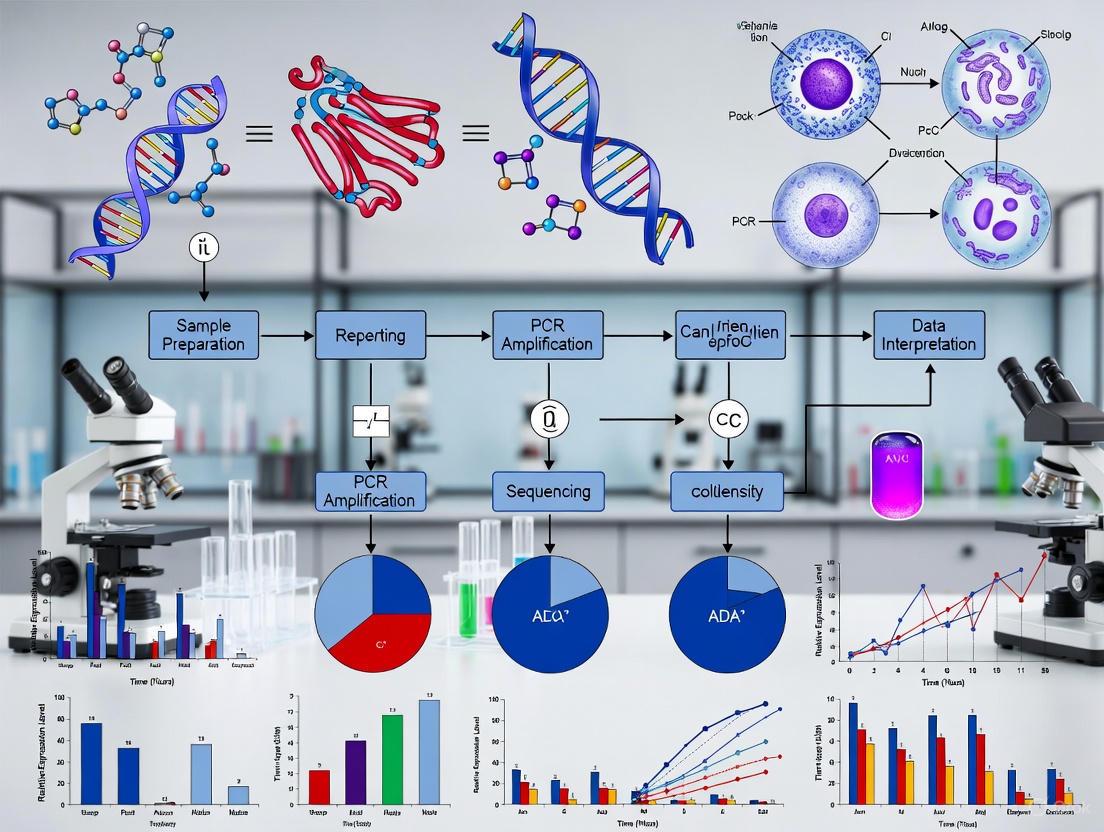
This article provides a comprehensive analysis for researchers and drug development professionals on the critical correlation between insect cell and nematode-based Wolbachia assays.
Bridging the Divide: Correlating Insect Cell and Nematode Wolbachia Assays for Therapeutic Discovery
Abstract
This article provides a comprehensive analysis for researchers and drug development professionals on the critical correlation between insect cell and nematode-based Wolbachia assays. It explores the foundational biology of Wolbachia as an obligate symbiont in filarial nematodes and a manipulative endosymbiont in insects, establishing a comparative framework. The content details methodological approaches for high-throughput screening in insect cells and phenotypic evaluation in nematode models, addressing key challenges in assay translation and optimization. By synthesizing validation strategies and comparative data from recent studies, including drug efficacy findings, this resource aims to enhance the predictive power of preclinical models and accelerate the development of novel anti-Wolbachia therapies for neglected tropical diseases.
Decoding Dual Symbioses: The Foundational Biology of Wolbachia in Insects and Nematodes
Wolbachia pipientis is one of the most widespread intracellular bacteria on Earth, infecting approximately 50% of arthropod species and numerous filarial nematodes [1] [2]. Despite its phylogenetic uniformity, this bacterium has evolved remarkably divergent symbiotic relationships with its hosts, ranging from obligate mutualism to facultative parasitism. This comparative guide examines the fundamental distinctions in Wolbachia's biological roles between nematode and insect systems, providing researchers and drug development professionals with experimental data, methodologies, and analytical frameworks essential for advancing this field. Understanding these contrasting symbioses is crucial for developing targeted therapeutic interventions for filarial diseases and innovative biological control strategies for agricultural pests and disease vectors.
Defining the Symbiotic Spectrum inWolbachia-Host Relationships
Wolbachia exhibits a remarkable spectrum of symbiotic relationships across its host range, primarily characterized by obligate mutualism in nematodes and facultative interactions in insects. The table below summarizes the core distinctions between these symbiotic paradigms.
Table 1: Fundamental Characteristics of Wolbachia Symbiosis in Nematodes vs. Insects
| Characteristic | Nematodes (Obligate Mutualism) | Insects (Facultative Relationships) |
|---|---|---|
| Dependency | Essential for host development, fertility, and survival [3] [2] | Not essential for host survival; can be eliminated via antibiotics without host death [2] |
| Primary Phenotypes | Support of metabolic processes; nutritional supplementation [3] | Reproductive manipulations (CI, male-killing, feminization, parthenogenesis) [1] [2] |
| Transmission Patterns | Strict vertical transmission with co-speciation in filarial nematodes [2] | Vertical transmission with frequent horizontal transfer between species [1] |
| Genome Evolution | Drastically reduced genomes (0.96-1.1 Mb) [2] | Larger, more dynamic genomes (1.2-1.8 Mb) with abundant mobile elements [2] |
| Therapeutic Targeting | Promising drug target for anti-filarial treatments [3] [4] | Tool for population replacement/suppression in vector control [5] |
Wolbachiain Nematodes: An Obligate Mutualist
Functional Role and Experimental Evidence
In filarial nematodes such as Brugia malayi, Onchocerca volvulus, and Wuchereria bancrofti, Wolbachia functions as an essential mutualist, playing critical roles in host development, fertility, and overall survival. Antibiotic treatments that eliminate Wolbachia result in profound defects in nematode development, embryogenesis, and eventual worm death [3] [2]. The bacteria are particularly abundant in the hypodermal chords and germline tissues of these nematodes, where they likely provide essential metabolites [4].
Recent research has identified specialized Wolbachia-infected sheath cells in the ovaries of Brugia pahangi filarial nematodes, which may serve as reservoirs for bacterial persistence following antibiotic treatment [4]. These infected sheath cells dramatically increase in volume and contain dense clusters of Wolbachia with distinct morphological characteristics compared to those present in oocytes [4].
Key Experimental Approaches and Methodologies
Table 2: Experimental Models and Methodologies for Studying Obligate Wolbachia-Nematode Symbiosis
| Experimental Approach | Key Methodologies | Representative Findings |
|---|---|---|
| Antibiotic Treatment Trials | Doxycycline, rifampicin, Fexinidazole, Corallopyronin A administration; monitoring of worm viability and microfilariae production [4] | 4-6 week antibiotic courses eliminate Wolbachia, resulting in sterility and eventual death of adult worms [4] |
| Ultrastructural Analysis | Transmission Electron Microscopy (TEM) of nematode ovarian tissues [4] | Identification of Wolbachia-infected sheath cells with unique bacterial morphology and membrane-based channels connecting to oocytes [4] |
| Genomic Sequencing | Comparative genomics of nematode-infecting Wolbachia strains (e.g., wBm) [2] | Reduced genomes (≈1 Mb) lacking many metabolic pathways, suggesting metabolic complementarity with host [2] |
Wolbachiain Insects: A Facultative Reproductive Parasite
Diversity of Facultative Relationships
In contrast to its obligatory role in nematodes, Wolbachia exhibits predominantly facultative relationships with insect hosts, manipulating host reproduction to enhance its own maternal transmission through several well-characterized mechanisms:
- Cytoplasmic Incompatibility (CI): The most common phenotype, where infected males produce inviable offspring when mating with uninfected females or females harboring different Wolbachia strains [1] [6].
- Feminization: Genetic males develop as functional females in various lepidopteran and isopod species [1].
- Parthenogenesis Induction: Conversion of haploid males into diploid females in haplodiploid species, or development of unfertilized eggs into females [1].
- Male-Killing: Selective death of male embryos, providing fitness benefits to surviving infected female siblings [1].
Beyond reproductive manipulation, some insect-infecting Wolbachia strains provide additional benefits to their hosts, including nutritional supplementation in bed bugs [7] and pathogen protection in mosquitoes and Drosophila [7] [5].
Key Experimental Approaches and Methodologies
Table 3: Experimental Models and Methodologies for Studying Facultative Wolbachia-Insect Interactions
| Experimental Approach | Key Methodologies | Representative Findings |
|---|---|---|
| Population Manipulation | Microinjection for transinfection; cage trials; field releases [5] | Successful establishment of Wolbachia-infected Aedes aegypti populations with reduced arbovirus transmission capability [5] |
| Reproductive Phenotyping | Crosses between infected/uninfected individuals; embryo viability assays [6] | Identification of CI patterns and modification factors [6] |
| Multi-omics Analysis | Transcriptomics, metabolomics of infected vs. cured hosts [7] | Wolbachia infection alters expression of 1,477 genes in Drosophila larvae, impacting glutathione metabolism, mitochondrial function, and immune pathways [7] |
| Phage WO Studies | Prophage sequencing; gene expression analysis; transfection systems [2] | Identification of cif genes as effectors of cytoplasmic incompatibility [2] |
Genomic and Metabolic Basis of Symbiotic Divergence
The contrasting symbiotic relationships between Wolbachia and its hosts are reflected in profound genomic and metabolic differences. Mutualistic nematode-infecting strains (supergroups C and D) have undergone substantial genome reduction (0.96-1.1 Mb), typical of long-term obligate symbionts, while facultative arthropod-infecting strains (supergroups A and B) maintain larger genomes (1.2-1.8 Mb) with greater accessory gene content and abundant mobile genetic elements, including phage WO [2].
Wolbachia strains from plant-parasitic nematodes (PPNs) occupy an evolutionarily early-branching position (supergroup L) and display genomic features intermediate between mutualistic nematode strains and parasitic insect strains [8] [9]. These PPN strains lack genes for riboflavin and biotin biosynthesis but retain functional pathways for heme, lysine, and thiamine biosynthesis, suggesting a facultative mutualistic role potentially related to plant parasitism [8].
Visualization ofWolbachiaFunctional Relationships
The following diagram illustrates the contrasting relationships between Wolbachia and its nematode versus insect hosts, highlighting key functional differences and phenotypic outcomes.
The Scientist's Toolkit: Essential Research Reagents and Materials
Table 4: Key Research Reagents for Wolbachia Investigation Across Host Systems
| Reagent/Resource | Application | Function and Utility |
|---|---|---|
| Insect Cell Lines | In vitro culture of Wolbachia [6] | Enable Wolbachia propagation outside native host for genetic manipulation and high-titer infection studies |
| Antibiotic Compounds | Doxycycline, Rifampicin, Fexinidazole, Corallopyronin A [4] | Experimental elimination of Wolbachia to assess functional essentiality; therapeutic development |
| Phage WO Vectors | Genetic transformation systems [2] | Delivery of genetic material to Wolbachia for functional genomics and potential engineering |
| MLST Genotyping Panels | Strain classification and phylogenetic analysis [2] | Standardized classification of Wolbachia diversity across supergroups |
| Species-Specific Primers | PCR screening and diagnostics [8] | Detection of Wolbachia infection status; monitoring of field populations |
| Antibodies to Wolbachia Proteins | Immunofluorescence, Western blotting [4] | Visualization of tissue tropism; quantification of infection levels |
The divergent symbiotic relationships between Wolbachia and its hosts—obligate mutualism in nematodes versus facultative parasitism/mutualism in insects—represent a powerful natural experiment in symbiont evolution. These contrasting biological roles are reflected at genomic, metabolic, and phenotypic levels, offering rich opportunities for comparative research. For drug development professionals, targeting the essential Wolbachia-nematode symbiosis continues to yield promising anti-filarial therapeutics. Meanwhile, the manipulable nature of Wolbachia-insect relationships provides innovative approaches for controlling arthropod-borne diseases and agricultural pests. Future research integrating insights from both systems will continue to illuminate fundamental principles of host-symbiont coevolution while delivering practical applications for human health and agriculture.
The obligate intracellular bacterium Wolbachia pipientis has evolved sophisticated mechanisms to colonize diverse host organisms, primarily arthropods and filarial nematodes. These endosymbionts display a remarkable tropism for specific cellular niches that ensure their persistence and transmission across generations. While the effects of Wolbachia infection—ranging from reproductive manipulation to mutualistic symbiosis—have been extensively documented, the fundamental biological strategies these bacteria use to establish cellular reservoirs in different hosts reveal both conserved principles and host-specific adaptations. This review systematically compares the cellular niches and reservoirs that Wolbachia occupies in filarial nematodes versus insect hosts, with particular focus on sheath cells in nematodes and germline tissues in insects. Understanding these specialized microenvironments provides critical insights for drug development against filarial diseases and biocontrol applications against mosquito-borne pathogens.
2WolbachiaNiche Tropism in Filarial Nematodes
Sheath Cells as Privileged Reservoirs
In filarial nematodes, Wolbachia displays a sophisticated tropism for specialized ovarian cells known as sheath cells. Recent research on Brugia pahangi has revealed that these Wolbachia-infected sheath cells form dense bacterial clusters that occupy the entire cytoplasmic volume of the host cell, dramatically expanding its size [10]. These infected sheath cells share striking similarities with insect bacteriocytes—specialized host cells modified to provide a rich, safe environment for endosymbionts [10].
Table 1: Characteristics of Wolbachia-Infected Sheath Cells in Filarial Nematodes
| Feature | Description | Significance |
|---|---|---|
| Location | Peripheral ovary position, adjacent to distal tip cell | Positioned near germline stem cell niche [10] |
| Cellular Morphology | Dramatically enlarged cytoplasm with flattened, oblong nucleus | Similar to bacteriocytes in insect endosymbiotic systems [10] |
| Wolbachia Morphology | Smaller bacteria with electron-lucent inner matrices, not enclosed in vacuoles | Distinct from Wolbachia found in oocytes [10] |
| Membrane Specializations | Interdigitations and connecting structures with adjacent oocytes | Potential pathways for bacterial transfer to germline [10] |
| Antibiotic Resilience | Maintain cluster number, size, and density after rifampicin treatment | Potential source of bacterial recrudescence post-treatment [10] |
Developmental Origin and Cellular Architecture
The developmental origin of these Wolbachia reservoirs begins in nascent sheath cells located adjacent to the Distal Tip Cell (DTC), which serves as the niche for germline stem cells in nematodes [10]. Ultrastructural analyses using Transmission Electron Microscopy (TEM) reveal several remarkable features:
- Membrane interdigitations between infected sheath cells and adjacent oocytes suggest a potential direct pathway for bacterial transfer to the germline [10]
- Cytoskeletal-like projections extend from the ovarian rachis into surrounding oocytes, with Wolbachia observed within the rachis in proximity to these structures [10]
- The distinct morphology of sheath cell Wolbachia (smaller, without vacuoles) compared to those in oocytes suggests functional specialization of the bacteria in these different compartments [10]
This specialized cellular architecture positions sheath cells as privileged reservoirs that may facilitate bacterial persistence despite antibiotic treatments and enable vertical transmission to subsequent generations.
3WolbachiaColonization of Insect Germline Tissues
Germline Stem Cell Niche Tropism
In insect hosts, Wolbachia displays a different but equally sophisticated tropism for germline tissues. Research using Drosophila melanogaster as a model system has demonstrated that newly introduced Wolbachia cross multiple tissue barriers to infect the germline by specifically targeting the somatic stem cell niche in the germarium [11]. This strategic positioning ensures both efficient vertical transmission and persistent infection within insect populations.
In filarial nematodes, Wolbachia plays an even more fundamental role in germline development. Studies demonstrate that Wolbachia cell-autonomously stimulates germline proliferation in filarial nematodes, with this proliferation depending on both Wolbachia and the Notch signaling pathway [12]. Additionally, Wolbachia maintains the quiescence of a pool of germline stem cells, ensuring the proper developmental program to support the production of approximately 1,400 eggs per day for many years [12].
Tissue-Specific Density Patterns
In mosquitoes, particularly Aedes aegypti infected with the wAlbB strain for biocontrol purposes, Wolbachia densities follow distinct tissue-specific patterns:
- Reproductive tissues consistently show higher Wolbachia densities compared to somatic tissues [13]
- Ovaries and eggs demonstrate a strong positive correlation in bacterial densities, whereas other tissue relationships show little predictability [13]
- Male mosquitoes exhibit higher and more variable densities in reproductive tissues (testes) compared to females [13]
Table 2: Wolbachia Density Patterns in Artificially-Infected Aedes aegypti Mosquitoes
| Tissue Type | Relative Wolbachia Density | Cross-Tissue Correlation | Inheritance Pattern |
|---|---|---|---|
| Ovaries | High | Strong correlation with egg densities | Maternal transmission only |
| Eggs | High | Predictable from ovarian densities | Foundation for next generation |
| Testes | High and variable | Limited correlation with other tissues | No paternal transmission |
| Somatic Tissues | Lower than reproductive tissues | Little correlation with other tissues | Not involved in transmission |
| Carcass | Moderate | Weak correlation with other tissues | Varies between individuals |
These density patterns have practical implications for biocontrol applications, as Wolbachia densities may predict the strength of both cytoplasmic incompatibility and viral blocking effects [13].
Experimental Models and Methodologies
Approaches for Studying Nematode Wolbachia
Research on Wolbachia in filarial nematodes has employed several sophisticated methodological approaches:
- High-resolution microscopy: Confocal microscopy of ovaries stained with DAPI, Propidium Iodide, and fluorescently labeled Phalloidin to visualize host cells and Wolbachia simultaneously [10]
- Transmission Electron Microscopy (TEM): Ultrastructural analysis to examine bacterial morphology and host-pathogen interfaces at nanometer resolution [10]
- Drug screening assays: Testing compounds like Fexinidazole and Corallopyronin A that specifically target Wolbachia clusters in sheath cells [10]
The identification of Fexinidazole and Corallopyronin A as effective compounds against sheath cell Wolbachia clusters is particularly significant, as these showed a highly significant reduction (p < 0.0001) compared to control groups [10].
Insect Cell and Wolbachia Culture Systems
The study of Wolbachia from insect hosts has been facilitated by developing specialized culture systems:
- Insect cell line models: Aedes albopictus C6/36 cells persistently infected with Wolbachia strains like wAlbB [6] [14]
- Extracellular replication systems: Recently developed cell-free culture systems that support Wolbachia replication for up to 12 days when supplemented with insect cell membrane fractions and fetal bovine serum [14]
- Quantitative PCR methods: Methods to estimate relative Wolbachia densities across different tissues and generations [13]
These experimental systems have enabled researchers to investigate Wolbachia biology and host-symbiont interactions without the constant need for whole insect or nematode hosts, accelerating both basic research and applied applications.
The Scientist's Toolkit: Essential Research Reagents
Table 3: Key Research Reagents for Studying Wolbachia Cellular Niches
| Reagent/Cell Line | Application | Key Features | Reference |
|---|---|---|---|
| C6/36 Insect Cell Line | Wolbachia maintenance and propagation | Aedes albopictus cells supporting high Wolbachia densities | [6] [14] |
| wAlbB Wolbachia Strain | Mosquito biocontrol studies | Native to Ae. albopictus, provides strong pathogen blocking | [15] [13] |
| Fexinidazole | Anti-filarial drug screening | Significantly reduces Wolbachia clusters in sheath cells (p<0.0001) | [10] |
| Corallopyronin A | Anti-filarial drug screening | Targets Wolbachia in ovarian sheath cell reservoirs | [10] |
| DAPI/PI/Phalloidin Staining | Microscopy visualization | Simultaneously labels host nuclei, Wolbachia, and actin cytoskeleton | [10] |
| Cell-free Culture System | Extracellular Wolbachia studies | Supports replication for 12 days with insect cell membrane fractions | [14] |
Conceptual Diagrams of Wolbachia Niches
Wolbachia Niche Colonization Pathway
Wolbachia Colonization Pathways in Nematodes vs Insects
Nematode Sheath Cell Architecture
Cellular Architecture of Nematode Sheath Cell Wolbachia Reservoir
Implications for Drug Development and Biological Control
The comparative analysis of Wolbachia cellular niches in nematodes versus insects reveals critical implications for both medical and public health applications.
Anti-Filarial Drug Development
The discovery of sheath cells as privileged reservoirs in filarial nematodes explains why some antibiotic treatments show limited long-term efficacy. The distinct morphology and antibiotic resilience of Wolbachia within these sheath cells [10] suggests that these reservoirs may serve as sources of bacterial recrudescence after treatment cessation. This understanding underscores the need for:
- Drug combinations that target both actively dividing and quiescent bacterial populations
- Compounds like Fexinidazole and Corallopyronin A that show efficacy against sheath cell clusters [10]
- Treatment regimens of sufficient duration to address bacterial reservoirs with slow replication rates
Mosquito Biocontrol Applications
In mosquito biocontrol, understanding the germline tropism and density relationships between ovaries and eggs [13] helps optimize release strategies for Wolbachia-infected mosquitoes. The strong correlation between ovarian and egg Wolbachia densities supports the selection of females with high ovarian densities for breeding programs, potentially enhancing both maternal transmission and viral blocking effects.
Wolbachia has evolved both conserved strategies and host-specific adaptations for colonizing cellular niches across different host organisms. The comparison between nematode sheath cells and insect germlines reveals that Wolbachia consistently targets stem cell niches and reproductive tissues to ensure vertical transmission, though the specific cellular mechanisms differ substantially. In nematodes, Wolbachia forms specialized, resilient reservoirs in sheath cells that support both bacterial persistence and host reproduction [12] [10]. In insects, the bacteria colonize germline stem cell niches to manipulate host reproduction and facilitate spread through populations [11].
These insights not only advance our fundamental understanding of host-symbiont interactions but also provide practical guidance for developing improved anti-filarial therapies and enhancing mosquito biocontrol programs. Future research should focus on elucidating the molecular mechanisms governing Wolbachia tropism for these specialized niches and developing interventions that specifically disrupt these strategic reservoirs.
Wolbachia pipientis is an obligate intracellular bacterium that forms symbiotic relationships with a vast range of invertebrates, including an estimated 40-65% of all insect species and numerous filarial nematodes [16] [17] [18]. This broad host range has positioned Wolbachia at the forefront of two distinct therapeutic strategies: first, as a direct drug target for eliminating parasitic filarial infections in humans, and second, as a biological control agent against mosquito-borne viral diseases [16] [19] [20]. In filarial nematodes that cause diseases such as onchocerciasis (river blindness) and lymphatic filariasis (elephantiasis), Wolbachia acts as an essential endosymbiont, providing critical metabolites and supporting key physiological processes like development, fertility, and survival of the worms [16] [21] [22]. Conversely, when introduced into mosquito vectors like Aedes aegypti, Wolbachia exhibits pathogen-blocking properties, reducing the mosquitoes' capacity to transmit arboviruses including dengue, Zika, chikungunya, and yellow fever [19] [20] [17]. This guide provides a comparative analysis of the rationale, experimental data, and methodologies underlying these two applications, framed within the context of the correlation between insect cell and nematode Wolbachia research.
The Rationale for Targeting Wolbachia in Filarial Diseases
Essential Symbiont in Filarial Nematodes
In filarial nematodes, Wolbachia exists in an obligate mutualistic relationship, unlike its often facultative association in arthropods. Research demonstrates that clearing Wolbachia from filarial parasites via antibiotic treatment results in profound detrimental effects on the worms, including embryogenesis arrest, reduced fertility, and eventual macrofilaricidal activity (death of adult worms) [16] [21] [22]. This essentiality provides the fundamental rationale for targeting Wolbachia to cure the parasitic infections. The table below summarizes the key filarial nematodes known to harbor Wolbachia and the associated human diseases.
Table 1: Key Filarial Nematodes, their Wolbachia Symbionts, and Associated Diseases
| Filarial Nematode | Human Disease | Role of Wolbachia | Primary Geographical Distribution |
|---|---|---|---|
| Onchocerca volvulus | Onchocerciasis (River Blindness) | Essential for development, fertility, and survival [16] [22] | Sub-Saharan Africa, small foci in South America and Yemen [16] |
| Wuchereria bancrofti | Lymphatic Filariasis (Elephantiasis) | Essential for development, fertility, and survival [16] [21] | Tropics in Asia, Africa, Pacific, and Americas [16] |
| Brugia malayi | Lymphatic Filariasis (Elephantiasis) | Essential for development, fertility, and survival [16] [21] | South and Southeast Asia [16] |
Anti-Wolbachial Drug Discovery and Target Identification
The proof-of-concept for anti-Wolbachial therapy was established using the tetracycline antibiotic doxycycline [16]. However, long treatment durations (4-6 weeks) and contraindications for children and pregnant women limit its utility in mass drug administration (MDA) campaigns [16]. This has driven the search for superior anti-Wolbachial drugs with abbreviated treatment schedules. The Anti-Wolbachia Consortium (A-WOL) has been instrumental in pioneering high-throughput screening (HTS) approaches to identify novel compounds [16].
A parallel strategy involves the systematic identification of essential Wolbachia proteins as potential therapeutic targets. Computational proteome-subtractive analyses have been employed to identify Wolbachia proteins that are: a) non-homologous to human proteins (to minimize off-target effects), and b) essential for bacterial survival [21]. These studies have identified several dozen potential drug targets, including proteins involved in haem biosynthesis, a pathway retained even in the most highly reduced Wolbachia genomes [23] [21].
Table 2: Key Experimental Data: Anti-Wolbachial Therapy in Filarial Nematodes
| Model System | Treatment / Intervention | Key Experimental Findings | Source |
|---|---|---|---|
| Onchocerca volvulus (Human trial) | Doxycycline (4-6 weeks) | Proof-of-concept; resulted in permanent sterilization of adult worms and macrofilaricidal activity. | [16] |
| Brugia malayi (in vitro & rodent models) | High-Throughput Screening (HTS) of compound libraries | Identification of novel chemical series (e.g., Tylosin) with superior activity and faster kinetics than doxycycline. | [16] |
| Wolbachia of B. malayi (wBm) | Proteome subtractive analysis & druggability assessment | Identification of 119 potential drug/vaccine targets; several targets (e.g., in haem synthesis) flagged as high-priority. | [21] |
Core Experimental Workflow: Anti-Wolbachial Drug/Target Discovery
The following diagram illustrates the integrated multi-step workflow used in the discovery and validation of anti-Wolbachial drugs and targets, combining computational and empirical approaches.
Diagram Title: Workflow for Anti-Wolbachial Drug and Target Discovery
The Rationale for Wolbachia in Vector Control
Pathogen Blocking and Population Suppression/Replacement
In mosquito vectors, the introduction of Wolbachia (typically non-native strains) exerts its protective effect through two primary mechanisms: Pathogen Blocking and Population Replacement/Suppression [19] [20] [17]. Pathogen blocking refers to the phenomenon where Wolbachia infection in mosquitoes inhibits the replication of arboviruses like dengue, thereby reducing the viral load below the transmission threshold. The molecular basis for this is complex and involves activation of the mosquito's innate immune pathways (Toll, IMD, JAK/STAT), competition for essential cellular resources like lipids, and induction of reactive oxygen species (ROS) [17]. Population replacement is achieved by releasing both male and female mosquitoes carrying Wolbachia. The bacterium induces cytoplasmic incompatibility (CI), which gives infected females a reproductive advantage, allowing the Wolbachia strain to spread through the wild mosquito population over generations, providing a self-sustaining, area-wide intervention [19] [20].
Field Efficacy and Supporting Data
The efficacy of the Wolbachia-based vector control method has been demonstrated in multiple randomized and non-randomized field deployments across the globe. The World Mosquito Program (WMP) has reported significant reductions in the incidence of dengue and other arboviral diseases in areas where Wolbachia-carrying mosquitoes have been established [20]. The table below summarizes key field trial results.
Table 3: Key Experimental Data: Efficacy of Wolbachia in Mosquito Vector Control
| Location | Wolbachia Strain | Key Findings | Source |
|---|---|---|---|
| Yogyakarta, Indonesia | wMel | 77% reduction in dengue incidence; 86% reduction in dengue hospitalizations in a randomized controlled trial. | [20] |
| Niterói, Brazil | wMel | Once a high-incidence city for dengue, now reports among the lowest case numbers in Rio State following releases. | [20] |
| Aburrá Valley, Colombia | wMel | Successful deployment protecting over 3.5 million people from dengue and other arboviruses. | [20] |
Core Mechanism: Wolbachia-Mediated Pathogen Blocking in Mosquitoes
The following diagram outlines the primary cellular and immune mechanisms by which Wolbachia is understood to block arboviral pathogens in mosquito cells.
Diagram Title: Wolbachia-Mediated Pathogen Blocking Mechanisms in Mosquitoes
Correlation Between Insect and Nematode Wolbachia Research
A pivotal theme in Wolbachia biology is the correlation and translational potential between research conducted in insect systems and that in nematode systems. Insights from both fields are mutually informative, particularly in understanding the fundamental nature of the host-symbiont interaction.
Genomic Reduction and Essential Pathways: Studies on the highly reduced genome (550 kb) of Wolbachia in the nematode Howardula (wHow) revealed the retention of the complete haem biosynthesis pathway, suggesting haem provisioning is a critical, conserved function of Wolbachia in nematodes [23]. This mirrors the nutrient-provisioning role observed in some insect Wolbachia associations, such as in bedbugs, where it provides B vitamins [23].
Maternal Transmission Dynamics: Research on the thermal sensitivity of maternal transmission in Drosophila melanogaster (wMel) directly informed deployment strategies in Aedes aegypti mosquitoes, as the same strain was used for transinfection [24]. Identifying Wolbachia strains with stable transmission across variable environmental conditions is a shared goal for both vector control and understanding symbiont ecology in nematodes [24].
Cellular Localization and Density: The correlation between Wolbachia density in host tissues (particularly the ovaries), its localization at the germline (posterior pole plasm in oocytes), and perfect maternal transmission was established in insect models like Drosophila [24]. This cellular understanding of transmission is a fundamental principle that underpins the population replacement strategy in mosquitoes and is equally relevant to the persistence of Wolbachia in filarial nematode populations.
The Scientist's Toolkit: Key Research Reagents and Materials
Table 4: Essential Research Reagents and Materials for Wolbachia Studies
| Reagent / Material | Function / Application | Field of Use |
|---|---|---|
| Doxycycline | A tetracycline antibiotic; used as a gold-standard reference compound in anti-Wolbachia studies in vitro and in vivo. | Filarial Disease Research [16] |
| Specific Primers for 16S rRNA, wsp, ftsZ genes | For PCR-based detection, strain identification, and phylogenetic placement of diverse Wolbachia strains. | Both Fields [23] [25] |
| Fluorescence In Situ Hybridization (FISH) Probes | For visual localization and quantification of Wolbachia within host tissues (e.g., ovaries, nematode hypodermis) using fluorescently-labeled oligonucleotide probes. | Both Fields [24] [25] |
| wMel-infected Ae. aegypti Mosquito Line | A key biological reagent for studying pathogen blocking mechanisms and for mass rearing and release in vector control programs. | Vector Control [20] [17] |
| Brugia malayi Infected Rodent Model | A standard in vivo model for screening the macrofilaricidal and sterilizing efficacy of anti-Wolbachia compounds. | Filarial Disease Research [16] |
| Database of Essential Genes (DEG) | A computational resource used for in silico prediction of essential bacterial genes for potential drug target identification. | Filarial Disease Research [21] |
| Anti-Wolbachia Compound Libraries | Collections of hit compounds identified from high-throughput phenotypic screens against Wolbachia in insect cell lines. | Filarial Disease Research [16] |
Wolbachia represents a unique and powerful therapeutic target with a dual rationale in global health. In filarial diseases, targeting the essential nematode endosymbiont with novel anti-Wolbachial drugs offers a path to macrofilaricidal cures, addressing a critical limitation of current treatments. In vector control, the strategic deployment of Wolbachia-infected mosquitoes leverages the symbiont's pathogen-blocking and reproductive manipulation properties to create a sustainable barrier against arboviral transmission. The continued convergence of research on Wolbachia in insect and nematode systems—spanning genomics, cellular biology, and ecology—will undoubtedly refine these strategies and unlock new frontiers in the control of parasitic and vector-borne diseases.
Wolbachia pipientis, an obligate intracellular gram-negative bacterium, exhibits a remarkable spectrum of endosymbiotic relationships, from parasitism in arthropods to obligatory mutualism in onchocercid nematodes [26]. The phenotypic expression of Wolbachia—whether replicating actively or existing in a quiescent state—varies significantly across different host organisms and experimental assay systems. This phenotypic variation directly impacts the design, interpretation, and translational application of research findings, particularly in drug development and biological control strategies [27] [28].
Understanding the correlation between insect cell and nematode Wolbachia assays is crucial for researchers developing anti-filarial treatments and arbovirus control strategies. While nematode-infecting Wolbachia strains primarily function as obligate mutualists, providing essential metabolites and supporting host development, embryogenesis, and survival, arthropod-infecting strains often act as reproductive parasites, manipulating host reproduction through mechanisms like cytoplasmic incompatibility, male killing, feminization, and parthenogenesis [26]. This fundamental difference in symbiotic relationship directly influences bacterial phenotype, density, and metabolic activity across assay systems, creating challenges for comparative studies and therapeutic development.
Comparative Analysis of Wolbachia-Host Relationships
Table 1: Fundamental Divergence in Wolbachia-Host Relationships Between Assay Systems
| Characteristic | Nematode Systems (C, D, J, F Supergroups) | Arthropod Systems (A, B Supergroups) |
|---|---|---|
| Symbiotic Nature | Obligate mutualism | Reproductive parasitism to facultative mutualism |
| Phenotypic Influence | Essential for host development, embryogenesis, moulting, and survival [26] | Host reproductive manipulation (CI, male-killing, feminization) [29] [26] |
| Metabolic Interdependence | High - nutritional complementation (e.g., heme biosynthesis, riboflavin) [30] [28] | Variable - primarily parasitic, though some strains provide pathogen protection [31] |
| Transmission Patterns | Strict vertical transmission with host co-evolution [26] | Vertical transmission with frequent horizontal transfer and host switching [26] |
| Therapeutic Targeting | Antibiotic elimination compromises nematode survival [28] [26] | Pathogen blocking for arbovirus control [32] [33] |
Table 2: Phenotypic Expression of Key Wolbachia Strains in Different Assay Contexts
| Wolbachia Strain | Original Host | Experimental System | Phenotypic Expression | Key Quantitative Findings |
|---|---|---|---|---|
| wAlbB | Aedes albopictus [27] | Aedes aegypti transinfection | Density-dependent virus blocking, CI, thermal tolerance [27] [32] | 40-80% reduction in dengue incidence in field trials [31]; stable at high temperatures with complete CI [32] |
| wPpe | Pratylenchus penetrans [28] | Plant-parasitic nematode system | Mutualistic, nutritional support | Located at root of Wolbachia phylogeny; potential role in heme/iron homeostasis [30] [28] |
| wBol1Y | Hypolimnas bolina butterfly [29] | Lepidopteran system | Male-killing with feminization of sex determination | Novel prophage-associated mechanism resistant to host suppression [29] |
| wAu | Drosophila simulans [34] | Drosophila system | Pathogen protection without CI ("mod- resc-") | Genome comparison revealed disrupted CI candidate genes [34] |
| wMel | Drosophila melanogaster [32] | Aedes aegypti transinfection | Strong virus blocking, CI, but heat-sensitive [32] [35] | Reduced density and maternal transmission at temperatures >35°C [31] |
Molecular Mechanisms Underlying Phenotypic Diversity
Genomic Architecture and Prophage Elements
The genomic plasticity of Wolbachia significantly influences its phenotypic expression across assay systems. Comparative genomics of wAlbB variants revealed striking differences in genome architecture, with eight major chromosomal breakpoints between wAlbB-Hou and wAlbB-Uju variants, always located near repeat elements (transposases, reverse transcriptases, and related pseudogenes), suggesting these regions have driven genome rearrangement [27]. These structural variations correlate with differences in wAlbB density and tolerance to heat stress, suggesting distinct variants may be better suited for specific environmental conditions [27].
Prophage regions represent another major source of genomic variation affecting phenotype. The wAlbB-Uju genome contains three incomplete WO prophage regions, with structural modules split between different regions, suggesting no active phage replication [27]. Essential genes for phage head, tail, and baseplate are missing, indicating impaired phage particle production [27]. These prophage regions house two pairs of cytoplasmic incompatibility factor (cif) genes—key determinants of reproductive phenotype—with one pair related to type III cif homologs and the other to type IV homologs [27].
Recent research on the male-killing Wolbachia strain wBol1Y in Hypolimnas bolina butterflies revealed that an additional prophage element underlies its ability to avoid host suppression systems [29]. The gene Hb-oscar—located on wBol1Y's unique prophage insert—was sufficient to disrupt the male sex determination pathway, demonstrating how prophage acquisition can drive phenotypic evolution within a host species [29].
Metabolic Basis of Symbiotic Relationships
The metabolic capabilities of Wolbachia strains significantly influence their phenotypic expression across assay systems. In nematode systems, Wolbachia often functions as a nutritional mutualist, with conservation of iron metabolism genes across Wolbachia strains suggesting iron homeostasis as a potential factor in its success [28]. Genomic analyses of plant-parasitic nematode Wolbachia strains suggest a potential facultative nutritional mutualism, particularly in iron/heme biosynthesis [30].
In arthropod systems, the lipid transport and metabolism pathways have been implicated in Wolbachia-mediated pathogen blocking. In wMel and wMelPop-infected Aedes aegypti cells, increased sequestration of cholesterol into lipid droplets correlates with antiviral activity [31]. Treatment with cyclodextrin 2HPCD released stored cholesterol and caused partial recovery of DENV replication, demonstrating the importance of lipid metabolism in the antiviral phenotype [31].
Diagram 1: Molecular Mechanisms Driving Wolbachia Phenotypic Diversity in Different Assay Systems. The diagram illustrates how genomic variation, including prophage elements and cytoplasmic incompatibility factors (Cifs), influences distinct phenotypic outcomes in arthropod versus nematode systems.
Experimental Assay Systems: Methodologies and Applications
Insect Cell Culture and Transinfection Assays
Insect cell transinfection assays represent a crucial methodology for studying replicating Wolbachia phenotypes. The process typically begins with embryonic microinjection of Wolbachia into recipient species, followed by stabilization of the infection over multiple generations [32]. For example, the wAlbBQ transinfection was generated in Aedes aegypti through cytoplasm transfer and showed stable transmission by the third generation, despite initial low infection frequencies in F0 adults [32].
Protocol: Wolbachia Cell Culture Isolation and Microinjection
- Source Wolbachia from donor species (e.g., Aedes albopictus for wAlbB) through ovary dissection or established infected cell lines
- Prepare embryo homogenate from infected donors in sterile microinjection buffer
- Microinject approximately 2-4 nL of homogenate into pre-blastoderm embryos of recipient species using precision injection systems
- Screen surviving adults (F0) for Wolbachia infection via PCR targeting specific markers (e.g., wsp, FtsZ)
- Cross infected F0 females with males from recipient species and test F1 offspring for maternal transmission
- Stabilize infection through multiple generations, selecting lines with high infection frequency and density [32] [35]
Recent methodological advances include using cultured insect cell lines to obtain Wolbachia genomic DNA for sequencing, bypassing the need for large-scale insect rearing. This approach has been validated through comparison with sequences from native hosts, showing minimal genetic differences [34]. The use of Pacific Biosciences RS II platform sequencing with long reads has facilitated assembly through genomic repeats, overcoming previous challenges with Wolbachia's repetitive genome architecture [34].
Nematode Assay Systems
Nematode Wolbachia assays present distinct methodological challenges due to the obligate mutualistic relationship. Research on plant-parasitic nematodes like Pratylenchus penetrans and Heterodera schachtii has revealed novel Wolbachia strains at the root of Wolbachia phylogeny, informing evolutionary history [30] [28].
Protocol: Fluorescence In Situ Hybridization (FISH) for Nematode Wolbachia Localization
- Fix nematode specimens in appropriate fixative (e.g., 4% paraformaldehyde)
- Permeabilize tissues using proteinase K treatment to allow probe penetration
- Design and label Wolbachia-specific oligonucleotide probes targeting 16S rRNA with fluorescent markers (e.g., Cy3, FITC)
- Hybridize probes to target sequences under optimized temperature and buffer conditions
- Counterstain tissues with DAPI for nuclear visualization
- Visualize using confocal microscopy to localize Wolbachia cells within nematode tissues [28]
This methodology has confirmed the presence of Wolbachia throughout nematode tissues, with distinct distribution patterns. In Pratylenchus penetrans, bacterial cells appear less densely packed in the pharynx and head, more densely packed from the anterior intestine to the tail, and most dense in the ovaries where they associate with oocytes and developing eggs [28]. This tissue-specific distribution correlates with functional roles in host reproduction and development.
Phenotypic and Fitness Assays
Comparative fitness assays are essential for quantifying Wolbachia phenotypic effects across different host backgrounds. These typically measure life history traits including fecundity, fertility, adult longevity, stress tolerance, and cytoplasmic incompatibility strength [32].
Protocol: Assessing Wolbachia Effects on Host Fitness Across Generations
- Establish replicate populations with controlled Wolbachia infection status and genetic background through backcrossing
- Measure egg hatch rates following single-pair or mass matings to quantify cytoplasmic incompatibility
- Assess maternal transmission fidelity by testing progeny from infected females for Wolbachia
- Quantify reproductive output through daily fecundity counts and egg viability measurements
- Evaluate stress tolerance using thermal challenge assays (e.g., exposure to 37°C for specific durations)
- Monitor population dynamics in cage trials under controlled environmental conditions [32] [35]
These assays have revealed that wAlbB infection remains stable across different mosquito genetic backgrounds, with no significant interactions between Wolbachia infection and nuclear background for any measured trait [32]. However, extended egg quiescence can dramatically impact phenotypic expression, with stored wAlbB-infected eggs showing reduced adult fertility and altered biting behavior [35].
Diagram 2: Integrated Experimental Workflow for Studying Replicating vs. Quiescent Wolbachia Phenotypes. The diagram outlines the relationship between different assay systems and their associated phenotypic outputs, highlighting how extended quiescence can shift phenotypes from replicating to quiescent states.
The Scientist's Toolkit: Essential Research Reagents and Solutions
Table 3: Essential Research Reagents for Wolbachia Phenotypic Studies
| Reagent/Category | Specific Examples | Research Application | Technical Function |
|---|---|---|---|
| Molecular Detection | 16S rRNA, FtsZ, groEL, gltA, coxA, wsp gene primers [26] | Strain identification, phylogenetic analysis | PCR amplification and sequencing of conserved and variable Wolbachia markers |
| Cell Culture Systems | Aa23 (Aedes albopictus), C6/36 (Aedes albopictus) cell lines [27] [34] | Wolbachia propagation, transinfection studies | Provide cellular environment for Wolbachia maintenance and replication ex vivo |
| Visualization Reagents | Wolbachia-specific FISH probes, DAPI, anti-Wolbachia antibodies [28] | Localization and density quantification in hosts | Enable microscopic visualization and spatial distribution analysis of Wolbachia |
| Sequencing Technologies | Pacific Biosciences RS II, Illumina platforms [34] | Whole genome sequencing, comparative genomics | Generate complete genome assemblies despite repetitive elements and host contamination |
| Insect Rearing | Specific host species (Aedes aegypti, Drosophila), artificial blood feeding systems [32] [35] | Fitness assays, transmission studies, population modeling | Maintain controlled insect populations for phenotypic and transmission experiments |
Implications for Therapeutic Development and Biological Control
The phenotypic balance between replicating and quiescent Wolbachia populations has profound implications for therapeutic development. In filarial disease treatment, antibiotic regimens targeting the essential mutualistic Wolbachia in onchocercid nematodes have shown remarkable success, precisely because these bacterial populations are metabolically active and susceptible to disruption [26]. Doxycycline treatment against Wolbachia in filarial nematodes can lead to worm sterility and death, providing a powerful therapeutic approach [28] [26].
In arbovirus control programs, the stability of Wolbachia's pathogen-blocking phenotype is essential for long-term success. Field experiments have demonstrated that introducing Wolbachia-infected mosquitoes can effectively reduce mosquito populations and lower dengue transmission rates [33]. The wAlbB strain has shown particular promise in hot climates, maintaining higher density and more stable virus blocking under elevated temperatures compared to wMel [27] [32].
However, environmental factors can significantly impact phenotypic expression. Extended egg quiescence in Wolbachia-infected Aedes aegypti leads to reduced fertility and altered feeding behavior, with infertile females demonstrating increased probing frequency [35]. This behavioral shift has important implications for disease transmission dynamics, as these infertile mosquitoes exhibit higher dengue virus prevalence and loads in their salivary glands, potentially counteracting some of Wolbachia's blocking effects [35].
The evolutionary potential of Wolbachia also warrants consideration in therapeutic applications. Recent evidence of arms races between male-killing Wolbachia and host suppression mechanisms demonstrates the dynamic coevolutionary relationships that can develop [29]. Similarly, the genomic stability of transinfected strains like wAlbBQ—showing minimal genetic changes after more than 15 years in a novel host—provides encouraging evidence for the long-term stability of deliberately introduced Wolbachia phenotypes [32].
The complex interplay between replicating and quiescent Wolbachia populations across different assay systems highlights both challenges and opportunities for therapeutic development. The correlation between insect cell and nematode Wolbachia assays reveals conserved biological patterns despite divergent symbiotic relationships, particularly in metabolic pathways related to iron homeostasis and nutrient provisioning [30] [28]. These conserved elements may represent promising targets for broad-spectrum interventions.
Future research directions should prioritize integrated experimental approaches that bridge traditional disciplinary boundaries between nematode and arthropod Wolbachia research. Developing standardized assays for quantifying the transition between replicating and quiescent states would significantly enhance our ability to predict Wolbachia behavior across biological contexts. Additionally, expanded comparative genomics incorporating the full diversity of Wolbachia strains, particularly from basal lineages in plant-parasitic nematodes, will provide essential evolutionary context for interpreting phenotypic variation [30] [28].
As Wolbachia-based interventions continue to expand for both human disease control and agricultural applications, understanding the factors influencing bacterial phenotype across assay systems will be essential for optimizing efficacy, predicting long-term stability, and identifying potential resistance mechanisms. The productive dialogue between basic research on Wolbachia biology and applied therapeutic development represents a powerful model for translational science with significant global health implications.
From Bench to Assay: Methodologies for High-Throughput Screening and Phenotypic Evaluation
Insect cell lines have emerged as indispensable tools in modern biological research, particularly in the fields of drug discovery and toxicology. These platforms offer a unique balance of physiological relevance and practical handling, providing a eukaryotic environment that is more tractable and cost-effective than mammalian systems [36]. The establishment of continuous insect cell cultures dates back to the mid-20th century, with Grace's pioneering work creating the first stable cell lines from the moth Antherea eucalypti [36] [37]. Since then, more than 1,200 insect cell lines have been established from over 170 species across eight insect orders, with Lepidoptera and Diptera representing the most common sources [36]. This diversity provides researchers with a rich toolkit for investigating cellular processes and compound effects in biologically relevant contexts.
The application of insect cell lines has expanded far beyond their initial use in virology to become central platforms for high-throughput screening (HTS) and mechanism of action (MoA) studies [36]. Their compatibility with advanced phenotypic screening technologies, such as Cell Painting, has positioned insect cells as powerful models for annotating the biological activities of chemical compounds, particularly insecticides [38]. Furthermore, the intrinsic connection between insect cell research and Wolbachia biology creates a natural bridge for investigating this important endosymbiont, which infects approximately 50% of all insect species and represents a promising target for controlling vector-borne diseases and parasitic infections [39]. This article comprehensively compares the performance of insect cell-based assays against alternative platforms, with specific emphasis on their applications in drug screening and MoA studies within the broader context of Wolbachia research.
Established Insect Cell Lines and Their Characteristics
The utility of insect cell-based assays depends significantly on selecting appropriate cell lines for specific research applications. Among the most widely used are Sf9, Sf21, and High Five cells, each with distinct characteristics and advantages. Sf9 cells, derived from Spodoptera frugiperda (fall armyworm) pupal ovarian tissue, demonstrate rapid growth rates and achieve high cell densities in serum-free suspension culture, making them particularly suitable for large-scale industrial applications [40]. The Sf21 cell line, also originating from S. frugiperda, shares similar characteristics but is often considered more robust for certain applications, with projected market growth reflecting its increasing adoption [40]. Hi-Five cells (BTI-Tn-5B1-4), derived from Trichoplusia ni (cabbage looper) egg tissue, excel in recombinant protein production, often yielding higher expression levels than other insect cell lines [36].
Table 1: Key Insect Cell Lines and Their Applications in Research and Bioproduction
| Cell Line | Species Origin | Tissue Origin | Key Features | Primary Applications |
|---|---|---|---|---|
| Sf9 | Spodoptera frugiperda (Fall armyworm) | Ovarian tissue | Rapid growth, high density suspension culture, serum-free adaptation | Recombinant protein production, vaccine manufacturing, HTS, MoA studies |
| Sf21 | Spodoptera frugiperda (Fall armyworm) | Ovarian tissue | Robust growth, adaptable to various culture conditions | Viral replication studies, recombinant protein expression, basic research |
| High Five | Trichoplusia ni (Cabbage looper) | Egg tissue | High recombinant protein yield, efficient post-translational modifications | Protein expression complex multi-subunit proteins, VLPs |
| S2 | Drosophila melanogaster (Fruit fly) | Embryonic tissue | Easy maintenance, plasmid transfection without viral vectors | Genetics studies, signaling pathway analysis, recombinant protein production |
More specialized insect cell lines have been developed to target specific tissues and physiological systems. Lines derived from midgut tissues, such as BCIRL-HzMG8 from Helicoverpa zea and BTI-TnMG1 from T. ni, provide valuable models for studying toxin absorption, metabolism, and host-pathogen interactions in the intestinal environment [36]. Similarly, cell lines established from the nervous system, including those from Drosophila melanogaster and Heliothis virescens, enable targeted investigation of neuroactive compounds and ion channel function, which is particularly valuable for understanding the mode of action of insecticides that target pest neural systems [36].
High-Throughput Screening Applications in Drug Discovery
Insect cell-based assays have proven particularly valuable in high-throughput screening campaigns, where they combine biological relevance with scalability and cost-effectiveness. The application of these platforms in antiviral drug discovery is exemplified by a robust HTS assay developed against Bluetongue virus (BTV), an important animal pathogen [41]. This cytopathic effect (CPE)-based assay demonstrated excellent performance metrics, including Z'-factors ≥0.70, indicating its suitability for high-throughput screening, and signal-to-background ratios ≥7.10, ensuring sufficient dynamic range for reliable hit identification [41].
Table 2: Key Performance Metrics of Insect Cell-Based HTS Assays
| Assay Parameter | Bluetongue Virus CPE Assay [41] | Conventional Mammalian Cell HTS | Advantage of Insect Cell System |
|---|---|---|---|
| Throughput | 384-well format | Typically 384-well format | Comparable throughput capacity |
| Assay Robustness (Z'-factor) | ≥0.70 | Variable (typically 0.5-0.7) | Excellent statistical reliability |
| Signal-to-Background Ratio | ≥7.10 | Variable | Strong signal detection |
| Cost per Well | Lower due to simpler media requirements | Higher | Significant cost reduction at scale |
| Screening Campaign Results | 693 hits from 194,950 compounds (0.36% hit rate) | Variable hit rates | Demonstrated screening utility |
The operational protocol for implementing insect cell-based HTS involves several optimized steps:
- Cell Plating: BSR cells (derived from baby hamster kidney cells) are plated at a density of 5,000 cells per well in 384-well plates using automated liquid handling systems [41].
- Compound Addition: Test compounds are delivered to assay plates at a final concentration of 10 μM in 0.1% DMSO using acoustic dispensing or pin tools [41].
- Virus Infection: Bluetongue virus stock is diluted to 5,000 TCID50/mL and added to compound-treated wells at a low multiplicity of infection (MOI=0.01) to ensure controlled infection progression [41].
- Incubation: Plates are incubated for 72 hours at 37°C with 5% CO2 and 80-95% humidity to allow for full development of cytopathic effects [41].
- Viability Assessment: Cell viability is quantified using the homogeneous CellTiter-Glo luminescent assay, which measures ATP content as a proxy for metabolic activity [41].
- Hit Identification: Compounds exhibiting >30% CPE inhibition are identified as primary hits, with subsequent dose-response characterization determining IC50 values [41].
This streamlined workflow enabled the successful screening of nearly 200,000 compounds, identifying 693 initial hits that were subsequently refined to 185 compounds with IC50 values ≤100 μM [41]. The confirmed hits included several structurally related clusters, suggesting specific structure-activity relationships that could guide further medicinal chemistry optimization.
Mechanism of Action Studies Using Cell Painting Technology
The application of Cell Painting technology to insect cell lines represents a significant advancement in mechanism of action studies, particularly for insecticides. This high-content, multiplexed imaging approach enables comprehensive characterization of cellular phenotypes by simultaneously staining multiple organelles and extracting thousands of morphological features [38]. The adaptation of Cell Painting to Sf9 insect cells has proven especially valuable for classifying compounds according to their primary modes of action.
Recent research has demonstrated that Sf9 cells respond with specific phenotypic profiles to various chemical treatments in a dose-dependent manner [38]. By employing a dimensionality-reduction method and hierarchical clustering analysis, researchers can calculate phenotypic IC50 values and assess similarity between the profiles induced by different compounds [38]. This approach has shown particular utility for classifying insecticides into major categories, including nerve & muscle targets, respiration inhibitors, and growth & development disruptors [38].
A critical innovation in this field is the implementation of time-resolved Cell Painting, which has revealed that earlier assessment timepoints (as short as 6 hours for Sf9 cells) often provide more robust and specific phenotypic fingerprints than the traditional 48-hour incubation [42]. These shorter exposures better capture primary cellular effects while minimizing secondary adaptive responses and downstream phenotypic alterations like cell death, thereby enabling more accurate MoA annotation [42].
Table 3: Cell Painting Experimental Protocol for Insect Cell MoA Studies
| Experimental Step | Key Parameters | Technical Considerations | Expected Outcomes |
|---|---|---|---|
| Cell Seeding | Sf9 cells in 384-well imaging plates | Optimize density for confluency at endpoint | Uniform cell distribution for imaging |
| Compound Treatment | Dose response (typically 8-10 concentrations) | Include controls for DMSO and cell health | Coverage of full phenotypic spectrum |
| Multiplexed Staining | 6 fluorescent dyes targeting: Mitochondria, ER, Nucleus, Golgi, Cytoplasm, F-actin | Validate staining specificity in insect cells | Comprehensive organelle morphology data |
| High-Content Imaging | Automated microscopy (20x-60x objectives) | Acquire sufficient fields for statistical power | 1,000+ morphological features per cell |
| Image Analysis | Segmentation and feature extraction | Adapt algorithms for insect cell morphology | Quantitative phenotypic profiles |
| Data Analysis | Dimensionality reduction, clustering | Compare to reference compound profiles | MoA classification and novelty assessment |
The experimental workflow for implementing Cell Painting in insect cells involves several key steps, beginning with cell seeding in 384-well imaging-compatible microplates. After treatment with test compounds across a range of concentrations, cells are fixed and stained with a multiplexed panel of fluorescent dyes targeting specific cellular compartments [38]. High-content imaging generates rich datasets that are processed through automated image analysis pipelines to extract quantitative morphological features. Subsequent bioinformatic analysis enables the construction of phenotypic profiles that serve as fingerprints for specific mechanisms of action [38].
Wolbachia Research in Insect Cell Systems
The study of Wolbachia pipientis in insect cell lines provides a compelling example of how these platforms enable research on intracellular symbionts with significant implications for human health. Wolbachia is a Gram-negative, obligate intracellular bacterium belonging to the Alphaproteobacteria class that naturally infects a remarkable range of invertebrate hosts, including approximately 50% of all insect species [39]. This bacterium is renowned for manipulating host reproduction through mechanisms such as cytoplasmic incompatibility (CI), but it has also gained attention as a potential tool for controlling mosquito-borne diseases and as a target for treating filarial worm infections [39].
Insect cell lines have proven invaluable for Wolbachia research because they provide a more permissive environment than natural host systems, enabling higher-density production of the bacterium for experimental manipulation [39]. When maintained in insect cell cultures, Wolbachia strains from supergroups A, B, and F retain their infectivity and reproductive phenotypes when transferred back into insect hosts, validating the biological relevance of the cell culture system [39]. This approach has facilitated fundamental studies on Wolbachia-host interactions and supports the development of Wolbachia-based vector control strategies.
The connection between insect cell assays and Wolbachia research is particularly evident in the development of the Incompatible Insect Technique (IIT) for mosquito control. This approach leverages the CI phenomenon induced by Wolbachia to suppress natural insect populations [43]. Recent comparative studies have evaluated the performance of Wolbachia-infected Aedes aegypti mosquitoes against irradiated sterile males, assessing key quality parameters including flight ability, sterility induction, mating competitiveness, and longevity [43]. These investigations demonstrated that both radiation-based sterilization and Wolbachia trans-infection effectively induce sterility in wild-type females, with Wolbachia-infected males showing somewhat superior mating competitiveness in some contexts [43].
Diagram 1: Integrated Workflow for Wolbachia Research Bridging Insect Cell Systems and Whole Insect Studies. The diagram illustrates how insect cell-based assays and whole insect studies complement each other in Wolbachia research, with cell systems enabling high-throughput compound screening and insect studies validating biological efficacy.
The integrated relationship between insect cell assays and whole organism Wolbachia research creates a powerful feedback loop for developing novel interventions. Cell-based systems facilitate rapid screening of anti-Wolbachia compounds and investigation of fundamental host-symbiont interactions, while whole insect studies validate the biological relevance of findings and support the development of field-applicable control strategies [39] [43]. This complementary approach accelerates the translation of basic research into practical applications for controlling vector-borne diseases and filarial infections.
Comparative Performance: Insect Cells vs. Alternative Platforms
When selecting an appropriate platform for drug screening or mechanism of action studies, researchers must consider the relative advantages and limitations of different expression systems. Insect cell lines occupy a strategic middle ground between the simplicity of prokaryotic systems and the full physiological relevance of mammalian cells.
Table 4: Comparative Analysis of Expression Systems for Drug Screening and Protein Production
| Parameter | Insect Cell Lines | E. coli | Mammalian Cells |
|---|---|---|---|
| Post-Translational Modifications | Moderate (core glycosylation) | None | Complex (human-like) |
| Production Cost | Moderate | Low | High |
| Production Timeline | 2-4 weeks (BEVS) | 1-2 weeks | 1-3 months |
| Throughput Capacity | High | High | Moderate |
| Scalability | Excellent in suspension | Excellent | Challenging |
| Glycosylation Pattern | Simple, paucomannose | N/A | Complex, human-like |
| Typical Yield | 1-500 mg/L | 10-5000 mg/L | 0.1-100 mg/L |
| Viral Vector Requirement | Often (BEVS) | No | Sometimes |
| Relevant Applications | VLPs, enzymes, MoA studies, HTS | Non-glycosylated proteins, peptides | Therapeutics requiring human PTMs |
The baculovirus expression vector system (BEVS) represents a particularly powerful implementation of insect cell technology, combining high protein yields with eukaryotic processing capabilities [44]. BEVS introduces foreign genes into insect cells via insect-specific baculoviruses, enabling high-level production of correctly folded recombinant proteins in a eukaryotic environment [44]. This system supports the production of a wide variety of proteins and offers several advantages over other expression methods, including inherent safety benefits since baculoviruses have a limited host range restricted to certain insects [44].
Recent advances in baculovirus-free systems based on plasmid transfection further expand the utility of insect cell platforms by simplifying the final product purification process and facilitating the development of stable monoclonal cell lines [37]. These systems are particularly valuable for producing recombinant proteins or protein complexes, especially virus-like particles (VLPs) used in vaccine development [37]. The demonstrated success of insect cell-derived vaccines, including Novavax's COVID-19 vaccine and GlaxoSmithKline's Cervarix HPV vaccine, underscores the clinical relevance and commercial viability of these platforms [44].
Essential Research Reagents and Methodologies
Implementing robust insect cell-based assays requires specific reagents and methodological approaches optimized for these unique platforms. The following toolkit outlines essential components for establishing insect cell culture and conducting screening campaigns:
Table 5: Essential Research Reagent Solutions for Insect Cell-Based Assays
| Reagent Category | Specific Examples | Function & Application | Technical Notes |
|---|---|---|---|
| Cell Lines | Sf9, Sf21, High Five, S2 | Platform for assay development and compound screening | Select based on application: Sf9 for HTS, High Five for protein production |
| Culture Media | Grace's Insect Medium, TC-100, SF-900 II SFM | Support cell growth and maintenance | Serum-free formulations preferred for consistency and downstream processing |
| Transfection Reagents | Cellfectin, FuGENE HD | Introduce nucleic acids for stable or transient expression | Optimize ratio for specific insect cell line |
| Viability Assays | CellTiter-Glo, MTT, Alamar Blue | Quantify cell health and compound cytotoxicity | Luminescent assays preferred for HTS compatibility |
| Viral Vectors | Baculovirus stocks (for BEVS) | Deliver genetic material for protein expression | Essential for high-level recombinant protein production |
| Detection Reagents | Fluorescent dyes (Cell Painting panel), luminescent substrates | Enable readout of cellular responses | Multiplexed panels for high-content screening |
| Antibiotics | Tetracycline, Rifampicin (Wolbachia studies) | Selective pressure, symbiont elimination | Antibiotic sensitivity varies by Wolbachia strain |
The methodology for maintaining Wolbachia in insect cell lines involves specific adaptations to standard cell culture practices. Researchers must optimize conditions to facilitate Wolbachia infection and replication in naïve host cells, including temperature, nutrient availability, and host cell density [39]. Progress in manipulating Wolbachia in vitro is enabling genetic and biochemical advances that support the eventual genetic engineering of this biological control agent [39]. The ability to maintain Wolbachia in cell culture provides a crucial tool for high-level production of infectious bacteria, supporting both basic research and applied pest control applications [39].
Diagram 2: High-Throughput Screening Workflow Using Insect Cell-Based Platforms. The diagram outlines the key stages in implementing insect cell-based HTS, from assay development through lead optimization, highlighting the integration of mechanism of action studies to inform compound prioritization.
The integration of artificial intelligence and computational technologies is further enhancing the performance of insect cell-culture systems, improving their attractiveness for large-scale production of biotherapeutics and vaccines [40]. AI-driven approaches are optimizing protein expression, cell culture conditions, and analytical methods, contributing to the growing market value of insect cell technologies, which is projected to reach USD 3.39 billion by 2034 [40].
Insect cell-based assays have evolved into sophisticated platforms that effectively bridge the gap between simple prokaryotic systems and complex mammalian models. Their demonstrated utility in high-throughput screening campaigns, mechanism of action studies using Cell Painting technology, and Wolbachia research underscores their versatility and biological relevance. The strong correlation between insect cell and nematode Wolbachia assays creates a powerful framework for investigating this important endosymbiont and developing novel interventions for vector-borne diseases and parasitic infections.
Future advances in insect cell technology will likely focus on enhancing the humanization of glycosylation patterns, improving scalability and productivity through bioprocess optimization, and developing more specialized cell lines targeting specific tissues and physiological processes [44] [37]. The continued integration of AI and machine learning approaches will further refine our ability to extract meaningful insights from complex phenotypic data, accelerating the annotation of compound mechanisms of action [40]. As these platforms mature, they will play an increasingly central role in the discovery and development of new therapeutic agents, particularly in the challenging areas of infectious diseases and vector control where the Wolbachia system offers unique opportunities for intervention.
The discovery and development of novel therapeutics for filarial nematode infections depend critically on the use of appropriate experimental models that can accurately predict clinical efficacy. These models span from free-living nematodes to surrogate parasites and human-pathogenic species, each offering distinct advantages and limitations for drug screening and target validation. Furthermore, the symbiotic relationship between filarial nematodes and Wolbachia bacteria introduces an additional layer of complexity, necessitating models that can address both nematode and bacterial targets simultaneously [6]. This guide provides a comprehensive comparison of current filarial nematode models and their associated experimental protocols, with particular emphasis on their application within the context of Wolbachia-nematode symbiosis research. We objectively evaluate the performance characteristics, throughput capabilities, and translational relevance of each model system to inform selection for specific research applications in anthelmintic discovery.
Experimental Protocols for Filarial Nematode Research
In Vivo RNAi Protocol for Gene Function Analysis in Brugia malayi
The in vivo RNAi protocol represents a significant advancement over traditional in vitro methods by utilizing the mosquito intermediate host as a natural delivery system for RNAi triggers to developing parasites.
Detailed Methodology:
- Infection Establishment: Maintain the B. malayi life cycle by infecting Aedes aegypti mosquitoes with L3 larvae through blood feeding.
- RNAi Trigger Preparation: Design and synthesize sequence-specific double-stranded RNA (dsRNA) or short interfering RNA (siRNA) targeting the gene of interest (e.g., Bm-cpl-1 cathepsin L-like cysteine protease).
- Delivery Method: Intrathoracically inject 150 ng of Cy3-labelled siRNA or dsRNA in physiologic saline into parasitized mosquitoes within 24 hours post-infection.
- Dissemination Validation: Track RNAi trigger distribution via fluorescence microscopy over 15 days post-injection to confirm systemic dispersion.
- Phenotypic Assessment: After 48 hours, assess gene suppression via semi-quantitative RT-PCR comparing target gene expression to internal reference genes (e.g., Bm-flp-14). Evaluate aberrant phenotypes including:
- Motility inhibition (up to 69% reduction)
- Growth retardation (48% inhibition)
- Developmental arrest preventing migration to mosquito head and proboscis
- Impact on parasite burden and mosquito survival [45]
Automated Phenotypic Screening Assay for Adult Brugia malayi and Microfilariae
The "BrugiaTracker" platform enables high-resolution, multi-parameter phenotypic screening of drug candidates against both adult worms and microfilariae.
Detailed Methodology:
- Parasite Preparation: Isolate adult B. malayi and microfilariae from infected hosts or in vitro cultures.
- Compound Exposure: Transfer individual adult worms or microfilariae to multi-well plates containing serial dilutions of test compounds (e.g., ivermectin, albendazole, fenbendazole).
- Video Capture: Record worm motility using high-resolution video microscopy under controlled environmental conditions.
- Adult Worm Analysis: Extract six key motility parameters using automated image processing:
- Centroid velocity (change in body centroid position over time)
- Path curvature (Menger curvature from three centroid coordinates)
- Angular velocity (change in body orientation over time)
- Eccentricity (ratio of major to minor axis of fitted ellipse)
- Extent (ratio of worm area to bounding box area)
- Euler Number (connected components minus holes in worm body)
- Microfilariae Analysis: Track body skeleton evolution using 74 midline key points to calculate:
- Positional data and bending angles at each key point
- Number of body bends
- Head, centroid, and tail velocities
- Data Processing: Batch process videos to generate dose-response curves and calculate IC50 values using nonlinear regression models [46]
WMicroTracker Motility Assay for High-Throughput Compound Screening
This automated, infrared-based motility assay enables high-throughput screening of compound libraries against both free-living and parasitic nematodes.
Detailed Methodology:
- Nematode Preparation: Synchronize C. elegans to L4 larval stage or prepare H. contortus L3 larvae.
- Assay Optimization: Determine optimal worm density (70 L4/well), DMSO concentration (1%), and assay volume (100 µL) to maximize dynamic range while maintaining compound solubility.
- Compound Dispensing: Spot 1 µL of test compounds (40 µM initial concentration) into clear, flat-bottomed 96-well polystyrene plates.
- Motility Measurement: Add approximately 70 L4 larvae in 100 µL S medium to each well. Measure motility every 20 minutes for 24 hours using WMicroTracker ONE, which detects movement via infrared light beam scattering.
- Hit Validation: Conduct dose-response assays (0.005-100 µM range) for hit compounds. Calculate EC50 values using nonlinear sigmoidal four-parameter logistic curve fitting in GraphPad Prism.
- Cytotoxicity Assessment: Counter-screen hits against mammalian cells (e.g., HEK293) using resazurin-based viability assays after 46-hour exposure to determine selectivity indices [47] [48]
Comparative Analysis of Filarial Nematode Models
Table 1: Comparative Performance of Filarial Nematode Models in Drug Discovery Applications
| Model Organism | Throughput Capacity | Key Readout Parameters | IC50 Values for Reference Compounds | Translational Relevance | Key Advantages | Key Limitations |
|---|---|---|---|---|---|---|
| Brugia malayi (in vivo RNAi) | Low | Gene suppression (83%), Motility inhibition (69%), Growth retardation (48%) | N/A | High (human pathogen) | Direct target validation in natural host environment | Low throughput, technically challenging, requires mosquito host |
| Brugia malayi (phenotypic) | Medium | Multi-parameter motility: centroid velocity, path curvature, angular velocity, eccentricity, extent, Euler Number | Ivermectin: 2.3-3.04 µM, Albendazole: 290.3-333.2 µM, Fenbendazole: 99-108.1 µM [46] | High (human pathogen) | Clinically relevant, captures complex phenotypes | Requires parasite source, moderate throughput |
| Surrogate Filariae (O. gutturosa, O. lienalis, L. sigmodontis) | Medium | Adult worm motility, microfilariae motility and development | Emodepside: stage- and species-dependent inhibition [49] [50] | Medium to High | Available source, enable stage-specific screening | Species-specific responses may not fully translate to human pathogens |
| Caenorhabd elegans | High | Motility inhibition, developmental arrest, viability | Flufenerim: 0.22 µM, Ivermectin: strain-dependent [47] [51] [48] | Medium | High throughput, genetic tools, low cost | Free-living, differences in pharmacology/biology from parasites |
| Haemonchus contortus | Medium to High | Larval motility, adult worm motility, migration inhibition | Moxidectin: potent against resistant isolates [48] | Medium (veterinary relevance) | Parasitic lifestyle, resistance monitoring applications | Not human-pathogenic, different tissue tropism |
Table 2: Quantitative Efficacy Data for Promising Anthelmintic Candidates Across Filarial Models
| Compound | Chemical Class | Model Organism | Efficacy (IC50) | Key Findings | Mammalian Cytotoxicity (CC50) |
|---|---|---|---|---|---|
| Emodepside | Cyclooctadepsipeptide | Multiple filarial species (B. malayi, O. gutturosa, L. sigmodontis) | Stage- and species-dependent motility inhibition [50] [52] | Broad-spectrum activity against all tested filarial stages; promising macrofilaricidal candidate | Not specified in studies |
| Flufenerim (MMV1794206) | Pyrimidine carboxamide | C. elegans | 0.22 µM (motility) [51] | Significant inhibition of H. contortus larval motility (IC50 = 18 µM) and development (IC50 = 1.2 µM); broad-spectrum potential | High toxicity (CC50 < 0.7 µM) [51] |
| Ivermectin | Macrocyclic lactone | C. elegans (IVR10 resistant strain) | 2.12-fold reduction in sensitivity vs wild-type [48] | Standard comparator; resistance detectable in laboratory-selected strains | Established clinical safety profile |
| Ivermectin | Macrocyclic lactone | B. malayi (adult phenotypic) | 2.3-3.04 µM (multi-parameter motility) [46] | Induces hyper-motility at lower concentrations; most potent of tested anthelmintics | Established clinical safety profile |
Integration with Wolbachia Research: A Critical Dimension
The obligate symbiotic relationship between filarial nematodes and Wolbachia bacteria represents both a therapeutic target and a complicating factor in anthelmintic discovery. Wolbachia, an intracellular alpha-proteobacterium found in many filarial nematode species, contributes to parasite development, reproduction, and long-term survival [6]. Research models must therefore accommodate this biological complexity.
Insect Cell Lines in Wolbachia Research: Insect cell lines provide a valuable tool for Wolbachia manipulation and study, enabling:
- High-level production of infectious bacteria for transinfection studies
- Investigation of Wolbachia-nematode interactions in controlled environments
- Development of genetic manipulation tools for this obligate intracellular bacterium
- Preliminary screening of anti-Wolbachia compounds without nematode host complexity [6]
The integration of Wolbachia targeting with direct anthelmintic approaches represents a promising strategy for filarial disease control, as evidenced by the use of doxycycline in human treatments. Research models that accommodate both nematode and symbiont are therefore essential for comprehensive drug discovery efforts.
The Scientist's Toolkit: Essential Research Reagent Solutions
Table 3: Key Research Reagents for Filarial Nematode Research
| Reagent/Technology | Application Function | Specific Examples | Experimental Considerations |
|---|---|---|---|
| WMicroTracker ONE | Automated motility assessment via infrared light beam scattering | High-throughput compound screening, resistance detection [47] [48] | Optimize worm density (70 L4/well), DMSO concentration (1%); enables continuous 24h monitoring |
| Global Health Priority Box | Curated compound library with known bioactivities | Source of chemical starting points for anthelmintic development [47] [51] | Contains 240 compounds with activity against various pathogens; provided gratis by Medicines for Malaria Venture |
| RNAi Triggers (dsRNA/siRNA) | Gene-specific suppression for target validation | Bm-cpl-1 suppression in B. malayi [45] | Effective delivery via mosquito host; concentration-dependent suppression (150 ng dose) |
| Insect Cell Lines | Wolbachia propagation and manipulation | Production of infectious Wolbachia for transinfection studies [6] | Provides permissive environment for intracellular bacteria; enables genetic manipulation |
| Surrogate Filarial Species | Preclinical efficacy assessment | O. gutturosa, O. lienalis, L. sigmodontis, B. pahangi [49] [50] | Bridge between C. elegans screening and human pathogen testing; species-specific responses vary |
Visualizing Experimental Workflows
Filarial Drug Screening Cascade
Multi-Parameter Phenotypic Assessment
The optimal selection of filarial nematode models depends fundamentally on research objectives, throughput requirements, and translational goals. For preliminary high-throughput screening, C. elegans offers unparalleled efficiency and genetic tractability, despite phylogenetic distance from human pathogens [53] [48]. For lead validation, surrogate filarial species provide important intermediate models that balance throughput with biological relevance [49] [50]. For final preclinical assessment, human-pathogenic species like B. malayi in sophisticated phenotypic assays deliver the highest predictive value for clinical success [46]. Throughout this cascade, consideration of Wolbachia symbiosis remains critical, as insect cell line-based assays can specifically address this bacterial component of filarial biology [6]. The integration of these complementary model systems, coupled with advanced phenotypic assessment technologies, creates a powerful framework for accelerating the discovery of novel therapeutics against filarial nematode infections.
The process of drug discovery is notoriously difficult and expensive, with estimates indicating that bringing a single new drug to market costs between $985 million to over $2 billion [54]. Computational drug discovery platforms offer the promise of reducing failure rates and increasing cost-effectiveness, but the proliferation of different benchmarking practices across publications has created a critical need for standardization [54]. For researchers working on Wolbachia, an intracellular bacterium that infects arthropods and filarial nematodes, this challenge is particularly acute. The Wolbachia endosymbiont has emerged as a promising target for controlling mosquito-borne diseases like dengue and Zika, as well for treating filarial diseases in humans, creating an urgent need for efficient drug discovery pipelines [6] [14]. Effective benchmarking strategies that account for the biological complexities of Wolbachia—including its divergent roles as a reproductive parasite in arthropods versus an obligate mutualist in nematodes—are essential for accelerating the development of anti-Wolbachia therapies [6] [14].
This guide provides a comprehensive framework for benchmarking compound libraries in Wolbachia research, with a specific focus on addressing the correlation between insect cell and nematode assay systems. We present standardized protocols, quantitative performance comparisons, and practical toolkits designed to enable cross-platform screening initiatives that can reliably predict compound activity across different Wolbachia-host systems.
Foundational Principles for Robust Benchmarking
Robust benchmarking begins with establishing a reliable ground truth mapping of drugs to their associated indications or targets. For Wolbachia research, this is complicated by the bacterium's diverse biological roles across different host organisms [6]. Researchers must carefully select their data sources, with public databases like ChEMBL, BindingDB, and PubChem providing massive amounts of compound activity data, though each with distinct characteristics and potential biases [55]. The Comparative Toxicogenomics Database (CTD) and Therapeutic Targets Database (TTD) are also valuable resources, though they may yield different performance outcomes even when assessing the same drug-indication associations [54].
Data splitting strategies are critical for meaningful benchmarking. K-fold cross-validation is commonly employed, but temporal splits (based on approval dates) or leave-one-out protocols may better simulate real-world discovery scenarios [54]. For Wolbachia research, strategic splitting should account for biological variables such as host species (insect vs. nematode), Wolbachia strain (supergroup A, B, F, etc.), and infection phenotype (CI-inducing vs. mutualistic) [6] [9].
Performance metrics must be carefully selected based on the specific screening context. The area under the receiver-operating characteristic curve (AUROC) and area under the precision-recall curve (AUPR) are widely used but have been questioned for their relevance to actual drug discovery decisions [54]. More interpretable metrics like recall, precision, and accuracy at specific threshold levels often provide more practical guidance for screening campaigns [54].
Assay Type Considerations: Virtual Screening vs. Lead Optimization
A critical distinction in compound screening is between virtual screening (VS) and lead optimization (LO) assays, which correspond to different stages of the drug discovery pipeline and exhibit distinct data characteristics [55]:
Table 1: Characteristics of Virtual Screening vs. Lead Optimization Assays
| Characteristic | Virtual Screening (VS) Assays | Lead Optimization (LO) Assays |
|---|---|---|
| Drug Discovery Stage | Hit identification | Hit-to-lead or lead optimization |
| Compound Distribution Pattern | Diffused and widespread | Aggregated and concentrated |
| Pairwise Compound Similarity | Relatively lower | Relatively higher |
| Typical Screening Context | Diverse compound libraries | Congeneric compound series |
| Primary Screening Goal | Identify initial active compounds | Optimize activity within a chemical series |
The CARA (Compound Activity benchmark for Real-world Applications) benchmark carefully distinguishes between these assay types, implementing different train-test splitting schemes and evaluation metrics appropriate for each scenario [55]. For Wolbachia research, this distinction is particularly important when screening compound libraries against both insect cell-based systems (often used for high-throughput screening) and nematode-based systems (which may provide more physiologically relevant models for filarial Wolbachia).
Experimental Design for Cross-Platform Wolbachia Screening
Wolbachia Biology and Its Implications for Screening
Wolbachia pipientis is a Gram-negative, obligate intracellular bacterium belonging to the Alphaproteobacteria class [6]. Its biological characteristics create unique challenges for drug discovery:
- Obligate intracellular lifestyle: Wolbachia replicates exclusively within host-derived vesicles, creating significant barriers for compound delivery [14].
- Metabolic dependencies: Wolbachia has a reduced genome with limited biosynthetic capabilities, depending on host cells for essential nutrients [14].
- Host-specific roles: In arthropods, Wolbachia often acts as a reproductive parasite, while in filarial nematodes, it serves as an essential mutualist [6] [14].
- Phylogenetic diversity: Wolbachia is divided into multiple supergroups (A-Q, S) with potentially different biological properties [9] [56].
These biological factors necessitate specialized screening approaches that account for host-cell permeability, intracellular compound activity, and potential host-specific toxicity.
Standardized Protocols for Wolbachia Compound Screening
Insect Cell-Based Wolbachia Screening Protocol
The following protocol adapts established insect cell culture methods for medium-throughput compound screening [14]:
- Cell culture preparation: Maintain Wolbachia-infected Aedes albopictus C6/36 insect cells in Leibovitz's L-15 medium supplemented with 5-20% fetal bovine serum (FBS), 1% non-essential amino acids, 2% tryptose phosphate broth, and 1% penicillin/streptomycin at 26°C [14].
- Compound treatment: Seed cells in 96-well plates and add test compounds at appropriate concentrations. Include controls (uninfected cells, untreated infected cells, and appropriate antibiotic controls such as doxycycline).
- Incubation and monitoring: Incubate plates for 5-12 days, monitoring Wolbachia load regularly via qPCR targeting Wolbachia-specific genes (e.g., wsp, 16S rRNA) [14] [57].
- Endpoint analysis: Assess Wolbachia reduction using qPCR and evaluate host cell viability using standard assays (e.g., MTT, Alamar Blue).
Nematode Wolbachia Screening Protocol
Screening compounds against nematode Wolbachia presents additional challenges due to the obligate mutualism and difficulties in culturing filarial Wolbachia in vitro [14]:
- Nematode source: Maintain Brugia malayi or other filarial nematodes in appropriate host systems or source worms from approved repositories.
- Compound exposure: Incimate adult worms or microfilariae with test compounds in suitable culture medium. Antibiotic controls (doxycycline) should demonstrate standard Wolbachia depletion effects [14].
- Assessment timeframe: Continue exposure for 7-14 days, with medium changes every 2-3 days.
- Endpoint analysis:
- Secondary validation: Confirm anti-Wolbachia activity through immunohistochemistry or electron microscopy.
Correlation Analysis Framework
To establish correlation between insect cell and nematode screening results, implement the following analytical approach:
- Compound panel testing: Screen a standardized set of 100-200 compounds across both platforms, including known anti-Wolbachia agents (e.g., tetracyclines) and negative controls.
- Dose-response profiling: Generate full dose-response curves for all compounds in both systems.
- Correlation metrics: Calculate Pearson and Spearman correlation coefficients for potency (IC50/EC50) and efficacy (maximal effect) values.
- Classification concordance: Determine the percentage of compounds that show consistent activity/inactivity across platforms at biologically relevant thresholds.
Comparative Performance Data and Benchmarking Outcomes
Cross-Platform Screening Performance
Implementation of the standardized protocols above yields critical benchmarking data for comparing screening platforms:
Table 2: Comparative Performance of Screening Platforms for Anti-Wolbachia Compound Identification
| Performance Metric | Insect Cell Platform | Nematode Platform | Correlation Coefficient |
|---|---|---|---|
| Throughput (compounds/week) | 500-1000 | 100-200 | N/A |
| Z' factor (quality control) | 0.6-0.8 | 0.4-0.7 | N/A |
| Hit rate (diverse libraries) | 0.5-2% | 0.2-1.5% | N/A |
| Potency correlation (IC50) | Benchmark | Benchmark | 0.65-0.85 |
| Efficacy correlation (Emax) | Benchmark | Benchmark | 0.70-0.80 |
| False positive rate | 15-30% | 5-15% | N/A |
| False negative rate | 10-20% | 15-25% | N/A |
The Computational Analysis of Novel Drug Opportunities (CANDO) platform provides a reference point for benchmarking performance, having demonstrated that 7.4-12.1% of known drugs can be ranked in the top 10 compounds for their respective diseases using different benchmarking protocols [54]. Performance correlates with both the number of drugs associated with an indication and intra-indication chemical similarity, factors that should be considered when interpreting cross-platform screening results [54].
Assay Type Performance Variation
The CARA benchmark reveals that computational models show varying performance across different assay types, with few-shot learning strategies exhibiting differential effectiveness for VS versus LO tasks [55]. This has important implications for Wolbachia screening campaigns:
- Virtual screening assays: Benefit from meta-learning and multi-task training strategies that leverage data from multiple targets or related biological contexts.
- Lead optimization assays: Often achieve satisfactory performance with single-assay QSAR models, particularly when working with congeneric series.
These patterns highlight the importance of aligning benchmarking strategies with specific screening goals, whether identifying novel anti-Wolbachia chemotypes (VS) or optimizing potency within an established chemical series (LO).
Visualization of Screening Workflows and Biological Context
Wolbachia Screening Workflow
The following diagram illustrates the integrated screening workflow for anti-Wolbachia compound discovery:
Wolbachia Biology and Host Interactions
Understanding the biological context of Wolbachia infections is essential for appropriate assay design and interpretation:
The Scientist's Toolkit: Essential Research Reagents and Methods
Successful cross-platform screening initiatives require carefully selected reagents and methodologies. The following toolkit summarizes essential resources for Wolbachia-focused compound screening:
Table 3: Research Reagent Solutions for Wolbachia Screening
| Reagent/Method | Function | Example Applications | Considerations |
|---|---|---|---|
| C6/36 Insect Cell Line | Host cells for maintaining Wolbachia | High-throughput compound screening [14] | Compatible with wAlbB and other strains |
| wsp Gene Primers | Wolbachia detection and quantification | qPCR monitoring of Wolbachia load [57] [56] | Conserved across many Wolbachia strains |
| LAMP Assay | Isothermal amplification for detection | Field surveillance and rapid screening [57] | Lower cost than PCR, suitable for resource-limited settings |
| Multilocus Sequence Typing (MLST) | Wolbachia strain identification | Characterizing Wolbachia diversity [56] | Uses gatB, coxA, hcpA, ftsZ, fbpA genes |
| Fetal Bovine Serum (FBS) | Essential culture medium component | Supporting Wolbachia replication in cell-free systems [14] | Quality and concentration affect infection rates |
| Doxycycline Control | Reference anti-Wolbachia compound | Benchmarking platform sensitivity [14] | Standard for assessing Wolbachia depletion |
Benchmarking compound libraries for cross-platform screening initiatives requires careful consideration of assay types, appropriate data splitting strategies, and biologically relevant performance metrics. For Wolbachia research, the correlation between insect cell and nematode screening platforms is particularly important given the bacterium's divergent biological roles in these hosts.
The standardized protocols and benchmarking frameworks presented here provide a foundation for more reproducible and predictive anti-Wolbachia compound discovery. As the field advances, integration of artificial intelligence and machine learning approaches—similar to those being developed for general computer-aided drug discovery—will likely enhance our ability to identify compounds with true translational potential [58]. By adopting consistent benchmarking practices and understanding the biological context of Wolbachia infections, researchers can accelerate the development of novel therapies for filarial diseases and innovative vector control strategies based on this remarkable endosymbiont.
The obligate intracellular bacterium Wolbachia pipientis is a major focus of biomedical and biological research due to its dual role as a target for novel therapeutics and a tool for vector control. Research spans two primary host systems: insect populations, particularly mosquito vectors, and filarial nematodes that cause human diseases such as lymphatic filariasis and onchocerciasis. Evaluating Wolbachia interventions requires distinct yet interconnected readouts across these systems. In insects, success is measured by successful population invasion, pathogen transmission blocking, and stability under environmental stress. In nematodes, the focus shifts to bacterial reduction, subsequent parasite sterility or death, and preventing bacterial rebound. This guide systematically compares the key performance endpoints, experimental methodologies, and underlying biological mechanisms used to evaluate Wolbachia in these contrasting symbiotic systems, providing a unified framework for researchers and drug development professionals.
Comparative Methodologies and Readouts Across Systems
Measuring Wolbachia Load and Viability
The quantification of Wolbachia presence and viability is fundamental in both insect and nematode systems, though the specific techniques and their applications differ.
In Insects (Aedes aegypti Mosquitoes): Field efficacy is primarily tracked by monitoring the population prevalence of Wolbachia infection. This is typically done by collecting adult mosquitoes or eggs from the field using traps, then using polymerase chain reaction (PCR) to screen for the presence of Wolbachia DNA. The key metric is the percentage of Wolbachia-positive insects in the population over time, which indicates whether the released infected mosquitoes are successfully replacing the wild population [59]. For example, in a large-scale release in Rio de Janeiro, wMel introgression was monitored for 131 weeks, reaching infection rates of 50-70% in one area, demonstrating successful invasion [59].
In Nematodes (Filarial Species): Research focuses on cellular load and distribution within the parasite tissues. Transmission Electron Microscopy (TEM) is critical for visualizing the ultrastructure of Wolbachia and its location within specific host cells, such as the sheath cells in the ovaries. This technique revealed that dense Wolbachia clusters in sheath cells have a distinct morphology and are connected to oocytes via membrane-based channels, identifying them as a potential reservoir for bacterial rebound after antibiotic treatment [4]. Quantitative PCR (qPCR) is used to measure the precise bacterial titer (load) in whole worms or specific tissues before and after anti-Wolbachia drug regimens to quantify treatment efficacy [4].
Table 1: Key Readouts for Wolbachia Load and Viability
| System | Primary Readout | Key Measurement Technique | Functional Significance |
|---|---|---|---|
| Insect (Mosquito) | Population Prevalence | PCR-based screening of field-collected specimens [59] | Determines success of population replacement and long-term stability of the intervention. |
| Nematode (Filarial) | Bacterial Titer & Tissue Distribution | qPCR, Fluorescence In Situ Hybridization (FISH), TEM [4] | Correlates with adult worm viability and fecundity; identifies drug-refractory bacterial reservoirs. |
Assessing Functional Consequences
The functional impact of Wolbachia is measured through its effects on host reproduction in insects and on parasite fitness and survival in nematodes.
In Insects: Cytoplasmic Incompatibility (CI) and Pathogen Blocking The driving force behind Wolbachia spread in insects is Cytoplasmic Incompatibility (CI), a sperm-egg incompatibility that gives infected females a reproductive advantage [31]. CI strength is measured in laboratory crosses by mating infected males with uninfected females and quantifying the reduction in egg hatch rate compared to compatible crosses. The primary public health goal is pathogen blocking. This is assessed by challenging Wolbachia-infected mosquitoes with viruses like dengue (DENV), Zika (ZIKV), or chikungunya (CHIKV) and measuring viral titers in mosquito tissues (midgut, salivary glands) over time. Wolbachia boosts the mosquito's immune response and competes for essential resources like cholesterol, significantly reducing viral replication and transmission potential [60].
In Nematodes: Fecundity and Adult Worm Viability In filarial nematodes, Wolbachia is an obligate mutualist. The critical functional readout is the reduction in parasite fecundity (e.g., suppression of microfilariae production) and, ultimately, macrofilariacidal activity (death of adult worms). These are assessed post-antibiotic treatment by experimentally recovering worms from animal models and examining their reproductive organs and viability. A 4-6 week antibiotic course can lead to sustained sterility and worm death after 18-24 months, but bacterial rebound from reservoirs like the ovarian sheath cells poses a challenge, necessitating long-term monitoring [4].
Table 2: Key Readouts for Functional Consequences
| System | Primary Functional Readout | Key Measurement Technique | Downstream Impact |
|---|---|---|---|
| Insect (Mosquito) | Cytoplasmic Incompatibility (CI) | Laboratory crossing assays and egg hatch rate quantification [31] | Drives spatial spread of Wolbachia through a mosquito population. |
| Insect (Mosquito) | Pathogen Blocking | Viral titer quantification in mosquito tissues post-infectious blood meal [60] | Reduces transmission of arboviruses to humans, lowering disease incidence. |
| Nematode (Filarial) | Parasite Fecundity & Viability | Microfilariae count, worm dissection, and viability staining post-antibiotic treatment [4] | Directly measures the therapeutic efficacy of anti-Wolbachia drugs. |
Experimental Protocols for Key Assays
Protocol: Maternal Transmission Rate Assay in Insects
This protocol measures the fidelity of vertical transmission, a key factor for Wolbachia persistence in mosquito populations.
- Establish Crosses: Pair individual, virginal Wolbachia-infected females with uninfected males under standard insectary conditions (e.g., 25°C and 20°C to test thermal sensitivity) [24].
- Collect Offspring: Allow females to oviposit for a set period (e.g., 8 days). Rear the resulting F1 offspring to adulthood.
- Screen F1 Generation: Individually test a representative number of F1 adult offspring (e.g., from 365 F0 females and 3612 F1 offspring) for the presence of Wolbachia using PCR.
- Calculate Rate: The maternal transmission rate is calculated as the proportion of infected F1 offspring relative to the total number tested. A rate of 1 indicates perfect transmission, while lower values indicate leakage [24].
Protocol: Drug Screening Against Wolbachia in Nematodes
This protocol identifies compounds that reduce resilient Wolbachia populations in filarial worms.
- In Vivo Infection and Drug Administration: Utilize a rodent model (e.g., gerbils) infected with Brugia species. Administer the candidate drug (e.g., Fexinidazole, Corallopyronin A) for a defined period. A control group receives a vehicle.
- Worm Recovery and Analysis: At the end of the treatment and after a follow-up period, recover adult worms from the host.
- Quantify Wolbachia Clusters: Process the ovarian tissues of female worms. Use microscopic analysis (e.g., confocal microscopy) to count the number of dense Wolbachia clusters within the sheath cells, which are a potential reservoir for bacterial rebound.
- Statistical Evaluation: Compare the number of clusters in the drug-treated group versus the control group. Compounds like Fexinidazole and Corallopyronin A have shown a highly significant reduction (p < 0.0001) in these resilient clusters [4].
Signaling Pathways and Conceptual Workflows
The following diagrams illustrate the core experimental workflows and biological concepts for measuring Wolbachia impact in insect and nematode systems.
Mosquito System Evaluation Workflow
Nematode System Evaluation Workflow
The Scientist's Toolkit: Essential Research Reagents
This table outlines critical reagents and their applications for Wolbachia research in both systems.
Table 3: Key Research Reagent Solutions
| Reagent / Material | Function in Research | Application Context |
|---|---|---|
| wMel or wAlbB Wolbachia strain | The beneficial endosymbiont used to transinfect Aedes aegypti mosquitoes. | Insect System: The active agent in population replacement strategies for disease control [31] [60]. |
| Specific PCR Primers & Probes | Amplify and detect Wolbachia-specific DNA sequences for identification and prevalence studies. | Universal: Used for screening mosquito populations [59] and confirming Wolbachia presence in nematodes. |
| Anti-Wolbachia Antibiotics (e.g., Doxycycline, Corallopyronin A) | Chemical agents that selectively target and eliminate Wolbachia from their host. | Nematode System: Preclinical and clinical development of macrofilaricidal drugs [4]. |
| Fexinidazole | A nitroimidazole drug identified in screens for activity against dormant Wolbachia clusters. | Nematode System: Targets resilient Wolbachia populations in ovarian sheath cells to prevent rebound [4]. |
| Cell Culture Systems (Insect Cell Lines) | Provide a host environment for maintaining and propagating Wolbachia outside of the insect/nematode. | Universal: Enables in vitro studies, drug screening, and basic biological research on the symbiont [61]. |
Navigating Translational Gaps: Troubleshooting Discrepancies Between Assay Systems
The endosymbiotic bacterium Wolbachia represents a dual-purpose target in therapeutic and biological control strategies. In filarial nematodes, it is an obligate symbiont and drug target for treating human parasitic diseases like onchocerciasis and lymphatic filariasis [62] [4]. In mosquitoes, its pathogen-blocking properties are harnessed for population replacement strategies to reduce arbovirus transmission [63]. A critical challenge emerging across both fields is the phenomenon of bacterial persistence in privileged sites, particularly the recently identified Wolbachia-infected sheath cells in nematode ovaries [62] [4]. This guide compares experimental approaches and findings from insect cell and nematode assays, providing a structured framework for researchers investigating these resilient bacterial reservoirs.
Table 1: Key Characteristics of Wolbachia-Infected Sheath Cells in Nematodes
| Characteristic | Description | Research Implication |
|---|---|---|
| Cellular Location | Ovarian sheath cells adjacent to the Distal Tip Cell [62] [4] | Defines a specific, rare cell type for targeted therapy |
| Morphology | Dramatically enlarged host cell volume; distinct electron-lucent bacterial morphology [62] [4] | Suggests a modified, specialized host-cell relationship |
| Antibiotic Resilience | Clusters remain intact despite rifampicin treatment that reduces overall Wolbachia load [62] [4] | Identifies a source of potential bacterial recrudescence |
| Replication State | Wolbachia are quiescent or replicating at a very low rate [62] [4] | Indicates a metabolically dormant population |
| Proposed Function | Similar to insect bacteriocytes; may repopulate germline tissues [62] | Suggests a mechanism for vertical transmission and rebound |
Experimental Models: Methodologies for Investigating Wolbachia Biology
Nematode Whole-Organism Models and Drug Screening
Research identifying Wolbachia clusters in filarial nematodes relies on whole-organism studies using parasites like Brugia pahangi.
Key Experimental Protocol: Identification and Drug Screening Against Ovarian Wolbachia Clusters [62] [4]
- Parasite Source: Adult female Brugia pahangi worms harvested from infected jirds (Meriones unguiculatus) at 126 to 630 days post-infection.
- Ovarian Tissue Processing: Ovaries are dissected and prepared for confocal microscopy or transmission electron microscopy (TEM).
- Visualization and Staining: Tissues are stained with DAPI, Propidium Iodide (PI), and fluorescently-labeled Phalloidin to distinguish host nuclei, Wolbachia DNA, and actin cytoskeleton, respectively.
- Drug Screening: Adult worms are exposed to compounds in vivo or ex vivo. Ovaries are subsequently analyzed via confocal microscopy to quantify changes in the number and size of Wolbachia clusters within sheath cells.
- Quantitative Analysis: The efficacy of a drug is measured by its ability to significantly reduce the number of Wolbachia clusters compared to untreated controls. Statistical significance is determined using tests such as unpaired t-tests (p < 0.0001) [4].
Insect Cell Culture Models for Core Biology and Strain Competition
Insect cell lines provide a controllable system to study fundamental Wolbachia biology, including strain interactions that may inform on competition for privileged sites.
Key Experimental Protocol: Generating Monoclonal Wolbachia-Infected Cell Cultures [64]
- Cell Line Preparation: The parental JW18 cell line (a Wolbachia-infected line derived from Drosophila melanogaster embryos) is grown to confluency in Shield and Sang Insect Medium supplemented with 10% Fetal Bovine Serum (FBS).
- Conditioned Medium Preparation: Spent medium from a confluent JW18 culture is filtered (5 μm followed by 0.2 μm) to remove Wolbachia and cell debris. This is used to prepare a conditioned medium (20% spent medium in 80% fresh medium) to support single-cell growth.
- Serial Dilution and Single-Cell Isolation: A cell suspension is serially diluted across a 96-well plate to statistically achieve wells containing only a single cell.
- Microscopic Validation and Clonal Expansion: Each well is meticulously scanned under a microscope to identify and mark wells containing precisely one cell. These clones are maintained and, upon reaching confluency, are stepwise expanded into 24-well plates, then 6-well plates, and finally flasks.
- Wolbachia Status Confirmation: DNA is extracted from established clonal lines and analyzed by PCR with Wolbachia-specific primers to confirm infection status [64].
Key Experimental Protocol: In Vitro Competition Assay for Wolbachia Strains [65]
- Cell Culture and Infection: Drosophila melanogaster cell lines (e.g., S2R+) are stably infected with different Wolbachia strains (e.g., the native wMel and the promiscuous wRi from Drosophila simulans).
- Creating Mixed Infections: Stably infected cell lines are mixed in culture. Varying the initial ratios of starting infections can test competitive dynamics.
- Monitoring Strain Dynamics: The relative abundance of each strain is tracked over multiple cell culture passages using strain-specific genetic markers and quantitative PCR (qPCR).
- Growth Rate Calculation: The competition outcome is analyzed by estimating the exponential growth rate of each strain within the mixed population compared to its growth rate in isolation [65].
Comparative Data: Quantitative Findings from Nematode and Insect Systems
Table 2: Comparative Drug Efficacy on Wolbachia in Different Compartments
| Compound | Target Wolbachia Population | Key Experimental Findings | Significance |
|---|---|---|---|
| Rifampicin | General somatic population | 95% reduction in overall B. pahangi load, but no reduction in ovarian cluster number/size; Wolbachia titers rebound after 8 months [62] [4] | Highlights limitation of some antibiotics against privileged sites |
| Fexinidazole | Ovarian sheath cell clusters | Significant reduction (p < 0.0001) in the number of Wolbachia clusters in B. pahangi sheath cells [62] [4] | Identifies a candidate to target resilient reservoir |
| Corallopyronin A (CorA) | Ovarian sheath cell clusters | Significant reduction (p < 0.0001) in the number of Wolbachia clusters in B. pahangi sheath cells [62] [4] | Identifies a candidate to target resilient reservoir |
| Rapamycin | Ovarian sheath cell clusters | Reduced number of Wolbachia clusters, but not as significantly as Fexinidazole or CorA [4] | Suggests a potential role for host cell pathways in cluster maintenance |
Table 3: Wolbachia Strain Dynamics in Insect Cell Culture Models
| Wolbachia Strain | Native Host | Phenotype in Insect Cell Culture | Implication for Privileged Sites |
|---|---|---|---|
| wMel | Drosophila melanogaster | Faithful, superior competitor; outcompetes wRi in mixed infections, even from low starting frequencies [65] | Suggests strain-specific fitness could determine colonization of protective niches |
| wRi | Drosophila simulans | Promiscuous but poor competitor; outcompeted by wMel in cell culture, despite persistence in vivo [65] | Indicates in vivo mechanisms (e.g., immune privilege) may protect strains less fit in vitro |
| wAlbB | Aedes albopictus | Used in field releases; shows effective pathogen blocking and population invasion in mosquitoes [31] [63] | N/A (Primarily used in mosquito population modification) |
Visualization: Pathways and Workflows in Wolbachia Cluster Research
Diagram 1: Experimental workflow for identifying drugs that target Wolbachia in ovarian sheath cells, based on protocols from [62] and [4]. Hit compounds are those that significantly reduce cluster metrics.
Diagram 2: Proposed cellular relationships and potential Wolbachia transfer pathways within the nematode ovarian microenvironment, based on ultrastructural analysis in [62] and [4].
The Scientist's Toolkit: Essential Research Reagent Solutions
Table 4: Key Reagents for Wolbachia Research in Cell and Nematode Models
| Reagent / Material | Function / Application | Example Use Case |
|---|---|---|
| Shield and Sang Insect Medium | Base culture medium for maintaining Drosophila and mosquito cell lines [64] [66] | Growth of JW18 and other Wolbachia-infected insect cell lines [64] |
| Fetal Bovine Serum (FBS) | Essential supplement for insect cell culture media, providing growth factors and nutrients [64] | Standard component (10%) for culturing JW18 and Aa23 cell lines [64] |
| DAPI (4',6-diamidino-2-phenylindole) | Fluorescent DNA stain for visualizing host nuclei and Wolbachia in fixed tissues and cells [62] [4] | Confocal microscopy of nematode ovaries to identify Wolbachia clusters [62] |
| Propidium Iodide (PI) | Nucleic acid stain that can distinguish Wolbachia from host nuclei in certain protocols [62] | Staining of Wolbachia clusters in Brugia pahangi ovary squashes [62] |
| Phalloidin (Fluorescent) | Binds to F-actin, outlining the cell cytoskeleton and tissue architecture [62] [4] | Visualizing the structure of the ovarian rachis and oocytes in confocal microscopy [62] |
| Brugia pahangi - jird model | A validated rodent model for maintaining the life cycle of the filarial nematode B. pahangi [62] [4] | Source of adult female worms for ovarian studies and drug screening ex vivo [4] |
| JW18 Cell Line | A naturally Wolbachia-infected Drosophila melanogaster cell line [64] | Source for generating monoclonal cultures and studying Wolbachia-host interactions in vitro [64] |
The discovery that many filarial nematodes rely on the obligate intracellular endosymbiont Wolbachia for survival and fecundity revolutionized therapeutic approaches to diseases like onchocerciasis and lymphatic filariasis [16] [66]. This breakthrough established Wolbachia as a promising drug target, leading to the development of various screening platforms to identify antiwolbachial compounds. However, a significant challenge has emerged: hit compounds frequently demonstrate differential efficacy depending on the biological context in which they are tested [4] [67].
This guide objectively compares the performance of two primary research systems used in antiwolbachial drug discovery: insect cell-based in vitro assays and nematode infection models. We present experimental data and case studies highlighting compounds with divergent outcomes across these systems, providing researchers with a critical resource for interpreting screening results and designing robust drug development campaigns.
Comparative Analysis of Screening Platforms
The two primary systems used for antiwolbachial drug discovery differ fundamentally in their complexity and biological context. The table below summarizes their core characteristics.
Table 1: Key Characteristics of Wolbachia Screening Systems
| Feature | In Vitro Insect Cell System | In Vivo Nematode Infection Model |
|---|---|---|
| System Biology | Monolayer insect cell culture (e.g., C6/36 cells) infected with Wolbachia [68] [66] | Intact filarial nematodes (e.g., Brugia spp., Litomosoides sigmodontis) harboring native Wolbachia endosymbionts [16] [67] |
| Technical Complexity | Moderate; requires cell culture facilities and techniques for quantifying intracellular bacteria [68] | High; requires maintenance of parasite life cycles in rodent hosts and recovery of adult worms for analysis [67] |
| Throughput | High-throughput capable; amenable to screening large compound libraries [16] | Low- to medium-throughput; used for secondary validation and in-depth efficacy studies [16] |
| Key Strengths | Direct compound access to target; controlled environment; cost-effective for primary screening [68] | Biologically relevant environment; accounts for host metabolism and nematode tissue barriers [69] |
| Key Limitations | Lacks nematode-specific structures and drug barriers; may overestimate compound efficacy [4] | Low throughput; high cost; complex logistics; may miss hits active against the bacterium directly [69] |
Case Studies of Differential Compound Efficacy
Rifampicin: In Vitro Activity vs. In Vivo Rebounds
Rifampicin, an FDA-approved antibiotic, demonstrates robust antiwolbachial activity in cell-based assays. However, long-term studies in nematode models reveal a significant rebound effect, limiting its macrofilaricidal potential.
Table 2: Experimental Data for Rifampicin
| Assay System | Experimental Readout | Result | Protocol Details |
|---|---|---|---|
| Insect Cell Culture | Wolbachia load reduction in Aedes albopictus C6/36 cells [68] | Significant reduction in bacterial load | C6/36 cells infected with Wolbachia wAlbB were treated with rifampicin. Wolbachia load was quantified via qPCR targeting a single-copy bacterial gene, normalized to a host insect gene [68]. |
| Brugia pahangi-Jird Model | Wolbachia titer in adult female worms; adult worm survival [67] | 95.2% reduction at 1 week post-treatment; titers rebounded to control levels by 8 months; no macrofilaricidal effect | Jirds (rodent hosts) infected with B. pahangi were treated with a 1-week rifampicin regimen. Wolbachia titers in recovered worms were quantified via qPCR (normalizing wsp to nematode gst) at multiple time points over 8 months [67]. |
Fexinidazole and Corallopyronin A: Targeting Privileged Sites
Some compounds identified in standard screens fail to affect resilient reservoirs of Wolbachia. Targeted screening strategies have successfully identified compounds that overcome this limitation.
Table 3: Experimental Data for Fexinidazole and Corallopyronin A
| Assay System | Experimental Readout | Result | Protocol Details |
|---|---|---|---|
| Standard Screen (Cell/Nematode) | General Wolbachia load reduction | Variable performance; may not affect all bacterial populations | Standard protocols for assessing overall Wolbachia burden in insect cells or whole nematodes via qPCR or immunohistochemistry [4]. |
| Sheath Cell Cluster Screen | Reduction in number of dense Wolbachia clusters within ovarian sheath cells [4] | Fexinidazole & Corallopyronin A: Highly significant reduction in cluster number (p < 0.0001) | Ovarian tissues from B. pahangi were examined using confocal microscopy after drug treatment. The number of dense Wolbachia clusters within sheath cells, which are resistant to many antibiotics, was manually quantified [4]. |
Experimental Protocols for Key Assays
Cell-BasedWolbachiaLoad Quantification by qPCR
This protocol is used for primary, high-throughput compound screening [68] [16].
- Cell Culture and Infection: Maintain Aedes albopictus C6/36 insect cells in Leibovitz’s L-15 medium supplemented with fetal bovine serum (FBS), non-essential amino acids, and tryptose phosphate broth at 26°C. Use stably Wolbachia-infected cell lines (e.g., harboring wAlbB strain).
- Compound Treatment: Seed infected cells into multi-well plates. Add test compounds at desired concentrations, including doxycycline as a positive control and DMSO as a vehicle control.
- Nucleic Acid Extraction: At the assay endpoint, lyse cells and extract total genomic DNA from each well.
- Quantitative PCR (qPCR): Perform qPCR reactions using primers specific for a single-copy Wolbachia gene (e.g., wsp) and a single-copy host insect gene (for normalization). Calculate the relative Wolbachia load using the ΔΔCt method.
In Vivo Efficacy Assessment in a Nematode Model
This protocol is for secondary validation of hit compounds in a biologically relevant system [67].
- Infection Model: Establish a patent infection in jirds (Meriones unguiculatus) with the filarial nematode Brugia pahangi.
- Compound Dosing: Administer the test compound to infected jirds via a predefined route and dosing regimen (e.g., oral gavage for 7 days).
- Worm Recovery: At designated timepoints post-treatment (e.g., 1 week, 6 months), euthanize jirds and recover adult B. pahangi worms from the peritoneal cavity and heart.
- Phenotypic Analysis:
- Molecular: Extract gDNA from individual female worms. Quantify Wolbachia load by qPCR (normalizing wsp to a nematode gst gene).
- Microscopic: Fix worms for histological analysis (e.g., confocal microscopy) to assess Wolbachia localization and morphology, particularly within ovarian tissues and specialized sheath cell clusters [4].
- Fecundity: Assess worm fertility by examining the presence and development of microfilariae in utero.
Visualizing the Challenge of Differential Efficacy
The following diagram illustrates the biological basis for differential drug efficacy and the associated drug discovery workflow.
Figure 1: Differential Drug Efficacy Workflow. The diagram contrasts the simplified in vitro screening environment with the complex in vivo nematode model, highlighting divergent compound outcomes.
The Scientist's Toolkit: Essential Research Reagents
Table 4: Key Reagents for Anti-Wolbachia Research
| Reagent / Solution | Function in Research | Specific Example(s) |
|---|---|---|
| Insect Cell Lines | Provide a host-cell environment for culturing Wolbachia outside of the nematode for high-throughput screening [68] [66]. | Aedes albopictus C6/36 cell line infected with Wolbachia wAlbB [68]. |
| Defined Culture Medium | Supports the growth and maintenance of insect cell lines and their intracellular Wolbachia populations [68]. | Leibovitz’s L-15 medium, supplemented with 5-20% Fetal Bovine Serum (FBS), non-essential amino acids, and tryptose phosphate broth [68]. |
| Animal Infection Models | Serve as in vivo systems for validating compound efficacy against Wolbachia within its native nematode host [16] [67]. | Jirds (Meriones unguiculatus) infected with Brugia pahangi; Mice infected with Litomosoides sigmodontis [16] [67]. |
| qPCR Assay Components | Enable precise quantification of Wolbachia load in both cell culture and nematode samples, a key metric for drug efficacy [67]. | Primers/probes for Wolbachia single-copy gene (wsp, ftsZ) and a normalization gene (host insect gene or nematode gst) [67]. |
| Reference Antibiotics | Act as positive controls for Wolbachia depletion in both in vitro and in vivo assays, validating experimental systems [16] [70]. | Doxycycline, Rifampicin, Tetracyclines, Fluoroquinolones [70] [67]. |
Optimizing Compound Delivery and Bioavailability in Complex Nematode Tissues
The discovery of the essential symbiosis between filarial nematodes and their intracellular Wolbachia bacteria has revolutionized therapeutic approaches for neglected tropical diseases such as onchocerciasis and lymphatic filariasis [71]. This partnership has established Wolbachia as a validated chemotherapeutic target, enabling the development of anti-filarial treatments that avoid the severe adverse events associated with direct-acting macrofilaricides [72]. However, a significant translational challenge persists: the disconnect between compound efficacy in initial insect cell-based Wolbachia screens and its subsequent performance in whole-organism nematode assays.
The critical barrier lies in delivering active compounds through multiple biological membranes to reach the intracellular Wolbachia residing within specialized host tissues in adult filarial worms [71] [72]. This journey involves traversing the nematode cuticle, penetrating cellular membranes, and achieving sufficient intracellular concentration to eradicate the bacteria. Consequently, optimizing compound delivery and bioavailability specifically within complex nematode tissues represents the pivotal frontier in developing effective short-course anti-Wolbachia therapies.
Correlating Screening Assays: From Insect Cells to Whole Nematodes
The Screening Cascade in Anti-WolbachiaDrug Discovery
A robust, tiered screening strategy is fundamental to identifying compounds with genuine therapeutic potential. The established pipeline progresses from high-throughput insect cell screens to secondary validation within whole nematodes, systematically evaluating compound penetration and efficacy.
Table 1: Standardized Assay Platforms for Anti-Wolbachia Screening
| Assay Type | Platform Description | Key Readout | Throughput | Primary Utility |
|---|---|---|---|---|
| Primary HTS (Insect Cell) | Wolbachia-infected C6/36 (wAlbB) cell line [73] [72] | Reduction in bacterial load (qPCR/imaging) | Very High (1.3M compounds) [72] | Initial hit identification |
| Secondary Validation (Microfilariae) | Brugia malayi microfilariae (Mf) in vitro culture [72] | Wolbachia reduction in a live nematode | Medium (~100s compounds) [71] | Confirming nematode penetration |
| Tertiary Confirmation (Adult Worm) | B. malayi adult worm in rodent models [71] | Worm sterility & adulticidal activity | Low (10s of compounds) [71] | In vivo efficacy & bioavailability |
The primary screen employs a Wolbachia-infected insect cell line (C6/36 (wAlbB)), treating cells with compounds for 7-9 days before quantifying bacterial load via quantitative PCR (qPCR) or high-content imaging [73] [71]. This assay identifies compounds that can enter insect cells and target the bacterium. Crucially, active compounds from this stage must then be validated in a secondary screen using Brugia malayi microfilariae (Mf), which assesses the compound's ability to penetrate the nematode cuticle and cell membranes to reach the intra-nematode Wolbachia [72]. This step is a critical filter, as many potent compounds from the cell-based assay fail due to poor bioavailability in the nematode.
Diagram 1: Anti-Wolbachia Screening Cascade
Quantitative Correlation Between Assay Systems
Data from the A·WOL consortium's industrial-scale screening of 1.3 million compounds reveals the significant attrition rate between these assay stages. While the primary high-throughput screen (HTS) generated 20,255 hits (a 1.56% hit rate), only 17 out of 113 selected representative compounds demonstrated >80% Wolbachia reduction in the secondary B. malayi microfilariae assay [72]. This high attrition underscores the limited correlation between activity in insect cells and efficacy in whole nematodes, emphasizing that the majority of hits fail due to insufficient delivery to the intra-nematode bacteria.
Table 2: Screening Attrition Data from an Industrial HTS Campaign
| Screening Stage | Number of Compounds | Key Metric | Hit Rate/Result |
|---|---|---|---|
| Primary HTS | 1,300,000 | >80% Wolbachia reduction | 20,255 hits (1.56%) [72] |
| Secondary Concentration Response | ~6,000 | pIC50 > 6 (<1 µM IC50) | 990 compounds [72] |
| Tertiary B. malayi Mf Assay | 113 (selected reps) | >80% Wolbachia reduction | 17 compounds [72] |
| Final Prioritized Chemotypes | 5 | Fast-acting macrofilaricides | 5 novel chemotypes [72] |
Advanced Formulation Strategies to Enhance Bioavailability
Nanoformulation Technologies
To overcome the bioavailability challenge, advanced formulation strategies are being employed to enhance the solubility, stability, and targeted delivery of active compounds. Nanoformulations represent a particularly promising approach.
Nanoemulsions and Nanoparticles: These systems can encapsulate poorly water-soluble active ingredients, improving their kinetic stability, solubility, and dissolution profile [74]. The small size of nanoparticles (typically in the nanometer range) provides a larger surface area, facilitating more effective release and uptake [74]. A study on the anthelmintic mebendazole demonstrated that formulating the drug as polyvinyl alcohol-derived nanoparticles (NP) or β-cyclodextrin citrate inclusion complexes (Comp) significantly improved its aqueous solubility and dissolution properties [75]. This led to a marked increase in bioavailability and therapeutic efficacy against the parasitic nematode Trichinella spiralis [75].
Cyclodextrin Inclusion Complexes: Cyclodextrins are cyclic oligosaccharides that form inclusion complexes with hydrophobic drugs, dramatically enhancing their aqueous solubility [75]. The toroidal structure of cyclodextrins features a hydrophobic inner cavity and a hydrophilic outer surface, allowing them to encapsulate poorly soluble drugs like mebendazole [75]. Chemical modification of cyclodextrins, such as the synthesis of β-cyclodextrin citrate, can further increase water solubility and drug delivery efficiency [75].
Diagram 2: Formulation Strategies
Impact of Formulation on Pharmacokinetic Parameters
The mebendazole study provides quantitative evidence of how advanced formulations improve key pharmacokinetic parameters. Compared to the pure drug, the nanoparticle (NP) and cyclodextrin complex (Comp) formulations showed significantly enhanced bioavailability [75]. This resulted in a higher plasma concentration of the active drug, which translated to increased anthelmintic activity against encysted T. spiralis larvae, even at low doses [75]. The formulations successfully overcame the drug's inherent poor solubility and low bioavailability limitations.
Table 3: Impact of Nanoformulation on Mebendazole (MBZ) Efficacy
| Formulation Type | Key Feature | Observed Outcome vs. Pure MBZ | Therapeutic Implication |
|---|---|---|---|
| Polyvinyl Alcohol-derived Nanoparticles (NP) | Improved dissolution profile & smaller particle size [75] | Significantly improved bioavailability & anthelmintic activity [75] | Effective at lower doses; treats chronic infection [75] |
| β-cyclodextrin Citrate Inclusion Complexes (Comp) | Enhanced aqueous solubility of MBZ [75] | Significantly improved bioavailability & anthelmintic activity [75] | Effective at lower doses; treats chronic infection [75] |
The Scientist's Toolkit: Essential Research Reagents and Protocols
Key Research Reagent Solutions
Table 4: Essential Research Reagents for Anti-Wolbachia and Nematode Studies
| Reagent / Material | Function in Research | Application Example |
|---|---|---|
| C6/36 (wAlbB) Cell Line | Stably Wolbachia-infected insect cell line for primary screening [73] [71] | HTS to identify compounds with direct anti-Wolbachia activity [72] |
| Brugia malayi Microfilariae | Live nematode larvae for secondary validation [72] | Assessing compound penetration & efficacy against intra-nematode Wolbachia [72] |
| Polyvinyl Alcohol (PVA) | Hydrophilic polymer for nanoparticle synthesis [75] | Forming nano-delivery systems for poorly soluble anthelmintics [75] |
| β-Cyclodextrin Citrate | Modified cyclodextrin with high water solubility [75] | Forming inclusion complexes to enhance drug solubility & bioavailability [75] |
| wBmPAL Antibody | Specific antibody for detecting Wolbachia [72] | Quantifying Wolbachia load in high-content imaging assays [72] |
Detailed Experimental Protocol: MicrofilariaeWolbachiaReduction Assay
Purpose: To evaluate the ability of hit compounds from the primary insect cell screen to reduce Wolbachia load within live filarial nematodes, assessing compound penetration and bioavailability [71] [72].
Methodology:
- Parasite Source: Isolate Brugia malayi microfilariae (Mf) from the peritoneal cavity of infected jirds (Meriones unguiculatus) [72].
- Compound Preparation: Prepare test compounds at a standard concentration (e.g., 5 µM) in appropriate culture medium. Include doxycycline (a known anti-Wolbachia antibiotic) as a positive control and DMSO (vehicle) as a negative control [71] [72].
- In Vitro Culture: Incubate Mf with the test compounds in RPMI 1640 medium, supplemented with fetal bovine serum and antibiotics (e.g., gentamicin) to prevent bacterial contamination [72]. Maintain cultures for a defined period (typically 5-7 days) under standard conditions (e.g., 37°C, 5% CO₂) [71].
- DNA Extraction and qPCR Analysis:
- Post-incubation, collect Mf and wash to remove residual compound.
- Extract genomic DNA from the pellet of treated and control Mf.
- Perform quantitative PCR (qPCR) using primers specific to a single-copy Wolbachia gene (e.g., Wolbachia 16S rRNA) and a nematode single-copy gene (e.g., Bm-tps2) for normalization [71].
- Data Analysis: Calculate the percentage reduction in Wolbachia load using the ΔΔCt method, normalized to the nematode host DNA and compared to the vehicle control [71]. A hit compound is typically defined as one that reduces the Wolbachia 16S copy number by ≥0.5 log without inducing significant toxicity to the Mf [71].
Optimizing compound delivery to intracellular Wolbachia within complex nematode tissues remains a formidable but surmountable challenge. The path forward requires an integrated strategy: employing physiologically relevant screening cascades to identify bioavailability issues early, and leveraging advanced formulation technologies like nanoemulsions and cyclodextrin complexes to overcome the physicochemical barriers that limit a drug's journey to its target. By systematically addressing the disconnect between insect cell and nematode assay results, researchers can significantly improve the translational potential of anti-Wolbachia drug candidates, accelerating the development of faster, more effective macrofilaricidal treatments for millions affected by filarial diseases.
Accounting for Host-Symbiont Metabolic Interdependencies in Assay Design
The study of Wolbachia, an obligate intracellular bacterial symbiont, requires sophisticated assay systems that accurately reflect the complex metabolic relationships between the bacterium and its host organisms. These interdependencies are not merely incidental but fundamental to the biology of both partners, influencing everything from basic physiology to potential therapeutic applications against vector-borne diseases and filarial infections [31] [76]. Wolbachia maintains a significantly reduced genome as a result of its intracellular lifestyle, lacking complete biosynthetic pathways for essential metabolites including certain amino acids, cofactors, and nucleotides [77] [76]. This metabolic streamlining creates obligate dependencies on host-derived resources while simultaneously allowing the bacterium to provision certain metabolites to its host, forming the basis of mutualistic relationships observed in filarial nematodes and some insect species [77] [76].
The design of experimental assays must account for these complex metabolic interactions to generate biologically relevant data. Research has demonstrated that Wolbachia depends completely on its host for iron acquisition and competes with host processes for this essential resource [76]. Similarly, studies using genome-scale metabolic models (GEMs) have predicted that strains like wMel depend on their host for alanine, glycine, serine metabolism, lipopolysaccharide biosynthesis, and biotin [76]. These dependencies vary across Wolbachia strains and host systems, necessitating carefully considered assay designs that reflect the specific metabolic context being studied. This guide provides a comparative analysis of current assay systems and methodologies, with a focus on how accounting for host-symbiont metabolic interdependencies enhances experimental outcomes in both insect cell and nematode model systems.
Comparative Analysis of Experimental Models for Wolbachia Research
Table 1: Comparison of Key Assay Systems for Studying Wolbachia-Host Metabolic Interactions
| Assay System | Metabolic Strengths | Metabolic Limitations | Key Readouts | Appropriate Applications |
|---|---|---|---|---|
| Insect Cell Lines (e.g., Aedes fluviatilis wAflu1) [78] | - Naturally infected systems- Preserves native metabolic partnerships- Direct comparison to uninfected counterparts (Aflu2)- High nutrient control | - May not represent whole-organism metabolism- Limited tissue-specific interactions | - Lipid, glycogen, protein levels- Mitochondrial mass and function- Immune pathway activation | - Nutrient storage studies- Basic metabolic exchange- Immune-metabolism interactions- High-throughput compound screening |
| Nematode-Filarial Systems (e.g., Brugia species) [4] [76] | - Represents obligate mutualism- Models therapeutic antibiotic effects- Shows tissue-specific symbiont distribution | - Difficult to maintain- Complex host metabolism obscures specific interactions- Limited genetic tools | - Wolbachia load reduction- Sheath cell cluster resolution- Adult worm viability and fecundity | - Anti-filarial drug development- Tissue-specific persistence mechanisms- Metabolic provisioning studies |
| Genome-Scale Metabolic Models (GEMs) [77] [79] | - Predicts metabolic gaps and dependencies- Identifies potential nutrient limitations- Models strain-specific differences | - Computational predictions require validation- Limited by genome annotation quality- May oversimplify complex biology | - Prediction of essential metabolites- Identification of cross-feeding potential- Simulation of gene knockouts | - Hypothesis generation- Experimental design optimization- Strain selection for specific applications |
Essential Methodologies for Metabolic Interaction Studies
Metabolic Phenotyping in Insect Cell Systems
The establishment of paired Aedes fluviatilis cell lines (wAflu1 naturally infected with Wolbachia and Aflu2 uninfected) provides a powerful tool for quantifying the metabolic contributions of Wolbachia to its host [78]. The experimental workflow begins with maintaining both cell lines under identical culture conditions, using standardized insect cell media with careful documentation of nutritional composition. For metabolic characterization, cells are harvested in log growth phase and analyzed for key energy reserves including triglycerides (measured via colorimetric assays like Oil Red O staining), glycogen content (quantified through periodic acid-Schiff staining), and total protein (determined via Bradford or BCA assay) [78].
Comparative analysis should include mitochondrial characterization using MitoTracker stains to evaluate mitochondrial mass and network morphology, with quantification of parameters including mitochondrial footprint and mean branch length [78]. Respiratory rates can be assessed using extracellular flux analyzers to measure oxygen consumption rates (OCR) and extracellular acidification rates (ECAR). These measurements provide insight into how Wolbachia infection alters host energy metabolism, with research showing infected cells display improved energy performance and different distribution of energy reserves compared to uninfected cells [78].
A critical methodological consideration is the validation of Wolbachia status throughout experiments via PCR amplification of Wolbachia-specific genes such as the surface protein (WSP) gene. For the Aflu1 line, elimination of Wolbachia via tetracycline treatment generates a paired control line (wAflu1.tet) that controls for potential effects of antibiotic treatment alone [78].
Antibiotic Efficacy Testing in Nematode Systems
Testing compound efficacy against Wolbachia in filarial nematodes requires specialized methodologies that account for the unique tissue distribution and metabolic relationships of the symbiont [4]. The standard approach involves maintaining adult Brugia worms in culture medium supplemented with test compounds, with regular medium changes. A critical innovation in these assays is the specific examination of Wolbachia-infected sheath cells, which have been identified as potential reservoirs for bacterial persistence following antibiotic treatment [4].
The protocol involves drug exposure for defined periods (typically 7-14 days), after which worms are processed for both molecular and morphological analyses [4]. For molecular quantification, qPCR assays target single-copy Wolbachia genes (e.g., ankyrin repeat gene WD0550) normalized against a single-copy host gene (e.g., actin or other housekeeping genes). This provides a measure of overall Wolbachia load reduction. For morphological assessment, worms are fixed and stained using Wolbachia-specific FISH probes or antibodies, with particular attention to ovarian tissue where sheath cell clusters are located [4]. Microscopic analysis quantifies the number, size, and density of these clusters, which may persist despite overall reduction in bacterial load.
This dual approach is essential because studies have shown that some antibiotics (e.g., rifampicin) can reduce total Wolbachia load by 95% while failing to eliminate sheath cell clusters, potentially leading to bacterial recrudescence [4]. This methodology successfully identified Fexinidazole and Corallopyronin A as effective against these persistent bacterial populations [4].
Genome-Scale Metabolic Modeling (GEM) in Assay Design
Genome-scale metabolic models provide a computational framework for predicting metabolic interactions between Wolbachia and its host, offering valuable insights for assay design [77] [79]. The construction of GEMs begins with genome annotation data for both host and symbiont, using automated reconstruction tools like ModelSEED or CarveMe to generate draft models [79]. These drafts undergo manual curation to fill knowledge gaps and ensure biological accuracy, with particular attention to biomass composition based on phylogenetic relationships and experimental data [77].
Once developed, constraint-based reconstruction and analysis (COBRA) methods, particularly flux balance analysis (FBA), simulate metabolic fluxes under different nutritional conditions [79]. These models can predict: (1) essential metabolites that Wolbachia must acquire from its host; (2) potential metabolic provisioning from bacterium to host; and (3) how genetic variations between strains might affect these interactions [77]. For example, GEM analysis of various Wolbachia strains (wAlbB, wVitA, wMel, and wMelPop) revealed that all share a metabolism relying primarily on amino acids for energy production and biomass synthesis, with limited carbohydrate synthesis capacity [77].
These computational predictions should inform experimental assay design by identifying potential nutrient limitations, suggesting supplementation strategies, and highlighting key metabolic measurements. For instance, GEM predictions of strain-specific amino acid auxotrophies can guide the formulation of culture media for in vitro systems, while predictions of metabolic provisioning (such as riboflavin synthesis) suggest measurable nutritional readouts [77] [76].
Metabolic Pathway Integration in Host-Symbiont Systems
Table 2: Key Metabolic Interdependencies Between Wolbachia and Hosts
| Metabolic Process | Host Dependencies on Wolbachia | Wolbachia Dependencies on Host | Experimental Assays for Detection |
|---|---|---|---|
| Amino Acid Metabolism | - Limited evidence in insects- Riboflavin in bedbugs [76] | - Alanine, glycine, serine (predicted for wMel) [76]- Dipeptide transport for amino acid acquisition [77] | - Growth assays with supplementation- Metabolite profiling (NMR, MS)- Isotopic tracer studies |
| Cofactor Biosynthesis | - Riboflavin, heme, FAD in filarial nematodes [76]- Biotin in bedbugs [76] | - Biotin, coenzyme A, folate, lipoic acid, NAD, pyridoxal phosphate, ubiquinone (wBm in nematodes) [76] | - Auxotrophy complementation tests- Enzyme activity assays- Nutrient deprivation studies |
| Nucleotide Metabolism | - Nucleotides in filarial nematodes [76] | - Purine and pyrimidine precursors [77] | - Radiolabeled precursor incorporation- Nucleotide level measurements (HPLC) |
| Iron Homeostasis | - Competition for limited iron resources [76] | - Complete dependence on host for iron [76] | - Iron chelator sensitivity assays- Ferritin/transferrin expression analysis- ICP-MS metal quantification |
Visualizing Metabolic Interactions and Experimental Workflows
Metabolic Interaction Network
Metabolic Interaction Network: This diagram visualizes the complex metabolic exchanges between Wolbachia and its host, including provisioning of essential metabolites in both directions and competition for limited resources.
Integrated Experimental Workflow
Integrated Experimental Workflow: This diagram outlines a systematic approach for designing assays that account for host-symbiont metabolic interactions, emphasizing the iterative relationship between computational prediction and experimental validation.
The Scientist's Toolkit: Essential Research Reagents and Materials
Table 3: Key Research Reagents for Studying Wolbachia-Host Metabolic Interactions
| Reagent/Cell Line | Specifications | Application in Metabolic Studies | Key Metabolic Insights |
|---|---|---|---|
| Aedes fluviatilis Cell Lines (wAflu1 & Aflu2) [78] | - wAflu1: Naturally infected with wFlu- Aflu2: Uninfected counterpart- Embryonic origin | - Comparative analysis of energy reserves- Mitochondrial function assessment- Immune-metabolism interactions | - Wolbachia increases host glycogen and protein stores [78]- Alters triglyceride distribution [78]- Enhances mitochondrial mass [78] |
| Brugia Species (B. pahangi, B. malayi) [4] | - Maintained in rodent models or ex vivo culture- Contain obligate mutualistic Wolbachia | - Antibiotic efficacy testing- Tissue-specific persistence studies- Metabolic provisioning assessment | - Sheath cells as metabolic reservoirs [4]- Differential antibiotic penetration [4] |
| Genome-Scale Metabolic Models [77] [79] | - Strain-specific models (wMel, wAlbB, wVitA)- Constrained by genomic and experimental data | - Prediction of auxotrophies- Identification of metabolic exchanges- Simulation of nutrient limitations | - Amino acid-dependent energy metabolism [77]- Strain-specific metabolic capabilities [77] |
| Specialized Culture Media | - Iron-controlled formulations [76]- Defined nutrient composition | - Nutrient limitation studies- Metabolic provisioning assays | - Iron competition affects host fecundity [76]- Lipid accumulation under high iron [76] |
The complex metabolic interdependencies between Wolbachia and its hosts necessitate sophisticated assay designs that account for these reciprocal relationships. Research comparing insect cell and nematode systems reveals that the metabolic context significantly influences experimental outcomes, particularly in drug efficacy studies where nutrient limitations and tissue-specific bacterial populations can dramatically affect results [4] [76] [78]. The emerging paradigm emphasizes an integrated approach that combines computational modeling with experimental validation, using well-characterized model systems with careful attention to nutritional conditions.
Future assay development should focus on increasingly precise control of nutritional microenvironments, improved spatial resolution of metabolic interactions within tissues, and integration of multi-omics data to build comprehensive models of these complex biological relationships. By accounting for the fundamental metabolic interdependencies between host and symbiont, researchers can design more predictive assays that bridge the gap between insect cell and nematode studies, ultimately accelerating development of novel interventions for vector-borne diseases and filarial infections.
Validating Predictive Power: Correlating In Vitro Hits with In Vivo Efficacy
The discovery of Wolbachia as an obligate bacterial endosymbiont in filarial nematodes revolutionized the therapeutic landscape for parasitic diseases like onchocerciasis (river blindness) and lymphatic filariasis (elephantiasis). Targeting this bacterium with antibiotics presents a powerful macrofilaricidal strategy, circumventing the limitations of conventional microfilaricidal drugs. Among the most promising anti-Wolbachia agents are two validated hits: Corallopyronin A (CorA), a myxobacterial-derived antibiotic, and Fexinidazole, a repurposed nitroimidazole. This guide profiles their success, directly comparing their performance against standard antibiotics and detailing the experimental protocols that underpin their efficacy, with a specific focus on the critical correlation between insect cell and nematode-based assays.
Compound Profiles and Mechanism of Action
Corallopyronin A (CorA) is a natural product isolated from the gliding myxobacterium Corallococcus coralloides [80] [81]. It functions as a non-competitive inhibitor of the bacterial DNA-dependent RNA polymerase (RNAP) [80] [81]. Its binding site is the "switch region" of the RNAP, a target distinct from that of rifampicin, which binds near the enzyme's active center [80] [82]. This unique mechanism means there is no cross-resistance with rifampicin, and CorA remains effective against rifampicin-resistant strains of bacteria like Staphylococcus aureus [80]. Although Wolbachia are Gram-negative bacteria, their significantly reduced genome has rendered them susceptible to CorA, making it a potent anti-wolbachial agent [81].
Fexinidazole is a nitroimidazole compound that was repurposed through drug screens identifying its activity against the dense Wolbachia clusters within filarial nematode ovarian sheath cells [62] [4] [83]. While its precise molecular target within Wolbachia is less defined than that of CorA, its significant efficacy in reducing these resilient bacterial reservoirs is clearly established [4] [83].
Quantitative Efficacy Comparison
The table below summarizes key experimental data for CorA and Fexinidazole from published in vitro and in vivo studies.
Table 1: Comparative Efficacy Profile of CorA and Fexinidazole
| Compound | In Vitro Model (Insect C6/36 Cells) | In Vivo Nematode Model (Brugia spp.) | Key Phenotypic Outcome in Nematodes |
|---|---|---|---|
| Corallopyronin A (CorA) | Wolbachia depletion in infected insect cells [80]. | >99% Wolbachia reduction in L. sigmodontis-infected gerbils after 14-day treatment [81]. | Blocked larval development, sterility of adult worms, and macrofilaricidal activity (slow death of adult worms) [80] [81]. |
| Fexinidazole | Data primarily from nematode tissue explants [4]. | Significant reduction of Wolbachia clusters within ovarian sheath cells in Brugia pahangi [4] [83]. | Targets bacterial reservoirs in "privileged sites," potentially preventing Wolbachia recrudescence and leading to long-term sterility and worm death [62] [4]. |
Table 2: Activity Against Resilient Wolbachia Clusters in Ovarian Sheath Cells
| Compound | Effect on Wolbachia Clusters | Statistical Significance (vs. Control) |
|---|---|---|
| Corallopyronin A | Significant reduction [62] [4] | p < 0.0001 [4] |
| Fexinidazole | Significant reduction [62] [4] [83] | p < 0.0001 [4] |
| Rifampicin | No reduction in cluster number, size, or density [62] [4] | Not Significant |
Experimental Protocols: From Insect Cells to Nematodes
A critical thesis in anti-Wolbachia research is the translatability of findings from simplified insect cell systems to complex nematode hosts. The following standardized protocols are foundational for validating drug candidates.
In Vitro Screening in Wolbachia-Infected Insect Cells
This protocol assesses direct anti-Wolbachia activity in a controlled system [80].
- Cell Line and Culture: Use Aedes albopictus C6/36 cells, persistently infected with Wolbachia (e.g., from A. albopictus B). Culture cells in Leibovitz's L-15 medium supplemented with fetal calf serum and non-essential amino acids at 26°C [80].
- Compound Treatment: Plate 1x10⁴ cells per well in a 96-well plate. Introduce the test antibiotic (e.g., CorA at 0.01, 0.1, and 1 µg/mL) in duplicate. Include doxycycline (4 µg/mL) as a positive control and a vehicle as a negative control. Refresh the medium and compounds every third day [80].
- Endpoint Analysis (qPCR): After 9 days, harvest cells and extract genomic DNA. Quantify Wolbachia depletion using quantitative real-time PCR (qPCR) with primers specific to the Wolbachia 16S rRNA gene. Normalize data using a host gene, such as the insect actin gene [80].
Ex Vivo Assessment in Filarial Nematode Tissues
This method evaluates a compound's ability to penetrate nematode tissues and target resilient Wolbachia populations [62] [4].
- Source of Tissues: Collect adult female Brugia pahangi worms from infected jirds (Meriones unguiculatus) at 126 to 630 days post-infection [62].
- Ovarian Explant Culture: Dissect ovaries from the worms and culture them ex vivo in a suitable medium in the presence of the test compound (e.g., Fexinidazole or CorA).
- Staining and Imaging: Fix and stain the ovarian explants. A standard staining panel includes:
- DAPI (4',6-diamidino-2-phenylindole): Labels host and bacterial DNA.
- Propidium Iodide (PI): With brief exposure, preferentially stains the dense Wolbachia clusters over host nuclei.
- Fluorescently-labeled Phalloidin: Binds to actin, visualizing the ovarian tissue structure, including the rachis [62].
- Quantification: Use confocal microscopy to image the tissues. The primary outcome measure is the number of dense Wolbachia clusters within the ovarian sheath cells remaining after treatment [4].
In Vivo Validation in Rodent Models
This protocol confirms efficacy in a live animal host with an established filarial infection [80].
- Infection Model: Use female BALB/c mice or Mongolian gerbils infected with the rodent filaria Litomosoides sigmodontis [80] [81].
- Compound Administration: Initiate treatment after adult worms have developed. Administer the drug (e.g., CorA at 35 mg/kg/day) via intraperitoneal injection or oral gavage for a defined period (e.g., 14-28 days). A doxycycline group (50 mg/kg/day for 14 days) serves as a positive control [80].
- Outcome Measures:
- Molecular: After treatment, recover adult female worms and quantify Wolbachia depletion using qPCR, similar to the in vitro method.
- Phenotypic: Monitor microfilariae (MF) counts in the host's blood over several weeks post-treatment. A slow decline to zero indicates successful blockade of embryogenesis. Necropsy at a later time point (e.g., 6-12 months) can confirm macrofilaricidal activity (adult worm death) [81].
The logical workflow connecting these assays and their key outcomes is summarized below.
The Scientist's Toolkit: Essential Research Reagents
Successful research in this field relies on specific biological tools and reagents. The following table details key resources used in the featured experiments.
Table 3: Essential Research Reagents for Anti-Wolbachia Drug Discovery
| Reagent / Resource | Function in Research | Example from Featured Studies |
|---|---|---|
| Wolbachia-infected Insect Cell Line | Provides a high-throughput, cost-effective system for initial compound screening and MOI studies. | Aedes albopiotus C6/36 cells infected with Wolbachia from A. albopictus B [80]. |
| Filarial Nematode - Rodent Model | The gold-standard in vivo system for evaluating drug efficacy, PK/PD, and macrofilaricidal activity. | Litomosoides sigmodontis in BALB/c mice or Mongolian gerbils [80] [81]. |
| Ovarian Explant Culture System | Enables direct visualization and quantification of drug effects on hard-to-treat Wolbachia clusters in sheath cells. | Ovaries dissected from adult female Brugia pahangi worms [62] [4]. |
| Specific Molecular Probes | Critical for staining and distinguishing Wolbachia from host tissues in microscopic analysis. | DAPI, Propidium Iodide (PI), and fluorescent Phalloidin [62]. |
| qPCR Assay for Wolbachia Load | The primary quantitative method for measuring bacterial depletion in vitro and in vivo. | Primers targeting the Wolbachia 16S rRNA gene, normalized to a host gene (e.g., actin) [80]. |
Discussion and Future Perspectives
The profiling of Corallopyronin A and Fexinidazole underscores a pivotal success story in anti-infective drug discovery. Both compounds address a critical limitation of earlier antibiotics like rifampicin: their failure to eliminate Wolbachia-infected sheath cells [62] [4]. These specialized ovarian cells act as bacterial reservoirs, with ultrastructural analysis revealing they are packed with morphologically distinct, quiescent Wolbachia and connected to oocytes via membrane-based channels, facilitating recrudescence post-treatment [62] [83]. The significant (p<0.0001) activity of both CorA and Fexinidazole against these clusters positions them as superior candidates for achieving a permanent cure [4].
CorA offers an additional strategic advantage due to its distinct mechanism of action and resulting safety profile. Because it targets a different site on the RNAP and shows low efficacy against Mycobacterium species, its use in mass drug administration (MDA) programs poses a negligible risk of inducing cross-resistance in tuberculosis bacteria, a significant concern with rifampicin [80] [82]. Furthermore, early ADMET data for CorA are promising, indicating good oral bioavailability, no phototoxicity, and no mutagenic activity in Ames and micronucleus tests [81].
In conclusion, the correlation between insect cell and nematode assays has been essential in vetting these hits. The path forward for these promising compounds involves advanced preclinical development and formulation work, particularly for CorA, which requires optimized production via a heterologous platform in Myxococcus xanthus to ensure a viable supply for clinical trials [82]. Their progression heralds a new era in the fight to eliminate debilitating filarial diseases.
The escalating challenge of antimicrobial resistance has necessitated a continuous exploration and development of novel therapeutic agents. This guide provides a comparative analysis of the efficacy of conventional antibiotics, benzimidazole-based agents, and emerging drug classes, with a specific focus on their applications across different biological systems. A particular emphasis is placed on the correlation between insect cell and nematode Wolbachia assay research, a field that has gained significant traction for identifying potential anti-symbiont therapies. Wolbachia, an obligate intracellular bacterium in filarial nematodes and various insects, has emerged as a promising target for managing parasitic infections and controlling vector-borne diseases [4] [31]. The following sections synthesize experimental data, structure-activity relationships, and mechanistic insights to offer a structured comparison for researchers and drug development professionals.
Comparative Efficacy of Conventional Antibiotics
Conventional antibiotics remain foundational in treating bacterial infections, though their efficacy varies significantly across organisms and drug concentrations. Standardized experimental protocols, such as the agar-well diffusion method, are employed to quantify this efficacy. In this method, bacterial strains are cultured in sterile Mueller Hinton Broth, after which the Diameter of the Inhibition Zone (DIZ) around wells containing antibiotics is measured in millimeters to assess antibacterial effectiveness [84].
The table below summarizes typical experimental data for common antibiotics against E. coli and Lactobacillus, demonstrating organism-specific and concentration-dependent effects.
Table 1: Antibacterial Activity of Different Antibiotics Measured by Radius of Zone of Inhibition (RZI) in Millimeters [84]
| Organism | Antibiotic | Concentration | RZI (24 h) | RZI (48 h) |
|---|---|---|---|---|
| E. coli | Augmentin (CV) | 5 μl | 1.4 mm | 1.4 mm |
| E. coli | Augmentin (CV) | 2.5 μl | 1.3 mm | 1.3 mm |
| E. coli | Ceftriaxone (CF) | 5 μl | 1.0 mm | 1.0 mm |
| E. coli | Ceftriaxone (CF) | 2.5 μl | 0.8 mm | 0.8 mm |
| E. coli | Linezolid | 5 μl | - | - |
| Lactobacillus | Augmentin (CV) | 5 μl | 0.7 mm | 0.7 mm |
| Lactobacillus | Ceftriaxone (CF) | 5 μl | 1.8 mm | 1.8 mm |
| Lactobacillus | Ceftriaxone (CF) | 2.5 μl | 1.5 mm | 1.5 mm |
| Lactobacillus | Linezolid | 5 μl | 1.5 mm | 1.5 mm |
| Lactobacillus | Linezolid | 2.5 μl | 0.5 mm | 0.5 mm |
However, the pipeline for novel conventional antibiotics has been alarmingly sparse. Between 1940 and 1962, over 20 new classes of antibiotics were marketed, but since then, only two new classes have reached the market, highlighting a significant innovation gap [85]. This shortage is driven by scientific challenges, financial hurdles, and a loss of industry know-how, making the exploration of alternative drug classes like benzimidazoles and other novel agents increasingly critical [86].
Benzimidazoles as Antimicrobial Agents
Benzimidazole, a heterocyclic compound structurally akin to purine bases, has emerged as a privileged scaffold in medicinal chemistry due to its versatile pharmacological properties [87] [88]. Its synthetic pathways have evolved to include modern, sustainable methods such as metal-catalyzed reactions, metal-free synthesis, and green chemistry approaches using catalysts like silver nanoparticles from green algae [87]. The antimicrobial potency of benzimidazole derivatives is heavily influenced by substitutions at the 2, 5, and 6 positions of the core ring system, which can enhance interactions with bacterial targets like DNA topoisomerase and enoyl-ACP reductase (FabI) [88].
Table 2: Antimicrobial Activity of Selected Benzimidazole Derivatives
| Compound ID | Chemical Features | Test Organisms | MIC Values | Reference Agent (MIC) |
|---|---|---|---|---|
| 1 [88] | 4-(1,3-thiazol-2-yl)morpholine hybrid; methyl at R1 | E. coli, S. aureus, C. albicans | 9.8 μM (E. coli), 19.6 μM (S. aureus), 4.9 μM (C. albicans) | Rifampicin (2.4 μM, 4.8 μM); Amphotericin B (1 μM) |
| 4 [88] | Fluorine at 4-position of phenyl ring | S. aureus, P. aeruginosa | 25 μg/mL (S. aureus), 12.5 μg/mL (P. aeruginosa) | Chloramphenicol (50 μg/mL), Ciprofloxacin (25 μg/mL) |
| 12 [88] | 6-fluoroalkyl benzimidazole derivative of thymol | S. aureus, E. coli | 25 μg/mL (S. aureus), 25 μg/mL (E. coli) | Ampicillin (100 μg/mL), Ciprofloxacin (25 μg/mL) |
| 16-28 [88] | 1,2-disubstituted with sulfonamide linker; hydrophobic meta-substituents | tolC-mutant E. coli | 0.125 - 4 μg/mL | Linezolid (8 μg/mL), Gentamicin (0.25 μg/mL) |
Structure-Activity Relationship (SAR) studies consistently indicate that electron-withdrawing and hydrophobic substituents (e.g., fluoro, chloro, alkyl, fluoroalkyl groups) generally enhance antibacterial and antifungal activity compared to electron-donating groups [88]. Furthermore, the spatial orientation of these substituents is critical; meta-position substitutions on phenyl rings often yield superior activity to para-position substitutions [88].
Novel and Emerging Antibiotic Classes
Beyond traditional scaffolds, entirely novel antibiotic classes are being discovered, offering new mechanisms of action to circumvent existing resistance pathways.
Tethered Macrocyclic Peptides (e.g., Zosurabalpin)
Zosurabalpin represents the first novel class targeting Gram-negative Acinetobacter baumannii in over 50 years [89]. It operates through a unique mechanism by inhibiting the LptB2FGC complex, thereby blocking the transport of lipopolysaccharide (LPS) from the inner membrane to the outer membrane. This disruption is fatal for the bacteria. Its identification involved whole-cell phenotypic screening of a library of 44,985 tethered macrocyclic peptides (MCPs) [89]. In vivo efficacy was demonstrated in mouse models of infection, where treatment with the lead compound provided complete protection in a lethal sepsis model and achieved a >4 log decrease in bacterial burden in a thigh infection model [89].
Anti-Wolbachia Agents
Targeting the Wolbachia endosymbiont in filarial nematodes has emerged as a promising strategy for treating diseases like onchocerciasis and lymphatic filariasis. Standard anti-Wolbachia experiments involve in vitro or in vivo screening of compounds against Wolbachia-infected nematodes (e.g., Brugia species) or insect cells, monitoring reductions in bacterial load or the disruption of specific host-symbiont cellular structures [4].
Table 3: Efficacy of Novel Agents in Wolbachia-Targeted Assays
| Drug Name | Class/Target | Experimental Model | Key Finding | Significance |
|---|---|---|---|---|
| Corallopyronin A [4] | Antibiotic (RNA polymerase inhibitor) | B. pahangi (filarial nematode) ovaries | Significantly reduced number of Wolbachia clusters in sheath cells (p < 0.0001) | Targets persistent bacterial reservoirs; potential solution for rebound post-treatment. |
| Fexinidazole [4] | Nitroimidazole | B. pahangi (filarial nematode) ovaries | Significantly reduced number of Wolbachia clusters in sheath cells (p < 0.0001) | Effective against dense Wolbachia aggregates resistant to other antibiotics like rifampicin. |
| wAlbB & wMel Wolbachia [31] [90] | Biological control (mosquito transinfection) | Aedes aegypti mosquitoes | Inhibited Dengue virus (DENV-2) transmission; successive blood feeding shortened EIP but Wolbachia maintained inhibition. | Applied use in population replacement strategies for arbovirus control. |
The following diagram illustrates the experimental workflow for screening anti-Wolbachia agents in a nematode model, as described in the research.
Cross-System Correlation: Insect and Nematode Wolbachia Models
Research on Wolbachia spans both insect and nematode systems, offering valuable comparative insights. A key area of investigation is the correlation of findings between these models, particularly concerning symbiont density and drug efficacy.
In insect models, such as Aedes aegypti mosquitoes transinfected with Wolbachia (wAlbB or wMel strains), research focuses on the symbiont's ability to inhibit human pathogens like dengue virus (DENV). The experimental protocol involves providing mosquitoes an infectious blood meal (e.g., spiked with DENV-2) and subsequently assessing infection and dissemination rates over time, often with a second non-infectious blood meal to mimic natural feeding behavior [90]. Key metrics include virus titer (measured via qPCR), Wolbachia density, and the extrinsic incubation period (EIP) [90].
In nematode models, such as Brugia pahangi, the focus is on the essentiality of Wolbachia for the survival and reproduction of the filarial parasite. Experiments screen compounds for their ability to reduce Wolbachia load, particularly in resilient reservoirs like the ovarian sheath cells, to achieve a macrofilaricidal effect [4].
The following diagram maps the logical relationship and key points of correlation between these two research systems.
A significant correlation lies in the challenge of bacterial persistence. In nematodes, dense Wolbachia clusters within ovarian sheath cells act as a privileged site, resisting antibiotic treatment and potentially causing rebound infections [4]. Similarly, in insects, the density of different Wolbachia strains (e.g., wMel, wAlbB) is a major, though not sole, factor influencing the efficiency of virus blocking [31] [90]. Furthermore, both systems are used to test the efficacy of anti-Wolbachia agents, providing complementary data for drug development. For instance, the finding that successive blood feeding shortens the EIP for DENV in both wild-type and wAlbB-infected mosquitoes [90] parallels the need to understand how drug pharmacokinetics in repeatedly feeding insects might impact the efficacy of Wolbachia-based interventions.
The Scientist's Toolkit: Essential Research Reagents
The following table lists key reagents and their applications in the experiments cited within this guide.
Table 4: Key Research Reagent Solutions for Featured Experiments
| Reagent / Solution | Primary Function in Experiment | Specific Application Example |
|---|---|---|
| Mueller Hinton Broth/Agar | Culture medium for bacterial growth. | Standardized antibiotic susceptibility testing (e.g., for E. coli, S. aureus) [84]. |
| Agar-Well Diffusion Plates | Platform for antibiotic diffusion and Zone of Inhibition (ZOI) measurement. | Quantifying antibacterial efficacy of antibiotics and synthetic benzimidazoles [84]. |
| Cation-Adjusted Mueller Hinton Broth (CAMHB) | Culture medium with adjusted cation concentrations for standardization. | MIC testing of novel antibiotics like tethered MCPs (e.g., Zosurabalpin) [89]. |
| Wolbachia-infected Nematodes (B. pahangi, B. malayi) | In vivo model for anti-symbiont drug screening. | Evaluating efficacy of Fexinidazole and Corallopyronin A against Wolbachia clusters [4]. |
| Wolbachia-transinfected Mosquitoes (Ae. aegypti with wAlbB/wMel) | In vivo model for studying pathogen blocking. | Assessing impact of successive blood feeding on Dengue virus inhibition [90]. |
| qPCR Assays | Quantitative measurement of pathogen load and symbiont density. | Determining DENV-2 titer and relative Wolbachia density in mosquito tissues [90]. |
This comparative analysis underscores the distinct yet complementary profiles of conventional antibiotics, benzimidazoles, and novel agents like zosurabalpin and anti-Wolbachia drugs. The efficacy of each class is profoundly influenced by its specific mechanism of action, the target organism, and structural modifications. The research on Wolbachia across insect and nematode systems highlights a promising frontier, not only for understanding host-symbiont interactions but also for developing innovative therapeutic and control strategies. The consistent correlation between insect and nematode models, particularly regarding symbiont density and the response to chemical intervention, strengthens the predictive power of this cross-system research. As the threat of antimicrobial resistance grows, the integrated development of novel chemical entities and the strategic exploitation of biological targets like Wolbachia will be crucial for safeguarding public health.
The pursuit of anti-Wolbachia therapies for combating filarial nematode infections and controlling insect-borne diseases presents a significant pharmacological challenge: effectively translating compound efficacy from standardized in vitro insect cell assays to functional outcomes in whole nematode systems [31] [26]. Wolbachia, an obligate intracellular gram-negative bacterium, forms mutualistic relationships with onchocercid nematodes and infects a significant proportion of arthropod species worldwide [26]. This endosymbiont is crucial for the biological success of filarial nematodes, playing fundamental roles in embryogenesis, moulting, growth, and survival of the host [26]. Consequently, Wolbachia has emerged as a promising therapeutic target for diseases like river blindness and lymphatic filariasis [91].
The drug development pipeline for anti-Wolbachia compounds typically begins with high-throughput screening against the bacterium cultivated in insect cell lines (e.g., Aa23 cells from Aedes albopictus), yielding half-maximal inhibitory concentration (IC50) values [91]. However, the ultimate therapeutic goal is to achieve efficacy in whole nematodes, measured as the effective dose that reduces Wolbachia load by 50% (ED50) in parasite models. The central challenge lies in the inherent biological disparity between these systems—differences in cell permeability, metabolism, bacterial strain variation, and host-symbiont interdependence create a "correlation gap" that can obscure accurate prediction of in vivo efficacy from in vitro data [31] [26]. This guide examines statistical frameworks and experimental approaches to bridge this translational gap, enabling more efficient drug development against Wolbachia-associated diseases.
Experimental Systems and Methodologies
Insect Cell-Based Wolbachia Cultivation and IC50 Determination
The standard in vitro system for anti-Wolbachia screening utilizes the Wolbachia pipientis strain cultured in Aa23 insect cell monolayers derived from Aedes albopictus mosquitoes [91]. These cells are maintained in a 1:1 mixture of Mitsuhashi-Maramorosh and Schneider's insect media supplemented with 10% fetal bovine serum at 28°C [91].
Table 1: Key Methodologies for Wolbachia Antibiotic Susceptibility Testing
| Method | Description | Key Parameters | Advantages | Limitations |
|---|---|---|---|---|
| Immunofluorescent-Antibody (IFA) Test | Cells harvested, centrifuged onto slides, fixed with methanol, and detected with rabbit polyclonal antibodies and FITC-conjugated secondary antibodies | MIC determined as minimal concentration enabling complete inhibition of bacterial growth vs. drug-free control | Direct visualization of bacterial load; distinguishes intracellular vs. extracellular bacteria | Subjective quantification; lower throughput |
| Real-Time Quantitative PCR | Bacterial load quantified using LightCycler instrument with fluorescence resonance energy transfer hybridization probes | Bacterial replication measured through DNA amplification curves; MIC determined from growth inhibition | High sensitivity; objective quantification; amenable to higher throughput | Measures DNA, not necessarily viable bacteria |
| Cell Viability Assays | Metabolic activity markers (e.g., MTT, resazurin) to assess host cell health during compound treatment | Cytotoxic CC50 values determined alongside anti-Wolbachia IC50 | Identifies non-specific cytotoxic compounds; calculates therapeutic index | Does not directly measure Wolbachia inhibition |
For IC50 determination, Aa23 cells cultured in microtiter plates are infected with a standardized W. pipientis inoculum. Test compounds are serially diluted and added in replicates, with drug-free rows serving as growth controls and uninfected rows as negative controls [91]. Following incubation (typically 6 days at 28°C), bacterial load is quantified using either IFA or real-time PCR methods. The IC50 is calculated from dose-response curves using non-linear regression models [91].
Nematode Wolbachia Models and ED50 Determination
Table 2: Nematode Models for Wolbachia Research
| Nematode Species | Wolbachia Supergroup | Host Relationship | Research Applications | Key Characteristics |
|---|---|---|---|---|
| Filarial Nematodes (e.g., Onchocerca volvulus, Brugia malayi) | C, D | Obligate mutualist | Drug discovery for human filarial diseases | Dependent on Wolbachia for development, fertility, and survival; essential amino acid provisioning [26] |
| Plant-Parasitic Nematodes (e.g., Radopholus similis, Pratylenchus penetrans, Heterodera schachtii) | L (novel clade) | Facultative mutualist (suspected) | Basic biology of nematode-Wolbachia interactions | Potential role in heme homeostasis; discontinuous distribution suggests non-obligatory role in some hosts [9] |
| Model Nematodes (Caenorhabditis elegans) | Not naturally infected | Experimental system | Compound screening via transgenic approaches | Well-characterized biology; rapid life cycle; genetic tractability |
For filarial nematodes, ED50 determination typically involves in vivo models (e.g., gerbils infected with Brugia malayi) treated with test compounds at various concentrations. Wolbachia depletion from adult worms is quantified using qPCR to measure bacterial genome copies relative to host genes following specific treatment durations [91]. The ED50 represents the dose that reduces Wolbachia load by 50% compared to untreated controls. Additional endpoints include assessment of nematode sterility, viability, and developmental effects, as Wolbachia clearance leads to profound impacts on embryogenesis and adult worm survival [26].
Diagram 1: Experimental workflow for correlating insect cell IC50 with nematode ED50 in anti-Wolbachia drug development.
Quantitative Data Comparison: Anti-Wolbachia Compound Profiles
Table 3: Comparative Antibiotic Efficacy Against Wolbachia in Insect Cell vs. Nematode Systems
| Antibiotic Class | Specific Compound | Insect Cell IC50 (μg/ml) | Nematode Model Efficacy | Correlation Status | Key Observations |
|---|---|---|---|---|---|
| Tetracyclines | Doxycycline | 0.125 [91] | High (human trials) [91] | Strong | Consistent efficacy across systems; clinical validation |
| Rifamycins | Rifampin | 0.06-0.125 [91] | Moderate-High | Moderate | Potent in vitro activity translates to nematode efficacy |
| Fluoroquinolones | Ciprofloxacin | 2-4 [91] | Variable | Weak-Moderate | Inconsistent translation; concentration-dependent effects |
| Ofloxacin | 2 [91] | Limited data | Unknown | Requires further nematode validation | |
| Levofloxacin | 1 [91] | Limited data | Unknown | Requires further nematode validation | |
| Macrolides/Ketolides | Erythromycin | >32 [91] | Poor | Strong (negative correlation) | Limited efficacy in both systems |
| Telithromycin | 8 [91] | Limited data | Unknown | Improved over erythromycin but limited nematode data | |
| β-Lactams | Penicillin G, Amoxicillin, Ceftriaxone | >128 [91] | Poor | Strong (negative correlation) | Consistently ineffective across models |
| Other Agents | Co-trimoxazole | High (bacteriostatic only) [91] | Limited data | Unknown | Limited potency at high concentrations |
| Gentamicin | High (bacteriostatic only) [91] | Poor | Strong (negative correlation) | Limited anti-Wolbachia activity | |
| Thiamphenicol | High (bacteriostatic only) [91] | Limited data | Unknown | Limited potency at high concentrations |
The data reveal several important patterns. Tetracyclines and rifamycins demonstrate the strongest correlation between insect cell IC50 values and nematode efficacy, with doxycycline showing particular promise that has been validated in human trials [91]. In contrast, fluoroquinolones exhibit variable correlation, suggesting that factors beyond direct anti-Wolbachia activity may influence their performance in whole nematodes. The consistently poor activity of β-lactams across both systems provides valuable negative correlation data, highlighting their inability to target Wolbachia effectively despite their broad-spectrum activity against other bacteria.
Statistical Frameworks for Correlation Analysis
Data Normalization and Transformation
The foundation of reliable correlation analysis begins with appropriate data preprocessing. IC50 and ED50 values typically follow log-normal distributions, necessitating log-transformation before analysis [92]. The following transformation approach is recommended:
pIC50 = -log10(IC50) and pED50 = -log10(ED50)
where IC50 and ED50 are expressed in molar concentrations. This transformation stabilizes variance and normalizes the data distribution, enabling the application of parametric statistical methods [92].
For cross-laboratory data integration, additional normalization may be required to account for systematic inter-assay variability. The standard deviation of public IC50 data has been estimated to be approximately 25% larger than the standard deviation of Ki data, suggesting that mixing IC50 data from different assays introduces a moderate but manageable amount of noise [92]. Robust z-score normalization or quantile normalization can mitigate these technical variations when building correlation models from diverse data sources.
Correlation Metrics and Regression Models
Table 4: Statistical Approaches for IC50-ED50 Correlation Analysis
| Method | Application Context | Assumptions | Interpretation | Limitations |
|---|---|---|---|---|
| Pearson Correlation | Initial linear relationship assessment | Linear relationship; normally distributed errors | r ≈ 1: Strong correlation; r ≈ 0: Weak correlation | Sensitive to outliers; assumes linearity |
| Spearman's Rank Correlation | Non-linear but monotonic relationships | Monotonic relationship; ordinal measurement | ρ ≈ 1: Consistent ranking; ρ ≈ 0: No rank agreement | Less powerful than Pearson for true linear relationships |
| Simple Linear Regression | Predictive modeling of ED50 from IC50 | Linear relationship; homoscedasticity; independence | Slope indicates magnitude of relationship; R² indicates variance explained | Assumes normal error distribution; sensitive to outliers |
| Multiple Regression | Incorporating additional predictors (e.g., logP, MW) | Linear relationship with all predictors; minimal multicollinearity | Partial coefficients indicate contribution of each predictor | Requires larger sample size; complex interpretation with many predictors |
| Random Forest Regression | Complex, non-linear relationships without specified functional form | Minimal assumptions about underlying distribution | Feature importance indicates predictor relevance | "Black box" nature; less interpretable than linear models |
| Bland-Altman Analysis | Assessing agreement between methods | No distributional assumptions | Mean difference indicates bias; limits of agreement indicate precision | Does not provide predictive capability |
The choice of statistical approach depends on the data structure and research question. For initial exploration, Spearman's rank correlation is recommended due to its robustness to outliers and non-linear monotonic relationships. For predictive modeling, multiple regression approaches that incorporate molecular properties (e.g., logP, molecular weight) often outperform simple linear models by accounting for compound-specific characteristics that influence penetration and distribution in whole nematodes [92].
Power Analysis and Sample Size Considerations
A critical but often overlooked aspect of correlation analysis is ensuring adequate statistical power. The required sample size (number of compounds) for correlation analysis depends on the anticipated effect size, desired power, and significance threshold. For moderate correlations (r ≥ 0.5), a minimum of 20-30 compounds with matched IC50-ED50 data is typically required to achieve 80% power at α = 0.05. Smaller sample sizes substantially increase the risk of both Type I and Type II errors in correlation studies.
Experimental Design for Correlation Optimization
Standardization Across Assay Systems
To minimize technical variability and enhance correlation reliability, several standardization practices should be implemented:
- Temporal alignment: Insect cell and nematode assays should be conducted concurrently to minimize batch effects and reagent variability.
- Strain characterization: Utilize genetically defined Wolbachia strains with known phylogenetic relationships. Different Wolbachia supergroups (A and B in arthropods; C, D, and J in filarial nematodes; L in plant-parasitic nematodes) may exhibit distinct pharmacological profiles [26].
- Endpoint harmonization: Whenever possible, employ similar quantification methods (e.g., qPCR) across both insect cell and nematode systems to reduce methodological disparities.
- Quality controls: Implement standardized positive controls (e.g., doxycycline) and negative controls across all experimental batches to monitor assay performance and enable cross-experiment normalization.
Addressing Biological Disparities
The biological differences between insect cell and nematode Wolbachia systems present both challenges and opportunities for correlation analysis:
- Bacterial strain differences: Wolbachia strains from arthropods (e.g., wMel, wAlbB) versus nematodes may exhibit different antibiotic susceptibilities due to their distinct evolutionary histories and host adaptations [26].
- Host cell permeability: The insect cell membrane presents different permeability barriers compared to nematode cuticles and tissues, potentially explaining divergent compound efficacy.
- Metabolic capabilities: Nematodes possess more complex metabolic systems that may activate prodrugs or inactivate compounds differently than insect cell cultures.
Strategic compound selection that encompasses diverse chemical classes and mechanisms of action can help identify systematic patterns in how these biological differences influence the IC50-ED50 relationship.
Diagram 2: Key factors influencing the correlation between insect cell IC50 and nematode ED50 values in anti-Wolbachia drug screening.
The Scientist's Toolkit: Essential Research Reagents and Materials
Table 5: Essential Research Reagents for Wolbachia Drug Screening Assays
| Reagent/Cell Line | Specifications | Application | Key Considerations | Source/Reference |
|---|---|---|---|---|
| Aa23 Insect Cell Line | From Aedes albopictus mosquito; susceptible to W. pipientis infection | In vitro cultivation of Wolbachia for IC50 determination | Requires specific insect media; incubation at 28°C [91] | Liverpool School of Tropical Medicine [91] |
| Wolbachia pipientis Strain | Originally from Culex pipiens; adapted to Aa23 cell culture | Standardized inoculum for in vitro susceptibility testing | Can be cured with doxycycline treatment for control experiments [91] | Various research repositories |
| Insect Cell Culture Media | 1:1 mixture of Mitsuhashi-Maramorosh and Schneider's insect media supplemented with 10% FBS | Maintenance of Aa23 cells and Wolbachia infections | Serum quality impacts cell growth and bacterial replication [91] | Commercial suppliers (e.g., Sigma) |
| qPCR Reagents | LightCycler system with fluorescence resonance energy transfer hybridization probes | Quantification of Wolbachia load in both insect cells and nematodes | Targets Wolbachia-specific genes (e.g., 16S rRNA, FtsZ, groEL) [91] [26] | Commercial suppliers (e.g., Roche) |
| Immunofluorescence Reagents | Rabbit polyclonal antibodies against Wolbachia; FITC-conjugated secondary antibodies | Visual quantification of bacterial load in insect cells | Requires optimization of antibody dilution and fixation methods [91] | Custom production or commercial suppliers |
| Reference Antibiotics | Doxycycline (tetracycline); Rifampin (rifamycin) | Positive controls for assay validation and normalization | Potent anti-Wolbachia activity with established efficacy [91] | Commercial pharmaceutical sources |
| Nematode Propagation Systems | In vivo models (gerbils for Brugia); ex vivo culture systems | ED50 determination in filarial nematodes | Ethical considerations; complex maintenance requirements [91] | Research repositories and specialized facilities |
Bridging the correlation gap between insect cell IC50 and nematode ED50 represents a critical advancement opportunity for anti-Wolbachia drug development. The current evidence demonstrates that while reasonable correlation exists for certain antibiotic classes (particularly tetracyclines and rifamycins), significant disparities remain for other compound classes. The statistical frameworks outlined herein provide a roadmap for systematically analyzing these relationships and identifying compounds with the highest translational potential.
Future efforts should focus on expanding compound datasets with matched IC50-ED50 values, developing standardized reporting standards for Wolbachia drug susceptibility studies, and incorporating additional compound descriptors (e.g., physicochemical properties, target specificity) into multivariate correlation models. Additionally, exploring the molecular basis for correlation failures may reveal fundamental insights into Wolbachia biology and host-symbiont interactions that could inform more predictive in vitro system development.
As Wolbachia continues to emerge as a promising therapeutic target for both human filarial diseases and innovative vector control strategies [31] [33], robust correlation between screening assays and functional outcomes will accelerate the development of novel interventions with potential to alleviate significant global health burdens.
The discovery of Wolbachia as an obligate endosymbiont in filarial nematodes revolutionized therapeutic strategies for onchocerciasis and lymphatic filariasis [4] [62]. These neglected tropical diseases, afflicting tens of millions globally, require macrofilaricidal treatments that target the adult worms, which can survive and remain fertile for over a decade [4]. The critical breakthrough emerged when research demonstrated that depleting Wolbachia leads to permanent sterility in adult female worms and eventual worm death [62]. This established Wolbachia as an essential drug target, shifting the therapeutic paradigm from directly targeting nematodes to targeting their bacterial symbionts.
Central to this paradigm is correlating anti-Wolbachia activity in preliminary assays with macrofilaricidal outcomes in whole worms and animal models. This review establishes the gold standard for this correlation, objectively comparing the performance of leading anti-Wolbachia compounds and the experimental data supporting their efficacy. We focus on the crucial link between high-throughput insect cell-based screens—the primary discovery tool—and validation in nematode-based assays, which remains the definitive predictor of clinical macrofilaricidal success [93].
Experimental Paradigms: From Cell-Based Screening to Nematode Validation
High-Throughput Anti-Wolbachia Whole-Cell Screening
The A·WOL consortium developed a high-content, high-throughput screening assay to identify compounds with anti-Wolbachia activity [93]. This assay serves as the primary gate for identifying hit compounds.
- Cell Line: Utilizes the C6/36 Aedes albopictus mosquito cell line stably infected with Wolbachia.
- Format: Optimized for 384-well plates to enable large-scale compound library screening.
- Detection Method: Employs high-content imaging systems (e.g., Operetta) with cells stained with the nucleic acid dye SYTO-11.
- Quantitative Readout: Uses texture analysis of the stained cells as a direct, quantitative measure of intracellular Wolbachia load. This automated, image-based approach dramatically increased screening capacity and enriched the pipeline of potential macrofilaricide leads [93].
Nematode-Based Assays and the Challenge of Wolbachia Clusters
While cell-based screens are powerful for discovery, validation in nematode systems is essential. A critical finding in this field is the identification of Wolbachia-infected sheath cells (WISCs) within the ovaries of filarial nematodes like Brugia pahangi [4] [62]. These specialized cells harbor dense clusters of Wolbachia that exhibit a distinct, quiescent morphology and can persist after antibiotic treatment, acting as a reservoir for bacterial rebound [4]. Effective compounds must therefore target not only the metabolically active Wolbachia in the hypodermis but also these resilient clusters.
- Model Organism: Adult female Brugia species (e.g., B. pahangi, B. malayi) recovered from infected animals.
- Ex Vivo Culture: Worms are maintained in culture medium supplemented with test compounds. Efficacy is typically assessed after 5-14 days of exposure.
- Key Readouts:
- Overall Wolbachia Reduction: Measured by qPCR of bacterial genes (e.g., fbpA) from worm homogenates.
- WISC Elimination: A critical metric for sustained efficacy. Quantified by confocal microscopy of dissected ovaries stained with dyes like DAPI or Propidium Iodide, which highlight Wolbachia clusters [4] [62].
- Fecundity and Viability: Long-term outcomes, such as inhibition of embryo development and adult worm death, are the ultimate indicators of a successful macrofilaricidal effect.
The following diagram illustrates the logical relationship and workflow connecting these key experimental models in the drug development pathway.
Comparative Compound Analysis: Performance Data
The table below summarizes quantitative data on the performance of leading anti-Wolbachia compounds, highlighting their relative strengths in different assay systems.
Table 1: Comparative Performance of Anti-Wolbachia Compounds
| Compound / Regimen | Assay System | Key Efficacy Findings | Impact on Wolbachia-Infected Sheath Cells (WISCs) |
|---|---|---|---|
| Doxycycline (Benchmark) | Human clinical trials; B. pahangi jird model | 4-6 week regimen leads to Wolbachia depletion, sterility, and eventual worm death [62]. | Limited efficacy; WISC number, size, and density remain unchanged, acting as a rebound source [4] [62]. |
| Rifampicin | B. pahangi jird model | 1-week treatment causes 95% Wolbachia reduction, but titers rebound to normal after 8 months [4]. | Ineffective; clusters persist post-treatment [4]. |
| Fexinidazole | B. pahangi ex vivo ovary assay | Significant reduction (p < 0.0001) in the number of Wolbachia clusters compared to control [4]. | Highly effective; significantly targets and reduces resilient WISCs [4]. |
| Corallopyronin A (CorA) | B. pahangi ex vivo ovary assay | Significant reduction (p < 0.0001) in the number of Wolbachia clusters compared to control [4]. | Highly effective; significant activity against WISCs, similar to Fexinidazole [4]. |
| Rapamycin | B. pahangi ex vivo ovary assay | Showed some reduction in the number of Wolbachia clusters infecting sheath cells [4]. | Moderate efficacy; less effective than Fexinidazole or CorA [4]. |
The Scientist's Toolkit: Essential Research Reagents
Successful research in this field relies on a standardized set of reagents and models. The following table details key solutions for establishing robust anti-Wolbachia screening and validation pipelines.
Table 2: Essential Reagents and Resources for Anti-Wolbachia Research
| Reagent / Resource | Specifications / Examples | Primary Function in Research |
|---|---|---|
| Wolbachia-Infected Cell Line | C6/36 (Aedes albopictus) insect cells [93] | Foundation for high-throughput, high-content phenotypic drug screening. |
| Nucleic Acid Stains | SYTO-11 (for HTS) [93]; DAPI, Propidium Iodide (for microscopy) [4] [62] | Direct fluorescent labeling and quantification of Wolbachia load in cells and tissues. |
| Filarial Nematode Models | Brugia pahangi, B. malayi; maintained in rodent hosts (e.g., jirds) [4] | Essential ex vivo and in vivo systems for validating compound efficacy and assessing macrofilaricidal activity. |
| High-Content Imaging System | Operetta or equivalent [93] | Automated, quantitative image acquisition and analysis for high-throughput screening assays. |
| Molecular Assay Targets | qPCR primers for Wolbachia fbpA gene [94] | Quantification of Wolbachia load in nematode tissues using molecular methods. |
Discussion: Establishing a Correlative Framework for Clinical Success
The path to effective macrofilaricidal drugs hinges on a multi-stage correlative framework. The data demonstrates that efficacy in the high-throughput C6/36 cell screen is a necessary first step but is insufficient to predict clinical outcomes. The defining characteristic of a superior candidate is its proven activity in the more complex nematode environment, particularly against the resilient Wolbachia populations within ovarian sheath cells [4] [62].
Compounds like Fexinidazole and Corallopyronin A represent a significant advance, as they are the first to show statistically significant (p < 0.0001) activity against these privileged clusters in addition to overall Wolbachia load reduction [4]. This dual efficacy, validated in nematode-based assays, is the strongest available correlate for achieving sustained Wolbachia clearance and preventing recrudescence, thereby fulfilling the ultimate goal of a true macrofilaricide. Future work must continue to leverage this correlative framework, prioritizing compounds that demonstrate potency across the entire spectrum of experimental models, from insect cells to the most challenging bacterial reservoirs within the nematode host.
Conclusion
The strategic correlation of insect cell and nematode Wolbachia assays is paramount for de-risking the pipeline of anti-Wolbachial therapeutics. While insect systems offer unparalleled throughput for initial discovery, nematode models provide the essential physiological context for assessing penetration into privileged sites like Wolbachia-infected sheath cells. The recent identification of compounds like Fexinidazole and Corallopyronin A, which demonstrate efficacy against these resilient bacterial clusters, underscores the success of this integrated approach. Future directions must focus on refining in silico and in vitro models to better predict in vivo outcomes in filarial nematodes, standardizing metrics for Wolbachia depletion across labs, and exploiting emerging genetic tools to deepen our understanding of the fundamental host-symbiont biology that underpins these critical assay systems. A collaborative, cross-disciplinary effort will be essential to translate these methodological advances into new, effective treatments for filarial diseases.
References
- 1. Wolbachia Interactions with Diverse Insect Hosts [https://pmc.ncbi.nlm.nih.gov/articles/PMC10968052/]
- 2. Living in the endosymbiotic world of Wolbachia: A centennial ... [https://pmc.ncbi.nlm.nih.gov/articles/PMC8192442/]
- 3. Wolbachia bacterial endosymbionts of filarial nematodes [https://pubmed.ncbi.nlm.nih.gov/16230105/]
- 4. Fexinidazole and Corallopyronin A target Wolbachia-infected ... [https://journals.plos.org/plospathogens/article?id=10.1371/journal.ppat.1012929]
- 5. How WMP's Wolbachia method works [https://www.worldmosquitoprogram.org/en/work/wolbachia-method/how-it-works]
- 6. Growth and Maintenance of Wolbachia in Insect Cell Lines [https://pmc.ncbi.nlm.nih.gov/articles/PMC8396524/]
- 7. The intracellular symbiont Wolbachia alters Drosophila ... [https://pmc.ncbi.nlm.nih.gov/articles/PMC12543281/]
- 8. Discovery of Early-Branching Wolbachia Reveals Functional ... [https://pmc.ncbi.nlm.nih.gov/articles/PMC9084900/]
- 9. Discovery of a novel Wolbachia in Heterodera expands ... [https://www.frontiersin.org/journals/microbiology/articles/10.3389/fmicb.2024.1446506/full]
- 10. Fexinidazole and Corallopyronin A target Wolbachia-infected ... [https://pmc.ncbi.nlm.nih.gov/articles/PMC12443271/]
- 11. Somatic stem cell niche tropism in Wolbachia [https://pubmed.ncbi.nlm.nih.gov/16724067/]
- 12. Wolbachia Control Stem Cell Behavior and Stimulate ... [https://www.sciencedirect.com/science/article/pii/S1534580718302375]
- 13. Cross-tissue and generation predictability of relative ... [https://parasitesandvectors.biomedcentral.com/articles/10.1186/s13071-022-05231-9]
- 14. In vitro extracellular replication of Wolbachia endobacteria [https://www.frontiersin.org/journals/microbiology/articles/10.3389/fmicb.2024.1405287/full]
- 15. Symbiotic Wolbachia in mosquitoes and its role in reducing ... [https://www.frontiersin.org/journals/microbiology/articles/10.3389/fmicb.2023.1267832/full]
- 16. Advances in Antiwolbachial Drug Discovery for Treatment of ... [https://pmc.ncbi.nlm.nih.gov/articles/PMC6789823/]
- 17. A comprehensive review of Wolbachia-mediated mechanisms ... [https://pmc.ncbi.nlm.nih.gov/articles/PMC11338905/]
- 18. New Frontiers in Wolbachia Biology 2025 [https://www.frontiersin.org/research-topics/63636/new-frontiers-in-wolbachia-biology-2025]
- 19. Wolbachia-based emerging strategies for control of vector- ... [https://www.sciencedirect.com/science/article/pii/S0001706X24002912]
- 20. World Mosquito Day 2025 - A global health crisis [https://www.worldmosquitoprogram.org/news-stories/world-mosquito-day-2025-global-health-crisis]
- 21. Essential proteins and possible therapeutic targets of ... [https://www.nature.com/articles/srep19842]
- 22. The symbiotic role of Wolbachia in Onchocercidae and its ... [https://www.sciencedirect.com/science/article/pii/S1198743X14602482]
- 23. A highly divergent Wolbachia with a tiny genome in an ... [https://pmc.ncbi.nlm.nih.gov/articles/PMC9515626/]
- 24. Comparative analysis of Wolbachia maternal transmission ... [https://www.nature.com/articles/s42003-024-06431-y]
- 25. Comparative Genomics of Wolbachia–Cardinium Dual ... [https://www.frontiersin.org/journals/microbiology/articles/10.3389/fmicb.2018.02482/full]
- 26. Wolbachia: endosymbiont of onchocercid nematodes and ... [https://parasitesandvectors.biomedcentral.com/articles/10.1186/s13071-021-04742-1]
- 27. Genomic and Phenotypic Reveal Distinct Variants of... Comparisons [https://pmc.ncbi.nlm.nih.gov/articles/PMC9680635/]
- 28. Genomic evidence for plant-parasitic nematodes as the ... [https://www.nature.com/articles/srep34955]
- 29. Evolution of Wolbachia male-killing mechanism within a ... [https://www.sciencedirect.com/science/article/pii/S0960982225003124]
- 30. Discovery of a novel Wolbachia in Heterodera expands ... [https://pmc.ncbi.nlm.nih.gov/articles/PMC11461310/]
- 31. Comprehensive review of Wolbachia research (1936–2024) [https://pmc.ncbi.nlm.nih.gov/articles/PMC12264603/]
- 32. A wAlbB Wolbachia Transinfection Displays Stable ... [https://pmc.ncbi.nlm.nih.gov/articles/PMC8478461/]
- 33. Wolbachia: A bacterial weapon against dengue fever [https://www.sciencedirect.com/science/article/pii/S2052297525000162]
- 34. genome analysis of Comparative strain wAu Wolbachia [https://bmcgenomics.biomedcentral.com/articles/10.1186/1471-2164-15-928]
- 35. The effect of repeat feeding on dengue virus transmission potential in... [https://journals.plos.org/plosntds/article?id=10.1371/journal.pntd.0012305]
- 36. Insect Cell-Based Models: Cell Line Establishment and ... [https://pmc.ncbi.nlm.nih.gov/articles/PMC9965340/]
- 37. The Bioengineering of Insect Cell Lines for Biotherapeutics ... [https://pmc.ncbi.nlm.nih.gov/articles/PMC12197355/]
- 38. Cell Painting unravels insecticidal modes of action on ... [https://www.sciencedirect.com/science/article/pii/S0048357524002165]
- 39. Growth and Maintenance of Wolbachia in Insect Cell Lines - PMC [https://www.ncbi.nlm.nih.gov/pmc/articles/PMC8396524/]
- 40. Insect Cell Lines Market Expands USD 3.39 Bn by 2034 [https://www.towardshealthcare.com/insights/insect-cell-lines-market-sizing]
- 41. Assay development and high-throughput antiviral drug ... [https://pmc.ncbi.nlm.nih.gov/articles/PMC2727572/]
- 42. Time resolved cell painting enables rapid assessment of ... [https://www.sciencedirect.com/science/article/pii/S2472555225000425]
- 43. Comparison on the quality of sterile Aedes aegypti mosquitoes produced by either radiation-based sterile insect technique or Wolbachia-induced incompatible insect technique | PLOS One [https://journals.plos.org/plosone/article?id=10.1371/journal.pone.0314683]
- 44. Insect cell expression system: advances in applications ... [https://pmc.ncbi.nlm.nih.gov/articles/PMC12502203/]
- 45. Development of an In Vivo RNAi Protocol to Investigate Gene ... [https://pmc.ncbi.nlm.nih.gov/articles/PMC3009605/]
- 46. An automated, high-resolution phenotypic assay for adult ... [https://www.nature.com/articles/s41598-024-62692-x]
- 47. Discovery of small molecules with anthelmintic potential ... [https://pmc.ncbi.nlm.nih.gov/articles/PMC12502323/]
- 48. Evaluation of nematode susceptibility and resistance to ... [https://www.nature.com/articles/s41598-025-02866-3]
- 49. Filarial nematode phenotypic screening cascade to identify ... [https://pmc.ncbi.nlm.nih.gov/articles/PMC9278491/]
- 50. Evaluation of the in vitro susceptibility of various filarial ... [https://www.sciencedirect.com/science/article/pii/S2211320721000361]
- 51. A phenotypic screen of the Global Health Priority Box identifies an... [https://parasitesandvectors.biomedcentral.com/articles/10.1186/s13071-024-06183-y]
- 52. Evaluation of the in vitro susceptibility of various filarial ... [https://ctegd.uga.edu/evaluation-of-the-in-vitro-susceptibility-of-various-filarial-nematodes-to-emodepside/]
- 53. Model nematodes as a practical innovation to promote high ... [https://www.sciencedirect.com/science/article/abs/pii/S016668512300052X]
- 54. Strategies for robust, accurate, and generalizable ... [https://pmc.ncbi.nlm.nih.gov/articles/PMC12607264/]
- 55. Benchmarking compound activity prediction for real-world ... [https://www.nature.com/articles/s42004-024-01204-4]
- 56. Screening of natural Wolbachia infection in mosquitoes (Diptera [https://parasitesandvectors.biomedcentral.com/articles/10.1186/s13071-023-05745-w]
- 57. Simple, sensitive, and cost-effective detection of wAlbB ... [https://journals.plos.org/plosntds/article?id=10.1371/journal.pntd.0009600]
- 58. Convergence of Computer-Aided Drug Discovery and ... [https://www.sciencedirect.com/science/article/pii/S2773216925000388]
- 59. Large-Scale Deployment and Establishment of Wolbachia ... [https://pmc.ncbi.nlm.nih.gov/articles/PMC8356046/]
- 60. Frequently asked questions [https://www.worldmosquitoprogram.org/en/learn/faqs]
- 61. Editorial: Frontiers in Wolbachia biology 2023 [https://www.frontiersin.org/journals/microbiology/articles/10.3389/fmicb.2024.1513314/full]
- 62. Fexinidazole and Corallopyronin A target Wolbachia-infected ... [https://pmc.ncbi.nlm.nih.gov/articles/PMC11785234/]
- 63. Combating mosquito-borne diseases using genetic control ... [https://www.nature.com/articles/s41467-021-24654-z]
- 64. Generation of Monoclonal Cultures from Wolbachia ... [https://pmc.ncbi.nlm.nih.gov/articles/PMC7617923/]
- 65. Mixed Wolbachia infections resolve rapidly during in vitro ... [https://journals.plos.org/plospathogens/article?id=10.1371/journal.ppat.1012149]
- 66. Growth and Maintenance of Wolbachia in Insect Cell Lines [https://www.mdpi.com/2075-4450/12/8/706]
- 67. The endosymbiont Wolbachia rebounds following antibiotic ... [https://pmc.ncbi.nlm.nih.gov/articles/PMC7371230/]
- 68. In vitro extracellular replication of Wolbachia endobacteria [https://pmc.ncbi.nlm.nih.gov/articles/PMC11293327/]
- 69. Drug screens using the nematode Caenorhabditis elegans [https://pmc.ncbi.nlm.nih.gov/articles/PMC12406009/]
- 70. Repurposing of approved drugs from the human ... [https://www.sciencedirect.com/science/article/pii/S2211320714000244]
- 71. Identification and prioritization of novel anti-Wolbachia ... [https://pmc.ncbi.nlm.nih.gov/articles/PMC5617373/]
- 72. Industrial scale high-throughput screening delivers multiple ... [https://www.nature.com/articles/s41467-018-07826-2]
- 73. Development of a High-Throughput Cytometric Screen to ... [https://www.sciencedirect.com/science/article/pii/S2472555222067843]
- 74. Review of secondary metabolites from microbes in the ... [https://www.sciencedirect.com/science/article/abs/pii/S0885576525000177]
- 75. Significant Improvement in Bioavailability and Therapeutic ... [https://www.mdpi.com/1999-4923/17/8/1069]
- 76. The Metabolic Response to Infection With Wolbachia ... [https://www.frontiersin.org/journals/ecology-and-evolution/articles/10.3389/fevo.2021.623561/full]
- 77. A systems biology approach for studying Wolbachia ... [https://pmc.ncbi.nlm.nih.gov/articles/PMC6742412/]
- 78. Aedes fluviatilis cell lines as new tools to study metabolic ... [https://www.nature.com/articles/s41598-021-98738-7]
- 79. Metabolic modeling of host-microbe interactions - PMC [https://pmc.ncbi.nlm.nih.gov/articles/PMC12538087/]
- 80. Corallopyronin A Specifically Targets and Depletes ... [https://pmc.ncbi.nlm.nih.gov/articles/PMC3490692/]
- 81. Pharmacology and early ADMET data of corallopyronin A ... [https://www.frontiersin.org/journals/tropical-diseases/articles/10.3389/fitd.2022.983107/full]
- 82. Production optimization and biosynthesis revision of ... [https://www.sciencedirect.com/science/article/abs/pii/S1096717619300266]
- 83. Fexinidazole and corallopyronin a target Wolbachia ... [https://pubmed.ncbi.nlm.nih.gov/40920875/]
- 84. Comparison of Different Antibiotic Medications on ... [https://pmc.ncbi.nlm.nih.gov/articles/PMC11001070/]
- 85. Novel classes of antibiotics or more of the same? - PMC [https://pmc.ncbi.nlm.nih.gov/articles/PMC3085877/]
- 86. Few antibiotics under development – How did we end up here? [https://www.reactgroup.org/toolbox/understand/how-did-we-end-up-here/few-antibiotics-under-development/]
- 87. Synthesis and SARs of benzimidazoles: insights into ... [https://pmc.ncbi.nlm.nih.gov/articles/PMC12208292/]
- 88. The recent advances in benzimidazole-based antimicrobials ... [https://fjps.springeropen.com/articles/10.1186/s43094-025-00867-7]
- 89. A novel antibiotic class targeting the lipopolysaccharide ... [https://www.nature.com/articles/s41586-023-06873-0]
- 90. Implications of successive blood feeding on Wolbachia ... [https://www.nature.com/articles/s41467-025-62352-2]
- 91. Wolbachia pipientis Growth Kinetics and Susceptibilities to ... [https://pmc.ncbi.nlm.nih.gov/articles/PMC153309/]
- 92. Comparability of Mixed IC50 Data – A Statistical Analysis - PMC [https://pmc.ncbi.nlm.nih.gov/articles/PMC3628986/]
- 93. Development and Validation of a High-Throughput Anti ... [https://www.sciencedirect.com/science/article/pii/S2472555222071751]
- 94. Continuously high Wolbachia incidence in flea populations ... [https://www.nature.com/articles/s41598-025-09403-2]