A Practical Guide to Reducing Microfossil Contamination in Parasitological Samples: From Collection to Analysis
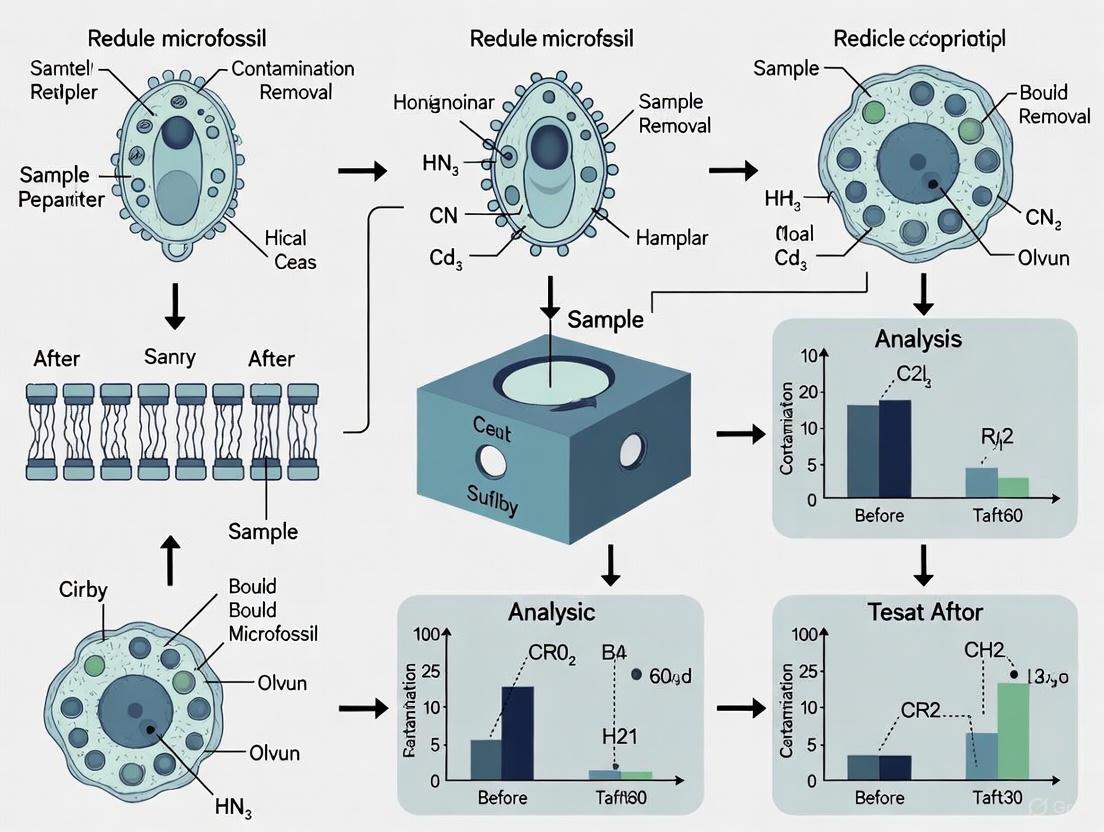
This article provides a comprehensive framework for researchers and drug development professionals to mitigate microfossil contamination in parasitological studies.
A Practical Guide to Reducing Microfossil Contamination in Parasitological Samples: From Collection to Analysis
Abstract
This article provides a comprehensive framework for researchers and drug development professionals to mitigate microfossil contamination in parasitological studies. Contamination poses a significant threat to data integrity, especially in low-biomass samples common in paleoparasitology, wildlife studies, and clinical research. We address this challenge across four key areas: establishing the foundational principles of contamination sources and risks; detailing practical, step-by-step methodologies for sample collection and processing; offering troubleshooting and optimization strategies for common pitfalls; and exploring advanced techniques for sample validation and comparative analysis. By integrating guidelines from recent consensus statements and interdisciplinary approaches, this guide aims to standardize practices, enhance diagnostic accuracy, and ensure the reliability of parasitological data in biomedical research.
Understanding the Contamination Challenge: Sources, Risks, and Impact on Data Integrity
Defining Microfossil Contamination in a Parasitological Context
In parasitological research, microfossil contamination refers to the unintended introduction of microscopic biogenic particles into samples, which can compromise diagnostic accuracy and experimental integrity. Microfossils are the tiny remains of bacteria, protists, fungi, animals, and plants, generally requiring microscopy for study [1]. In a parasitological context, this contamination typically involves pollen, spores, plant phytoliths, and other non-parasitic microscopic remains that can be misidentified as parasite structures or interfere with diagnostic procedures.
This contamination challenge is particularly acute in archaeological parasitology, where samples from latrines, coprolites, or sediment layers may contain mixed assemblages of parasite eggs and environmental microfossils [2] [3]. However, modern diagnostic laboratories also face challenges when environmental microfossils contaminate clinical samples, potentially leading to diagnostic errors. Understanding, identifying, and controlling these contaminants is therefore essential for research quality and diagnostic reliability across multiple disciplines.
Identifying Common Contaminants: A Microfossil Classification
The table below outlines major microfossil types that commonly appear as contaminants in parasitological samples, their composition, and key identifying features to aid in recognition and differentiation from parasitic organisms.
Table 1: Common Microfossil Contaminants in Parasitological Contexts
| Microfossil Type | Composition | Typical Size Range | Key Identifying Features | Differentiation from Parasites |
|---|---|---|---|---|
| Pollen & Spores [4] | Sporopollenin (organic) | 10-100 μm [4] | Symmetrical geometric shapes, surface patterns | Lack of internal embryonic structures found in helminth eggs |
| Phytoliths [3] | Silica (inorganic) | 5-200 μm | Angular, glass-like appearance, plant cell shapes | Completely solid, no internal structures |
| Diatoms [4] [1] | Silica (inorganic) | 10-200 μm | Glass box-and-lid structure, intricate surface patterns | Distinct from the smooth, layered walls of parasite eggs |
| Foraminifera [4] [1] | Calcareous or agglutinated | <0.1 mm to 10 cm [1] | Multi-chambered shells, granular texture | Complex internal structures unlike helminth eggs |
| Archaeological Debris [2] [3] | Variable (organic/mineral) | Wide size range | Irregular, non-biogenic appearance | Lack of biological symmetry |
Experimental Protocols for Contamination Control
Multi-Microfossil Extraction and Identification
This protocol allows for the simultaneous extraction of multiple microfossil types from sediment or archaeological samples, enabling comprehensive contamination assessment [3].
Materials Required:
- Sodium polytungstate (heavy liquid, density ~2.3 g/cm³)
- 10% Hydrochloric acid (HCl)
- 10% Sodium hydroxide (NaOH)
- Sieves (5 μm, 10 μm, 250 μm mesh)
- Centrifuge and centrifuge tubes
- Ultrasonic bath
- Microscope slides and coverslips
Methodology:
- Sample Preparation: Gently crush ~10g of dry sediment/sample. Avoid grinding to preserve microfossil integrity.
- Carbonate Removal: Add 10% HCl to the sample in a fume hood until effervescence stops. Centrifuge and decant supernatant.
- Organic Matter Removal: Add 10% NaOH to the residue. Heat at 80°C for 15 minutes. Centrifuge and wash twice with distilled water.
- Size Fractionation: Wet-sieve the sample through 250 μm and 5 μm sieves. Retain the 5-250 μm fraction.
- Density Separation: Transfer the fraction to a centrifuge tube. Add sodium polytungstate solution. Centrifuge at 3000 rpm for 15 minutes.
- Microfossil Collection: Carefully pipette the floating material (containing microfossils). Dilute with distilled water and centrifuge to clean.
- Microscopy: Re-suspend the final residue in a small volume of water. Pipette onto microscope slides for analysis under light microscopy at 100x-400x magnification.
Modified Sample Preparation for Parasite Egg Isolation
This modified protocol addresses significant egg loss and sample contamination issues during diagnostic procedures, improving reliability for soil-transmitted helminth (STH) egg detection [5].
Materials Required:
- Saturated sodium chloride flotation solution
- Surfactant (e.g., Tween 20)
- 200 μm and 20 μm nylon filters
- Lab-on-a-Disk (LoD) device or standard centrifuge tubes
- Disposable syringe filters
Methodology:
- Sample Homogenization: Homogenize 1g stool sample with 10 mL flotation solution containing 0.1% surfactant to reduce egg adhesion.
- Coarse Filtration: Pass the homogenate through a 200 μm filter to remove large debris that hinders imaging.
- Secondary Filtration: Filter the filtrate through a 20 μm filter to concentrate parasite eggs while allowing finer contaminants to pass through.
- Egg Elution: Back-wash the 20 μm filter with 5 mL fresh flotation solution to collect the retained eggs.
- Concentration: Transfer the eluent to a LoD device or standard centrifuge tube. Centrifuge at 500 rpm for 5 minutes to concentrate eggs in the FOV or at the top of the tube.
- Imaging: Transfer a monolayer aliquot to a slide for microscopic examination. The reduced debris load allows for clearer imaging and more accurate differentiation between parasite eggs and potential microfossil contaminants.
Troubleshooting Guides and FAQs
Frequently Asked Questions
Q1: Our lab frequently misidentifies pollen grains as helminth eggs. What are the definitive distinguishing features?
- A: Pollen grains of Myrtaceae and other families often have a geometric, often polygonal shape with a consistent, patterned exine (outer wall). In contrast, helminth eggs like Ascaris have a thicker, mamillated outer layer, and Trichuris has distinctive polar plugs. Staining with lactophenol cotton blue can help; it specifically stains chitin in helminth eggshells but does not affect pollen's sporopollenin [4] [2].
Q2: During archaeological parasitology work, our samples from privies contain overwhelming amounts of plant material. How can we improve parasite egg recovery?
- A: The multi-microfossil extraction protocol (Section 3.1) is designed for this. The key is using density separation with a heavy liquid like sodium polytungstate. Parasite eggs (density ~1.1-1.2 g/cm³) will float with pollen and spores, but the subsequent size fractionation (5-250 μm) and careful microscopy will allow you to identify all components. Combining parasite and pollen data can, in fact, provide richer insights into past diet and medicine [2] [3].
Q3: We suspect our lab reagents are contaminated with environmental diatoms. How can we test and address this?
- A: Filter a sample of your reagents (water, saline, flotation solutions) through a 0.45 μm membrane filter. Mount the filter on a slide and examine under 400x magnification. Diatoms are easily identified by their silica frustules, which appear as clear, glassy structures with symmetrical markings. To prevent this, use high-purity, filtered water and store reagents in sealed containers. Regularly monitor the laboratory environment for airborne contaminants [6].
Q4: What is the single most effective step to reduce microfossil contamination during sample processing?
- A: While no single step is a panacea, incorporating a density separation step is highly effective. Using a calibrated heavy liquid allows for the selective flotation of parasite eggs (and some contaminants) away from heavier mineral particles and some plant debris. This must be combined with controlled filtration to remove larger debris that can trap eggs and hinder analysis, as demonstrated in the modified LoD protocol [5].
- Q5: How can we validate that our contamination control measures are effective?
- A: Implement a routine environmental monitoring program. This includes placing sediment traps in the laboratory processing area and periodically examining the collected dust for microfossils. Furthermore, process "blank" control samples (e.g., samples of known, sterile sediment spiked with a known number of parasite eggs) through your entire protocol. Quantifying egg recovery rates and identifying any contaminating microfossils in the blank will provide a direct measure of your procedure's efficiency and cleanliness [6] [7].
Research Reagent Solutions and Essential Materials
*Table 2: Essential Materials for Microfossil Contamination Control*| Reagent/Material | Function | Application Notes |
|---|---|---|
| Sodium Polytungstate | Heavy liquid for density separation | Adjustable density (~2.0-2.3 g/cm³) to target specific microfossils; non-toxic and recyclable [3]. |
| Hydrochloric Acid (HCl) | Dissolves carbonate minerals | Removes calcareous debris like shell fragments that can obscure vision [3]. |
| Hydrofluoric Acid (HF) | Dissolves silica-based particles | CAUTION: Extremely hazardous. Used to isolate organic-walled microfossils (pollen, spores) by dissolving siliceous contaminants like phytoliths and diatoms [4]. |
| Sodium Hydroxide (NaOH) | Digests organic matter | Removes humic acids and other organic debris; use with care to avoid damaging delicate parasite eggs [3]. |
| Surfactant (Tween 20) | Reduces surface tension | Minimizes adhesion of eggs and microfossils to container walls, reducing sample loss [5]. |
| Nylon Filter Meshes | Size-based particle separation | A cascade of meshes (e.g., 250μm, 50μm, 20μm, 5μm) is used to isolate specific size fractions [3] [5]. |
Workflow and Pathway Visualizations
Diagram 1: Microfossil Contamination Identification Workflow. This flowchart outlines the systematic process for detecting and addressing microfossil contamination in samples, from initial collection to final data verification.
FAQs: Contamination Control in Parasitology and Microfossil Research
Q1: Why are low-biomass samples, like some parasitological specimens, particularly vulnerable to contamination? In low-microbial-biomass environments, the target DNA signal is very small. Contaminant DNA from external sources can be proportionally large, making it difficult to distinguish true signal from contaminant noise. Even small amounts of introduced microbial DNA can strongly influence results and their interpretation [8].
Q2: What are the primary categories of contamination sources? The main contamination sources are:
- Human Operators: Microbial cells and DNA shed from skin, hair, and clothing, or through aerosols generated by breathing or talking [8].
- Equipment and Reagents: Sampling tools, collection vessels, and laboratory reagents/kits can harbor microbial DNA or plastic polymers [8].
- Laboratory Environment: Airborne particles and dust in the lab can settle on samples and equipment [8].
- Cross-contamination: Transfer of DNA or sequence reads between samples during processing, for example, due to well-to-well leakage during PCR [8].
Q3: What is a critical yet often overlooked step for decontaminating equipment? Sterility is not the same as being DNA-free. Autoclaving or ethanol treatment kills viable cells but may leave cell-free DNA. A crucial step is using a nucleic acid degrading solution, such as sodium hypochlorite (bleach), UV-C exposure, or commercial DNA removal solutions, to remove traces of contaminating DNA from surfaces [8].
Troubleshooting Guides
Problem: Consistent Contamination Detected in Negative Controls
| Observation | Possible Source | Corrective Action |
|---|---|---|
| Human skin bacteria in controls | Human operator or improper PPE use | Implement stricter PPE protocols (gloves, mask, cleansuit); decontaminate gloves between steps [8]. |
| Environmental bacteria or fungi in controls | Contaminated reagents or lab surfaces | Use UV-sterilized, DNA-free plasticware; treat reagents with DNA-degrading solutions; clean lab surfaces with bleach [8]. |
| Microplastics (e.g., PET, PP, PS) in samples | Synthetic materials from lab equipment or environment | Use glass or metal equipment where possible; filter liquids; minimize use of disposable plastics [9]. |
Problem: Inconsistent or Unexplained Contamination Across Samples
| Observation | Possible Source | Corrective Action |
|---|---|---|
| Sporadic, high contamination levels | Cross-contamination between samples | Increase physical space between samples during processing; use sealed plates; include blank controls between samples [8]. |
| Contamination from a specific sample batch | Contaminated sampling equipment or kits | Use single-use, DNA-free sampling equipment; include sampling controls (e.g., swab of collection tube, aliquot of preservation solution) [8]. |
Experimental Protocols for Contamination Assessment
Protocol 1: Implementing a Contamination Monitoring Framework
This protocol is based on consensus guidelines for low-biomass microbiome studies [8].
Pre-Sampling Preparation:
- Equipment Decontamination: Decontaminate all non-disposable tools with 80% ethanol followed by a nucleic acid degrading solution (e.g., 1-2% sodium hypochlorite). Use UV-C sterilized, DNA-free collection vessels.
- Personal Protective Equipment (PPE): Personnel should wear appropriate PPE (gloves, face masks, goggles, and cleansuits or lab coats) to minimize contamination from operators.
Sample Collection:
- Collect Field Blank and Equipment Blank controls. A Field Blank can be an empty collection vessel opened and closed at the sampling site. An Equipment Blank involves swabbing the decontaminated sampling tools with a sterile swab.
Laboratory Processing:
- Include Negative Control samples (e.g., sterile water) that undergo the exact same DNA extraction and amplification process as the real samples.
- Use Positive Controls (samples with a known, low-complexity community) to confirm that the methodology works without being overwhelmed by contamination.
Data Analysis and Reporting:
- Sequence all controls alongside your samples.
- Report all control results and detail the decontamination methods used in any publication.
Protocol 2: Analyzing Microplastic Contamination in Sediment Samples
This protocol is adapted from a study on microplastic contamination in ship-dismantling yards [9].
Sample Collection: Collect sediment samples using a metal corer. Store samples in pre-combusted (450°C for 4 hours) glass jars with aluminum foil lids.
Density Separation:
- Transfer the sediment to a glass beaker and add a saturated salt solution (e.g., Sodium Chloride, NaCl).
- Stir thoroughly and let it settle for 24 hours. The low-density microplastics will float to the surface.
Filtration and Identification:
- Carefully filter the supernatant through a glass microfiber filter.
- Examine the filter under a stereo-microscope to count and classify microplastics by type (fiber, fragment, film) and color.
Polymer Characterization:
- Confirm the polymer composition of suspected microplastics using Fourier-Transform Infrared (FTIR) spectroscopy.
Research Reagent Solutions
The following table lists key materials and their functions for contamination-conscious research in parasitology and related fields [8].
| Item | Function in Contamination Control |
|---|---|
| Sodium Hypochlorite (Bleach) | Degrades contaminating DNA on surfaces and equipment; critical for making surfaces "DNA-free" [8]. |
| UV-C Crosslinker | Sterilizes surfaces and degrades DNA through ultraviolet light exposure; used on plasticware and in workstations [8]. |
| DNA-free Water | Serves as a negative control during DNA extraction and amplification to monitor reagent contamination [8]. |
| Sterile, Single-use Swabs | Prevents cross-contamination between samples during collection; ensures no carryover of DNA from previous use [8]. |
| Pre-combusted Glassware | Eliminates organic contaminants; used for sample storage and processing to avoid plastic polymer introduction [9]. |
Workflow Diagrams
Sample Processing Workflow with Integrated Controls
Contamination Source Identification Pathway
Assessing the Impact of Contamination on Diagnostic Accuracy and Research Outcomes
Contamination represents a critical challenge in scientific research, directly compromising diagnostic accuracy, data integrity, and research outcomes. In fields ranging from paleoparasitology to modern molecular biology, the inadvertent introduction of foreign biological material can lead to misinterpretation of results, false positives, and erroneous conclusions. This technical support center addresses the specific challenges of contamination control with a particular focus on reducing microfossil contamination in parasitological samples research. The guidance provided herein synthesizes current methodologies and best practices to help researchers identify, troubleshoot, and prevent contamination across various experimental contexts.
FAQs: Understanding Contamination in Research Samples
Q1: What are the primary types of contamination that affect parasitological and microfossil research? Research samples can be compromised by several contamination types, including:
- Microfossil Reworking: The displacement of ancient microfossils from original strata into younger deposits, creating false stratigraphic records [10]
- Cross-Contamination: Transfer of material between samples during handling or processing [11]
- Modern Microbial Contamination: Introduction of contemporary bacteria, mycoplasma, or viruses during sample processing or sequencing [12] [13]
- Environmental Contamination: Introduction of airborne particulates, pollen, or other environmental debris during excavation or laboratory analysis [14]
Q2: How does contamination impact next-generation sequencing (NGS) results in clinical and ancient sample analysis? NGS is highly sensitive to microbial contamination, which significantly affects result interpretation:
- Bacterial reads are routinely found in human-derived RNA-seq datasets, with averages ranging from 1,406 to 11,106 reads per million human mapped reads [12]
- Different sequencing facilities show distinct contamination profiles, indicating facility-specific issues [12]
- Cell lines analyzed in separate studies show different bacterial read profiles, confirming contamination occurs during processing rather than being intrinsic to samples [12]
Q3: What specific challenges does Cryptosporidium present in paleoparasitology research? Cryptosporidium detection faces multiple obstacles:
- Small oocyst size (4-6 μm) makes them difficult to distinguish from environmental debris [15]
- Standard micro-sieving techniques using 20-25 μm mesh are incompatible with Cryptosporidium recovery [15]
- Molecular detection methods are underutilized in paleoparasitology despite their potential [15]
Q4: Why is a multi-proxy approach recommended for coprolite analysis? Multi-proxy analysis provides several advantages:
- Combines data from macroscopic, microscopic, and biomolecular remains [11]
- Strengthens understanding of past behavior and environments [11]
- Reduces equifinality by providing multiple lines of evidence [11]
- Maximizes information extraction from limited samples [11]
Troubleshooting Guides
Guide 1: Identifying and Addressing Microfossil Contamination
Problem: Suspicion of reworked microfossils in parasitological samples. Symptoms:
- Anachronistic fossil assemblages [10]
- Inconsistent stratigraphic distributions [10]
- Unusual preservation states compared to associated materials [10]
Solutions:
- Implement Comparative Analysis: Compare suspected microfossils with known assemblages from different strata [10]
- Apply Multiple Extraction Techniques: Use sequential biomolecular, macrofossil, and microfossil extraction protocols [11]
- Conduct Systematic Mapping: Document spatial distribution patterns to identify displacement [10]
Guide 2: Controlling Modern Contamination in Ancient DNA Studies
Problem: Modern DNA contamination in ancient sample analysis. Symptoms:
- Detection of contemporary microbial species in ancient samples [12]
- Inconsistent results between sequencing runs [12]
- Unexpected bacterial reads in negative controls [12]
Solutions:
- Implement Dedicated Workspaces: Use separated pre- and post-PCR laboratories [12]
- Apply Rigorous Decontamination: Clean surfaces with bleach and UV irradiation [12]
- Include Comprehensive Controls: Process extraction blanks, negative controls, and positive controls with each batch [12]
Guide 3: Preventing Cross-Contamination During Sample Processing
Problem: Cross-contamination between samples during laboratory processing. Symptoms:
- Similar microfossil profiles in unrelated samples [11] [14]
- Detection of the same unusual taxa across multiple samples [11]
- Inconsistent results between technical replicates [11]
Solutions:
- Use Disposable Consumables: Implement single-use equipment where possible [11]
- Establish Sequential Processing: Process samples from least to most expected contamination [11]
- Implement Equipment Decontamination: Clean non-disposable equipment with bleach, vinegar, or through sonication between uses [14]
Quantitative Data on Contamination Impacts
Table 1: Bacterial Contamination in RNA-seq Datasets from Various Studies
| Sample Source | Average Bacterial Reads (RPMH) | Predominant Contaminating Taxa |
|---|---|---|
| TCGA Datasets | 1,406 | Paracoccus denitrificans SD1 |
| Normal Tissue (CRC Dataset) | 11,106 | Pseudomonas species |
| CGCI Cell Line Study | Significantly Higher | Acinetobacter species |
| CCLE Cell Line Study | Lower than CGCI | Paracoccus denitrificans SD1 |
Table 2: Common Microbial Contaminants in Cell Culture and Their Sources
| Contaminant Type | Specific Examples | Common Sources |
|---|---|---|
| Mycoplasma | M. orale, M. hyorhinis, M. fermentans | Human oral cavity, serum [13] |
| Bacteria | Escherichia coli, Bacillus species, Staphylococcus species | Non-sterile supplies, water, improper handling [13] |
| Fungi | Candida species, Aspergillus niger, Penicillium species | Airborne spores, contaminated surfaces [13] |
| Viruses | Hepatitis viruses, retroviruses, papovaviruses | Biological reagents, cross-contamination [13] |
Experimental Protocols
Protocol 1: Sequential Multi-Proxy Extraction from Coprolites
This protocol maximizes data recovery while minimizing contamination risk [11]:
- Subsampling: Cut coprolite along long axis to obtain representative subsample [11]
- Rehydration: Immerse in 0.5% trisodium phosphate (Na₃PO₄) solution for 72+ hours [11]
- Macrofossil Separation:
- Microfossil Processing:
- Biomolecular Extraction: Reserve aliquots for aDNA, lipid, or other biomolecular analyses [11]
Protocol 2: Centrifugation-Sedimentation for Parasite Recovery
This historical method remains relevant for modern parasitology [16]:
- Sample Preparation: Suspend fecal material in appropriate solvent solution [16]
- Centrifugation: Apply centrifugal force to separate components by density [16]
- Sedimentation Analysis: Examine sediment portion for parasitic structures [16]
- Modifications: Adjust specific density of medium and centrifugation parameters based on target parasites [16]
Research Reagent Solutions
Table 3: Essential Materials for Contamination Control in Paleoparasitology
| Reagent/Equipment | Function | Contamination Control Application |
|---|---|---|
| Trisodium Phosphate (0.5%) | Coprolite Rehydration | Disaggregates desiccated samples without damaging microfossils [11] |
| Hydrochloric Acid | Carbonate Removal | Eliminates calcium carbonate debris that can obscure microfossils [11] |
| Hydrofluoric Acid | Silicate Dissolution | Removes silicate particles that interfere with analysis [11] |
| Acetolysis Mixture | Organic Matter Removal | Destroys cellulose while preserving pollen and spores [11] |
| Formalin-Ethyl Acetate | Sedimentation Medium | Facilitates parasite concentration in stool samples [16] |
| Zinc Sulfate Solution | Flotation Medium | Concentrates parasitic structures based on density [16] |
Workflow Visualization
Advanced Technical Considerations
Contamination in Molecular Paleoparasitology
The application of ancient DNA (aDNA) techniques to paleoparasitology introduces specific contamination challenges [15]:
- Endogenous vs. Exogenous DNA: Differentiating between authentic ancient DNA and modern contaminants requires specialized aDNA laboratories with strict access controls [15]
- Surface Decontamination: Physical removal of exterior surfaces combined with chemical decontamination (bleach treatment) is essential prior to DNA extraction [15]
- Library Preparation Controls: Inclusion of extraction blanks and library controls is mandatory to monitor contamination during processing [15]
Method-Specific Limitations in Parasite Detection
Different parasitological techniques present unique contamination profiles [16]:
- Spontaneous Sedimentation: Lower equipment requirements but potentially reduced sensitivity for low-density parasites [16]
- Centrifugal Flotation: Improved recovery of certain parasites but potential for structural damage [16]
- Molecular Methods: Higher sensitivity but vulnerable to amplification contaminants and requiring specialized facilities [16]
Effective contamination control requires comprehensive understanding of potential sources, vigilant monitoring throughout analytical processes, and implementation of method-specific preventive measures. By integrating the troubleshooting guides, experimental protocols, and best practices outlined in this technical support center, researchers can significantly reduce contamination-related errors and enhance the diagnostic accuracy and reliability of their research outcomes. The multifaceted nature of contamination demands equally multifaceted solutions, combining traditional microscopy with modern molecular approaches to validate findings through multiple lines of evidence.
Frequently Asked Questions (FAQs)
FAQ 1: What are the primary vulnerabilities when diagnosing low-intensity Soil-Transmitted Helminth (STH) infections? The primary vulnerability is the low sensitivity of standard diagnostic methods. The current gold standard, the Kato-Katz thick smear, has low sensitivity for detecting low-intensity infections unless multiple samples or smears are analyzed [17] [5]. Low-intensity infections, often asymptomatic, can act as reservoirs for disease spread if not detected promptly [17] [5]. Advanced control programs are leading to more low- and moderate-intensity infections, creating a need for more sensitive diagnostic tools [17] [5].
FAQ 2: Our lab uses the SIMPAQ LoD device. What are the common causes of egg loss and how can we minimize them? Significant egg loss in the SIMPAQ protocol occurs primarily during sample preparation steps, not within the disk itself [17]. A modified sample preparation protocol has been developed to address this. Key factors include the adherence of eggs to the walls of syringes and disks, and the presence of larger fecal debris that obstructs egg trapping [17] [5]. To minimize loss, use the modified protocol which includes the addition of surfactants to the flotation solution to reduce adherence and optimizes centrifugation speeds [17] [5].
FAQ 3: How does debris in a sample affect the efficiency of the SIMPAQ device? Larger fecal debris that passes through the 200 μm filter membrane can hinder eggs from entering the imaging zone (Field of View) [17] [5]. This debris physically blocks the path of the eggs during centrifugation, preventing them from being trapped and imaged effectively, which reduces the reliability of the egg count [17].
FAQ 4: What specific forces in a Lab-on-a-Disk (LoD) system affect parasite egg capture, and how are they mitigated? In addition to the primary centrifugal force, secondary inertial forces like the Coriolis and Euler forces deflect the path of eggs, especially near the center of rotation [17] [5]. This causes eggs to collide with or stick to channel walls, moving in a zigzag pattern instead of toward the Field of View [17]. Mitigation strategies include redesigning the disk to shorten the channel length from 37 mm to 27 mm and optimizing the centrifugation speed to maximize yield [17] [5].
Troubleshooting Guides
Issue 1: Low Egg Recovery in SIMPAQ Workflow
Problem: Significant loss of parasite eggs during the sample preparation and processing stages, leading to underestimation of egg counts. Solution: Implement a modified sample preparation protocol.
- Detailed Methodology:
- Sample Purification: Begin with purified STH eggs or use model polystyrene particles for protocol calibration [17].
- Surfactant Addition: Add a surfactant to the saturated sodium chloride flotation solution to reduce the adherence of eggs to the walls of syringes and the disk [17] [5].
- Step-wise Loss Analysis: Systematically analyze egg losses at each step of the standard procedure to identify critical points of loss [17].
- Protocol Elaboration: Develop and test alternative procedures based on the loss analysis. The resulting modified protocol minimizes particle and egg loss and reduces the amount of debris in the disk [17].
Issue 2: Poor Image Quality in the Field of View (FOV)
Problem: Images captured in the FOV are obstructed by debris or have too few eggs, making quantification difficult. Solution: Optimize disk loading and centrifugation to ensure clear images.
- Verify Filtration: Ensure the 200 μm filter membrane is intact and functioning correctly to prevent larger debris from entering the disk channels [17] [5].
- Optimize Centrifugation Speed: Test different centrifugation speeds to identify the ideal rotation speed that provides the highest yield of eggs in the FOV, as this is a critical optimized parameter [17].
- Use Modified Protocol: The modified preparation protocol is specifically designed to reduce debris in the disk, enabling effective egg capture and clear images in the FOV [17].
Data Presentation
Table 1: Performance Comparison of STH Diagnostic Methods
| Method | Principle | Sensitivity (General) | Sensitivity in Low-Intensity Infections | Key Limitations |
|---|---|---|---|---|
| Kato-Katz [17] [5] | Microscopy of thick smear | Low | Low (requires multiple samples) | Low sensitivity, especially for low-intensity infections |
| SIMPAQ (Standard Protocol) [17] [5] | Lab-on-a-Disk with flotation and centrifugation | High in animal tests (93% vs. McMaster) [17] | Low in human field tests (significant egg loss) [17] | Egg loss during sample prep, debris obstruction, lower capture efficiency |
| SIMPAQ (Modified Protocol) [17] | Optimized Lab-on-a-Disk protocol | Improved (Laboratory tests) | Improved (Laboratory tests) | Minimizes egg loss, reduces debris, increases reliability |
Table 2: Analysis of Egg Loss in Standard SIMPAQ Workflow
| Process Stage | Key Vulnerabilities | Impact on Efficiency |
|---|---|---|
| Sample Preparation [17] | Adherence to syringe and container walls | Significant egg loss before sample is loaded into the disk |
| Disk Loading & Centrifugation [17] [5] | Coriolis/Euler forces, debris obstruction, adherence to channel walls | Low capture efficiency; only ~22% of eggs that reach the chip are trapped in the FOV |
| Imaging [17] | Debris in the FOV | Obstructs clear imaging, requires multiple pictures of the entire disk |
Experimental Protocols
Detailed Methodology: SIMPAQ LoD Operation and Sample Testing
This protocol describes the end-to-end procedure for using the SIMPAQ device, from sample preparation to image analysis [17].
1. Sample Preparation:
- Start with 1 gram of stool sample [17] [5].
- Mix the sample with a saturated sodium chloride flotation solution. For the modified protocol, include a surfactant in this solution [17] [5].
- The flotation solution is slightly denser than parasite eggs, causing the eggs to float while most stool particles sediment [17] [5].
2. Disk Infusion and Centrifugation:
- Infuse the prepared sample into the LoD device [17].
- Place the disk in a centrifuge. Centrifugation directs the eggs toward the center of the disk due to centrifugal force [17] [5].
- The combination of flotation and centrifugation forces achieves a two-dimensional flotation, isolating eggs from debris [17] [5].
3. Egg Delivery and Imaging:
- As the disk spins, eggs are packed into a monolayer on a converging imaging zone called the Field of View (FOV) [17] [5].
- Capture a single image of the FOV using a digital camera. This immediate digitalization facilitates data analysis [17] [5].
4. Image Analysis:
- Analyze the captured image to identify and quantify the parasite eggs present [17].
Workflow Visualization
The Scientist's Toolkit: Research Reagent Solutions
Table 3: Essential Materials for SIMPAQ-based Parasitological Research
| Item | Function in the Experiment |
|---|---|
| Saturated Sodium Chloride Solution [17] [5] | Acts as a flotation solution; its density is slightly higher than that of parasite eggs, causing the eggs to float while debris sediments. |
| Surfactant [17] [5] | Added to the flotation solution to reduce the adherence of eggs to the walls of syringes and the disk, thereby minimizing egg loss during sample preparation and transfer. |
| Model Polystyrene Particles [17] | Used in laboratory experiments to calibrate and improve the sample preparation protocol before using purified, live STH eggs. |
| 200 μm Filter Membrane [17] [5] | Filters out larger fecal debris during sample loading to prevent obstruction in the disk channels and imaging zone. |
| Lab-on-a-Disk (SIMPAQ device) [17] [5] | A portable, reusable device that uses centrifugal forces and flotation to concentrate, trap, and image parasite eggs from a small stool sample. |
Procedural Safeguards: A Step-by-Step Guide to Contamination-Free Collection and Processing
Best Practices for Decontaminating Sampling Equipment and Surfaces
Troubleshooting Guide: Common Decontamination Issues
| Problem | Possible Cause | Solution |
|---|---|---|
| Persistent microbial contamination on surfaces after cleaning. | Use of an ineffective disinfectant; presence of biofilm protecting microorganisms [18]. | Apply a 1:10 dilution of household bleach [19]. For biofilms on complex surfaces, consider a combination of mechanical disruption (e.g., brushing) and chemical treatment [18]. |
| Inadvertent degradation of delicate microfossils during equipment cleaning. | Harsh chemicals or aggressive mechanical methods damaging fragile structures [20]. | Implement acid-free disaggregation methods using surfactants like Rewoquat for clay-rich samples to preserve delicate forms [20]. |
| Cross-contamination between samples. | Improperly cleaned sieves, tools, or work surfaces [21]. | Establish a strict cleaning protocol between samples: clean tools with an appropriate disinfectant, use a laminar flow hood for sensitive work, and employ an autoclave for sterilizing glassware [21]. |
| Chemical residue on equipment after decontamination. | Inadequate rinsing after using chemical disinfectants [18]. | Rinse all equipment thoroughly with distilled water after chemical decontamination. Residues can alter surface chemistry and affect subsequent experiments [18]. |
| Incomplete disaggregation of sediment samples. | Hard rocks or resistant sediments not adequately broken down before processing [22]. | For resistant samples, combine methods: air-dry or oven-dry the sample, then use a dilute (3%) hydrogen peroxide solution with heating, or use a surfactant like Rewoquat [22] [20]. |
Frequently Asked Questions (FAQs)
Q1: Why is a 1:10 dilution of household bleach often recommended for surface decontamination? This concentration is recommended by the CDC as an effective and appropriate disinfectant for general laboratory use. It is effective against a broad spectrum of pathogens while being relatively accessible [19]. Always ensure the solution is fresh for maximum efficacy.
Q2: How can I safely process a stool sample that may contain parasitic elements? Stool specimens, even those fixed in preservatives, can remain infectious. Always wear protective safety glasses, gloves, and a laboratory coat. Process specimens within a biological safety cabinet if possible, and decontaminate work surfaces at least once daily and after any spills. Note that some parasite cysts, like those of Ascaris lumbricoides, can remain infectious even when preserved in formalin [23].
Q3: My sediment sample is clay-rich and difficult to disaggregate without damaging microfossils. What is a safer method? Traditional acid digestion can damage fossils and cause clay aggregation. An effective alternative is an acid-free method using a surfactant like Rewoquat W 3690 PG. This cationic surfactant disperses clay aggregates over several days without damaging delicate organic-walled or calcareous microfossils, preserving their 3D structure [20].
Q4: What are the essential practices for maintaining a sterile environment in a parasitology lab? Key practices include [21]:
- Personal Protective Equipment (PPE): Always wear gloves, lab coats, and masks.
- Routine Cleaning: Regularly clean and disinfect all work surfaces and equipment with approved disinfectants.
- Proper Waste Disposal: Use designated containers for biohazardous waste and sharps.
- Sample Management: Label all samples accurately and store them at the correct temperature to prevent deterioration.
Q5: How does surface topography of equipment impact decontamination efficacy? Rougher surfaces (higher Ra values) are more challenging to decontaminate. Micro-abrasions and scratches from mechanical cleaning can trap organic debris and microbial remnants, shielding them from disinfectants. Studies on titanium surfaces show that cleaning alters surface topography and chemistry, which can affect future biocompatibility and contamination risk [18]. A smooth surface is generally easier to clean thoroughly.
Experimental Protocols for Decontamination Efficacy
Protocol 1: Evaluating Mechanical and Chemical Decontamination on Solid Surfaces This protocol is adapted from research on decontaminating titanium implant surfaces, a model for hard, reusable equipment [18].
- Objective: To test the combined efficacy of mechanical disruption and chemical agents in removing a mature microcosm biofilm.
- Materials:
- Test surfaces (e.g., metal coupons, glass slides).
- Titanium brushes or sterile nylon brushes.
- Chemical agents: 0.2% Chlorhexidine (CHX) / 1% Sodium Hypochlorite (NaClO) solution.
- Photodynamic therapy (PDT) equipment (if available).
- Scanning Electron Microscope (SEM) for qualitative assessment.
- Laser Surface Profilometer for surface roughness (Ra) measurement.
- Methodology:
- Biofilm Growth: Grow a 30-day microcosm biofilm on the test surfaces under conditions mimicking your research environment.
- Treatment Groups: Apply different decontamination protocols to the biofilm-coated surfaces:
- T1: Mechanical disruption with a titanium brush (TiB) alone.
- T2: TiB followed by Photodynamic Therapy (PDT).
- T3: TiB followed by application of 0.2% CHX / 1% NaClO.
- Analysis:
- Viable Count: Quantify remaining viable aerobic and anaerobic species (log10 CFU/mL).
- Surface Analysis: Use SEM to visually inspect for remaining debris and bacteria. Use a profilometer to quantify any changes in surface roughness (Ra) induced by the cleaning process [18].
Protocol 2: Acid-Free Disaggregation of Clay-Rich Sediments for Microfossil Recovery This protocol ensures the recovery of delicate microfossils without the damage caused by acids [20].
- Objective: To isolate microfossils from clay-rich rocks using the surfactant Rewoquat.
- Materials:
- Clay-rich sediment sample.
- Surfactant: Rewoquat W 3690 PG.
- Plastic buckets with lids.
- Stack of sieves (e.g., 1 mm, 500 μm, 63 μm mesh).
- Distilled water.
- Ultrasonic bath (optional).
- Methodology:
- Sample Preparation: Break the sediment into small pieces (several mm in size).
- Surfactant Treatment: Place the sample in a plastic bucket and add enough Rewoquat to cover it. Close the lid tightly.
- Incubation: Let the sample soak for approximately 10 days, gently agitating the mixture by hand every other day. Do not use hard objects to stir.
- Sieving: After 10 days, fill the bucket with water and slowly pour the contents over the stack of sieves. Use excess water to prevent clogging.
- Collection: While the residue is wet, examine it for floating fragments. Collect delicate fossils with a pipette. Dry the remaining residue at 30°C.
- Fossil Picking: The dried sample can be further separated using heavy liquids (e.g., sodium polytungstate) to facilitate the picking of microfossils. Calcareous fossils can be cleaned in an ultrasonic bath if necessary [20].
Quantitative Data on Decontamination Efficacy
Table 1: Reduction in Bacterial Load on Titanium Surfaces Post-Decontamination Data derived from a study treating 30-day microcosm biofilms [18].
| Surface Type | Treatment Protocol | Anaerobic Species (log10 CFU/mL Reduction) | Aerobic Species (log10 CFU/mL Reduction) |
|---|---|---|---|
| Machined (Smooth) | Mechanical (TiB) alone | 2.84 | 2.82 |
| Machined (Smooth) | TiB + Chemical Agents (CHX/NaClO) or PDT | ~8.74 (to undetectable levels) | ~8.40 (to undetectable levels) |
| SLA (Rough) | Mechanical (TiB) alone | 5.82 | 5.44 |
| SLA (Rough) | TiB + Chemical Agents (CHX/NaClO) or PDT | ~8.93 (to undetectable levels) | ~7.41 (to undetectable levels) |
Table 2: Comparison of Microfossil Extraction Methods for Clay-Rich Lithologies A qualitative comparison based on published methods [20].
| Extraction Method | Processing Time | Fossil Yield & Preservation | Effect on Surface Topography |
|---|---|---|---|
| Rewoquat (Surfactant) | Days (e.g., 10 days) | High yield; excellent 3D preservation of organic-walled and calcareous fossils. | Minimal alteration; disperses clay aggregates. |
| Acetic Acid Digestion | Months | Good for phosphatic fossils; can damage calcareous fossils. | Can lead to precipitation and surface coating. |
| HCl-HF Digestion | Months | Effective but can strongly etch conodonts and other phosphatic fossils. | Significantly alters surface chemistry and topography. |
Research Reagent Solutions
Table 3: Essential Reagents for Decontamination and Sample Processing
| Reagent | Function/Application | Key Consideration |
|---|---|---|
| Household Bleach (1:10 Dilution) | General-purpose disinfectant for laboratory surfaces [19]. | Effective against a broad spectrum of pathogens; prepare fresh solutions. |
| Sodium Acetate-Formalin (SAF) | Preservative for stool specimens intended for parasitological examination [24]. | Fixation time of 30 minutes at room temperature is required; preserves protozoa and helminth eggs. |
| Rewoquat W 3690 PG | Cationic surfactant for acid-free disaggregation of clay-rich sediments [20]. | Preserves delicate microfossils; faster than acid digestion methods. |
| Hydrogen Peroxide (3% Solution) | Aiding in the disaggregation of resistant sediment samples [22]. | Less caustic than concentrated forms; effective after sample drying. |
| Sodium Polytungstate | Heavy liquid used to separate fossils from other sediment particles by density [20]. | Facilitates the concentration and picking of microfossils from dried residues. |
Workflow Diagram
Field Collection Protocols for Fecal, Tissue, and Sediment Samples
FAQs: Sample Collection and Preservation
1. What are the critical steps for collecting a stool specimen for parasitic analysis? Collect stool in a dry, clean, leakproof container, ensuring no contamination from urine, water, or soil. For parasitological diagnosis, fresh stool should be examined, processed, or preserved immediately. If immediate processing is not possible, preserve the specimen as soon as possible. The recommended standard is to divide the specimen into two vials: one containing 10% formalin and the other containing polyvinyl-alcohol (PVA). Add one volume of stool to three volumes of preservative and ensure they are mixed thoroughly, especially for formed stool [25].
2. How should fecal samples from wildlife be collected non-invasively? Non-invasive sampling involves collecting scats from the environment. Methods include detection via camera traps, analysis of footprints, or the use of trained scat-detection dogs. For fresh samples aimed at molecular analysis, storage at -20°C is recommended to prevent DNA degradation. If samples are to be analyzed within 24 hours, room temperature storage is acceptable, but this is not suitable for long-term preservation [26].
3. What are the primary considerations for collecting low-biomass sediment samples? Low-biomass samples (e.g., from hyper-arid soils, deep subsurface, or treated drinking water) are highly susceptible to contamination. Key considerations include:
- Decontamination: Thoroughly decontaminate sampling equipment, tools, and vessels. Use single-use, DNA-free items when possible. Decontamination should involve 80% ethanol to kill organisms, followed by a nucleic acid degrading solution (e.g., sodium hypochlorite, UV-C light) to remove residual DNA [8].
- Personal Protective Equipment (PPE): Use extensive PPE (gloves, masks, coveralls) to limit contamination from human operators [8].
- Controls: Collect field controls, such as empty collection vessels, swabs of the air, or samples of preservation solutions, to identify contaminants introduced during sampling [8].
4. How should tissue samples from wildlife carcasses be handled for parasite analysis? When sampling from carcasses, ensure work surfaces are sterilized and use adequate personal safety equipment. To reduce the risk of zoonotic pathogen transmission, carcasses should be frozen at -80 °C for at least 3 days before dissection. For gastrointestinal parasite analysis, the entire small intestine and ceca can be examined by segmenting the gut. The "shaking in a vessel technique" can be used to isolate macroscopic parasites by washing gut contents through a 100–200 µm sieve [26].
5. What common substances can interfere with stool examination? Several substances can render stool specimens unsatisfactory for examination. Specimens should be collected before these are administered or after their effects have passed. These substances include [25]:
- Barium or bismuth (7-10 days clearance needed)
- Antimicrobial agents (2-3 weeks)
- Antacids, kaolin, mineral oil, and other oily materials
- Non-absorbable antidiarrheal preparations
- Gallbladder dyes (3 weeks)
Troubleshooting Guides
Troubleshooting Contamination in Low-Biomass Samples
Contamination is a major concern when working with samples that have low microbial biomass. The table below outlines common issues and evidence-based solutions.
Table 1: Troubleshooting Contamination in Low-Biomass Samples
| Problem | Potential Source | Recommended Solution |
|---|---|---|
| High levels of human-associated bacteria in samples. | Human operators, improper PPE, breathing on samples. | Use appropriate PPE (gloves, masks, coveralls). Decontaminate gloves and equipment with ethanol and DNA-degrading solutions before use [8]. |
| Inconsistent contaminant profiles between samples. | Reagent lot variation, cross-contamination during processing. | Include multiple negative controls (e.g., blank extraction kits, sterile water) throughout the batch process. Use sterilized plasticware and filter tips [8]. |
| Detection of microbes from sampling equipment. | Improperly decontaminated drills, corers, or containers. | Decontaminate equipment with 80% ethanol followed by DNA removal solutions (e.g., bleach, UV-C light). Use single-use, sterile containers where possible [8]. |
| False positives in molecular assays. | Cross-contamination from high-biomass samples or amplicons. | Physically separate pre- and post-PCR workspaces. Use dedicated equipment and reagents for low-biomass work. Include extraction and PCR negative controls [8]. |
Troubleshooting Fecal Sample Preservation and Analysis
Problems with fecal sample integrity can lead to false negative results or loss of valuable data.
Table 2: Troubleshooting Fecal Sample Analysis
| Problem | Potential Cause | Recommended Solution |
|---|---|---|
| Degraded DNA, poor molecular results. | Improper storage temperature, prolonged storage at room temperature. | Freeze samples at -20°C as soon as possible after collection. For field collection, use preservatives designed for DNA stabilization [26]. |
| Inability to detect larval nematodes. | Sample was frozen or dried before analysis. | For detecting live larvae (e.g., Ancylostomatidae, Strongyloididae), analyze fresh samples within 24 hours of collection without freezing, using techniques like the Baermann apparatus [26]. |
| Poor morphological preservation of helminths. | Worms placed directly in ethanol or cold buffer. | Place fresh worms in warm saline or PBS to relax tissues, then refrigerate before final preservation in ethanol or formalin [26]. |
| Significant loss of parasite eggs during processing. | Inefficient sample preparation protocol for diagnostic devices. | Adopt a modified protocol that minimizes loss, for example, by optimizing filtration, surfactant use, and centrifugation speeds to improve egg recovery efficiency [5]. |
Experimental Protocols for Key Procedures
Protocol 1: Formalin and PVA Preservation of Stool Specimens
This is the standard method for preserving stool samples for parasitological examination [25].
- Materials: Clean, leakproof container; 10% formalin; LV-PVA (low-viscosity polyvinyl-alcohol); two sealed vials; labels.
- Procedure:
- Collect the stool specimen in a dry, clean container.
- Transfer a portion of the stool into a vial containing 10% formalin. The ratio should be one part stool to three parts formalin.
- Transfer another portion of the stool into a second vial containing LV-PVA, using the same 1:3 ratio.
- Ensure the specimen is mixed thoroughly with the preservatives, breaking up formed stool completely.
- Seal the containers securely and label them appropriately.
Protocol 2: "Shaking in a Vessel" Technique for Gastrointestinal Parasite Isolation
This protocol is used to isolate macroscopic parasites from the gastrointestinal tracts of wildlife carcasses [26].
- Materials: Dissection tools, plastic container with a 100–200 µm diameter sieve in the cap, water, saline or PBS, ethanol or formalin for preservation.
- Procedure:
- After freezing the carcass for at least 3 days at -80°C to reduce pathogen risk, remove the gastrointestinal tract.
- Open the gut longitudinally and release its contents into the plastic container.
- Wash the contents with abundant water, shaking the container vigorously.
- Pour the contents through the sieve in the cap, which will trap the parasites while allowing finer material to pass through.
- Collect the parasites from the sieve.
- For morphological study, place worms in warm PBS to relax tissues before final preservation in ethanol or formalin.
Workflow Visualization
The following diagram illustrates the integrated decision-making workflow for collecting and processing different sample types to minimize contamination, based on the reviewed guidelines.
The Scientist's Toolkit: Essential Research Reagents & Materials
The following table details key reagents and materials used in the field collection and preservation of parasitological and microfossil samples, as derived from the cited protocols.
Table 3: Essential Reagents and Materials for Field Collection
| Item | Function / Application |
|---|---|
| 10% Formalin | An all-purpose fixative that provides good morphological preservation of helminth eggs, larvae, and protozoan cysts. Suitable for concentration procedures and various staining methods [25]. |
| Polyvinyl-Alcohol (PVA) | A preservative that facilitates the adhesion of specimens to slides for permanent staining. Excellent for preserving protozoan trophozoites and cysts [25]. |
| Saturated Sodium Chloride | A flotation solution used in diagnostic techniques (e.g., SIMPAQ, Mini-FLOTAC) to isolate parasite eggs from debris based on density differences [5]. |
| Ethanol (70-80%) | Used for decontaminating surfaces, equipment, and gloves to kill contaminating microorganisms during sampling and lab work [8]. |
| Sodium Hypochlorite (Bleach) | A DNA removal solution used to decontaminate equipment and surfaces after ethanol treatment, crucial for low-biomass and molecular work [8]. |
| Phosphate-Buffered Saline (PBS) | A buffer solution used to relax the tissues of recovered helminths prior to preservation, preventing muscle contraction that distorts morphology [26]. |
| DNA Stabilization Buffers | Commercial reagents designed to stabilize nucleic acids in fresh samples (e.g., feces, tissue) at room temperature for transport prior to molecular analysis [26]. |
This technical support center provides targeted guidance for researchers working to reduce microfossil contamination in parasitological samples. The following FAQs and troubleshooting guides address common challenges in sample rehydration, sieving, and the creation of permanent microscopic slides, with protocols designed to ensure sample reliability and integrity for drug development and paleoparasitological research.
Frequently Asked Questions (FAQs)
1. What is the primary goal of a sequential extraction protocol for coprolites and parasitological samples? A sequential extraction protocol aims to maximize the amount of information recovered from a single, often limited, sample by systematically separating different types of remains (biomolecular, macrofossil, and microfossil) for individual analysis. This approach is crucial for obtaining a high-resolution, multi-proxy understanding of an organism's diet and environment while preserving material for future research [11].
2. Why is sample rehydration a critical first step, and what is the standard solution? Rehydration is essential for softening desiccated samples to allow for gentle disaggregation without damaging fragile microfossils and macrofossils. The standard method involves soaking samples in a 0.5% trisodium phosphate (Na₃PO₄) solution for a minimum of 72 hours. This process helps reconstitute the sample, making it easier to separate individual components for subsequent analysis [11].
3. How does the choice of mounting medium affect the long-term preservation of microscope slides? The mounting medium is vital for preserving sample structure and ensuring image clarity. Solvent-based mounting media (e.g., Euparal) generally offer the longest preservation, often for 50-100 years, but require complete sample dehydration first. Water-based mounting media (e.g., glycerin gelatin) allow for mounting directly from a hydrous state but may not preserve samples as long. A cloudy slide after mounting often indicates residual water in the specimen, which can compromise longevity [27] [28].
4. What are common sources of contamination I should control during processing? Common contamination sources include:
- Airborne contaminants from non-sterile supplies and laboratory environments [13].
- Cross-contamination from shared reagents, equipment, or improper handling [10] [13].
- Reagent contamination, as even water, sera, and test kits can harbor contaminants or endotoxins [29] [13].
- Post-depositional infiltration, where ambient pollen or microbes adhere to the sample exterior after deposition [11].
Troubleshooting Guides
Table 1: Common Rehydration and Sieving Problems
| Problem | Possible Cause | Solution |
|---|---|---|
| Sample does not fully rehydrate | Insufficient soaking time; solution concentration error. | Extend rehydration time beyond 72 hours; verify the 0.5% trisodium phosphate solution concentration [11]. |
| Fragile microfossils are damaged during sieving | Sieve mesh size is too small or too large; aggressive washing. | Use a sequential sieving approach. An example workflow uses 841-micron and 210-micron mesh screens to gently separate different fractions [11]. |
| High background debris in the sample | Inadequate removal of clays and fine particulates. | After rehydration and sieving, the liquid fraction can be treated with hydrochloric acid (to remove carbonates) and hydrofluoric acid (to remove silicates) for cleaner microfossil analysis [11]. |
Table 2: Microscopy Mounting and Preservation Issues
| Problem | Possible Cause | Solution |
|---|---|---|
| Cloudy slide after mounting | Incomplete dehydration of the specimen before using a non-aqueous mounting medium. | Ensure complete dehydration by placing the specimen in successively higher concentrations of ethanol (e.g., 70%, 80%, 90%, 100%) before transferring to the mounting medium or a compatible solvent like xylene [27]. |
| Specimen shrinkage or deformation | Use of a mounting medium with a high alcohol content without proper fixation. | For shrinkage-sensitive specimens, use a water-based mounting medium like glycerin gelatin to avoid dehydration altogether. Alternatively, use a fixative like Carnoy Clarke solution (3 parts alcohol:1 part acetic acid) to counteract alcohol's shrinking effects [27]. |
| Sample deteriorating over time | Use of an inappropriate or low-quality mounting medium. | For long-term storage, use a proven solvent-based mounting medium that is sealed properly. Sealing coverslip edges with nail polish or paraffin wax can prevent drying and oxidation [27] [28]. |
Detailed Experimental Protocols
Protocol 1: Sequential Biomolecular, Macrofossil, and Microfossil Extraction
This protocol is adapted from a method developed for coprolites from the Paisley Caves, ideal for maximizing data recovery from limited samples [11].
1. Sample Rehydration:
- Cut the sample along its long axis to obtain a representative subsample.
- Place the subsample in a 0.5% trisodium phosphate (Na₃PO₄) solution.
- Allow to rehydrate for at least 72 hours, or until fully softened.
2. Disaggregation and Sieving:
- Gently disaggregate the rehydrated sample using a vortex mixer or careful pipetting.
- Pour the entire mixture through a stack of sieves. A recommended sequence includes:
- 841-micron mesh: Retains large macrofossils (seeds, large bone fragments).
- 210-micron mesh: Retains smaller macrofossils and larger microfossils.
- Collect the material retained on each sieve for macrofossil analysis.
3. Processing the Microfossil Fraction (<210 microns):
- The liquid that passes through the 210-micron sieve contains the microfossil fraction.
- Process this fraction to isolate specific microfossils:
- Pollen Extraction: Treat the liquid fraction with hydrochloric acid to remove carbonates, followed by hydrofluoric acid to remove silicates. Remove organic matter via acetolysis (heating in a 9:1 acetic anhydride and sulfuric acid mixture) [11].
- Phytolith and Starch Grain Analysis: Subsamples can be extracted using differential heavy-liquid flotation.
4. Biomolecular Archiving:
- Reserve a subsample of the rehydrated material (before aggressive chemical treatment) for future biomolecular analyses, such as ancient DNA (aDNA) or lipid analysis. This material should be stored frozen at -20°C or lower.
Protocol 2: Creating Permanent Slides for Microscopy
This protocol outlines steps for fixing and mounting specimens to create slides for long-term study [27].
1. Fixation:
- Goal: To kill and preserve the specimen's structure with minimal artifacts.
- Method: Submerge the specimen in a fixative solution. For many specimens, a Carnoy Clarke solution (3 parts 92% alcohol : 1 part glacial acetic acid) is effective, as the acetic acid counteracts the shrinking effect of the alcohol. Fix for approximately 24 hours.
2. Dehydration (for solvent-based mounting media):
- Goal: To remove all water from the specimen.
- Method: Transfer the fixed specimen through a series of ethanol baths with increasing concentration (e.g., 70%, 80%, 90%, 100%), spending sufficient time in each to allow for complete water displacement.
3. Mounting:
- For aqueous media (e.g., Glycerin Gelatin): Transfer the specimen directly from a hydrous state or a low-concentration alcohol bath to the mounting medium on a slide. No dehydration is needed.
- For solvent-based media (e.g., Euparal, resin): Transfer the specimen from 100% ethanol to a solvent like xylene (if required by the medium), and then into the mounting medium.
- Carefully lower a coverslip to avoid air bubbles.
4. Curing and Sealing:
- Allow the slide to lay flat and cure (harden) as per the mounting medium's instructions. This can take from hours to days.
- For aqueous mounts or added protection, seal the edges of the coverslip with nail polish or paraffin wax to prevent evaporation and contamination [28].
Research Reagent Solutions
Table 3: Essential Reagents for Sample Processing
| Reagent | Function | Key Consideration |
|---|---|---|
| Trisodium Phosphate (0.5% Solution) | Standard solution for rehydrating desiccated samples to enable disaggregation [11]. | Ensure adequate soaking time (≥72 hours) for complete rehydration. |
| Ethanol Series (70%-100%) | Dehydrates specimens prior to mounting in solvent-based media, preventing clouding and degradation [27]. | Gradual increase in concentration prevents specimen shrinkage and deformation. |
| Carnoy Clarke Fixative | A common fixative that kills specimens and preserves structure; acetic acid compensates for alcohol-induced shrinkage [27]. | A 3:1 alcohol-to-acetic acid ratio is a starting point; may require optimization for specific specimens. |
| Hexamethyldisilazane (HMDS) | A chemical drying agent used as a lower-cost alternative to critical-point drying for SEM sample preparation, preserving delicate structures [30]. | Effective for fragile structures like trichomes and pollen; reduces tissue collapse compared to air-drying. |
| Solvent-based Mounting Medium (e.g., Euparal) | Long-term preservation of slides; provides superior structural integrity and optical clarity for repeated observation [27] [28]. | Requires specimens to be completely dehydrated. Curing time is necessary for optimal refractive index. |
Experimental Workflow and Contamination Analysis
The following diagram illustrates the sequential workflow for processing samples to minimize contamination and maximize data yield.
The following diagram outlines a systematic approach for investigating suspected contamination.
Leveraging Multi-Proxy Sequential Extraction to Maximize Data and Minimize Cross-Contamination
Multi-proxy sequential extraction represents a methodological advancement for analyzing complex biological samples, particularly in parasitology and paleoecological research. This approach enables researchers to systematically separate and analyze different types of evidence—including biomolecules, macrofossils, and microfossils—from a single sample. For parasitological research, this methodology is invaluable as it maximizes data yield from often limited and irreplaceable samples while minimizing cross-contamination between different analytical targets.
The fundamental principle involves processing samples through a carefully designed sequence of extraction steps that progressively isolates different component types. When implemented correctly, this method provides a more comprehensive understanding of past environments, diets, and health conditions than single-proxy analyses, while substantially reducing the risk of contaminating sensitive molecular analyses with particulate matter or cross-contaminating between samples.
Key Research Reagent Solutions and Essential Materials
The following table details essential reagents and materials required for implementing multi-proxy sequential extraction protocols, particularly for parasitological and coprolite research:
Table 1: Essential Research Reagents and Materials for Multi-Proxy Sequential Extraction
| Item Name | Function/Application | Key Considerations |
|---|---|---|
| Trisodium Phosphate (0.5%) | Rehydration and softening of desiccated samples [11] | Standard solution for initial sample processing; allows disaggregation while preserving component structure [11] |
| Sodium Acetate-Formalin (SAF) | Fecal sample preservation for parasitology [24] | Maintains parasite morphology; ideal for storage before analysis [24] |
| Hydrochloric Acid (HCl) | Carbonate removal during pollen extraction [11] | Critical for dissolving calcium carbonates that may obscure microfossils [11] |
| Hydrofluoric Acid (HF) | Silicate removal during pollen processing [11] | Eliminates mineral particles; requires specialized handling due to toxicity [11] |
| Acetolysis Mixture (9:1) | Organic matter removal [11] | Acetic anhydride and sulfuric acid mixture; removes cellulose while preserving pollen [11] |
| HEPA Filtration System | Airborne contamination control [31] | Creates particulate-free environment for nucleic acid extraction; often integrated into automated systems [31] |
| DNA-free Containers & Tools | Sample collection and processing [8] | Pre-packaged, sterilized equipment prevents introducing contaminant DNA at collection [8] |
| UV Disinfection System | Workspace decontamination [31] | Integrated UV lamps eliminate nucleic acid contaminants before/after extractions [31] |
Comprehensive Sequential Extraction Workflow
The sequential extraction workflow must balance comprehensive data recovery with contamination prevention. The following diagram illustrates the integrated process for handling parasitological and paleoecological samples:
Sequential Extraction Workflow for Multi-Proxy Analysis
Initial Sample Handling and Preservation
Proper sample handling begins before extraction. For parasitology specimens, collection directly into a clean, dry container followed by preservation in sodium acetate-formalin (SAF) maintains morphological integrity for microscopic identification [24]. Documenting collection time is critical since some parasites require immediate processing—liquid stools within 30 minutes, formed stools within 24 hours at 4°C [24]. For multi-proxy analysis, initial subsampling for archive preservation is recommended to retain material for future analyses as methodologies advance [11].
Rehydration and Disaggregation
Desiccated samples require controlled rehydration in 0.5% trisodium phosphate (Na₃PO₄) for 72+ hours [11]. This critical step softens the sample matrix while preserving the structural integrity of embedded components. The trisodium phosphate solution facilitates later disaggregation without damaging delicate structures like pollen grains, phytoliths, or parasite eggs. Mechanical disaggregation follows rehydration, carefully breaking apart the sample to liberate constituents while minimizing damage to fragile components.
Fraction Separation through Sieving
After disaggregation, the sample suspension is passed through a series of mesh sieves, typically starting with 841-micron followed by 210-micron screens [11]. This process effectively separates:
- Macrofossils: Retained on the 841-micron sieve (seeds, bone fragments, large insect parts)
- Intermediate fraction: Retained on the 210-micron sieve (small seeds, insect fragments)
- Microfossil-rich liquid: Passes through both sieves (pollen, parasite eggs, phytoliths)
This physical separation establishes the foundation for specialized analyses of each fraction while minimizing cross-contamination between size classes.
Specialized Processing Pathways
Each separated fraction undergoes proxy-specific processing:
Macrofossil Analysis: The macroscopic fraction is dried and examined for identifiable plant and animal remains under low-power microscopy. These remains provide direct evidence of diet, medicinal plant use, or environmental context [11].
Microfossil Processing: The liquid fraction (<210 microns) undergoes chemical treatments to concentrate and identify microscopic components. The standard sequence includes:
- Hydrochloric acid (HCl) treatment: Dissolves carbonates
- Hydrofluoric acid (HF) treatment: Removes silicates
- Acetolysis: 9:1 acetic anhydride and sulfuric acid mixture removes organic matter while preserving pollen grains [11]
Biomolecular Extraction: Aliquots of the microfiche fraction can be diverted for DNA, lipid, or protein analysis. These analyses provide unequivocal species identification and additional dietary information [11].
Troubleshooting Common Experimental Issues
Table 2: Troubleshooting Guide for Multi-Proxy Extraction Protocols
| Problem | Potential Causes | Solutions | Prevention Tips |
|---|---|---|---|
| Low DNA Yield with High Contamination | Reagent contamination, cross-sample transfer, improper handling [8] [31] | Use automated extraction systems with closed chambers; include negative controls; employ UV decontamination [31] | Test reagents for DNA contamination; use single-use, DNA-free supplies; implement physical barriers [8] |
| Poor Microfossil Recovery | Incomplete disaggregation, excessive chemical treatment, incorrect sieve sizes [11] | Optimize rehydration time; validate chemical treatment durations; verify mesh sizes | Conduct test extractions with reference materials; monitor rehydration progress |
| Inconsistent Parasite Identification | Degraded morphology, inappropriate preservation, intermittent shedding [24] [32] | Collect multiple samples (3+ over 7-10 days); ensure proper preservation immediately after collection [24] | Use appropriate fixatives; coordinate collection with peak shedding periods [24] |
| Cross-Contamination Between Samples | Inadequate equipment cleaning, aerosol generation, workspace contamination [8] [31] | Implement one-direction workflow; use automated systems with aerosol reduction technology; decontaminate between samples [31] | Use physical separations; employ negative pressure systems; install HEPA filtration [8] |
| Incomplete Sample Disaggregation | Insufficient rehydration time, inadequate chemical treatment, crystalline deposits [11] | Extend rehydration to 96+ hours; gentle mechanical agitation; ultrasonic bath (with caution) | Standardize rehydration protocols; document sample characteristics before processing |
Frequently Asked Questions (FAQs)
Q1: What is the most critical step for preventing cross-contamination in multi-proxy analysis? The most critical contamination prevention measure is establishing a unidirectional workflow from clean to dirty areas, combined with physical separation of pre- and post-extraction materials. Additional essential practices include using dedicated equipment for each processing stage, implementing rigorous negative controls, and employing automated extraction systems with integrated UV decontamination and HEPA filtration [8] [31]. Personnel training remains fundamental—all researchers must understand and consistently follow contamination prevention protocols.
Q2: How can we maximize data recovery from small or valuable samples? Implement sequential extraction that begins with nondestructive imaging and proceeds to minimally destructive analyses. Critical strategies include: (1) subsampling prior to any processing to archive material for future analyses; (2) using high-throughput screening tests (EIAs or PCR) for common parasites before comprehensive O&P testing; and (3) employing multi-analyte approaches that extract multiple data types from single aliquots [11] [32]. For particularly valuable samples, consider test extractions on comparable reference materials first.
Q3: What negative controls are essential for validating results? A comprehensive control regime should include: (1) sampling controls (empty collection vessels, air swabs, preservation solution aliquots); (2) extraction controls (reagent-only blanks); and (3) amplification controls (for molecular analyses) [8]. These controls help identify contamination sources and determine whether low-abundance signals represent true signals or contaminants. For parasitology studies, including known negative samples in each batch helps verify protocol specificity [32].
Q4: How does multi-proxy analysis benefit parasitology research specifically? Multi-proxy analysis provides contextual information beyond simple parasite identification. For example, pollen analysis can reveal environmental conditions or seasonal timing of infection; plant macrofossils may indicate medicinal treatments or dietary factors affecting host health; and lipid biomarkers can provide information about host physiology or digestive processes [11]. This integrated approach helps reconstruct the broader ecological context of parasitic infections.
Q5: What personal protective equipment (PPE) and laboratory practices are recommended for contamination control? For handling low-biomass samples where contamination is a major concern, recommended PPE includes gloves, face masks, coveralls or cleansuits, and shoe covers [8]. In extreme cases, such as ancient DNA work or cleanroom sampling, additional protection including visors and multiple glove layers may be necessary. Beyond PPE, practices should include frequent glove changes, not touching unprotected surfaces before sample handling, and using DNA removal solutions on surfaces and equipment [8].
Implementing a robust multi-proxy sequential extraction protocol requires careful attention to both comprehensive data recovery and contamination prevention. By following the workflows, troubleshooting guides, and FAQs outlined in this technical support document, researchers can significantly enhance the quality and reliability of their parasitological and paleoecological research. The integration of these methodologies allows for maximal information extraction from often limited samples while maintaining the integrity of each analytical pathway through strategic contamination control measures.
Troubleshooting Common Pitfalls and Optimizing Workflow Efficiency
Addressing Sample Degradation and Taphonomic Changes Post-Collection
Troubleshooting Guides
Guide 1: Troubleshooting Microfossil Degradation in Paleoparasitology Samples
Problem: Recovered microfossils (pollen, phytoliths) or parasite eggs show signs of post-collection degradation, such as fragmentation, dissolution, or chemical alteration, compromising identification and analysis.
Solution: Implement a sequential, multi-proxy extraction protocol and review storage conditions. [11]
Initial Assessment:
- Visual Inspection: Examine samples for visible signs of decay or contamination using stereomicroscopy.
- Subsampling: Carefully split the sample to preserve an archive portion for future analysis. For coprolites, cut along the long axis to ensure a representative subsample. [11]
Sequential Extraction of Components: Follow a phased approach to separate different material types from a single sample. [11]
- Phase 1 - Rehydration: Soak desiccated samples in a 0.5% trisodium phosphate (Na₃PO₄) solution for 48-72 hours to soften the matrix. [11]
- Phase 2 - Macrofossil Recovery: Gently wash the rehydrated sample over a stack of sieves (e.g., 841μm and 210μm mesh). Collect and dry the material retained on the sieves for macrofossil analysis (seeds, bone fragments, large insect parts). [11]
- Phase 3 - Microfossil Recovery: Process the liquid and fine fraction (<210μm) to concentrate microfossils. This typically involves:
- Deflocculation and Clay Removal: Use a dispersant like sodium hexametaphosphate (Calgon) to break up clay clusters. [3]
- Chemical Treatment: Use targeted chemicals to remove specific contaminants. Caution: These steps are destructive and must be chosen based on the target microfossils. [11] [3]
- Hydrochloric Acid (HCl): Removes carbonate minerals.
- Hydrofluoric Acid (HF): Removes silicate minerals. Extreme caution required.
- Acetolysis (a 9:1 mixture of Acetic Anhydride and Sulfuric Acid): Removes organic cellulosic material. A 9:1 ratio is recommended for coprolite samples with high cellulose content. [11]
- Heavy Liquid Flotation: Separate microfossils from mineral residues using a dense liquid like sodium polytungstate. [3]
Review Storage Conditions: Ensure samples are stored dry, dark, and cool. For modern comparative samples, note that even controlled storage can introduce biases in microbial communities over time. [33]
Guide 2: Addressing Low Sensitivity in STH Egg Detection
Problem: Diagnostic tests for Soil-Transmitted Helminth (STH) eggs in stool samples show low sensitivity, failing to detect low-intensity infections.
Solution: Optimize the sample preparation protocol to minimize egg loss and improve recovery efficiency. [5]
- Identify Points of Egg Loss: The primary losses occur during transfer and filtration steps. [5]
- Modify the Protocol:
- Filtration: Use an appropriate filter membrane pore size (e.g., 200μm) to allow eggs to pass while blocking larger debris. Pre-wet filters to reduce egg adhesion.
- Surfactant Use: Add a surfactant (e.g., Tween 20) to the flotation solution to reduce the surface tension and prevent eggs from sticking to the walls of pipettes, tubes, and diagnostic devices. [5]
- Transfer Steps: Minimize the number of sample transfers. Rinse containers thoroughly with flotation solution to recover adhered eggs.
- Centrifugation Parameters: Calibrate centrifugation speed and time to ensure eggs are concentrated effectively without being forced into pellets or damaged. [5]
Frequently Asked Questions (FAQs)
FAQ 1: What is the most non-destructive method to assess the preservation state of calcareous microfossils before geochemical analysis?
Stimulated Raman Scattering (SRS) tomography is a highly effective, non-invasive, and label-free method. It generates 3D compositional maps of a microfossil, identifying diagenetic minerals like iron oxides and mapping internal porosity without any sample preparation or destruction. This allows you to screen specimens and select only the best-preserved ones for subsequent, more sensitive geochemical analyses like stable isotope measurement. [34]
FAQ 2: How do long-term storage conditions affect the microbial profile of fecal samples?
Any long-term storage strategy introduces a unique post-collection bias. Storing samples at room temperature, in preservative buffers like EDTA or lysis buffer, or at different temperatures (4°C, -20°C, -80°C) all significantly alter the observed bacterial community structure (alpha diversity) and the abundance of specific phyla and species compared to fresh samples. For the most accurate profile, analyze samples as freshly as possible. If storage is unavoidable, freeze samples at -80°C and be consistent with your storage method across all samples in a study to enable comparative analysis. [33]
FAQ 3: What are the key taphonomic indicators of transport and reworking in foraminiferal assemblages?
Taphonomic signatures provide insights into the depositional environment and post-depositional history. Key indicators include:
- Test Wear: Abrasion, breakage, and rounding of tests indicate transport by hydrodynamic forces.
- Test Coloration: Changes from the original color can signal chemical alteration or staining from the depositional environment.
- Size Sorting: A mixture of tests from different ecological zones suggests transport and reworking from another area. The presence of these signs in recent assemblages helps interpret sedimentary dynamics and can be used to identify reworked fossils in older strata, which are not contemporaneous with the depositional time. [10] [35]
FAQ 4: When using a multi-proxy approach, what is the main trade-off in developing a single extraction protocol?
The main trade-off is between protocol efficiency and microfossil survivability. No single protocol is perfect for all microfossil types because different chemicals used to extract one type can destroy another. For example, acetolysis is excellent for concentrating pollen but will dissolve delicate phytoliths and starch grains. The goal is to find a balance or a sequential order of chemical treatments that minimizes damage to the suite of microfossils you are targeting. [3]
Table 1: Impact of Fecal Sample Storage Conditions on Microbial DNA
This table summarizes the effects of different long-term (33-day) storage strategies on the quality and composition of microbial DNA derived from murine fecal samples, as determined by 16S rRNA sequencing. "Severe" and "Moderate" changes are relative to same-day isolated DNA. [33]
| Storage Condition | DNA Yield | Alpha Diversity | Specific Taxa Abundance | Metabolic Pathways |
|---|---|---|---|---|
| Fresh (Control) | Baseline | Baseline | Baseline | Baseline |
| Room Temperature | No significant change | Severe change | Distinct changes | Tyrosine metabolism significantly changed |
| 100 mM EDTA | No significant change | Severe change | Distinct changes | 22 pathways unaffected; tyrosine metabolism unchanged |
| Lysis Buffer | Significantly reduced | Moderate change | Distinct changes | Tyrosine metabolism significantly changed |
| 4 °C | No significant change | Moderate change | Distinct changes | Tyrosine metabolism significantly changed |
| -20 °C | No significant change | Moderate change | Distinct changes | Tyrosine metabolism significantly changed |
| -80 °C | No significant change | Moderate change | Distinct changes | Tyrosine metabolism significantly changed |
| Hypoxia | No significant change | Moderate change | Distinct changes | Tyrosine metabolism significantly changed |
Table 2: Comparison of Diagnostic Methods for Soil-Transmitted Helminths (STH)
This table compares the performance characteristics of common microscopy-based and molecular diagnostic techniques for STH. [36]
| Diagnostic Method | Procedure Summary | Key Advantages | Key Limitations |
|---|---|---|---|
| Kato-Katz | Stool sieved, template-used to make thick smear on slide, examined microscopically. | WHO gold standard; quantitative; low cost. | Low sensitivity for low-intensity infections; not ideal for S. stercoralis. |
| Direct Wet Mount | Stool mixed with saline/iodine on a slide, examined microscopically. | Simple, fast, can detect motile larvae. | Very low sensitivity. |
| Formol-Ether Concentration (FEC) | Stool in formalin, filtered, ether added, centrifuged, sediment examined. | Concentrates eggs, increasing sensitivity. | Requires multiple steps and hazardous chemicals. |
| FLOTAC / Mini-FLOTAC | Stool homogenized in flotation solution, transferred to a chamber, and examined after flotation. | Higher sensitivity than Kato-Katz; quantitative. | Requires specialized equipment. |
| Molecular (PCR, qPCR) | DNA extraction from stool, followed by amplification of parasite-specific DNA sequences. | High sensitivity and specificity; can differentiate species. | Higher cost; requires specialized lab and training. |
| Lab-on-a-Disk (SIMPAQ) | Stool mixed with flotation solution, injected into a disk, and centrifuged to concentrate eggs in an imaging zone. | Portable; minimal stool required; digital data. | Egg loss during preparation can reduce sensitivity. [5] |
Experimental Protocols
Protocol 1: Sequential Biomolecular, Macrofossil, and Microfossil Extraction from Coprolites
This protocol is designed to maximize data retrieval from precious coprolite samples by sequentially separating different components for various analyses. [11]
Key Reagent Solutions:
- Trisodium Phosphate Solution (0.5%): For rehydrating and disaggregating desiccated samples.
- HCl Solution (e.g., 10%): For dissolving carbonate minerals.
- Hydrofluoric Acid (HF, e.g., 40%): EXTREME CAUTION. For dissolving silicate minerals.
- Acetolysis Mixture (9:1 Acetic Anhydride:Sulfuric Acid): EXTREME CAUTION. For digesting organic cellulose material.
- Heavy Liquid (e.g., Sodium Polytungstate): For density separation of microfossils.
Workflow:
- Subsampling: Photograph the intact coprolite. Using a clean blade, cut the coprolite along its long axis. Use one half for immediate analysis and archive the other.
- Rehydration: Place the subsample in a beaker with 0.5% trisodium phosphate solution. Let it soak for 48-72 hours until fully softened.
- Disaggregation and Sieving: Gently break apart the rehydrated coprolite with a magnetic stirrer or gentle agitation. Pour the resulting suspension through a stack of sieves (e.g., 841μm and 210μm).
- Macrofossil Analysis: Collect the material from the sieves, dry it, and sort under a stereomicroscope for seeds, bones, and insect remains.
- Microfossil Concentration:
- Deflocculation: Treat the <210μm fraction with a dispersant like sodium hexametaphosphate.
- Chemical Purification (Choose steps based on target microfossils):
- Carbonate Removal: Treat with HCl. Centrifuge and decant.
- Silicate Removal: In a fume hood, with proper PPE, treat with HF. Centrifuge and decant thoroughly.
- Organic Removal (for pollen): In a fume hood, with proper PPE, perform acetolysis by heating the sample in the 9:1 acetolysis mixture. Stop the reaction with glacial acetic acid and wash with water.
- Heavy Liquid Flotation: Mix the residue with sodium polytungstate solution and centrifuge. The microfossils will float and can be pipetted off, washed, and stored in a vial.
- Biomolecular Archiving: A portion of the rehydrated and homogenized sample (before or after sieving) should be set aside and frozen for future biomolecular analysis (e.g., aDNA, lipids).
The following diagram illustrates this sequential workflow:
Sequential Extraction Workflow for Coprolite Analysis
Protocol 2: Non-Destructive Preservation Assessment of Carbonate Microfossils
This protocol uses Stimulated Raman Scattering (SRS) tomography to screen individual foraminifera tests for diagenetic alteration before stable isotope or trace element analysis. [34]
Key Reagent Solutions: This technique requires no chemical reagents or sample preparation, preserving the sample's geochemical integrity.
Workflow:
- Sample Selection: Under a stereomicroscope, pick individual foraminiferal tests from the sediment residue using a fine brush.
- Initial Inspection: Note any visible signs of alteration (frosty appearance, chalky texture, discoloration) using the stereomicroscope. [34]
- SRS Tomography:
- Mount the specimen on a microscope slide without any glue or coating.
- Place the sample under the SRS microscope.
- Define the spectral regions of interest for the target minerals (e.g., carbonate, iron oxides).
- Perform a 3D raster scan of the entire test. The system will use laser pulses to probe the molecular vibrations at each voxel (3D pixel).
- Data Analysis:
- Reconstruct a 3D chemical map of the microfossil from the scan data.
- Visually inspect the map for heterogeneity, which indicates diagenesis. Look for:
- Internal cementation or infilling of pores.
- Patches of non-carbonate minerals (e.g., iron oxides) within the test wall.
- Evidence of recrystallization.
- Eligibility for Geochemical Analysis: Based on the 3D map, select only specimens that show homogenous carbonate distribution and no signs of internal diagenetic minerals for subsequent isotopic or elemental analysis.
The following diagram illustrates this assessment pathway:
Preservation Assessment Pathway for Microfossils
Research Reagent Solutions
Table 3: Essential Reagents for Microfossil and Parasite Sample Processing
This table details key reagents used in the preparation and analysis of parasitological and microfossil samples. [11] [3] [5]
| Reagent | Function | Application Note |
|---|---|---|
| Trisodium Phosphate (0.5%) | Rehydrates and softens desiccated samples (e.g., coprolites) for disaggregation. | Standard for coprolite rehydration; allows for gentle separation of inclusions. [11] |
| Sodium Chloride (Saturated Solution) | Flotation medium; creates a high-density solution that parasite eggs float to the top of. | Used in flotation-based diagnostic methods (e.g., Mini-FLOTAC, SIMPAQ). [5] |
| Sodium Polytungstate | Heavy liquid; separates microfossils from mineral residue based on density differences. | Non-toxic alternative to traditional heavy liquids like bromoform. [3] |
| Acetolysis Mixture (9:1) | Digestive solution; removes organic cellulose material from samples to concentrate pollen. | A 9:1 ratio of Acetic Anhydride to Sulfuric Acid is recommended for samples rich in cellulose, like coprolites. Highly corrosive. [11] |
| Hydrofluoric Acid (HF) | Digestive acid; dissolves silicate minerals and clay particles. | Extremely hazardous. Used to clean diatoms, phytoliths, and pollen samples. Requires specialized fume hood and training. [3] |
| Surfactant (e.g., Tween 20) | Reduces surface tension and prevents hydrophobic particles from sticking to equipment. | Added to flotation solutions to minimize egg loss to container walls in diagnostic devices. [5] |
Optimizing Mounting Media and Microscopy Techniques for Clear Specimen Observation
Troubleshooting Guides
Common Microscope and Imaging Issues
| Problem | Possible Cause | Solution |
|---|---|---|
| Blurry or Unsharp Images [37] [38] | Incorrect focus adjustment; vibration; specimen slide upside down; objective correction collar misadjusted; oil contamination on dry objective. | Adjust focus carefully; ensure specimen slide is right-side up; use anti-vibration table; adjust objective's correction collar for coverslip thickness; clean objective lenses with appropriate solvent [37]. |
| Out-of-Focus Areas & Spherical Aberration [37] | Specimen too thick; use of multiple or incorrect thickness coverslips; mismatched coverslip thickness for high-magnification dry objectives. | Remake specimen with thinner sections; use long working distance objectives; ensure single coverslip of correct thickness (No. 1½, 0.17 mm); adjust objective's correction collar [37]. |
| Difficulty Observing Parasite Surface/Internal Structures [39] | Standard mounting methods cannot adjust space between coverslip and slide for thick, variable parasite specimens. | Use an adjustable mounting medium like Vaseline-Paraffin Solution (VPS) to create a customizable space for the specimen [39]. |
| Floating Coverslip [39] [40] | Mounting medium volume too large for the sample. | Reduce the amount of mounting liquid. For wet mounts, use a toothpick to seal cover slip edges with petroleum jelly to prevent evaporation and stabilize the slip [40]. |
| Unexpected Patterns or Streaks [41] | Contaminated or broken AFM tip; loose particles on sample surface; environmental vibration or electrical noise. | Use a new, clean AFM probe; optimize sample preparation to minimize loose material; relocate instrument to quieter location or use anti-vibration equipment [41]. |
| Uneven Illumination [38] | Issues with microscope's light source, condenser, or diaphragm settings. | Adjust the condenser and field diaphragm settings; check and replace the microscope bulb if faulty [38]. |
| Significant Egg Loss during Sample Preparation [17] | Inefficient sample transfer and processing steps in diagnostic protocols. | Adopt a modified, sequential sample preparation protocol that minimizes transfer steps and uses surfactants to reduce adherence to equipment [17]. |
Optimizing Mounting Media for Parasitology
| Problem | Mounting Solution | Protocol & Rationale |
|---|---|---|
| Observing thick, variable parasite specimens (e.g., eggs, protozoans) [39] | Vaseline-Paraffin Solution (VPS) | Protocol: 1) Heat white vaseline (9.5g) to 55-65°C. 2) Add paraffin (0.5g) and mix while heating. 3) Apply melted VPS to slide/coverslip to create an adjustable space. Rationale: VPS is malleable, allowing the space between the slide and coverslip to be precisely set to match specimen thickness, enabling clear observation of surface patterns and internal structures [39]. |
| Viewing living or aquatic specimens [40] | Wet Mount | Protocol: 1) Place drop of liquid sample/mounting medium (water, glycerin) on slide. 2) Lower cover slip at an angle to avoid air bubbles. 3) Seal edges with petroleum jelly for long-term observation. Rationale: This technique suspents living organisms in liquid, allowing for observation of motility, and is simple and fast to prepare [40]. |
| Preventing evaporation in wet mounts [40] | Sealed Wet Mount | Protocol: After placing the coverslip, use a toothpick to apply a thin seal of petroleum jelly around its edges. Rationale: The seal prevents the liquid mounting medium from evaporating, which is critical for keeping living specimens viable and maintaining image clarity over time [40]. |
Frequently Asked Questions (FAQs)
1. Why is the choice of mounting medium so critical in parasitology? The choice of mounting medium is crucial because parasitic specimens, such as eggs and protozoans, have highly variable thicknesses. A standard, rigid mounting medium does not allow for adjustment of the space between the slide and coverslip. This can crush a thick specimen or leave a thin one improperly supported, leading to floating coverslips, poor focus, and an inability to resolve key surface or internal structures. Using an adjustable medium like VPS is essential for clarity and long-term preservation [39].
2. How can I minimize the loss of parasite eggs during sample preparation for diagnostic testing? Egg loss often occurs during transfer steps in the sample preparation process. A modified protocol that systematically minimizes these transfers can significantly improve recovery rates. Furthermore, adding a small amount of surfactant to the flotation solution can reduce the adherence of eggs to the walls of syringes and other equipment, ensuring more eggs make it to the imaging stage for an accurate diagnosis [17].
3. What is the most common cause of blurry images even when the specimen appears in focus through the eyepieces? This is frequently a parfocal error, where the film plane or camera sensor is not perfectly aligned with the focus plane of the eyepieces. This is especially common with low-power objectives. The solution is to carefully adjust the focusing telescope on the microscope to ensure the crosshairs of the photo reticle are in sharp focus simultaneously with the specimen image [37].
4. My high-magnification dry objective won't focus sharply. What should I check? High numerical aperture dry objectives are highly sensitive to coverslip thickness. First, ensure you are using a standard No. 1½ cover glass (approx. 0.17 mm thick). If your objective has a correction collar, adjust it while observing the specimen until the image becomes sharp. If the collar is incorrectly set, it introduces spherical aberration, making sharp focus impossible [37].
Experimental Protocols for Key Techniques
Detailed Protocol: Vaseline-Paraffin Solution (VPS) Mounting Medium
This protocol is designed for the observation and long-term preservation of suspended parasite specimens, directly contributing to reduced handling and potential contamination [39].
- Objective: To create an adjustable mounting medium that accommodates specimens of variable thickness, enabling clear observation of surface and internal structures.
Materials:
- White vaseline (9.5 g)
- Paraffin (0.5 g)
- Heating source (hot plate)
- Glass slides and coverslips
- Suspended parasite specimen (e.g., Toxocara eggs)
Procedure:
- Preparation of VPS: Heat the white vaseline to a temperature between 55°C and 65°C. Add the paraffin to the melted vaseline and mix the two components thoroughly while maintaining heat.
- Specimen Sealing:
- Place a coverslip on a flat surface and apply four small drops of the heated VPS near its corners.
- Place the suspended specimen in the center of the coverslip.
- Invert a glass slide and carefully lower it onto the prepared coverslip.
- Gently press the slide to adhere it to the VPS drops, creating a sealed, adjustable chamber for the specimen.
- Observation: The slide is now ready for microscopic examination. The VPS medium is solid at room temperature and melts to become transparent upon heating.
Special Remarks: This method has been shown to clearly reveal the patterned surface proteins of Toxocara canis and T. cati eggs, which are difficult to observe with conventional methods. Specimens mounted with VPS can be preserved for more than two weeks [39].
Workflow for Comprehensive Multi-Proxy Coprolite Analysis
This sequential protocol maximizes information recovery from precious coprolite samples while minimizing cross-contamination between different analytical techniques, a key concern in microfossil research [11].
Sequential Coprolite Analysis Workflow
Research Reagent Solutions & Essential Materials
| Item | Function / Application |
|---|---|
| White Vaseline & Paraffin [39] | Core components for creating the VPS mounting medium; provides an inert, adjustable, and sealable space for thick specimens. |
| Trisodium Phosphate (0.5% Solution) [11] | Standard solution for rehydrating desiccated coprolites to soften them for disaggregation and analysis of contents. |
| Saturated Sodium Chloride [17] | A flotation solution used in diagnostic techniques; its density causes parasite eggs to float away from denser fecal debris. |
| Surfactants [17] | Added to flotation solutions to reduce the adherence of parasite eggs to the walls of sample preparation equipment, minimizing egg loss. |
| Microscope Cover Slips (No. 1½) [37] | The standard thickness (0.17 mm) cover glass required for the proper function of high-resolution, high-magnification dry microscope objectives. |
| Slide Stains (e.g., Iodine, Methylene Blue) [40] | Pigments applied to specimens to enhance contrast, allowing for easier identification of different cell types and structures. |
Strategies for Managing Cross-Contamination in High-Throughput Laboratory Settings
In high-throughput parasitology research, particularly in studies involving microfossils like parasite eggs and pollen from archaeological or environmental samples, cross-contamination poses a significant threat to data integrity. This technical support center provides targeted strategies to help researchers, scientists, and drug development professionals mitigate these risks, with specific consideration for handling fragile parasitological samples where microfossil contamination can compromise research validity.
Frequently Asked Questions (FAQs)
Q1: What are the most common but overlooked sources of cross-contamination in a high-throughput lab setting? Human error stemming from overconfidence with routinely used equipment is a frequently overlooked source. This includes subtle disruptive habits in biosafety cabinets, such as moving arms too quickly or blocking outflow vents, which disrupts the protective air curtain and compromises both personnel and sample safety [42]. An overreliance on standard operating procedures (SPOs) without fostering critical thinking can also lead to staff being unprepared for unexpected incidents [42].
Q2: Our lab follows all basic protocols, yet we still experience cross-contamination events. What might we be missing? Basic protocols may not address technique with commonly used equipment. Contamination often persists due to routine familiarity that causes staff to forget small but critical details, such as the importance of slow, careful pipetting and deliberate movements within a biosafety cabinet [42]. Furthermore, universal precautions must be applied even to fixed samples, as preservatives like formalin may not kill all parasites; certain cysts, oocysts, and Ascaris lumbricoides eggs can remain infectious for weeks [23].
Q3: How can we effectively monitor and verify that our biosafety protocols are consistently followed? The most effective method is consistent engagement and presence from lab managers and safety officers. Leading with curiosity about staff work, observing evolving lab habits without hovering, and having conversations that facilitate relationships allow for the identification and correction of small errors before they lead to contamination [42].
Q4: Beyond wearing gloves and a lab coat, what personal protective equipment (PPE) is critical when processing stool specimens for parasitological study? Safety glasses are essential. Laboratory guidelines mandate wearing protective safety glasses, gloves, and a laboratory coat when processing specimens. If you have any cuts or abrasions on your hands, they must be covered with an adhesive dressing before donning gloves [23].
Troubleshooting Guide
Common Cross-Contamination Issues and Solutions
| Problem | Possible Cause | Recommended Solution |
|---|---|---|
| Widespread sample contamination | Contaminated water supply or reusable equipment sterilized improperly [43]. | Check water source using an electroconductive meter or culture media test. Implement and document a strict cleaning schedule for all equipment [43]. |
| Contamination despite using a Biosafety Cabinet (BSC) | Disruption of the protective air curtain due to rapid movement or blocked vents [42]. | Retrain staff on slow, deliberate techniques within the BSC. Avoid placing materials over airflow grilles and minimize rapid arm movements [42]. |
| Consistent low-level contamination in processed samples | Inadequate decontamination of work surfaces or cross-contact via shared tools [23]. | Decontaminate work surfaces at least once daily and after every spill. Use separate, dedicated tools for each sample or batch whenever possible [43] [23]. |
| Unexpected results in negative controls | Aerosol contamination during sample handling or reagent preparation [43]. | Use laminar flow hoods during sensitive open-container steps. Employ automated liquid handlers to eliminate human-driven aerosols [43]. |
| Parasite viability in preserved samples | Assuming fixation (e.g., in formalin) instantly kills all infectious stages [23]. | Treat all preserved samples as potentially infectious. Adhere to universal precautions, including glove use and handwashing, even with fixed material [23]. |
Experimental Protocols for Contamination Control
Protocol for Non-Invasive Fecal Sample Collection (Adapted from Wildlife Parasitology)
This protocol, as used in studies of endangered species like the Takin, minimizes contamination during initial collection, which is critical for downstream analysis [44].
- Materials: Sterile sample tubes, separate disposable collection tools (e.g., spatulas), permanent marker, cool chain supplies (dry ice or -20°C freezer), inventory log sheet.
- Methodology:
- Pre-Collection: Label all tubes uniquely before entering the field.
- Collection: Use a separate, sterile tool for each fecal sample to avoid cross-contact between different specimens.
- Handling: Handle samples with sterile tubes to avoid surface contact. Do not reuse disposable gloves between samples.
- Preservation & Storage: Immediately upon collection, store samples on dry ice or in a -20°C freezer. Transport to the laboratory within two hours for transfer to long-term storage (e.g., liquid nitrogen) [44].
- Rationale: This non-invasive method preserves sample integrity for molecular techniques like 18S rRNA amplicon sequencing and prevents the introduction of external contaminants or cross-contamination between samples from the very first step [44].
Protocol for DNA Extraction and Amplification with Contamination Controls
This protocol outlines the process for preparing samples for high-throughput sequencing while incorporating key contamination checks.
- Materials: CTAB DNA extraction reagents, nuclease-free water, PCR premix, specific primers, AMPure XT beads, Qubit fluorometer, Agilent Bioanalyzer, NovaSeq PE250 platform [44].
- Methodology:
- DNA Extraction: Extract DNA using the CTAB method. Include a negative control using nuclease-free water instead of sample material in every extraction batch to monitor for reagent contamination [44].
- PCR Amplification: Perform PCR in a dedicated clean area. The enclosed hood of an automated liquid handler is ideal for creating a contamination-free workspace [43].
- Purification & Quantification: Purify PCR products using AMPure XT beads. Quantify the DNA using a Qubit fluorometer and assess library size and concentration with an Agilent Bioanalyzer [44].
- Key Control: The consistent use of negative controls (nuclease-free water) during extraction and PCR is mandatory. If the negative control shows contamination, the entire batch of results is compromised and the process must be investigated and repeated [44] [43].
Workflow Visualization
The following diagram illustrates the integrated workflow for managing contamination, from sample collection to data analysis.
Research Reagent Solutions
Essential materials for contamination-free parasitological and microfossil research.
| Item | Function in Contamination Control |
|---|---|
| Nuclease-Free Water | Serves as a negative control during DNA extraction and PCR to detect reagent or environmental contamination [44] [43]. |
| CTAB DNA Extraction Reagents | A effective method for extracting high-quality DNA from complex samples like feces, helping to isolate target DNA from PCR inhibitors [44]. |
| Specific Primers (e.g., 1391f/EukBr) | Used to amplify the V9 region of the 18S rRNA gene, this primer set is suitable for broad biodiversity assessments of eukaryotic parasites [44]. |
| AMPure XT Beads | Used for post-PCR purification to remove primers, enzymes, and salts, cleaning up the final sequencing library and reducing noise [44]. |
| HEPA-Filtered Laminar Flow Hood | Provides a sterile workspace for reagent preparation and sample handling by ensuring a continuous flow of particulate-free air, preventing airborne contamination [43]. |
| Automated Liquid Handler | Significantly reduces human error and cross-contamination by automating pipetting and liquid transfers in an enclosed, controlled hood [43]. |
Frequently Asked Questions (FAQs) and Troubleshooting Guides
FAQ 1: What are the most common contaminants in microfossil and parasitological samples, and how can I mitigate them?
Answer: The common contaminants and mitigation strategies differ between archaeological and clinical contexts.
- Archaeological Sediments: A primary concern is the presence of reworked or displaced microfossils, where ancient material from different time periods becomes mixed within a sediment layer, leading to incorrect chronological interpretations [10]. To mitigate this, researchers should conduct careful stratigraphic analysis during sample collection and be aware of the depositional history of the site [10].
- Modern Clinical Specimens: The main challenge is cross-contamination between samples during processing in the laboratory [32]. This is often addressed through rigorous laboratory protocols, including the use of separate workspaces for different processing stages, dedicated equipment, and the inclusion of negative controls to detect any contamination events [32].
FAQ 2: My ancient DNA (aDNA) yields from archaeological sediments are low. How can I improve recovery?
Answer: Low aDNA yield is a common challenge due to DNA degradation and co-extraction of inhibitors.
- Problem: Ancient DNA is highly fragmented and often co-extracted with humic acids and other substances from sediments that inhibit downstream enzymatic reactions [45].
- Solution: Optimize your extraction protocol to target short DNA fragments and remove inhibitors. A method showing success involves using an inhibitor-removal buffer like Power Beads Solution, followed by a silica-based purification step specifically designed to bind and recover short, damaged aDNA fragments [45]. This approach has been adapted from sedimentary aDNA studies and successfully applied to macrofossils like ancient seeds, resulting in higher yields and better suitability for sequencing [45].
FAQ 3: How can I adapt a protocol for hard, lithified limestone to extract microfossils without destroying them?
Answer: Standard disaggregation methods often fail on hard limestone. An optimized acetic acid leaching method is recommended.
- Problem: Strongly lithified limestone does not disaggregate with gentle chemical methods, making microfossil extraction difficult [46].
- Solution: An optimized acetic acid method can effectively dissolve the carbonate matrix while preserving calcareous microfossils like foraminifera. Testing on Saudi Arabian limestones showed that a 60% concentration of acetic acid with a reaction time of 10 hours provided optimal recovery. This balanced concentration is strong enough to disaggregate the rock but minimizes unnecessary damage to the fragile microfossils within [46].
Troubleshooting Guide: Overcoming Inhibitors in Parasitology and Palaeogenomics
| Problem Area | Specific Issue | Possible Cause | Recommended Solution |
|---|---|---|---|
| Inhibition in Molecular Analysis | Downstream PCR or NGS library preparation fails. | Co-extraction of humic acids (sediments) or polyphenols (plant remains) [45]. | Use an inhibitor-removal buffer (e.g., Power Beads Solution) during extraction [45]. |
| Low Fossil Recovery | Low yield of microfossils from hard sediments. | Ineffective disaggregation of the sediment matrix [46]. | For carbonate rocks, use an optimized acetic acid method (e.g., 60% for 10 hours) [46]. For other sediments, test deflocculation and clay removal agents [3]. |
| Sample Reliability | Mixed or contradictory species/temporal signals. | Presence of reworked or displaced microfossils from different geological layers [10]. | Review site stratigraphy and depositional history. Use multiple lines of evidence (e.g., combining different microfossil types) for interpretation [10] [3]. |
| Protocol Efficiency | Current Ova & Parasite (O&P) test is labor-intensive with low positivity rate. | Testing of low-risk populations with outdated protocols [32]. | Implement high-throughput screening tests (EIAs, PCR) for common parasites and use inclusion/exclusion criteria (e.g., based on travel history) to target resources [32]. |
Experimental Protocol: Optimized Acetic Acid Extraction for Lithified Limestone
This protocol, adapted from a 2022 study, details the steps for extracting calcareous microfossils from hard limestone [46].
Goal: To disaggregate hard limestone samples and concentrate microfossils for microscopic analysis.
Materials:
- Lithified limestone sample
- Acetic Acid (CH₃COOH)
- Distilled water
- Sieves (1 mm and 0.063 mm mesh sizes)
- Ultrasonic cleaner
- Oven
Methodology:
- Sample Preparation: Begin by studying a polished thin section of the rock to assess microfossil abundance. Break the selected sample into small fragments (~2-5 cm).
- Acid Disaggregation: Submerge the rock fragments in a beaker containing a 60% acetic acid solution (60% acetic acid, 40% distilled water).
- Reaction: Allow the sample to react for 10 hours at room temperature. The solution can be gently agitated periodically.
- Residue Processing: After the reaction, the undissolved residue will contain the microfossils. Neutralize the acid by washing the residue multiple times with distilled water.
- Sieving: Wet-sieve the residue through a stack of sieves (e.g., 1 mm and 0.063 mm). The sand fraction (> 0.063 mm) will contain the microfossils.
- Drying and Observation: Dry the sieved residues in an oven at low temperature. The final residue can be examined under a stereo microscope, and microfossils can be picked for further identification [46].
Workflow Diagram: A Conjunctive Approach to Microfossil Analysis
This diagram outlines a logical workflow for processing samples to minimize contamination and maximize data reliability, integrating multiple lines of evidence.
Research Reagent Solutions: Essential Materials for Challenging Samples
This table lists key reagents and their functions in adapting protocols for archaeological and clinical challenging samples.
| Reagent / Material | Function | Application Context |
|---|---|---|
| Acetic Acid | Dissolves carbonate matrices while preserving calcareous microfossils. | Extraction of foraminifera from lithified limestone in archaeology [46]. |
| Silica-based Purification | Binds to short, fragmented DNA molecules, allowing for separation from inhibitors and other contaminants. | Recovery of highly degraded ancient DNA (aDNA) from sediments and plant macrofossils [45]. |
| Power Beads Solution | A commercial buffer designed to remove humic acids and other PCR inhibitors commonly found in soil and sediment. | Preparing sediment and plant samples for aDNA analysis to improve downstream sequencing success [45]. |
| Enzyme Immunoassays (EIA) | High-throughput tests that detect specific parasite antigens. | Rapid screening for common parasites like Giardia and Cryptosporidium in clinical labs, optimizing resource use [32]. |
| Sodium Dodecyl-sulfate (SDS) | A detergent used in digestion buffers to break down lipid membranes and denature proteins, releasing DNA. | A component of lysis buffers in various aDNA extraction protocols, including those for vertebrate and plant remains [45]. |
| Heavy Liquids (e.g., Zinc Iodide) | Used in flotation techniques to separate microfossils from other sediment minerals based on density differences. | Concentration of pollen, phytoliths, and other microfossils during laboratory extraction [3]. |
Ensuring Accuracy: Validation Techniques and Comparative Method Analysis
Troubleshooting Guides
Guide 1: Investigating Contaminated Microfossil Residues
Problem: Unidentified or unexpected microfossils are found in sample residues, casting doubt on the authenticity of the results.
Solution: A systematic review of controls and processing techniques to identify the source of contamination.
Q1: Could the contamination be from the sampling tools or field environment?
- Diagnosis: Examine the Sampling Blanks. If the same unidentified microfossils appear in the blank, contamination occurred during collection or transport.
- Action: Review and enforce sterile sampling protocols. Use clean, disposable tools or thoroughly decontaminated equipment for each sample [10].
Q2: Is the contamination from laboratory reagents or water?
- Diagnosis: Process a Negative Control (a known sterile substrate) through all chemical and mechanical disaggregation steps. Contamination in this control indicates impure reagents or water.
- Action: Use high-purity reagents and filtered, deionized water. Aliquot reagents into smaller volumes to avoid repeated use from a common source [10] [47].
Q3: Is the contamination due to "stratigraphic leakage" or reworking?
- Diagnosis: Compare the questionable microfossils to known assemblages from different strata at the site. A Positive Control (a sample with a known, expected microfossil assemblage) helps calibrate this.
- Action: If the microfossils are identified as being from an older or younger deposit, they are likely reworked. This must be noted in the interpretation, as the sample does not purely reflect a single time period [10].
Q4: Could cross-contamination have occurred during sample processing?
- Diagnosis: Audit laboratory workflows. Were samples processed in close proximity? Was equipment properly cleaned between samples?
- Action: Implement a strict cleaning protocol for all labware and work surfaces. Process samples sequentially rather than simultaneously, and use physical separation to prevent airborne transfer [10] [47].
Guide 2: Addressing Inconsistent Biomolecular Results in Coprolite Analysis
Problem: DNA or lipid analysis from parasitological coprolite samples yields inconsistent, weak, or nonspecific results.
Solution: Verify the analytical procedure and sample integrity using a tiered control system.
Q1: Is the extraction or amplification method itself failing?
- Diagnosis: Use a Positive Control containing a known quantity of the target biomolecule. If this control fails, the reagents or instrumentation are at fault.
- Action: Prepare fresh buffers and reagents. Check and calibrate laboratory equipment like thermocyclers and centrifuges [11].
Q2: Are the results being skewed by modern human DNA contamination?
- Diagnosis: Include a Negative Control where no template DNA is added to the extraction and amplification process. If this control shows amplification, the reagents or lab environment are contaminated.
- Action: Use a dedicated, sterilized workspace for ancient DNA work. Employ ultraviolet irradiation and bleach decontamination of surfaces and equipment. Use barrier pipette tips and wear full personal protective equipment [11].
Q3: Is the sample itself a limited resource, preventing repeat analysis?
- Diagnosis: The sample size is too small for destructive analysis of multiple proxies.
- Action: Adopt a sequential, multi-proxy extraction protocol designed to maximize information from a single sample. This preserves material for future analyses and ensures a more comprehensive dataset [11].
Frequently Asked Questions (FAQs)
Q1: What is the single most important control for identifying contamination in microfossil preparation? The Sampling Blank is critical. It pinpoints contamination introduced during field collection and handling, which is a common and often overlooked source of foreign microfossils [10].
Q2: How can I tell if a strange microfossil is a genuine part of the assemblage or a contaminant? Compare it to the microfossils found in your controls. A true part of the assemblage will be absent from all blanks and negative controls. Furthermore, compare it to known assemblages from the same and surrounding geological strata; a microfossil that is out of stratigraphic sequence may be reworked from older deposits [10].
Q3: Our lab's positive controls are failing, but the test samples show results. Can we trust the sample data? No. A failed Positive Control means your entire experimental process is not functioning as validated. Any results from test samples are unreliable until the cause of the positive control failure is identified and rectified [47] [48].
Q4: We have confirmed contamination in our samples. Is it ever acceptable to try and "rescue" the data? For severe contamination, the safest and most reliable course of action is to discard the contaminated preparation and start fresh with a new aliquot of sample, using stricter controls. Attempting to salvage data from a contaminated sample can lead to incorrect conclusions and wasted research resources [47].
Q5: How often should we process controls? Controls should be run with every batch of samples. A "batch" is defined as a set of samples processed together using the same reagents, equipment, and personnel. This practice ensures that any batch-specific issues are immediately identified [47].
Experimental Protocols & Data
Table 1: Control Definitions and Their Applications in Contamination Monitoring
| Control Type | Purpose | Composition | Interpretation of Results |
|---|---|---|---|
| Negative Control | Detects contamination from reagents, lab environment, or cross-sample processing [47]. | A known sterile substrate (e.g., purified sand, sterile water) processed identically to real samples. | The presence of any microfossils or biomolecules indicates a failure in laboratory sterility. |
| Positive Control | Verifies that the entire analytical process is working correctly [11]. | A sample with a known and well-characterized microfossil or biomolecular content. | The failure to detect the expected signal indicates a problem with reagents, equipment, or methodology. |
| Sampling Blank | Identifies contamination introduced during field sampling and transport [10]. | A sterile container carried to the field, opened during sampling, and then sealed and transported back to the lab for analysis. | The presence of microfossils confirms contamination during the collection phase. |
This protocol is designed to maximize data yield from a single sample while preserving material for future analysis.
| Step | Procedure | Target Proxy | Key Considerations |
|---|---|---|---|
| 1. Subsampling | Cut the coprolite along its long axis. One half is archived; the other is processed. | All | Ensures a representative sub-sample of the entire coprolite is analyzed. Archiving is critical. |
| 2. Rehydration | Soak the sample in a 0.5% trisodium phosphate (Na₃PO₄) solution for 72 hours. | All | Softens the desiccated matrix for disaggregation while preserving the structure of inclusions. |
| 3. Disaggregation & Sieving | Gently break apart the rehydrated coprolite and sieve through 841μm and 210μm mesh screens. | Macrofossils (seeds, bone) & Microfossils (pollen, phytoliths) | The >841μm and 210-841μm fractions contain macrofossils. The <210μm liquid fraction contains microfossils. |
| 4. Biomolecular Sampling | Remove a subsample of the liquid fraction (<210μm) before chemical treatment. | Lipids, DNA | This step is performed before harsh chemicals are added, which would degrade biomolecules. |
| 5. Microfossil Extraction | Treat the liquid fraction with HCl (to remove carbonates) and HF (to remove silicates). | Pollen, Phytoliths | Acetolysis (a 9:1 mix of acetic anhydride and sulfuric acid) is used to remove organic matter [11]. |
The Scientist's Toolkit: Key Research Reagent Solutions
| Reagent / Material | Function in Experimental Protocol |
|---|---|
| Trisodium Phosphate (0.5% Solution) | Used to rehydrate and soften desiccated coprolites, allowing for disaggregation without damaging fragile macro and microfossils [11]. |
| Hydrochloric Acid (HCl) | Used in the microfossil extraction step to dissolve and remove carbonate minerals from the sample residue [11]. |
| Hydrofluoric Acid (HF) | Used to dissolve and remove silicate minerals and silica-based particles, thereby concentrating the organic-walled microfossils like pollen [11]. |
| Acetolysis Mixture (9:1 Acetic Anhydride:Sulfuric Acid) | A chemical process specifically used to remove cellulose and other organic matter from the sample, leaving behind more resistant pollen and spores for identification [11]. |
| Penicillin/Streptomycin Antibiotic Solution | Used in temporary rescues of mildly contaminated cell cultures; analogous to the need for sterile techniques in microfossil lab work to prevent microbial overgrowth [47]. |
Workflow Diagrams
Diagram 1: Control Implementation Workflow
Diagram 2: Multi-Proxy Coprolite Analysis
Incorporating FTIR Spectroscopy for Biochemical Validation and Contaminant Identification
Troubleshooting Guides and FAQs
Frequently Asked Questions (FAQs)
Q1: Why does my FT-IR spectrum show strange negative peaks? This is commonly caused by a dirty ATR crystal when the background spectrum was collected. The contaminant on the crystal absorbs infrared light, and when it is removed or covered by your sample during measurement, it results in negative absorbance peaks. The solution is to thoroughly clean the ATR crystal with an appropriate solvent, collect a fresh background spectrum, and then re-measure your sample [49] [50].
Q2: My FT-IR spectrum appears noisy with unstable baselines. What could be the cause? FTIR spectrometers are highly sensitive to physical vibrations. External sources such as nearby pumps, laboratory activity, or instruments placed on unstable benches can introduce false spectral features and noise. Ensure your spectrometer is placed on a stable, vibration-free surface away from such disturbances to obtain clean, reliable data [49].
Q3: Why might the FT-IR spectrum from my parasitological sample not represent its true bulk biochemistry? When analyzing biological aggregates or materials like parasites, surface chemistry can differ from the interior bulk material. Surface oxidation, migrating additives, or contaminants can skew the spectrum. For a representative analysis, compare spectra from the sample's surface with that of a freshly cut or exposed interior section [49] [50].
Q4: I am analyzing samples in diffuse reflection mode, and the peaks look distorted. What is wrong? This is likely a data processing error. Spectra collected in diffuse reflection should be processed in Kubelka-Munk units, not absorbance units. Converting to Kubelka-Munk will correct the distortion and provide an accurate representation for analysis [49] [50].
Q5: Is FT-IR spectroscopy a validated method for identifying protozoa in environmental samples? While FT-IR spectroscopy shows significant potential for detecting biochemical changes in protozoa, a recent systematic review highlighted a lack of studies and standardized methods for its direct application in identifying parasites like Cryptosporidium spp. and Giardia spp. in clinical or environmental samples. Current research indicates a need for developing specialized spectral libraries and standardized protocols [51] [52].
Troubleshooting Common FT-IR Problems
The table below summarizes common issues, their likely causes, and solutions to ensure data integrity in your research.
| Problem Symptom | Possible Cause | Solution | Prevention Tip |
|---|---|---|---|
| Noisy spectra, unstable baseline [49] | Instrument vibration from nearby equipment or lab activity [49]. | Move the spectrometer to a vibration-free location; use a stabilized optical table if necessary [49]. | Place the FT-IR on a dedicated, stable bench away from pumps and heavy foot traffic. |
| Negative peaks in absorbance spectrum [50] | Dirty ATR crystal during background measurement [50]. | Clean ATR crystal with suitable solvent; collect new background scan [50]. | Make it a habit to visually inspect and clean the ATR crystal before every background measurement. |
| Spectral differences between sample surface and interior [49] | Surface effects (e.g., oxidation, plasticizer migration, contamination) not representative of bulk [49]. | Analyze both the surface and a freshly cut interior sample [49]. | For solid samples, always prepare a fresh, clean internal face for analysis when bulk composition is needed. |
| Distorted peaks in diffuse reflection [50] | Data processed in absorbance units [50]. | Re-process spectral data using Kubelka-Munk units [50]. | Verify the correct data processing method for your sampling accessory before analysis. |
| Failed identification of microbial/parasitic organisms | Lack of standardized methods and spectral libraries for the target organism [51]. | Develop internal standardized protocols and contribute to building reference spectral databases [51]. | For novel applications, create a controlled, reproducible sample preparation method. |
Experimental Protocols for Contaminant Identification
Detailed Methodology for Organic Matter Removal via Fenton's Reaction
A critical step in identifying microplastic contaminants in complex matrices like soil or biological samples is the efficient removal of organic matter without damaging the target polymers. The following optimized protocol is based on the use of Fenton's reagent [53].
1. Principle Fenton's reaction uses hydrogen peroxide (H₂O₂) and a catalyst (Iron(II) sulfate, FeSO₄) to generate hydroxyl radicals at low pH. These radicals aggressively and efficiently degrade organic matter. This method is preferred over acidic, alkaline, or enzymatic treatments for its high efficiency, minimal damage to most common plastics, cost-effectiveness, and shorter processing time [53].
2. Reagents
- 30% Hydrogen Peroxide (H₂O₂)
- Iron(II) Sulfate Heptahydrate (FeSO₄·7H₂O)
- Sulfuric Acid (H₂SO₄) or Sodium Hydroxide (NaOH) for pH adjustment
- Zinc Chloride (ZnCl₂) solution (for subsequent density separation, if required)
- Deionized Water
3. Step-by-Step Procedure
- Sample Preparation: Homogenize your environmental sample (e.g., soil, sediment). For large debris, sieve through a 2 mm sieve.
- Transfer: Place a representative sub-sample (e.g., 1-5 g) into a chemically resistant beaker or tube.
- pH Adjustment: Acidify the sample by adding a few drops of H₂SO₄ to achieve a pH between 2 and 4. This pH range is critical for maximizing the efficiency of the Fenton reaction [53].
- First Digestion:
- Add an equal volume of 30% H₂O₂ to the sample.
- Add a catalyst of FeSO₄ (typical concentration is 0.05 M, but should be optimized for your sample type).
- The reaction will begin immediately, evidenced by bubbling and a temperature increase due to the exothermic reaction.
- Let the reaction proceed until the vigorous bubbling subsides.
- Multiple Digestions (if needed): For samples with high organic content, a single digestion may be insufficient. Decant the supernatant after the first reaction, then add a fresh batch of H₂O₂ and FeSO₄. Repeat the process until no further gas evolution is observed and the sample appears visually cleaner [53].
- Filtration and Washing: After the final digestion, filter the entire content through a membrane filter (e.g., polycarbonate or anodisc filter with a pore size suitable for your target particle size). Wash the residue thoroughly with deionized water to remove any residual reagents.
- Density Separation (Optional): If required for your workflow, the filtered residue can be subjected to density separation using a ZnCl₂ solution to further isolate microplastic particles from inorganic residues [53].
- Analysis: The final filter can be directly analyzed under a microscope and then via micro-FT-IR (μFT-IR) for polymer identification and quantification.
Workflow for FTIR-Based Analysis of Parasitological Samples
The following diagram outlines a generalized experimental workflow for preparing and analyzing samples, which can be adapted for parasitological research to reduce microfossil contamination.
The Scientist's Toolkit: Essential Research Reagents and Materials
The table below details key reagents and materials essential for experiments involving FTIR spectroscopy for contaminant identification and biochemical validation.
| Item | Function/Application | Key Considerations |
|---|---|---|
| ATR Crystal (Diamond, ZnSe) [54] | Enables direct surface analysis of solids and liquids with minimal sample prep via Attenuated Total Reflectance. | Diamond is durable for hard materials; ZnSe is less robust but lower cost. Cleanliness is critical for accurate backgrounds [50]. |
| Fenton's Reagent (H₂O₂ + FeSO₄) [53] | Efficiently degrades organic matter in complex samples (e.g., soil, biomass) to isolate contaminants like microplastics. | Works best at low pH (2-4). Effective on a wide range of organics with minimal damage to most common polymers [53]. |
| Zinc Chloride (ZnCl₂) [53] | Used in density separation to float target materials (e.g., microplastics) away from denser inorganic residues. | Prepares a high-density solution. Allows for separation of polymers like PE, PP, which have densities < 1.5 g/cm³ [53]. |
| Micro-FTIR (μFT-IR) Attachment [53] | A microscope coupled to the FTIR spectrometer that allows for the chemical characterization of microscopic particles down to ~10-20 μm. | Essential for analyzing contaminants in complex environmental or biological samples where particles are small and localized [53]. |
| Desiccator | Used to dry sample suspensions (e.g., microbial biofilms) uniformly onto a substrate for transmission or reflection measurements. | Ensures reproducible and transparent sample films. Use with silica gel and optionally a mild vacuum [55]. |
| Reference Spectral Libraries [55] | Databases of known compound spectra used to identify unknown materials in a sample by spectral matching. | For novel applications (e.g., parasitology), developing a custom, validated internal library may be necessary [51] [55]. |
In parasitology and paleoenvironmental research, the analysis of microfossils from samples like coprolites (desiccated feces) provides invaluable insights into past diets, health, and environments. A significant challenge in this research is microfossil contamination, which can occur from the burial environment or through cross-contamination during laboratory processing. Different processing methods offer varying degrees of protection against such contamination and are suited to different research goals. Palynological methods, derived from pollen analysis, are comprehensive but complex and chemical-intensive. Simplified techniques aim to be more accessible and efficient but may involve trade-offs in recovery quality. This technical support center provides a comparative analysis of these approaches, focusing on their application in reducing contamination for parasitological and archaeological research. The guidance is structured to help researchers troubleshoot specific issues, select appropriate methods, and implement best practices to ensure the fidelity of their microfossil data.
Troubleshooting Guides
Troubleshooting Common Microfossil Extraction Issues
Table 1: Troubleshooting Common Problems in Microfossil Extraction
| Problem | Possible Causes | Solutions & Checks |
|---|---|---|
| Low Yield of Target Microfossils | 1. Sample Selection: Weathered or unsuitable rock/sediment [56].2. Processing Over-aggression: Destructive effects of chemicals like acids or oxidizers [3] [56].3. Inefficient Recovery: Clogged filters or ineffective density separation [56]. | 1. Check Sample Quality: Select un-weathered, fine-grained samples with grey to green hues [56].2. Review Protocol: Use less aggressive methods; avoid oxidation if possible [56].3. Improve Filtration: Use a vacuum inversion system to unclog filters and improve recovery [56]. |
| Poor Preservation/Damaged Microfossils | 1. Chemical Damage: Over-exposure to acids (HF, HCl) or acetolysis [3] [11].2. Physical Damage: Excessive sonication or mechanical agitation.3. Oxidative Damage: Uncontrolled use of oxidizing agents [56]. | 1. Control Exposure: Monitor reaction times during acid maceration carefully [3].2. Gentle Handling: Minimize mechanical stress; use gentle swirling instead of stirring.3. Skip Oxidation: Omit oxidation steps unless dispersed organic matter is overwhelming [56]. |
| High Background Organic Matter | 1. Inefficient Removal: Standard filtration is clogged by fine particulate organic matter [56].2. Sample Type: Samples from anoxic environments are rich in dispersed organic matter [56]. | 1. Use Advanced Filtration: Implement the vacuum inversion filtration system to progressively wash away fine organics [56].2. Sample Choice: Prefer samples from nearshore marine environments with sandy-silt alternations [56]. |
| Microfossil Contamination | 1. Labware Contamination: Inadequate cleaning of beakers, filters, and sieves between samples.2. Cross-Sample Contamination: Processing multiple samples in close proximity.3. Modern Pollen Contamination: Improper sealing of samples or lab environments. | 1. Meticulous Cleaning: Clean all equipment with distilled water and use disposable supplies when possible.2. Spatial Separation: Process one sample at a time in a dedicated, clean space.3. Control Lab Environment: Use positive-pressure laminar flow hoods to keep modern spores and pollen out [11]. |
Troubleshooting Guide for Sequential Multi-Proxy Extraction
This guide addresses issues specific to the sequential extraction of multiple proxies (biomolecules, macrofossils, microfossils) from a single sample, a key strategy for maximizing data from limited specimens like coprolites [11].
Troubleshooting the Sequential Workflow:
Problem: The coprolite disintegrates unpredictably during rehydration.
- Cause: Over-soaking in trisodium phosphate or variability in coprolite composition.
- Solution: Monitor rehydration closely. Begin with a standard 72-hour soak but check periodically. The goal is softness for disaggregation, not complete dissolution [11].
Problem: Critical proxies are lost because the process is destructive.
- Cause: The entire sample is consumed for one type of analysis.
- Solution: Adhere strictly to a subsampling protocol before major processing. For instance, remove a small interior piece for destructive biomolecular analysis (like aDNA) before the main sample is rehydrated for macro- and microfossil extraction. This ensures all data streams are preserved [11].
Problem: Macrofossils are damaged during disaggregation.
- Cause: Overly aggressive mechanical disruption (e.g., vigorous stirring or crushing).
- Solution: After rehydration, gently break apart the matrix with fingers or soft tools. Use gentle water pressure during sieving to separate particles without damaging fragile seeds or insect remains [11].
Frequently Asked Questions (FAQs)
FAQ 1: What is the single most critical factor in selecting a sample for successful microfossil analysis with minimal contamination? The most critical factor is selecting an un-weathered sample. Surface exposure and oxidation rapidly degrade organic microfossils, leading to poor recovery or complete loss. Target fresh material from road cuts, quarries, or deep cores. Sample colour is a reliable visual indicator; olive grey, dark grey, and green hues are optimal, while black shales often indicate anoxic conditions that promote bacterial degradation and poor preservation [56].
FAQ 2: I have a limited number of samples. Should I use a palynological or a simplified method? For a limited, irreplaceable sample, a sequential multi-proxy method is strongly recommended. This approach, which combines aspects of both palynological and simplified techniques, maximizes the information extracted from a single sample. It systematically partitions the sample for different analyses (e.g., biomolecules, macrofossils, and then microfossils like pollen and phytoliths), ensuring you get the most comprehensive dataset possible while conserving material [11].
FAQ 3: The simplified filtration method sounds efficient, but how does it handle samples with a lot of fine, dispersed organic matter that clogs filters? This is a key advantage of the modern simplified approach. The vacuum inversion system directly addresses this issue. Unlike standard vacuum filtration that clogs, this system periodically injects filtered water backwards through the filter, dislodging trapped fine organic matter and unclogging the pores. This alternation between normal and reverse vacuum efficiently washes away dispersed organics without aggressive chemicals, leading to a clean concentrate of microfossils [56].
FAQ 4: My research requires the concentration of specific microfossils like phytoliths or starch grains. How do I choose a method? Your choice should be guided by the physical and chemical resistance of your target microfossil. The table below summarizes the destructive effects of common procedures. For example, starch grains are highly susceptible to acidic and alkaline conditions, so a low-chemical, gravity-based method is essential. Phytoliths, composed of silica, are resistant to mild acids but can be dissolved by strong alkalis and hydrofluoric acid [3]. Always consult a compatibility table before processing.
Table 2: Susceptibility of Common Microfossils to Processing Steps [3]
| Processing Step | Pollen/Spores | Phytoliths | Starch Grains | Faecal Spherulites |
|---|---|---|---|---|
| Hydrochloric Acid (HCl) | Resistant | Generally Resistant | DESTRUCTIVE | DESTRUCTIVE |
| Hydrofluoric Acid (HF) | Resistant | DESTRUCTIVE | DESTRUCTIVE | DESTRUCTIVE |
| Acetolysis | Standard Procedure | Resistant | DESTRUCTIVE | Not Specified |
| Alkalis (e.g., KOH) | DESTRUCTIVE | DESTRUCTIVE | DESTRUCTIVE | DESTRUCTIVE |
| Heavy Liquid Separation | Suitable (with caution) | Suitable | Suitable | Not Specified |
FAQ 5: Beyond the processing method, what are the best practices to prevent cross-contamination in the laboratory? Preventing cross-contamination requires a rigorous lab workflow. Implement these key practices:
- Process Linearly: Fully process one sample to completion, including cleaning, before starting the next.
- Spatial Separation: If possible, dedicate different rooms or hoods for sample preparation, chemical processing, and microscope slide preparation.
- Control the Environment: Use laminar flow hoods during critical steps like slide mounting to prevent contamination from airborne modern spores and pollen [11].
- Meticulous Cleaning: Clean all reusable equipment (beakers, sieves, magnetic stir bars) thoroughly with distilled water after each sample. Use disposable glassware and filters when feasible.
Essential Research Reagent Solutions
Table 3: Key Reagents and Materials for Microfossil Extraction
| Reagent/Material | Function in Protocol | Key Considerations |
|---|---|---|
| Trisodium Phosphate | Rehydration of desiccated coprolites, allowing for disaggregation without damaging inclusions [11]. | Standard 0.5% solution; 72-hour soak is typical but duration should be monitored. |
| Hydrofluoric Acid (HF) | Dissolution of silicate minerals in the sediment matrix to liberate organic microfossils [3] [11] [56]. | EXTREME HAZARD. Requires specialized fume hoods, PPE, and training. Must be neutralized before disposal. |
| Hydrochloric Acid (HCl) | Removal of carbonate minerals from the sample matrix [11] [56]. | Standard practice after HF treatment to remove fluorosilicate byproducts. |
| Acetic Acid | A safer alternative for dissolving carbonates, particularly when targeting phosphatic microfossils like conodonts [57]. | Less hazardous than HCl but still requires careful handling. |
| Polyester Filter Mesh | Physical separation and concentration of microfossils from the liquid suspension after maceration [56]. | Preferred over metal sieves for fine particles. Pore size (e.g., 10-20µm) is selected based on target microfossil size. |
| Heavy Liquids (e.g., Zinc Iodide) | Density separation of microfossils from other mineral components [3]. | Allows flotation of lighter microfossils. Can be hazardous and expensive; considered by some to be less preferable to filtration [56]. |
| Consolidants (e.g., Butvar, Acryloid B-72) | Strengthening of fragile or poorly mineralized specimens for long-term preservation [58]. | Should be reversible. Dissolved in solvent (e.g., acetone) to form a thin, penetrating solution, not a surface varnish. |
Decision Framework for Method Selection
This framework visualizes the key questions a researcher must answer to choose the most appropriate processing method, balancing analytical needs with practical constraints.
Establishing Minimal Standards for Reporting Contamination and Data Quality
Troubleshooting Guides and FAQs
Contamination Control
Q: How can I prevent cross-contamination of my sensitive microfossil samples from concentrated laboratory sources? A: Contamination prevention requires stringent laboratory practices. Sensitive assays can detect analytes at pg/mL levels, while common lab reagents may contain the same analytes at mg/mL concentrations—a million-fold higher [59]. To prevent false positives:
- Designate separate areas: Do not process samples in areas where concentrated cell culture media, sera, or upstream purification samples are handled [59].
- Use filtered tips: Always use disposable pipette tips with aerosol barrier filters [59].
- Implement thorough cleaning: Clean all work surfaces and equipment before analysis to reduce dust and airborne particles [59].
- Avoid talking over samples: Dander or mucosal aerosols can contaminate human cell line-based assays; consider using laminar flow barrier hoods [59].
Q: What should I do if my negative controls show high background signals? A: High background or non-specific binding (NSB) often stems from procedural issues [59]:
- Review washing technique: Incomplete washing can leave unbound reagent. Follow recommended washing procedures without exceeding 4 washes or extended soak times [59].
- Check reagent contamination: Ensure kit reagents haven't been exposed to concentrated analyte sources. Contamination often manifests as poor duplicate precision with inappropriately high values [59].
- Inspect substrate: For alkaline phosphatase-based assays using PNPP substrate, contamination from airborne bacteria or human dander can increase background. Withdraw only needed substrate and recap immediately [59].
Data Quality Assurance
Q: How should I handle samples with analyte concentrations above my standard curve? A: Samples requiring large dilutions present specific challenges [59]:
- Use matrix-matched diluents: Always use assay-specific diluents with the same formulation as kit standards to minimize dilutional artifacts [59].
- Validate custom diluents: If using alternative diluents, perform spike & recovery experiments across the analytical range. Acceptable recovery should be 95-105% [59].
- Avoid simple buffers: Dilution in just PBS or TBS without carrier protein can cause analyte adsorption to tube walls, resulting in low recovery [59].
Q: What curve-fitting methods are most appropriate for microfossil quantification data? A: Immunoassay data, including many microfossil quantification methods, are rarely perfectly linear [59]. Avoid linear regression, which can introduce inaccuracies, especially at curve extremes [59]. Recommended methods include:
- Point-to-Point interpolation
- Cubic Spline fitting
- 4-Parameter curve fits
These methods more accurately represent the inherent non-linear dose response of most immunoassays [59].
Experimental Protocols for Contamination Mitigation
Sequential Biomolecular, Macrofossil, and Microfossil Extraction from Coprolites
This protocol maximizes data recovery while minimizing contamination risk for parasitological samples [11].
Materials Required:
- Trisodium phosphate (0.5% solution)
- Hydrochloric acid
- Hydrofluoric acid
- Acetic anhydride and sulfuric acid (9:1 ratio for acetolysis)
- Sieves/mesh screens (841-micron and 210-micron)
- Laboratory-grade disinfectants
Procedure:
Subsampling: Cut coprolite along the long axis and collect one half for analysis, ensuring representation of the entire diet [11].
Rehydration: Soak subsample in 0.5% trisodium phosphate (Na₃PO₄) for 72+ hours until fully reconstituted [11].
Disaggregation and Sieving:
- Gently disaggregate rehydrated coprolite.
- Sieve through 841-micron and 210-micron mesh screens to separate macroscopic and microscopic fractions [11].
Macrofossil Processing:
- Transfer material >210 microns to Petri dishes.
- Analyze under dissection microscope for seeds, bone fragments, and insect remains [11].
Microfossil Extraction from Liquid Fraction:
Archive Unused Material: Reserve portion of processed material for future analyses (e.g., aDNA, parasites) in controlled conditions [11].
Quantitative Data Standards
Table 1: Acceptance Criteria for Analytical Data Quality
| Parameter | Minimum Standard | Enhanced Standard | Verification Method |
|---|---|---|---|
| Spike Recovery | 80-120% | 95-105% | Known analyte spikes in sample matrix [59] |
| Duplicate Precision | ≤20% RSD | ≤15% RSD | Analysis of replicate samples |
| Background Signal | <25% of low standard | <15% of low standard | Analysis of negative controls |
| Dilution Linearity | ±25% of expected | ±15% of expected | Serial dilution of high-concentration samples [59] |
| Method Blank | Below detection limit | Below detection limit | Analysis of contaminant-free matrix |
Table 2: Microfossil-Specific Quality Control Checkpoints
| Processing Stage | Quality Indicator | Acceptance Criteria |
|---|---|---|
| Sample Rehydration | Complete disaggregation | No visible clumps after 72 hours |
| Macrofossil Sieving | Particle size distribution | >95% retention on appropriate mesh |
| Chemical Processing | Microfossil integrity | Morphological features intact post-treatment |
| Microscope Analysis | Contamination markers | No modern pollen in procedural blanks |
| Data Interpretation | Proxy consistency | Correlation between multiple microfossil types |
The Scientist's Toolkit
Table 3: Essential Research Reagent Solutions
| Reagent | Function | Application Notes |
|---|---|---|
| Trisodium Phosphate (0.5%) | Rehydrates desiccated coprolites without damaging microfossils [11] | Standard rehydration solution for 72+ hours; avoids structural damage to components |
| Hydrofluoric Acid | Dissolves silicate minerals that can obscure microfossil analysis [11] | Requires extreme caution; removes clay particles that interfere with visualization |
| HCl Solution | Removes carbonate contaminants from samples [11] | Mild concentration sufficient for most carbonate removal without damaging organics |
| Acetolysis Mixture (9:1) | Destroys organic matter while preserving pollen and spores [11] | Acetic anhydride:sulfuric acid ratio optimized for coprolites with high cellulose |
| Heavy Liquid Suspension | Separates microfossils based on density differences [3] | Zinc iodide solutions commonly used; non-toxic alternatives preferred when available |
| Protein-Based Diluent | Prevents adsorptive losses during sample dilution [59] | Contains carrier protein to block non-specific binding; superior to PBS/TBS alone |
Experimental Workflows
Sample Processing and Contamination Control Workflow
Multi-Proxy Data Integration Pathway
Conclusion
Reducing microfossil contamination is not a single step but an integrated process that must be embedded throughout the entire research workflow, from initial study design to final data reporting. The key takeaways underscore the non-negotiable need for rigorous decontamination protocols, the strategic use of controls to identify contamination sources, and the adoption of sequential processing methods to preserve sample integrity for multiple analyses. Future directions point towards the greater standardization of methods across laboratories, the development of shared spectral databases for contaminant identification using techniques like FTIR spectroscopy, and the creation of field-specific guidelines for low-biomass parasitology. For biomedical and clinical research, adopting these practices is paramount for generating reliable, reproducible data that can accurately inform our understanding of parasite biology, host-parasite interactions, and the development of novel therapeutic interventions.
References
- 1. MICROFOSSILS [https://ucmp.berkeley.edu/fosrec/Lipps1.html]
- 2. Parasites and pollen from 19th century Québec City [https://www.sciencedirect.com/science/article/pii/S187998172500018X]
- 3. Laboratory goals and considerations for multiple ... [https://www.sciencedirect.com/science/article/abs/pii/S0305440302002856]
- 4. Microfossil - Wikipedia [https://en.wikipedia.org/wiki/Microfossil]
- 5. A Modified Sample Preparation Protocol for High-Efficiency ... [https://www.mdpi.com/2072-666X/16/8/847]
- 6. Contamination Control Strategies: You have questions, we ... [https://www.pda.org/pda-letter-portal/home/full-article/contamination-control-strategies-you-have-questions-we-have-answers]
- 7. Contamination Control and Its Impact on Data Integrity [https://www.innovive.com/post/contamination-control-and-its-impact-on-data-integrity-protecting-your-research-investment]
- 8. Guidelines for preventing and reporting contamination in ... [https://www.nature.com/articles/s41564-025-02035-2]
- 9. Microplastic contamination and ecological risk assessment ... [https://www.sciencedirect.com/science/article/pii/S0025326X25005077]
- 10. Sample Microfossil and Reliability... | SpringerLink Contamination [https://link.springer.com/chapter/10.1007/978-94-017-0581-3_15]
- 11. Sequential biomolecular, macrofossil, and microfossil ... [https://www.frontiersin.org/journals/ecology-and-evolution/articles/10.3389/fevo.2023.1131294/full]
- 12. Microbial Contamination in Next Generation... | PLOS Pathogens [https://journals.plos.org/plospathogens/article?id=10.1371/journal.ppat.1004437]
- 13. Microbial and viral contamination of animal and... - MedCrave online [https://medcraveonline.com/JSRT/microbial-and-viral-contamination-of-animal-and-stem-cell-cultures-common-contaminants-detection-and-elimination.html]
- 14. Evaluating microfossil content of dental calculus from ... [https://www.sciencedirect.com/science/article/abs/pii/S0305440309004981]
- 15. From modern-day parasitology to paleoparasitology [https://pmc.ncbi.nlm.nih.gov/articles/PMC10622768/]
- 16. A historical review of the techniques of recovery ... [https://pmc.ncbi.nlm.nih.gov/articles/PMC7269538/]
- 17. A Modified Sample Preparation Protocol for High-Efficiency ... [https://pmc.ncbi.nlm.nih.gov/articles/PMC12388490/]
- 18. The Effect of Microcosm Biofilm Decontamination on ... [https://pmc.ncbi.nlm.nih.gov/articles/PMC9456268/]
- 19. Guidelines for Safe Work Practices in Human and Animal ... [https://www.cdc.gov/mmwr/preview/mmwrhtml/su6101a1.htm]
- 20. Microfossil extraction [https://palaeo-electronica.org/content/2013/530-microfossil-extraction]
- 21. Key Instruments and Sterile Environment Practices in a ... [https://www.urgent.supply/urgent-supply-resources-11/Key-Instruments-and-Sterile-Environment-Practices-in-a-Parasitology-Lab]
- 22. PREPARATION TECHNIQUES FOR USE OF ... [https://ucmp.berkeley.edu/fosrec/Snyder&Huber.html]
- 23. DPDx - Diagnostic Procedures - Stool Specimens [https://www.cdc.gov/dpdx/diagnosticprocedures/stool/safety.html]
- 24. Parasitology Specimen Collection Guidelines [https://www.laboratoryalliance.com/healthcare-providers/laboratory-services/specimen-collection-documents/parasitology-specimen-collection-guidelines/]
- 25. CDC - DPDx - Diagnostic Procedures - Stool Specimens [https://www.cdc.gov/dpdx/diagnosticprocedures/stool/specimencoll.html]
- 26. Wildlife parasitology: sample collection and processing ... [https://pmc.ncbi.nlm.nih.gov/articles/PMC10938792/]
- 27. Fixing specimens for making permanent slides [https://www.microbehunter.com/fixing-specimens-for-making-permanent-slides/]
- 28. Mounting Media | Thermo Fisher Scientific - US [https://www.thermofisher.com/us/en/home/life-science/cell-analysis/cell-analysis-learning-center/molecular-probes-school-of-fluorescence/imaging-basics/labeling-your-samples/mounting-media.html]
- 29. Comprehensive Microbial Control Strategy [https://www.bioprocessintl.com/qa-qc/beyond-traditional-microbiology-testing-developing-a-comprehensive-strategy-for-microbial-control-and-detection]
- 30. Replacing critical point drying with a low-cost chemical ... [https://pmc.ncbi.nlm.nih.gov/articles/PMC7818294/]
- 31. Blog/How to Reduce Chances of Lab Contamination During ... [https://www.medtl.net/news/blog/how-to-reduce-chances-of-lab-contamination-during-dna-and-rna-extraction.html]
- 32. Triage and protocol recommendations for the parasitology ... [https://pmc.ncbi.nlm.nih.gov/articles/PMC4277158/]
- 33. Sample storage conditions induce post-collection biases in ... [https://pmc.ncbi.nlm.nih.gov/articles/PMC6307155/]
- 34. Improving preservation state assessment of carbonate ... [https://pmc.ncbi.nlm.nih.gov/articles/PMC6040746/]
- 35. Taphonomic aspects of recent benthic foraminiferal ... [https://www.sciencedirect.com/science/article/abs/pii/S0895981124004619]
- 36. Advantages and Limitations of Microscopy and Molecular ... [https://pmc.ncbi.nlm.nih.gov/articles/PMC9979072/]
- 37. Troubleshooting Microscope Configuration and Other ... [https://evidentscientific.com/en/microscope-resource/knowledge-hub/photomicrography/errors]
- 38. 10 Common Microscope problems [https://microscopemarketplace.com/blogs/news/10-common-microscope-problems?srsltid=AfmBOopf0uynFKczeM-wdbImaEYBDF-UrYxH6GB1cxuegPHnVDaEd54m]
- 39. Simple and effective method for observation of suspended ... [https://www.sciencedirect.com/science/article/abs/pii/S1383576916301222]
- 40. Microscope Slide Mounting for Beginners: 4 Ways [https://amscope.com/blogs/news/microscope-slide-mounting-techniques-for-beginners-4-ways?srsltid=AfmBOoqX_FTyfHbZA5tCOUy-4py3qc70UTvbpkBOfLml9iqsraSGJGd0]
- 41. 4 Common Imaging Problems (and how to fix them) - NuNano [https://www.nunano.com/blog/2020/11/23/4-common-imaging-problems-and-how-to-fix-them]
- 42. Avoiding Cross-Contamination and Other Hidden Biosafety ... [https://www.labmanager.com/avoiding-cross-contamination-and-other-hidden-biosafety-lab-risks-34406]
- 43. How to Avoid Contamination in Lab Samples [https://www.aurorabiomed.com/how-to-avoid-contamination-in-lab-samples/?srsltid=AfmBOooqHjaRvDmU1JrV5yOHLHz6xFfIL4xH9FBjd5bwEG14JilWNKJy]
- 44. Analysis of parasite communities and potentially ... [https://www.frontiersin.org/journals/veterinary-science/articles/10.3389/fvets.2025.1555400/full]
- 45. Optimizing ancient DNA recovery from archaeological plant ... [https://www.nature.com/articles/s41598-025-21743-7]
- 46. Optimization of the acetic acid method for microfossil ... [https://pmc.ncbi.nlm.nih.gov/articles/PMC9465100/]
- 47. Troubleshooting Cell Culture Contamination: A Practical ... [https://www.yeasenbio.com/blogs/cell/troubleshooting-cell-culture-contamination-a-practical-solution-guide]
- 48. Troubleshooting Cell Culture Contamination [https://www.creative-bioarray.com/support/troubleshooting-cell-culture-contamination-a-comprehensive-guide.htm]
- 49. FT-IR Troubleshooting Guide: How to Solve Common ... [https://www.spectroscopyonline.com/view/ftir-troubleshooting-guide-how-to-solve-common-problems-in-infrared-spectroscopy]
- 50. Common Problems with FT-IR Instruments and How to ... [https://www.spectroscopyonline.com/view/common-problems-with-ft-ir-instruments-and-how-to-avoid-them]
- 51. Application of Fourier transform infrared spectroscopy ... [https://www.sciencedirect.com/science/article/pii/S1572100024004770]
- 52. Application of Fourier transform infrared spectroscopy ... [https://pubmed.ncbi.nlm.nih.gov/39662863/]
- 53. Optimising sample preparation for FTIR-based microplastic ... [https://pmc.ncbi.nlm.nih.gov/articles/PMC8141486/]
- 54. FTIR Analysis of Contaminants - Rocky Mountain Labs [https://rockymountainlabs.com/ftir-analysis-of-contaminants/]
- 55. Microbial Identification Using FT-IR [https://www.spectroscopyonline.com/view/microbial-identification-using-ft-ir]
- 56. A simple and efficient method for palynological sample ... [https://link.springer.com/article/10.1007/s41513-024-00275-5]
- 57. Microfossils | Research Starters [https://www.ebsco.com/research-starters/earth-and-atmospheric-sciences/microfossils]
- 58. Preparation and Conservation – Vertebrate Paleontology ... [https://www.floridamuseum.ufl.edu/vertpaleo/amateur-collector/preparation/]
- 59. Troubleshooting & FAQs [https://www.cygnustechnologies.com/resources/guidelines?srsltid=AfmBOoqidlZ50KBZZMbsaEuaq1xPbY1-IqObrzsPMOFEX5-R3tdRcsmw]